Context before you land
Chinese culture: what to know before you arrive
Eight regional cuisines, six classes of tea, a lunar festival calendar, and a set of etiquette rules that are simpler than they look. Written for travellers, not for exams.
The short version
The parts of Chinese culture worth knowing before you land are small and specific: there are eight regional cuisines rather than one national menu, tea is served hot with no sugar or milk, festival dates follow the lunar calendar, and four etiquette habits matter most: greeting seniors first, using both hands for cards and gifts, never standing chopsticks upright in rice, and letting your host pay.
- Six guides covering food, tea, festivals, etiquette, calligraphy and ethnic minorities.
- Festival dates for 2026 are included, because the lunar calendar moves them every year.
- Written for what you will actually encounter, not as a survey course.
- Every guide links to the destinations where you can see it first-hand.
All culture guides
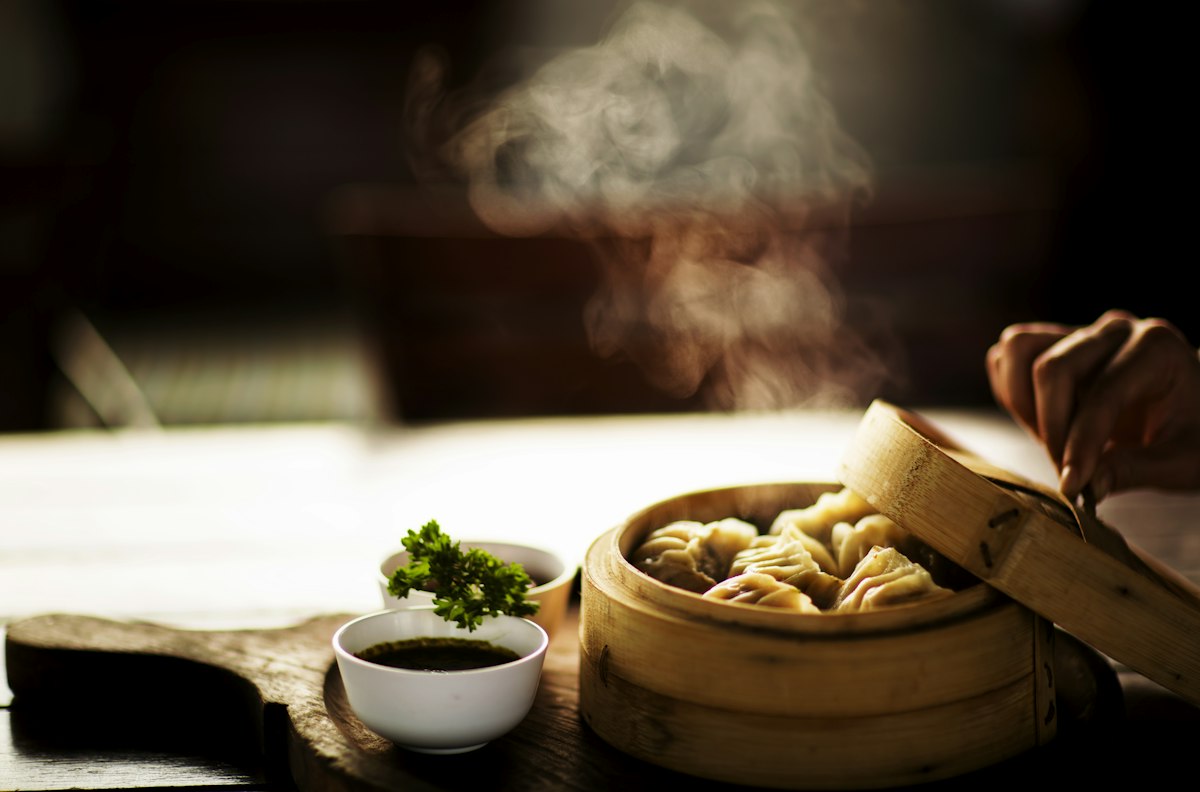 Food
Chinese Food Culture: Eight Cuisines, One Table
There is no such thing as Chinese food. There is Cantonese, Sichuan, Hunan, Jiangsu, Zhejiang, Fujian, Anhui and Shandong — and knowing which one you are eating changes everything.
8 min read
Food
Chinese Food Culture: Eight Cuisines, One Table
There is no such thing as Chinese food. There is Cantonese, Sichuan, Hunan, Jiangsu, Zhejiang, Fujian, Anhui and Shandong — and knowing which one you are eating changes everything.
8 min read
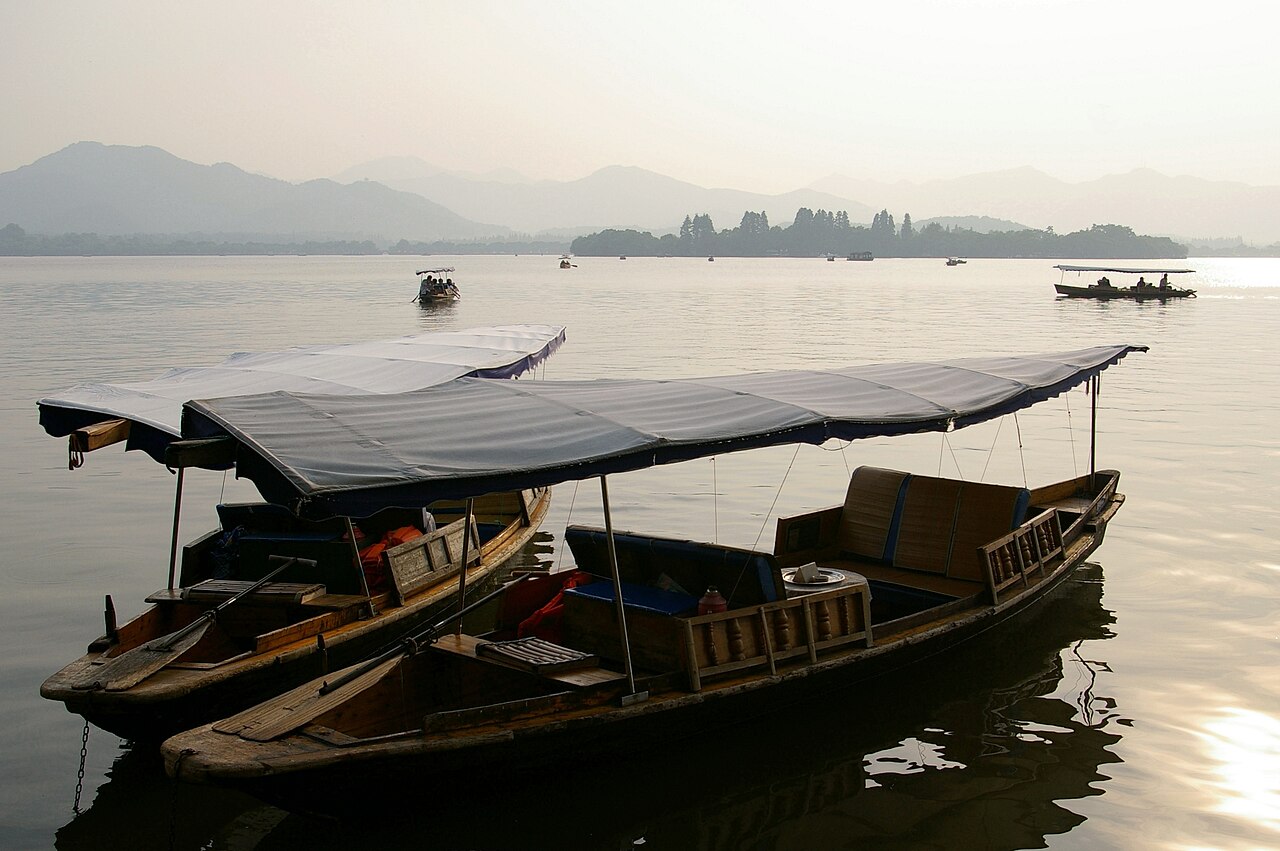 Traditions
Chinese Tea Culture: Six Classes, One Pot, Two Fingers
Tea in China is not a beverage category, it is a social technology: it fills silences, seals deals and sets the pace of a meal. Here is how to sit down in one and not look lost.
7 min read
Traditions
Chinese Tea Culture: Six Classes, One Pot, Two Fingers
Tea in China is not a beverage category, it is a social technology: it fills silences, seals deals and sets the pace of a meal. Here is how to sit down in one and not look lost.
7 min read
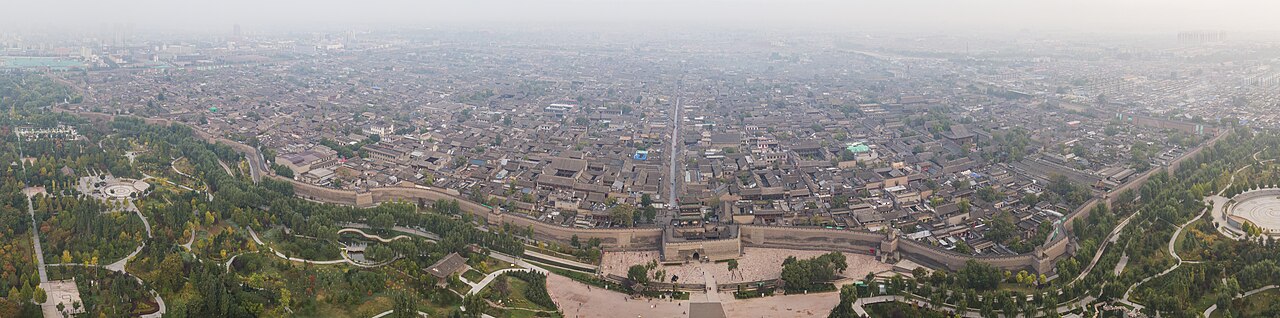 Traditions
Chinese Festivals: The Calendar, the Dates and the Crowds
Lunar dates mean the calendar moves every year — and two of the festivals move several hundred million people at once. Plan around them or plan into them, but never by accident.
8 min read
Traditions
Chinese Festivals: The Calendar, the Dates and the Crowds
Lunar dates mean the calendar moves every year — and two of the festivals move several hundred million people at once. Plan around them or plan into them, but never by accident.
8 min read
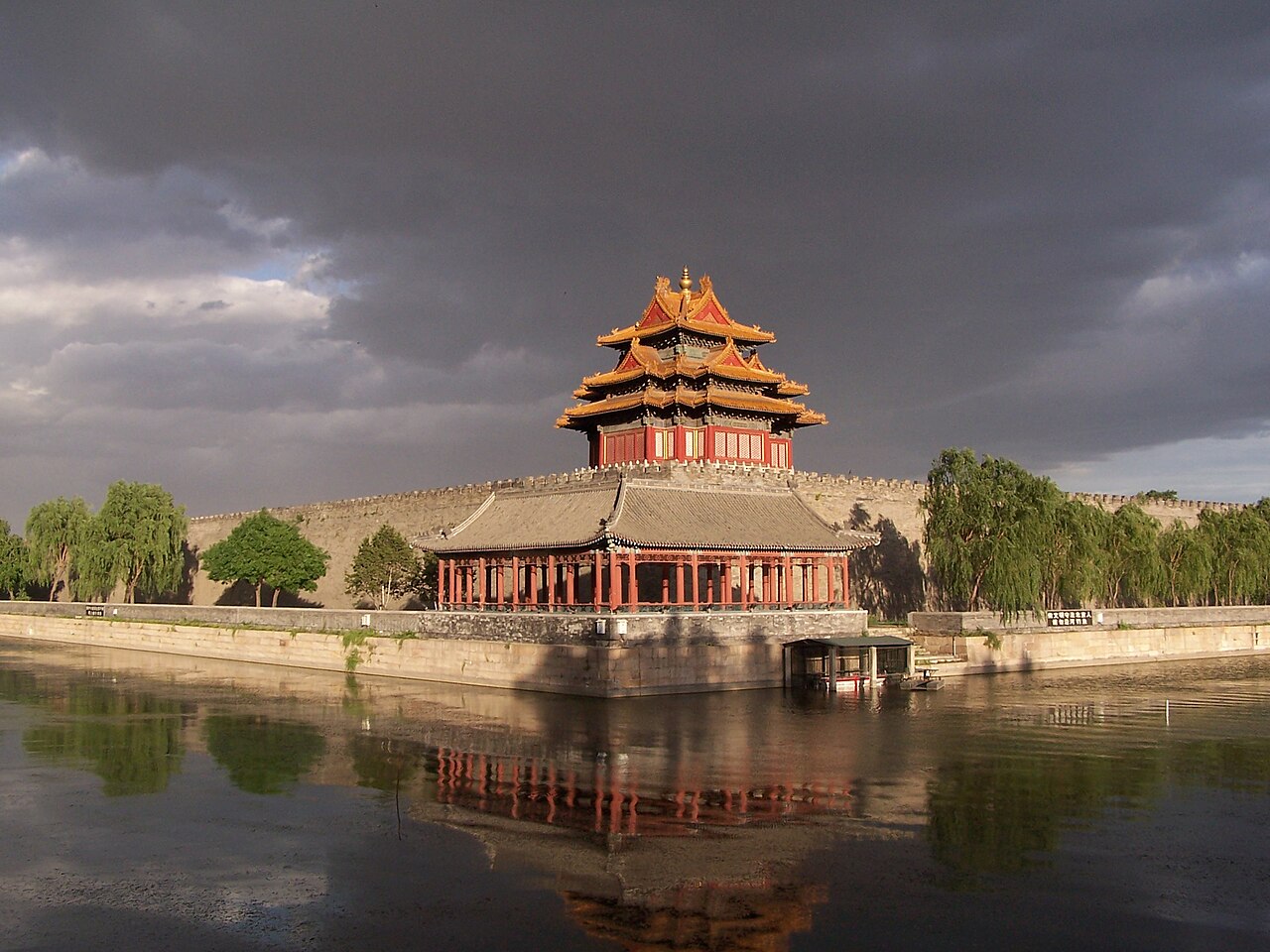 Etiquette
Chinese Etiquette: What Matters, What Does Not, and Why
Most etiquette advice for China is either obvious or wrong. These are the dozen behaviours that actually change how you are treated, and the reasoning behind each.
7 min read
Etiquette
Chinese Etiquette: What Matters, What Does Not, and Why
Most etiquette advice for China is either obvious or wrong. These are the dozen behaviours that actually change how you are treated, and the reasoning behind each.
7 min read
 Arts
Chinese Calligraphy and Painting: Brush, Ink and Empty Space
In China, writing was the first art and painting grew out of it. Understanding that one fact makes every ink painting in every museum make sense.
8 min read
Arts
Chinese Calligraphy and Painting: Brush, Ink and Empty Space
In China, writing was the first art and painting grew out of it. Understanding that one fact makes every ink painting in every museum make sense.
8 min read
 Peoples
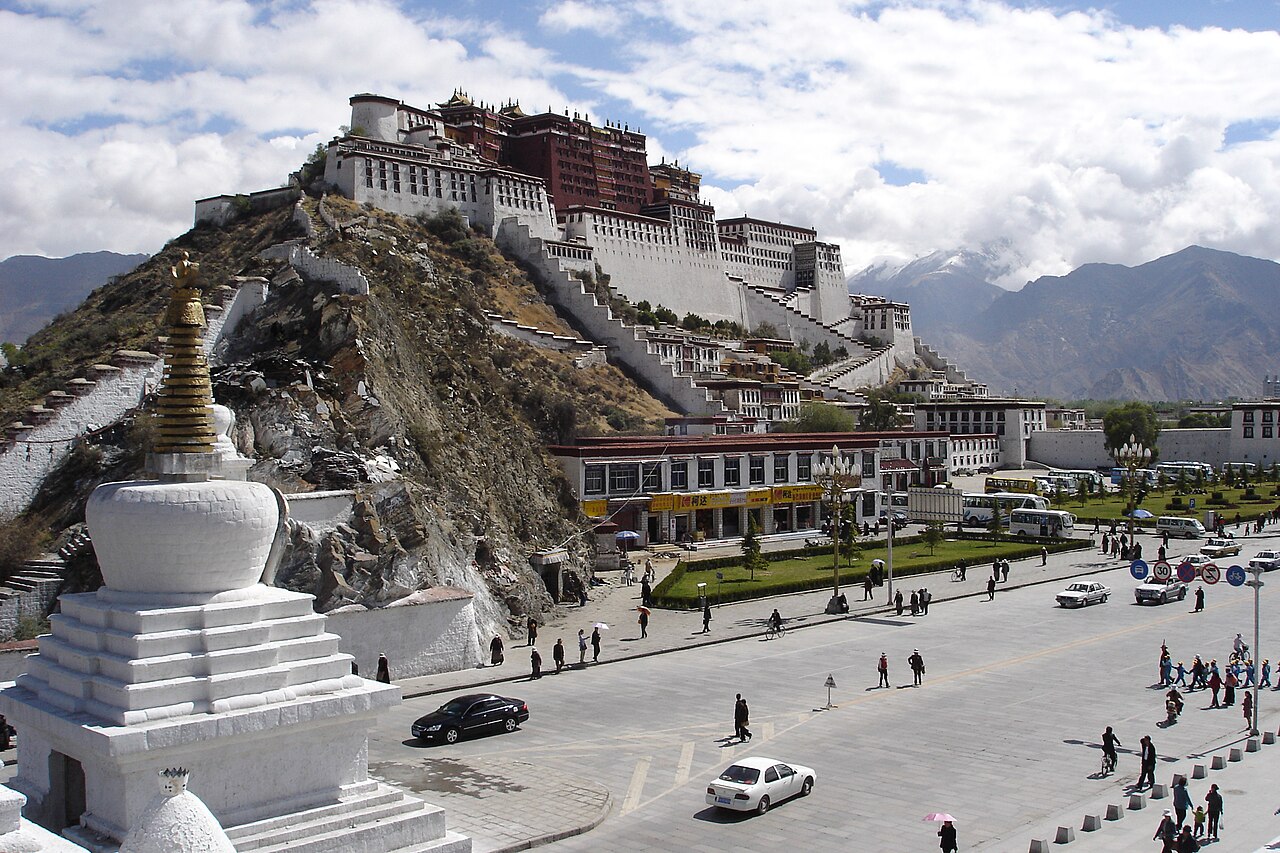
China's Ethnic Minorities: 55 Groups, and Where to Meet Them
Roughly one in twelve people in China is not Han. Their languages, crafts and festivals are the least visited part of the country, and in several regions the most rewarding.
8 min read
Peoples
China's Ethnic Minorities: 55 Groups, and Where to Meet Them
Roughly one in twelve people in China is not Han. Their languages, crafts and festivals are the least visited part of the country, and in several regions the most rewarding.
8 min read
Start where your interest is
Frequently asked questions
Do I need to speak Chinese to travel in China?
No. English works in hotels, airports and major sights, and your guide handles the rest. Outside the big cities, however, fewer than one adult in ten speaks English, which is precisely why we put a licensed guide beside you.
Do people tip in China?
Tipping is not traditional in China and small street businesses will refuse it. Hotels and restaurants rarely add service charges. Guide and driver tips are the exception and are appreciated, at roughly US$8–12 and US$4–6 per day.
What are the rules on photography at temples and shrines?
Ask before photographing people, especially monks and elderly worshippers; some halls prohibit photography entirely and post a sign. Never photograph military installations or airport security. Drones need permits and are banned in most city centres.
What table manners should I know?
Wait for the host to show you your seat and let the host or eldest guest begin first. Lay chopsticks on the rest horizontally, never upright in rice, which mimics funeral incense. Leaving a little food signals you were served enough.
When are the main Chinese festivals?
Chinese New Year follows the lunar calendar and moves each year; 17 February 2026 begins the Year of the Horse. Mid-Autumn Festival falls on 25 September 2026. Travelling in the first week of New Year costs 20–30% more and books out early.
What should I give as a gift?
Give and receive gifts with both hands, and choose something from home — local food, a book, good tea — rather than anything expensive, which creates obligation. Avoid clocks, sharp objects and sets of four, all of which carry funeral meaning.
Explore next
Culture guides
- Chinese Food Culture: Eight Cuisines, One Table
- Chinese Tea Culture: Six Classes, One Pot, Two Fingers
- Chinese Festivals: The Calendar, the Dates and the Crowds
- Chinese Etiquette: What Matters, What Does Not, and Why
- Chinese Calligraphy and Painting: Brush, Ink and Empty Space
- China's Ethnic Minorities: 55 Groups, and Where to Meet Them
Travel guides
- Do I Need a Visa for China? Requirements, Costs and How to Apply
- China's 240-Hour Visa-Free Transit: Who Qualifies and How It Works
- Paying in China: Alipay, WeChat Pay, Cards and Cash
- China's High-Speed Rail: How to Book, What It Costs, How Fast It Goes
- Is China Safe for Tourists? Honest Risks and How to Avoid Them
- Best Time to Visit China: Month by Month, Region by Region
Plan the trip
Tell us your dates.
We'll do the rest.
Free itinerary design, a revised plan within one working day, and nothing charged until you approve the final version.