The Terracotta Army
Three pits, roughly 8,000 figures, no two faces alike. Pit 1 is the spectacle; the museum beside it holds the bronze chariots and the paint that survives on a few.
Xi'an · Shaanxi
Xi'an is the capital of Shaanxi Province and the starting point of the Silk Road: the Terracotta Army, a 14 km Ming city wall and a Muslim Quarter that has fed travellers for 1,300 years. Private Xi'an tours from US$189 a day.
The short version
The place itself
Chang'an, as it was called for a thousand years, was the eastern end of the Silk Road and at one point the largest city on earth — a million people inside a grid of 108 wards, with markets that closed at drumbeat every evening. Foreign merchants were issued travel papers at the border and walked in from Samarkand.
The warriors were found by accident in 1974, by farmers digging a well during a drought. That is the character of Xi'an as a destination: the empire underneath is revealed by chance, while the city above ground keeps its own rhythm of noodle shops, drum towers and evening square dancing.
Xi'an also does something no other Chinese city does as well — it is honest about its Muslim history. The Quarter inside the west wall is 1,300 years old, still residential, still family-run, and at dusk it serves the best street food in northern China.
Pins are plotted from real latitude and longitude on a 5° graticule. This is a schematic orientation diagram, not a political map — no boundaries are drawn.
Three pits, roughly 8,000 figures, no two faces alike. Pit 1 is the spectacle; the museum beside it holds the bronze chariots and the paint that survives on a few.
14 km of ramparts you can walk or cycle, with a moat and park beneath. The South Gate at dusk is the classic entry.
A Hui neighbourhood of 1,300 years — beef and lamb skewers, hand-torn noodles, pomegranate juice, and a Great Mosque built in Chinese temple style.
Built in 652 to hold the scriptures Xuanzang brought back from India. The north square runs a fountain show after dark.
Around 370,000 objects covering the Zhou, Qin, Han and Tang dynasties — free entry, and the best single primer on the region in China.
The underground tomb of Emperor Jingdi, with a glass walkway over the burial pits. Far quieter than the warriors.
The essential first-time itinerary: imperial Beijing, the Terracotta Army in Xi'an and futuristic Shanghai, linked by high-speed rail.
From US$1,290 US$1,490/per person
The three great capitals plus a morning with the pandas of Chengdu — the trip we recommend to seven out of ten first-time visitors.
From US$1,690/per person
View tourXi'an to Dunhuang along the Hexi Corridor: desert fortresses, camel treks at Mingsha Shan and the caves of a Thousand Buddhas.
From US$2,690/per person
View tourNine days eating across four regional cuisines, with cooking classes, market walks and a Chengdu hotpot night that goes late.
From US$1,780/per person
View tourTwelve days built for children: panda mornings, dumpling classes, a Great Wall toboggan, karst rivers and no 5 a.m. wake-ups.
From US$1,980/per person
View tourFive regions, one journey: imperial north, panda country, the karst rivers of Guilin and the skyline of Shanghai, with Hangzhou's West Lake.
From US$2,580/per person
View tour
Xi'an
Pit 1 before the coaches, the bronze chariots, then the city wall at dusk — the two halves of Xi'an in one day.
From US$98/per person
View tour
Xi'an
Cycle the only complete Ming city wall in China in the cool of the morning, then eat your way through the Hui quarter the Silk Road left behind.
From US$89/per person
View tour
Xi'an
The western peak by cable car, the ridge walk to the south peak, and the plank walk if you want it — China's most vertical sacred mountain in a day.
From US$139/per person
View tourXi'an Xianyang International (XIY) handles daily non-stops to Europe, North America and Central Asia, plus dense domestic coverage. Metro Line 14 links it to the north station and the city.
High-speed rail runs 4h 30m from Beijing West and about 3h from Chengdu East, which makes Xi'an the natural hinge between north-west and south-west China.
Inside the wall, everything is close enough to walk; for the warriors and Han Yang Ling you need a vehicle, which is included on every private tour.
| Month | Weather | Crowds | Verdict |
|---|---|---|---|
| January | 4°C / -4°C · dry, cold | Quiet | Avoid |
| February | 6°C / -1°C · dry, cold | Very busy | Avoid |
| March | 14°C / 5°C · dry, cold | Moderate | Good |
| April | 21°C / 12°C · clear and mild | Moderate | Best |
| May | 27°C / 18°C · clear and mild | Busy | Best |
| June | 31°C / 23°C · hot, humid | Moderate | OK |
| July | 32°C / 25°C · hot, humid | Busy | OK |
| August | 30°C / 24°C · hot, humid | Busy | OK |
| September | 26°C / 19°C · clear and mild | Moderate | Best |
| October | 20°C / 12°C · clear and mild | Very busy | Best |
| November | 12°C / 4°C · dry, cold | Quiet | Good |
| December | 5°C / -2°C · dry, cold | Quiet | Good |
Three days. One for the Terracotta Army and Huaqing Pool, one for the wall, the Muslim Quarter and the pagodas, one for the Shaanxi History Museum and Han Yang Ling. Two days works if you drop Han Yang Ling and take the first train out on day three.
Plan these days properly
Beijing
National Tour Guide Certificate, English
★★★★★4.9214 reviews
Zhang Wei grew up in a hutong ten minutes' walk from the Drum Tower, and he still starts most Beijing days there, before the crowds, when the lane smells of fried dough and soy milk. He has walked the Great Wall more than 300 times and keeps a hand-drawn map of which stretches are restored, which are not, and which justify an extra hour of driving. Guests tend to remember that he explains a Ming emperor's decision by first describing what the weather was doing that year.
We had seen the wall in pictures; Zhang Wei took us to a stretch where we were the only people for two hours.
Sarah M., United Kingdom
Xi'an
National Tour Guide Certificate, English
★★★★★4.9276 reviews
Liu Yun worked two field seasons on an excavation team outside Xi'an before he ever led a tour, and he still carries a small trowel in his day bag in case someone asks what the soil looks like. He presents the Terracotta Army as an industrial project — kilns, quotas, quality control — rather than a miracle. Fifteen years in, he is the guide other Xi'an guides call when a museum curator comes to town.
He explained the army as a production line, not a legend. Our teenagers asked questions for two hours straight.
David K., Australia
Visas
Do I Need a Visa for China? Requirements, Costs and How to Apply
China's entry rules changed more in the last three years than in the previous twenty. Here is exactly who needs a visa, what it costs, how long it takes and which passports now walk straight through.
9 min read
 Planning
Best Time to Visit China: Month by Month, Region by Region
China is the size of Europe, so 'the best month' depends on where you stand. Here is the month-by-month answer for the north, the Yangtze valley, the south and the plateau.
8 min read
Planning
Best Time to Visit China: Month by Month, Region by Region
China is the size of Europe, so 'the best month' depends on where you stand. Here is the month-by-month answer for the north, the Yangtze valley, the south and the plateau.
8 min read
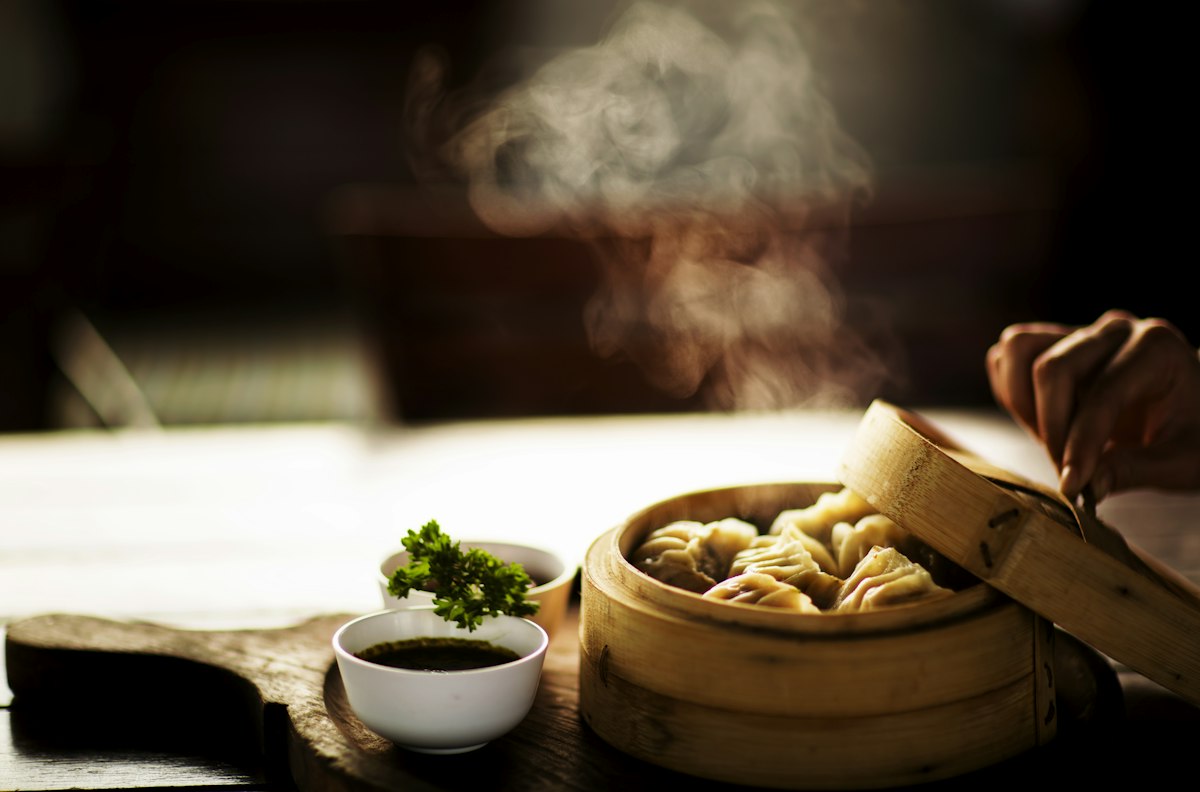 Food
Chinese Food Culture: Eight Cuisines, One Table
There is no such thing as Chinese food. There is Cantonese, Sichuan, Hunan, Jiangsu, Zhejiang, Fujian, Anhui and Shandong — and knowing which one you are eating changes everything.
8 min read
Food
Chinese Food Culture: Eight Cuisines, One Table
There is no such thing as Chinese food. There is Cantonese, Sichuan, Hunan, Jiangsu, Zhejiang, Fujian, Anhui and Shandong — and knowing which one you are eating changes everything.
8 min read
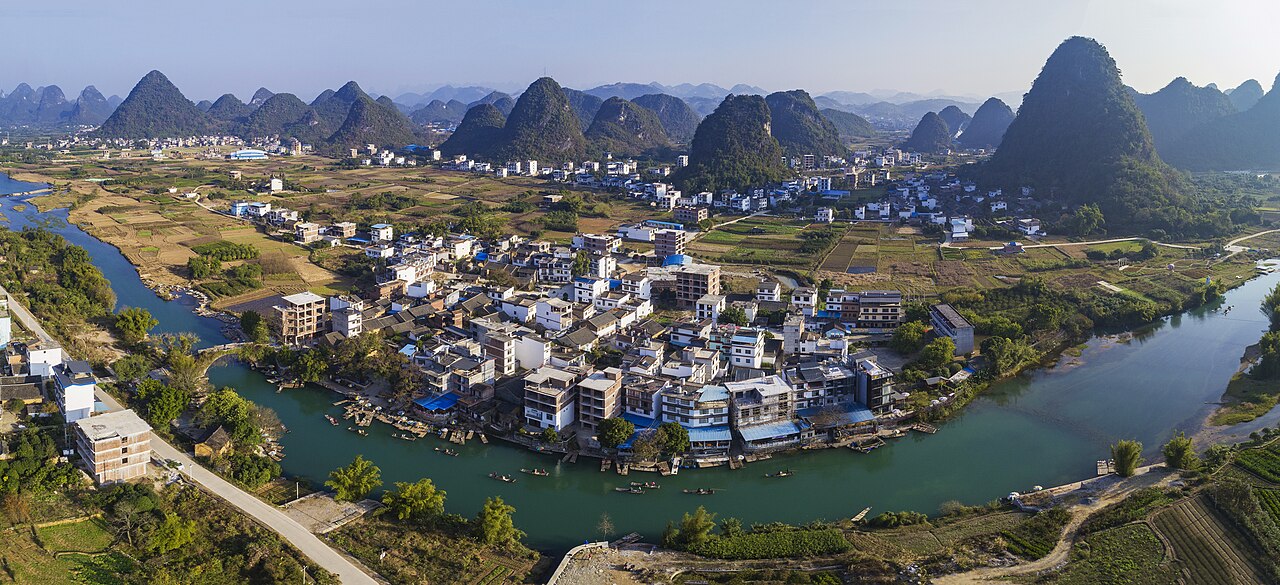 Arts
Chinese Calligraphy and Painting: Brush, Ink and Empty Space
In China, writing was the first art and painting grew out of it. Understanding that one fact makes every ink painting in every museum make sense.
8 min read
Beijing
Beijing Municipality · 6 tours
Beijing is China's capital and the most efficient place to start a first trip: the Forbidden City, the Great Wall, the Temple of Heaven and the hutong
Arts
Chinese Calligraphy and Painting: Brush, Ink and Empty Space
In China, writing was the first art and painting grew out of it. Understanding that one fact makes every ink painting in every museum make sense.
8 min read
Beijing
Beijing Municipality · 6 tours
Beijing is China's capital and the most efficient place to start a first trip: the Forbidden City, the Great Wall, the Temple of Heaven and the hutong
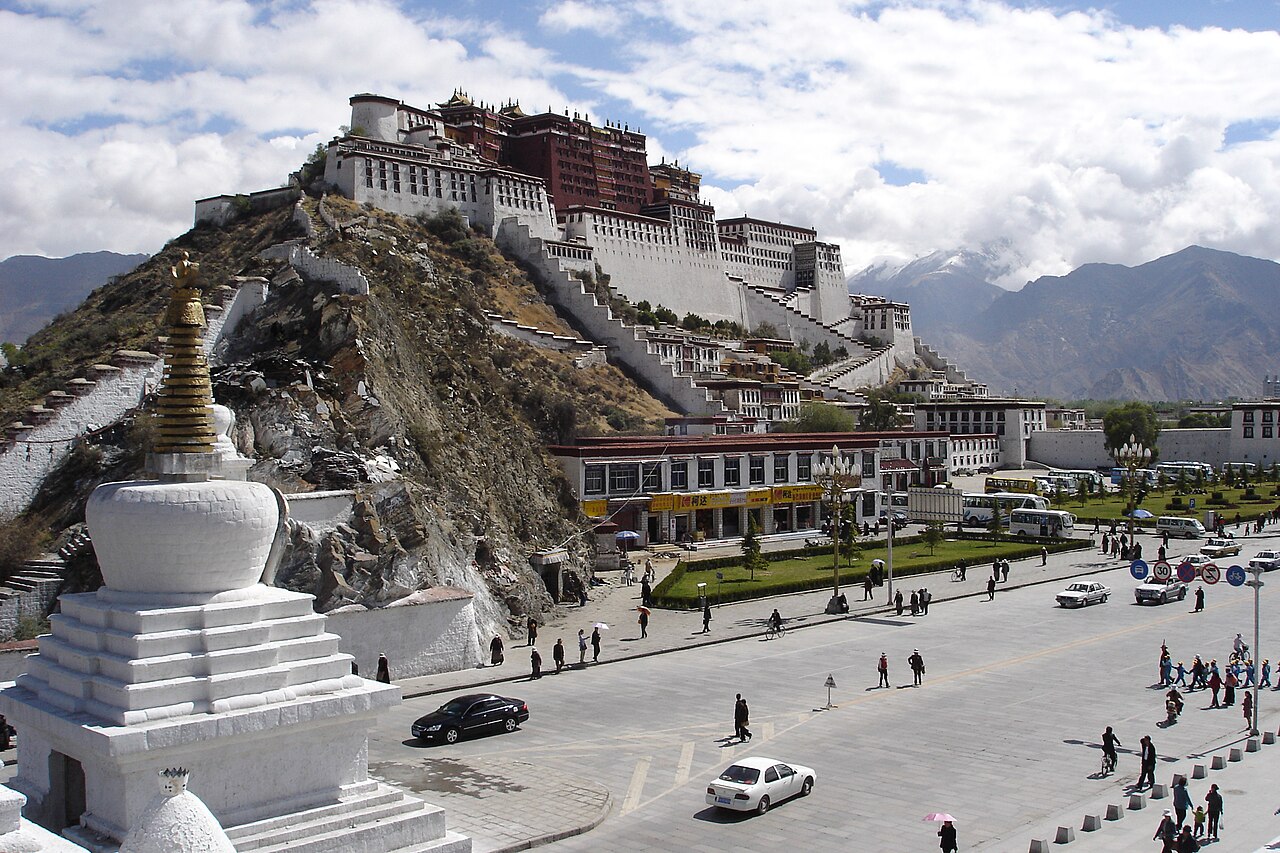 Qinghai
 · 2 tours
Qinghai Province sits on the north-eastern edge of the Tibetan Plateau and is reached through its capital, Xining. It offers Qinghai Lake, Kumbum Mona
Qinghai
Qinghai · 2 tours
Qinghai Province sits on the north-eastern edge of the Tibetan Plateau and is reached through its capital, Xining. It offers Qinghai Lake, Kumbum Mona
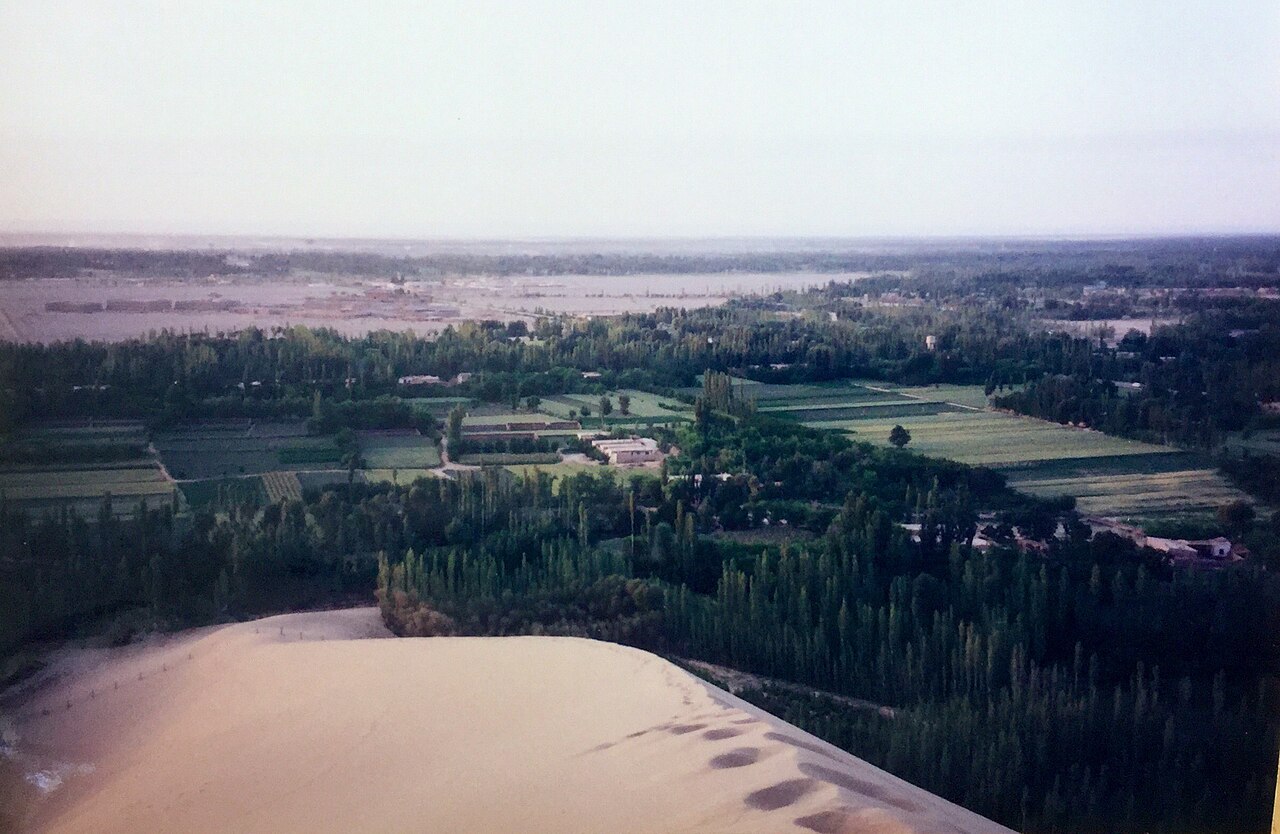 Gansu
Gansu · 1 tours
Gansu Province is the 1,600 km corridor that carried the Silk Road between China and Central Asia, and it is entered through Lanzhou, its capital. Wes
Gansu
Gansu · 1 tours
Gansu Province is the 1,600 km corridor that carried the Silk Road between China and Central Asia, and it is entered through Lanzhou, its capital. Wes
Xi'an is the capital of Shaanxi Province in north-west China. Note the spelling: Shaanxi, with a double a, distinguishes it from neighbouring Shanxi to the east. Shaanxi is where the Silk Road began and where the Qin, Han and Tang dynasties were based.
About 40 km east of the city, roughly one hour by road. Most itineraries pair it with Huaqing Pool on the same day and return to Xi'an in the late afternoon. Allow a half-day, or a full day if you want the bronze chariot gallery properly.
Three days is comfortable: the Terracotta Army and Huaqing Pool on day one, the city wall, Muslim Quarter and pagodas on day two, the Shaanxi History Museum and Han Yang Ling on day three. Two days works if you cut Han Yang Ling.
Yes, and it survives the hype. Roughly 8,000 figures across three pits, each face individually modelled, standing where they were placed before 210 BC. Go early and let your guide take you to Pit 3 and the museum after Pit 1.
In the Muslim Quarter: lamb skewers, hand-torn biang biang noodles, roujiamo, liangpi cold noodles and fresh pomegranate juice. A full street-food crawl costs around ¥60–100 per person.
Free itinerary design, a revised plan within one working day, and nothing charged until you approve the final version.