City guide · Gansu

Dunhuang travel guide: Mogao's painted caves, a singing dune, and how to ride the Silk Road on a budget

A desert oasis where Buddhist cave art survived a thousand years and a crescent lake refused to dry up.

  • Known forMogao Buddhist cave art, Singing Sand Dunes, Crescent Lake, Silk Road ruins
  • Typical spendAbout CNY 1,500-3,000 for 3 days
  • Ideal length3 days, 4 with Jiayuguan
  • PaceModerate — one long day trip, two easy days

Reviewed by our Beijing team Updated 2026-10-10

The short version

Dunhuang is worth 3 full days: the Mogao Caves hold 735 painted grottoes from the 4th century onward (CNY 160 high season, 80 low season), Crescent Lake and the Singing Sand Dunes are one combined CNY 120 ticket, and the western line — Yumen Pass, Han Great Wall, and the Yardang 'Ghost City' — costs about CNY 86 on the shuttle bus. Come May to October. Spring brings sandstorms, winter drops below -24°C, and Lanzhou in Gansu province is your rail and air hub to get here.

  • Mogao Caves: CNY 160 May-Oct, CNY 80 Nov-Apr; last tickets sold at 16:00 high season, 15:00 low season — book online days ahead.
  • Bus 8 runs city center to Mogao (CNY 8, 30 min); bus 3 runs to the dunes and Crescent Lake (CNY 1, 20 min); both leave from the Silk Road Hotel near Shazhou Market.
  • The western-line shuttle (Yumen Pass, Han Great Wall, Yardang Ghost City) is CNY 86 one way, departs 07:30 and 13:30 — no afternoon run in winter.
  • Dunhuang sits at 1,139 m — no altitude sickness, but the desert sun at 38°C in July will wreck you without a hat and long sleeves.

City guide

First impressions

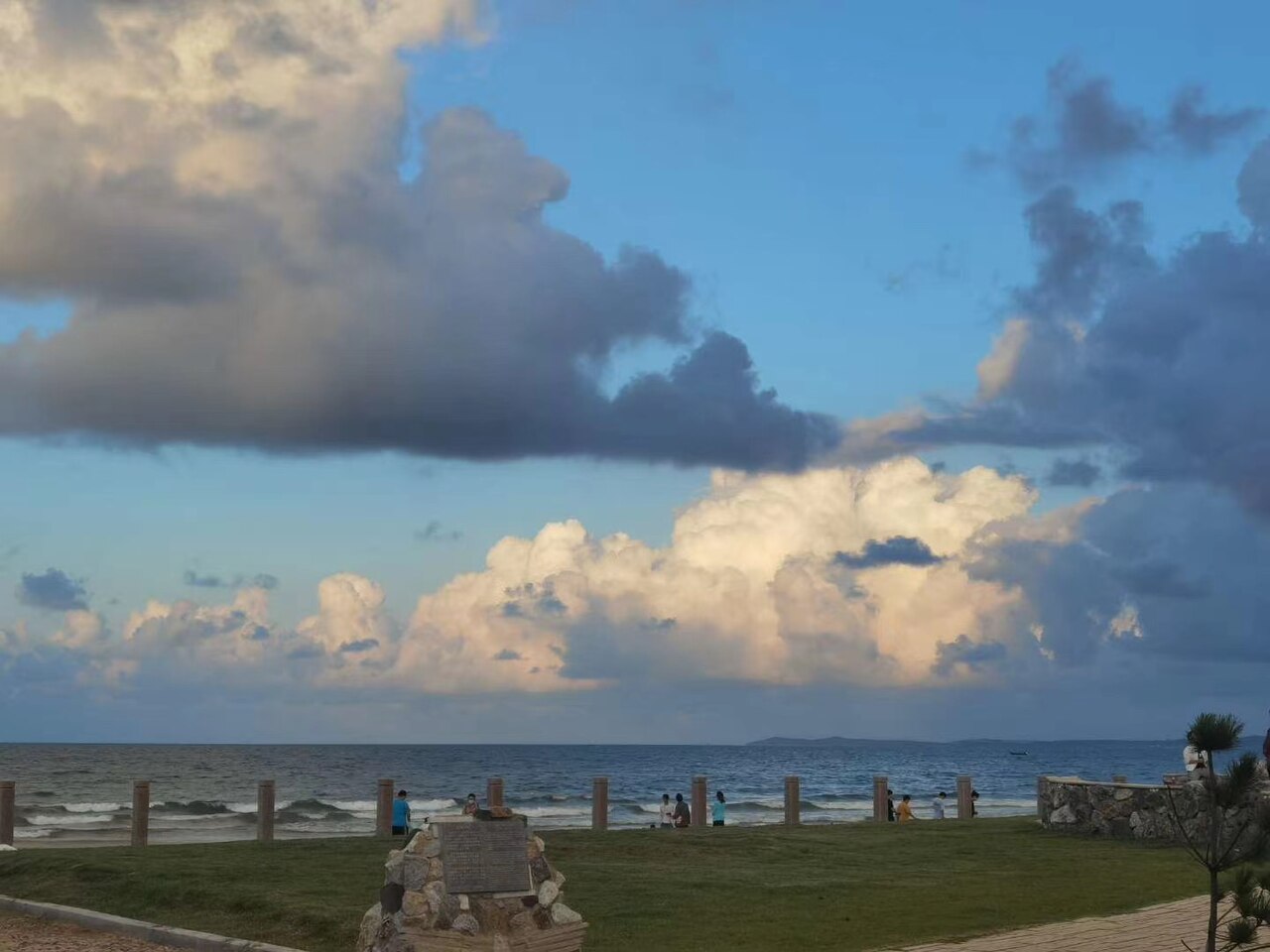
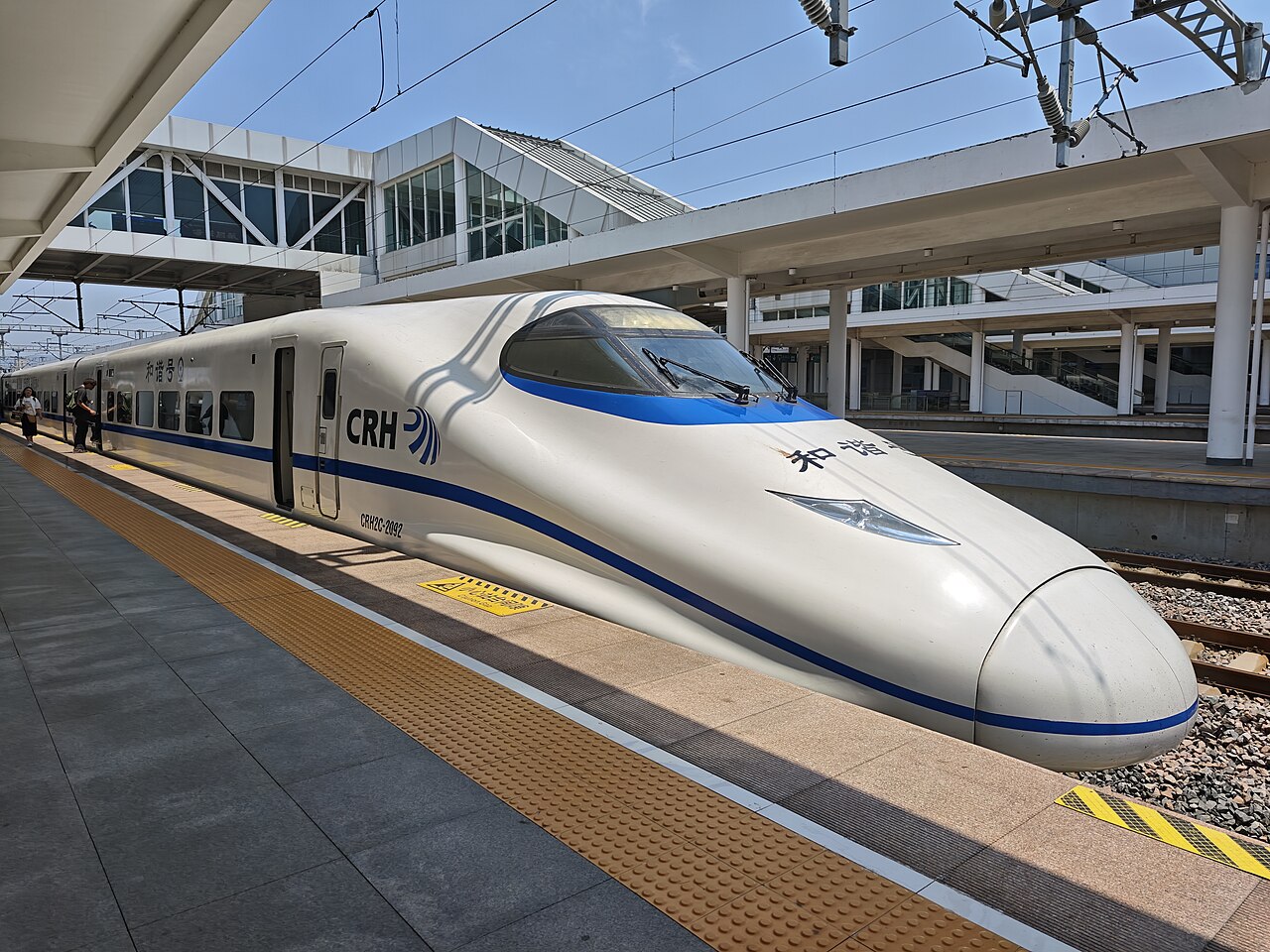
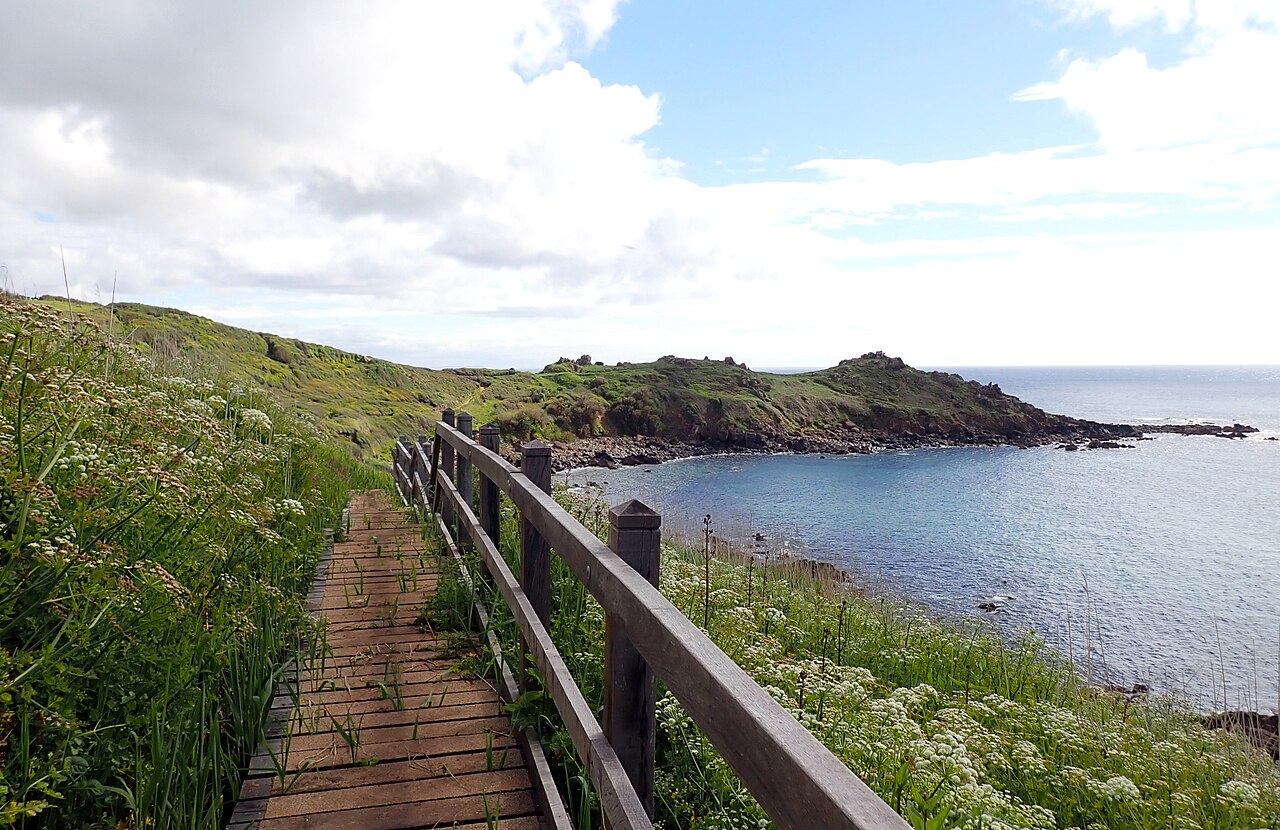
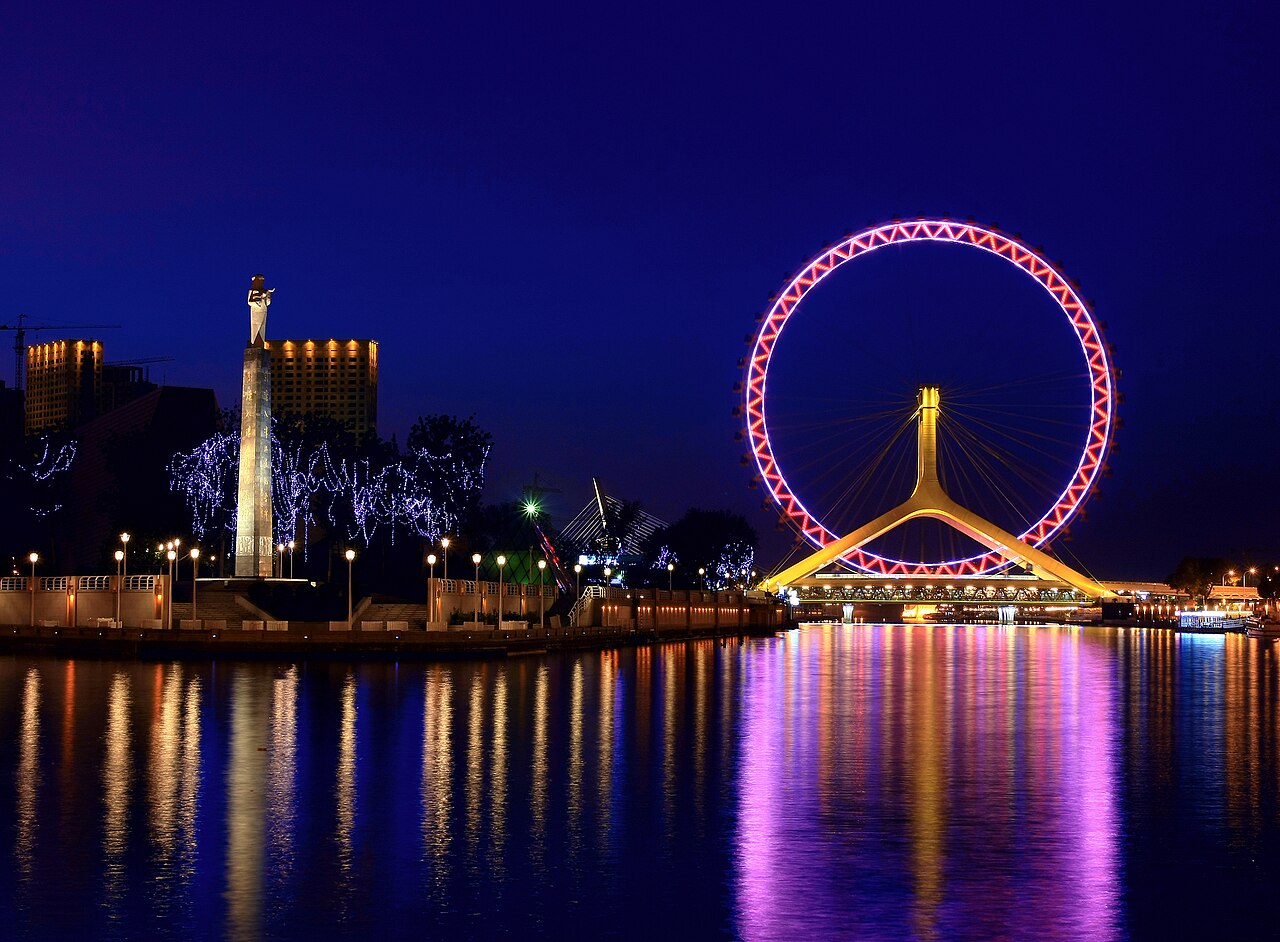
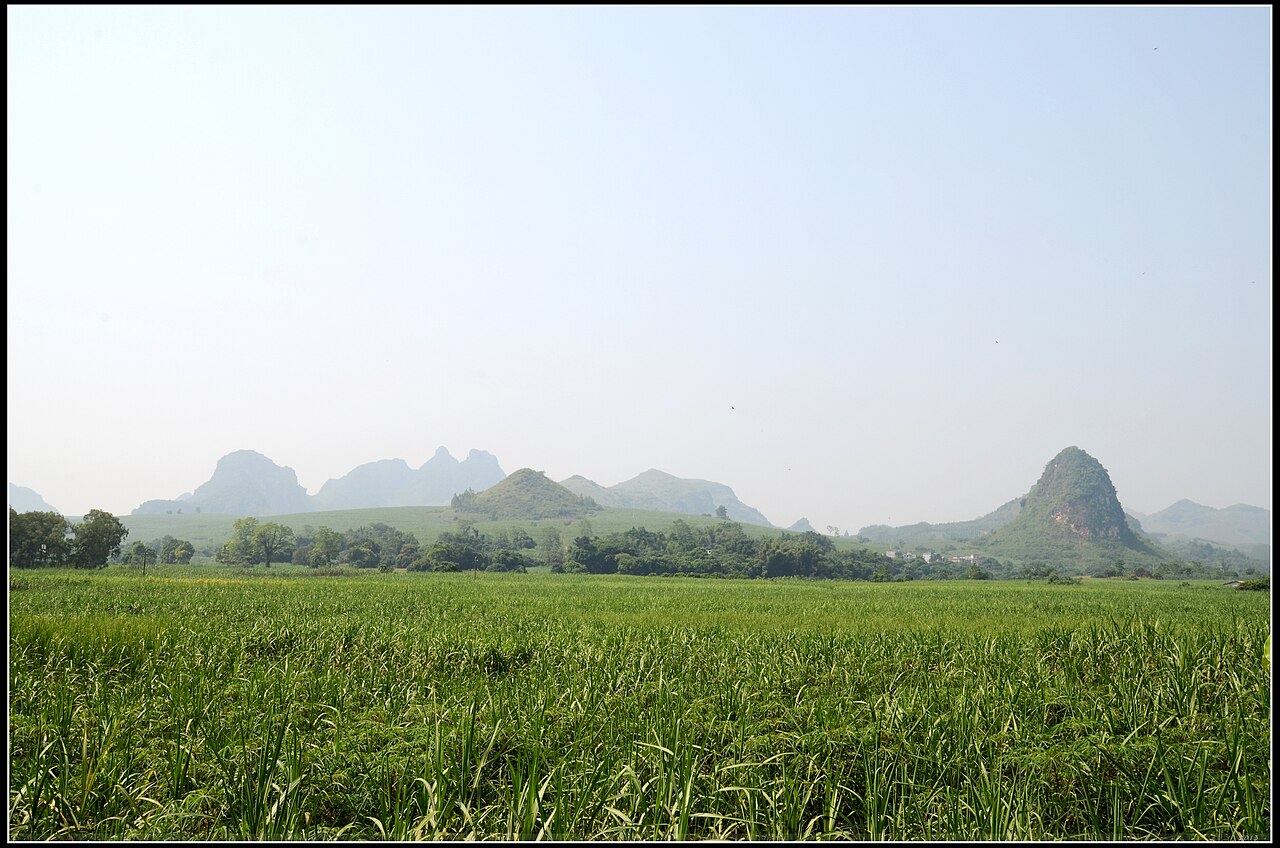
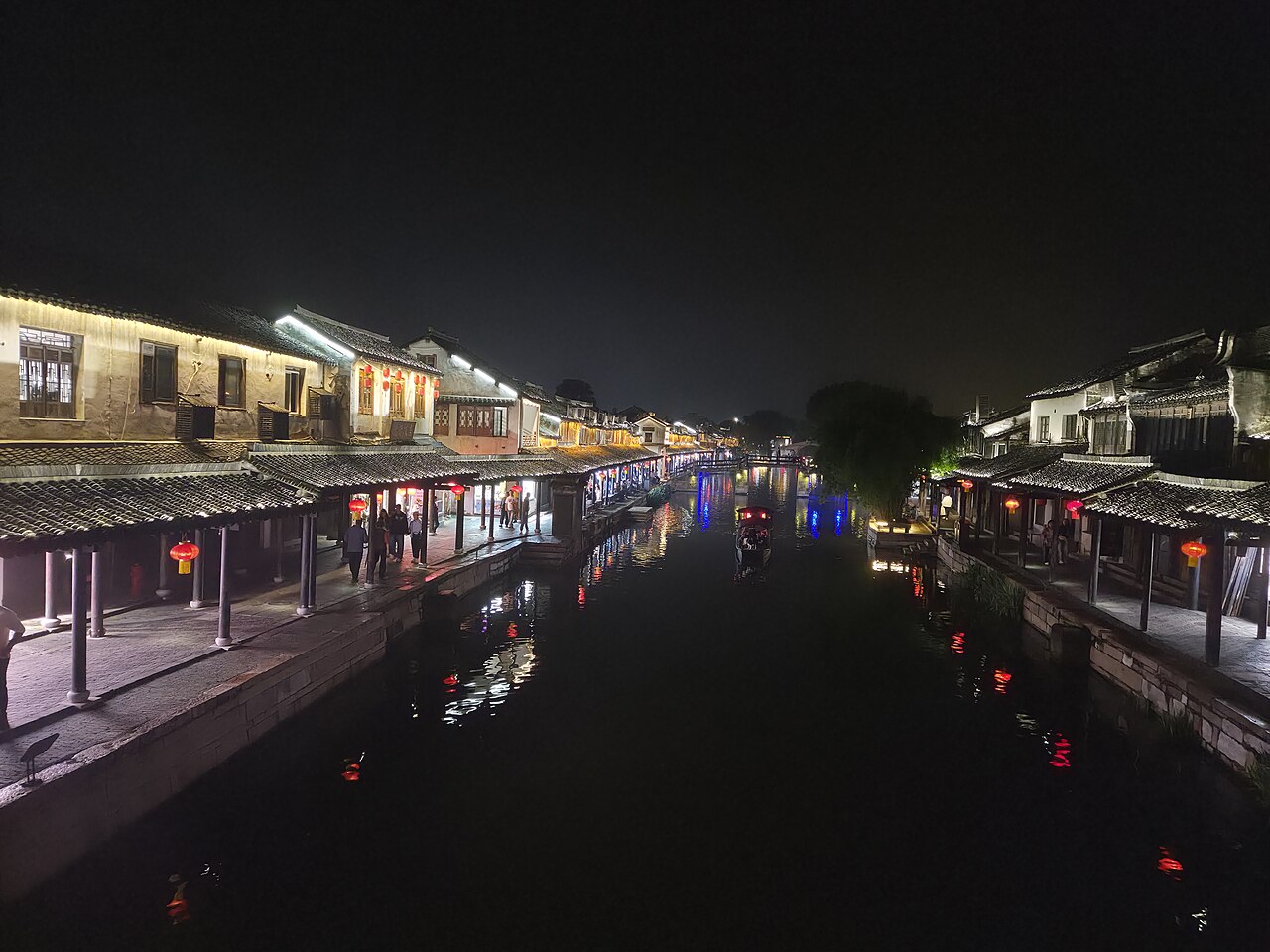
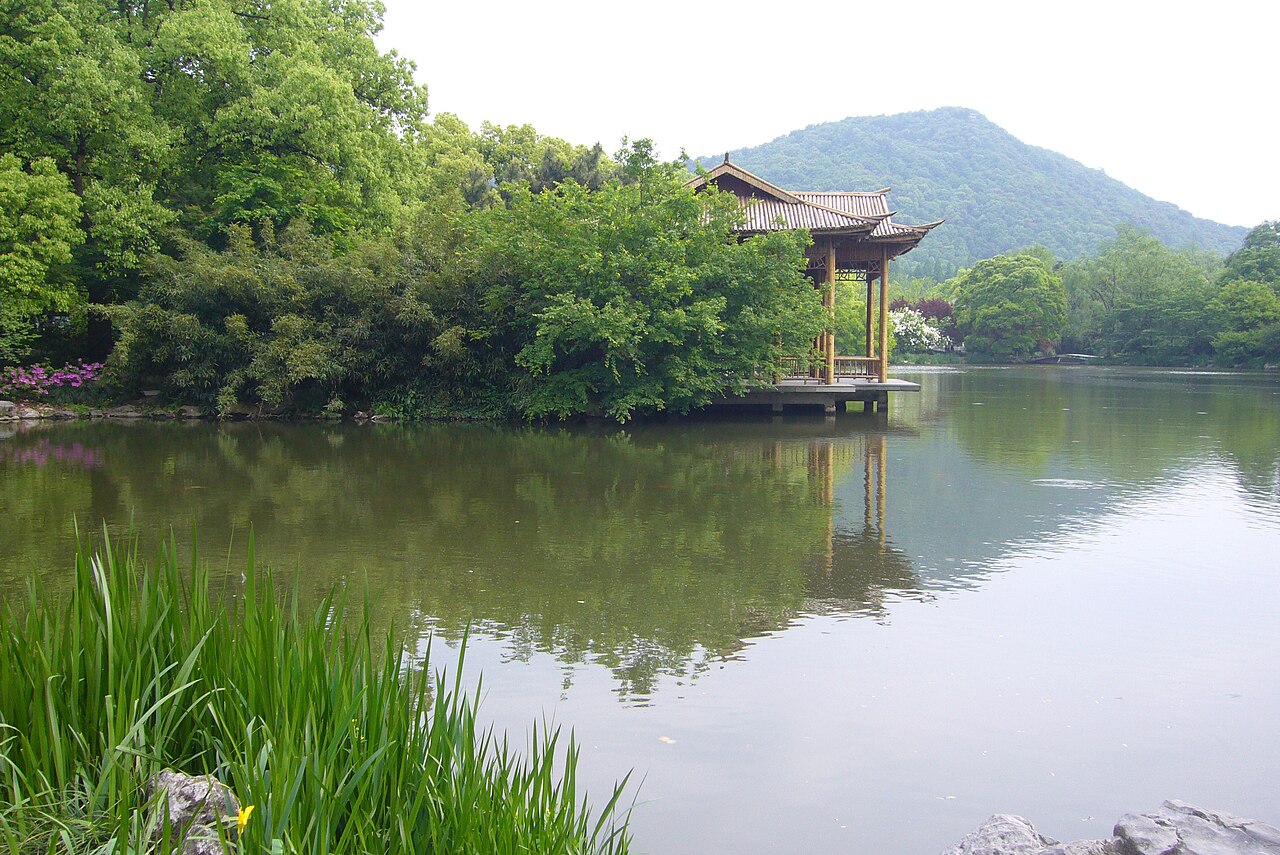
Photographs from the coast, and what other travellers wrote afterwards.

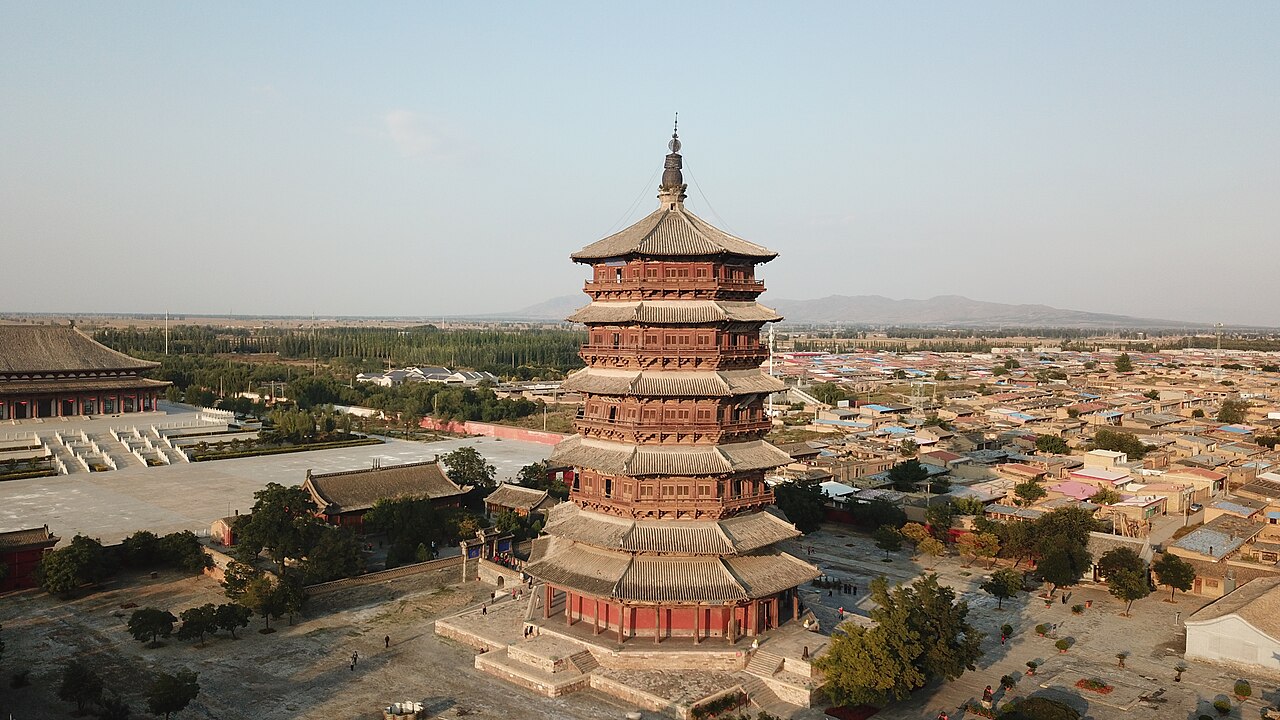
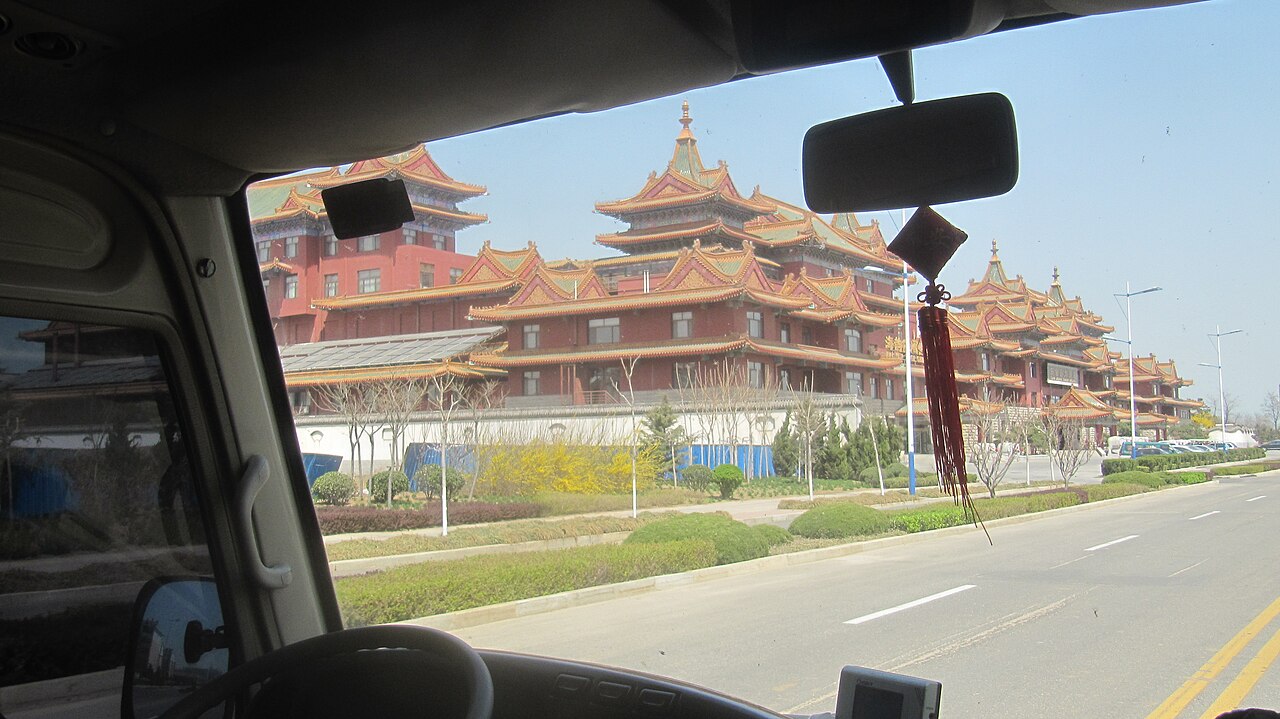
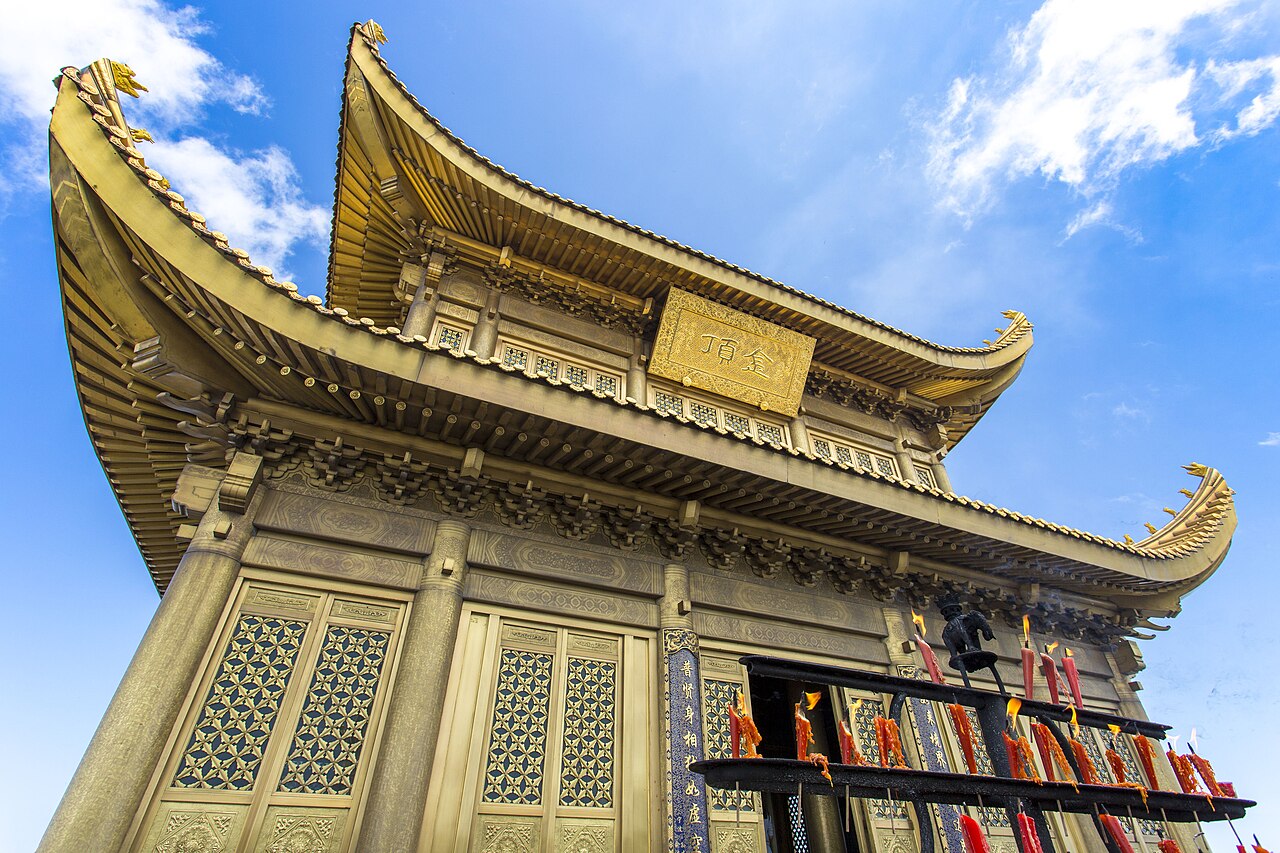
The nine-story pagoda at Mogao Caves, built over the 35.5-meter Buddha of Cave 96
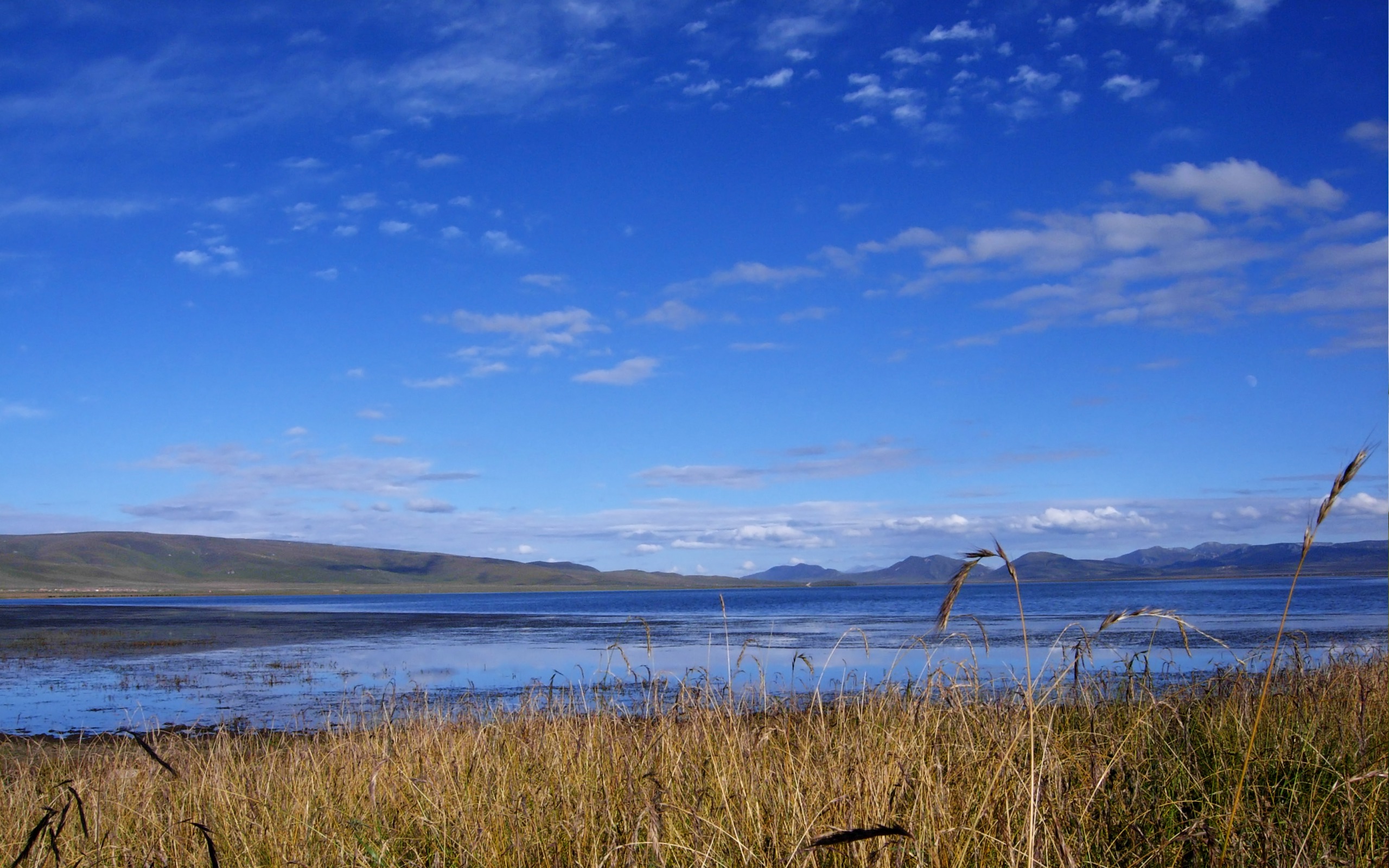
Crescent Lake curling inside the Singing Sand Dunes at dusk
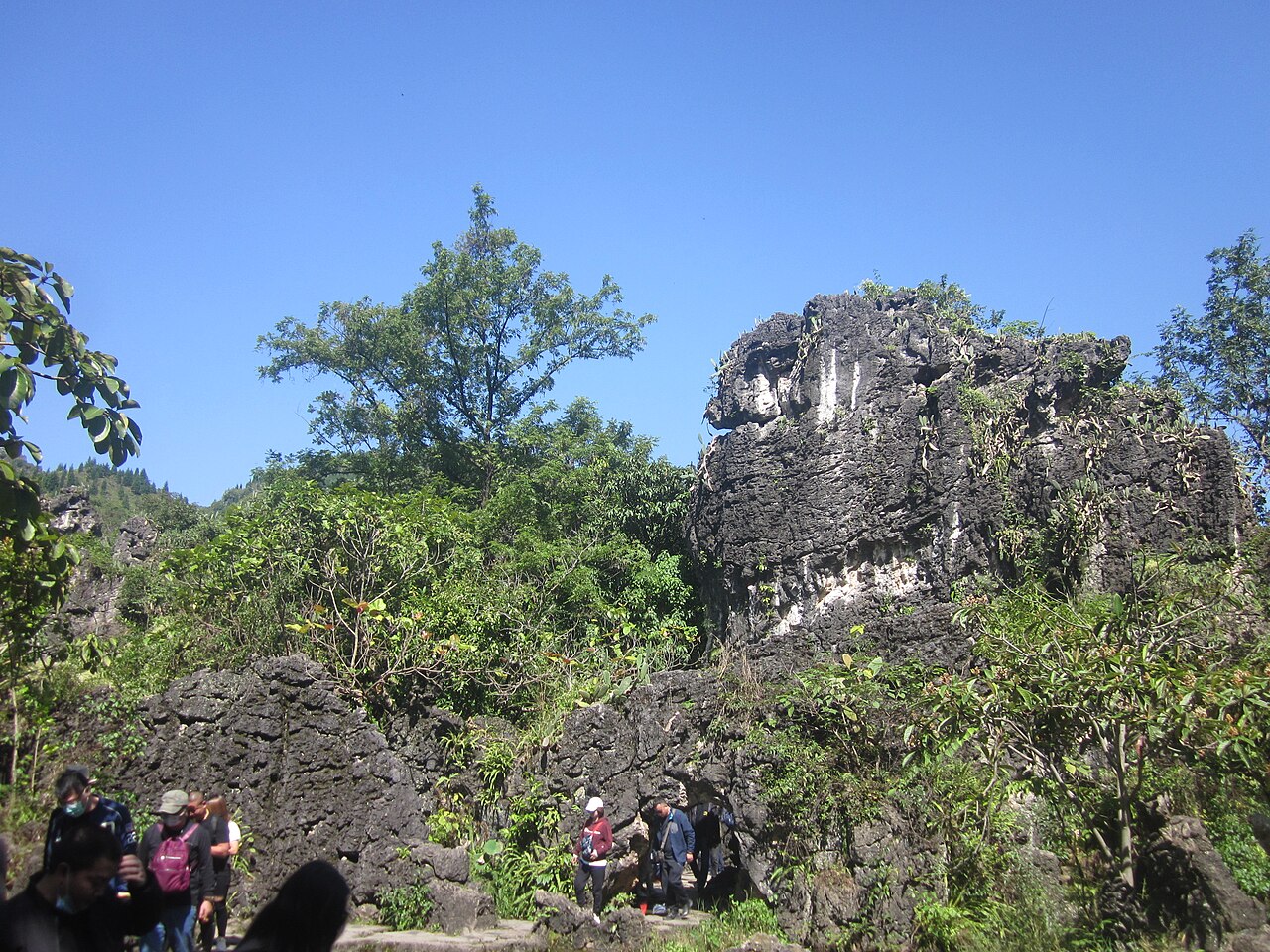
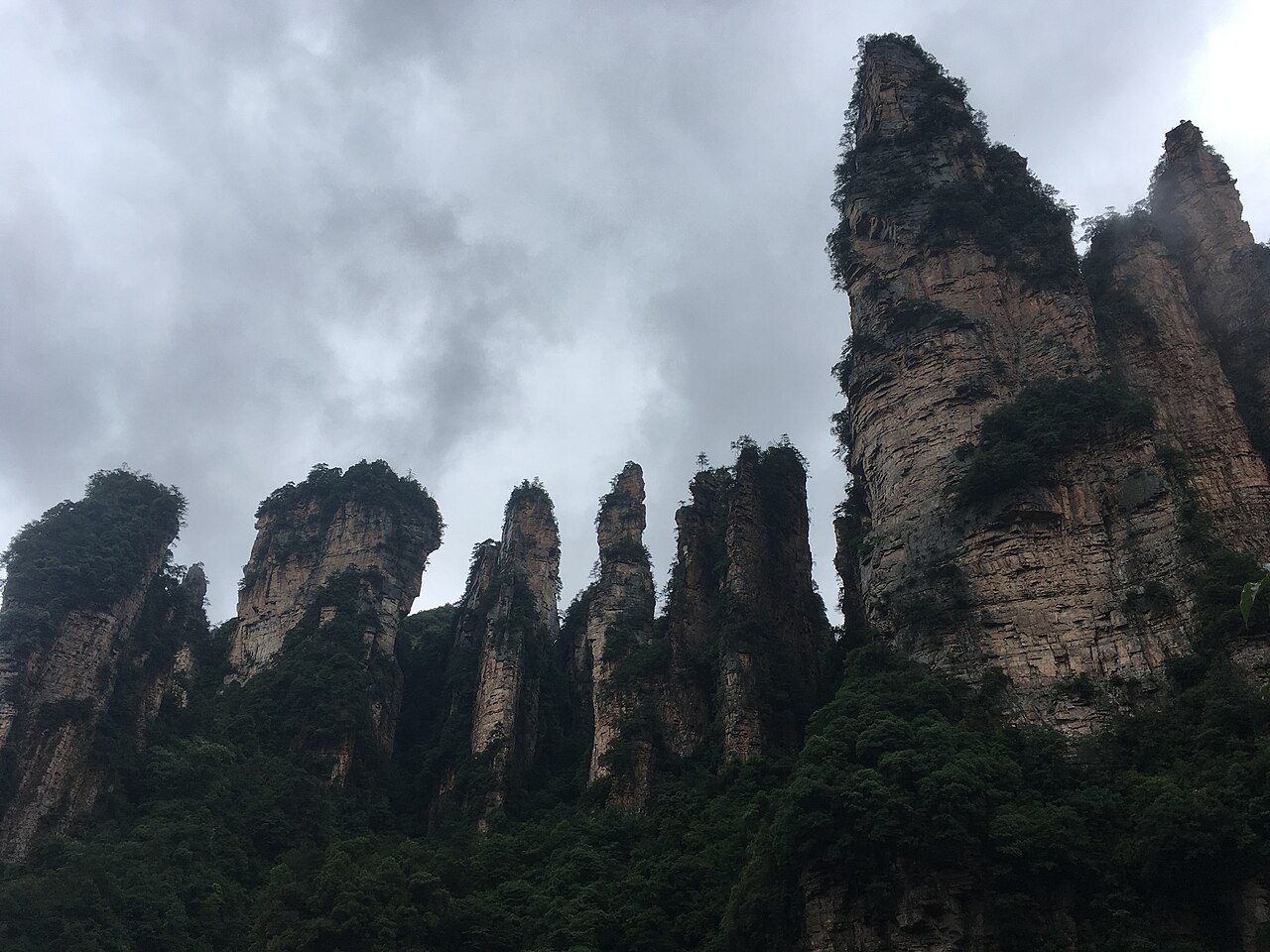
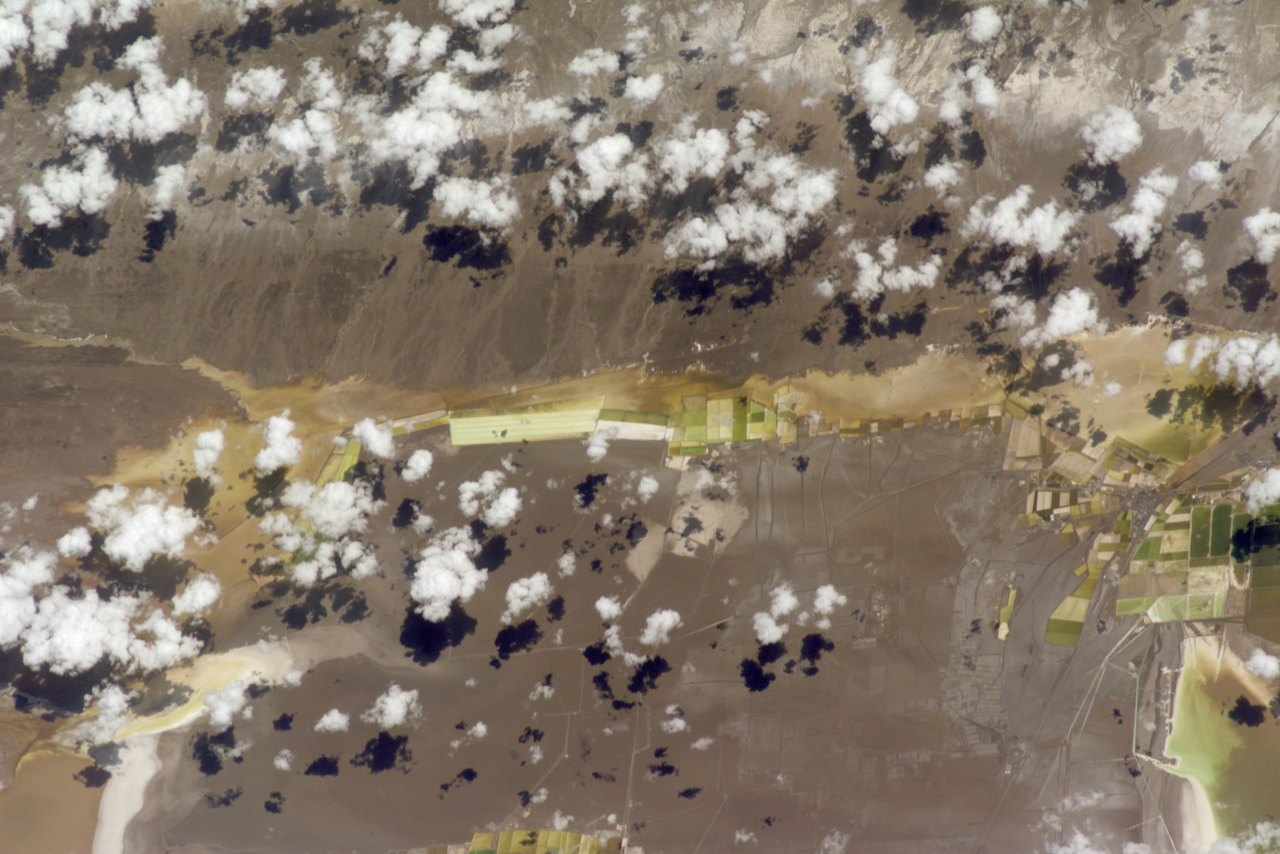
Yardang 'Ghost City' — wind-carved clay formations on the road to Yumen Pass
A camel caravan climbing the ridge at Mingsha Shan, silhouetted against the sand

A stretch of Gobi desert, a stretch of oasis, and Crescent Lake — that's all it takes to be this beautiful. We rode camels, looked at the long caravan of other camel riders ahead of us, and for a moment felt we had traveled back a few thousand years to a Silk Road trading party.

Adam_k, 'March, Wandering Among Miracles (Dunhuang and Tibet)'

Just imagine: on a vast gravel plain, a small road heading toward the horizon. Around you nothing but yellow sand, but in your heart there is an oasis — and on that oasis there is a Loulan girl with sand on her face. The road stops being boring.

Adam_k, 'Gansu: Along the Silk Road, All the Way to Dunhuang'

You arrive on a flat, dusty road and the desert arrives with you. For the last hour there is nothing but gravel plain, camel thorn, and a horizon that never quite resolves. Then the oasis appears — a green band of poplars and irrigated fields, and behind them the low grey cliff at Mogao where someone, around 366 AD, looked at a hillside and decided to carve a Buddha into it.

Each cave at Mogao is a sealed room with its own climate, its own century, its own painter's hand. A guide unlocks a door, you step into the dark, and a flashlight beam swings across a wall of flying apsaras in mineral blue and malachite green that has not faded in 1,200 years. No photographs are allowed inside, and after the first cave you understand why: your eyes need the whole dark to adjust, and the paintings deserve the undivided attention.

After the caves, the desert takes over. You climb the ridge at Mingsha Shan in the late afternoon, the sand squeaking underfoot, and look down at Crescent Lake — a sliver of water and reeds held in the crook of a dune for two thousand years. At night you eat lamb skewers and apricot juice in Shazhou Night Market, surrounded by jade sellers and Uyghur noodle cooks, and the whole Silk Road suddenly feels less like history and more like dinner.

Dunhuang

Don't leave without

Seven things that are worth rearranging a day for.

  1. Stand inside Cave 96 at Mogao, the 35.5-meter Buddha that gives the nine-story pagoda its name
  2. Ride a camel up the Singing Sand Dunes at sunset, then sand-sled down the same slope
  3. Watch the sun set over the Yardang 'Ghost City' — wind-carved clay castles that glow orange at dusk
  4. Walk the broken earth walls of Yumen Pass, the Han dynasty gate where exiled officials once said goodbye
  5. Eat a plate of donkey-meat yellow noodles at Shunzhang, Dunhuang's century-old noodle house
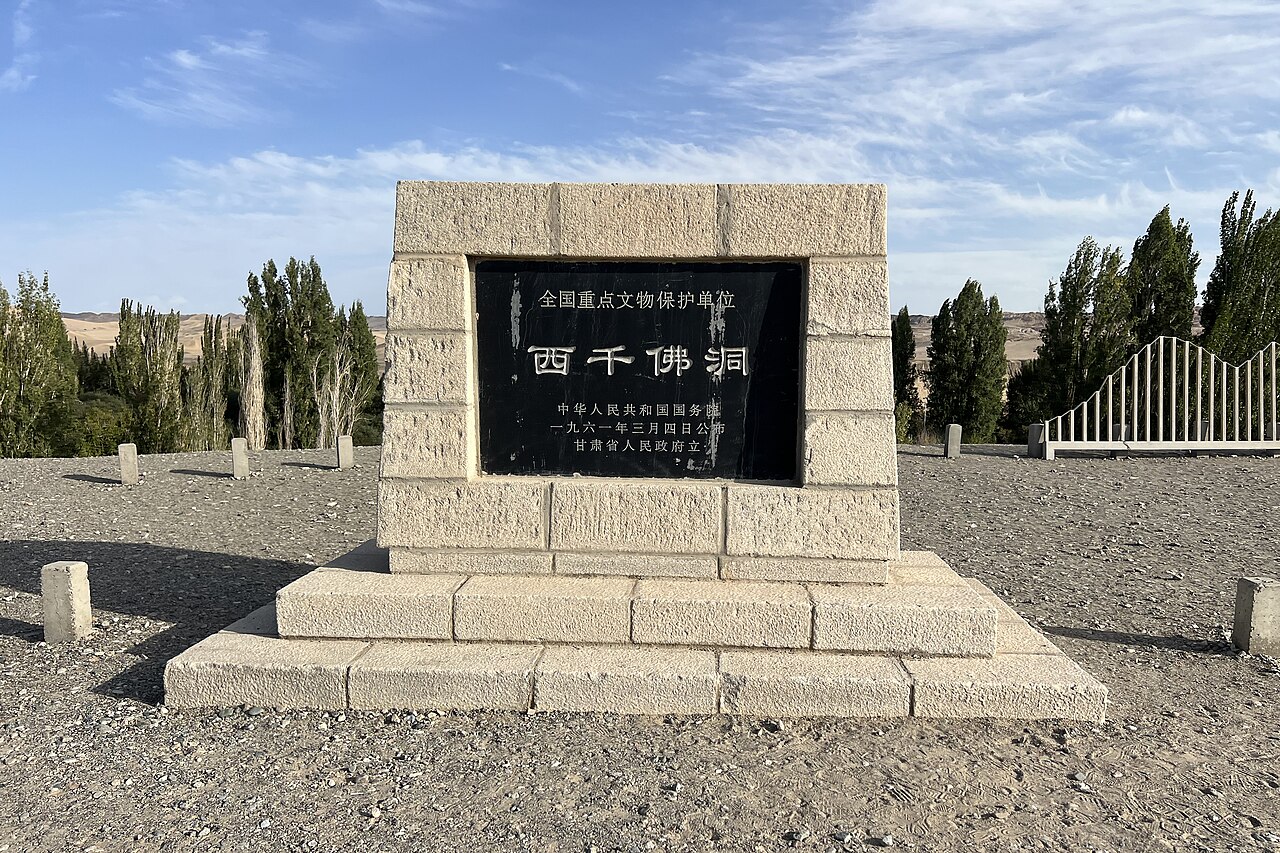
  6. See the Western Thousand Buddha Caves, quieter and more interactive than Mogao's scripted tour

Highlights

Five things that make Dunhuang unlike anywhere else in China

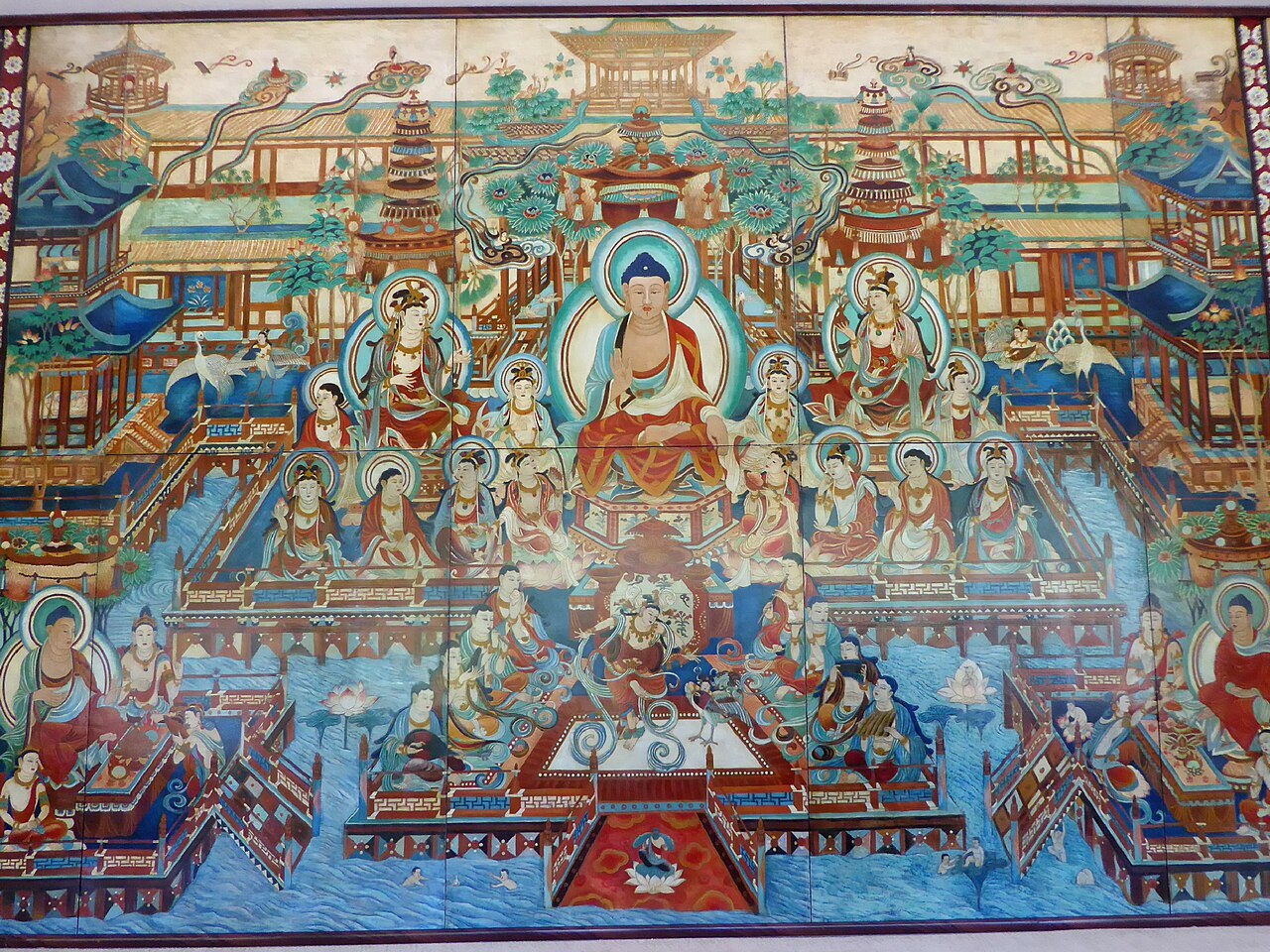
A thousand years of painted caves

Mogao is the largest and longest-running Buddhist cave complex on earth: 492 decorated caves cut into a cliff 25km southeast of town, filled with murals and painted clay figures spanning the 4th to the 14th century. The nine-storey wooden facade over the 35.5m seated Buddha is the image everyone carries home.

A desert dune that hums and a lake

Crescent Lake has sat in the crook of the Mingsha dunes for some two thousand years, fed by groundwater, and the sand that slides down the dune behind it makes a low booming drone. Ride a camel out at 5pm, then climb the ridge for the sunset — the whole dune field turns amber.

Han-dynasty gateways at the edge o

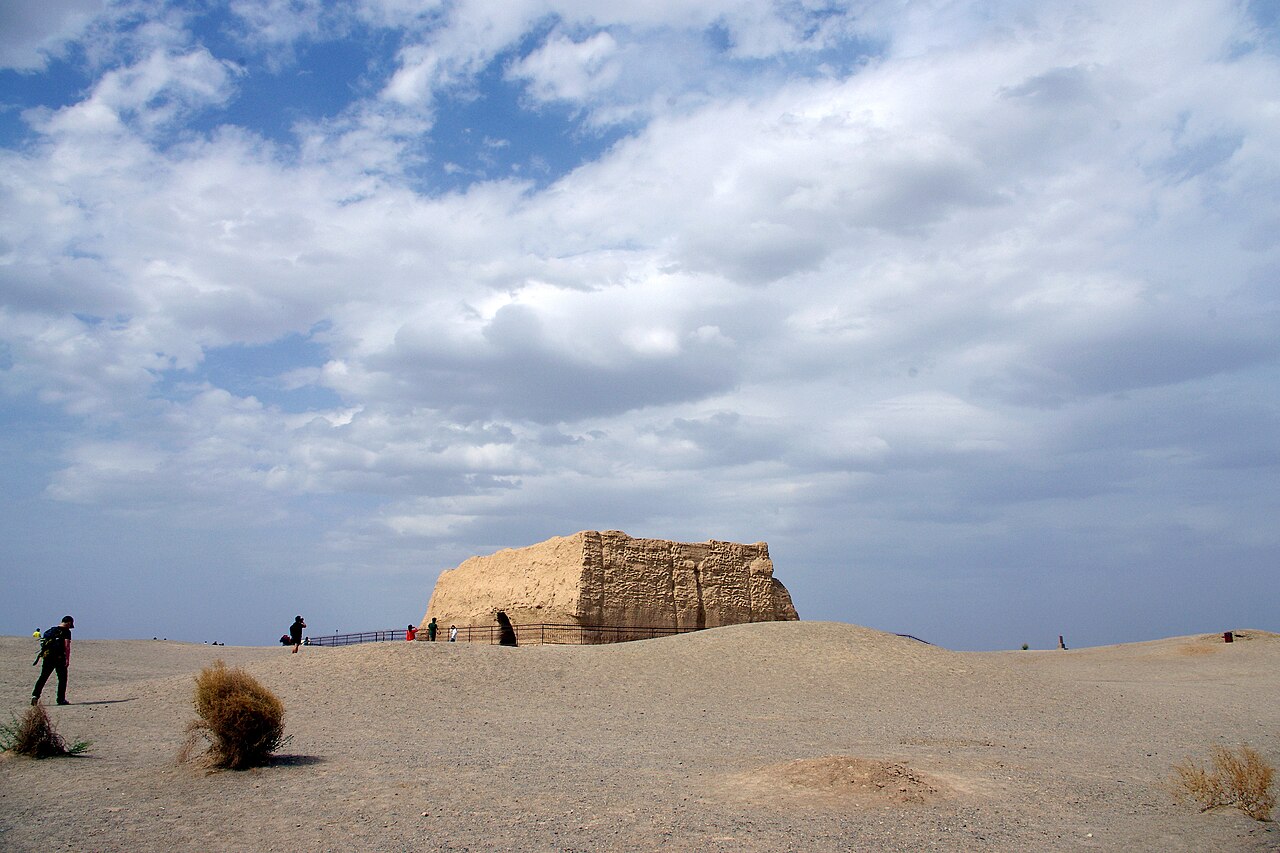
Yumen Pass and Yangguan were the two western doorways of the Han empire, and the Tang poets who wrote about them had mostly never been there. What survives is a small square mud fort and a beacon tower on open gravel — all the more affecting for how little is left.

A wind-carved 'ghost city' that ch

The Yardang landforms near the Xinjiang border are a natural sculpture park of clay ridges and gullies, best at sunset when the shadows go long and strange. Erosion eats into them every year, so what you photograph is genuinely disappearing.

A night market that is still a rea

Shazhou Night Market runs along Yangguan East Road with a craft street, a snack street and a tea terrace under a carved archway. It is touristy, yes, but the apricot juice, the lamb skewers and the night-light cups are the genuine local product.

Itineraries

Two ways to spend three days in Dunhuang

The art-first three days

3 days days

Front-loads the caves while you still have fresh eyes, then spreads the desert and the western ruins across two afternoons. Works well if you are arriving by overnight train and leaving on a late flight.

  1. Day 1

    Mogao Caves, Leiyin Temple and the

    Book your Mogao slot online before you arrive — tickets are capped daily and the 160 CNY peak-season ticket sells out days ahead in July and August. Go in the morning: the cave mouths face east and the first sunlight goes straight in.

    Stops: Mogao CavesLeiyin TempleMingsha ShanCrescent LakeShazhou Night Market

  2. Day 2

    The western line: gates, beacons a

    This is a 160km run each way with no useful public transport, so join a group tour or hire a car for the day. Yumen Pass and the Han Wall are sold as a 40 CNY combined ticket and it is charged whether you want it or not if you are heading to the Yardangs.

    Stops: Dunhuang Old Town film setWestern Thousand Buddha CavesYumen PassHan Great WallYardang 'Ghost City'

  3. Day 3

    Baima Pagoda, the museum and Three

    Keep the last day light. The city museum is free and holds the Han bamboo slips and Tang manuscripts that give the caves their context; the pagoda is 15 CNY and 2km out of town, easy by bike.

    Stops: Baima PagodaDunhuang MuseumThree Danger MountainShazhou Market

The slow three days

3 days days

Adds a Western Jin tomb, spreads the desert over two visits — once for sunrise, once for sunset — and leaves room for a long lunch. Better if you are travelling with older family or in winter.

  1. Day 1

    Caves in the morning, tomb in the

    The Western Jin tomb is 1,700 years old — two centuries older than Mogao — and sits out on the gravel plain. Small, painted and rarely crowded.

    Stops: Mogao CavesWestern Jin TombDunhuang Night Market

  2. Day 2

    Camel train and Crescent Lake, twi

    Sunrise on the dunes is quieter and cooler than sunset. Come back at 5pm for the camel ride and the light; entry is 120 CNY and covers both visits on the same day ticket only, so buy two if you really want both.

    Stops: Mingsha Shan sunriseCrescent LakeCamel rideSand sleddingShazhou Night Market

  3. Day 3

    Western line at an easy pace

    Same loop as the art-first itinerary but start at 8am rather than 7am and skip the film set if you are short on time. The Yardang shuttle inside the park costs an extra 30 CNY on top of the 50 CNY entry.

    Stops: Western Thousand Buddha CavesYumen PassYardang 'Ghost City'Han Great Wall

Sights

The five stops worth planning your trip around

UNESCO World Heritage

Mogao Caves

The reason you came. A cliff face of painted caves 25km southeast of Dunhuang, with a guided 8-cave circuit that takes about two hours. Photography is banned inside and bags must be left at the gate — no torches either, the guides carry their own so the pigments take less light damage.

Peak entry (May 1 - Oct 31)
160 CNY; foreign passport holders 180 CNY
Off-peak entry (Nov 1 - Apr 30)
80 CNY
Hours
08:00-17:30 peak, 09:00-17:00 off-peak
Last tickets
16:00 peak, 15:00 off-peak
Getting there
Bus 8 from Dunhuang Hotel or the east gate of Shazhou Market, 8 CNY, 30 min
Closed
Caves shut in rain, snow or sandstorms

Tip Book online days ahead in summer. Aim for the first entry slot — the east-facing caves catch direct morning sun, and you will be ahead of the coach groups.

Desert

Mingsha Shan and Crescent Lake

A dune field 5km south of the city wrapped around a crescent-shaped spring that has not dried up in two thousand years. Camel rides, sand sledding and dune buggies all happen here; the sand makes a low humming sound when it slides.

Entry
120 CNY, half price with student ID
Hours
Open 24 hours
Getting there
Bus 3 from Pansu路口 / the Pipa statue or the TCM hospital stop, 1 CNY, 20 min
Summer bus
07:30-21:00
Winter bus
08:00-19:30
Camel ride
Extra, roughly 100 CNY

Tip Go at sunrise or after 5pm. Between 9am and 4pm the sand is genuinely painful underfoot and the light is flat.

Han dynasty ruins

Yumen Pass and the Han Great Wall

A small square rammed-earth fort on a gravel ridge 90km northwest of the city, plus stretches of the Han-era wall and a beacon tower nearby. It is a 40 CNY combined ticket with the wall, and it is charged automatically if you are continuing to the Yardangs.

Combined entry
40 CNY, half price with student ID
Hours
Open 24 hours
Distance
90km northwest of Dunhuang
Getting there
No public transport — hire a car, about 300 CNY, or join the Yardang bus
Driving
G215 for 34km, then two right turns, 58km and 20m

Tip There is almost no shade and no shop. Carry two litres of water per person and a hat that will not blow off.

Geology

Yardang 'Ghost City'

Wind-carved clay ridges and gullies at the Gansu-Xinjiang border, 160km from town, spread across a basin that looks like a ruined medieval city. The park runs a shuttle between the main viewpoints; the whole thing is at its best in the last hour of daylight.

Entry
50 CNY plus 30 CNY mandatory shuttle
Hours
Open all day
Distance
160km from Dunhuang
Public bus
86 CNY return via Old Town, Western Caves, Han Wall and Yumen Pass
Bus times
07:30 and 13:30, no afternoon departure in winter
Private car
About 400 CNY for four people, 700 CNY for six to eight

Tip Take the 13:30 bus, not the morning one, so you arrive for sunset. Bring a buff or scarf — the wind here is relentless.

Caves

Western Thousand Buddha Caves

A smaller cave complex 35km west of Dunhuang, cut into the cliff above the Dang River, with 16 surviving caves of which 9 are open. The painting is the same lineage as Mogao and often earlier; because visitor numbers are low you can actually ask your guide questions.

Entry
40 CNY
Hours
Open all day
Distance
About 35km west of the city
Phone
0937-2682507
Caves
16 survive, 9 open to visitors
Highlights
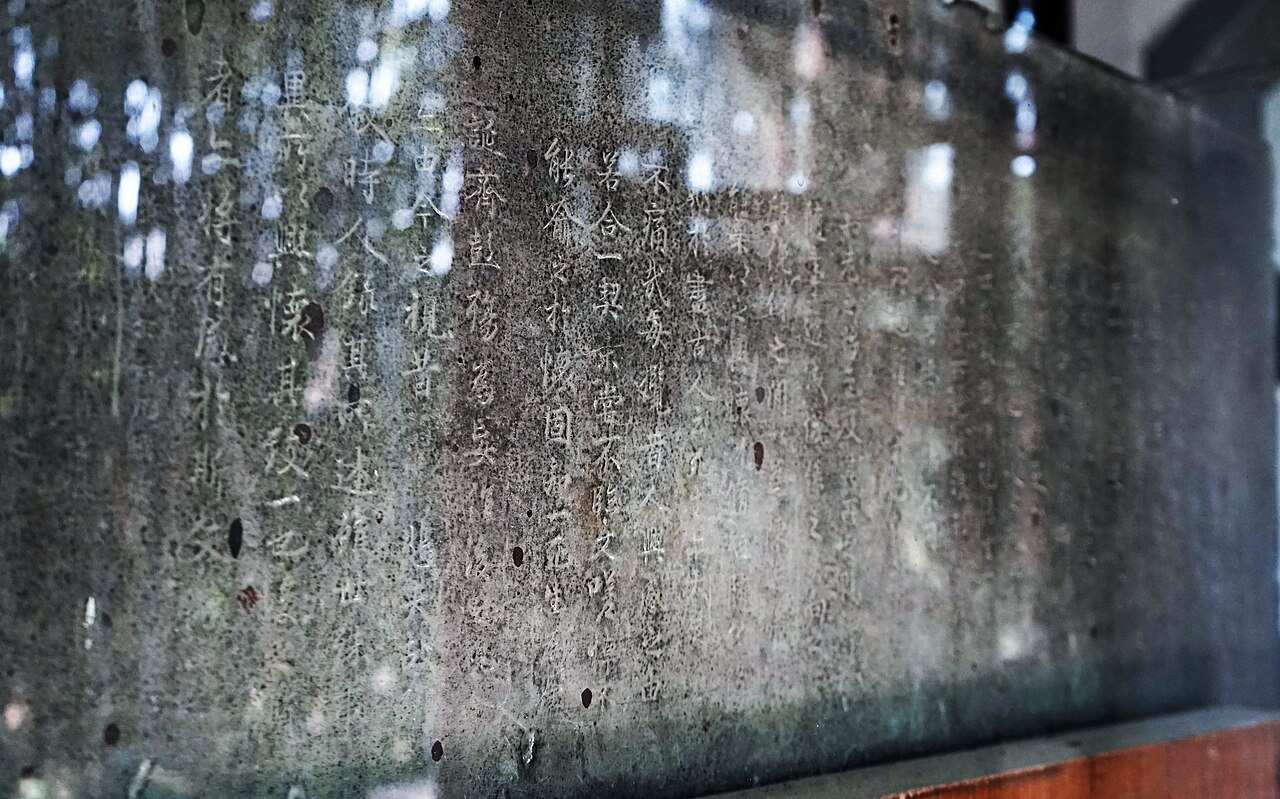
A Northern Wei vow inscription still legible on a pillar base

Tip Pair it with the western line rather than making a separate trip — it is directly on the road to Yumen Pass.

Food

What to eat in Dunhuang: noodles, donkey, and the Eight Great Oddities

Donkey meat with yellow noodles (驴

The dish Dunhuang is famous for and the fourth of the city's "Eight Great Oddities" — you will not find it anywhere else. The noodles are pulled thin as dragon whiskers and long as gold thread, springy enough to stretch without breaking; the donkey meat is sold by weight and piled on top. A plate of plain yellow noodles costs under CNY 10, and every table at Shunzhang orders the meat too.

Apricot-kernel soup noodles (浆水面)

Ranked third of the Eight Great Oddities: noodles served in a tangy fermented vegetable broth, usually made with mustard greens. Sour, lightly spicy and clean-tasting — Dunhuang people eat it all summer because it cuts the heat and wakes up an appetite flattened by 38°C afternoons.

Dunhuang saozi noodles (臊子面)

A hand-made wheat noodle dish and the highest compliment a Dunhuang host can pay a guest. Xi'an claims saozi noodles, but Dunhuang has been serving its own version for just as long — a bowl of it wipes out the fatigue of a morning spent climbing the Mogao cliff.

Lamb bone soup with cold noodles (

Made with fat, well-fed wethers raised locally, which is why the broth tastes so much sweeter than what you get down south. Hot broth is poured over sliced cooked lamb and cubes of cold jelly noodle; ginger and spices go in first. Locals drink it in winter to warm the stomach and shake off the cold.

Pao'er yougao (泡儿油糕)

A pastry invented at the Dunhuang Hotel from an old folk recipe. Bright gold, puffed up light as gauze and studded with tiny pearl-like bubbles — hence the name. It is deep-fried, but in fresh vegetable oil, which makes it a slightly less guilty pleasure than it looks.

Where to eat

Four places to sit down, from a century-old noodle shop to the night market

Century-old noodle house

Shunzhang Yellow Noodle Shop (顺张黄面

Reportedly the most famous old brand in Dunhuang for donkey meat and yellow noodles, and the one locals name when you ask. Watch the master pull the noodles — every move is deliberate and quick enough to make you dizzy. The yellow noodles have a solid reputation, but the donkey meat is the real star; the shop says every table orders a plate.

Address
Building 1, Binhe Century Home, Dunhuang
Phone
0937-8824910
Order
Yellow noodles plus a plate of donkey meat — the meat is priced by weight
Best for
A proper sit-down lunch between Mogao and Mingsha Shan

Night market grazing

Shazhou Night Market Food Stalls (

The snack zone inside Shazhou Night Market on Yangguan East Road, and the single best place to eat your way through Gansu. On offer: clear-broth beef noodles known as "China's number one noodle", hand-pulled saozi noodles, pao you gao that melts on contact, flaky yousu pancakes, smooth qingzhen liangpi and cold jelly, and sour-hot buckwheat noodles. Cheap, and the alleys around it are just as lively.

Address
Inside Shazhou Night Market, Yangguan East Road
Price
Most bowls and snacks under CNY 20
Hours
Evening — go after 18:00 when the stalls are fully lit
Try
Jiangshui noodles, doudou sweet water noodles, paozhangzi, cat's ear noodles

Local specialties, sit-down

Yangguan Road restaurant strip (阳关

A cluster of kitchens with serious chefs: Dunhuang-style lamb offal, Xingyue Halal Restaurant, Mohammed Restaurant, Lanzhou Pangjie Casserole. The city has hundreds of mid- and high-end restaurants serving Sichuan, Cantonese and Hangzhou cooking alongside the northwestern staples, so nobody in your group has to compromise.

Address
Yangguan East Road, Dunhuang
Cuisine
Northwestern lamb and noodles, plus Sichuan, Cantonese, Hangzhou
Good to know
If you want rice, order dishes in a restaurant — most rice-based meals here are Sichuan-style
Solo travellers
Head near the mosque for Hui restaurants serving gaijiaofan rice bowls

Quieter, mixed menu

Mingshan Road, near Feitian Hotel

When the night market noise gets too much, this stretch has a run of Chinese and Western restaurants at moderate prices and reliable cooking. It is the easy fallback if you have children or an early start the next morning.

Address
Mingshan Road, around Feitian Hotel
Price
Mid-range
Atmosphere
Calm, seated, no queue
Best for
Families and an early night before a west-line tour

Where to stay

Sleeping in Dunhuang: dune-view resorts, budget chains and hostels

Best view in town

Dunhuang Silk Road Dunhuang Hotel

Sitting under Mingsha Shan on Dunhuang-Yueya Road, at the old Silk Road's most important throat of land and on the way to every major sight. Modern facilities, full air conditioning and communications, but you also get the nostalgia. The terrace looks straight out at the singing dunes — and it is the most expensive hotel in Dunhuang for exactly that reason.

Address
Dunyue Road, Dunhuang
Price
From CNY 480
Phone
0937-8882088
Why book it
Dune views from the terrace, five minutes from Mingsha Shan

Backpacker classic

Dunhuang International Youth Hoste

Right in the city centre next to the long-distance bus station, train station links and the airport road, with the commercial street, famous-food plaza and Shazhou Night Market all within a short walk and the Fengqing City entertainment strip next door. Quiet inside despite the location — a genuine travellers' and backpackers' base.

Address
No. 1 Huancheng East Road, Dunhuang
Price
From CNY 40
Phone
0937-8833121
Best for
Solo travellers and anyone arriving late by train

Central and convenient

Dunhuang Feitian Hotel (敦煌飞天大酒店)

In the heart of Dunhuang, north of the government square, with easy runs east to the railway station and airport. The design leans heavily Han-Tang: Mogao reliefs, Dunhuang painted sculpture and calligraphy throughout, plus a multipurpose performance hall, VIP rooms, meeting rooms and a chess-and-cards room. Good for business travellers and groups as much as tourists.

Address
No. 2 Mingshan Road, Shazhou Town, Dunhuang
Price
From CNY 249
Phone
0937-8853888
Walkable to
Shazhou Night Market and the pedestrian street

Getting around

How to reach Dunhuang and how to move once you're here

By air

Dunhuang Airport (DNH) sits about 15 km east of the city in Mogao Town, with fixed routes to Lanzhou, Xi'an, Beijing, Urumqi and Chengdu. It's the fastest way in if you're short on time, but flights are limited and pricey in peak season — book early for July to October.

Airport to city
Airport shuttle stops at Sun Hotel, CNY 15; taxi CNY 50–60; bus 12 to Shazhou Market East Gate, CNY 3
Terminal
Dunhuang Airport, Mogao Town, ~15 km east of downtown
Book ahead
Essential June–October; seats on the Lanzhou and Xi'an routes sell out first

By train

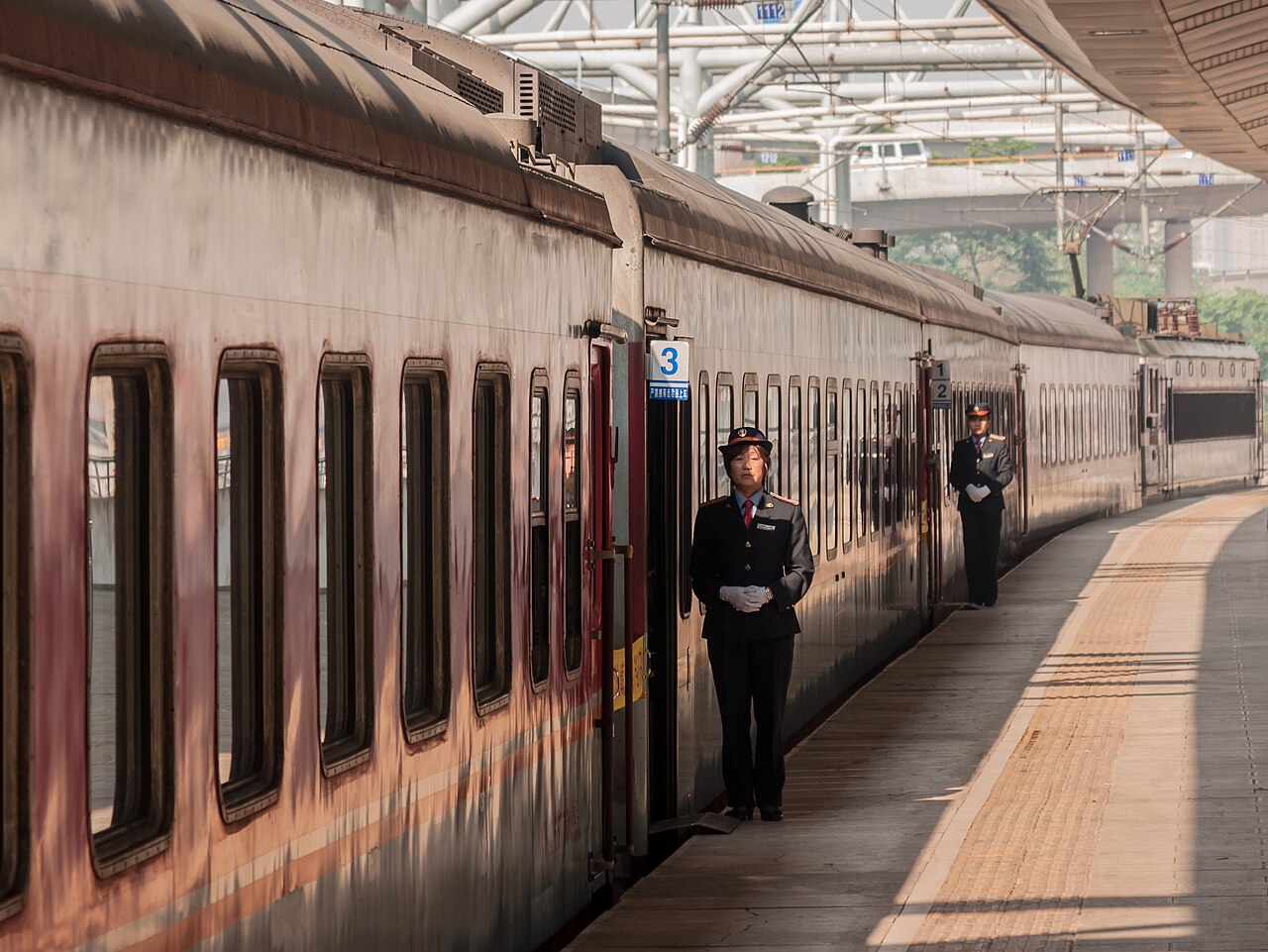
Two stations serve Dunhuang: Dunhuang Station, 13 km east of town, and Liuyuan Station, 130 km away on the main Lanzhou–Xinjiang line. Liuyuan has far more services, so most travelers arrive there and transfer by road. Dunhuang Station is closer and simpler if your route lines up.

Dunhuang Station
13 km east of the city; bus 8 or 12 from the exit to Shazhou Market East Gate, CNY 3; shared taxi CNY 10 per person
Liuyuan Station
130 km from Dunhuang; bus CNY 30 (runs roughly 08:00–19:00, times irregular); shared taxi CNY 40 per person, 4 to a car, leaves when full; about 2 hours
Winter warning
Late-night arrivals in snow or rain can push shared-taxi prices up — agree the fare before you get in

By road

Long-distance buses link Dunhuang with Jiayuan, Lanzhou, Xi'an, Hami, Turpan, Urumqi and Golmud. The bus station has moved to 1 km east of town; buses 8 and 12 reach it, or walk 20 minutes. Roads to every major sight except Yumen Pass are straight, wide asphalt.

Bus station
1 km east of town; bus 8 or 12, CNY 3; 20-minute walk
Feeder routes
Dunhuang–Jiayuguan 'Feitian Express', CNY 80, departs ~08:00 and ~14:00, about 5 hours
Best for
West-line sights — Yumen Pass, Yardang and Yangguan have no practical public transport

Local buses and taxis

City buses run eight routes; routes 1–4 cost CNY 1 flat. Route 3 is the one you'll use most — it goes to Mingsha Shan and Crescent Lake in 20 minutes for CNY 1. Route 8 runs to the Mogao Caves for CNY 8 in 30 minutes. Taxis are cheap and easy within town.

Bus 3
To Mingsha Shan / Crescent Lake; CNY 1, 20 min; summer 07:30–21:00, winter 08:00–19:30; board at Panshui Road junction or the TCM Hospital stop
Bus 8
To Mogao Caves; CNY 8, 30 min, every 30 min; summer 08:00–18:00, winter 08:30–17:30; starts at Dunhuang Hotel or Shazhou Market East Gate
Bus 12
City–bus station–train station–airport–Kazakh Folk Park (poplar forest); CNY 3; board at Shazhou Market East Gate
Taxis
CNY 5 anywhere in town; CNY 40 to Mogao (CNY 10 per person shared); CNY 10 to Mingsha Shan
Charter a car
Easiest for the west line; hail one on the street or ask your hostel front desk; a 4-person car to Yardang runs about CNY 400, 6–8 people about CNY 700, plus CNY 100 if you add Yangguan
Bicycles
Four rental points on Mingshan Road in the city center — a good way to reach Mingsha Shan and the White Horse Pagoda

Shopping

What to buy in Dunhuang — and what to check before you pay

Dunhuang painted clay figures

Small replicas of the Mogao Caves' painted sculptures, hand-finished and each one different — Buddha and bodhisattva figures mostly. Well made, genuinely local, and the obvious gift for anyone with an interest in Buddhist art. Buy from the workshop stalls around Shazhou Market rather than the airport.

Yeguangbei (luminous jade cup)

Carved from Qilian Mountain jade, cool to the touch, faintly glowing in the dark and famously heat- and cold-resistant. It's the classic Dunhuang drinking vessel. Test authenticity with a magnet — real ones stick. Sold along Yangguan East Road and in the Shazhou Market.

Mingsha jujubes and wine-soaked ju

Local dates run up to 45 g each, glossy and red-black when ripe, sweet and dense. The Dunhuang specialty is jiuzao — dates stirred with liquor and sealed in clay jars until winter or spring, when they come out as fresh as the day they were picked, tasting of fruit and alcohol at once.

Dunhuang melon

Not something you can carry home easily, but eat as much as you can while you're here. The 'shell' variety can weigh 5 kg at the small end and 15–20 kg at the big end, thin-skinned and thick-fleshed. Skip it and you've missed one of the reasons locals are smug about their oasis.

Silk rugs, cave-art reproductions

Shazhou Market (also called Shazhou Night Market) sells Dunhuang silk rugs, replica murals and painted figures alongside the food stalls, and prices are negotiable. Be careful with gorgeously packaged mural rubbings — many are near-perfect fakes. Inspect before you buy, and bargain hard; the first price is rarely the real one.

Where to shop

Most of it clusters around the Flying Apsaras statue in the city center: Feitian Mall, Tianma Mall, Shazhou Market, Nanguan General Market and Jifangzhai. The Dunhuang Commercial Pedestrian Street on Mingshan Road has the liveliest night scene and the best range of local specialties.

Practical info

The numbers, hours and warnings worth knowing before you go

If you want a structured trip rather than a DIY one, our Dunhuang tours and Dunhuang private tour packages handle the Mogao Caves reservation, the west-line charter and the guide in one booking — worth it in peak season, when Mogao tickets sell out days ahead and west-line transport is the hardest part of the trip to arrange on your own.

Best monthsMay to October. Dunhuang swings hard between seasons — November to April is cold and often dusty, and winter temperatures can drop below -24°C. The sites stay open year-round; low season halves most ticket prices and lets you bargain on add-ons, but many shops and stalls shut and shopping gets difficult.
Money and ticketsMogao Caves: CNY 160 peak / CNY 80 low season (1 Nov–30 Apr); foreign visitors CNY 180; student card half price. Mingsha Shan and Crescent Lake: CNY 120 combined, students half. Yangguan: CNY 50, plus CNY 40–240 for horse riding by distance and CNY 10 for the shuttle. Yardang: CNY 50 plus CNY 30 for the park shuttle. Yumen Pass: CNY 40 combined with the Han Great Wall. West Thousand Buddha Caves: CNY 40. White Horse Pagoda: CNY 15. Dunhuang Museum: free.
Opening hoursMogao Caves: 08:00–17:30 peak, 09:00–17:00 low season; no tickets sold after 16:00 peak / 15:00 low. Dunhuang Museum: Tuesday to Sunday 09:00–17:30, closed Mondays. Mingsha Shan, Crescent Lake, Yangguan, Yumen Pass, Yardang and White Horse Pagoda: open around the clock. Sanwei Shan: 08:00–18:00.
AltitudeDunhuang sits at 1,139 m. Altitude sickness is generally defined above 3,000 m, so at 1,000–2,000 m you should be fine — take it easy if you're traveling with elderly companions.
Weather and packingAverage annual temperature is 9.3°C, with summer highs of 38°C. UV in the desert is brutal: sunscreen everywhere, light-colored long sleeves, a hat. Carry a plastic bag for phones and cameras — sand gets into everything. Desert nights are cold, so bring layers even in summer.
Health and safetyNever go into the deep desert alone — hire a guide, and carry a GPS and a working phone. Bring a small medicine kit: eye drops, antiseptic, cold medicine. Drink bottled water, go easy on street food at first, and wear proper walking shoes; the distances between sights are long.
Emergency numbersDunhuang Tourism Bureau 0937-8822234. Dunhuang Municipal Hospital, Yangguan East Road 20, 0937-8859088. Dunhuang TCM Hospital, Shazhou South Road 6, 0937-8825831. Dunhuang Post Office, Yangguan Middle Road 1, 0937-8822986. Dunhuang Tourism Service Center, Xinjian Road 8, 0937-8851578.

Background

Why Dunhuang exists, and why it almost vanished

A garrison town that became a libr

Dunhuang was the westernmost of the four commanderies Emperor Wu of Han set up along the Hexi Corridor after Huo Qubing drove the Xiongnu out of the region in the 2nd century BC. Because the Silk Road split into its northern and southern branches right here — the south road through Yangguan, the north road through Yumen Pass — the town became the mandatory gateway between the Central Plains and everything west of it: Xinjiang, Central Asia, Persia, India, Arabia and eventually Europe. Monks, envoys, merchants and soldiers all passed through the same narrow strip of oasis.

The Mogao Caves opened in AD 366, when a monk named Yuezun looked up at the cliff opposite Sanwei Mountain, saw it glowing gold in the evening light, and dug the first cave. For the next thousand years, roughly a thousand more caves followed, funded by whoever had money to spare — local officials, merchant guilds, Uyghur and Tibetan patrons, even a few emperors. Then the sea routes took over, the Ming emperor closed Jiayuguan, and Dunhuang fell off the map entirely until the Qing court dragged it back into the empire under Kangxi.

The Library Cave, and the year eve

In 1900 a Taoist caretaker named Wang Yuanlu was clearing sand from a corridor when he found a sealed chamber behind a wall: Cave 17, packed with some 50,000 manuscripts, silk paintings and printed scrolls dating from the 4th to the 11th century, including the world's oldest dated printed book, the Diamond Sutra of 868. It is the single greatest archaeological find in Chinese history, and it left the country in crates. Aurel Stein, Paul Pelliot, Sergei Oldenburg and Langdon Warner all bought or carried off bundles over the next two decades; the bulk now sits in London, Paris, St Petersburg and Tokyo, which is why Dunhuang studies is a genuinely international field.

Walk into the museum at the Mogao visitor centre before you see the caves themselves and you will understand what was lost — and why local guides still get visibly annoyed about it. The murals that stayed, though, are extraordinary: 45,000 square metres of painting and 2,400 sculptures across the 492 decorated caves, spanning ten dynasties. The flying apsaras, the musical ensembles, the donors' portraits, the blue-and-green landscapes — this is a visual record of a thousand years of Eurasian exchange, painted on a cliff in the desert.

Desert climate, and what it does t

Dunhuang sits at 1,139 metres, which is nowhere near altitude-sickness territory, so don't worry about that. What will get you is the dryness and the swing in temperature. The annual average is 9.3°C, July averages 24.9°C with extremes past 40°C, January averages -9.3°C and has hit -28.5°C, and the yearly rainfall is 39.9 mm against 2,490 mm of evaporation — twenty-five times more water leaves the ground than falls on it. Bring lip balm, eye drops and more water than feels reasonable.

The best window to visit is May through October. November to April is cold and sometimes sandstorm-prone, though it is also when ticket prices halve at most sights and you can negotiate on camel rides and dune buggies — things that are flatly impossible in peak season. The trade-off: in deep winter many shops and larger stores simply shut, so the town is quiet to the point of empty. If you want the caves without the crush and don't mind a coat, late October or early November is the sweet spot.
Watch & read

Three things to load up before you go

Film

Flying Swords of Dragon Gate (2011

Directed by Tsui Hark, with Jet Li, Zhou Xun and Chen Kun

Tsui Hark's 3D wuxia remake of the Dragon Gate Inn legend was shot largely in the Dunhuang desert, and it uses the landscape the way it deserves: black sandstorms swallowing horsemen, the dune fields doubling as a battlefield, Mingsha and Crescent Lake appearing as themselves. Watch it before you go and the 160-kilometre drive out to the Yardang formations will feel like walking into a set. It is not a subtle film, but the scenery is genuinely the star.

Book

A Journey to Dunhuang, by Chen Shu

Chen Shunchen (Chen Sun-shen), Japanese-Taiwanese historical novelist

Chen travelled to Dunhuang in the 1970s and wrote this blend of history, travel and educated speculation, and it is the book that sent a generation of Japanese readers west along the Silk Road — the same wave of enthusiasm that made Dunhuang a household name in Japan. Read it on the train from Lanzhou and the names in the guidebooks start meaning something. For something denser, Chai Jianhong's Dunhuang Studies and Dunhuang Culture collects essays on the manuscripts, the cave art and the academic discipline itself.

Music

'Crescent Bay' by F.I.R., and 'Gre

F.I.R. (2004); Dao Lang

F.I.R.'s 'Crescent Bay' is a pop-classical track written about Crescent Lake and the fact that it is slowly drying up — it is the reason a lot of Chinese visitors under forty know the name at all. Dao Lang's 'Great Dunhuang' takes the opposite approach, a sprawling, deliberately old-fashioned ballad built around a golden Buddhist canon and camel bells on the wind, with lyrics that name-check the sutras directly. Queue both for the drive out to the dunes.

The questions visitors ask us most about Dunhuang, answered plainly.

Frequently asked questions

Prices and practical details are reviewed every month by our Beijing team and updated the day a rule changes.

When is the best time to visit Dunhuang?

May to October. July and August hit 38°C in the desert and Mogao books out weeks ahead, so late May, June, and September are the sweet spot. November to April is cold (down to -24°C) and the western-line bus has no afternoon departure, but Mogao tickets drop to CNY 80 and the crowds vanish.
How many days do I need in Dunhuang?

Three days covers the essentials: one day for Mogao and the dunes, one long day for the western line (Yumen Pass, Han Great Wall, Yardang Ghost City), and a half day for the Western Thousand Buddha Caves, White Horse Pagoda, and the museum. Add a fourth day if you want to push on to Jiayuguan by train (about 5 hours).

Do I need to book Mogao Caves tickets in advance?

Yes — book online at the official Mogao website as soon as your dates are fixed. High season (May-Oct) tickets sell out days ahead because daily visitor numbers are capped to protect the murals. Bring your passport; entry is by timed slot, and no cameras or tripods are allowed inside any cave.

Is there altitude sickness in Dunhuang?

No. Dunhuang sits at 1,139 meters, well below the 3,000-meter threshold where altitude sickness typically starts. Older travelers and anyone with heart or lung conditions should still take it easy on the first day, but you will not need Diamox or acclimatization days here.

Should I visit the Singing Sand Dunes in the morning or afternoon?

Afternoon, unless you are coming specifically for sunrise. The dunes open all day, but sand temperatures climb fast — by 9 or 10am it is already blistering, and there is no shade. Arrive around 5 or 6pm instead, ride a camel, sand-sled, and stay for sunset; the sand cools and the light turns gold.

What should I pack for the desert?

Sunscreen for every exposed inch, a wide-brimmed hat, sunglasses, a light long-sleeve shirt for UV protection, and a zip bag for your phone and camera — fine sand gets into everything. Bring a refillable water bottle, lip balm, and a light jacket for evenings, when the temperature drops sharply. Comfortable closed shoes beat sandals; you will be walking on loose sand.

Related reading

Related reading

Visas Do I Need a Visa for China? Requirements, Costs and How to Apply China's entry rules changed more in the last three years than in the previous twenty. Here is exactly who needs a visa, what it costs, how long it takes and which passports now walk straight through. 9 min read Visas China's 240-Hour Visa-Free Transit: Who Qualifies and How It Works Ten days in China with no visa application, no fee and no fingerprints — if you hold the right passport and leave for a third country. Here is the rulebook, port by port. 8 min read Money Paying in China: Alipay, WeChat Pay, Cards and Cash Roughly nine in ten urban payments in China now run through a phone. Set up two apps before you fly, carry a modest cash float, and you will never be stuck at a till. 8 min read Transport China's High-Speed Rail: How to Book, What It Costs, How Fast It Goes The fastest way to cross China is also the most pleasant. Here is how to book a ticket with a foreign passport, what the three classes actually give you, and how to survive a Chinese station at rush hour. 9 min read Planning Best Time to Visit China: Month by Month, Region by Region China is the size of Europe, so 'the best month' depends on where you stand. Here is the month-by-month answer for the north, the Yangtze valley, the south and the plateau. 8 min read Planning What to Pack for China: The Complete 2026 Checklist Twenty thousand steps a day, three climate zones and a phone that has to do everything. This is the list we give our own travellers, minus the things they never used. 7 min read Food Chinese Food Culture: Eight Cuisines, One Table There is no such thing as Chinese food. There is Cantonese, Sichuan, Hunan, Jiangsu, Zhejiang, Fujian, Anhui and Shandong — and knowing which one you are eating changes everything. 8 min read Traditions Chinese Tea Culture: Six Classes, One Pot, Two Fingers Tea in China is not a beverage category, it is a social technology: it fills silences, seals deals and sets the pace of a meal. Here is how to sit down in one and not look lost. 7 min read Traditions Chinese Festivals: The Calendar, the Dates and the Crowds Lunar dates mean the calendar moves every year — and two of the festivals move several hundred million people at once. Plan around them or plan into them, but never by accident. 8 min read Etiquette Chinese Etiquette: What Matters, What Does Not, and Why Most etiquette advice for China is either obvious or wrong. These are the dozen behaviours that actually change how you are treated, and the reasoning behind each. 7 min read
Tell us your dates.
We'll do the rest.

Free itinerary design, a revised plan within one working day, and nothing charged until you approve the final version.

  • Mogao Caves: CNY 160 May-Oct, CNY 80 Nov-Apr; last tickets sold at 16:00 high season, 15:00 low season — book online days ahead.
  • Bus 8 runs city center to Mogao (CNY 8, 30 min); bus 3 runs to the dunes and Crescent Lake (CNY 1, 20 min); both leave from the Silk Road Hotel near Shazhou Market.
  • The western-line shuttle (Yumen Pass, Han Great Wall, Yardang Ghost City) is CNY 86 one way, departs 07:30 and 13:30 — no afternoon run in winter.

No spam. No sales calls. Just a real itinerary from a real person.