City guide · Hebei

Shanhaiguan travel guide: the First Pass Under Heaven, Old Dragon Head and the temple of the woman who cried the wall down

The town where the Great Wall stops being a rumour of mountains and walks into the Bohai Sea.

  • Known forGreat Wall · sea · Ming pass town
  • Typical spend¥300–700 over 2–4 days
  • Ideal length1–2 days
  • PaceMedium — one climb, one sea walk, one legend

Reviewed by our Beijing team Updated 2026-10-10

The short version

Shanhaiguan is the Great Wall town where the Ming defence line meets the Bohai Sea, and three sights carry it: the First Pass Under Heaven (¥50, or ¥60 including the Bell and Drum Tower), Old Dragon Head where a stone bastion walks 4 km of wall into the water (¥60), and the Meng Jiangnu Temple on Phoenix Hill (¥25). One well-planned day covers all three, two days adds the Jiao Shan ridge and Yansai Lake, and Beijing is about 2 hours away by train.

  • The ¥60 First Pass ticket beats the ¥50 one — it adds the Bell and Drum Tower, which is worth climbing, and the wall itself.
  • Old Dragon Head is the only place in China where the Great Wall enters the sea. Take bus 25 from the town; a taxi costs under ¥20.
  • Never buy tickets from touts near Old Dragon Head — their ¥30 Great Wall Wonderland is a different site built next door to it.
  • The train station is about a 5-minute walk from the old town, which is closer than most people expect.
  • Jiao Shan and Yansai Lake close for fire control from 1 March to 13 May, so spring visitors get the pass town only.

City guide

First impressions

Photographs from the coast, and what other travellers wrote afterwards.

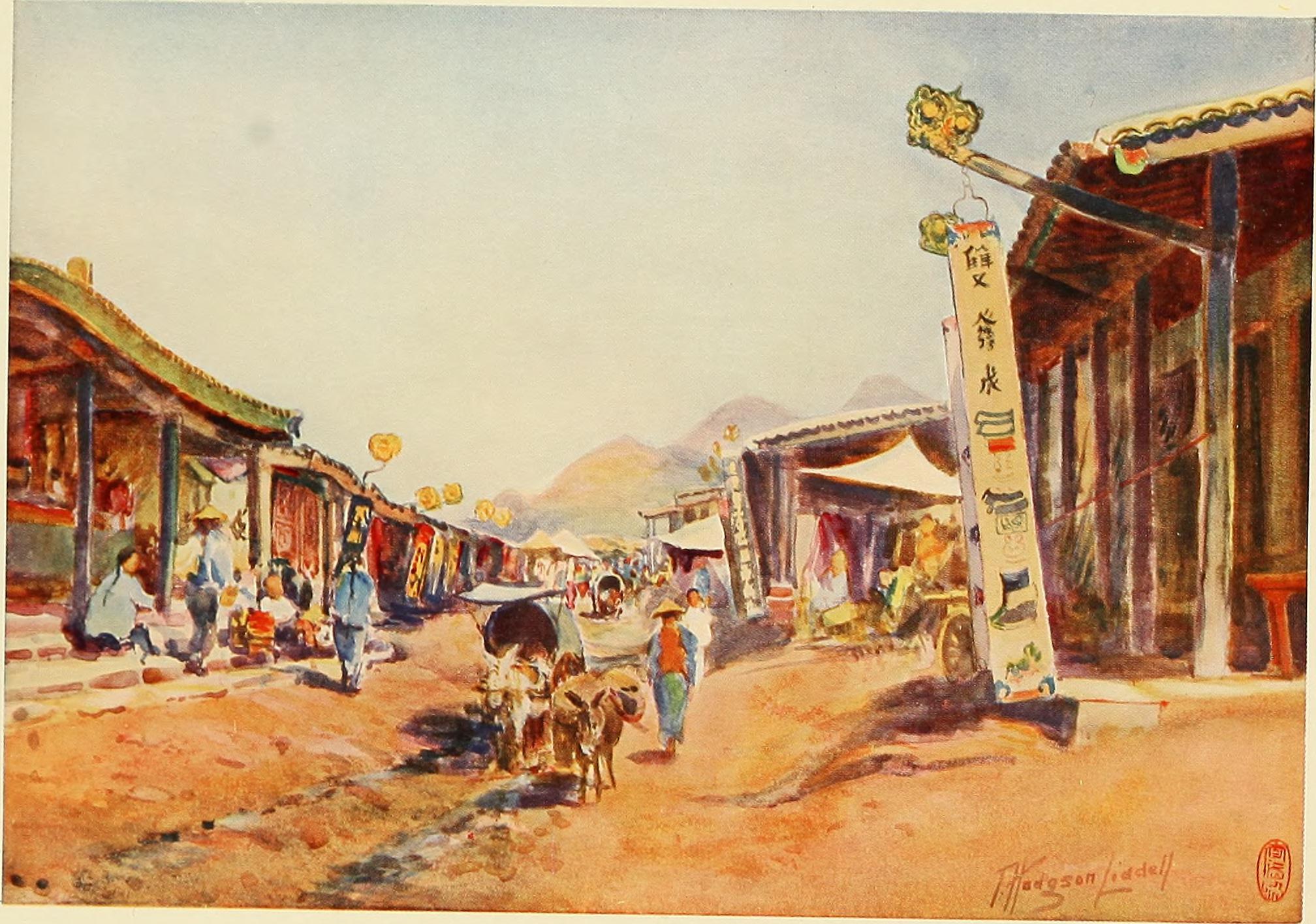
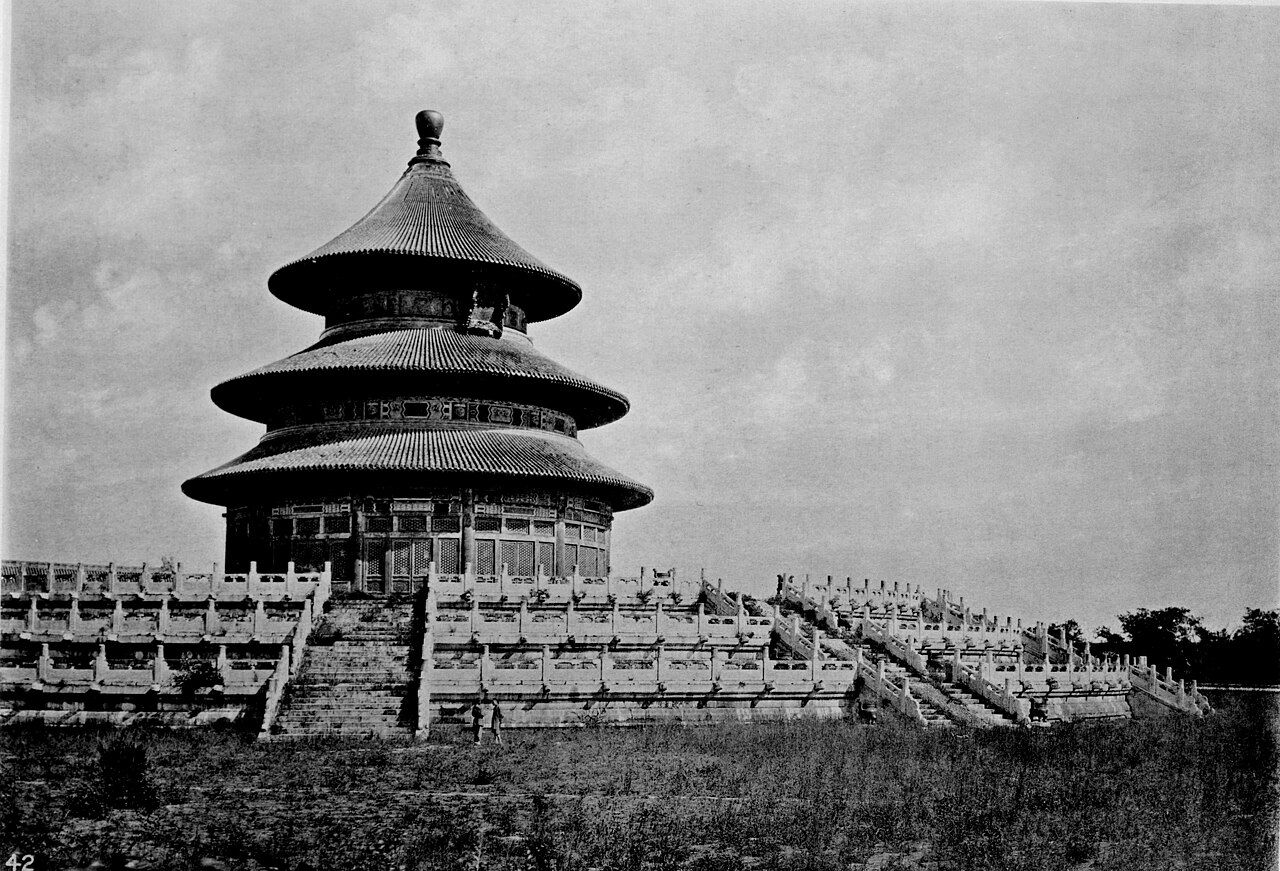
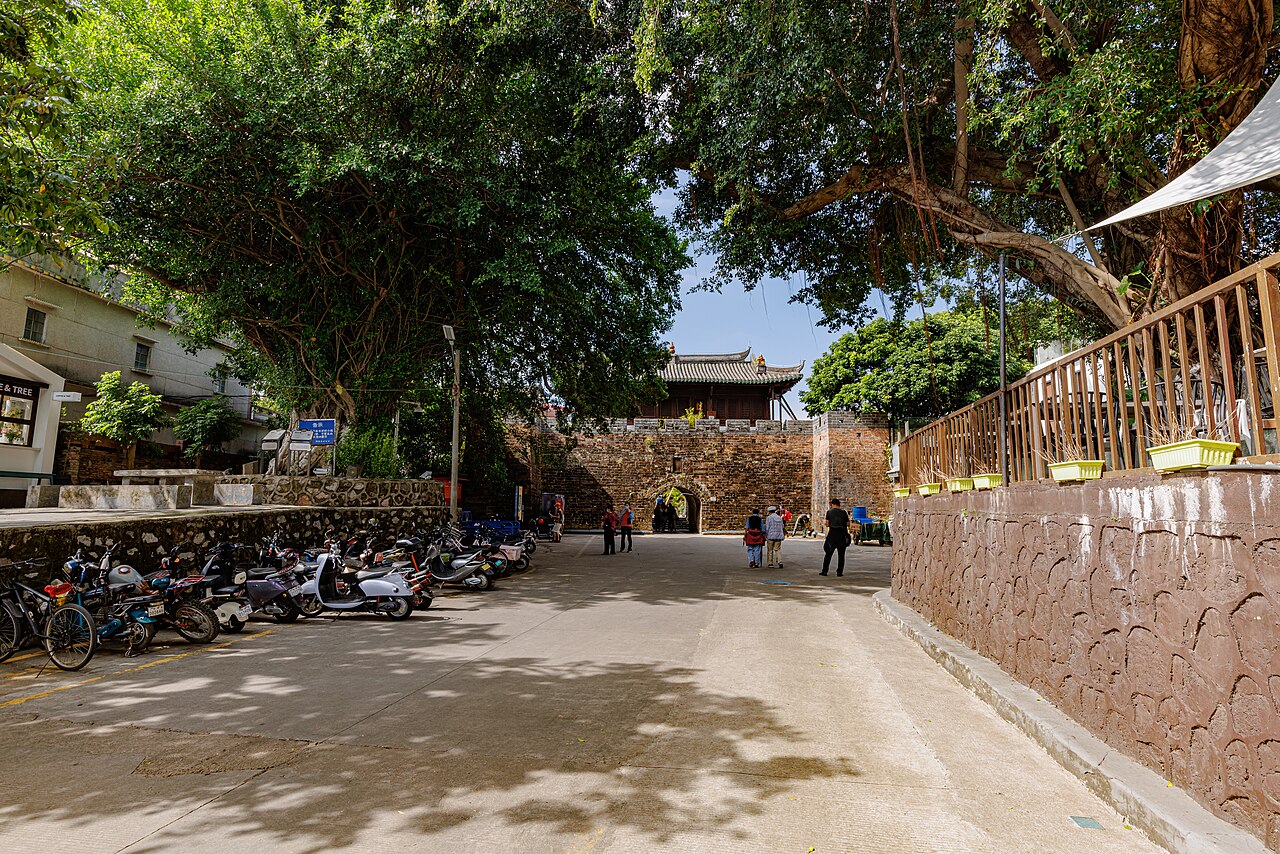
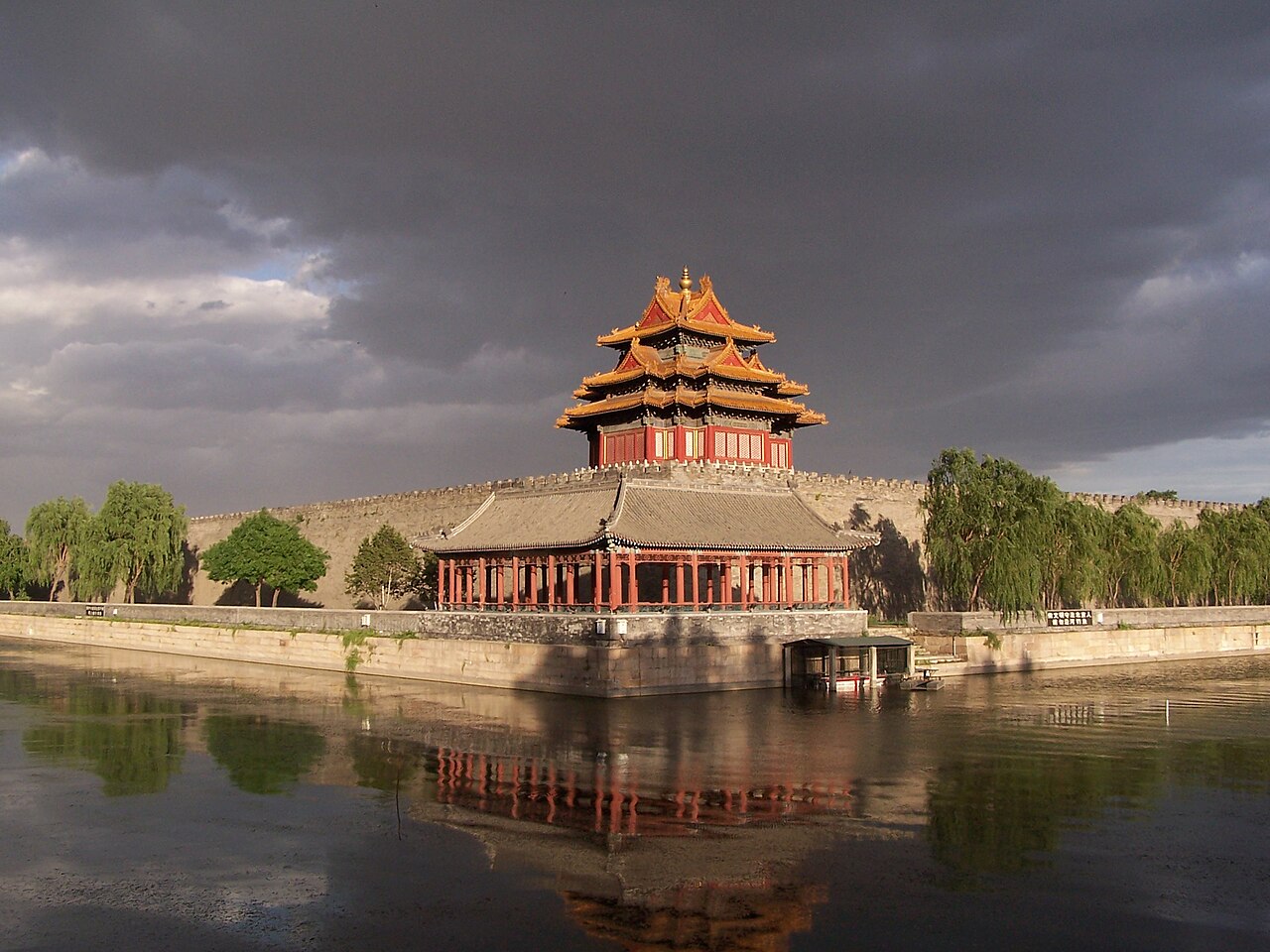
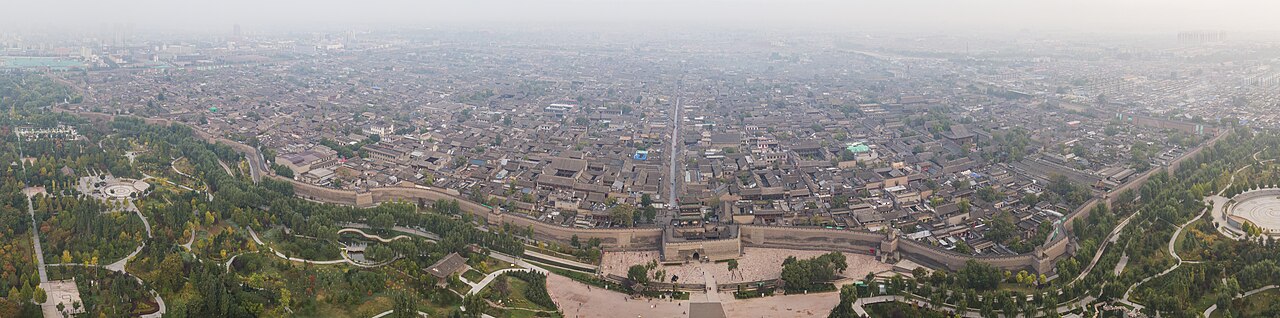
The First Pass gatehouse standing on the wall, looking out over the old town grid
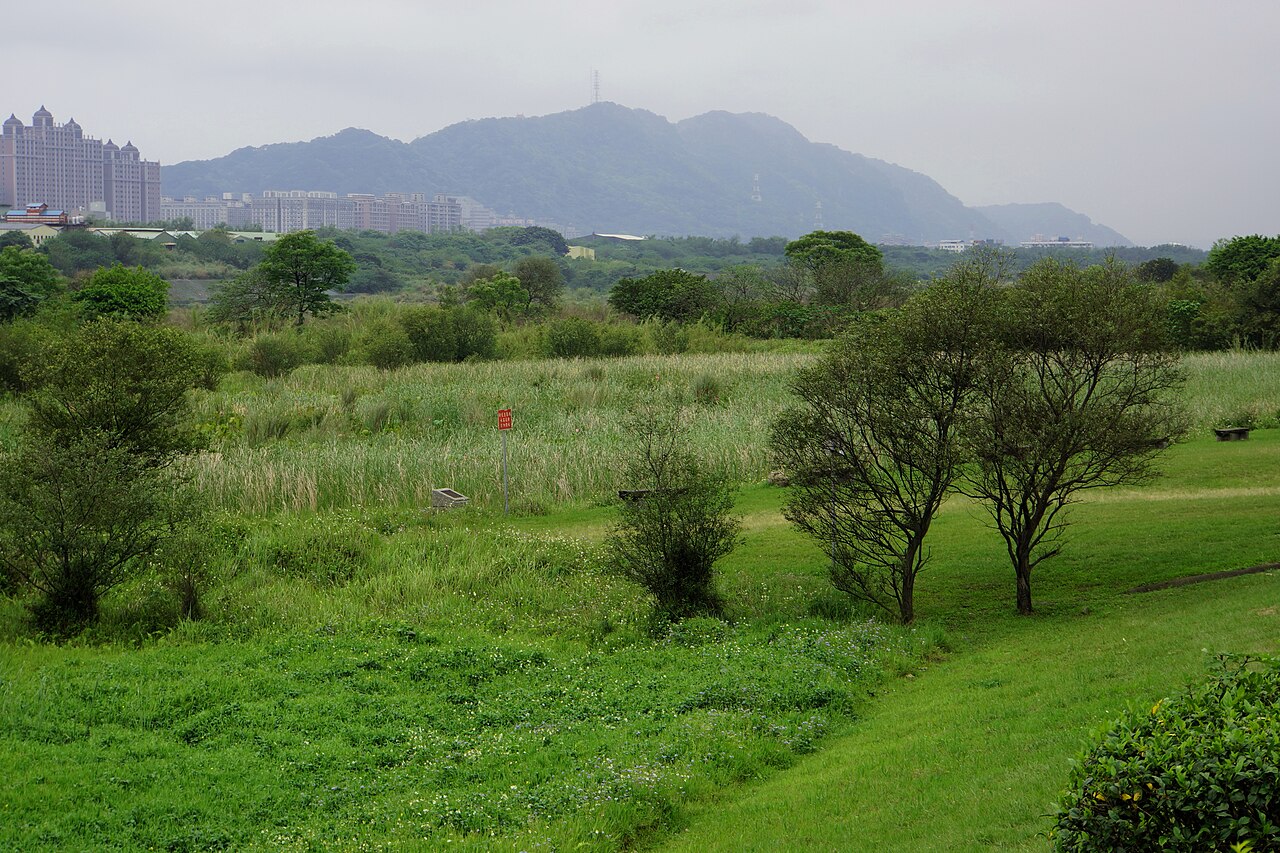
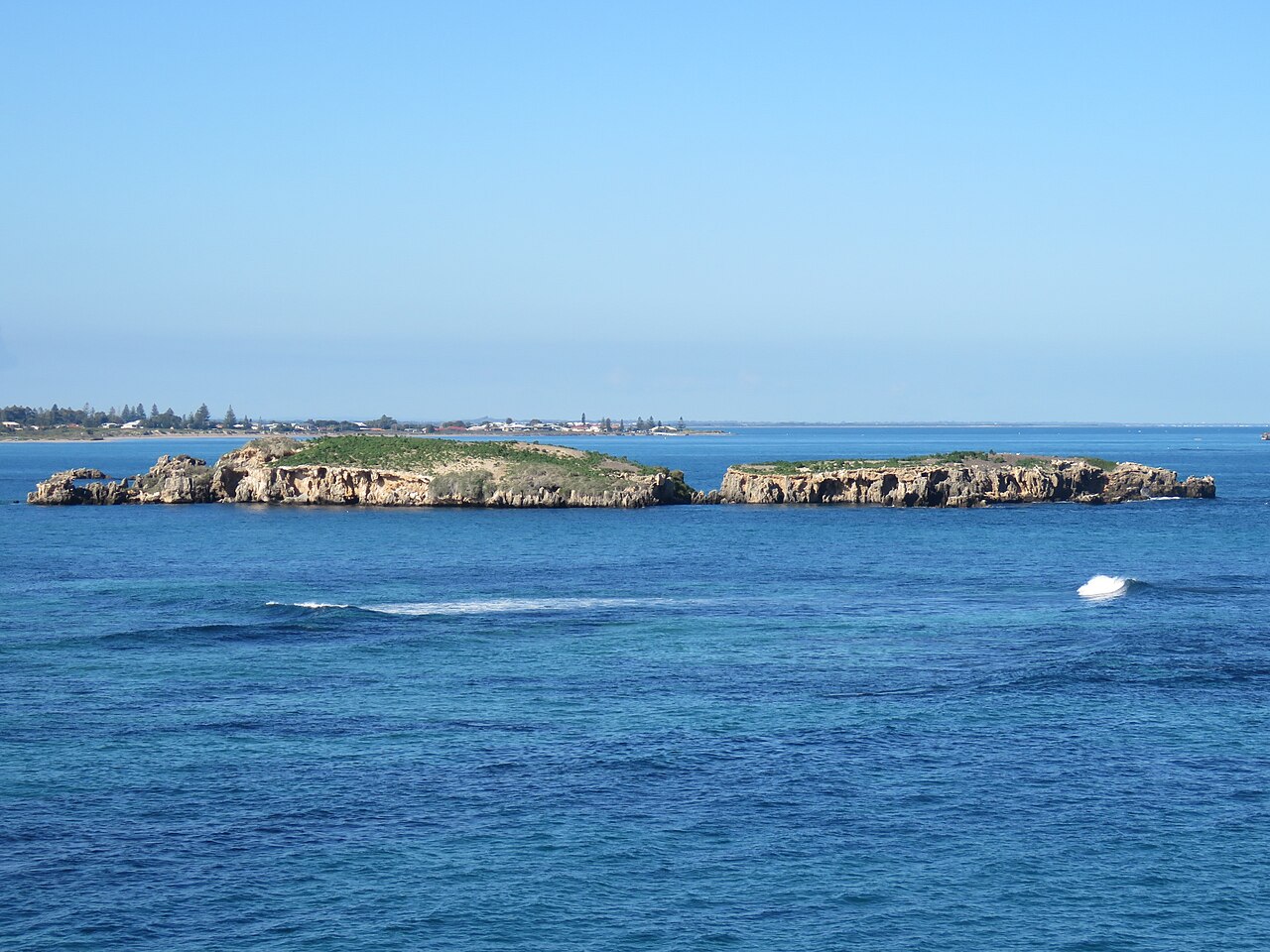
Old Dragon Head, the sea bastion built by Qi Jiguang's men in 1579
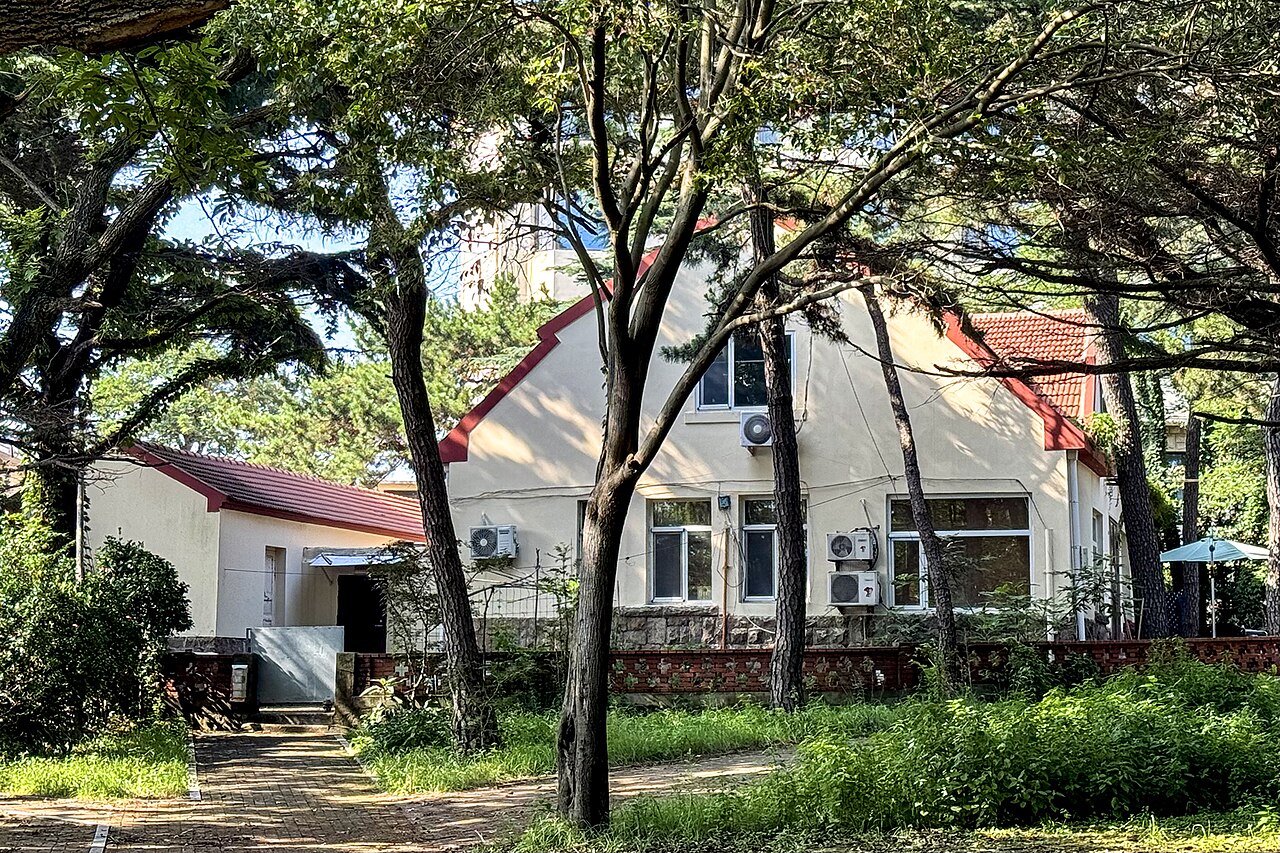
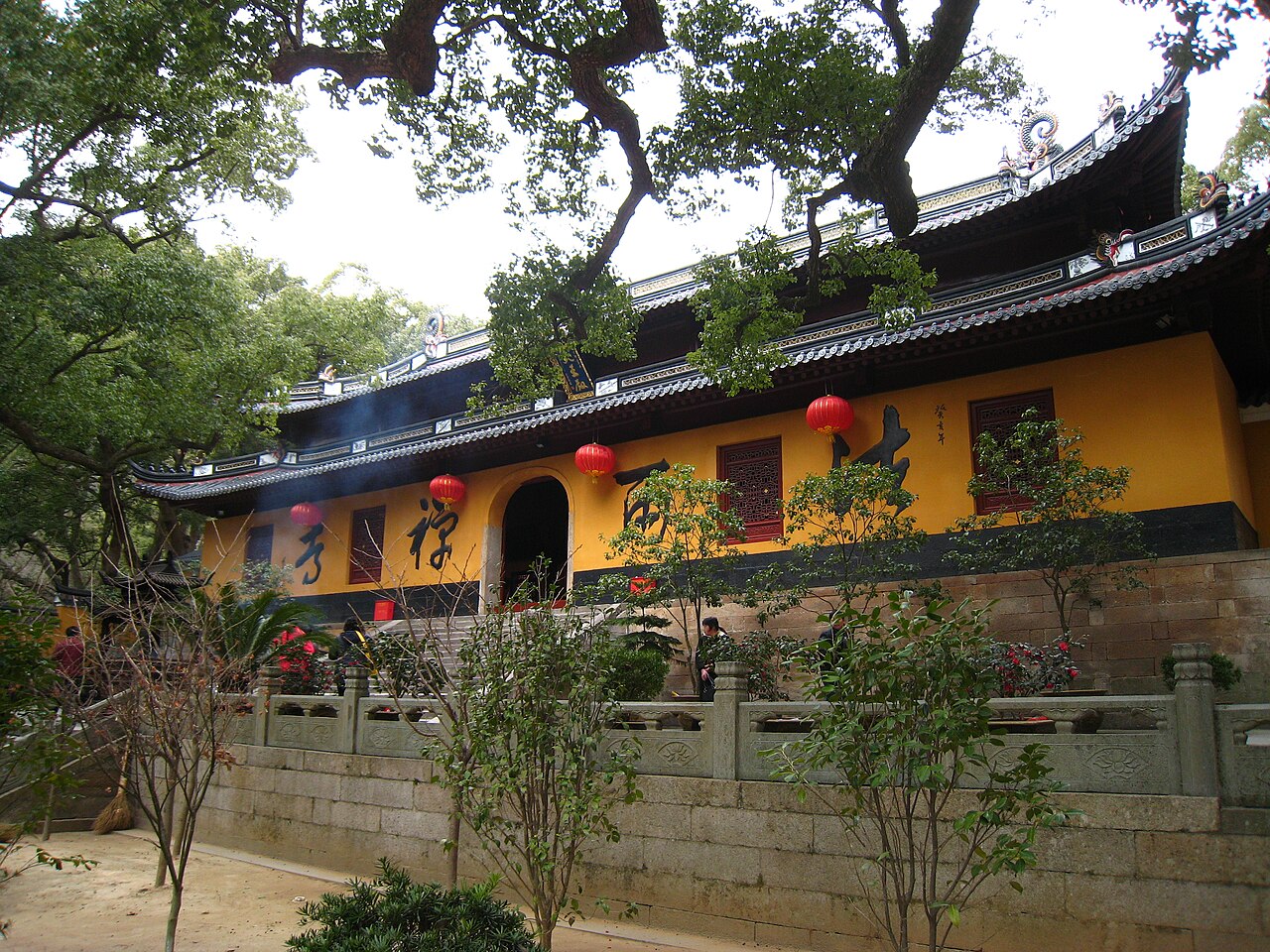
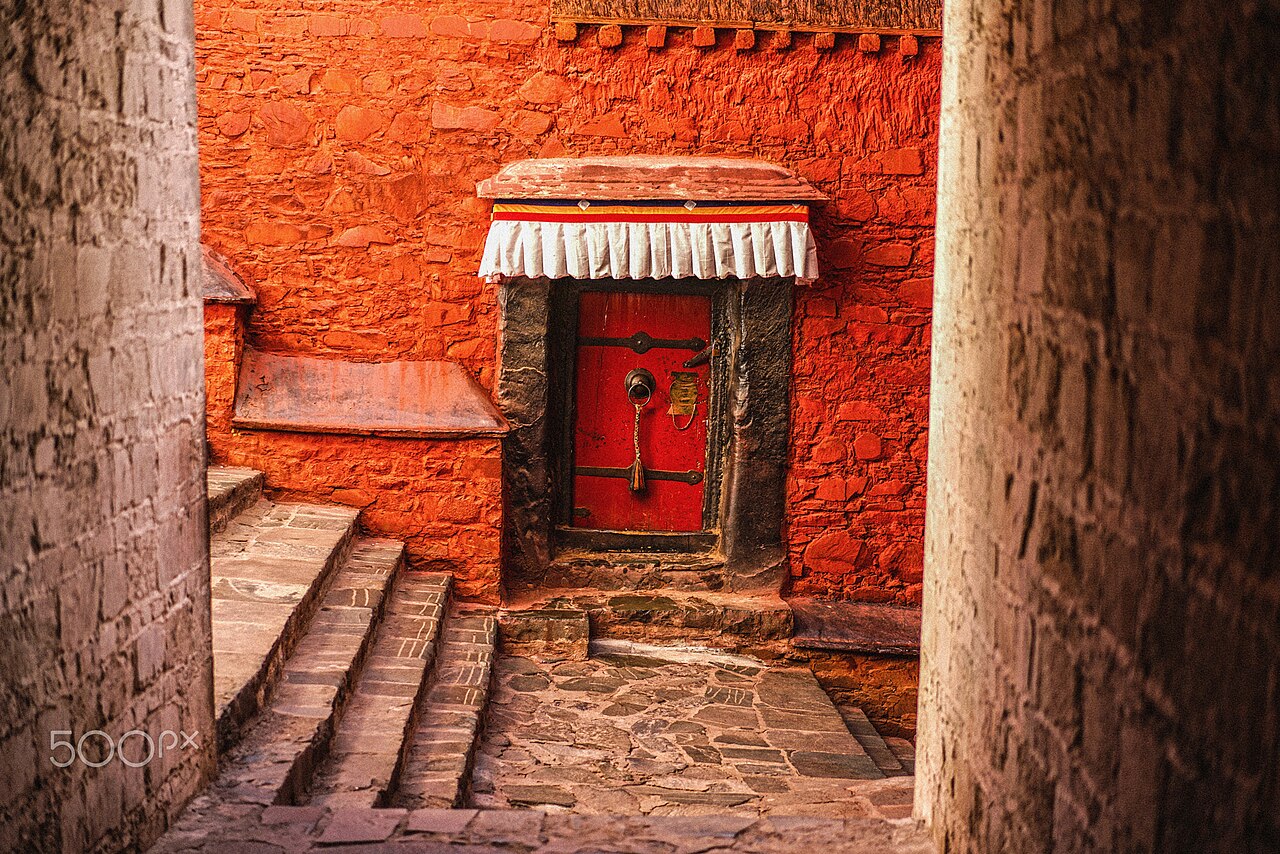
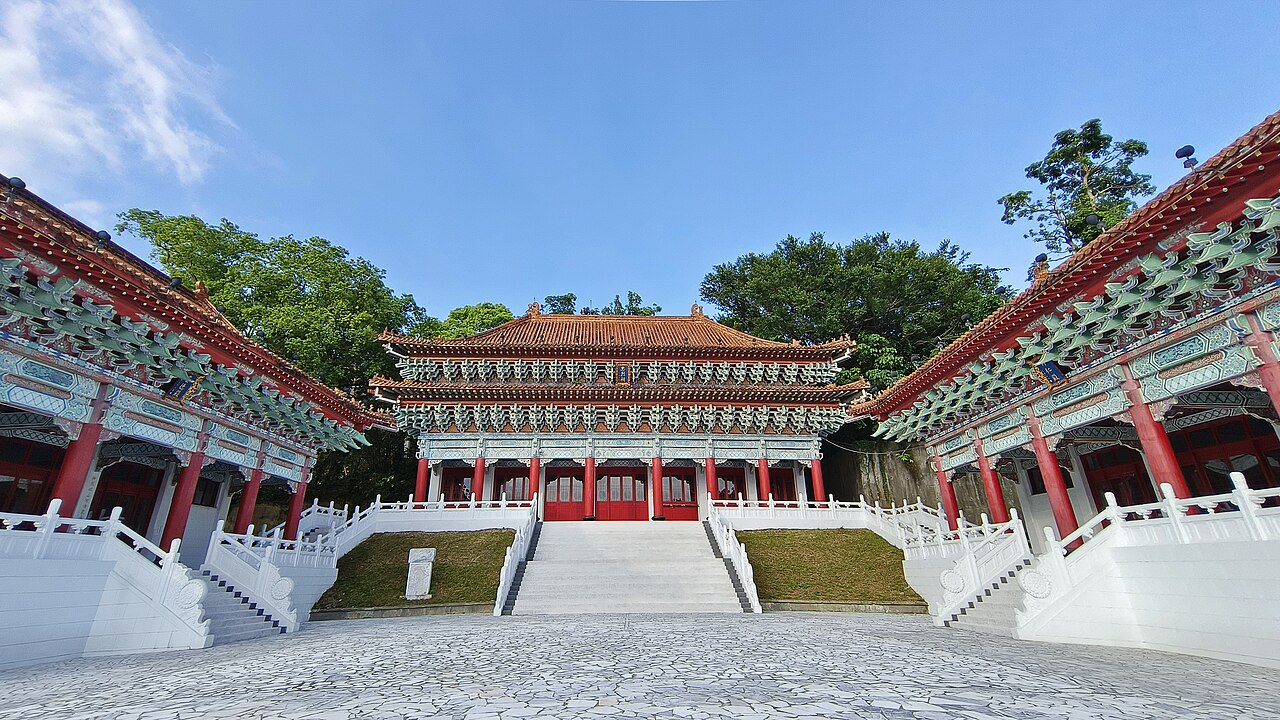
The hundred-and-eight steps and red walls of the Meng Jiangnu Temple
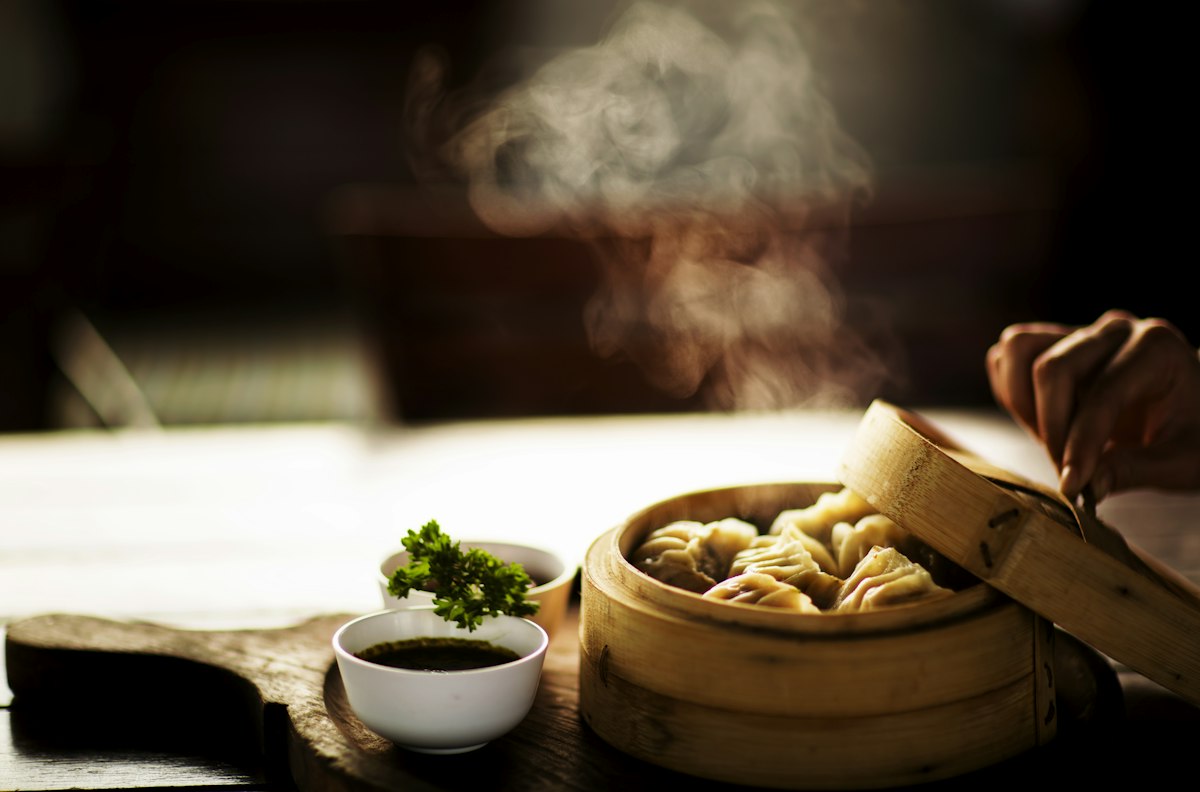
Copper hotpot with pickled cabbage and seafood, the Shanhaiguan winter staple

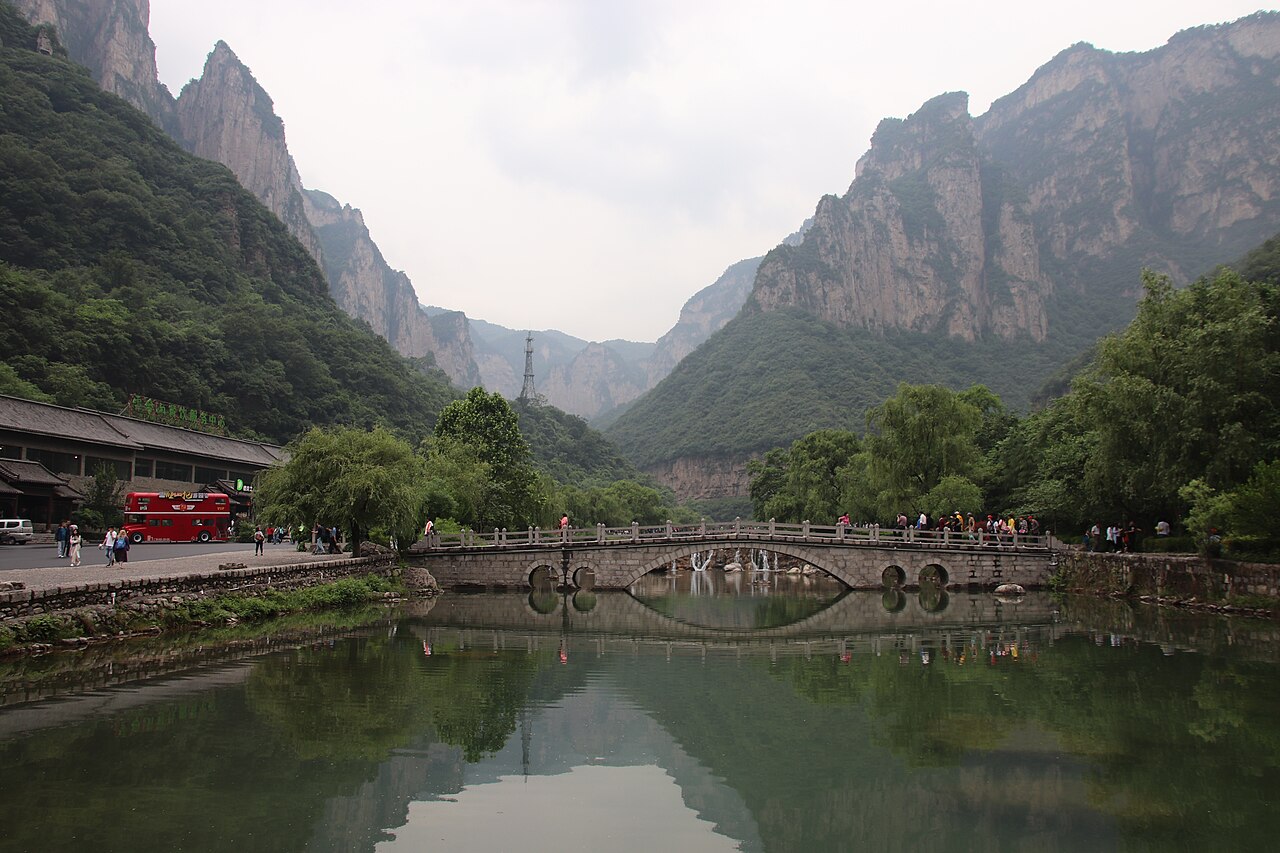
We spent our first afternoon at Shanhaiguan and it was the best part of the trip. The Bohai stretched out below us in daylight like a painting that had been left out to dry.

Traveller note — 'Shanhaiguan, beauty that crosses legend'

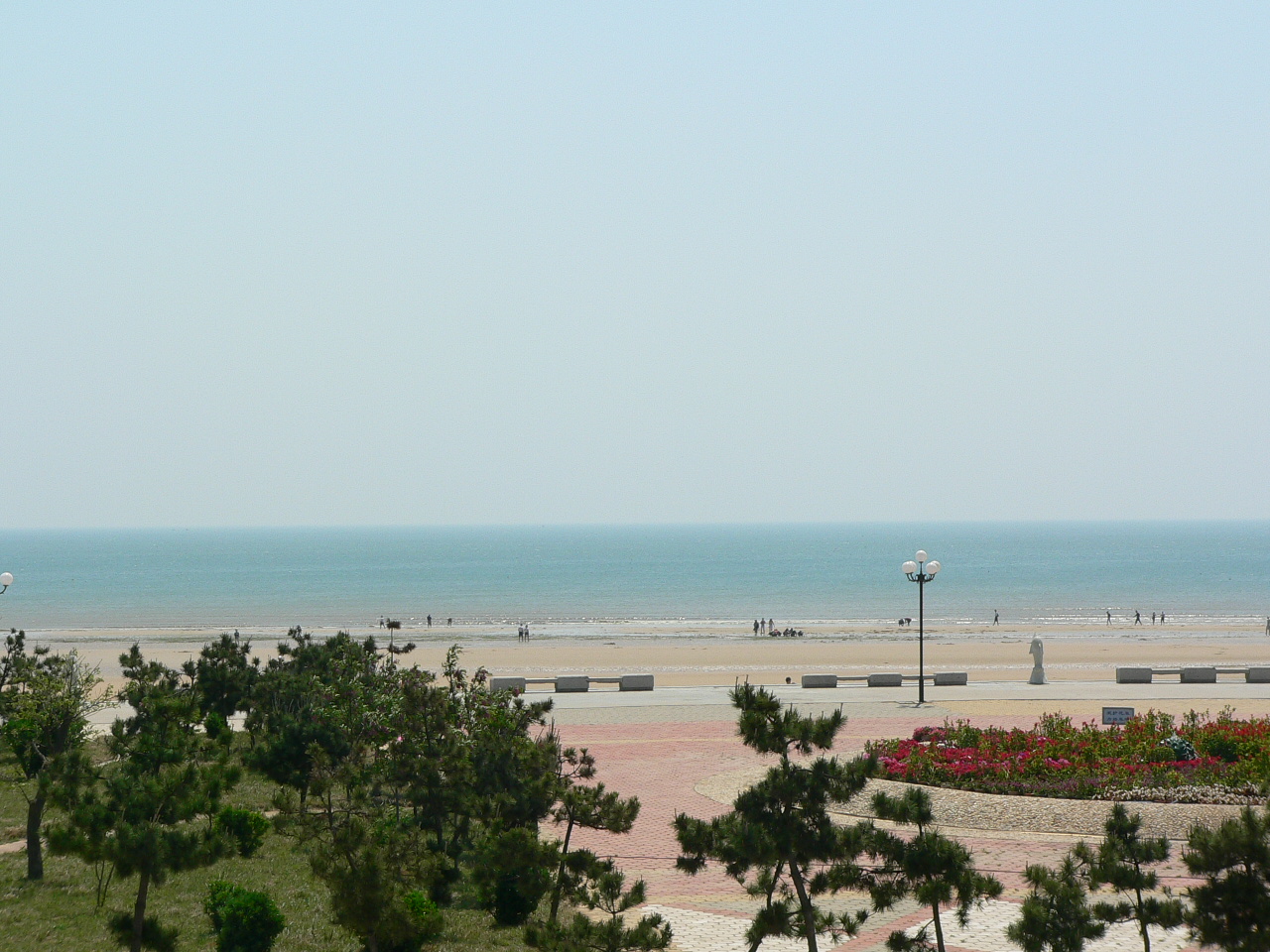
From the road the sand down to the sea was so soft that every step swallowed your foot. Speedboats full of tourists tore past leaving white trails, and beyond them the cranes at the pier were working — the whole sea glittering.

Traveller note — 'Two days in Beidaihe and Shanhaiguan'

Shanhaiguan is where the Great Wall stops being a rumour of mountains and becomes something you can put your hand on. The Ming built the pass here in 1381 to hold the narrow coastal plain squeezed between the Yan mountains and the sea, and for the next two and a half centuries this one gap decided who passed between north China and the lands beyond. Every brick you walk past exists because of that single military idea, and the town inside the wall still has the shape of a garrison.

What makes it unusually easy to read is how short the distances are. The old town is a grid you can cross in fifteen minutes, with the great gatehouse on its eastern edge and the ramparts running south for 4 km to Old Dragon Head, where the wall simply walks into the Bohai and stops. In between are courtyard compounds, a Bell and Drum Tower, a Ming-Qing shopping street and more tourism infrastructure than you will need — this is one of the best-organised heritage towns on the northern coast.

Most visitors come for a day from Qinhuangdao or Beidaihe, which is reasonable: the three core sights sit within bus range of each other. But the place rewards slowing down a little. There is the Meng Jiangnu legend and its temple, there is the couplet at her shrine that can be read six ways, and there is the ridge at Jiao Shan where the wall climbs to 519 m with the sea on one side and everything else on the other. Come early, buy tickets at official booths only, and give the wall at least half a day.

Shanhaiguan

Don't leave without

Seven things that are worth rearranging a day for.

  1. Climb the First Pass gatehouse and look out over the plain the Ming wall was built to hold
  2. Walk south to Old Dragon Head and stand where the wall runs into the Bohai
  3. Count the 108 steps up to the Meng Jiangnu Temple, then try to read the unpunctuated couplet
  4. Eat baozi and millet porridge at the 1958 Sitao shop inside the old town
  5. Order a Shanhaiguan copper hotpot — sour cabbage, meatballs, shellfish, frozen tofu
  6. Climb Jiao Shan at 519 m for the view over both sides of the wall at once

Highlights

What not to miss in Shanhaiguan

The First Pass gatehouse

The First Pass gatehouse

A two-storey tower standing right on the line of the wall, thirteen metres of wood and tile over a brick arch. Go up to the second floor: from there the whole garrison grid of the old town and the plain beyond it are laid out together, which is when the place starts making sense.

The wall walking into the sea

The wall walking into the sea

Four kilometres south of the gatehouse, a stone rampart built by Qi Jiguang's men in 1579 runs straight into the Bohai and stops. Stand on Chenghai Tower above it and the whole curve of the bay opens up. It is the single image people travel here for.

The Meng Jiangnu Temple

The Meng Jiangnu Temple

A small red-walled shrine on Phoenix Hill, reached by 108 stone steps, built for the woman whose weeping is said to have brought a section of the wall down. Visit for the couplet carved on the lintel — a famous word puzzle that reads several ways — and for the Wangfu, or Looking-for-Husband, Rock behind the hall.

The climb up Jiao Shan

The highest point of the pass defences at 519 m, three kilometres north of town, running along the boundary between two Ming military commands. The summit is a flat platform big enough for hundreds, and it is the only place here where you can see both sides of the wall in one glance.

Yansai Lake, the first reservoir on the Wall's eastern line

A reservoir that threads nearly fifteen kilometres through a cliff-sided gorge northwest of town. It gets called Little Guilin locally, and the boat ride through it is the coolest couple of hours you can buy on a July afternoon.

The old town after the crowds go

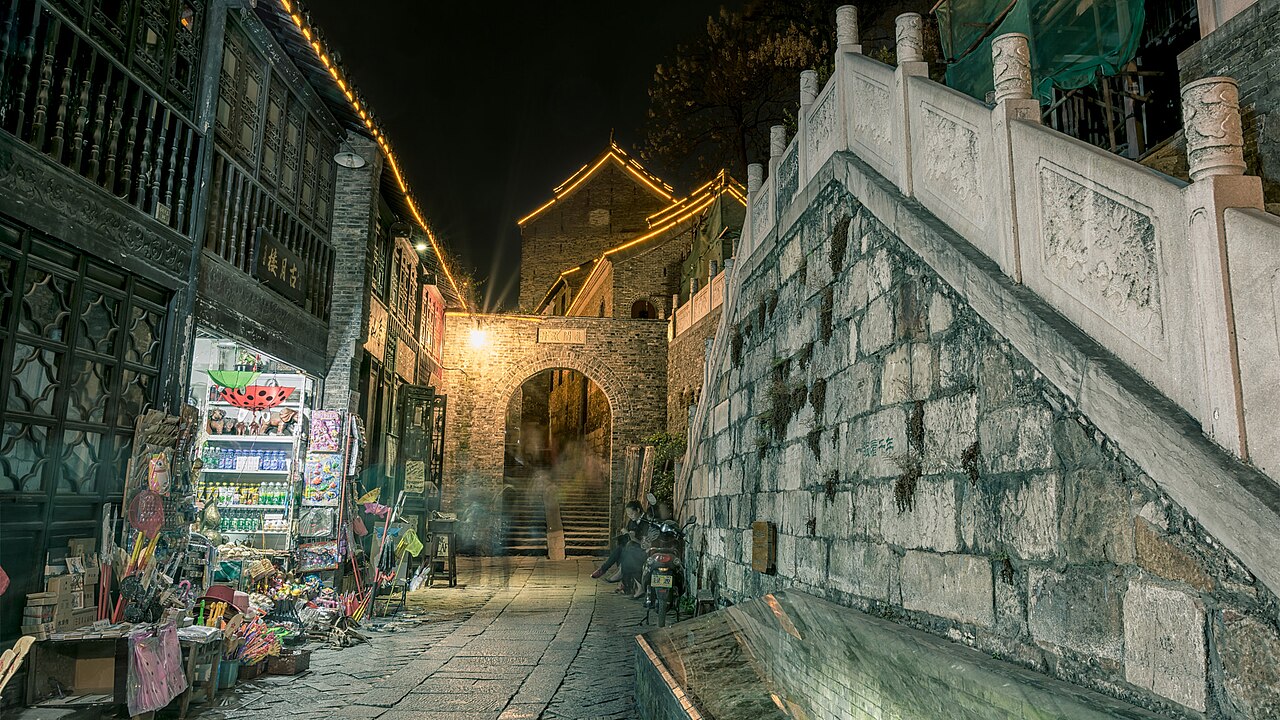
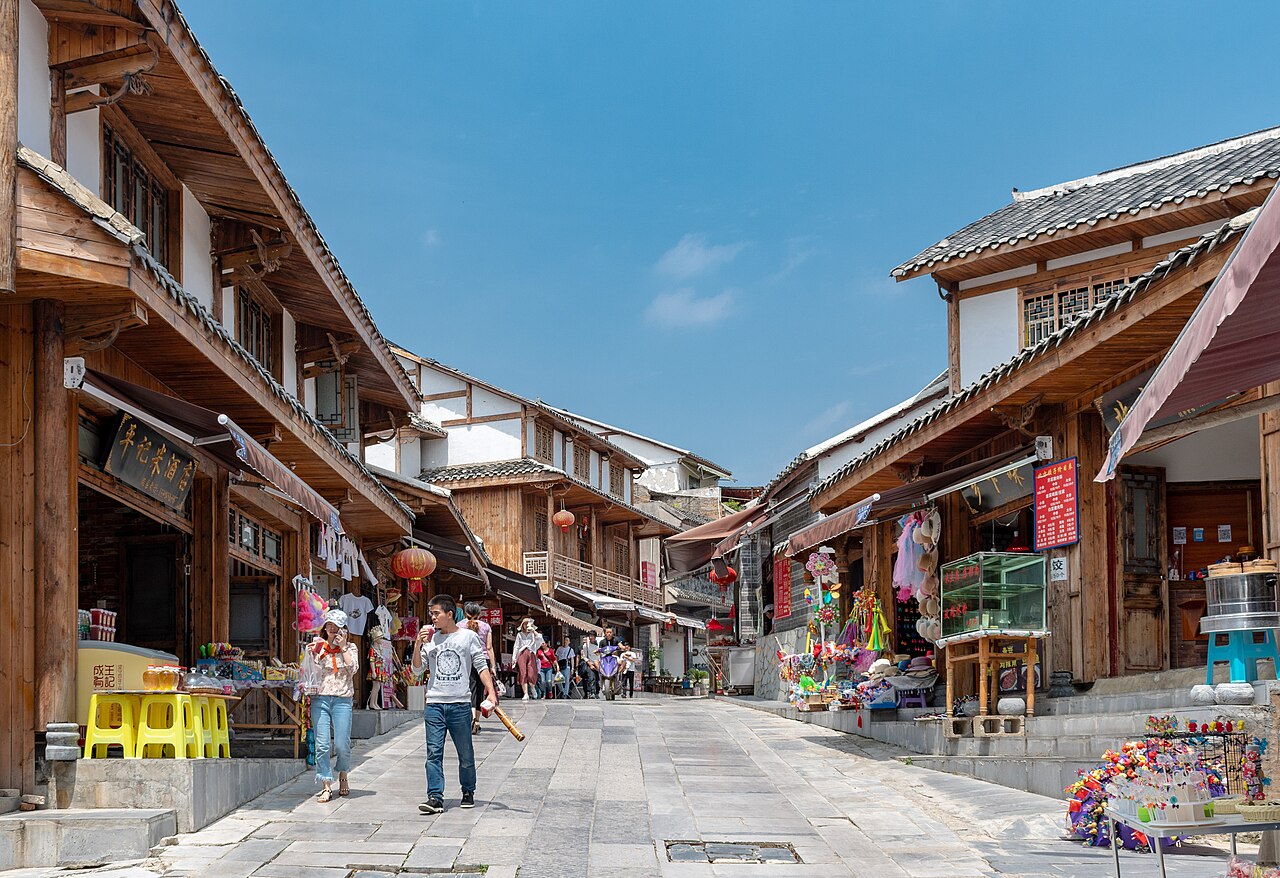
Inside the wall the town is still a town: families on errands, kite-sellers, a drum tower at dusk, steam off the baozi baskets on Ming-Qing Street. Eat dinner here rather than at the park gates — same cooking, half the price.

Suggested itineraries

Two days of wall and water

The three core sights are within 4 km of each other and all reachable on buses 25 and 2. Only Jiao Shan and Yansai Lake need a car.

The classic two days

2 days

Everything that matters: the gatehouse, the sea, the legend on day one; the ridge and the gorge on day two.

  1. Day 1

    Pass, sea, legend

    Start at the First Pass gatehouse around 8:30, before the coaches from Qinhuangdao arrive, and take the ¥60 ticket so you can climb the Bell and Drum Tower afterwards. Then look in at the Wang family compound on Ming-Qing Street for a sense of how a well-off merchant household here was built.

    Bus 25 south at lunchtime for Old Dragon Head: the sea bastion, Chenghai Tower, the old barracks of Ninghai Fortress and the Sea God Temple 300 m west along the water. Then bus 23 or 2 out to the Meng Jiangnu Temple in the late afternoon. Dinner back inside the wall.

    Stops: First Pass Under HeavenBell and Drum TowerOld Dragon HeadMeng Jiangnu Temple
  2. Day 2

    Ridge, then gorge

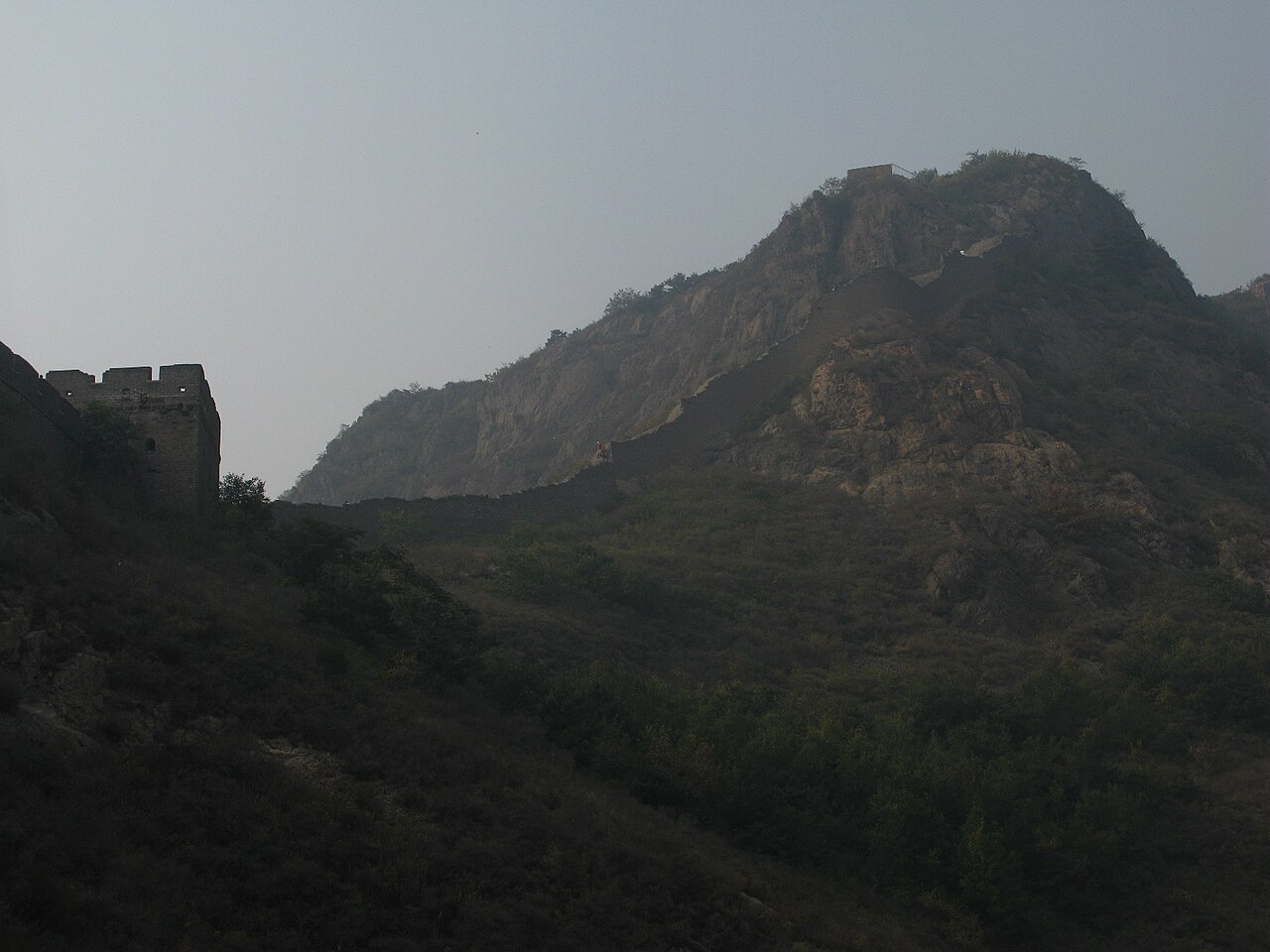
    Take the tourist shuttle from the south gate up to Jiao Shan and climb — allow three hours including the descent, and note that it is closed for fire control from 1 March to 13 May. The view from the flat summit is the best orientation you will get.

    After lunch, head northwest for Yansai Lake, either bus 34 to Wulitai and then a local minibus, or simply share a cab. The boat trip through the gorge takes about an hour and finishes the trip on water rather than brick.

    Stops: Jiao Shan Great WallYansai Lake

A gentler two days with children

2 days

Swap the two climbs for the ocean park and Changshou Mountain, and keep everything short.

  1. Day 1

    Wall and seaside

    Morning at the First Pass — children manage the tower steps fine — followed by baozi and snacks inside the old town.

    Afternoon at Le Dao Ocean Park: sea lion and dolphin shows, a proper diving area and enough rides to fill the heat of the day. Bus 25 runs there from the railway station, and the neighbouring beach works for a paddle afterwards.

    Stops: First Pass Under HeavenLe Dao Ocean ParkNanhai beach

  2. Day 2

    Sea viewpoint and garrison caves

    Old Dragon Head is flat and easy — the sea bastion and the barracks need no climbing at all, and the water is right there.

    Changshou Mountain in the afternoon for the Xuanyang Cave and the calligraphy steles, 9 km northeast of town. It is the cheapest ticket in the region at ¥15 and never crowded. During the May and October holidays, dedicated shuttle buses run to each sight for about ¥5 a head.

    Stops: Old Dragon HeadChangshou Mountain

One day, done properly

1 days

If you only have the daylight hours: three sights, one bus line, no detours.

  1. Morning

    The First Pass

    Be at the gatehouse when it opens at 7:00 in summer, walk the ramparts and climb every structure your ticket allows. If you want the 7:00–9:32 train slot from Beijing, this is what it buys you: the best three hours of the day in the least crowded three hours of the town.

    Stops: First Pass Under HeavenBell and Drum TowerWang family compound

  2. Afternoon

    Sea, then legend

    Bus 25 south to Old Dragon Head for lunch and two hours on the water bastion, then bus 23 or 2 to the Meng Jiangnu Temple before it shuts at 17:00.
    Back in town for a hotpot dinner, then walk the wall silhouette for twenty minutes on the way to the station. It is a five-minute walk, and there is no reason to take anyone's pedicab.

    Stops: Old Dragon HeadMeng Jiangnu TempleShanhaiguan station

Sights

The places worth your time

Chinese ticket prices move without much warning. These are the prices to expect; confirm at the official booth on the day.

The First Pass Under Heaven

The gatehouse · Non-negotiable

The First Pass Under Heaven

The pass that gives the town its name, and the biggest surviving Ming gate-tower complex on the eastern defence line. Built from 1381 under the general Xu Da and expanded in successive reigns, it supervised the garrison through two and a half centuries, and its boxy silhouette is what you see on every Shanhaiguan poster. Climb to the second floor and look outward: that flat northern plain is exactly the corridor the archers were positioned to cover.

Ticket
¥50 basic · ¥60 recommended, with the Bell and Drum Tower · ¥110 through-ticket with shuttle · students about ¥30–70
Hours
07:00–17:30 · 07:30–17:00 December to March
Where
1 East Street, Shanhaiguan district, Qinhuangdao
Getting there
Bus 25 or 33 to Tianxia Diguan stop
Time needed
2–3 hours with the drum tower
Phone
0335-5051106

Tip Pay the extra ¥10 for the ¥60 ticket — it includes the Drum Tower, which has the best view down onto the town grid, and it costs almost nothing extra. Look up at the giant horizontal plaque on the way in: local tradition has it that the character for 'one' was brushed by an inn potman who had wiped the table under it every day for thirty years.

Old Dragon Head

The sea bastion · The reason to come

Old Dragon Head

Four kilometres south of the town, on Bohai shore, sits the eastern end of the Ming wall: a stone rampart standing clear in the sea, built in 1579 under Qi Jiguang to stop cavalry from riding the shallows around the end of the line. The complex behind it is a proper military settlement — the trapezoidal Ninghai Fortress with a perimeter of 899 m, the Longwu barracks, the South Sea Pass and the Sea God Temple 300 m along the coast. Chenghai Tower sits on top, holding an old map of the site and a small collection of Ming defensive ordnance.

Ticket
¥60 · ¥30 from December to March · students ¥40
Hours
07:30–17:30
Where
Laolongtou Road, 4 km south of Shanhaiguan old town
Getting there
Bus 25 to Shanhaiguan Laolongtou stop; taxi from town under ¥20
Time needed
2 hours
Phone
0335-5152995

Tip This is where the touts work hardest — see the tips block. Once inside, go straight to Chenghai Tower first while your legs are fresh, then walk out onto the sea wall and the sand. The light is better in the afternoon, when the sun is behind you looking down the length of the coast.

Meng Jiangnu Temple
Legend · Small and strange

Meng Jiangnu Temple
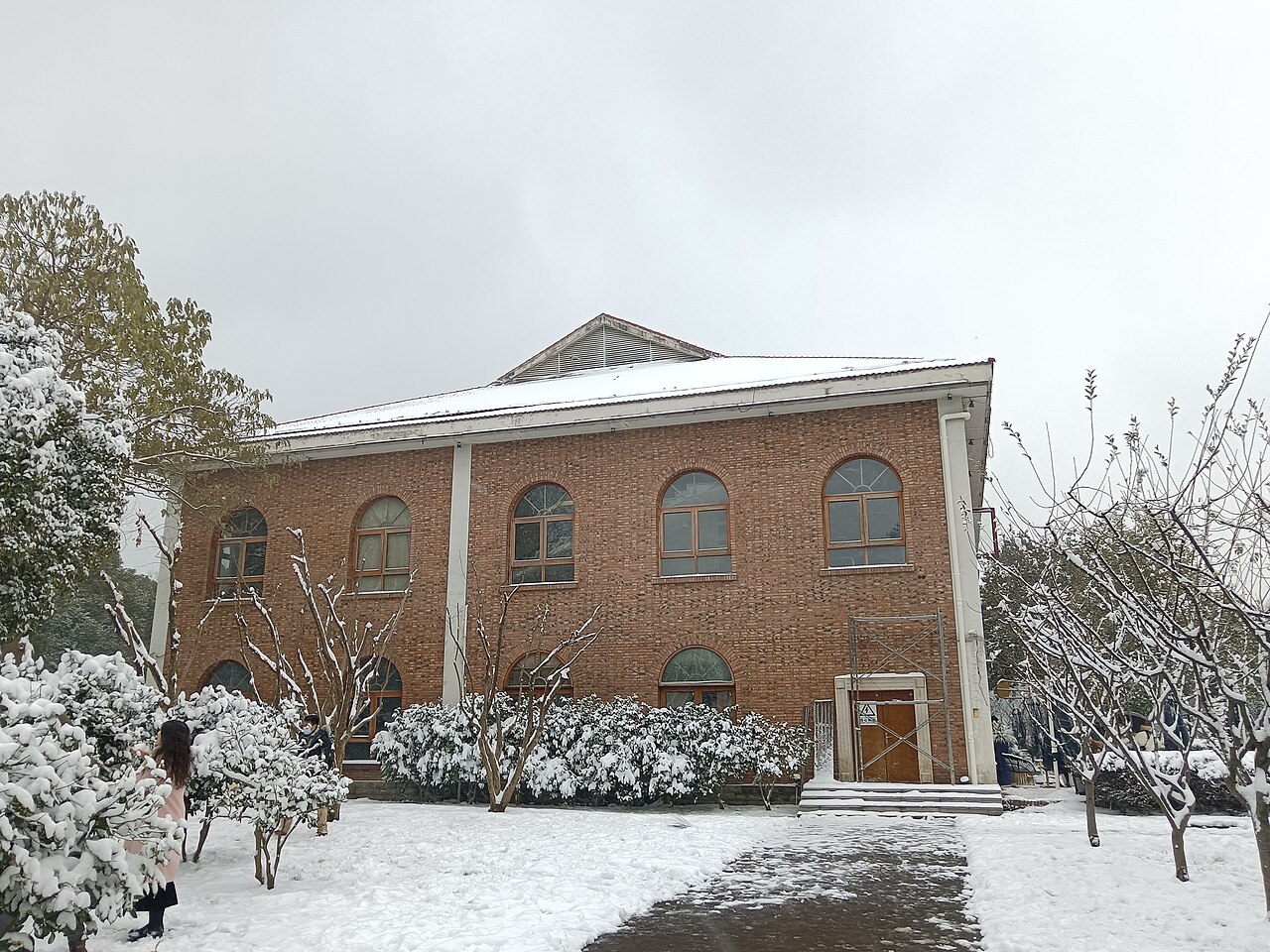
A tiny, much-loved shrine of red walls and grey tiles half-hidden in greenery on Phoenix Hill, four kilometres east of town. It is dedicated to the woman of China's most famous folk legend, whose weeping is said to have collapsed a section of the Great Wall over her husband's body. You climb 108 steps to reach it, pass between couplets praising her and damning the First Emperor, and come out onto a terrace with the Wangfu Rock behind the hall and the sea in the distance. Small rooms, big emotional freight.

Ticket
¥25 · students ¥15
Hours
08:00–17:00
Where
Jiangnvmiao Road, Phoenix Hill, Shanhaiguan district
Getting there
Bus 2 from the railway station direct to the site
Time needed
1 hour
Phone
0335-5153159

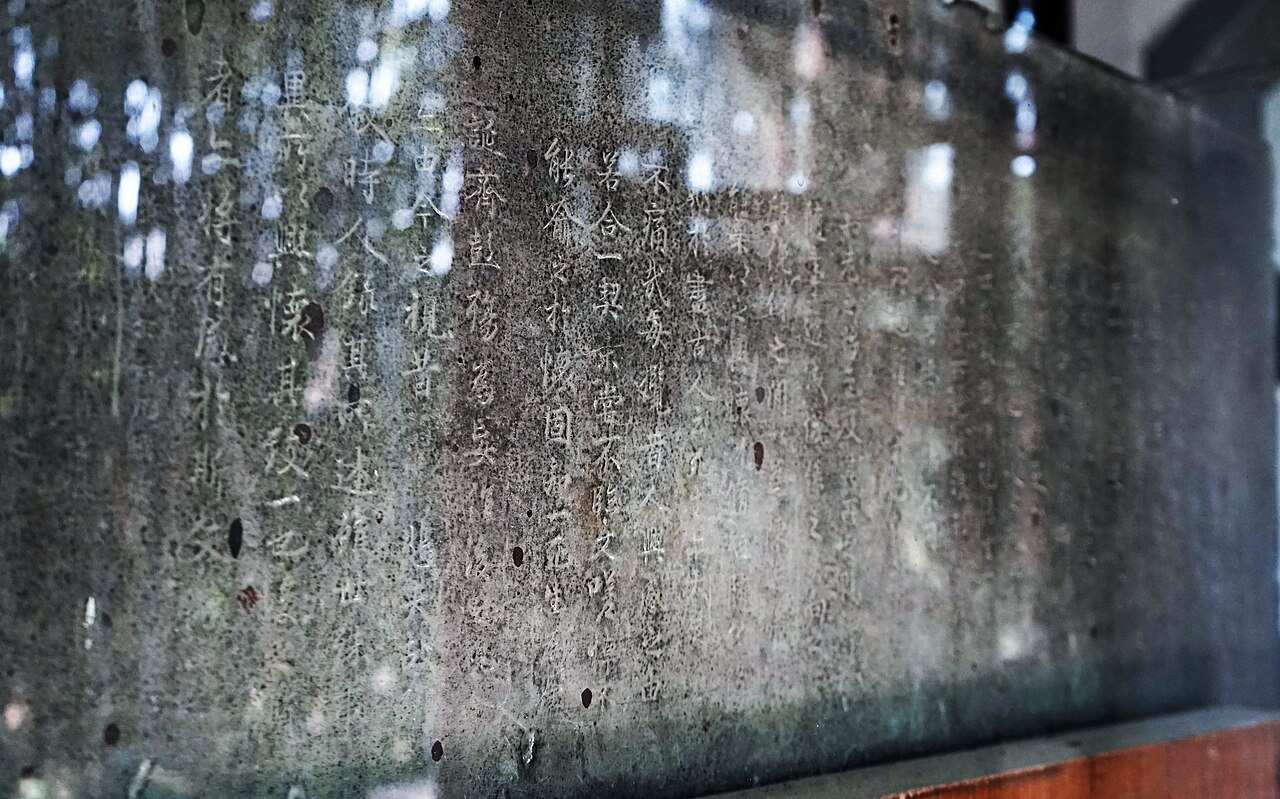
Tip Find the famous unpunctuated couplet before you leave — the one about the tide coming in and the clouds lengthening. Read it aloud with different punctuation and it changes meaning several times over. Local belief also puts her grave on two rocks out in the Bohai, four kilometres to the southeast.

Ridge climb · The long view

Jiao Shan Great Wall

The summit fortress of the pass, 3 km north of town at 519 m, with a flat top broad enough to seat several hundred people and a rock outcrop that gave the mountain its horned name. The wall here marked the boundary between two Ming military commands and carries five beacon platforms; climb it and both sides of the line are visible at once — the sea behind you, everything else ahead. There is a temple also called Jiaoshan on the slopes.

Ticket
¥30
Hours
Closed for fire control 1 March – 13 May
Where
3 km north of Shanhaiguan old town
Getting there
Tourist shuttle from the south gate of the old town
Time needed
3 hours
Phone
0335-5171999

Tip Go in September or October, when the air is clear enough to see the whole way down to the water. Wear shoes with grip — the last stretch of the wall is steep, and the steps are worn.

Gorge · Boat trip

Yansai Lake

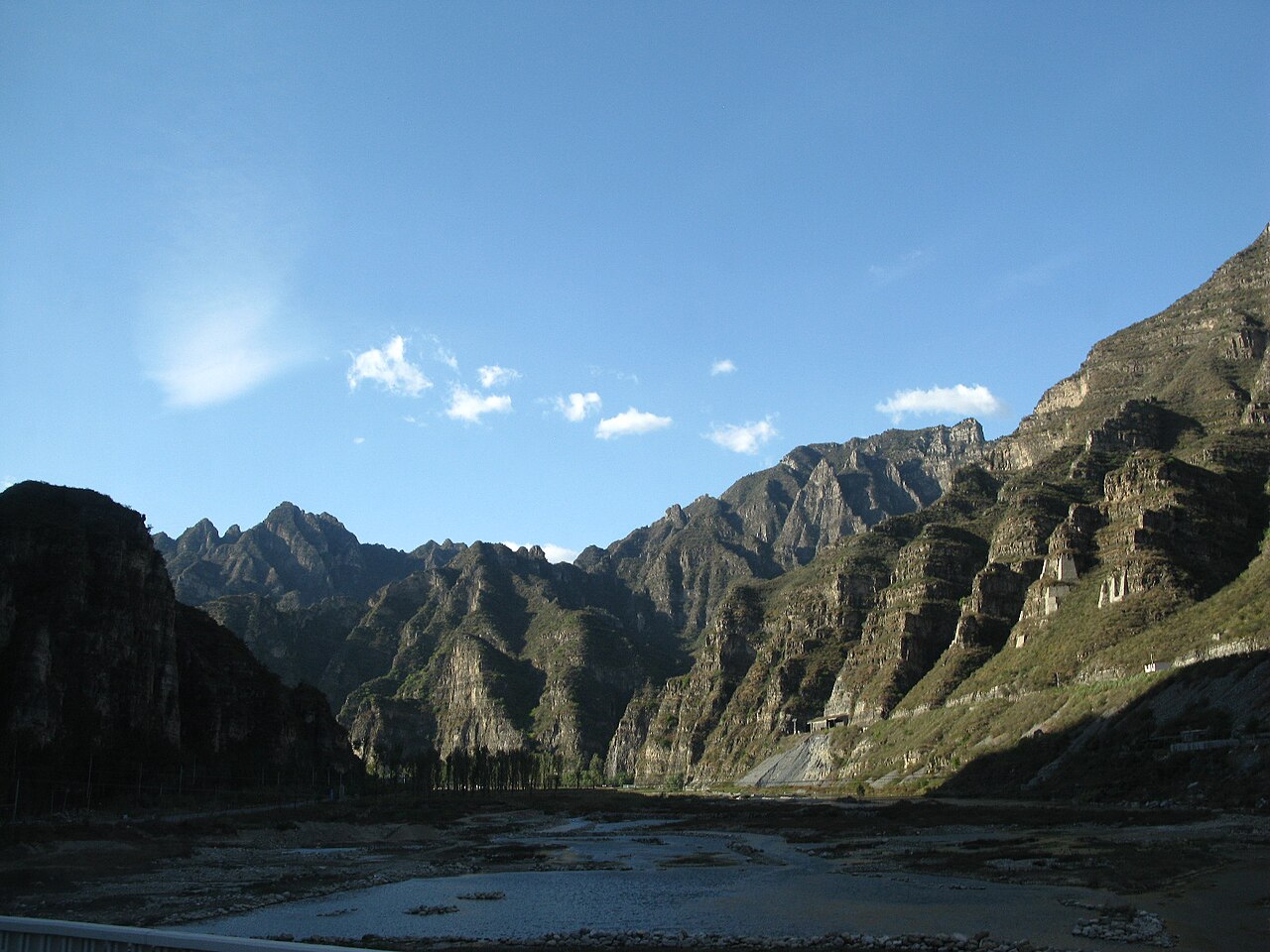
The first reservoir on the eastern course of the Great Wall, filling a gorge seven li northwest of the old town and running nearly fifteen kilometres back through it. The banks are cliffs and dense planting, the water doubles back on itself constantly, and locally it goes by the nickname of Little Guilin or the Little Three Gorges. The boat ride, not the shoreline, is what you are buying here.

Ticket
¥90 high season · ¥40 low season
Hours
08:00–18:00 · closed 1 March – 13 May
Where
About 3.5 km northwest of Shanhaiguan old town
Getting there
Bus 25 from the south gate, or bus 34 to Wulitai then a local minibus
Time needed
Half a day

Tip Pair it with Jiao Shan — they are in the same direction and both shut from early March to mid-May for fire control, so check the dates before you build a spring itinerary around them.

Cheap, quiet · Half a day

Changshou Mountain

A stretch of the Changshou river valley nine kilometres northeast of town, running east from Huangniu Mountain, and honestly the best-value ticket in the region. Xuanyang Cave — a lit-through cavity that locals say glows — the Physician Cliff Sculptures, a forest of carved longevity characters, Sandaoguan pass, a narrow sky-slot and the Buddha's Palm Peak. Wooded, rarely busy and cool even in August.

Ticket
¥15
Hours
08:00–16:00 · closed 1 March – 13 May
Where
9 km northeast of Shanhaiguan district
Getting there
Bus 33 or 25 to Shanhaiguan south gate, then a taxi; during the May and October holidays dedicated shuttles run for about ¥5
Time needed
3–4 hours
Phone
0335-5155708

Tip This is the one to pull out on a crowded public holiday, because almost nobody goes. Bring water — there is little once you are up in the valley.

With children · Or a hot afternoon

Le Dao Ocean Park

A big seaside marine park on the coast east of the old town, and the largest of its kind locally: dolphin, sea lion and beluga shows, a full diving area for getting into the water with marine animals, plus the usual rides. Add exotic-cabaret-style stage shows and performances with a strong minority-arts flavour in the afternoon, and it occupies a family contentedly for five hours.

Ticket
¥100 · students ¥80
Hours
08:00–17:30
Where
148 Longhai Avenue, Shanhaiguan
Getting there
Bus 25 from Shanhaiguan railway station
Time needed
Half to a full day
Phone
0335-5938205

Tip Check the show timetable at the gate first and plan around it — the sessions are what justify the ¥100, and missing them leaves you at a fairly expensive beach.

Festivals and seasons

When the calendar matters

Shanhaiguan is a year-round sightseeing town, but two dates change what you get out of it — and one season changes what you can see at all.

Meng Jiangnu Temple Fair
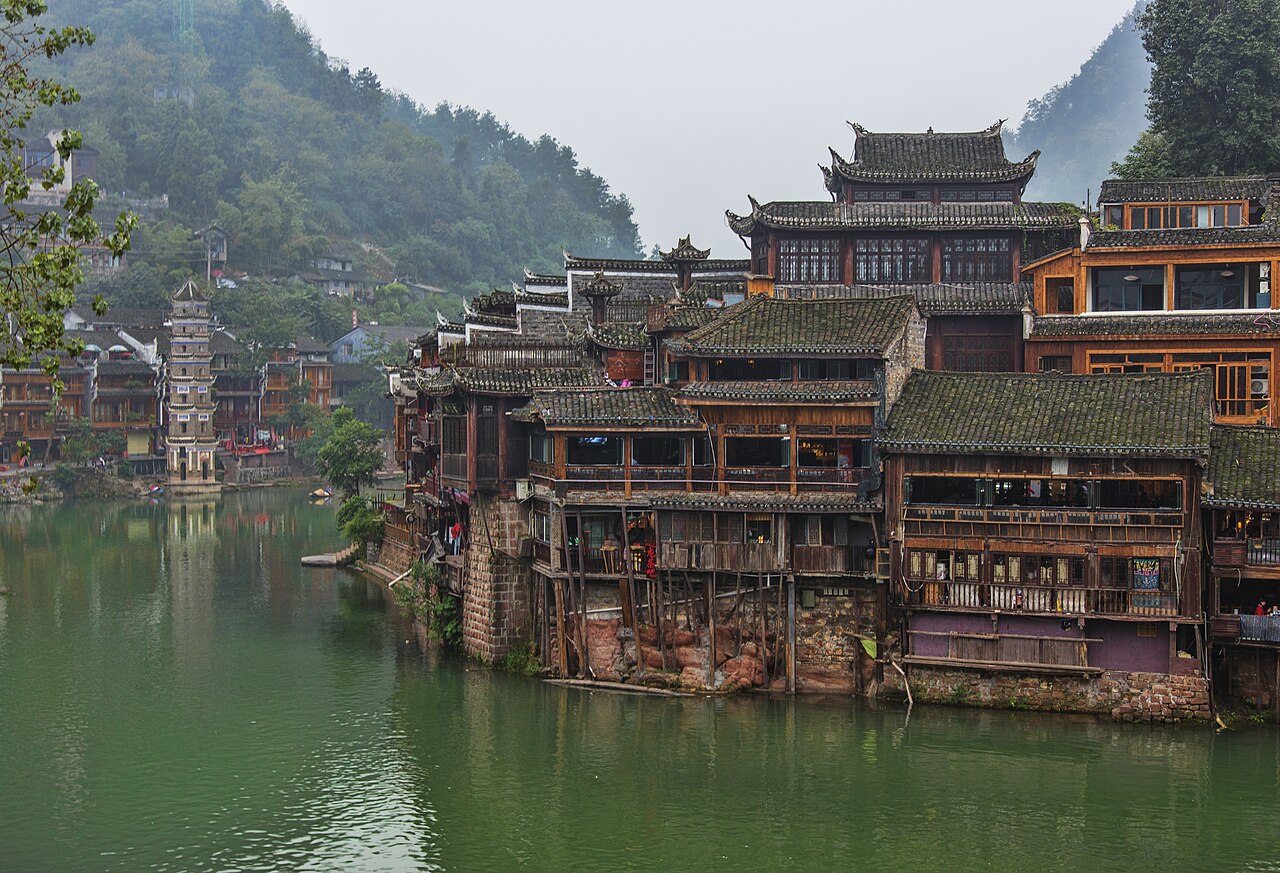
28–30 May each year, at the temple on Phoenix Hill. It is the event the shrine was built for: stalls of local snacks, and earthy folk performances — the Hebei ground yangge dance, the two-person comic turns of errenzhuan and acrobatics — running in front of a red-walled courtyard that is otherwise very quiet.

The Wanghai Gathering

The fifth day of the fifth lunar month, at the Qin Seeking Immortality site. The custom is 2,200 years old: when Xu Fu and the five hundred boys and girls he took to sea never returned, their families came to this headland and scanned the water for them every year at the same date. It still draws crowds from hundreds of kilometres along the coast — part market day, part prayer for calm seas.

July and August on the water

The sea along this stretch is at its warmest, and the Nanhai bathing beach by the eastern hotels works for a swim after a morning on the wall. Expect crowds on the wall itself: arrive before 9 am, and do the indoor museums during the middle of the day.

Snow on the ramparts

Winter is the overlooked season. The average January temperature here is about −5°C, snow settles on the brickwork, and on a clear day you can have the entire pass almost to yourself. Bundle up, check the shorter December-to-March opening times, and note everything mountain-side is shut.

Eating

What Shanhaiguan eats

This is garrison food — flour, millet, pickled cabbage and whatever comes out of the Bohai — plus four specific local things worth tracking down.

Great Wall boluo cakes

Wild Asian tussock leaves from the slopes around the wall, wrapped around a starch-and-three-delicacies filling and steamed until the skin goes faintly translucent, with a clean grassy smell. The tradition traces to General Qi Jiguang's Zhejiang troops, who were eating coarse northern grain and improved it this way around May, when the leaves are young. The same food is said to have reached Japan.

Sitao baozi

The town's everyday landmark: steamed buns from a shop opened in 1958 on the fourth lane of the old grid, which gave the buns their name. Juicy filling, thin skins, and eaten standing or at a Formica table with a bowl of millet porridge. About ¥18 a head, and breakfast here is a genuine local ritual.

Hui-style mung-bean cake

A halal sweet sold since 1945 by a Hui Muslim family whose surname was Hui, hence the 'Hui-ji' name. Local mung beans and sugar worked into something rich but not cloying, soft and fragrant rather than sweet-shop sweet. Sold by weight, keeps for days, and makes a far better souvenir than anything in a gift shop.

Shanhaiguan hotpot

The pot that carries the town's winter: a traditional purple-copper vessel filled with a long-simmered chicken broth, specially cured sour cabbage, streaky pork, meatballs, the local starch jelly called menzi, frozen tofu and whatever shellfish is in season, kept at the boil over charcoal. Pork that is rich without being greasy, balls that are springy, pickled cabbage cutting through it all.

Bohai seafood

The thing everybody says they came for. Mantis shrimp, swimming crab, clams and scallops come off the boats right here, and autumn is the best season for it: buy live by weight at the market and pay a kitchen to cook it, rather than ordering the same thing at a resort restaurant thirty kilometres away.

Where to eat

The five worth knowing

Phone numbers are local landlines; add +86 and drop the leading 0 when calling from abroad. Eating inside the old wall costs noticeably less than eating beside a car park.

The town's best · About ¥60 a head

Wangyanglou

In a town this size there is one restaurant everybody names first, and this is it — the place Shanhaiguan families book for weddings and birthday banquets. Locals describe it, fairly, as simply good rather than thrilling: strong cooking, big menu, reliable rooms.

Order
Roast pork squares, pan-fried menzi jelly, capital-style ribs
Where
51 Nanhai West Road, Shanhaiguan district
Phone
0335-5155666 · 0335-5176777
Price
About ¥60 a head

Opened 1958 · About ¥18 a head

Sitao baozi, Old City Street branch

The baozi institution, now with its main branch midway down Old City Street inside the wall. People travel for these deliberately, and eating them while sitting in a garrison town that has not moved much since the gate was built is better than the food alone.

Order
Baozi and a bowl of millet porridge
Where
Middle of Old City Street, Shanhaiguan old town
Price
About ¥18 a head
Good to know
The original shop is on Nandajie, old-town grid lane four

The boluo cake address

Hongyan Restaurant

The doorway everybody is sent to for the Great Wall boluo cakes — the one place you can reliably order them rather than hunt for them at a stall. A proper sit-down local Chinese restaurant otherwise, with the usual northern-Hebei menu.

Order
Great Wall boluo cakes
Where
109 Chengguan South Road, Shanhaiguan
Good to know
Order the cakes first — they take time and run out

Since 1945 · Takeaway

Hui-ji mung-bean cake shop

A small halal pastry counter that has been making one thing well since 1945. Oil-rich but not greasy, soft, sweet and clean-tasting; buy by weight and eat it over the next two days.

Order
Mung-bean cake by the jin
Where
22 Tianxin Lane, Shanhaiguan old town
Good to know
Halal; cash and mobile pay both fine at the counter

Winter hotpot · Group dinner

Qinghe hotpot, Nanyuan

The most-recommended room in town for the copper hotpot: charcoal under the pot, chicken broth, cured sour cabbage, meatballs, menzi jelly, frozen tofu and seafood going in together. Come with three or more people — a hotpot is not a solo dinner.

Order
The full hotpot with sour cabbage and seafood
Where
Nanyuan, Shanhaiguan district
Good to know
Ask the kitchen how sour you want the cabbage before it goes in

Sleeping

Where to stay

Shanhaiguan has fewer rooms than Beidaihe; over the May and October holidays it books out and prices move. If you plan to cover Qinhuangdao as well, staying in the city centre gives you better road links.

Old town centre · From about ¥84

Qinhuangdao Yulin Shanhai Hotel

Right in the middle of everything: the First Pass gatehouse, the railway station and the town's shopping streets are all within a few hundred metres. Guests consistently describe the rooms as clean and unusually spacious for the price. This is the practical choice.

Price
From about ¥84
Where
47 Xinxinglong Street, Shanhaiguan district
Phone
0335-5077966
Getting there
600 m from the railway station, about a 5–10 minute walk; bus 33 from the coach station to the south gate

Courtyard · From about ¥168

Shanhai Holiday Hotel

An old-style courtyard hotel ten minutes' drive from the airport and eight from the railway station, inland enough to be genuinely quiet — the main drawback people mention is that the sea is not on the doorstep. If you value sleep over salt air, this is the one.

Price
From about ¥168
Where
Beimadao, Shanhaiguan old town
Phone
0335-5352888
Getting there
About ¥20 for a 20-minute taxi from the airport; bus 21 from the station, or a ¥6 cab ride

Farmhouse · From about ¥90

Pengbin Guesthouse (Le Dao farmhouse)

In Tianzhuang village, east of Old Dragon Head and a kilometre from Le Dao Ocean Park, so it works for families heading to the park. This one has something the hotels do not: go out fishing on a real boat in the morning. Plain rooms, genuine rural character.

Price
From about ¥90
Where
Tianzhuang village, Shanhaiguan district
Phone
13513355612 · 13513343753
Getting there
Bus 25 to Tianzhuang village stop

Garden by the sea · From about ¥276

Kailai Resort

A garden-style complex east of Old Dragon Head, near Nanhai bathing beach and Le Dao, which makes it the choice if you want a swim at the end of the day rather than a courtyard meal. Reviewers note the fittings have aged but praise the breakfast and the position.

Price
From about ¥276
Where
1 Yunnan Road, Shanhaiguan Economic and Technological Development Zone
Phone
0335-5181888
Getting there
A taxi into Shanhaiguan costs under ¥20; a bus from the gate takes about 20 minutes to Le Dao

17 km away · More choice

Or base yourself in Qinhuangdao City

Plenty of people see Shanhaiguan as a day trip and sleep in Haigang district instead, where there are far more rooms and better restaurants in the evening. Bus 25 and the coastal road make the hop straightforward, and you get both the working port and the wall town out of it.

Distance
17 km to Qinhuangdao, 30 km to Beidaihe
Good to know
Buses run frequently between all three; bus 6 links Beidaihe station to Qinhuangdao station

Getting around

Arriving, and moving about

The old town is walkable end to end. You need wheels for three things only: sunrise, Jiao Shan, and getting to Beidaihe.

By train

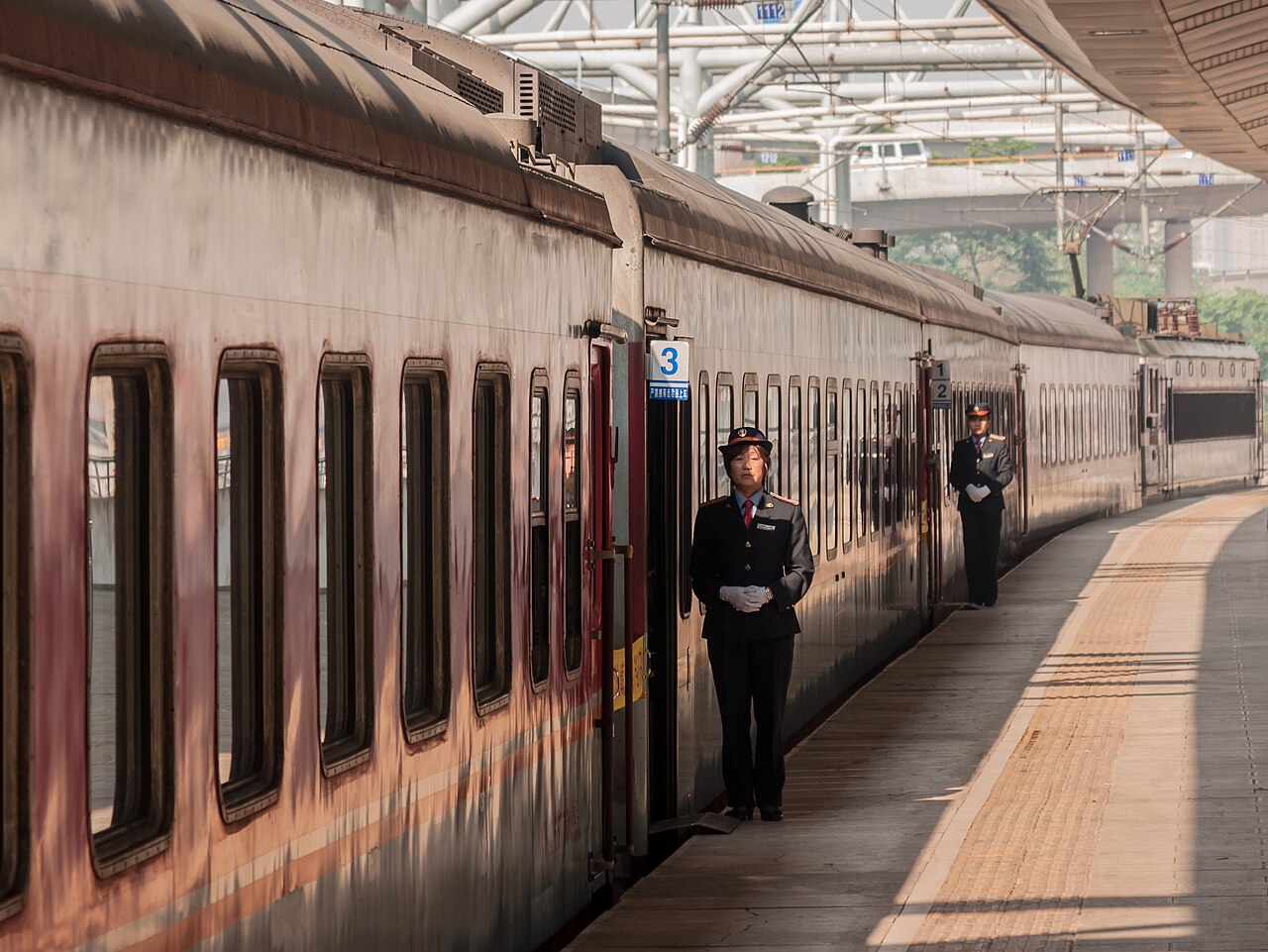
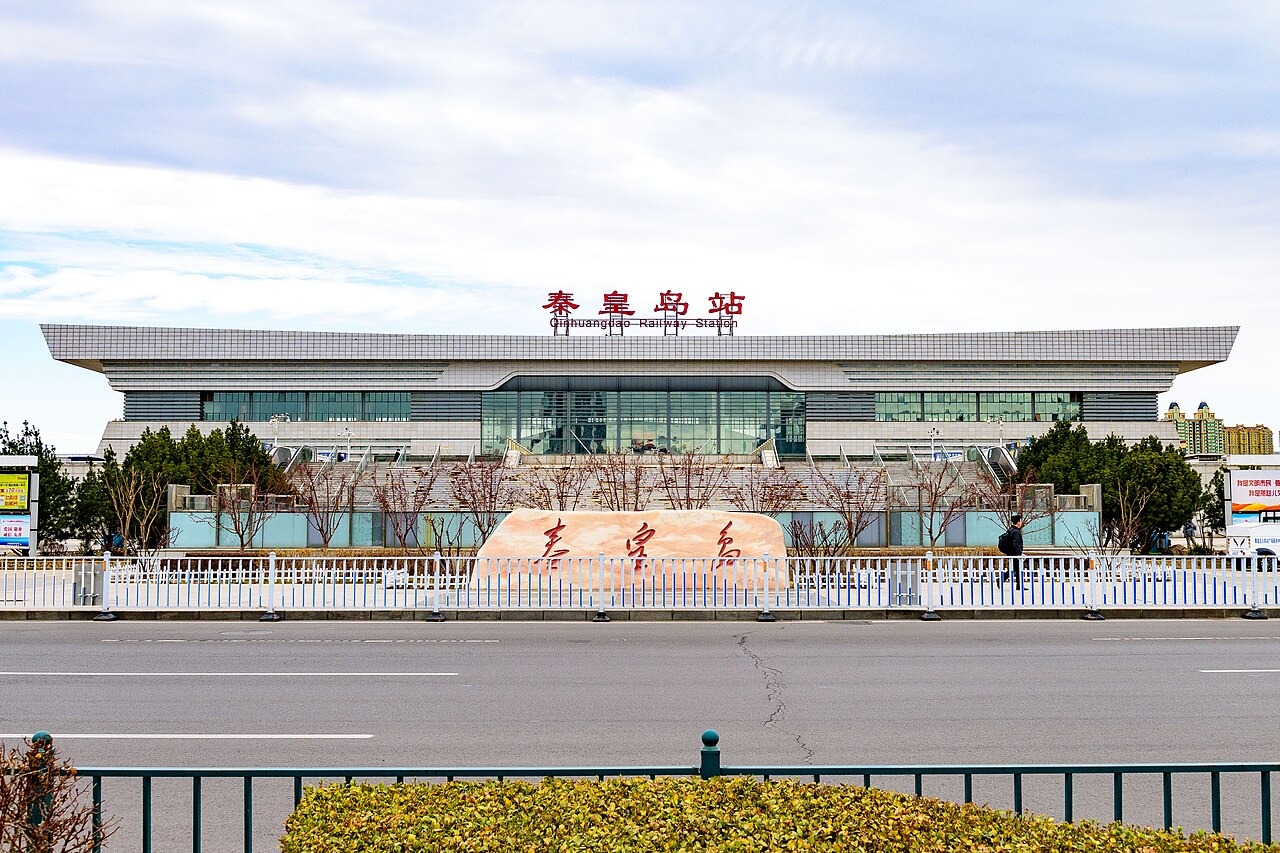
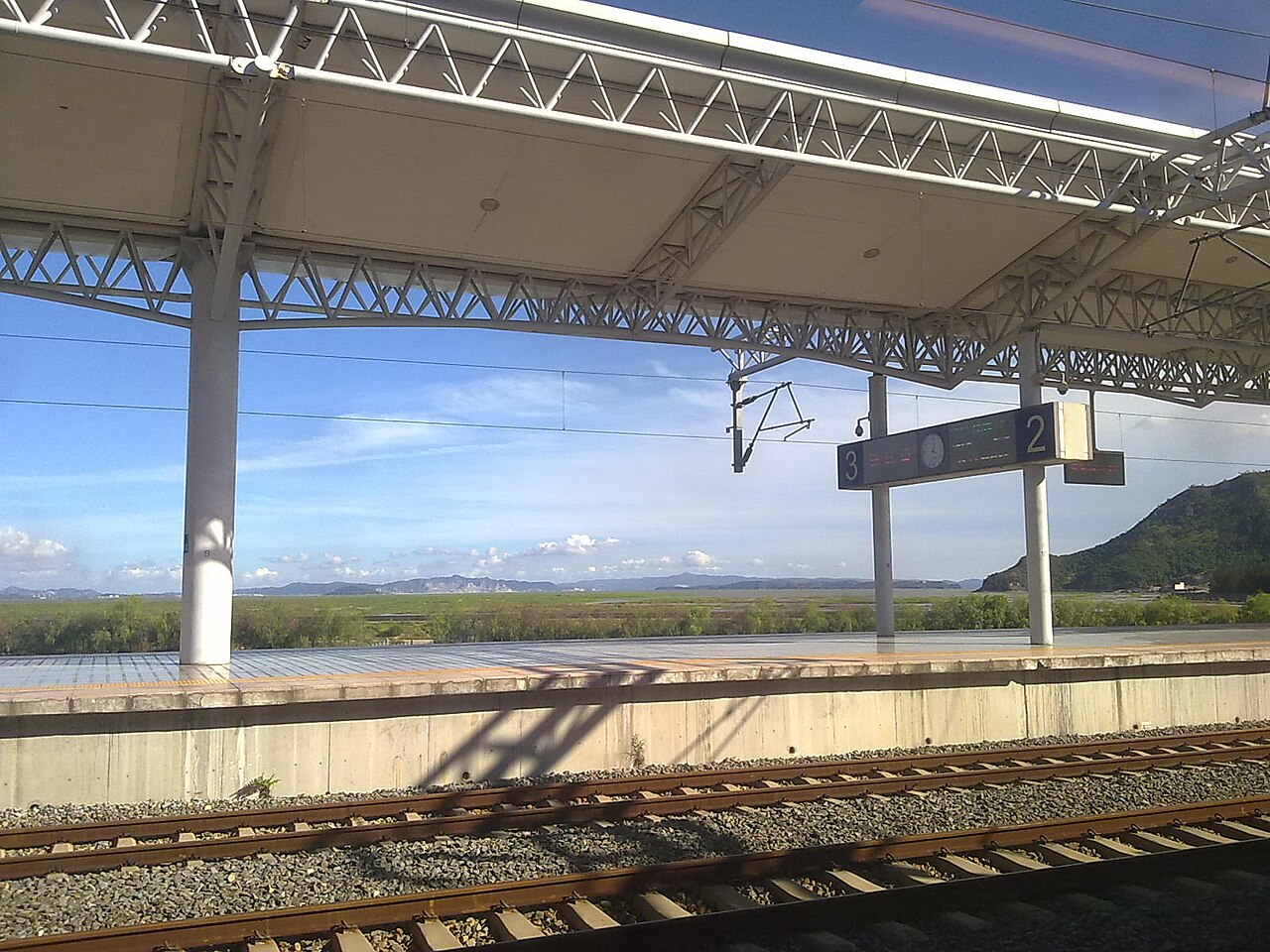
Shanhaiguan station opened in 1894 and sits at the junction of the Beijing–Harbin, Tianjin–Shanhaiguan and Qinhuangdao–Shenyang lines, with three platforms and stop-forming express services. Trains from Beijing take about 2 hours — travellers single out the early departure that gets you in around 9:30 as the ideal timing. The station is on Nanguan Street and the old town is five minutes' walk away.

From Beijing
About 2 hours; 312 km by rail
Station → old town
About a 5-minute walk — ignore the pedicabs
Timetables
Check departures on the national railway site; station phone 0335-5051844

By air

Qinhuangdao Shanhaiguan Airport lies between Haigang and Shanhaiguan districts, with a thin but useful schedule to Shanghai, Shijiazhuang, Dalian, Qingdao, Handan and Chongqing. Every flight has a coach meeting it; the bus terminates at the civil aviation building downtown, 15 km away, about twenty minutes.

Shuttle
Departs from 169 Yingbin Road, Haigang district — about 20 minutes to the centre
To the airport by bus
Route 24 branch, roughly every 40 minutes
Watch out
Flights are few — build in slack if you are connecting onward

By coach

Direct coaches run to Shanhaiguan bus station from Beijing's Guangqumen (Majuan) and Xizhimen terminals. From Tianjin, services run to Qinhuangdao from the west coach station at 16:30 (about ¥100), Tianhuan at 08:00 and 11:30, and Dongbeijiao (Dahutong) at 12:00. Within Hebei, take bus 33 from Qinhuangdao's Sidaoqiao coach terminal to Shanhaiguan.

From Beijing
Guangqumen and Xizhimen terminals direct to Shanhaiguan bus station
Bus station
Guancheng South Road · 0335-5023879
Watch out
Departure times shift seasonally — confirm before travelling

Local buses

Flat fares, all-day, and enough routes to cover everything without a taxi. Bus 25 is the spine of any visit: railway station, First Pass, Old Dragon Head and Le Dao, end to end. Bus 23 links the bus station, the First Pass, Xinghua market and the Meng Jiangnu Temple approach; bus 24 runs to Nanyuan and Yansai Lake; bus 8 reaches the Qin Seeking Immortality site.
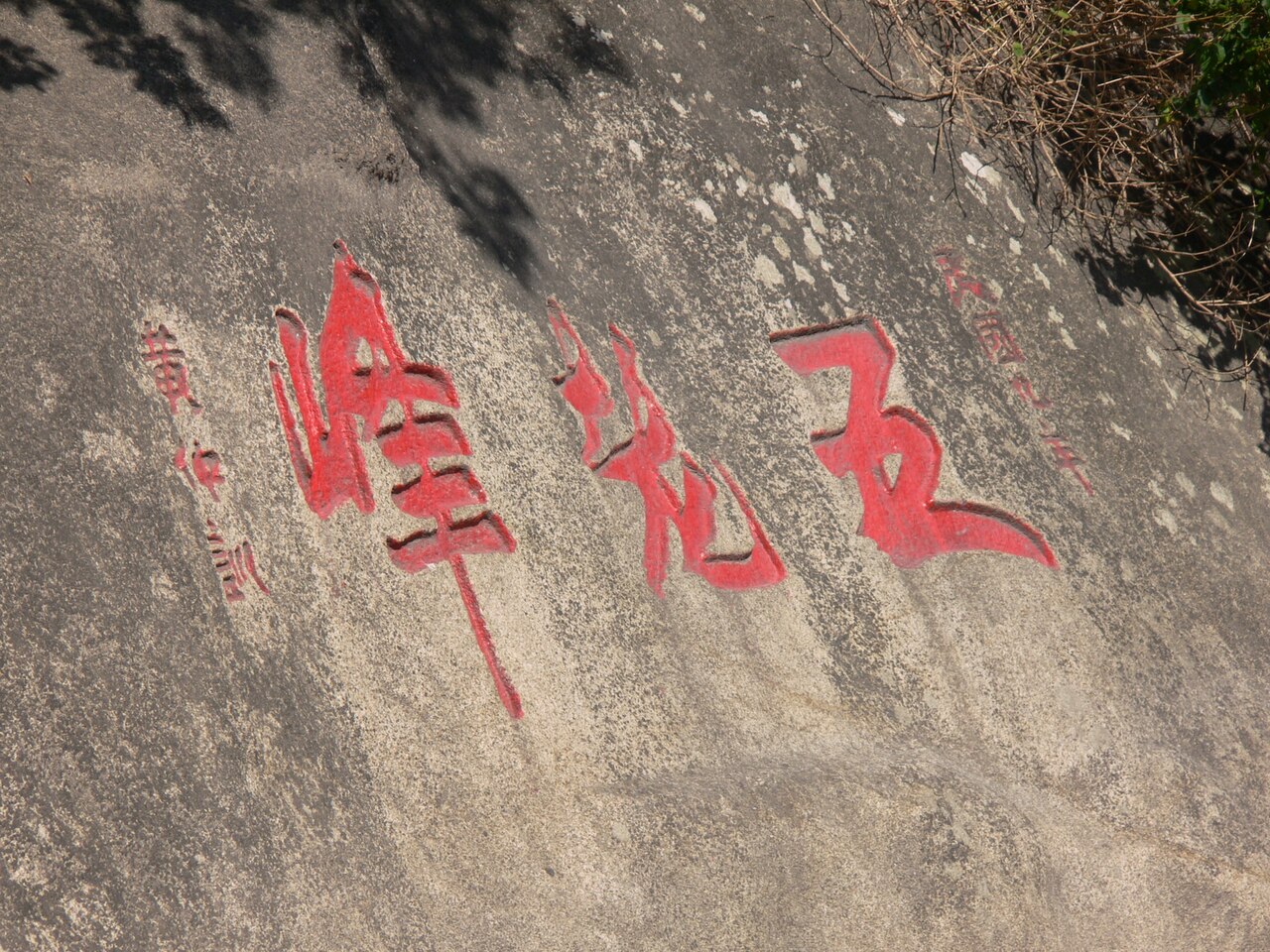
Bus 25
Station · First Pass · Old Dragon Head · Le Dao
Bus 23
Coach station · First Pass · towards the Meng Jiangnu Temple

Bus 24
Coach station · First Pass · Nanyuan · Yansai Lake
Bus 8
Qin Seeking Immortality site

Taxis and driving

Flag fall is ¥5 covering the first 2 km, then about ¥1.8 a km plus a ¥1 fuel surcharge — cheap enough that most trips inside the district cost under ¥20. Meters are standard in the busy season; outside it you can negotiate something better. Drivers themselves warn against unlicensed cars: they are far more common around Old Dragon Head than anywhere in Beidaihe.

Flag fall
¥5 for 2 km + ¥1 fuel surcharge
From Beijing by road
Take the Beijing–Shenyang expressway and leave at the Qinhuangdao East exit
Watch out
Refuse unlicensed cars and their 'help' with tickets — see the tips block

Practical

Numbers worth saving

Area code 0335. Mobile payment works nearly everywhere; keep some cash for small stalls and temple-fair food.

Emergency (police / ambulance / fire)110 · 120 · 119
City services hotline12345 · 0335-8091890
Tourism complaints12301 · 0335-3661010
Qinhuangdao tourism bureau0335-3661001
Shanhaiguan tourism bureau0335-5152996
Shanhaiguan Hospital of Chinese Medicine11 Nanguan Street · 0335-5035226
Shanhaiguan People's Hospital21 Xiguan Street · 0335-5051970
Railway station enquiryShanhaiguan station, Nanguan Street · 0335-5051844
Best monthsMay–October; July averages 23.6°C, about 2°C below Beijing
Mountain closuresJiao Shan, Yansai Lake and Changshou Mountain shut 1 March – 13 May for fire control
DistancesBeijing 380 km · Tianjin 243 km · Shenyang 461 km · Qinhuangdao 17 km · Beidaihe 30 km

Tips

How not to lose money here

Learn the Old Dragon Head trick by heart

Touts there offer packages with a speedboat trip, then a ¥30 ticket they imply is the site. It is the Great Wall Wonderland next door, complete with its own uniformed staff and even a student discount. Buy at the official office and check you are standing at the real entrance.

Walk the five minutes

Pedicabs crowd the railway station and the scenic areas, quoting prices low enough to look appealing. The station to the old town is a five-minute walk on the flat. Shanhaiguan to Old Dragon Head is a direct bus ride. There is nothing they are selling that you need.

Buy the ¥60 ticket, not the ¥50

The basic First Pass ticket gets you the gate and the wall; for ten yuan more you get the Bell and Drum Tower, which is where you finally see how the whole garrison grid was laid out. The ¥110 through-ticket only pays off if you also want the shuttle.

Check the spring fire-control dates

Jiao Shan, Yansai Lake and Changshou Mountain all close from 1 March to 13 May. If you travel in early May expecting to climb, you will find only the pass town open — worth knowing before you build your route.

Start at opening time

Coach groups from Qinhuangdao land around 10:00, and the First Pass approach gridlocks shortly after. Be there when the gate opens at 07:00 in summer and you get the ramparts almost empty, with the light still flat and good.

Carry a layer even in August

Shanhaiguan runs about 2°C below Beijing and only about eight days a year go above 30°C; coastal wind off the ramparts is real. Inversely, the July average of 23.6°C is why locals say there is no bad time to walk the wall.

Background

Why there is a town here at all

History

Two thousand years of people wanted this exact strip of ground. Qin Shi Huang stopped here on his eastern progress and built a massive temporary palace, setting up what amounted to a national gateway; Emperor Wu of Han followed in his footsteps looking for immortals across the water. At the end of the Han, Cao Cao passed through on his way back from the northern campaign against the Wuhuan and wrote one of the most enduring poems in the language about it. Emperors Yang of Sui and Taizong of Tang came through repeatedly on their campaigns in Korea.

The Ming made it permanent. In 1381 the general Xu Da moved tens of thousands of troops and established the pass and its garrison, giving it the name Shanhaiguan — mountain and sea. Two centuries later Qi Jiguang, the inspector-general of the Ji command, raised the beacon platforms and built the only sea-going stone section anywhere on the wall, extending the barrier out past where cavalry could ride around it. Then came 1644: Wu Sangui opened these gates to the Qing army, and the dynasty changed. Alongside all of it sits the legend of Meng Jiangnu, ranked first among China's four great folk tales, whose grief is said to have brought eight hundred li of wall down. Seven Qing emperors visited, each leaving verses.

Geography and climate

The pass occupies the sliver of coastal plain where the eastern end of the Yan mountains drops straight into the Bohai Sea. North are the ridges, south the water, east Liaoning, west Beijing and Tianjin. The Shijia and Sha rivers and several smaller streams cross the district. It is the classic land corridor between north China and the northeast, which is precisely why nobody in two millennia was able to leave it undefended.

Its climate is one of the mildest stretches of coast in northern China. Annual rainfall averages 736 mm, relative humidity about 62%, maximum snow cover 13 cm and maximum frost depth 85 cm. Summers escape real heat and winters are not severe: the annual mean is around 10°C, January averages −5°C to −4°C, July 23.6°C — two degrees cooler than Beijing at the same latitude — and on average only about eight days a year climb above 30°C. The occasional winter snow on the brickwork is, by common agreement here, worth the trip.

The town's own opinion of itself

Locals describe the place with a phrase you will see carved on half the public sculpture in town: 'the first pass under heaven'. It is not just boosterism. The oldctagon sits on a plan said to resemble a phoenix with wings spread, resting its left wing on the Yan mountains towards the northern steppe and dipping its right into the Bohai, and the combination of sea, mountain, wall and pass in one view is genuinely rare anywhere in China.

Travel with them

The stories people carry here

Not guides — the poem, the legend and the screen version that shape how this town is imagined.

Poem

Viewing the Sea (Guan Canghai)

Cao Cao, AD 207

Written on this stretch of coast on the way home from the northern campaign: 'I come east to Jieshi to gaze upon the sea.' Every stone-carved version of those lines you meet in Hebei traces back to this pass. Read it standing on the ramparts looking at the Bohai and the eight hundred kilometres stop being abstract.

Folk tale

Meng Jiangnu

One of China's four great folk legends

A young wife walks the length of the wall looking for her conscripted husband, finds him dead inside the masonry, and weeps a section of it down. The temple on Phoenix Hill is her shrine, and the couplet carved there — the one about the tide coming in every morning and the clouds lengthening and fading — is still the sharpest thing in the building.

Film

The Duke of Mount Deer (Luding Ji)

Adapted from the Jin Yong novel, many screen versions

The picaresque tale of Wei Xiaobao, the street-smart layabout who stumbles from brothel to palace, becomes the Kangxi emperor's unlikely best friend, and gets sent into the Forbidden City as an un-castrated fake eunuch to steal a Manchu scripture. It is set in the dynasty that came through these gates, and it explains half the costume drama you will see playing on hotel televisions in Hebei.

The questions visitors ask us most about Shanhaiguan, answered plainly.

Frequently asked questions

Prices and practical details are reviewed every month by our Beijing team and updated the day a rule changes.

How much do the Shanhaiguan tickets cost?

The First Pass Under Heaven is ¥50, or ¥60 including the Bell and Drum Tower — buy the ¥60 one. Old Dragon Head is ¥60 (¥30 from December to March), the Meng Jiangnu Temple ¥25, Jiao Shan ¥30, Yansai Lake ¥90 in high season, Changshou Mountain ¥15 and Le Dao Ocean Park ¥100. Students usually pay about two-thirds.
How do I get from Beijing to Shanhaiguan?

Every long-distance train heading northeast from Beijing stops at Shanhaiguan — the fast ones take about 2 hours. Coaches also run from Beijing's Guangqumen and Xizhimen stations straight to Shanhaiguan bus station. The railway station is about a 5-minute walk from the old town, so a taxi is rarely necessary on arrival.

What is the ticket scam at Old Dragon Head?

Drivers and touts near the site offer discounted packages containing a speedboat trip, then a ¥30 ticket they imply is Old Dragon Head. It is not — it is the Great Wall Wonderland next door, with its own professional-looking gate and staff. Buy at the official ticket office and check the signage you are actually standing in front of.

Is one day enough for Shanhaiguan?

One day is enough for the First Pass, Old Dragon Head and the Meng Jiangnu Temple if you start before 9 am and keep moving. Two days is noticeably better: it adds the climb at Jiao Shan and the boat ride through Yansai Lake, both northwest of town, without turning either into a race.
Is the wall at Shanhaiguan original?

The core structures are genuinely old — the gate tower, the ramparts and Qi Jiguang's sea bastion from 1579 are all surviving Ming work, restored rather than invented. Parts of the town's outer wall and much of the Ming-Qing street have been rebuilt, but far less aggressively than in most Chinese heritage towns.

When is the best time to visit Shanhaiguan?

May to October, with September and October the most comfortable: July averages 23.6°C, about 2°C below Beijing, and only around eight days a year pass 30°C. Note that Jiao Shan, Yansai Lake and Changshou Mountain close from 1 March to 13 May for fire control. Winter here is quiet and the snow on the wall is genuinely good.

Can I combine Shanhaiguan with Beidaihe and Qinhuangdao?

Yes, and almost everyone does. Qinhuangdao city centre is 17 km away and Beidaihe 30 km, all three linked by the same bus routes — usually bus 34 along the coastal road for the longer hops. Base yourself in Qinhuangdao and treat Shanhaiguan as the easiest day trip you will take.

What should I eat in Shanhaiguan?

Four things, in this order: boluo cakes wrapped in oak leaves from the Great Wall garrison kitchens, baozi at the Sitao shop opened in 1958, Hui-style mung-bean cakes made since 1945, and the local copper hotpot with pickled cabbage, meatballs and seafood. Then a seafood dinner if the season allows.

Related reading

Related reading

Visas Do I Need a Visa for China? Requirements, Costs and How to Apply China's entry rules changed more in the last three years than in the previous twenty. Here is exactly who needs a visa, what it costs, how long it takes and which passports now walk straight through. 9 min read Visas China's 240-Hour Visa-Free Transit: Who Qualifies and How It Works Ten days in China with no visa application, no fee and no fingerprints — if you hold the right passport and leave for a third country. Here is the rulebook, port by port. 8 min read Money Paying in China: Alipay, WeChat Pay, Cards and Cash Roughly nine in ten urban payments in China now run through a phone. Set up two apps before you fly, carry a modest cash float, and you will never be stuck at a till. 8 min read Transport China's High-Speed Rail: How to Book, What It Costs, How Fast It Goes The fastest way to cross China is also the most pleasant. Here is how to book a ticket with a foreign passport, what the three classes actually give you, and how to survive a Chinese station at rush hour. 9 min read Planning Best Time to Visit China: Month by Month, Region by Region China is the size of Europe, so 'the best month' depends on where you stand. Here is the month-by-month answer for the north, the Yangtze valley, the south and the plateau. 8 min read Planning What to Pack for China: The Complete 2026 Checklist Twenty thousand steps a day, three climate zones and a phone that has to do everything. This is the list we give our own travellers, minus the things they never used. 7 min read Food Chinese Food Culture: Eight Cuisines, One Table There is no such thing as Chinese food. There is Cantonese, Sichuan, Hunan, Jiangsu, Zhejiang, Fujian, Anhui and Shandong — and knowing which one you are eating changes everything. 8 min read Traditions Chinese Tea Culture: Six Classes, One Pot, Two Fingers Tea in China is not a beverage category, it is a social technology: it fills silences, seals deals and sets the pace of a meal. Here is how to sit down in one and not look lost. 7 min read Traditions Chinese Festivals: The Calendar, the Dates and the Crowds Lunar dates mean the calendar moves every year — and two of the festivals move several hundred million people at once. Plan around them or plan into them, but never by accident. 8 min read Etiquette Chinese Etiquette: What Matters, What Does Not, and Why Most etiquette advice for China is either obvious or wrong. These are the dozen behaviours that actually change how you are treated, and the reasoning behind each. 7 min read
Tell us your dates.
We'll do the rest.

Free itinerary design, a revised plan within one working day, and nothing charged until you approve the final version.

  • The ¥60 First Pass ticket beats the ¥50 one — it adds the Bell and Drum Tower, which is worth climbing, and the wall itself.
  • Old Dragon Head is the only place in China where the Great Wall enters the sea. Take bus 25 from the town; a taxi costs under ¥20.
  • Never buy tickets from touts near Old Dragon Head — their ¥30 Great Wall Wonderland is a different site built next door to it.

No spam. No sales calls. Just a real itinerary from a real person.