City guide · Hebei

Yesanpo travel guide: Baili Gorge, the fish-spitting cave, rafting the Juma and a whole roast lamb

Gorge country where the Taihang and Yan ranges collide — 52.5 km of canyon walls, a cave that spits fish, and a river to fall off.

  • Known forGorges · bamboo rafts · caves · rafting · horses
  • Typical spend¥500–700 over 1–2 days
  • Ideal length1–2 days
  • PaceComfortable — hike up, float down, eat outside

Reviewed by our Beijing team Updated 2026-10-10

The short version

Yesanpo is the gorge country where the Taihang and Yan mountain ranges meet, about 100 km from Beijing, built around four developed areas: Baili Gorge at ¥90, Fish Valley Cave at ¥65, Bai Caopan at ¥60 and Longmen Tian Pass at ¥40, plus the Juma River for rafting. Two days is the right length — the gorge and the cave on day one, river and horses on day two — and a day trip from Beijing means the gorge and nothing else.

  • Baili Gorge is three canyons totalling 52.5 km; Haitang is the one with everything in it, and it takes about ninety minutes.
  • Fish Valley Cave stays at 11–13°C all year and is famous for a spring that spits live fish out around the Grain Rain solar term in late April.
  • Rafting is ¥80 at the gate and ¥30–50 booked online — never pay the gate price.
  • There is no licensed taxi fleet here: only private cars, at ¥70–80 between sights, and donkey carts within a scenic area for ¥10–30.
  • The gorge floor runs about ten degrees cooler than Beijing; nights drop to around 18°C, so pack a fleece even in July.

City guide

First impressions

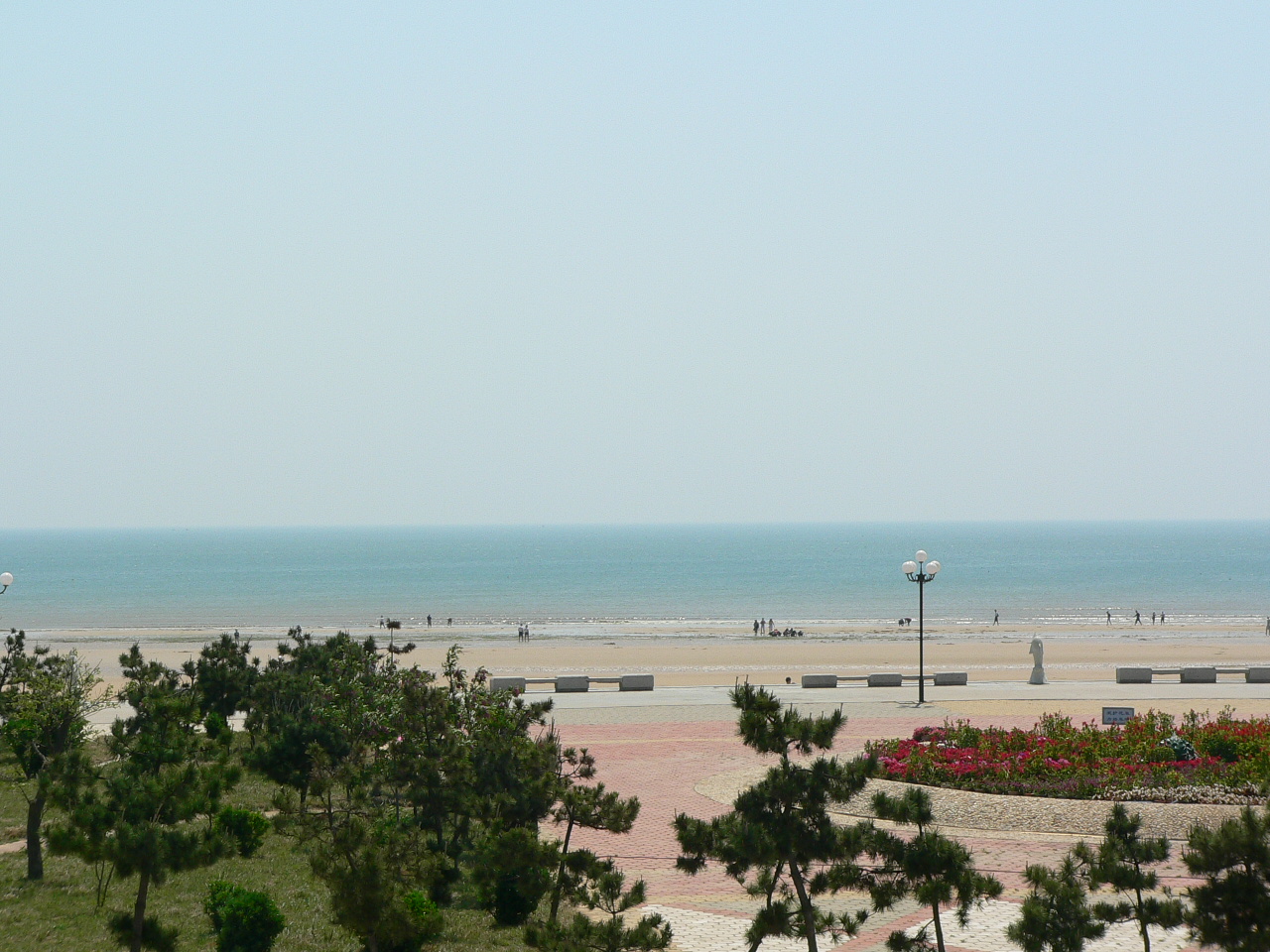
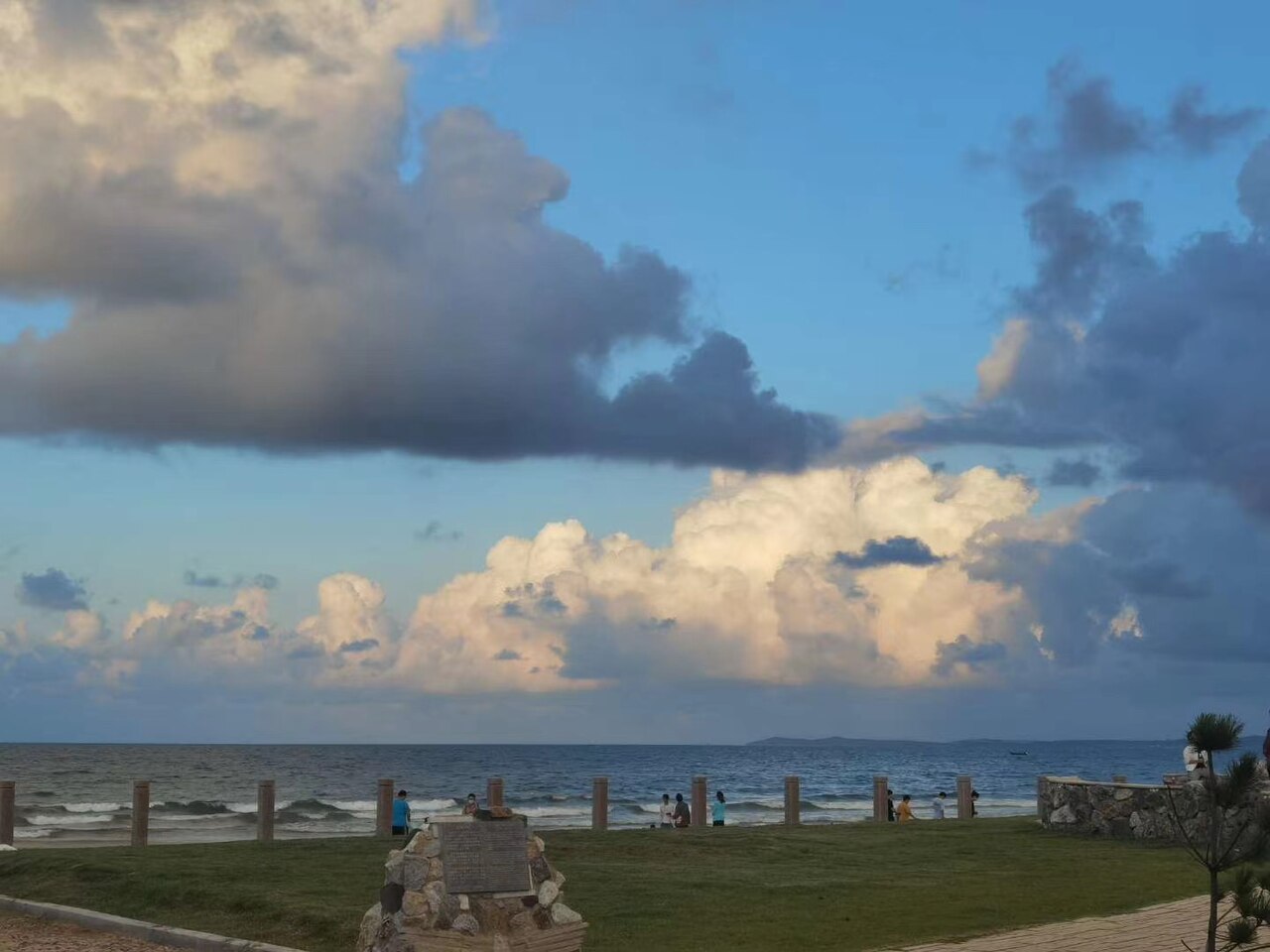
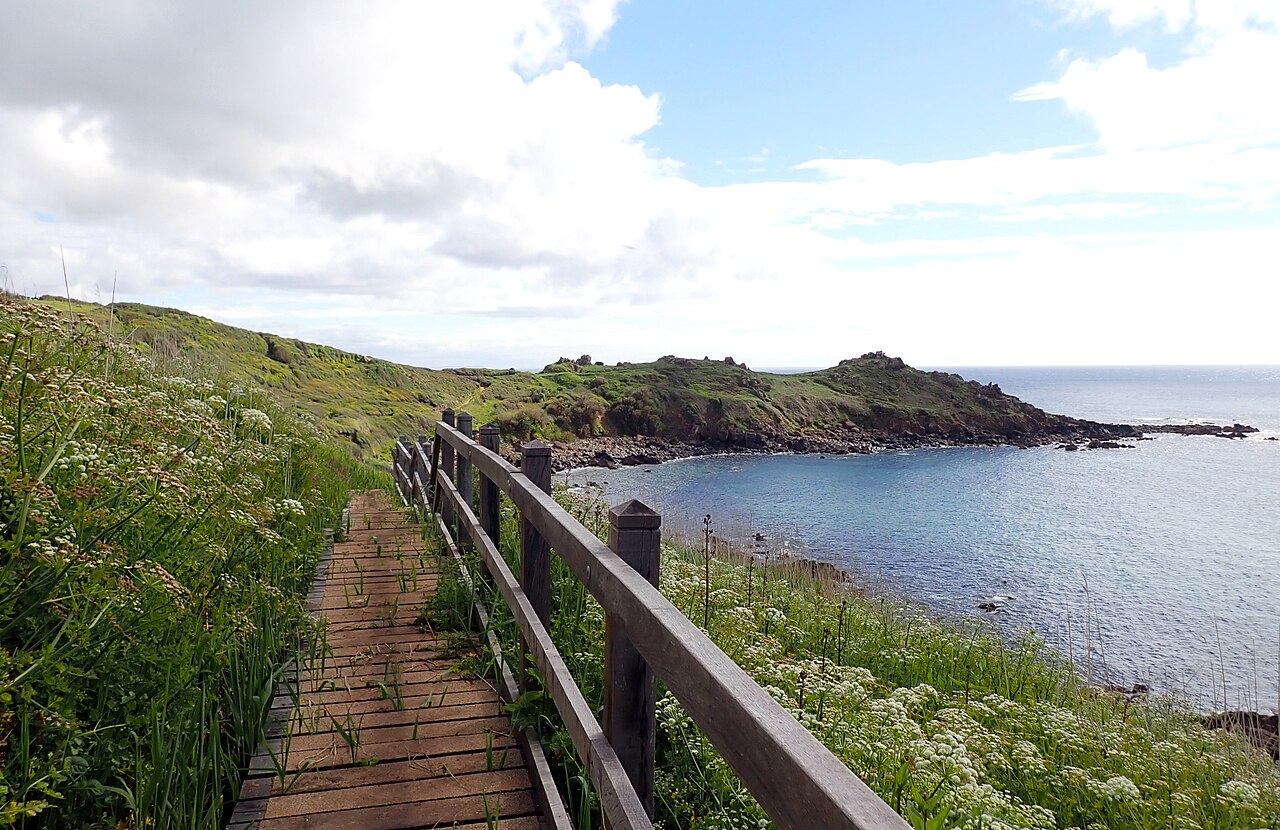
Photographs from the coast, and what other travellers wrote afterwards.

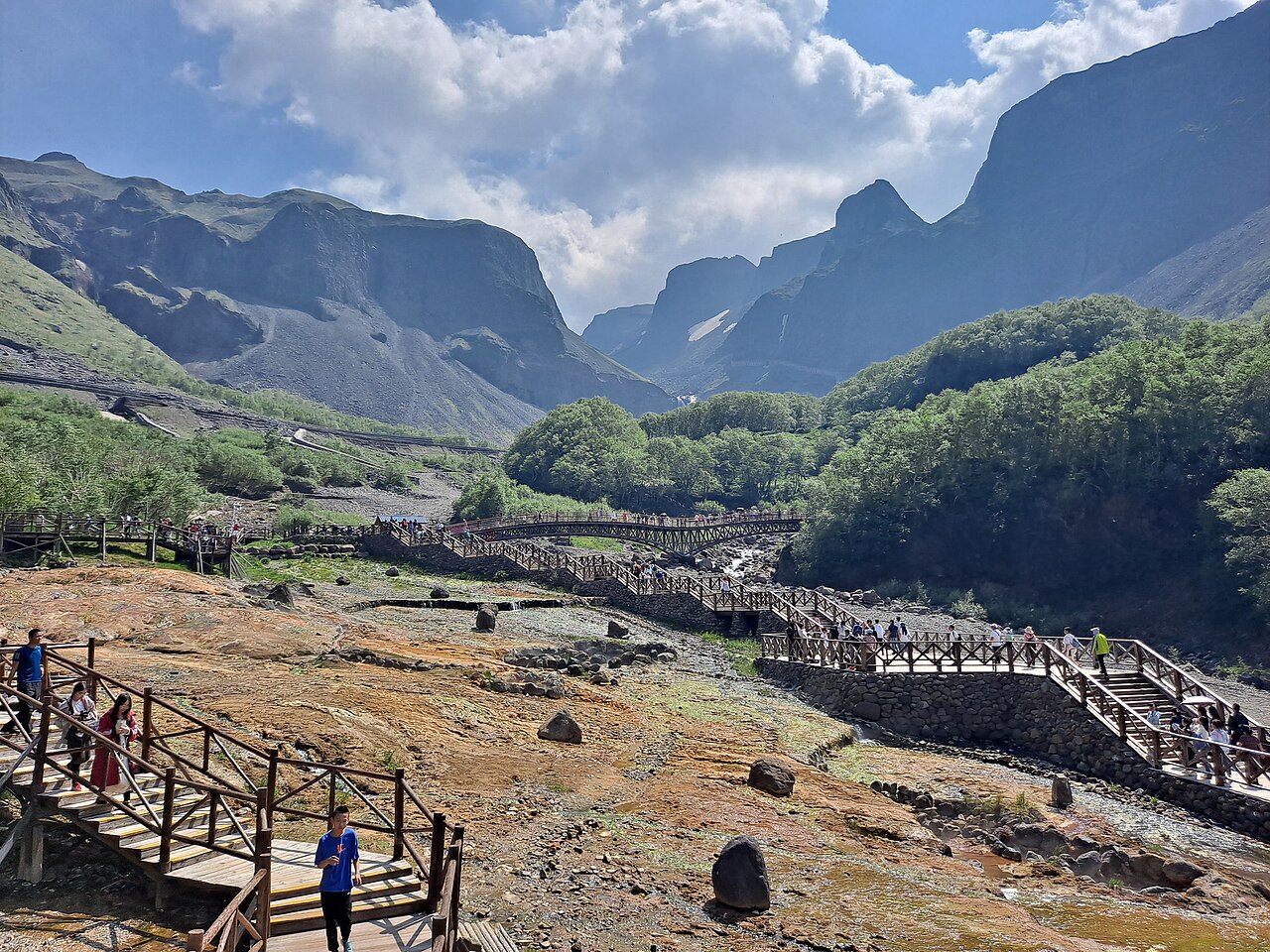
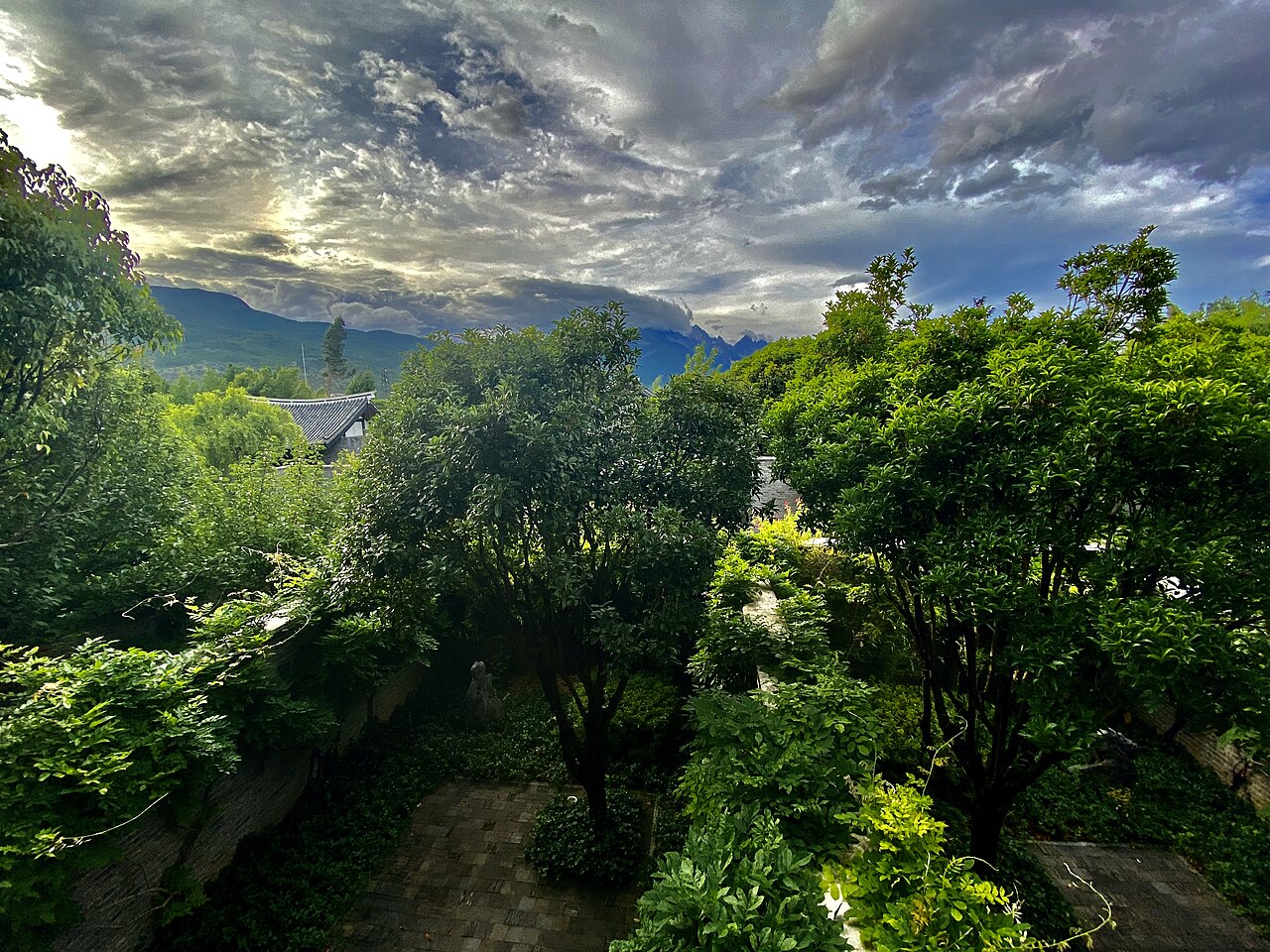
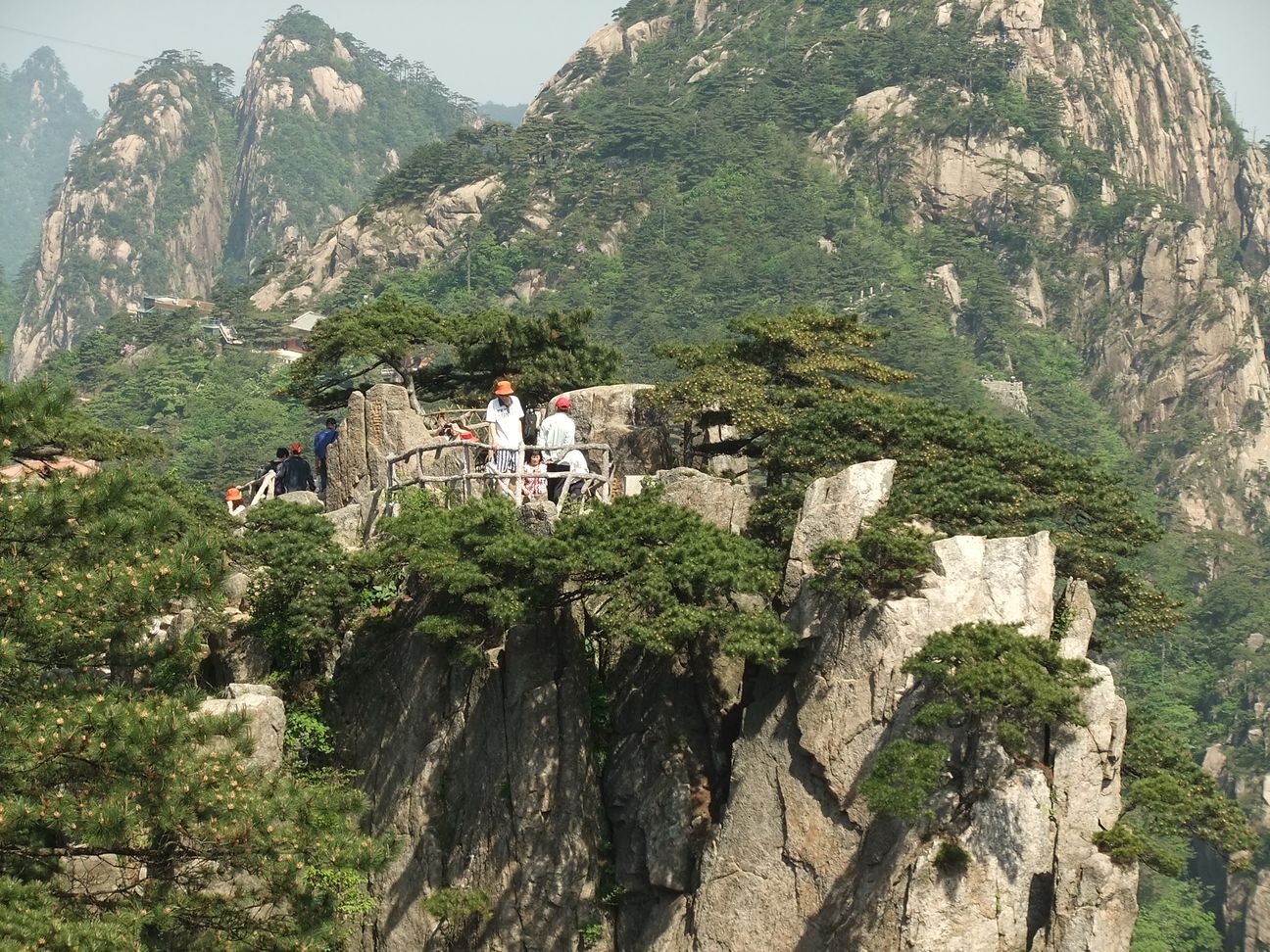
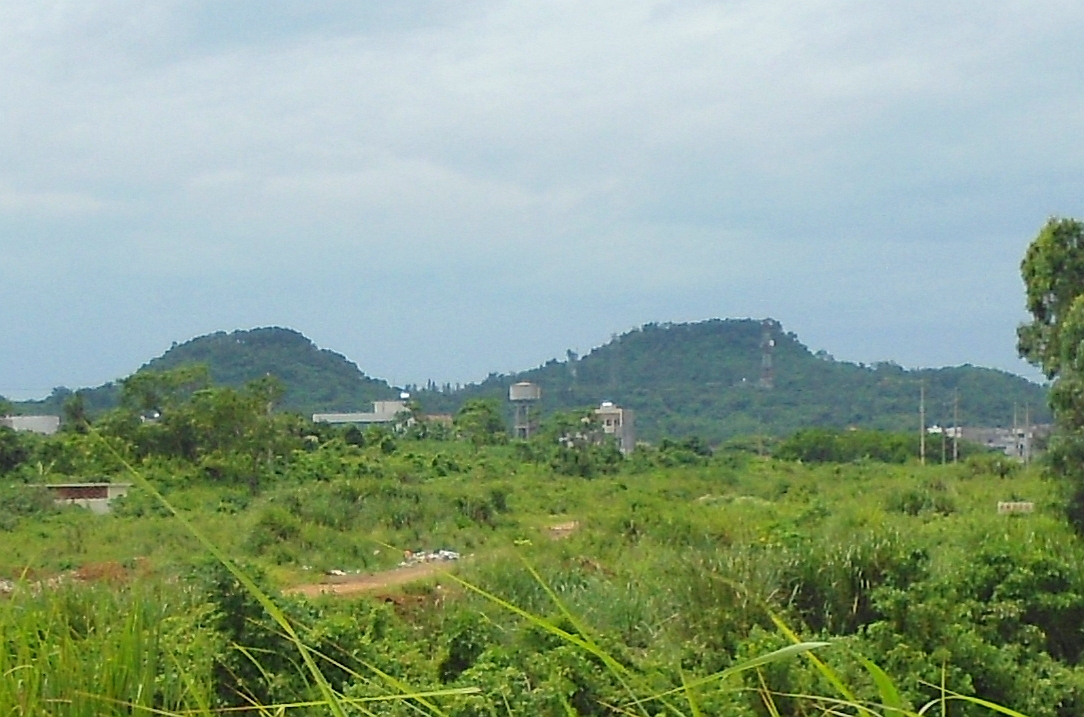
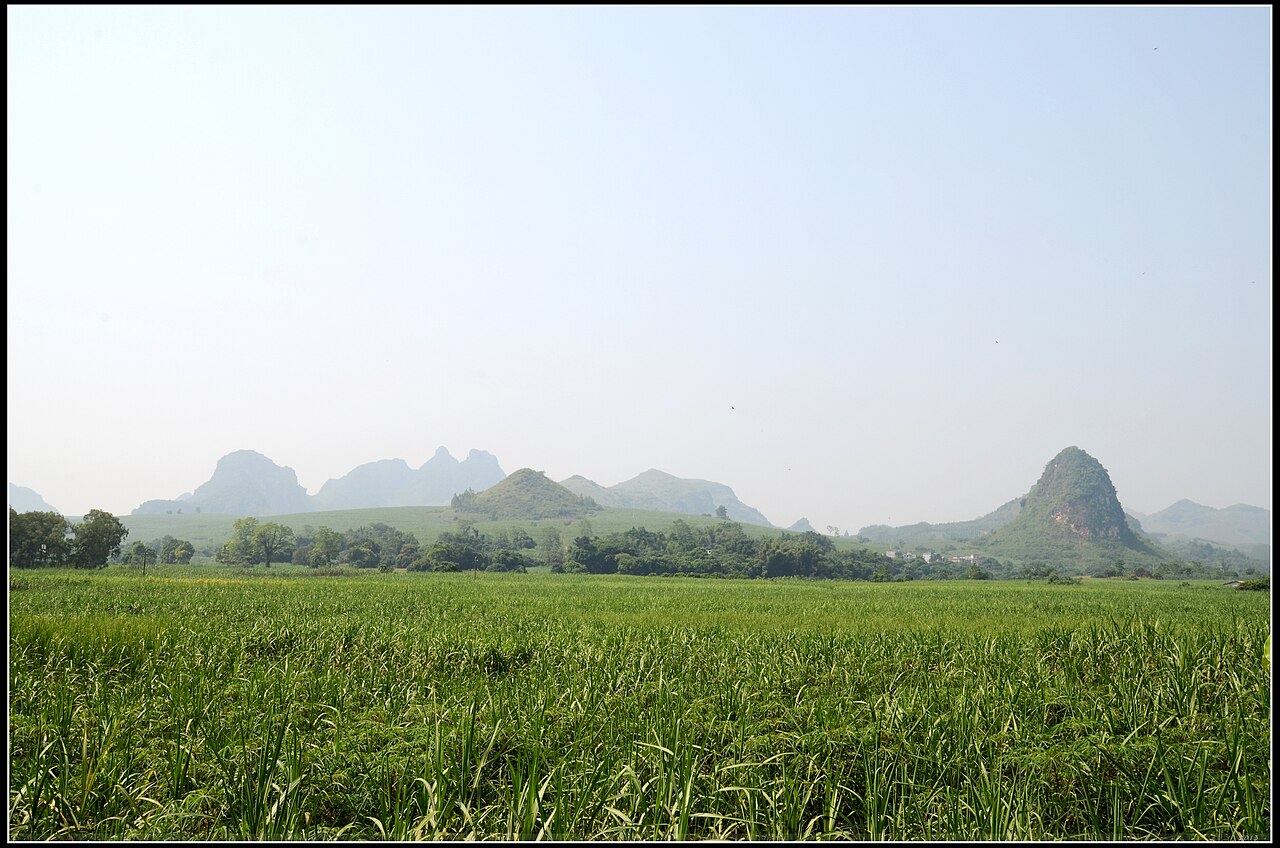
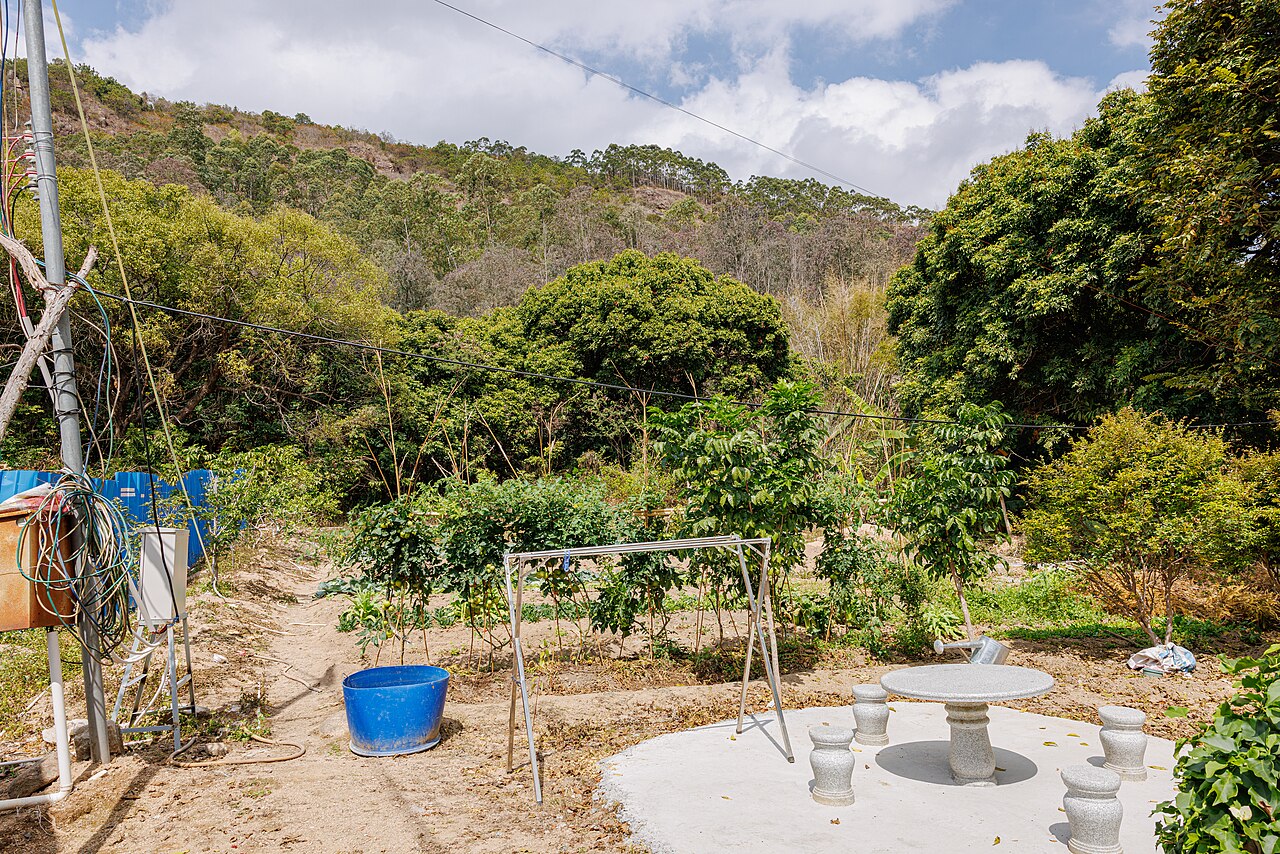
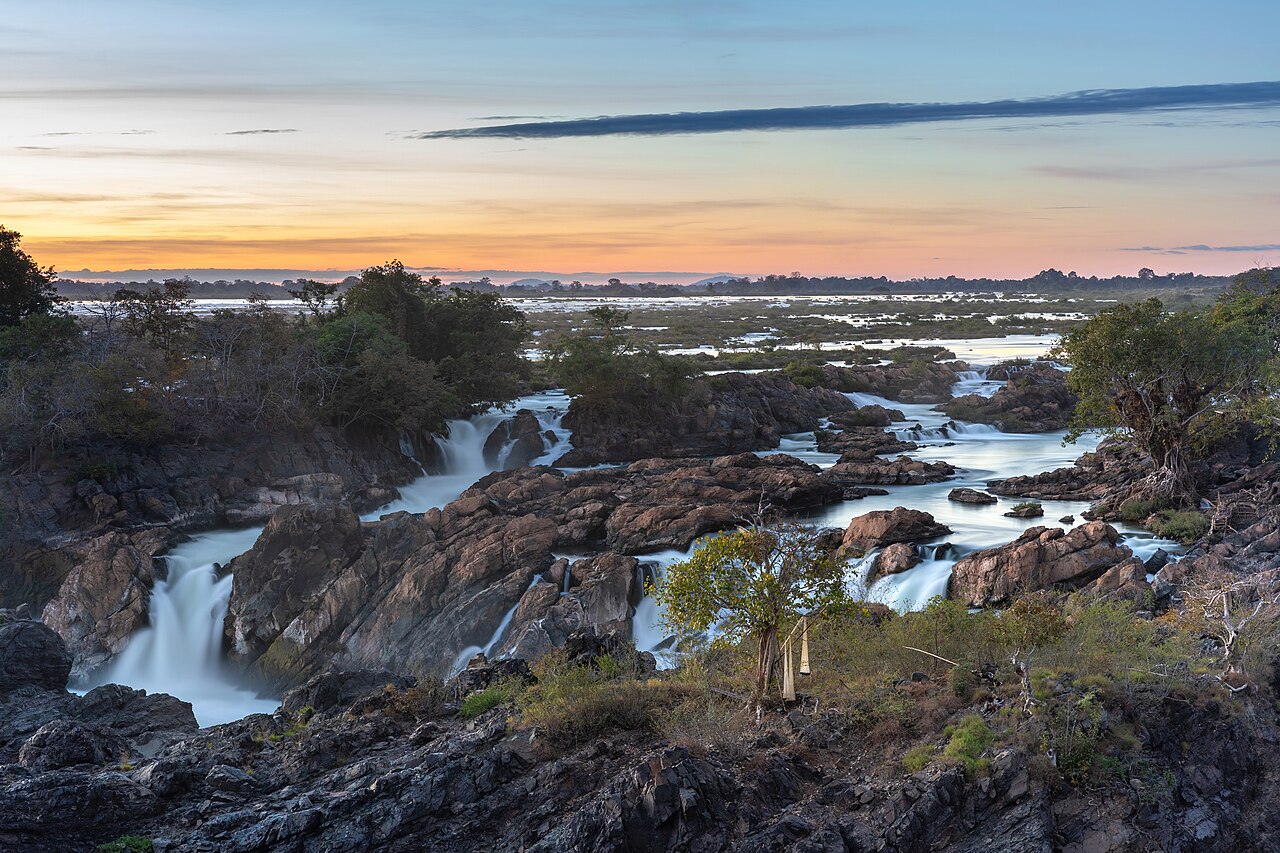
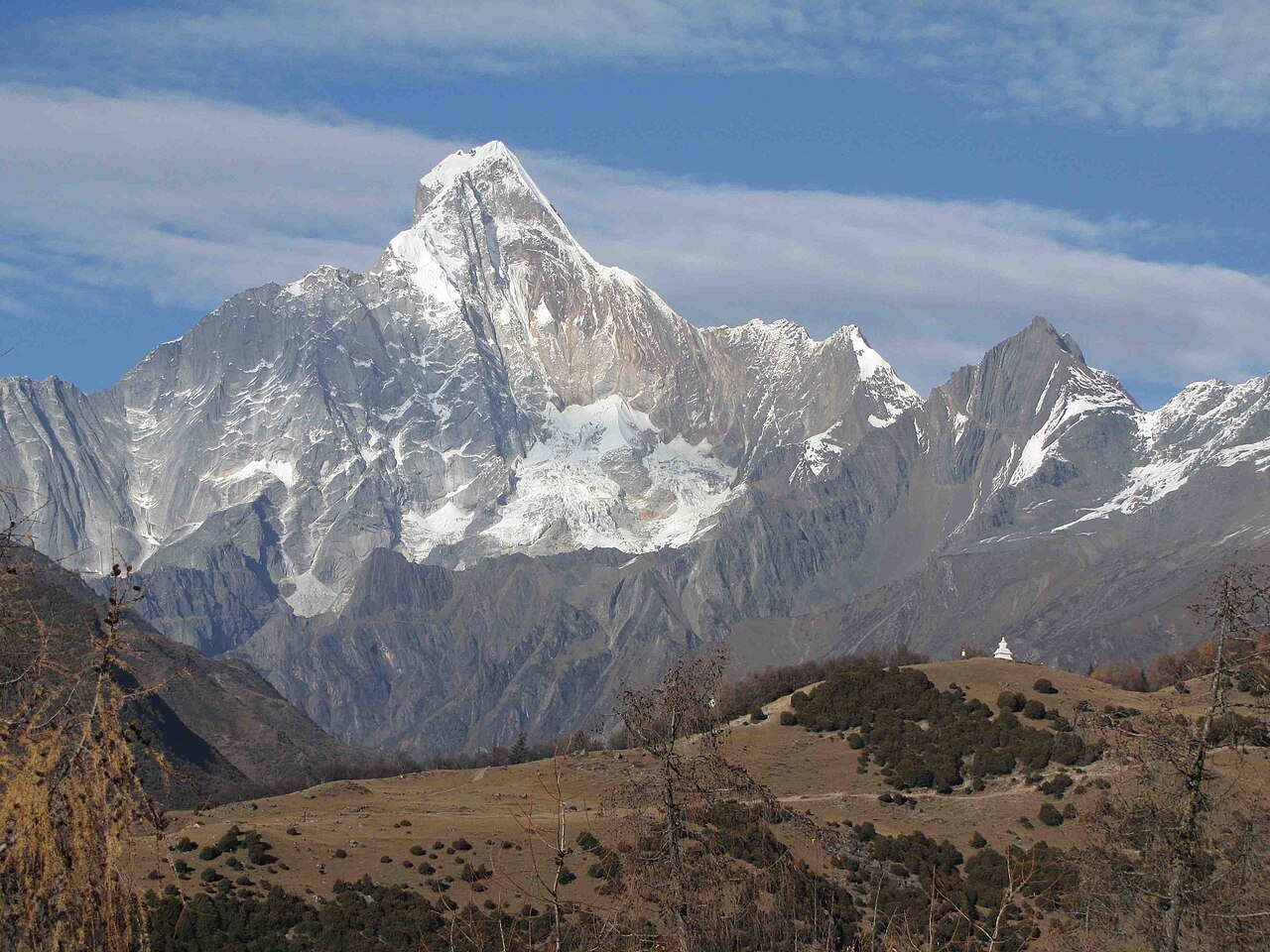
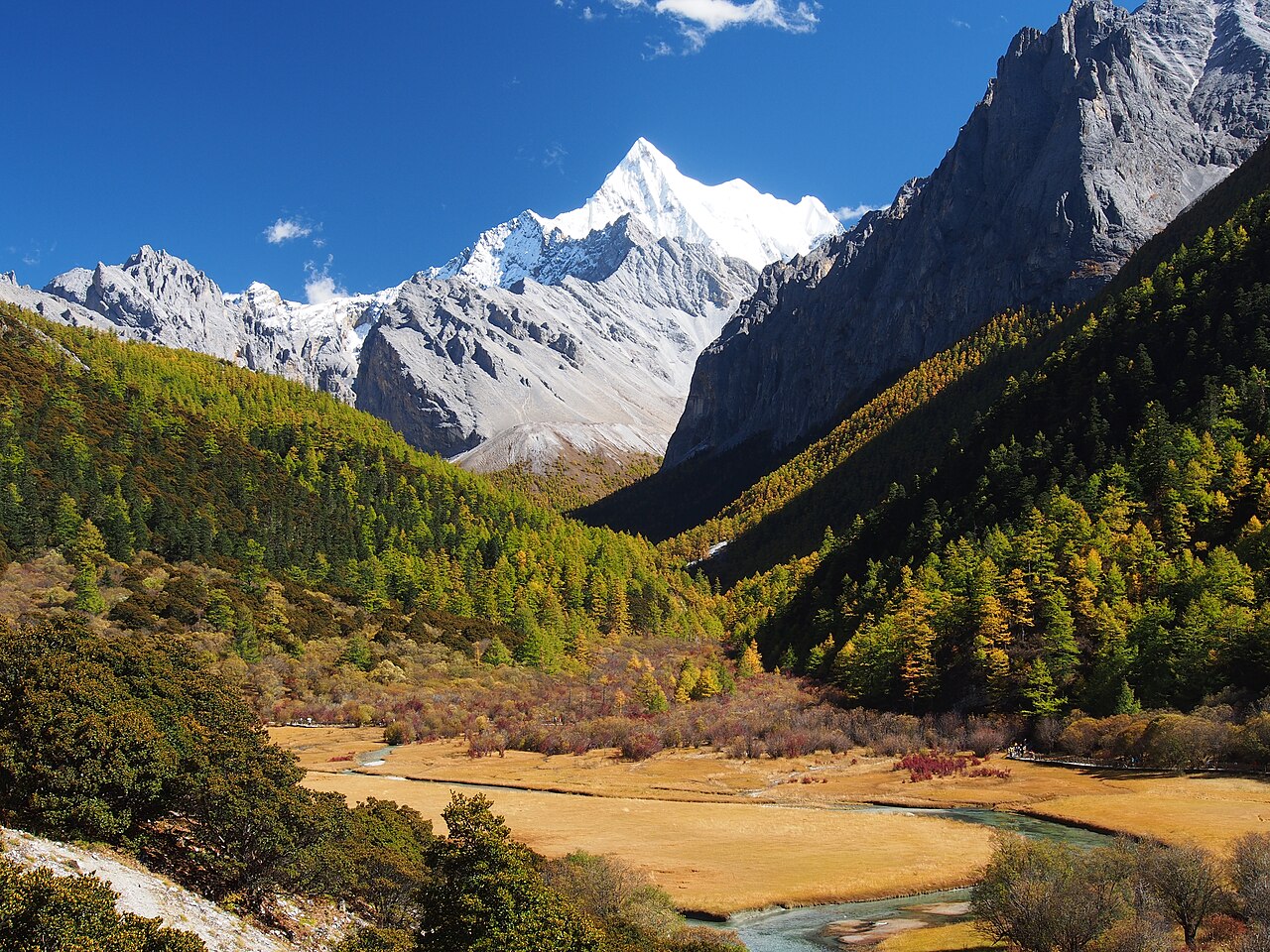
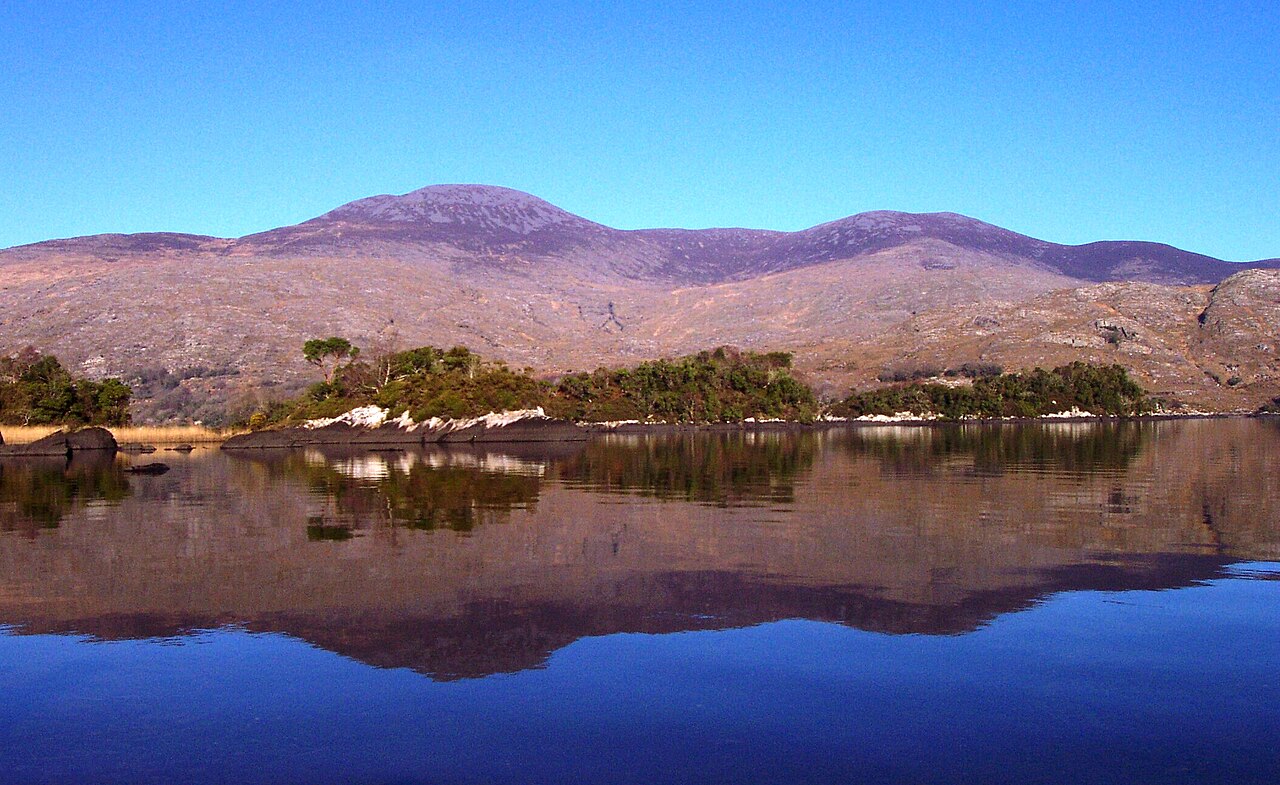
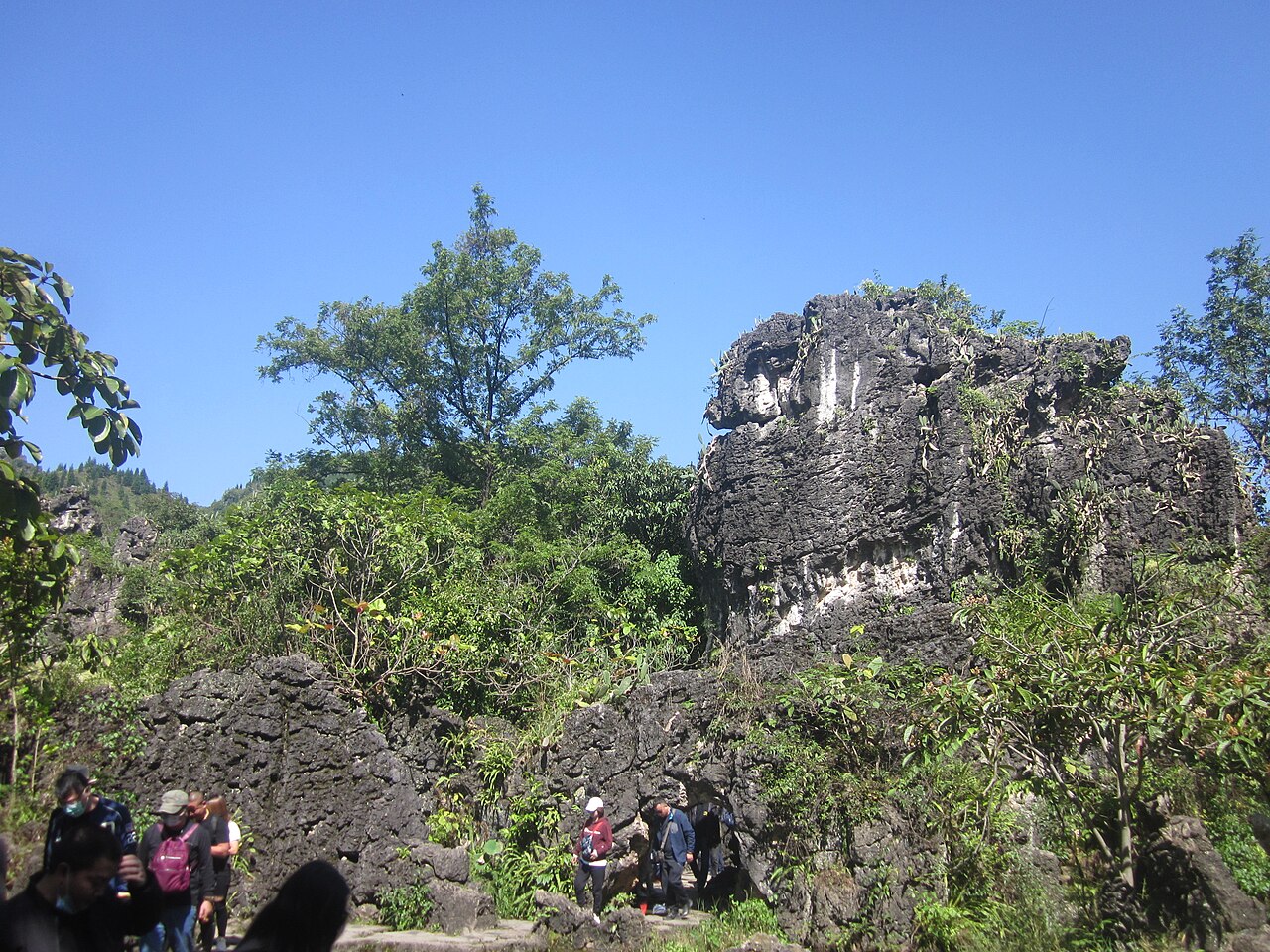
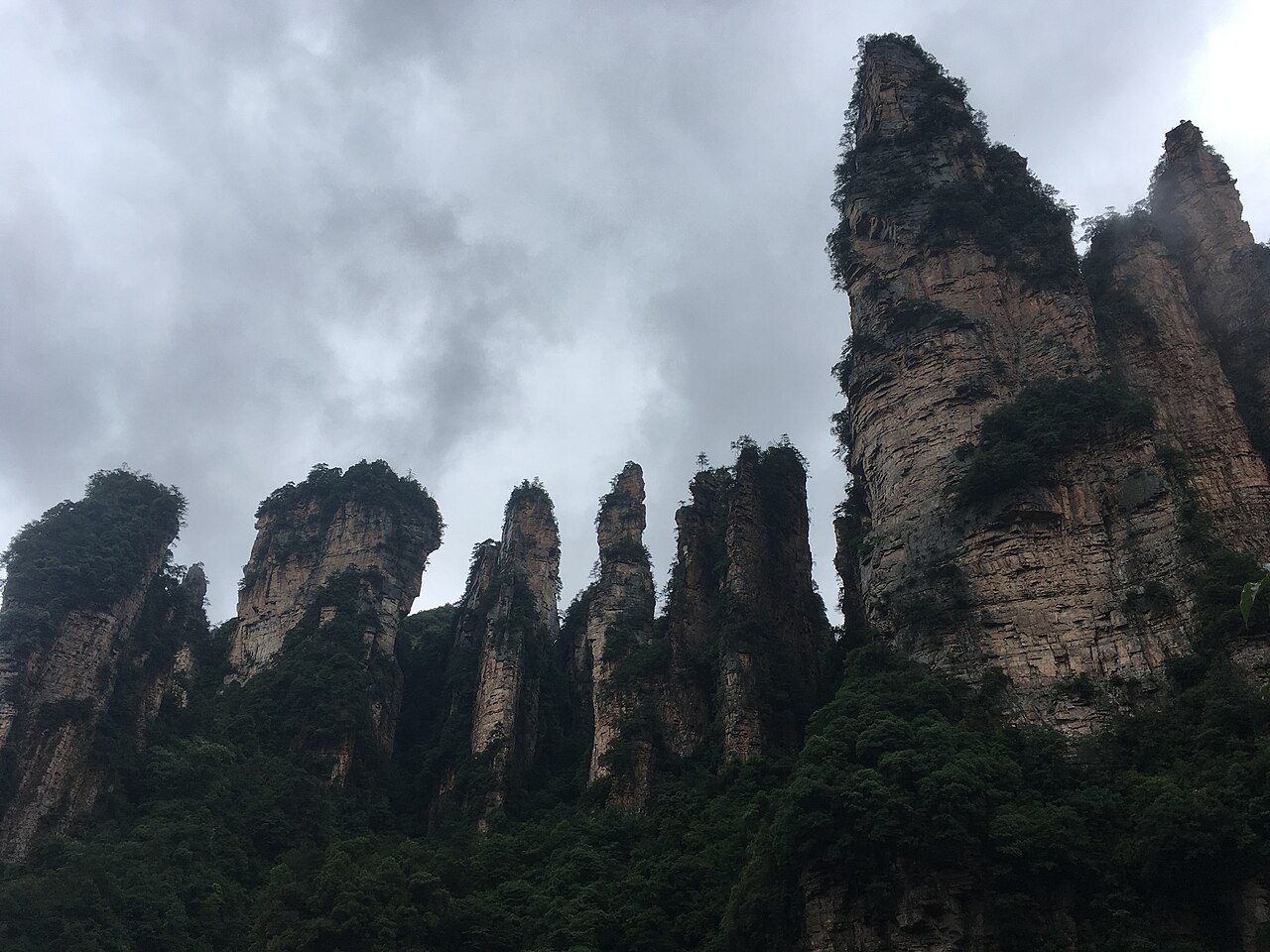
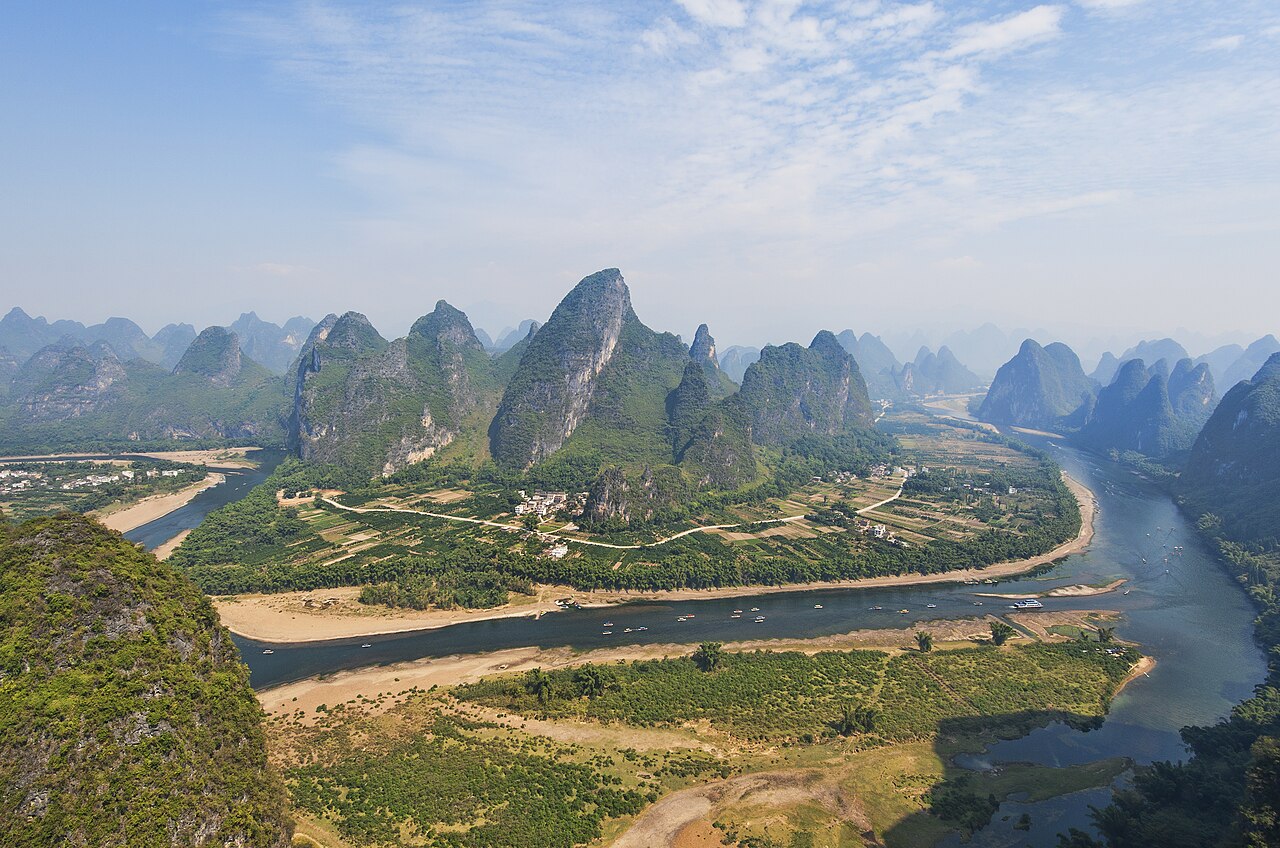
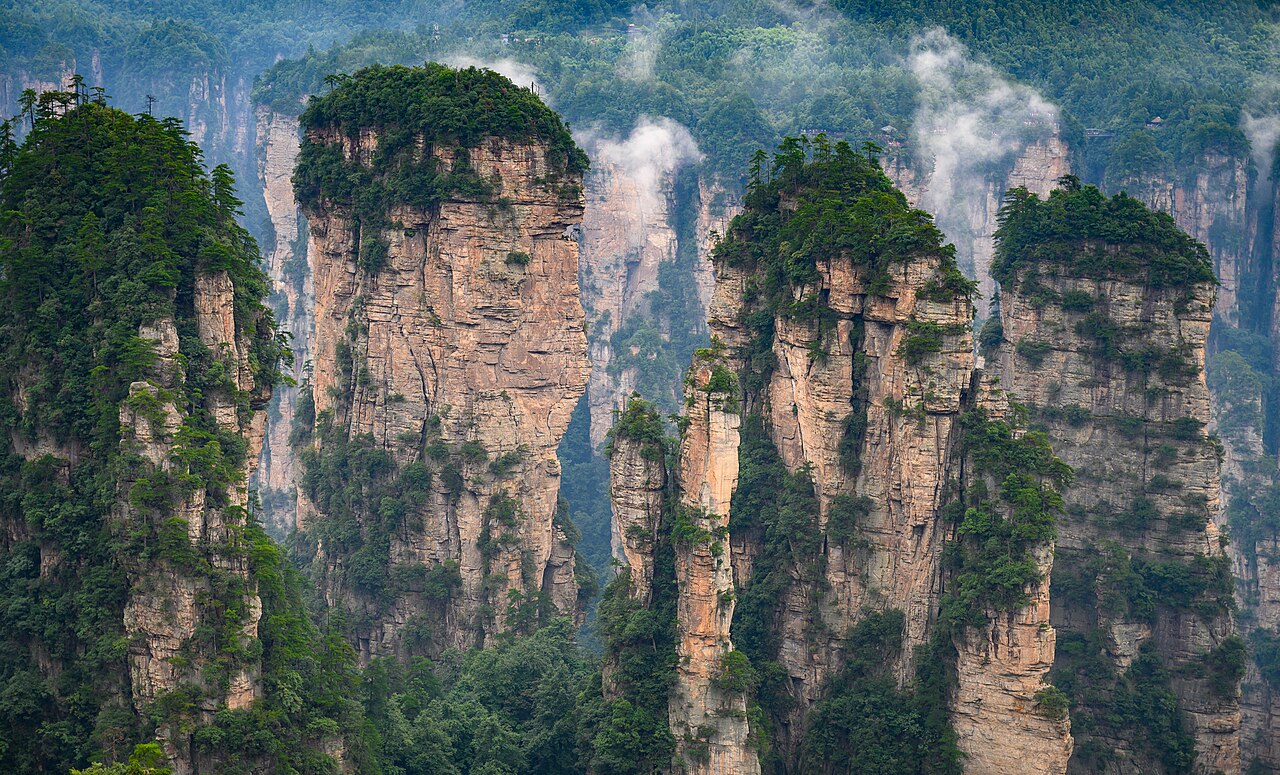
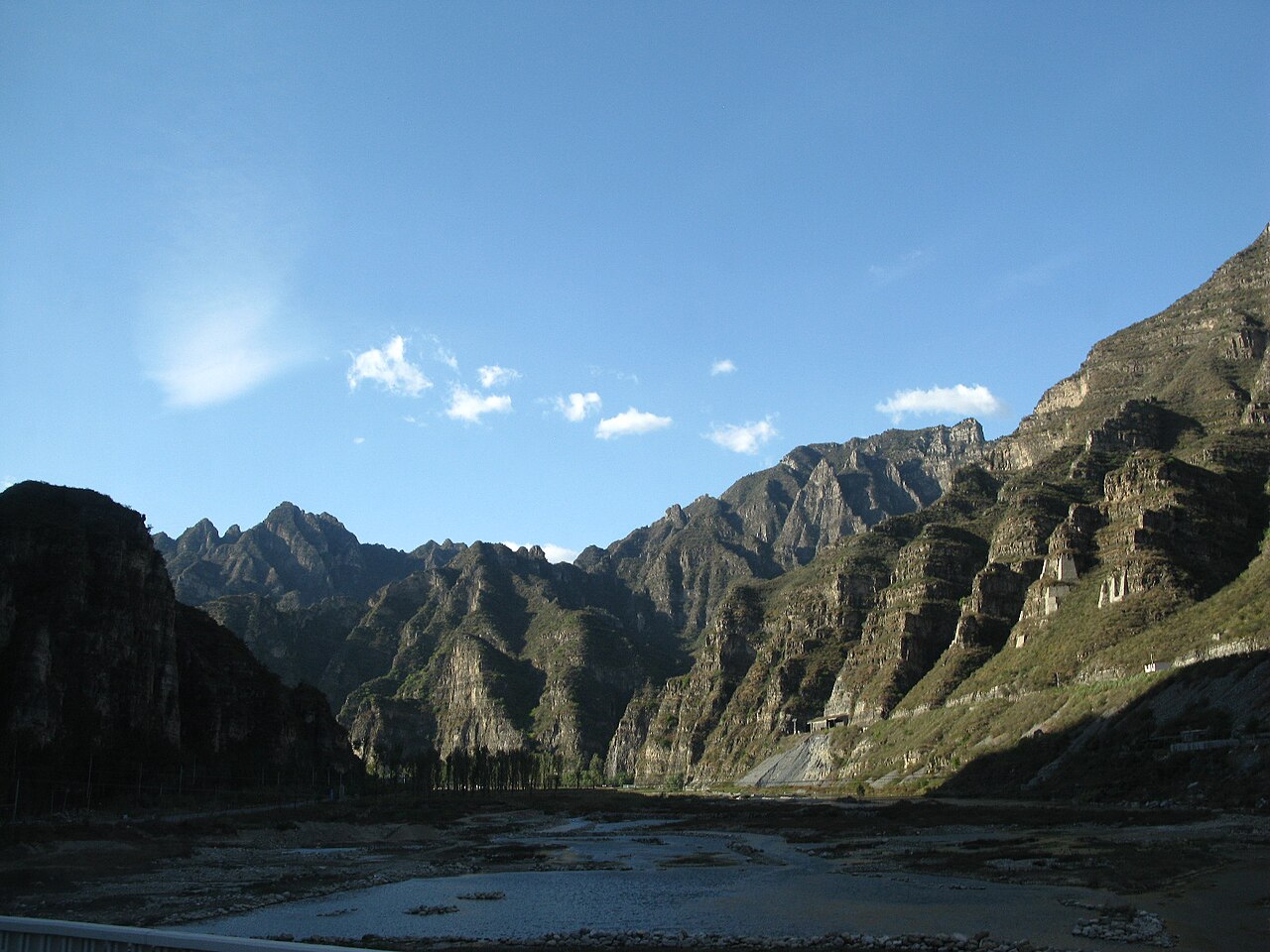
Haitang Canyon: walls thousands of feet high, a gallery of rock and water
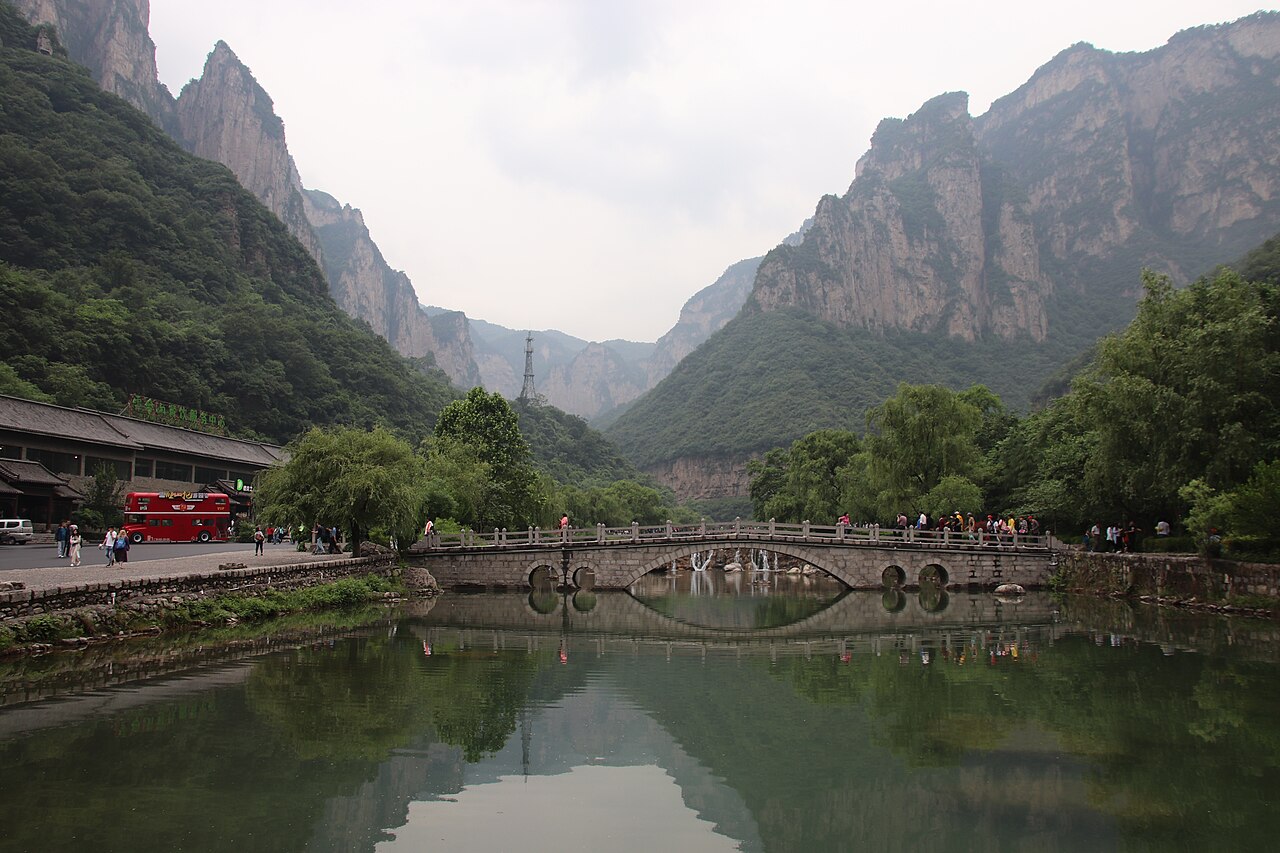
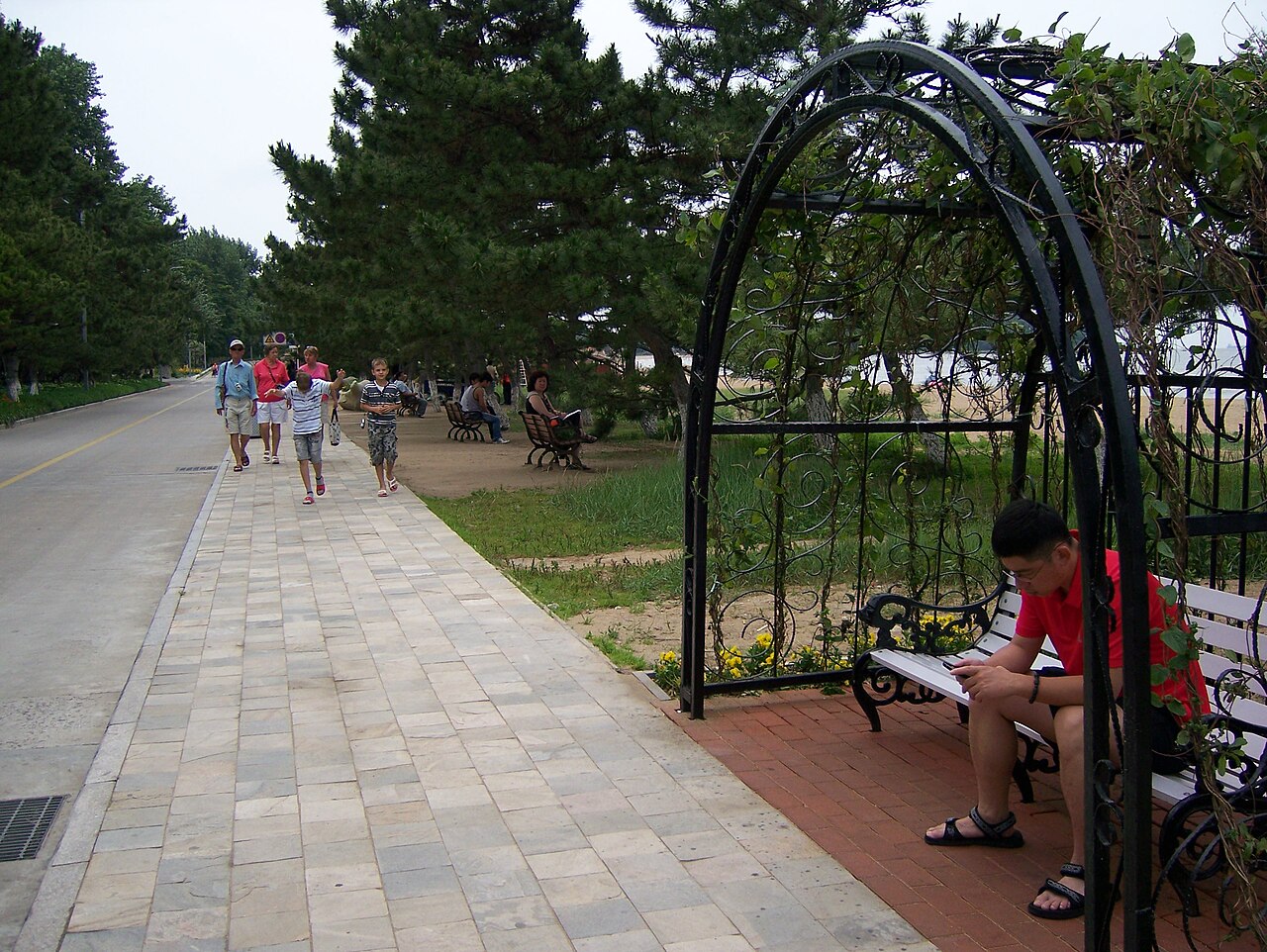
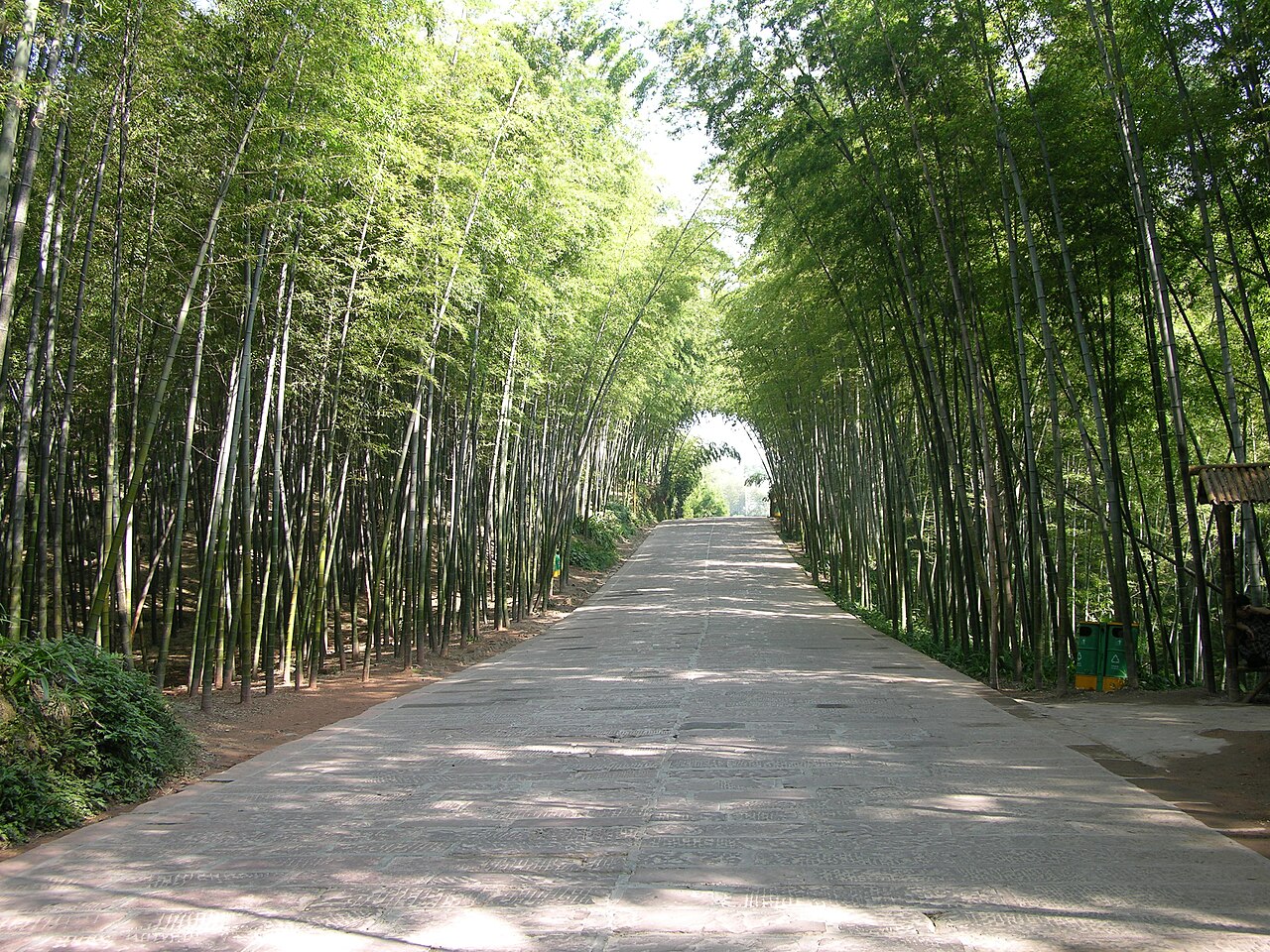
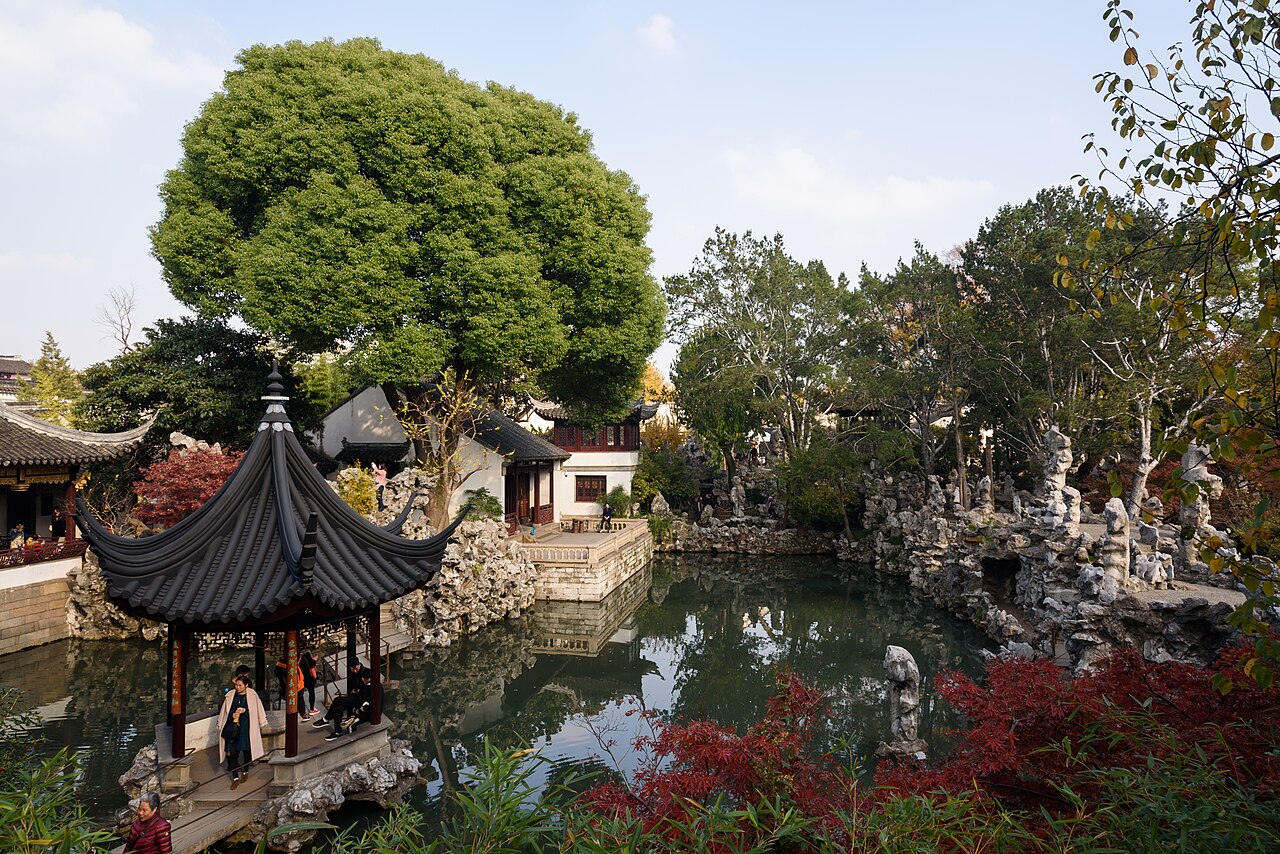
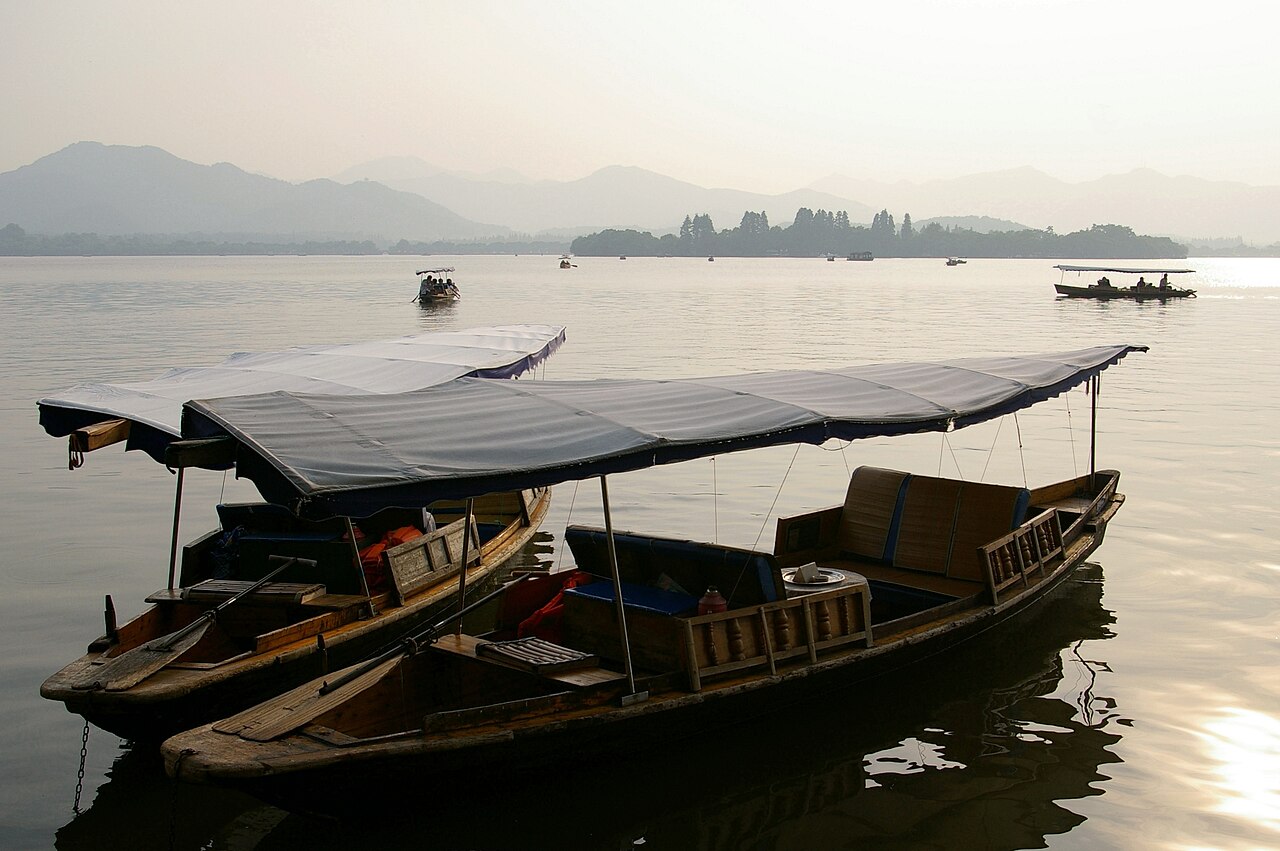
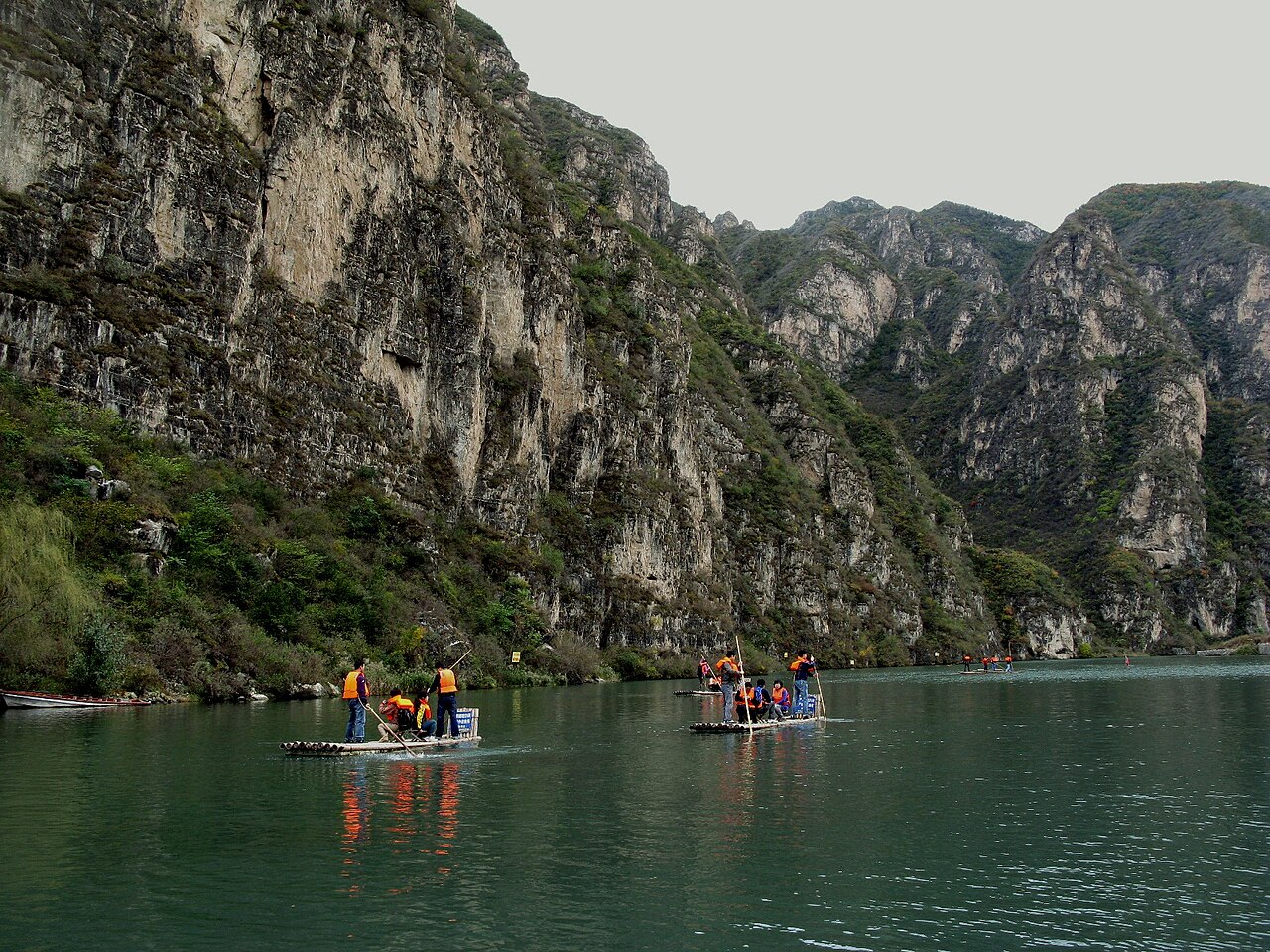
Bamboo rafts on the Juma, the oldest pleasure on this river
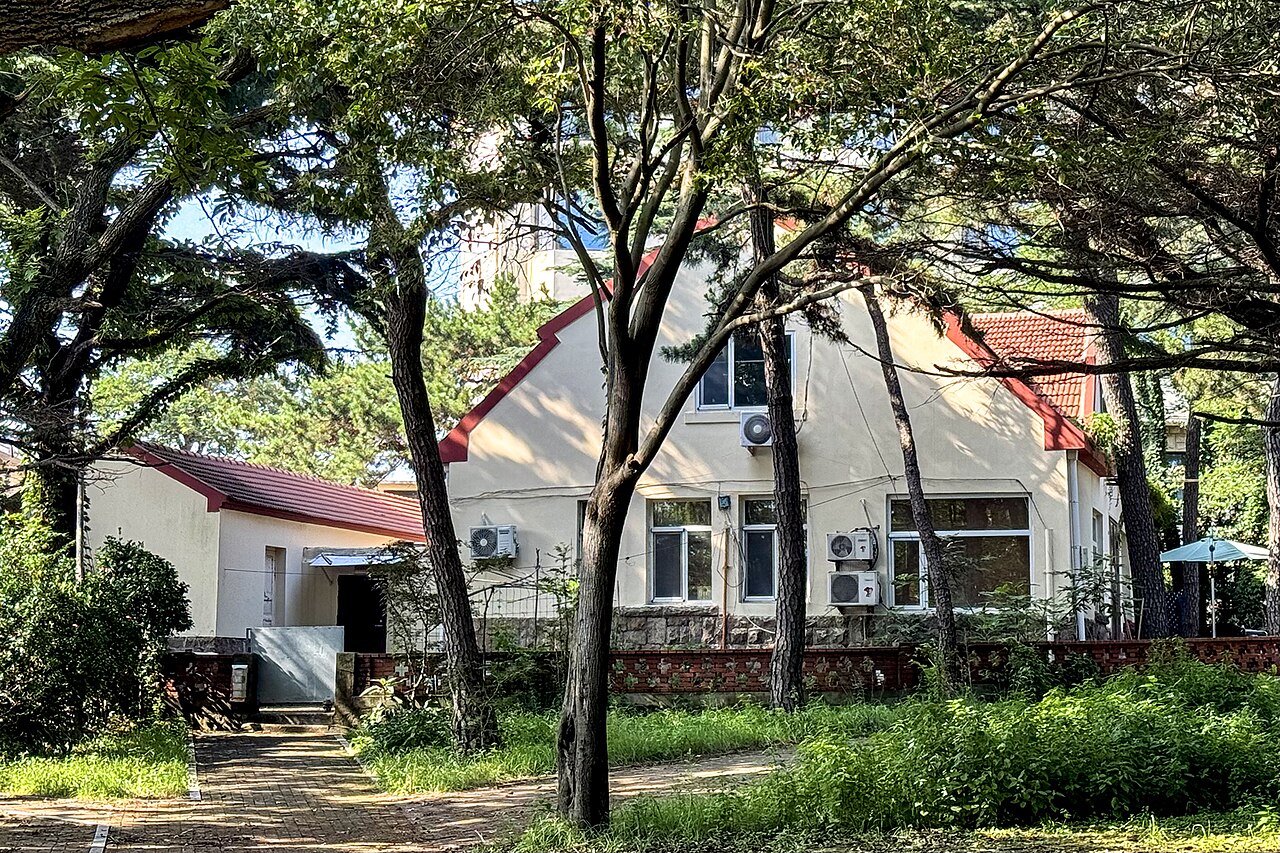
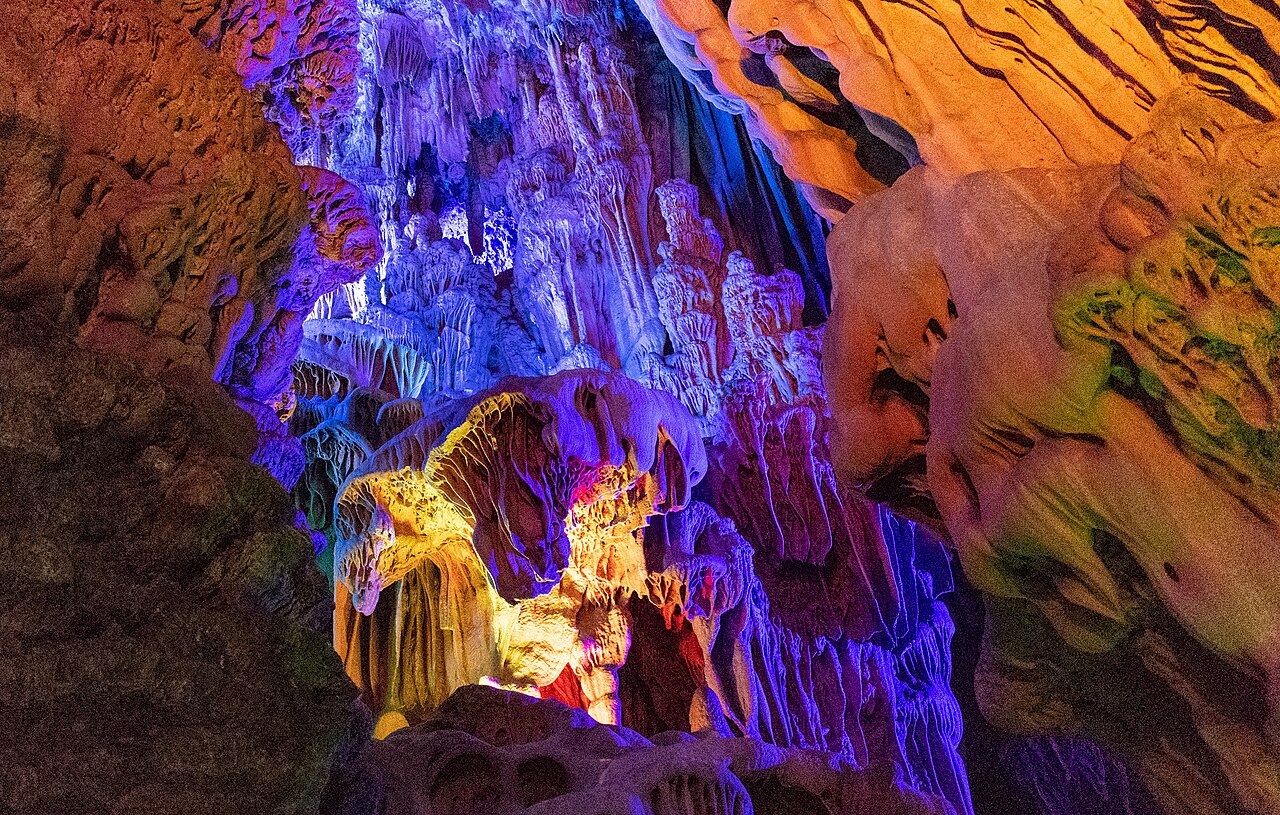
Fish Valley Cave, eleven to thirteen degrees all year round
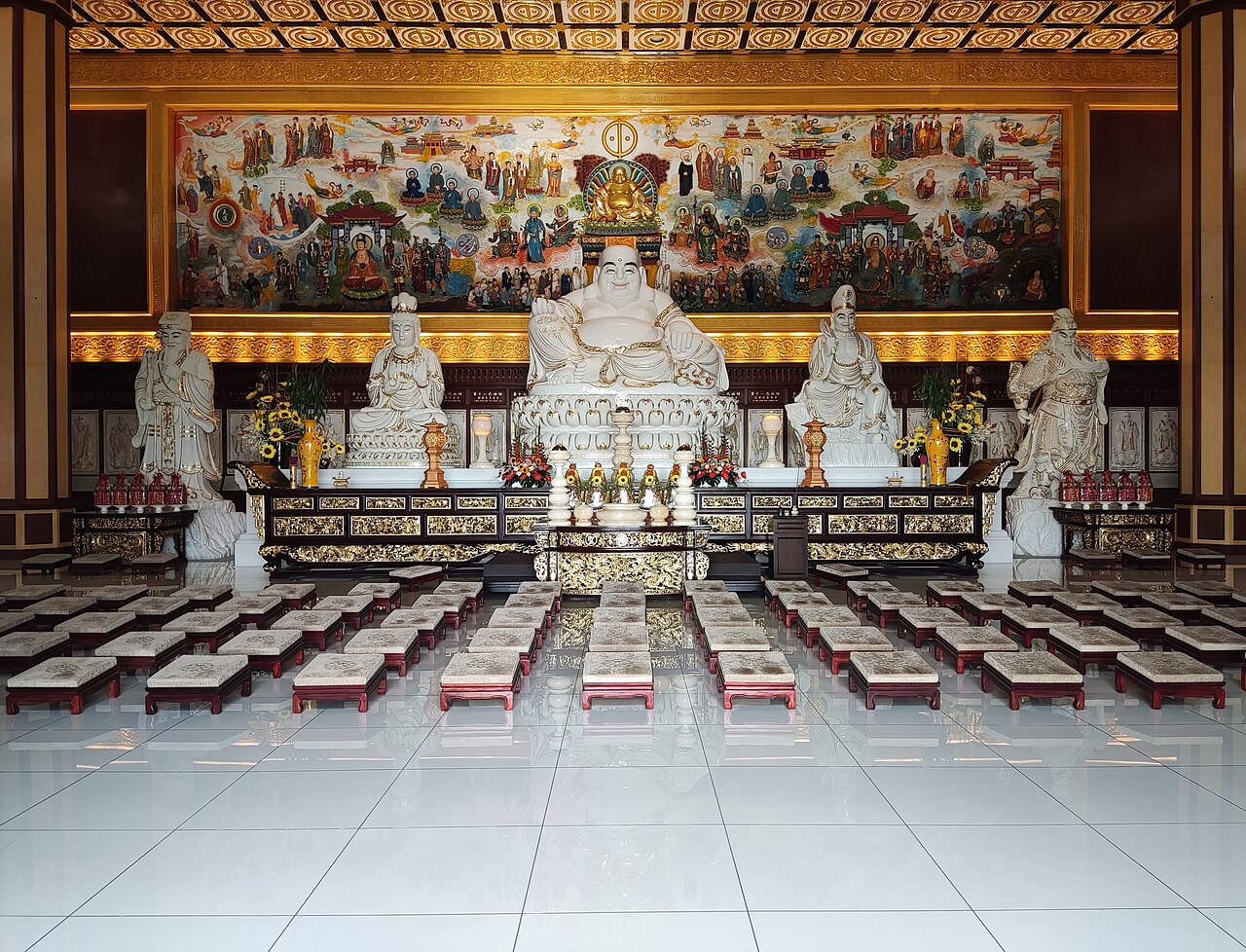
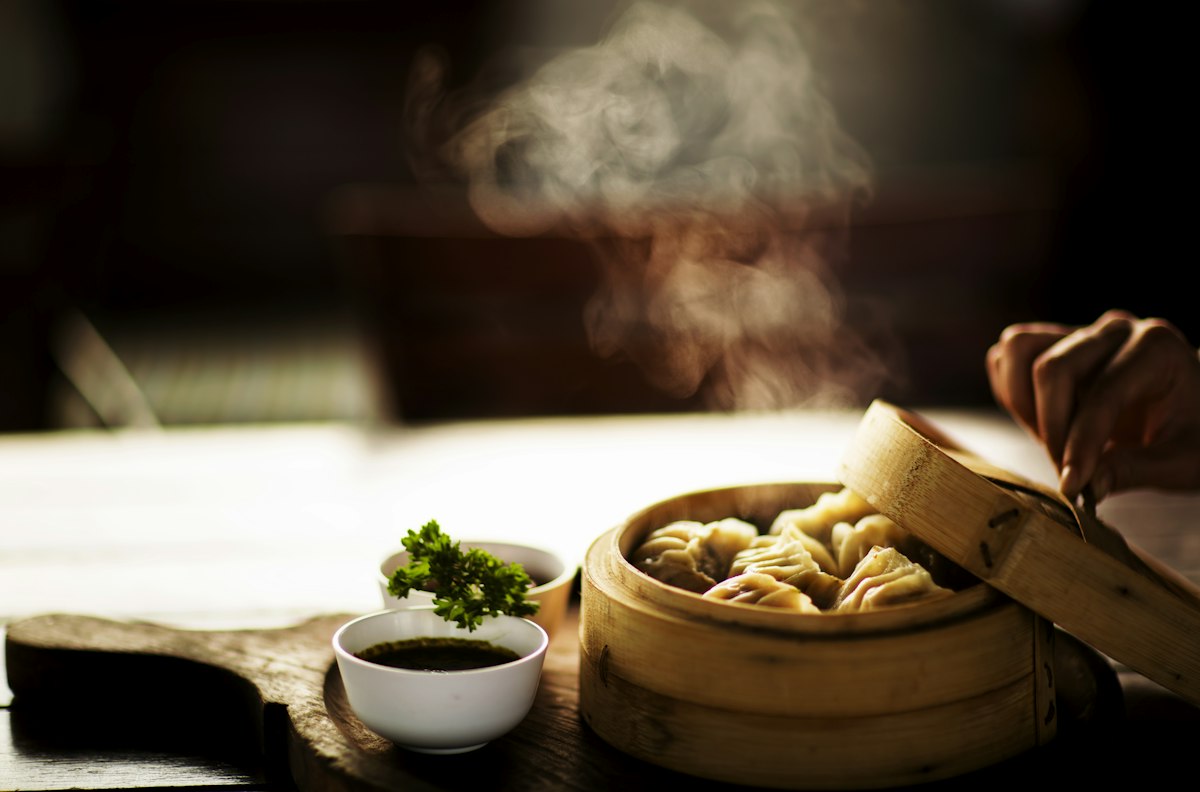
Whole roast lamb at a farmhouse courtyard, two hours over the fire

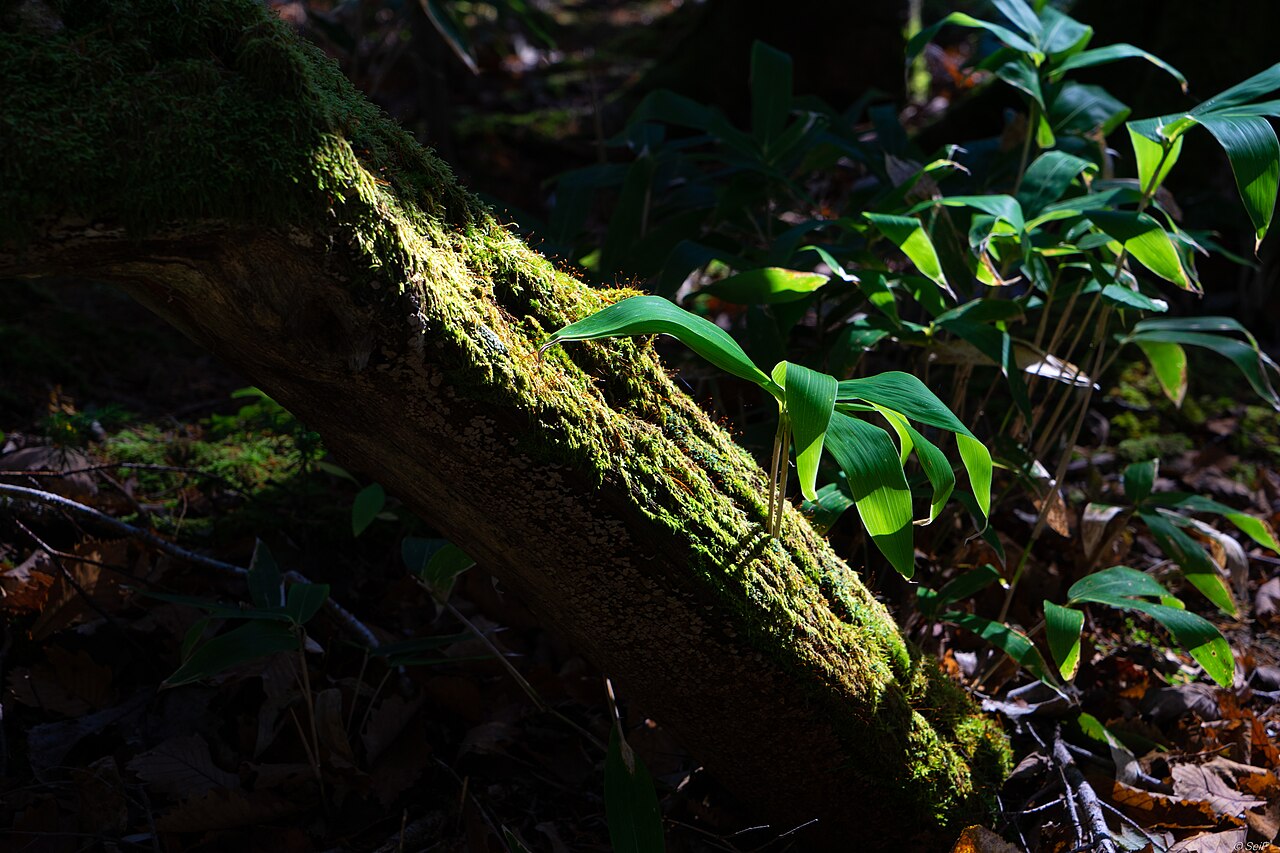
Arriving at Yesanpo, I genuinely felt lucky. Walking through the gorge with peaks standing up on both sides and morning light filtering down between them, the damp of the early air giving everything in the valley its life — a shaft of weak light, a patch of green, and small leaves of every shape crowding together. Ridiculously cute.

Traveller note — 'Baili Gorge, a hundred-li gallery in heavy ink'

At night, in the early-summer mountain dark, we sat around the fire with the night wind on us at exactly the right temperature. Beer, roast lamb leg, aimless talking. Empty yourself out for a while and every worry and pressure simply evaporates.

Traveller note — 'Yesanpo revisited'

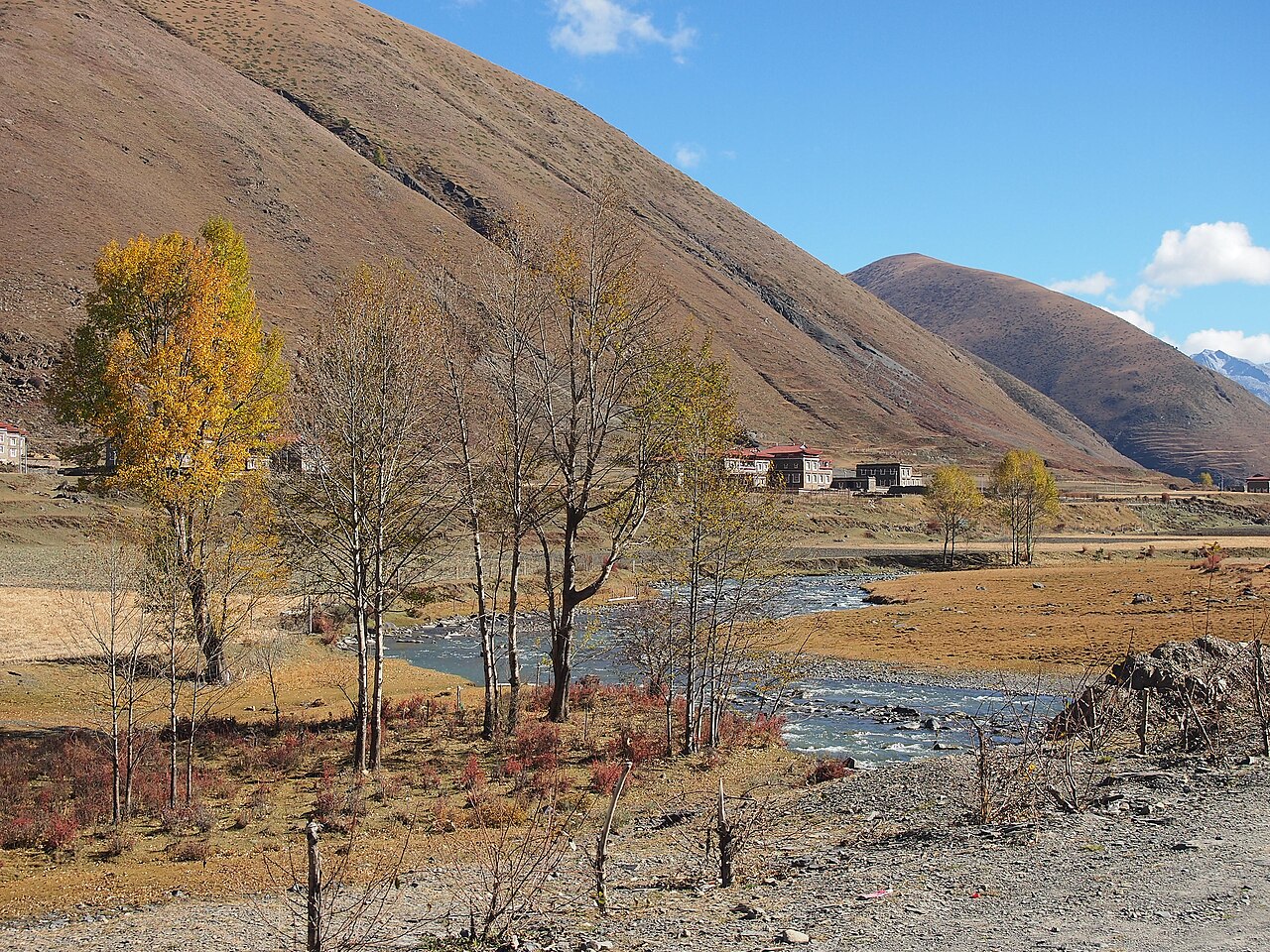
Yesanpo is what happens when two mountain ranges collide close enough to Beijing to make a weekend of it. The Taihang and the Yan meet here, on the northern tip of the Zijingguan deep fault zone, and the result is the thing the place is named for: canyons with walls thousands of feet high, a granite fracture face at Longmen, and a cave system nobody has finished mapping. Geologists come for the rock; everybody else comes because it looks like this.

The name means three slopes, and the area really does step upwards from south to north — lower, middle and upper — with the climate shifting as you climb. In the old records the lower valley's walnuts had already set while the upper slope was still in flower, half a month apart, which gives you an idea of the vertical range packed into one scenic area.

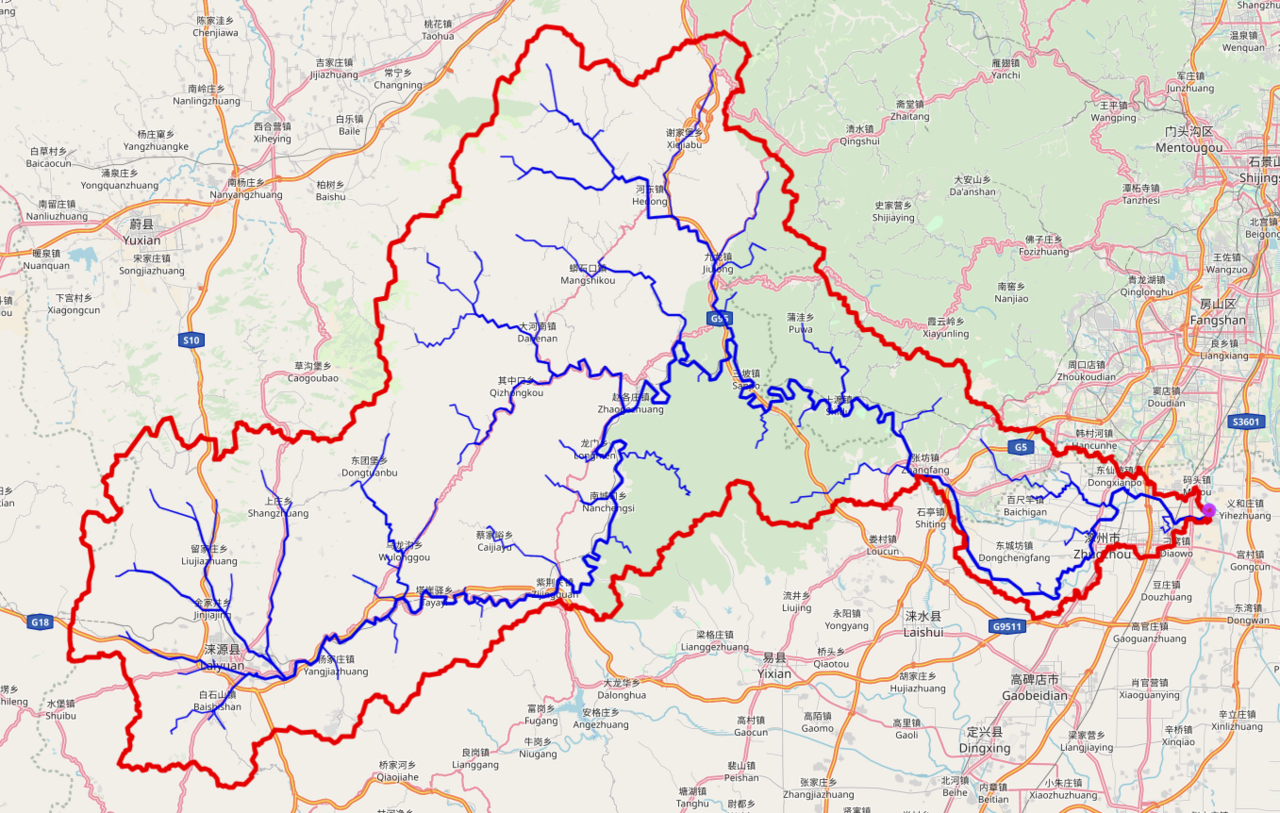
What makes it easy to enjoy is the river. The Juma threads thirty-five kilometres through the whole area, and in summer it is bamboo rafts, speedboats, horses along the bank and farmhouse courtyards doing whole roast lamb over two hours. This is a place to move — walk up a gorge, float back down, eat outside — and to be slightly cold in August, which is most of the point.

Yesanpo

Don't leave without

Seven things that are worth rearranging a day for.

  1. Get properly soaked on a raft run down the Juma
  2. Walk Haitang Canyon end to end and find Tiger's Mouth and the Looking-Back Guanyin
  3. Stand in Fish Valley Cave while it is 30°C outside
  4. Order a whole roast lamb, chosen alive, and wait the two hours properly
  5. Eat a plate of wild river greens you cannot name
  6. Sit round a riverside bonfire with a beer and nothing scheduled
  7. Ride a horse through the valley floor at dusk

Highlights

What not to miss in Yesanpo

Baili Gorge

Baili Gorge

Three canyons — Haitang, Shixuan and Xiezi — laid out like a deer's antlers across 52.5 km. Rock walls thousands of feet high, plank roads, One-Line Sky, natural bridges and a rock that looks exactly like a monk looking back over his shoulder. It is the reason the whole area exists.
The raft run

The raft run

An unpowered little boat, a paddle and 3.5 km of the Juma with dozens of rapids in it. Nothing else you do here is as reliably fun, and it is the one activity that works for a whole group at once. Book it online rather than at the gate.

Standing in a cold cave in August

Standing in a cold cave in August

Fish Valley Cave runs about 1,800 m across five stacked levels and holds at 11–13°C all year. Inside are stone flowers, cave pearls and soda-straw stalactites; outside, the spring at the entrance is listed as one of the world's odd springs because it ejects live fish around the Grain Rain term.

A bamboo raft, slowly

The oldest pleasure on this river and still the best-value one: pole a raft yourself through green water between folded hills, or split the raft with someone and watch the valley go past. Three styles are on offer — water-fight, romantic drift, and team races.

Roast lamb, chosen alive

Roast lamb, chosen alive

Yesanpo's signature dish and a two-hour commitment: you pick the live lamb, it is killed and roasted over a fixed two-tier fire, and it comes out glossy, tender and smelling of everything good. Order it when you arrive, not when you are hungry.

Farmhouse food and a bonfire

River greens, water celery, aralia shoots, mountain mushrooms with chicken, cornbread cakes and millet porridge, eaten at a table in a courtyard. Afterwards, a fire by the river, beer, and nobody keeping time. This is the whole evening plan and there is no better one here.

Suggested itineraries

One day, two days, or three going deep

The four scenic areas are 10–40 km apart and every transfer costs money, so decide your route before you arrive and sleep near what you are doing next.

The classic day

1 days

Gorge, cave, river — the three things, in one long day.

  1. Morning

    Baili Gorge

    Arrive mid-morning and give Baili Gorge three hours. Walk Haitang Canyon for Tiger's Mouth, the narrow One-Line Sky and the Looking-Back Guanyin, then decide whether you want the stairway.

    Stops: Haitang CanyonTiger's MouthOne-Line Sky

  2. Afternoon

    Cave, then river

    After lunch, Fish Valley Cave: about 1,800 m and five levels of stone flowers, cave pearls and soda straws. Two hours is plenty, and it is the coolest place within a hundred kilometres.

    Finish with the raft run on the Juma — 3.5 km of rapids that ends the day wet and happy. Book it online before you travel.

    Stops: Fish Valley CaveJuma River rafting

Two days at leisure

2 days

The gorge and the cave properly, then a slow day on the water with horses and a bonfire.

  1. Day 1

    Gorge and cave

    Arrive and walk Baili Gorge — keep it inside four hours so your legs survive tomorrow — then give the afternoon to Fish Valley Cave, whose spring is said to run fish around the Grain Rain term in late April.

    Evening: bonfire by the Juma, and a farmhouse dinner of river greens, roast lamb if you ordered it in advance, and cornbread cakes.

    Stops: Baili GorgeFish Valley CaveJuma riverside

  2. Day 2

    Water, horses, evening show

    Free time on the river: rafting, a speedboat, a bamboo raft, or horses along the bank — the whole point is to be away from the city noise for a few hours.

    Afternoon at the Folk Minorities Park for the minority song and dance (three shows daily, at 09:00, 16:00 and 21:00), and after dinner the large-scale historical dance pageant Impression Yesanpo at 20:30 in the 3,600-seat theatre.

    Stops: Juma RiverFolk Minorities ParkImpression Yesanpo

Three days, going higher

3 days

Adds the forest reserve and the cliff inscriptions, both of which need a car and a slow day.

  1. Days 1–2

    The two-day plan

    Run the two-day itinerary above. On the second evening, book a car for the following day — arranged locally it costs around ¥300 for the round trip, and public transport to the high areas is thin.

    Stops: Baili GorgeFish Valley CaveJuma River

  2. Day 3

    Bai Caopan and Longmen

    Morning at Bai Caopan, the forest reserve whose main peak reaches 1,983 m — in early May the valleys are in flower while a hundred-metre glacier still sits on the upper slope. Take the cable car; the small loop is 5 km and about two and a half hours, the big loop 12.5 km and five and a half.

    Afternoon at Longmen Tian Pass for the Shangtian valley's nine waterfalls and eighteen pools, the Ming fortress of Dalongmen and more than thirty cliff inscriptions — the largest such group in north China. Dress warm: it is noticeably colder up here.

    Stops: Bai CaopanLongmen Tian Pass

Sights

The four areas, plus the river

There are four developed scenic areas with shuttle buses between them — Baili Gorge, Fish Valley Cave, Bai Caopan and Longmen Tian Pass — and the Minorities Park by the river. They are spread out; pick two or three.

Baili Gorge

The reason to come · Three canyons

Baili Gorge

Fifty-two and a half kilometres of canyon, laid out like antlers: Haitang at 17.5 km, Shixuan at 22.5 km and Scorpion Gully at 12.5 km. Rock rears up on both sides, walls of ten thousand feet, plants growing sideways out of the rock, and a full set of karst, spring and waterfall features gathered into one thickly inked hundred-li scroll. The local verse is accurate enough: the best of the capital's scenery is in Sanpo, and the best of Sanpo is in these gullies, where three hidden gorges keep the tiger's mouth, the sky bridge and a silver river.

Ticket
¥90 · students ¥45
Extras
Shuttle ¥6 one way, ¥10 return · Weijia cable car ¥40 one way, ¥70 return · Baili cable car at the side gate ¥20 one way, ¥30 return · guide ¥80 one way, ¥150 return
Hours
07:30–18:30, varying seasonally
Where
Gougezhuang village, Yesanpo town, Laishui county, Hebei
Time needed
3–4 hours, or 8 for the full circuit
Phone
0312-4563138

Tip Haitang is the one to do: ninety minutes, twelve li there and back, and everything in it — Tiger's Mouth, One-Line Sky, Golden Thread Needle, Looking-Back Guanyin, the upper and lower sky bridges, the stairway and the cable car. Come back for Scorpion Gully if you want raw: 600 m in is Moon-in-the-Pool, and beyond that Ear-Rubbing Cliff and Iron-Chain Cliff.

Fish Valley Cave

Cool, strange · 11–13°C all year

Fish Valley Cave

A cave-and-spring area in the middle of Yesanpo, about 1,800 m long over five stacked levels, each with something in it, with caves inside caves and passages connecting them. Inside are stone flowers, cloud basins, soda-straw stalactites and sediment deposits from several different periods. Four spring groups feed it — Fish Valley, Divine Fish, Divine Cave and Divine Sky — and the one that made the place famous is the fissure spring beside the entrance, which around the Grain Rain solar term ejects living fish and is listed as one of the world's odd springs.

Ticket
¥65 · students ¥35 · grass sliding ¥15 · small tourist train ¥10
Hours
All day
Where
Laishui county, Baoding, Hebei — about 10 km from Yesanpo town
Getting there
Shuttle from Yesanpo town (the Minorities Park)
Time needed
2 hours
Phone
0312-4558287

Tip The cave holds at 11–13°C whatever it is doing outside — take a layer in summer and expect the contrast to be the thing you remember. If you are here in late April, ask at the entrance about the fish.

High forest · The May glacier

Bai Caopan

The national forest park called the green pearl of the Taihang, with a main peak at 1,983 m that faces Beijing's Baihua Mountain across the valley as a sister peak and counts as one of the four great summits west of the capital. The air here measures up to 551,923 negative oxygen ions per cubic centimetre — 126 times downtown Beijing. The vertical climate is the draw: around the May holiday the foot of the mountain is in full flower while a glacier more than a hundred metres long still lies on the upper slope.

Ticket
¥60 · students ¥30
Cable cars
Mayiling ¥35 one way / ¥60 return · Citianfeng ¥35 one way / ¥60 return
Hours
07:30–19:00
Where
Laishui county, Baoding, Hebei — about 40 km from Yesanpo town, an hour by shuttle
Time needed
Half a day · small loop 5 km and 2.5 hours, big loop 12.5 km and 5.5 hours
Phone
0312-4552131

Tip It is cold up here whatever the valley is doing, and public transport is poor — without a car you are hiring one locally at around ¥300 for the day. Take the cable car up and walk the small loop; the big loop is a serious day.

Cliff inscriptions · The old frontier

Longmen Tian Pass

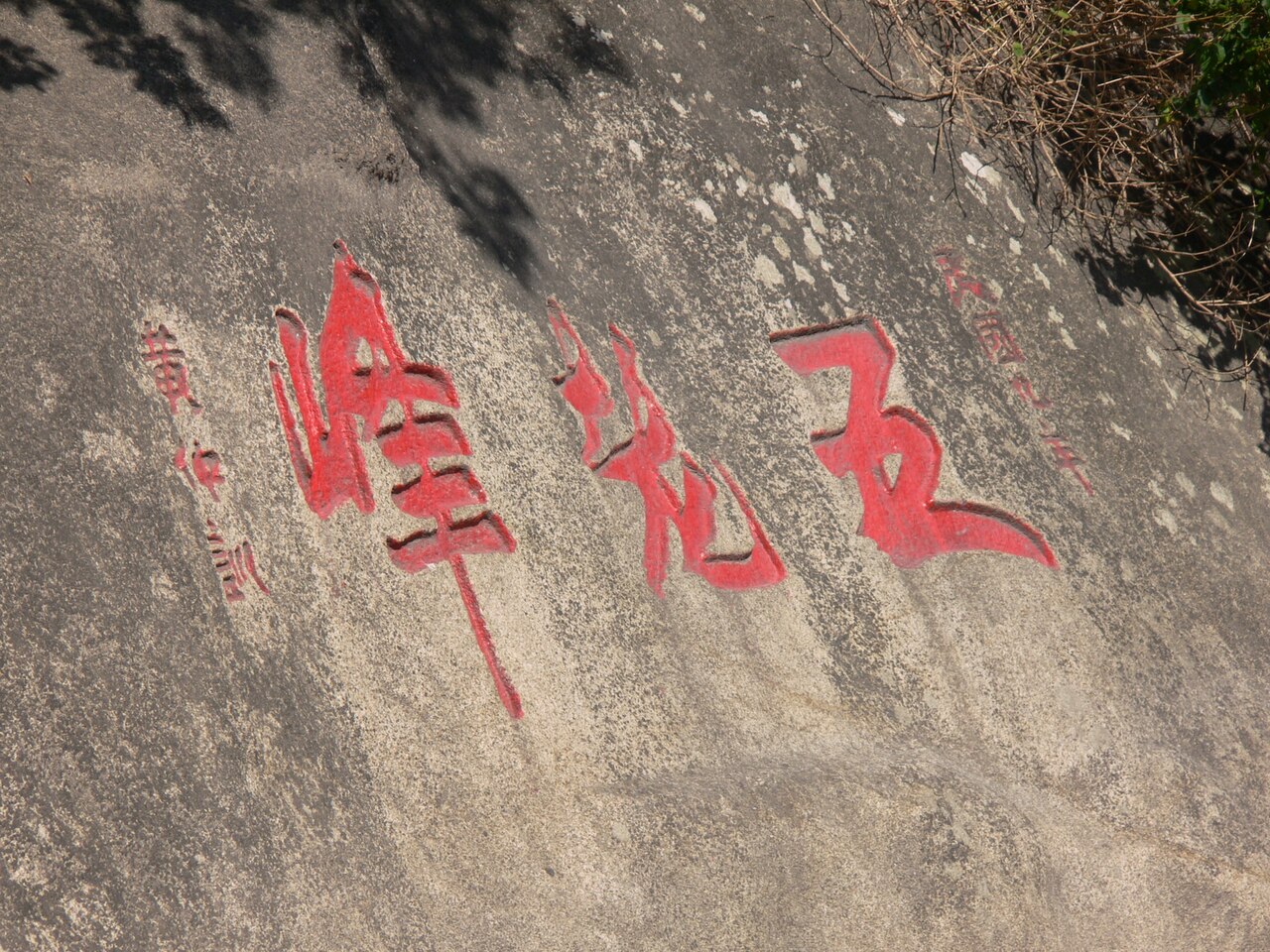
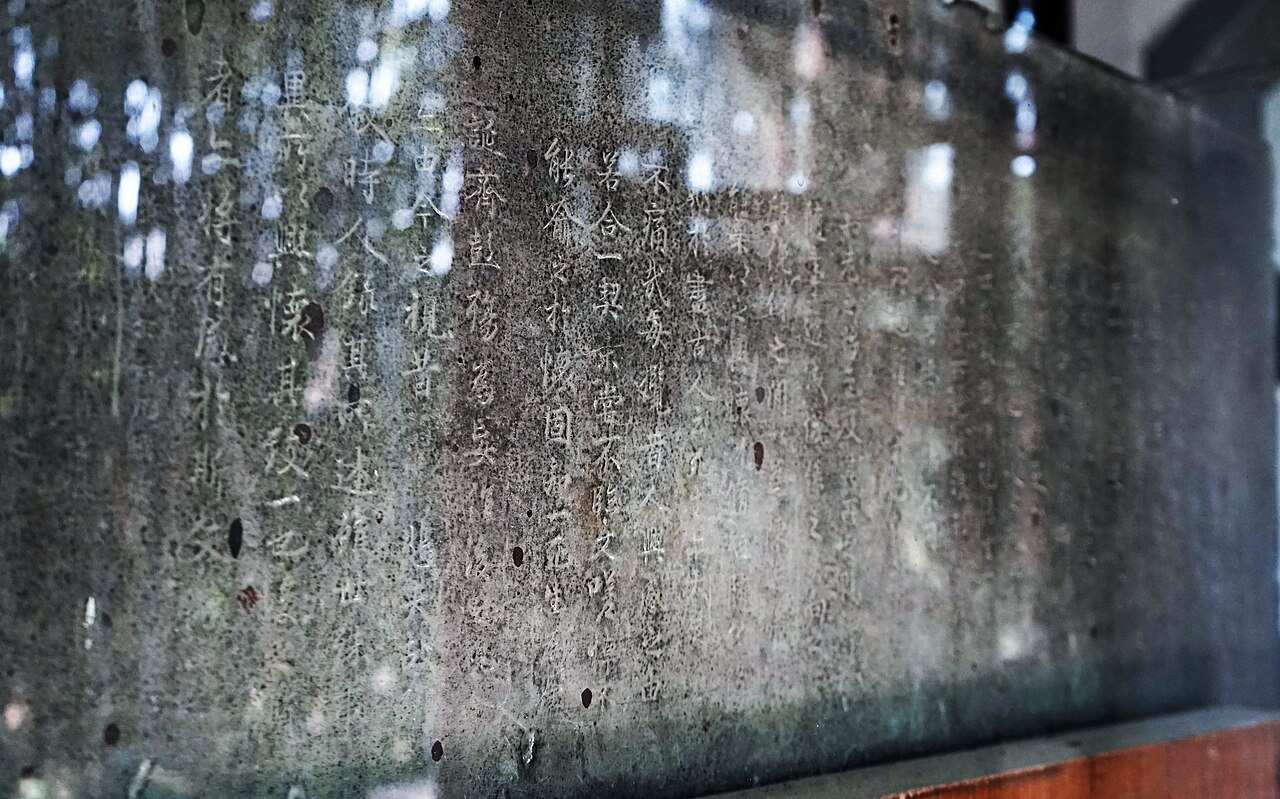
Nature, history and folk culture in one area. Shangtian Gully runs nine falling streams and eighteen pools through ten thousand mu of secondary forest, with the Ladder Cascade dropping forty metres. Historically this was the road from the capital to the lands beyond the passes and a place every dynasty garrisoned heavily: the Dalongmen fortress, a key Ming inner-wall pass known as the throat of the frontier, still stands with its gate and its outer military works, and the cliffs of Longmen Gorge carry more than thirty inscriptions left by Ming and Qing officers — the largest such group in north China. The boldest read 'Heavenly Gate of Ten Thousand Fathoms' and 'A Thousand Peaks Standing in Homage'.

Ticket
¥40 · students ¥20 · guide ¥50 for the small loop
Hours
All day
Where
Laishui county, Baoding, Hebei — about 30 km from Yesanpo town, 40 minutes
Getting there
Shuttle from Yesanpo town (the Minorities Park)
Time needed
3–4 hours
Phone
0312-4558269

Tip Pair it with Bai Caopan, since they are the two furthest-out areas and both need a car. It is also the one sight here that rewards reading rather than walking.

The Juma River

The water · Free to enjoy, cheap to use

The Juma River

Seventy-odd li of river looping between the hills and the tourist road on its way to the Hai, threaded with fish and shrimp and open to wild angling. In July and August the water sits at 20–22°C, cool enough to be the entire reason people escape here, and the banks are lined with farmhouse courtyards. Everything happens on it: bamboo rafts, rafting runs, speedboats and wooden boats.
Ticket
Free to walk the bank; each activity is priced separately
Rafting
¥80 at the gate, ¥30–50 booked in advance
Bamboo raft
Negotiated per raft at five riverside operators near Baili Gorge
Water temperature
20–22°C in July and August

Tip Three ways to raft, and the water-fight version with water pistols and bottles is the one groups remember. Couples take a two-person raft and drift. Take a change of clothes, no leather shoes, and nothing that minds water.

Shows · Three a day

Folk Minorities Park

A resort village on the Juma, hills all round and water on three sides, with the brightly styled buildings of several minorities set against the landscape. You hear mountain songs, the lusheng and hulusi, flower-drum playing; you watch Yao costume shows, knife-ladder climbing and fire-walking; and you can join the bamboo-pole and board-shoe dances or link hands with performers from eight minorities for the closing friendship dance.

Ticket
¥30 · students ¥15
Hours
All day · shows at 09:00–10:00, 16:00–17:00 and 21:00–22:00
Where
On the Juma, Yesanpo, Laishui county
Time needed
1–2 hours

Tip Time your visit to a show, since that is all the ticket buys. The 21:00 slot pairs well with dinner and a bonfire.
Tickets and extras

What everything costs

Parking is ¥5 for a car and ¥10 for a coach at every sight. Guides are worth it at Longmen, where the inscriptions need explaining, and largely unnecessary in the gorge.

Baili Gorge¥90 · students ¥45
Baili Gorge shuttle¥6 one way · ¥10 return
Baili Gorge cable carsWeijia ¥40 one way / ¥70 return · side-gate cable car ¥20 one way / ¥30 return
Fish Valley Cave¥65 · students ¥35 · grass sliding ¥15 · tourist train ¥10
Bai Caopan¥60 · students ¥30 · cable cars ¥35 one way / ¥60 return
Longmen Tian Pass¥40 · students ¥20 · guide ¥50
Folk Minorities Park¥30 · students ¥15
Rafting¥80 at the gate · ¥30–50 booked online
Bungee (68 m cliff jump)¥180
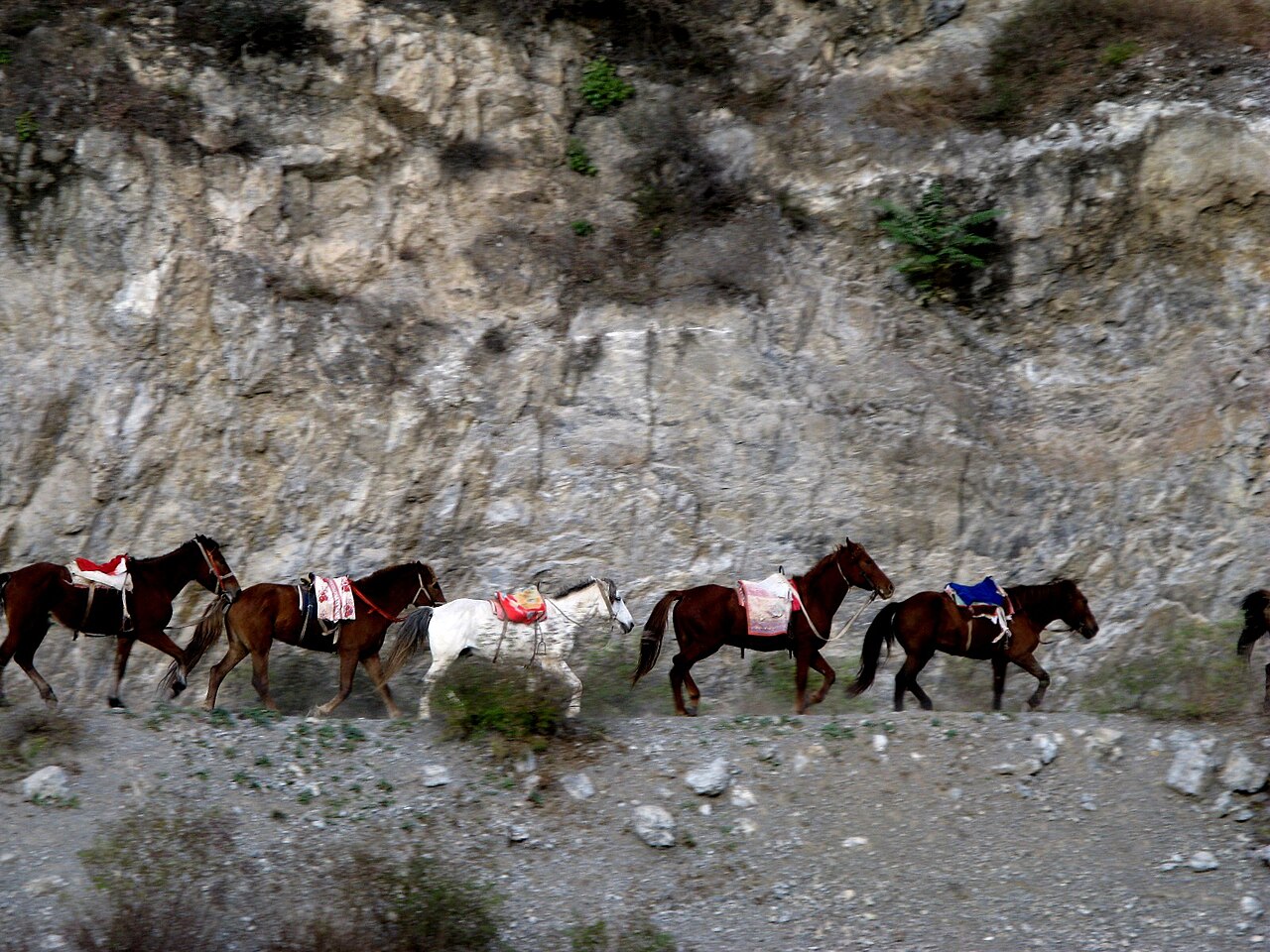
Horse ridingJiulongshan arena entry ¥10 · about ¥40 per horse per circuit · a wrangler costs another share
Bumper boats and rowing boatsAbout ¥40 an hour
Go-karting¥30 a lap
Paintball and field games¥30–120 per person per session
Donkey cart¥10–60 per cart, seven people, short hops only
Impression Yesanpo¥280 / ¥160 / ¥90 by seat grade · 20:30 nightly

Things to do

Wet, fast, high or on horseback

Yesanpo is unusually well stocked with ways to frighten yourself gently. Pick one per day and you will have done well.

Rafting the Juma

No motor, no guide steering — just a paddle, a helmet and 3.5 km of river with dozens of rapids. The best run is the Langya stretch known as the first drift at Shibadu, long enough and pretty enough to justify the name 'the number one drift near Beijing'. Book online; the ¥80 gate price is a tax on people who did not plan. Bring a change of clothes, wear flat shoes that can get wet, leave phones and cameras behind, check the boat before you get out, and never stand up or take off the life jacket. If you flip, stay calm — there are lifeguards stationed all along the run.

Bungee jumping off a cliff

The Baili Gorge jump is a cliff platform about 68 metres above the Juma, the highest cliff-mounted bungee in the country, costing ¥180. Not for anyone with a heart or brain history, and badly short-sighted jumpers should think twice — the head-down drop builds up acceleration fast and has been known to detach a retina. Warm up before you jump, wear nothing loose or floaty, keep your neck and arms clear of the cord, and then stop thinking about rules and enjoy it.

Riding

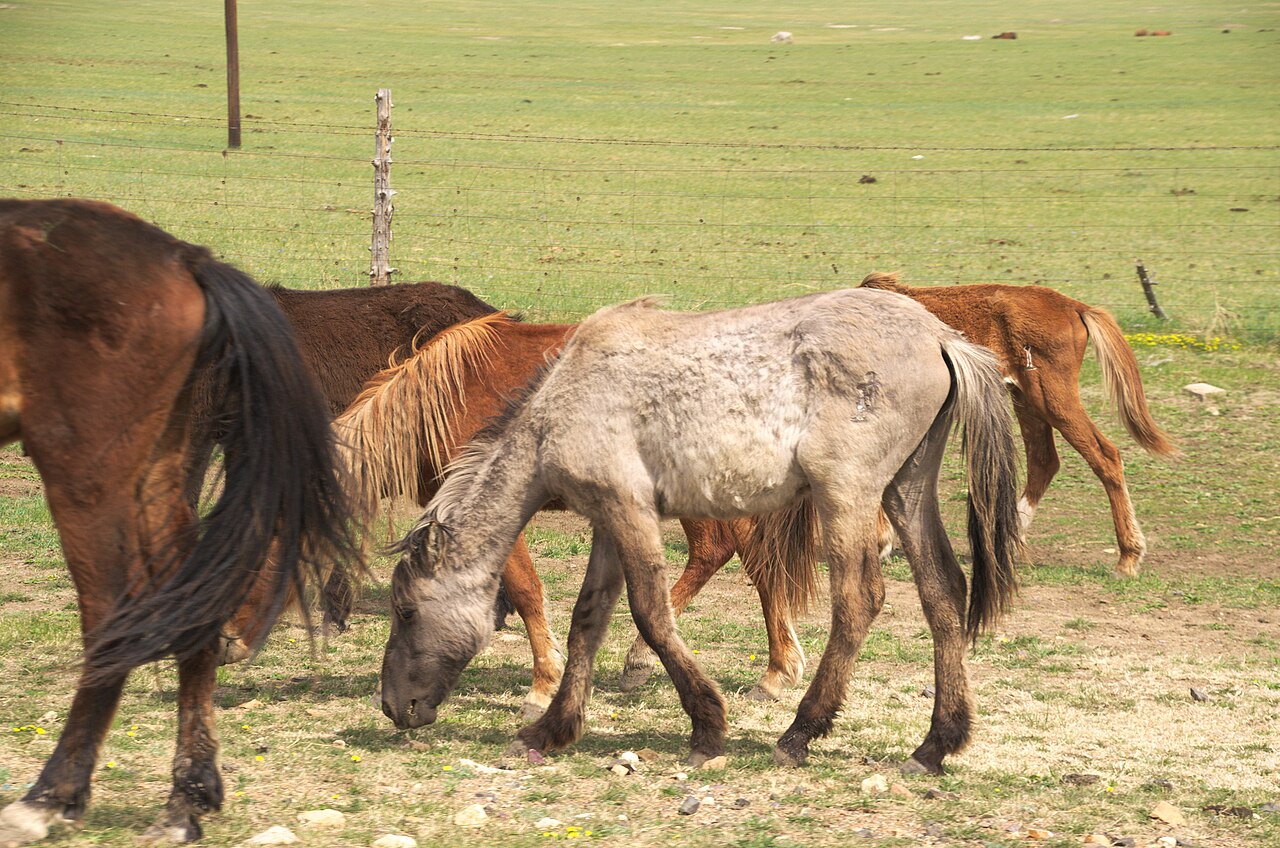
There are seven stables of varying quality around Yesanpo town and Baili Gorge. Two models: an enclosed arena charged by the lap with a free handler, or a valley and riverside trail charged per circuit with a paid handler under the N-plus-one rule — five riders pay for six horses, because the wrangler rides one. Jiulongshan, on the river at Gougezhuang, is the recommended one: 7.5 km of track, ¥10 entry, about ¥40 a circuit, and a real trainer if you have never ridden. Wear trousers and trainers, mount from the front left, keep your weight in the front of the stirrups, and never walk around behind a horse.

Bamboo rafting

The oldest water activity in these parts and the cheapest, with five operators along the Baili Gorge stretch. Three ways to do it: the water fight, in which you pole with a bamboo pole while everyone else shells other rafts with water pistols and bottles; the romantic drift for two, hands in green water and hills overhead; and the team race, in which a group splits into heats and finals and the winners get something. All three are good.

Campfire and the night show

Farmhouse campfires here are honestly fairly basic — somebody lights wood by the river and that is the evening — and mostly free, which is why the quality varies. It works if you have your own group, a decent spot with seating and a sound system, and someone willing to run it. For something produced, Impression Yesanpo is a large-scale original dance pageant on local history, staged nightly at 20:30 in a 3,600-seat theatre with 300 performers and a full lighting and sound rig.

Carts, karts and paintball

Donkey carts are transport first and fun second — there are thirty or so at Gougezhuang, they carry about seven, and a two-kilometre hop costs ¥10, which is a little over a yuan a head. Go-karting is ¥30 a lap on a circuit where the kart cuts out if you leave the track, and there are half a dozen paintball fields spread across the gorges at ¥30–120 a head. Bumper boats and rowing boats run about ¥40 an hour at Silver Lake, the largest water park here.

Eating and buying

Roast lamb, river greens and the three treasures

Almost everything here is served by a farmhouse courtyard rather than a restaurant, and the standard question on arrival is simply what they have that day.

Whole roast lamb

The signature: you choose the live animal, it is killed and roasted in front of you over about two hours in a fixed two-tier fire. It comes out glossy-coloured, tender, falling off the bone and smelling like nothing else. Head and trotters are left off because they are fiddly. Order it when you arrive, because five minutes of fire either way changes it, and the lambs are yearlings of about 25–40 jin. Ask for cumin, pepper-salt and chilli on the side, and pile the table with cold river greens, mountain wood-ear with mustard, fried offal, farmhouse tofu and cornbread cakes.

Rainbow trout

The dish everyone orders. It can be eaten raw, grilled, steamed or stewed, but most people grill it — there are no small bones and the skin goes crisp while the flesh stays sweet. The head makes a good soup. Ask at any farmhouse.

Wild greens from the river

Four things worth ordering blind. He cai, the spring-water plant, served cold or as a filling; water celery, best pickled; magnolia buds, a coarse-fibred wild plant that eats far better than cultivated celery; and the one renamed Lovers' Greens by some unrecorded local genius, formerly known simply as renqing cai, which comes cold or in buns. Mountain mushrooms with chicken is the fifth, and it is excellent.

Deep-fried wild scorpion

A local dish rather than a dare: scorpion is used in Chinese medicine to dispel wind, stop pain and open the channels, and it carries amino acids and trace elements. Fried, it is crisp rather than hard and genuinely tasty. The venom is a bee-venom-like protein destroyed by the heat, so the dish is safe. Most farmhouses do it — ask when you check in.
Cornbread cakes and Fanhuangzi

Staples rather than dishes. The cakes are corn dough slapped onto the wall of a hot iron pot over a wood fire and baked by the pot's own heat, so they come out charred and crisp on one side, soft and yellow on the other; the traditional partners are stewed small fish and corn-grit porridge. Fanhuangzi, locally naohuang, was a New Year food in the 1970s and is now an everyday farmhouse staple that visitors are given.
Fried pepper shoots

Pepper is one of Yesanpo's staples and the shoots are picked fresh off the tree, so this is about as local as a plate gets: crisp, golden, faintly numbing, with the smell doing most of the work. It appears on nearly every farmhouse table and is the one vegetable dish nobody leaves.

The three treasures to take home

Walnuts, apricot kernels and summer pepper are the local three treasures, sold in small shops in Sanpo town and Gougezhuang and by farmers at the scenic areas; the quality is good and the prices undercut the city. The soft-shell walnuts come straight from the hills, unprocessed, best bought around the mid-autumn festival — buy green-husked ones direct from a farming household for much less. The apricot kernels are high in protein and trace elements, and the pepper, aromatic and numbing, doubles as a natural moth repellent for clothes and grain.

Sleeping

Farmhouse courtyards and the one four-star

Sleep near whatever you are doing the next morning — the scenic areas are far apart. Book for weekends and holidays, and call the owner when you arrive; they will usually come and collect you.

The four-star · From about ¥500

Shanshui Yifang Resort

The only rated four-star tourist resort in Yesanpo, set against cliffs and running water, and the one to book if you want a hotel rather than a courtyard. Reviewers note it is very much out on its own but close to the scenic areas, and under two hours from both Beijing and Baoding.

Price
From about ¥500
Where
Shanshui Yifang resort, Yesanpo, Laishui county
Phone
0312-4563678

Three-star · At the gorge gate · From about ¥340

Baili Gorge Oriental Hotel

Rated three-star and graded a first-class hotel within the scenic area, standing at the east side entrance to Baili Gorge — 300 m from the ticket gate and 1 km from Baili Gorge railway station. Reviewers single out the view from the rooms.

Price
From about ¥340
Where
East side entrance, Baili Gorge scenic area, Yesanpo, Laishui county
Phone
13803275599

Near the station · From about ¥122

A courtyard hotel in Xiazhuang village

Well placed, a few steps from the railway station with two small supermarkets outside and the river and scenic area right alongside, run by a friendly young couple. This is the village where most of Yesanpo's cheap beds are, so it is also the easiest place to turn up and negotiate.

Price
From about ¥122
Where
Xiazhuang village, Yesanpo town, Laishui county
Phone
15232944436

Good cooking · From about ¥87

A guesthouse on Beidajie, Xiazhuang

Fully equipped, quiet and clean, with a car park and a genuinely warm owner. Reviewers come back for the kitchen — the scrambled eggs with Chinese toon and the fried pepper shoots in particular — which matters more than the room in a place where you eat at the guesthouse anyway.

Price
From about ¥87
Where
17 Beidajie, Xiazhuang village, Sanpo town, Laishui county
Phone
13582224962

Fishing spot · From about ¥82

A riverside courtyard in Xiazhuang

On a genuinely good bit of ground: the Juma running in front, hills wrapping round behind. Rooms are fully equipped, the food is good, and the bank outside is a decent place to fish if that is how you want to spend an evening.

Price
From about ¥82
Where
Xiazhuang village, Yesanpo town, Laishui county
Phone
0312-4568973

Cheapest · ¥10–15 a head

Farmhouse beds

Yesanpo is ringed with guesthouses and farmhouse courtyards, many charging by the bed at ten or fifteen yuan, and the conditions are basic in the way you would expect. One sensible traveller's advice: there is no need to book before you go on a normal day — turn up, look at the room and bargain — but do decide your route first, then sleep near tomorrow's scenic area.

Price
About ¥10–15 a head at the simplest farmhouses
Good to know
Private hotel owners canvas passengers on the train — there is no need to commit there

Getting around

Getting there, then between the gorges

Yesanpo is 128 km from Beijing and 220 from Tianjin. The trains are charming and slow; the direct coach is the practical answer.

By train

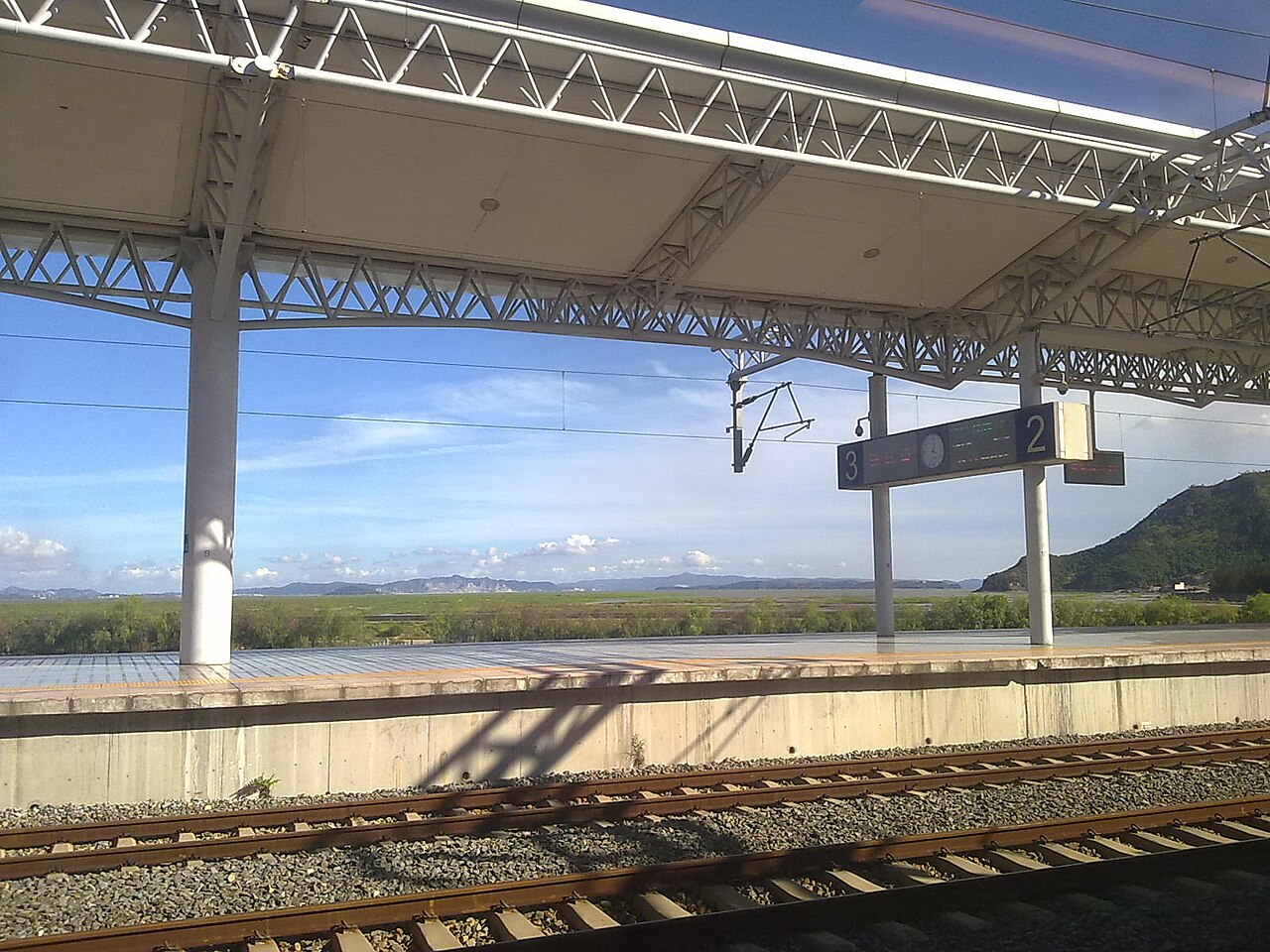
Services Y595 and Y596 are dedicated tourist trains running between Beijing West and Yesanpo from April to October, about two and a half hours and around ¥17, reaching Baili Gorge station shortly after Yesanpo. The ordinary service 6437 leaves Beijing West at 17:45 and gets in at 20:29 for ¥6.50. Both are slow, both are cheap, and both are part of the appeal. Confirm the seasonal tourist service before you plan around it.

Y595
Beijing West 09:10 → Yesanpo 11:44, ¥17 · Baili Gorge 12:00, ¥18
Y596
Yesanpo 17:58 → Beijing West 20:51, ¥17
6437
Beijing West 17:45 → Yesanpo 20:29, ¥6.50 · Baili Gorge 20:44, ¥7.50
Watch out
Tourist trains run April to October only — check before booking

By coach

The simplest option from Beijing: the direct 917 tourist service from Tianqiao bus station, departing 07:30 and 08:30, single fare ¥38, running April to October, with returns from Baili Gorge at 16:30 and 17:30. From Tianjin, take a bus to Laishui county and change for a Yesanpo service. From Shijiazhuang, coach to Baoding bus station, then Laishui, then Yesanpo.

Beijing → Yesanpo
Bus 917 from Tianqiao, 07:30 and 08:30, ¥38 flat
Baili Gorge → Beijing
16:30 and 17:30
From Tianjin / Shijiazhuang
Via Laishui county, or via Baoding bus station

By road

From Beijing, leave at Liuliqiao onto the Beijing–Hong Kong–Macao expressway, come off at Liulihe and run through Hancunhe, Zhangfang and Shidu to Yesanpo. From Shijiazhuang the recommended line is the Beijing–Kunming expressway, off at Laishui, then Zhangfang, Shidu and Yesanpo. Mountain driving here is real: do not race on empty roads, do not cross a solid yellow line at a bend, sound your horn and slow before corners, and select a low gear before a climb rather than after you lose momentum.

From Beijing
Liuliqiao → G4 → off at Liulihe → Hancunhe → Zhangfang → Shidu → Yesanpo
From Shijiazhuang
G5 → off at Laishui → Zhangfang → Shidu → Yesanpo
Hiring locally
About ¥300 a day for a car to the outlying areas

Getting between sights

There are shuttle buses between the four developed areas, but no licensed taxi fleet — only private cars, which are not rapacious but do charge roughly ¥70–80 to run you from Baili Gorge to Fish Valley Cave or the railway station. Within one scenic area, donkey carts handle short hops for ¥10–30 and carry about seven. Plan the route before you set out, because the areas are genuinely far apart.

Private car between sights
About ¥70–80 a trip
Donkey cart
¥10–60 per cart depending on distance; within the scenic area only
Watch out
Ignore the self-styled guides at the railway and bus stations

Practical

Who to call out here

Area code 0312. Banking is thin on the ground — bring cash for farmhouses, horses and rafting, and expect no card facilities at the simplest places.

Emergency (police / ambulance / fire)110 · 120 · 119
Yesanpo management office0312-4568106
Baili Gorge management office0312-4563138
Yesanpo guide service0312-4563295
Comprehensive enforcement / police post0312-4568917 · 110
Complaints0312-4568125
Sanpo town health centreXiazhuang village, Sanpo town, Laishui county · 0312-4568635
Post and savingsLaishui county post office, Baijian branch · 0312-4578503
SeasonApril–October; peak river months July and August
Summer temperaturesDays under 30°C, nights about 18°C, mean about 22°C
DistancesBeijing 128 km · Tianjin 220 km · Baoding 145 km

Tips

Cold nights, bad maps, honest carts

Pack for ten degrees, not thirty

The gorge floor runs about ten degrees below Beijing and the gorge's lowest temperatures sit near 10°C. Take two sets of trousers and long sleeves, a light jumper and a couple of long-sleeved tops — a single layer after dark is genuinely not enough, even in high summer.

Book the room, then call the owner

Weekends and holidays fill Yesanpo and rates rise, so reserve ahead and then ring the owner on arrival, who will usually come and collect you. Off-peak you can simply arrive, inspect the room and bargain. Ignore the self-styled guides working the railway and bus stations and the hotel owners canvassing on the train.

Do not walk into undeveloped forest

Stay out of remote woodland and never go alone into undeveloped forest, where people do get lost. Do not pick or taste berries or collect specimens — you cannot tell what is poisonous. Wear waterproof grippy shoes, a hat, long sleeves and trousers against scratches, snakes and insects, and carry a torch, whistle, knife, cord and a first-aid kit.

Drive the climbs like a mountain road

Country drivers and pedestrians here are relaxed about the rules, so do not use open road as an excuse to speed. Do not cross a solid yellow line or overtake into a bend; sound the horn and slow for corners; drop to a low gear before a climb rather than after the car loses momentum. If you stall and roll back on a slope, brake firmly, do not touch the clutch, and if all else fails steer the tail into the hillside.

Plan the transfers before you arrive

The four scenic areas are 10–40 km apart and every hop costs ¥70–80 in a private car. Decide your route in advance, sleep near tomorrow's sight, and book a local car for the day if you are going up to Bai Caopan — about ¥300, which is the only sane way to reach it without your own vehicle.

Order the lamb two hours early

The whole roast lamb is not a dish you order when you sit down: the animal is chosen live, killed and roasted for about two hours, and five minutes of fire either way changes the result. Tell the guesthouse when you check in, and ask them to put out cumin, pepper-salt and chilli alongside the cold river greens and cornbread cakes.

Background

Three slopes, one fault line

Geology and climate

Yesanpo sits on the northern end of the Zijingguan deep fault, and several intense periods of tectonic movement and magmatic activity left the place its scenery: the Baili Gorge structural-erosional box canyon, the granite fracture face at Longmen Tian Pass, and the karst cave-and-spring system of the Fodongta and Fish Valley. Between them they produce every effect the area is known for — walls like arrows shot into the sky, cliffs that squeeze a stream between them, rock in a thousand odd shapes, and depths that change view at every step.

The climate is warm-temperate continental with four clear seasons: windy springs, wet summers, crisp autumns and winters with little snow. The annual mean is about 12°C, the frost-free period 165 days, sunshine around 2,800 hours and rainfall near 600 mm. Summer is the point of the place: days stay under 30°C, nights run about 18°C, and the average is 22°C. The season runs April to October; winter is quieter and everything costs less.

History: a place the government could not reach

The old Zhuozhou gazetteer records that the three slopes had belonged to Zhuozhou since time immemorial, with no way of checking when it began, and notes that poets of the Yuan, Ming and Qing all wrote about 'snow on the winding slope', one of the eight old views of Zhuozhou. The land rises south to north with real consequence, so the area was divided into upper, middle and lower slopes: the gazetteer says the upper and lower slopes are sheltered differently by the ranges and differ by something like half a month in temperature — when the lower valley's walnuts have set in spring, the upper slope is only just flowering.

It was also famously ungoverned. 'At first the orders of Zhuozhou county did not run in the three slopes', and beyond delivering grain its people owed nothing, until 1929, when Zhuozhou finally established a district here. Strategically it was the opposite of neglected: Yesanpo was the key pass on the old road from the capital to the lands beyond, called the throat of the frontier, with the Longmen cliffs so steep that one man could hold it. The Dalongmen fortress still stands between two mountains with its watch towers, battlements and gun platforms intact. In the war against Japan this was the heart of the Pingxi base area, where Nie Rongzhen and Xiao Ke operated and the local population paid heavily for it — every ridge and every inch of soil here, in the local phrasing, holds the blood of those who died.

Travel with them

The one song about this place

There is not much art about Yesanpo, which is fitting. What there is, is honest.

Music

Yesanpo

Sung by Faye Wong

The song suggests this is a place to grow old in — or, alternatively, the start of another cycle. The people who can live here are stubborn and hard-working villagers; the singer is a traveller with no destination, unable to settle in barren hills, who comes here to cut the thread of missing someone for a while, to give up wanting and having to do, to forget discouragement and disappointment, and to enjoy the uninhibited happiness nature hands out.

Book

The Zhuozhou Gazetteer, 'Preface to the Record of the Three Slopes'

Compiled in Zhuozhou, Hebei

The line everyone quotes about this place — 'at first the orders of Zhuozhou county did not run in the three slopes' — comes from here, along with the observation that the upper and lower slopes flower half a month apart. It is the closest thing Yesanpo has to a founding document, and it explains why the area feels like it was always slightly its own country.

The questions visitors ask us most about Yesanpo, answered plainly.

Frequently asked questions

Prices and practical details are reviewed every month by our Beijing team and updated the day a rule changes.

How do I get to Yesanpo from Beijing?

The classic route is the tourist train from Beijing West — services Y595 and Y596 run from April to October, taking about two and a half hours, from about ¥17. Ordinary service 6437 leaves Beijing West at 17:45 and reaches Yesanpo at 20:29 for ¥6.50. By far the easiest option is the direct coach: bus 917 leaves Tianqiao bus station at 07:30 and 08:30, single fare ¥38, returning from Baili Gorge at 16:30 and 17:30.

How much are the Yesanpo tickets?

Baili Gorge ¥90 (students ¥45), Fish Valley Cave ¥65 (students ¥35), Bai Caopan ¥60 (students ¥30), Longmen Tian Pass ¥40 (students ¥20) and the Folk Minorities Park ¥30 (students ¥15). Baili Gorge also sells cable cars and a shuttle; parking at every sight is ¥5 for a car.

Which gorge should I walk?

Haitang Canyon for a first visit — it holds Tiger's Mouth, One-Line Sky, Golden Thread Needle, Looking-Back Guanyin, the natural bridges and the stairway, in about ninety minutes over a twelve-li round trip. If you have been before, take Scorpion Gully instead, which is barely developed and much wilder. Fit walkers do the small loop over the 2,800-step stairway to Shixuan Canyon in about four hours.

Is rafting here safe for children?

The 3.5 km run has dozens of rapids but the water is shallow in summer and everyone wears a life jacket; operators run it all season. The rules are the ones that matter: no standing up, no leaving the raft, do not take the jacket off, and do not bring anything you cannot afford to lose. Leave phones and cameras on the bank — you will get wet.

Do I need to book accommodation?

On weekends and public holidays, yes — the place fills and prices move. Book ahead and then call the owner, who will usually come and collect you from the station. Outside those dates you can simply turn up, look at the room and bargain; there are farmhouse courtyards and small hotels everywhere, and some basic farmhouse beds go for ¥10–15 a head.

How do I get between the scenic areas?

Slowly, and for money. There are shuttle buses between the four developed areas, but no licensed taxi fleet — only private cars, which charge about ¥70–80 to run you from Baili Gorge to Fish Valley Cave or the railway station. Within a single scenic area, donkey carts do short hops for ¥10–30. Plan your route before you leave.

What is the food like?

Roast lamb is the signature: you pick the live animal, it is killed and roasted for about two hours, and the head and trotters are not included. Alongside it come wild river greens, water celery, mountain mushrooms, deep-fried scorpion, rainbow trout and cornbread cakes stuck to the side of a wood-fired pot. Almost every farmhouse serves this, so just ask what they have.

When is the best time to go?

April to October, and July and August for the river. Summer days here stay below 30°C and nights run about 18°C with an average of 22°C, which is why people treat it as an escape from the capital. Winter is quiet and cheap — rooms and shopping both drop — but the high areas are cold and some facilities close.

Related reading

Related reading

Visas Do I Need a Visa for China? Requirements, Costs and How to Apply China's entry rules changed more in the last three years than in the previous twenty. Here is exactly who needs a visa, what it costs, how long it takes and which passports now walk straight through. 9 min read Visas China's 240-Hour Visa-Free Transit: Who Qualifies and How It Works Ten days in China with no visa application, no fee and no fingerprints — if you hold the right passport and leave for a third country. Here is the rulebook, port by port. 8 min read Money Paying in China: Alipay, WeChat Pay, Cards and Cash Roughly nine in ten urban payments in China now run through a phone. Set up two apps before you fly, carry a modest cash float, and you will never be stuck at a till. 8 min read Transport China's High-Speed Rail: How to Book, What It Costs, How Fast It Goes The fastest way to cross China is also the most pleasant. Here is how to book a ticket with a foreign passport, what the three classes actually give you, and how to survive a Chinese station at rush hour. 9 min read Planning Best Time to Visit China: Month by Month, Region by Region China is the size of Europe, so 'the best month' depends on where you stand. Here is the month-by-month answer for the north, the Yangtze valley, the south and the plateau. 8 min read Planning What to Pack for China: The Complete 2026 Checklist Twenty thousand steps a day, three climate zones and a phone that has to do everything. This is the list we give our own travellers, minus the things they never used. 7 min read Food Chinese Food Culture: Eight Cuisines, One Table There is no such thing as Chinese food. There is Cantonese, Sichuan, Hunan, Jiangsu, Zhejiang, Fujian, Anhui and Shandong — and knowing which one you are eating changes everything. 8 min read Traditions Chinese Tea Culture: Six Classes, One Pot, Two Fingers Tea in China is not a beverage category, it is a social technology: it fills silences, seals deals and sets the pace of a meal. Here is how to sit down in one and not look lost. 7 min read Traditions Chinese Festivals: The Calendar, the Dates and the Crowds Lunar dates mean the calendar moves every year — and two of the festivals move several hundred million people at once. Plan around them or plan into them, but never by accident. 8 min read Etiquette Chinese Etiquette: What Matters, What Does Not, and Why Most etiquette advice for China is either obvious or wrong. These are the dozen behaviours that actually change how you are treated, and the reasoning behind each. 7 min read

Tell us your dates.
We'll do the rest.

Free itinerary design, a revised plan within one working day, and nothing charged until you approve the final version.

  • Baili Gorge is three canyons totalling 52.5 km; Haitang is the one with everything in it, and it takes about ninety minutes.
  • Fish Valley Cave stays at 11–13°C all year and is famous for a spring that spits live fish out around the Grain Rain solar term in late April.
  • Rafting is ¥80 at the gate and ¥30–50 booked online — never pay the gate price.

No spam. No sales calls. Just a real itinerary from a real person.