City guide · Jiangsu

Lianyungang travel guide: Huaguoshan, Liandao island and the cheapest seafood on the Jiangsu coast

A working Jiangsu port with a myth in the middle of it — the Flower-Fruit Mountain of Journey to the West, a sea causeway to a big island beach, and some of the cheapest seafood on the coast.

  • Known forHuaguoshan · Liandao island · crystal · seafood
  • Typical spend¥800–1,200 for two days
  • Ideal length2–3 days
  • PaceEasy — one mountain, one island, long seafood dinners

Reviewed by our Beijing team Updated 2026-10-10

The short version

Lianyungang is the Jiangsu port at the foot of Flower-Fruit Mountain — the mountain of the Monkey King in Journey to the West — and the eastern terminus of the New Eurasian Land Bridge. Give it 2 to 3 days: a day for Huaguoshan and its Water-Curtain Cave, a day for Liandao island and its two beaches, and a half-day for the crystal market and hot springs out at Donghai. Jiangsu's capital Nanjing is about 2.5 hours away by high-speed rail.

  • Two days cover the mountain and the island; a third adds Donghai's crystal market and hot springs.
  • Huaguoshan is ¥100 in high season — and free for anyone whose ID proves a Year of the Monkey birth.
  • Liandao, Jiangsu's biggest island, is reached by the Shenzhou causeway; both beaches cost ¥50 in high season.
  • Eat seafood on Liandao, not the Xugou seafood street by the ferry, which is dearer and known for over-charging.
  • Donghai county, 40 km out, makes about half of China's crystal and runs a glittering wholesale hall.

City guide

First impressions

Photographs from the coast, and what other travellers wrote afterwards.

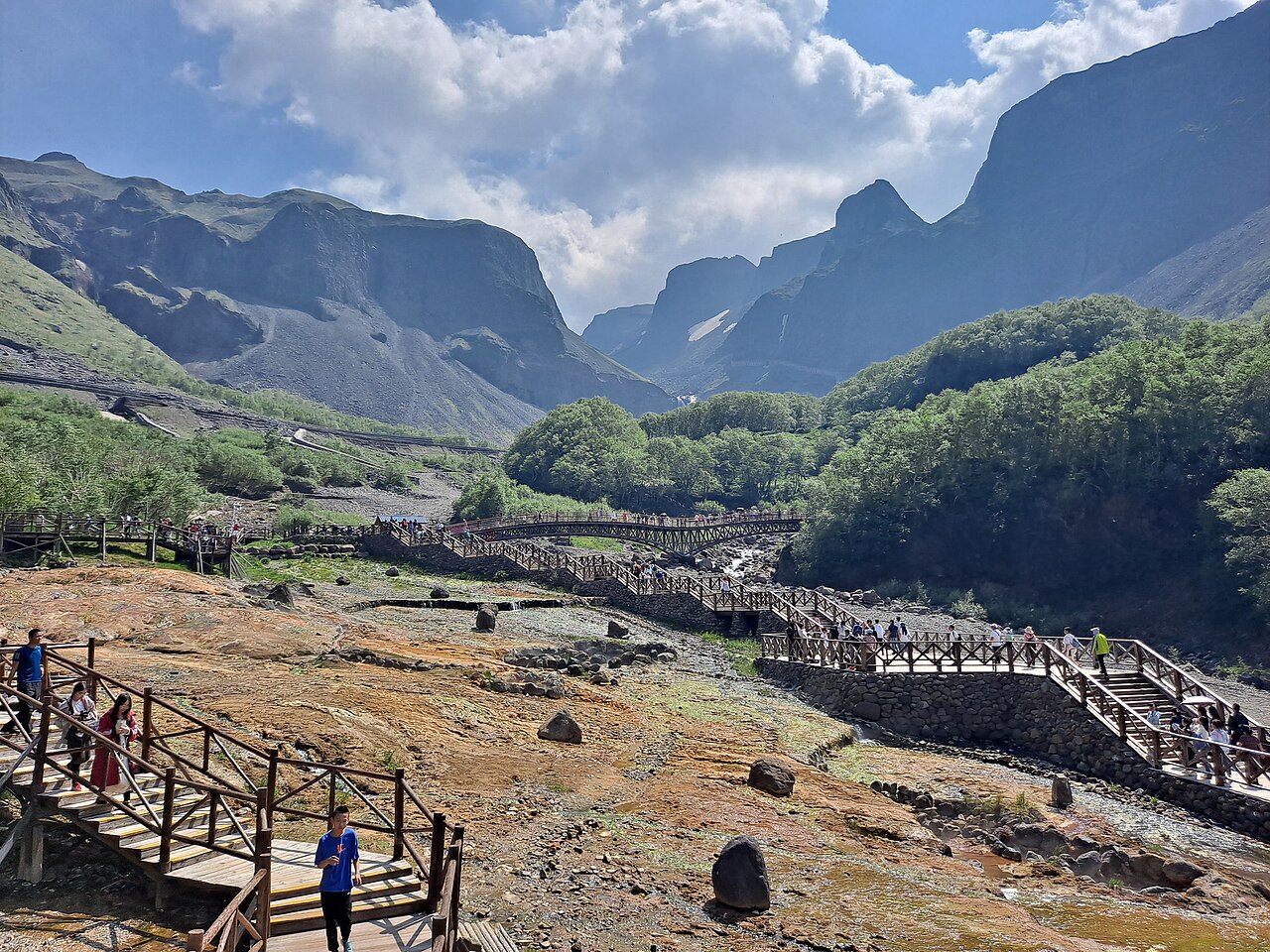
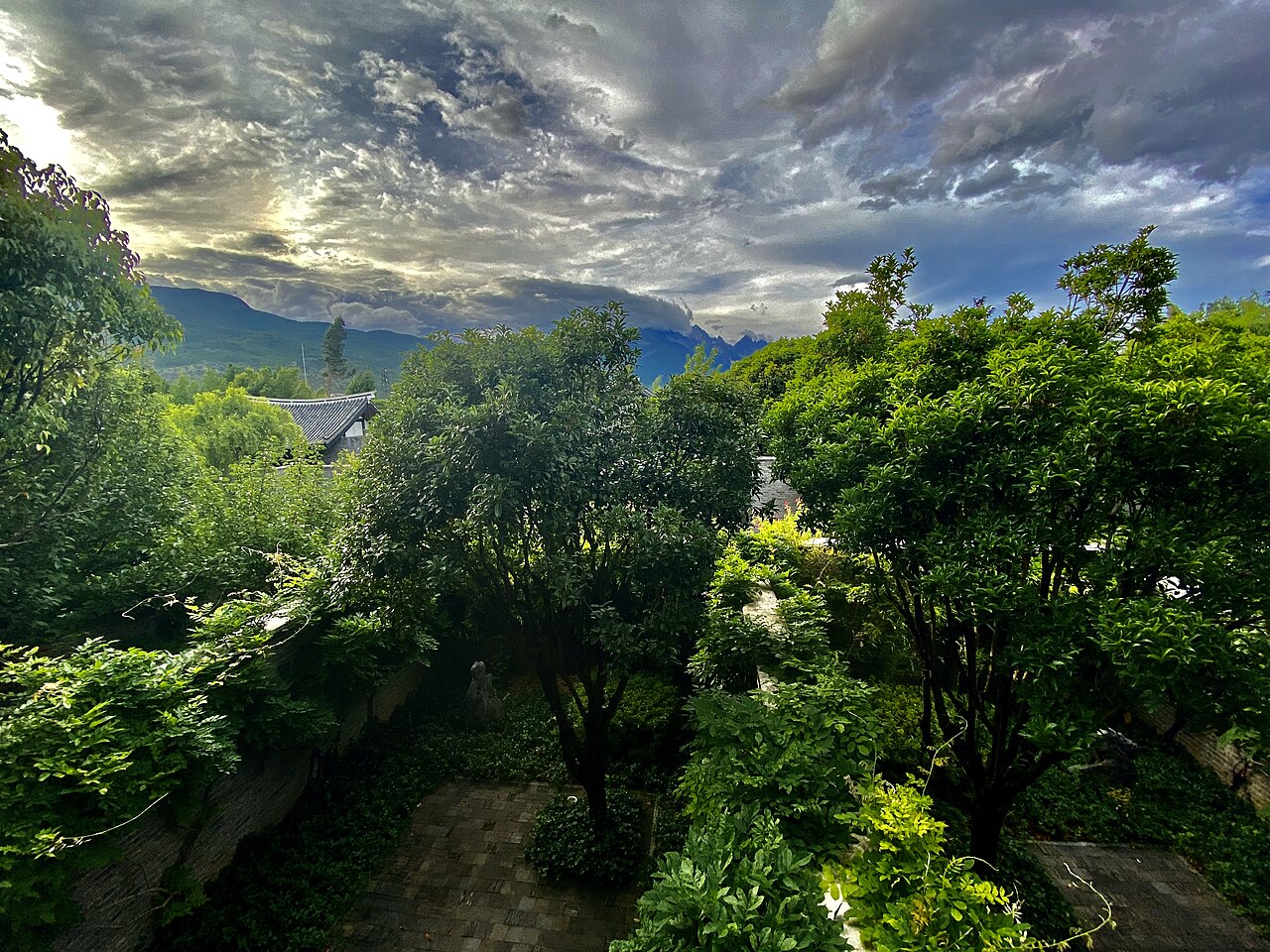
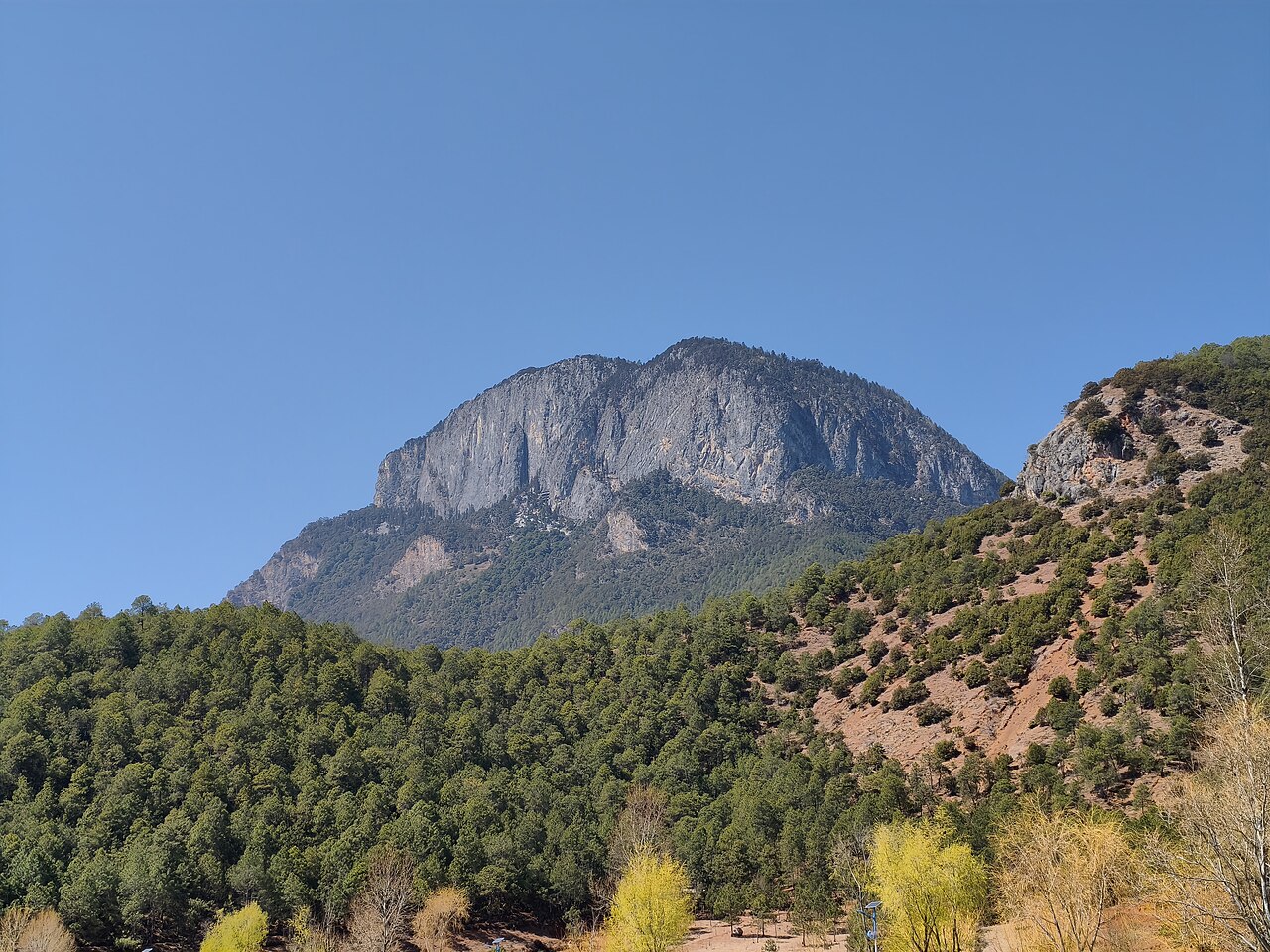
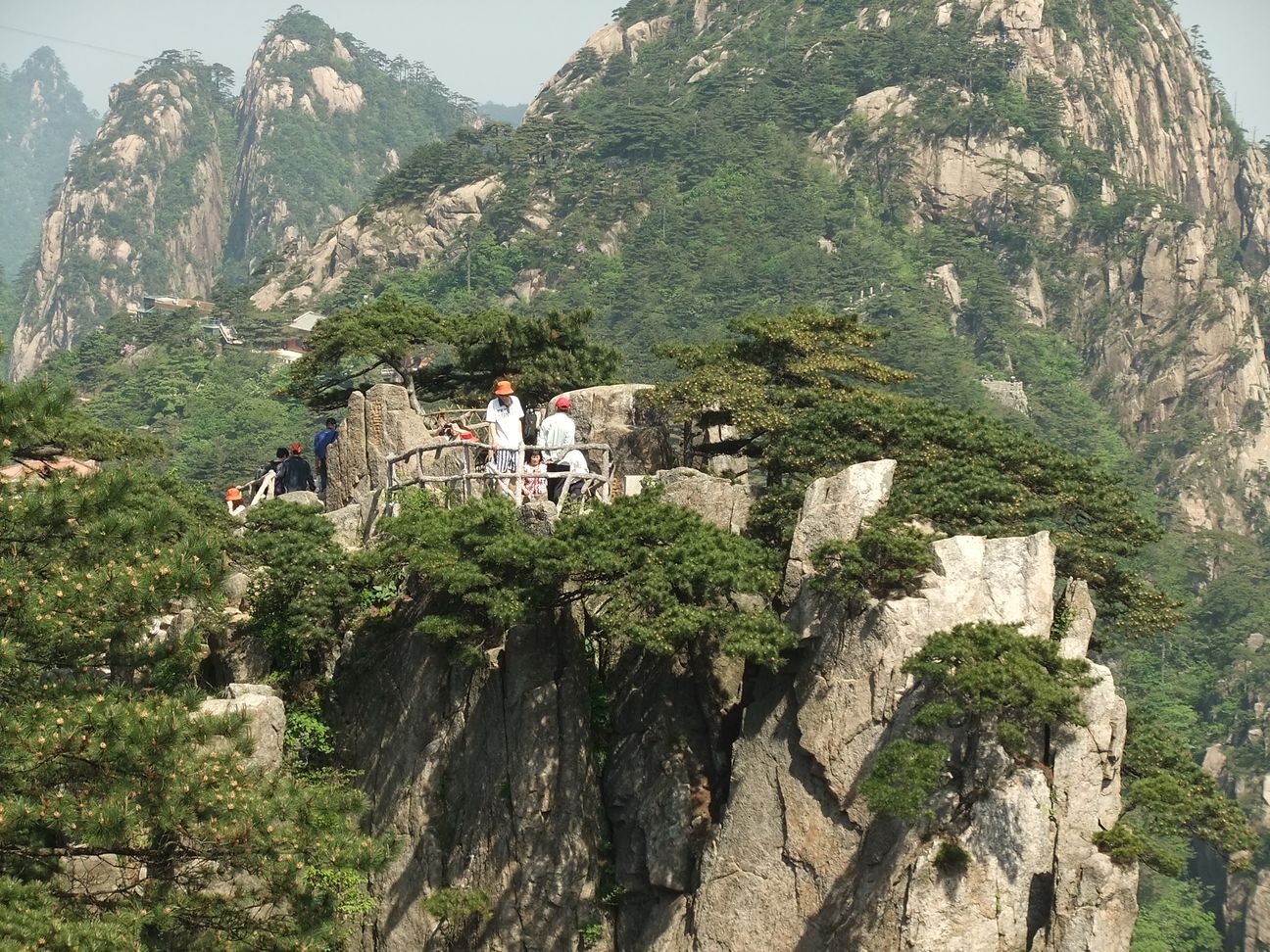
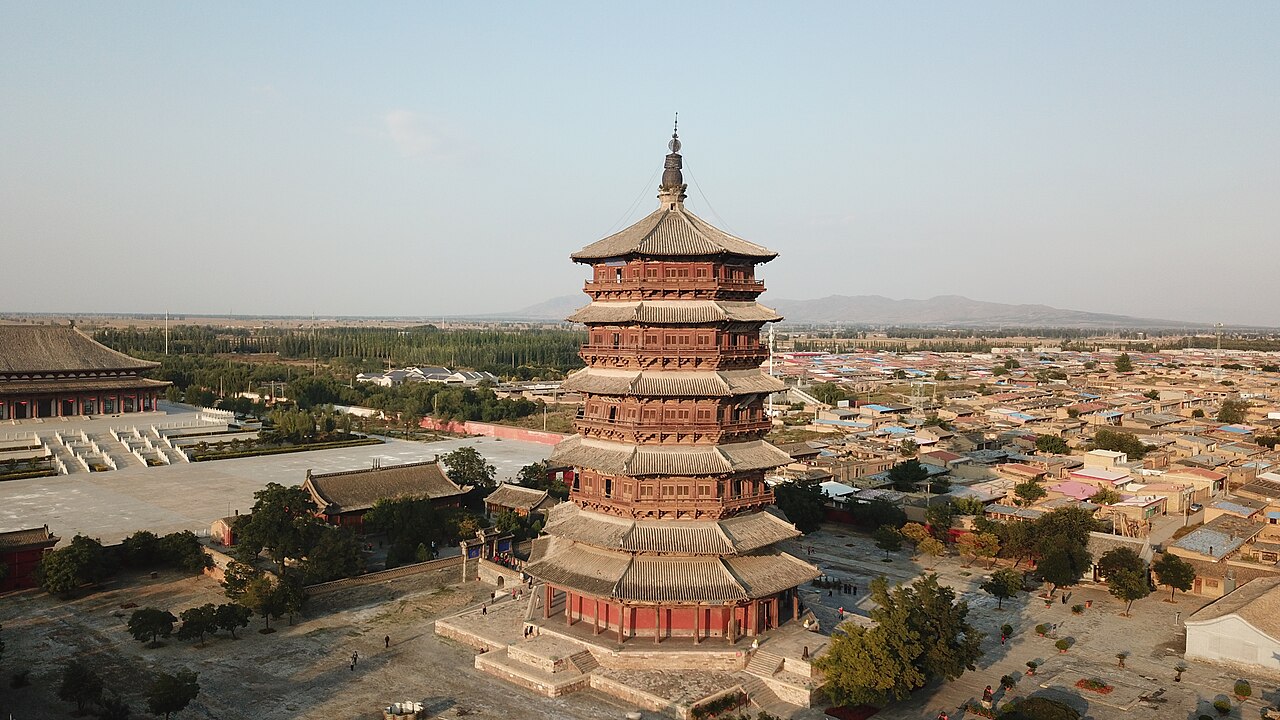
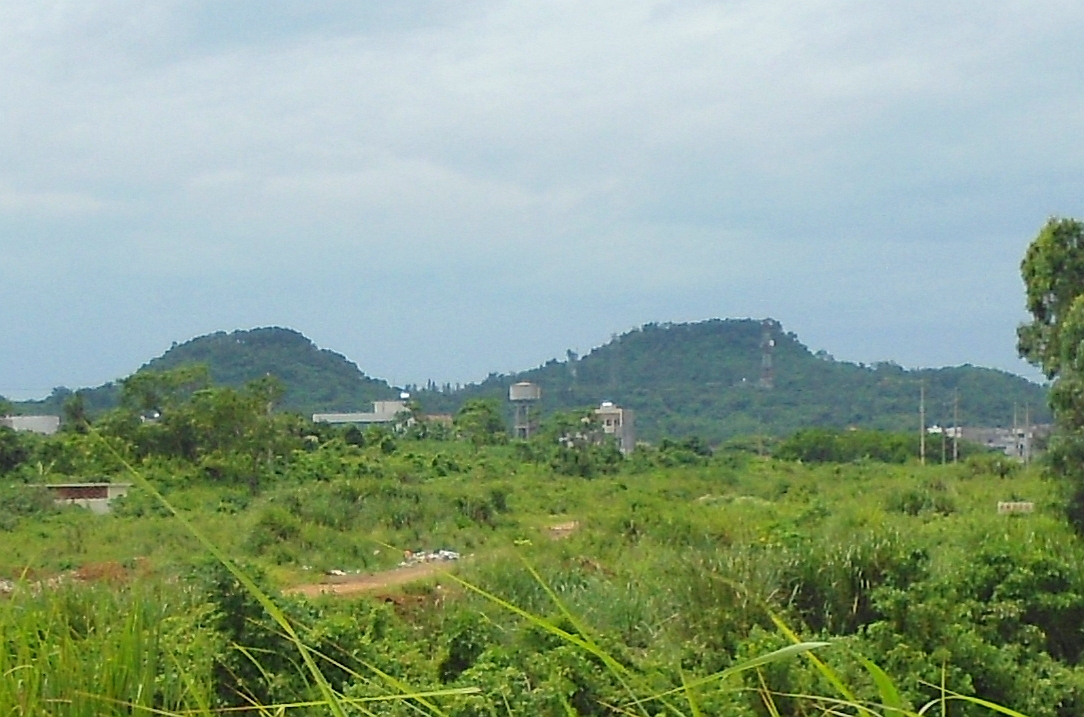
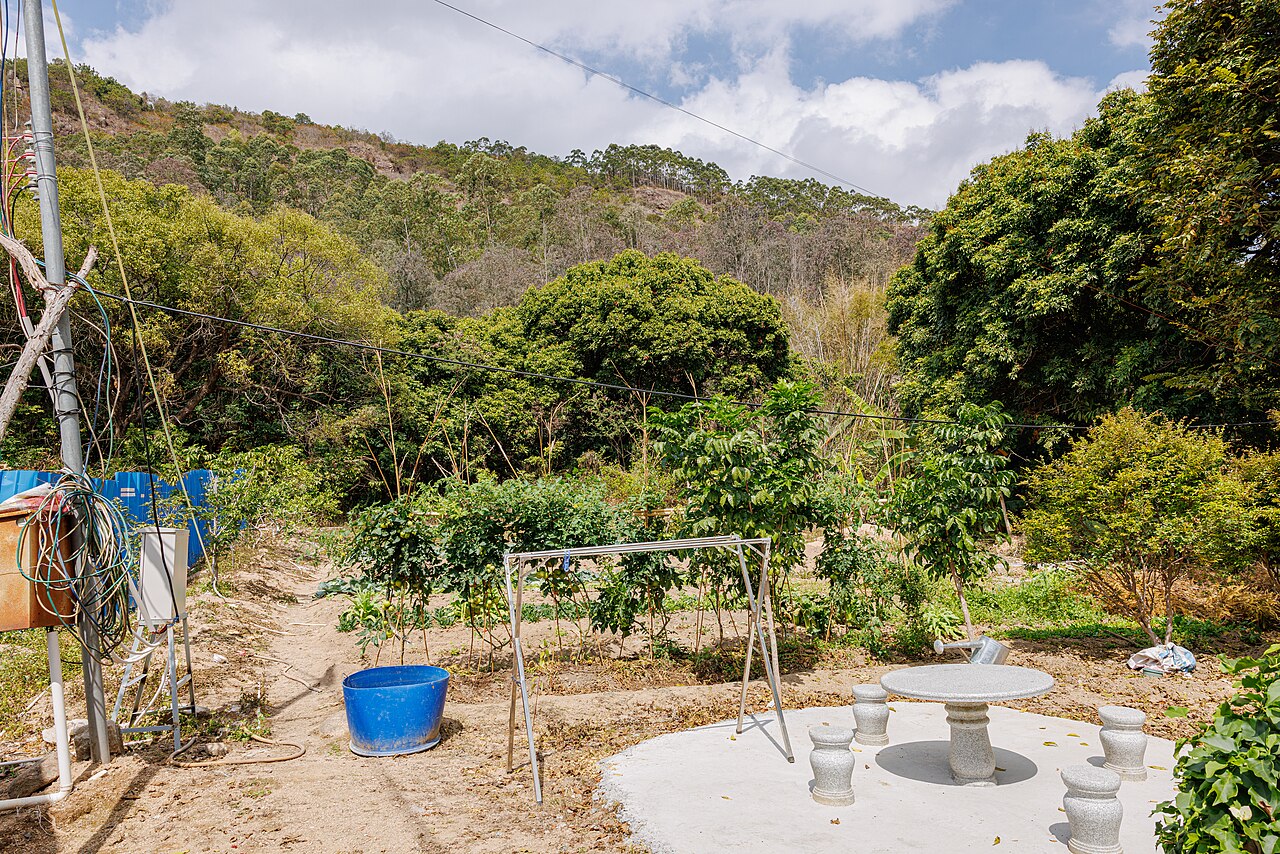
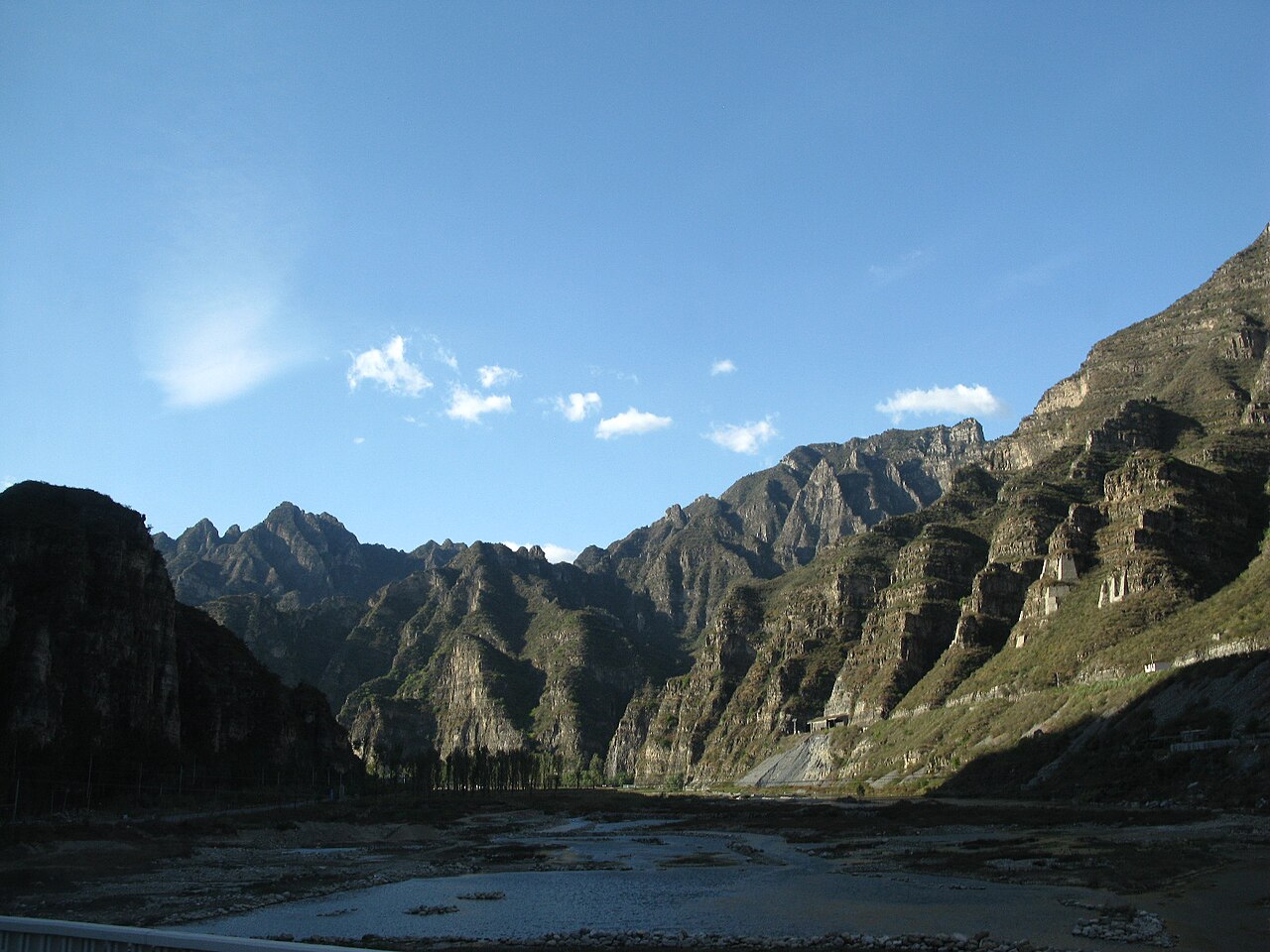
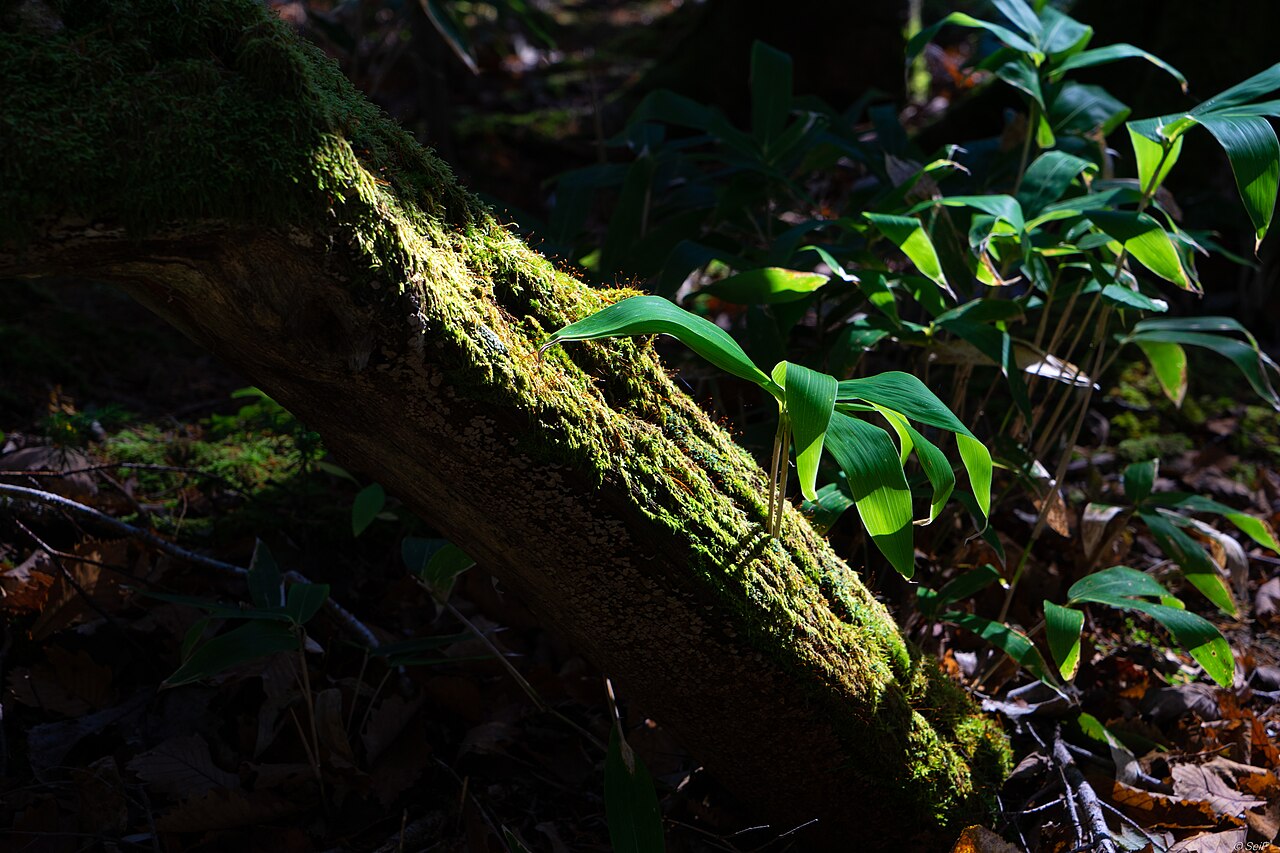
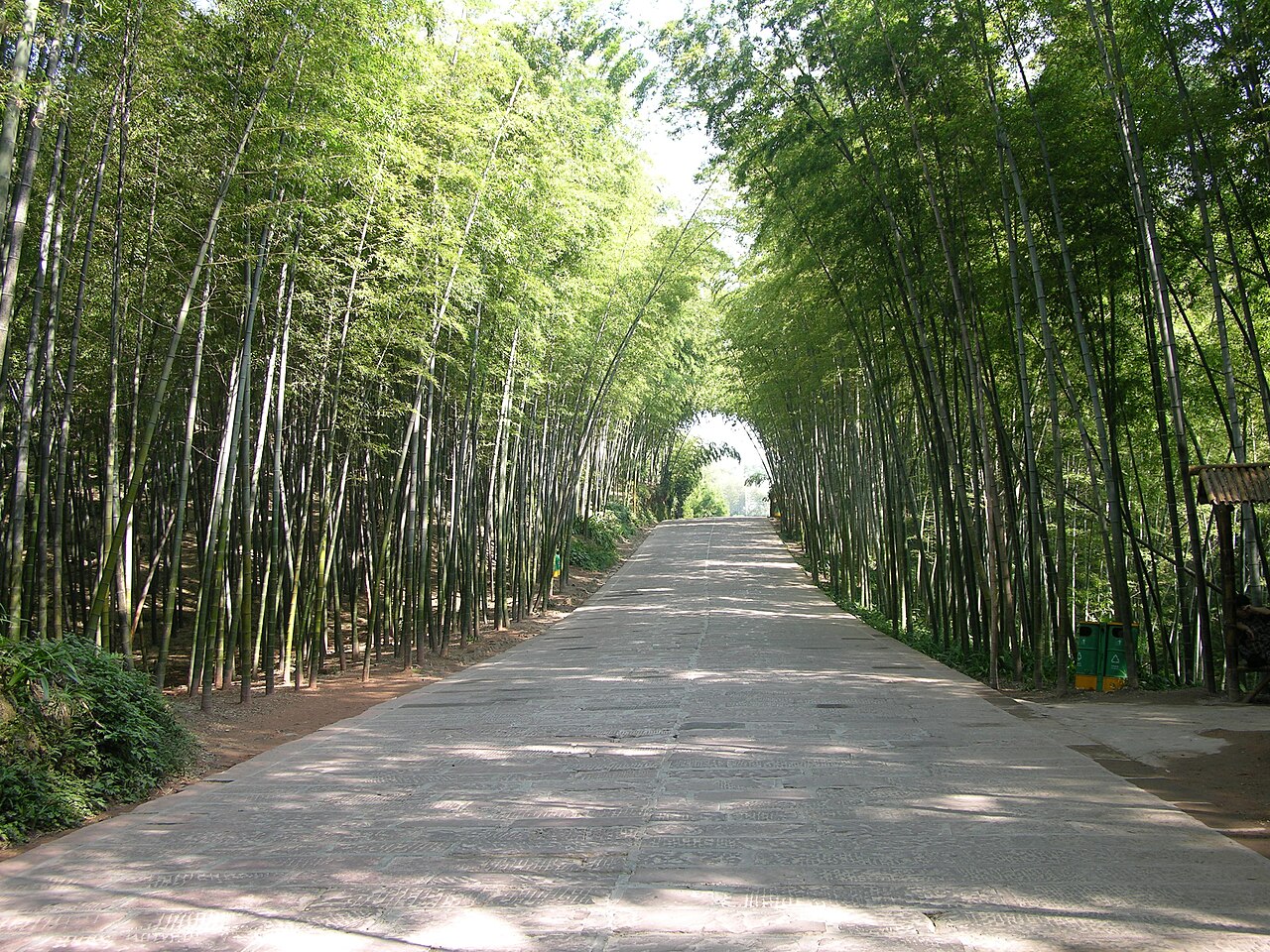
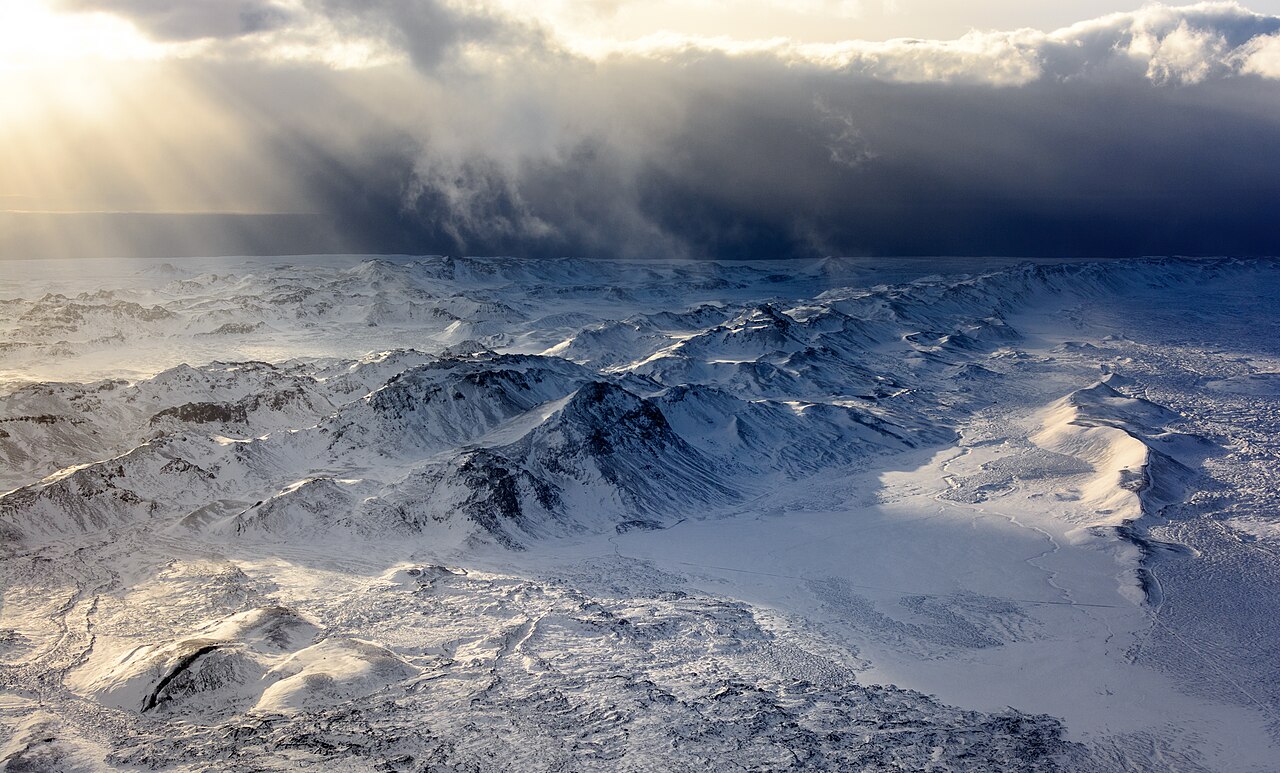
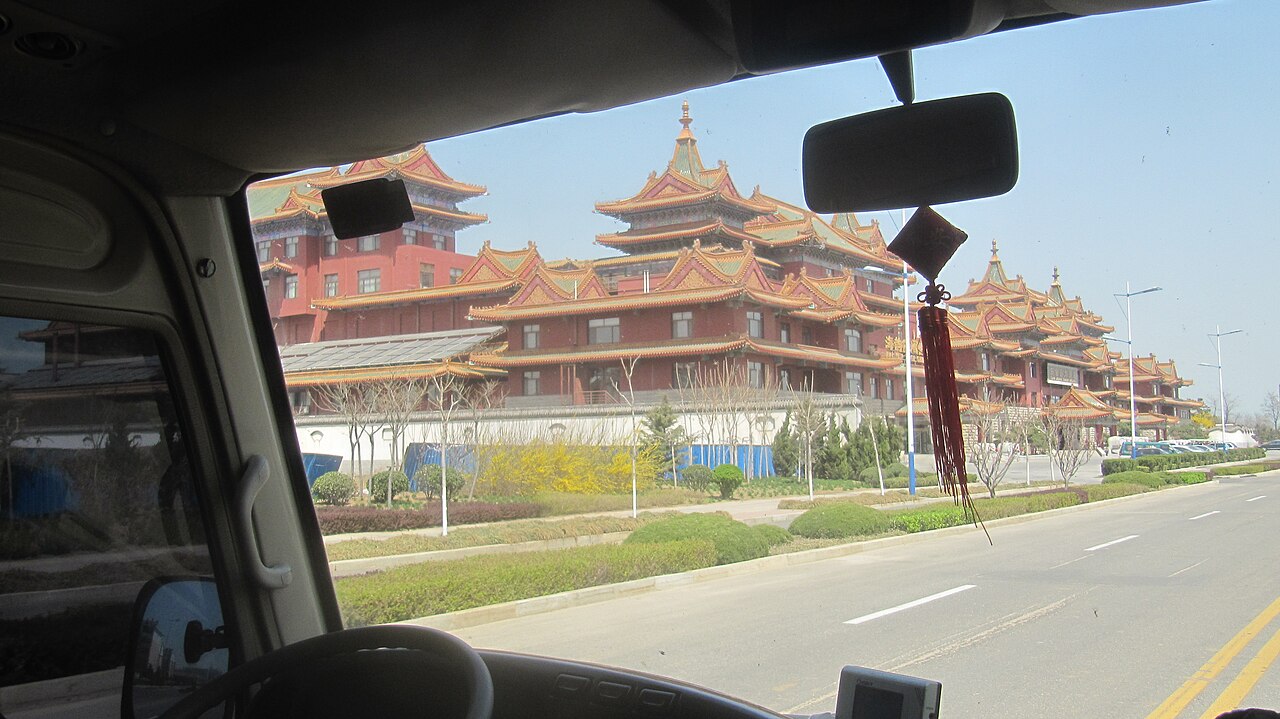
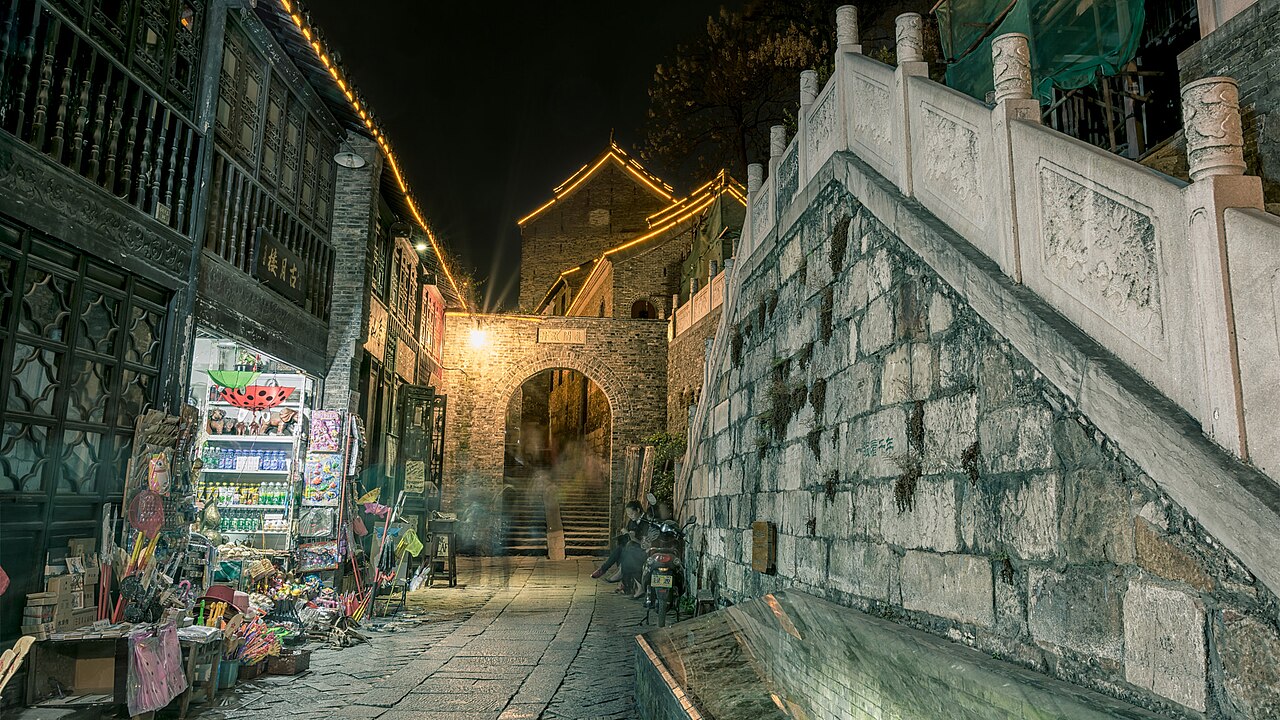
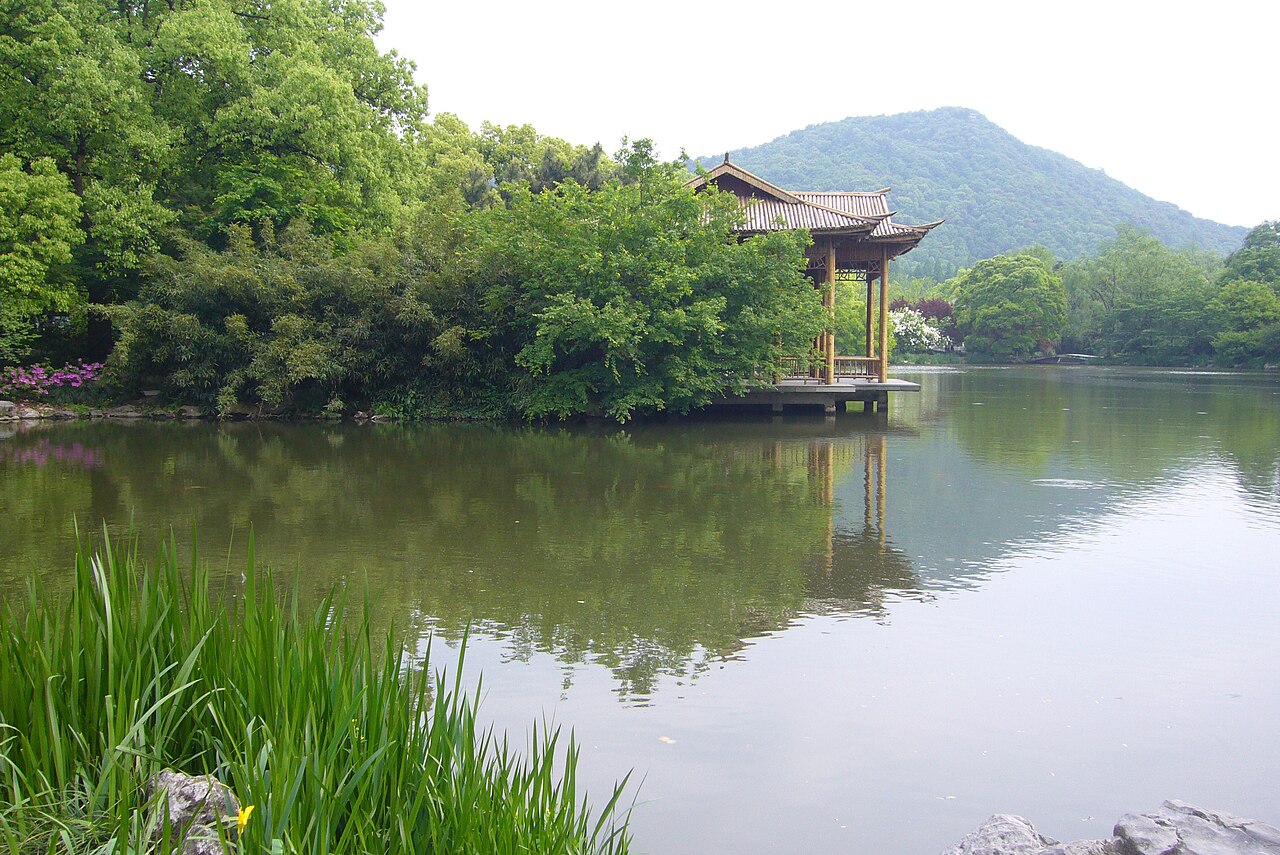
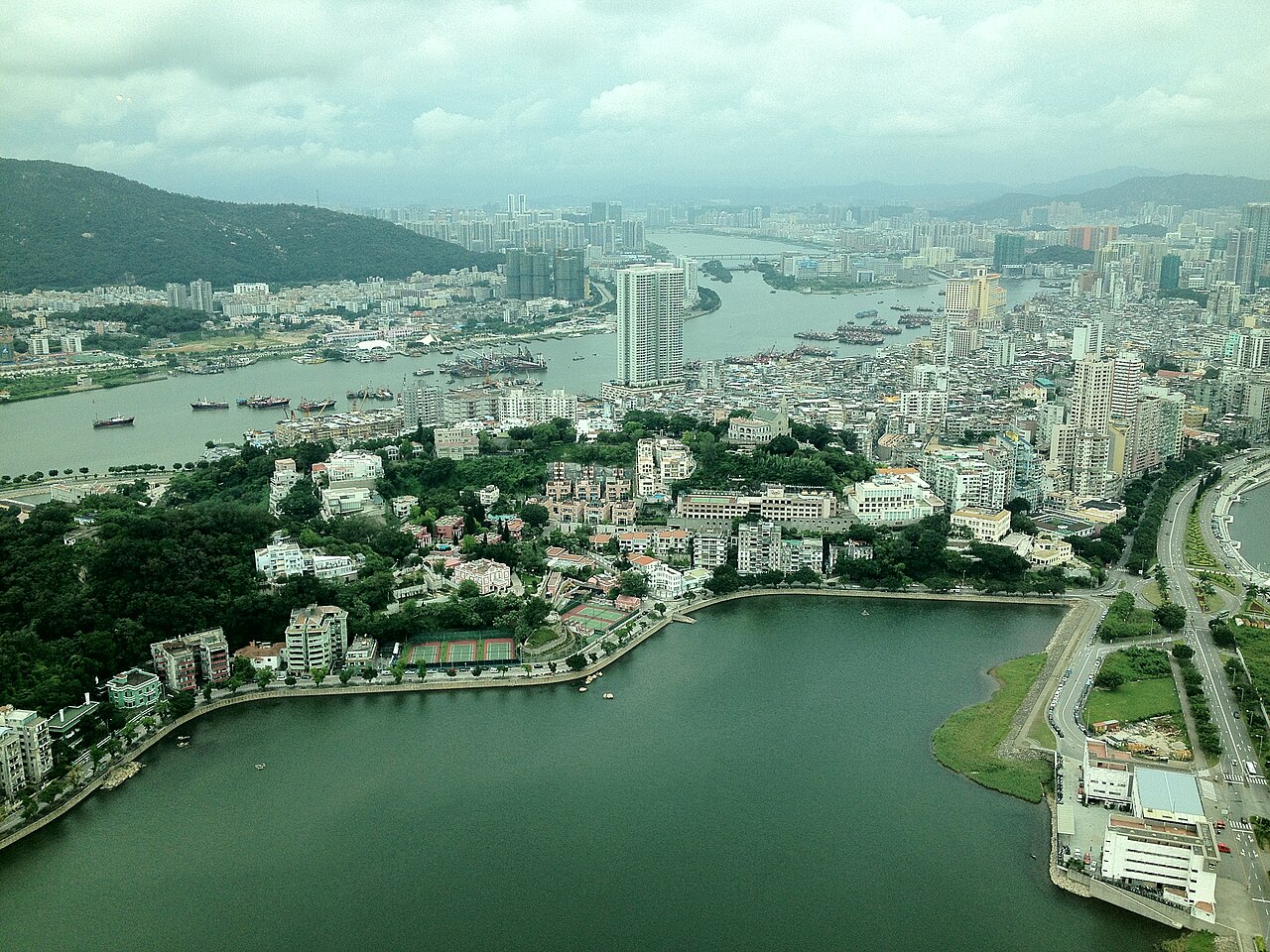
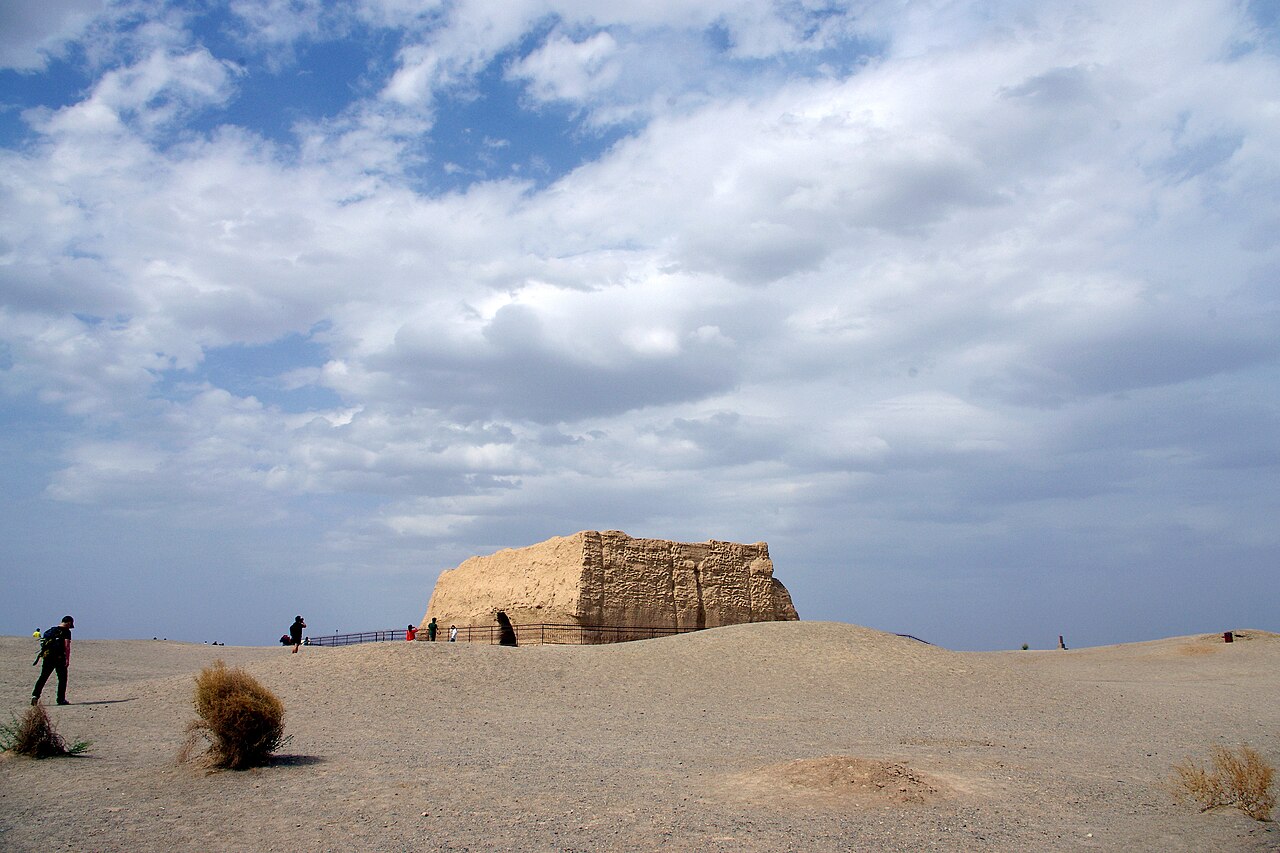
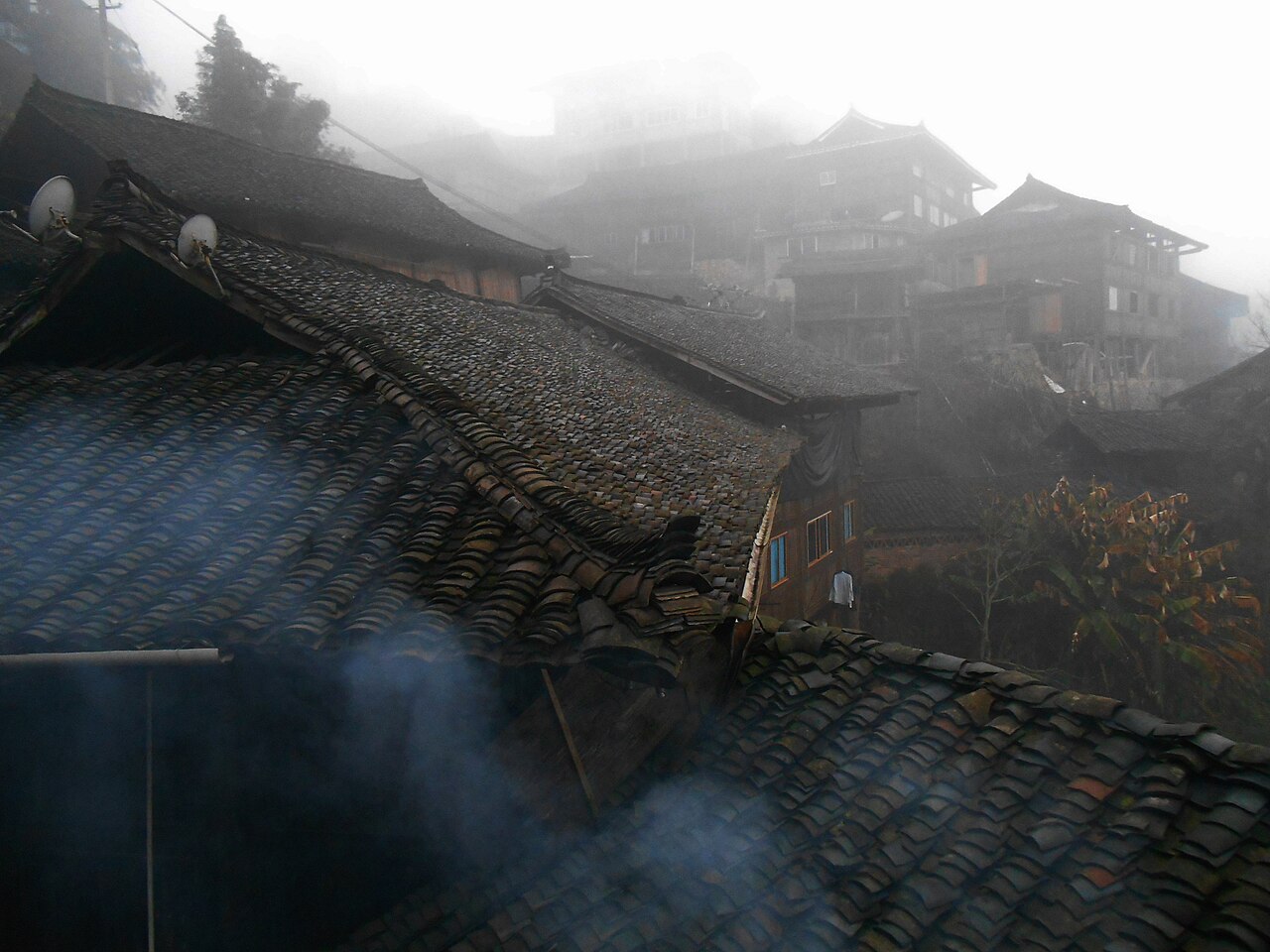
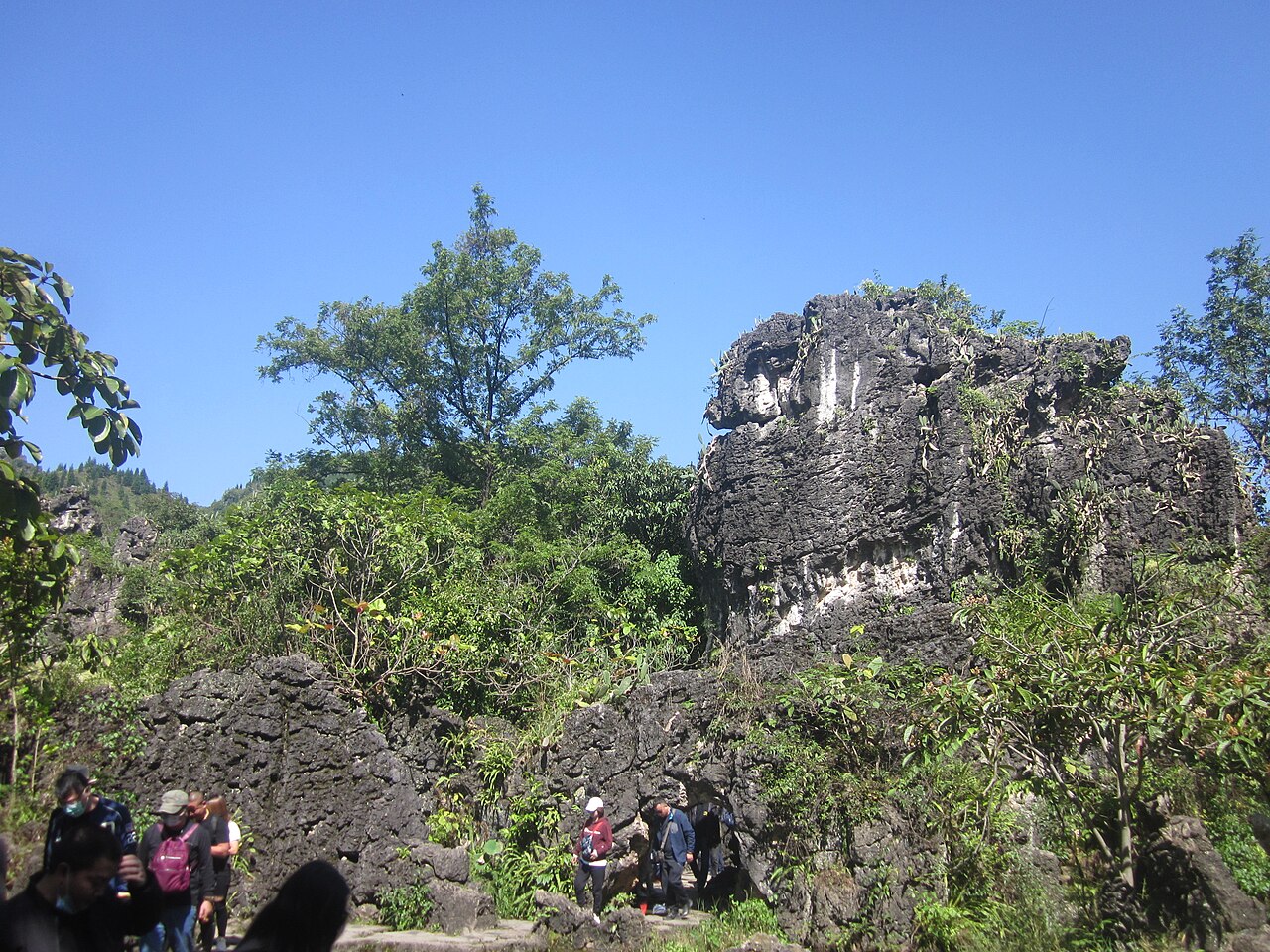
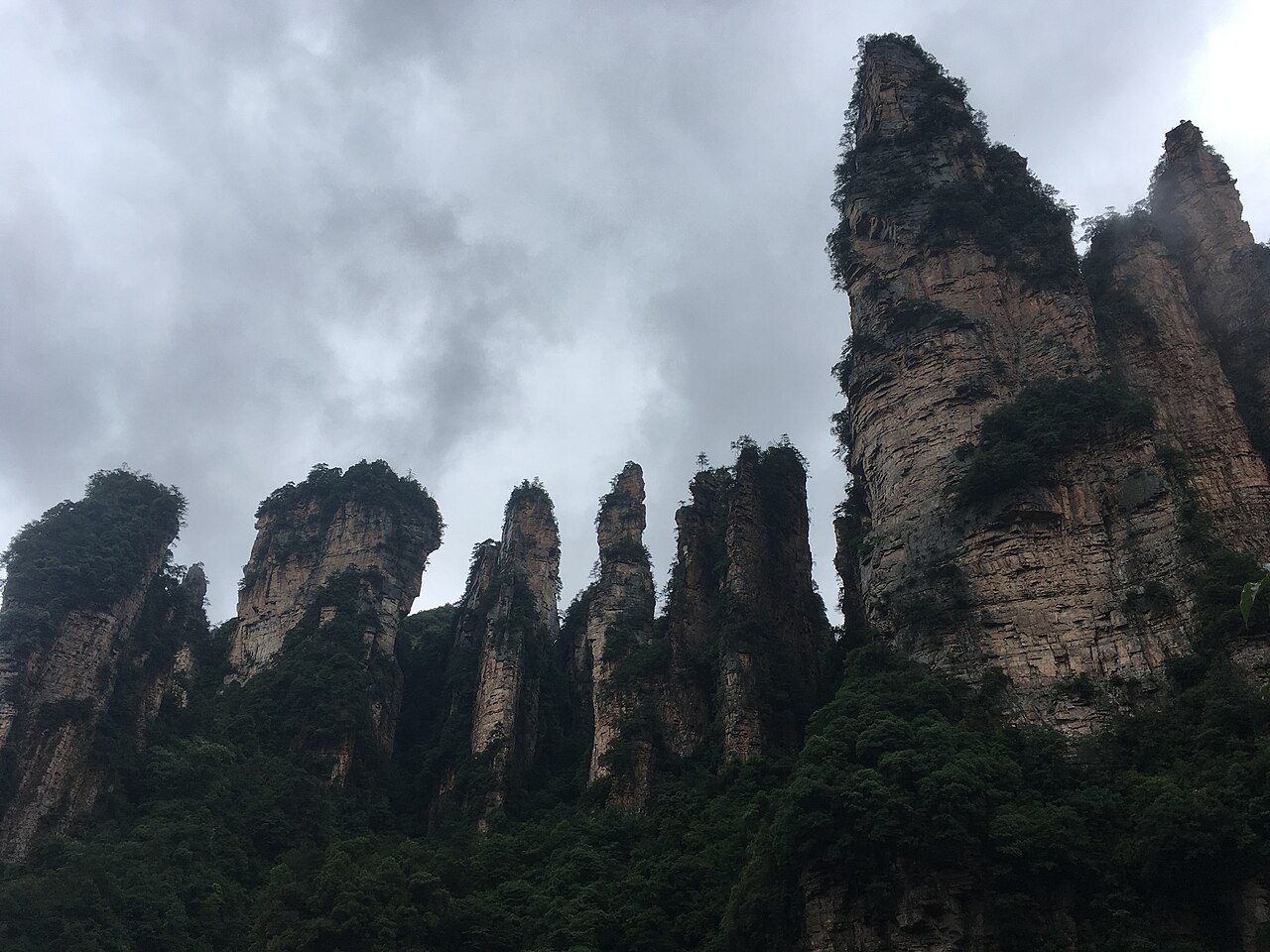
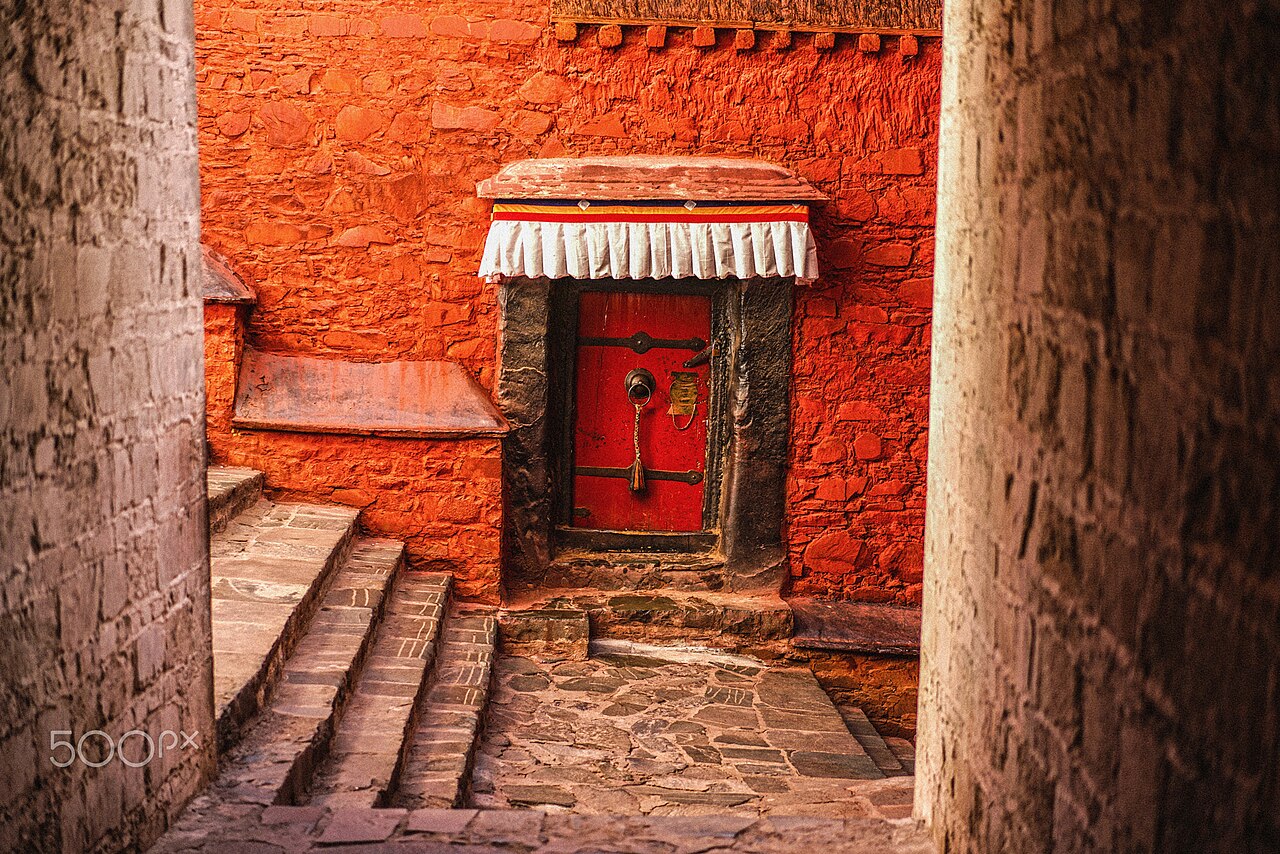
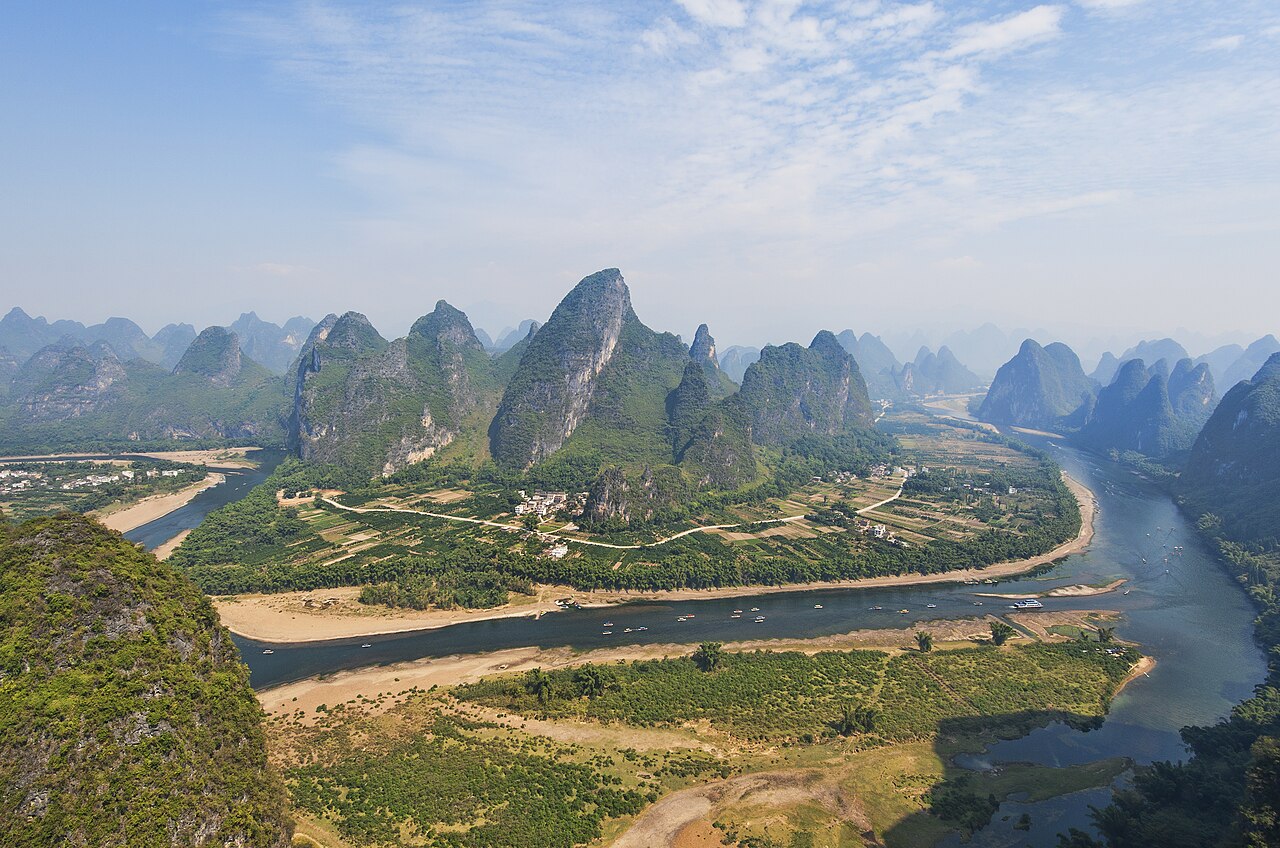
Huaguoshan — the Monkey King's mountain, 7 km from town
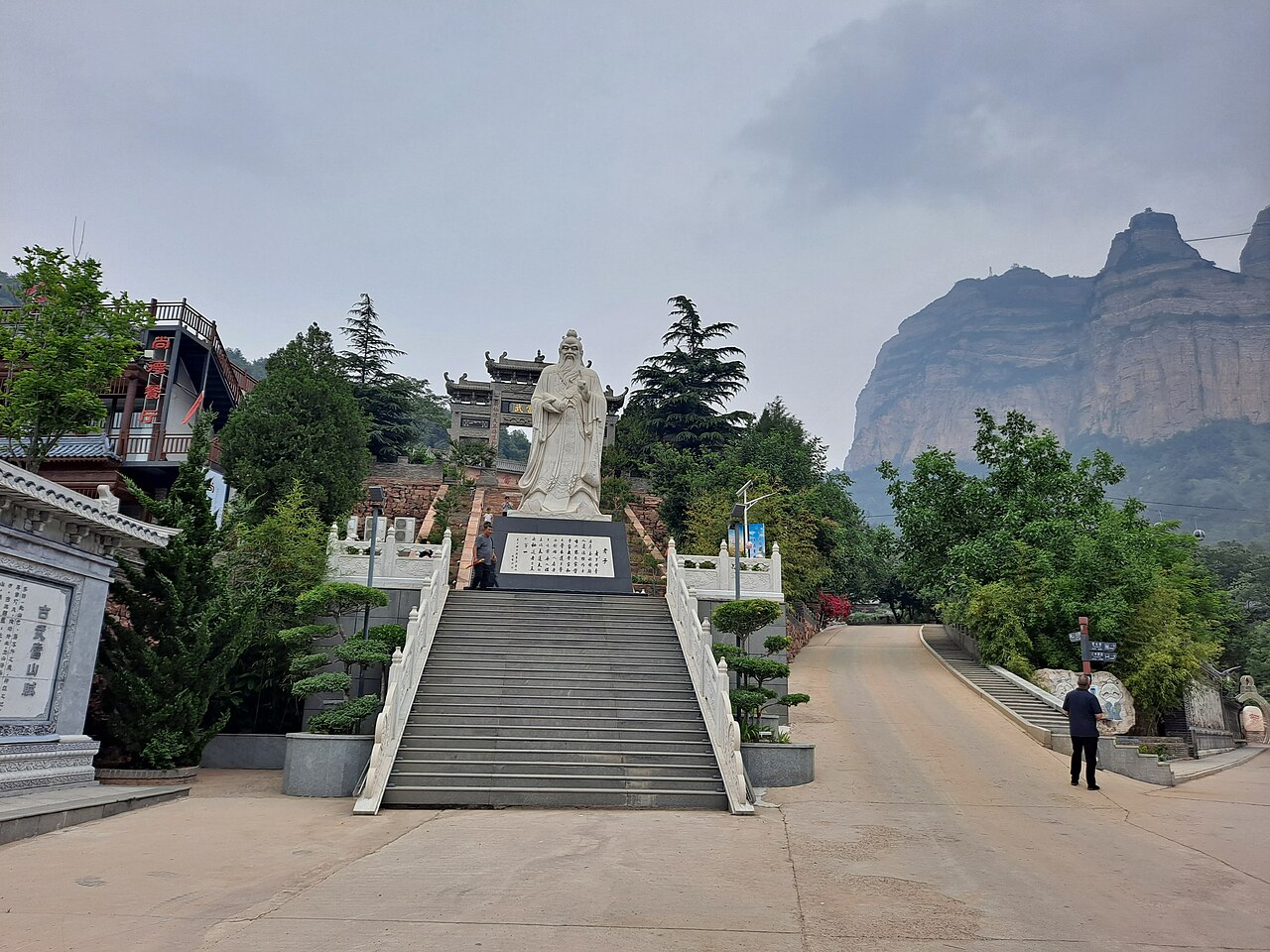
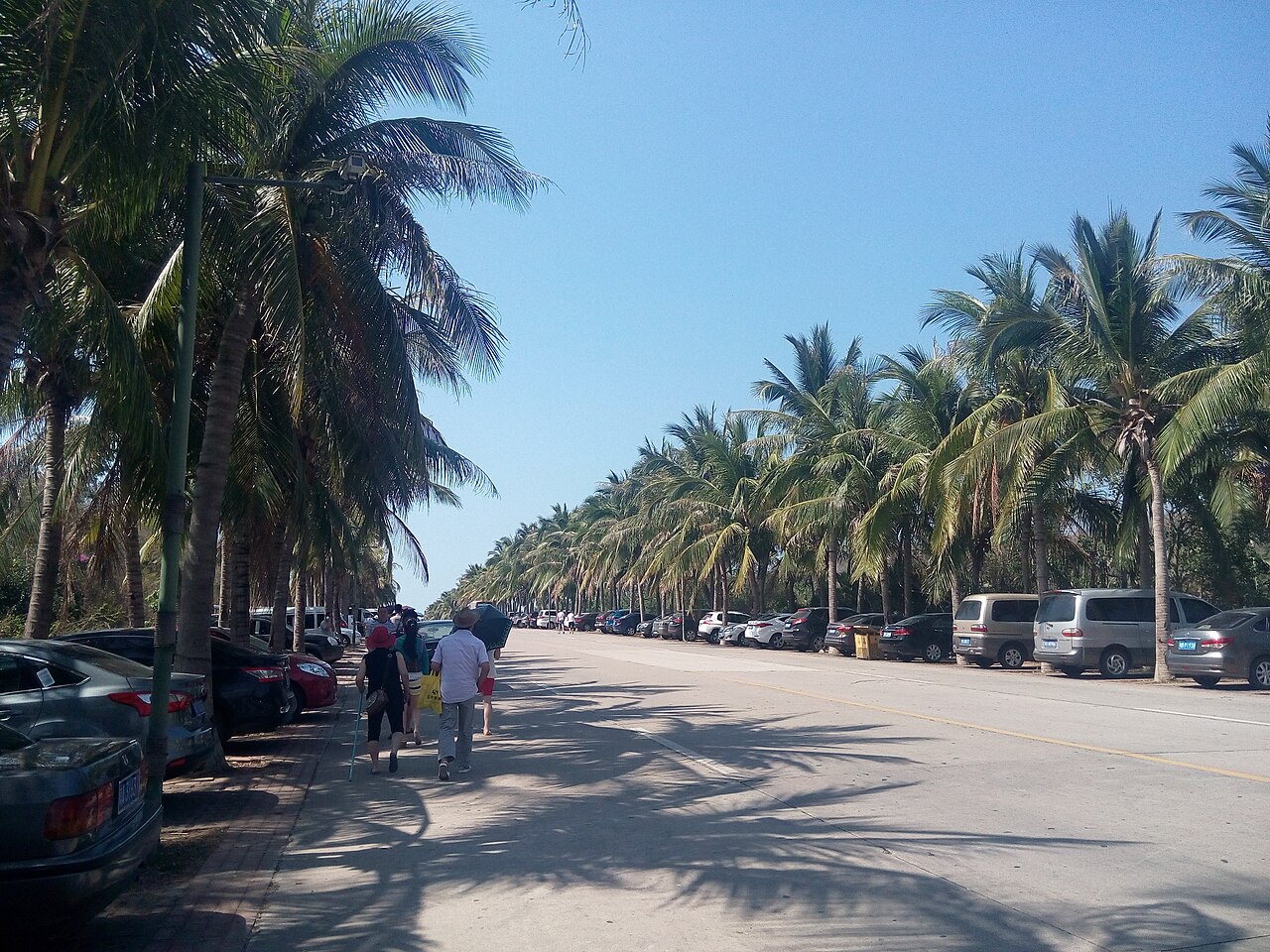
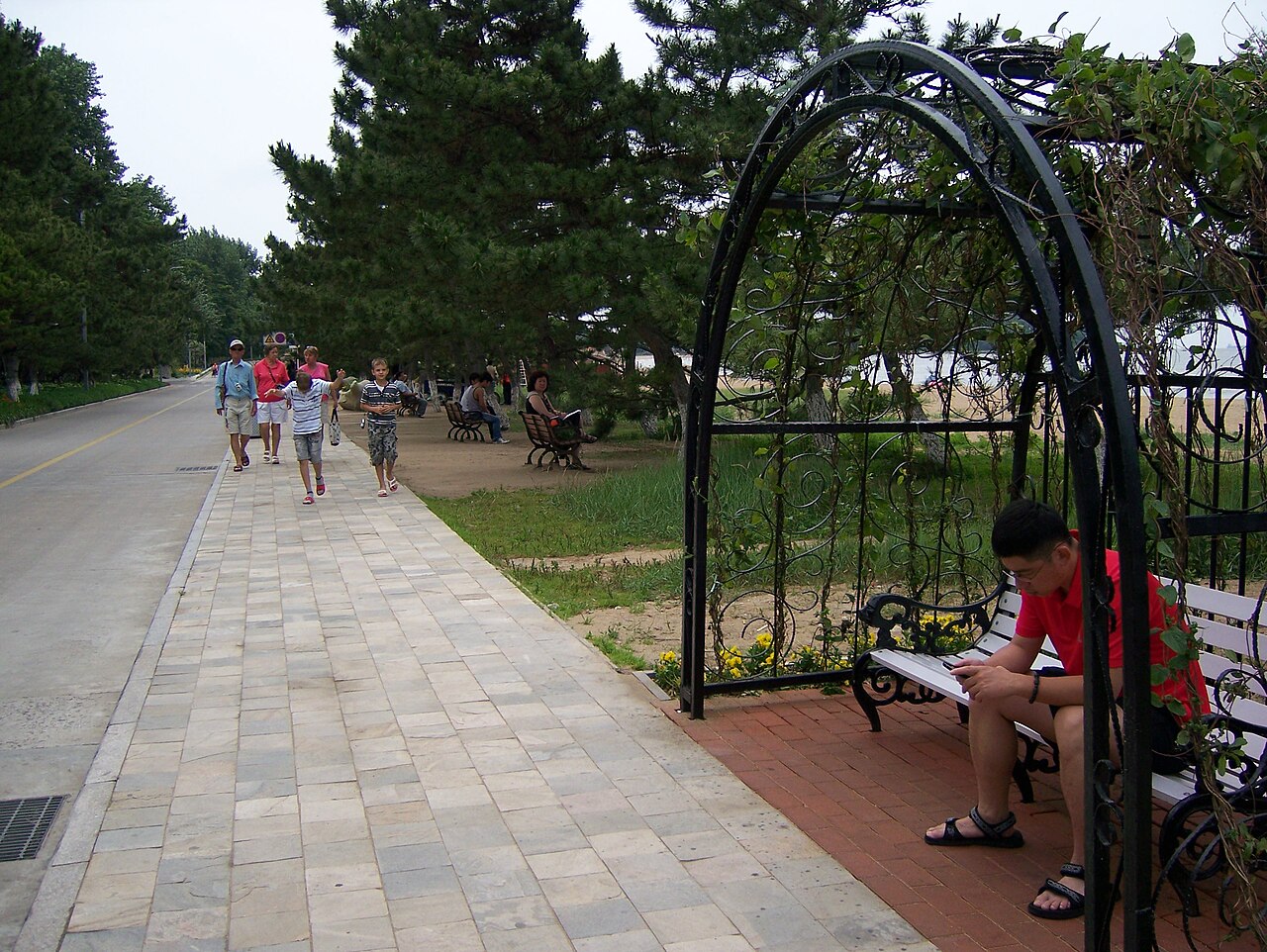
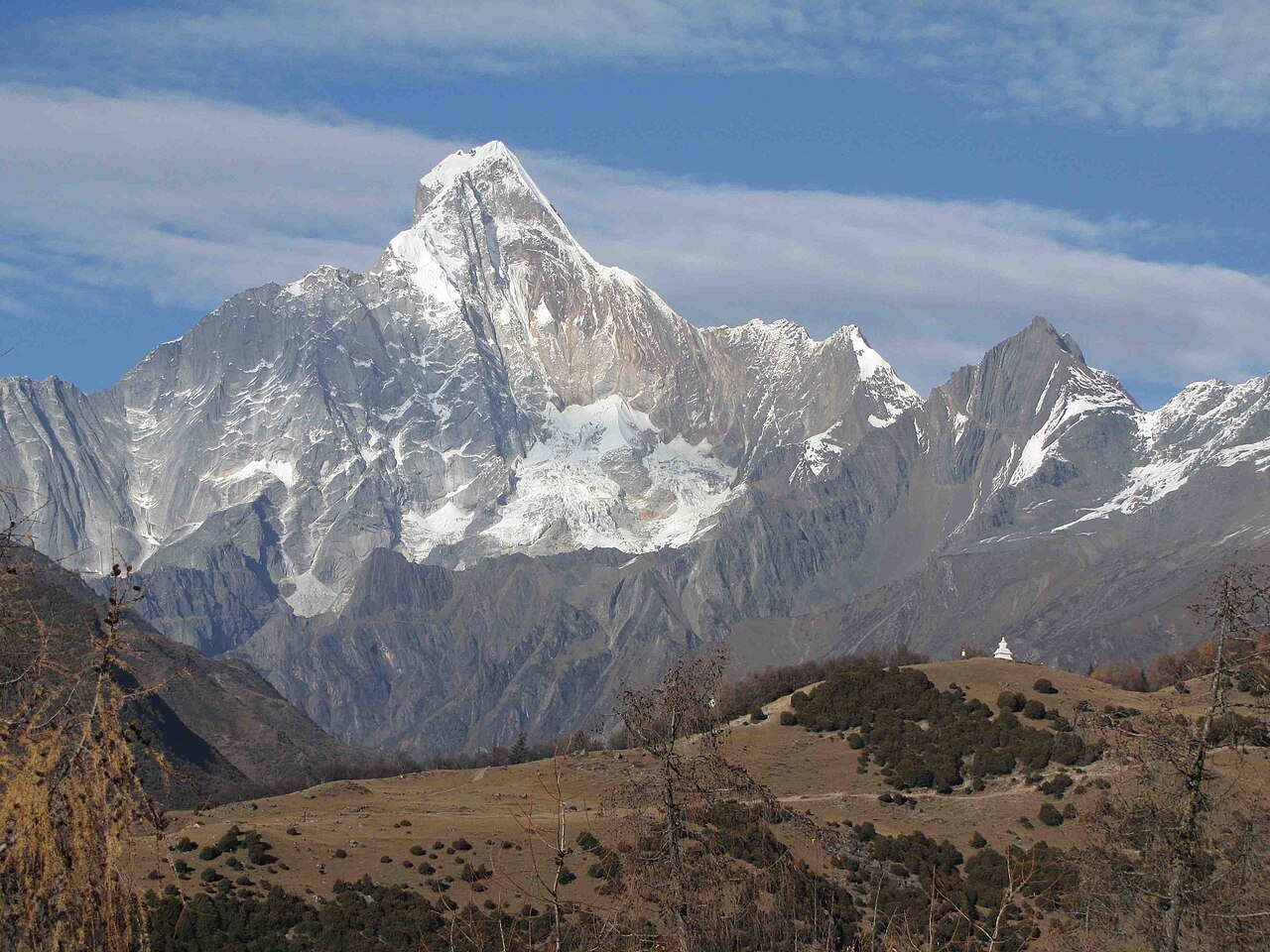
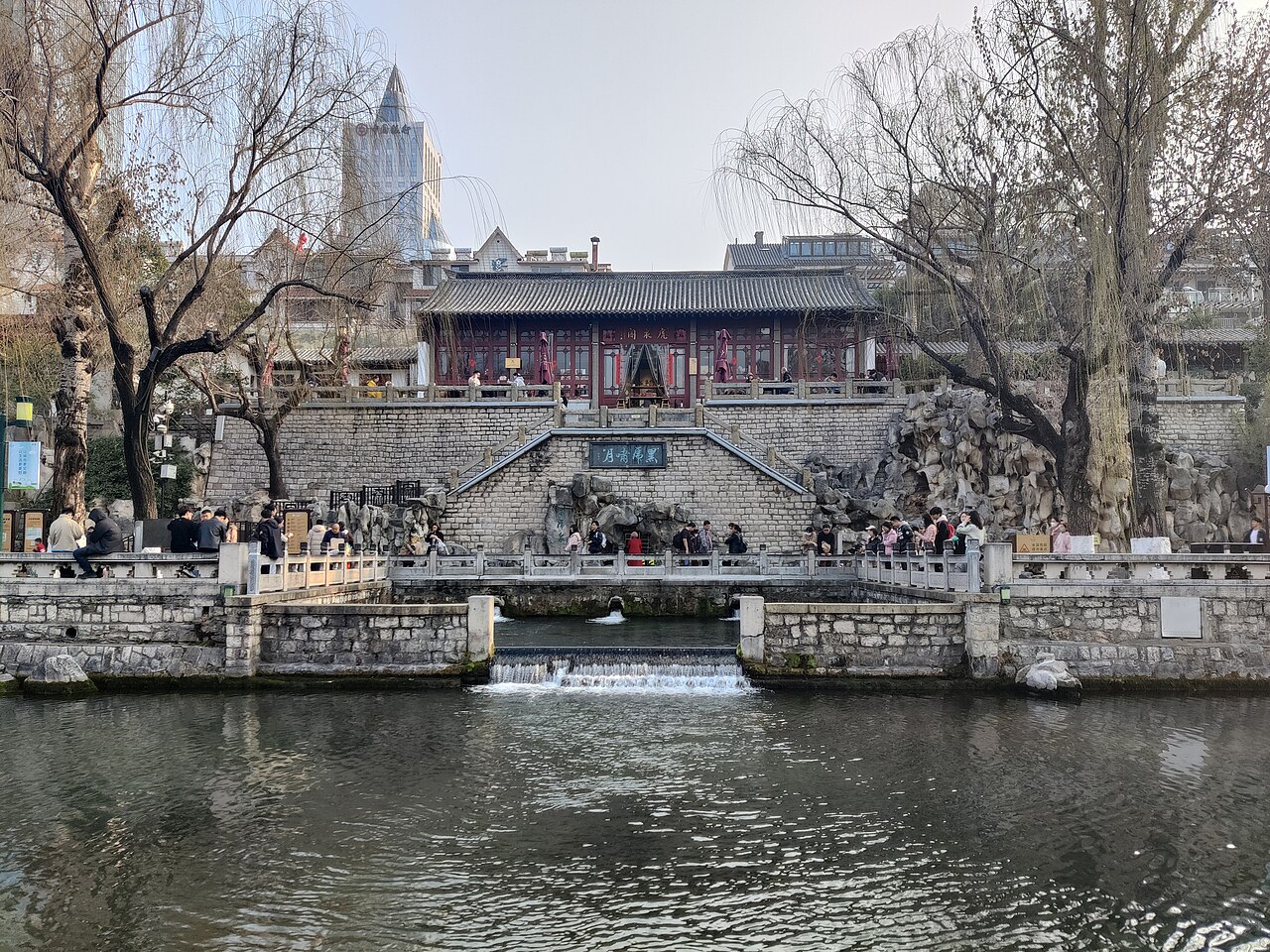
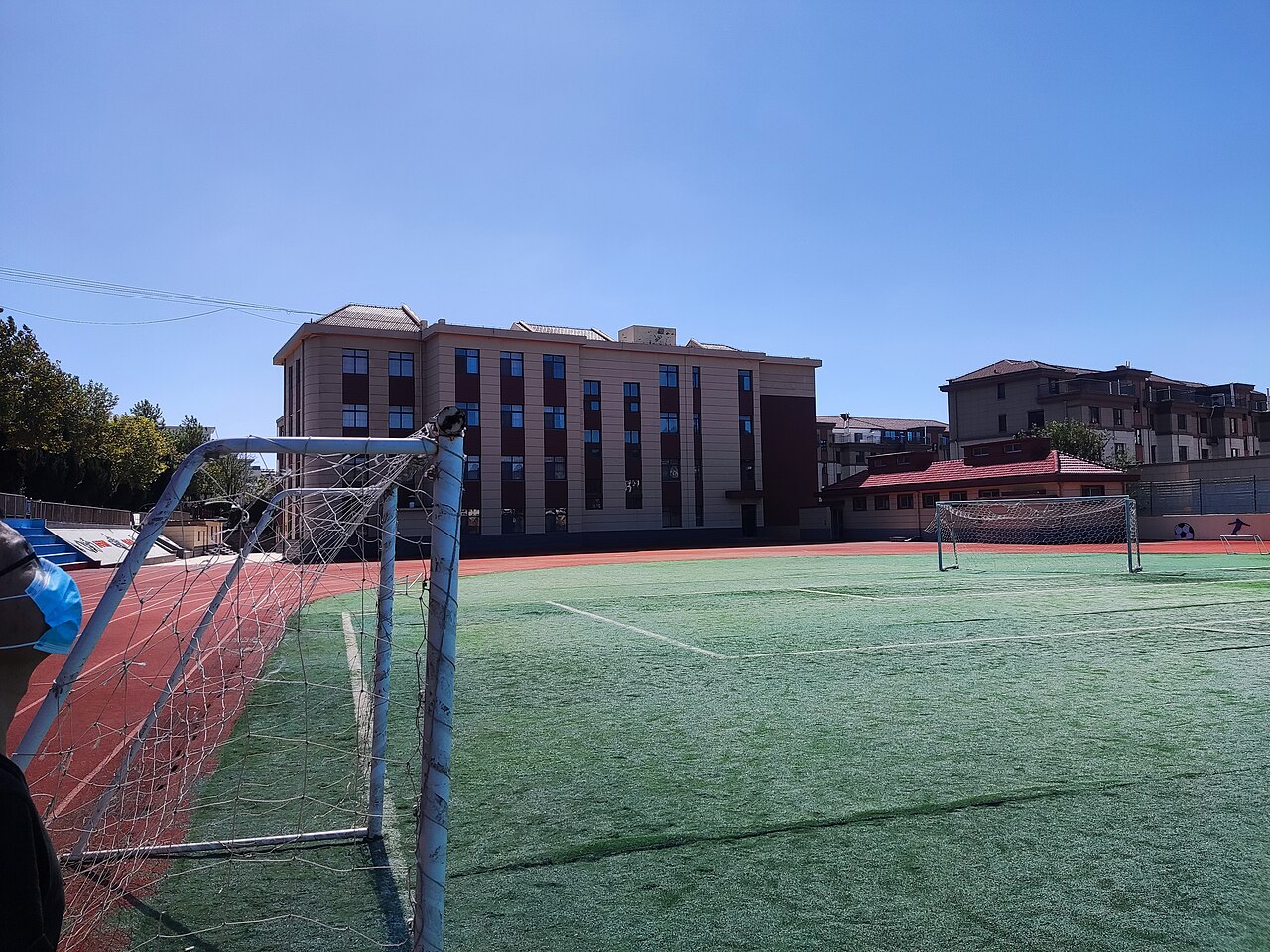
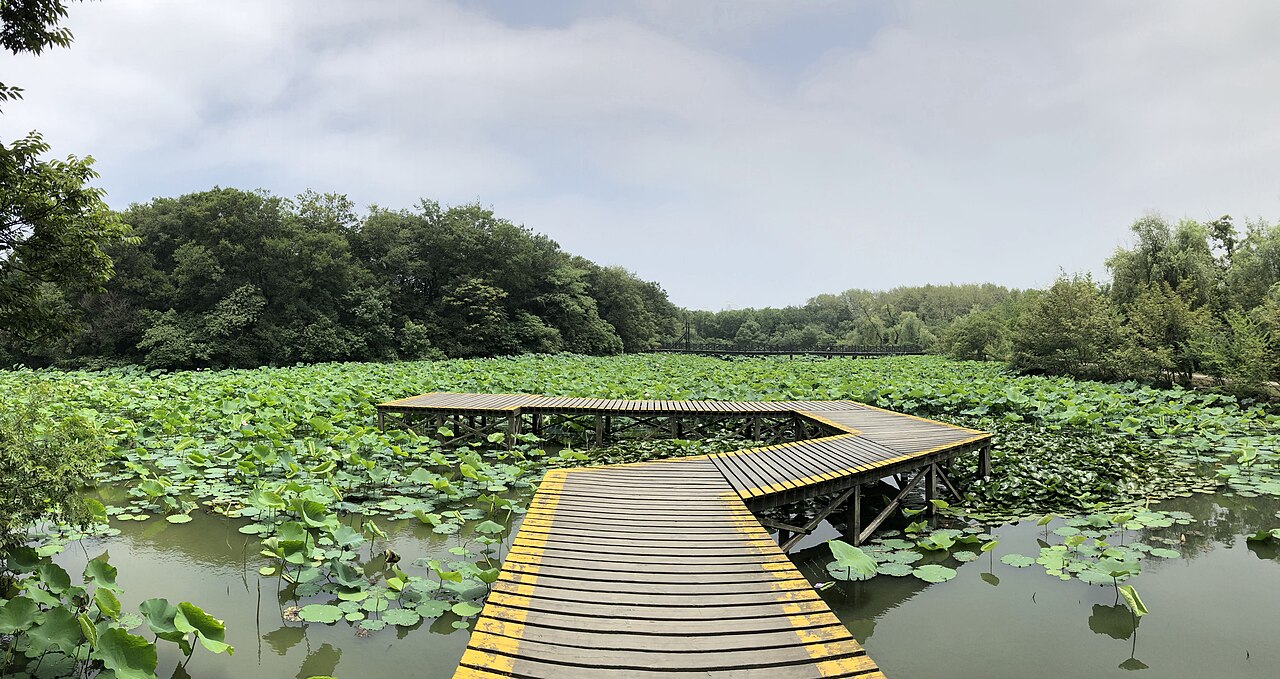
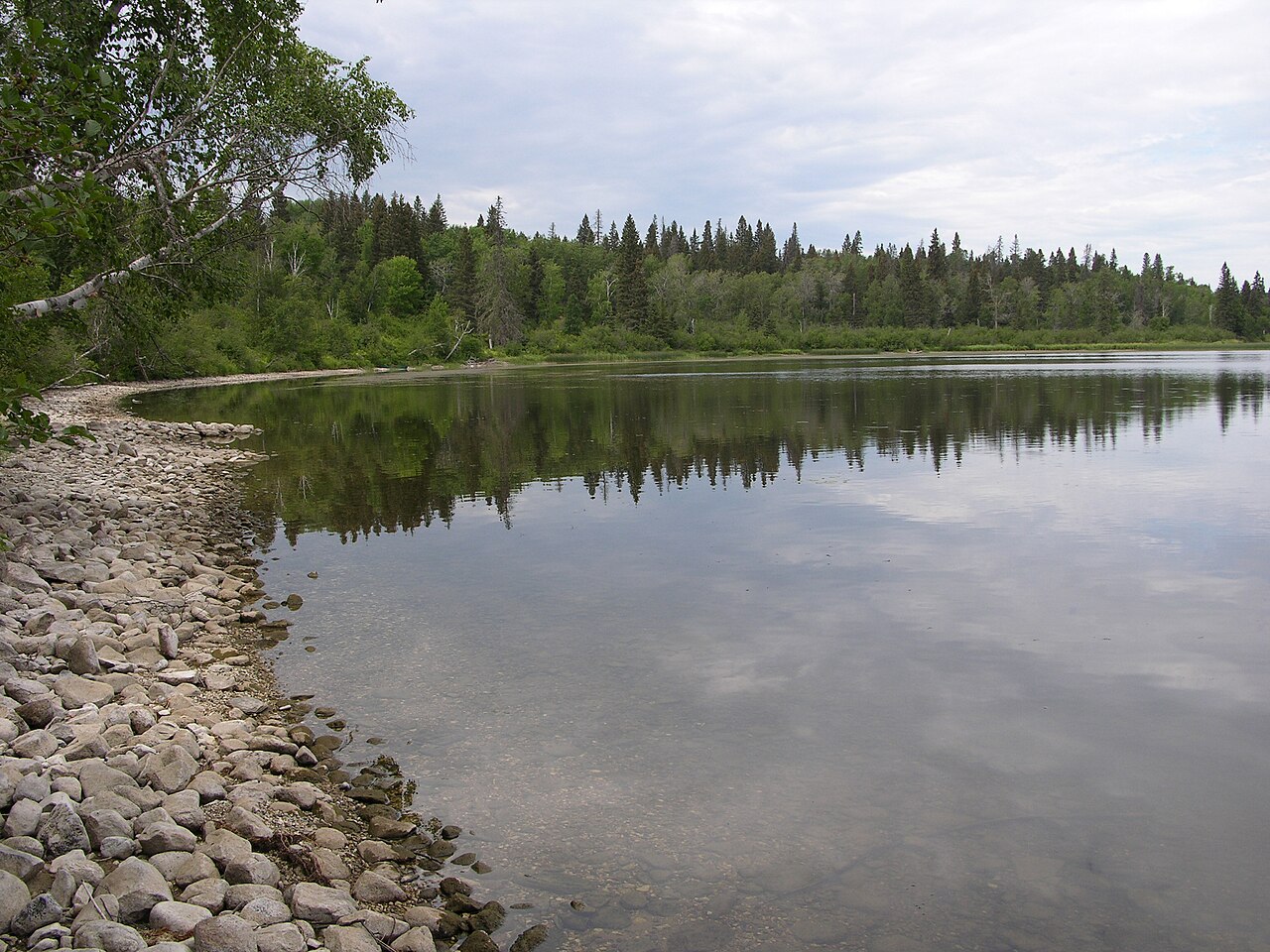
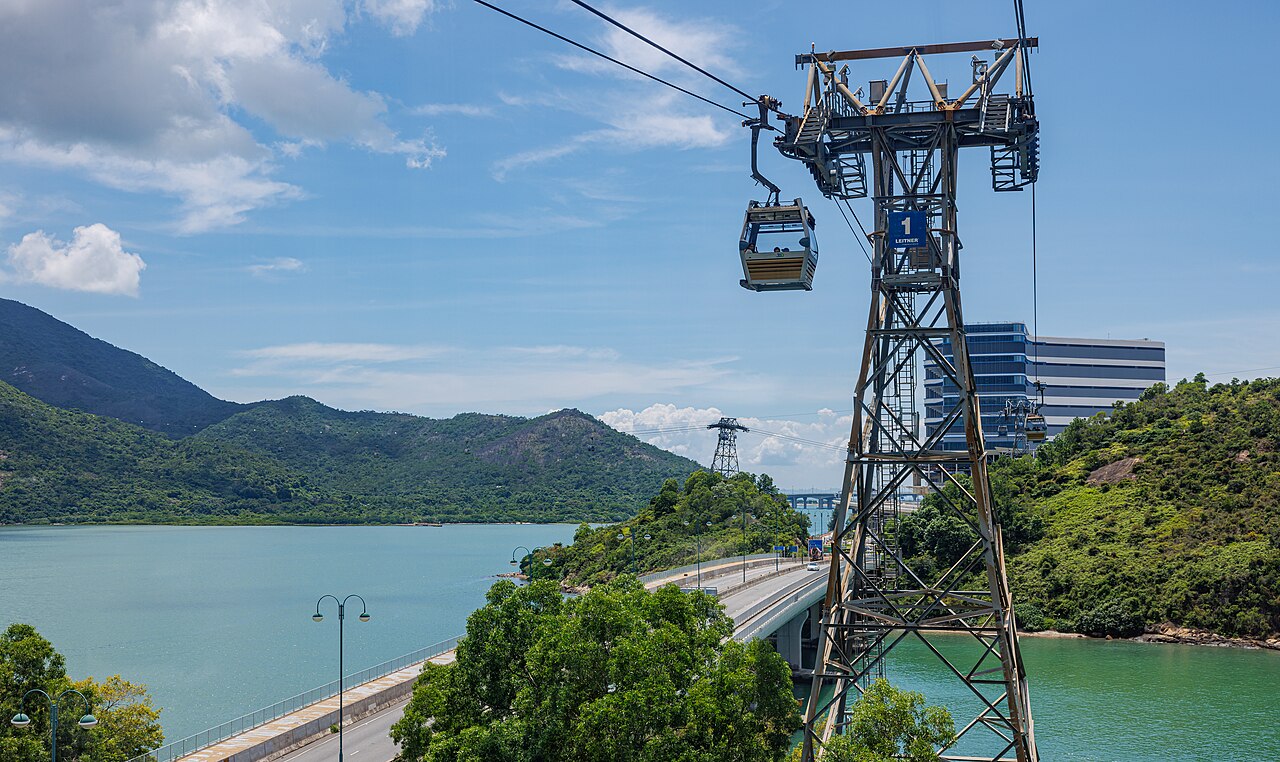
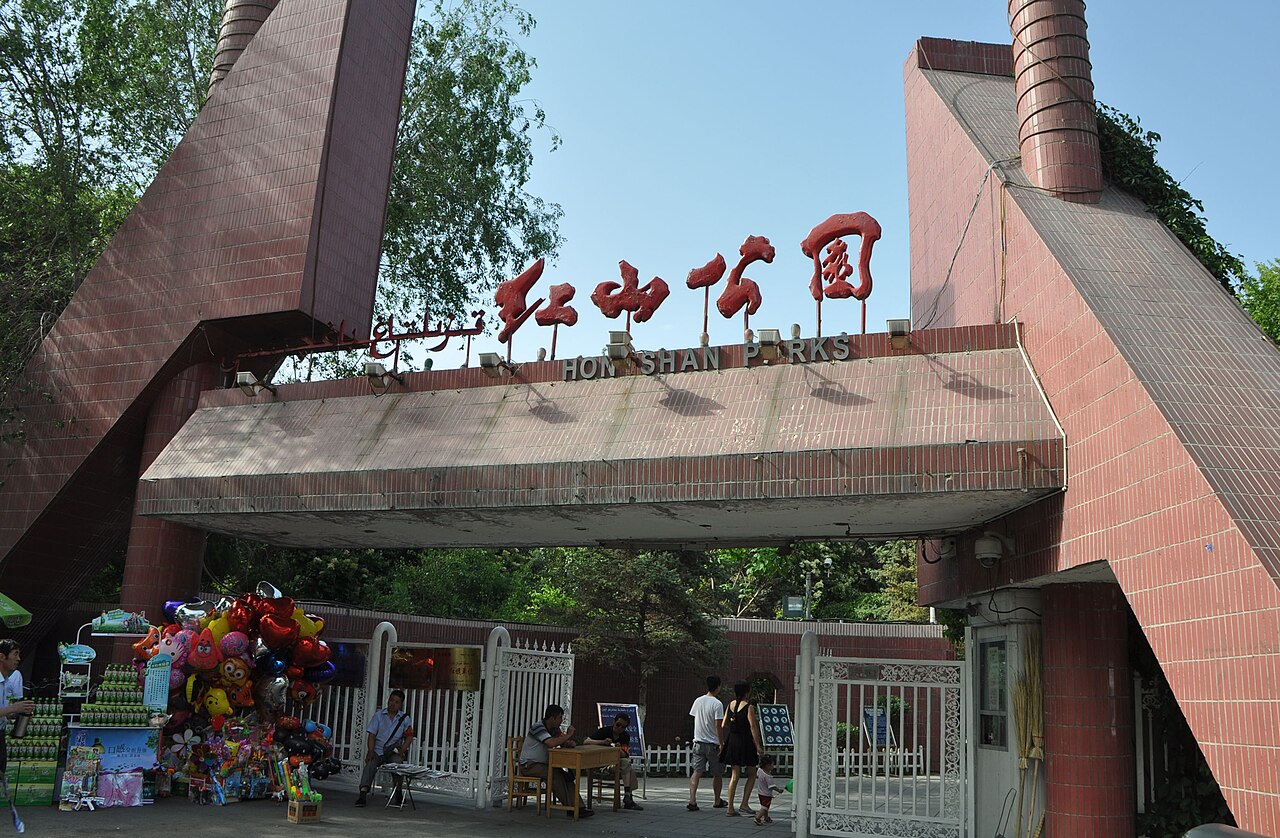
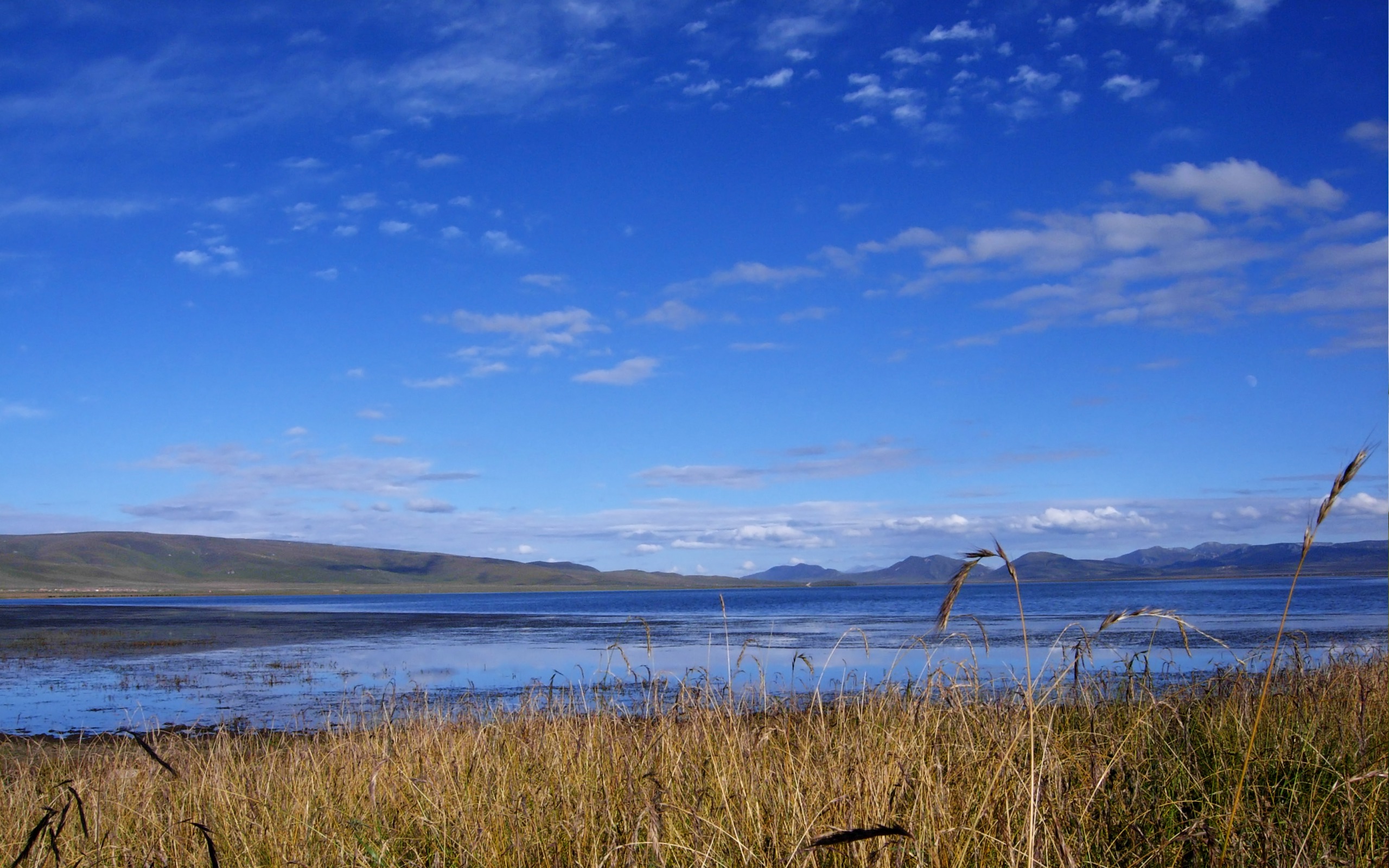
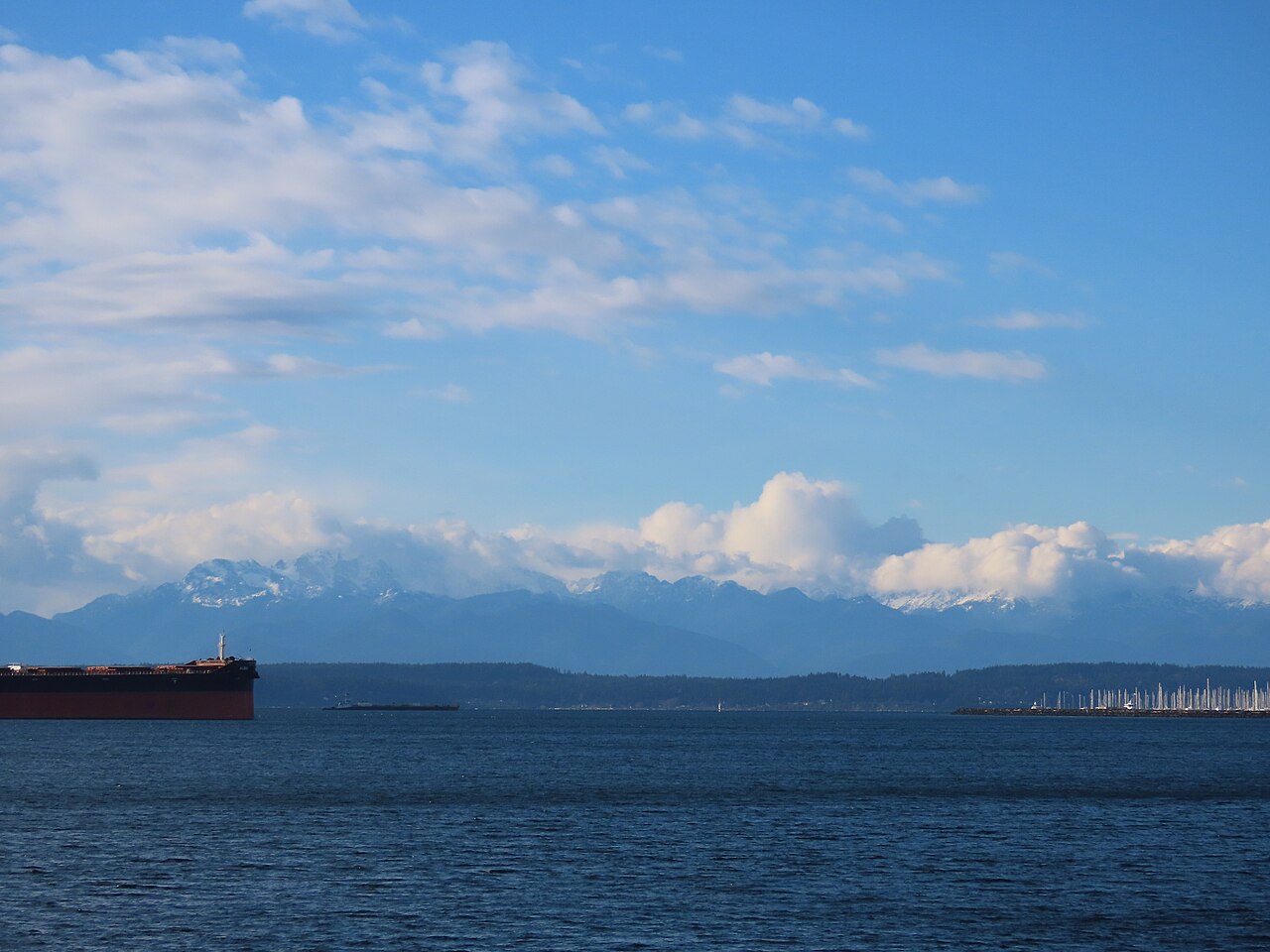
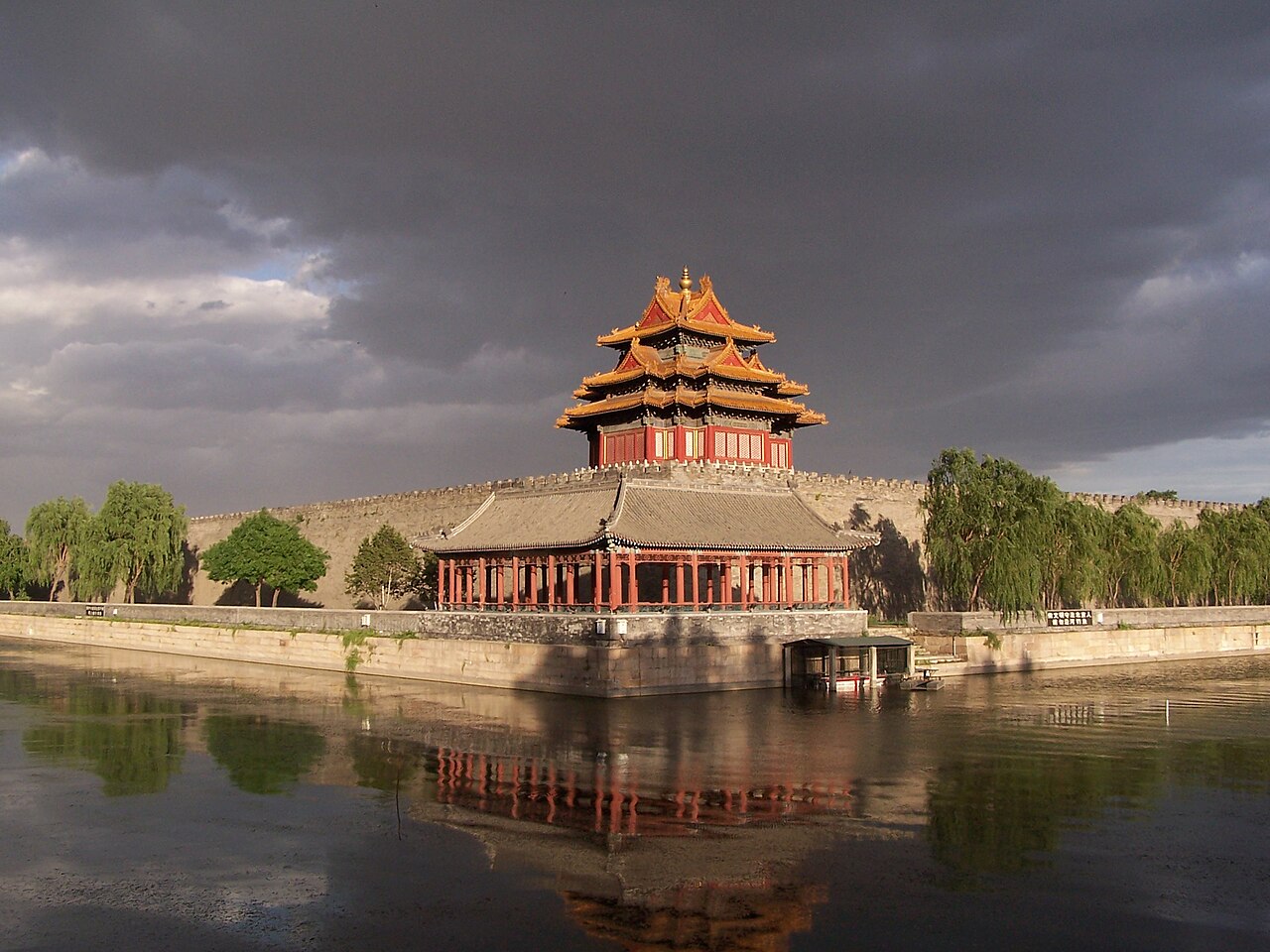
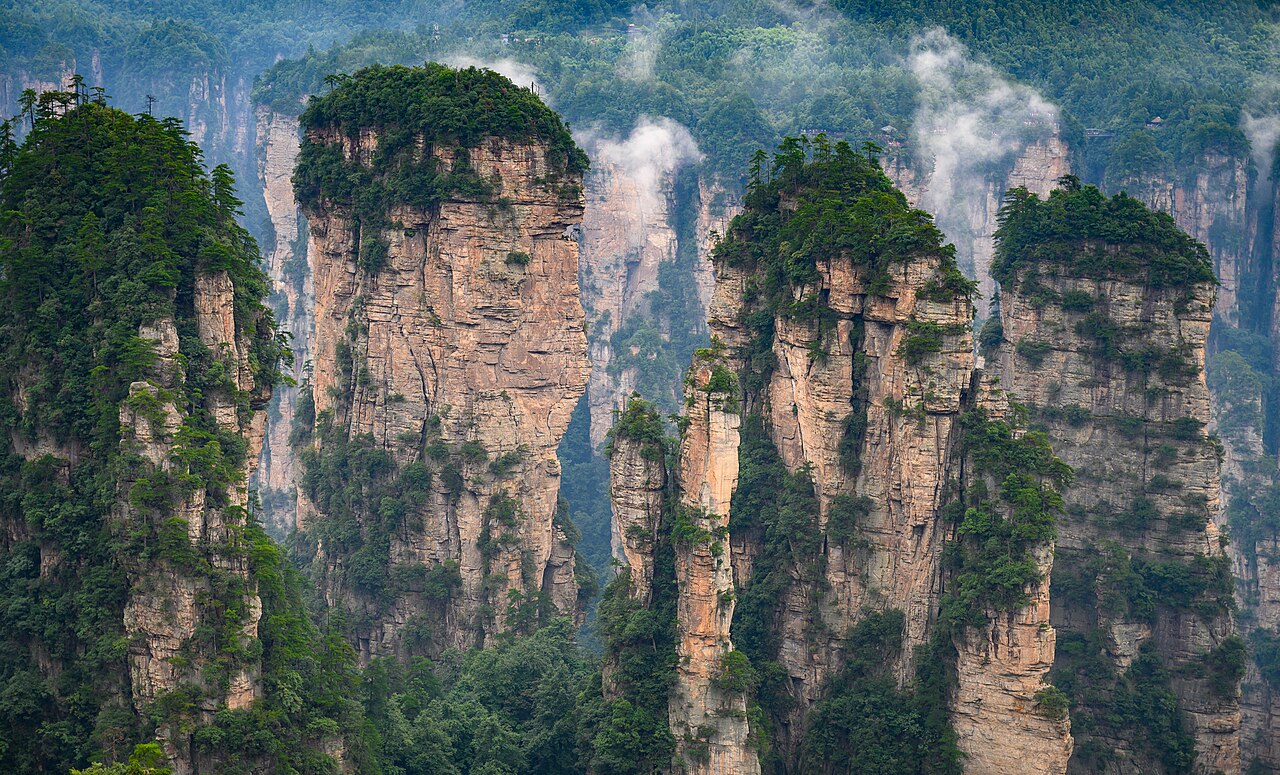
The Shenzhou causeway, China's longest, out to Liandao
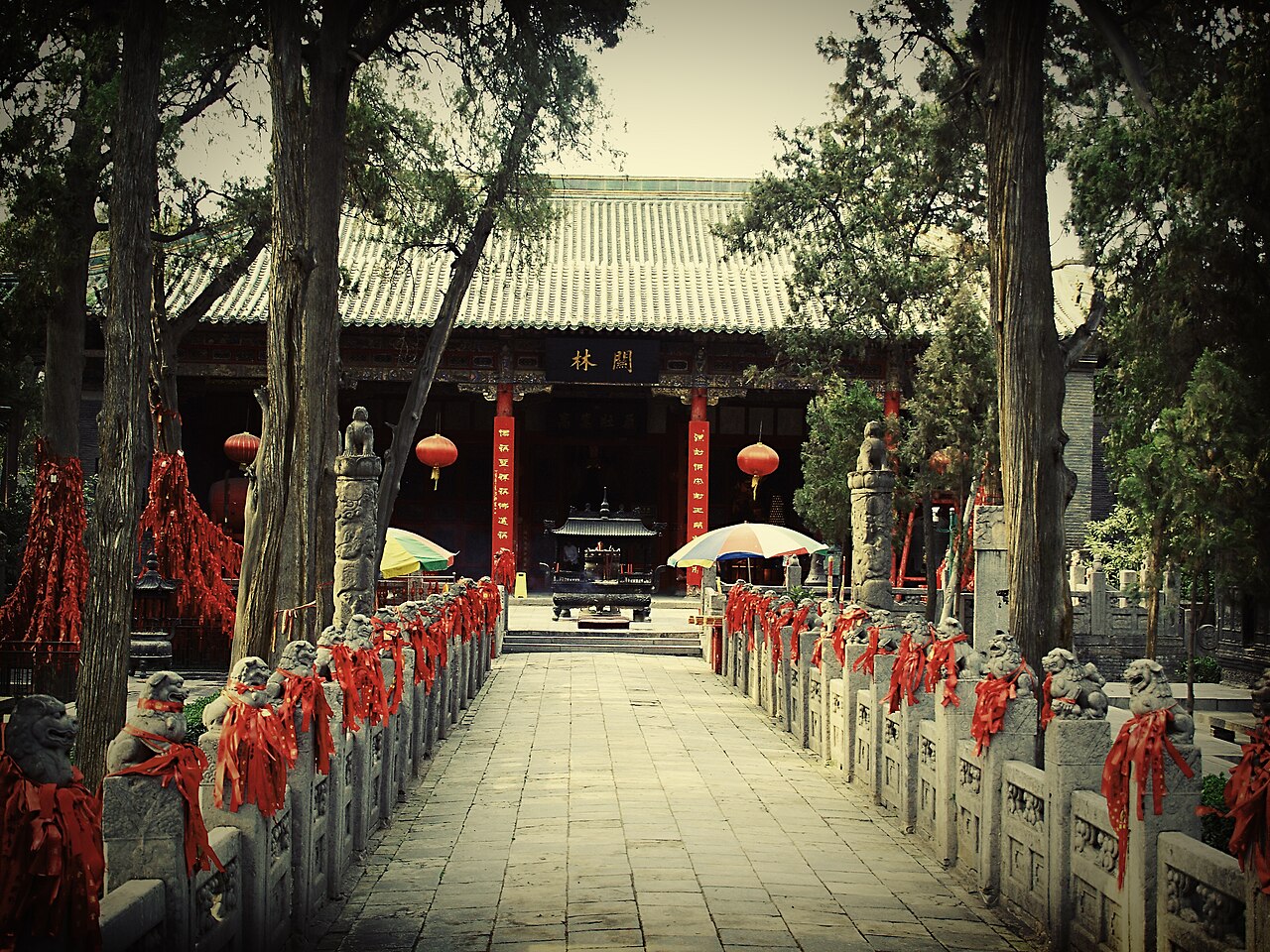
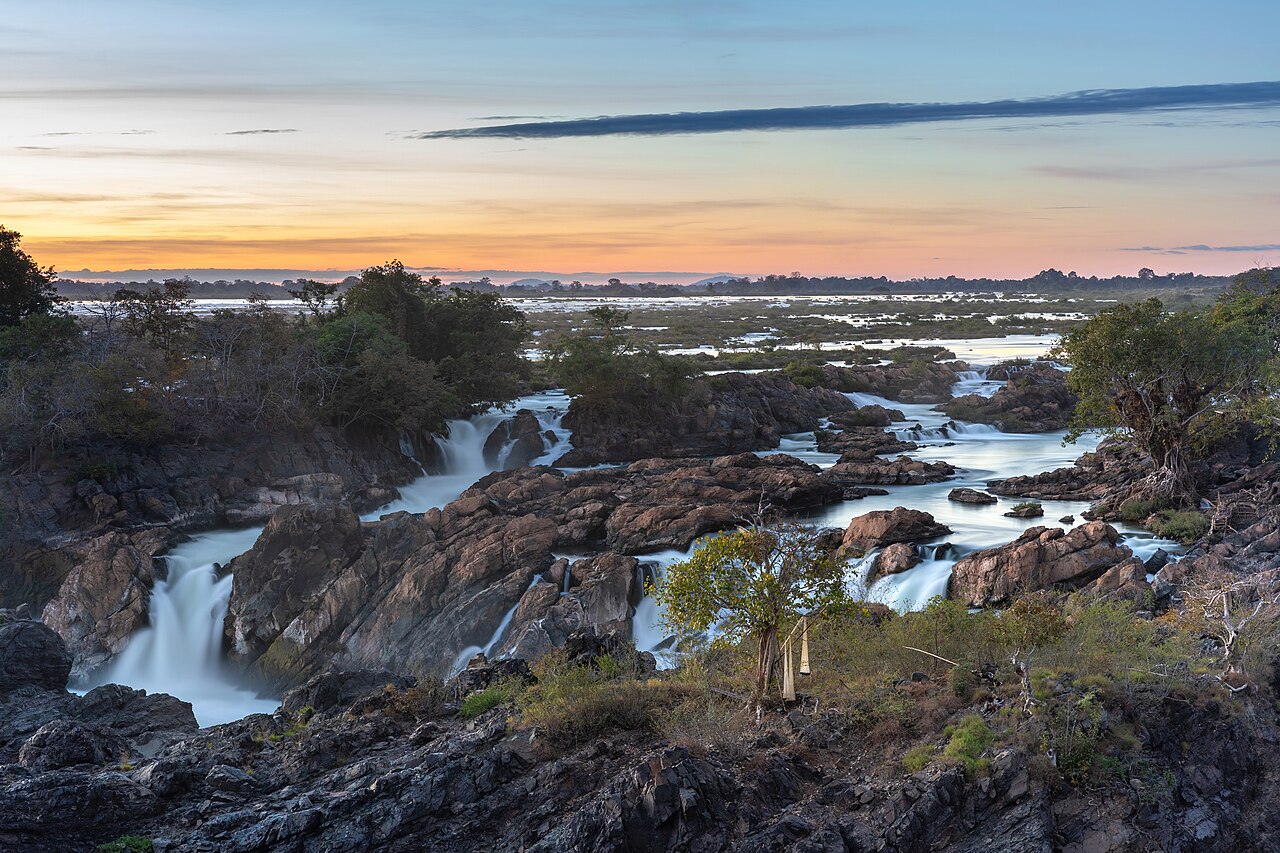
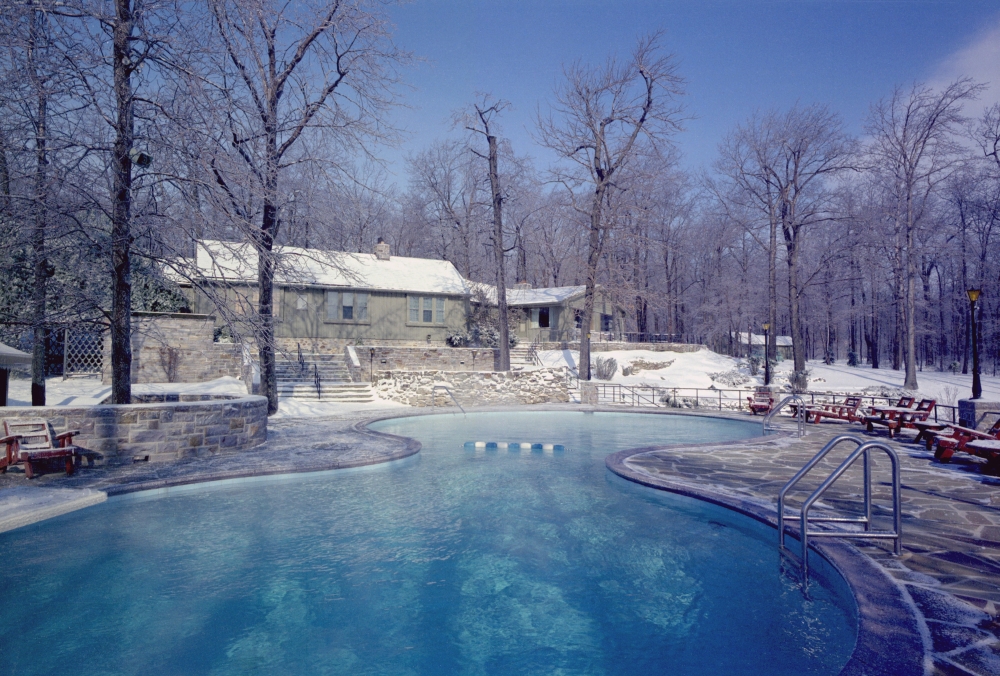
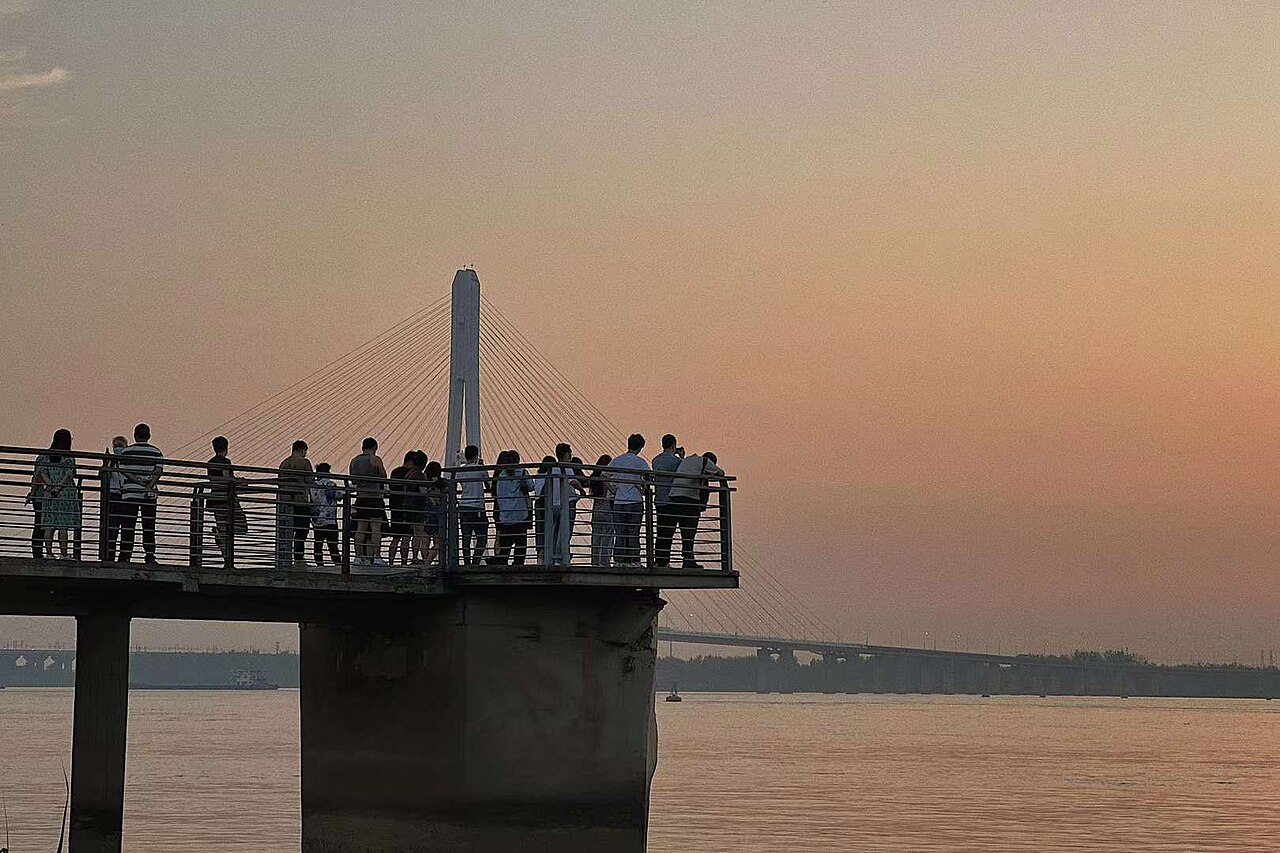
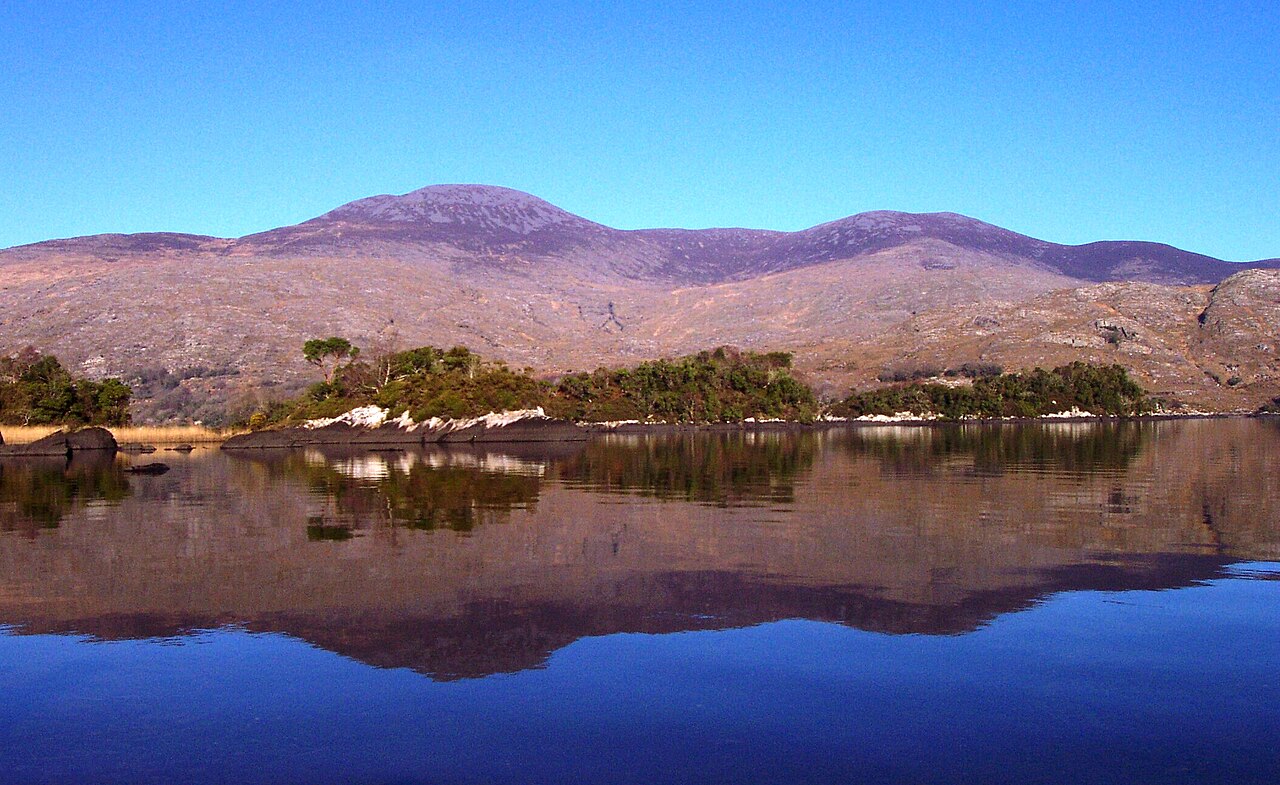
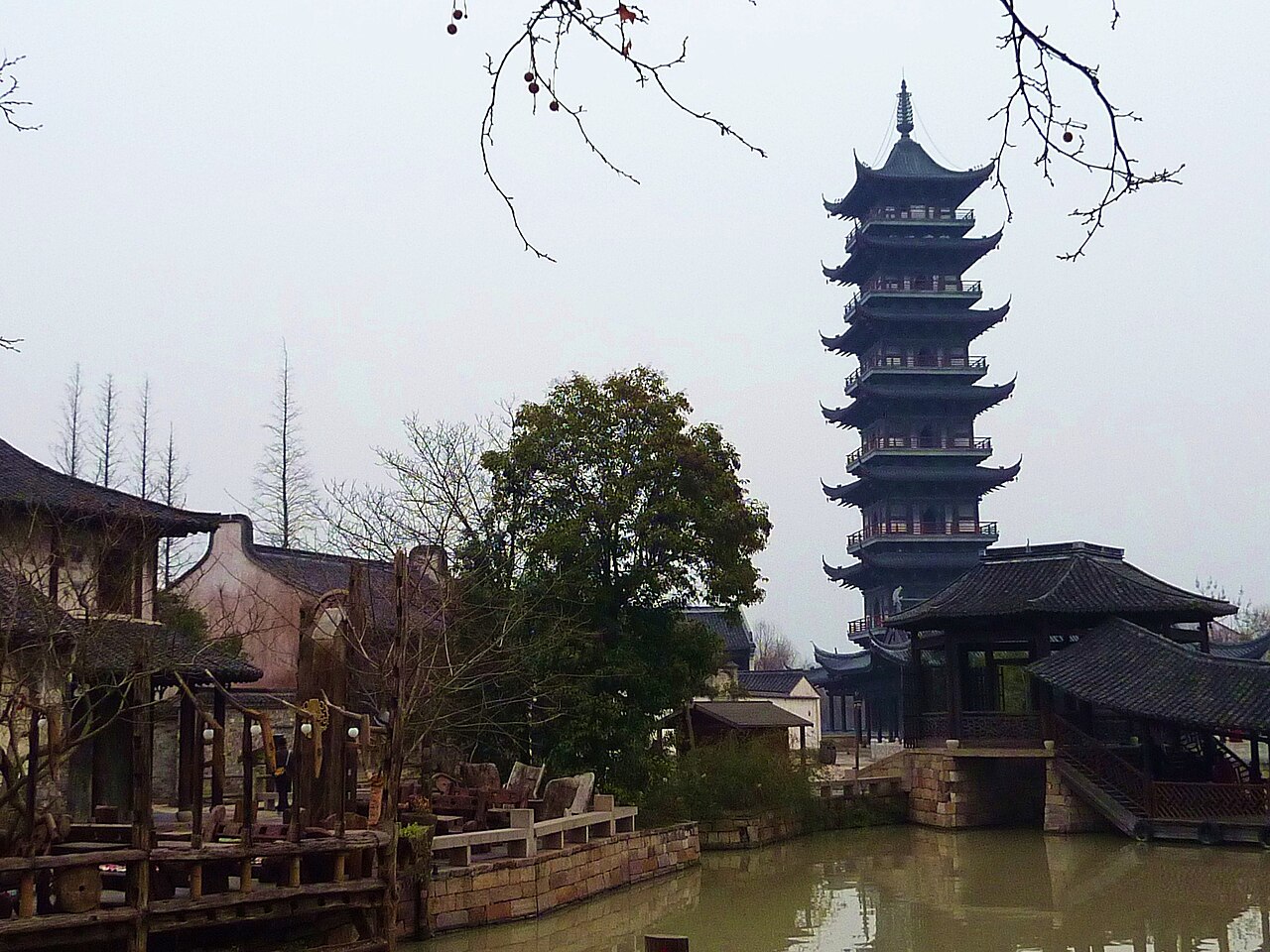
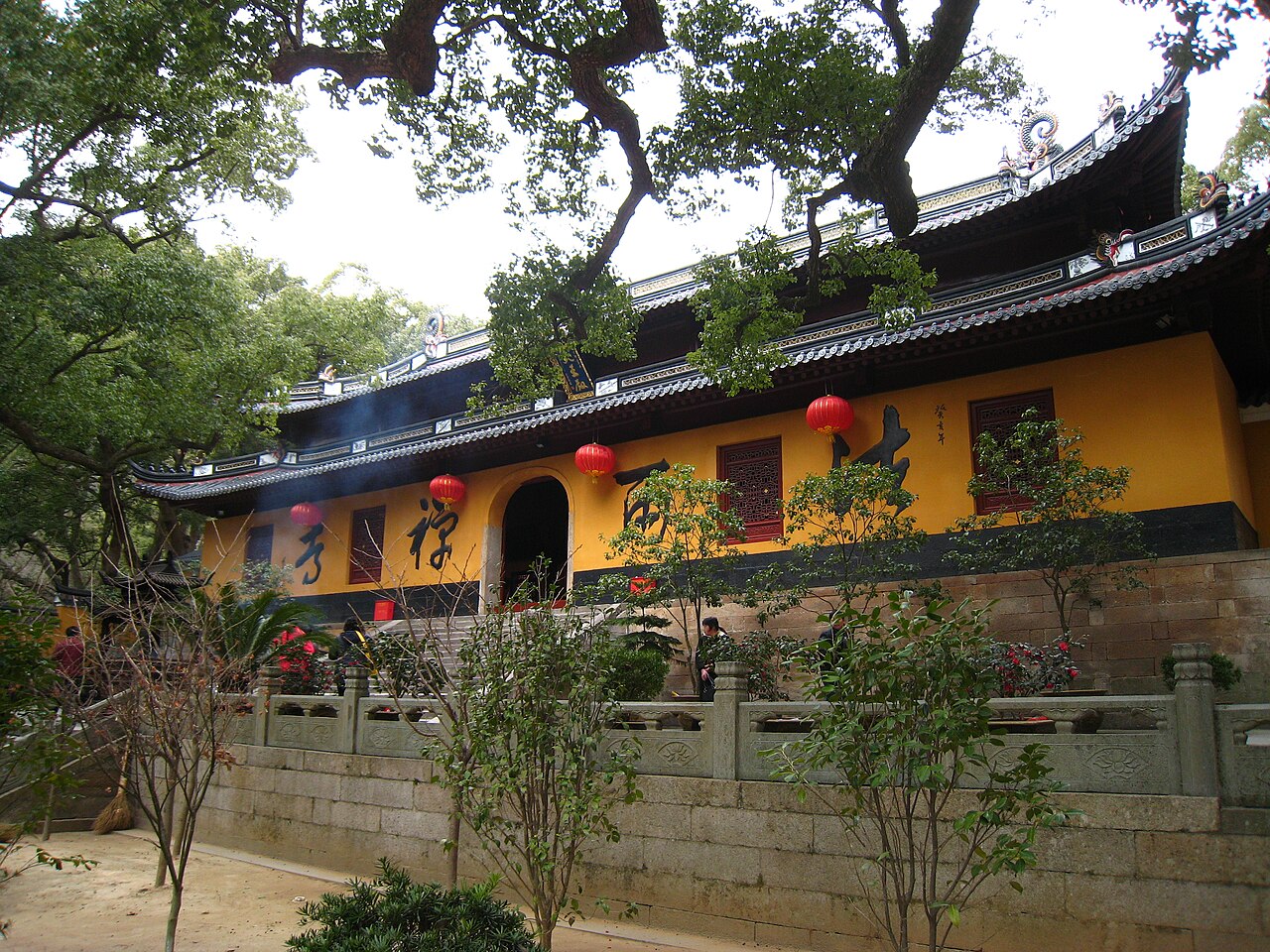
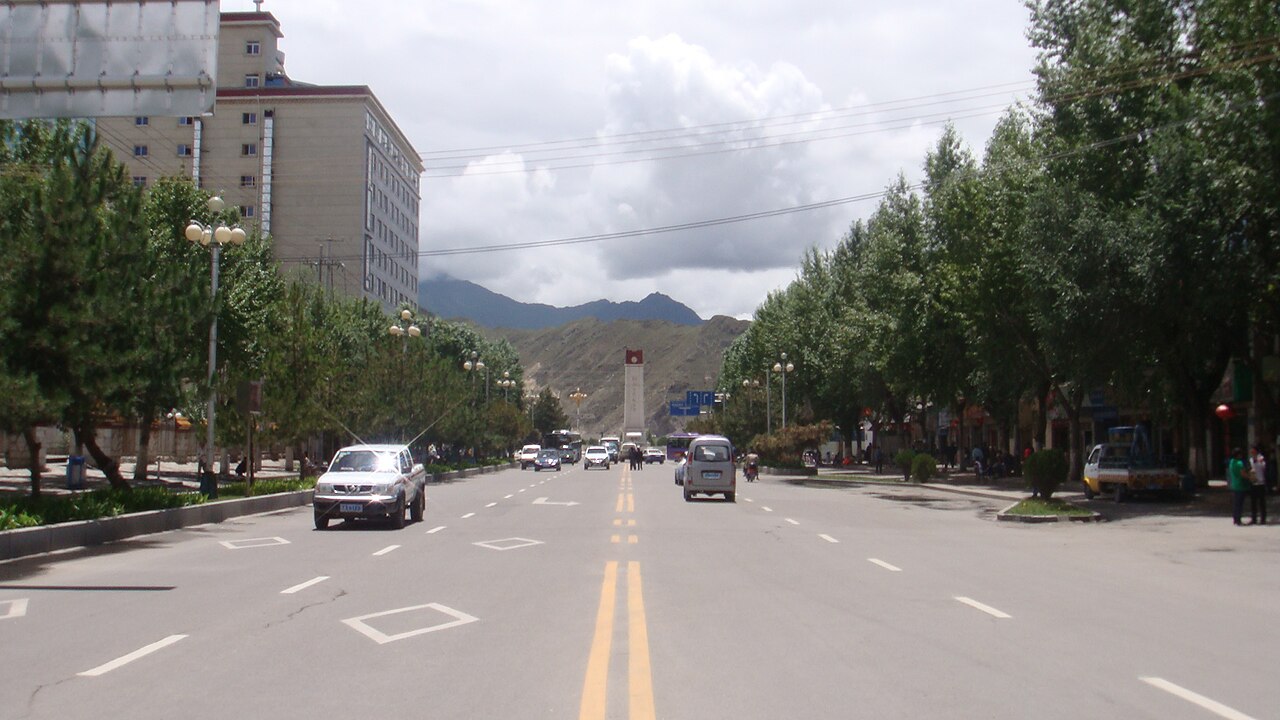
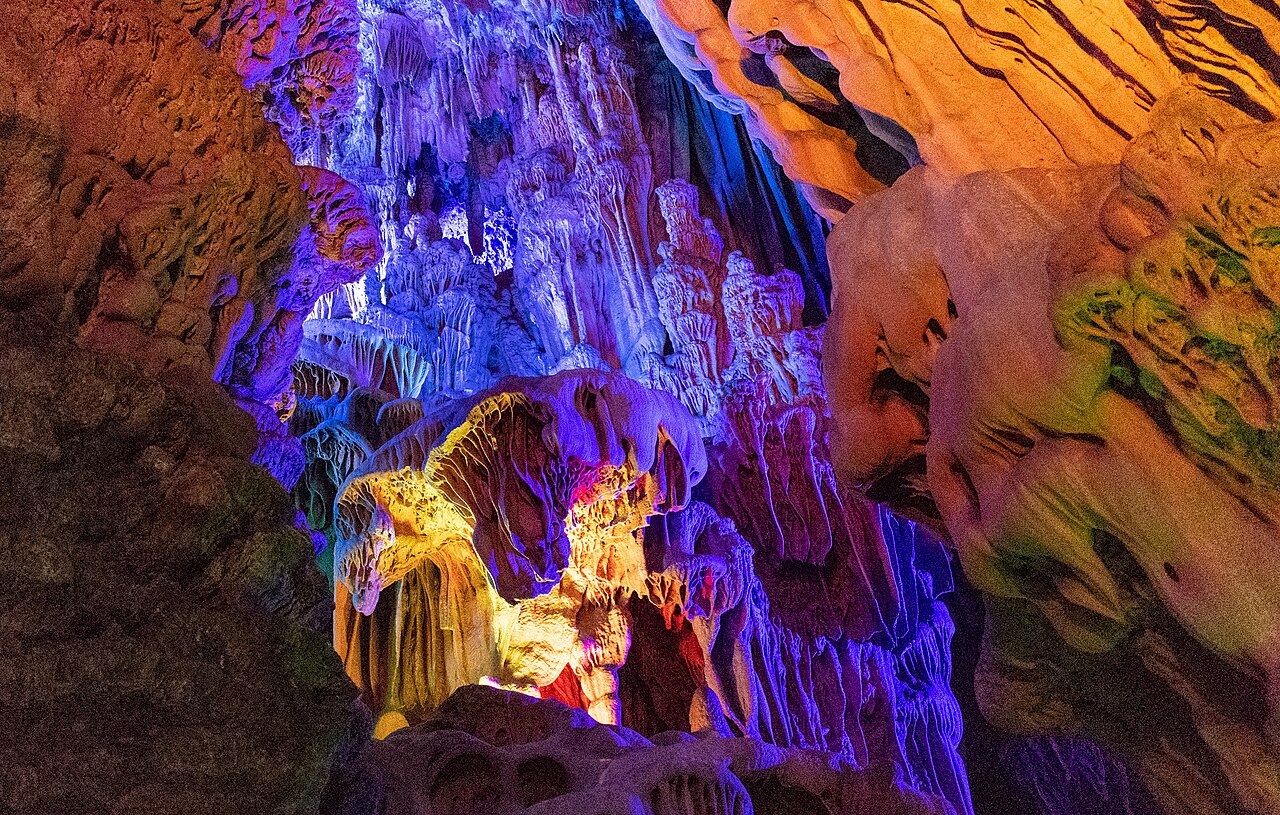
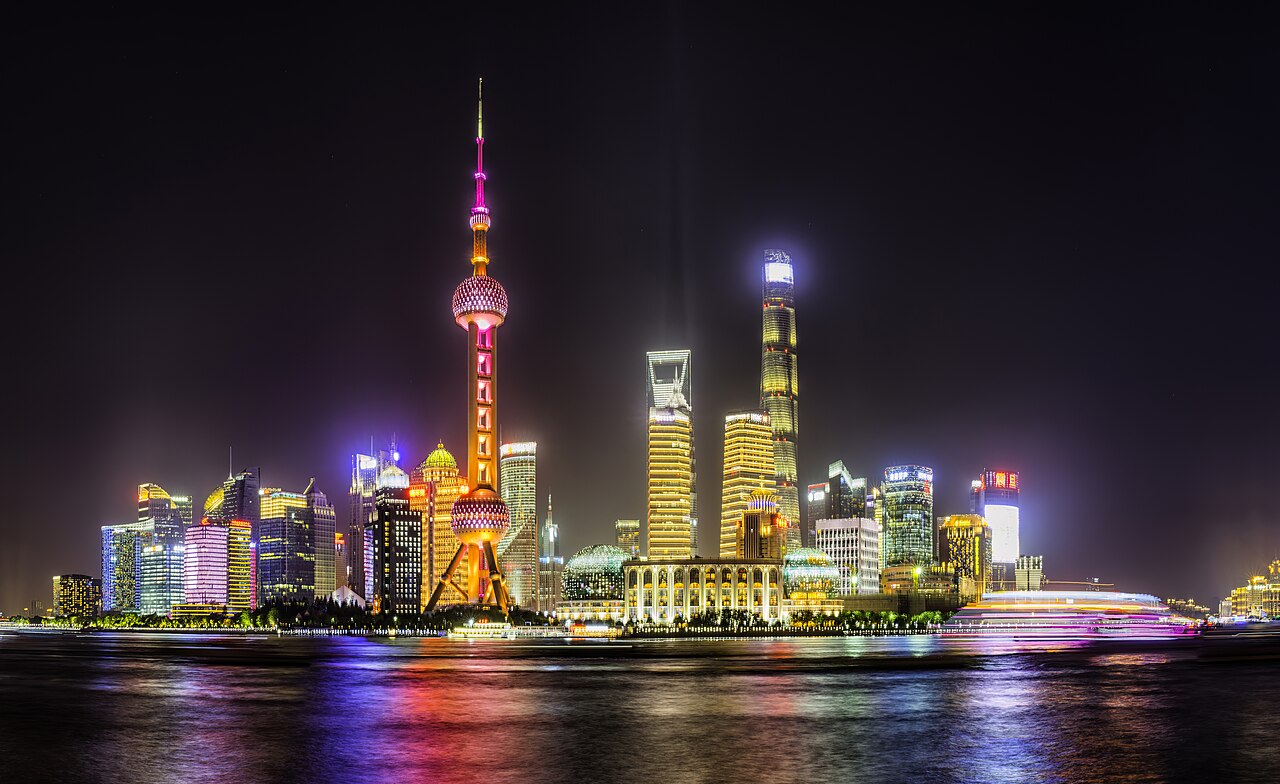
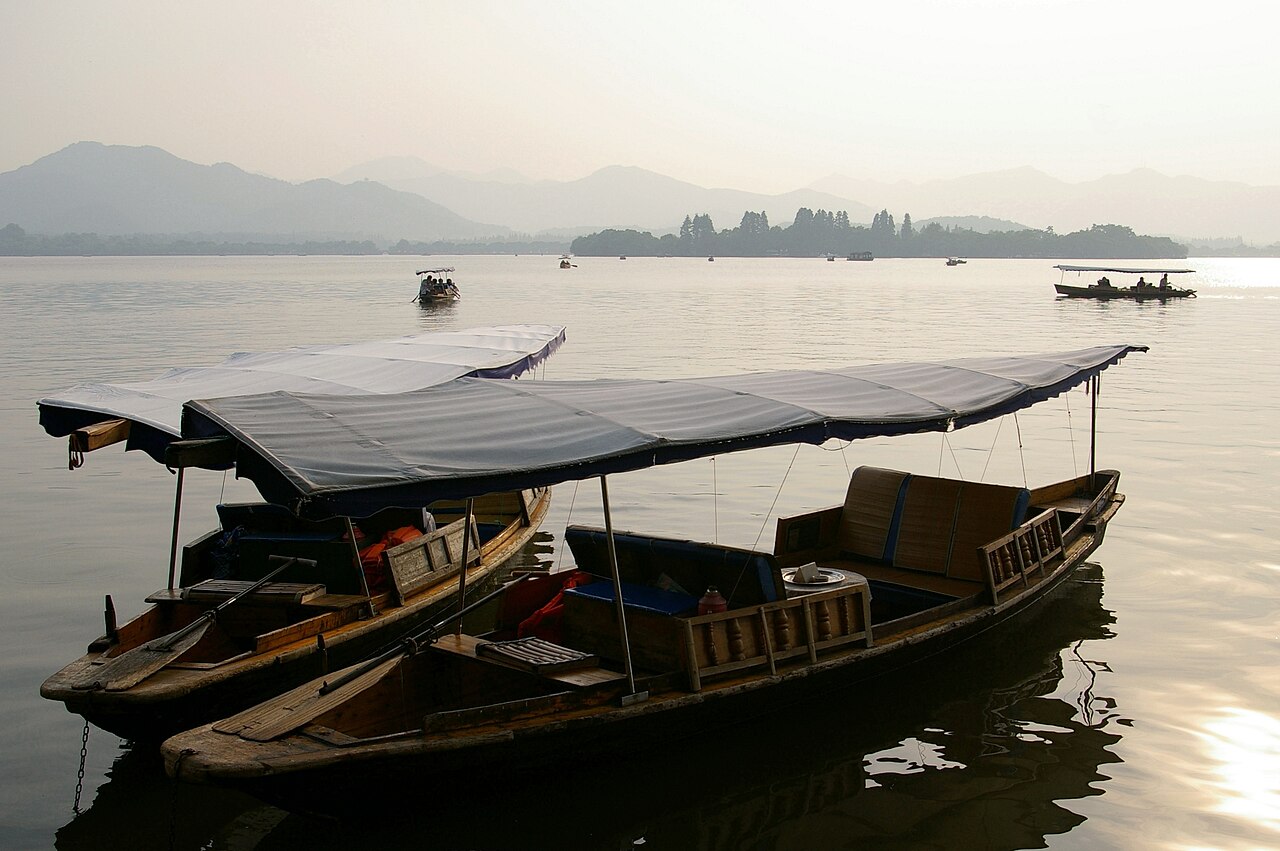
Dashawan and Sumawan, the island's two beaches
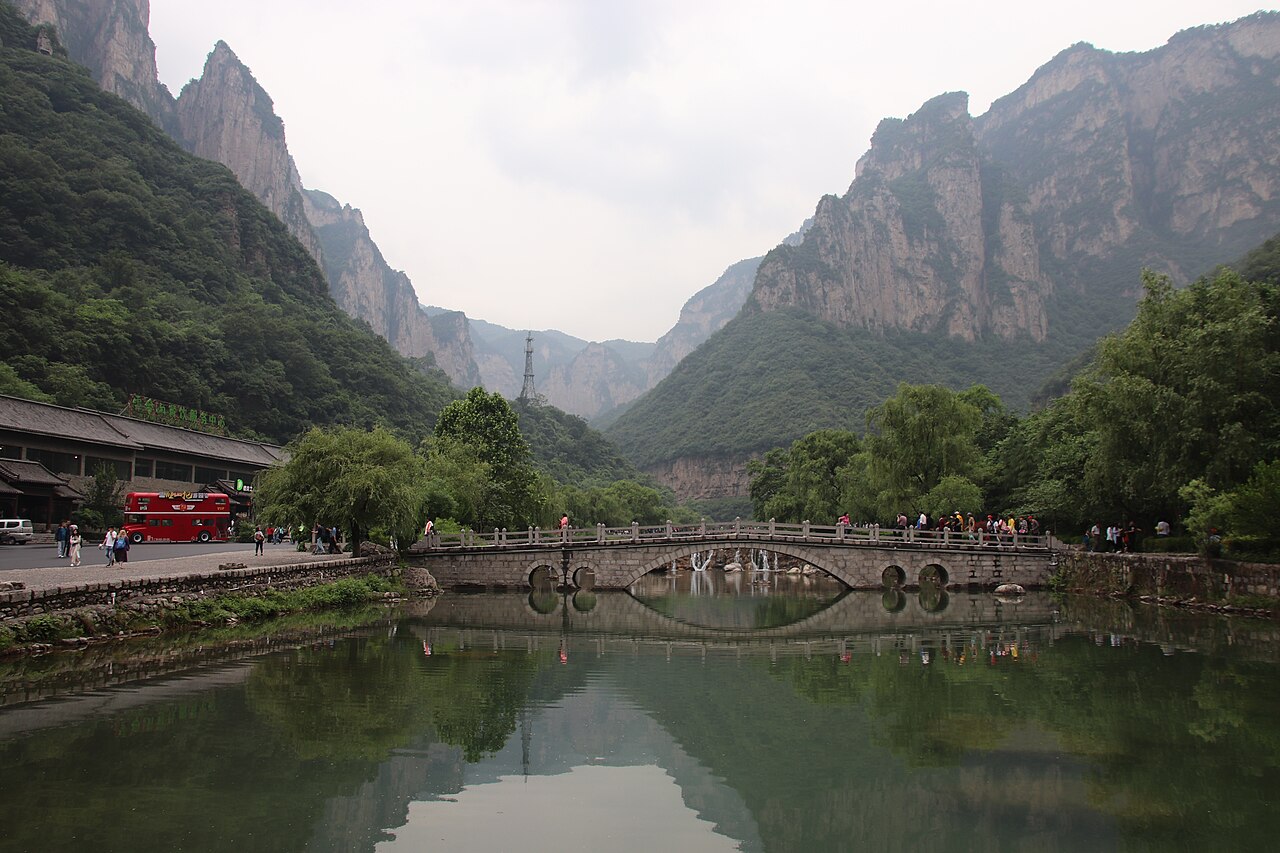
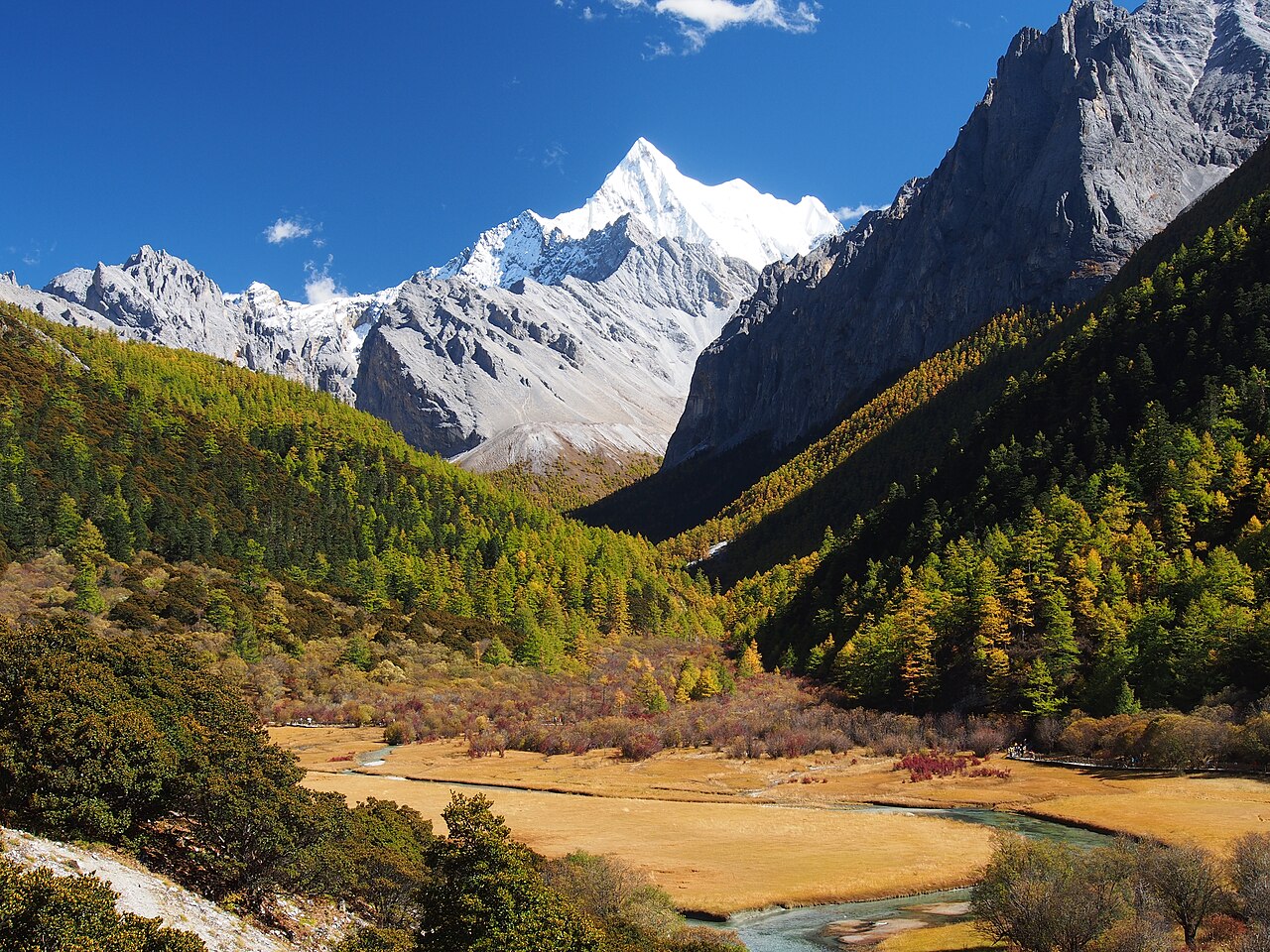
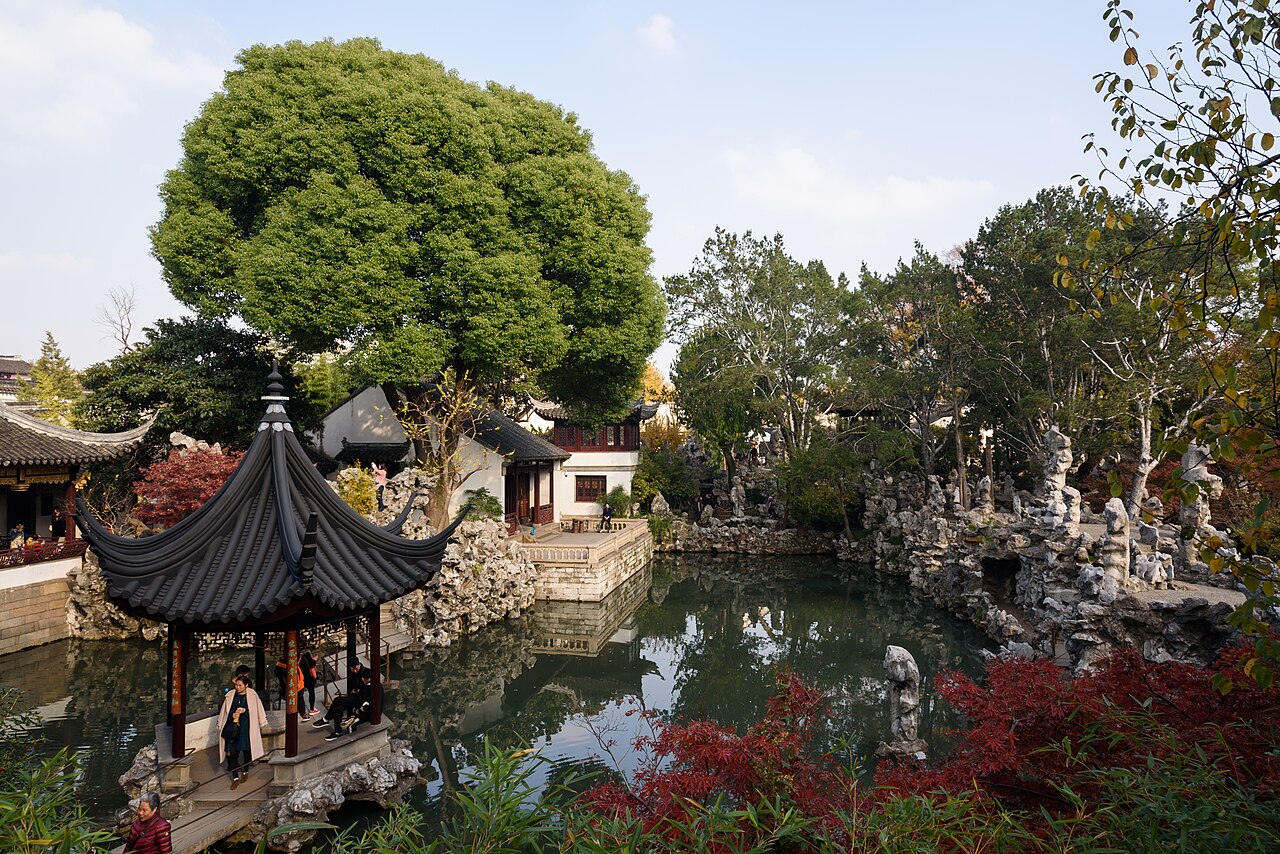
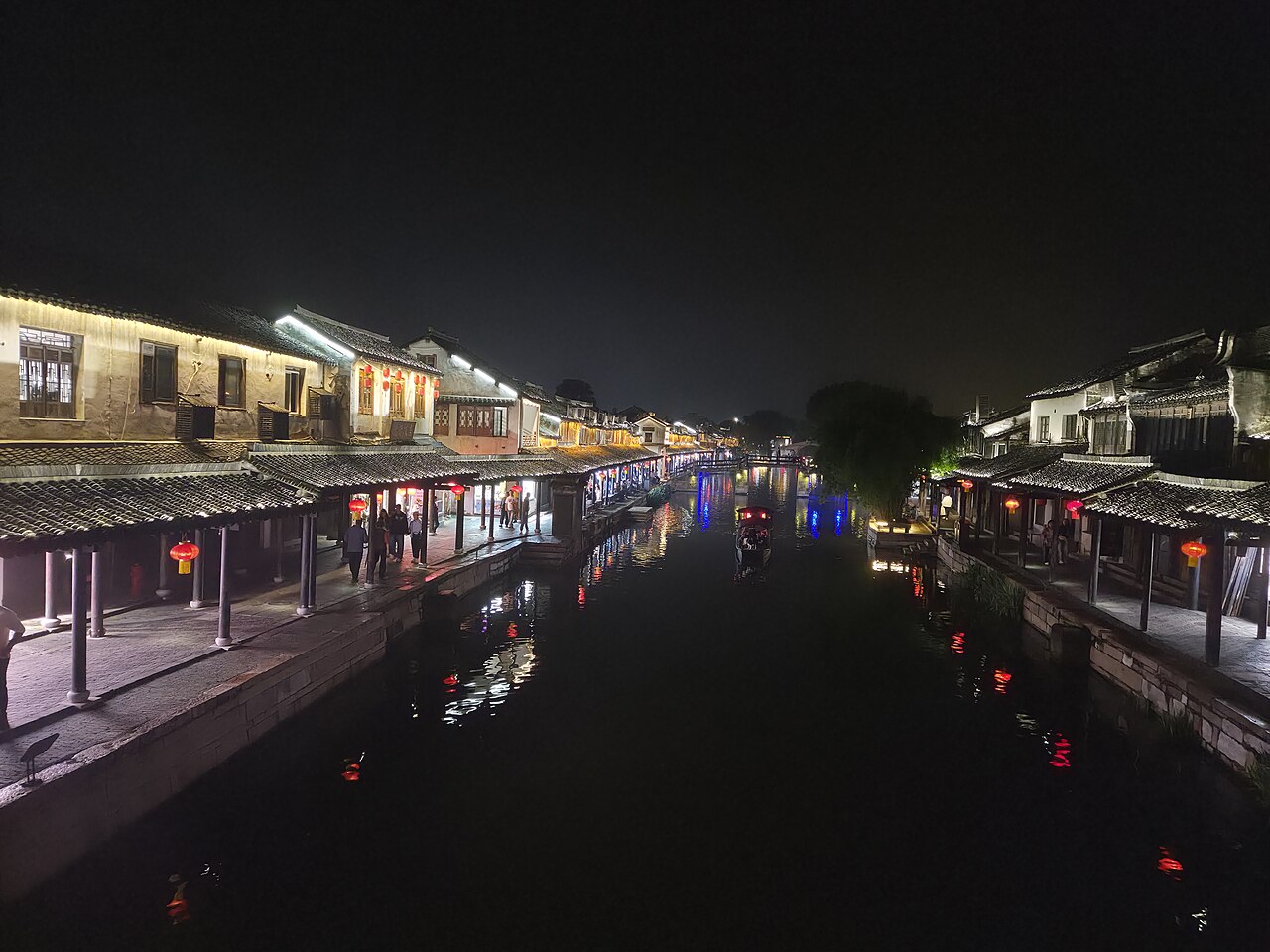
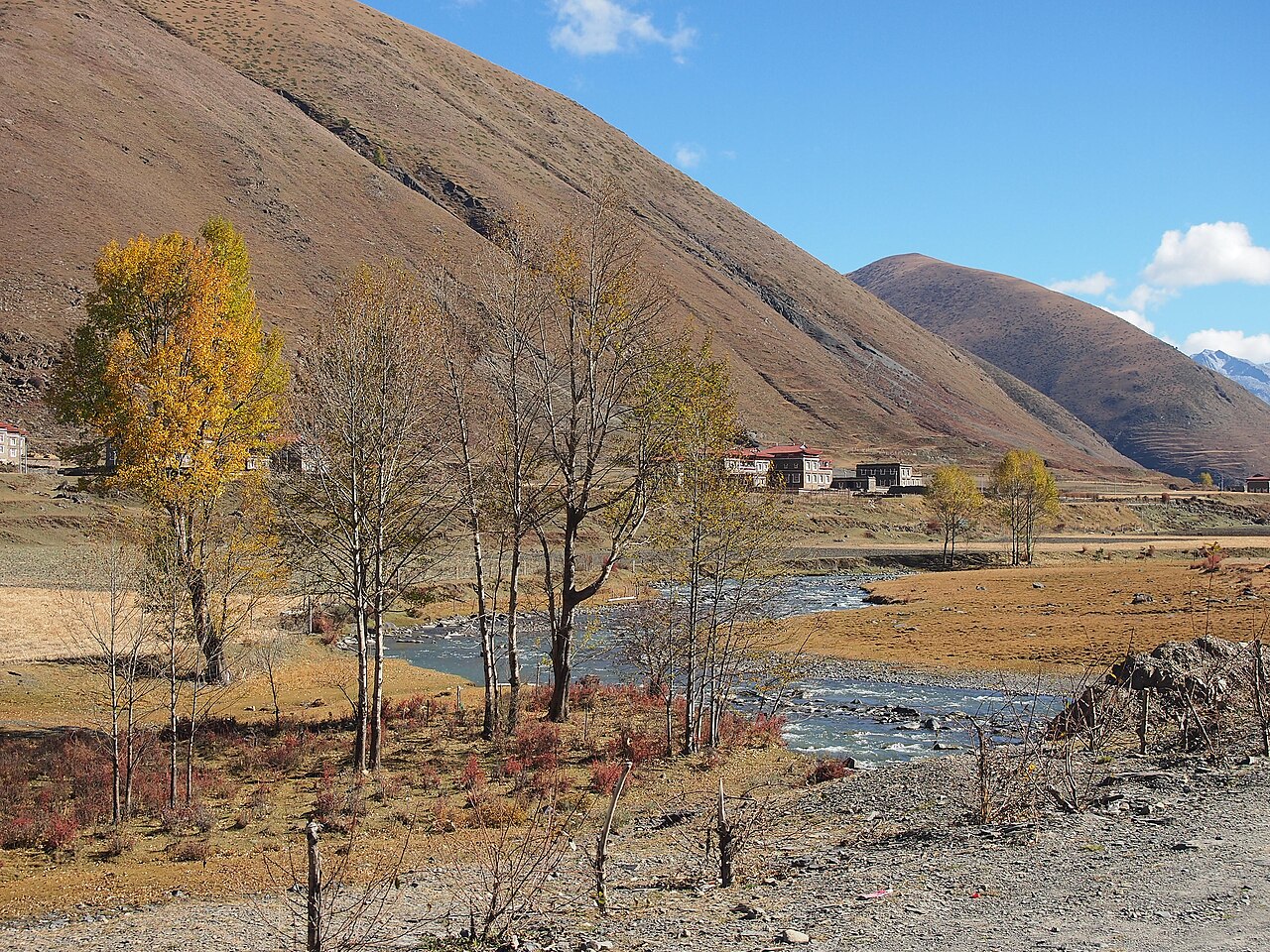
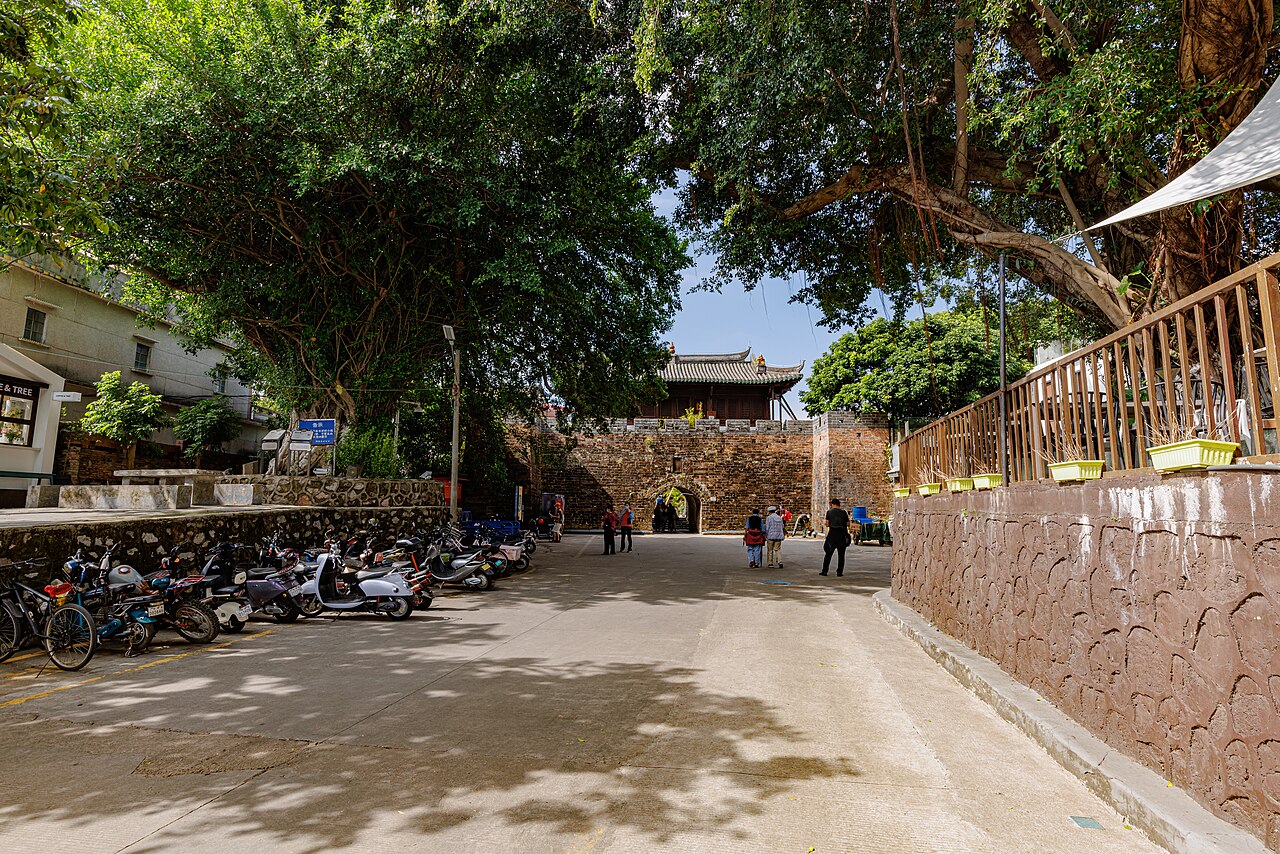
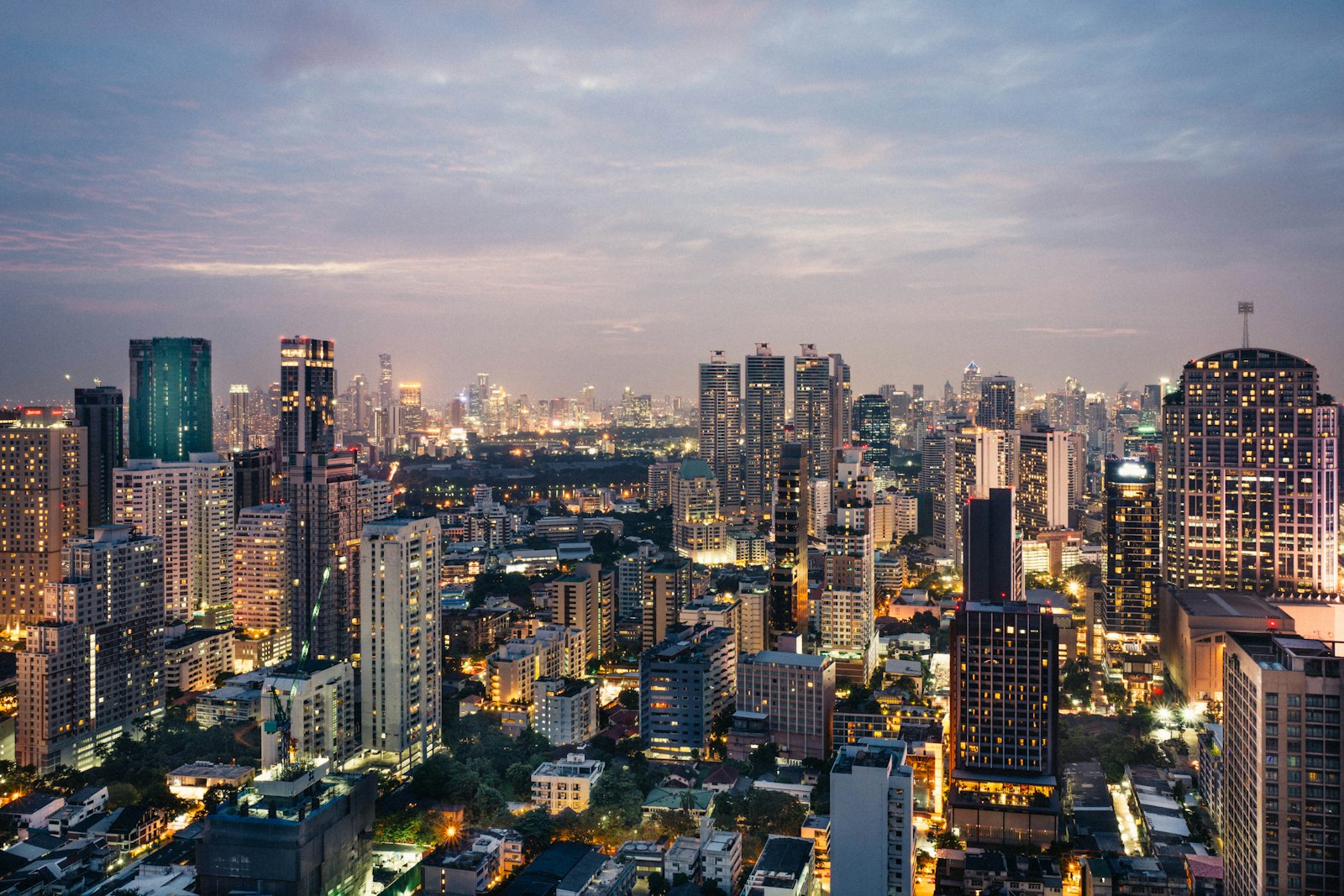
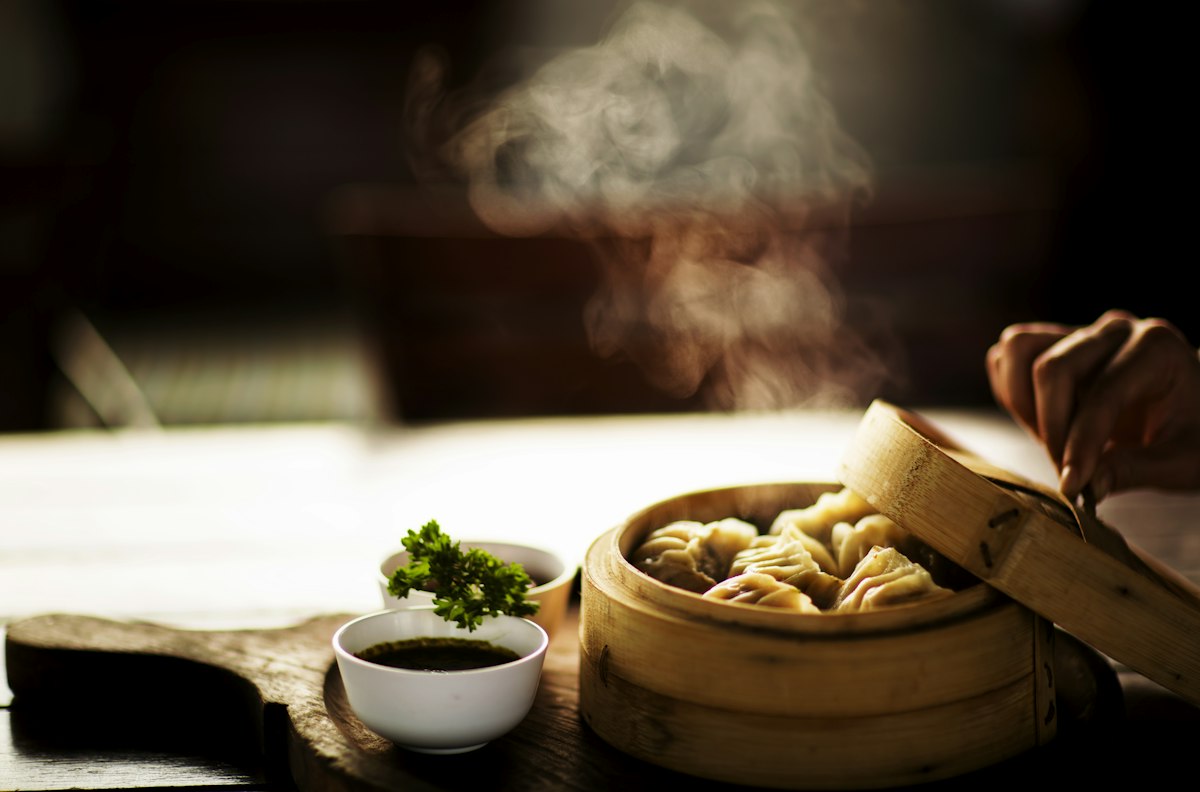
Steamed Portunus crab and phoenix-tail prawns

I went to Lianyungang in the May holiday, a place I had longed for, because that is where I belong. Only there do I feel my heart shake. In front of the sea I show every part of who I am, with nothing hidden. I know it understands me — only the sea truly understands how I feel inside.

Traveller note — 'A Meeting of Hearts, a Conversation Between People and Scenery'

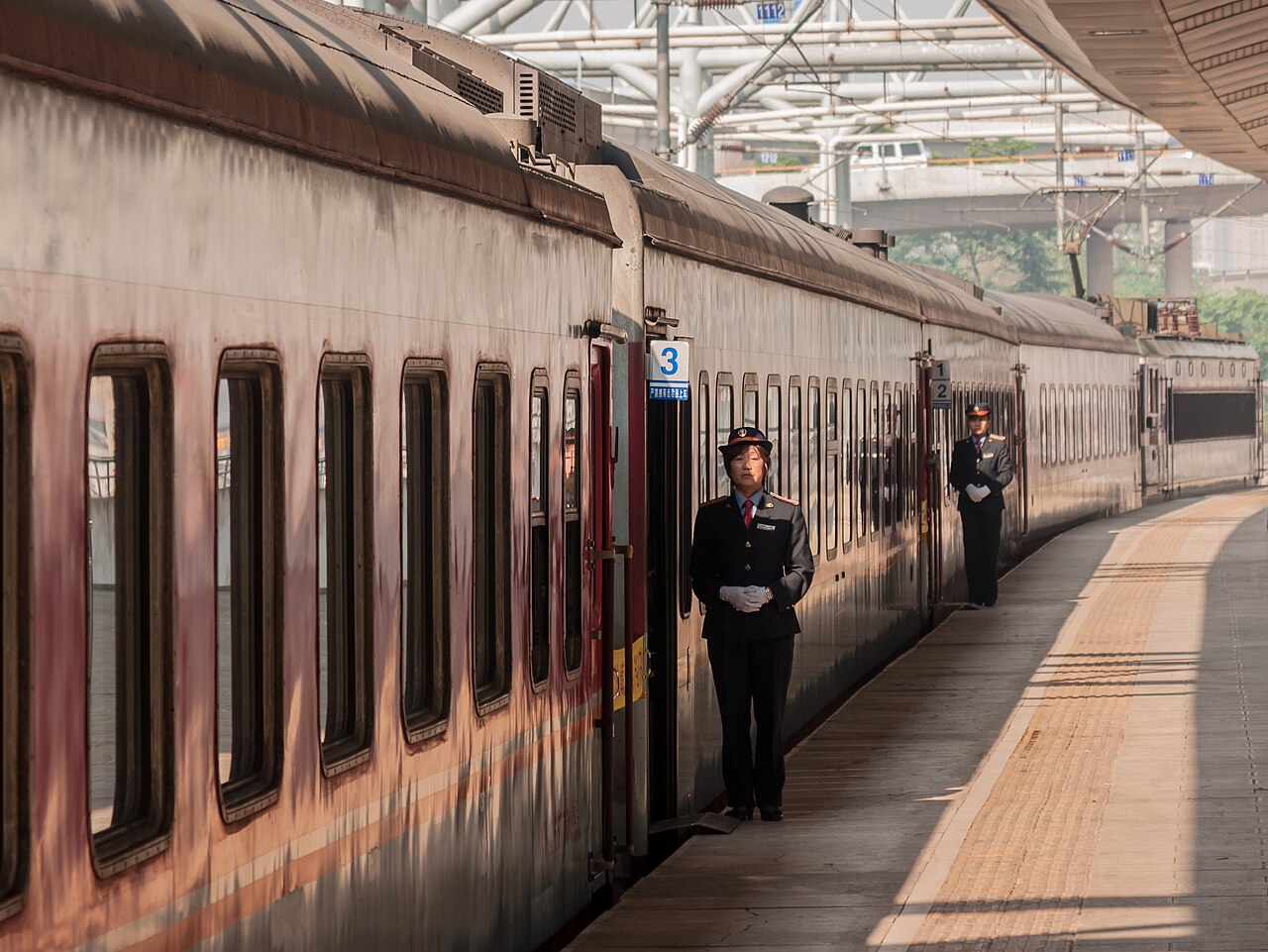
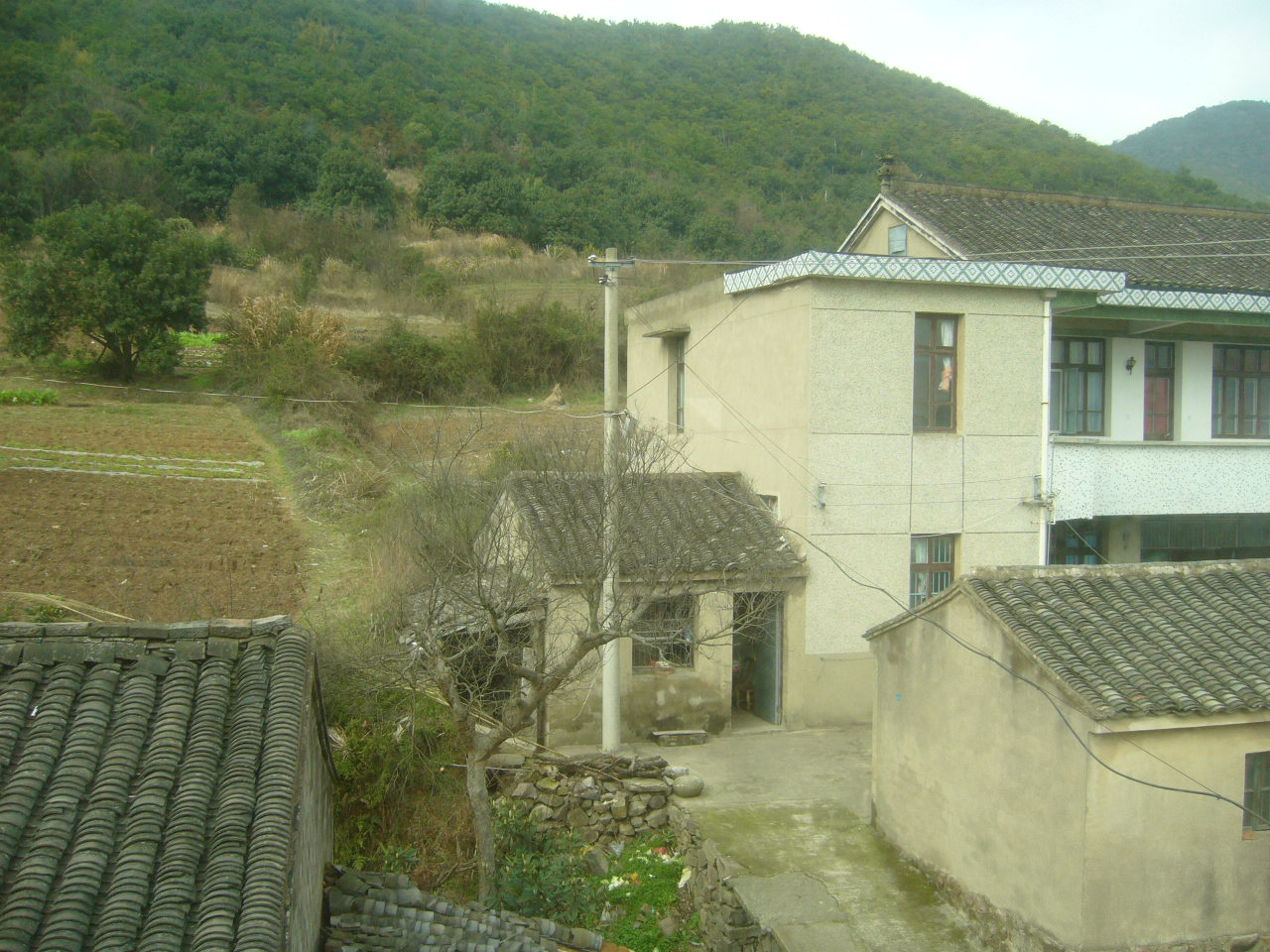
Three of us took the overnight train from Hefei and reached Lianyungang East at half past eight. The first thing that struck everyone was how easy it felt — straight out of the station onto bus 33, one stop to the Liandao bathing beach. What I remember most is the causeway to the island: the bus took half an hour to cross it, with open sea on one side and great hills and a modern port on the other.

Traveller note — 'From Hefei to Lianyungang, Two Days at the Liandao Beach'

Lianyungang grew up around two things: the mountain that became the setting of China's best-loved novel, and the port that became the eastern end of the New Eurasian Land Bridge — the rail line running from this Yellow Sea coast all the way to Rotterdam. It is a working city that happens to have a fairy-tale mountain in the middle of it, and the contrast is half the charm.

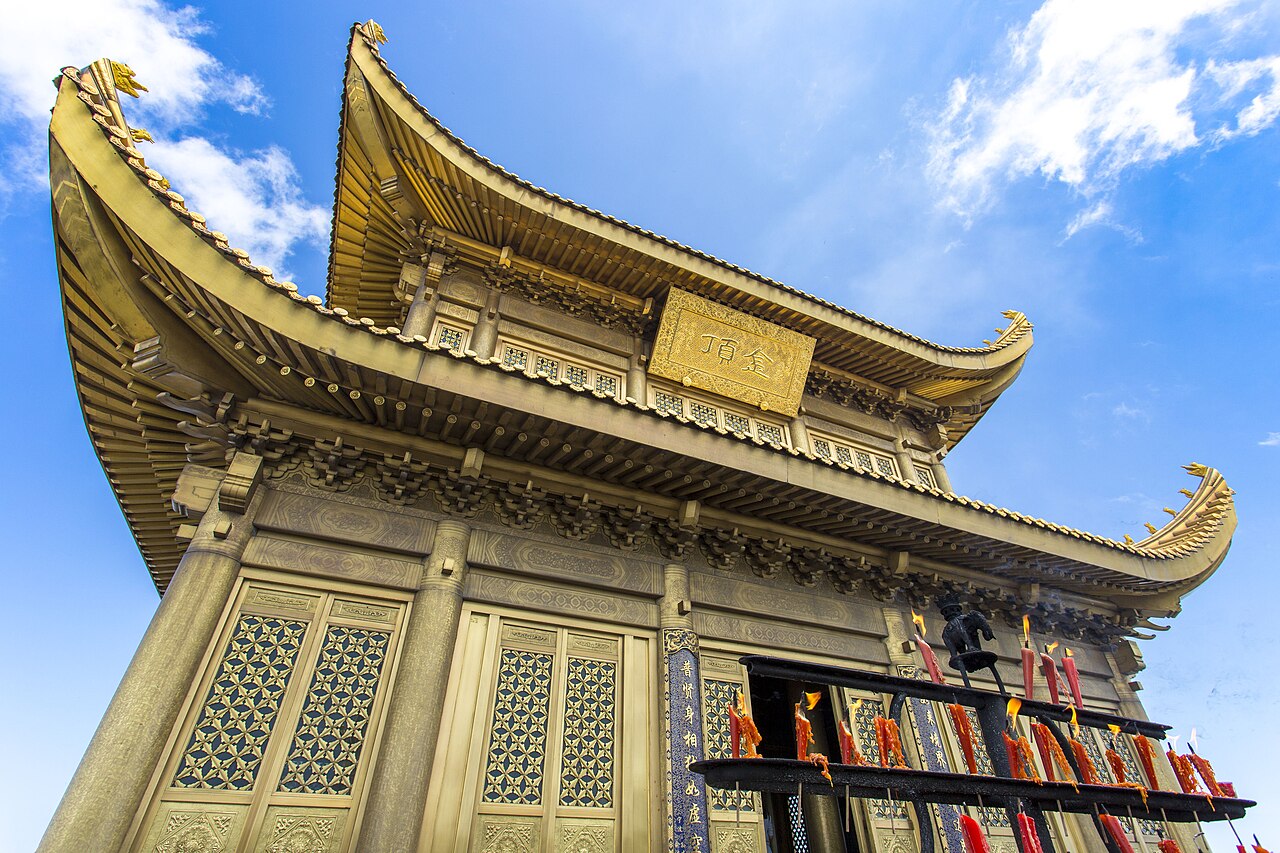
That mountain is Flower-Fruit (Huaguo) Mountain, the traditional home of the Monkey King, and the district around it still carries the old name of Haizhou, a walled town that has stood here for more than two thousand years. The author of Journey to the West is said to have taken the setting from this coast, and the hills above the city are still dotted with the formations his story named — Water-Curtain Cave, the Seventy-Two Caves, the Pagoda of King Ashoka.

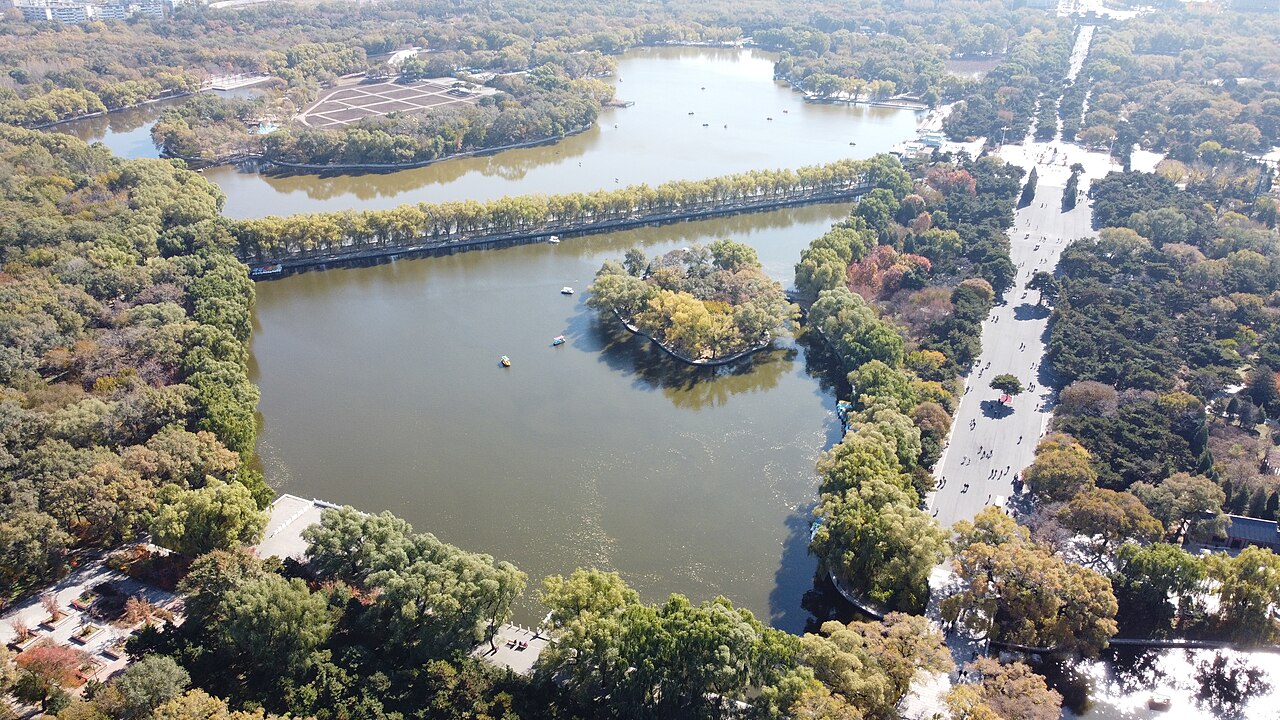
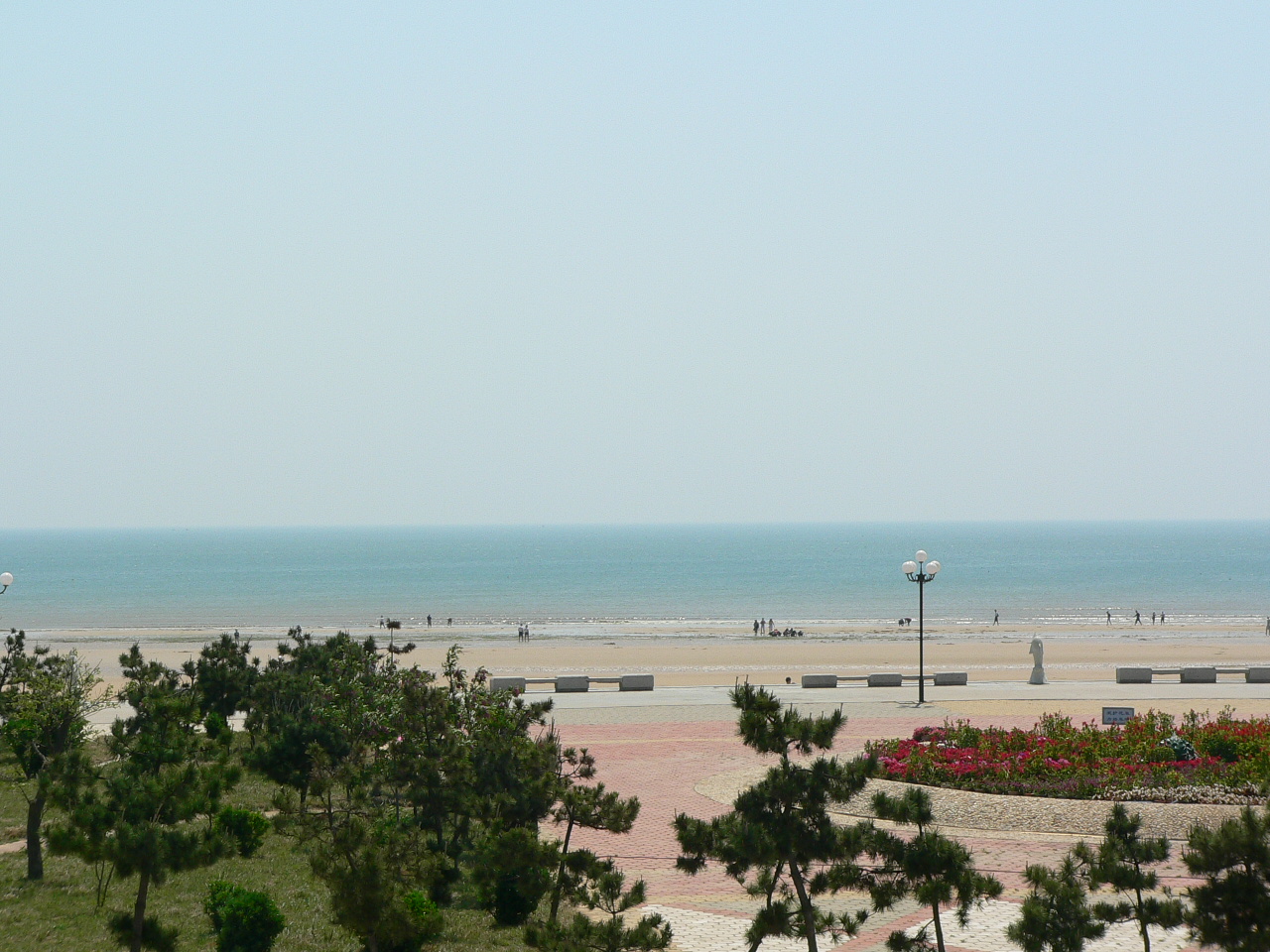
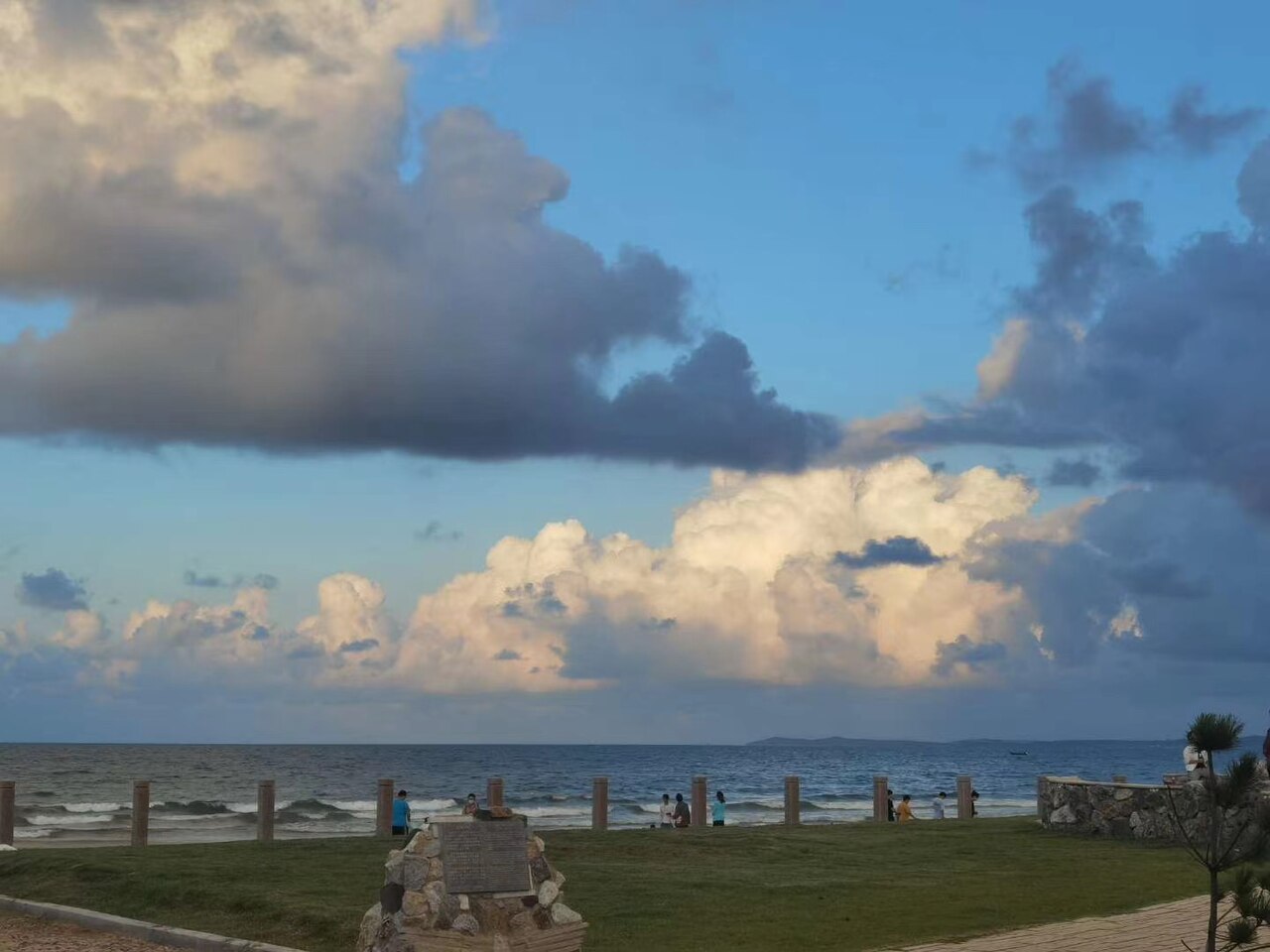
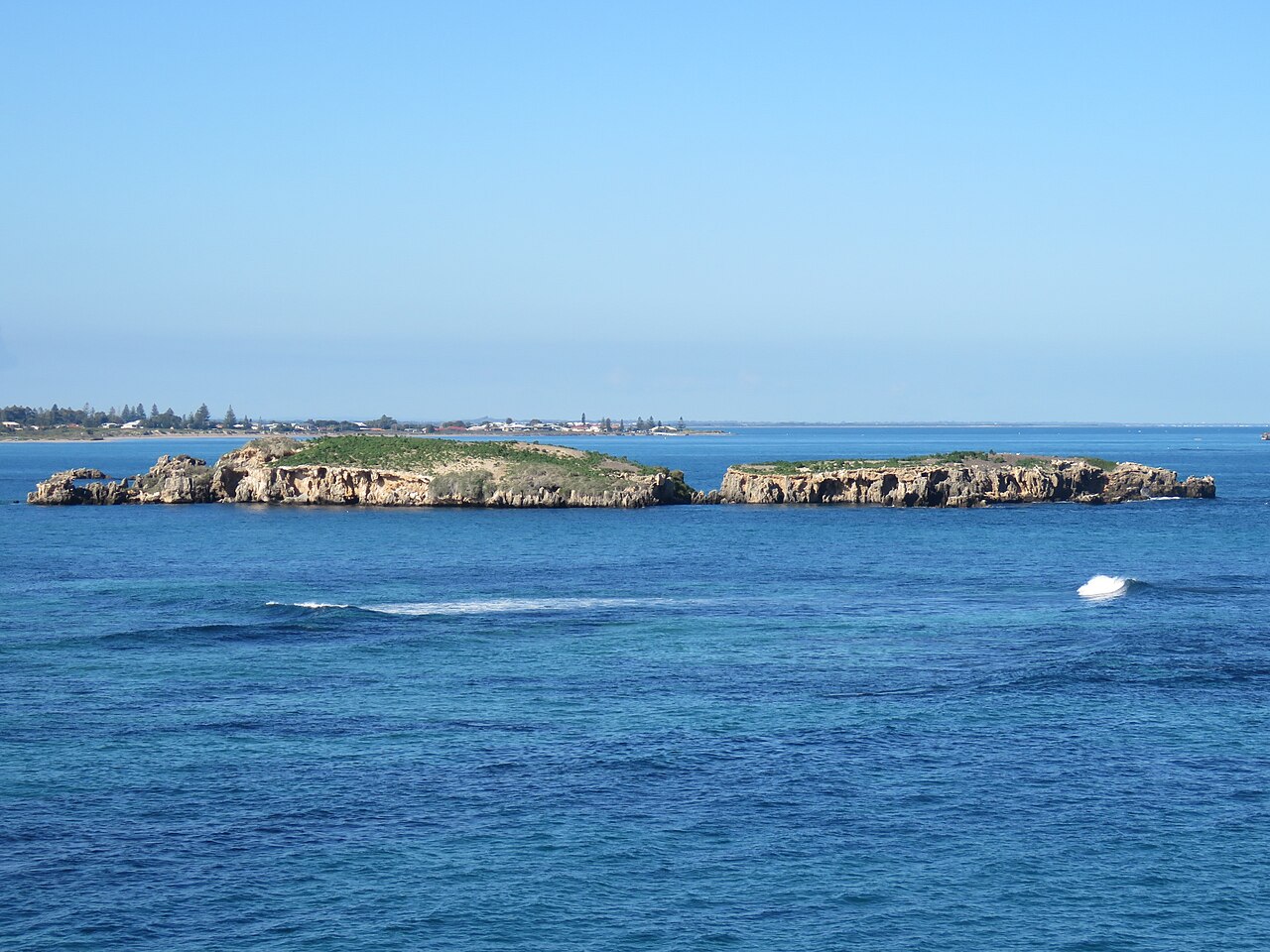
At the coast, the city does what Chinese seaside cities do: broad beaches, a fishing fleet and a menu of very fresh seafood. Jiangsu's largest island, Liandao, sits just offshore behind a long sea wall you can drive across, and its two beaches — the open Dashawan and the prettier, steeper Sumawan — are the reason people come in summer.

Lianyungang is honest about what it is: not as polished as Qingdao, not as famous as Xiamen, but cheap, calm and friendly, with a real mountain, a real island and genuinely good cheap seafood. Come in summer or autumn, bring an appetite, and give it more than a stopover.
Lianyungang

Don't leave without

Seven things that are worth rearranging a day for.

  1. Walk into Water-Curtain Cave and find the spot where the Monkey King was born
  2. Drive the Shenzhou causeway out to Liandao island
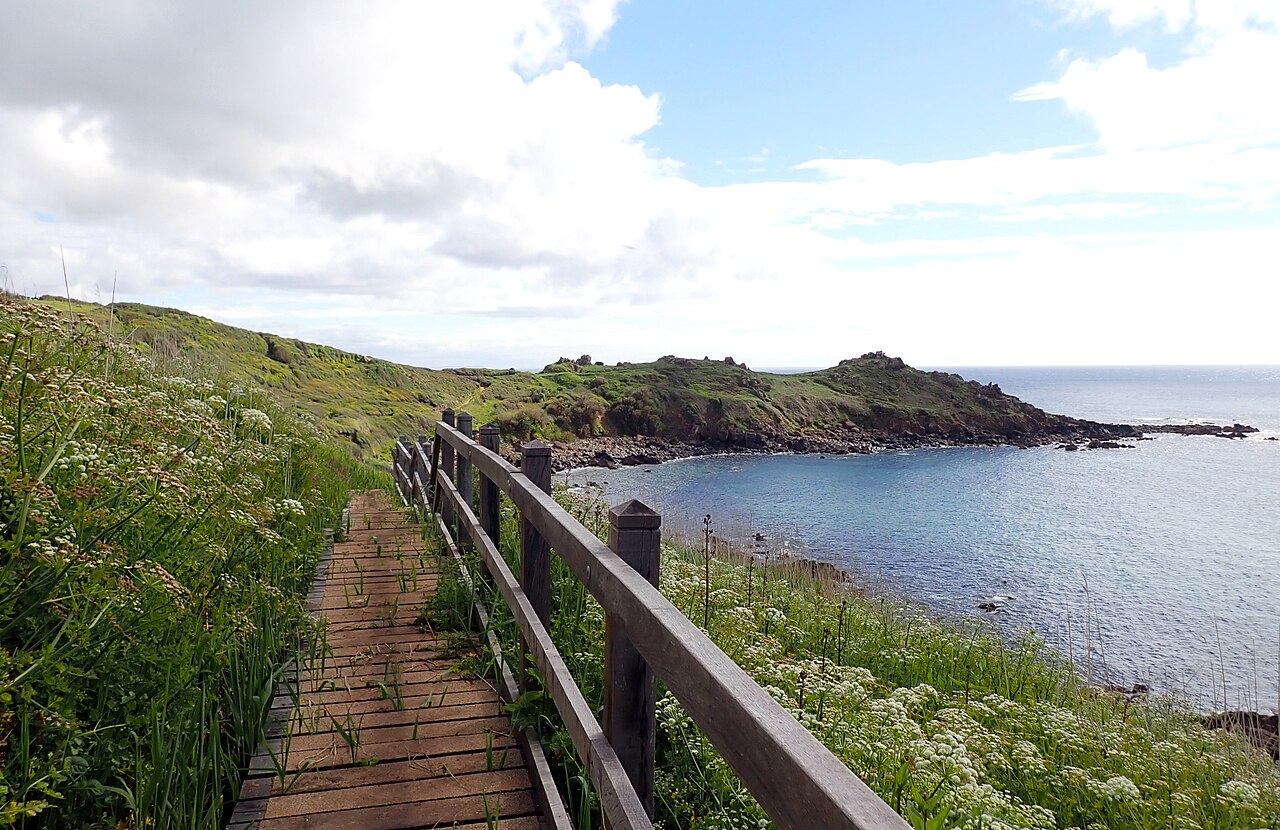
  3. Swim at Dashawan and walk the clifftop path to quiet Sumawan
  4. Eat bowls of Portunus crab and phoenix-tail prawns at a Liandao seafood house
  5. Browse the crystal halls of Donghai and bathe in the East China Sea hot springs
  6. Stand at the eastern end of the New Eurasian Land Bridge and look down the rail line
  7. See the Han-dynasty cliff carvings at Kongwangshan, older than Dunhuang

Highlights

What not to miss in Lianyungang

Huaguoshan, the Monkey King's mountain

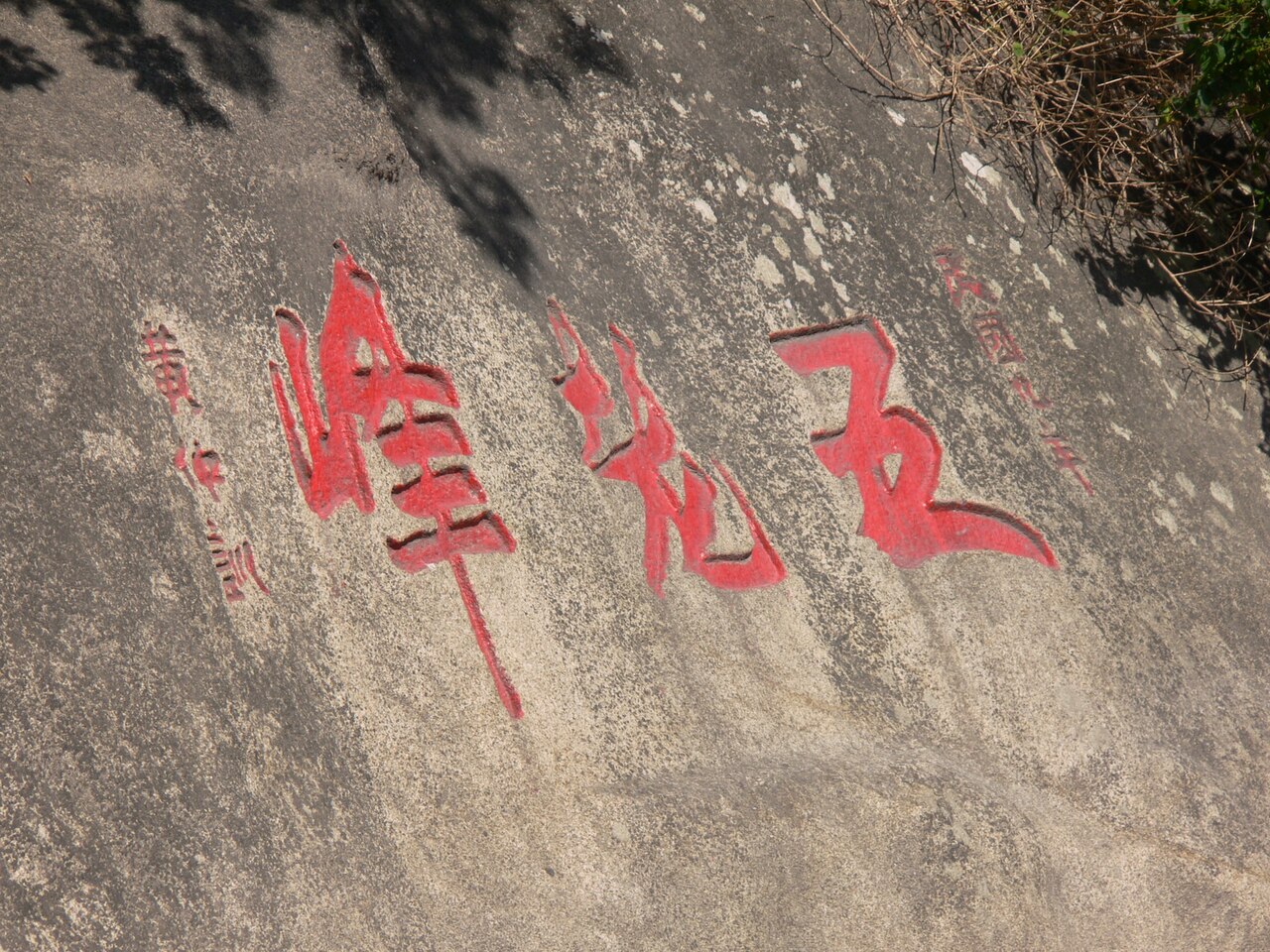
The Flower-Fruit Mountain of Journey to the West, 7 km from the city: Water-Curtain Cave, the Seventy-Two Caves, the stone the Monkey King is said to have been born from, and a carved character 39 metres long — the largest in the world.

The Shenzhou causeway and Liandao island

China's longest sea wall carries the road 6.7 km out to Jiangsu's biggest island. Two beaches, Dashawan and Sumawan, a clifftop walkway between them, and a working fishing fleet at the edge of town.

Dashawan and Sumawan beaches

The island's twin shores: Dashawan broad, flat and made for children; Sumawan quieter, prettier and steeper. Together they give Jiangsu its summer beach, with around 90 swimmable days a year.
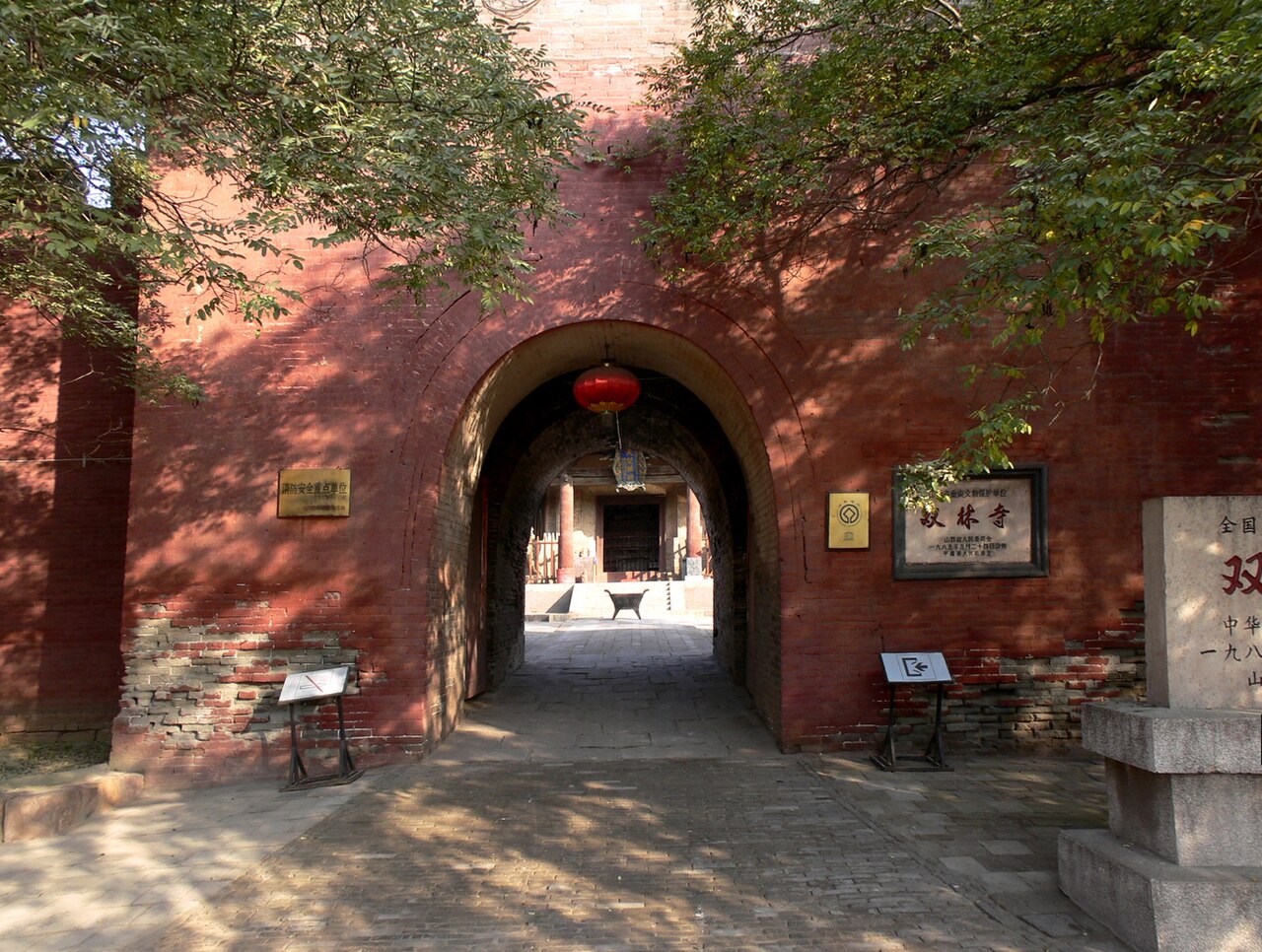
Donghai crystal and hot springs

Donghai county makes roughly half of China's crystal, and its glittering trading hall is a spectacle in itself. Pair it with a soak in the East China Sea hot springs — 'crystal, peanuts, a hot-spring bath', the three treasures of Donghai.
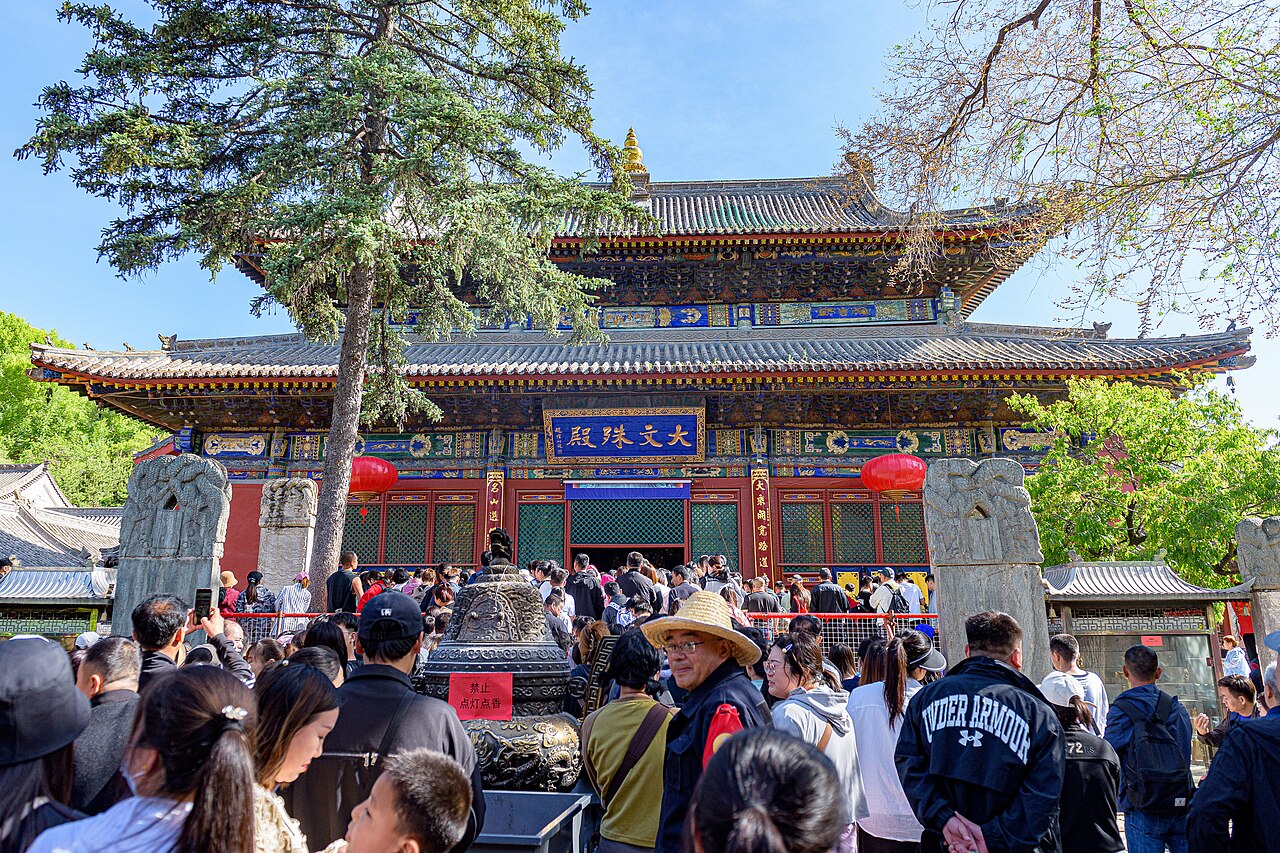
The old port and Minzhu Road

The treaty-era waterfront and its old street, with the lanes behind still full of the trading-town character that shaped Lianyungang long before the beach crowds arrived. A calm half-day inland from the sand.

The coast's seafood

Portunus crab heavy with roe, phoenix-tail prawns, fish slices in milk soup and steamed crab in egg white. It is cheap, plentiful and best eaten on the island, looking at the water it came from.

Suggested itineraries

Two days for the mountain and the island, three with the crystal country

The two-day plan is the classic one — Huaguoshan, then Liandao. The three-day route adds Yuwan and the crystal country out at Donghai.

Two days: mountain and island

2 days

The essential Lianyungang — the Monkey King's mountain and a day of sand and seafood.

  1. Day 1

    Huaguoshan

    Take bus 10 from the centre to Huaguoshan and walk the classic route: the mountain gate, the Eighteen Bends, South Heaven Gate, Sanyuan Palace, Water-Curtain Cave, the Seventy-Two Caves and One-Line Sky.

    Ride the shuttle and cable car where they help — the mountain is bigger than it looks. Eat at the foot of the mountain in the evening and stay downtown.

    Stops: Huaguoshan gateEighteen BendsSouth Heaven GateSanyuan PalaceWater-Curtain Cave

  2. Day 2

    Liandao island and the beaches

    Take bus 33 across the Shenzhou causeway to Liandao. Start at Dashawan for the swimming, then walk or shuttle the clifftop path to the quieter Sumawan.

    Eat a long seafood lunch on the island — this is where the good, cheap seafood is — and spend the afternoon on the sand before heading back.

    Stops: Shenzhou causewayDashawanSumawanLiandao seafood houses

Three days with Yuwan and the crystal country

3 days

Adds the gorge-and-cascade valley of Yuwan and a half-day among Donghai's crystals.

  1. days 1–2

    Mountain and island, as above

    Use the two-day plan first — Huaguoshan, the causeway, Liandao and its beaches.

    Stops: HuaguoshanLiandaoDashawan

  2. Day 3

    Yuwan and the crystal halls of Donghai

    Morning at Yuwan, the cascade-and-gorge valley 20 km out that locals call 'Jiangsu's Zhangjiajie' — water and waterfalls all year, and a cool escape from the summer heat.

    Afternoon at Donghai's crystal trading hall, 40 km out, to browse the stonework; finish with a soak in the East China Sea hot springs before the drive back.

    Stops: YuwanDonghai Crystal CityEast China Sea hot springs

Sights

The places worth your time

Ticket prices in China change without much notice. Treat these as a guide and confirm on arrival.

Huaguoshan (Flower-Fruit Mountain)

Mountain · ¥100

Huaguoshan (Flower-Fruit Mountain)

The mountain of Journey to the West, 7 km from the centre: wooded slopes, sea of cloud, temples and a scatter of rock formations named after the novel. Sanyuan Palace is the main temple; Water-Curtain Cave is the one everyone comes for; One-Line Sky, the Seventy-Two Caves and the 39-metre carved character are the other set pieces.

Ticket
¥100 high season, ¥60 off-peak; free for visitors born in a Year of the Monkey (bring ID)
Hours
Daylight hours; shuttle and cable car run through the day
Where
Yuntai range, about 7 km from the city centre
Getting there
Bus 10 from Xinpu, or buses 5 and 12 to the gate
Time needed
A full day

Tip The mountain is far larger than the map suggests. Take the shuttle up to the high ground (¥20) and the cable car down (¥25) rather than trying to walk every step — you will see more for less effort.

Liandao island and the bathing beach

Island · ¥50

Liandao island and the bathing beach

Jiangsu's largest island, offshore to the north and reached by the Shenzhou causeway. Its bathing beach is the biggest natural one in the province, split into the broad Dashawan and the prettier, steeper Sumawan, with a working fishing fleet and shellfish homes along the shore. The special geography keeps it warm in winter and cool in summer, with about 90 swimmable days a year.

Ticket
¥50 high season, ¥30 off-peak for the bathing beach
Hours
About 08:00–17:00 for the beach; the island stays open later
Where
Liandao resort area, Lianyun district
Getting there
Bus 33 from Xinpu (¥2), across the Shenzhou causeway
Time needed
A full day

Tip Choose your beach by mood: Dashawan is flat and full of children; Sumawan is quieter and steeper, with better water. Walk the clifftop path between them — about an hour — instead of shuttling.
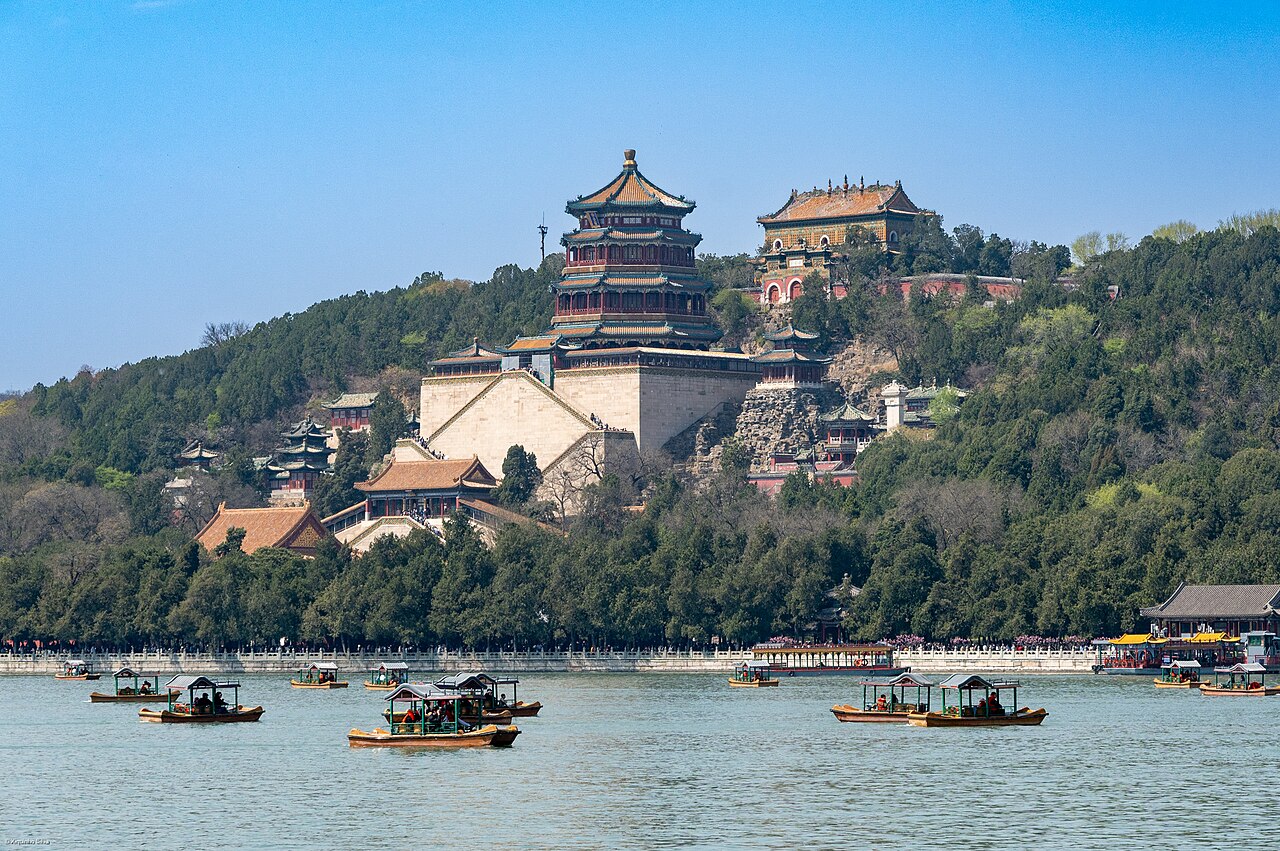
Yuwan valley

Gorge · ¥40

Yuwan valley

A gorge-and-cascade valley 20 km from the city that locals market as 'Jiangsu's Zhangjiajie'. Spring water runs through it all year, and the falls come one after another down a deep, shaded valley of sheer walls and odd stones. Cool, green and a genuine change from the beach — the place to head on a hot day.

Ticket
¥40
Hours
08:00–22:00
Where
Yuwan village, about 20 km from the city
Getting there
Bus 33 to the shopping centre, then the Yuwan shuttle
Time needed
Half a day

Tip Wear shoes with grip — the valley path is wet from the falls even when it has not rained. Pair it with Huaguoshan if you are short of time, as they are on the same side of the city.

Sucheng scenic area

Valley · ¥20

Sucheng scenic area

A quiet valley 40 km south-east, named for a Tang emperor who is said to have camped here — 'a peach-blossom spring away from the world'. Baojia Hill is a miniature rock garden; Maple Bay is the province's largest maple wood, blazing in autumn; and the Shipan waterfall drops 50 m in three tiers over caves big enough to shelter dozens.

Ticket
¥20
Hours
Daylight hours
Where
Sucheng township, Lianyun district, about 40 km from the centre
Getting there
Buses 34 and 35 (¥2)
Time needed
Half a day

Tip Go in autumn for the maple colour, or after rain for the waterfall. It is the least crowded of the city's green escapes, and the easiest to have almost to yourself.

Dayishan

Hill · ¥50

Dayishan

A historic hill at Yishan town in Guanyun, named for Yi Yin, the ancient founder of Chinese cooking and medicine, who is said to have retired to live here. Dense with flowers and rare trees, with deep, quiet valleys, it carries the 'secluded, ancient, sacred and strange' character locals like to describe. A green, low-key half-day.

Ticket
¥50
Hours
Daylight hours
Where
Yishan town, Guanyun county
Getting there
Frequent shuttles from the city to Yishan town
Time needed
Half a day

Tip It is a fair way out, so it suits travellers who have already done the mountain and the island and want something quieter and greener. The plant collection is the reason to linger.
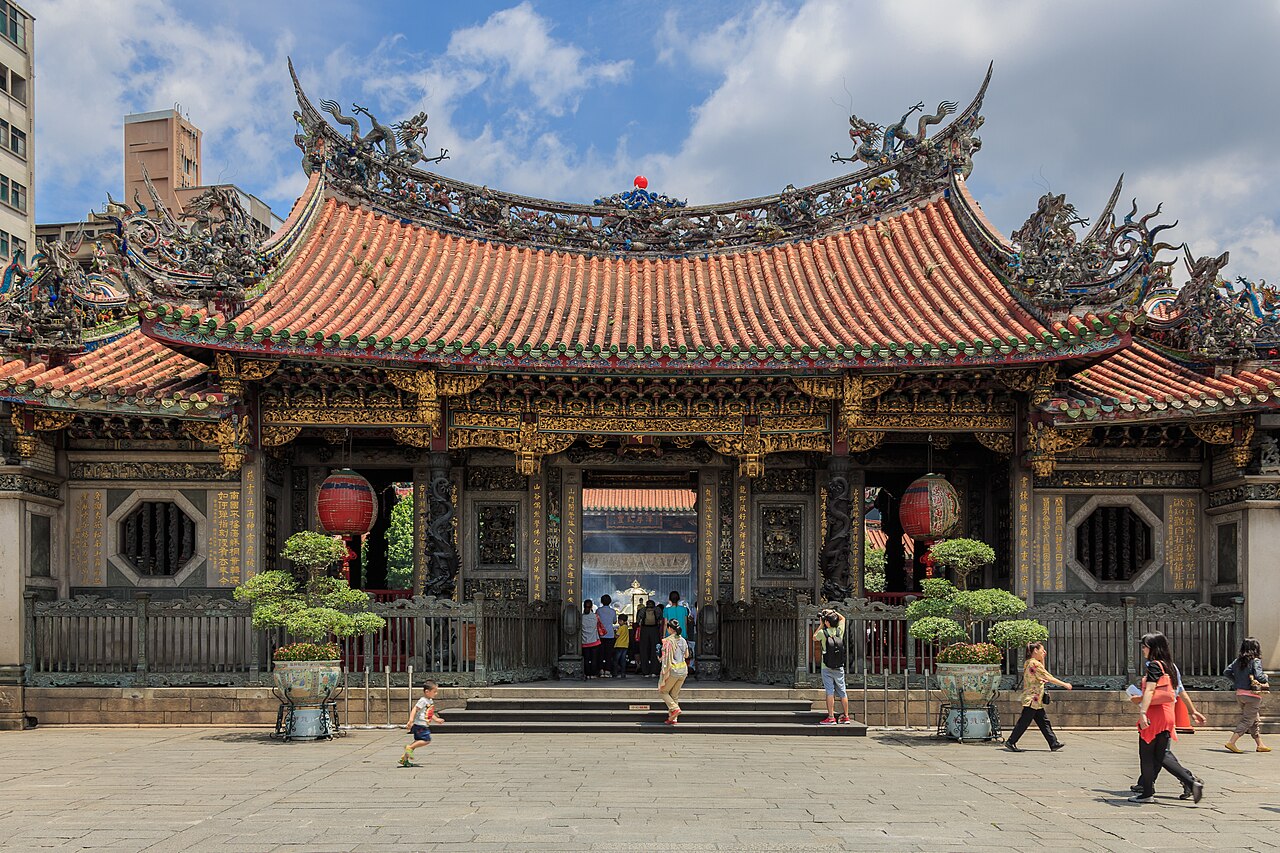
Donghai Crystal City

Market · Free

Donghai Crystal City

The trading hall of China's 'crystal capital', in Donghai county 40 km from the city. The county produces about half the country's crystal, and the 6,000-square-metre hall is a glittering palace of ornaments, jewellery, glasses and raw specimen stones — white mostly, but also smoky, amber and pink. A spectacle even if you buy nothing.

Ticket
Free to browse
Hours
Daytime, roughly 09:00–17:30
Where
110 Gangtie Road, Donghai county
Getting there
Bus from the Xinpu long-distance station, about 40 km
Time needed
Half a day with the hot springs

Tip Compare across stalls before buying — prices vary a lot for similar pieces, and a little bargaining is expected. Pair the trip with the East China Sea hot springs, which are nearby.

The old port and Minzhu Road

Old town · Free

The old port and Minzhu Road

The historic waterfront quarter that gave Lianyungang its trading character, with the Minzhu Road old street and the leafy lanes behind it full of small restaurants and shops. It is the calmest place in the city to eat, and the best for understanding that this was a port long before it was a beach resort.

Ticket
Free
Hours
Open all day
Where
Lianyun district, near the port
Getting there
Local buses to the port area; a short walk from the waterfront
Time needed
A relaxed afternoon

Tip Combine it with a look at the New Eurasian Land Bridge marker — the eastern end of the rail line to Rotterdam — which gives the old port its modern meaning.

Eating

What Lianyungang tastes like

The local kitchen is Huaiyang cooking plus the sea: fresh, light and full of crab and prawns. Order widely and share.

Portunus crab (suozixie)

The coast's signature crab, caught locally and served full of orange roe, steamed or flash-fried. Sweet, heavy, and the measure of a good seafood house — best eaten with ginger vinegar.

Phoenix-tail shrimp

A Jinling classic with a Lianyungang accent: prawns peeled but for the tail, cooked so the meat stays white and the tail turns red, brightened with green peas and finished in duck fat. Delicate and pretty on the plate.

Steamed crab in egg white (furong taoxie)

Crab meat and roe folded into beaten egg white, chicken stock and rice wine, then steamed three times in the crab shell until it sets like a blossom. Eat it hot — 'one heat, three freshs' is the local saying.

Crab roe with fish maw

Fish maw, a prized dried ingredient, braised twice and then tossed with local crab roe and stock. The result is soft, rich and deeply savoury — a restaurant showpiece rather than a home dish.

Bean-starch jelly (liangfen)

Cooled noodle-like jelly made from mung, pea or broad-bean starch, dressed with sesame oil, soy, vinegar, garlic and chilli. Sharp, slippery and refreshing in summer; pan-fried in winter, it is a northern-Jiangsu comfort food.

Gefen starch and Yunwu tea

Two mountain products from the Yuntai hills: gefen, a translucent starch made from wild kudzu root and taken for heat and thirst, and Yunwu tea, brewed with spring water for the region's classic cup.

Where to eat

Restaurants and streets worth the address

Phone numbers are local landlines; add +86 and drop the leading 0 if calling from abroad. Eat seafood on Liandao, not at the ferry-side Xugou street.

Crayfish · about ¥57

Meiweizhai Lobster City

The city's best-known crayfish house, and famous for it — numbing, spicy, fresh and fragrant, the kind of food that keeps people coming back. An award-winner at the Xuyi crayfish competitions. Casual, popular, and the right place for a summer beer-and-crayfish night.

Order
Crayfish (mala and garlic), cold dishes
Where
128 Jiefang Middle Road, Xinpu district
Phone
0518-85469797

Seafood · about ¥45

Awashan Zhai

A well-regarded mid-range seafood restaurant with a good room and fast service, waiters in folk dress, and generous outdoor seating that feels like a night market. The many ways with octopus — cold-tossed, blanched, hot-and-sour — are the highlight.

Order
Octopus three ways, bamboo-skewer prawns, fish head
Where
36 East Longhai Road, Xinpu district (across from Wanrun Garden)
Phone
0518-85065677

Seafood · about ¥158

Baxian Fishing Harbour

A higher-end seafood restaurant with good surroundings and service, and a large alfresco section that feels like a smart night market. The kitchen does generous seafood platters and whole fish well — a good place for a celebratory coast dinner.

Order
Seafood platter, whole steamed fish, Portunus crab
Where
Near Qixia Road, Haitang Middle Road, Lianyun district
Phone
0518-85065677

Street snack · about ¥6

Xiaowu Liangpi

The most famous cheap bite in town: a bowl of cool liangpi, a grilled sausage and a bottle of apple soda, eaten on the pedestrian street where the queue never seems to end. Mala or sweet-and-sour; add your own toppings. Best in summer.

Order
Liangpi (mala or sweet-sour), grilled sausage
Where
Zhengjie Road, Xinpu district (west of Hualian)
Phone
Not needed — just walk up

Food street · varies

Haitang Road seafood street

A street of seafood restaurants near Liandao, easy to reach and deservedly popular — Junmin Seafood and Baxian Fishing Harbour among the better-rated. Come here for island-side seafood rather than the ferry-side Xugou street, which is dearer and known for over-charging.

Order
Fresh crab, prawns, shellfish by the plate
Where
Haitang Middle Road, Lianyun district (near Qixia Road)
Phone
Varies by restaurant

Sleeping

Where to stay

Stay in the centre (Xinpu) for transport and shops, in the Xugou/Liandao area for the sea, or out at Donghai for the hot springs. Prices rise in summer.

Sea-view resort · ¥100–240

Haitian Yi Se Holiday Centre

A garden-style, all-sea-view resort inside the Jinhaian holiday village on Liandao, in seven low buildings with balconies facing the water. It has a well-regarded seafood restaurant and floor-to-ceiling windows in every room, and it is a genuinely quiet base right on the island.

Price
About ¥100–240
Where
1 Huandao Middle Road, Liandao town, Lianyun district
Phone
0518-85178717

Guesthouse · from ¥200

Haishengge Hotel

A friendly guesthouse with its own waterside terrace at Xiliandao, facing both Dashawan beach and the Sumawan gardens. Its back hill is full of fishermen's cottages, and the roof platform is a superb spot for sunrise over the boats. Warm, local and close to the water.

Price
From ¥200
Where
Shanhou Xiaolou area, Xiliandao, Lianyun district
Phone
15951251358

Hotel · from ¥188

Dongfang Hotel

A long-established hotel in the heart of the city's political and commercial centre, with a restaurant, rooms, a business centre and parking. Convenient and well-connected — the practical choice if your days are split between the mountain and the coast.

Price
From ¥188
Where
146 Haichang North Road, Xinpu district
Phone
0518-85466666

Business hotel · from ¥350

Mingzhu Champs-Élysées International Hotel

A modern international-standard hotel in the busy Xugou district, close to the shopping centres and well set up for business travellers, with free broadband, IPTV and international channels in every room. The smartest central option, and a short hop from Liandao.

Price
From ¥350
Where
36 Haitang Middle Road, Xugou, Lianyun district
Phone
0518-82235888

Getting around

Arriving, and moving about

There is no metro; buses reach every sight, and the BRT rapid-bus lines are fast and cheap.

By air

Lianyungang Baitabu Airport (LYG) is about 30 km west of the centre in Donghai county, with domestic flights to Beijing, Shanghai, Guangzhou, Shenzhen and more. An airport bus runs into town in about an hour; a taxi is quicker but dearer.

Airport
Lianyungang Baitabu (LYG)
To the centre
Airport bus, about 1 hour
Note
About 30 km west, in Donghai county

By high-speed rail

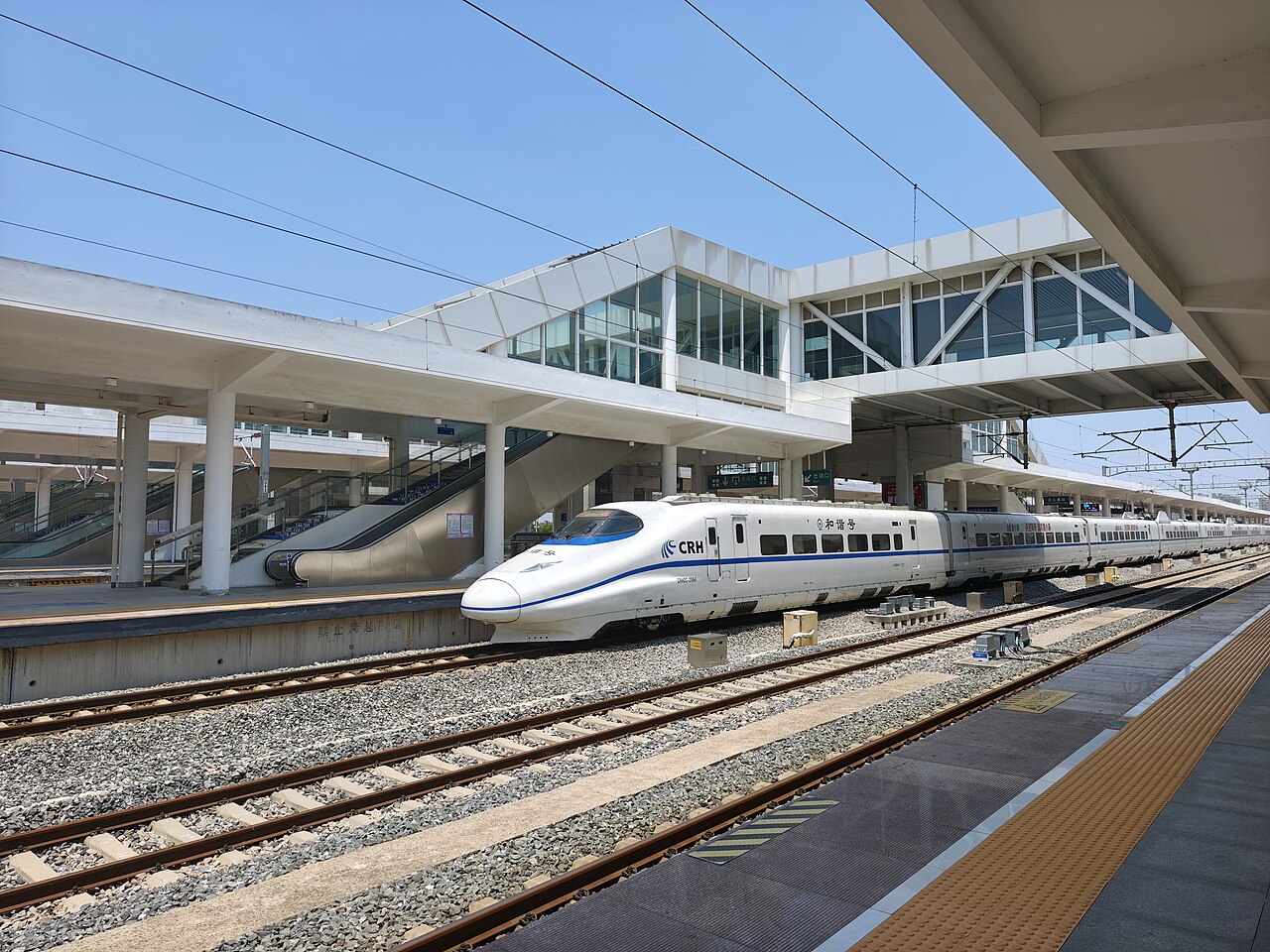
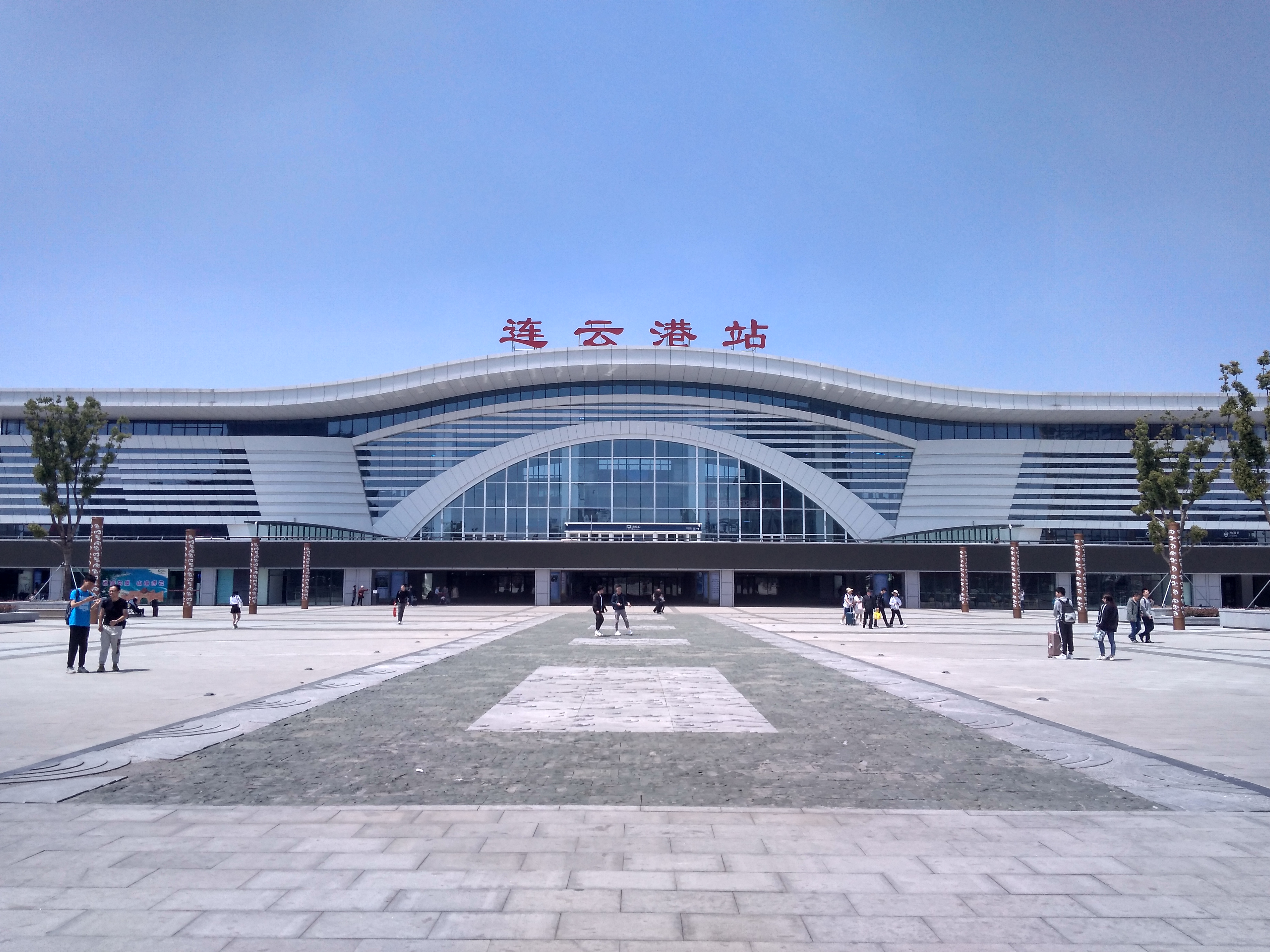
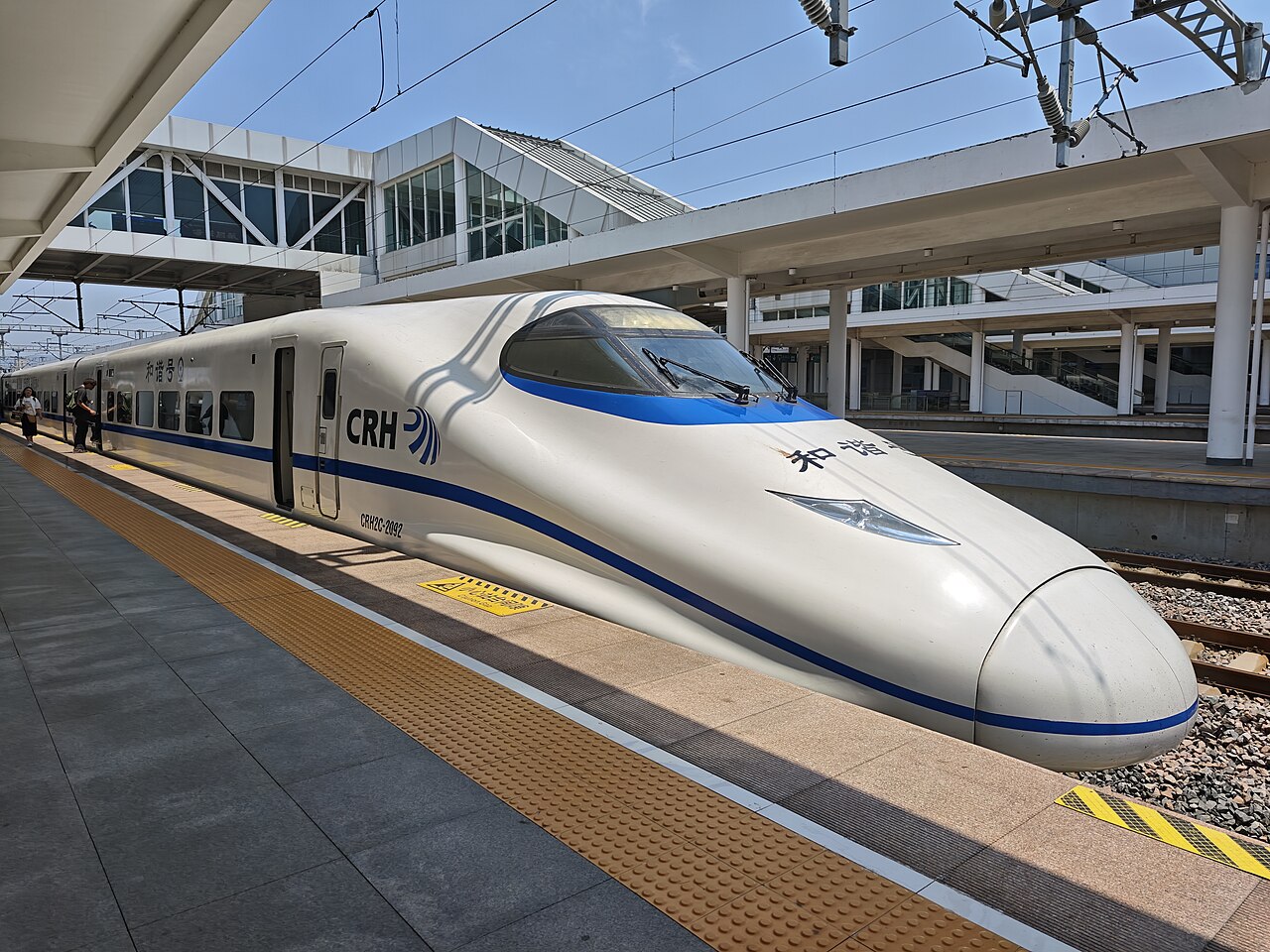
Lianyungang sits on the coastal high-speed line, so Nanjing, Shanghai and Qingdao are all a few hours away. There are two main stations, Lianyungang and Lianyungang East; the East station is the newer, larger one and the regional hub. Rail is the best way in from most of the east.

Stations
Lianyungang and Lianyungang East
To Nanjing / Shanghai
A few hours on the coastal line
Note
Older slow trains also run, but high-speed is far better

By coach

The main long-distance station sends coaches across Jiangsu and to neighbouring provinces, with especially frequent services to Linyi, Rizhao and Qingdao in Shandong — roughly one an hour — plus a steady stream to Donghai county. Cheap, and useful for the crystal country.

Main station
19 Renmin Road, Xinpu district · 0518-5632173
To Shandong
Frequent services to Linyi, Rizhao and Qingdao
To Donghai
Regular daytime shuttles

City buses

Buses cover the whole city and reach every sight: 33 to Liandao (¥2), 5 and 10 to Huaguoshan, 31 to Gaogong island, 34 and 35 to Sucheng, 35 on to Baojia Hill. Fares are ¥1, ¥1.50, or ¥2 on air-conditioned and longer routes.

Fare
¥1 / ¥1.50 / ¥2 (air-conditioned)
To Liandao
Bus 33, ¥2
To Huaguoshan
Buses 5 and 10

Taxis

Taxis are metered and cheap: ¥5 for the first 2 km, then about ¥1.8 per km, plus a ¥1 fuel fee. Plenty of them, and easy to hail outside rush hour. Ride-hailing apps work well and often beat the queue.

Flagfall
¥5 (2 km), plus ¥1 fuel fee
Per km
About ¥1.8
Note
Ride-hailing works well

BRT rapid bus

Lianyungang's BRT system is a fast, cheap way to cross the city, with a main line, two loops and several branches. It is a flat ¥2 for the whole ride, with free same-direction transfers at shared stops — handy for the long run between the centre and the coast.

Lines
Main line B1, loops H1/H2, branches B11–B15
Fare
¥2 flat, free same-direction transfers
Useful branch
B11 to Huaguoshan, B13 to the port

Shopping

What to take home

The centre's shops cluster around Jiefang Middle Road in Xinpu; for specialities, the crystal halls and seafood markets are the places to go.

Donghai crystal

The region's signature buy: crystal ornaments, jewellery, glasses and spheres, plus specimen stones with hair-like inclusions or trapped water bubbles. Donghai makes about half of China's output, and the trading hall has the best selection.

Dried seafood

The coast sells prawns, shrimp skin, dried squid, sea cucumber, jellyfish, laver and kelp, fresh or dried and in season all year. The seafood markets do the best prices — buy vacuum-packed if you are flying home.

Tanggou wine

A local spirit with a long pedigree — 'southern Tanggou wine, uncork it and the fragrance carries ten li', as the old praise goes. Clear, aromatic and warming, and a good gift for a drinker.

Straw basketry and mountain goods

Lianyungang's wheat-straw woven fans and baskets are an old local craft sold far beyond the province, and the Yuntai hills supply Yunwu tea, chestnuts and kudzu-root starch. The everyday specialities of a genuine working town.

Practical

The numbers to save

Staffed English help is not guaranteed. Save these before you need them.

Emergency (police / ambulance / fire)110 · 120 · 119
Lianyungang First People's Hospital182 Tongguan North Road, Xinpu district · 0518-85605289
Lianyungang TCM Hospital160 Chaoyang Middle Road, Xinpu district · 0518-85574777
Tourist officeLianyungang Tourism Bureau · 0518-85820381
Postcode222000
Cash & cardsMobile pay works nearly everywhere; carry coins for buses
TippingNot expected and sometimes politely refused — do not add one to the bill
Sea safetySwim at Dashawan and Sumawan only; watch the tide on the causeway and the flats

Tips

Small things that save a trip

Eat on the island, not at the ferry

The Xugou seafood street by the ferry is the famous one, but it is dearer and known for over-charging visitors. Go on to Liandao and eat at a seafood house inside the island — fresher, cheaper and looking at the water it came from.

Take the shuttle up the mountain

Huaguoshan is far bigger than it looks. Ride the shuttle to the high ground and the cable car back down, and save your legs for the walking that matters — the caves, the viewpoints and the big carved character.

Choose your beach by mood

Dashawan is broad, flat and made for children, with sand sculpture; Sumawan is quieter, steeper and has better water. Walk the clifftop path between them rather than shuttling — it is the best hour on the island.

Watch the Season of the Monkey

Huaguoshan is free for visitors born in a Year of the Monkey — a genuinely useful oddity if it applies to you. Bring ID, and check the qualifying year ranges at the ticket office.

Pair Donghai with the hot springs

The crystal hall and the East China Sea hot springs are close together, 40 km out. Do the market first, then soak — a cheap and civilised way to end a trip out of town.

Hold onto the causeway views

The 6.7 km Shenzhou causeway is a sight in itself: open sea on one side, big hills and a modern port on the other. Sit on the left of bus 33 going out for the best of it.

Background

Why Lianyungang looks like this

Geography and climate

Lianyungang lies on the north-east corner of Jiangsu, where the coastal hills meet the Huaibei plain, with Shandong to the north and the Yellow Sea to the east. The land tilts from north-west to south-east, a shape locals compare to a butterfly flying out to sea — mostly plain, but with hills, mountains, lakes and tidal flats mixed in. The Yuntai range, rising straight out of the coastal plain, gives the city both its mountain and its drama.

The climate is warm-temperate and humid, at the southern edge of the temperate zone: mild, with no severe winter cold and no extreme summer heat. Rain concentrates in summer, and the main risks are drought, waterlogging, hail, cold snaps and gales rather than anything dramatic. The sea keeps the coast temperate, with about 90 swimmable days a year at Liandao.

History

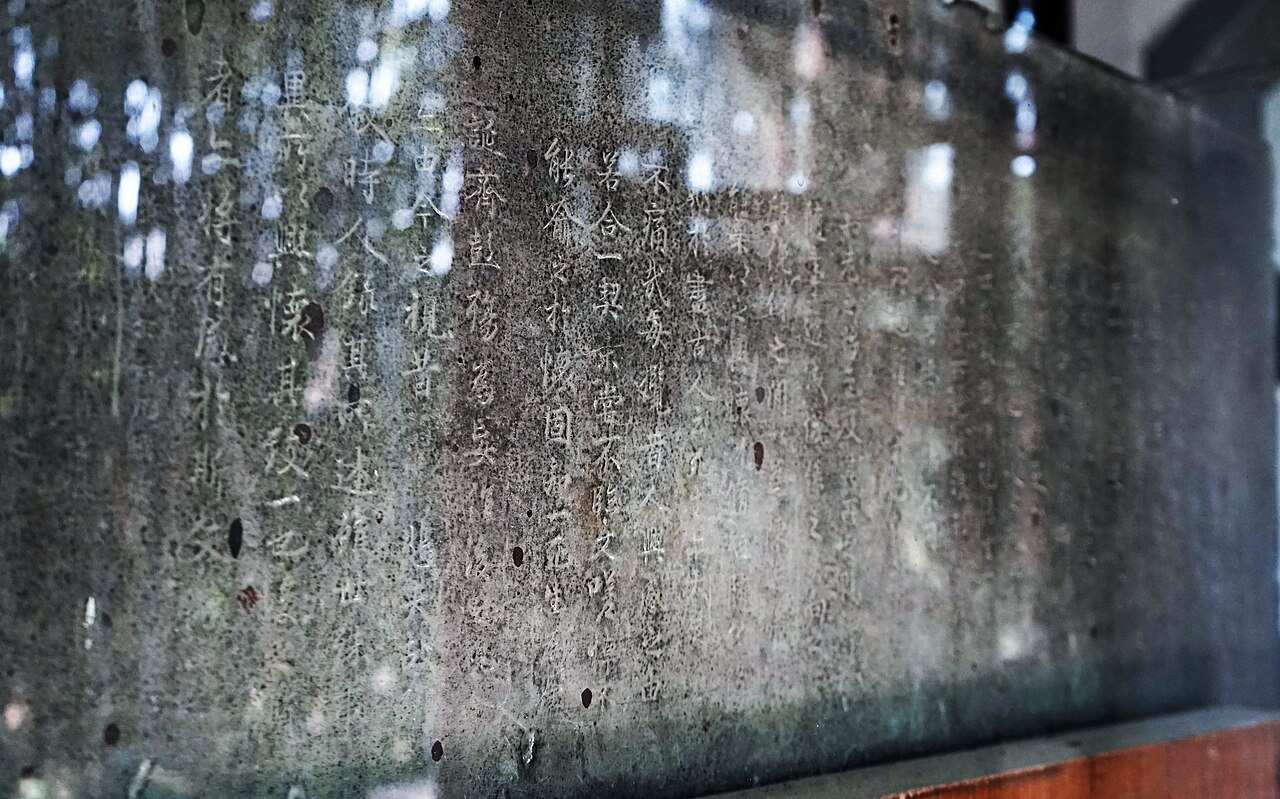
Lianyungang is far older than its port suggests. People lived around Jinping Mountain more than ten thousand years ago, and the area holds the only well-stratified Palaeolithic sites on China's south-east coast; the 1979 'General's Cliff' rock art, 20 m by 10 m, was called by the national heritage authority a rare and major find — 'China's earliest book of heaven'.

The city's later identity was shaped by the sea. As the eastern terminus of the Longhai railway, it became the eastern bridgehead of the New Eurasian Land Bridge and the starting point of the modern Silk Road's eastern arm. In 1984 it was one of the first fourteen Chinese coastal cities opened to foreign investment, and that mix — an ancient settlement, a treaty-era port and a modern logistics gateway — is still what the city is.

What most visitors come for, though, is the mountain. Huaguoshan's association with Journey to the West gave the city a myth it has never had to invent, and the Monkey King is the reason a port town in northern Jiangsu ends up on so many family itineraries. On a clear day the two halves of the city — the freight cranes at the port and the stone monkeys on the mountain — sit within a bus ride of each other.

Travel with them

Lianyungang on screen and in print

Not guides — a novel, a TV serial and a song, each of which made this coast mean something larger than its beaches.

Book

Journey to the West

Wu Cheng'en, 16th century

China's most-loved novel, and the reason anyone outside Jiangsu knows Lianyungang at all. Its opening — the stone egg on Flower-Fruit Mountain out of which the Monkey King hatches — is set on the very hill above the city, and the caves and rocks the story names are still pointed out on the mountain today.

Film

Wu Cheng'en and Journey to the West

TV serial, dir. Kan Weiping

A popular serial built around the novelist and his creation, cutting between the man and his characters. It leans into the local claim that Huaguoshan is the true setting — and it is why a generation of Chinese visitors arrives at the mountain already knowing its every rock by name.

Music

Night at the Military Port

Su Xiaoming

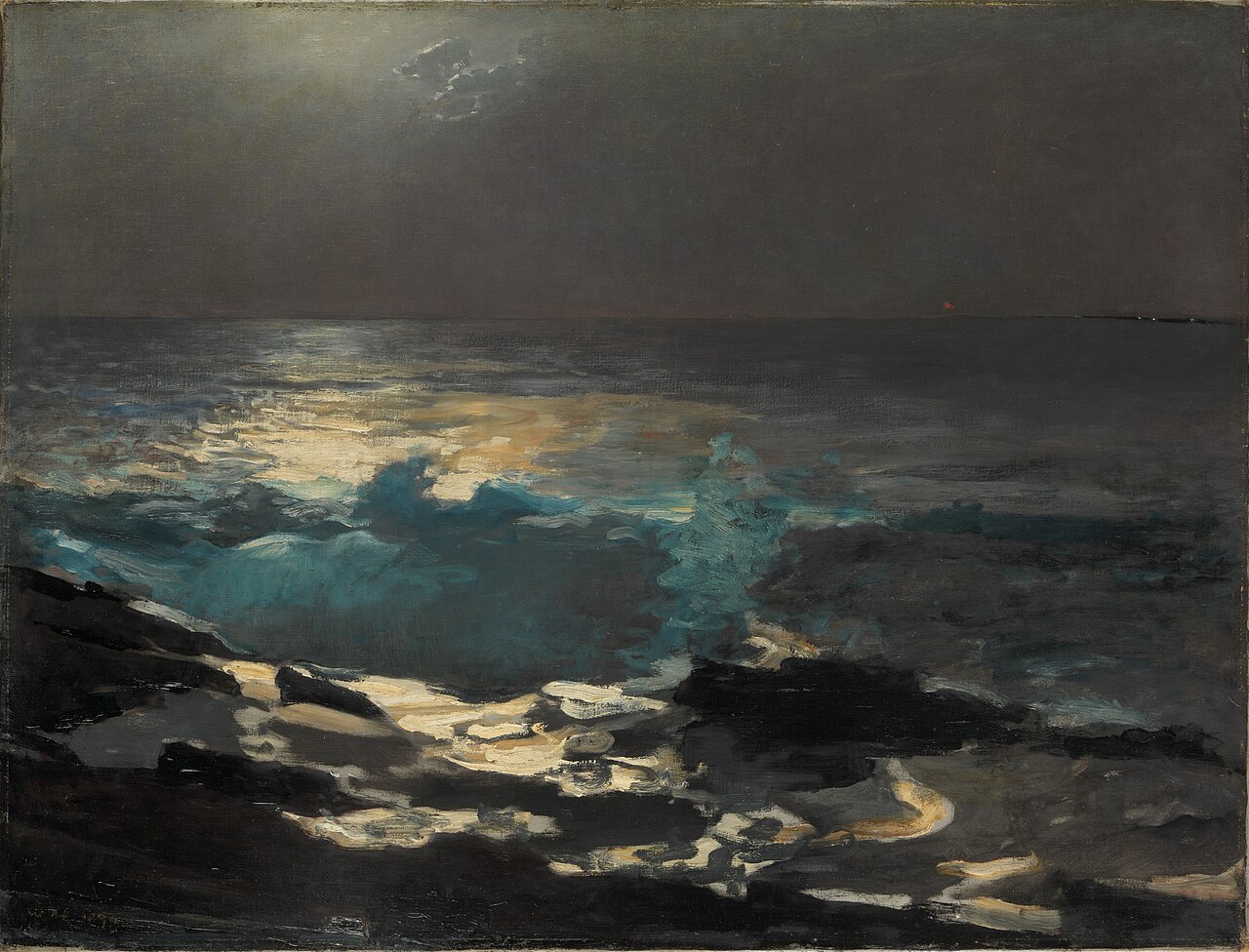
A soft, hugely popular song of the 1980s about sailors standing watch on a warship through the night. Its harbour-in-the-moonlight mood has become inseparable from images of this working navy-and-freight coast, and it is still the tune people hum when they look out at the lights of Lianyungang port.

The questions visitors ask us most about Lianyungang, answered plainly.

Frequently asked questions

Prices and practical details are reviewed every month by our Beijing team and updated the day a rule changes.

Is Lianyungang worth visiting?

Yes, especially if you like the idea of a real Chinese port city with a genuine myth — Flower-Fruit Mountain — at its centre. The beaches are broad and the seafood is excellent and cheap, and it is a much calmer alternative to Qingdao. Allow 2 to 3 days; it is a relaxed stop rather than a showpiece.

What is Huaguoshan?

Huaguoshan is Flower-Fruit Mountain, the mountain of the Monkey King in Journey to the West, rising about 7 km from the city. Its sights include Water-Curtain Cave, the Seventy-Two Caves, the spot where the Monkey King is said to have been born from a stone, and a 39-metre carved character — the largest single Chinese character in the world. Tickets are ¥100 in high season, ¥60 off-peak.

How do I get to Liandao island?

Cross the Shenzhou sea causeway, China's longest — about 6.7 km of road over the water, also covered by bus 33 (¥2). The island has two beaches, Dashawan and Sumawan, joined by a clifftop walkway; an hour on foot, or a few minutes by shuttle. High-season entry is ¥50, low-season ¥30.

What should I eat in Lianyungang?

Fresh Jiangsu-coast seafood, plainly cooked: braised prawns, Portunus crab full of roe, fish slices in milk soup, phoenix-tail shrimp and the regional duck. Eat on Liandao inside the island rather than at the Xugou seafood street near the ferry, which is dearer and has a reputation for over-charging out-of-towners.

What is the crystal market?

Donghai county, about 40 km from the city, is China's 'crystal capital', producing roughly half the national output, and its big trading hall is a glittering palace of crystal ornaments, jewellery and specimen stones. It is open year-round and makes a good half-day paired with the nearby East China Sea hot springs.

When is the best time to go?

April to October, with summer best for the beach — the sea is swimmable for about 90 days a year here — and autumn best for seafood and the mountain colours. The East China Sea hot springs make winter visits worthwhile too. Avoid the National Day holiday, when Liandao fills up.

Do people speak English in Lianyungang?

Seldom outside the larger hotels. Bring a translation app and have place names written in Chinese, especially for buses and taxi drivers. Mobile payments are universal, but keep some cash for small stalls and buses.

Related reading

Related reading

Visas Do I Need a Visa for China? Requirements, Costs and How to Apply China's entry rules changed more in the last three years than in the previous twenty. Here is exactly who needs a visa, what it costs, how long it takes and which passports now walk straight through. 9 min read Visas China's 240-Hour Visa-Free Transit: Who Qualifies and How It Works Ten days in China with no visa application, no fee and no fingerprints — if you hold the right passport and leave for a third country. Here is the rulebook, port by port. 8 min read Money Paying in China: Alipay, WeChat Pay, Cards and Cash Roughly nine in ten urban payments in China now run through a phone. Set up two apps before you fly, carry a modest cash float, and you will never be stuck at a till. 8 min read Transport China's High-Speed Rail: How to Book, What It Costs, How Fast It Goes The fastest way to cross China is also the most pleasant. Here is how to book a ticket with a foreign passport, what the three classes actually give you, and how to survive a Chinese station at rush hour. 9 min read Planning Best Time to Visit China: Month by Month, Region by Region China is the size of Europe, so 'the best month' depends on where you stand. Here is the month-by-month answer for the north, the Yangtze valley, the south and the plateau. 8 min read Planning What to Pack for China: The Complete 2026 Checklist Twenty thousand steps a day, three climate zones and a phone that has to do everything. This is the list we give our own travellers, minus the things they never used. 7 min read Food Chinese Food Culture: Eight Cuisines, One Table There is no such thing as Chinese food. There is Cantonese, Sichuan, Hunan, Jiangsu, Zhejiang, Fujian, Anhui and Shandong — and knowing which one you are eating changes everything. 8 min read Traditions Chinese Tea Culture: Six Classes, One Pot, Two Fingers Tea in China is not a beverage category, it is a social technology: it fills silences, seals deals and sets the pace of a meal. Here is how to sit down in one and not look lost. 7 min read Traditions Chinese Festivals: The Calendar, the Dates and the Crowds Lunar dates mean the calendar moves every year — and two of the festivals move several hundred million people at once. Plan around them or plan into them, but never by accident. 8 min read Etiquette Chinese Etiquette: What Matters, What Does Not, and Why Most etiquette advice for China is either obvious or wrong. These are the dozen behaviours that actually change how you are treated, and the reasoning behind each. 7 min read

Tell us your dates.
We'll do the rest.

Free itinerary design, a revised plan within one working day, and nothing charged until you approve the final version.

  • Two days cover the mountain and the island; a third adds Donghai's crystal market and hot springs.
  • Huaguoshan is ¥100 in high season — and free for anyone whose ID proves a Year of the Monkey birth.
  • Liandao, Jiangsu's biggest island, is reached by the Shenzhou causeway; both beaches cost ¥50 in high season.

No spam. No sales calls. Just a real itinerary from a real person.