City guide · Hong Kong SAR, China

Hong Kong outlying islands travel guide: which pier, which ferry, which island, and what the seafood costs

Two hundred-odd islands, half an hour of ferry from the financial district, and not a car on three of them.

  • Known forBeaches, seafood, stilt villages, bun festival
  • Typical spendHK$2,000 for 2 days
  • Ideal length2 days, or 1 day per island
  • PaceSlow — ferry timetable runs the day

Reviewed by our Beijing team Updated 2026-10-10

The short version

Hong Kong's outlying islands are the quiet half of Hong Kong SAR, China — more than 200 of them scattered outside the main harbour, the nearest 30 minutes by ferry from Central pier 4. Two days is enough for the essentials: one day for Lantau's Big Buddha, Ngong Ping cable car and Tai O stilt houses, one for Lamma's seafood and beaches or Cheung Chau's fishing port. Ferries cost HK$12.6 to HK$35.3 depending on the boat, island rooms run about half city prices, and the islands are genuinely walkable because most ban cars outright.

  • Ferries leave from the numbered Central piers: pier 4 for Lamma (Yung Shue Wan and Sok Kwu Wan), pier 5 for Cheung Chau (running 24 hours a day), pier 6 for Mui Wo on Lantau.
  • Central to Yung Shue Wan is 35 minutes and HK$16.1 on weekdays, HK$22.3 on Sundays and public holidays; the Cheung Chau slow boat takes 45 minutes at HK$12.6–28.7, the fast boat 30 minutes at HK$24.6 weekdays and HK$35.3 holidays.
  • The Tian Tan Buddha is free to see — 26.4 m of bronze in 202 pieces on top of 268 steps — but the Ngong Ping 360 cable car up to it costs HK$135 return in a standard cabin, HK$213 in a Crystal Cabin with a glass floor.
  • Tai O is the Venice of Hong Kong: stilt houses over the channels, a working salted-fish and shrimp-paste trade, and bus 11 from Tung Chung gets you there in under an hour.
  • Island rooms run about half what the city charges — a Cheung Chau double goes for roughly HK$300 off-season, and most guesthouses have vacancies even if you arrive with no booking at all.

City guide

First impressions

Photographs from the coast, and what other travellers wrote afterwards.

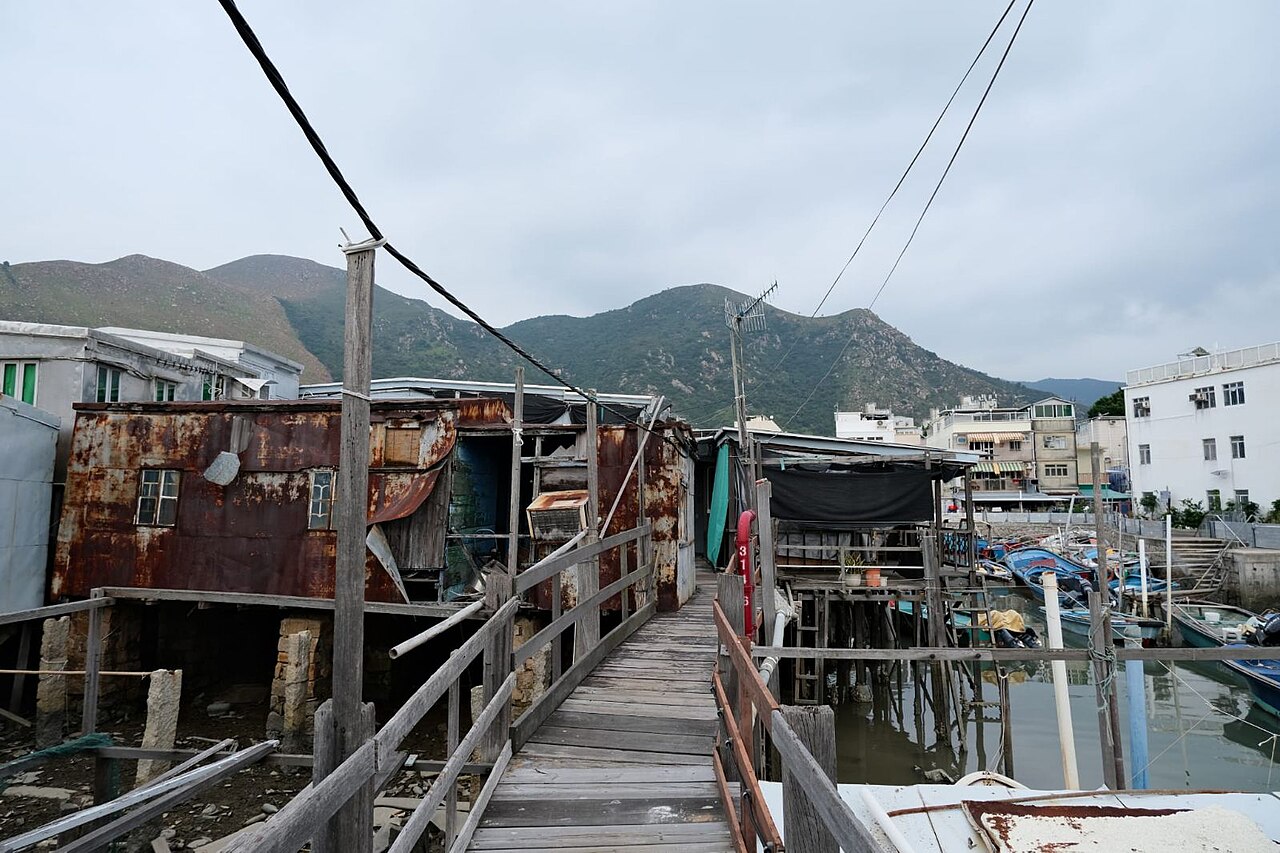
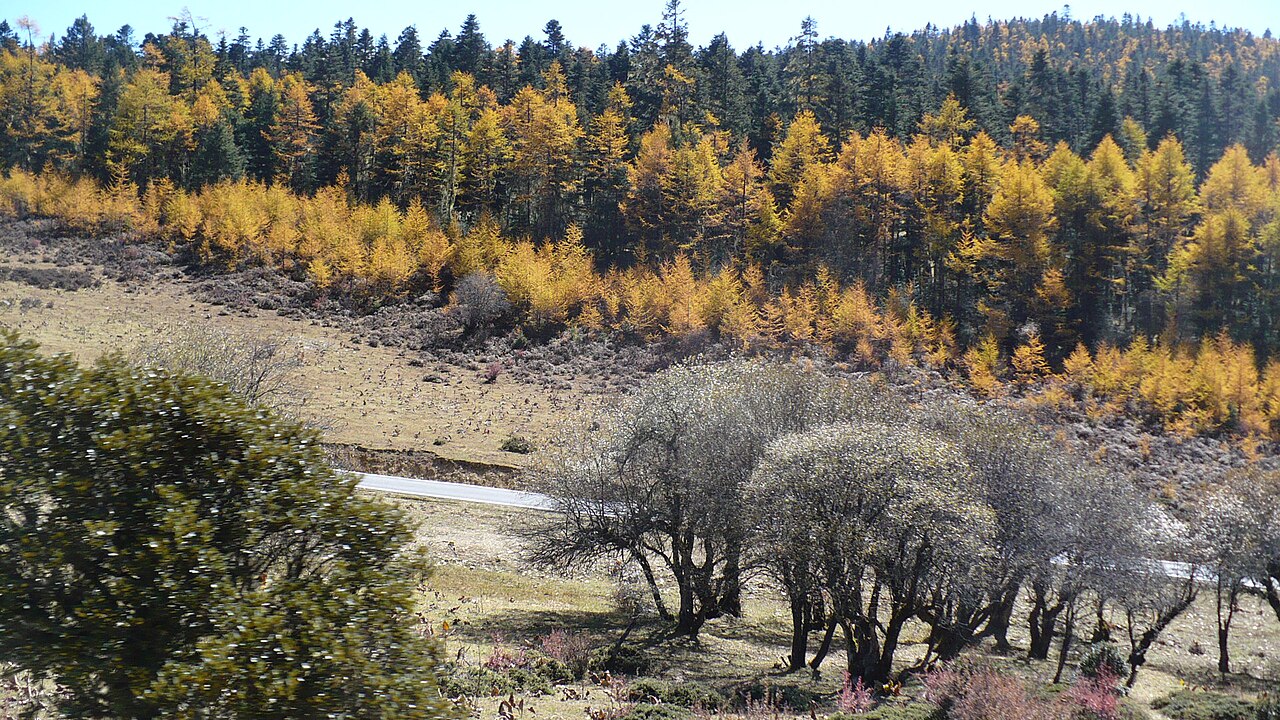
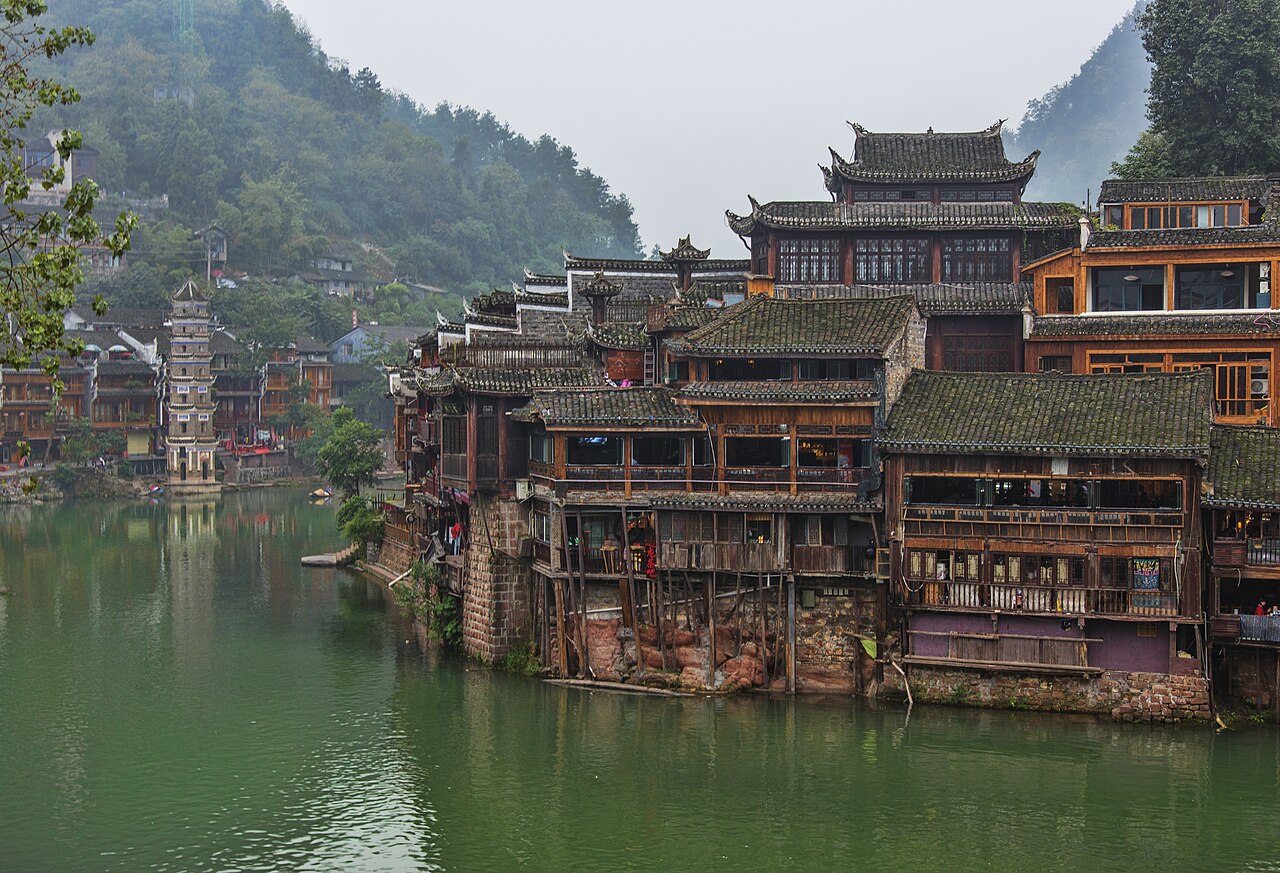
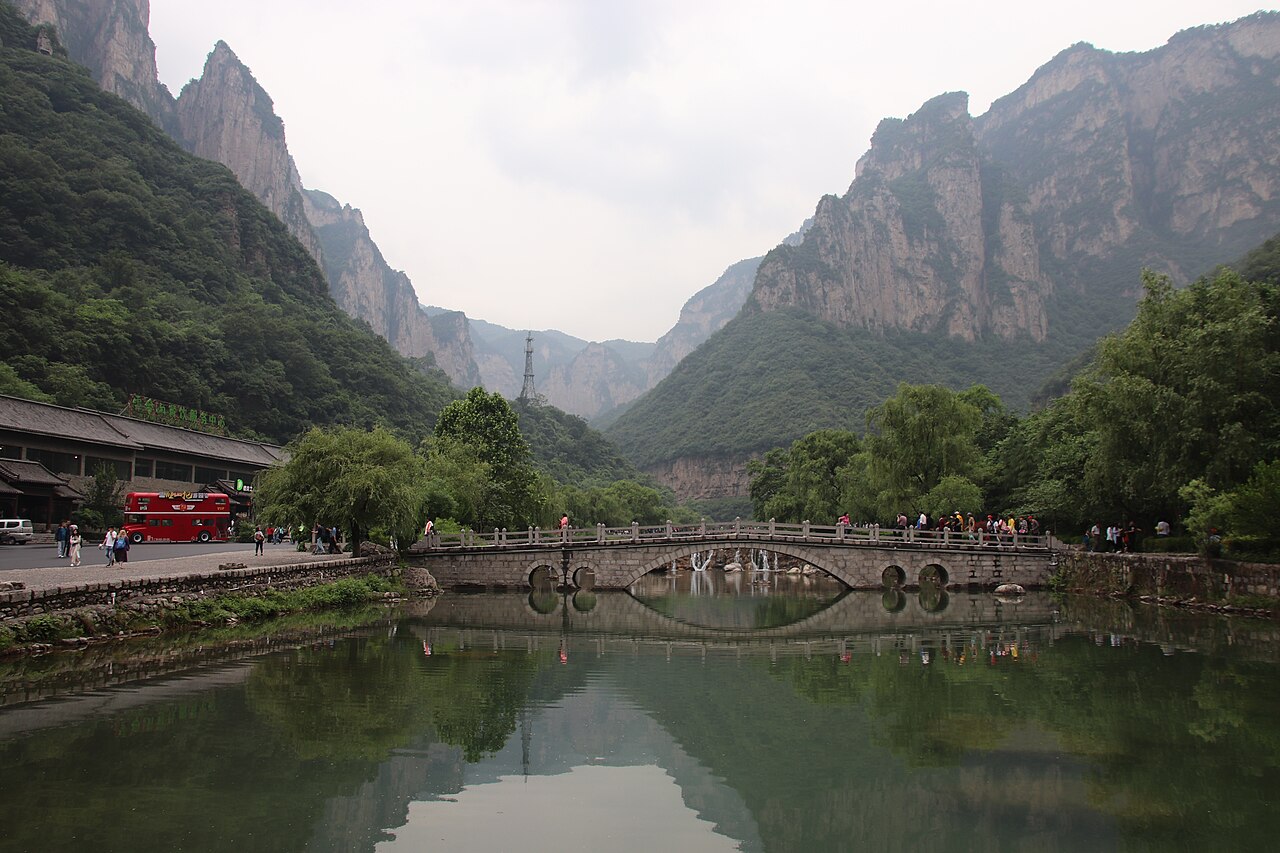
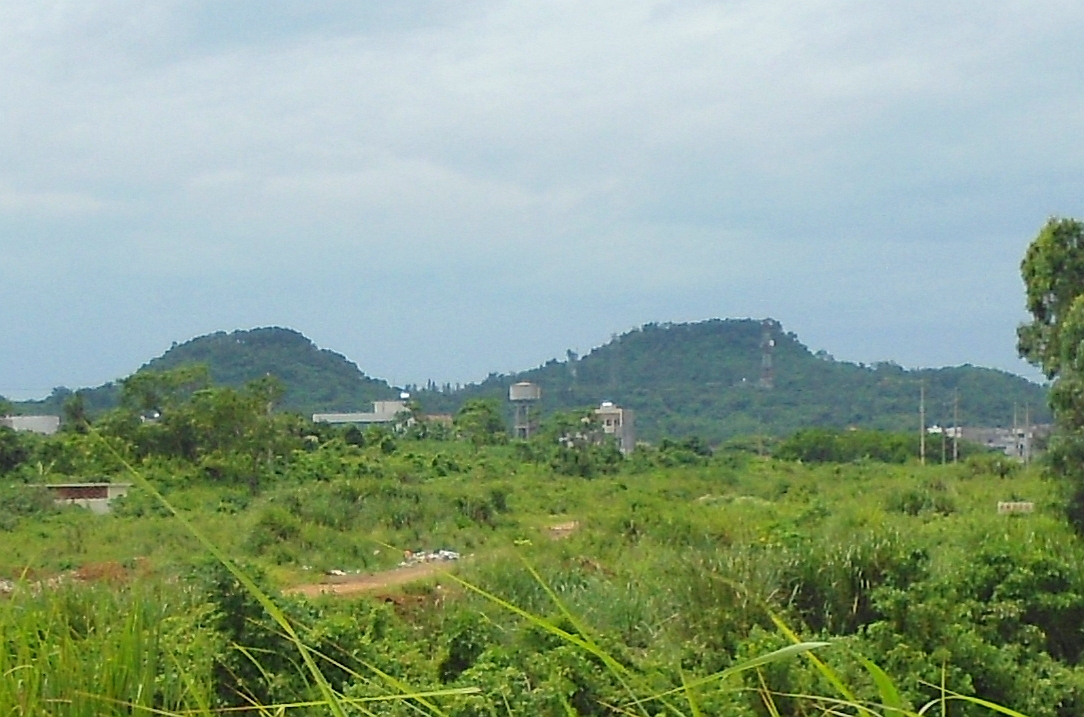
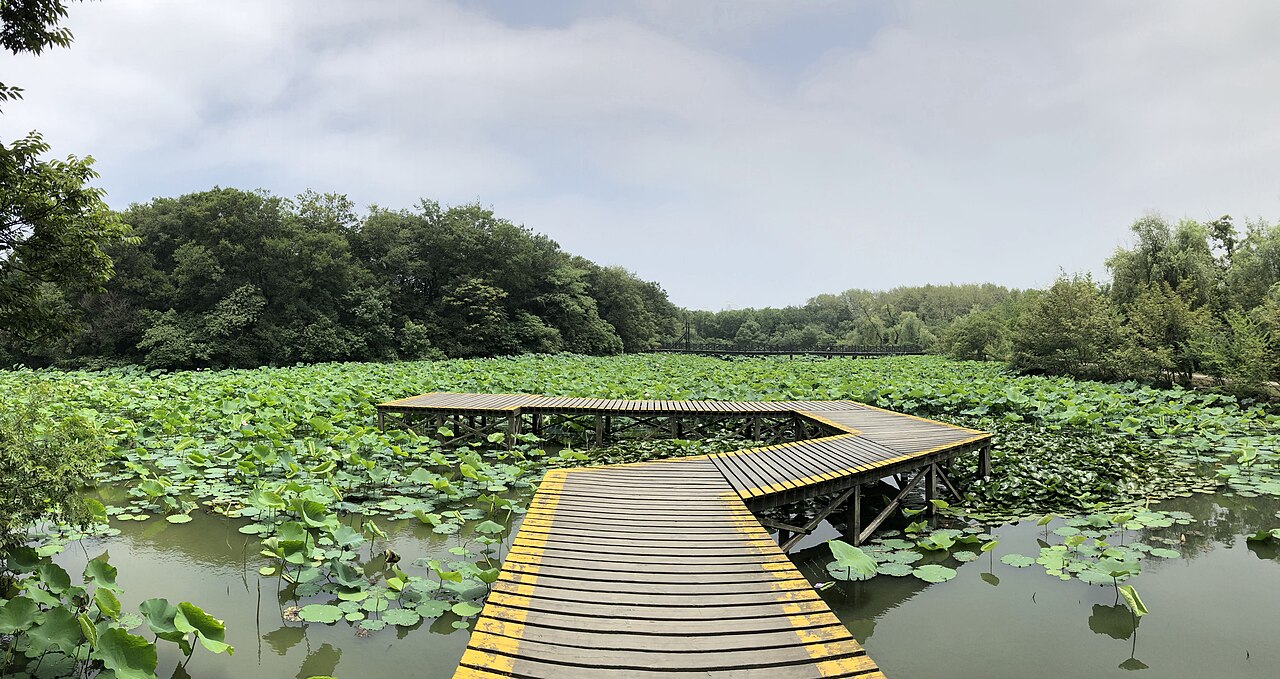
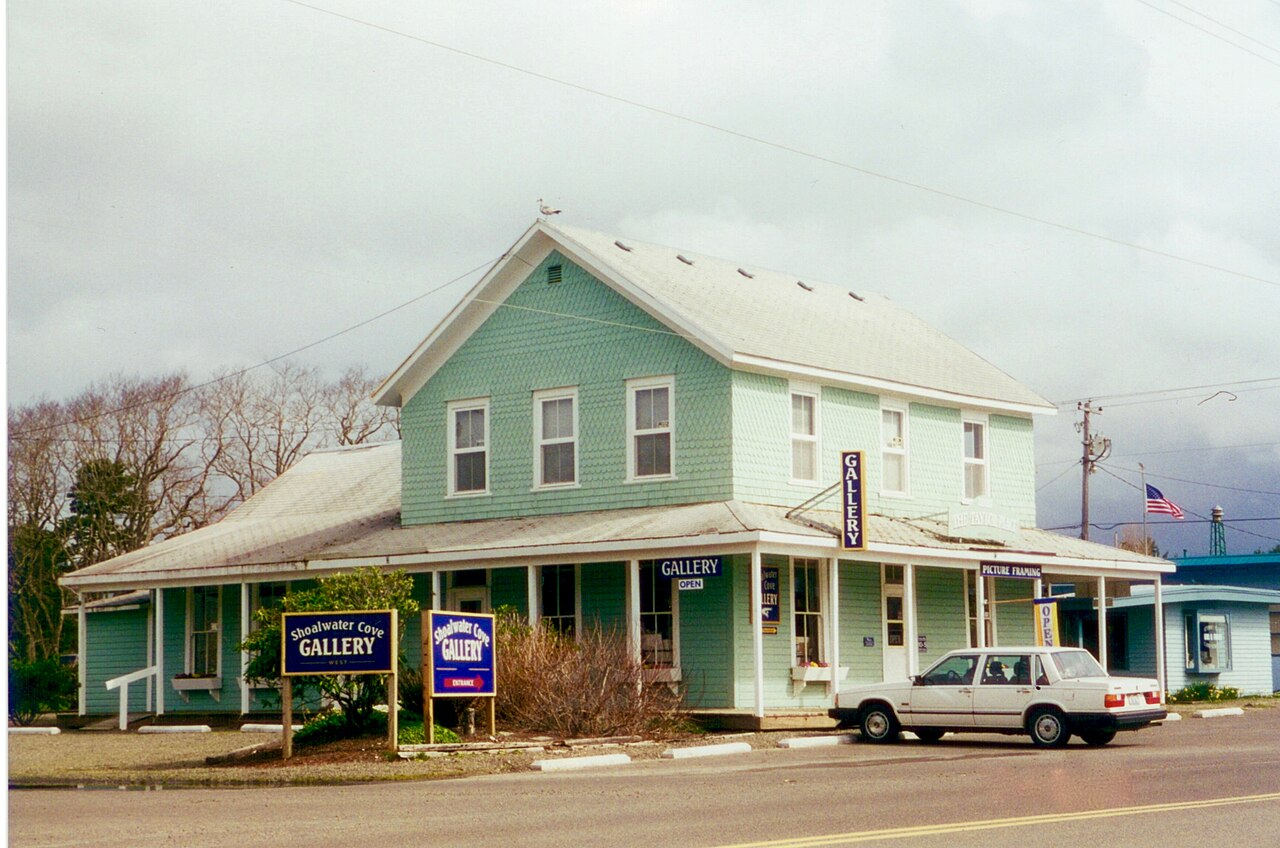
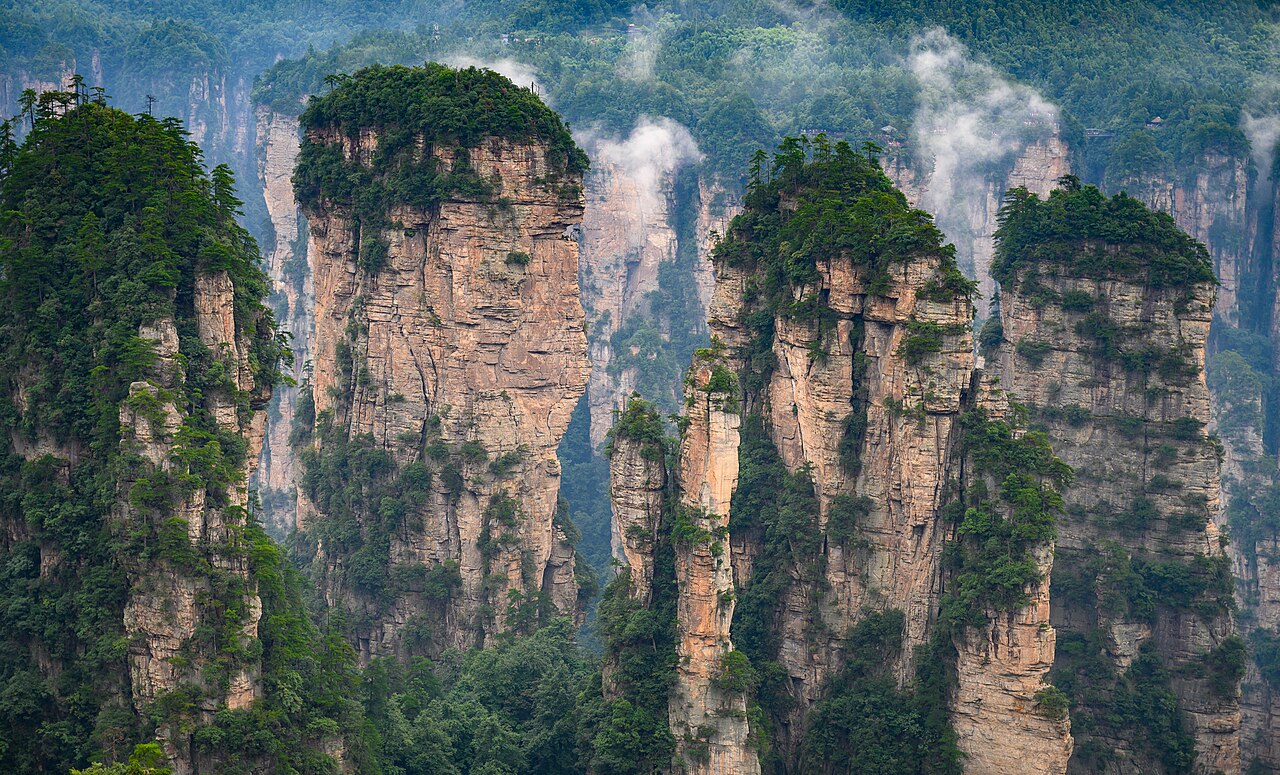
Stilt houses over the channels at Tai O, the Venice of Hong Kong
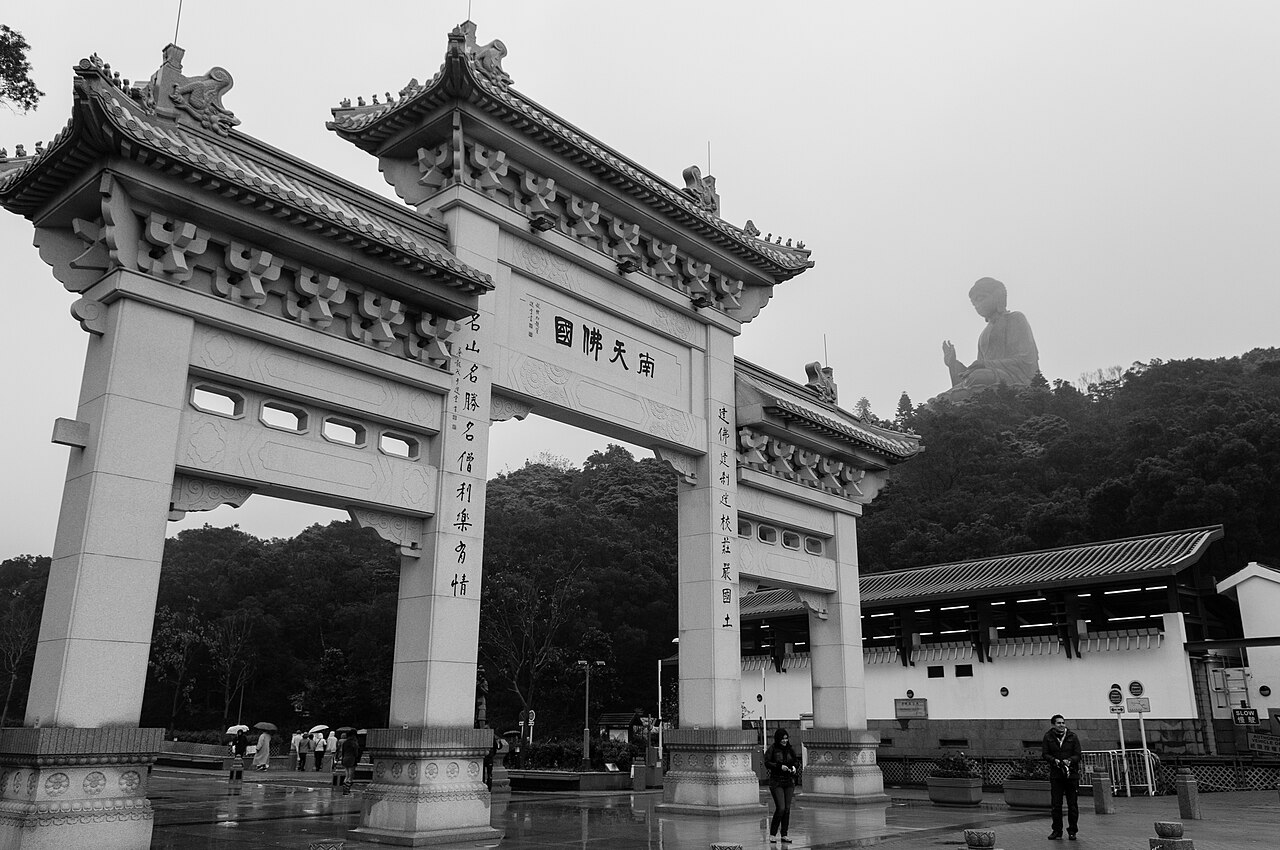
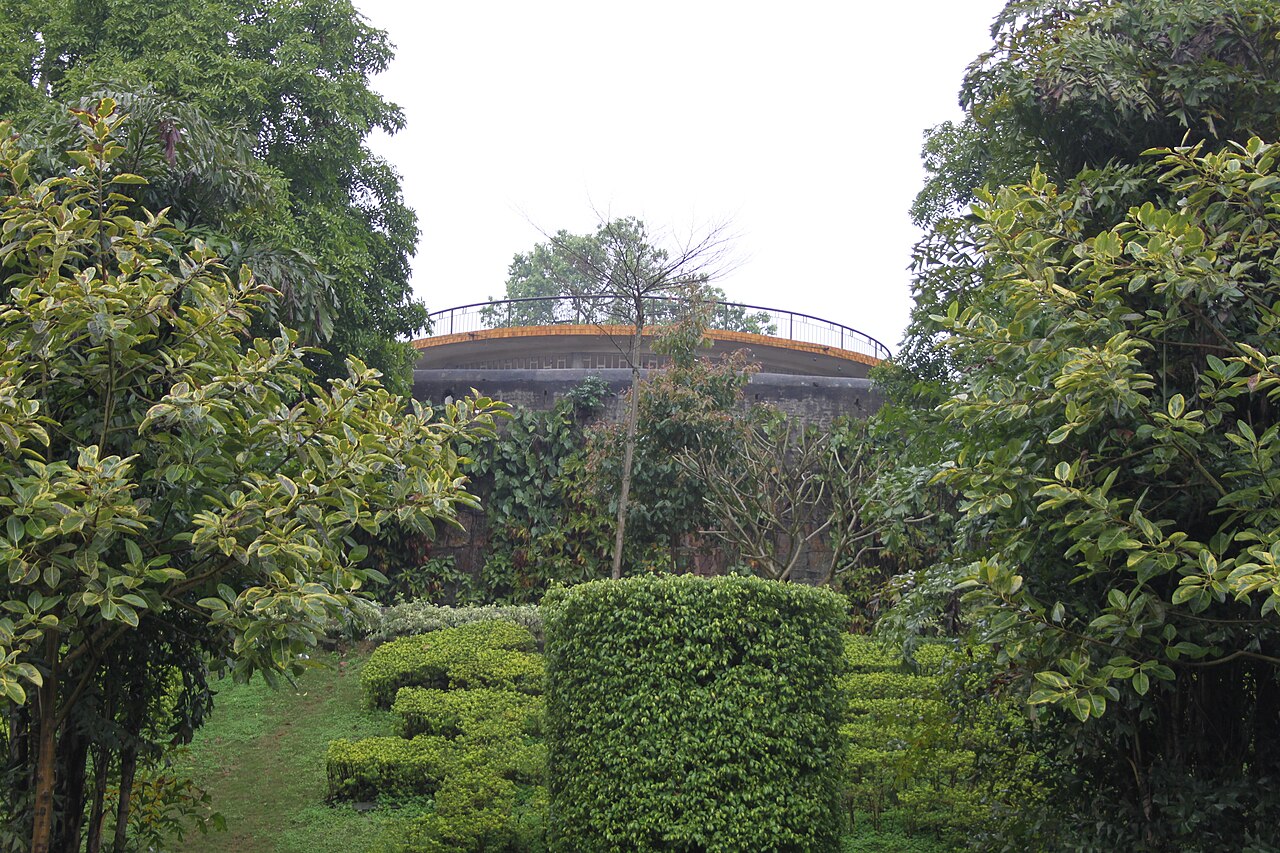
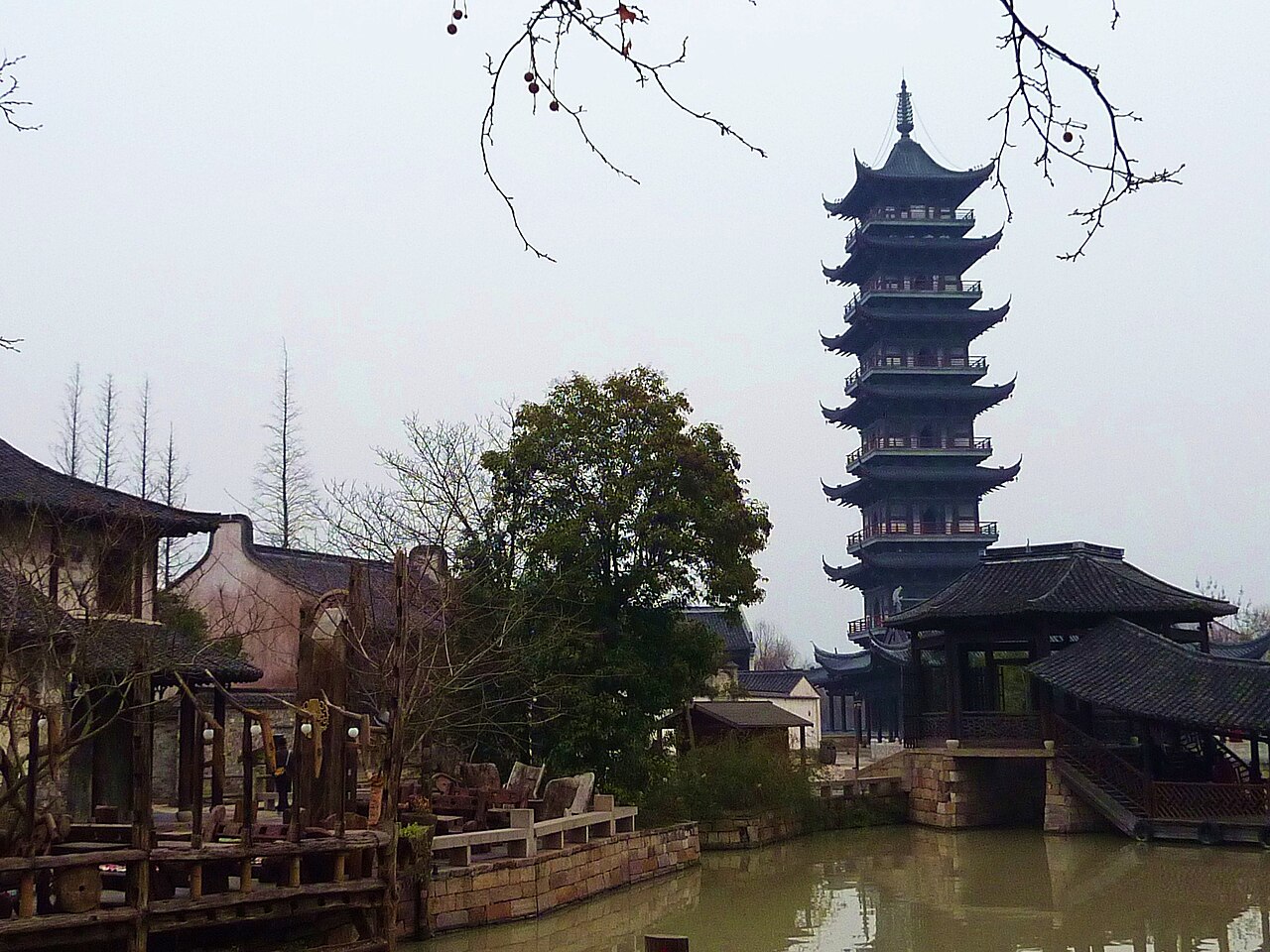
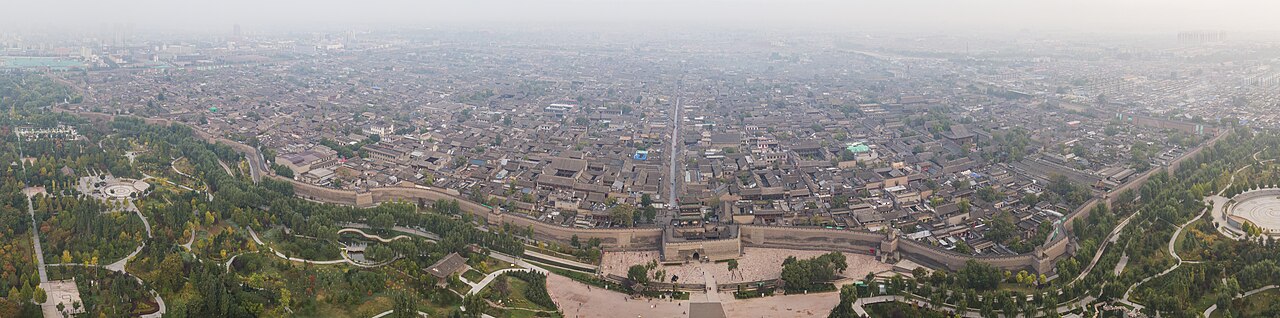
The Tian Tan Buddha on Lantau, 26.4 m of bronze above the clouds
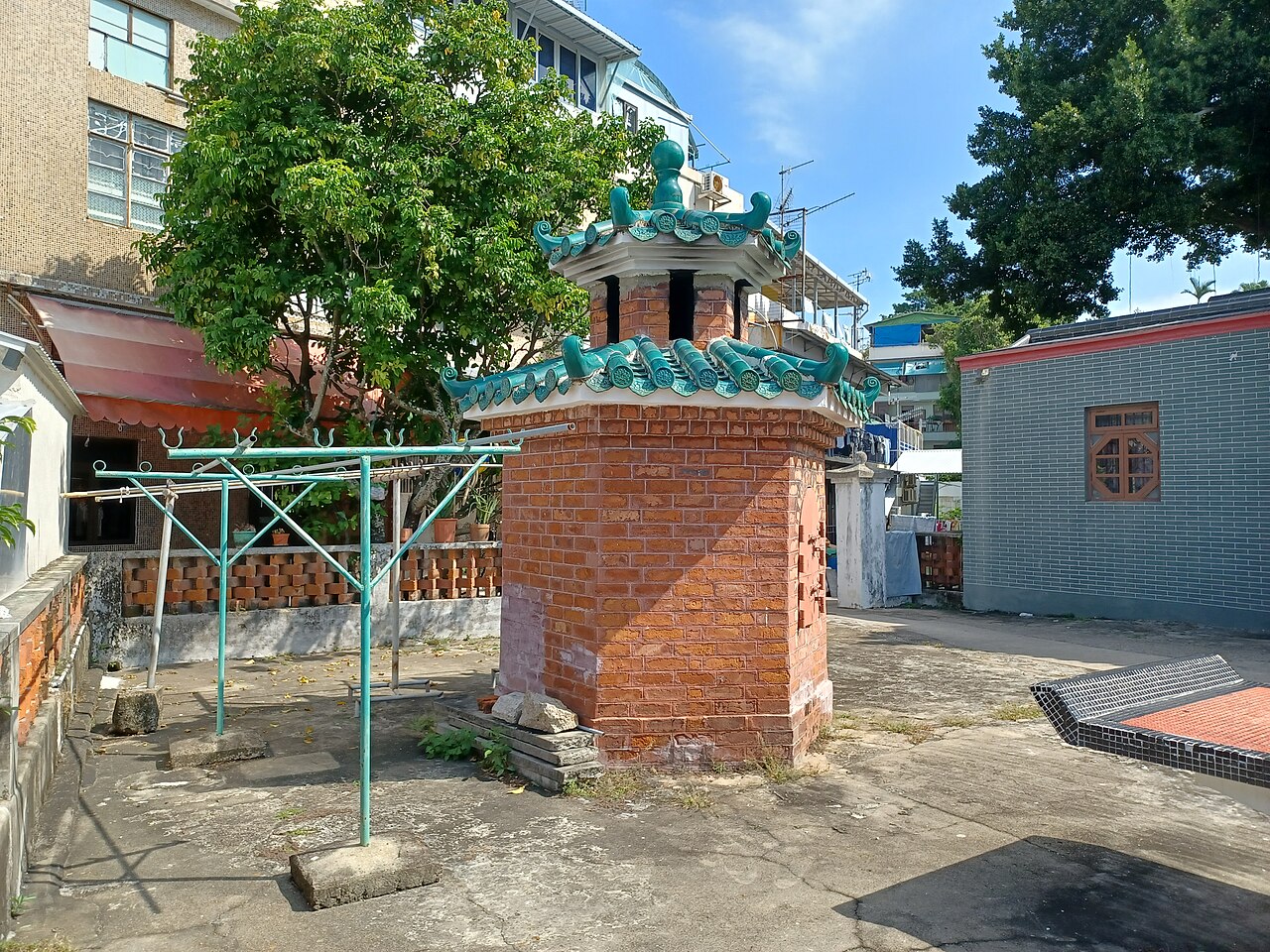
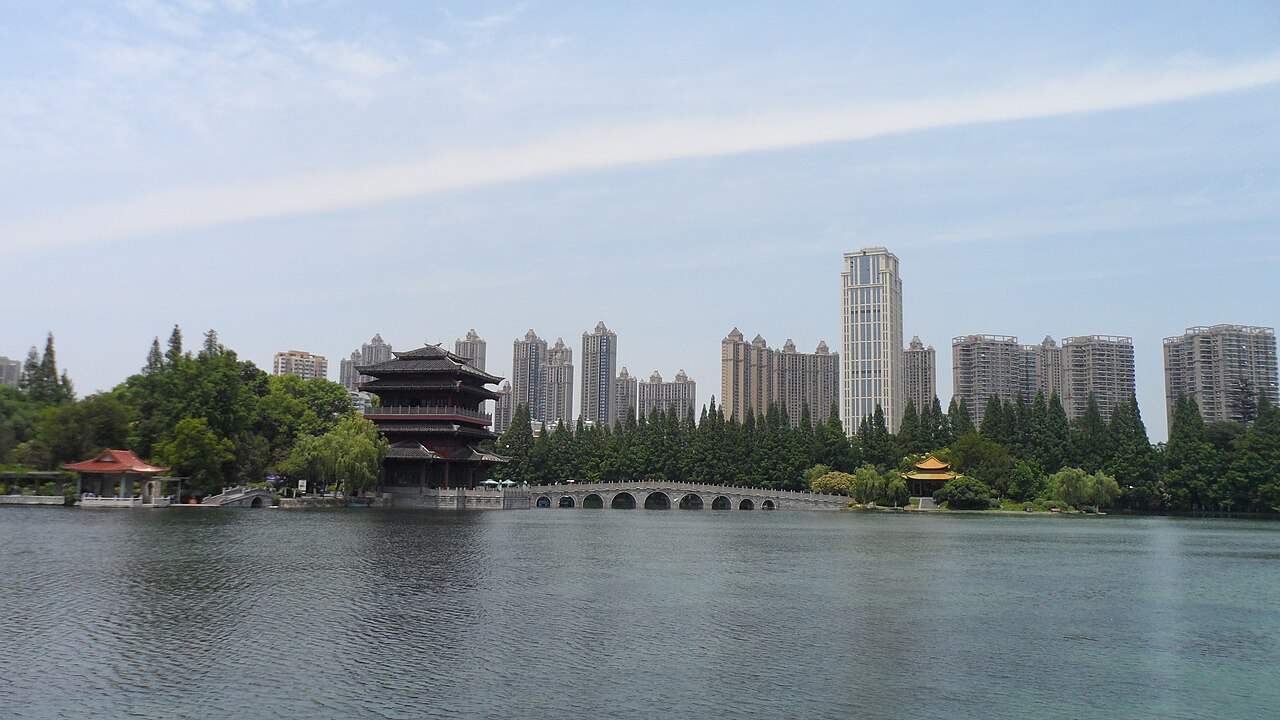
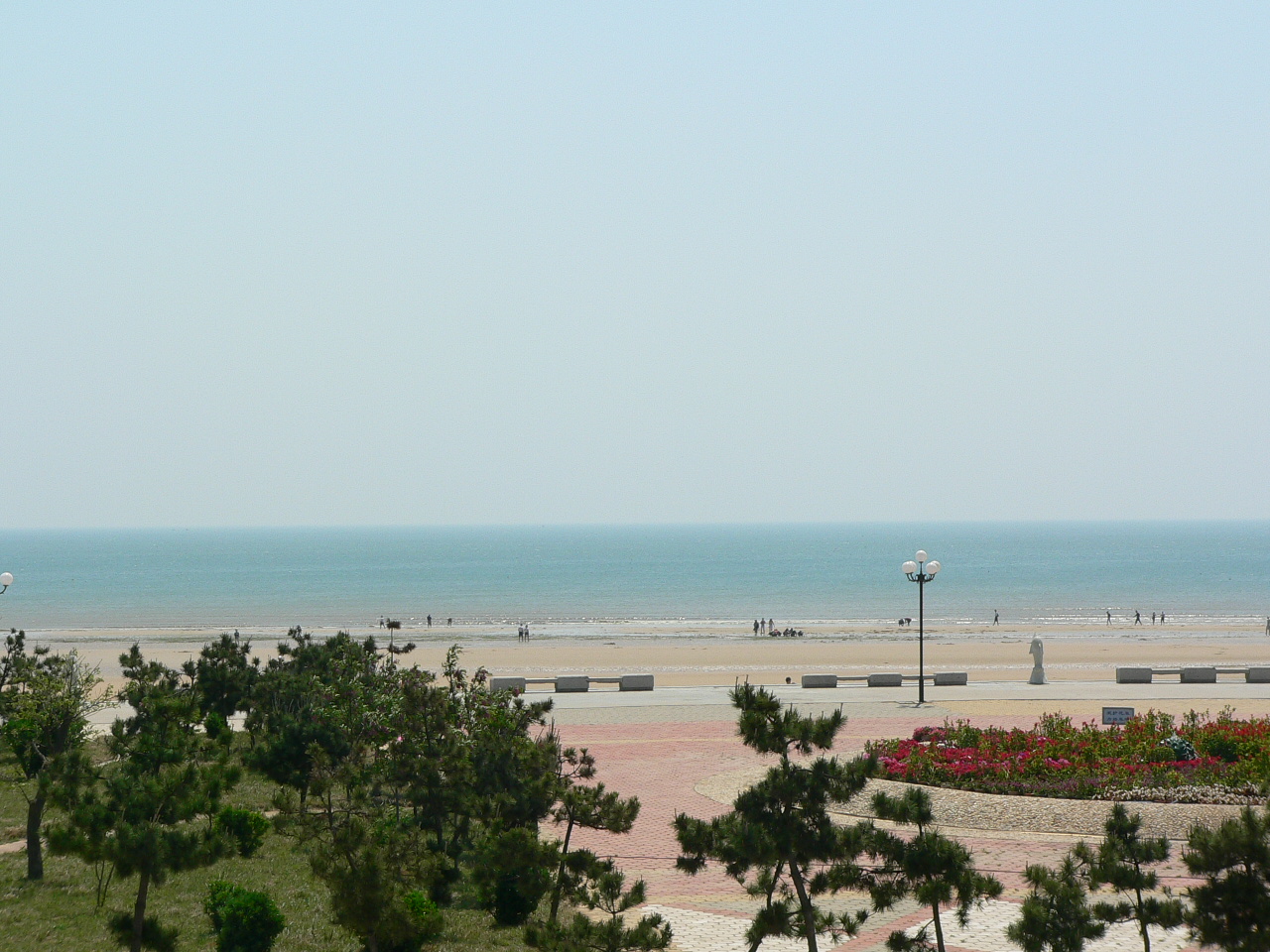
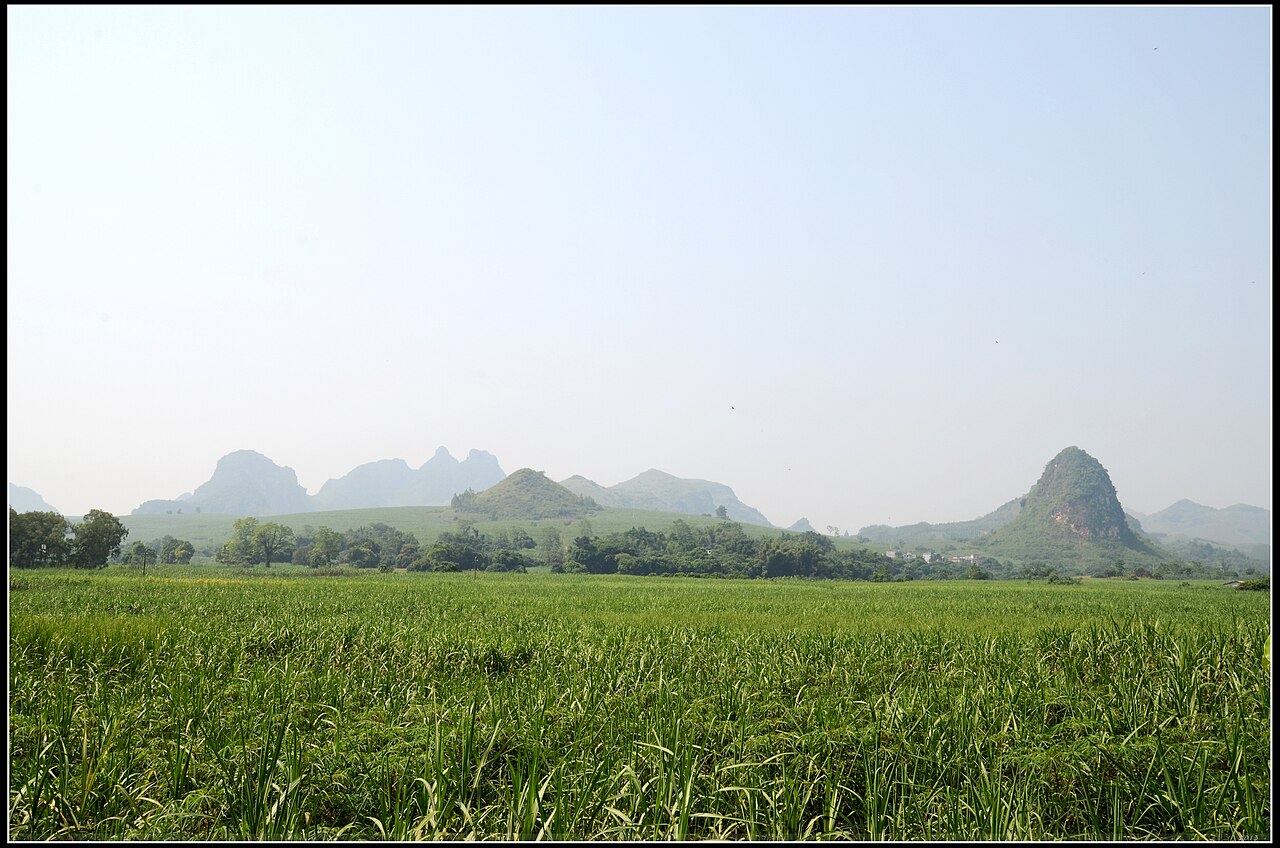
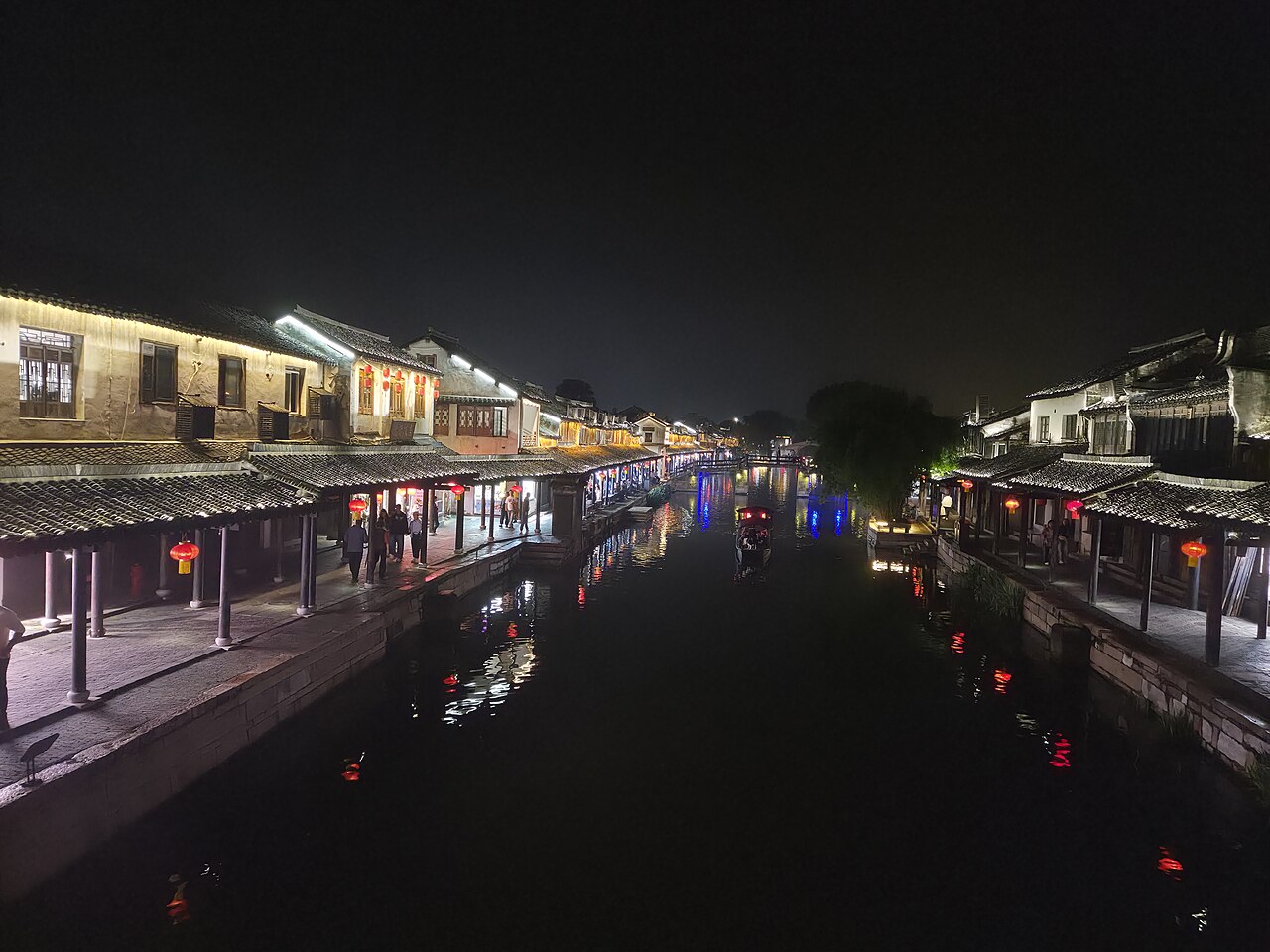
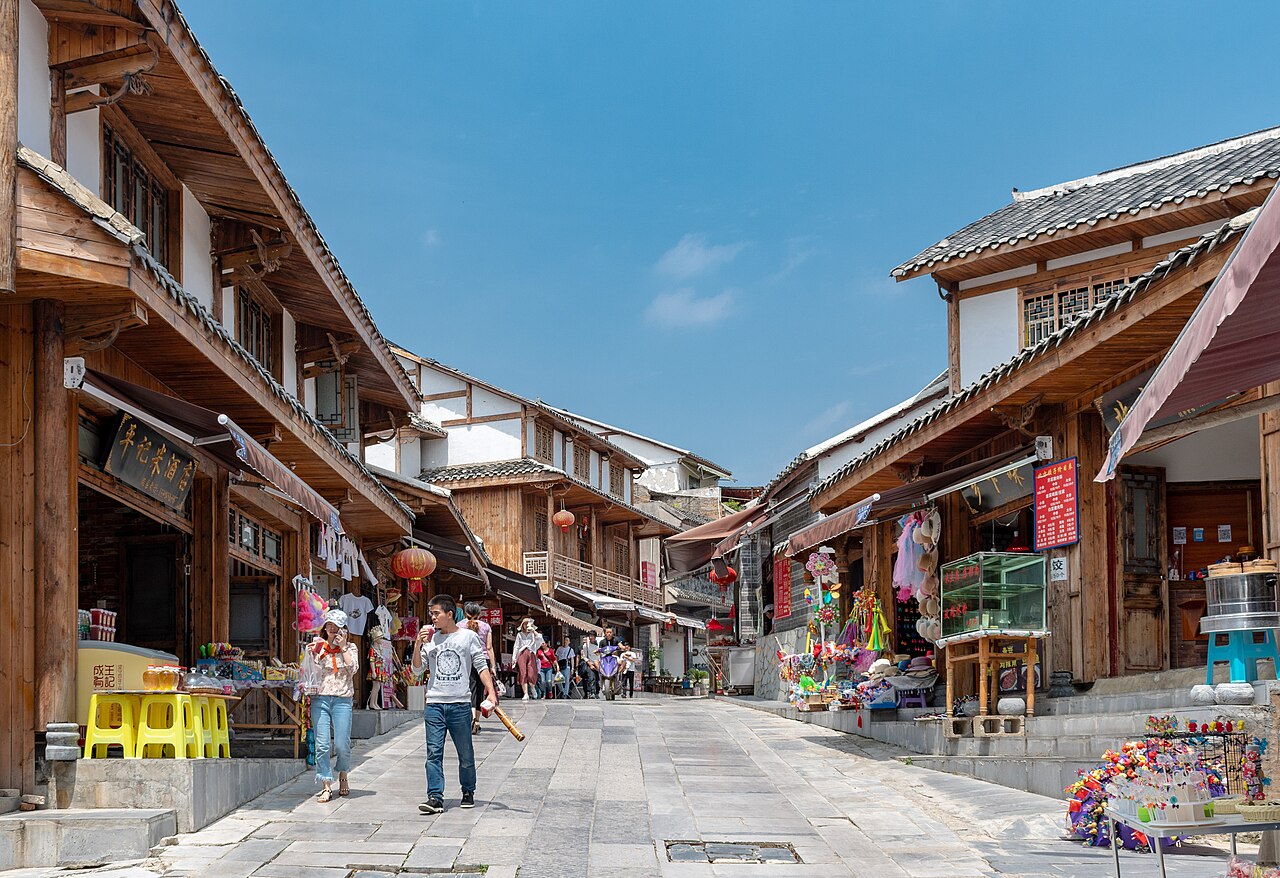
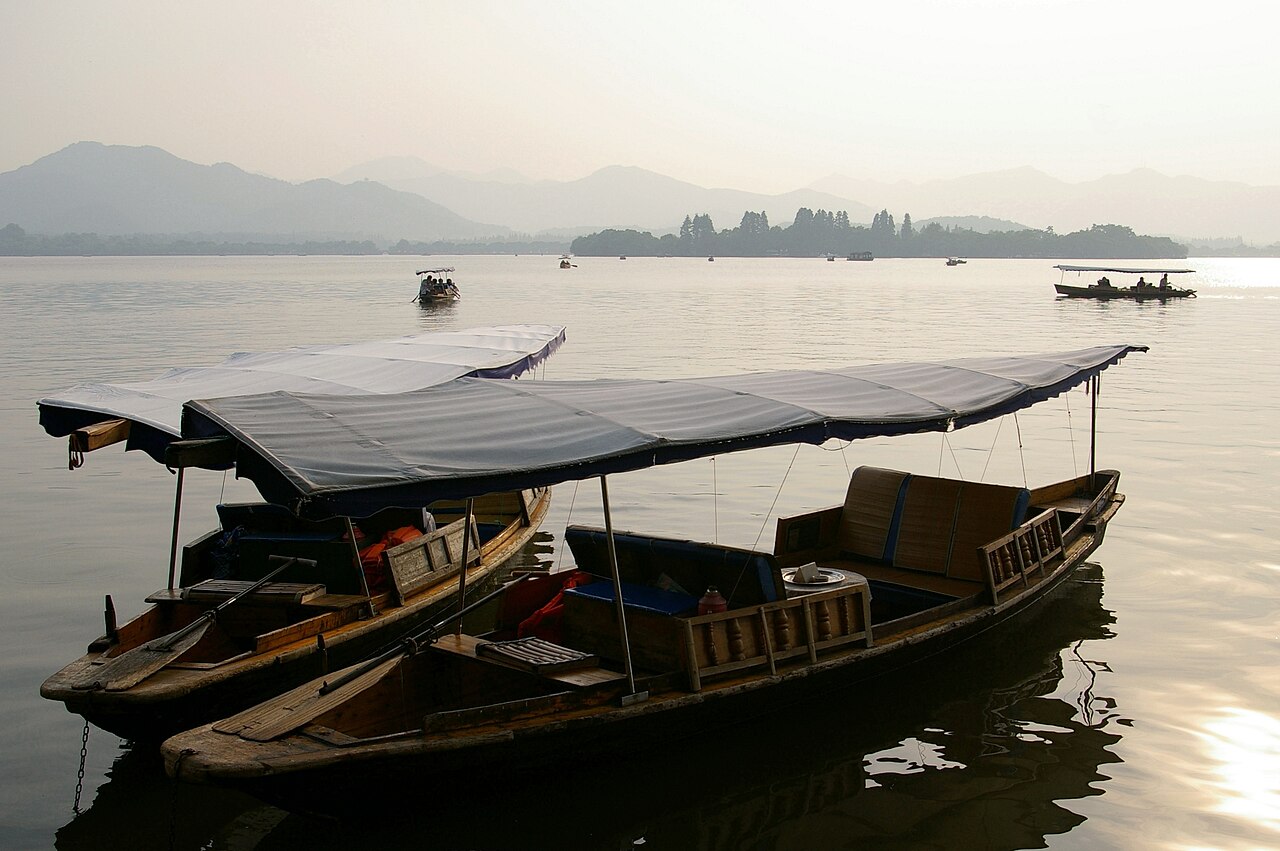
Yung Shue Wan on Lamma: no cars, a main street of cafés and craft shops
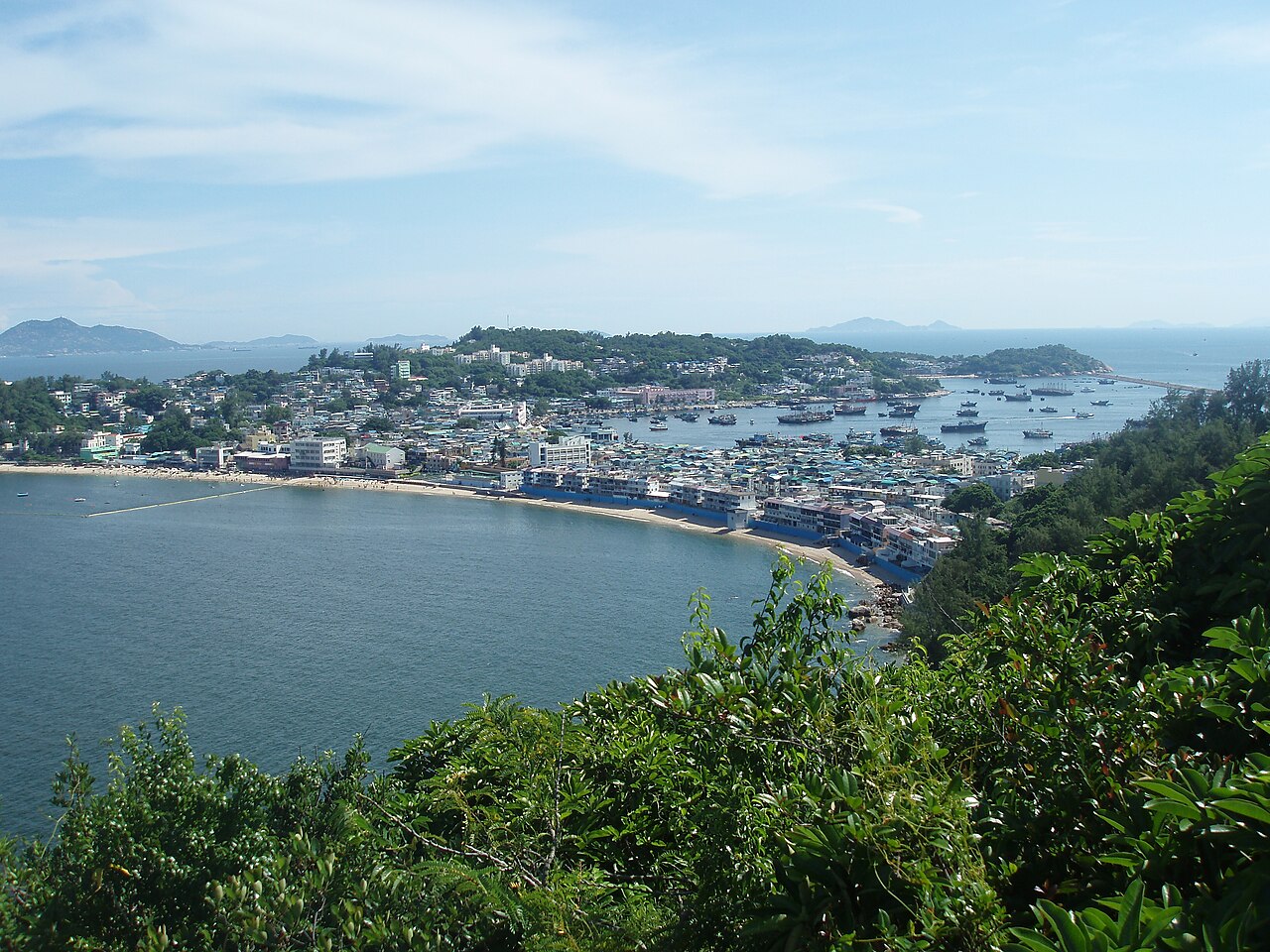
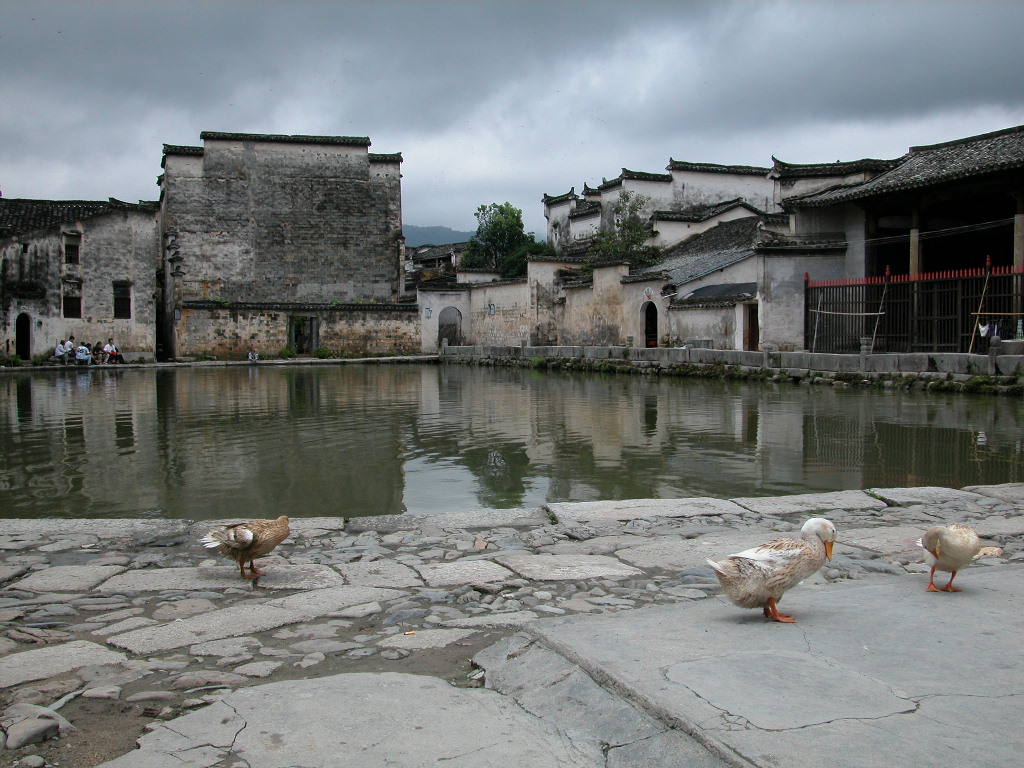
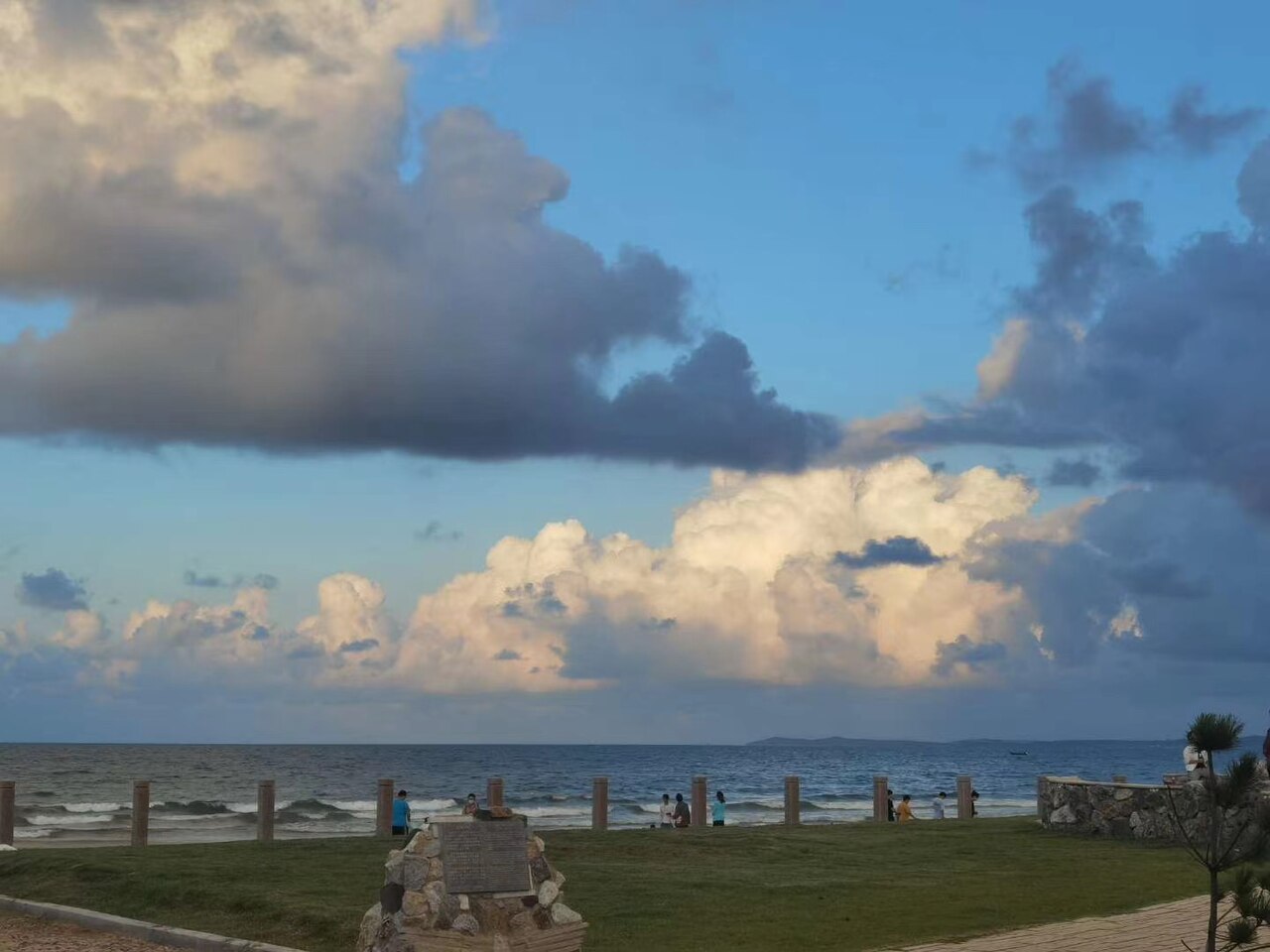
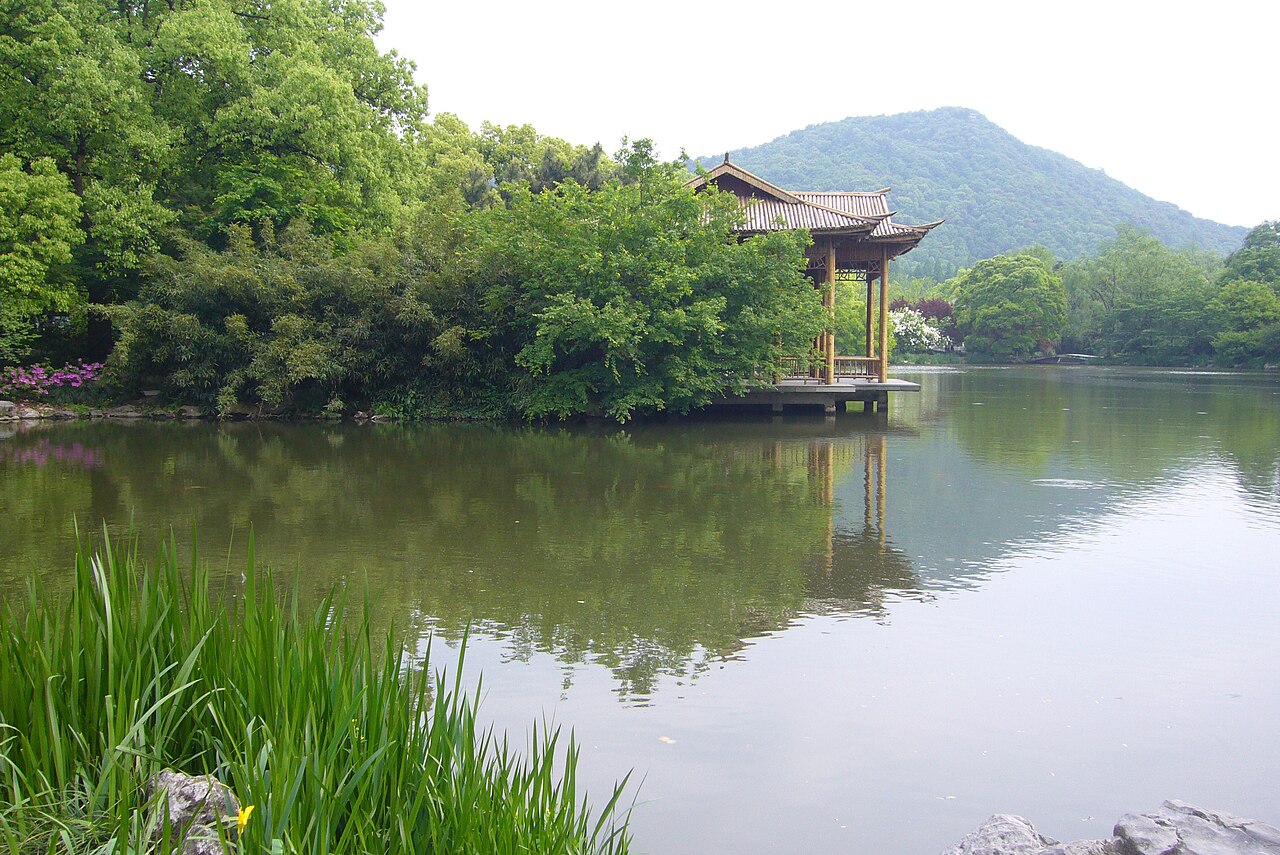
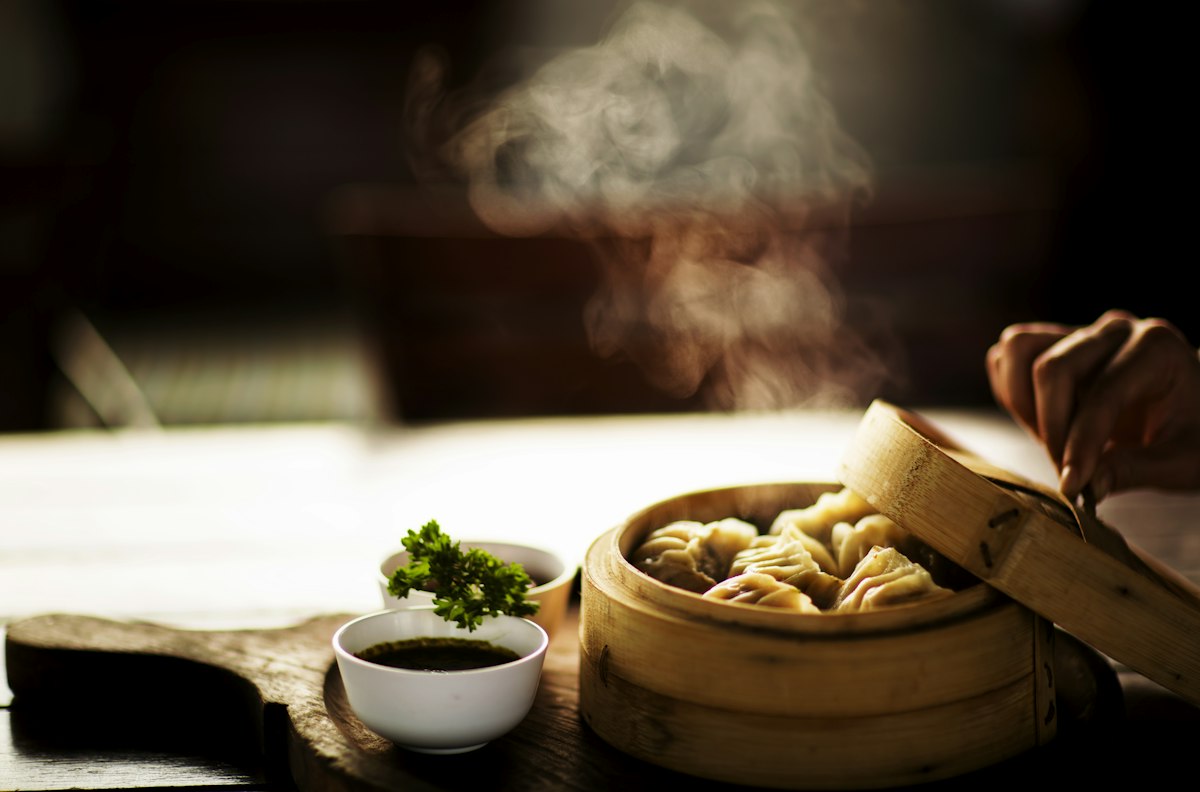
Cheung Chau's harbour, still a working fishing port

Lamma really is Hong Kong's back garden — everyone who has been wants to go back one day, just to walk around and look at it again. — jacky771129

jacky771129, a traveller's note in the source guide

I think this distance is about right — just a stretch of sea between us, neither one bothering the other. I am an outlying island, an island at the edge of the sea of people. — Hebe Tien, 'Outlying Island'

Hebe Tien, 'Outlying Island'

Everybody talks about Hong Kong as if it were only the harbour and the skyline, and then you take a ferry for half an hour and step off into a fishing village where the loudest thing is a boat engine. There are more than 200 islands out here. Some are uninhabited rock, some hold the airport, and three of the ones you will actually visit — Lamma, Cheung Chau, Tai O's corner of Lantau — ban private cars entirely. The main street is a footpath. That is the whole trick of the place.

Lantau is the big one, nearly twice the size of Hong Kong Island, and it holds almost everything people come for: the airport, the Tian Tan Buddha on its 268 steps at 520 m (1,700 ft), the Ngong Ping 360 cable car that hauls you up in 25 minutes, and Tai O, where the houses stand on stilts over the channels and the smell of salted fish follows you down the street. Lantau Peak at 935 m is the territory's second-highest summit, and the monastery below the Buddha still puts people up for the night so they can climb it for sunrise.

Lamma and Cheung Chau are the weekend islands and they are opposites. Lamma — the third-largest island, about 14 sq km, once just a few fishing hamlets and the home village of the actor Chow Yun-fat — filled up from the 1960s with young locals and expats, so Yung Shue Wan reads as a row of craft shops and Western cafés while Sok Kwu Wan at the other end is a line of seafood restaurants on stilts over the water. Cheung Chau never changed: it is a dumbbell-shaped working fishing port with no cars, dense old lanes off the pier, a pirate cave, and giant fish balls.

Do not over-plan it. The islands are cheap by Hong Kong standards — a bed around HK$300, a bowl of tofu pudding HK$10, seafood fresher and cheaper than anything in town — and the ferries are the attraction as much as the transport. Come in summer if you want to swim, any month if you want to eat, and check the typhoon signal before you commit to a crossing.

Hong Kong Outlying Islands

Don't leave without

Seven things that are worth rearranging a day for.

  1. Eat crab at an open-air seafood stall on the Cheung Chau ferry pier
  2. Buy a warm bun stamped with the word for peace, fresh out of the steamer
  3. Swim at Hung Shing Yeh beach, 20 minutes' walk from the Yung Shue Wan pier
  4. Eat a bowl of chilled tofu pudding at Granny's stall on Lamma
  5. Ride the glass-floor Crystal Cabin up to the Big Buddha on Lantau
  6. Buy a couple of tins of shrimp paste in Tai O
  7. Walk the Lamma trail from Sok Kwu Wan to Yung Shue Wan instead of taking the ferry back

Highlights

Six reasons to take the boat

Two hundred islands, thirty minutes from the skyscrapers

Hong Kong keeps more than 200 islands outside its main harbour, and the ferry piers in Central work like a bus terminal to a slower century. Central to Yung Shue Wan is 35 minutes. Central to Cheung Chau is 45 on the slow boat, 30 on the fast one. You can be standing in a fishing village before your coffee has gone cold.

Three of the best islands have no cars at all

Lamma, Cheung Chau and the Tai O waterfront ban private vehicles, which is why they feel like a different country rather than a different district. The main street is a footpath, the delivery vehicle is a handcart, and the only traffic noise is outboard motors in the harbour.

The biggest seated bronze Buddha outdoors, and it is free

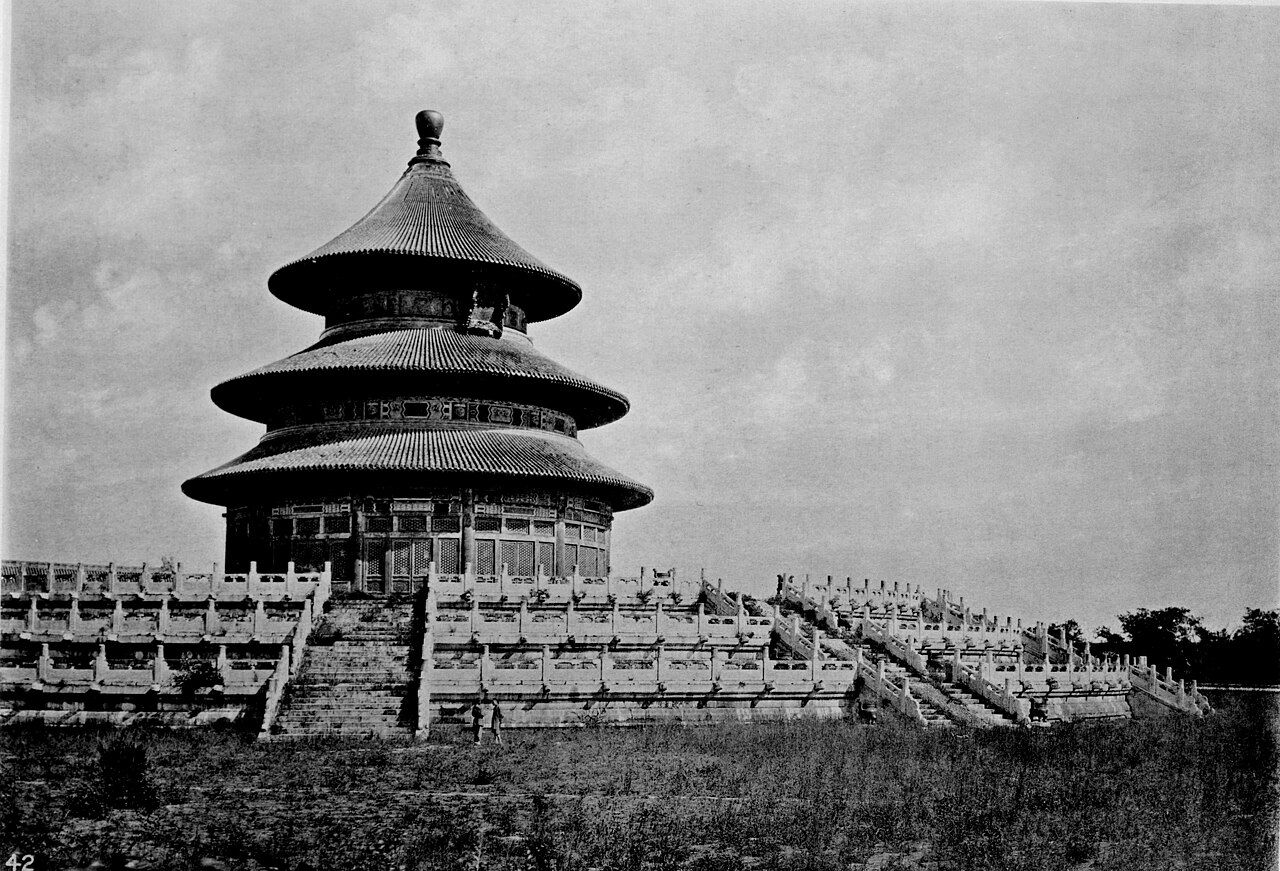
The Tian Tan Buddha sits at 520 m on Lantau: 26.4 m tall, built from 202 bronze pieces, on top of 268 steps, with a three-tier altar modelled on the Temple of Heaven in Beijing. There is no ticket. Po Lin Monastery beside it has been a monastery since 1924 and still offers simple lodging so people can climb Lantau Peak for sunrise.

Stilt houses over the water at Tai O

Nobody believes Hong Kong still has a place like this until they see it: rows of wooden houses standing on piles above the channels, a village of mostly elderly fishermen, and a salt-curing trade that predates the skyline. The shrimp paste and the upright-salted fish are the best in the territory, and you can only buy them here.

Seafood at the price the city cannot match

Chilli crab, garlic steamed prawns, deep-fried squid, ginger-and-scallion steamed fish — the standard order at the stilted restaurants of Sok Kwu Wan and the open-air stalls by the Cheung Chau pier. Fresher and cheaper than the same plate in Tsim Sha Tsui, and you eat it with your feet almost in the water.

The bun festival, if you land in the fourth lunar month

Cheung Chau's Tai Ping Ching Chiu fills the island: three 16 m bamboo bun towers in front of Pak Tai Temple, the floating-colours parade where children dressed as gods and historical figures are propped on hidden frames and appear to float, and the midnight bun-scramble up the towers.

Suggested routes

One day, or two, or a slow weekend

Lantau in a day

1 day days

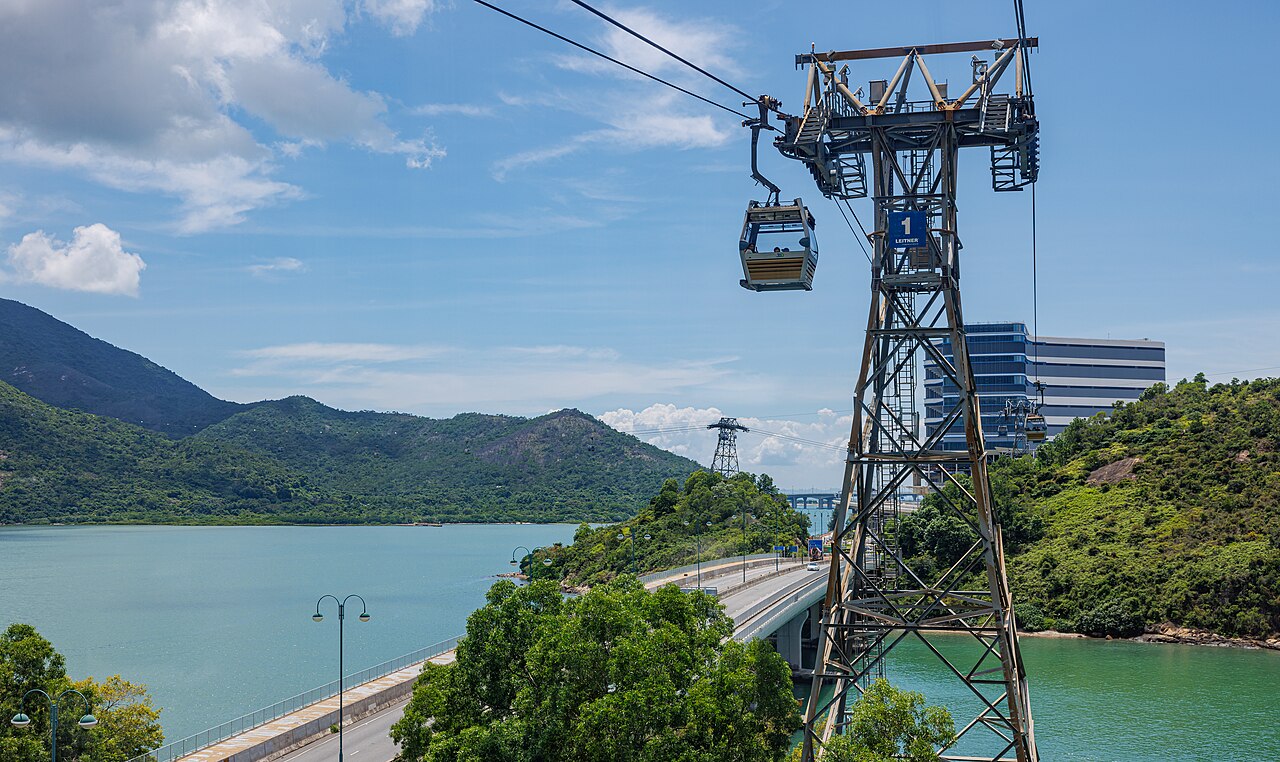
The condensed version: cable car, Buddha, monastery, stilt village. This is the route to take if you only have one day for the islands.

  1. Day 1

    Tung Chung — Ngong Ping 360 — Big Buddha — Tai O

    MTR to Tung Chung, exit B, and the cable car station is a 2-minute walk. Ride the Crystal Cabin up if the queue is short — the queue usually is not, which is exactly why the glass-floor cabins move faster. It runs 10:00–18:00 on weekdays and 09:00–18:30 at weekends.

    At the top, the Ngong Ping market village is 1.5 hectares of white walls and grey tiles, five minutes from the station. Walk through it to the Buddha and climb the 268 steps; an hour covers it. Po Lin Monastery next door is worth a second hour, and its vegetarian canteen is the cheapest lunch on the mountain.

    Then bus 21 or the Tai O bus from outside the Buddha down to Tai O for the afternoon — three hours is right for the stilt houses, the shrimp-paste shops on Wing On Street and a bowl of something with fish in it.

    Stops: Tung ChungNgong Ping 360Tian Tan BuddhaPo Lin MonasteryTai O
The classic two days

2 days days

Lantau for the sights, then an island with no cars for the seafood and a beach. Sleep on the island — it is the point.

  1. Day 1

    Big Buddha, Po Lin, Tai O, then a bed on Cheung Chau

    Same Lantau run as the one-day route, but leave Tai O late and come back through Tung Chung to Central, then take the pier 5 boat out to Cheung Chau for the night. The last ordinary boats run late and the service is 24 hours.
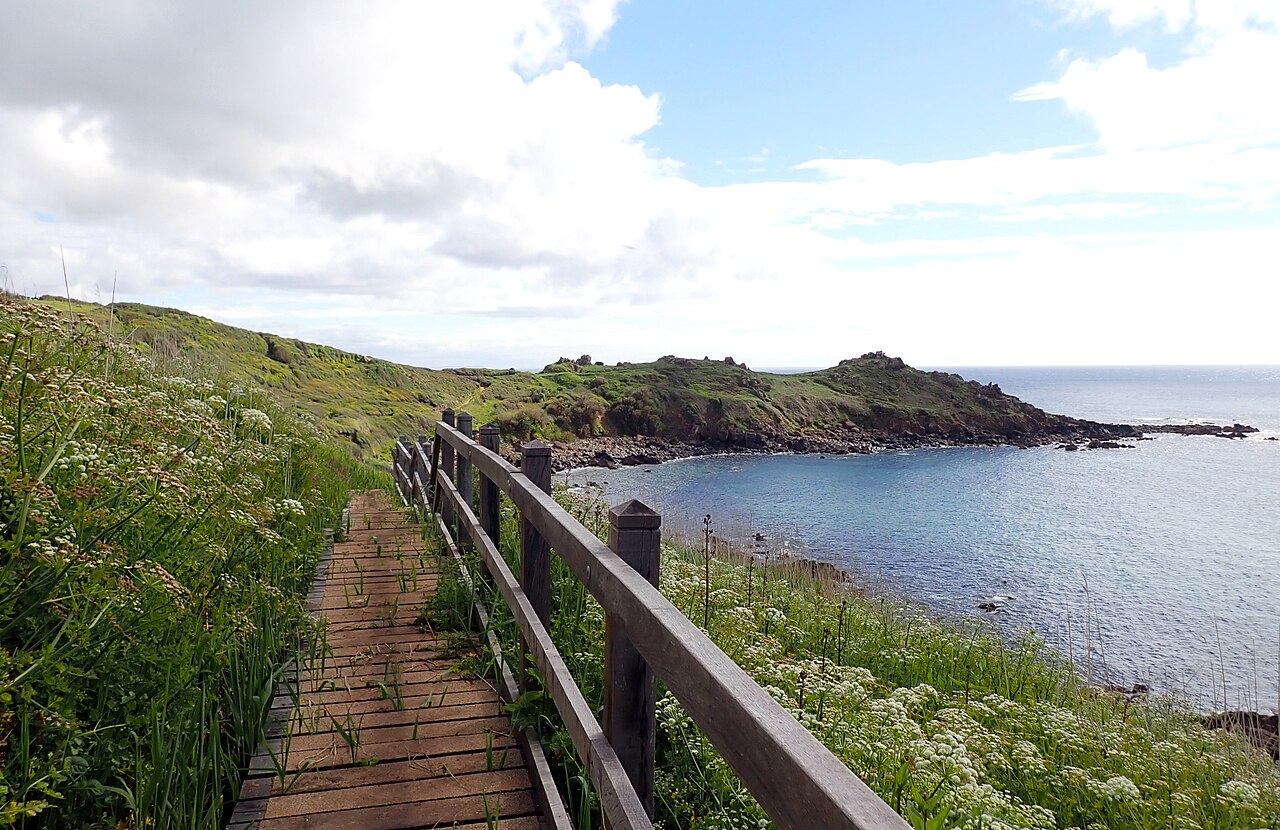
    Drop your bag, then go and eat: the open-air seafood stalls start right at the ferry pier and the fish is priced by what came in that afternoon.

    Stops: LantauTai OCheung Chau

  2. Day 2

    Pak Tai Temple, East Bay, the pirate cave, and the last boat

    Cheung Chau is a dumbbell, so you can walk the narrow waist from the pier to the west side in minutes and out east to the beaches just as fast. Start at Pak Tai Temple and the bun-scramble towers, then walk out to East Bay for a swim and on to Kwun Yam Wan, where the windsurfers are.

    Detour to Cheung Po Tsai Cave — the Qing pirate's hideout, a squeeze through wet rock, bring a phone torch. Eat a giant fish ball and a bun stamped with the character for peace before you board.

    Stops: Pak Tai TempleEast BayKwun Yam WanCheung Po Tsai Cave

A Lamma weekend

2 days days

The softest itinerary on offer: two villages, a beach, one walk, and no cars anywhere.

  1. Day 1

    Central pier 4 — Yung Shue Wan — Hung Shing Yeh beach

    The MTR to Central or Hong Kong station, exit E1, over the footbridge and about 7 minutes to pier 4. The boat to Yung Shue Wan takes 35 minutes and costs HK$16.1 on weekdays, HK$22.3 on Sundays and holidays, with sailings every 15 to 60 minutes from 06:30 to 00:30.

    Walk the main street — craft shops, bars, cafés, and a Tin Hau temple over a hundred years old with an old whale bone inside it. Then 20 minutes on foot to Hung Shing Yeh beach, which has clean water, soft sand and a barbecue area.

    Stops: Yung Shue WanTin Hau TempleHung Shing Yeh Beach

  2. Day 2

    Walk to Sok Kwu Wan, seafood, ferry back

    The Family Trail starts at Sok Kwu Wan and climbs from the beach through green scrub with wide views the whole way; allow 40 minutes to an hour and a half depending on which branch you take. Other paths run down to the south of the island past Lo So Shing and on to Sham Wan, winding and slow.

    Finish at the stilted seafood restaurants at Sok Kwu Wan and order the set: chilli crab, garlic prawns, fried squid, ginger-and-scallion fish. Boats back to Central run to about 00:30 — check the last sailing before you sit down.

    Stops: Lamma Family TrailSham WanSok Kwu Wan

Sights

What to actually go and see

The big one

Lantau Island

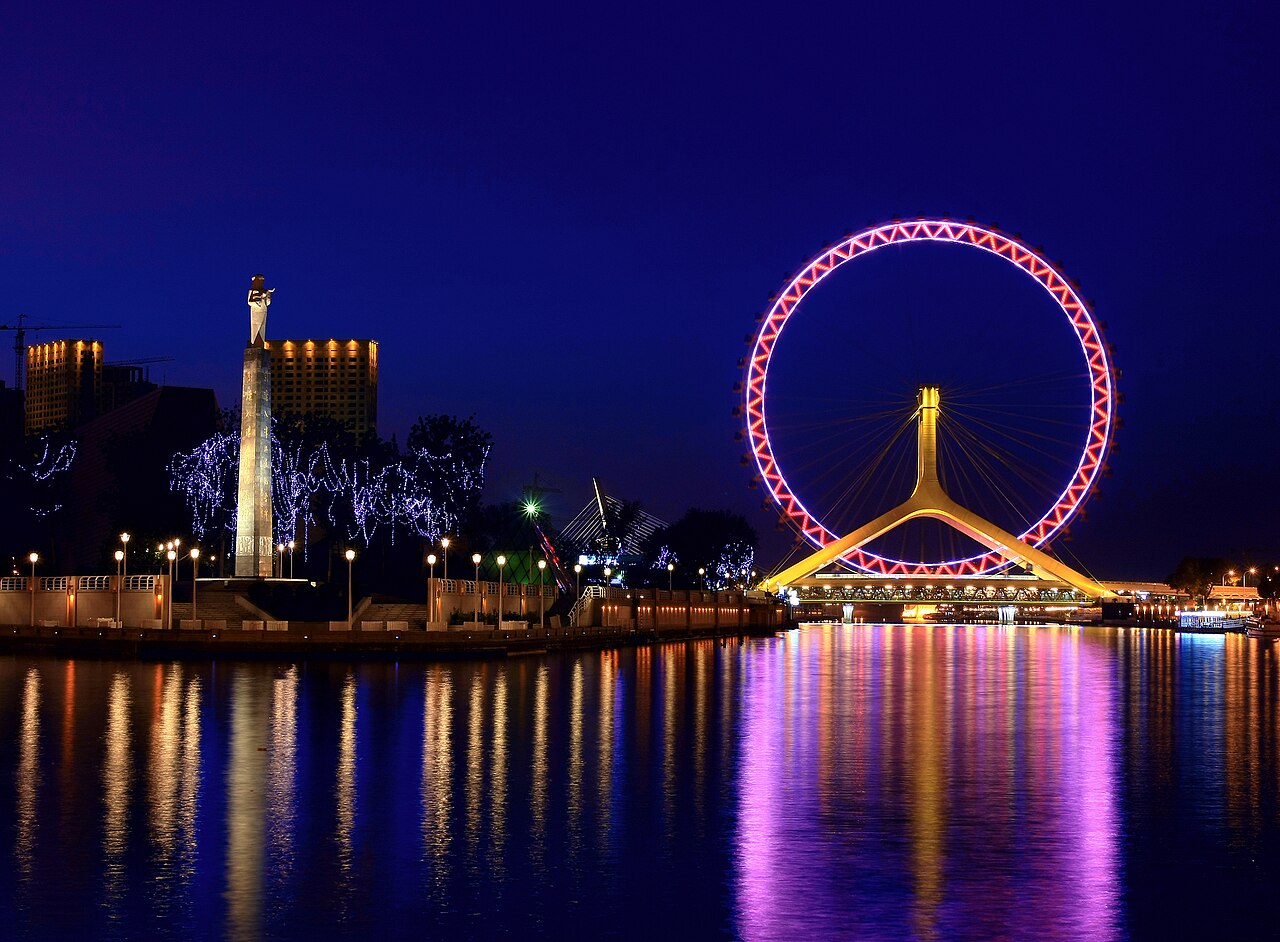
The largest island in Hong Kong SAR, China, nearly twice the size of Hong Kong Island, sitting out at the mouth of the Pearl River. It is high in the south-west and low in the north-east, with Lantau Peak at 935 m the territory's second-highest summit. Flat ground exists only in small patches under the mountain streams, which is why the population crowds into Tai O in the south-west. It holds the airport, the Tsing Ma Bridge approach, Po Lin Monastery, the Big Buddha and the longest beach in Hong Kong at Cheung Sha.
Ticket
Free — the island itself costs nothing
Hours
Open all day
Time needed
A full day
Getting there
MTR Tung Chung line; ferry from Central pier 6 to Mui Wo

Tip Do not try to see all of Lantau in a day. Pick either the Buddha-and-Tai-O side or a beach, not both.

Free, and worth the stairs

Tian Tan Buddha and Po Lin Monastery

A bronze Buddha sitting on 268 stone steps at 520 m on Ngong Ping plateau: 26.4 m tall, roughly 34 m including the lotus and the base, about 250 tonnes, made of 202 bronze pieces — 160 for the body, 36 for the lotus, six for the cloud head. The three-tier altar underneath is modelled on the Beijing Temple of Heaven, which is where the name comes from. Po Lin, beside it, was founded in 1924 and is reckoned the first of Hong Kong's four great monasteries; it still puts visitors up so they can climb the peak for sunrise.

Ticket
Free
Time needed
1 hour for the Buddha, 1 hour for the monastery
Getting there
Ngong Ping 360 from Tung Chung, or bus 23 from Mui Wo
Steps
268 steps up from the plateau

Tip Go early or late. Midday on the plateau is hot, and the steps have no shade at all.

Glass floor

Ngong Ping 360

Hong Kong's third cable car system, the largest ropeway of its kind in the world when it opened, running from Tung Chung up to Ngong Ping in about 25 minutes with 360-degree views over the sea, the forest, the airport and the Buddha. The 360 in the name is the view. The station building is deliberately plain so it does not fight the landscape, and the Ngong Ping market village is less than five minutes' walk from it.

Standard cabin
HK$135 adult return, HK$68 child, HK$98 senior
Crystal Cabin
HK$213 adult return, HK$146 child, HK$176 senior (glass floor)
Mixed
HK$190 adult: Crystal up, standard down
Hours
Weekdays 10:00–18:00; weekends and public holidays 09:00–18:30
Getting there
Tung Chung MTR exit B, 2 minutes on foot

Tip The Crystal queue is usually shorter than the standard one, so the expensive cabin is often the faster way up. Bus 23 from Mui Wo is the cheap alternative and far slower.

Venice of Hong Kong

Tai O fishing village
The settlement that convinces people Hong Kong still has another life in it. Wooden stilt houses stand in rows over the channels, with water lanes running tidily between them, and the whole village smells of salt fish. It escaped the redevelopment that swallowed everywhere else, so the fishing-village fabric survives — along with the trade that made it: salted fish, shrimp paste, shrimp blocks and fish maw, all still made by the people who live here.

Ticket
Free
Time needed
3 hours
Getting there
Bus 11 from Tung Chung to Tai O bus terminus, then 5 minutes' walk to Dai Yung Bridge
Shopping
Wing On Street and Kai Si Street, by the bridge
Boat trip
Small boats run out from the village to look for Chinese white dolphins

Tip Go on a weekday. On Sundays the lane between the stilt houses is shoulder to shoulder and you will not get a clean photograph.

The dumbbell island

Cheung Chau

Long and narrow, broad at both ends and pinched in the middle, which is why it is also called the dumbbell island. It sits south-west of Hong Kong and was a flourishing anchorage for fishing and trading vessels long before Hong Kong Island or Kowloon mattered; the trade moved away but the fishing never did. The narrow waist is the town centre, the west side is Cheung Chau Bay with the moored boats and the shops, and it is a short walk east through the salted-fish streets to Tung Wan, the island's most popular bathing beach, and on to Kwun Yam Wan where the windsurfers go.

Ticket
Free
Hours
Open all day
Time needed
Half a day
Ferry
Central pier 5 — slow boat 45 min HK$12.6–28.7, fast boat 30 min HK$24.6 weekdays / HK$35.3 holidays
Getting there
MTR to Central or Hong Kong station, exit E1, through IFC mall to pier 5

Tip No cars, so the whole island is walkable. Rent a bicycle if you want to cover the two ends quickly, but you can walk it.

Old lanes

Cheung Chau's temples and the pirate cave

Beyond the beaches there is a dense little inventory of old fabric: Pak Tai Temple, where the bun towers go up in the fourth lunar month; the Tin Hau temple at Pak She; the Kwan Kung Chung Yi Pavilion; the Cheung Chau rock carving; Pak She Street and Sun Hing Street, both so narrow and so packed with old shops and open-air stalls that the pedestrianisation barely registers. Out at the west end, Cheung Po Tsai Cave is the hideout attributed to the Qing pirate of that name.

Ticket
Free
Time needed
1–2 hours on top of the beaches
Where
Off the ferry pier, walking east and west along the waist
Cheung Po Tsai Cave
A low, wet squeeze — bring a torch and shoes you do not mind ruining

Tip The lanes behind the pier are the best part of Cheung Chau and the bit most day-trippers skip because they head straight for the beach.

No cars, 14 sq km

Lamma Island

The third-largest island after Lantau and Hong Kong Island, about 14 sq km, 30 minutes south of Hong Kong Island, and known to older locals by its older name of Pok Liu Chau. It was a handful of remote fishing hamlets and the home village of Chow Yun-fat; from the 1960s its quietness pulled in young locals and resident foreigners — more than half the population was said to be non-Chinese at one point — so the main street at Yung Shue Wan is now craft shops, Western restaurants and bars, with bamboo thickets and gentle beaches behind it.

Ticket
Free
Hours
Open all day
Time needed
Half a day to a full day
Central – Yung Shue Wan
35 min; HK$16.1 Mon–Sat, HK$22.3 Sun and holidays; every 15–60 min, 06:30–00:30
Central – Sok Kwu Wan
25 min; HK$19.8 Mon–Sat, HK$28 Sun and holidays
Getting there
Central pier 4, about 7 minutes' walk from Central or Hong Kong station exit E1

Tip Come in on one village and leave from the other. The walk between them is the best hour on the island.

Two villages, one trail

Yung Shue Wan and Sok Kwu Wan

Yung Shue Wan, on the north-west, is the main settlement: the ferry pier, the craft and knick-knack shops, bars, and small restaurants doing European and Asian food, plus a Tin Hau temple more than a hundred years old with a whale bone displayed inside. Sok Kwu Wan, on the south, is the other main village — stilted open-air restaurants built out over the bay, and the trailhead for the Family Trail, which climbs from the beach through green scrub with wide views, then drops to a Tin Hau palace hung with old statues, red silk banners and lanterns.

Yung Shue Wan
Cafés, craft shops, bars, the Tin Hau temple
Sok Kwu Wan
Seafood restaurants on stilts; trailhead of the Family Trail
Other paths
On to the hill at the south of the island and down to Sham Wan — about 40 minutes, winding
Time needed
Half a day each, or a full day walking between them

Tip Order the chilli crab, garlic steamed prawns, deep-fried squid and ginger-and-scallion steamed fish. That is the canonical four dishes and every restaurant does them.

The swim

Hung Shing Yeh Beach

Lamma's famous beach, only 20 minutes on foot from the Yung Shue Wan ferry pier: clean water, soft sand, and busy with swimmers and sunbathers, including islanders who come down for the afternoon. There is a barbecue area behind it, so you can cook your own lunch and then swim it off.

Ticket
Free
Walk
20 minutes from the Yung Shue Wan pier
Facilities
Barbecue pits, showers, lifeguard in season
Best time
Weekday mornings; summer weekends are packed

Tip Bring water and shade. The path in is exposed and there is nothing to buy once the beach huts shut.

Walk it

Lamma eco and family trails

Three eco trails opened across the south, north and middle of Lamma in 2008, developed by the power company with the Conservancy Association to explain the island's history, culture and natural life. They differ in length — anything from an hour and a half to three hours — and they are the reason to bring proper shoes rather than flip-flops.

Trails
Three: north, central and south of Lamma
Walking time
1.5 to 3 hours depending on route
Opened
2008
Grade
Easy walking, but hot and largely unshaded

Tip Start at Sok Kwu Wan after lunch so you finish at Yung Shue Wan with a cold drink and a short wait for the boat.

Lantau's ferry port

Mui Wo and Silvermine Bay

Mui Wo sits on the south-east of Lantau and is also known as Silvermine Bay, after the two silver mines once worked in the valley behind it — the Song emperor and his retinue are said to have sheltered here, which is how the place got its lustre. The old market has been swallowed by newer buildings, but the layout still works: snack shops by the ferry pier, the old market across the stream, the bus terminus outside the pier, and the beach along the waterfront. The town was earmarked for renewal as a small-town retreat with a promenade.

Ticket
Free
Time needed
3 hours
Getting there
Ferry from Central pier 6, or bus 3M from Tung Chung town centre
Beach
Silvermine Bay — good for a walk, a barbecue, and digging for clams at low tide

Tip At low tide the flats produce a surprising number of clams, and there are barbecue pits to cook them on. Check the tide before you go.

Look up

Tsing Ma Bridge and the Lantau Link viewpoint

One of the ten core projects for the new airport: 2,200 m long with a main span of 1,377 m, two towers each 206 m tall standing 62 m above the sea, and the longest rail-and-road suspension bridge of its kind anywhere. Together with the Kap Shui Mun Bridge it looks like two rainbows laid over the water. The best place to look at it is the Lantau Link Visitors Centre and viewing platform on the north-west tip of Tsing Yi.

Length
2,200 m; main span 1,377 m
Towers
206 m each, 62 m above sea level
Best viewpoint
Lantau Link Visitors Centre and viewing platform, north-west Tsing Yi
Ticket
Free

Tip You will pass under or over it on the way to the airport — worth looking up. Combine it with a stop at Tung Chung on the same MTR ride.

The seafood peninsula

Sai Kung

Strictly a peninsula rather than an island, but it belongs in the same itinerary and the same appetite. One long narrow street runs about a kilometre along the coast, with an ornamental archway marking the centre, and almost every building on it is a seafood restaurant — plain, traditional, closer to the old dai pai dong than to anything designed. They do not look like much, which is generally a good sign.

Ticket
Free
Time needed
3 hours
MTR route
East Rail to Kowloon Tong, change to Kwun Tong line, Choi Hung exit C2, then green minibus 1A or bus 92
Alternatives
Bus 92 or 96R (weekends only) from Diamond Hill; minibus 1A or 1M from Diamond Hill; bus 299 from Sha Tin; minibus 1 from Kowloon Bay Telford Gardens; minibus 101 from Hang Hau

Tip Choose the tank, not the menu. Point at what is swimming, agree the price before it is killed, and confirm whether the price is per catty or per plate.

Food

Crabs, buns, fish balls and tofu pudding

Chilli crab

The dish you came for. A whole crab cracked and fried in a chilli and black-bean sauce, eaten at an open-air table with your hands and a beer, with the harbour two metres away. Order it at Sok Kwu Wan or the Cheung Chau pier stalls and expect to get messy.

Garlic steamed prawns

Prawns steamed over a bed of chopped garlic so the flesh stays springy and the garlic goes sweet rather than sharp. Ask for the heads on — the fat in them is the best part.

Deep-fried squid

Fresh squid in a light batter, flash-fried so it is crisp outside and still tender rather than rubbery. Squeeze the lime or dip it in the salt-and-pepper mix. The third of the four dishes everyone orders.

Ginger and scallion steamed fish

The test of whether a seafood kitchen knows what it is doing: a whole fish steamed to the minute, dressed with shredded ginger and spring onion and a splash of hot oil. If this is good, the rest will be.

Peace buns

Cheung Chau's steamed buns, stamped on top with the character for peace, filled with red bean, lotus seed or sesame paste. They are the buns that get scrambled for at midnight during the festival, and the rest of the year they are a few dollars and best eaten warm. Miniature bun keyrings and cushions are the island's best souvenir.

Giant fish balls

Fish balls roughly the size of a ping-pong ball, dense and springy rather than the floury ones you get on the mainland. Eat them on a stick with satay sauce or chilli, straight from the pier. They are one of the two snacks Cheung Chau is known for.

Tofu pudding

Silken tofu in syrup, served cold in summer and hot if you would rather. One bowl on Lamma is about HK$10 and it is the best ten dollars you will spend — fine texture, real bean flavour, and ginger syrup you will not find anywhere else.

Shrimp paste and shrimp blocks

Fermented shrimp pounded to a paste, or dried into a block — the block is stronger. A spoonful transforms stir-fried greens or steamed pork. Tai O's is made by hand in small batches and sold nowhere else, which is the reason to buy it here.

Salted fish

Tai O's speciality and a point of local pride: whole freshly caught fish stood upright in a heap of salt for a day or two, then dried — never split, never gutted, which is why it is called the closed-belly salted fish. Fry it with pork or steam it with ginger.

Fish maw

Dried swim bladders, prized for their collagen and used in soups to restore and strengthen. Buy a little and simmer it in chicken soup at home; it is one of the standard gifts people carry off the islands.

Poon choi

The big basin feast of the New Territories and the islands, layered with pork, chicken, fish maw, mushroom, radish and bean curd, and served at village banquets and festival time. If you are on Cheung Chau or in Mui Wo during a festival, this is what the tables are eating.

Dried seafood to take home

Salted fish of every saltiness, dried shrimp, fish maw, shrimp paste and shrimp blocks, all laid out on Wing On Street and Kai Si Street in Tai O. Made by the residents themselves in small quantities, which is exactly why the quality beats the city dried-seafood shops.

Where to eat

Kitchens worth the walk

Ten dollars

Kin Hing Granny's Tofu Pudding

No shopfront — a simple shelter and a few plain tables — and a queue in front of it all day. The pudding is famous for being fine and smooth with real bean flavour, and it comes with a ginger syrup you will not see in the city. The queue moves; it is worth it.

Address
1 Tai Wan To, Yung Shue Wan, Lamma Island
Average spend
HK$10
Order
Cold in summer, hot if you would rather — both work

On stilts

Sok Kwu Wan seafood restaurants

A row of open-air restaurants built out over the bay at Sok Kwu Wan, which is why people come to this side of Lamma at all. Pick the tank, agree the price per catty before anything is cooked, and order the four canonical dishes: chilli crab, garlic steamed prawns, deep-fried squid, ginger-and-scallion steamed fish.

Where
Sok Kwu Wan waterfront, Lamma Island
Getting there
Ferry from Central pier 4, 25 minutes; or walk over from Yung Shue Wan
When
Lunch and dinner; last boats to Central run around 00:30

Crabs and beer

Cheung Chau pier seafood stalls

The open-air dai pai dong that begin at the ferry pier itself, with the drying fish and the boats for a view. The locals fish for a living, so what is on the ice came out of the water within hours, and the prices are fair in a way city seafood rarely is. Crab, beer, sunset — this is the meal the guidebook cover promises.

Where
Immediately off the Cheung Chau ferry pier, along the harbour front
Order
Crab, prawns, steamed fish; ask for the price in writing
When
From late afternoon; they fill up after the last day-trippers leave

Vegetarian, on the mountain

Po Lin Monastery canteen

The monastery has fed visitors for nearly a century, and the vegetarian hall is the cheapest proper meal you will get on Lantau. Plain food, big portions, no menu gymnastics. Come for it after climbing the 268 steps rather than eating at the market village.

Where
Po Lin Monastery, Ngong Ping, Lantau
Type
Vegetarian
Note
The monastery also takes overnight guests for Lantau Peak sunrise

A kilometre of restaurants

Sai Kung seafood street

One narrow street, about a kilometre of it, running along the coast behind an ornamental archway, lined almost solidly with seafood restaurants. They look like the old dai pai dong — bare, traditional, nothing designed — and that is the recommendation rather than the warning.

Where
Sai Kung town centre, New Territories
Getting there
Minibus 1A or bus 92 from Choi Hung and Diamond Hill
Tip
Compare the tanks along the street before you sit down anywhere

Foreign food, island pace

Yung Shue Wan main street

Lamma's northern village is where the expats and the young locals landed, so the street is a run of craft shops, bars and small restaurants doing European and Asian food with sea views. It is the only place on the islands where you can eat something other than Cantonese, and the only place with a proper coffee.

Where
Yung Shue Wan main street, 5 minutes from the ferry pier
Good for
Breakfast, coffee, a drink after the beach
Note
Busiest on Sundays, when the day-trippers arrive

Snacks between the stilts

Tai O street food
Down the lanes between the stilt houses you will find the small stuff: fish balls, egg waffles, grilled squid, tofu pudding, and the donuts and bean curd that the village is quietly known for. Cheap, hot, and eaten standing up while you look at the water.

Where
Wing On Street and Kai Si Street, Tai O
Average spend
HK$10–40 a head for a snack crawl
Note
Bring cash; small stalls do not take cards

Festivals and activities

What is on while you are there

Fourth lunar month

Cheung Chau Bun Festival

Officially the Tai Ping Ching Chiu, held on Cheung Chau in the fourth lunar month and the most distinctive festival in the islands. It honours the island's guardian deities and also appeases the islanders killed by pirates, whose hungry ghosts were said to roam the island looking for food. Three bamboo bun towers about 16 m high go up in front of Pak Tai Temple along with images of the three gods.

When
Fourth lunar month, usually April or May
Where
Pak Tai Temple and the lanes of Cheung Chau
Ticket
Free to watch
Time needed
A full day; accommodation books out months ahead

Tip The midnight bun-scramble is the climax: teams race up the towers to grab as many buns as they can. Turn up hours early for a place.

Piu sik

The floating-colours parade

The centrepiece of the bun festival and the thing everybody photographs: children dressed as figures from history and legend, mounted on handcarts on hidden rods and wires so they appear to float several feet above the ground as the carts go past. Between the costumes and the impossibility of working out how it is done, it is genuinely delightful rather than merely quaint.

When
During the Tai Ping Ching Chiu, fourth lunar month
Where
The procession route through Cheung Chau's lanes
Ticket
Free
Tip
Stand on a side lane rather than the main street — you get closer

Tip Come the day before and sleep on the island. The last ferry after the parade is an unpleasant experience.

Second lunar month

Mui Wo water and sky lantern festival

Part of the celebrations for the birthday of Hung Shing, the sea god, and held at Mui Wo for four days from the thirteenth day of the second lunar month, around late March. Water lanterns are set adrift on the sea and sky lanterns released into the night, and when the lights go out over the water and up into the dark it is the best photograph on any of the islands. There is also a proper poon choi banquet and a run of traditional events alongside it.

When
13th day of the second lunar month, four days, about late March
Where
Mui Wo, Lantau
Ticket
Free, except for the lanterns and the banquet
Getting there
Ferry from Central pier 6, or bus 3M from Tung Chung

Tip Bring a tripod or a steady hand; the lantern releases happen after dark and the light is low.

Third lunar month

Tin Hau birthday

The twenty-third day of the third lunar month is the birthday of Tin Hau, the goddess who protects fishermen and guarantees fair weather and heavy nets, and the fishing communities of Cheung Chau, Tai O, Mui Wo, Peng Chau, Lamma and Po Toi all celebrate it at scale. It is a loud, colourful festival and the most distinctive offering is the paper flower cannon — an altar piece made of coloured paper.

When
23rd day of the third lunar month
Where
Cheung Chau, Tai O, Mui Wo, Peng Chau, Lamma, Po Toi
Ticket
Free
Note
Ferry services to the celebrating islands run extra sailings

Tip Tai O's version is the most photogenic because the procession passes the stilt houses.

Varies by district

Hau Wong festival

The other festival the islands take seriously, dedicated to a Hau Wong whose identity is still argued over — usually taken to be Yang Liangjie, a loyal minister of the late Song. The date changes from district to district: Tai O holds it in the sixth lunar month, Tung Chung in the eighth. If you are on Lantau in high summer and see opera staging going up by a temple, this is why.
When
Sixth lunar month at Tai O, eighth at Tung Chung
Where
Tai O and Tung Chung on Lantau
Ticket
Free

Tip Check the lunar date before you travel; it moves against the Gregorian calendar every year and catches visitors out.

Free, and dark

Camping on the islands

Wild camping is the islands' best-kept pleasure. Kau Ling Chung on Lantau is called the most beautiful campsite in Hong Kong, and the appeal is straightforward: no traffic noise, no light pollution, a fire on the sand, and stars you cannot see from Kowloon. At midnight you can walk down to the wet sand and dig for whatever is living under it, then climb a summit before dawn to watch the sun come up out of the sea.

Cost
Free
Where
Kau Ling Chung on Lantau; the Hong Kong Youth Hostels Association also runs campsites
Time needed
A full day and a night
Bring
Water, a head torch, and insect repellent

Tip Camp on a weekday and tell someone where you are going. Mobile signal is patchy on the south-west coast of Lantau.

Where to stay

Cheung Chau and Lamma have the rooms

The practical choice

Cheung Chau family guesthouses

Off the ferry pier you will pass a dozen hand-painted guesthouse signs, and because supply outruns demand most of them do not need a booking at all. Off-season a double goes for around HK$300 and you can often negotiate it lower. Some are genuinely good seafront rooms. Go and look at three before you commit.

Where
Along the harbour front and the lanes off the Cheung Chau ferry pier
Off-season price
About HK$300 for a double
Booking
Usually unnecessary; essential during the bun festival
Note
Shops in Mong Kok and some local agencies also book island holiday flats, sometimes cheaper

Eighteen rooms, near East Bay

B&B Cheung Chau

A purpose-built guesthouse opened in 2006, with the main and annexe blocks on Tung Wan Road next to the ferry pier and East Bay beach: reception, a dining area, a roof terrace to sit on, and 18 double rooms. In 2011 it added family rooms on Pak She Street, close to Pak Tai Temple and the waterfront seafood strip — which is the better half of the island to sleep on.

Address
6–8 and 12–14 and 84 Tung Wan Road; 10 Pak She Street, Cheung Chau
Price
About HK$350
Phone
(852) 2986 9990
Good for
Families; the Pak She Street rooms are near the temple and the seafood street

Lamma, cheap

Sunrise Holiday Resort

A three-storey villa in Yung Shue Wan, a few minutes from the ferry pier, fully equipped and cheap, with room to haggle in the low season. This is the one to take if you want to be on Lamma rather than Cheung Chau and you do not care about a sea view.

Address
G/F, 15 Yung Shue Wan Main Street, Lamma Island
Price
About HK$200
Phone
(852) 2982 2626 / 2982 0606
Note
Try negotiating off-season — the owners will often move

On the plateau

Ngong Ping Davis Youth Hostel

The one to book if you want Lantau after the day-trippers leave, and the only way to be on the plateau for the Buddha at dawn and a sunrise climb up Lantau Peak. Run by the Hong Kong Youth Hostels Association, which takes bed and campsite bookings online.

Where
Ngong Ping, Lantau
Booking
Hong Kong Youth Hostels Association — bookable online
Good for
Sunrise on Lantau Peak, 935 m, the territory's second-highest summit

Peninsula beds

Sai Kung hostels: Pak Sha O and Bradbury
Two association hostels in Sai Kung country — Pak Sha O and Bradbury Hall — both cheap, both bookable online, and both full of people walking the country parks rather than shopping. If the point of your trip is the Sai Kung seafood street and a hike the next morning, these are where to sleep.
Where
Pak Sha O and Bradbury Hall, Sai Kung
Booking
Hong Kong Youth Hostels Association — bed or campsite
Good for
Country-park walking and the seafood street the night before

Simple, and early

Po Lin Monastery lodging

The monastery has taken in guests for decades, on the understanding that you are there for quiet or for the climb. Rooms are plain and the point is timing: you are already at 520 m when everyone else is still on the MTR.

Where
Po Lin Monastery, Ngong Ping, Lantau
Ask
At the monastery office; book ahead for festival dates
Good for
Lantau Peak sunrise and the Buddha before the crowds

Half a day is enough

Where not to bother

Tai O and Mui Wo are day trips, not overnight stops — half a day covers either, and the accommodation in both is thin. Sleep where the evening is: Cheung Chau or Lamma. Sai Kung only if you are walking the next morning.

Skip
Tai O and Mui Wo — half a day each is plenty
Sleep instead
Cheung Chau or Lamma, where the evenings happen
Peak season
Bun festival and public holidays: book weeks ahead

Shopping

What to carry home

Tai O produce market

Wing On Street and Kai Si Street by Dai Yung Bridge: stall after stall of salted fish in every degree of saltiness, dried shrimp, fish maw, shrimp paste and shrimp blocks. The difference from a city dried-seafood shop is that this is made by the residents themselves, in small batches, and sold nowhere else. Take the bus 11 to the terminus and walk five minutes to the bridge.

Shrimp paste and shrimp blocks

Shrimp fermented with salt and ground to a thick paste, or dried into a block that is stronger again. A spoonful lifts stir-fried greens or steamed pork. This is what moved people who watched the food documentaries, and it is the single most useful thing you can carry off the islands.

Closed-belly salted fish

Tai O's signature: whole fish stood upright in salt for a day or two, then dried, never split and never gutted, which is why the belly stays closed and the flesh keeps its oil. It is what the village is proud of, more than the shrimp paste.

Fish maw

Dried swim bladders, full of collagen, prized as a restorative. Simmer a piece in chicken soup at home for something rich and clean-tasting. Buy it whole rather than pre-cut so you can see what you are getting.

Victory Shrimp Factory

A family operation on Tai O's Stone Pier Street that has been making shrimp products entirely by hand for more than 80 years. People come out from the city specifically to buy it. The shop smells exactly as you would expect, which is the quality guarantee.

Peace-bun souvenirs

Cheung Chau sells the festival in miniature: bun-shaped keyrings, cushions, magnets and phone charms stamped with the character for peace. Cheap, light, and a better story than another fridge magnet. Buy the edible version warm as well.

Sea-themed trinkets

Fishing has faded on the islands and the money has moved into processing seafood and tourism, so the stalls are full of shells, driftwood, rope work and small lacquered fish. Nothing here is expensive and most of it is cheerful rather than tasteful — which is fine.

How to pay and haggle

UnionPay, Visa and Mastercard work in the city and in the bigger island shops, but the produce stalls and the snack carts are cash. Small stalls mean small change: carry HK$10 and HK$20 notes and coins. Prices at the markets are negotiable; the first number is not the number.

Getting around

How to reach the islands and move between them

By air

Hong Kong International is one of the world's ten busiest airports and it sits on Lantau, which means you land on the islands before you know it. The Airport Express is fast and expensive — HK$60 to Tsing Yi, HK$90 to Kowloon, HK$100 to Hong Kong station — and you can pay with an Octopus. Public buses are the cheap way in at HK$14–48, with A routes faster and E routes cheaper. Taxis carry up to five and cost the most.

Airport Express
HK$60 Tsing Yi / HK$90 Kowloon / HK$100 Hong Kong station
Airport buses
HK$14–48; A routes fast, E routes cheap
Taxi
Door to door, up to 5 passengers, the most expensive option
Tip
On the return trip, Airport Express lets you check in and drop bags at Hong Kong or Kowloon station

By train and ferry from the mainland

Intercity trains run from Hung Hom station in Yau Tsim Mong on three through lines: the Guangdong line to Dongguan (Changping), Guangzhou East, Foshan and Zhaoqing — about 2 hours to Guangzhou East, with a dozen or so departures a day; plus Beijing West in about 23.5 hours and Shanghai in about 18.5 hours, both every other day. Ferries arrive at the China Ferry Terminal in Tsim Sha Tsui (06:00–22:00) and the Hong Kong–Macau Ferry Terminal in Sheung Wan, which is open 24 hours.

Hung Hom station
Cheaper than flying, and the scenery is free
Guangzhou East
About 2 hours, roughly a dozen trains daily
Beijing West / Shanghai
About 23.5h / 18.5h, alternate days
Ferry terminals
China Ferry Terminal, Tsim Sha Tsui, 06:00–22:00; Hong Kong–Macau Ferry Terminal, Sheung Wan, 24 hours

By ferry from Central

The heart of the whole operation. The numbered piers in Central work as a terminal for the islands: pier 4 for Lamma's two villages, pier 5 for Cheung Chau, pier 6 for Mui Wo on Lantau. Octopus is accepted, so you walk on and tap. Get to the piers from Central or Hong Kong station exit E1 and walk through the IFC mall — it is about 7 minutes to pier 4.

Central – Yung Shue Wan
About 35 min; HK$16.1 Mon–Sat, HK$22.3 Sun and holidays; every 15–60 min, 06:30–00:30
Central – Sok Kwu Wan
About 25 min; HK$19.8 Mon–Sat, HK$28 Sun and holidays
Central – Cheung Chau
Slow boat 45 min, HK$12.6–28.7 by seat class and day; fast boat 30 min, HK$24.6 weekdays, HK$35.3 holidays; 24-hour service
Central – Mui Wo
Pier 6, direct to Lantau
Timetables
Check the operator's fare table before you travel; Sunday and holiday fares are higher and the last boat is earlier than you think

By MTR and bus on Lantau

Lantau is the one island you reach by railway rather than ferry. The Tung Chung line takes you to the cable car in minutes — Ngong Ping station is a 2-minute walk from Tung Chung exit B — and from there the buses fan out: 3M to Mui Wo, 11 to Tai O, 23 up to Ngong Ping from Mui Wo. The MTR runs about 06:00 to 01:00 with a train every couple of minutes, and fares run HK$4 to HK$26 by distance.

Tung Chung line
To Ngong Ping 360 and the airport side of Lantau
Bus 11
Tung Chung to Tai O bus terminus
Bus 3M
Tung Chung town centre to Mui Wo
Bus 23
Mui Wo up to Ngong Ping — the cheap alternative to the cable car
MTR
06:00–01:00, a train every couple of minutes, HK$4–26

To Sai Kung

Sai Kung is reached from the Kowloon side. The fastest common route is the MTR to Choi Hung, exit C2, then green minibus 1A or bus 92 to Sai Kung town. Alternatives: bus 92 or 96R from Diamond Hill (96R weekends and holidays only), minibus 1A or 1M from Diamond Hill, bus 299 from Sha Tin Town Centre, minibus 1 from Telford Gardens in Kowloon Bay, or minibus 101 from Hang Hau.

From Choi Hung
Exit C2, minibus 1A or bus 92
From Diamond Hill
Bus 92, or 96R on weekends and holidays; minibus 1A or 1M
From Sha Tin
Bus 299 from New Town Plaza bus terminus
From Kowloon Bay
Minibus 1, Telford Gardens
From Hang Hau
Minibus 101

Octopus card and local transport

Buy an Octopus on arrival — HK$150 including stored value — and use it on the MTR, buses, minibuses, trams, ferries and even at 7-Eleven. It is accepted on every form of public transport except taxis. One caution: buy it and return it on the same day and you will pay a handling fee, so either keep it or time the refund.

Cost
HK$150 including stored value
Works on
MTR, buses, minibuses, trams, ferries, convenience stores
Does not work on
Taxis
Refund
Same-day purchase and refund incurs a handling fee
On the islands
No cars on Lamma, Cheung Chau and Tai O — you walk, or rent a bicycle on Cheung Chau

Tips

Small things that make a big difference

Learn the pier numbers before you leave the hotel

Pier 4 for Lamma, pier 5 for Cheung Chau, pier 6 for Mui Wo. The piers are not next to each other in any intuitive order, and people miss boats standing at the wrong one. Sunday and holiday fares are higher than weekday fares on every route.

Check the typhoon signal before you commit

Typhoons run mainly from July to September, and signal 8 stops the ferries outright. If you are booked on an island when one comes in, you may be there for a day; conversely, a crossing you booked for a clear morning can evaporate.

Come in summer for the water, any month for the food

Summer is the season for Hung Shing Yeh, East Bay and Silvermine Bay, and also the busiest. If you are not swimming, winter is mild and the seafood is just as good — the islands empty out and the restaurants are glad to see you. Hong Kong is not cold in winter.

Half a day is enough for Tai O and Mui Wo

Both are small. Three hours covers Tai O including the produce market; three hours covers Mui Wo and the beach. Do not book a night in either — sleep on Cheung Chau or Lamma, where there is something to do after dark.

Agree seafood prices before anything is cooked

Point at what you want in the tank, confirm whether the price is per catty or per plate, and get the total before it goes into the wok. The food is honestly good and honestly priced, but the unit of measurement is where visitors lose money.

Bring cash for the small stalls

The tofu-pudding stall, the fish-ball cart and the Tai O produce sellers take Hong Kong dollars and nothing else. Carry HK$10 and HK$20 notes and coins, and remember the first price at a market stall is not the price.

Sort out your phone before you cross

Mainland mobile users need roaming enabled before departure or there is no signal at all; calls back to the mainland are dialled as 001-86 plus the number and roaming is expensive. A local SIM from a border crossing, an MTR station or a 7-Eleven is cheaper and works immediately.

Bring your own medicines

Public hospitals are cheap but overwhelmed and often by appointment, private ones are expensive, and finding a clinic as a visitor is a chore. Pack the usual remedies for stomach upsets, sun and insect bites and save yourself the hunt.

Practical

The numbers you will actually need

The islands run on the ferry timetable and the lunar calendar. Check both before you book anything, and leave a boat of slack in your day.

RegionHong Kong SAR, China — more than 200 islands outside the main harbour; Lantau is nearly twice the size of Hong Kong Island, Lamma about 14 sq km
Entry documentsMainland travellers: Two-way Permit with endorsement, 10–15 working days to process, valid 5 years, up to 7 days per visit. Many other nationalities enter visa-free. A 7-day transit exemption exists for onward travel
LanguageCantonese is the everyday language, English is official and widely spoken; younger people understand Putonghua even when they do not speak it well, some elderly islanders speak neither
MoneyHong Kong dollar (HK$); roughly 1 : 0.8 against the renminbi. Notes of 10/20/50/100/500/1,000, coins from 10 cents. UnionPay, Visa and Mastercard widely accepted; cash only at stalls and carts
Electricity200/220 V. Most accommodation lends adapters and converters; bring your own if you want to be sure
Time and phonesUTC+8, no time difference with Beijing. Dialling code 00852. Emergency — police, fire, ambulance: 999. Calls to the mainland: 001-86 + area code + number
Ferry faresCentral–Yung Shue Wan HK$16.1 weekdays / HK$22.3 Sundays and holidays; Central–Sok Kwu Wan HK$19.8 / HK$28; Central–Cheung Chau HK$12.6–28.7 slow, HK$24.6–35.3 fast
Big ticketsNgong Ping 360 standard cabin HK$135 return adult, Crystal Cabin HK$213; Tian Tan Buddha free; Tai O, Cheung Chau, Lamma, Mui Wo, Sai Kung all free
Cost of livingBudget bed around HK$300; a meal about HK$38; cola about HK$8; bottled water about HK$5. Island rooms run roughly half city prices
HealthPublic hospitals cheap but crowded and often by appointment; private hospitals expensive; clinics are hard for visitors to find — bring your own medicines

Travel with them

Films, a book and a song

TV drama

A Taste of Love

Flora Chan, Lawrence Ng, Raymond Lam, Miriam Yeung — 25 episodes, 2000

The reason a lot of people know Lamma at all. The seafood restaurant in the series, named Bailixian, was on Lamma, and the plot is exactly what the island feels like: a group of young people trying to make a seafood restaurant work, with no villains and no violence, only romance, warmth and a little humour.

Book

Leaving the Island

Liao Weitang

Liao Weitang once asked himself how hard it is to be a poet in Hong Kong. In this book he writes as poet, critic and artist at once, observing and commenting on the contradictory atmosphere and the strange situation that art faces in the space between Hong Kong and the mainland. It is the most intelligent thing written about island distance.

Song

Outlying Island

Hebe Tien

I think this distance suits us well — just a stretch of sea between us and neither one bothering the other; I am an outlying island, an island at the edge of the sea of people, and the world smiles at me politely. It is the emotional register of these islands exactly: faintly detached, faintly lonely, and completely fine about it.

The questions visitors ask us most about Hong Kong Outlying Islands, answered plainly.

Frequently asked questions

Prices and practical details are reviewed every month by our Beijing team and updated the day a rule changes.

What is the best time to visit the Hong Kong outlying islands?

Summer, if you want to swim — the beaches at Hung Shing Yeh, Cheung Chau's East Bay and Silvermine Bay are the reason most people go. Summer is also the busiest, and typhoons run mainly from July to September, so check the signal before you book a crossing. If you are not going in the water, any month works: winters here are mild, and a bowl of seafood on a pier in January is its own pleasure.

Are the outlying islands safe?

Very. Hong Kong is far safer than its gangster films suggest — theft and robbery are uncommon, police patrol the islands, and public call boxes and help points are well signed. The real risks are weather and terrain: a typhoon signal 8 cancels ferries outright, and the Lamma trails are hot and unshaded in midsummer.

Is there a language problem on the islands?

Not really. Cantonese is the everyday language and English is official and widely spoken, so between the two you can get almost anything done. Putonghua is understood by younger people even when they cannot speak it well; some elderly islanders speak neither Putonghua nor much English, in which case typing traditional characters on your phone works better than talking.

Is it expensive out on the islands?

Cheaper than the city. Accommodation is the big saving — off-season an island room runs about half what the same money buys in Kowloon, roughly HK$300 for a Cheung Chau double, and the rooms are bigger. Seafood is fresh and good value, snacks cost less than downtown, and souvenirs are reasonable. The ferries are the cheapest sightseeing in Hong Kong at HK$12.6 to HK$35.3.

How do I get to the outlying islands?

All by ferry from the numbered piers in Central. Pier 4 for Lamma's two villages, pier 5 for Cheung Chau, pier 6 for Mui Wo on Lantau. For Lantau's Buddha and Tai O, take the MTR to Tung Chung instead: the Ngong Ping cable car station is a 2-minute walk from exit B, or bus 11 to Tai O. Sai Kung is reached by minibus 1A or bus 92 from Choi Hung and Diamond Hill.

Do I need a visa or permit for the islands?

The islands are part of Hong Kong SAR, China, so the entry rules are Hong Kong's: mainland Chinese travellers need a Two-way Permit with a valid endorsement, usually processed in 10–15 working days and good for stays of up to 7 days per trip. Most other nationalities get visa-free entry for 7 to 180 days. Transit passengers can sometimes use the 7-day transit exemption instead of a permit.

Can I visit the islands as a day trip from Hong Kong Island?

Yes, and Lantau is the one to do if you only have a day — MTR to Tung Chung, cable car up, Buddha and monastery before lunch, bus 11 to Tai O in the afternoon, last boat or MTR back. Lamma and Cheung Chau work fine as half-day trips too, since the crossing is only 25 to 45 minutes each way. Staying a night is worth it, though: the day-trippers leave and the islands change.

Where should I stay overnight?

Cheung Chau or Lamma, because that is where the rooms are — Tai O and Mui Wo need only half a day, so sleeping there buys you nothing. Walk off the Cheung Chau ferry and you will pass a dozen family guesthouse signs; off-season you can negotiate a double down to about HK$300. On Lantau and in Sai Kung the hostels of the Hong Kong Youth Hostels Association are the cheap answer, and they take bed and campsite bookings online.

Related reading

Related reading

Visas Do I Need a Visa for China? Requirements, Costs and How to Apply China's entry rules changed more in the last three years than in the previous twenty. Here is exactly who needs a visa, what it costs, how long it takes and which passports now walk straight through. 9 min read Visas China's 240-Hour Visa-Free Transit: Who Qualifies and How It Works Ten days in China with no visa application, no fee and no fingerprints — if you hold the right passport and leave for a third country. Here is the rulebook, port by port. 8 min read Money Paying in China: Alipay, WeChat Pay, Cards and Cash Roughly nine in ten urban payments in China now run through a phone. Set up two apps before you fly, carry a modest cash float, and you will never be stuck at a till. 8 min read Transport China's High-Speed Rail: How to Book, What It Costs, How Fast It Goes The fastest way to cross China is also the most pleasant. Here is how to book a ticket with a foreign passport, what the three classes actually give you, and how to survive a Chinese station at rush hour. 9 min read Planning Best Time to Visit China: Month by Month, Region by Region China is the size of Europe, so 'the best month' depends on where you stand. Here is the month-by-month answer for the north, the Yangtze valley, the south and the plateau. 8 min read Planning What to Pack for China: The Complete 2026 Checklist Twenty thousand steps a day, three climate zones and a phone that has to do everything. This is the list we give our own travellers, minus the things they never used. 7 min read Food Chinese Food Culture: Eight Cuisines, One Table There is no such thing as Chinese food. There is Cantonese, Sichuan, Hunan, Jiangsu, Zhejiang, Fujian, Anhui and Shandong — and knowing which one you are eating changes everything. 8 min read Traditions Chinese Tea Culture: Six Classes, One Pot, Two Fingers Tea in China is not a beverage category, it is a social technology: it fills silences, seals deals and sets the pace of a meal. Here is how to sit down in one and not look lost. 7 min read Traditions Chinese Festivals: The Calendar, the Dates and the Crowds Lunar dates mean the calendar moves every year — and two of the festivals move several hundred million people at once. Plan around them or plan into them, but never by accident. 8 min read Etiquette Chinese Etiquette: What Matters, What Does Not, and Why Most etiquette advice for China is either obvious or wrong. These are the dozen behaviours that actually change how you are treated, and the reasoning behind each. 7 min read

Tell us your dates.
We'll do the rest.

Free itinerary design, a revised plan within one working day, and nothing charged until you approve the final version.

  • Ferries leave from the numbered Central piers: pier 4 for Lamma (Yung Shue Wan and Sok Kwu Wan), pier 5 for Cheung Chau (running 24 hours a day), pier 6 for Mui Wo on Lantau.
  • Central to Yung Shue Wan is 35 minutes and HK$16.1 on weekdays, HK$22.3 on Sundays and public holidays; the Cheung Chau slow boat takes 45 minutes at HK$12.6–28.7, the fast boat 30 minutes at HK$24.6 weekdays and HK$35.3 holidays.
  • The Tian Tan Buddha is free to see — 26.4 m of bronze in 202 pieces on top of 268 steps — but the Ngong Ping 360 cable car up to it costs HK$135 return in a standard cabin, HK$213 in a Crystal Cabin with a glass floor.

No spam. No sales calls. Just a real itinerary from a real person.