City guide · Beijing Municipality

Beijing travel guide: the Forbidden City, the Great Wall, hutongs and where to eat Peking duck

Six centuries of imperial red walls, a Great Wall you can climb before lunch, and the best roast duck on earth.

  • Known forForbidden City, Great Wall, hutongs, Peking duck, 2008 Olympics
  • Typical spendAbout ¥2,000 for 5 days
  • Ideal length5 days, 7 with day trips
  • PaceComfortable — but the big sights are huge

Reviewed by our Beijing team Updated 2026-10-10

The short version

Beijing is worth at least 5 days. The Forbidden City, the Great Wall at Mutianyu, the Temple of Heaven and the Summer Palace are the four headline sights, and almost all cost under ¥60 to enter. The Forbidden City is ¥60 in peak season, the Mutianyu cable car about ¥100 each way, a Peking duck dinner ¥150–300 per person, and a bowl of zhajiangmian noodles ¥20. Come in late October for clear skies and red leaves, or in February for the Lunar New Year temple fairs.

  • The Forbidden City charges ¥60 in peak season and ¥40 in low season, and is closed on Mondays. You need a passport-based online booking made days ahead.
  • Mutianyu Great Wall entry is ¥45; the round-trip cable car is about ¥100 and saves you a steep 40-minute climb.
  • The subway flat fare is ¥2 on almost every line except the ¥25 Airport Express, running roughly 05:00–23:00.
  • Tiananmen Square flag-raising happens at sunrise — the time shifts daily, so check it the night before and arrive an hour early.

City guide

First impressions

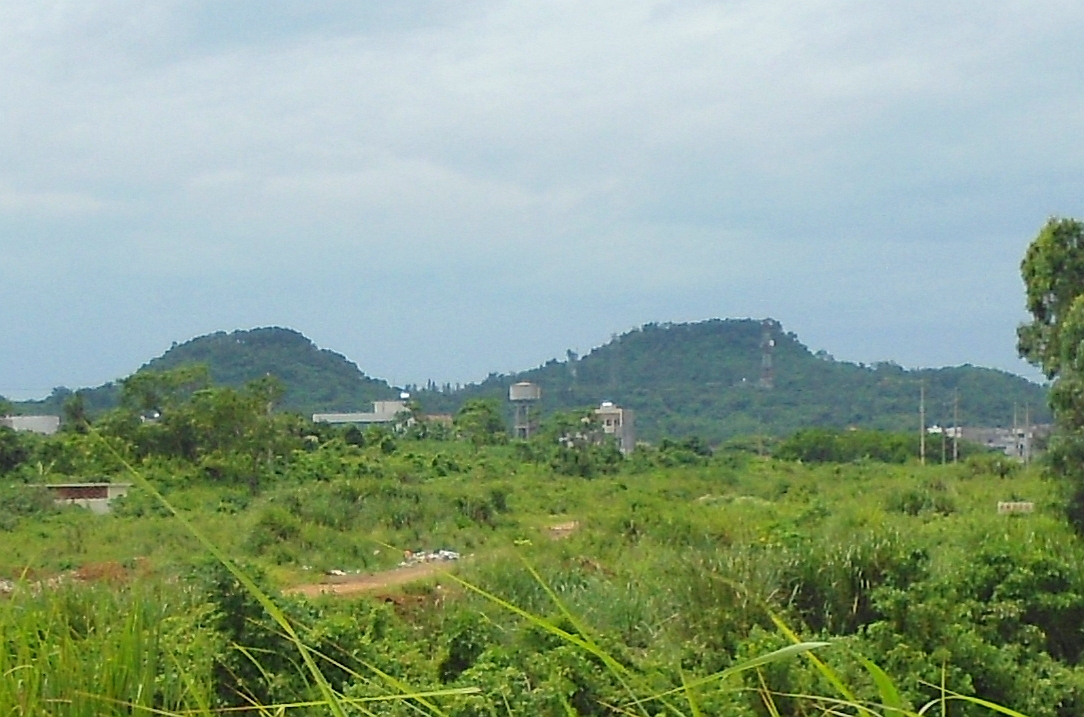
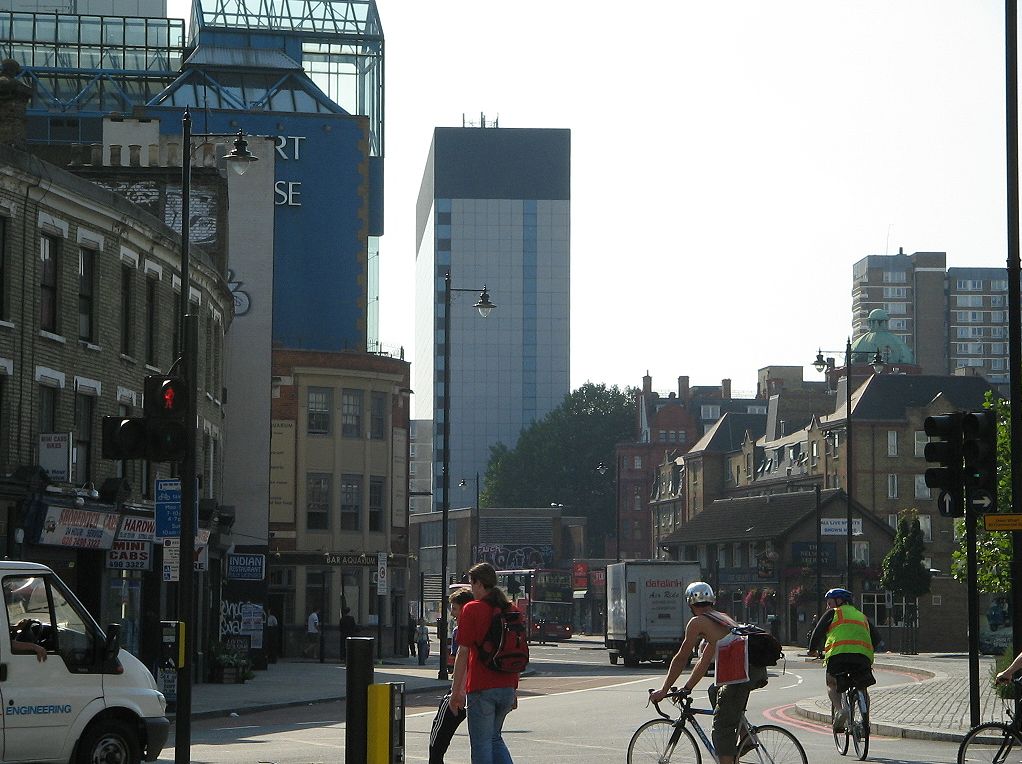
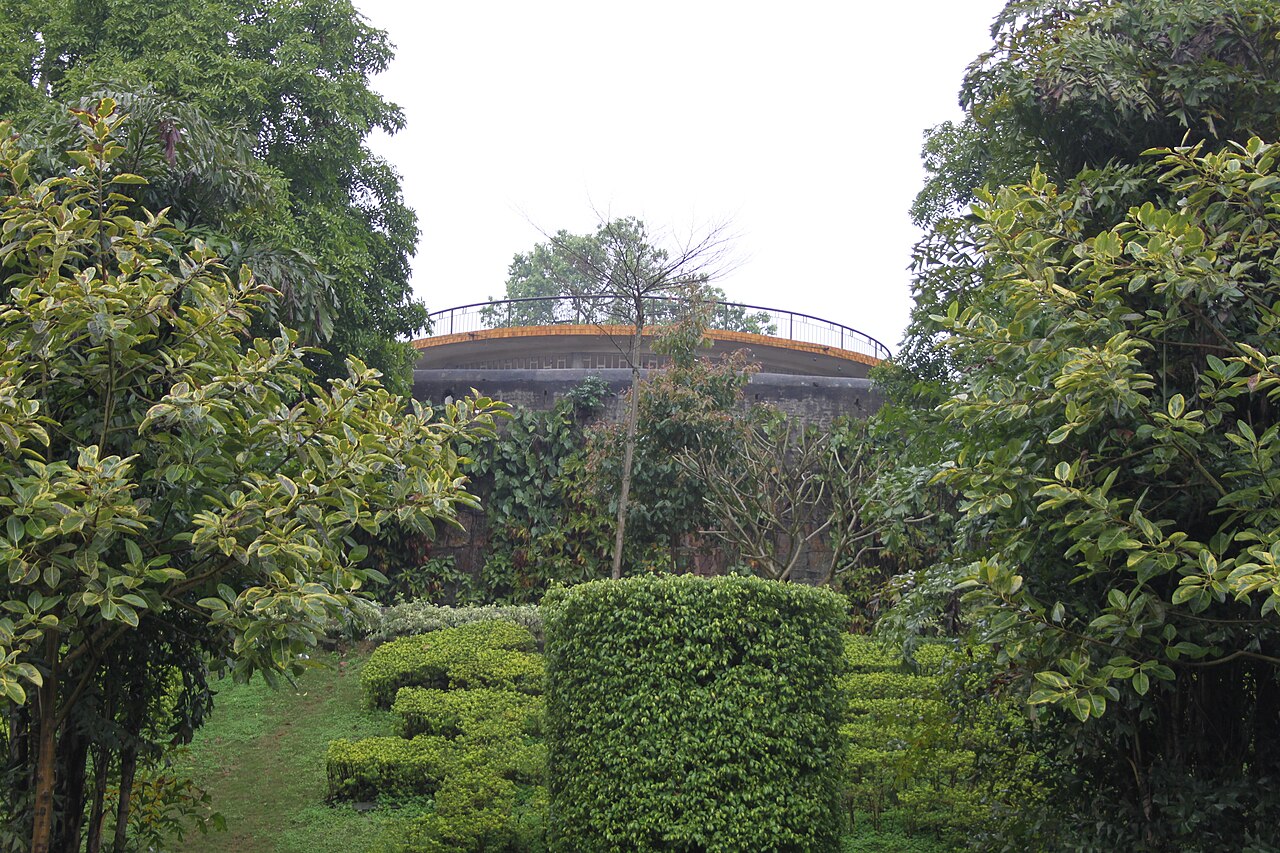
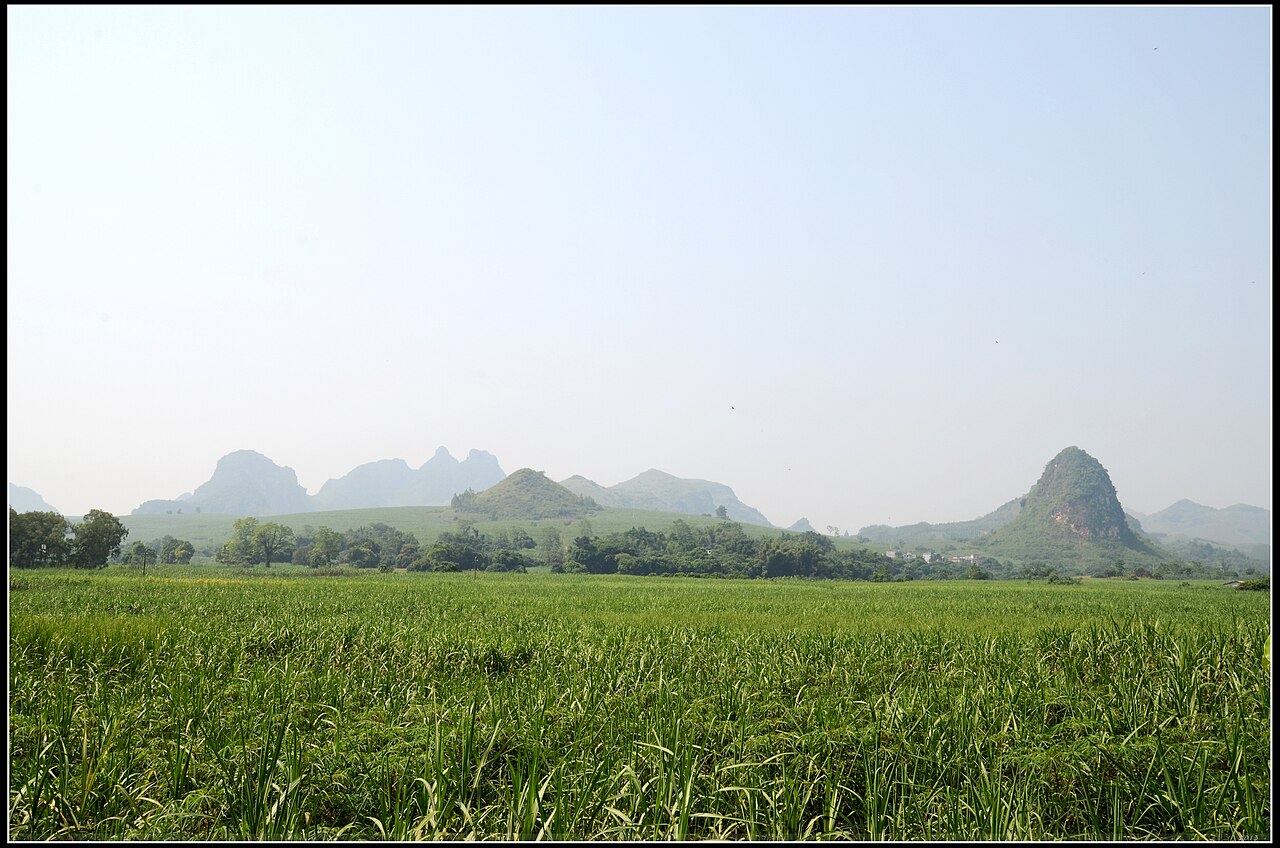
Photographs from the coast, and what other travellers wrote afterwards.

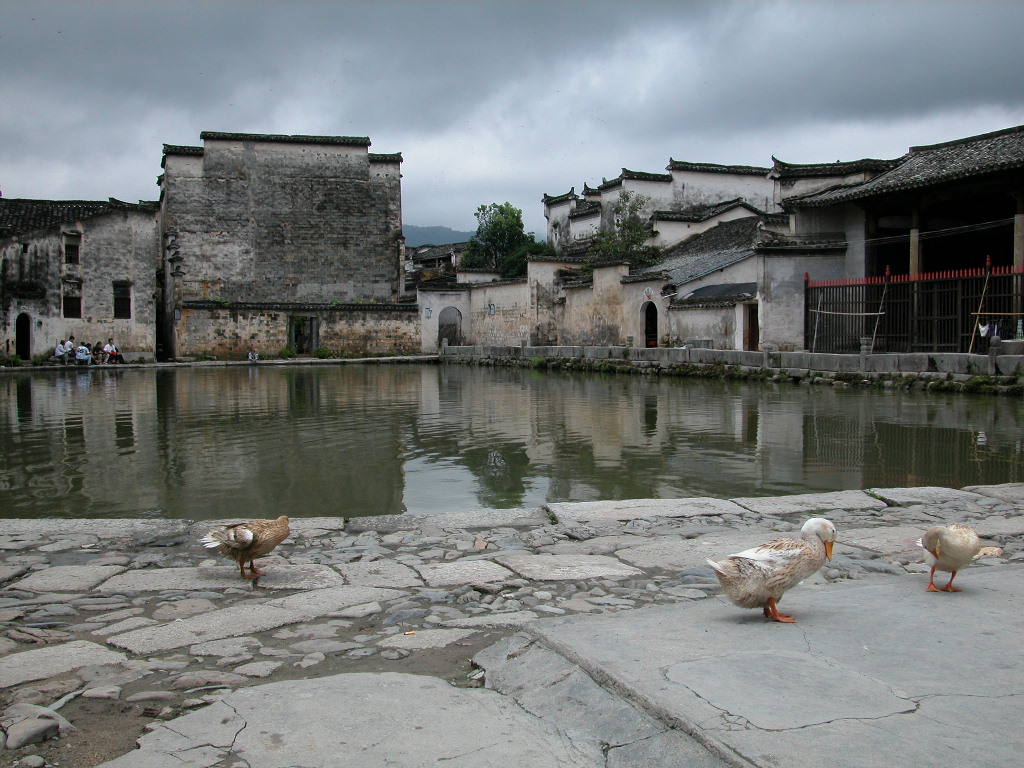
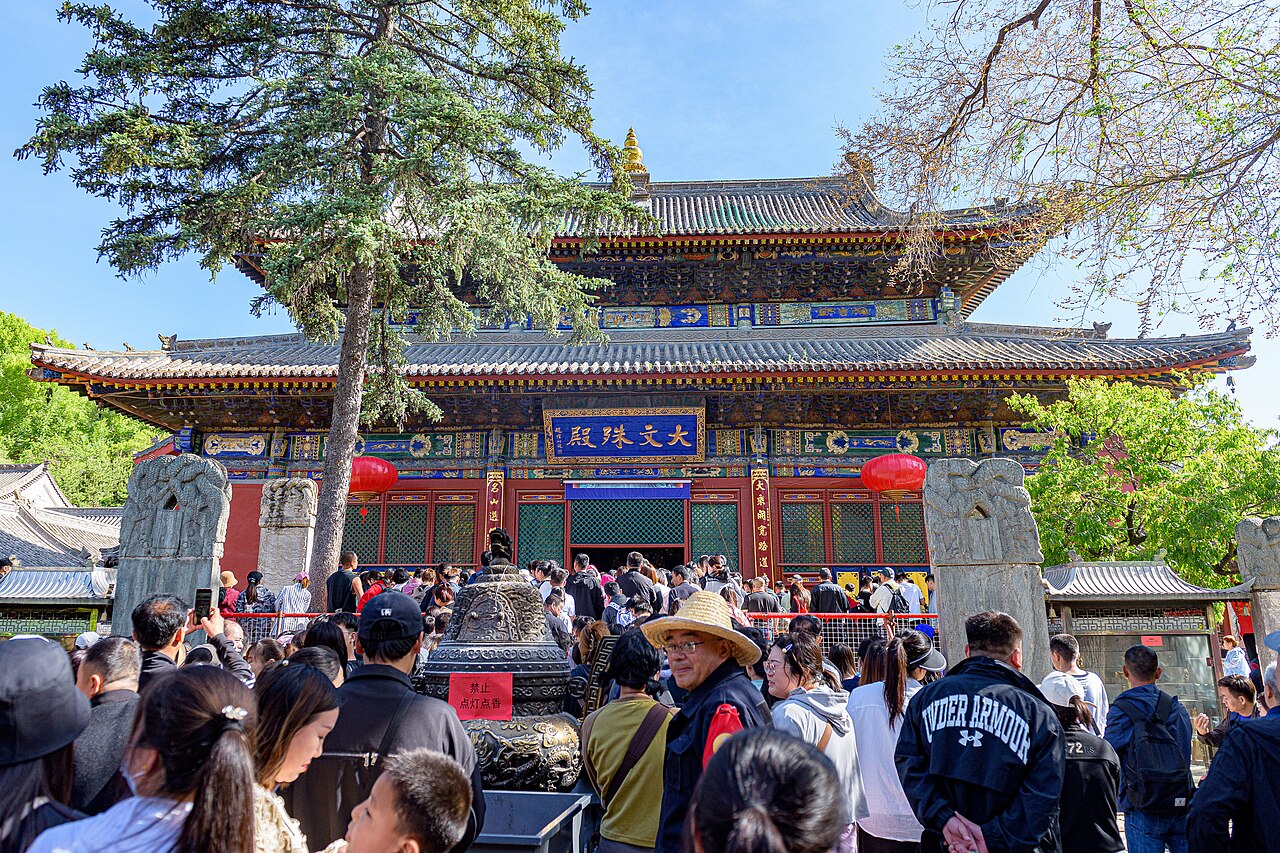
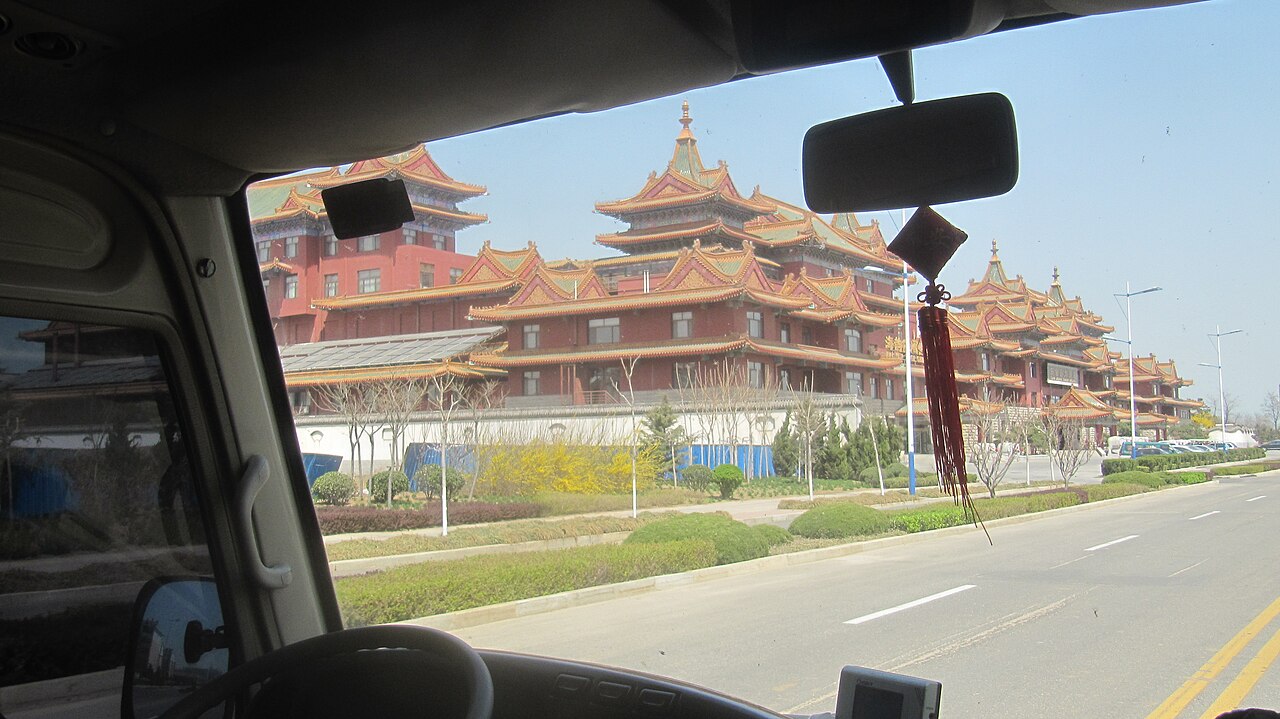
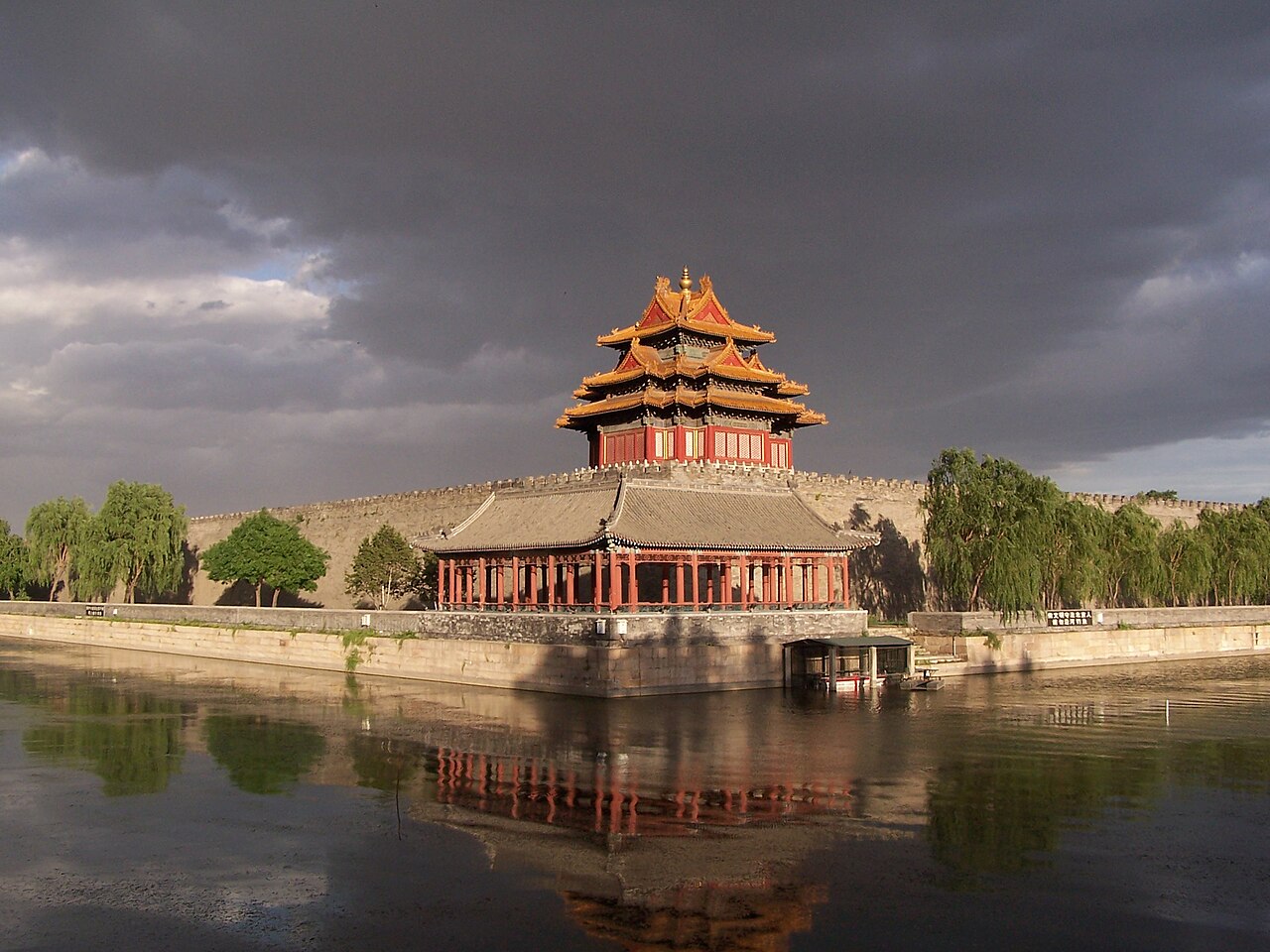
The corner tower of the Forbidden City, reflected in the moat at dusk
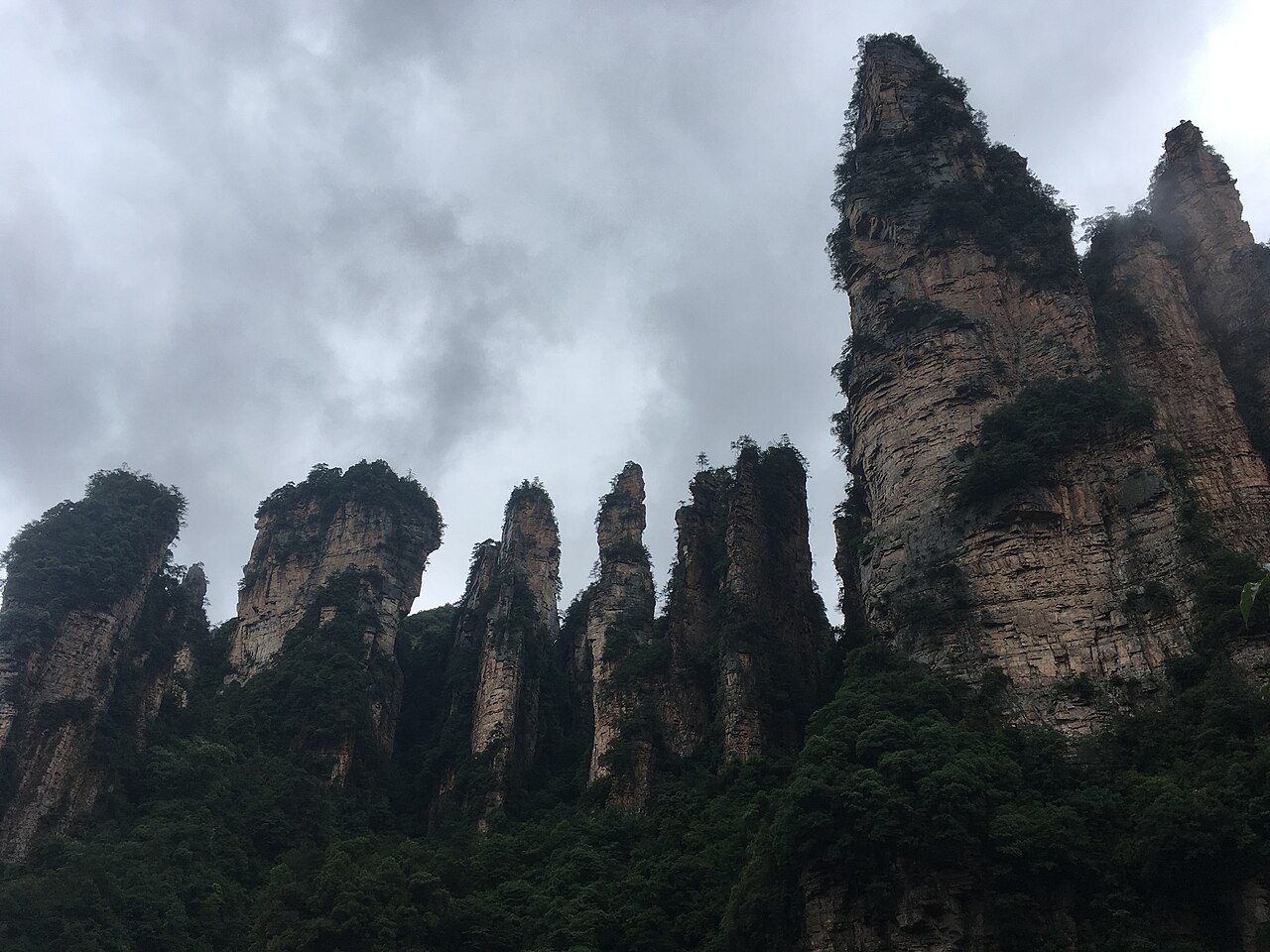
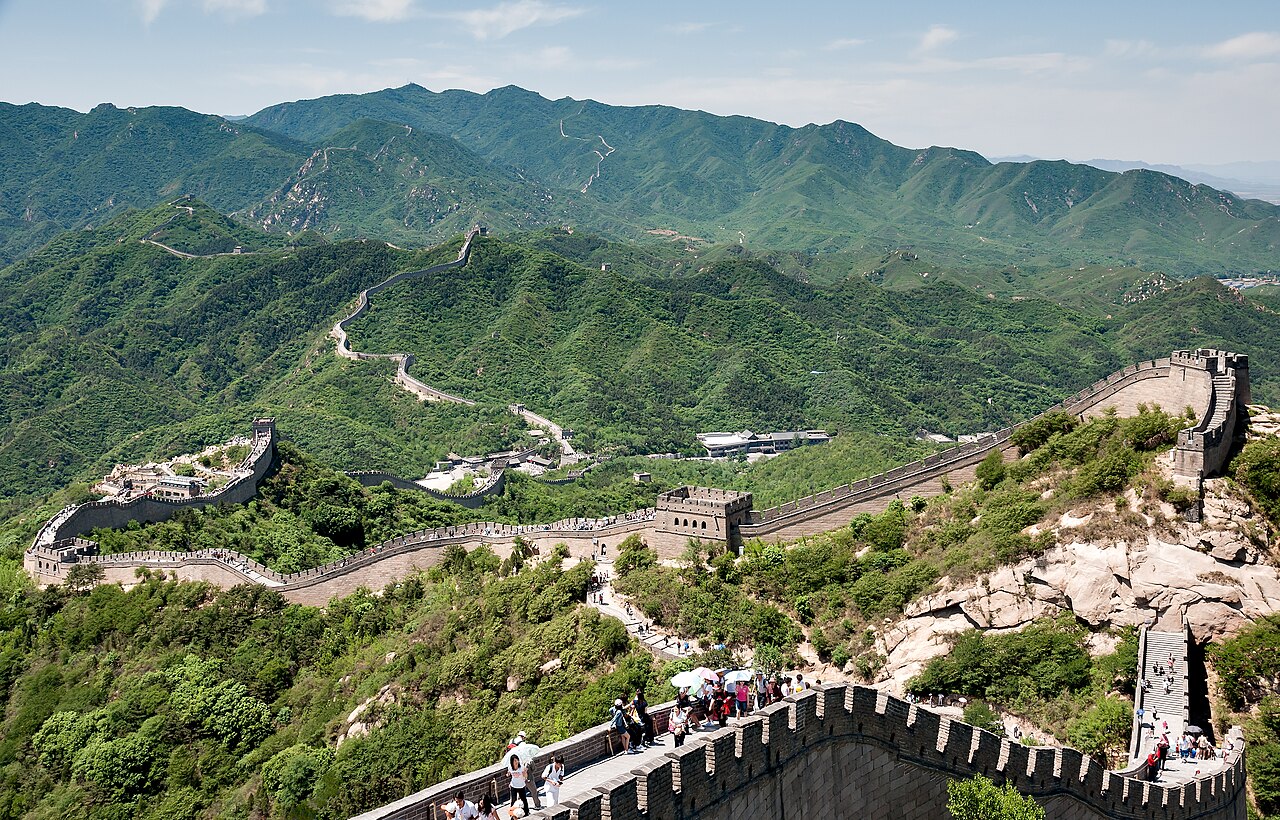
The Great Wall rolling over the ridge at Mutianyu
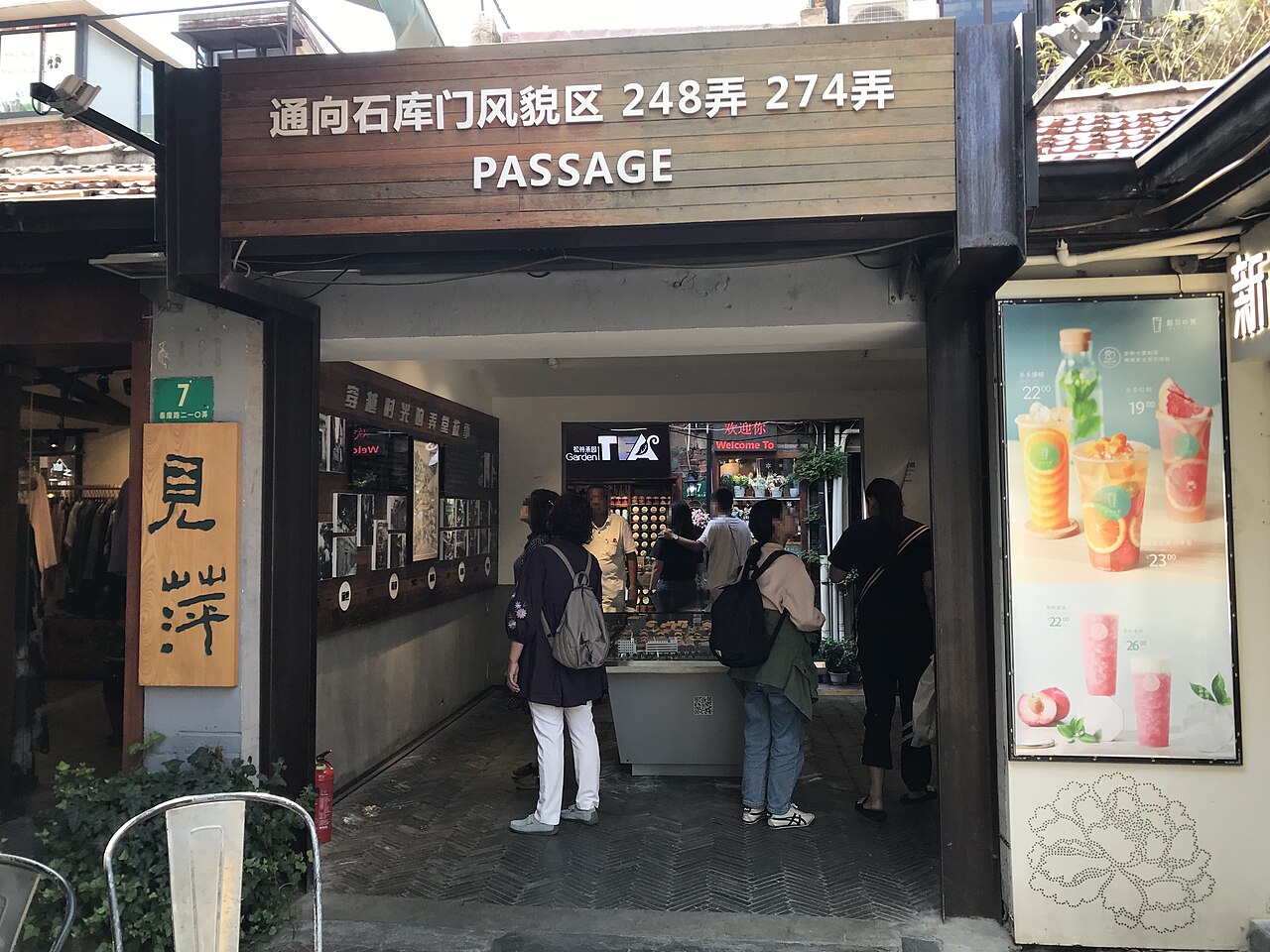
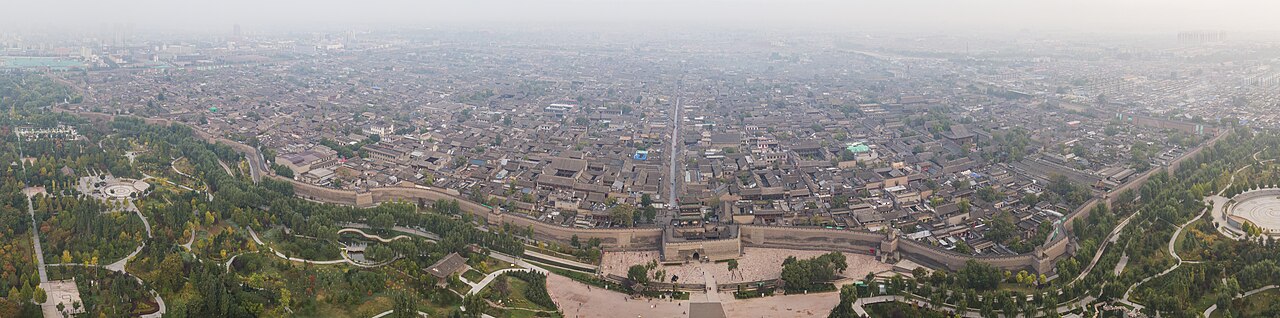
A grey-brick hutong lane north of the Drum and Bell Towers
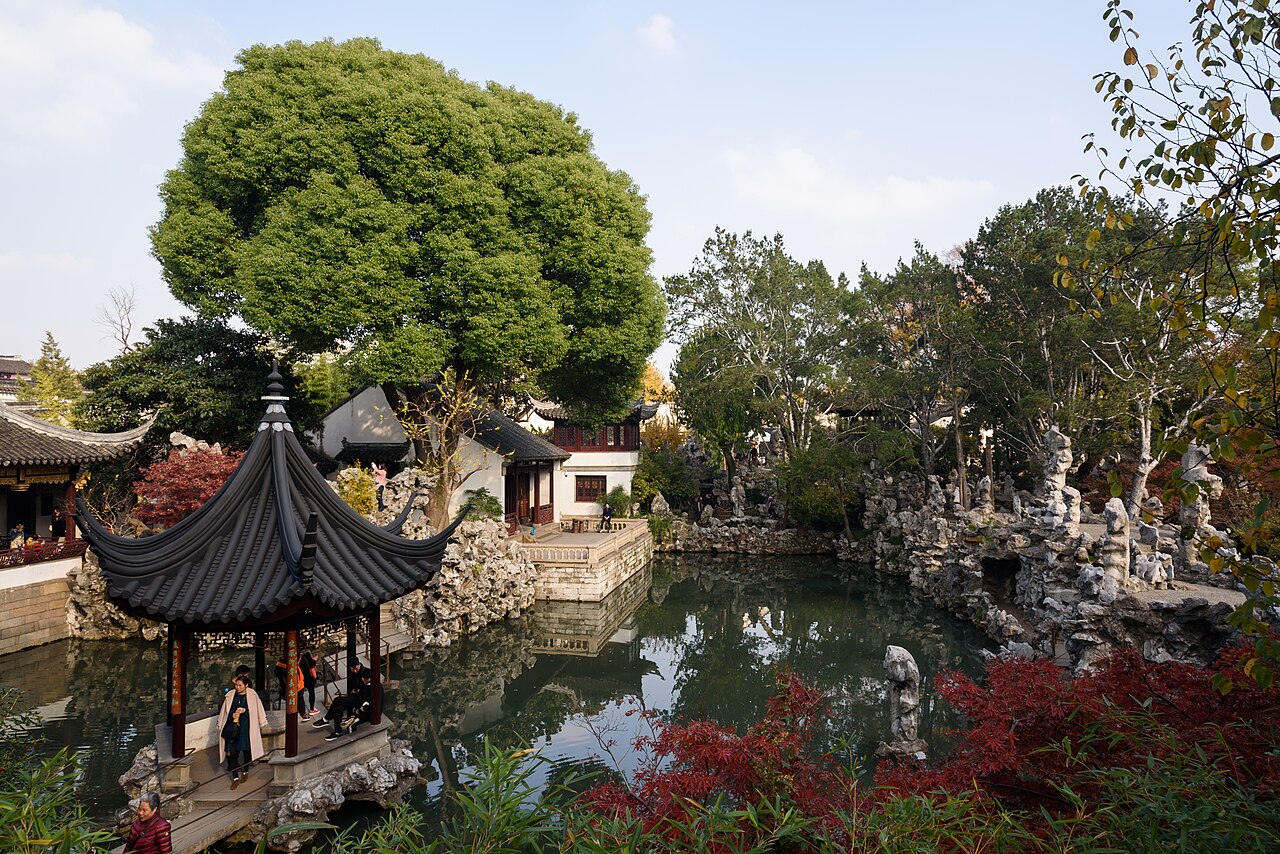
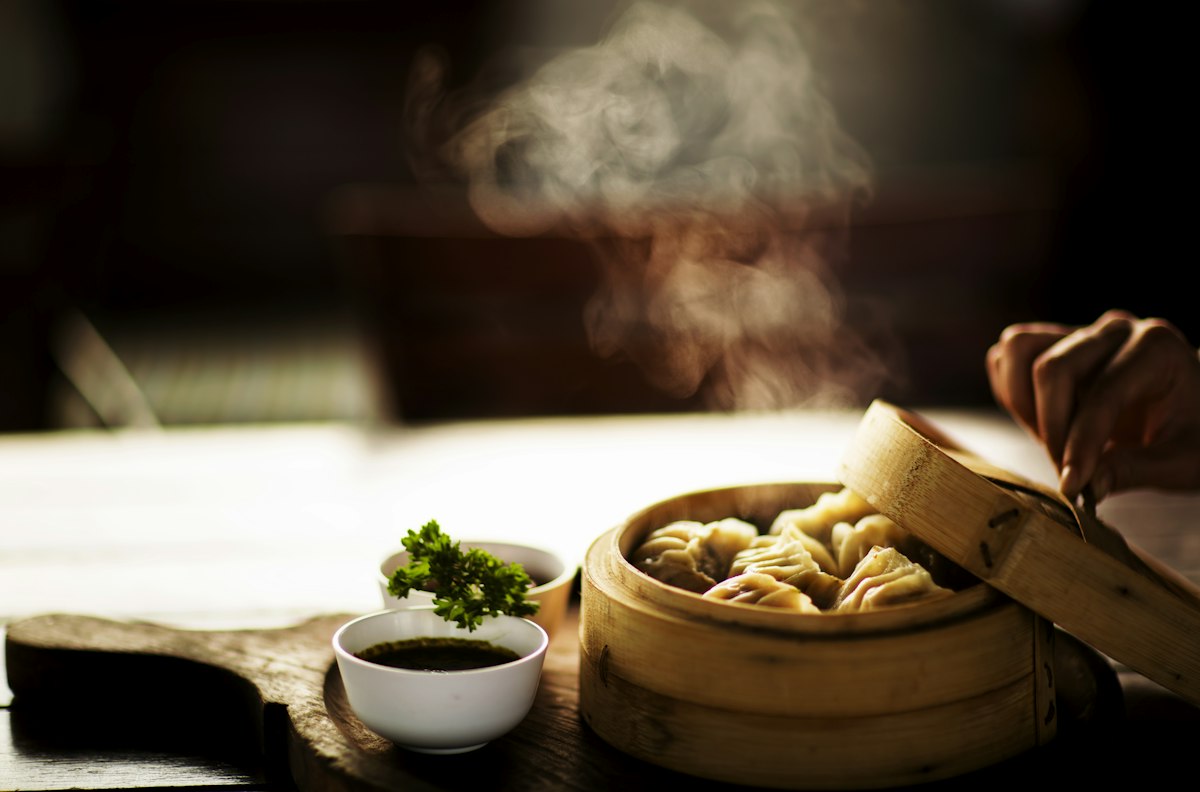
A whole Peking duck carved tableside, skin lacquered and crisp

I climbed the 1,168 steps up Xiangshan and my legs were shaking, but standing at the top in the middle of all that red maple was worth every step. Beijing in autumn is a completely different city.

Traveller's notebook, Xiangshan in Autumn

You could spend a whole day in the hutongs and never run out of things to look at — a man grilling skewers on the corner, kids doing homework on a courtyard doorstep, a cat asleep on a coal briquette. That's the Beijing I came for, not the postcard one.

Traveller's notebook, Rediscovering Beijing

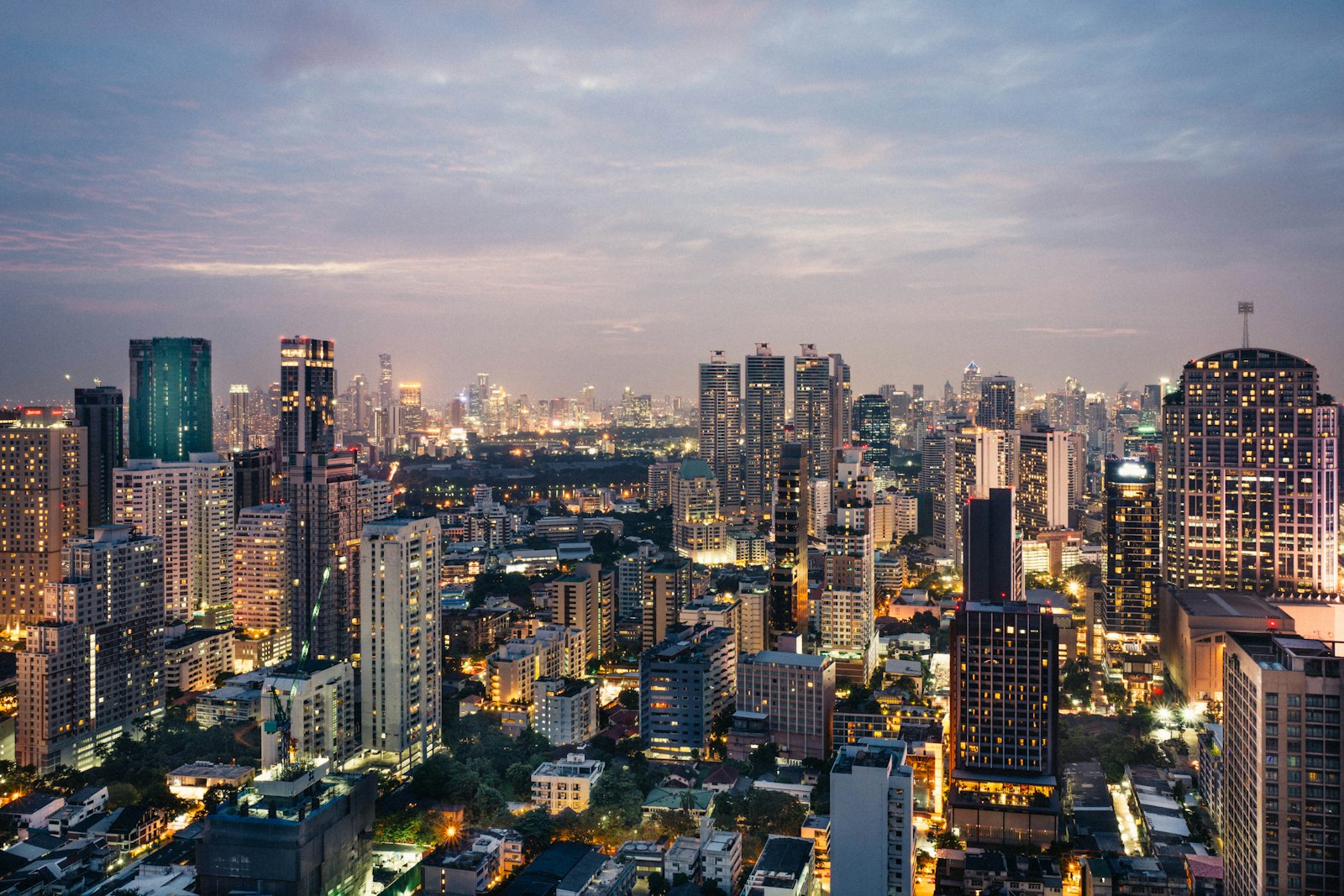
Beijing is a city where you can stand on a 600-year-old city wall in the morning and be in a glass tower in Guomao by evening. The old and the new don't sit politely side by side here — they crash into each other, and that collision is the whole point. Three thousand years of history, six dynasties of capitals, and a skyline that changed beyond recognition in thirty years.

The Beijing most visitors fall for isn't the monuments. It's the hutongs — the grey-brick lanes north of the Forbidden City where you still hear bicycle bells, smell coal smoke in winter, and watch old men play cards under the trees. Walk from Nanluoguxiang through the back alleys to Houhai and you'll pass courtyard gates, tiny noodle shops and people who have lived on the same lane their whole lives.

Then there's the food. Beijing duck is a ritual — lacquered skin carved tableside, pancakes, spring onion, sweet bean sauce — but the real local eating is humbler: copper-pot mutton hotpot, zhajiangmian noodles, and the notorious fermented mung-bean drink called douzhi that locals adore and first-timers usually can't finish. Come hungry and come curious.

Beijing

Don't leave without

Seven things that are worth rearranging a day for.

  1. Watch the sunrise flag-raising at Tiananmen Square, then walk straight into the Forbidden City
  2. Climb the Great Wall at Mutianyu or Jinshanling instead of the packed Badaling section
  3. Eat Peking duck at a proper restaurant — Quanjude for the classic, Dadong or Siji Minfu for the modern take
  4. Wander the hutongs from Nanluoguxiang to Houhai and stop for tea by the lake
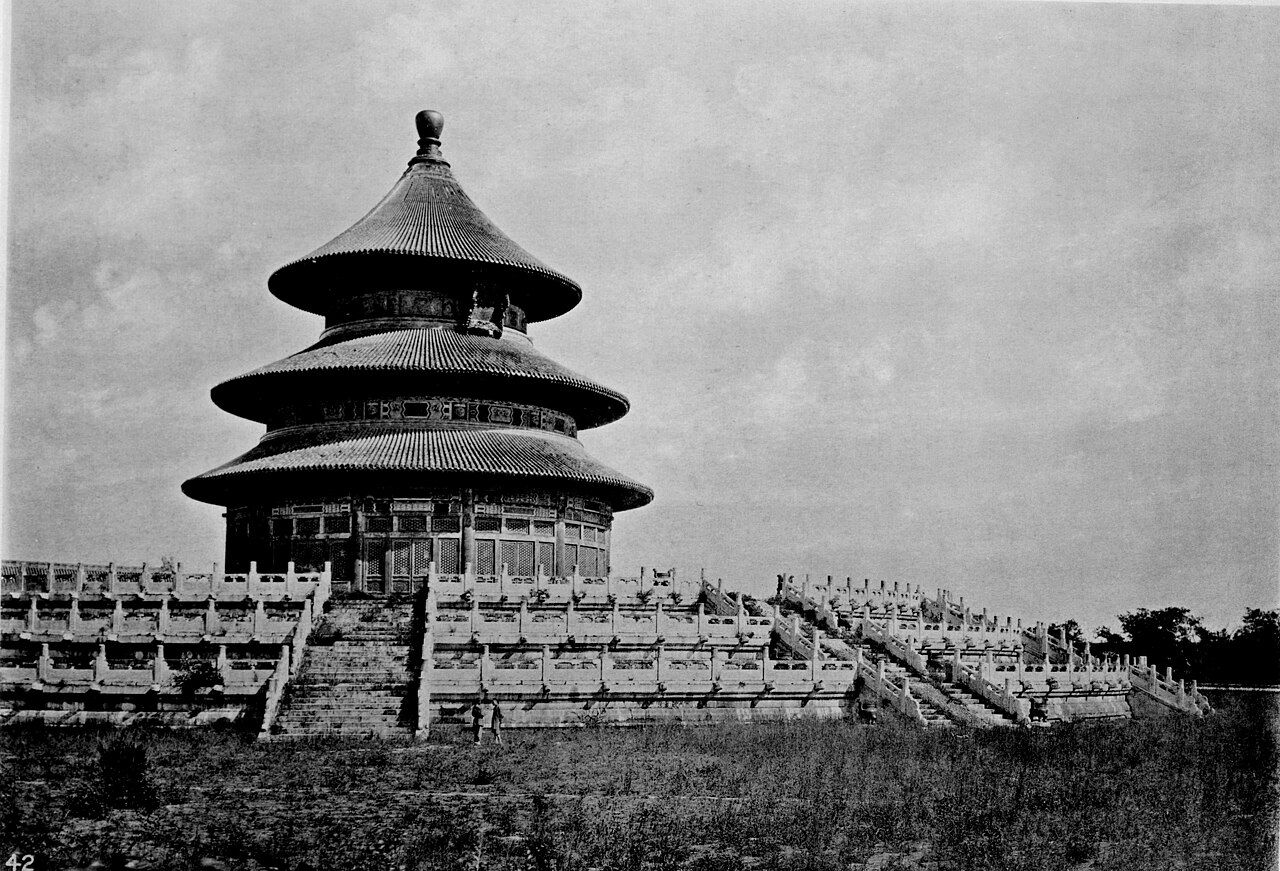
  5. See the Temple of Heaven's Echo Wall and the Hall of Prayer for Good Harvests
  6. Spend an afternoon at the 798 Art District, then eat late-night hotpot on Ghost Street

Highlights

Five reasons Beijing is worth the flight

A 600-year-old palace you can stil

The Forbidden City is the largest surviving imperial palace complex on earth, and you enter it through the same Meridian Gate the emperors used. Buy the timed e-ticket in advance, go at opening (8:30 in high season), and walk the central axis south to north — it takes about three hours and dumps you out at Jingshan Park for the classic rooftop view.
The Great Wall, but pick the right

Badaling is the one everybody knows and the one everybody queues at; Mutianyu is steeper, greener and far quieter. At Badaling tickets are ¥45; the cable car and the 877 bus from Deshengmen (¥12 on the air-conditioned coach, running 6:00–17:00 every five minutes) get you there without a tour.

Hutongs, the real pulse of the old

The lanes around Nanluoguxiang, Guozijian and Wudaoying are where Beijing still lives at ground level — courtyard houses, bicycle bells, tiny noodle shops. Nanluoguxiang's main drag is now a souvenir conveyor belt, so turn off into the side alleys within two minutes and the crowd evaporates.

Peking duck, and the argument over

Duck roasted over fruitwood, carved tableside, wrapped in a paper-thin pancake with spring onion and sweet bean sauce. Quanjude is the tourist classic, Bianyifang the locals' answer to Quanjude, and Dadong the modern favourite. Expect roughly ¥150 per person at the big names.

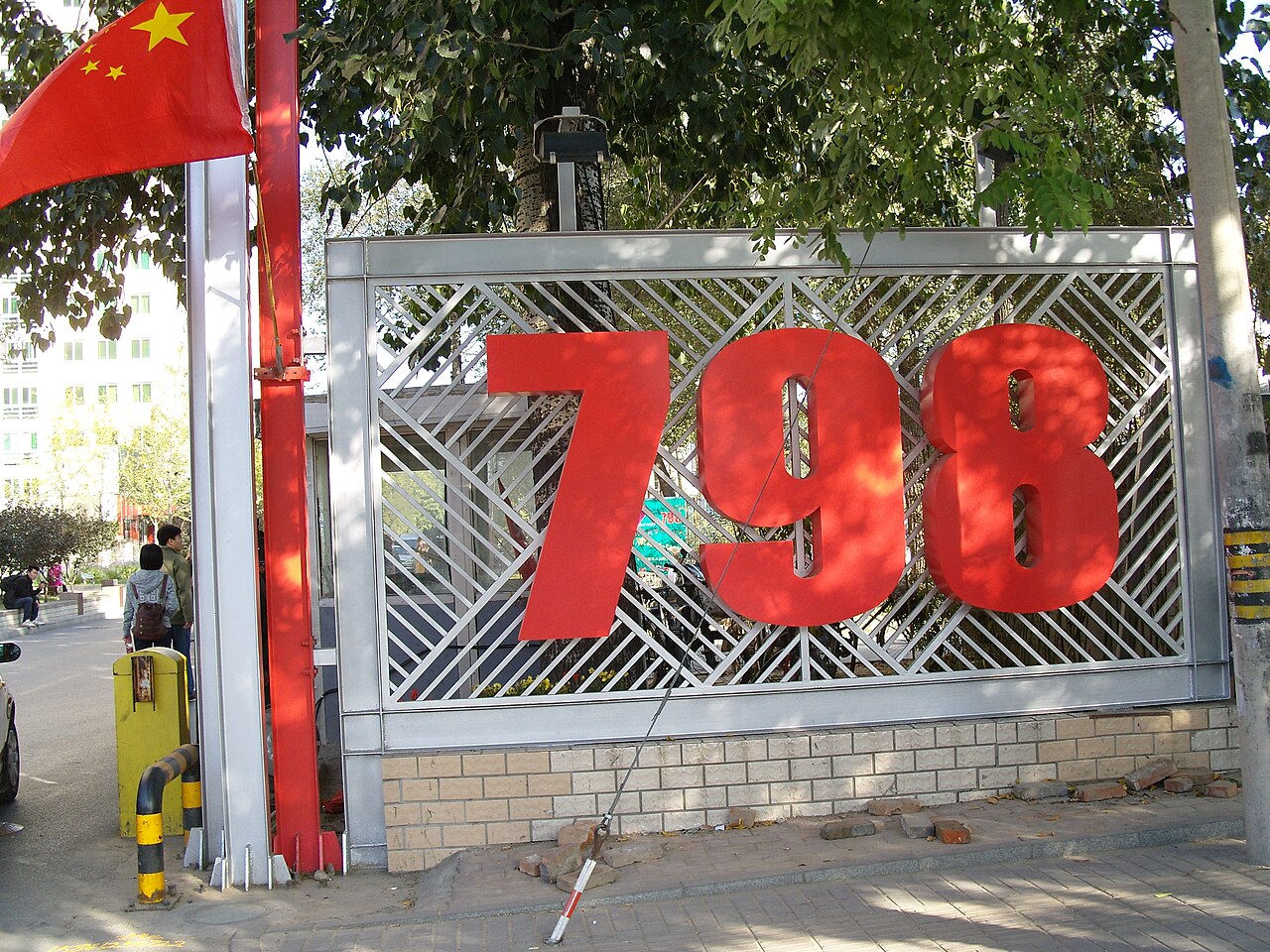
798, an art district built inside

A 1950s electronics plant turned into China's first and biggest contemporary art zone, with over a hundred galleries, studios, bookshops and cafes still threaded between working industrial buildings. It is free to wander, and there is no metro station nearby — take Line 2 to Dongzhimen or Line 13 to Wangjing West, then bus 401, 405, 909 or 991 to Dashanzi.

Suggested itineraries

Two three-day routes, one imperial and one local

The Imperial Axis

3 days days

For first-timers who want the headline monuments done properly, with the walking kept manageable and one big day out at the Wall.

  1. Day 1

    Tiananmen Square, the Forbidden Ci

    Start at Tiananmen Square early — the flag-raising happens at sunrise and the time shifts daily, so check it the night before — then cross Chang'an Avenue into the Forbidden City. Book the timed e-ticket online before you fly; walk-in tickets are effectively gone in high season.

    Stops: Tiananmen SquareForbidden City (Meridian Gate in, Shenwu Gate out)Jingshan Park for the palace-roof panoramaNanluoguxiang and the lanes around it

  2. Day 2

    The Great Wall at Mutianyu

    Leave the city by 7am to beat the coaches. Mutianyu is the section to choose if you want restored ramparts without Badaling's crowds; the cable car saves your legs for the steep watchtower climbs. Back in town by late afternoon, spend the evening at Houhai, where the bars sit right on the water.

    Stops: Mutianyu Great WallHouhai and Shichahai lakesDrum and Bell Towers at dusk

  3. Day 3

    Temple of Heaven and the modern ci

    Temple of Heaven opens its gates at 6:00 and is four times the size of the Forbidden City — the Echo Wall and the Circular Mound Altar are the two things not to skip, and the park around them is full of locals doing tai chi. Afternoon at the 798 Art District, evening at Sanlitun for dinner and a bar.

    Stops: Temple of Heaven798 Art DistrictSanlitun

Old Beijing at Street Level

3 days days

For second-timers and anyone who would rather drink tea in a courtyard than queue for another palace. Slower, cheaper, and you actually talk to people.

  1. Day 1

    Yonghe Temple, Guozijian and the q

    Yonghe Temple is the former residence of the Yongzheng Emperor, later converted into a Tibetan Buddhist lamasery — ¥25 entry, student half price, open 8:00–17:00, and in autumn the ginkgo avenue inside turns solid gold. Walk from there to the Imperial College and Confucius Temple, then lose yourself in the Wudaoying lanes.

    Stops: Yonghe TempleGuozijian and Confucius TempleWudaoying Hutong

  2. Day 2

    Summer Palace and the Old Summer P

    Take Line 4 to Beigongmen for the Summer Palace, China's largest and best-preserved imperial garden — ¥30 in high season, ¥60 with the combined ticket, and the 728-metre Long Corridor is the thing you will remember. Exit by the north gate and ride one stop to Yuanmingyuan, the ruined garden burned by British and French troops in 1860; entry is ¥10 and the broken stone fountains do the talking.

    Stops: Summer PalaceYuanmingyuan (Old Summer Palace)Tsinghua and Peking University campuses

  3. Day 3

    Beihai, Prince Gong's Mansion and

    Beihai Park is where the song about rowing a boat past the White Pagoda comes from — ¥10 in high season, ¥20 with the combined ticket. Prince Gong's Mansion nearby costs ¥40 for the basic visit or ¥70 with a guide, a performance in the mansion theatre and tea; it is the best-preserved princely residence in the city. Finish with Peking opera at the Liyuan Theatre or crosstalk at a Tianqiao teahouse.

    Stops: Beihai ParkPrince Gong's MansionLiyuan Theatre or Tianqiao for a show

Sights

Five places worth your hours, with the practical bits

Imperial palace

The Forbidden City

The Ming and Qing palace, now the Palace Museum, with four gates — Meridian (south), Donghua (east), Xihua (west) and Shenwu (north). There is almost no proper food inside, only snack counters, so eat before or after; luggage can be stored next to the ticket office and moved free between the Meridian and Shenwu gates, 8:30–18:00. Audio guides are ¥10 with a ¥100 deposit.

Ticket
¥60 high season, ¥40 low season, ¥20 for students
Hours
8:30–16:10 high season; 8:30–15:40 low season
Address
4 Jingshan Front Street, Dongcheng District
Getting there
Metro Line 1 to Tiananmen East or West

Tip Walk the central axis only and you will finish in about three hours — enter at the south gate, exit north, and eat lunch near Jingshan.

Imperial altar

Temple of Heaven

Where Ming and Qing emperors sacrificed to heaven at the winter solstice, and four times the size of the Forbidden City. The layout is an 'I' shape split by two walls into inner and outer altars, with a square southern wall for earth and a semicircular northern wall for heaven. Stand at one end of the Echo Wall and speak softly — the sound carries to the other end, over a hundred metres away.

Ticket
¥10 low season, ¥15 high season; combined ticket ¥30/35
Hours
Gates 6:00–22:00; inner halls from 8:00
Address
7 Tiantan Inner East Lane, Chongwen District
Getting there
Metro Line 5 to Tiantan Dongmen

Tip Come at 6am with the retirees doing tai chi in the park — that half hour is better than the buildings.

Imperial garden

Summer Palace

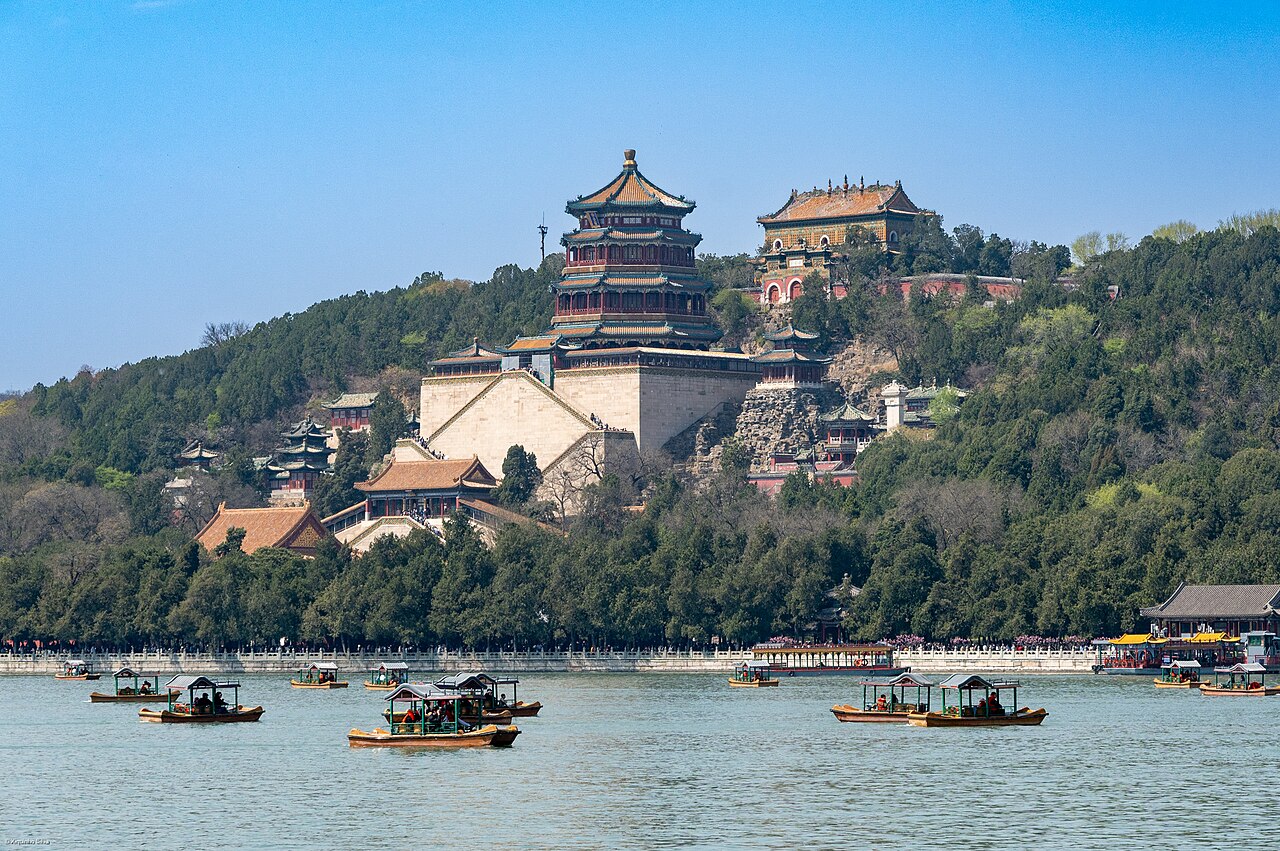
China's largest and most intact imperial garden, built around the 41-metre Tower of Buddhist Incense on Longevity Hill, with halls, pavilions and corridors placed to match the slope. At the foot of the hill runs the 728-metre Long Corridor, painted end to end, linking the buildings to the lake and the hills behind.

Ticket
¥30 high season, ¥20 low season; combined ¥60/50
Hours
6:30–18:00 high season; 7:00–17:00 low season
Address
19 Xinjiangongmen Road, Haidian District
Getting there
Metro Line 4 to Beigongmen

Tip Enter at the north gate, work downhill to the lake, then take the boat across if it is running — it saves a long walk back.

Great Wall

Badaling Great Wall

The best-preserved stretch of the Ming wall, and the one Mao's line about becoming a true man made famous. It is also the busiest: expect a solid wall of people in the frame. Tickets are ¥45, and the 877 bus from Deshengmen runs 6:00–17:00, every five minutes, at ¥12 for the air-conditioned coach or ¥7 for the ordinary one.

Ticket
¥45
Getting there
Bus 877 from Deshengmen, 6:00–17:00, every 5 minutes
Other sections
Mutianyu, Jinshanling and Jiankou are quieter alternatives
Note
Tourist line buses also leave from Qianmen, Beijing Station and the Zoo

Tip Go on a weekday and be on the first bus. By 10am the cable-car queue alone can cost you an hour.

Contemporary art

798 Art District

A working 1950s electronics factory complex that artists moved into and converted into China's first and largest contemporary art zone. More than a hundred cultural outfits now sit inside — galleries, design studios, publishing houses, music venues and artist workshops — alongside bars, restaurants, bookshops and clothing stores. It is free to walk in and there is always an exhibition or a talk on.

Entry
Free
Address
4 Jiuxianqiao Road, Chaoyang District
Getting there
No nearby metro — Line 2 to Dongzhimen or Line 13 to Wangjing West, then bus 401/405/909/991 to Dashanzi
Best time
Weekday afternoons, when the galleries are open and the crowds are thin

Tip Check what is actually showing before you go — the big-name galleries rotate exhibitions and some close on Mondays.

Food

What to eat in Beijing (and what will test you)

Peking duck

The city's signature dish: lacquered, fruitwood-roasted Beijing duck carved tableside into crisp skin and tender meat, wrapped in thin pancakes with spring onion, cucumber and sweet bean sauce. Quanjude is the tourist rite of passage, but locals increasingly rate Dadong and Bianyifang higher. Expect around ¥150 per person at the famous houses.

Zhajiangmian (noodles with fried s

Thick wheat noodles under a dark, salty sauce of fermented soybean paste fried with minced pork, cooled by a pile of shredded cucumber, radish and soybean sprouts. It is the everyday Beijing bowl, cheap, filling and everywhere. Haidwuanju and Jingweizhai are the crowd favourites.

Old Beijing hotpot (shuan yangrou)

A charcoal copper pot of plain water, paper-thin slices of mutton swished seven or eight times, then dredged through sesame paste. No spice, no broth gimmicks — the meat is the point. Order tripe first, then meat, then vegetables, and finish with noodles in the same pot.

Douzhi (fermented mung bean drink)

The one that separates tourists from locals. Sour, faintly sulphurous and served cold with a crunchy fried ring, it is an acquired taste you either fall for hard or abandon after one sip. Try it once at Huguosi Snacks — you are allowed to not like it.

Street snacks

Donkey rolls (glutinous rice rolled in soybean flour), pea-flour cake, aiwowo, fried sausage slices with garlic brine, and candied hawthorn skewers in winter. The densest cluster is at Huguosi Snacks near Ping'anli; a full tasting plate runs well under ¥50.

Where to eat

Four tables worth booking

Peking duck · the classic

Quanjude (Qianmen branch)

The duck house everyone has heard of, open since 1864 and still roasting over open fruitwood fire. The whole-duck set is carved at your table; go early or book, and skip the à la carte duck if you want the full ceremony.

Cuisine
Peking duck, Beijing classics
Typical spend
¥150 per person
Address
30 Qianmen Dajie, Dongcheng (near Qianmen walking street)
Phone
010-65112418
Getting there
Metro Line 2 to Qianmen

Crayfish · Gui Street institution

Huda Restaurant

The busiest table on Gui Street, famous for its spicy málà crayfish, rich with garlic and chilli. It runs late and the queue is real — put your name down, then wander the street until they call you.

Cuisine
Spicy crayfish, Sichuan-style
Typical spend
¥80 per person
Address
233 Dongzhimen Nei Dajie, Dongcheng
Phone
010-64003511
Getting there
Metro Line 5 to Beixinqiao

Mutton hotpot · old brand

Donglaishun (Wangfujing)

Charcoal copper pot, sesame dipping sauce, and lamb sliced thin enough to read through. It is a heritage name, so prices are not bargain-basement, but the setup is the real thing and the winter queue moves fast.

Cuisine
Old Beijing copper-pot hotpot
Typical spend
¥100 per person
Address
198 Wangfujing Dajie, Dongcheng
Phone
010-65139661
Getting there
Metro Line 1 to Wangfujing

Tea, snacks and stage shows

Laoshe Teahouse (Qianmen)

A teahouse where you drink jasmine tea, nibble Beijing sweets and watch crosstalk, acrobatics, shadow puppetry and opera excerpts on a small stage. Come for the culture as much as the food — a good rainy-day or first-night introduction.

Cuisine
Tea, snacks, performance dinner
Typical spend
¥150 per person
Address
30 Qianmen Dajie, Dongcheng
Phone
010-65112418
Getting there
Metro Line 2 to Qianmen

Where to stay

Three bases, three budgets

Best for atmosphere

Gulou (Drum Tower) area

Stay inside the hutong belt and you wake up to bicycle bells and breakfast stalls instead of traffic. The Gulou and Nanluoguxiang lanes put the Bell and Drum Towers, Shichahai and Houhai bars within walking distance, and the metro is a few minutes away.

Best for
First-timers who want old Beijing on the doorstep
Budget
Hostel dorms from ¥55–95; private rooms ¥200+
Sample stay
Beijing Drum Tower Youth Hostel, 51 Jiugulou Dajie, Xicheng
Phone
010-64037702
Getting there
Metro Line 2 to Guloudajie, exit E, 300 m south

Best for charm

Hutong courtyard inns (Nanluoguxia

Converted siheyuan courtyard guesthouses, often designer-renovated, with sunlit courtyards for afternoon tea. Rooms are small and pricey, but the location — a short walk from the Drum Tower, Houhai and Nanluoguxiang — is hard to beat.

Best for
Couples and anyone who wants a courtyard stay
Budget
From ¥310 per night
Sample stay
Hutongren Culture Hotel, 71 Xiaojuer Hutong, Nanluoguxiang
Phone
010-84025238
Getting there
Metro Line 6 to Nanluoguxiang

Best for convenience

Wangfujing / Chang'an Avenue

The central splurge: big hotels on or near Chang'an Avenue, minutes from Tian'anmen Square and the Forbidden City. You pay for the address and the view, but you save an hour of commuting every morning.

Best for
Short trips and travellers who value time over money
Budget
Around ¥1,500 per room
Sample stay
Beijing Hotel, 33 Dong Chang'an Jie, Dongcheng
Phone
010-65137766
Getting there
Metro Line 1 to Wangfujing

Getting around

Airport express, subway, and how to reach the Great Wall

Air

Beijing Capital International Airport (PEK) sits about 25 km (16 mi) northeast of the centre and handles most international flights, split across three terminals: T3 for Air China and most Star Alliance carriers, T2 for China Eastern, China Southern and SkyTeam, T1 for Hainan Airlines. Check your terminal before you leave — the walk between them is not short. Nanyuan Airport, south of the Fourth Ring Road, mostly serves domestic routes. A taxi from T3 to Dongzhimen runs about ¥60, to the Qianmen area about ¥80, to Zhongguancun around ¥100.

Airport express train
Dongzhimen or Sanyuanqiao to T3/T2, ¥25 one way, runs roughly 06:20–23:10

Airport bus

Nine city routes leave from outside Arrivals on the ground floor, departing T3 and stopping at T2 and T1 before heading into town: Fangzhuang, Xidan, Beijing Railway Station, Gongzhufen, Zhongguancun, Wangjing, West Railway Station, Shangdi and Tongzhou. The Xidan line runs every 20 minutes, the Beijing Station and Gongzhufen lines every 15, the rest no more than every 30. Journeys take 1–1.5 hours and cost a flat ¥16.

Intercity coaches
Beijing–Tianjin ¥80 (2h 30m), Beijing–Langfang ¥40 (2h), Beijing–Baoding ¥85 (3h)
Enquiries
010-64594375 / 76

Metro

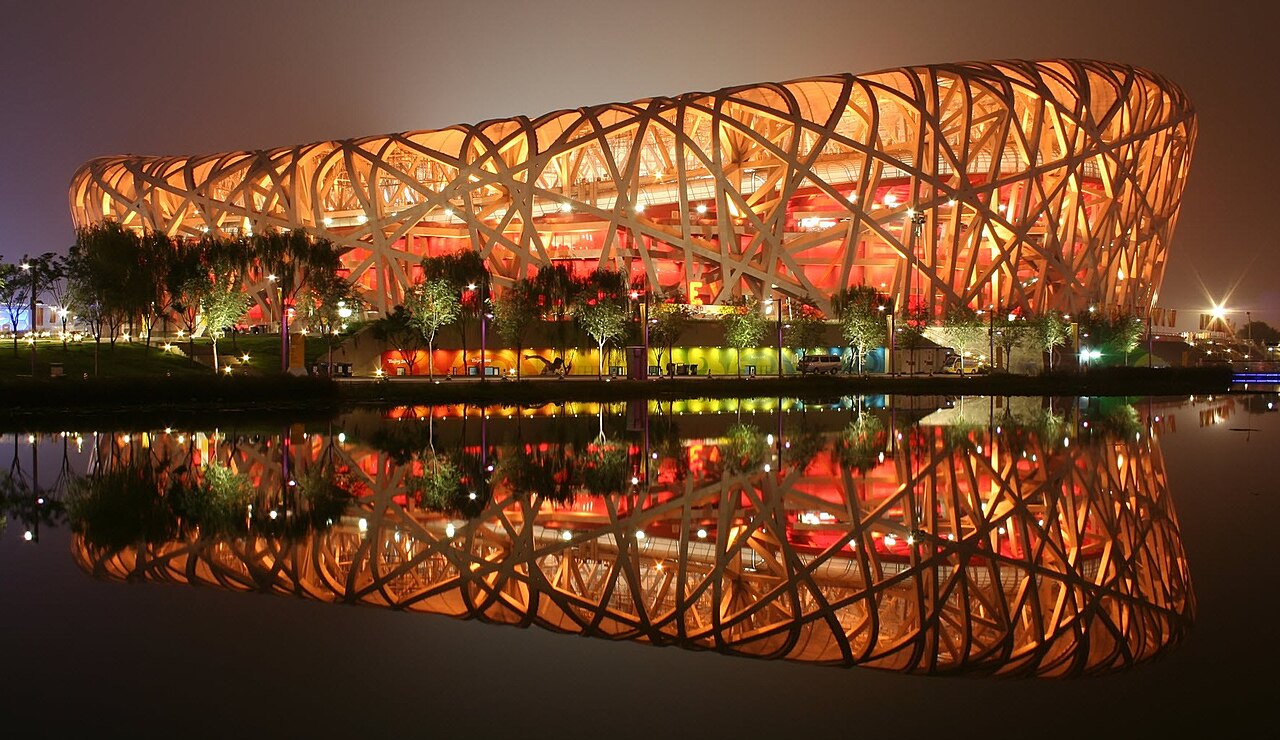
The subway is the fastest way across a city this size and ridiculously cheap: every line except the Airport Express costs a flat ¥2, with unlimited transfers as long as you stay inside the gates. Trains generally run from around 05:00 to 23:00. Lines 1 and 2 cover Tiananmen, Wangfujing and the old city; Line 4 reaches the Summer Palace and Yuanmingyuan; Line 8 serves the Bird's Nest and Olympic Park. Buy a Yikatong transport card or tap with your phone.

Airport Express
¥25, the only line not covered by the flat fare
Best for
Tiananmen, Wangfujing, the hutongs, the Olympic Park

Trains and the Great Wall

Beijing has five main passenger stations — Beijing, Beijing West, Beijing South, Beijing North and Beijing East — and booking online at 12306.cn or by phone is the norm. For Badaling, the cheapest and most reliable option is bus 877 from Deshengmen: air-conditioned coaches at ¥12 or ordinary buses at ¥7, both running 06:00–17:00 every five minutes. Sightseeing lines also leave from Qianmen, Beijing Railway Station, Dongdaqiao and the zoo. For Mutianyu, take a tour bus or hire a car — public transport there is slow and infrequent.

Bus 877 to Badaling
From Deshengmen, ¥7–12, 06:00–17:00, every 5 minutes
Beijing South
High-speed rail hub; Metro Line 4 connects

Shopping

What to actually bring home from Beijing

Roast duck and Peking provisions

Vacuum-packed roast duck from Quanjude or Bianyifang travels well and makes the obvious gift, and jars of Liubiju pickles — the name comes from the workshop's six strict rules for grain, water, pottery, timing and fire — are the more interesting souvenir. Tianfuhao's braised pork knuckle has been made since 1738 and still sells out by early afternoon.

Erguotou baijiu

Beijing's own clear spirit, distilled from the second pot of sorghum, is strong but smooth and sold everywhere from corner shops to airport duty free. Red Star and Niulanshan are the two names to look for. A bottle costs anything from ¥20 to several hundred depending on age.

Antiques and old goods at Panjiayu

Even if you buy nothing, the Panjiayuan market is worth half a day — it is where the city's traditional antique trade still happens, and stallholders are happy to bargain. Open Monday to Friday 08:30–17:30, weekends from 04:30, easy to reach on Metro Line 10 to Panjiayuan station.

Silk Street and Dashilan

Silk Street near Jianguomen sells everything from real tailored silk to knock-off designer labels, and haggling with a calculator is part of the show. For old-brand shopping, Dashilan off Qianmen has Ruifuxiang silks, Neiliansheng cloth shoes, Tongrentang medicine and Zhang Yiyuan tea all within a few narrow lanes.
Practical

Tickets, timing and things that will trip you up

Before you lock in dates, check current opening hours and ticket rules — Beijing adjusts Forbidden City capacity and Great Wall access around public holidays, and the Spring Festival week is the busiest travel period of the year. For a private itinerary that fits your dates and pace, see our Beijing private tour options, or browse Beijing tour packages that bundle the Wall, the Forbidden City and the hutongs into one trip.
Best seasonAutumn, especially late October to early November when the red leaves peak and the Fragrant Hills festival runs. Early December to mid-February is freezing but gives you the Spring Festival temple fairs at Ditan, Longtan Lake and Baiyunguan.
Forbidden City ticketsPeak season ¥60, low season ¥40, students ¥20. Open 08:30–16:10 in peak season, 08:30–15:40 in low season. Buy the e-ticket in advance — daily numbers are capped and it sells out.
Climbing the Great WallBadaling costs ¥45 and is the most restored, most crowded section. Mutianyu is steeper and quieter; Jinshanling is for real hikers. Go early — by 10am Badaling is a wall of people.
Subway and taxisFlat ¥2 per ride on all lines except the ¥25 Airport Express. Trains run roughly 05:00–23:00. Taxis are metered and cheap but traffic on the Second and Third Ring Roads can double any journey time.
MoneyPrices are lower than Beijing's property market suggests: transport is cheap, restaurant meals sit at ordinary Chinese levels, and headline sights are reasonably priced rather than extortionate. Budget around ¥2,000 for five comfortable days.
WeatherA dry, inland, four-season city. Summers bring the rain and humidity; winters are cold and clear. If you are from the coast you will notice the dryness — pack lip balm and hand cream.
Eating and drinkingBook ahead for Quanjude and Dadong. Donglaishun does the copper-pot mutton hotpot, Haidilao the service spectacle. Skip the tourist snack street by Wangfujing if you want the real thing — Guijie and Niujie are where locals eat.

Background

Three thousand years in one city

Six dynasties, one grid of straigh

Beijing has been a capital on and off for roughly 800 years and a settlement for three thousand, and you can read that layering on the ground. The grid of hutong lanes you walk through near the Drum and Bell Towers was laid out under the Yuan dynasty in the 13th century; the red walls and yellow roofs of the Forbidden City went up in 1420 under the Ming; the Summer Palace and the Old Summer Palace carry the fingerprints of the Qing. Very little of the city is a reconstruction for tourists — most of it is the actual thing, patched and repainted many times over.

What the city lost, and what it ke

Modern Beijing is a collision of that old fabric with a very new one. Whole hutong neighbourhoods came down in the 1990s and 2000s to make room for ring roads and towers, and the CBD around Guomao looks like any twenty-first-century financial district. But the protected quarters survived — Nanluoguxiang, Wudaoying, the lanes around Houhai — and in them life is still ordinary: neighbours drinking tea in a courtyard, old men playing cards under the trees. That contrast, imperial monument one street over from somebody's laundry line, is the reason Beijing rewards slow walking more than any other Chinese city.

Further reading

Watch, read and listen before you go

Film

The Last Emperor (1987)

dir. Bernardo Bertolucci

Shot partly inside the Forbidden City itself — the first Western feature ever granted access — it takes you through the halls you are about to queue for, from the boy emperor's coronation to his life as a gardener. Watch it the night before your Palace Museum ticket and the empty courtyards will mean something.

Book

Beijing Coma

Ma Jian

A dense, unsparing novel that moves between the city's political history and the everyday lives of its residents. Pair it with Peter Hessler's essays on modern Chinese life for a more journalistic counterweight, and read either one on the train out to the Great Wall.

Music

Chinese rock and folk, live in the

Mao Livehouse, Dongcheng

Beijing is where Chinese rock and folk actually live. Mao Livehouse at 111 Gulou Dong Dajie, plus the smaller venues around the Drum Tower, put on bands like Miserable Faith and folk singers such as Zhou Yunpeng most nights of the week. Tickets are usually ¥80–150 — check what's on before you fly, then build an evening around it.

The questions visitors ask us most about Beijing, answered plainly.

Frequently asked questions

Prices and practical details are reviewed every month by our Beijing team and updated the day a rule changes.

How many days do I need in Beijing?

Five days covers the essentials comfortably: one day for Tiananmen and the Forbidden City, one for the Great Wall, one for the Temple of Heaven and the Summer Palace, one for the hutongs and Houhai, and one for 798 or the Olympic Park. Add two more days if you want day trips to the Ming Tombs or Chengde.

Do I need to book the Forbidden City in advance?

Yes, and it's not optional. The Forbidden City sells a limited number of tickets per day and they're booked online against your passport, usually several days ahead in peak season. It's closed every Monday, and you enter through the south Meridian Gate and exit through the north Gate of Divine Prowess.

Which Great Wall section should I visit?

Mutianyu for the best balance of scenery, restoration and access — about 1.5 hours from the city, with a cable car and a toboggan down. Jinshanling for wilder, less-restored wall and fewer crowds. Badaling is the closest and the most crowded, with thousands of people on the ramparts by mid-morning.

Is Beijing expensive?

Not really. Subway rides are ¥2, a bowl of noodles is around ¥20, and most headline sights are ¥10–60. Where you'll spend is accommodation near the centre and a Peking duck dinner, which runs ¥150–300 per person at a reputable restaurant. Budget travellers can easily manage on ¥300–400 a day.

When is the best time to visit Beijing?

Late September to early November — crisp, dry, clear skies and the red leaves at Xiangshan. Winter is cold and dry but the crowds thin out and temple fairs fill February. Spring brings dust storms and pollen. Summer is hot, humid and crowded, and July–August is peak domestic holiday season.

Can I get around Beijing without speaking Chinese?

Mostly yes. The subway has English signage and announcements, taxis can be booked through Didi (the Chinese Uber) so no speaking is needed, and major sights have English displays. Keep your hotel's name and address written in Chinese to show drivers, and download a translation app before you arrive.

Plan this trip

Prefer it arranged for you?

The same places, with a driver, an English-speaking guide and the tickets already bought.

8 days · Classic

China Highlights Express

The essential first-time itinerary: imperial Beijing, the Terracotta Army in Xi'an and futuristic Shanghai, linked by high-speed rail.

★★★★★4.9 218 reviews

From US$1,290 US$1,490/per person

View tour

10 days · Classic

Golden Triangle & Giant Panda

The three great capitals plus a morning with the pandas of Chengdu — the trip we recommend to seven out of ten first-time visitors.

★★★★★4.9 164 reviews

From US$1,690/per person

View tour

6 days · Adventure

Great Wall & Beyond

Walk the restored battlements of Mutianyu, then camp overnight on a wild, unrestored stretch of the wall at Jinshanling.

★★★★★4.9 96 reviews

From US$890/per person

View tour

12 days · Family

Family China Discovery

Twelve days built for children: panda mornings, dumpling classes, a Great Wall toboggan, karst rivers and no 5 a.m. wake-ups.

★★★★★4.9 97 reviews

From US$1,980/per person

View tour

12 days · Cruise

Yangtze River Cruise Odyssey

Beijing, four nights afloat through the Three Gorges, and Shanghai — the classic river journey with shore excursions included.

★★★★★4.7 87 reviews

From US$2,190/per person

View tour

15 days · Grand Tour

Grand China Odyssey

Five regions, one journey: imperial north, panda country, the karst rivers of Guilin and the skyline of Shanghai, with Hangzhou's West Lake.

★★★★★4.8 132 reviews

From US$2,580/per person

View tour

Beijing

Mutianyu Great Wall Private Day Tour

Cable car to Tower 14, a 2-hour walk east along the ramparts, then the toboggan down. Departure timed to arrive before the coach groups.

From US$118/per person

View tour

Beijing

Forbidden City & Jingshan Private Day Tour

Enter at the Meridian Gate, walk the central axis with a guide who knows the side halls, then climb Jingshan for the view back over 980 buildings.

From US$109/per person

View tour

Beijing

Hutong Lanes & Peking Duck Day Tour

A rickshaw through the grey-brick alleys north of the Drum Tower, a courtyard-house lunch, and Peking duck carved at the table to finish.

From US$99/per person

View tour

Related reading

Related reading

Visas Do I Need a Visa for China? Requirements, Costs and How to Apply China's entry rules changed more in the last three years than in the previous twenty. Here is exactly who needs a visa, what it costs, how long it takes and which passports now walk straight through. 9 min read Visas China's 240-Hour Visa-Free Transit: Who Qualifies and How It Works Ten days in China with no visa application, no fee and no fingerprints — if you hold the right passport and leave for a third country. Here is the rulebook, port by port. 8 min read Money Paying in China: Alipay, WeChat Pay, Cards and Cash Roughly nine in ten urban payments in China now run through a phone. Set up two apps before you fly, carry a modest cash float, and you will never be stuck at a till. 8 min read Transport China's High-Speed Rail: How to Book, What It Costs, How Fast It Goes The fastest way to cross China is also the most pleasant. Here is how to book a ticket with a foreign passport, what the three classes actually give you, and how to survive a Chinese station at rush hour. 9 min read Planning Best Time to Visit China: Month by Month, Region by Region China is the size of Europe, so 'the best month' depends on where you stand. Here is the month-by-month answer for the north, the Yangtze valley, the south and the plateau. 8 min read Planning What to Pack for China: The Complete 2026 Checklist Twenty thousand steps a day, three climate zones and a phone that has to do everything. This is the list we give our own travellers, minus the things they never used. 7 min read Food Chinese Food Culture: Eight Cuisines, One Table There is no such thing as Chinese food. There is Cantonese, Sichuan, Hunan, Jiangsu, Zhejiang, Fujian, Anhui and Shandong — and knowing which one you are eating changes everything. 8 min read Traditions Chinese Tea Culture: Six Classes, One Pot, Two Fingers Tea in China is not a beverage category, it is a social technology: it fills silences, seals deals and sets the pace of a meal. Here is how to sit down in one and not look lost. 7 min read Traditions Chinese Festivals: The Calendar, the Dates and the Crowds Lunar dates mean the calendar moves every year — and two of the festivals move several hundred million people at once. Plan around them or plan into them, but never by accident. 8 min read Etiquette Chinese Etiquette: What Matters, What Does Not, and Why Most etiquette advice for China is either obvious or wrong. These are the dozen behaviours that actually change how you are treated, and the reasoning behind each. 7 min read

Tell us your dates.
We'll do the rest.

Free itinerary design, a revised plan within one working day, and nothing charged until you approve the final version.

  • The Forbidden City charges ¥60 in peak season and ¥40 in low season, and is closed on Mondays. You need a passport-based online booking made days ahead.
  • Mutianyu Great Wall entry is ¥45; the round-trip cable car is about ¥100 and saves you a steep 40-minute climb.
  • The subway flat fare is ¥2 on almost every line except the ¥25 Airport Express, running roughly 05:00–23:00.

No spam. No sales calls. Just a real itinerary from a real person.