City guide · Hong Kong SAR, China

Hong Kong travel guide: the free harbour light show, HK$10 horse racing, and how to eat your way through Kowloon

A harbour skyline you already know by heart, dim sum trolleys at dawn, and 260 islands an hour from the neon.

  • Known forHarbour skyline, dim sum, tax-free shopping, horse racing
  • Typical spendAbout ¥6,000 (US$845) for 5 days
  • Ideal length5 days, 3 if you rush
  • PaceFast — the MTR never stops

Reviewed by our Beijing team Updated 2026-10-10

The short version

Hong Kong SAR, China rewards 5 days: the Victoria Harbour skyline and its 8pm light show are free, the Star Ferry costs about HK$2–4, the Peak Tram is HK$28 one way, and a race-day ticket at Happy Valley is just HK$10. You can shop tax-free in Tsim Sha Tsui, eat dim sum for HK$50 a head, and escape to a fishing village on Lantau or Lamma in under an hour. Come October to December for dry, mild weather; avoid the typhoon months of July to September.

  • The Symphony of Lights runs every night at 8pm for about 13 minutes and costs nothing — watch from the Tsim Sha Tsui waterfront or the Golden Bauhinia Square promenade in Wan Chai.
  • The Peak Tram is HK$28 one way, HK$40 return for adults; it climbs to the Sky Terrace for the classic harbour view, and the terrace itself is best just before dusk.
  • Happy Valley racecourse charges HK$10 for general admission; racing runs Wednesday nights from September to June, which is the easiest night out in the city.
  • UnionPay cards work at most big malls and chain stores with no fee and a better rate than street money changers — ask for UnionPay, not Visa.

City guide

First impressions

Photographs from the coast, and what other travellers wrote afterwards.

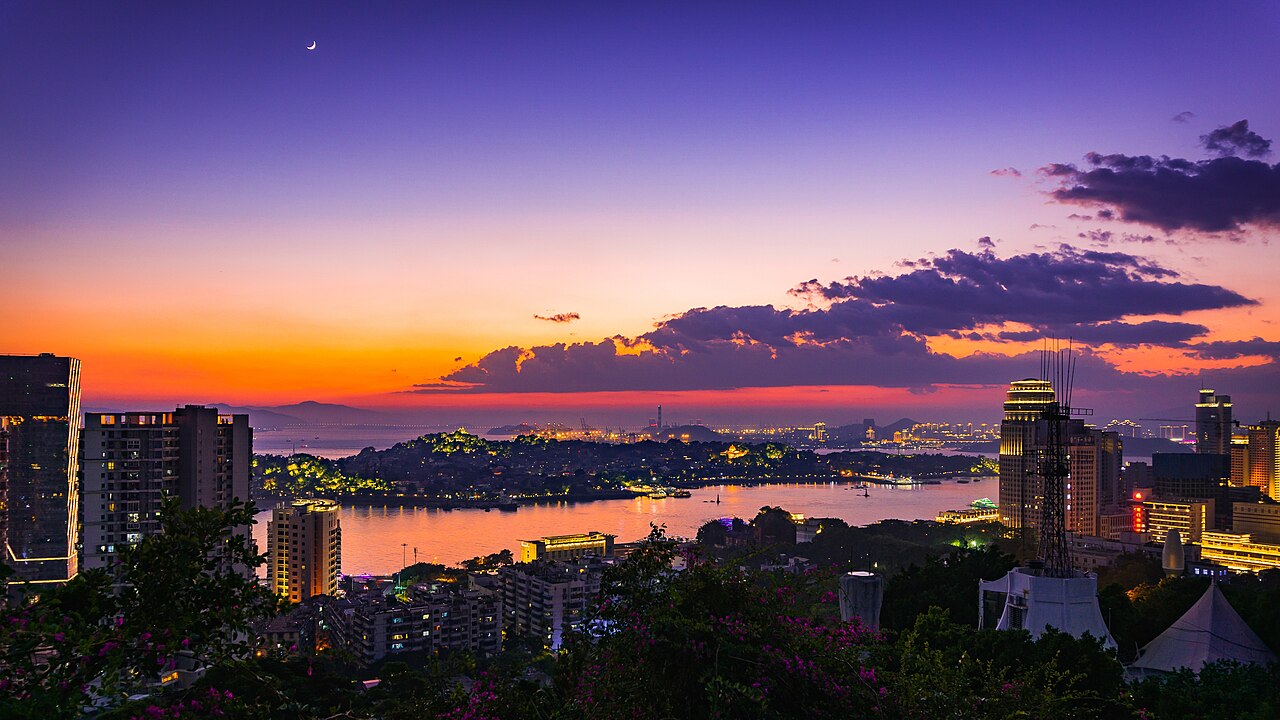
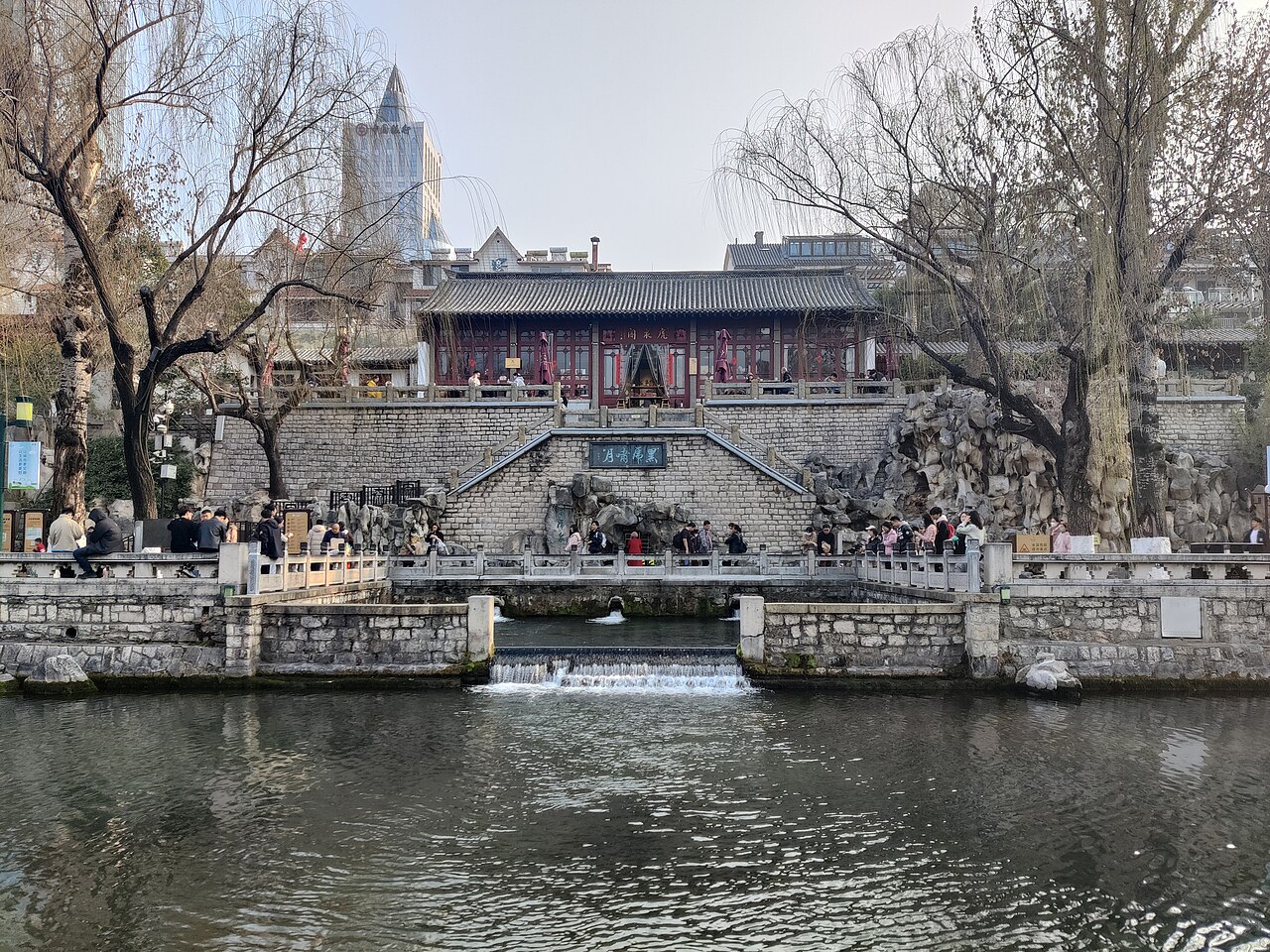
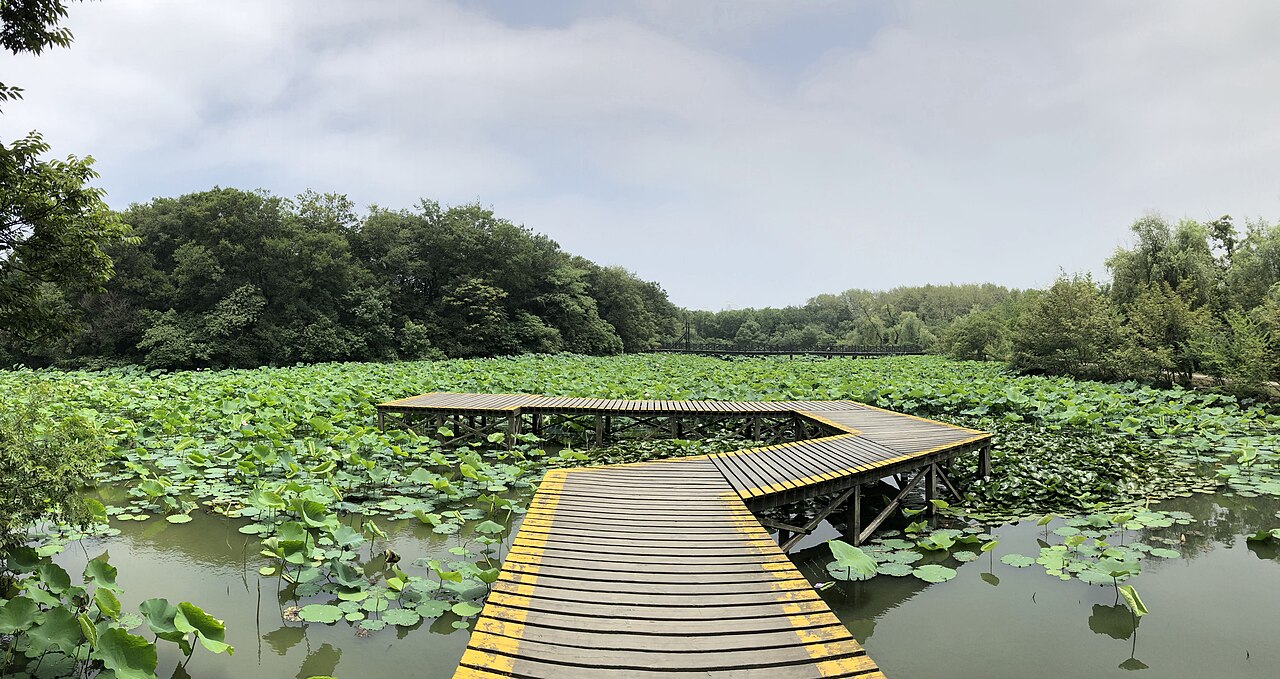
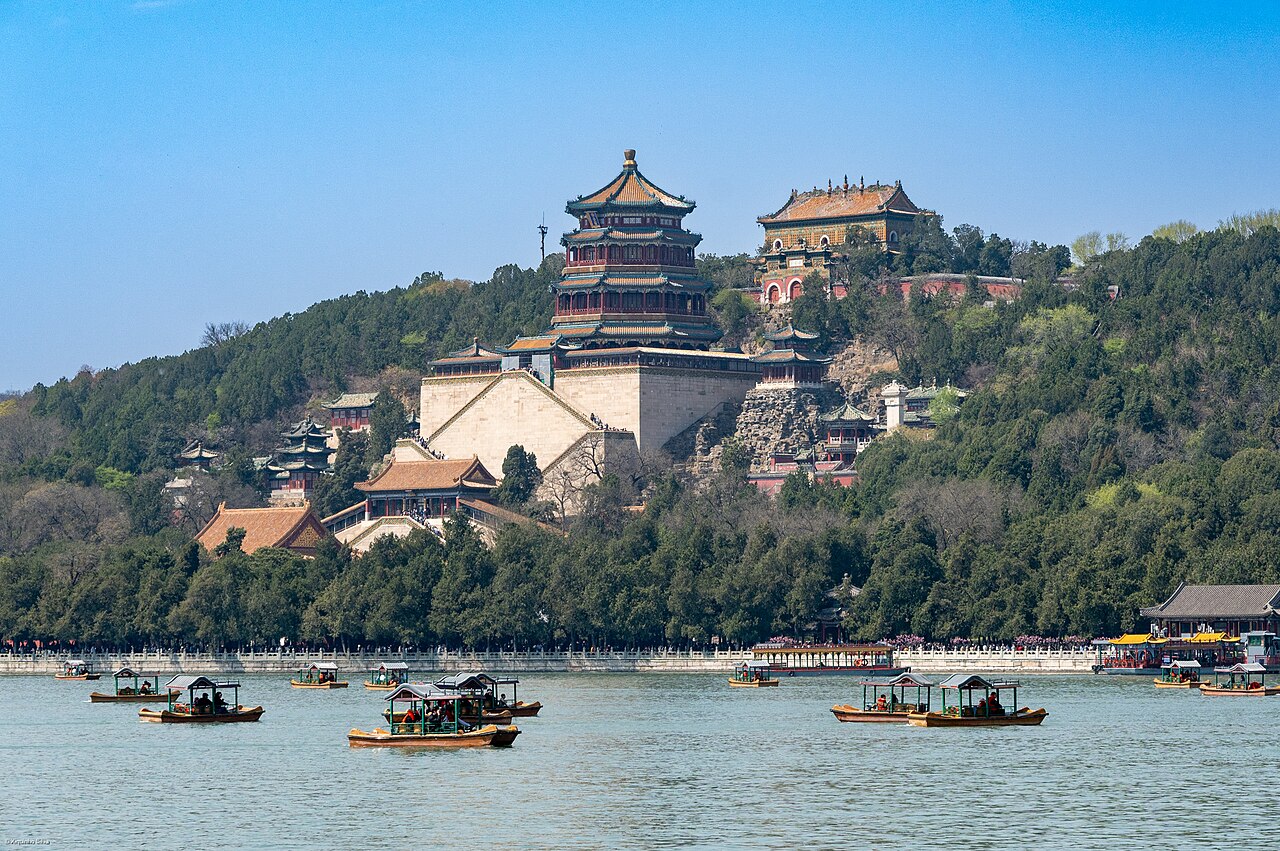
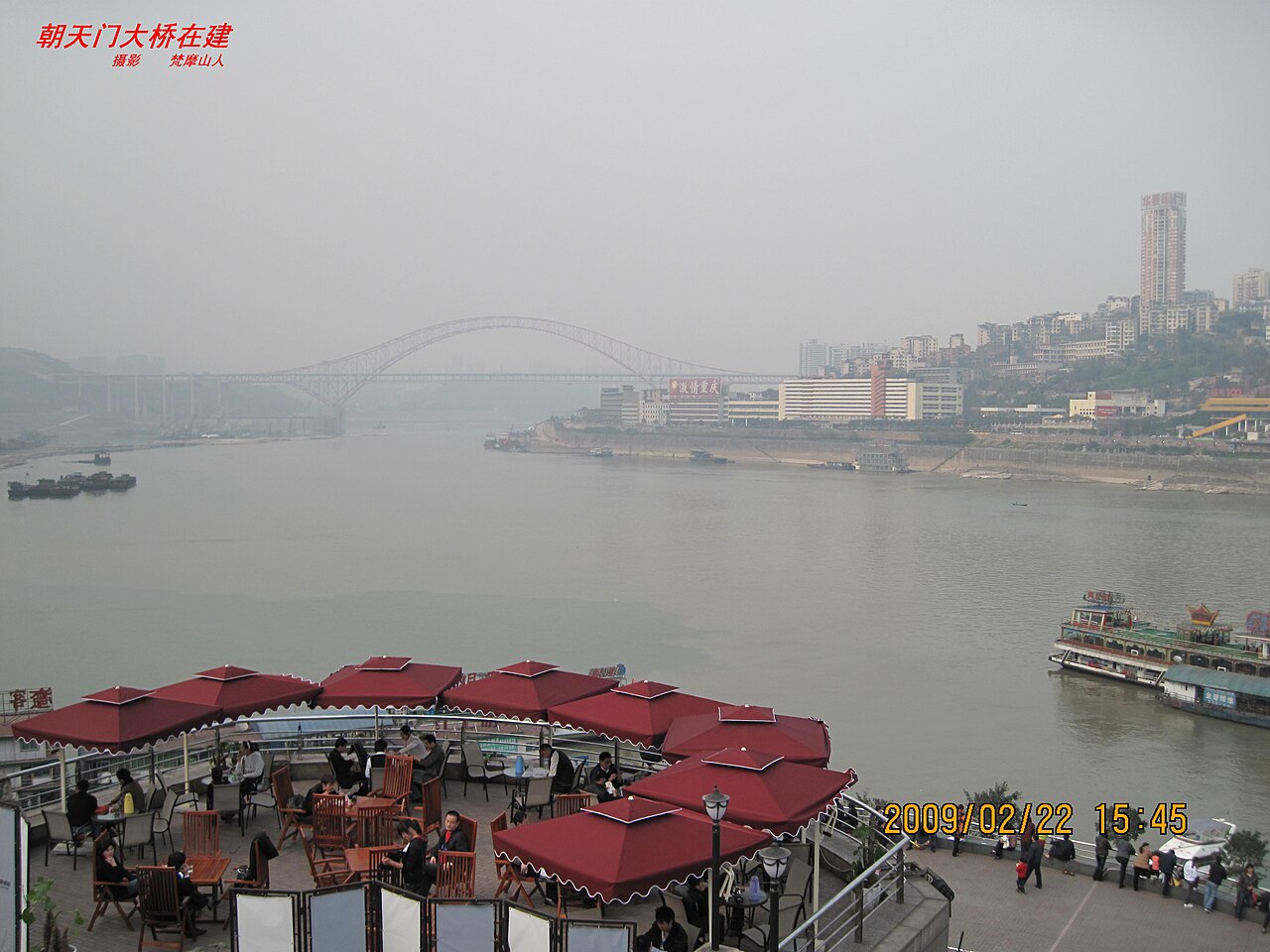
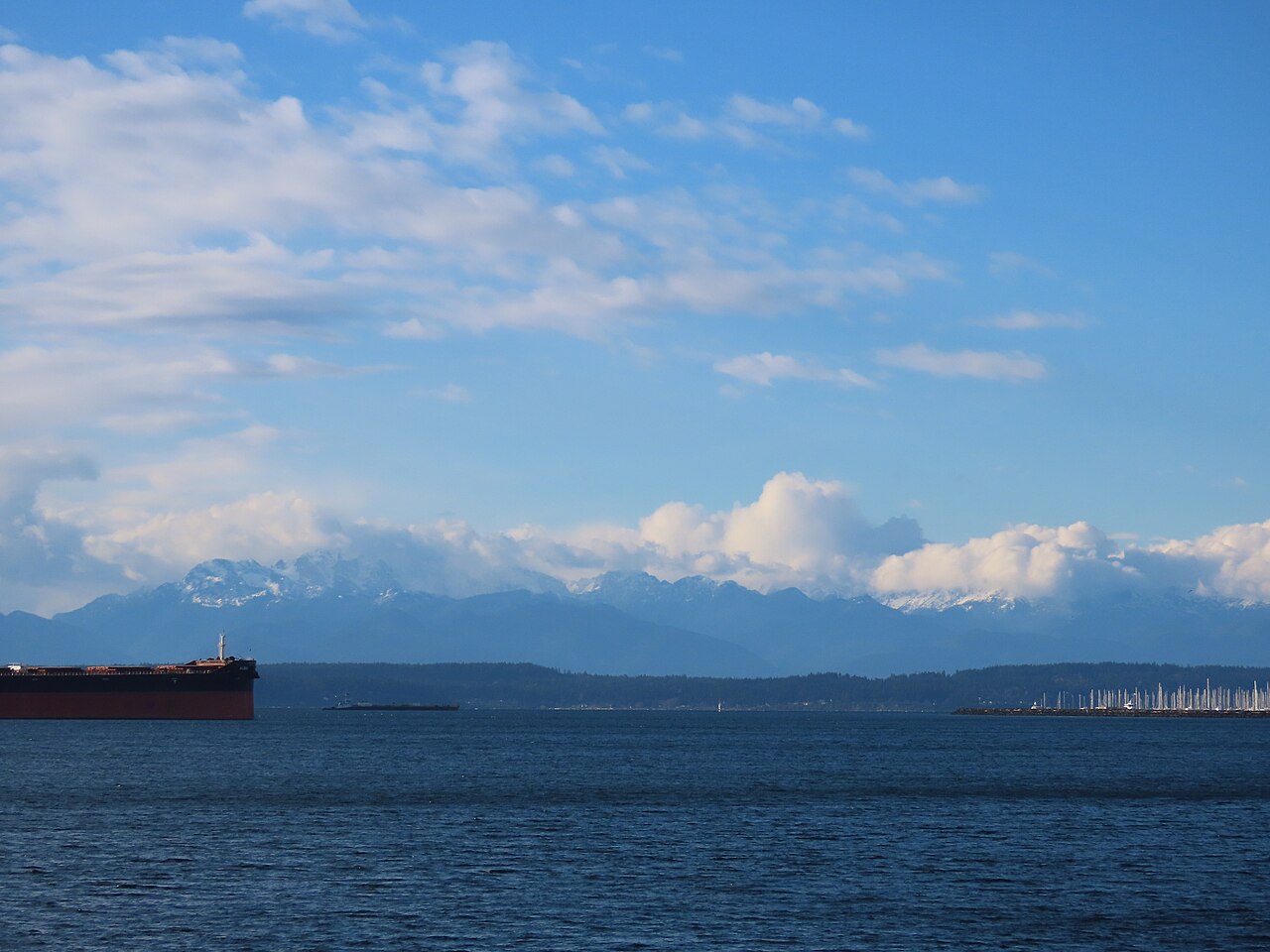
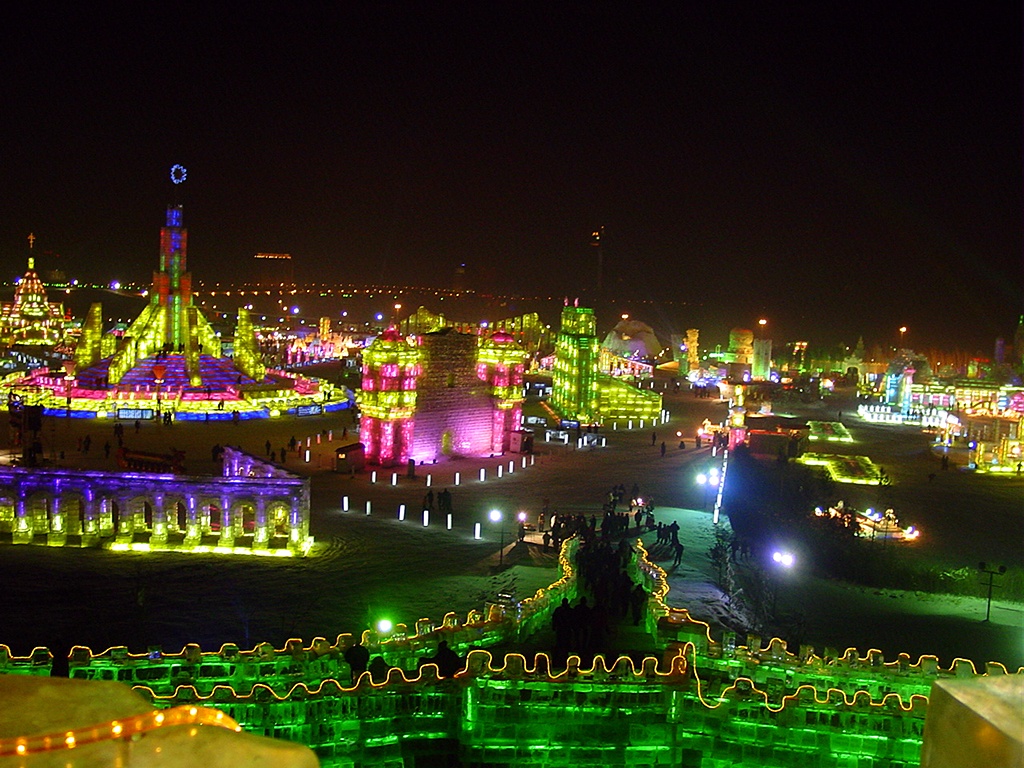
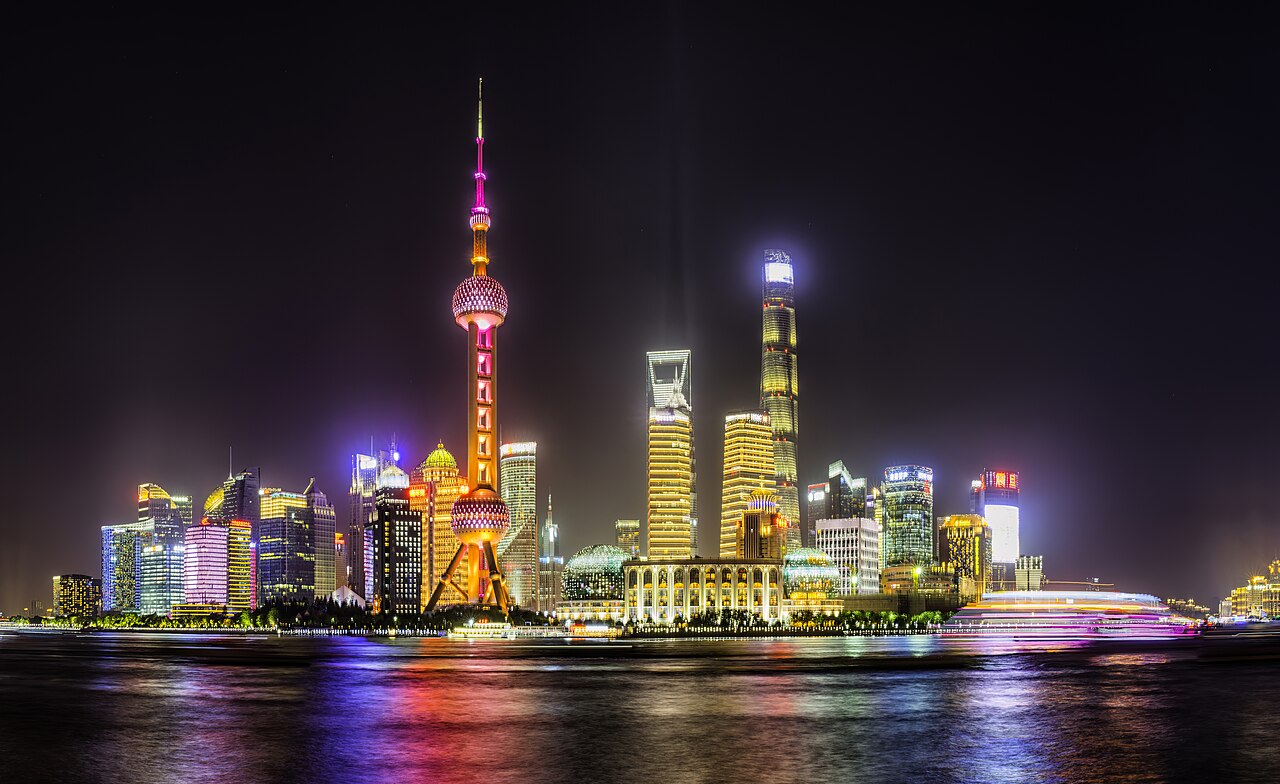
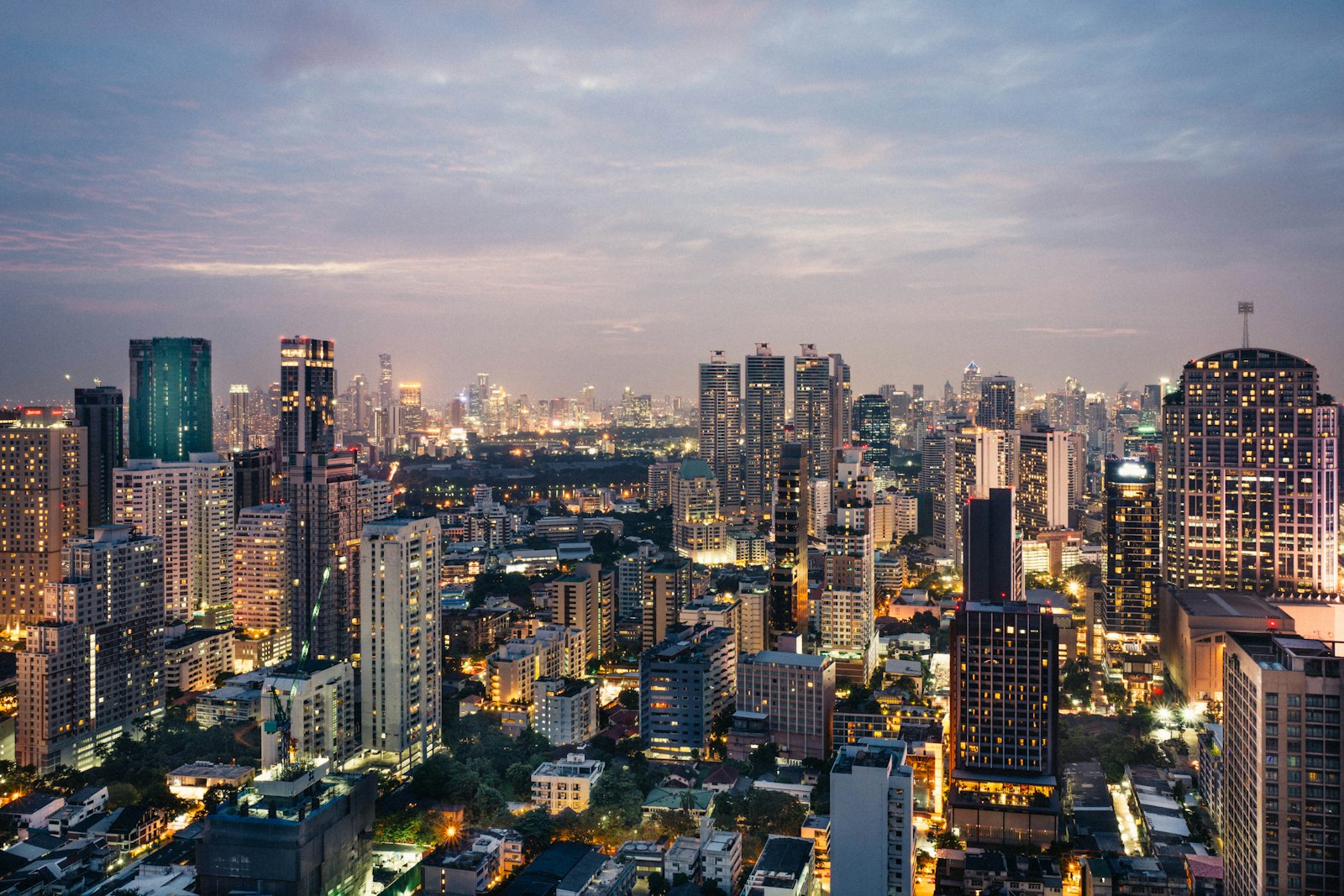
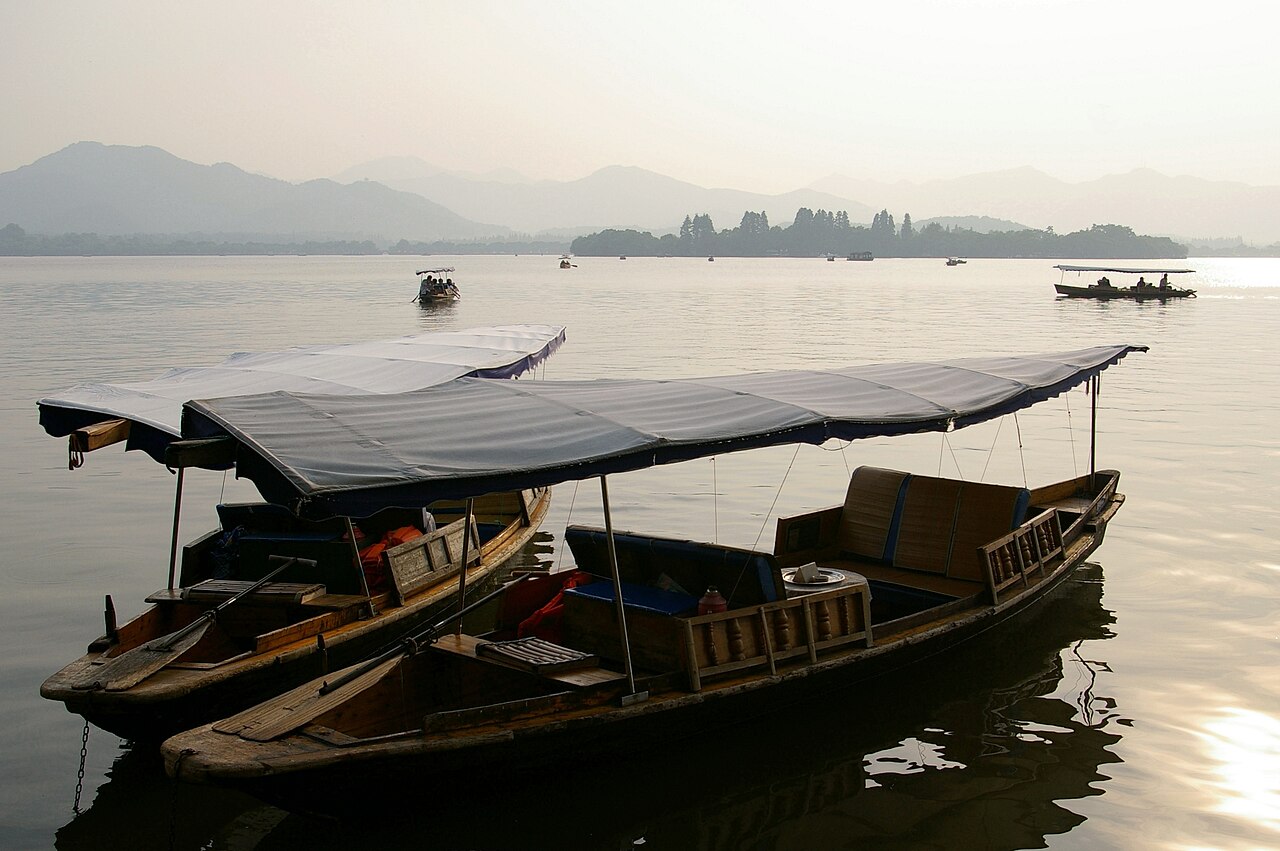
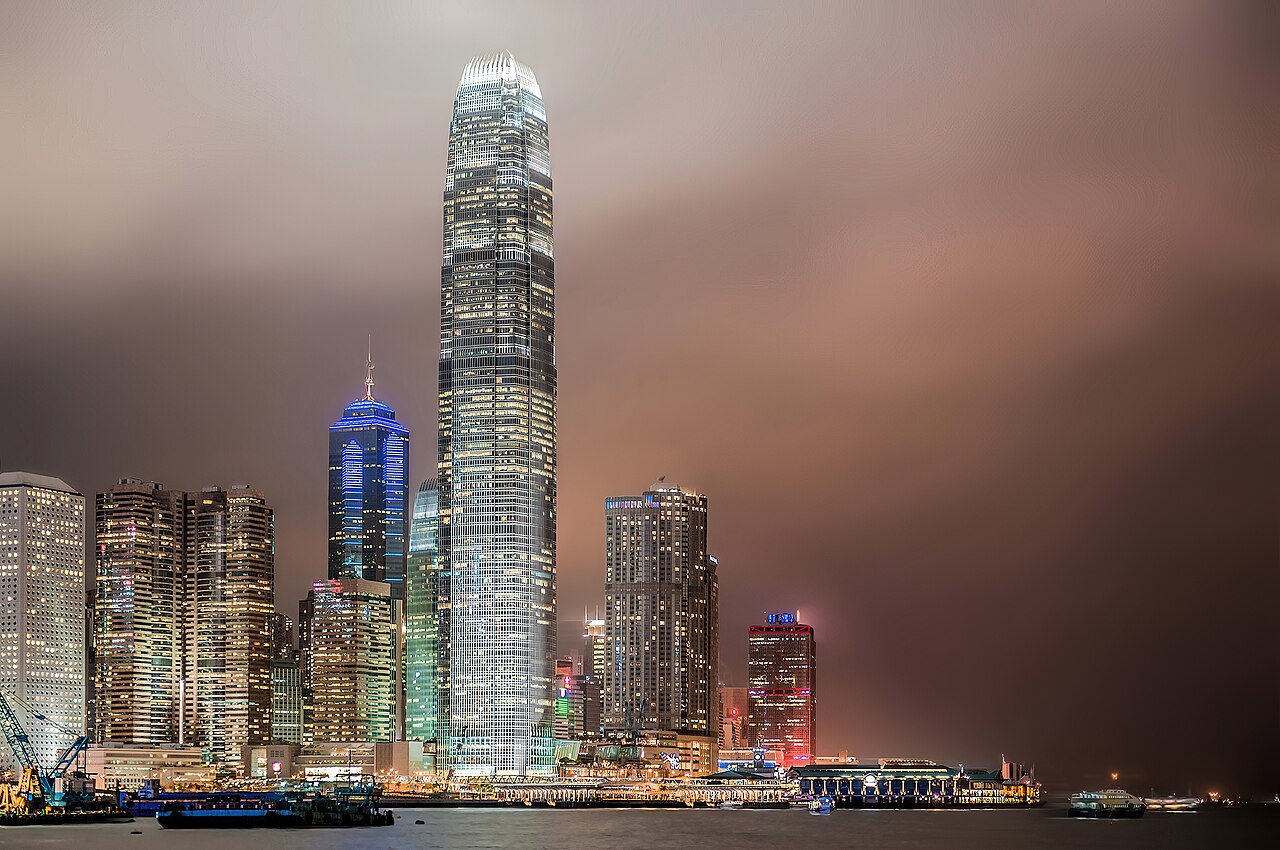
Victoria Harbour at night, the skyline lit for the 8pm Symphony of Lights
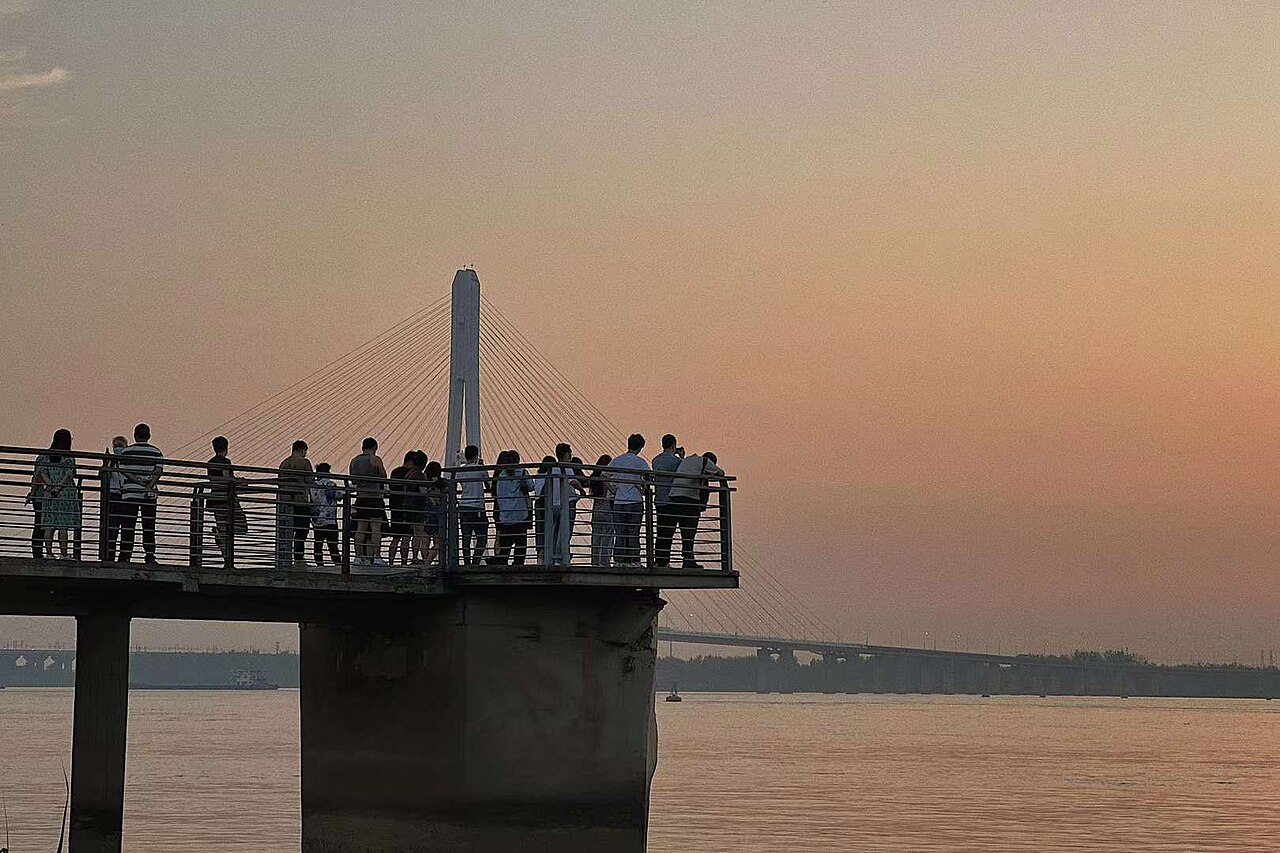
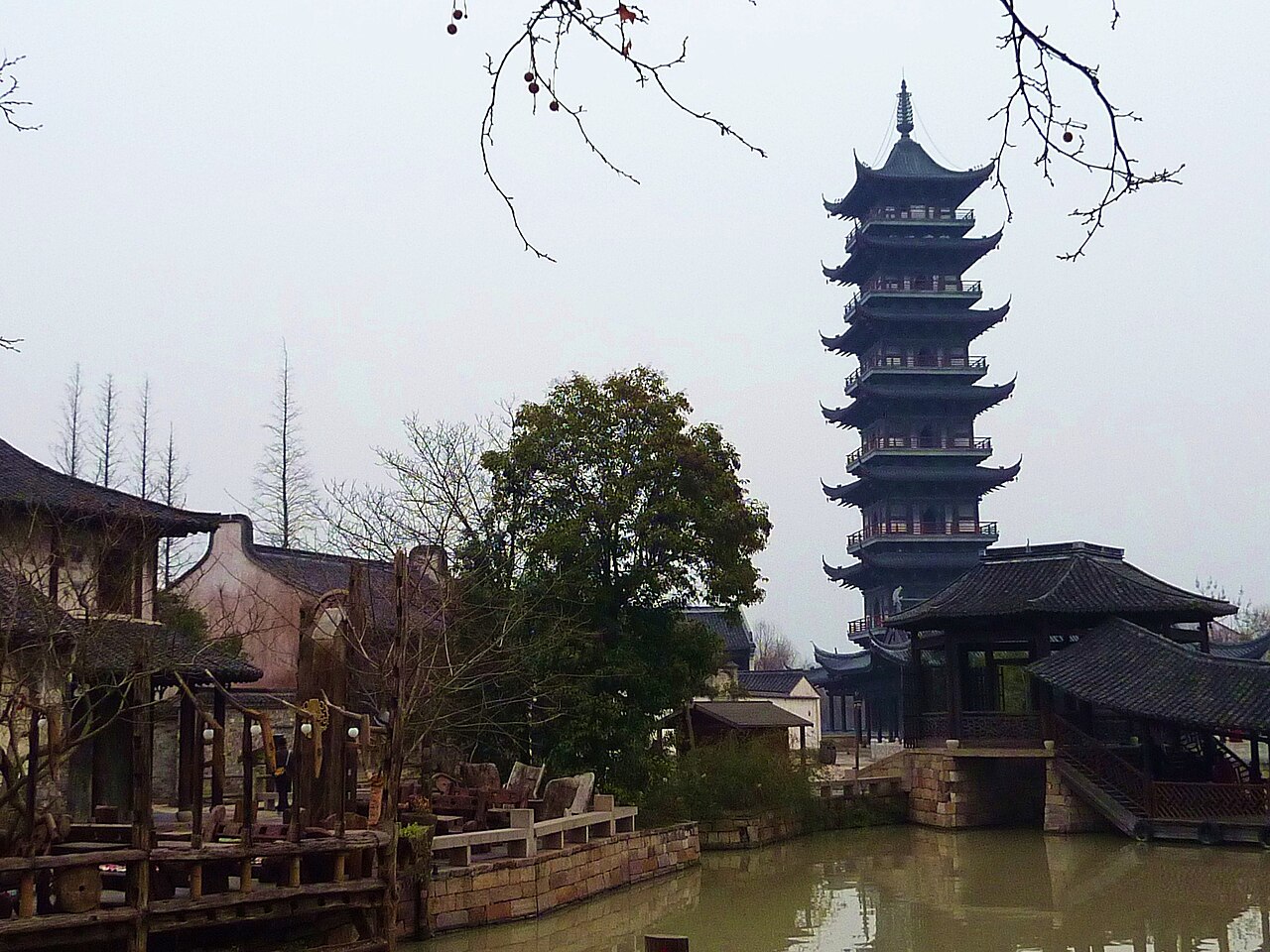
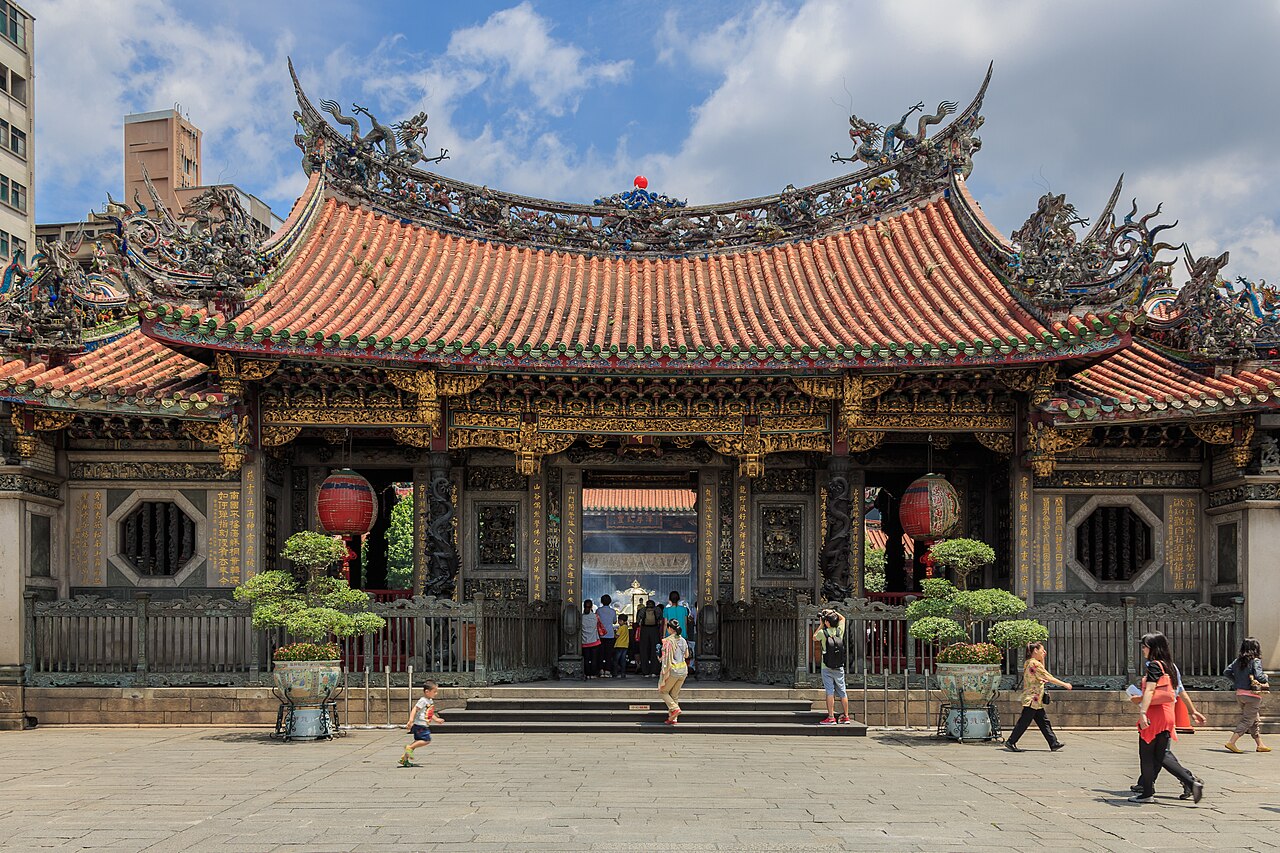
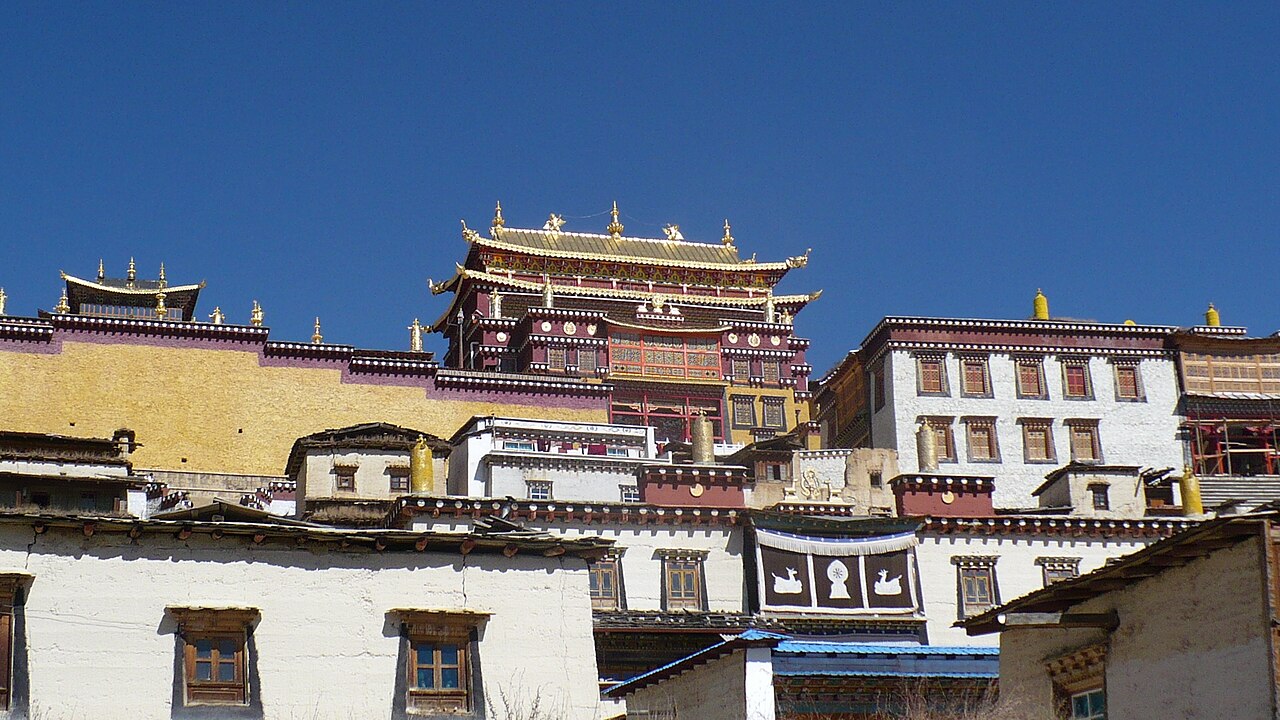
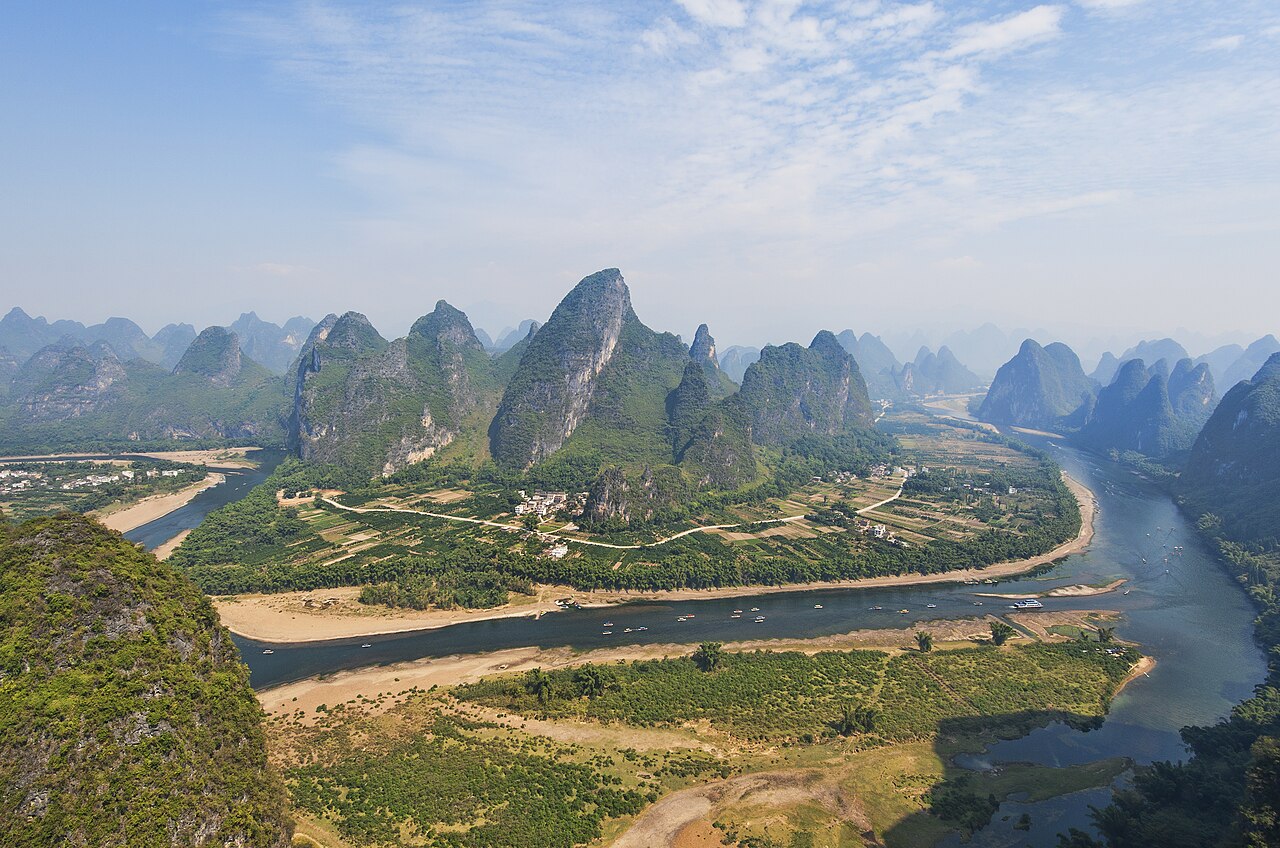
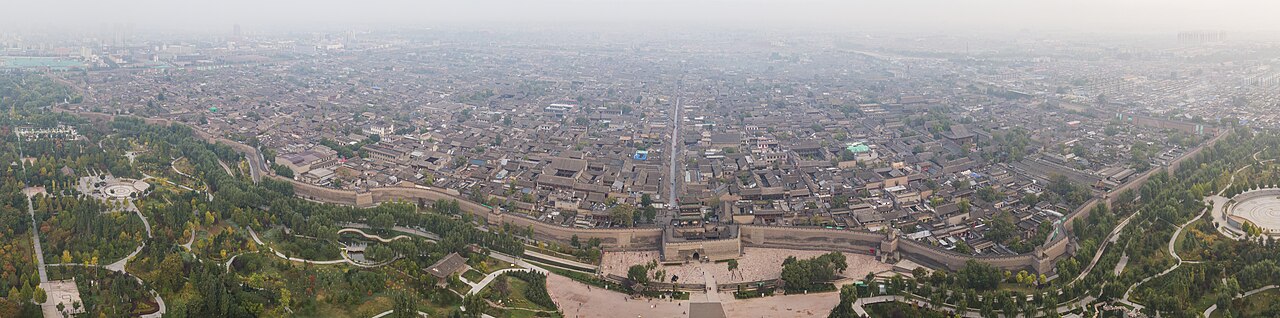
The Peak Tram climbing to Victoria Peak above the towers of Central
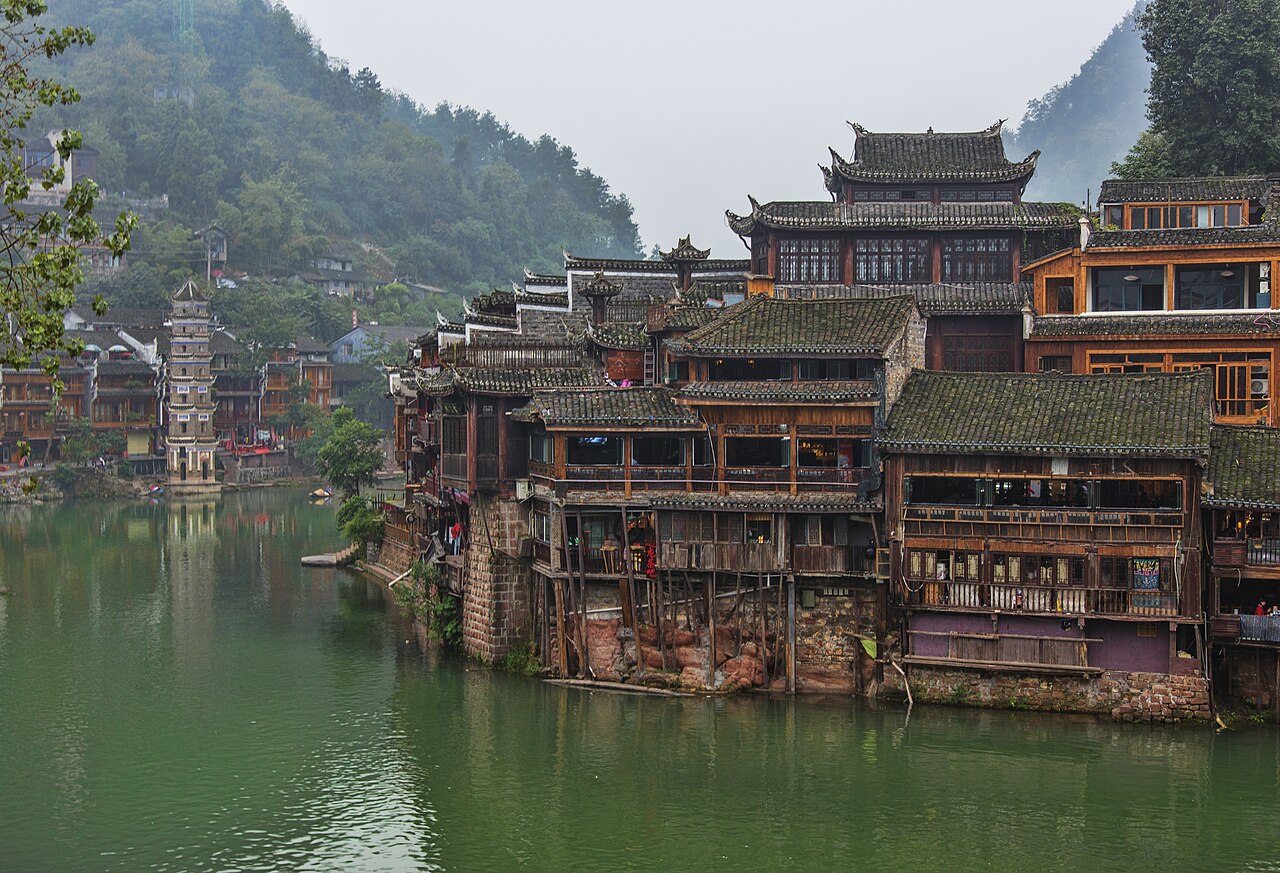
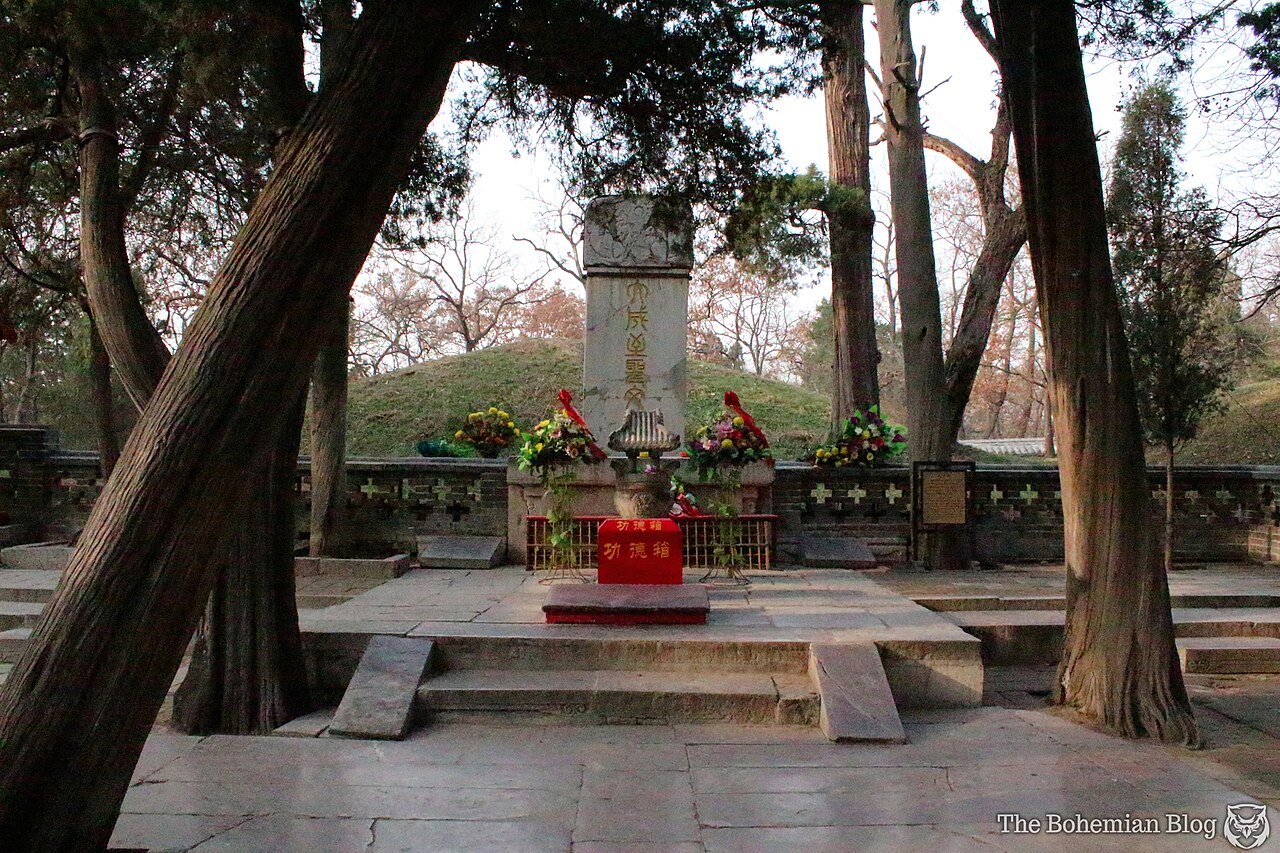
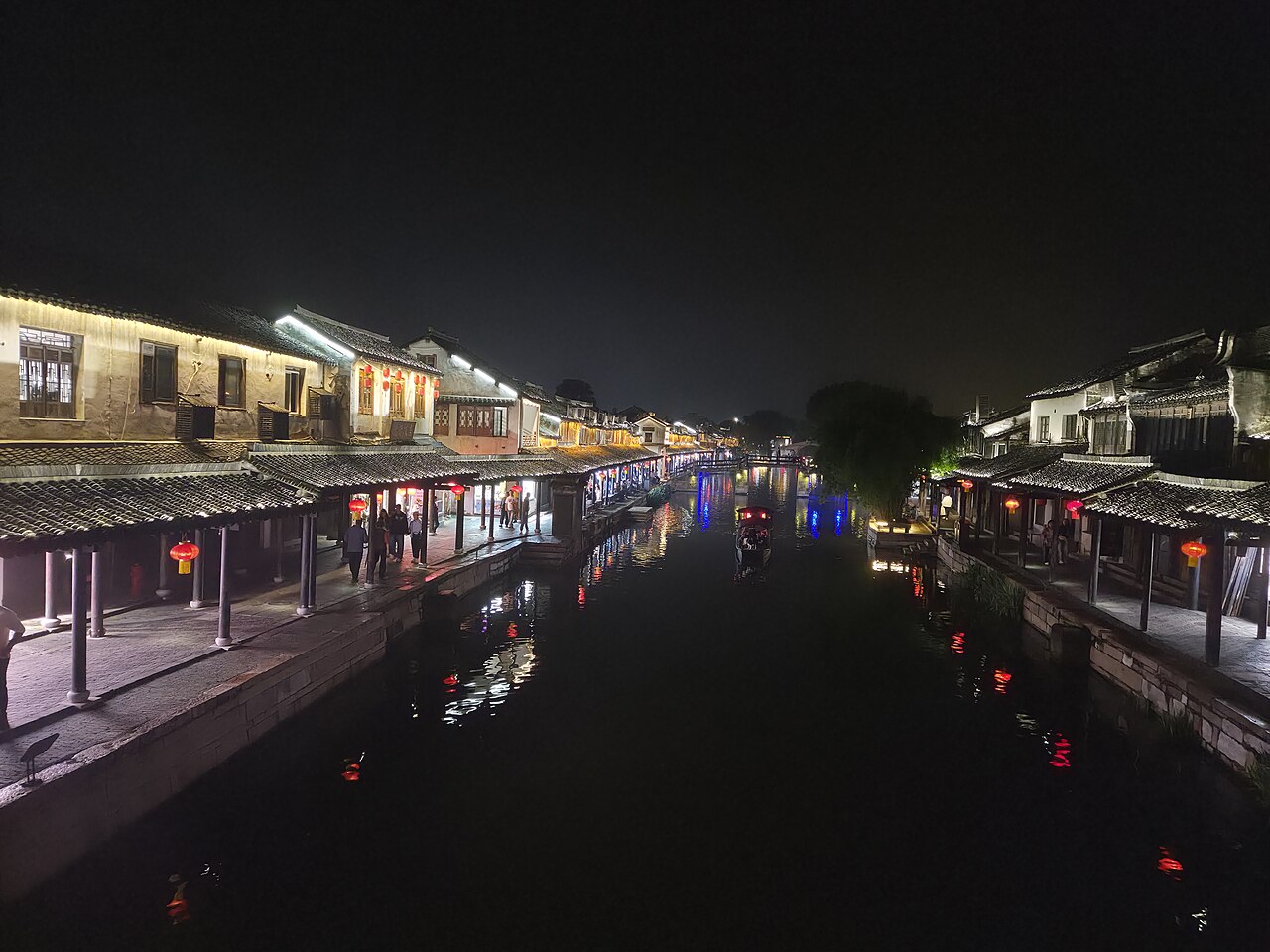
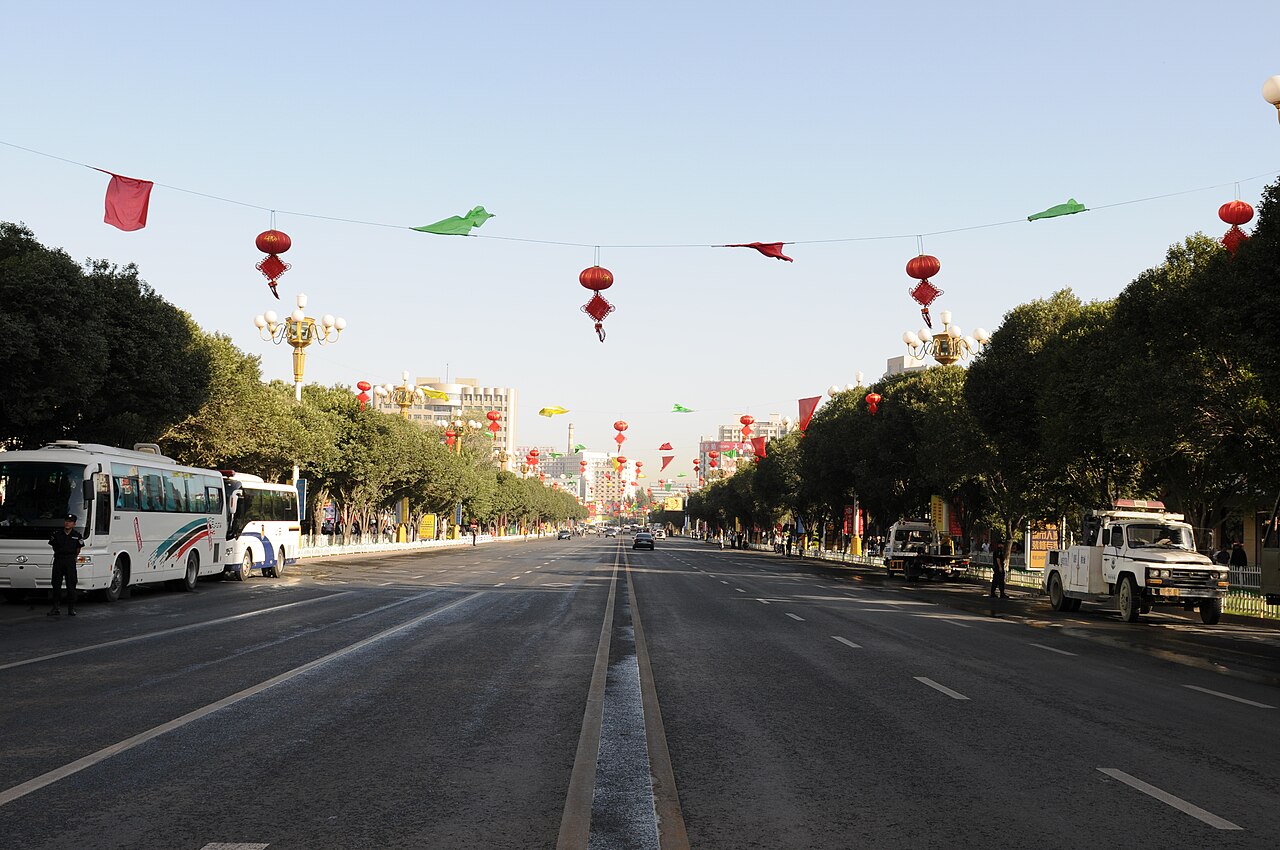
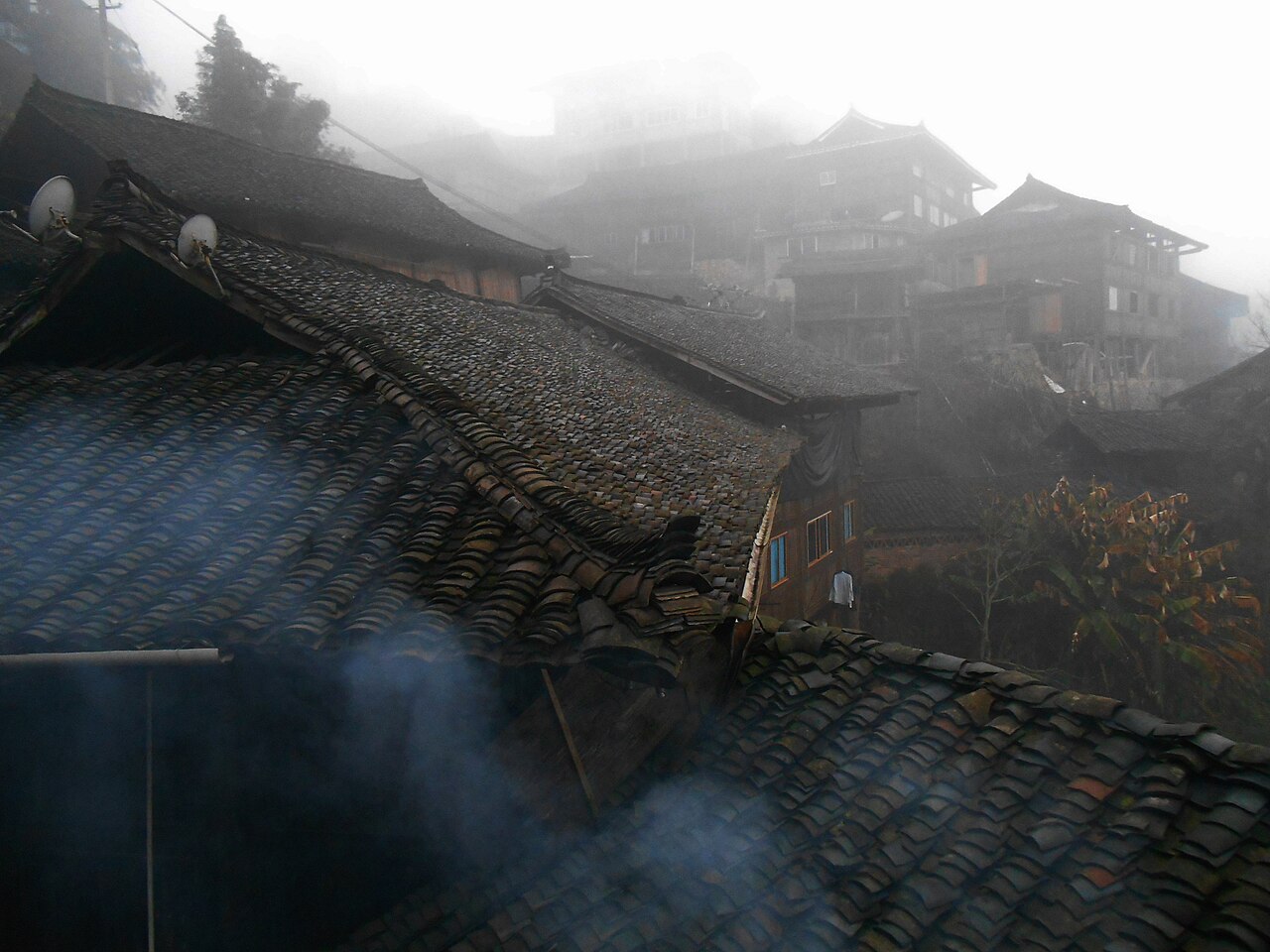
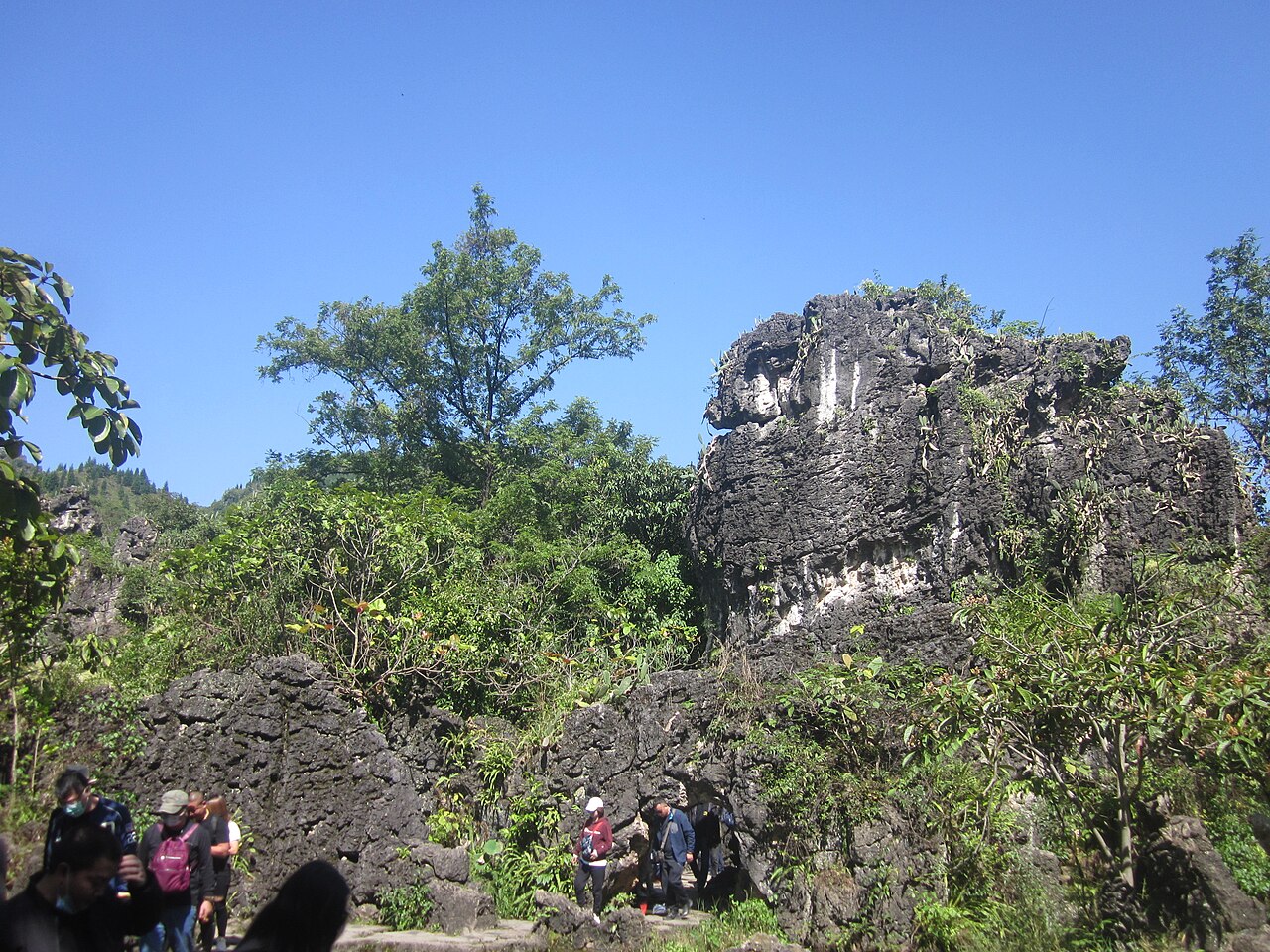
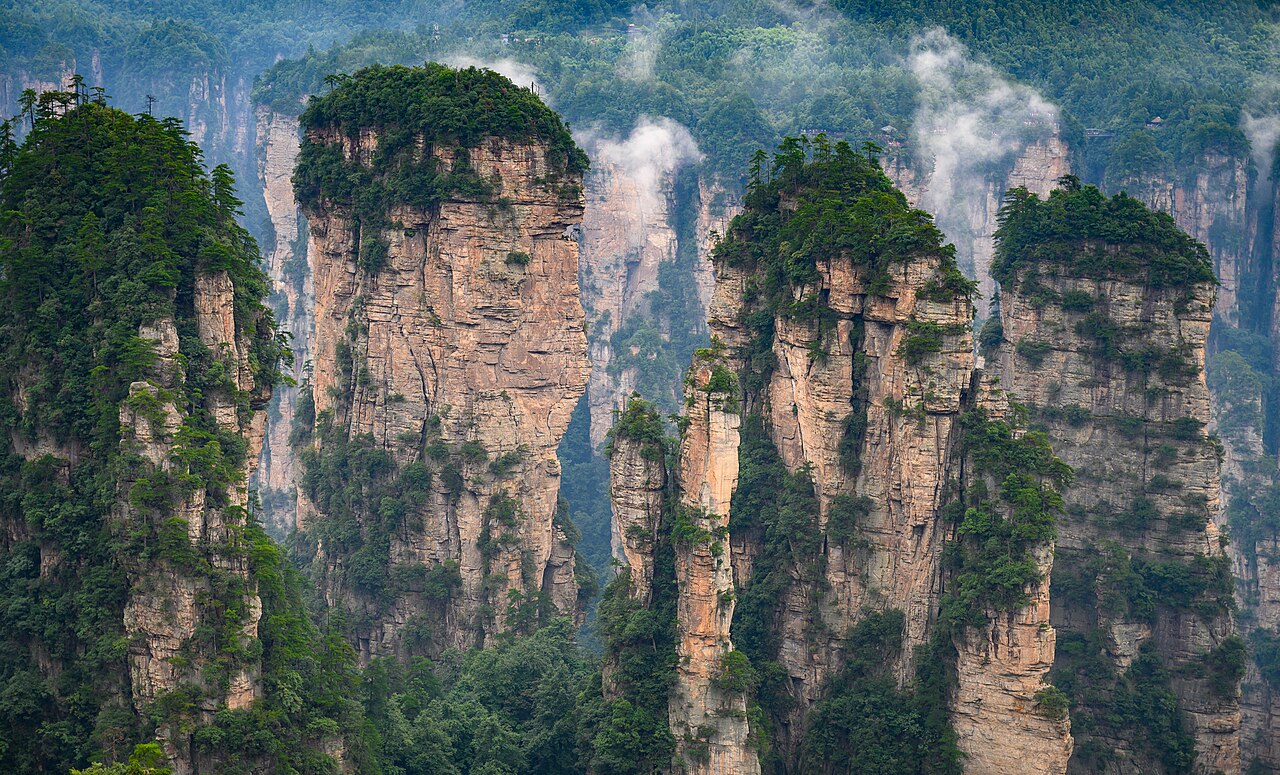
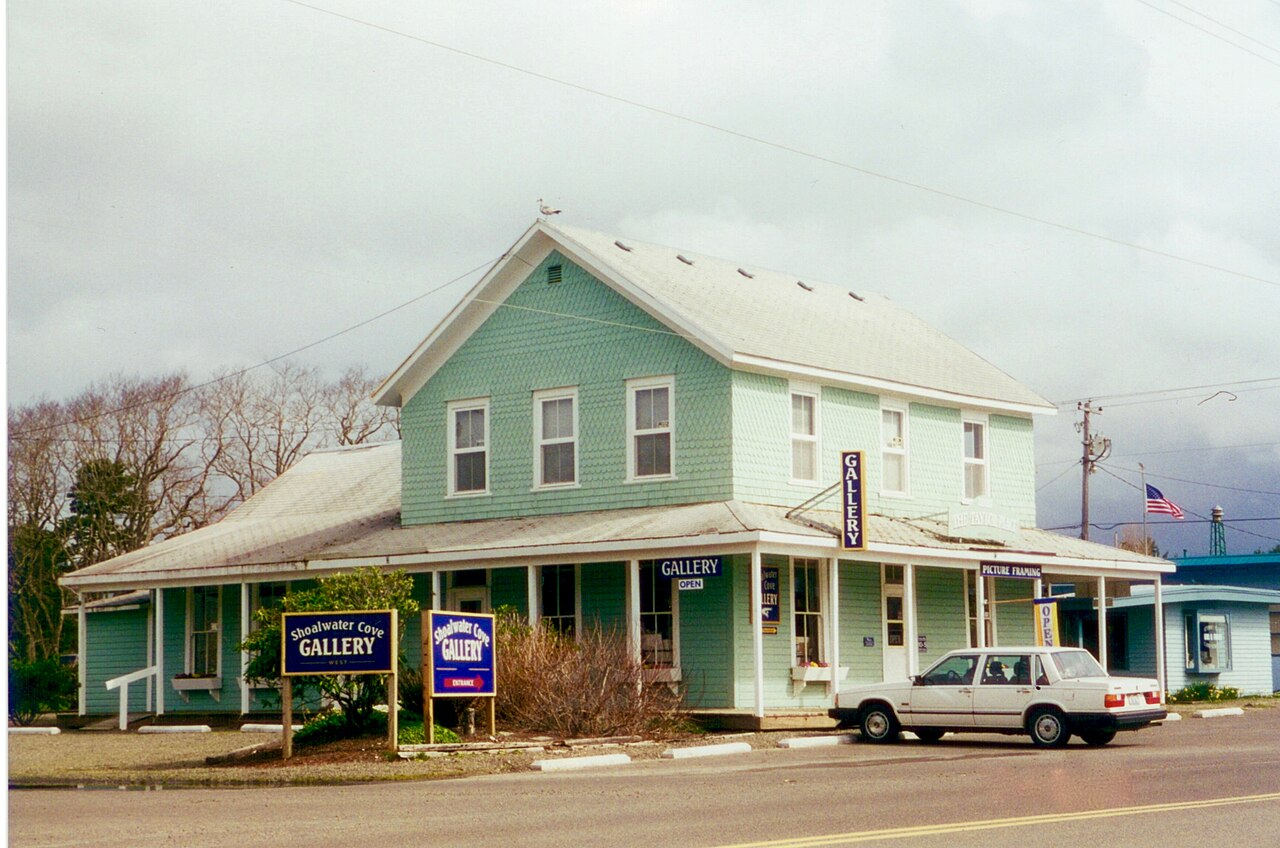
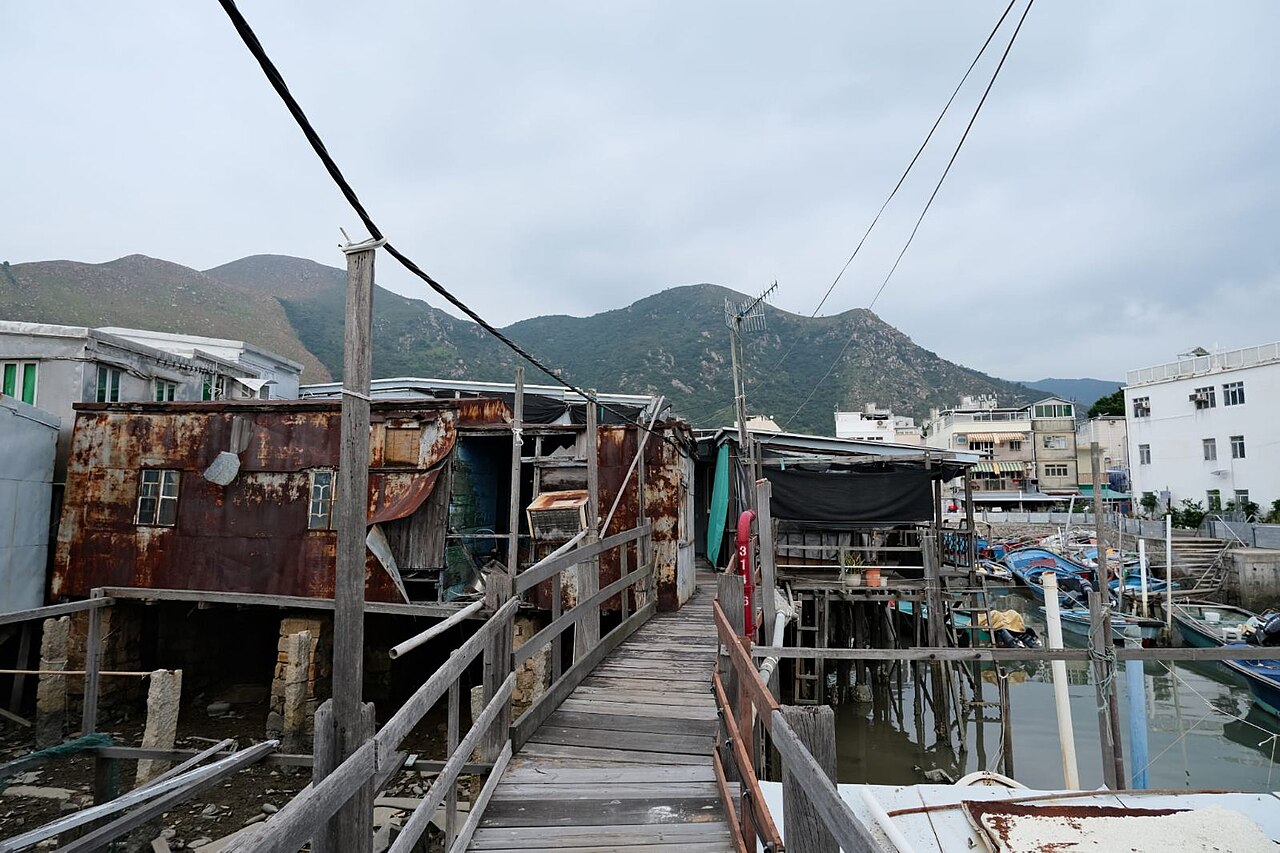
Stilt houses over the water at Tai O, the fishing village on Lantau
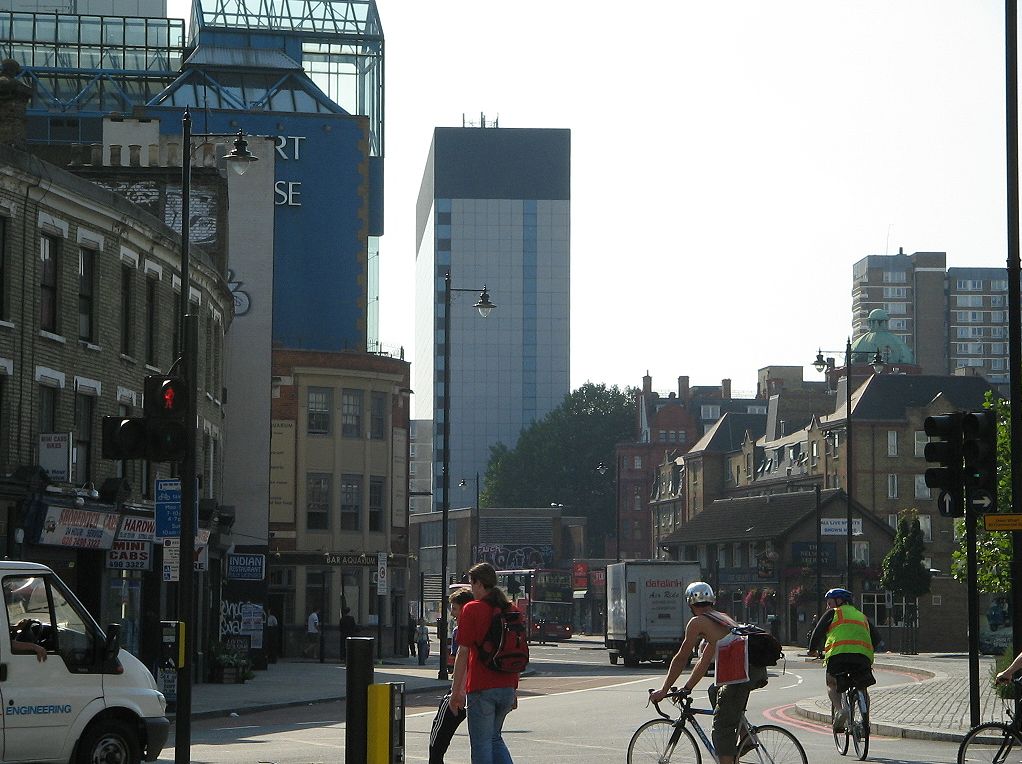
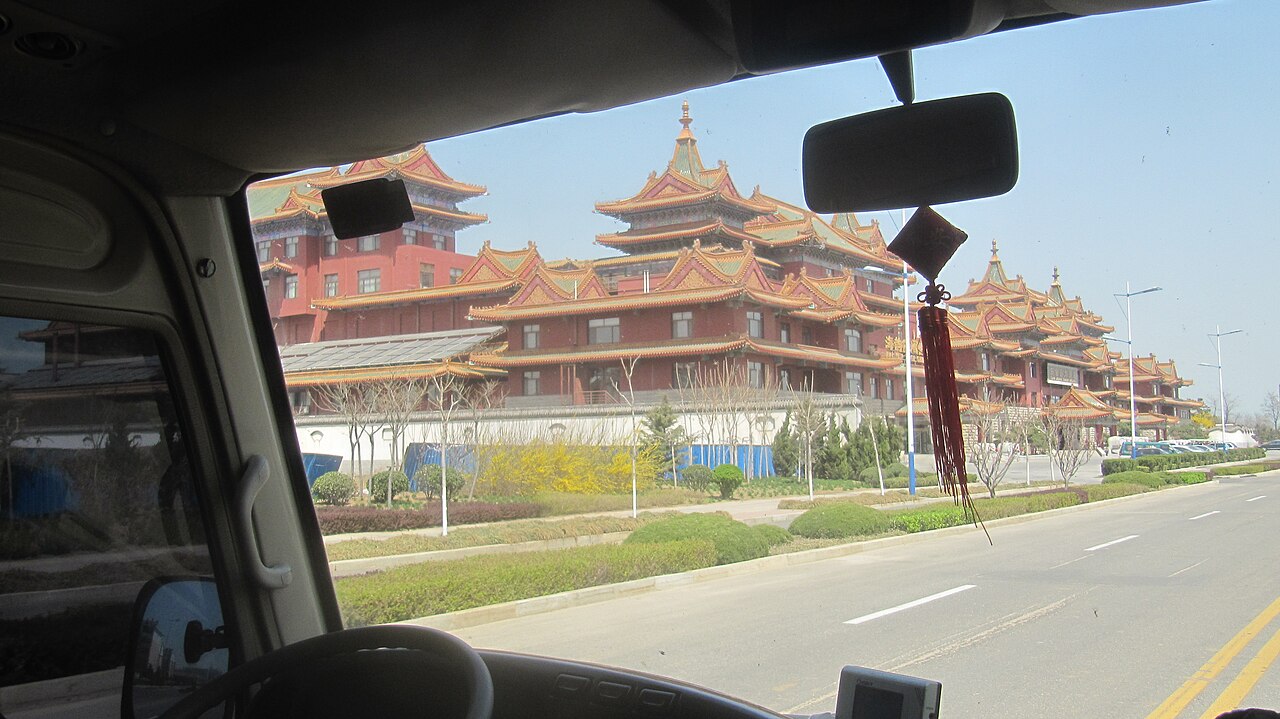
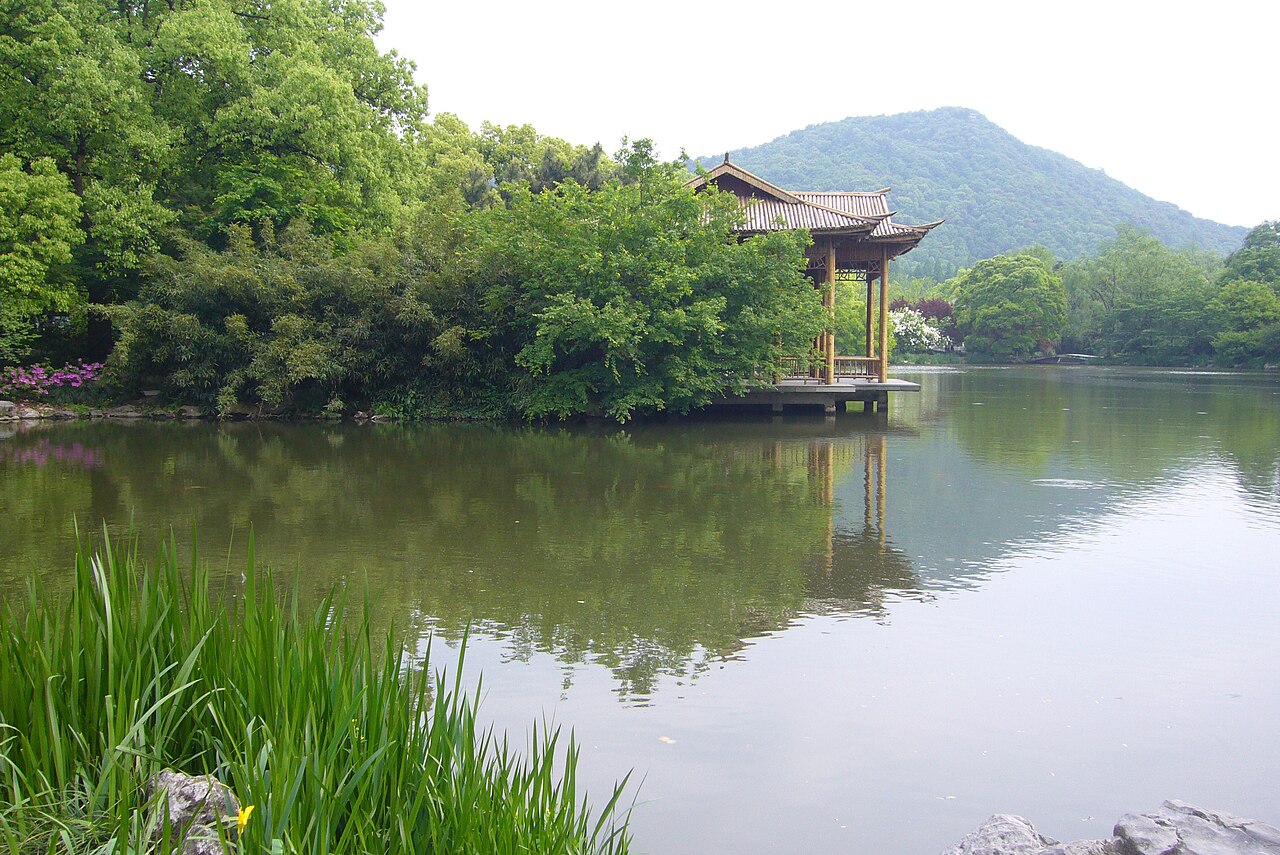
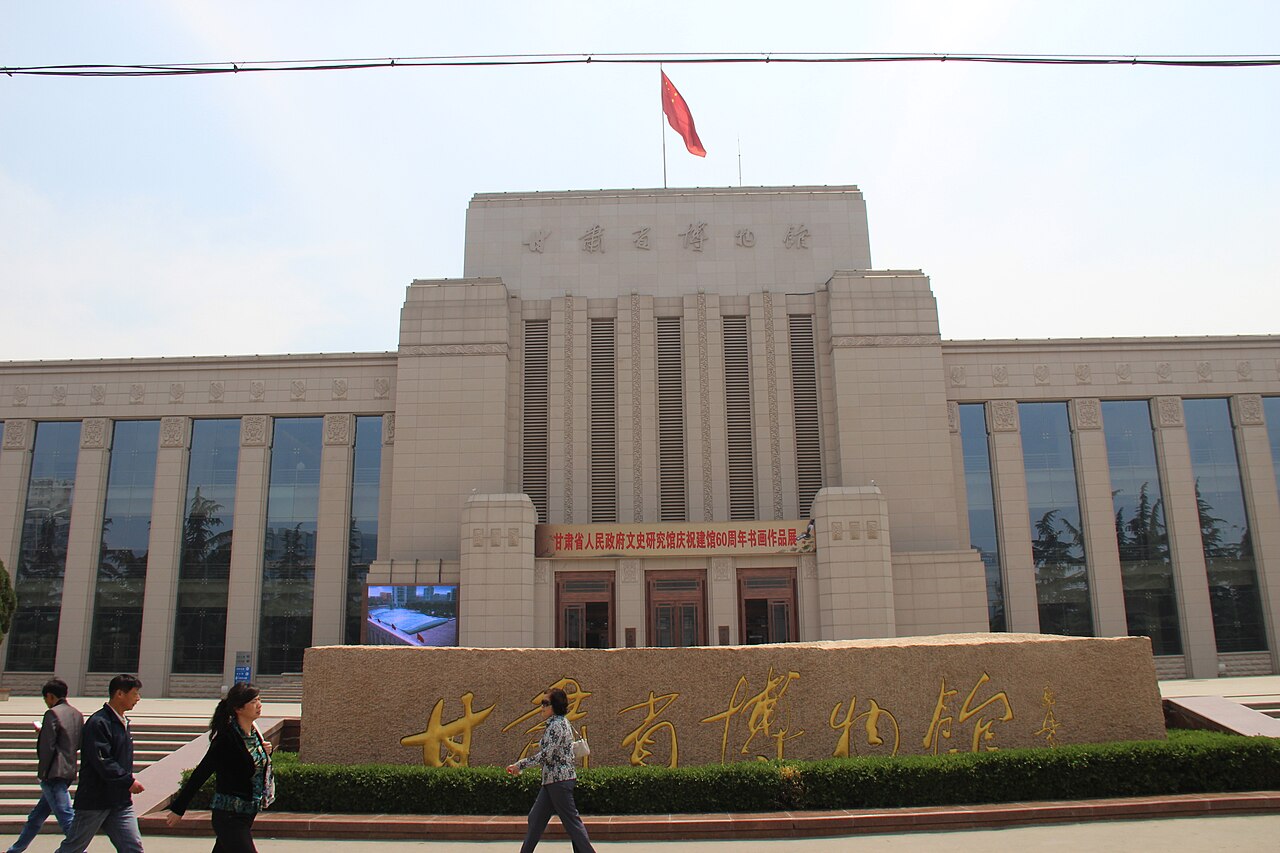
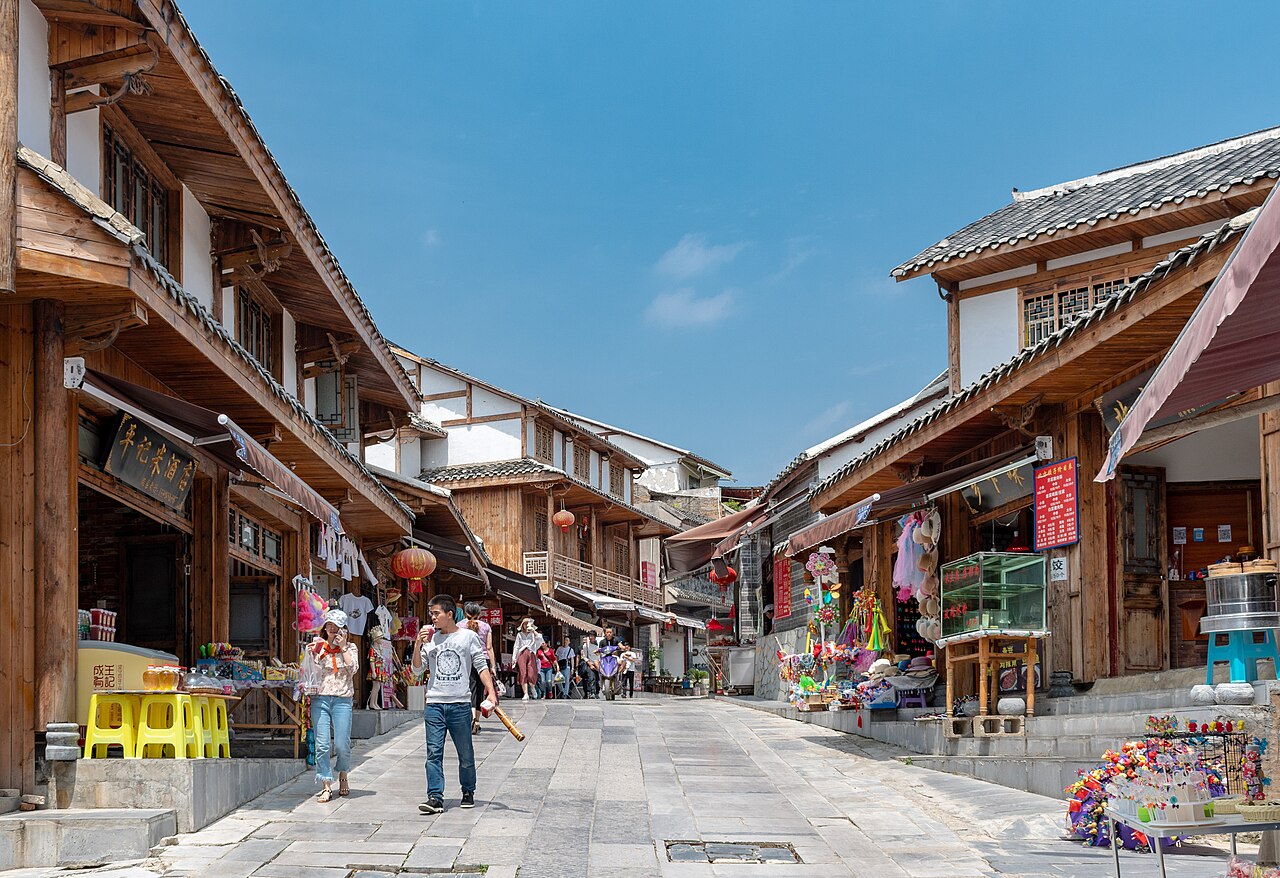
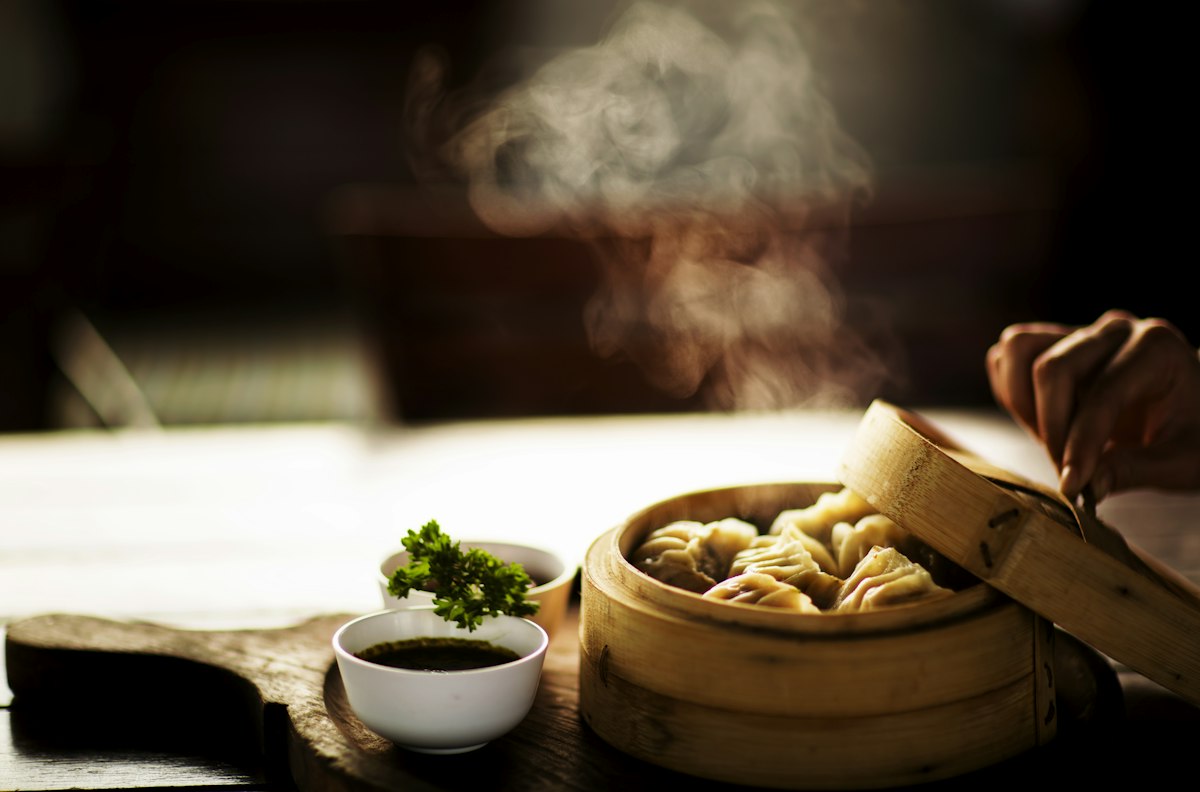
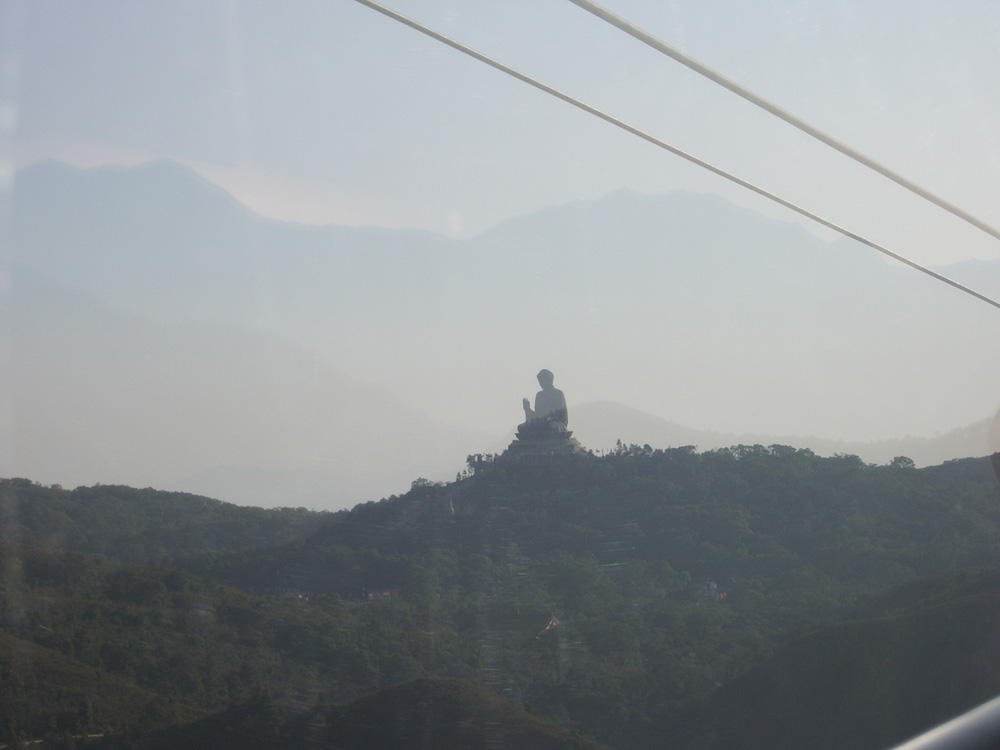
A Temple Street night-market stall in Yau Ma Tei, old Kowloon at its loudest

I'm a Hong Kong addict. My attachment to this city comes from TV dramas, from all those beautiful scenes that appeared on screen again and again. The collision of Chinese and Western culture created such a magical place.

Traveler note, 'Unforgettable Trip: Hong Kong, a City Living in Images'

Everyone tells you to go to Disneyland on a weekday, and they're right — I lost half a day to queues on a Saturday. Go midweek, use the Fastpass properly, and head straight for the back of the park before you touch Main Street.

Traveler note, 'Every Day Is Children's Day: Hong Kong Disneyland'

Ask ten people what Hong Kong is and you get ten answers. For a child it is Disneyland; for a man it is the racecourse; for a shopper it is a tax-free paradise; for a food lover it is a city that eats five times a day. That is the trick of the place — it is a compact, dense world that somehow contains all of these at once, and it does not ask you to choose.

The city sits where Chinese and Western currents have been mixing for over a century, and you feel it on the ground. A colonial-era tram rattles past a temple burning incense; a cha chaan teng serves milk tea next to a Michelin-starred dim sum house; the Peak Tram hauls you up to a view of a skyline that looks like it was designed for a postcard. It is loud, humid, endlessly vertical, and it runs on its own clock.

What makes Hong Kong easy to love is that the headline experiences are cheap. The light show over the harbour costs nothing. The Star Ferry, the city's oldest form of public transport, charges loose change. The islands are a ferry ride and an hour away from the towers, and they feel like another country. Bring comfortable shoes, an Octopus card, and an appetite — the rest sorts itself out.

Hong Kong SAR, China

Don't leave without

Seven things that are worth rearranging a day for.

  1. Ride the Star Ferry across Victoria Harbour for about HK$2–4 — the best-value sightseeing in Asia
  2. Watch the Symphony of Lights at 8pm from the Tsim Sha Tsui waterfront, then walk the Avenue of Stars
  3. Take the Peak Tram up to Victoria Peak and stay for the moment the office lights come on
  4. Eat a pineapple bun with butter and a milk tea in a proper cha chaan teng, standing at the counter if you have to
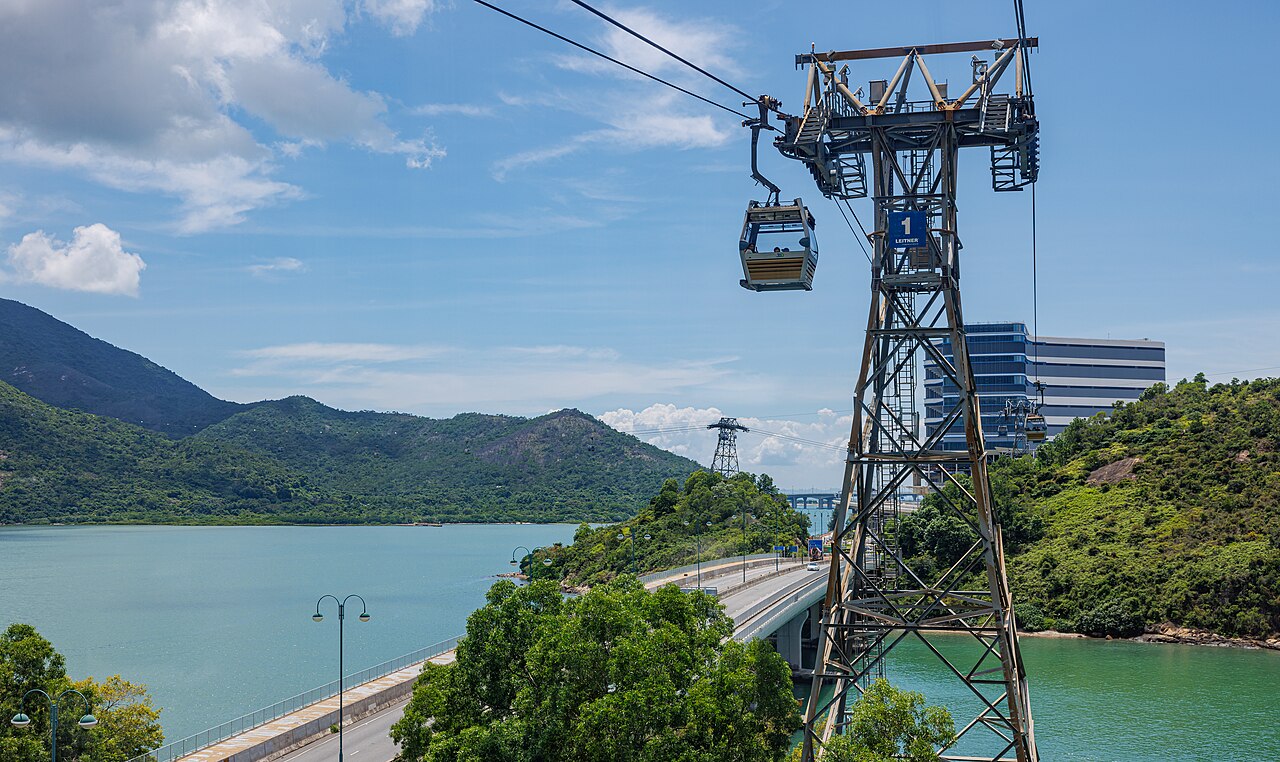
  5. Spend a half-day in Tai O, the stilt-house fishing village on Lantau, and take the glass-bottomed Ngong Ping 360 cable car back
  6. Bet HK$20 on a horse at Happy Valley on a Wednesday night, even if you know nothing about racing

Highlights

Five reasons Hong Kong eats into you

A harbour that puts on a free light show

Victoria Harbour is the world's third-largest seaport after San Francisco and Rio, and the 8pm 'A Symphony of Lights' laser-and-music spectacle runs about 13 minutes 40 seconds across 40-plus buildings on both shores. It costs nothing. Watch from the Tsim Sha Tsui waterfront or the Golden Bauhinia Square promenade in Wan Chai; the Star Ferry itself is HK$2-ish and doubles as the best cheap seat in the city.
Two worlds of shopping, ten minutes apart

Causeway Bay pays the second-highest retail rent on earth after New York's Fifth Avenue and stacks the big malls; Mong Kok is where locals actually shop — Sneaker Street, Ladies' Market, Fa Yuen Street, and electronics arcades spilling onto the pavement. Harbour City in Tsim Sha Tsui is the largest mall in the city and holds the world's second-largest Louis Vuitton store, so you can genuinely burn a full day inside it.

The Peak, and the tram that climbs to it

The Peak Tram hauls you up from Central's Garden Road in seven minutes, running 07:00 to midnight every 10–15 minutes. Adult single HK$28, return HK$40; kids and seniors HK$11 single, HK$18 return; Octopus card accepted. The Sky Terrace 2 viewing deck opens 10:00–23:00 on weekdays and 08:00–23:00 on weekends and public holidays — go up about an hour before sunset and stay for the lights.

Street food and dim sum at every price

Hongkongers eat roughly 375 million fish balls a year — about 55 tonnes a day. Add shrimp har gow from Tim Ho Wan, Luk Yu Tea House or Lin Heung; wonton noodles at Wing Wah; claypot rice at Hing Kee; pineapple buns with melting butter at Tsui Wah; and milk tea at Lan Fong Yuen, where the stocking-filtered Ceylon brew was popularised.

260 islands, an hour from the skyscrapers

Lantau is the biggest and holds the airport, Disneyland, the 268-step climb to the Tian Tan Buddha, and the stilt-house fishing village of Tai O. Lamma is 30 minutes by ferry from Central and was Chow Yun-fat's childhood home. Cheung Chau, Sai Kung and Stanley each trade glass towers for seafood tanks, temple courtyards and open-air bars. No visa, no flight — just a ferry pier.

Itinerary

Two ways to spend three days

The Classic Three Days

3 days days

The greatest hits, done at a pace that still lets you eat properly. Base yourself in Tsim Sha Tsui and you can walk to half of it.

  1. Day 1

    Kowloon: harbour, stars, neon

    Start on the Tsim Sha Tsui waterfront and work north up Nathan Road as the light changes — you'll cross from the postcard skyline into the dense old-city streets in about twenty minutes on foot.

    Stops: Victoria HarbourAvenue of StarsHarbour CityTemple Street Night Market

  2. Day 2

    Hong Kong Island: Peak, Central, Lan Kwai Fong

    Ride the Peak Tram up in the late afternoon so you catch daylight, sunset and the 8pm light show from above in one sitting, then come down into Central for dinner and the escalator up to the bars.

    Stops: The Peak & Sky Terrace 2Madame TussaudsCentral–Mid-Levels EscalatorLan Kwai Fong

  3. Day 3

    Island time: Lantau or Lamma

    Pick one island and give it the whole day rather than trying to squeeze two. Lantau is the bigger, busier, more structured day; Lamma is the one where you sit still and do nothing much, which is also a legitimate Hong Kong experience.

    Stops: Ngong Ping 360 cable carTian Tan Buddha & Po Lin MonasteryTai O stilt villageCitygate Outlets, Tung Chung

The Slow, Artsy Three Days

3 days days

For people who'd rather read in a second-floor bookshop than queue for a roller coaster. Fewer taxis, more ferries and long lunches.

  1. Day 1

    Tsim Sha Tsui to Mong Kok on foot

    Walk Nathan Road north from Tsim Sha Tsui through Jordan into Yau Ma Tei and Mong Kok, stopping whenever something looks interesting — second-floor bookshops, corner herbal jelly shops, dessert places, tiny coffee bars. There is no route to follow and that's the point.

    Stops: Eslite Bookstore, Hysan PlacePage One, Harbour CityYau Ma Tei fruit marketMong Kok's Sneaker Street & Ladies' Market

  2. Day 2

    Lamma Island, end to end

    Take the ferry to Yung Shue Wan, walk the family trail across the island to Sok Kwu Wan, eat seafood by the water, then ferry back from the other pier so you never retrace your steps. Bring water — the middle section is genuinely uphill.

    Stops: Yung Shue Wan villageHung Shing Yeh BeachLamma family trailSok Kwu Wan seafood restaurants

  3. Day 3

    Stanley, Sai Kung, or a slow harbour day

    Stanley gives you a south-side beach, a colonial market and open-air waterfront bars full of expats nursing long drinks. Sai Kung gives you a working fishing town and a 1km seafront strip of seafood restaurants. Either one pairs well with a slow morning.

    Stops: Stanley Market & Stanley Main BeachMurray HouseSai Kung seafood streetStar Ferry back to Central

Sights

Five places worth building a day around

Free · Every night

Victoria Harbour & A Symphony of Lights

The harbour between Hong Kong Island and Kowloon is the third-largest seaport in the world, and the nightly light-and-music show uses 40-plus buildings on both sides as its stage. It runs at exactly 20:00 and lasts roughly 13 minutes 40 seconds. The Tsim Sha Tsui promenade is the classic front-row seat, but the Wan Chai Golden Bauhinia Square waterfront and any evening Star Ferry crossing are arguably better because you get the whole skyline in one sweep instead of a slice of it.

Best viewing
Tsim Sha Tsui promenade, Wan Chai Golden Bauhinia Square, or a harbour ferry
Show time
20:00 daily, about 13 minutes 40 seconds
Cost
Free
Getting there
MTR Tsim Sha Tsui station; buses 1, 1A, 2, 5, 5A, 5C, 6, 6A, 7, 8, 8A, 8P, 9 to Tsim Sha Tsui Ferry Pier; Star Ferry from Wan Chai

Tip Arrive 20–30 minutes early on weekends. If the promenade is wall-to-wall tripods, walk five minutes west towards the Cultural Centre — same view, half the crowd.

Do it once, do it properly

The Peak (Victoria Peak)

The Peak is the highest point on Hong Kong Island and the single best place to understand the city's geography — you see the harbour, Kowloon and the wall of towers all at once. Take the 1888 Peak Tram from Garden Road in Central; it climbs at an angle that makes the buildings outside the window look like they're falling over, which is the actual attraction. At the top, the Sky Terrace 2 deck is the highest viewing platform; the free Lion's Pavilion lookout near the tram terminus is the older-school alternative and often has a better angle on the harbour.

Sky Terrace 2 hours
Mon–Fri 10:00–23:00; Sat, Sun & public holidays 08:00–23:00
Peak Tram
07:00–00:00, every 10–15 minutes, 7 minutes
Tram fares
Adult single HK$28 / return HK$40; child & senior single HK$11 / return HK$18; Octopus accepted
Madame Tussauds
Adult HK$225; child (3–11) & senior (65+) HK$155; 10:00–22:00, last entry 21:45

Tip Buy the tram ticket online or use an Octopus card and skip the ticket-office queue, which is routinely 45 minutes long on weekends. Go up around 17:30 so you get daylight, sunset and the 20:00 light show in a single visit.

Full day · Family favourite

Ocean Park

Opened in 1977 and still the park locals actually grew up with, Ocean Park spreads over three zones — the Waterfront gardens, the Summit on Nam Long Shan, and Tai Shue Wan — linked by a 1.5km cable car, a 225m outdoor escalator (the second-longest in the world) and a submarine-styled Ocean Express train that covers the hill in four minutes. The aquarium is the largest in Southeast Asia, and the dolphin show is the reason most families come.

Tickets
Adult HK$320; child (3–11) HK$160; under 3 free
Hours
10:00–19:00; Summit rides close 18:00; car park 09:00 until 30 minutes after closing
Getting there
Bus 629 from MTR Admiralty or Central Star Ferry Pier, adult HK$10.6, child HK$5.3, running 09:00–16:00 from Admiralty
Direct buses
From Causeway Bay 72/72A/92/96/592; from Central 6A/6X/70/75/90/97/260; from Tsim Sha Tsui 973

Tip The Ocean Theatre isn't enclosed — the middle and front rows bake in direct sun. If you can't grab a shaded seat at the back, queue an hour early or bring an umbrella for the full 60-plus minutes of waiting plus show.

Lantau · Half to full day

Tian Tan Buddha, Po Lin Monastery & Ngong Ping 360

The world's tallest outdoor seated bronze Buddha sits at Ngong Ping on Lantau, reached by climbing 268 stone steps. The hundred-year-old Po Lin Monastery facing it is known as the 'Buddhist Kingdom of the South' and still burns incense daily; the memorial hall beneath the Buddha holds a relic and charges a small admission. The best way up is the Ngong Ping 360 cable car from Tung Chung — 25 minutes of forest, sea and ridges, and the glass-floored Crystal Cabin usually has almost no queue.

Tian Tan Buddha & monastery
Free; 268 steps to the statue
Cable car hours
10:00–18:00 weekdays; 09:00–18:30 weekends & public holidays
Return fares
Standard adult HK$135 / child HK$68 / senior HK$98; Crystal Cabin HK$213 / HK$146 / HK$176
Single fares
Standard adult HK$94 / child HK$48 / senior HK$70; Crystal Cabin HK$149 / HK$103 / HK$125

Tip Pair the cable car with a bus down to Tai O — bus 21 from Ngong Ping takes about 20 minutes to the stilt-house village. Coming back, Citygate Outlets sits directly under the Tung Chung cable car station, so you can shop on the way home.

Lantau · Half day

Tai O Stilt Village

Hong Kong's last real fishing village, built on stilts over the water and nicknamed the 'Venice of Hong Kong'. Most residents are elderly — the young left for the city decades ago — which is exactly why it still looks and smells like the Hong Kong that existed before the towers. There's a small private museum at the village entrance, the Tai O Culture Workshop, run single-handedly by a local woman, with old photographs and everyday objects; buy a postcard to keep it going.

Entry
Free; open all day
Time needed
About half a day
Bus from Tung Chung
Bus 11 from MTR Tung Chung Exit B bus terminus, about 50 minutes
Via Ngong Ping
Cable car to Ngong Ping, walk 5 minutes to the bus terminus, bus 21 to Tai O, about 20 minutes

Tip Finding a bed in Tai O is hard — the Tai O Heritage Hotel (a converted old police station) is expensive, and only a handful of villagers rent rooms, mostly along Kat Hing Street. Otherwise base yourself in Mui Wo or Ngong Ping, where there's a youth hostel.

Food

Five things you have to eat in Hong Kong

Pineapple bun with butter (bo lo yau)

A soft, crackly-topped sweet bun split and stuffed with a slab of cold butter so it melts into the warm bread. Locals call it 'ice-fire' and eat it with a cup of milk tea. Order it at Tsui Wah, where a whole meal runs about HK$70 a head.

Shrimp dumplings (har gow)

The benchmark of any dim sum kitchen: a translucent wrapper folded into at least twelve pleats around one or two whole prawns, served hot enough to burn your mouth. Tim Ho Wan, Luk Yu Tea House and Lin Heung are the classic addresses.

Wonton noodles

Thin springy egg noodles, a few plump prawn-and-pork wontons, and a broth simmered from pork bones, dried flounder, shrimp roe and dried shrimp. If the noodles feel too thin and firm, ask for thick noodles or flat rice noodles instead.

Claypot rice (bo zai fan)

Rice cooked to order in a lidded clay pot so a crisp golden crust forms at the bottom, then topped with lap cheong sausage, chicken with shiitake, black bean pork ribs or roast duck. Over twenty versions exist; you pour sweet soy sauce over it yourself.

Curry fish balls

The city's most democratic snack: golden deep-fried fish balls on a bamboo skewer, eaten with chilli or sweet sauce. Hong Kong gets through roughly 55 tonnes — about 3.75 million balls — every single day, which works out at 196 per person a year.

Where to eat

Four restaurants worth planning your day around

Cha chaan teng chain

Tsui Wah Restaurant

The most famous of Hong Kong's old-school tea restaurants, with branches in Central, Causeway Bay and Tsim Sha Tsui. Come for a thick milk tea and a buttered pineapple bun — the unofficial initiation rite of any first trip. Expect a queue at peak hours and a table shared with strangers.

Must order
Pork chop bun, milk tea, butter pineapple bun
Price
About HK$70 per person
Address
G/F, 2 Carnarvon Road, Tsim Sha Tsui
Getting there
MTR Tsim Sha Tsui, exit D2
Phone
852-23668250
Other branches
20 King Lung Street, Causeway Bay; 15-19 Wellington Street, Central

Roast meats, local favourite

Yuen Kee Roast Meat Noodle Restaurant

Low on fame, high on consistency — the char siu and the milk tea are what regulars come back for. It sits a short walk from the Tsim Sha Tsui shopping belt, so it makes a sensible lunch stop between two malls.

Must order
Yin-yang milk tea, honey-glazed char siu
Price
About HK$50 per person
Address
Shop B, G/F, 18 Granville Road, Tsim Sha Tsui
Getting there
MTR Tsim Sha Tsui, exit B1
Phone
852-27217881
Second branch
1-2 Humphreys Avenue, Tsim Sha Tsui

Dessert specialist

Five Generations Dessert

A home-grown dessert brand with fourteen branches across the city, known for imported ingredients and careful plating. The mango pomelo sago is the signature; the egg waffle is the thing to grab on the way out.

Must order
Mango pomelo sago, egg waffle
Price
About HK$40 per person
Address
Shop 8, G/F, 25-31 Carnarvon Road, Tsim Sha Tsui
Getting there
MTR Tsim Sha Tsui, exit D2, then a minute on foot
Phone
852-27233383
Other branches
Shop 2, 1/F, 38 Plaza, 38 Shantung Street, Mong Kok; Shop E, Tsuen Fat Building, Tsuen Wan

Breakfast and late-night

Hong Kong Fish Ball Noodles

A small shop that opens for breakfast and stays open for supper, which is exactly what you want after a long day of walking. The fish ball noodles are the reason to come; the squid balls are the reason to order a second bowl.

Must order
Fish ball noodles, fish balls, cuttlefish balls
Price
About HK$55 per person
Address
G/F, 1A Humphreys Avenue, Tsim Sha Tsui
Getting there
MTR Tsim Sha Tsui, exit A1
Phone
852-23667388
Second branch
G/F, 139 Tung Choi Street, Mong Kok

Where to stay

Three neighbourhoods, three budgets

Harbour views, first-timers

Tsim Sha Tsui

The default base for a first visit: the southern tip of Kowloon, on the waterfront, packed with luxury hotels and a few minutes from the Star Ferry and the Avenue of Stars. Harbour-view rooms put the whole light show in front of your window at 8pm. Even ordinary hotels here are not cheap.

Best for
First trip, shopping, harbour views
Luxury example
The Peninsula, from about HK$2,500
Mid-range example
Royal Pacific Hotel, from about HK$2,000
Location note
5 minutes' walk to the Star Ferry and Tsim Sha Tsui East
Book ahead
Yes — rooms sell out in peak season

Cheap beds, real Hong Kong

Mong Kok and Yau Ma Tei

The most down-to-earth part of the city and the densest cluster of budget hotels. Buses, minibuses and the MTR all pass through, and Ladies' Market, Sneaker Street, Sai Yeung Choi Street and the Temple Street night market are on your doorstep. Family guesthouses in buildings like Sincere House start around HK$500.

Best for
Budget travellers, street food, night markets
Guesthouse example
Ah Shan Hostel, Sincere House, from about HK$500
Mid-range example
Metropark Hotel Mongkok, from about HK$550
Getting around
Everything here is walkable; MTR Mong Kok is on three lines
Watch out
Some rooms are tiny and street noise is real

Business and nightlife

Central, Admiralty and Causeway Bay

Hong Kong Island's financial core, with Victoria Harbour to the north and Victoria Peak to the south — which is why the top-end hotels cluster here. Lan Kwai Fong's bars are a short walk from Central, and Causeway Bay puts Sogo, Times Square and the shopping streets outside your door. Cheap rooms are scarce, so consider this a splurge.

Best for
Nightlife, business, high-end shopping
Luxury example
Mandarin Oriental, from about HK$4,000
Mid-range example
Wharney Guangdong Hotel, Wan Chai, from about HK$800
Budget example
Yes Inn Causeway Bay, from about HK$260
Getting around
MTR Central, Admiralty and Causeway Bay stations; the Peak Tram starts in Central

Getting around

Airport, ferries and the trams that cost pocket change

Arriving by air

Hong Kong International Airport sits on Chek Lap Kok island, 23 minutes from Disneyland and about 24 minutes to Kowloon or Central on the Airport Express. Trains run roughly every 10 minutes from 05:50 to 01:15, and free in-town check-in lets you drop bags at Kowloon or Hong Kong station hours before your flight.

Airport Express to Central
HK$115 one way, HK$205 return
Airport Express to Kowloon
HK$105 one way, HK$185 return
Journey time
About 24 minutes, every 10 minutes
Cheaper option
Bus A21 or E21 to Tsim Sha Tsui, HK$33–40
Free in-town check-in
Kowloon and Hong Kong stations, from 05:30

Arriving by land or sea

If you're coming from mainland China, the high-speed rail from Shenzhen or Guangzhou drops you at West Kowloon, right on top of the MTR. The TurboJET and Cotai Water Jet ferries from Macao run around the clock to the Hong Kong–Macao Ferry Terminal and China Ferry Terminal, which makes day-tripping between the two cities easy.

High-speed rail, Guangzhou South
About 47 minutes to West Kowloon
Ferry from Macao
HK$175–220, 55–60 minutes, every 15–30 minutes
Cross-border buses
Huanggang and Futian, HK$40–60 from Tsim Sha Tsui
Border crossings
Lo Wu, Lok Ma Chau, Shenzhen Bay, Huanggang

MTR

The MTR is the fastest way to cross the harbour and the simplest thing to understand in Hong Kong. Buy an Octopus card at any station — you tap in, tap out, and the balance works on buses, trams, ferries and convenience stores too. Single journey tickets cost more and you'll queue for the machines.

Octopus card
HK$150 with HK$50 deposit, HK$100 usable
Cross-harbour fare
About HK$12–16
Short city hop
HK$5–12
Last trains
Around 00:30–01:00, later on Friday and Saturday

Star Ferry, trams and taxis

The Star Ferry between Tsim Sha Tsui and Central costs HK$2–3.2 and is the single best-value sightseeing ride in the city — sit on the upper deck, lower deck is cheaper. The double-decker Ding Ding trams on Hong Kong Island cost a flat HK$3 and are slow, hot and worth every penny. Taxis start at HK$27 with red ones for the island and Kowloon, green for the New Territories.

Star Ferry, Tsim Sha Tsui–Central
HK$3.2 upper deck, HK$2.6 lower
Star Ferry, Tsim Sha Tsui–Wan Chai
HK$3.2, about 8 minutes
Tram (Ding Ding)
HK$3 flat, pay on exit at the front
Taxi flagfall
HK$27, then HK$1.9 per 200m
Green minibus
HK$4–20, exact change only

Shopping

What to actually bring home from Hong Kong

Egg tarts and pineapple buns

Not a souvenir you can pack, but the thing everybody remembers. Tai Cheong Bakery in Central does the butter-crust version, Honolulu Coffee Shop in Wan Chai does flaky. A box of six runs HK$50–60 and they're best eaten standing up within the hour.

Chinese herbal medicine and dried seafood

Dried scallops, abalone, ginseng and bird's nest are the classic Hong Kong gift, sold by weight and priced accordingly. Sheung Wan's Ko Shing Street is the trade street; ask for a written receipt with weights and never let the shop grind anything before you've agreed a total.

Tea, sauce and pantry staples

Ceylon black tea for milk tea, XO sauce, soy sauce from Kowloon Soy Company and jars of preserved olives travel well. City'super and the wet-market stalls in Mong Kok both work; supermarket prices are 30–50% lower than airport shops.

Electronics and sneakers

Mong Kok's Sai Yeung Choi Street South and Fa Yuen Street are the electronics and sneaker streets, with genuine stock and grey-market shops side by side. Check warranty coverage for your home country before you pay, and keep the receipt for customs.

Practical

The things you need to know before you land

Book your hotel before you fly. Hong Kong hotel rooms are smaller and pricier than almost anywhere else in Asia, and during Chinese New Year, Easter and the October National Day holiday the good mid-range places sell out weeks ahead. Add 10% service charge to every quoted room rate.

CurrencyHong Kong dollar (HKD). UnionPay works in most chain stores and malls at a better rate than street money changers — tell the cashier 'UnionPay, not Visa'. Many small shops accept yuan at 1:1, which is a bad deal, so keep cash on you.
LanguageCantonese and English are both official. English is widely spoken in hotels, malls and MTR stations; less so in older neighbourhood restaurants, where pointing at the next table's bowl works fine.
TippingNot expected. A 10% service charge is already added to almost every restaurant and hotel bill. Leave loose change in taxis, nothing more.
WeatherOctober to December is the sweet spot: 20–26°C (68–79°F), dry and clear. March to May is misty and mild. June to September is 30°C-plus, humid and typhoon season — check the Observatory's typhoon signal before planning anything outdoors.
Plugs and voltage220V, British-style three-pin plugs. Bring an adapter if you're coming from the US or mainland Europe.
ConnectivityBuy a local SIM or eSIM at the airport from about HK$88 for 8 days with unlimited data. Free Wi-Fi covers MTR stations, most malls and all public libraries.
Emergency numbers999 for police, fire and ambulance — one number covers all three. Tourist hotline 2508 1234, 09:00–18:00 daily.

Background

How Hong Kong became Hong Kong

A trading post that turned into a metropolis

Hong Kong was never meant to be a metropolis. When the British took the island in 1842 it was a scatter of fishing villages and granite hills; what made it grow was the deep, sheltered harbour between the island and Kowloon, and the ships that kept arriving. Kowloon and the New Territories came later, on leases that ran 99 years and expired in 1997, which is the single fact that shaped the last three decades of the city's story. Today roughly 7.5 million people live on about 1,100 square kilometres, and about three quarters of that land is still mountain, country park and island.

Cantonese, chaos and a very specific order

Hong Kong is several cities at once: a shopping paradise, a horse-racing town, a food city, a Cantonese pop pilgrimage. All of them are right. The city runs on a dense Cantonese street culture — cha chaan tengs, dai pai dong stalls, wet markets, temple fairs — layered over a British administrative skeleton and topped with the glass towers of Central. It is loud, humid, crowded and astonishingly efficient: the MTR moves about five million passenger trips a day and is almost never late. Come for the skyline, stay for the small things — the tram bell, the incense smoke at Wong Tai Sin, the 8pm laser show you can watch for free from the Tsim Sha Tsui waterfront.

Further reading

Films, books and music that make the city make sense

Film

Chungking Express (1994)

Wong Kar-wai

Two lonely cops, a Chungking Mansions snack bar and the Central–Mid-Levels escalator. Watch it before you ride the escalator and the whole street suddenly has a soundtrack.

Film

Comrades: Almost a Love Story (1996)

Peter Chan

Maggie Cheung and Leon Lai as two mainlanders arriving in the 1980s, crossing between Tsim Sha Tsui, Central and a Hong Kong that keeps shifting under their feet.

Book

The World of Suzie Wong (1957)

Richard Mason

Dated in places, but the Wan Chai waterfront, the harbour ferries and the bar-girl city it describes are the reason half the world first imagined Hong Kong at all.

The questions visitors ask us most about Hong Kong SAR, China, answered plainly.

Frequently asked questions

Prices and practical details are reviewed every month by our Beijing team and updated the day a rule changes.

How many days do I need in Hong Kong?

Five days lets you see the city properly without sprinting: two days on Hong Kong Island and Kowloon for the Peak, the harbour and the markets, one day for a theme park or a serious hike, and one or two days for an outlying island like Lantau or Lamma. Three days is doable if you cut the islands and pick one park.

Can I use UnionPay or a credit card in Hong Kong?

Yes — UnionPay works at almost every big mall and chain store with no surcharge and usually a better rate than street money changers, so ask for UnionPay rather than Visa. Small shops often take cash only, and some will accept Chinese yuan at a flat 1:1 rate, which is a bad deal. Carry a few hundred Hong Kong dollars for taxis, temples and noodle stalls.

Do I need a visa or permit to visit Hong Kong?

Mainland Chinese travellers need a Hong Kong and Macau Travel Permit with a valid endorsement; if you hold a visa for a third country and an onward ticket, you can transit visa-free for up to 7 days. Most Western passport holders get 90 days visa-free. Rules change, so check the Immigration Department site before you book.

When is the best time to visit Hong Kong?

October to December is the sweet spot — dry, mild and clear, with the best harbour views and comfortable hiking weather. March to May is warm and green. June to September is hot, humid and typhoon season, so build in a spare day if you're flying. Winter is cool and dry but can be grey.

Is Hong Kong expensive to visit?

It can be, but it doesn't have to be. Hotels are the big cost — expect HK$800–2,500 a night for mid-range, more in Central and Tsim Sha Tsui. Food is where you save: a bowl of wonton noodles or a plate of roast meat over rice runs HK$40–70, and the best views in the city (the harbour, the light show, the Star Ferry) cost almost nothing.

How do I get from Hong Kong airport to the city?

The Airport Express is the fastest, reaching Central in about 24 minutes for around HK$115 one way, with free shuttle buses from the stations to major hotels. The A11 and A21 buses are cheaper and drop you in Wan Chai, Causeway Bay, Tsim Sha Tsui and Mong Kok. Taxis cost HK$300–400 to the island and are the easiest option with luggage.

Related reading

Related reading

Visas Do I Need a Visa for China? Requirements, Costs and How to Apply China's entry rules changed more in the last three years than in the previous twenty. Here is exactly who needs a visa, what it costs, how long it takes and which passports now walk straight through. 9 min read Visas China's 240-Hour Visa-Free Transit: Who Qualifies and How It Works Ten days in China with no visa application, no fee and no fingerprints — if you hold the right passport and leave for a third country. Here is the rulebook, port by port. 8 min read Money Paying in China: Alipay, WeChat Pay, Cards and Cash Roughly nine in ten urban payments in China now run through a phone. Set up two apps before you fly, carry a modest cash float, and you will never be stuck at a till. 8 min read Transport China's High-Speed Rail: How to Book, What It Costs, How Fast It Goes The fastest way to cross China is also the most pleasant. Here is how to book a ticket with a foreign passport, what the three classes actually give you, and how to survive a Chinese station at rush hour. 9 min read Planning Best Time to Visit China: Month by Month, Region by Region China is the size of Europe, so 'the best month' depends on where you stand. Here is the month-by-month answer for the north, the Yangtze valley, the south and the plateau. 8 min read Planning What to Pack for China: The Complete 2026 Checklist Twenty thousand steps a day, three climate zones and a phone that has to do everything. This is the list we give our own travellers, minus the things they never used. 7 min read Food Chinese Food Culture: Eight Cuisines, One Table There is no such thing as Chinese food. There is Cantonese, Sichuan, Hunan, Jiangsu, Zhejiang, Fujian, Anhui and Shandong — and knowing which one you are eating changes everything. 8 min read Traditions Chinese Tea Culture: Six Classes, One Pot, Two Fingers Tea in China is not a beverage category, it is a social technology: it fills silences, seals deals and sets the pace of a meal. Here is how to sit down in one and not look lost. 7 min read Traditions Chinese Festivals: The Calendar, the Dates and the Crowds Lunar dates mean the calendar moves every year — and two of the festivals move several hundred million people at once. Plan around them or plan into them, but never by accident. 8 min read Etiquette Chinese Etiquette: What Matters, What Does Not, and Why Most etiquette advice for China is either obvious or wrong. These are the dozen behaviours that actually change how you are treated, and the reasoning behind each. 7 min read

Tell us your dates.
We'll do the rest.

Free itinerary design, a revised plan within one working day, and nothing charged until you approve the final version.

  • The Symphony of Lights runs every night at 8pm for about 13 minutes and costs nothing — watch from the Tsim Sha Tsui waterfront or the Golden Bauhinia Square promenade in Wan Chai.
  • The Peak Tram is HK$28 one way, HK$40 return for adults; it climbs to the Sky Terrace for the classic harbour view, and the terrace itself is best just before dusk.
  • Happy Valley racecourse charges HK$10 for general admission; racing runs Wednesday nights from September to June, which is the easiest night out in the city.
No spam. No sales calls. Just a real itinerary from a real person.