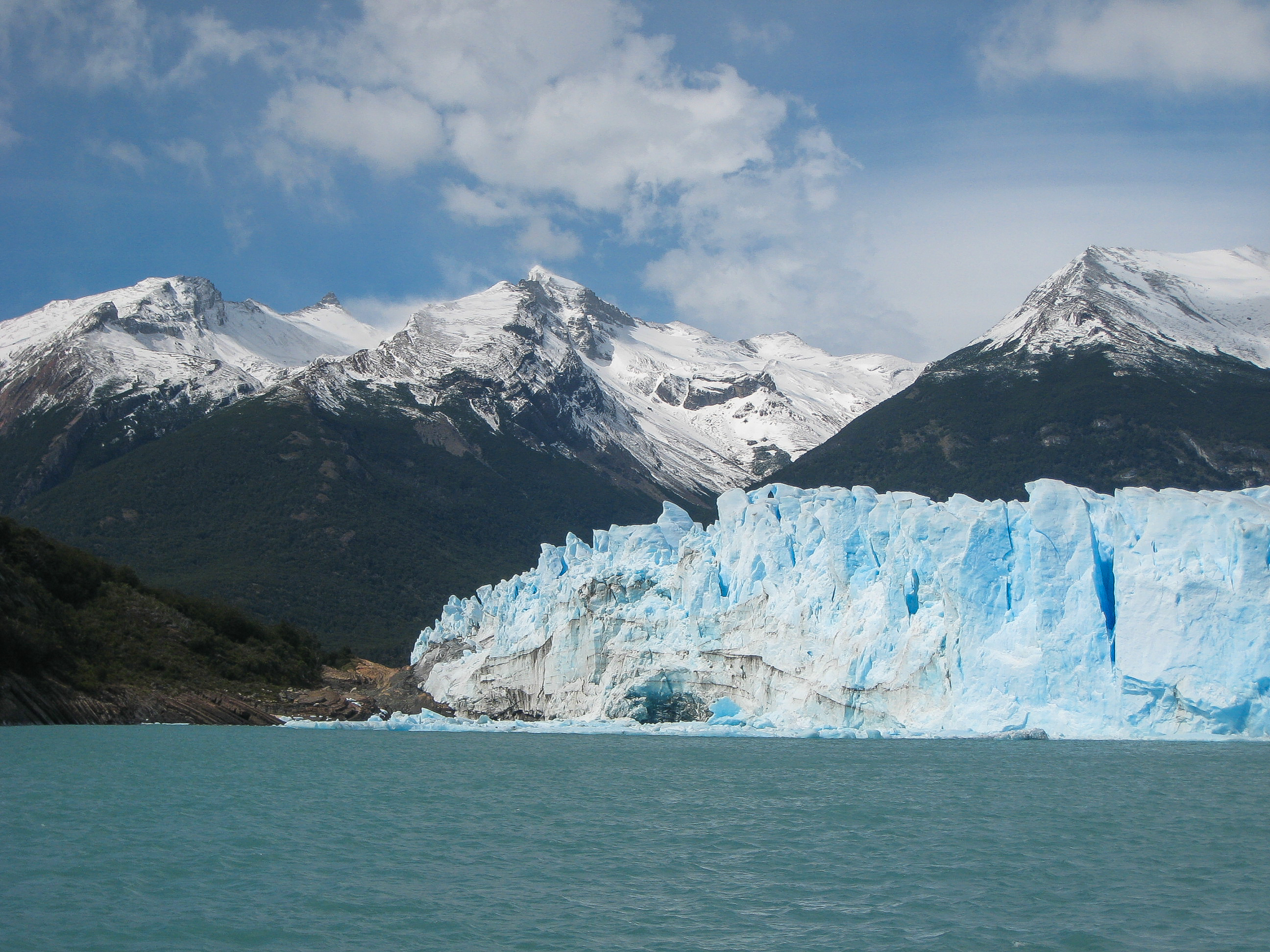
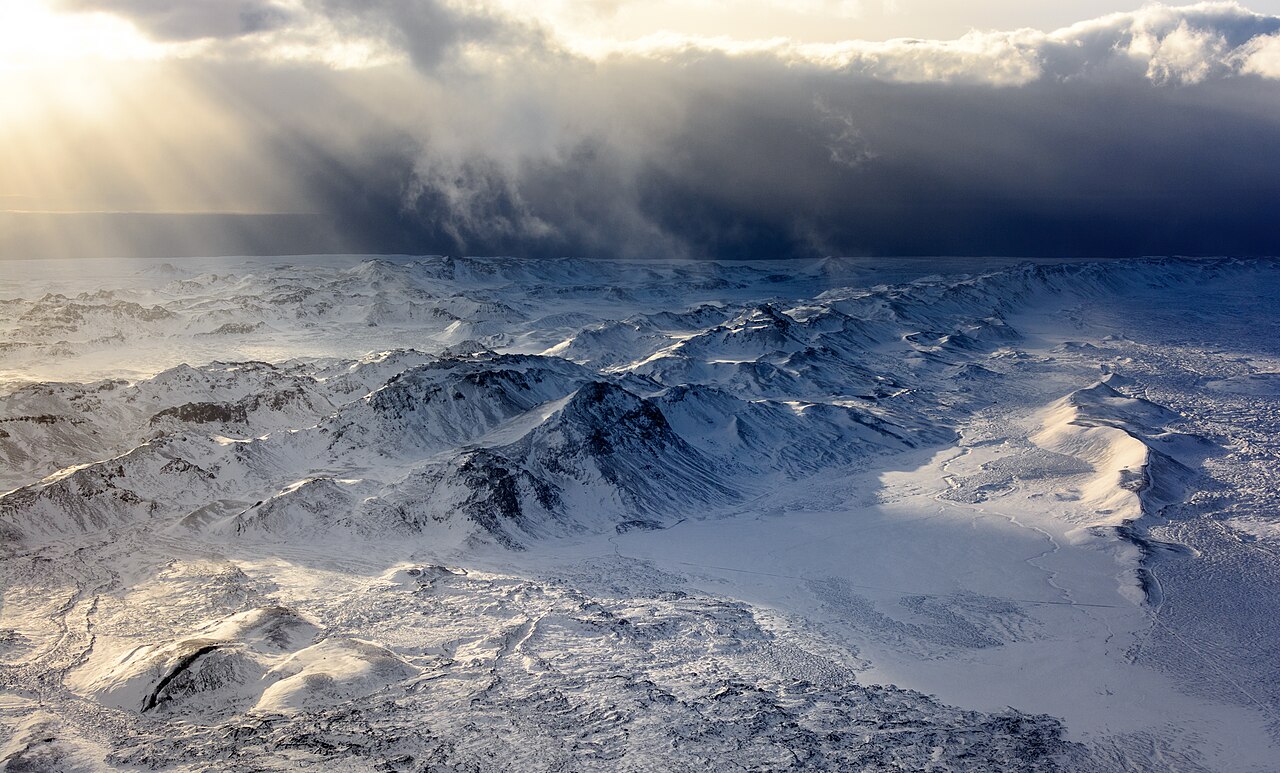
I love glaciers and snow mountains. They have a kind of spell over you — they make you reverent and afraid at the same time, and they keep bringing you back. They give me something to look up to; they let me straighten my back in the middle of a busy, pointless life and find a glimpse of somewhere for the soul to live.
A traveller's note, 'Two Days Around Chengdu: Western Sichuan'
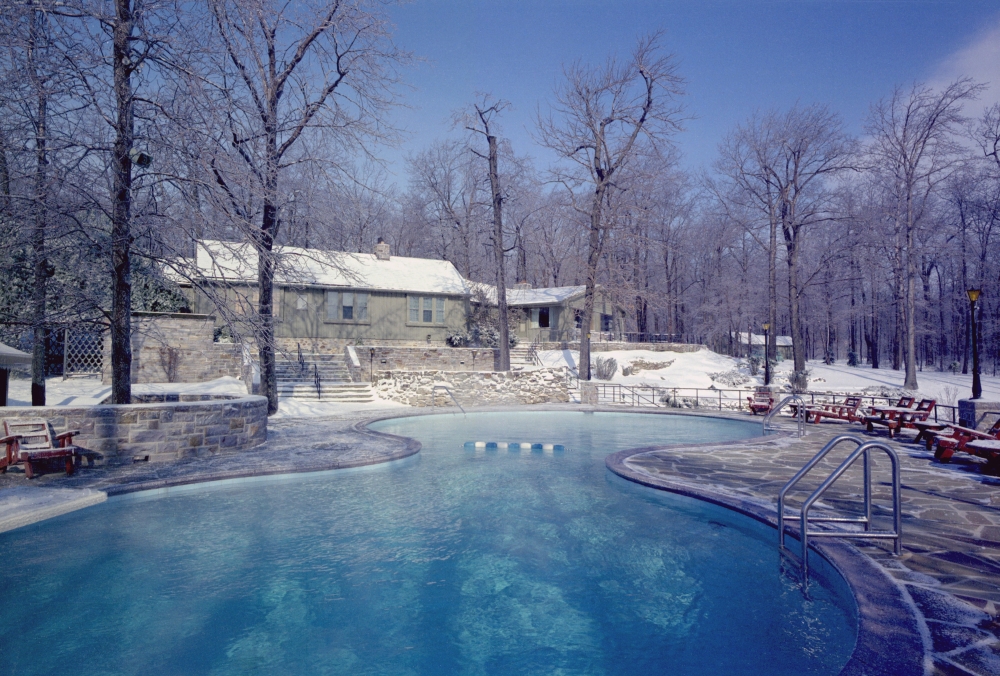
Snow falling outside, snow mountain in front, hot tea and a hot pool — this is the picture I dreamed of. I showed the Japanese the photo of this hot spring at 2,700-odd metres and they were openly envious of it. I slept here one night and several days of exhaustion simply disappeared.
A traveller's note, 'I Love the Plateau, I Love Snow Mountains'
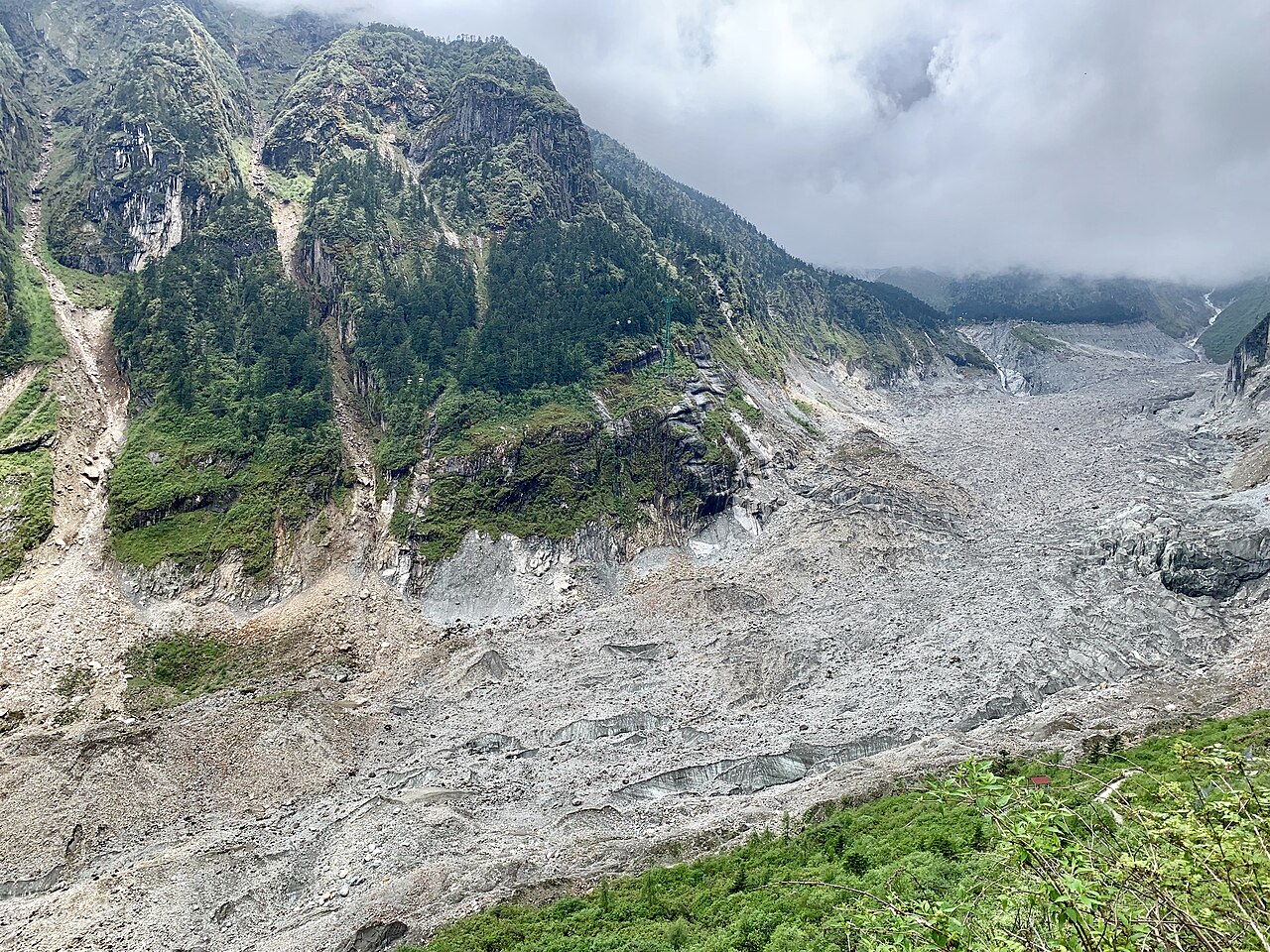
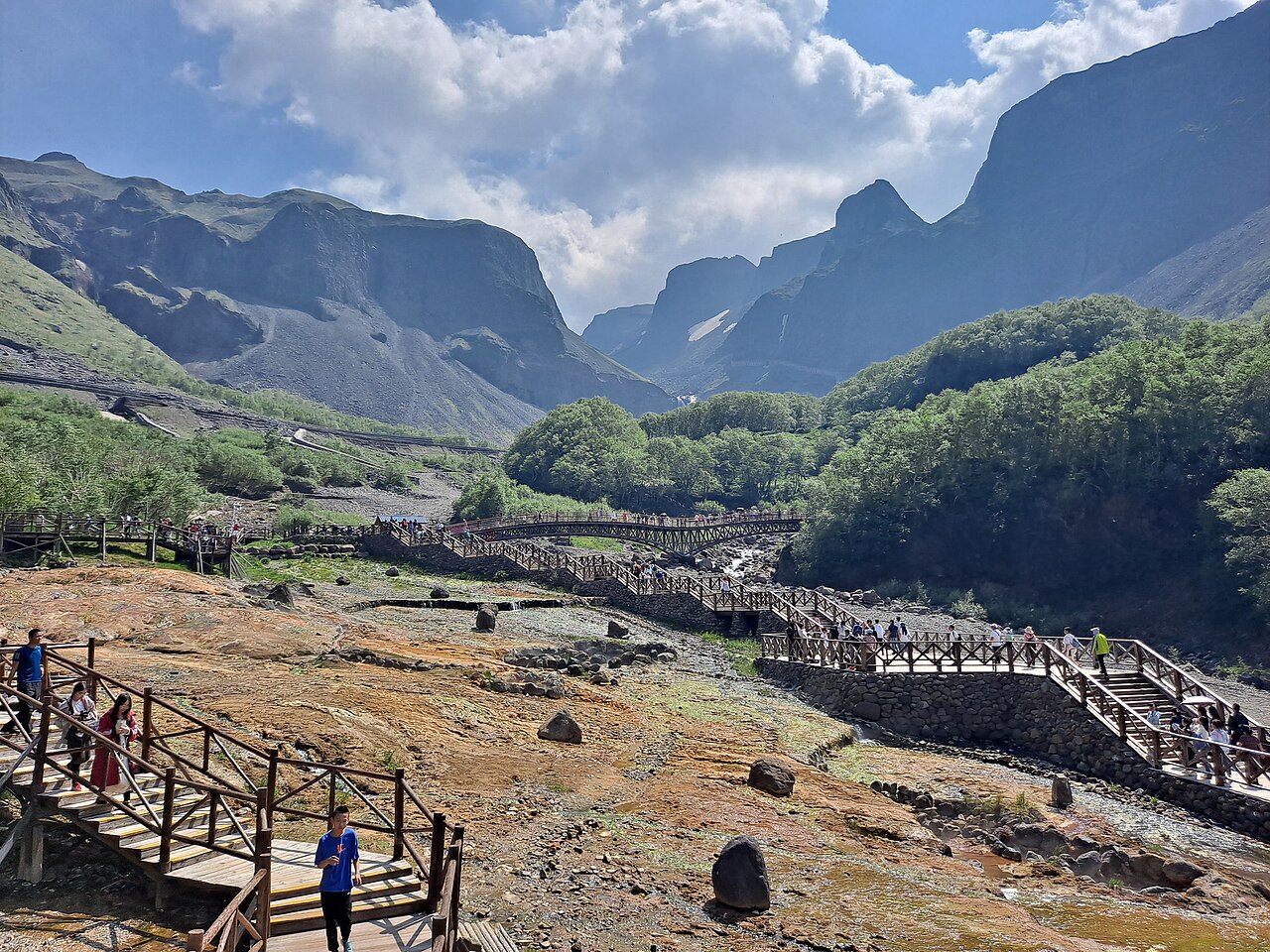
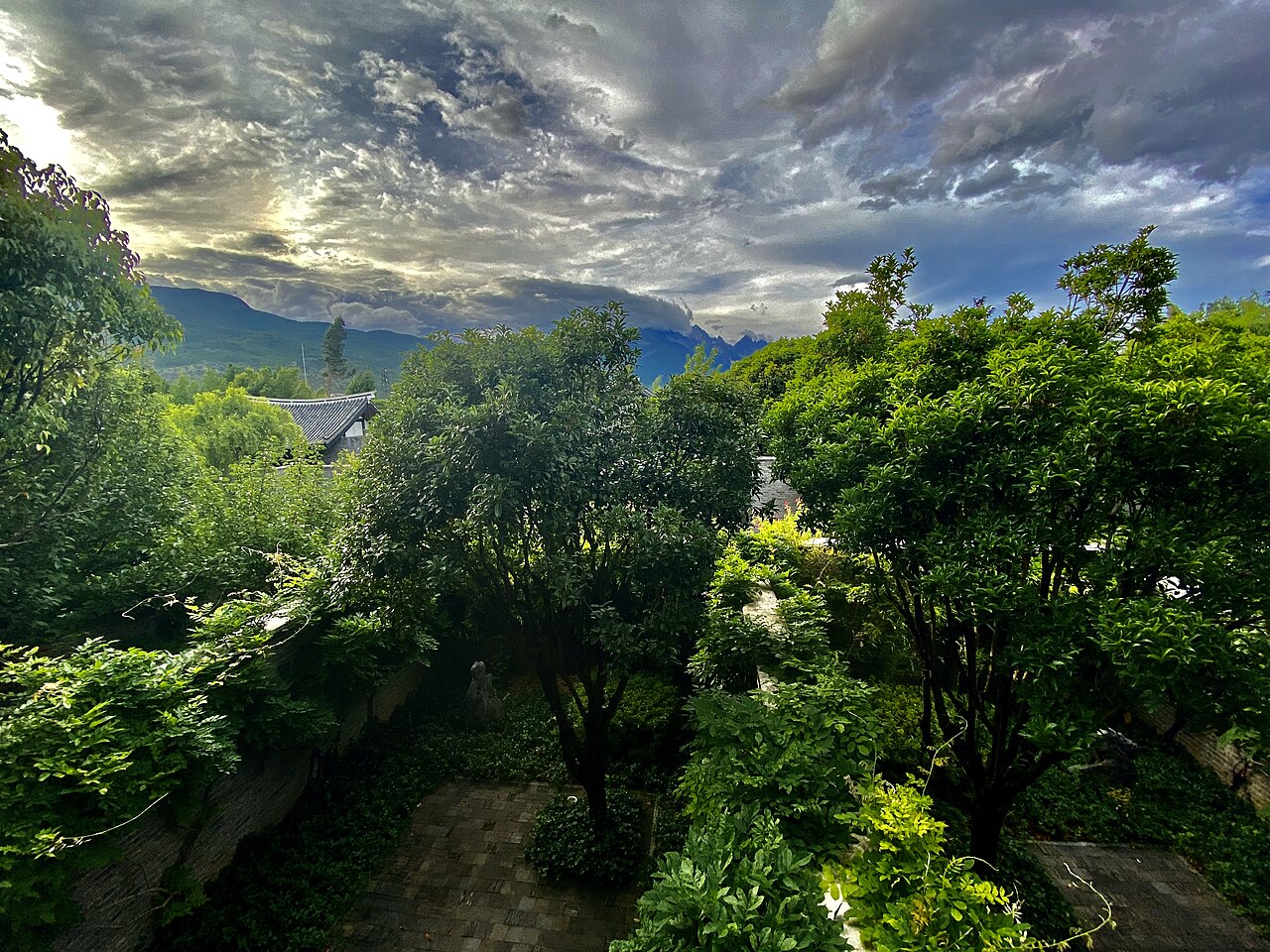
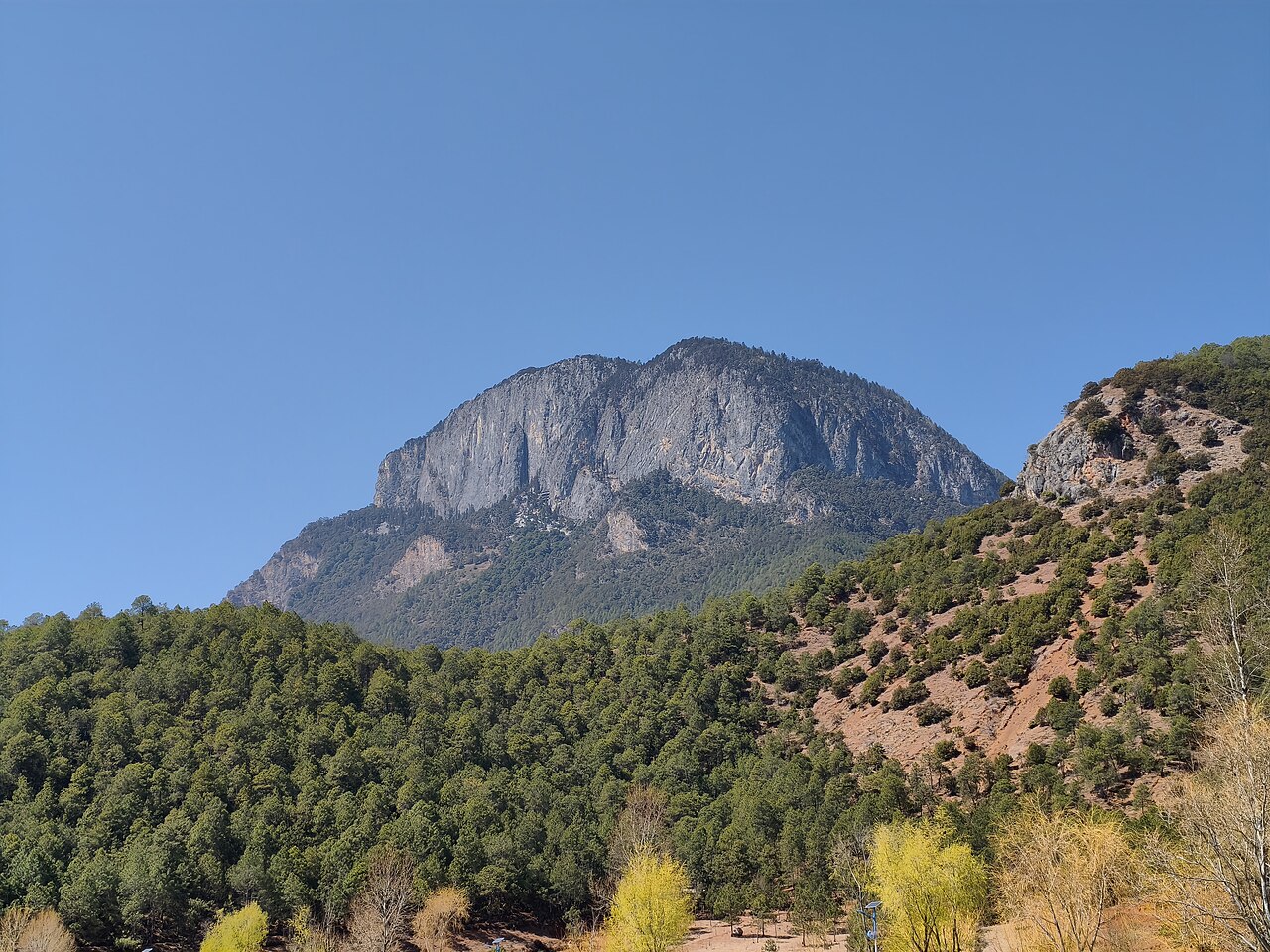
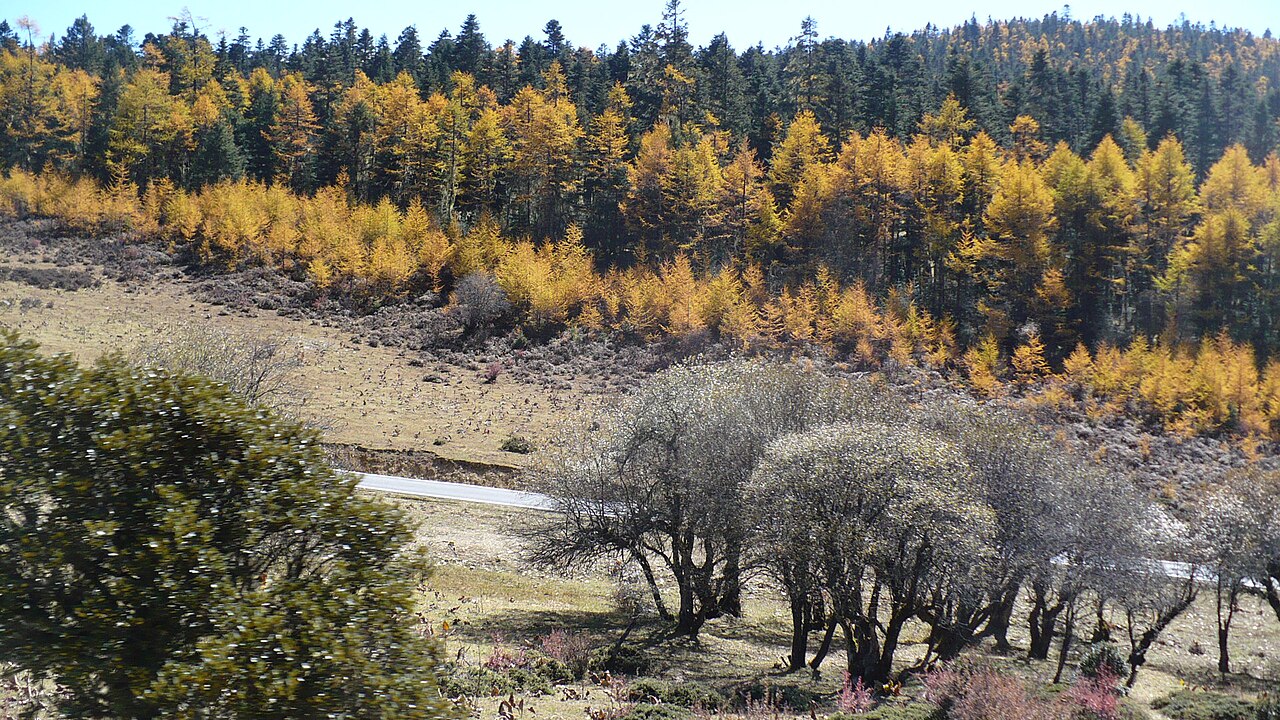
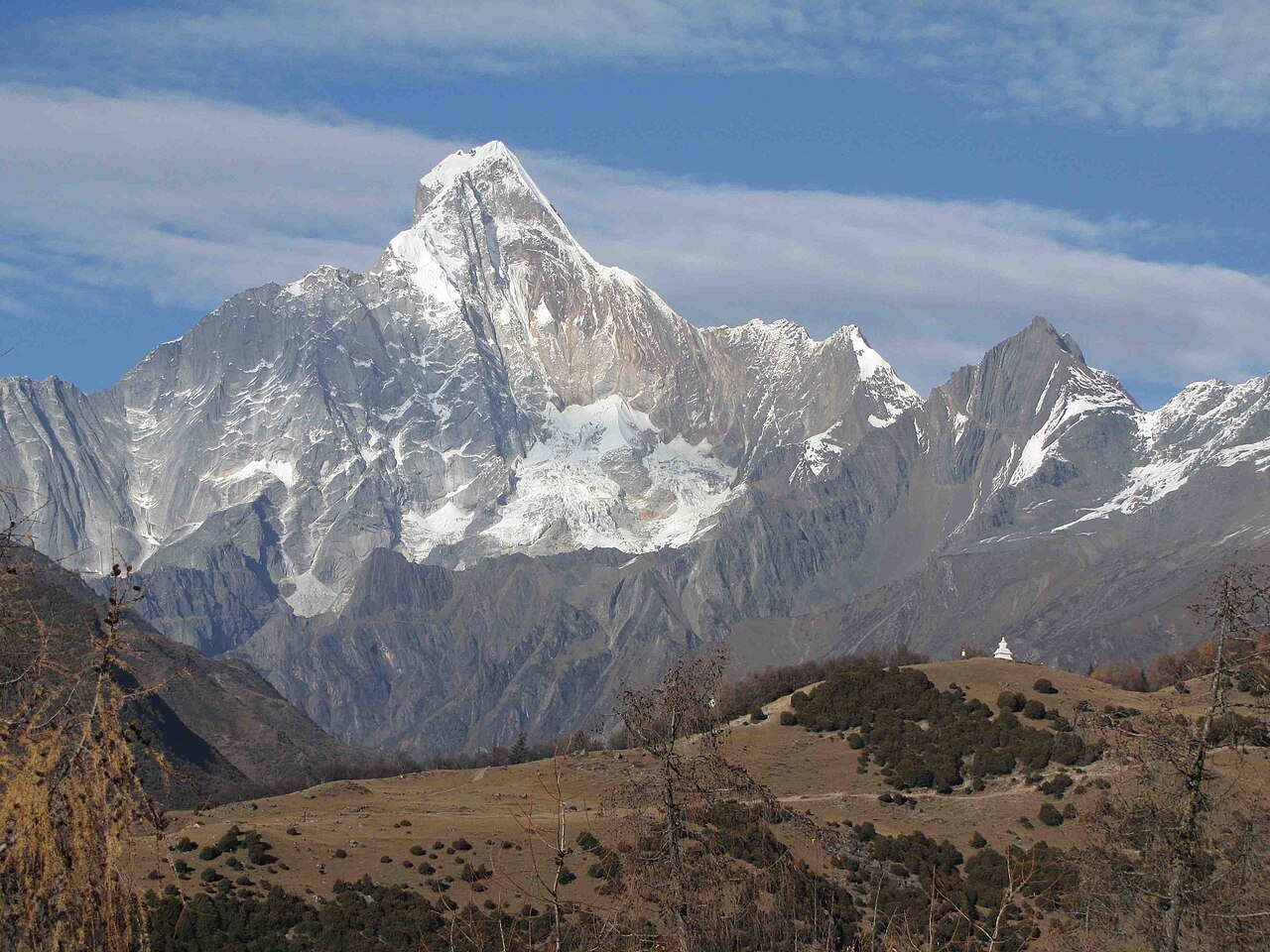
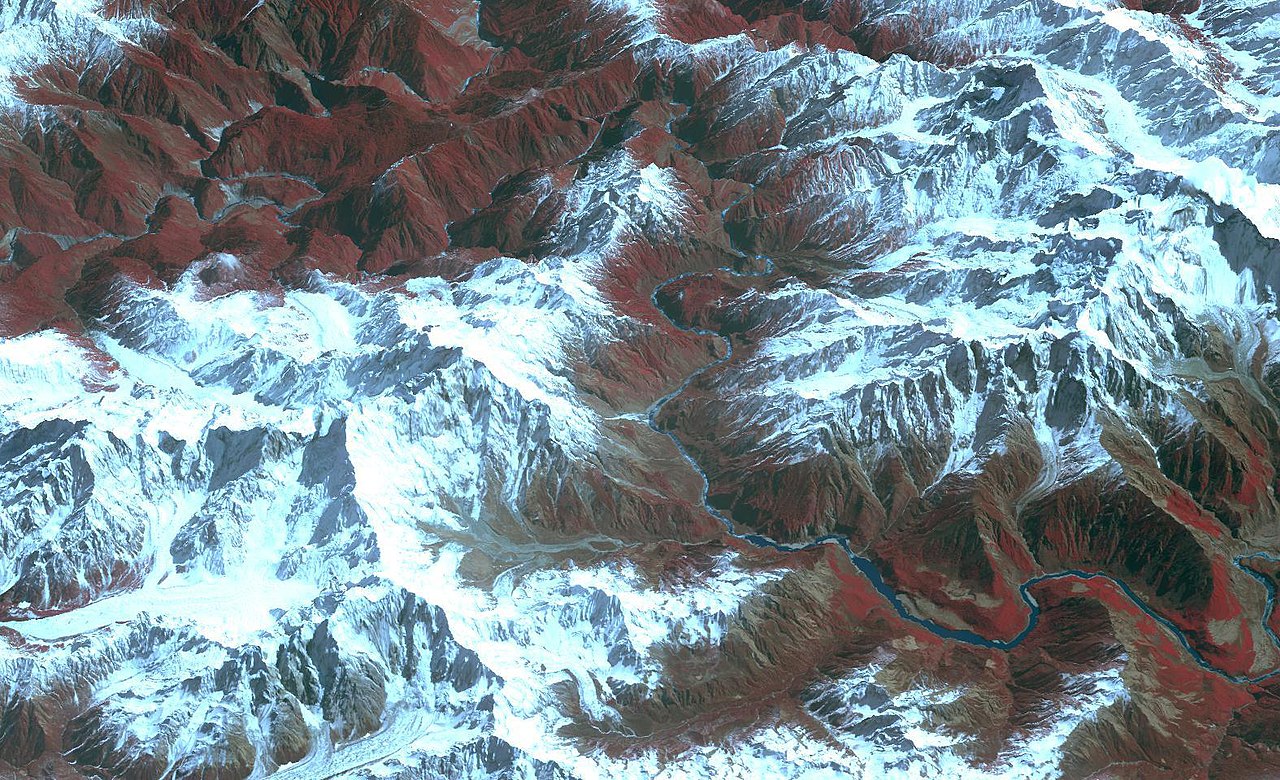
Most glaciers in the world sit above the treeline, unreachable without ropes. This one comes down through cloud forest and mist to about 2,850 m, on the eastern flank of Gongga Shan — the King of Shu, 7,556 m, the highest mountain in Sichuan. You ride a green shuttle up the valley, take a cable car across the ice fall if you want the aerial view, or walk a boardwalk through old forest and stand at the bottom of the ice. If you can walk uphill for an hour, you can see it properly.
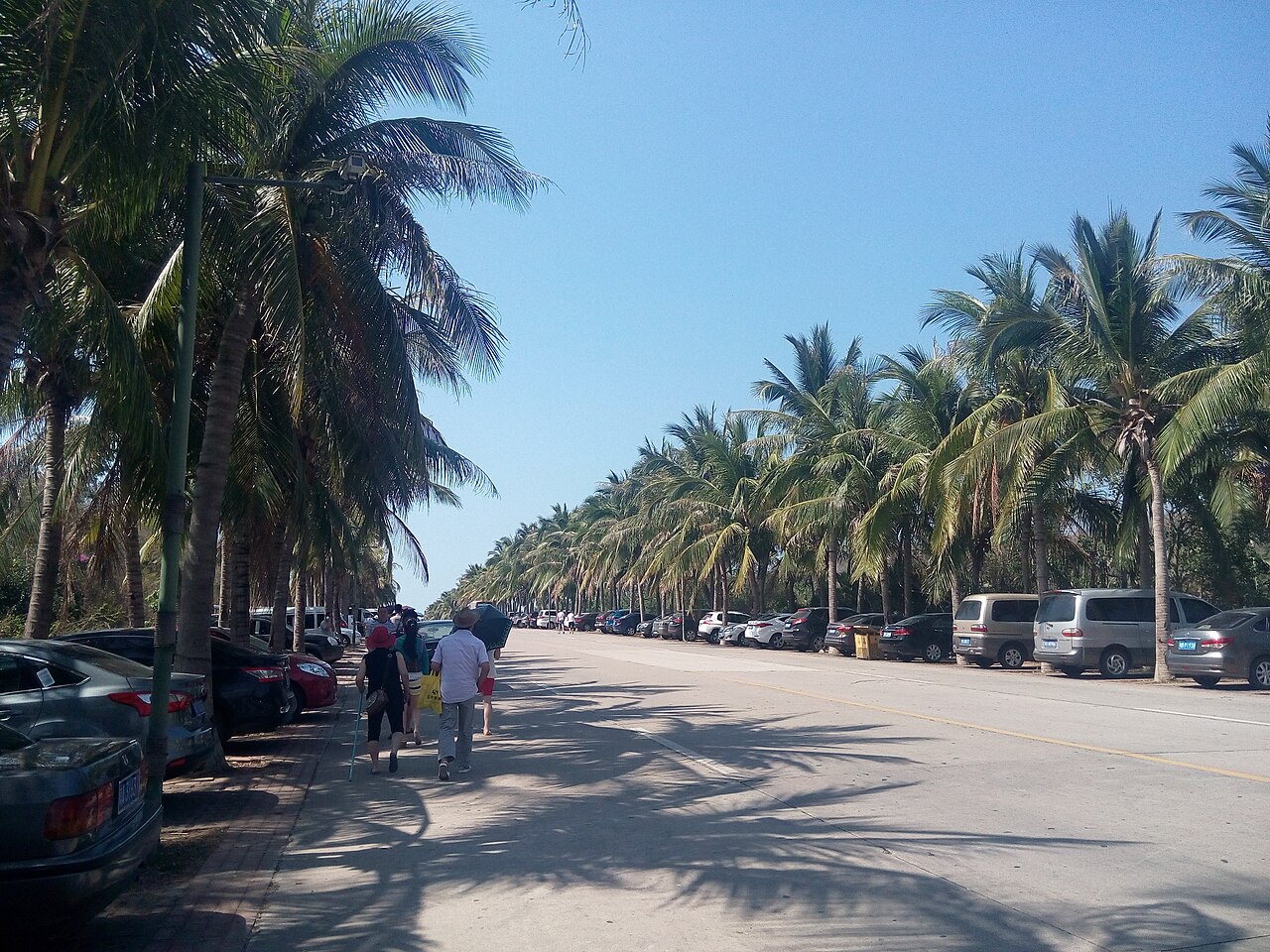
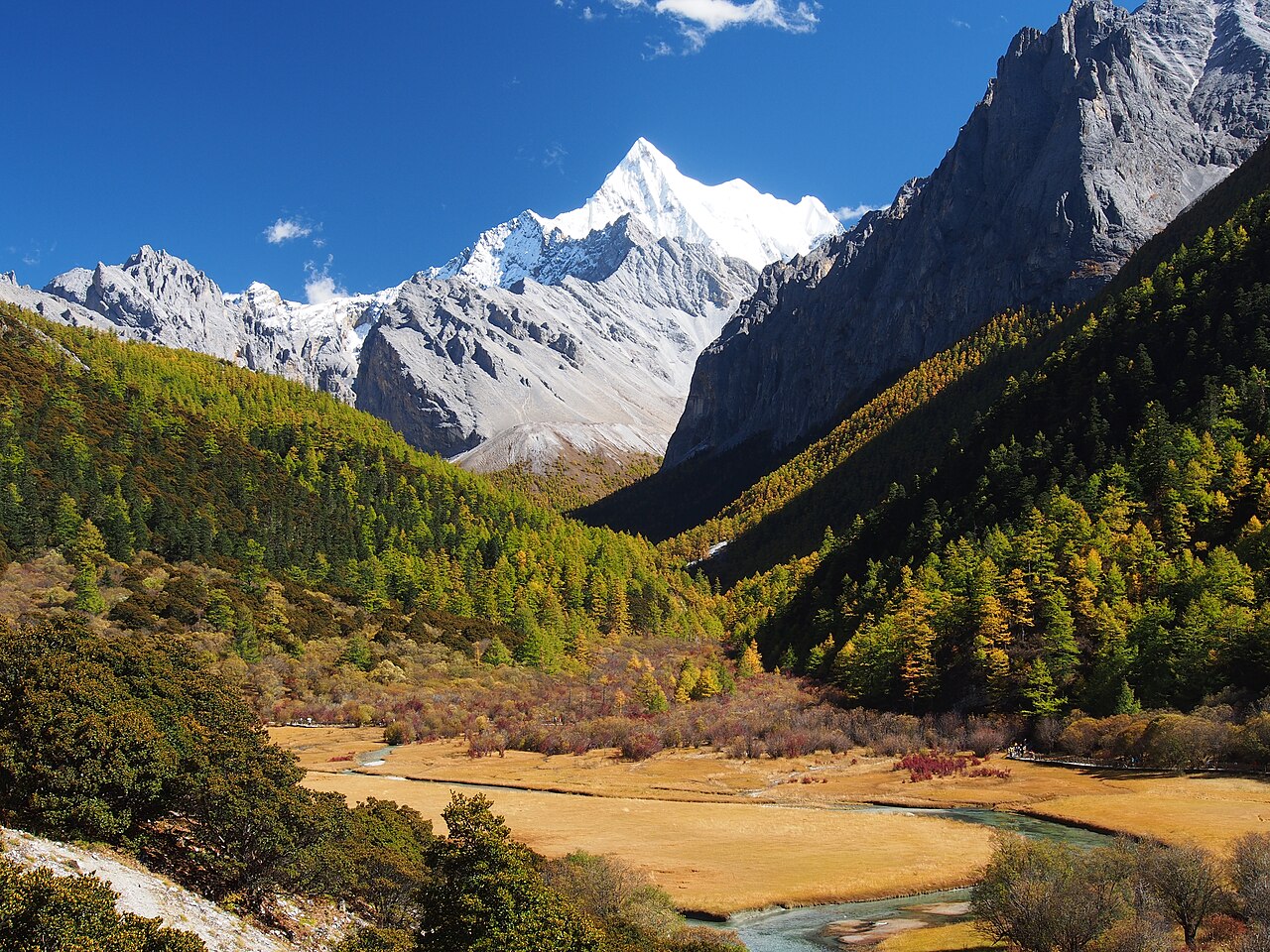
The valley is organised by altitude into numbered camps, and the number is the whole system: bigger means higher and closer to Gongga. Camp 1 at 1,940 m is warm, forested, subtropical — palms and bamboo among the Han and Yi villages. Camp 2 at 2,580 m is where the hot springs are. Camp 3 at 2,940 m is the shuttle's last stop and the classic place to watch the sunrise paint the peaks gold. Camp 4, cable car only, no beds, stands almost against the mountain with the whole glacier below it.
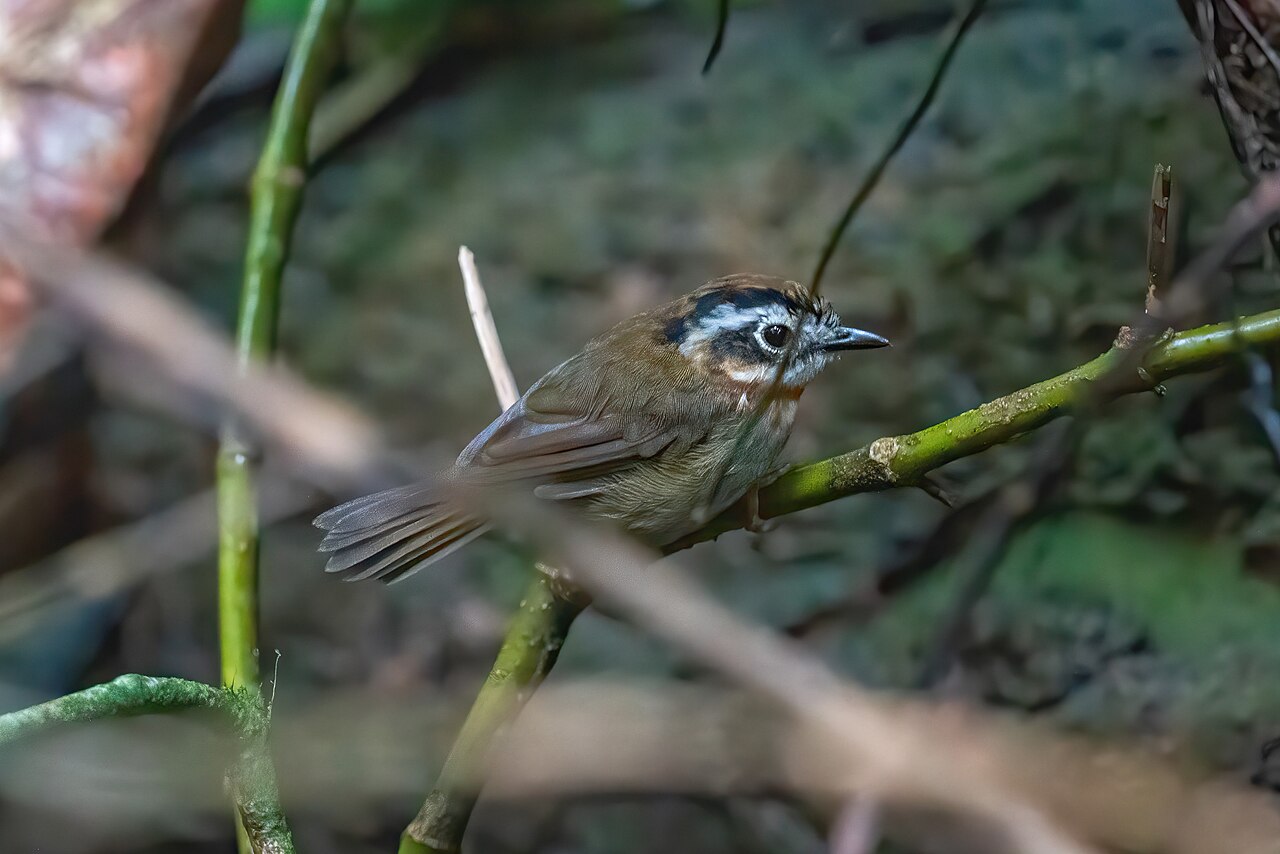
Above everything is the Great Ice Fall — over 1,000 m high and about 1,100 m across, more than ten times the scale of Huangguoshu Falls. Behind its calm white face the ice is moving, pushing rock and debris down the mountain, which is why you view it from platforms and never walk onto it. Between the gate and the summit the valley stacks seven climate and vegetation bands, which is why the forest keeps changing as you climb — macaques, squirrels, red-bellied pheasant, and in summer takin and blue sheep coming down to drink at the hot springs.
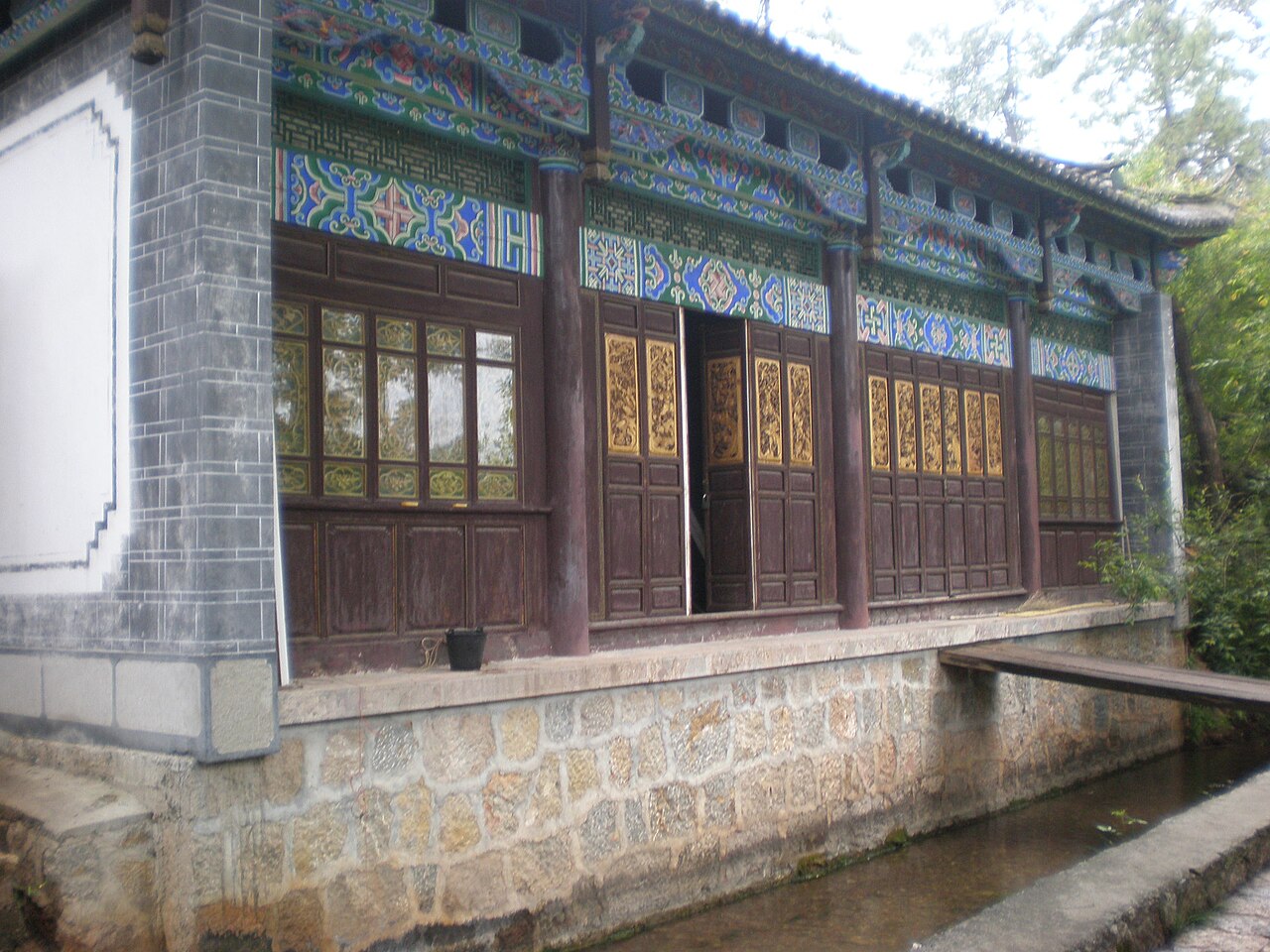
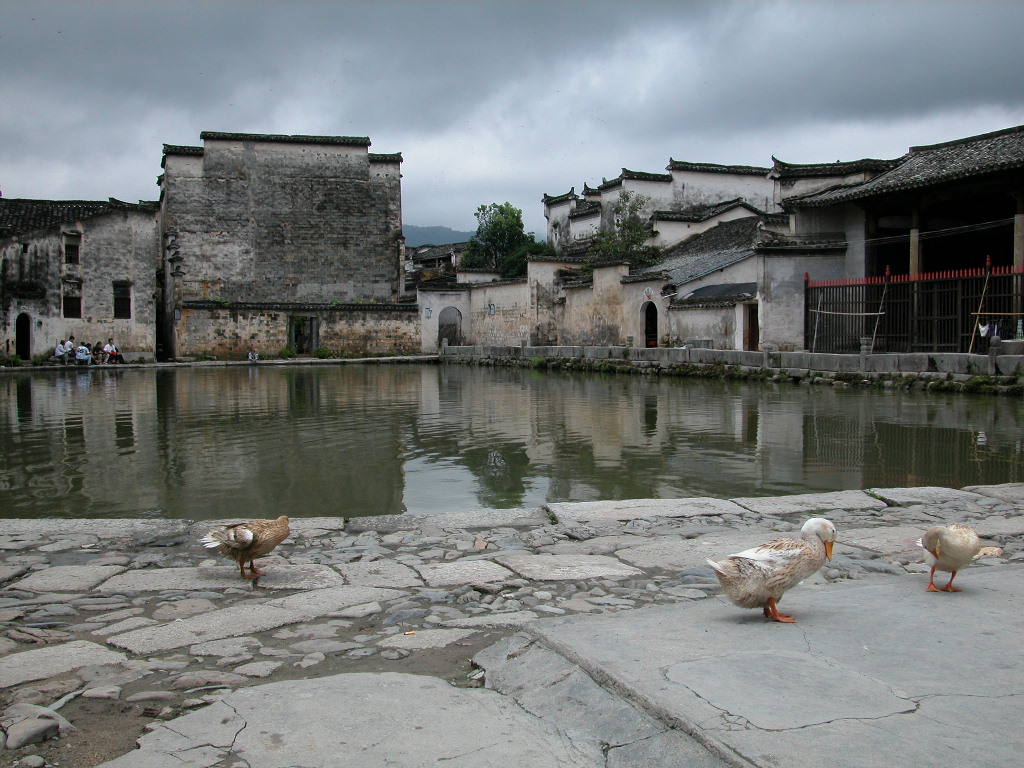
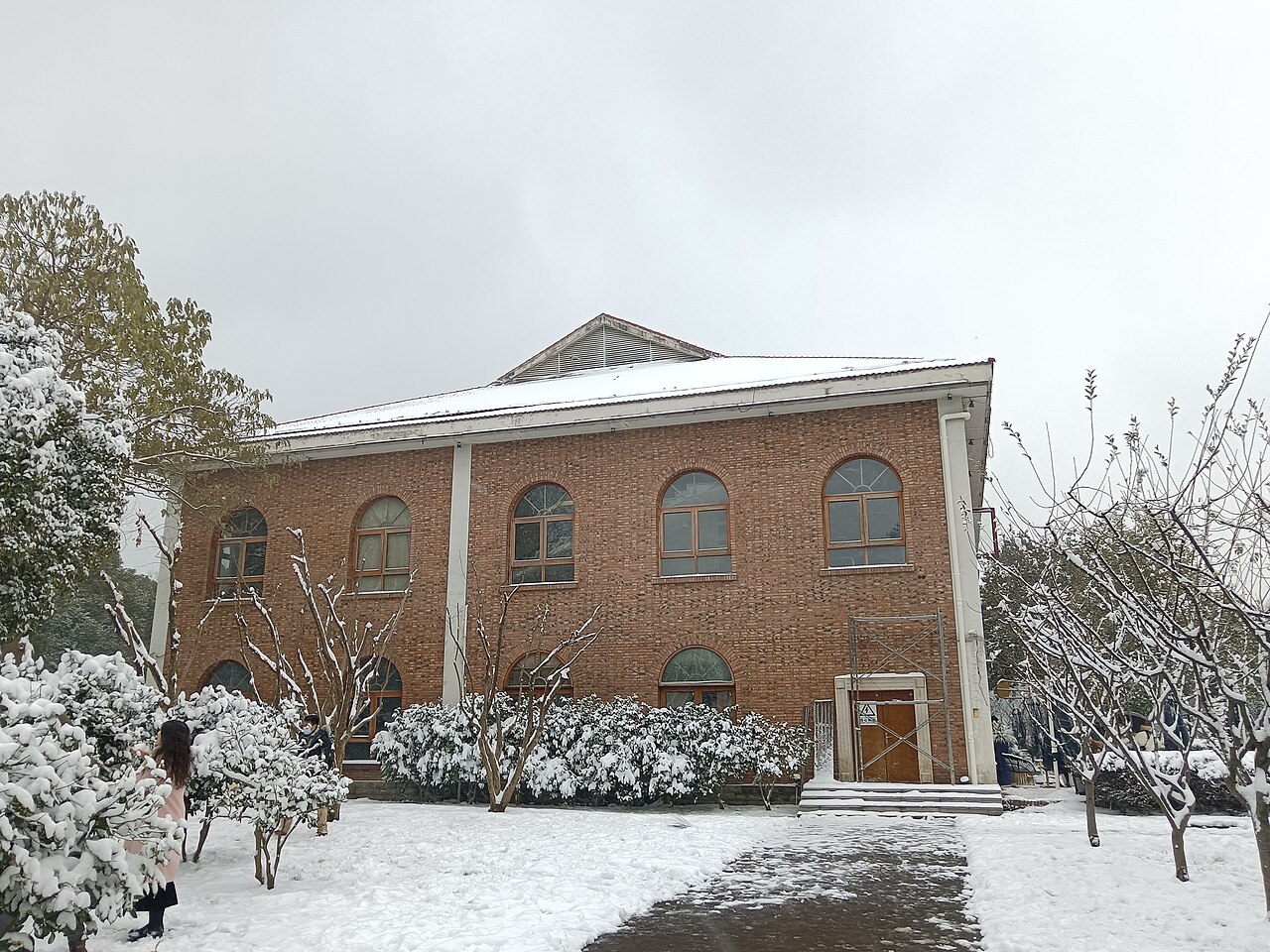
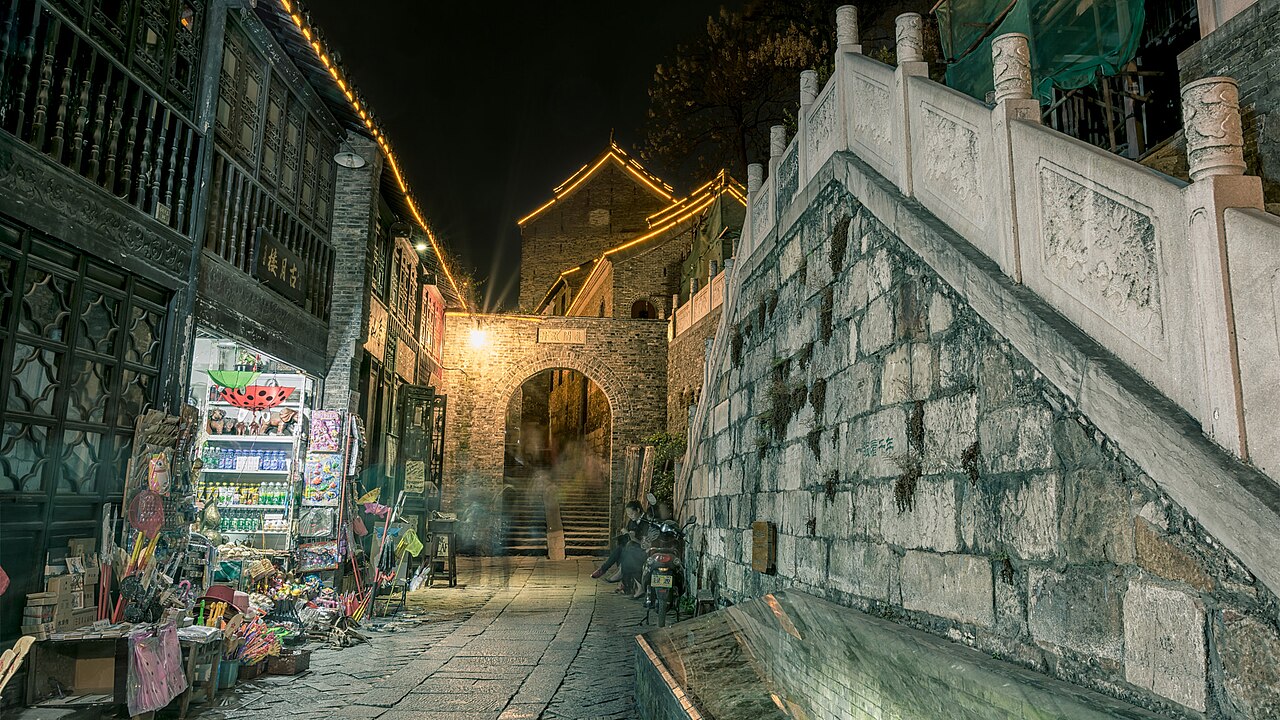
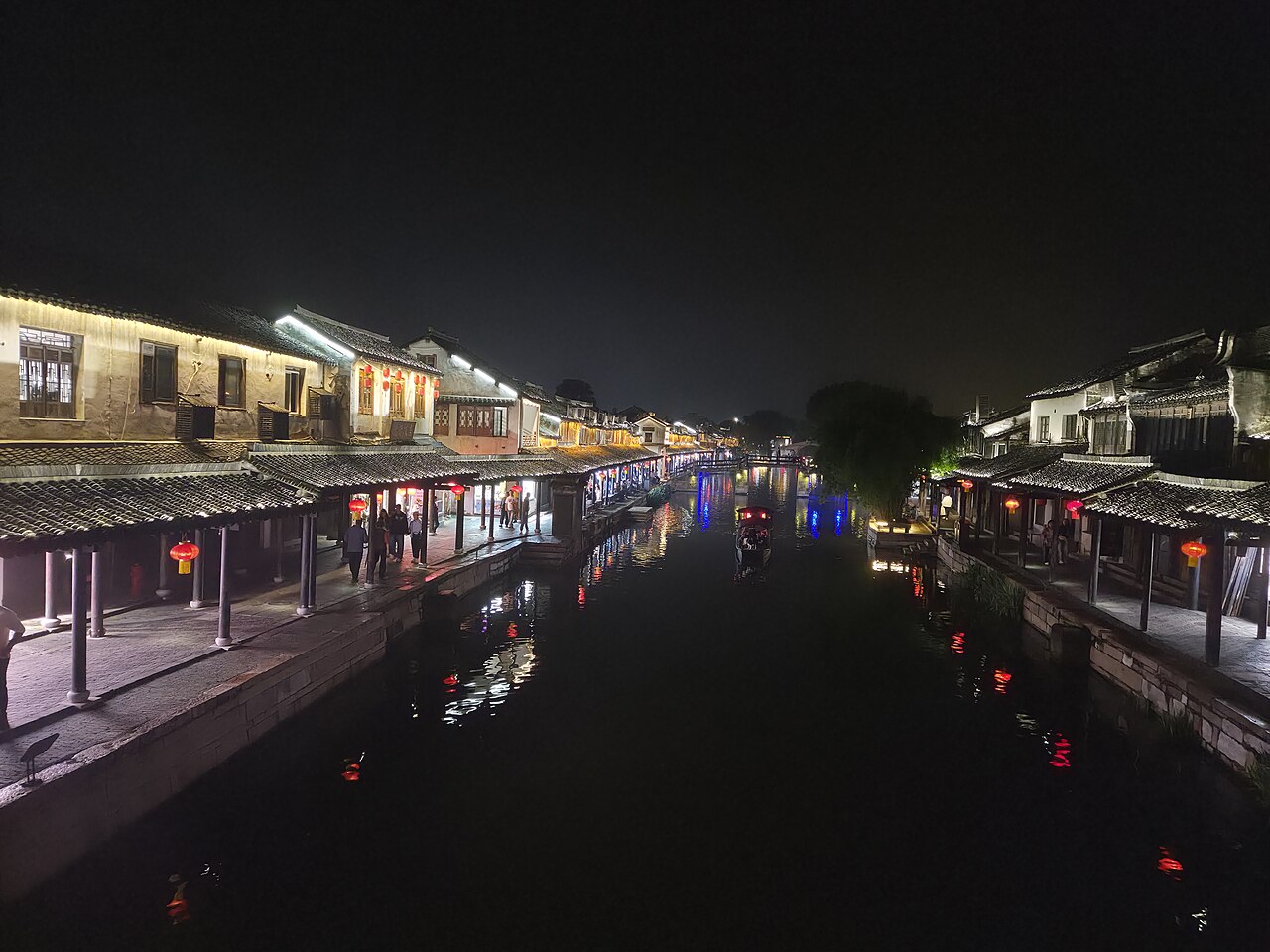
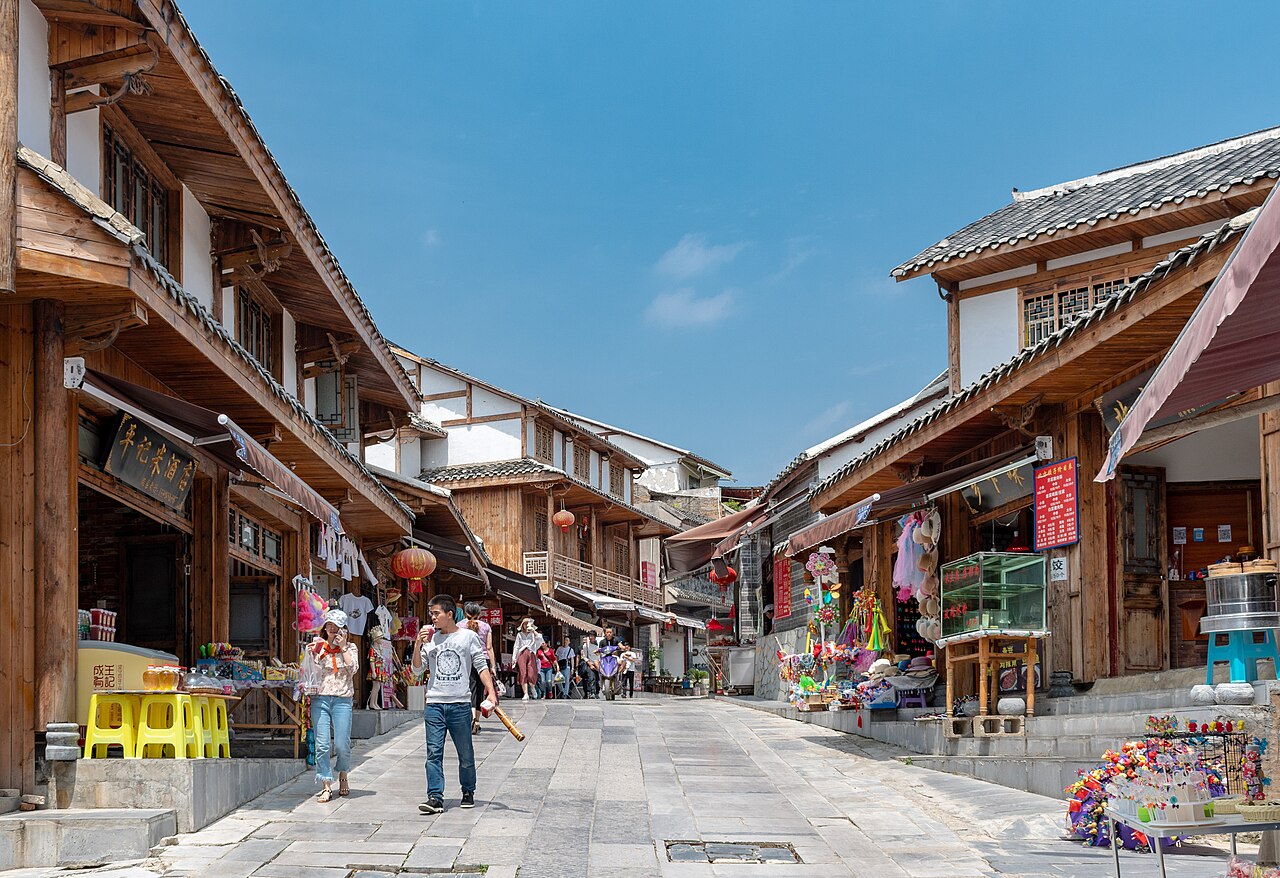
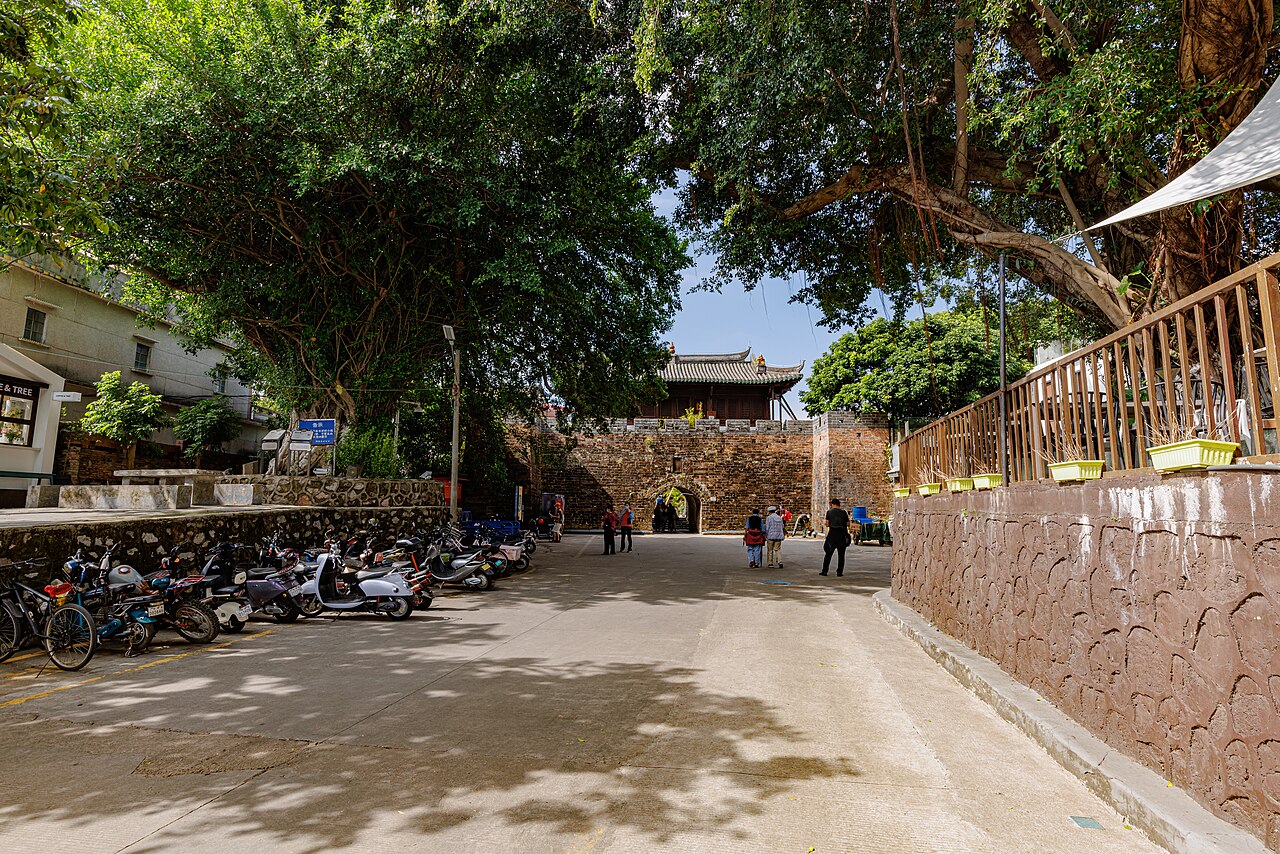
At the bottom is Moxi, the old town at the valley mouth on the tea-horse road: Ming and Qing timber houses, a Gothic Catholic church built by a French missionary in 1918, and the memory of the Long March — in May 1935 the Red Army's First Front Army passed through on its way to Luding Bridge, and Mao, Zhu De, Zhou Enlai and Chen Yun slept in that church and held the Moxi Conference in the priest's house. It is the bus stop, the place to eat and sleep, and worth a slow afternoon of its own.