City guide · Sichuan

Daocheng Yading travel guide: three sacred peaks, Milk Lake, and how to handle 4,000 m

Three 6,000 m sacred peaks, glacial lakes at 4,600 m and twenty hours of road — the hardest, highest payoff in Sichuan.

  • Known forThree sacred peaks, glacial lakes
  • Typical spend¥1,000 / person / 3–4 days
  • Ideal length3–4 days
  • PaceHard — altitude, long hikes

Reviewed by our Beijing team Updated 2026-10-10

The short version

Daocheng Yading is worth the hard journey if you can handle the altitude: it is a reserve in Garzê, western Sichuan, where three sacred peaks — Xiannairi at 6,032 m, Yangmaiyong and Xianuoduoji at 5,958 m each — stand over glacial lakes between 4,100 and 4,600 m. Doing it properly takes 3–4 days, a ¥150 ticket that is valid for 3 days, and one night in Daocheng town at 3,740 m before you go anywhere near the long trail.

  • Three sacred peaks named by the Fifth Dalai Lama — Xiannairi 6,032 m, Yangmaiyong and Xianuoduoji 5,958 m — over about 800 sq km of reserve.
  • Entry is ¥150 (¥80 concession) and valid 3 days; the two electric-cart stages cost ¥40 and ¥80 return, and a horse to Milk Lake is ¥300 return.
  • The long trail is 5–6 hours on foot or 4 hours on horseback from the Luorong pasture to Milk Lake at 4,500 m, plus 20 more minutes up to Five-Colour Lake at 4,600 m.
  • There is nothing to buy inside the reserve and very little in Yading village at sane prices — carry your own food in.
  • Sleeping low helps: Daocheng town is 3,740 m, Yading village 3,700 m, and Shangri-La town only 2,880 m.

City guide

First impressions

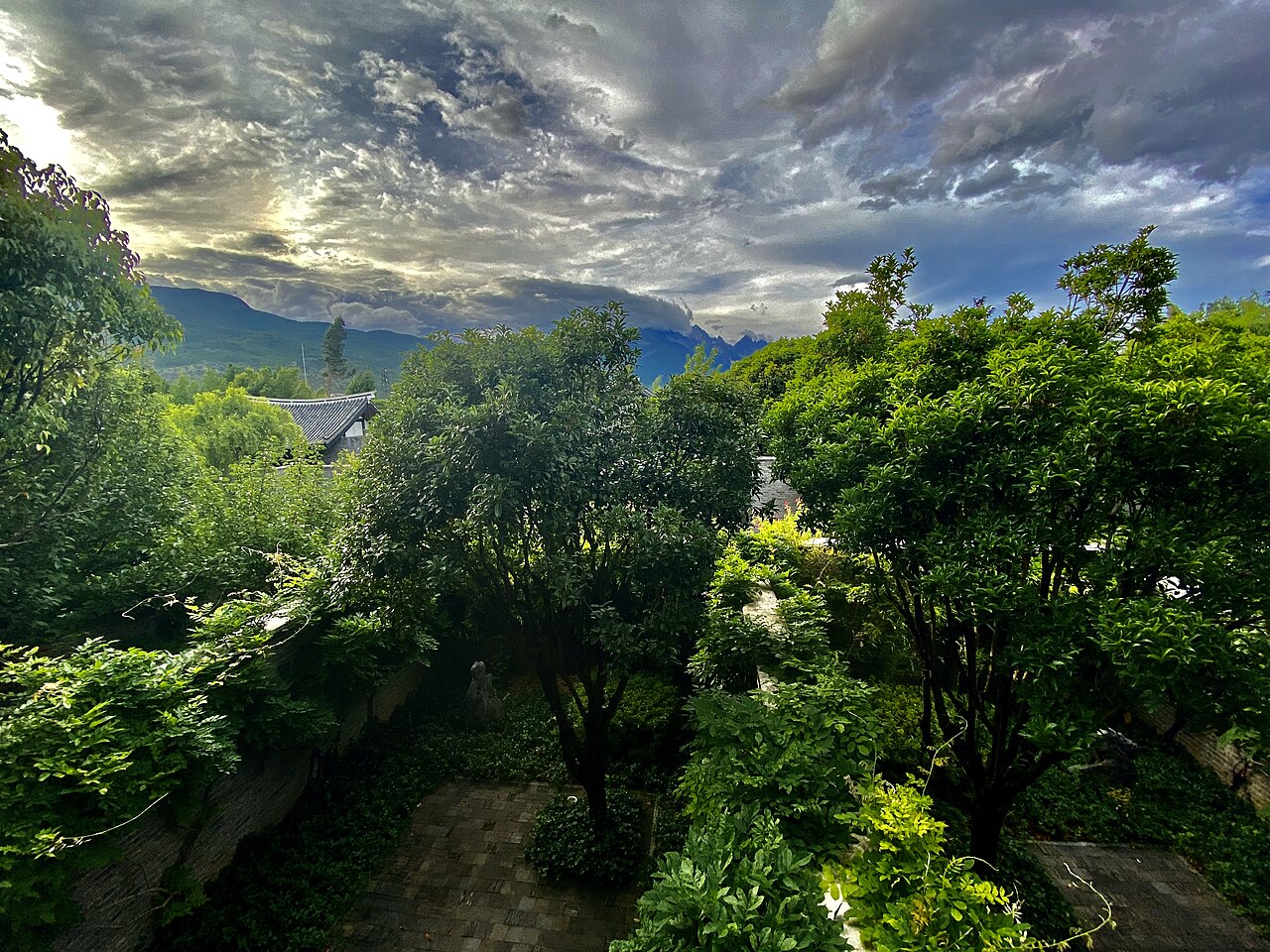
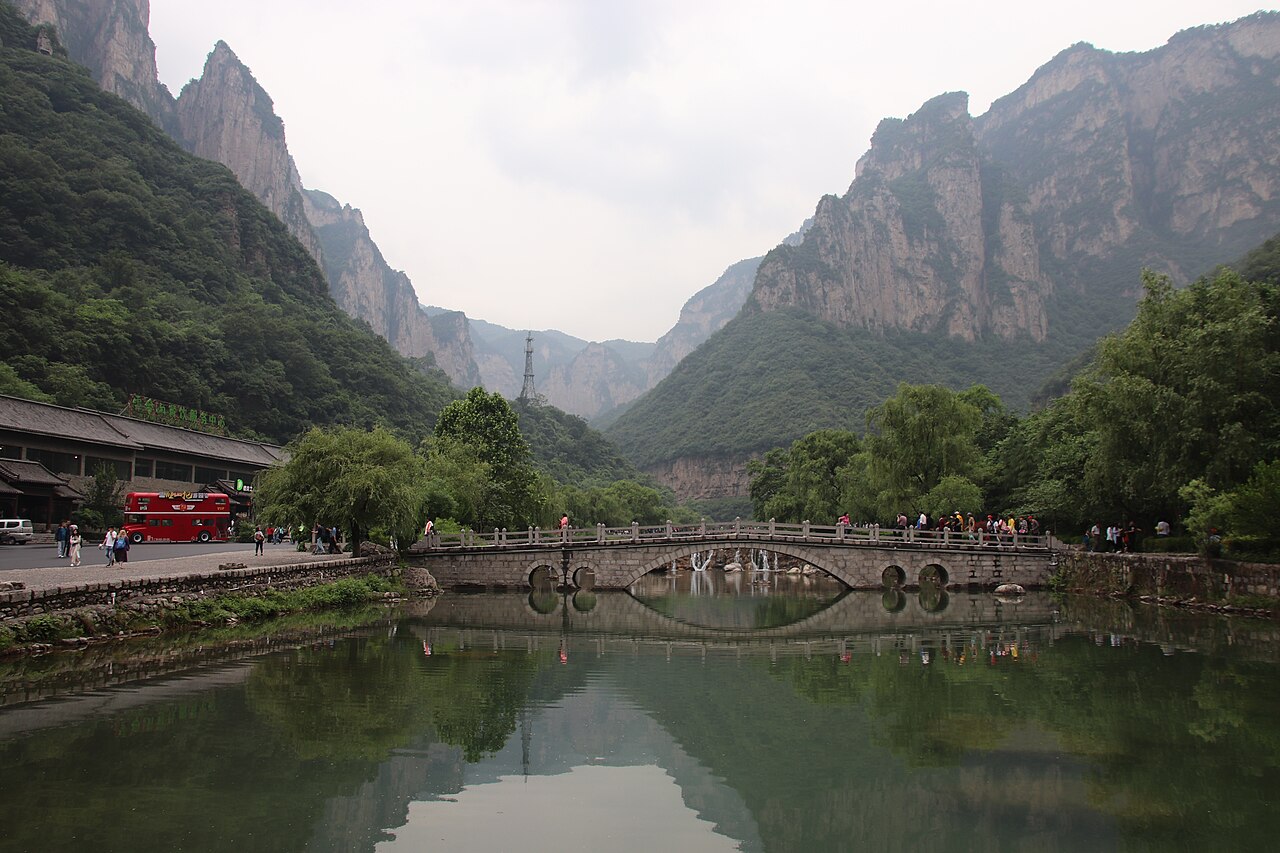
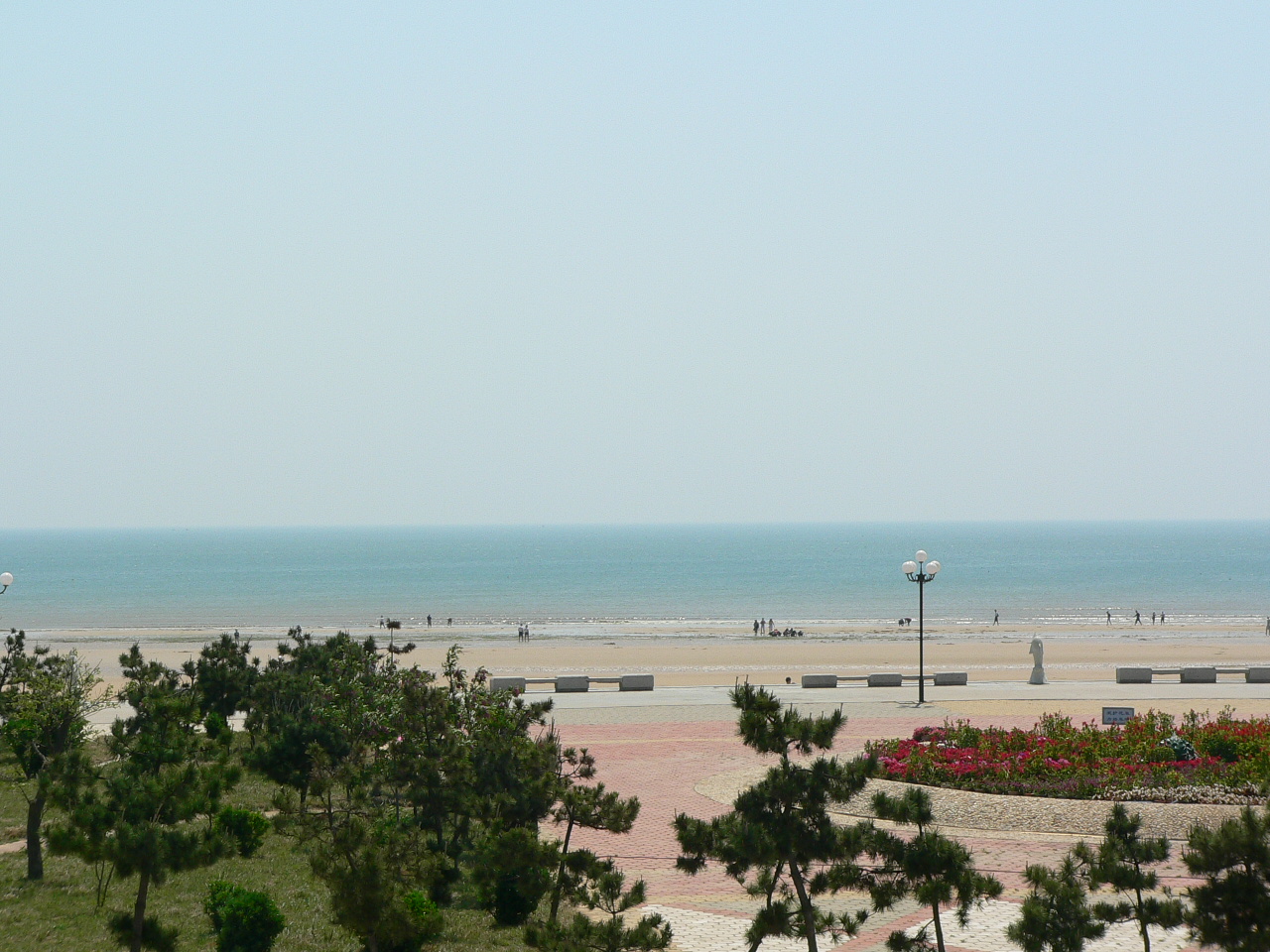
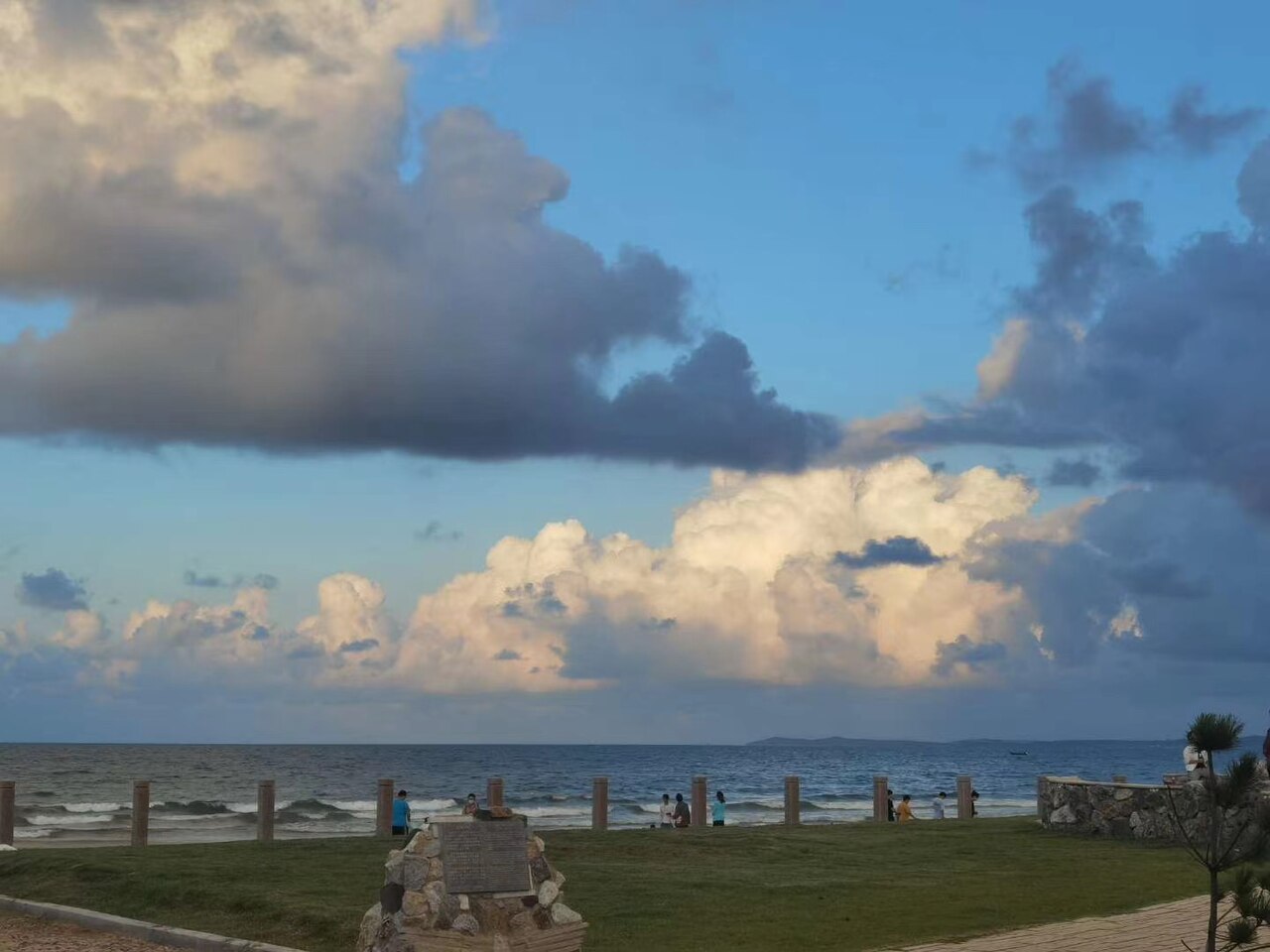
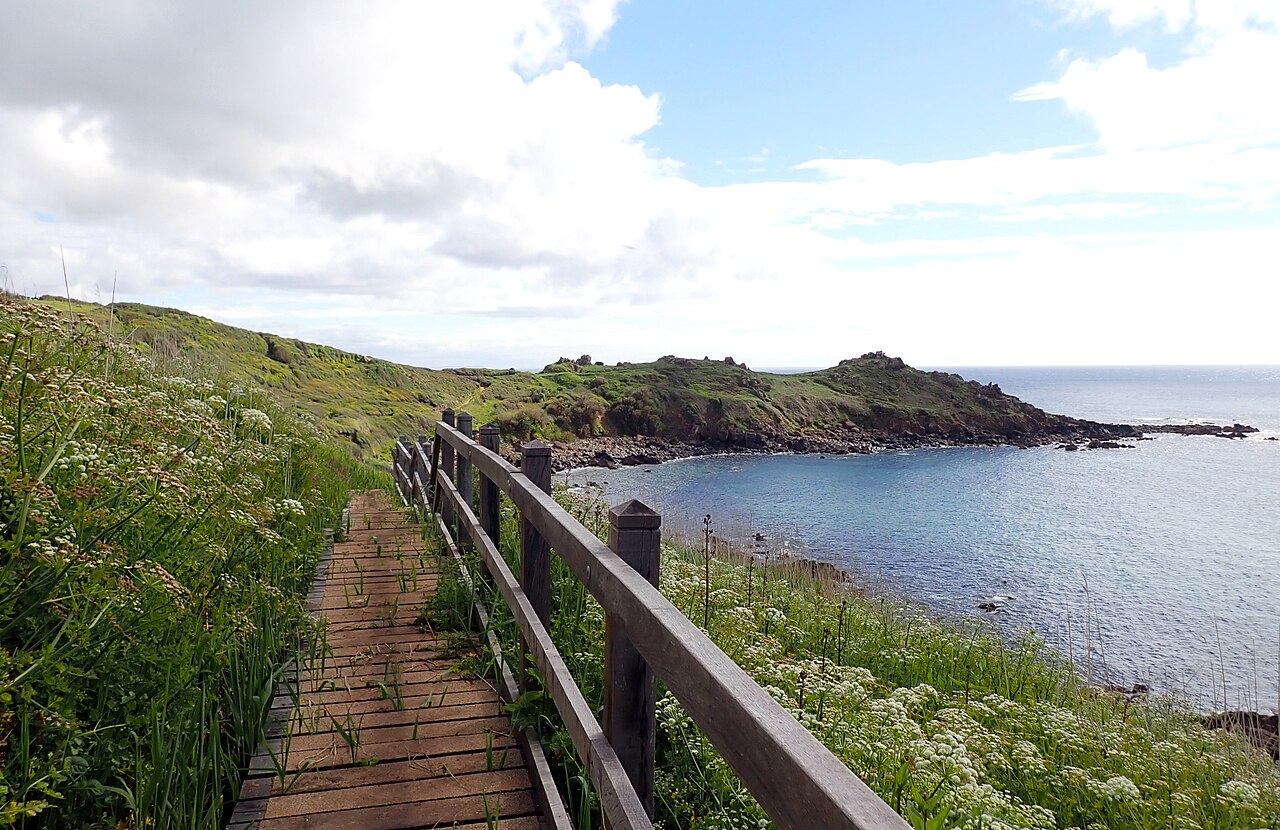
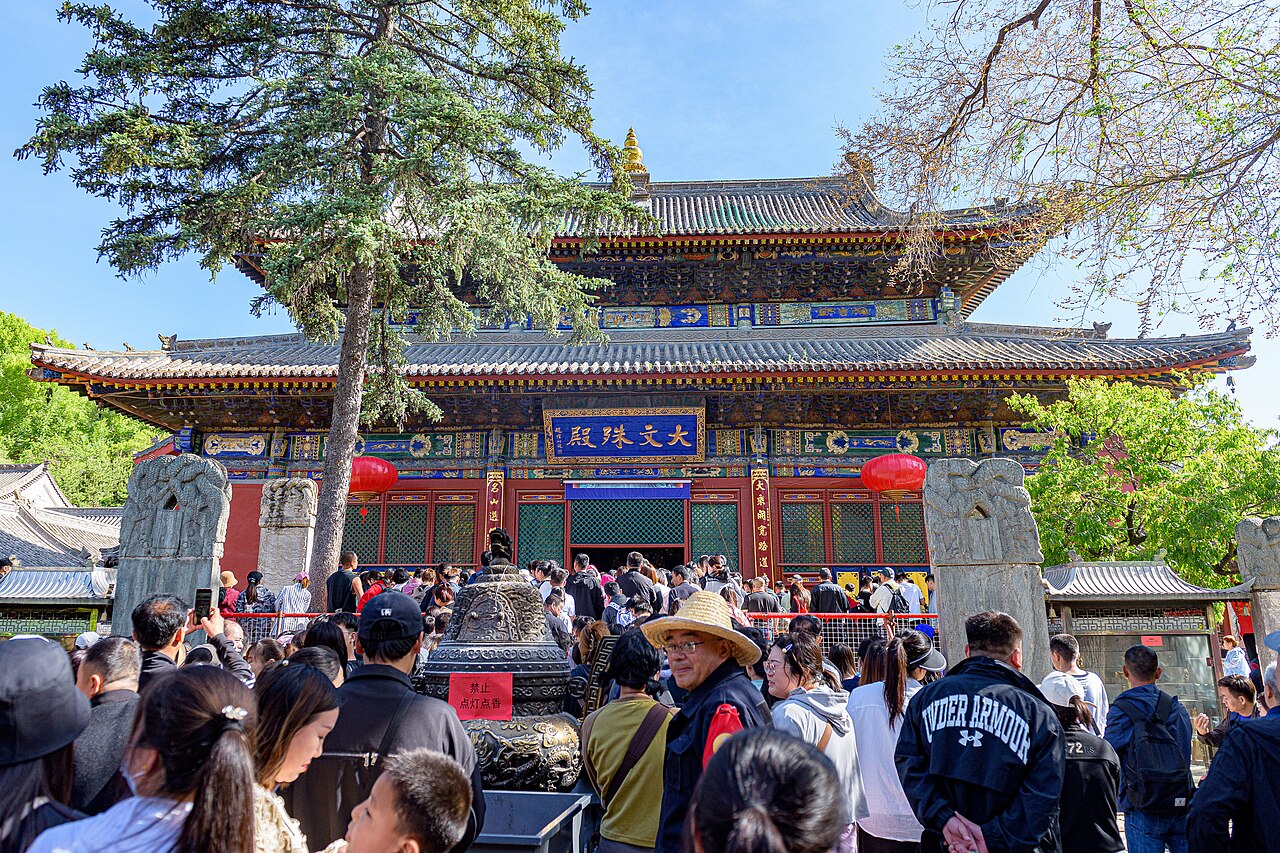
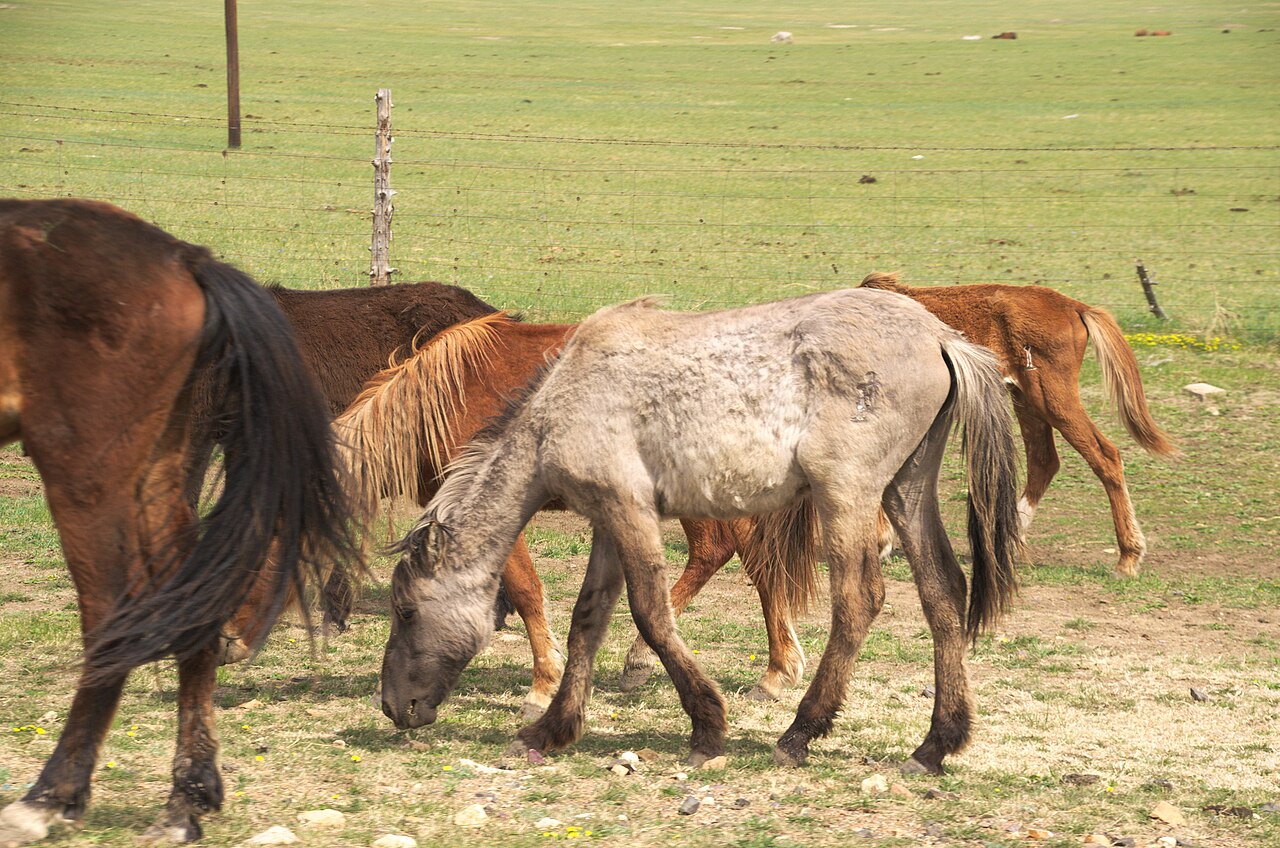
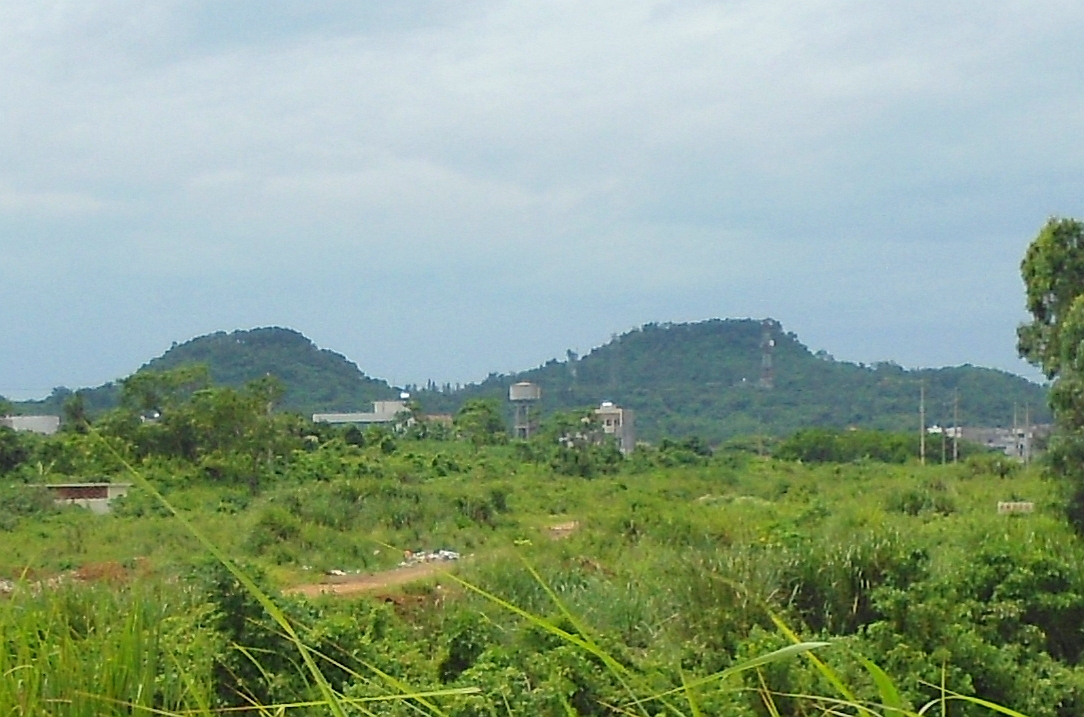
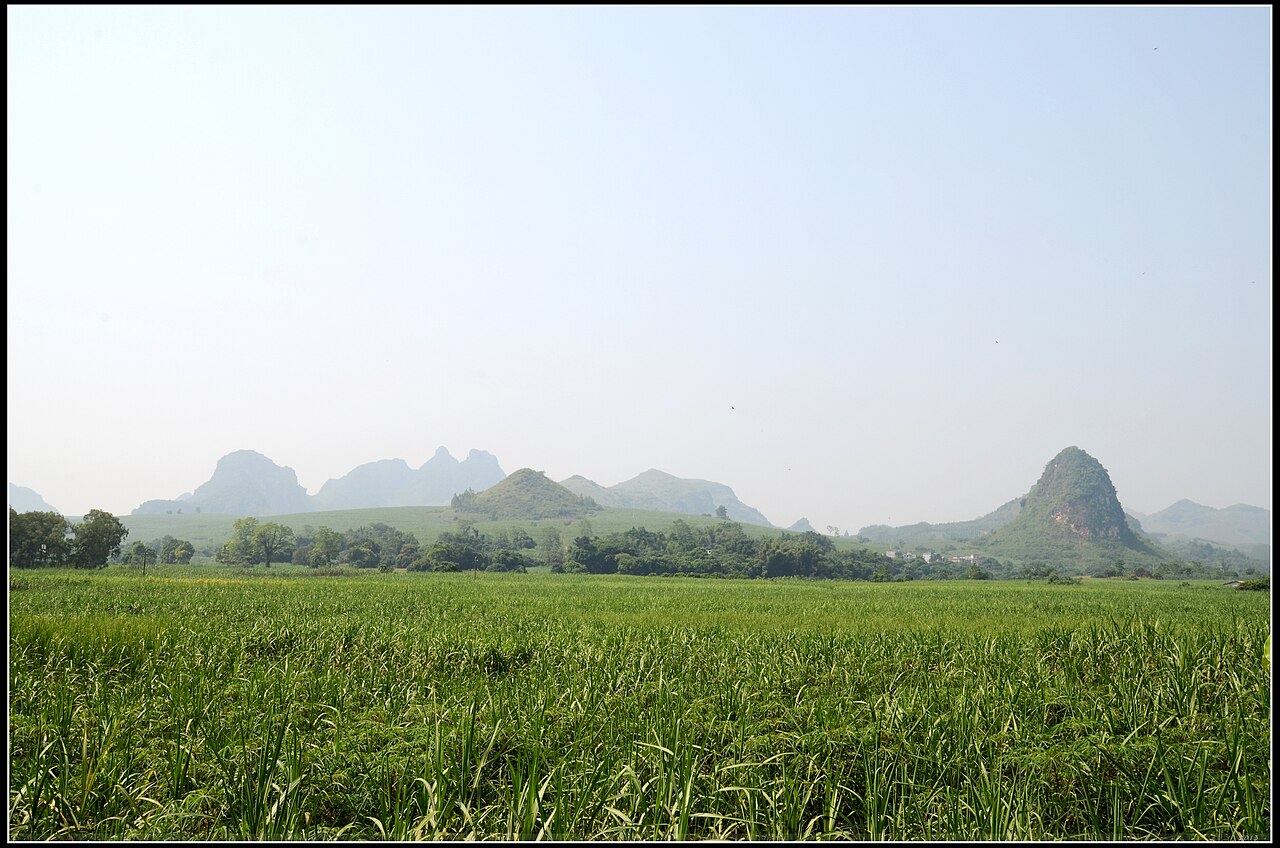
Photographs from the coast, and what other travellers wrote afterwards.

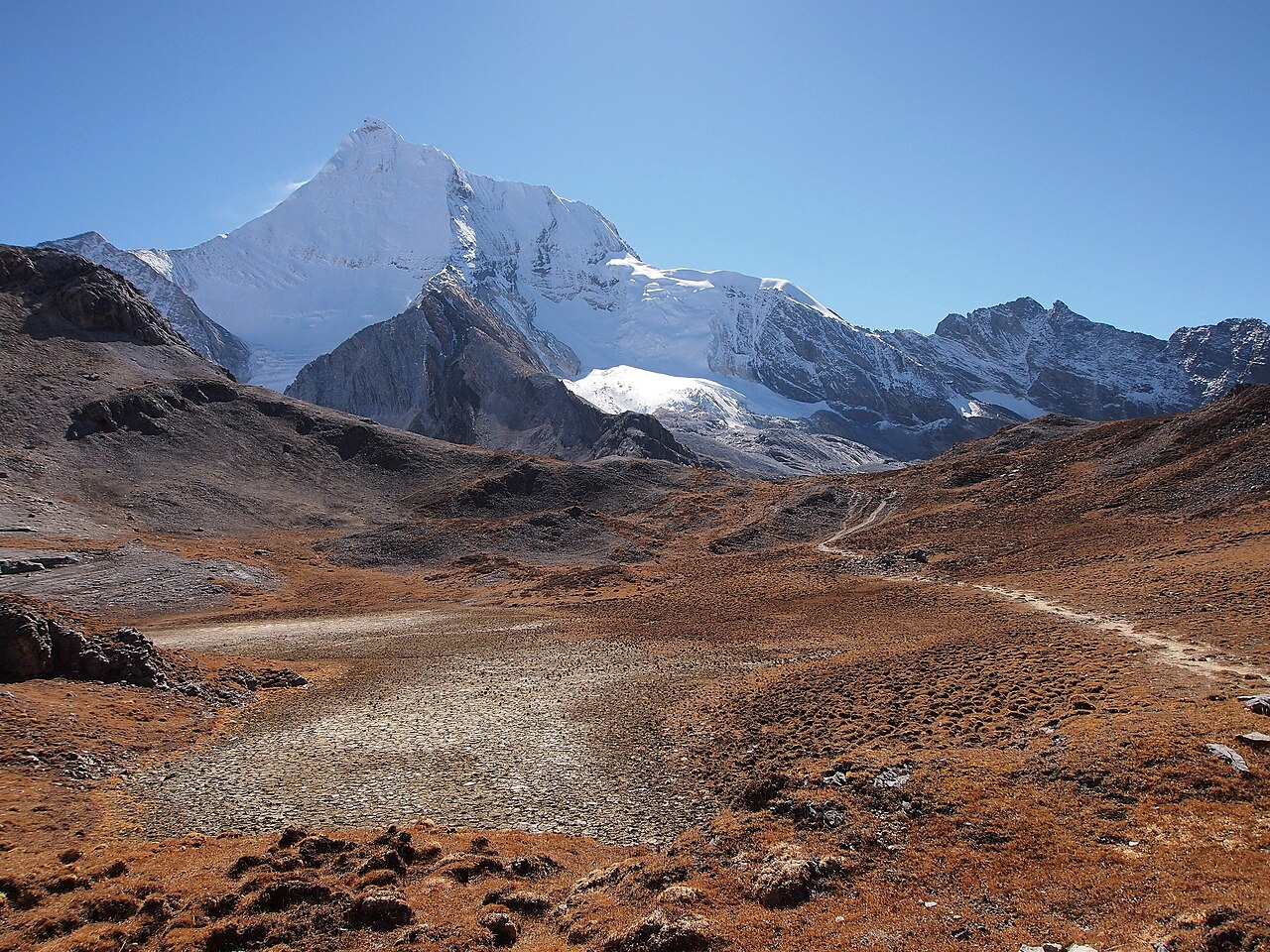
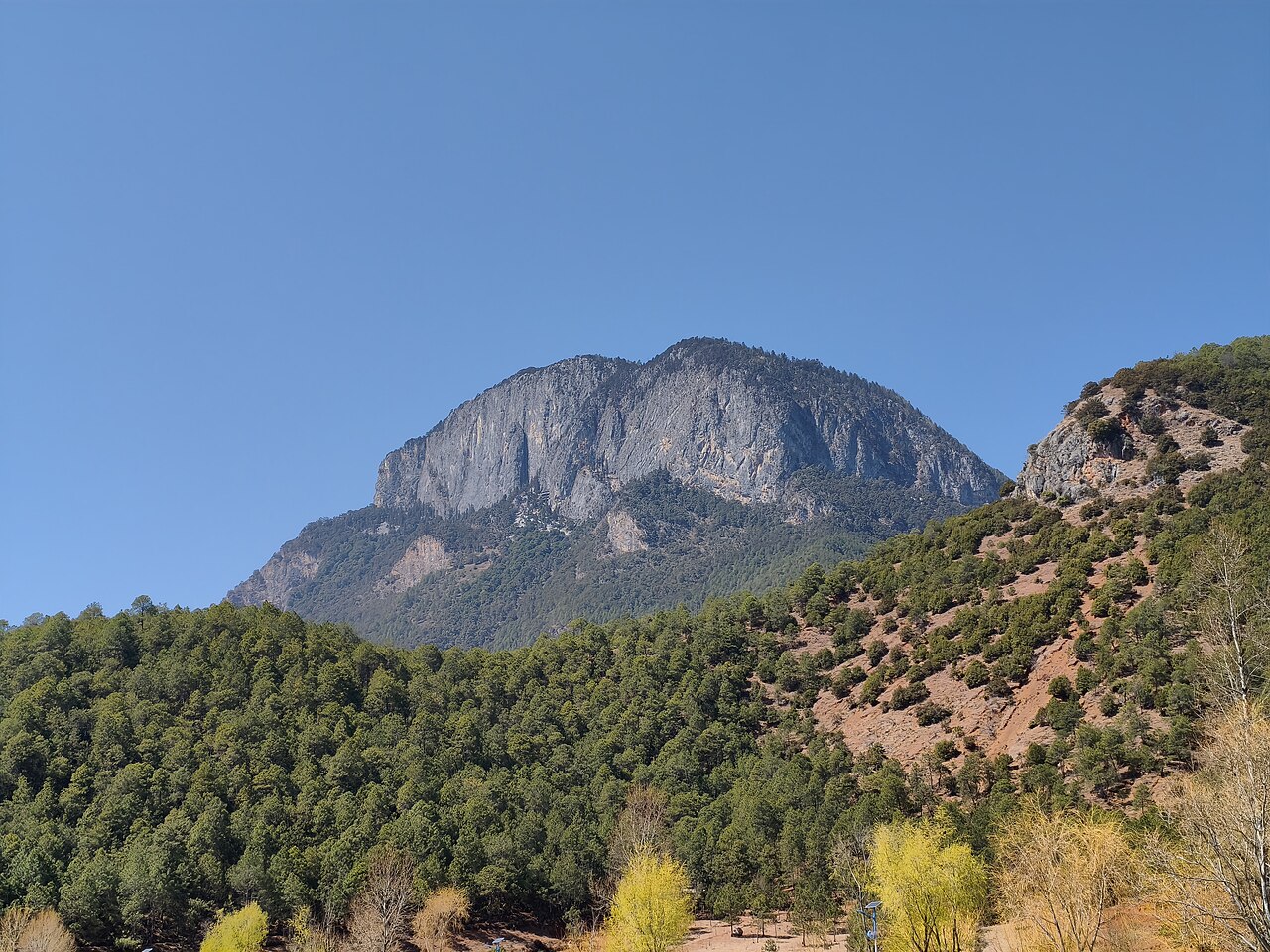
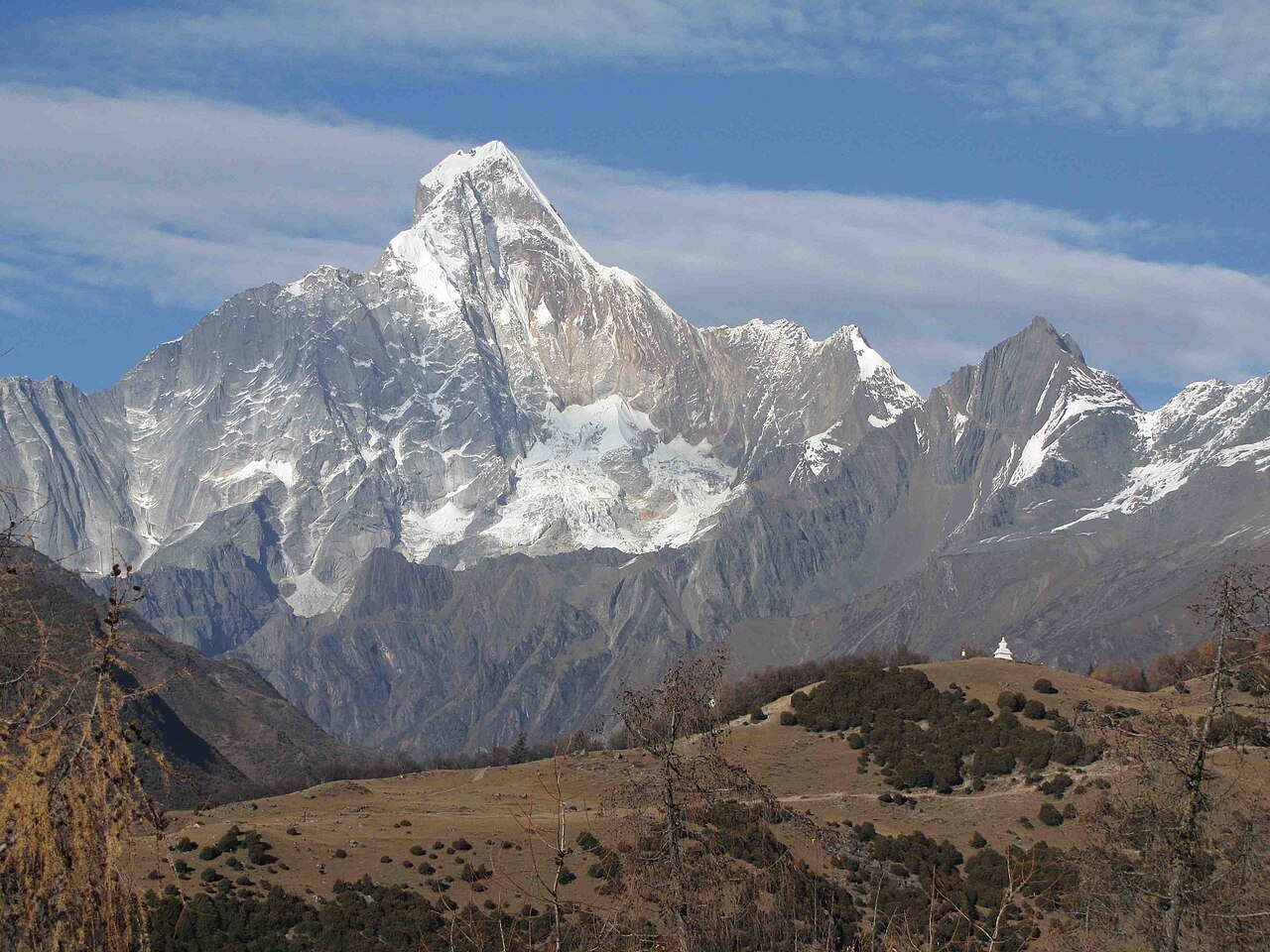
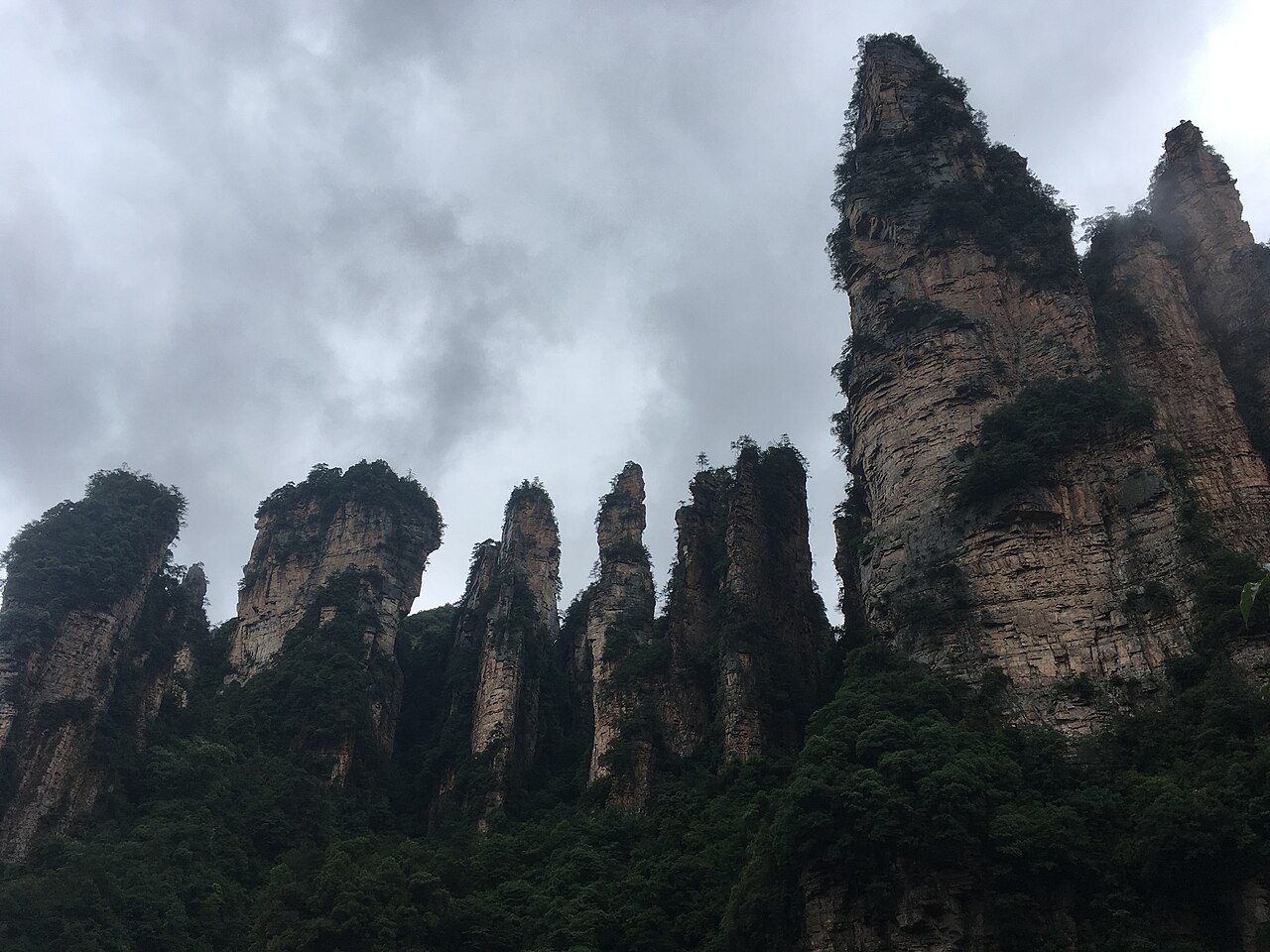
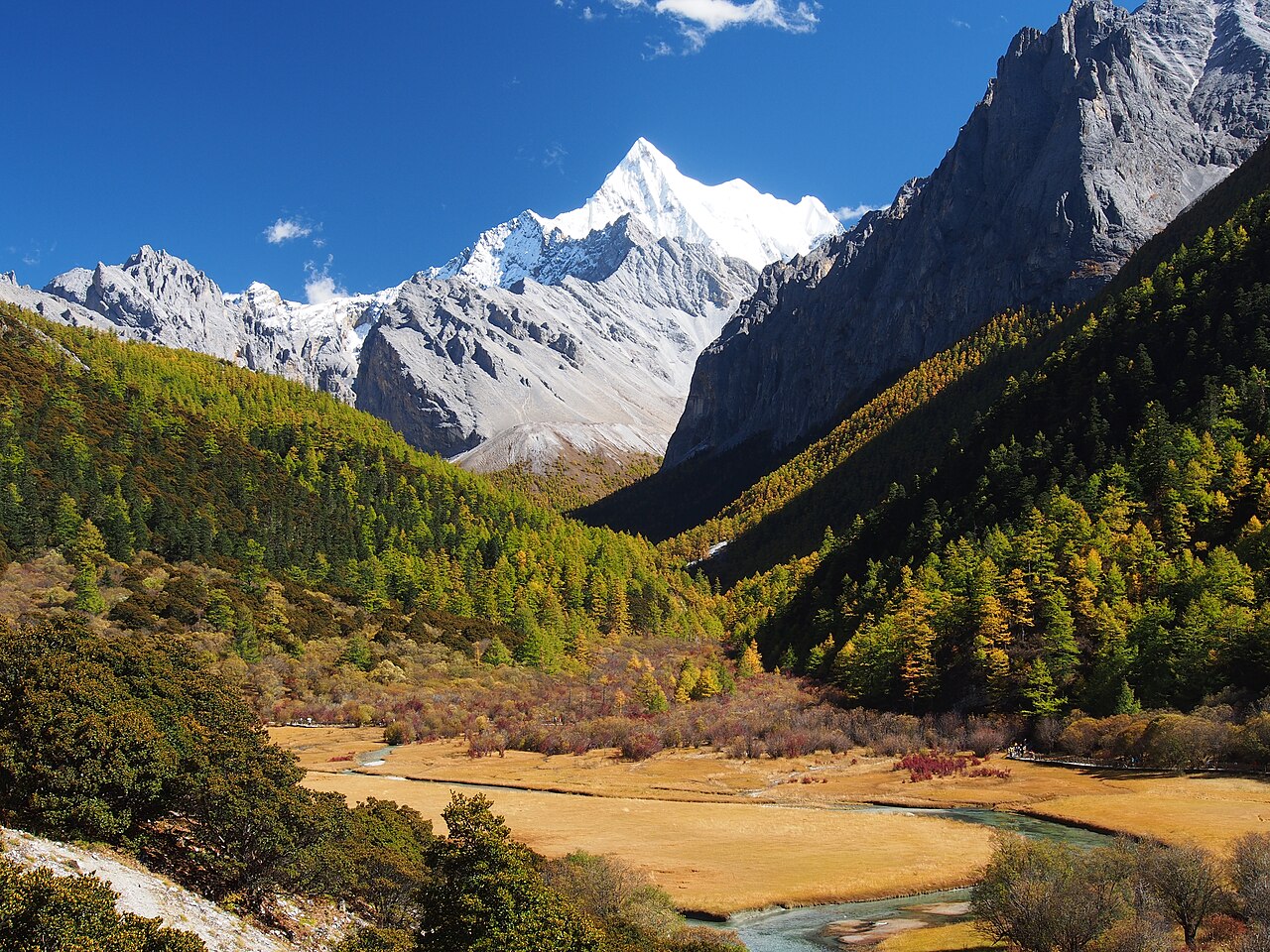
Xiannairi, 6,032 m, from the Chonggu lawn
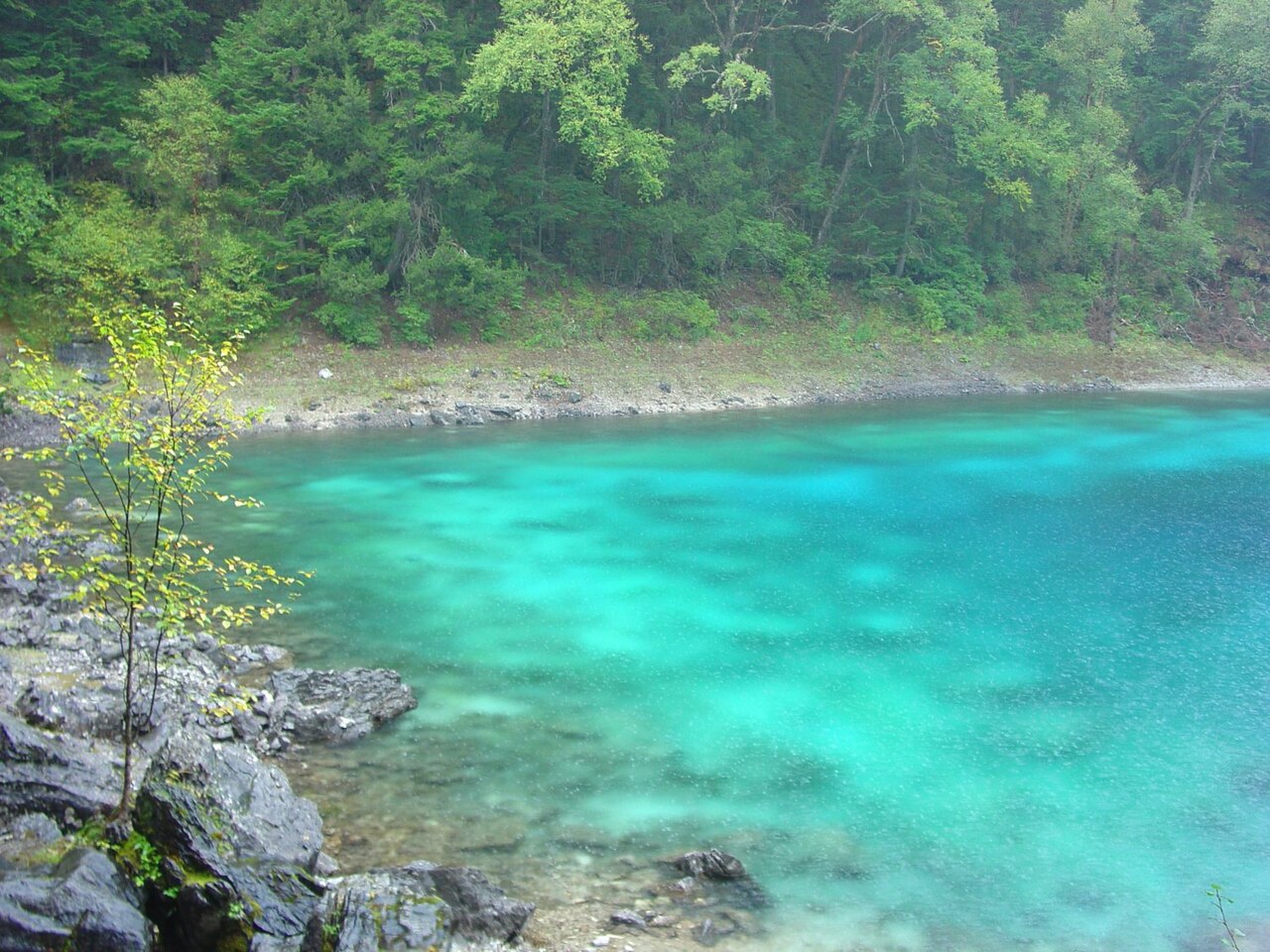
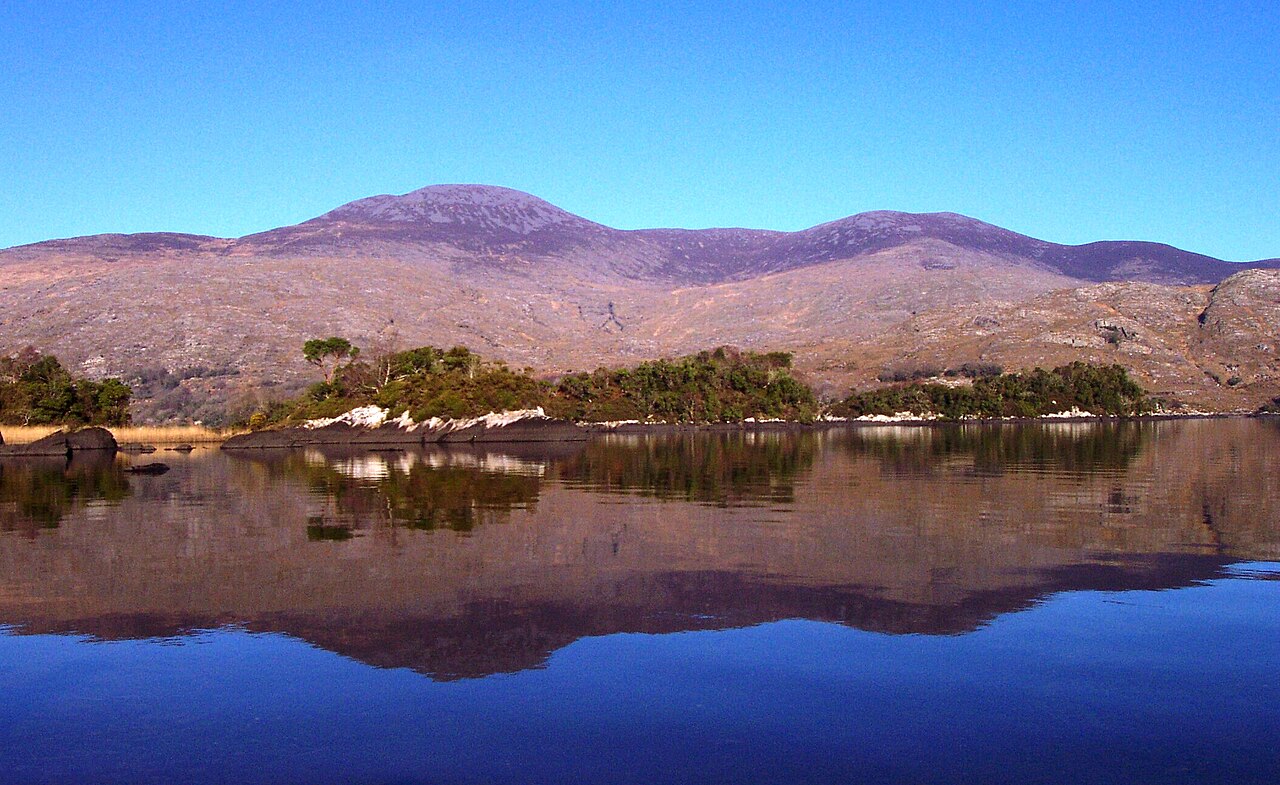
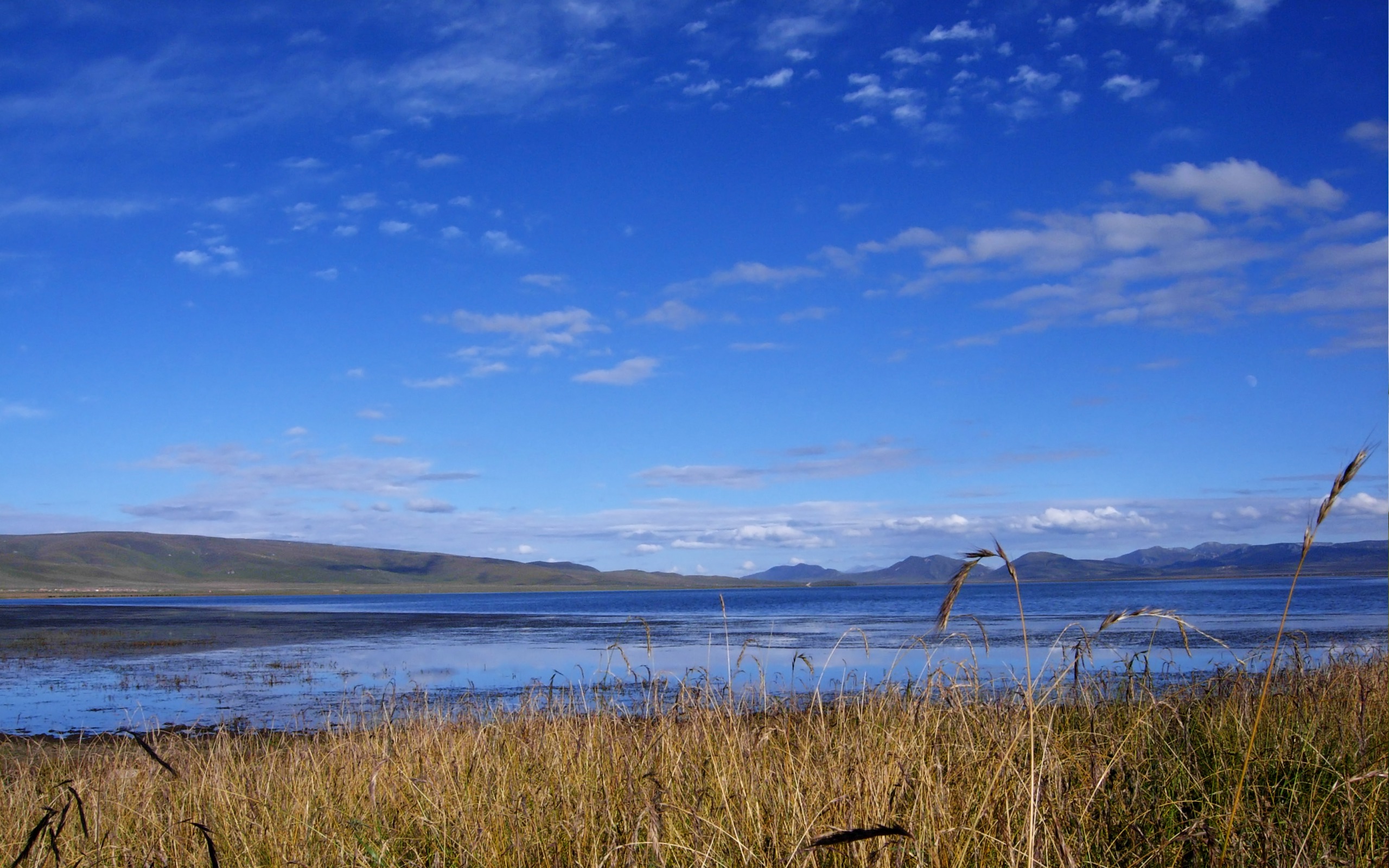
Milk Lake under the south face of Yangmaiyong
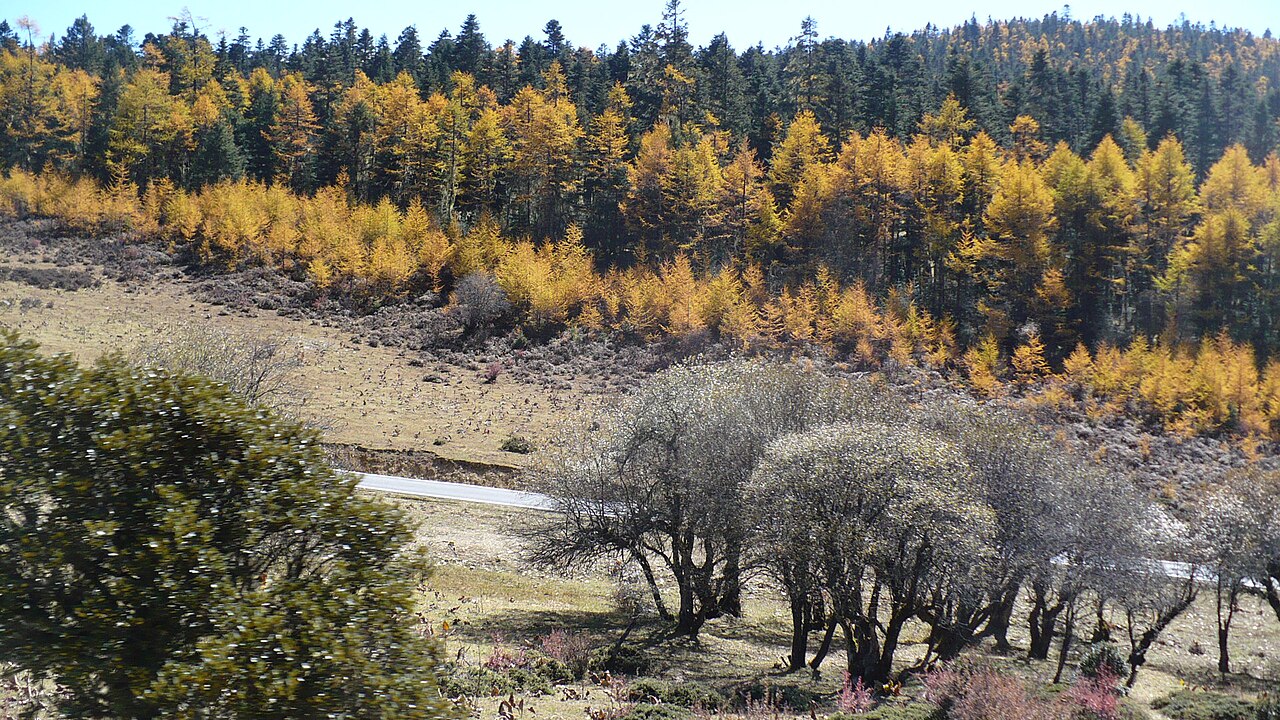
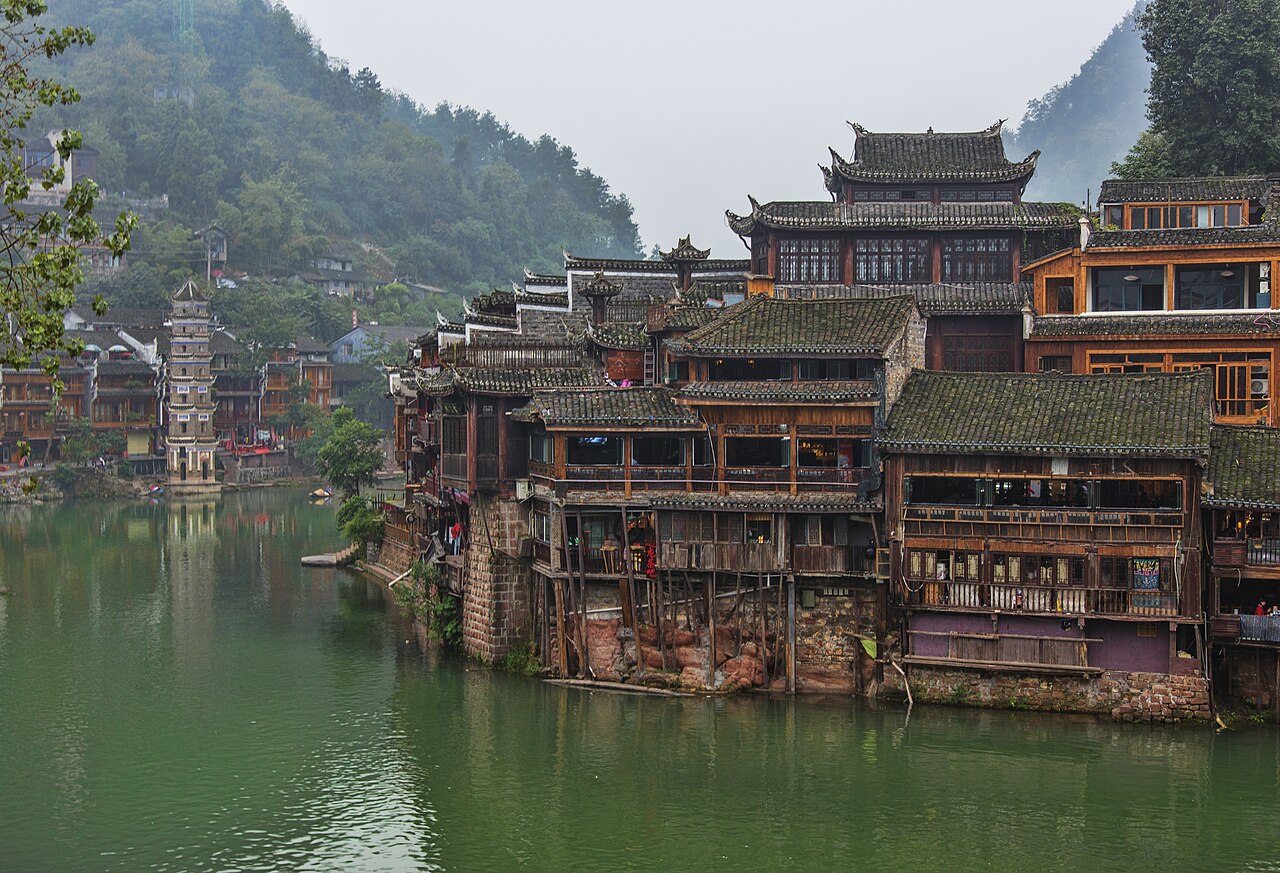
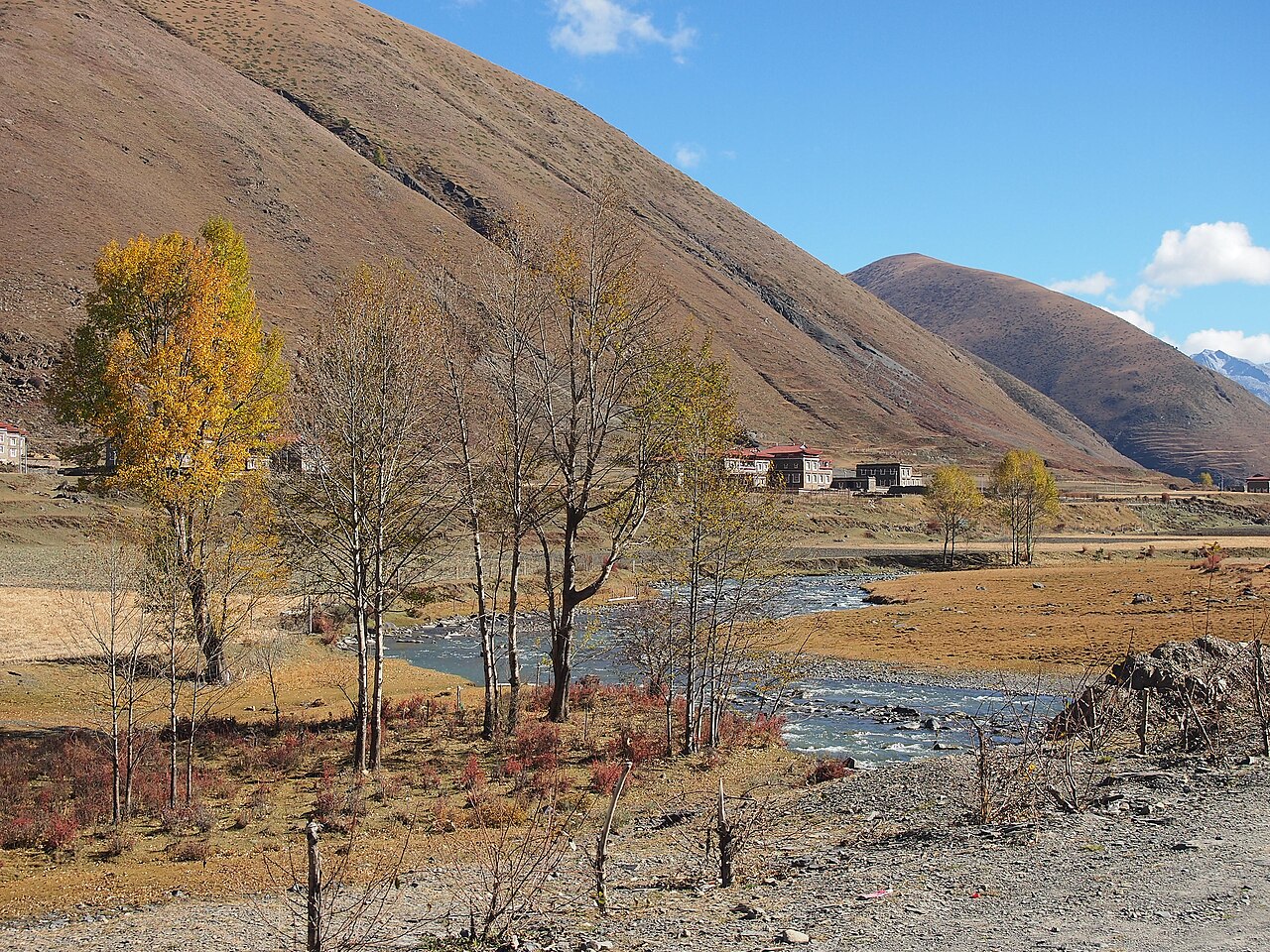
Poplars and barley fields along the Bang River
Five-Colour Lake at 4,600 m, with the glacier above it

Here you can slow right down and just take the warm sun and the clean air. Nothing out there has anything to do with you any more. You are yourself — no mask, no pretending. The Tibetan families we passed all said hello, and it felt wonderfully close.

A traveller's note, Our Graduation Trip: An Expedition to Daocheng Yading

When you finally stagger into Milk Lake and see that clear blue water, the tiredness leaves you entirely. All you can do is marvel at what the world bothers to make.

A traveller's note, My Eight Days in Daocheng Yading

Daocheng county sits on the south-western edge of Sichuan, in the Garzê Tibetan Autonomous Prefecture on the south-eastern rim of the Qinghai-Tibet Plateau, and it is the landscape the phrase the last Shangri-La was coined for. North high, south low, range after range running away to the horizon, with snow peaks, glaciers, gorges, forest, meadow and lakes in between. Three of those peaks stand in a rough triangle inside the Yading reserve, and Tibetan tradition says the Fifth Dalai Lama named them himself: Xiannairi, the north peak, is Avalokitesvara; Yangmaiyong, the south, is Manjushri; Xianuoduoji, the east, is Vajrapani.

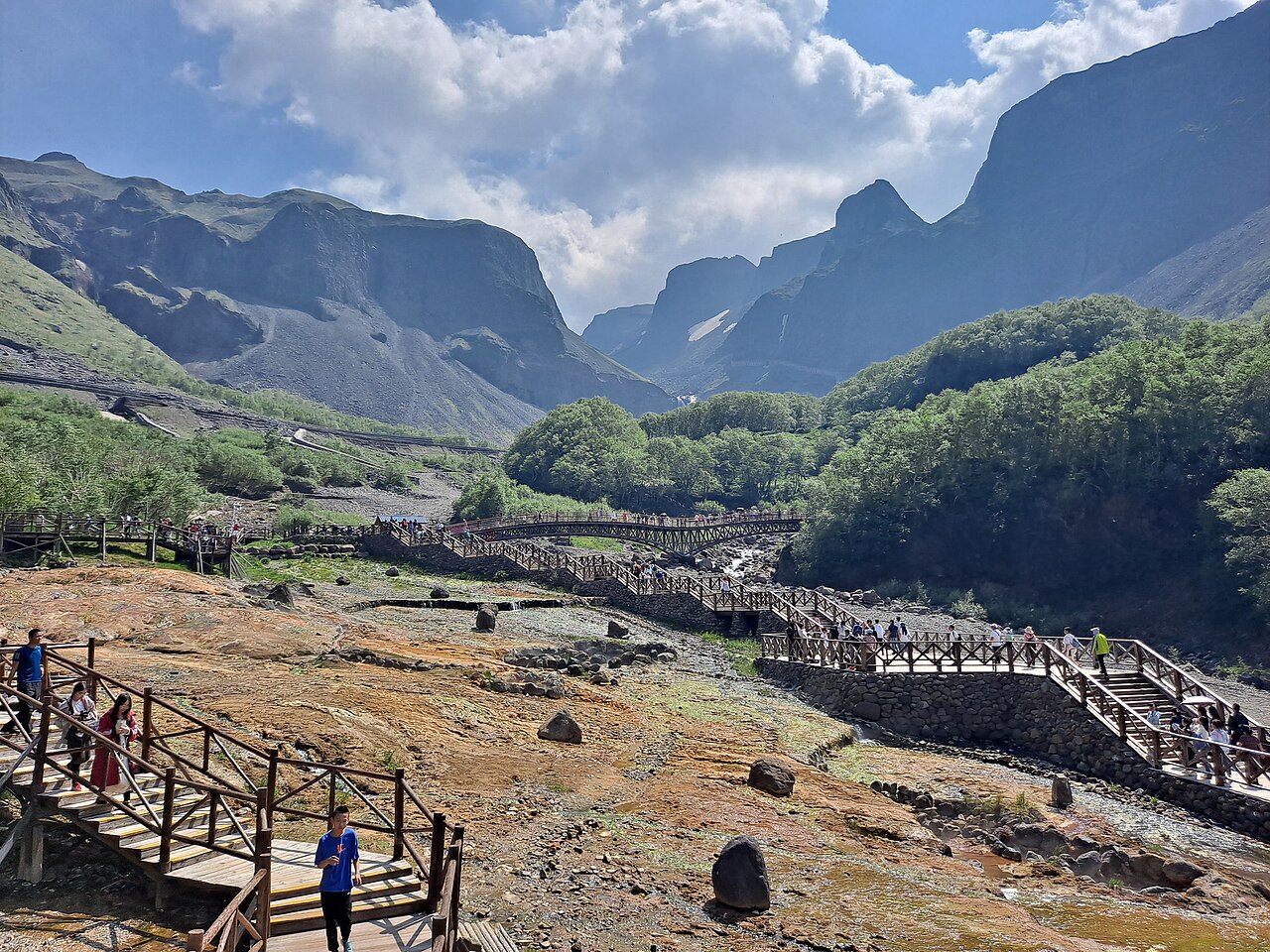
The reserve is built like a staircase up a valley, which is why two days is the standard way to walk it. The short line is the easy one: an electric cart from Longtongba, then a gentle walk from the Chonggu Temple lawn up to Pearl Lake, a green pool at 4,100 m directly below Xiannairi. The long line is the one everybody talks about — a second cart out to the Luorong pasture at 4,200 m, then hours of climbing to Milk Lake at 4,500 m and on to Five-Colour Lake at 4,600 m, where the water throws five colours in the light.

The altitude is the other half of the trip, and it is not a footnote. The reserve floor sits around 4,000 m. Daocheng town, where you spend your first night, is 3,740 m. The sensible sequence is to arrive, do nothing much for a day, and only then drive the three hours in to Yading village — the people who try to walk the long trail on the day they arrive are the ones who end up in the back of a car with an oxygen canister.

None of this is comfortable and the place does not pretend otherwise. The beds in Yading village are basic and mostly without showers, the food inside the reserve barely exists, and the weather turns by the hour. What you get is one of the last genuinely wild high places in China, and three peaks standing over it that people have been walking around for a thousand years.
Daocheng Yading

Don't leave without

Seven things that are worth rearranging a day for.

  1. Walk the poplars along the Bang River at sunset, 10 km out of town
  2. Catch the Sangdui red grassland in its ten-day window in early October
  3. Walk the long trail to Milk Lake and keep climbing to Five-Colour Lake
  4. Feed the white eared pheasants at Zhujie Monastery
  5. Soak in the Rongbuzhaka hot spring, 3 km south-east of town
  6. Sit on the Chonggu lawn with Xiannairi in front of you and go nowhere

Highlights

Six reasons to spend twenty hours on a bus

Three sacred peaks, in a triangle

Xiannairi at 6,032 m, Yangmaiyong and Xianuoduoji at 5,958 m each, standing over some 800 sq km of reserve. Tibetans read the shapes: Xiannairi is a Buddha lying back, Yangmaiyong is Manjushri's sword of wisdom, Xianuoduoji is a young warrior. See them once in clear morning light and the rest of the trip is commentary.

Milk Lake and Five-Colour Lake

Two glacial tarns, one above the other, at 4,500 and 4,600 m. Milk Lake is 0.5 hectares of clear blue under Yangmaiyong, with a glacier hanging over it; Five-Colour Lake refracts into five colours and is ranked in scripture alongside Yamdrok Lake in Tibet. This is the walk people come for.

The short line to Pearl Lake

Zhuomala Lake, the soul-lake of the White Tara, is a 0.75-hectare emerald pool at 4,100 m under Xiannairi. Half a day, gentle gradient, and the right first afternoon if your head is still adjusting and you want scenery without punishment.

The Chonggu lawn

A big meadow at the junction of the two trails where you can see Xiannairi and Xianuoduoji at once. Morning to midday is for Xiannairi; late afternoon, when the sunset sets Xianuoduoji glowing red, is for the east peak. Photographers do it twice.

The Bang River, the poplars, the red grassland

Ten-odd kilometres out of town the plateau turns into farmland: river, barley, poplars, villages and a monastery, best in slanting early or late light. In the first ten days of October the Sangdui red grassland, 28 km out at Jiyi village, does the other famous thing.

Monasteries that are simply still working

Fourteen temples across the county, from the original Bon faith through Nyingma, Sakya, Kagyu and Gelug. Bangpu is 900 years old, Zhujie was founded in 1144 and its monks live alongside tame white eared pheasants, and Gongga Langjiling holds a Maitreya bronze the Fifth Dalai Lama gave it. Entry is ¥10 where it is charged at all.

Suggested routes

Three ways to spend the days

The classic three days

3 days days

The standard loop: a day to acclimatise, a short line, a long line, and the county on the way out.

  1. Day 1

    Into Yading, and the short line

    Shared car or charter out of Daocheng town at around 07:00 — about 3 hours, roughly ¥50 a seat. Break the journey at Shangri-La town for breakfast, and stop at Gongga Langjiling Monastery 60 km south of town (¥10) on the way through.

    Buy your ticket at the reserve gate, then continue to Yading village and check in. From Longtongba, the real trailhead, take the ¥40 return cart or walk the 3.4 km to Zhaguanbeng; the Chonggu lawn is 200 m further. Walk up to Chonggu Temple at 3,880 m, then on to Pearl Lake at 4,100 m under Xiannairi.

    Stops: Gongga Langjiling MonasteryChonggu TemplePearl Lake

  2. Day 2

    The long line: Milk Lake and Five-Colour Lake

    Start between 07:00 and 08:00 and carry all your food. Same cart to the Chonggu lawn, then the ¥80 return cart 7 km out to the Luorong pasture at 4,200 m, where Yangmaiyong and Xianuoduoji both open up.

    From the pasture, walk or ride: 5–6 hours on foot round trip, or about 4 hours on horseback for ¥300, up to Milk Lake at 4,500 m. Horses stop there; the last 20 minutes up to Five-Colour Lake at 4,600 m is on your own feet. Strong walkers with time can continue over the pass for the small kora, which loops around Xiannairi and comes back down past Pearl Lake.

    Stops: Luorong pastureMilk LakeFive-Colour Lake

  3. Day 3

    Red grassland, old monasteries, hot spring

    Charter a car to Sangdui, 28 km from town — in the first ten days of October the red grassland at Jiyi village is the reason to time the trip. Continue to Zhujie Monastery, 20 km out, where the monks keep flocks of tame white eared pheasants that will eat barley from your hand.

    On to Bangpu Monastery, the oldest in the county at 900 years and 3,940 m. Back in town, rent a bicycle and follow the road out to the Bang River for the poplars, and finish the day at the Rongbuzhaka hot spring, 3 km south-east of town.

    Stops: Sangdui red grasslandZhujie MonasteryBangpu Monastery

Autumn, in four days

4 days days

The gold-and-red version: the same two days in the reserve, then the county at its best colour.

  1. Day 1

    Acclimatise in Daocheng town

    Arrive and do very little. Sleep at 3,740 m, drink water, eat lightly and walk rather than climb. If you feel good by late afternoon, take a slow stroll out toward the Bang River — but turn back before you are tired.

    Use the afternoon to sort the next two days: book the shared car to Yading through your guesthouse, buy food in town, and check that your ticket and cart fares are planned for.

    Stops: Daocheng townBang River

  2. Day 2

    Into Yading and the short line

    Three hours by shared car to Yading village, with the monastery stop on the way. Check in, then cart to Zhaguanbeng and walk the short line: Chonggu Temple, then Pearl Lake at 4,100 m.

    Back at the Chonggu lawn for the late light on Xianuoduoji, then down to the village. Eat early, sleep early — tomorrow is the long one.

    Stops: Chonggu lawnPearl Lake

  3. Day 3

    The long line, then down to Shangri-La town

    The full long-trail day: carts to the Luorong pasture, then up to Milk Lake and Five-Colour Lake. Come down the same way and drive out to Shangri-La town at 2,880 m for the night — a drop of nearly 900 m, which is the best sleep of the trip if the altitude has been biting.

    Shangri-La town is the old Riwa, and it has the better hotels, including four-star-standard places from about ¥350.

    Stops: Luorong pastureMilk LakeShangri-La town

  4. Day 4

    Echu Mountain, Bang River, hot spring

    Charter a car from Shangri-La town about 40 km to Echu Mountain, whose name means the shining mountain: at 5,140 m, its slopes run red, yellow and green in autumn. Whether the colour peaks is a matter of weather, timing and luck.

    Back via the Bang River poplars for the late light, and finish at the Rongbuzhaka hot spring before an early night.

    Stops: Echu MountainBang RiverRongbuzhaka hot spring

The great kora

6 days days

An 80 km circuit of all three peaks through uninhabited country, camping every night. For serious walkers only.

  1. Day 1

    Daocheng to Dida pasture

    Drive to Shangri-La town, then take the road toward the Mengzi gorge and start walking at Kanggu, near Zhihuozhalang. Follow the old horse trail — the only way into Yading before there was a road — up from about 2,800 m through forest to the Dida pasture camp at roughly 4,400 m.

    Stops: KangguDida pasture

  2. Day 2

    Two passes to Quli pasture

    The hardest walking of the trip: two passes close together, the first at about 4,780 m and the second at 4,880 m, bare of vegetation, then a long, steep, loose scree descent. Turn right into the valley at the bottom — straight on takes you out to Muli — and reach Quli pasture at 4,460 m in under an hour.

    Stops: 4,880 m passQuli pasture

  3. Day 3

    Down to Gongga Zhazhen

    One more pass at about 4,800 m, then a very long descent to Zhaowuqi pasture at 4,400 m, the junction where routes split for Muli, Chonggu Temple or continuing the kora. Down through forest into the gorge, with Xianuoduoji growing ahead of you, to Gongga Zhazhen pasture at about 4,100 m.

    Stops: Zhaowuqi pastureGongga Zhazhen

  4. Day 4

    Around Yangmaiyong to Qingyong

    From now on you walk with the snow peaks alongside you. Yangmaiyong appears as you top the first rise, absurdly close. Push on to Qingyong pasture at 4,400 m, where a cliff springs water from a cave; if your legs quit, Niangxi pasture two hours short of it is a perfectly good camp.

    Stops: Niangxi pastureQingyong pasture

  5. Day 5

    Four passes to Resong Lake

    Two long stretches of scree, then a broad snow ridge with three more passes and the peaks on your right all day. Drop to Resong Lake, a green tarn ringed by mountains where snow, reflection and prayer flags come together — and then down a steep boulder slope to camp beside it.

    Stops: Resong Lake

  6. Day 6

    Out through the lakes to Longtongba

    Two choices: finish the circuit around Xiannairi on the kora trail, 8–10 hours back to Chonggu Temple, or go up over the shoulder into the normal reserve route — about an hour up, then Milk Lake ahead of you, with Five-Colour Lake a traverse away to the left. Then down the steep, bare slope to Milk Lake and roughly 1.5 hours back to the Luorong pasture and out.

    Stops: Milk LakeFive-Colour LakeLongtongba

Sights

Inside the reserve

North peak · 6,032 m

Xiannairi

The highest and gentlest of the three, Avalokitesvara, its summit under permanent snow and its ridgeline shaped — to Tibetan eyes — like a Buddha lying back. In front of it stands the Vajravarahi peak, the pyramid to the left is White Tara, and the peak hung with prayer flags to the right is Green Tara, with a row of glacial horns beside it.

Height
6,032 m — the highest of the three sacred peaks
Best viewed from
Pearl Lake, and the Chonggu lawn in the morning
Named by
The Fifth Dalai Lama, as one of the three bodhisattvas

Tip Shoot it in the morning. By afternoon the peak is usually in cloud, and the Chonggu lawn empties out after the last cart leaves.

South peak · 5,958 m

Yangmaiyong

Manjushri, the bodhisattva of wisdom, and Tibetan tradition says the mountain is shaped like the sword he holds, pointing straight at the sky. Below it a wide valley ringed by peaks holds forest, meadow and stream each in its own place, and Milk Lake sits right at its foot.

Height
5,958 m
Best viewed from
The Luorong pasture, and the path up to Milk Lake
Trail
The long line climbs the valley directly beneath it

Tip The walk from the Luorong pasture to Milk Lake is the most beautiful stretch in the reserve, and it is the one reason to walk rather than ride — you can stop whenever you like.

East peak · 5,958 m

Xianuoduoji

Vajrapani, the bodhisattva who puts down violence. Joseph Rock described it as a bat with its wings spread, about to take off. To its left, a green marble summit is the wealth deity; below right is Hayagriva; and the red-rock forest beneath is called the Eight Hundred Arhats.

Height
5,958 m
Best viewed from
The Luorong pasture; the Chonggu lawn at sunset
Note
The sunset on this peak is the reason people stay out late

Tip Late afternoon turns the whole face red. Be on the Chonggu lawn an hour before sunset if you want it.

Glacial lake · 4,500 m

Milk Lake

Ortso in Tibetan: a 0.5-hectare ancient glacial lake at the foot of Yangmaiyong, ringed by snow, its water clear and blue, with a waterfall off the mountain above and a broad glacier behind. Local belief says that when the spring flowers come the water turns white as milk, which is where the name comes from.

Altitude
4,500 m · area 0.5 hectares
On foot
5–6 hours round trip from the Luorong pasture
On horseback
About 4 hours, ¥300 return — horses stop here
Getting there
Walk or ride up from the Luorong pasture

Tip This is where the crowds thin out, because most horse parties stop and turn back. Walk on the extra 20 minutes to Five-Colour Lake while you are there.

Sacred lake · 4,600 m

Five-Colour Lake

Danzeng Lake, between Xiannairi and Yangmaiyong: 0.7 hectares at 4,600 m, shadowed by a modern glacier that reaches down to the shore. Refraction splits the surface into five different colours, and scripture ranks it with Yamdrok Lake in Tibet — it is said to replay the past and foretell the future.

Altitude
4,600 m · area 0.7 hectares
Getting there
On foot only, about 20 minutes above Milk Lake
Note
A sacred lake — do not touch the water

Tip Horses cannot come this far, so the last climb is yours. It is short, steep and at altitude — count on stopping every twenty steps.

Short line · 4,100 m

Pearl Lake

Zhuomala Lake, the soul-lake of the White Tara: 0.75 hectares of green water below Xiannairi, rippling out to meet the sky. It is the gentlest real walk inside the reserve and the standard first afternoon, precisely because it asks very little of a body that has just arrived at 3,700 m.

Altitude
4,100 m · area 0.75 hectares
Getting there
On foot from the Chonggu Temple lawn
Also called
Zhuomala Lake, the Tara lake — zhoma means goddess

Tip Do this on arrival day, not as an afterthought. It acclimatises you and it is genuinely lovely.

Monastery · 3,880 m

Chonggu Temple and the Chonggu lawn

A small working monastery at the foot of Xiannairi, attached to Gongga Langjiling, with monks sent here to chant and a clay Sakyamuni in the little hall. The lawn beside it is where the short and long trails divide, and where local Tibetans start their kora.

Altitude
3,880 m · lawn 3,880 m
Getting there
Cart from Longtongba to Zhaguanbeng, then 200 m on foot
Why it matters
The junction of both trails and the start of the local kora

Tip Eat your packed lunch here, not at the lake. There is nothing else in the reserve that could be called a facility.

Meadow · 4,200 m

The Luorong pasture

A broad marshy meadow with the Gongga River running through it, and the single best place to photograph Yangmaiyong and Xianuoduoji together. The electric cart covers the 7 km from the Chonggu lawn in comfort; walking it costs you time and legs you will want higher up.

Altitude
4,200 m
Getting there
¥80 return cart from the Chonggu lawn, 7 km; or walk
Role
Trailhead for the long line to Milk Lake

Tip Take the cart out and think about walking back — the return leg is flat and gives you the two peaks in front of you the whole way.

Beyond the reserve

What else Daocheng county has

Farmland

The Bang River

Ten-odd kilometres out of town on the road to Yading, the plateau softens into river, barley fields, poplars, villages and a monastery. It is the view that fills most of the famous Daocheng photographs, and it is at its best at either end of the day, when the light slants and the cooking smoke hangs low.

Where
About 10 km from Daocheng town, on the Yading road
Getting there
On foot or by rented bicycle — ¥15–20 a day in town
Best time
Early morning and the hour before sunset

Tip Follow the side road at the Banghe township turn-off through the Tibetan villages; it carries on all the way to Zhalang Monastery.

Autumn only

The Sangdui red grassland

Twenty-eight km from town, on open pasture where the river runs slow and flat and the hills are scattered with villages, herders and stock. In the first ten days of October the water-meadow at Jiyi village turns a red that people photograph obsessively — and then it is gone again.

Where
Jiyi village, Sangdui town, 28 km from Daocheng
When
Only about ten days in early October
Getting there
Charter or shared car from town

Tip If you are not here in that ten-day window, do not detour for it. If you are, go at first light before the tripods arrive.

Monastery · 1144

Zhujie Monastery

Founded in 1144 by Phagmo Drupa, who left a statue he made with his own hands and other traces behind. The reason people remember it, though, is the flocks of white eared pheasants that live with the monks like poultry and will hop up and eat barley straight out of your hand.

Where
Sangdui township, 20 km from town
Founded
1144, by Phagmo Drupa
Getting there
Charter a car, or cycle if you are fit — it is uphill

Tip Buy a small bag of barley in town before you go. It turns a monastery visit into the photograph everybody takes home.

Gelug monastery

Gongga Langjiling Monastery

Known locally as Gongling Monastery, 60 km due south of town at 3,335 m, built in 1642 with the river in front and the mountain behind. It is the largest Gelug monastery in the old Riwa county: grand buildings, fine murals, and a Maitreya bronze given by the Fifth Dalai Lama that the monks are rightly proud of.

Where
On the road from town to Yading, 60 km south
Altitude
3,335 m · built 1642
Ticket
¥10
Getting there
Shared cars and charters to Yading stop here as a matter of course

Tip You pass it anyway on the way in — get out. It is also the lowest point of the road in, which makes it a gentle place to break the drive.

Oldest in the county

Bangpu Monastery

Also written Benpo, this is the oldest temple in Daocheng at some 900 years, a Kagyu (White) monastery at 3,940 m, 30 km from town. The setting is the point: big mountains, open grazing, streams running every which way. It is a place where the landscape does as much work as the buildings.

Where
30 km from Daocheng town
Altitude
3,940 m · about 900 years old
School
Kagyu, the White school of Tibetan Buddhism

Tip Pair it with Zhujie Monastery and the Sangdui grassland in one charter day — the three sit in the same direction out of town.

Plateau of lakes

Haizishan

Between Daocheng and Litang, a bare plateau averaging 4,500 m with 1,145 lakes scattered across it and a highest summit, Guoyin Rize, at 5,020 m. Xingyi Lake, at 4,420 m, is the biggest of them and a sacred lake to Tibetans, and a nesting haven for birds.

Where
On the road between Daocheng and Litang
Altitude
Average 4,500 m · highest peak 5,020 m
Lakes
1,145 of them; Xingyi Lake at 4,420 m is the largest
Getting there
Passed by the Litang–Daocheng bus; a dedicated trip means chartering, about ¥300

Tip There is no development and no food or beds here. If you want to go beyond the roadside view, hire a local guide for the day.

Autumn colour and a soak

Echu Mountain and the Rongbuzhaka hot spring

Echu means the shining mountain: 5,140 m, its slopes banded red, yellow and green in autumn when the maples and birches turn. Back in town, the county's springs run from 43°C to 70°C, are colourless, low in bicarbonates and even drinkable, and the best known of them, Rongbuzhaka, sits at the north foot of Gongba Mountain 3 km south-east of town.

Echu Mountain
5,140 m · charter about 40 km from Shangri-La town
Hot spring
Rongbuzhaka, 3 km south-east of town at the foot of Gongba Mountain
Water
43–70°C, colourless, drinkable
On foot
Walk past the post office toward the primary school, follow the sign, about 45 minutes

Tip Go to the spring at the end of a walking day, not at the start — a long hot soak at 3,740 m is a surprisingly good way to feel worse.

Food

Eating at 3,740 m

Butter tea

The Tibetan drink of the day and the one thing that genuinely helps with altitude. It is served with rules: sip and let your cup be refilled rather than draining it, and if you have had enough, leave the cup full. When you are leaving, drink it down in one go — that is the polite way out.

Tsampa

Roasted highland barley ground to flour, worked with butter in the bowl until it holds together, then eaten by hand. Some people make it thin with meat and wild greens, which is called tuba. Be warned: many visitors never acquire the taste, and pulling a face at it in someone's house is rude. Order one portion for the table first.

Matsutake and free-range chicken

Called the king of mushrooms in Japan for good reason, matsutake grows in the mixed fir and oak woods between 2,500 and 4,000 m, and the county has plenty. Stewed slowly with a local chicken, it is the restorative, tonic bowl this altitude calls for — and the best thing on most menus in town.

Wind-dried meat

Beef and mutton cut in late November when it is well below freezing and hung in the shade to freeze-dry, which pulls the water out while keeping the flavour. Taken down from March onward and roasted or eaten raw, it is genuinely excellent, and it is the dish Tibetan households bring out for guests.

Sangye Drolma barley wine

The Kham region's standard barley alcohol, brewed with a starter made from fifteen plants including gentian flowers and buckwheat leaves and fermented in earthenware jars. Pale, faintly strange on the nose, soft and sweet on the tongue, and low enough in strength that it turns up at every celebration.
Where you will actually eat

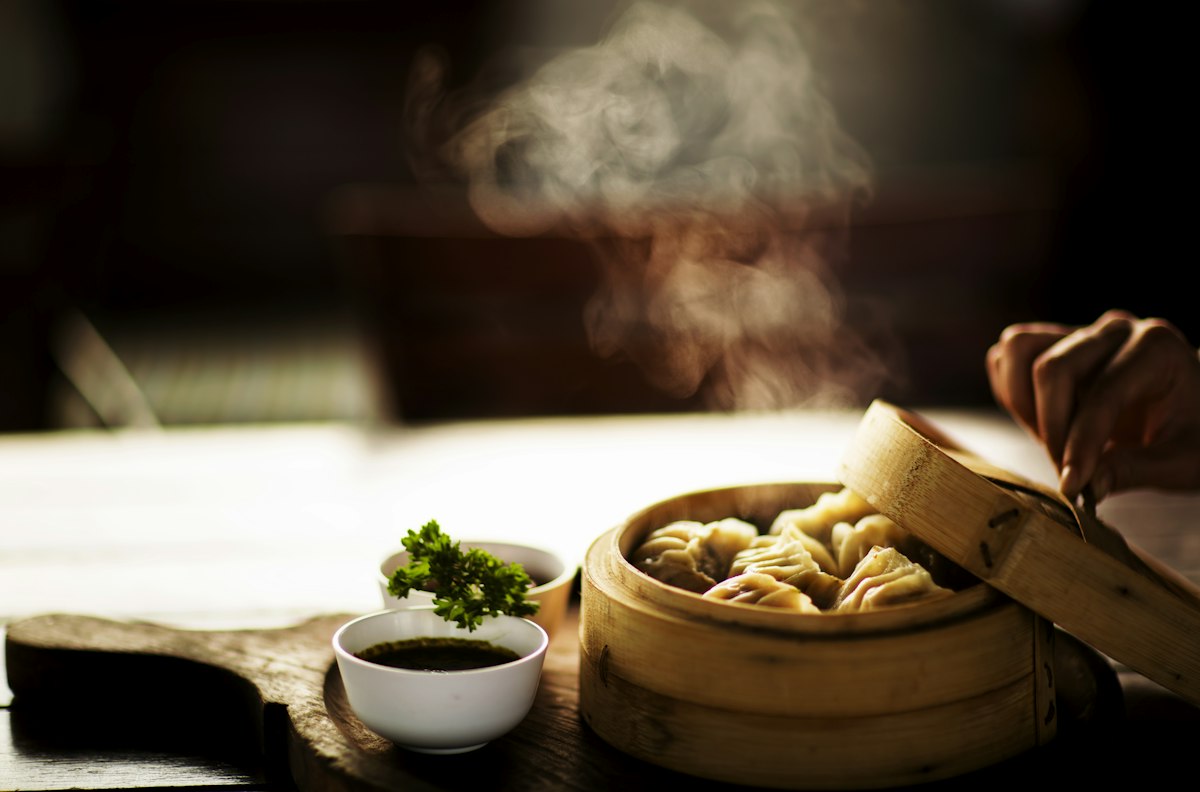
In town, Echu Street and the blocks around it: the old-duck soup house on Echu Street does a whole duck in the pot with a properly rich broth, and the small Tibetan place just south of the bus station is where locals go for real Tibetan cooking. Beyond that, the county runs on Sichuan restaurants with hard rice and a short menu, and inside the reserve the only kitchens are Tibetan households whose food tastes of butter. Carry your own.

Where to stay

Three bases, and which one to pick

In town

Daocheng Yading Hot Spring Hotel

Central, on Gongba Road, with 24-hour hot water, a foot-bath centre, an oxygen bar and a large restaurant. It is the practical answer to the first night in town, and the oxygen bar is not a gimmick if you arrive feeling rough.

Where
36 Gongba Road Section 2, Daocheng town
Price
Twin ¥260 low season · ¥880 peak
Phone
0836-5727522

In town

Daocheng International Youth Hostel

The old Youjian Inn, kept in Tibetan house style with a shared bathroom and 24-hour hot water. It is 80 m left out of the bus station and then straight on at the Dexi Street junction, which is about as convenient as arrival gets on a two-day bus.

Where
80 m left of the bus station, then straight on at Dexi Street
Price
Twin ¥100, dorm ¥30 low season · twin ¥480, dorm ¥120 peak
Phone
0836-5727772

In town, with a Yading branch

Snail Backpacker Inn

A warm, roomy place with a garden, and the useful detail: it has a branch in Yading, and its own car runs guests straight to the Yading inn, so you do not arrive at 3,700 m and start hunting for a bed.

Where
63 Gongba Road, Daocheng town
Price
Twin ¥100, dorm ¥30 low season · twin ¥480, dorm ¥120 peak
Phone
13510189520 · 15884060123

In town, for walkers

Yading Ren Community

The county's first youth hostel and still the one run by people who walk: it developed the great Yading kora and the Gongba trekking routes, and it is where you ask about them. Bikes and outdoor kit for rent, dinner and breakfast by arrangement.

Where
122 Desha Street, Daocheng town
Price
Twin ¥100–120, dorm ¥25–40 (outside holiday weeks)
Phone
0836-5728994

At the trailhead

Blue Moon Valley Inn

The closest bed to Longtongba — the actual reserve entrance — at about 250 m, with double, triple and five-bed rooms. This is the base for a 07:00 start on the long trail, which is worth a great deal when the alternative is a cart queue.

Where
250 m from Longtongba, Yading
Price
Double ¥120, dorm ¥25 per head low season · double ¥450, dorm ¥150 peak
Phone
13551999584 · 0836-5728999

Basic, no showers

Yading village beds

The village guesthouses — Tianya and Nature Camp among them — are what they are: single rooms and dorms, hot water, no private bathrooms and no showers, at village prices that triple in the holiday weeks. You stay here for the early start, not for the plumbing.

Where
Yading village, at the reserve gate
Price
From ¥50–80 a room low season · ¥300–400 peak
Phone
Tianya 0836-5721081 · Nature Camp 0836-5727186

Shangri-La town, 2,880 m

Shengting Yading Hotel

Built to four-star standard at the entrance to the scenic area, about 40 km from the core, with the best equipment and service in the county and — more to the point — 900 m lower than Yading village. This is the answer if altitude has been rough.

Where
Shangri-La town, Daocheng county
Price
Twin from ¥350 low season
Phone
0836-5721999

Getting around

Getting in, and getting up the valley

By air

Daocheng Yading Airport (DCY) sits on the Haizishan plateau at 4,411 m, 50 km north of town — the highest civilian airport in the world, higher than Bangda in Tibet. That is precisely the problem: you step off the plane at 4,411 m with no acclimatisation at all. Kangding Airport (KGT) at 4,290 m, 38 km from Kangding, is the softer option, but the road on to Daocheng is 430-odd km and about 15 hours.
Daocheng Yading (DCY)
4,411 m · 50 km from town · world's highest civilian airport
Kangding (KGT)
4,290 m · 38 km from Kangding, then about 15h by road
Plan for
A rest day on arrival, whichever airport you use

By long-distance bus

The classic approach and, paradoxically, the safer one, because it gains height slowly. Chengdu Xinnanmen station departs 10:00 daily, taking two days and about 22 hours of driving: roughly 8 hours to Kangding on day one (you sleep there at your own cost, at the bus station), then about 06:00 the next morning, lunch in Yajiang, into Daocheng late afternoon. Fare ¥237, on sale two days ahead. Winter snow sometimes suspends the service entirely, so call first.

Chengdu → Daocheng
10:00 daily, 2 days, about 22h driving, ¥237
Kangding → Daocheng
06:00 daily, ¥129 · station 0836-2822211
Daocheng station
Sells next-day tickets only, 14:00–20:00 · 0836-5728762
Also served
Ya'an, Kangding, and Shangri-La in Yunnan, all 06:00 departures

By car or rental

Self-driving from Chengdu means choosing the southern route, via Ya'an, Erlang Mountain, Luding, Kangding, Xinduqiao, Yajiang and Litang, or the northern one via Dujiangyan, Wolong, Balang Mountain, Xiaojin, Danba and Tagong. Doing one in and the other out is the whole point. Rental houses in Chengdu charge about ¥1,000–1,800 a day for a 4WD and ¥400–700 for an MPV, plus roughly ¥100 a day for a driver — worth it, because the road in is genuinely hazardous.
4WD rental
About ¥1,000–1,800 a day · MPV ¥400–700
Driver
About ¥100 a day — recommended
South route
Chengdu–Ya'an–Kangding–Litang–Daocheng
North route
Chengdu–Dujiangyan–Danba–Tagong–Xinduqiao

Shared cars, charters and bicycles

There is no public bus from Daocheng town to Yading: you share a car for about ¥50 a head, or charter, and your guesthouse will arrange either. For anything further out — Sangdui, Haizishan, the monasteries — chartering is the only practical option and prices swing hard between seasons, so ask the guesthouse owner what the going rate is. Bicycles rent in town for ¥15–20 a day; fine for the Bang River, punishing on anything with a gradient.
Town → Yading
Shared car about ¥50 a head, about 3h · no public bus
Bicycle hire
¥15–20 a day, easy to find in town
Haizishan charter
About ¥300 for the day, no facilities out there
Seasonal swing
Shared and charter prices vary widely — ask at your guesthouse

Inside the reserve

Two electric-cart stages do the heavy lifting. Longtongba to Zhaguanbeng is 3.4 km and ¥40 return — the old horse service here is gone, and fit walkers do it on foot. The Chonggu lawn to the Luorong pasture is 7 km and ¥80 return, and you should take it, because walking it eats the energy you need at 4,500 m. Above the pasture, horses run to Milk Lake for ¥300 return, about 4 hours, and stop there.

Cart stage 1
Longtongba–Zhaguanbeng 3.4 km · ¥40 return
Cart stage 2
Chonggu lawn–Luorong pasture 7 km · ¥80 return
Horse
Luorong pasture–Milk Lake · ¥300 return · about 4h
On foot
Luorong pasture–Milk Lake 5–6h return; Five-Colour Lake is walkers only

Shopping

What Echu Street sells

Sangye Drolma barley wine

The Kham standard, sold along Echu Street alongside the cordyceps and fritillaria infusions — the county also bottles a caterpillar-fungus wine and a fritillaria wine. It travels well, it keeps, and it is the one local bottle that is genuinely local rather than trucked in.

Cordyceps and fritillaria

Cordyceps grows in the plateau meadows between 3,400 and 4,500 m and is the classic tonic; fritillaria comes from the high stony grasslands between 2,500 and 5,000 m and goes into the famous fritillaria-and-chicken medicinal stew. Tibetan sellers sometimes walk the street offering roots — most of what they sell is real and cheap, so it is worth buying if you know what you are looking at.

Matsutake

Picked in the mixed fir and oak woods at 2,500–4,000 m, rich in amino acids and famously expensive in Japan. Dried, it travels; fresh, it does not. Buy from a shop with a scale, and eat it in town rather than trying to get it home in a rucksack.

Snow lotus, snow tea and Tibetan silver

Snow lotus comes off the snow line at 4,000–5,000 m with Daocheng as one of its main producing areas; snow tea is the other gentle local brew. Alongside them, Echu Street sells heavy Tibetan-style silver, butter products, wind-dried meat and wild mushrooms, and the odd piece of everyday Tibetan kit that makes a better souvenir than any of it.

Practical

The numbers and phone numbers

The single decision that changes this trip is where you sleep. Shangri-La town at 2,880 m is nearly 900 m below Yading village, and anyone whose first night went badly should move down rather than push on up.

Best monthsMay–October; late September and October for autumn colour and the clearest skies
AvoidJuly–August (rainy season, mudslides on the road in) and December–March (black ice, water and power cuts)
Peak pricesBeds rise from early September and peak over 1–3 October, when the town fills and cars queue
TicketsReserve ¥150 (¥80 concession), valid 3 days · carts ¥40 and ¥80 return · horse to Milk Lake ¥300 · monasteries ¥10
AltitudesDaocheng town 3,740 m · Yading village 3,700 m · Luorong pasture 4,200 m · Milk Lake 4,500 m · Five-Colour Lake 4,600 m
HospitalsDaocheng County People's Hospital, 4th Street, Jinzhu town, 0836-5728430 · Shangri-La town clinic 0836-5721120
Useful phonesTourism 0836-5728276 · reserve administration 0836-5727276 · police 0836-5728459 or 110 · bus station 0836-5728762
BankAgricultural Bank of China, Daocheng branch, 0836-5728166 — carry cash, cards are unreliable up here
Inside the reserveNo food for sale, no accommodation, camping banned; village beds are basic with shared bathrooms and often no showers

Tips

Things that decide whether the trip works

Sleep low, walk slow

Arrive in Daocheng town and waste a day on purpose: no running, no heavy lifting, no overeating, no alcohol, no smoking, and skip the shower so you do not chill. Most people feel better within 1–2 days; the unlucky take 3–7. Shangri-La town at 2,880 m is the escape hatch.

Start the medicine before you leave

Rhodiola at least 10 days ahead, then gaoyuan'an, ginseng tablets, nuodikang for exhaustion, paracetamol for the altitude headache, and glucose sachets for when it actually hits. Ask a pharmacist to put the set together — and do not reach for the oxygen can first, because dependency here sets in fast.

Carry food like you mean it

Compressed biscuits, beef jerky, a thermos and water, bought in town. Yading village sells instant noodles at a markup, and inside the reserve there is nowhere to buy lunch at all. On the long-trail day you are out for 8 hours and climbing.

The lakes are sacred, so treat them that way

Milk Lake and Five-Colour Lake are holy water in local belief and must not be touched. The highland ecosystem is fragile too — carry your rubbish out rather than leaving it on the mountain.

The Milk Lake path is steep and thin in places

Whether you walk or ride, this is the section where people get hurt, and it is why horses stop at Milk Lake and will not go on to Five-Colour Lake. Poles help; so does turning back early rather than late.

Do not plan to camp or to stay inside

There is no accommodation left inside the reserve and camping is prohibited, so the night is in Yading village, Shangri-La town or Daocheng town. Book holiday weeks well ahead — the village beds triple in price and disappear.

Background

Why Daocheng is the way it is

A county named after a rice experiment

Almost every history of western Sichuan and northern Yunnan dismisses this country in one line: in the Han dynasty it was the Qiang land of the Bailang tribe. Bailang was an old tribal confederation the rising Tibetan empire destroyed — Songtsen Gampo, the thirty-second king, finished it in 667, and with it went whatever the tribe might have left behind. After that the region belonged to whoever was strongest: Lijiang's native prefecture held Daocheng for a while in the late Ming, and the Litang chieftainship administered it for the Qing court.

The county is still called after a gamble. Its old name, Daoba, means the open ground at the mouth of a valley in Tibetan. In 1911 the Qing court approved the county and named it Daocheng — literally rice-accomplished — because someone had tried planting rice here and the name was meant as a wish for success. In 1939, with Xikang province created, it became Daocheng county, and since Xikang was dissolved in 1955 it has belonged to Garzê in Sichuan.

Faith, and a people who walk a long way

Tibetan Buddhism here is not one thing. The county has fourteen monasteries across Bon, the old indigenous faith, and four schools of Tibetan Buddhism — Nyingma, Sakya, Kagyu and Gelug — with Gelug and Kagyu the two that most people follow. Gongga Langjiling and Xiongden are Gelug; Bangpu and Zhigong are Kagyu; Zhalang and Rewu are Sakya; Dengpo is Nyingma; and Galagong is Bon. Every Celestial Master through history has come to Qingcheng's rival in the east, but here the equivalent pilgrimage is the kora around the three peaks.

The population is small — around 25,000 people, of whom some 96% are Tibetan, mostly Khampa. The Khampa reputation is for a body like a mountain, a chest like a steppe and a mind like a clear stream, and for a certain stubborn cheerfulness: whatever the weather or the hardship, tomorrow's sun will rise in the east. This is also the county with some of the most determined pilgrims in Tibet, people who set out in company and measure the distance to a sacred mountain in full-length prostrations.

Climate, and why the seasons matter so much

Daocheng sits in the subtropics by latitude and behaves nothing like it. The Qinghai-Tibet Plateau's topography gives it a continental monsoon highland climate with three vertical belts — alpine cold, cold temperate mountain, warm temperate mountain — and an annual mean of just 4.1°C, 627 mm of precipitation and only 32 frost-free days a year. Sunshine runs to 2,629 hours annually. The county covers 7,323 sq km, from 3,750 m in town up to 6,032 m at the top of Xiannairi.

In practice: June to August is summer, December to March is winter, and the best months to come are May to October. The plateau valleys average 11.5–12.8°C; the high country drops below −5°C in the coldest month and January has hit −27°C. It is sunny most of the time, summer brings rain and afternoon showers, and snow falls mostly at night — which is the best arrangement a walker could ask for.

Travel with them

Daocheng in print, film and song

Book

Lost Horizon

James Hilton

The 1933 novel that started the whole hunt: a hidden valley in southwest China where three rivers meet, peaks white above and deep grass below, and nobody seems to age. Half a century of arguments about which place really is Shangri-La began here, and Daocheng is one of the claimants.

Book

Daocheng: A Spiritual History of Shangri-La

Zhu Yong

A Chinese essay-cycle built out of the place itself — the Hengduan ranges, the red grassland at Sangdui, the stones of Haizishan, the earthenware and wooden bowls, Zhujie and Bangpu monasteries, Yading village, Chonggu Temple, and Joseph Rock, who mapped this country long before tourists arrived.

Music

The Sacred Mountain in My Heart

The Yading Ren combo

Sung by a group born and raised at Yading, who grew up walking the kora of the three peaks and drinking the water off them. Yading is said to mean facing the sun, which makes the Yading Ren, as they proudly call themselves, the people who face the sun.

Film

Lost Horizon

Directed by Frank Capra

Capra's lavish adaptation of Hilton's novel, in which a British diplomat and a handful of others survive into a hidden Tibetan valley. For most Westerners, this film is where their idea of Tibet and Shangri-La comes from — four million dollars of 1930s money spent on building an ideal world on a sound stage.

The questions visitors ask us most about Daocheng Yading, answered plainly.

Frequently asked questions

Prices and practical details are reviewed every month by our Beijing team and updated the day a rule changes.

Is Daocheng Yading worth such a long journey?

Yes, if you want high mountain scenery and can handle the altitude — three 6,000 m peaks over glacial lakes is not a view you get anywhere else in China. It is not worth it as a rushed two-day dash, because the journey is 2 days by bus from Chengdu and the reserve itself needs 2 full days of walking. Give it 3–4 days, put a rest day at the front, and the arithmetic starts to work.

How do I get to Daocheng Yading from Chengdu?

Two ways. The long-distance bus leaves Chengdu Xinnanmen station at 10:00 and takes two days and about 22 hours of driving, with a night in Kangding at your own expense and a second departure at about 06:00; the fare is ¥237 and tickets go on sale two days ahead. Or fly to Daocheng Yading Airport (DCY), 50 km from town — but at 4,411 m it is the highest civilian airport in the world, so flying in gives your body no time at all. Many people fly one way and bus the other.

How many days do I need at Daocheng Yading?

Three is the honest minimum, four is better. Day one: arrive in Daocheng town at 3,740 m and do nothing strenuous. Day two: the 3-hour drive to Yading village, then the short trail to Chonggu Temple and Pearl Lake. Day three: the long trail to Milk Lake and Five-Colour Lake. A fourth day lets you walk the long trail without racing the light, and still see the monasteries and the Sangdui grassland on the way out.

How bad is the altitude and what medicine should I bring?

Assume you will feel it. Start Rhodiola at least 10 days before you go, and carry gaoyuan'an, American ginseng tablets, nuodikang capsules and paracetamol for the altitude headache, plus glucose sachets — ask at a pharmacy before you leave. On arrival, walk slowly, never run, do not overeat, do not drink or smoke, eat vegetables and fruit, keep warm and skip the shower for a day. If you can stand the taste, butter tea genuinely helps.

What is the difference between the short and the long trail?

The short trail runs from the Chonggu Temple lawn up to Pearl Lake at 4,100 m: gentle, half a day, and the easiest way to see Xiannairi properly. The long trail starts from the Luorong pasture at 4,200 m and climbs to Milk Lake at 4,500 m, then a further 20 minutes on foot to Five-Colour Lake at 4,600 m. On foot it is 5–6 hours round trip; on horseback about 4 hours for ¥300, but horses stop at Milk Lake and cannot continue to Five-Colour Lake.

Can I stay inside the Yading reserve?

No. There is no accommodation inside the reserve any more and camping is not allowed, so the choice is Yading village just outside the gate, Shangri-La town an hour and a half away, or Daocheng town three hours away. Yading village beds are basic — shared bathrooms, often no showers — but they let you start walking at 07:00, which is worth a lot on the long-trail day.

Do I need to bring my own food?

Yes, and more than you think. In Daocheng town there are Sichuan restaurants and a couple of Tibetan places, but the rice is hard and the menu thin. Yading village sells instant noodles and dry goods at marked-up prices, and once you are inside the reserve there is nowhere at all to buy lunch. Stock up on compressed biscuits, beef jerky and water in town.

When is the best time to visit Daocheng Yading?

May to October. Late September and October are the classic window, when the poplars and larches turn and the skies are clearest — and also when beds cost most, peaking over the 1–3 October holiday, so book well ahead. April to May brings wildflowers on the road in but more snow on the peaks. July and August are the rainy season, when mudslides close the road in; December to March means black ice, and water and power cuts in town.

Related reading

Related reading

Visas Do I Need a Visa for China? Requirements, Costs and How to Apply China's entry rules changed more in the last three years than in the previous twenty. Here is exactly who needs a visa, what it costs, how long it takes and which passports now walk straight through. 9 min read Visas China's 240-Hour Visa-Free Transit: Who Qualifies and How It Works Ten days in China with no visa application, no fee and no fingerprints — if you hold the right passport and leave for a third country. Here is the rulebook, port by port. 8 min read Money Paying in China: Alipay, WeChat Pay, Cards and Cash Roughly nine in ten urban payments in China now run through a phone. Set up two apps before you fly, carry a modest cash float, and you will never be stuck at a till. 8 min read Transport China's High-Speed Rail: How to Book, What It Costs, How Fast It Goes The fastest way to cross China is also the most pleasant. Here is how to book a ticket with a foreign passport, what the three classes actually give you, and how to survive a Chinese station at rush hour. 9 min read Planning Best Time to Visit China: Month by Month, Region by Region China is the size of Europe, so 'the best month' depends on where you stand. Here is the month-by-month answer for the north, the Yangtze valley, the south and the plateau. 8 min read Planning What to Pack for China: The Complete 2026 Checklist Twenty thousand steps a day, three climate zones and a phone that has to do everything. This is the list we give our own travellers, minus the things they never used. 7 min read Food Chinese Food Culture: Eight Cuisines, One Table There is no such thing as Chinese food. There is Cantonese, Sichuan, Hunan, Jiangsu, Zhejiang, Fujian, Anhui and Shandong — and knowing which one you are eating changes everything. 8 min read Traditions Chinese Tea Culture: Six Classes, One Pot, Two Fingers Tea in China is not a beverage category, it is a social technology: it fills silences, seals deals and sets the pace of a meal. Here is how to sit down in one and not look lost. 7 min read Traditions Chinese Festivals: The Calendar, the Dates and the Crowds Lunar dates mean the calendar moves every year — and two of the festivals move several hundred million people at once. Plan around them or plan into them, but never by accident. 8 min read Etiquette Chinese Etiquette: What Matters, What Does Not, and Why Most etiquette advice for China is either obvious or wrong. These are the dozen behaviours that actually change how you are treated, and the reasoning behind each. 7 min read

Tell us your dates.
We'll do the rest.

Free itinerary design, a revised plan within one working day, and nothing charged until you approve the final version.

  • Three sacred peaks named by the Fifth Dalai Lama — Xiannairi 6,032 m, Yangmaiyong and Xianuoduoji 5,958 m — over about 800 sq km of reserve.
  • Entry is ¥150 (¥80 concession) and valid 3 days; the two electric-cart stages cost ¥40 and ¥80 return, and a horse to Milk Lake is ¥300 return.
  • The long trail is 5–6 hours on foot or 4 hours on horseback from the Luorong pasture to Milk Lake at 4,500 m, plus 20 more minutes up to Five-Colour Lake at 4,600 m.

No spam. No sales calls. Just a real itinerary from a real person.