City guide · Taiwan, China

Taipei travel guide: night markets, hot springs and the world's fastest lift to 508 metres

A 24-hour bookstore, a night market that never stops sizzling, and a city that apologises when you bump into it.

  • Known forNight markets, Taipei 101, hot springs, temples, 24-hour bookshops
  • Typical spendAbout CNY 5,000 for 5 days, excluding flights
  • Ideal length4–5 days, 7 with day trips
  • PaceEasy — the MRT does the work

Reviewed by our Beijing team Updated 2026-10-10

The short version

Taipei is worth 4 to 5 full days: the MRT reaches almost every sight for NT$20–50 a ride, Taipei 101's 89th-floor observatory costs NT$400 and looks over the whole basin, the National Palace Museum holds more than 650,000 objects for NT$160, and Beitou's public hot-spring baths start at NT$70. Add Shilin Night Market, a morning at Longshan Temple and a sunset at Tamsui, and you have a city that is cheap, walkable and almost aggressively friendly. October to December is the sweet spot — dry, clear and typhoon-free.

  • An EasyCard costs NT$200 (NT$100 deposit) and gives you 20% off every MRT ride; top it up at any station or 7-Eleven.
  • Taipei 101 tickets are NT$400 (NT$370 concession) with last entry at 21:15; the National Palace Museum is NT$160 and closes Mondays.
  • Shilin Night Market is at Jiantan MRT, not Shilin station — one stop earlier, and everyone gets it wrong once.
  • Beitou's Longnai Tang public bath is NT$70 for 30 minutes; the hot-spring season runs through October and November.

City guide

First impressions

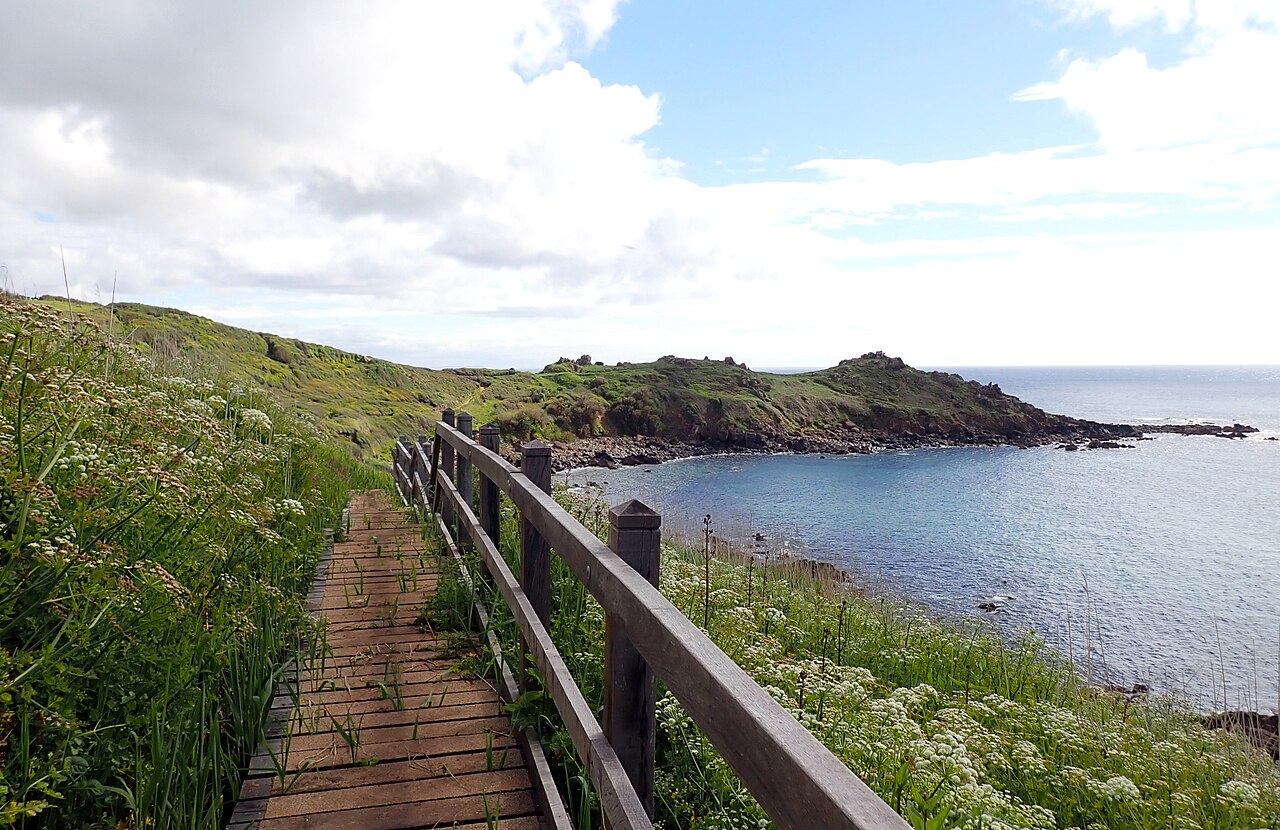
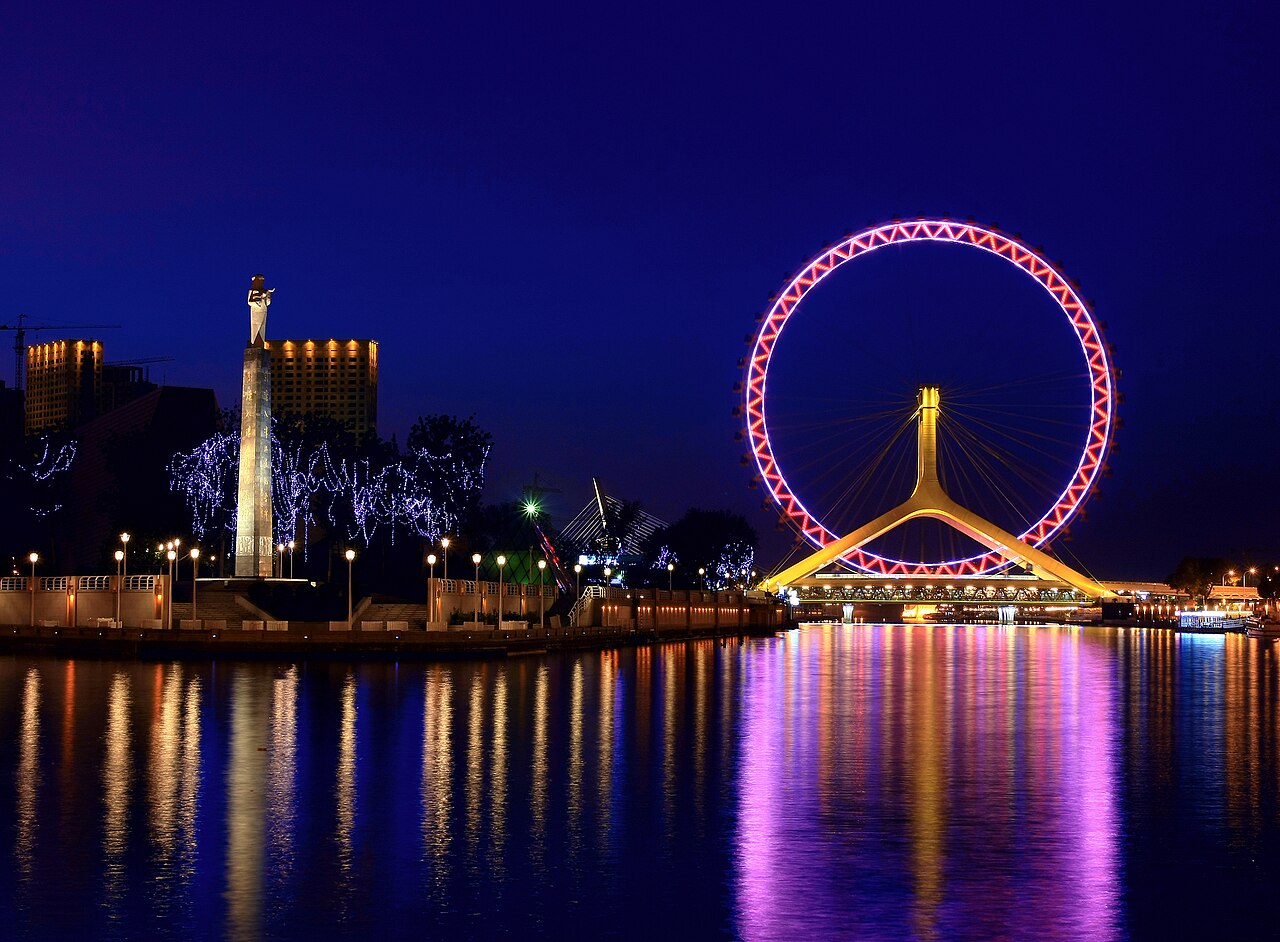
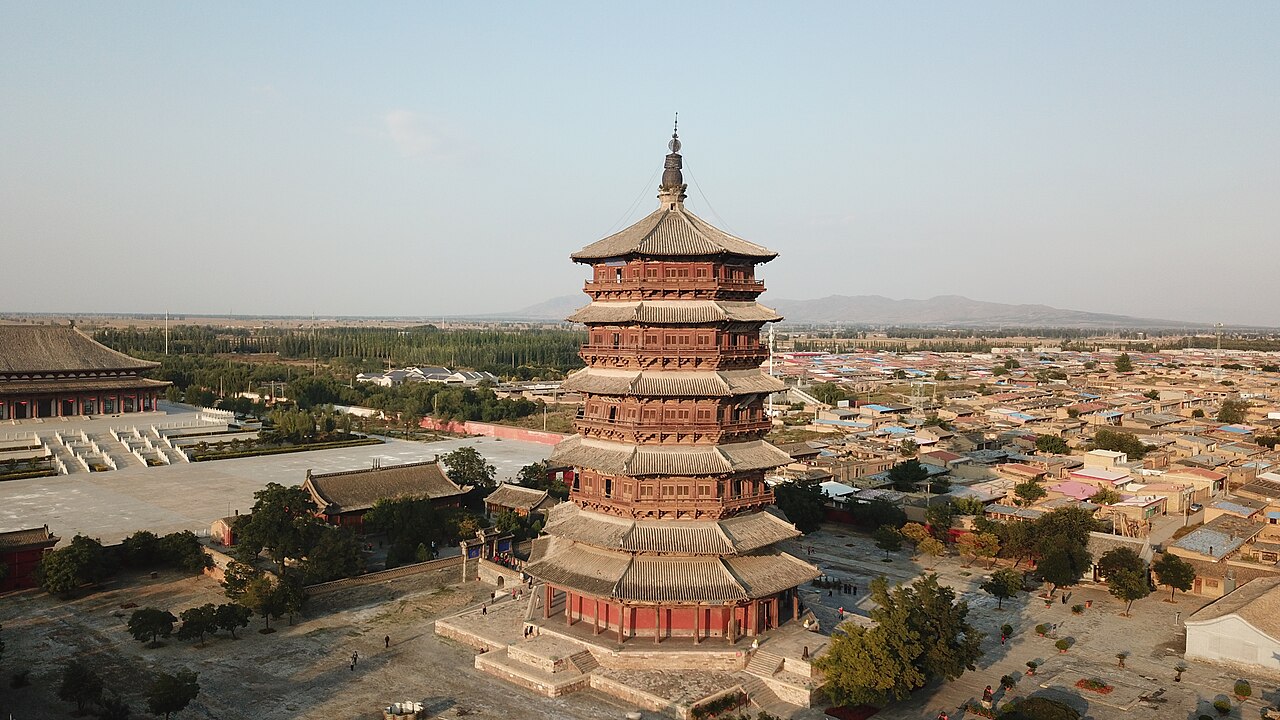
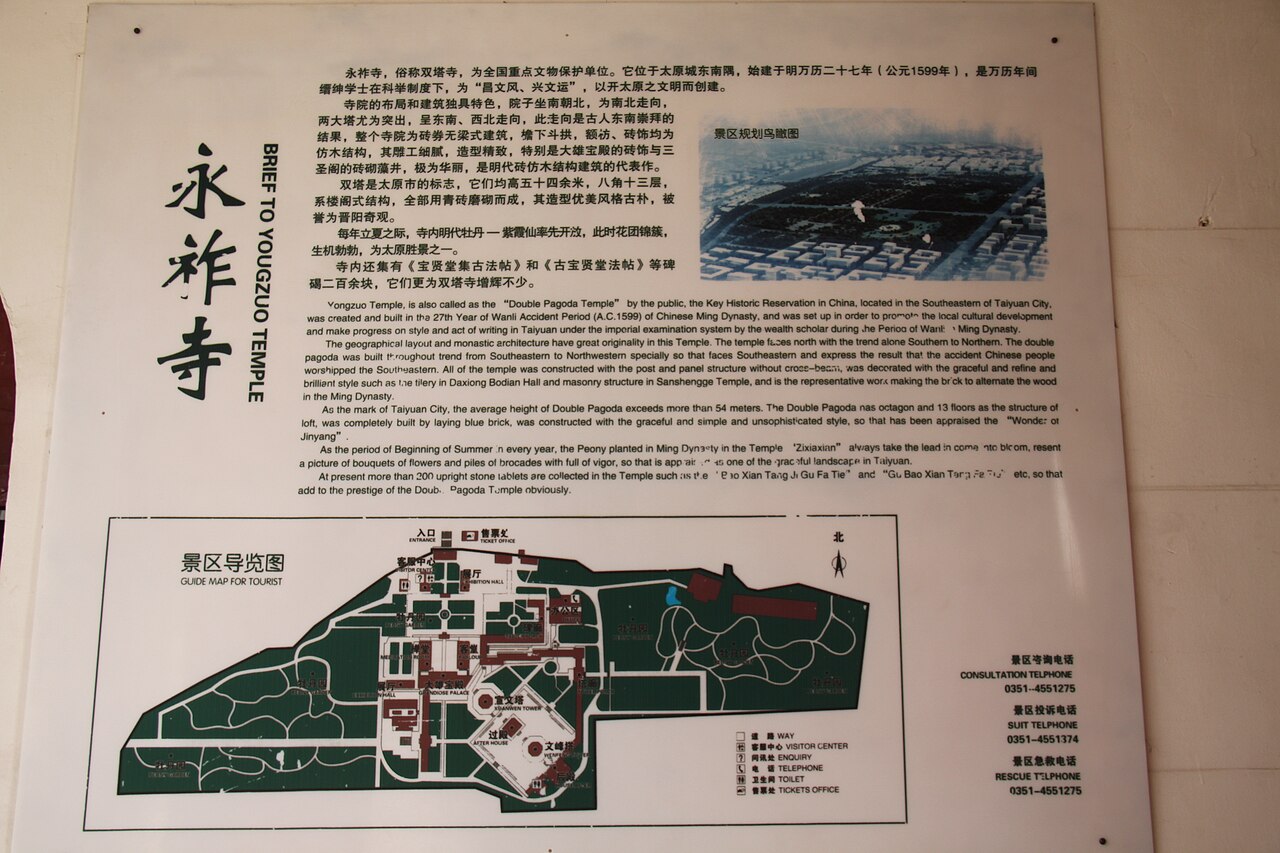
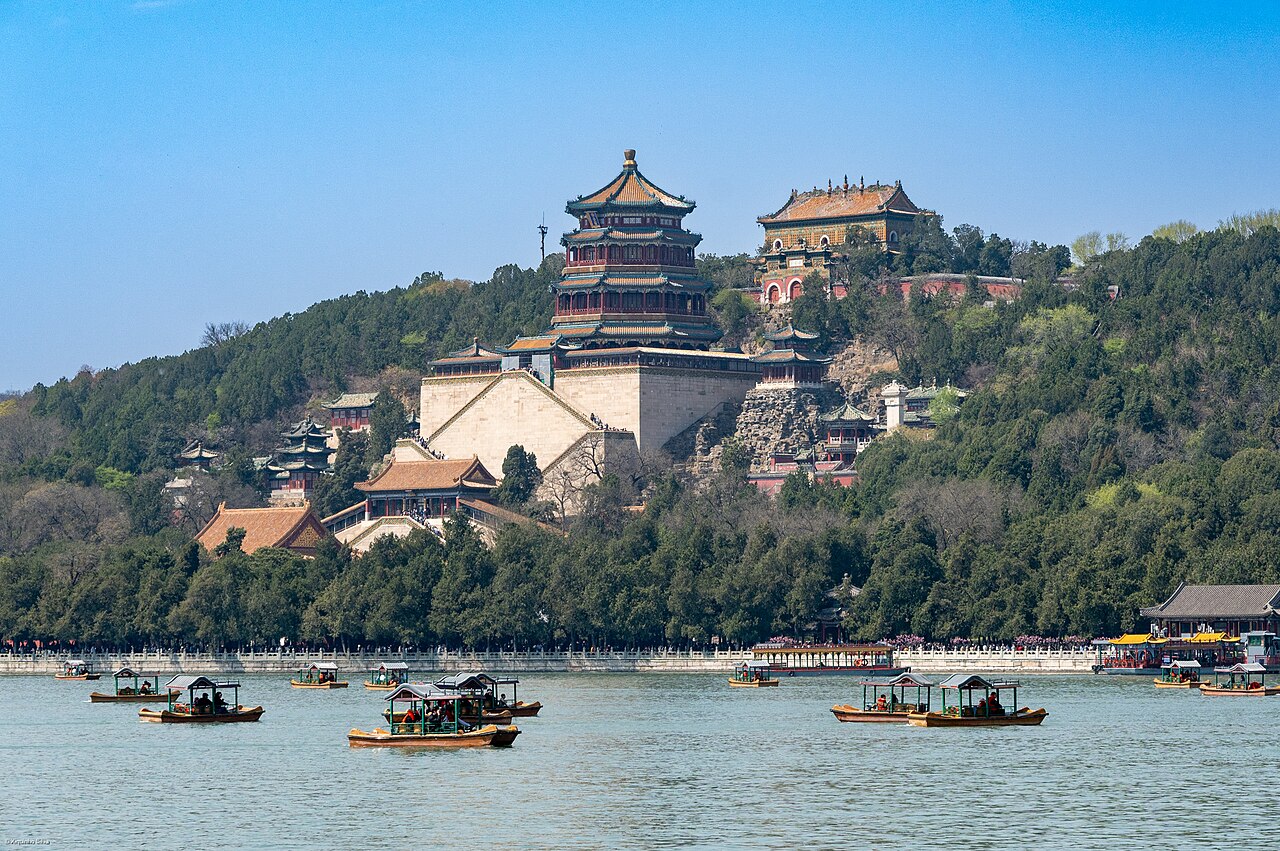
Photographs from the coast, and what other travellers wrote afterwards.

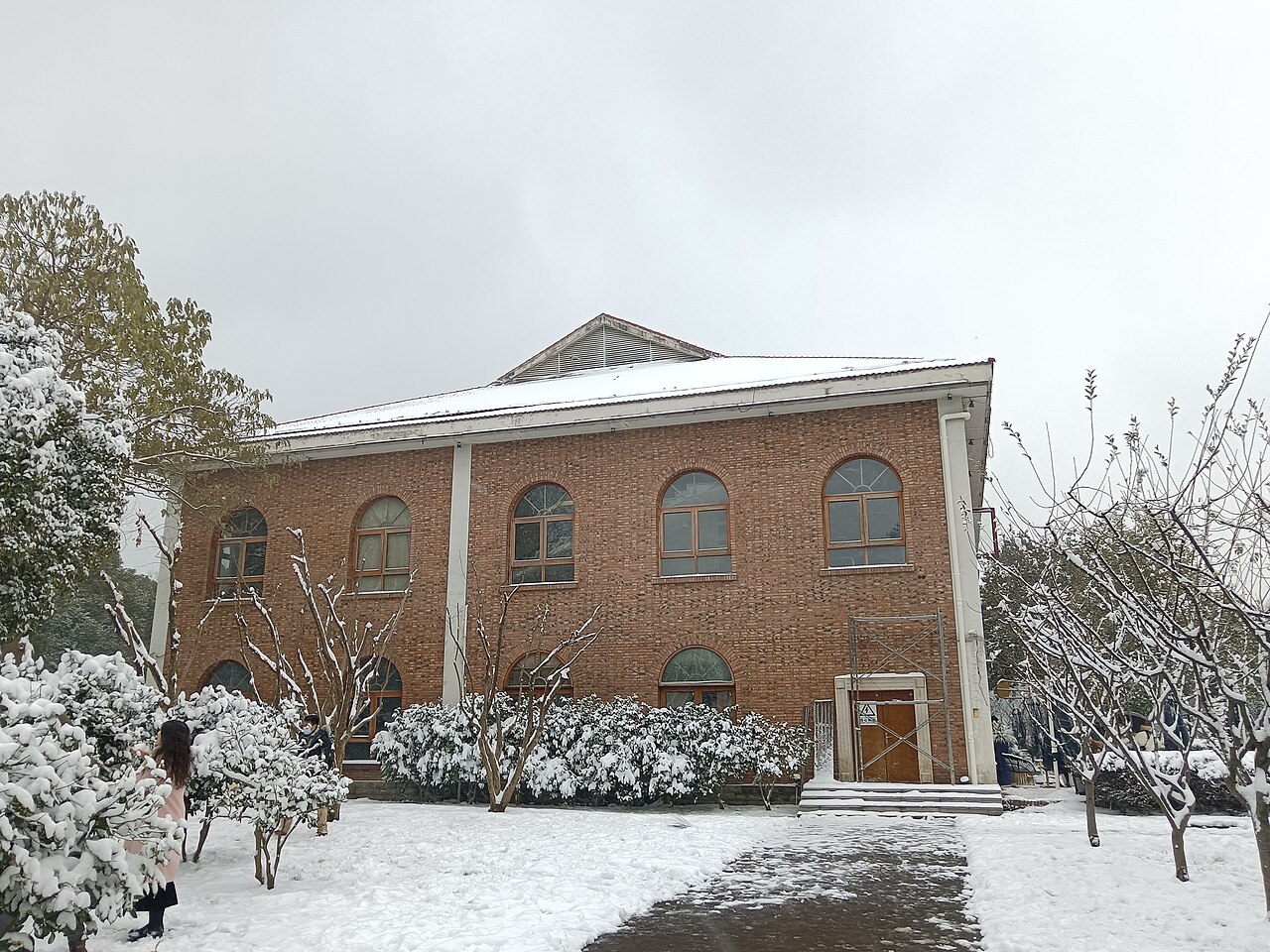
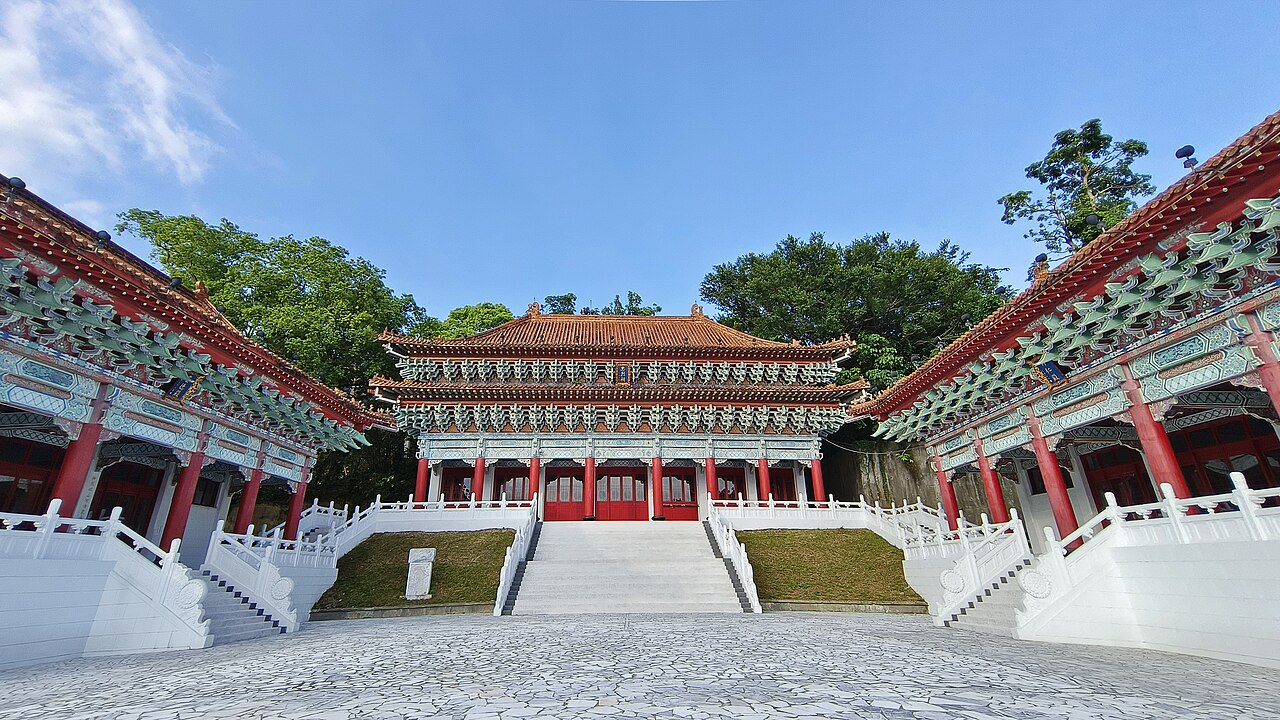
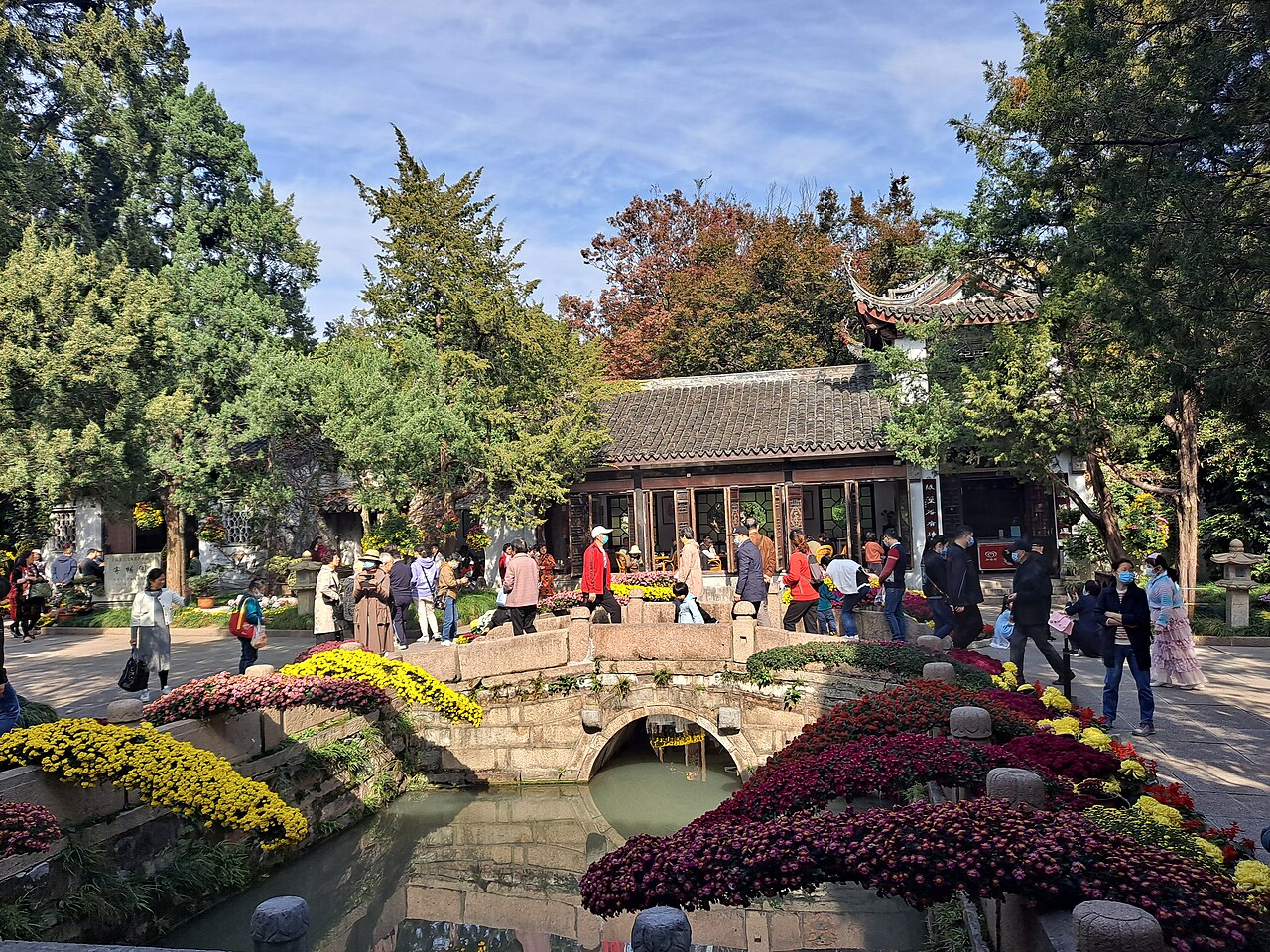
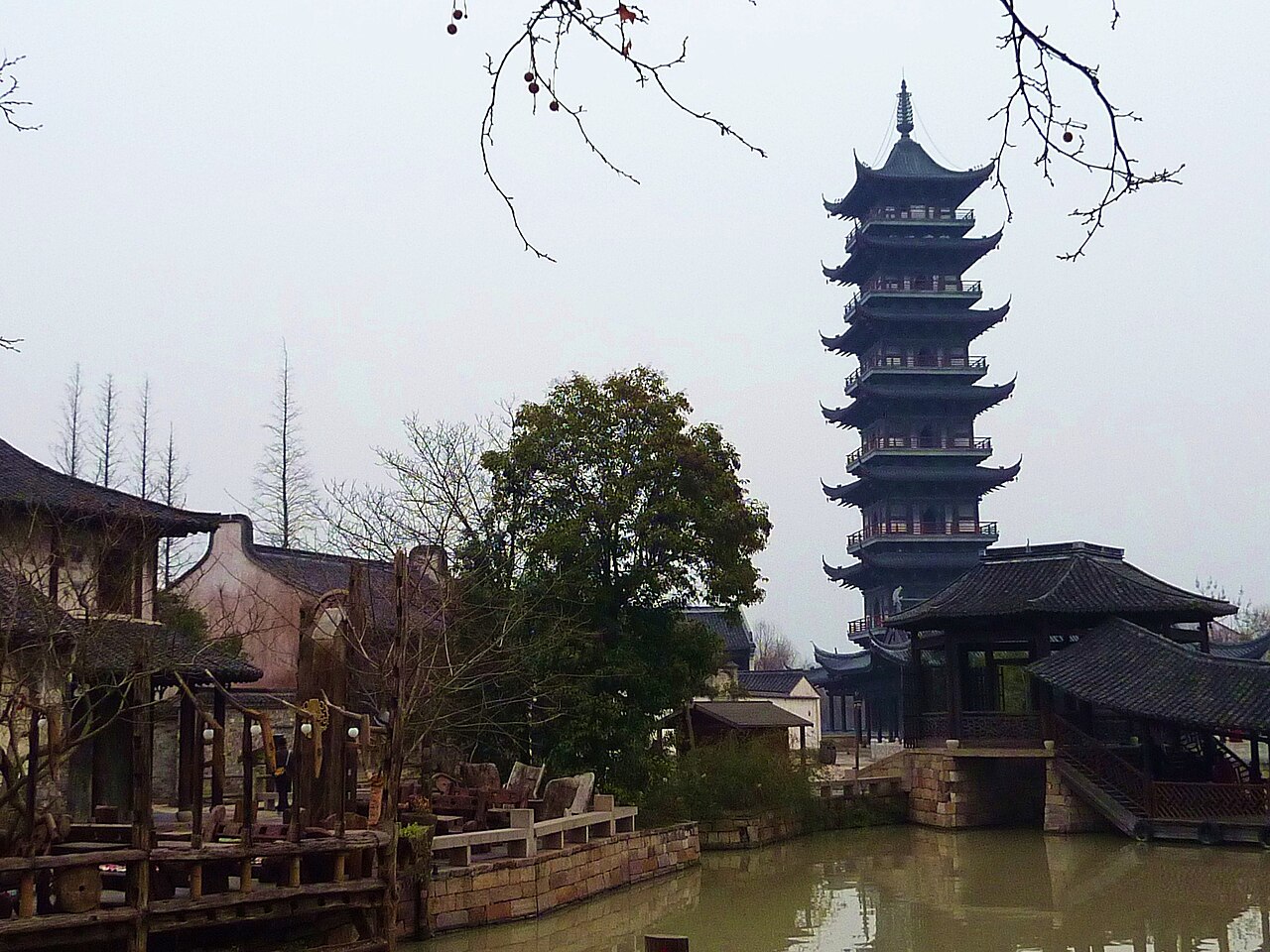
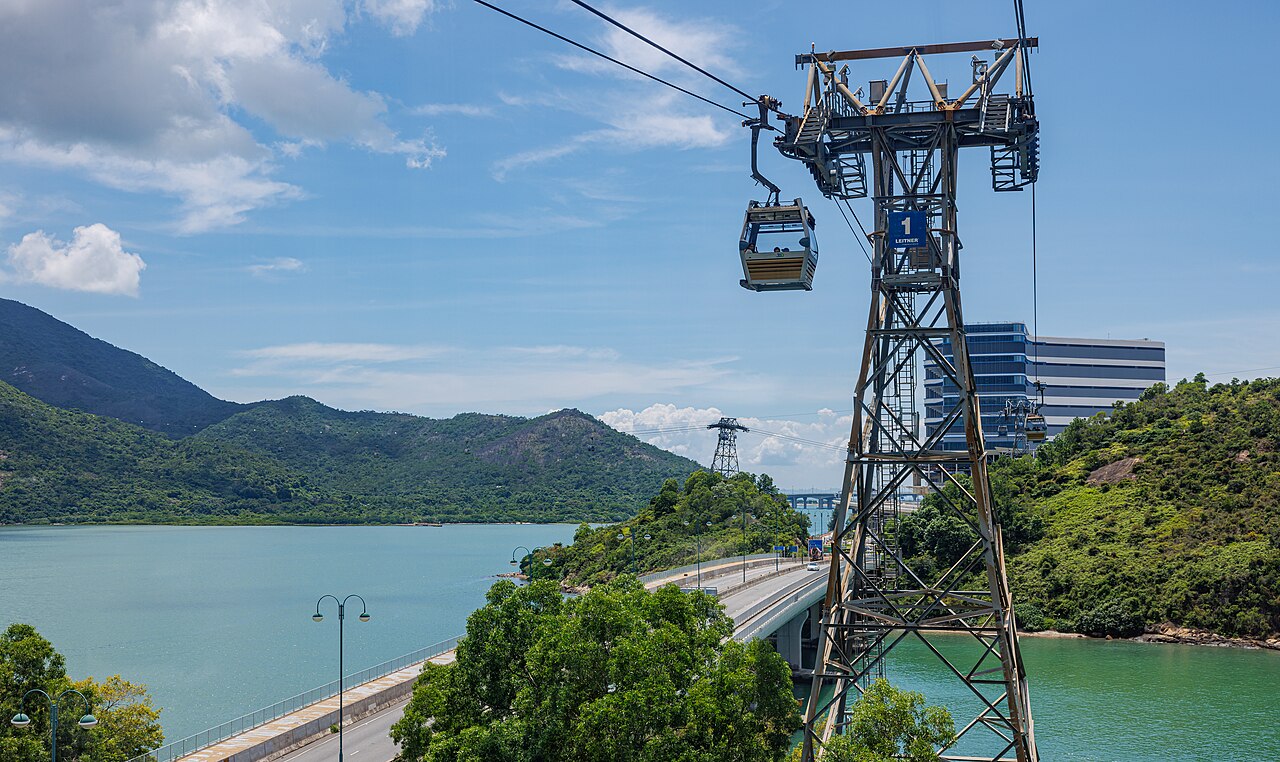
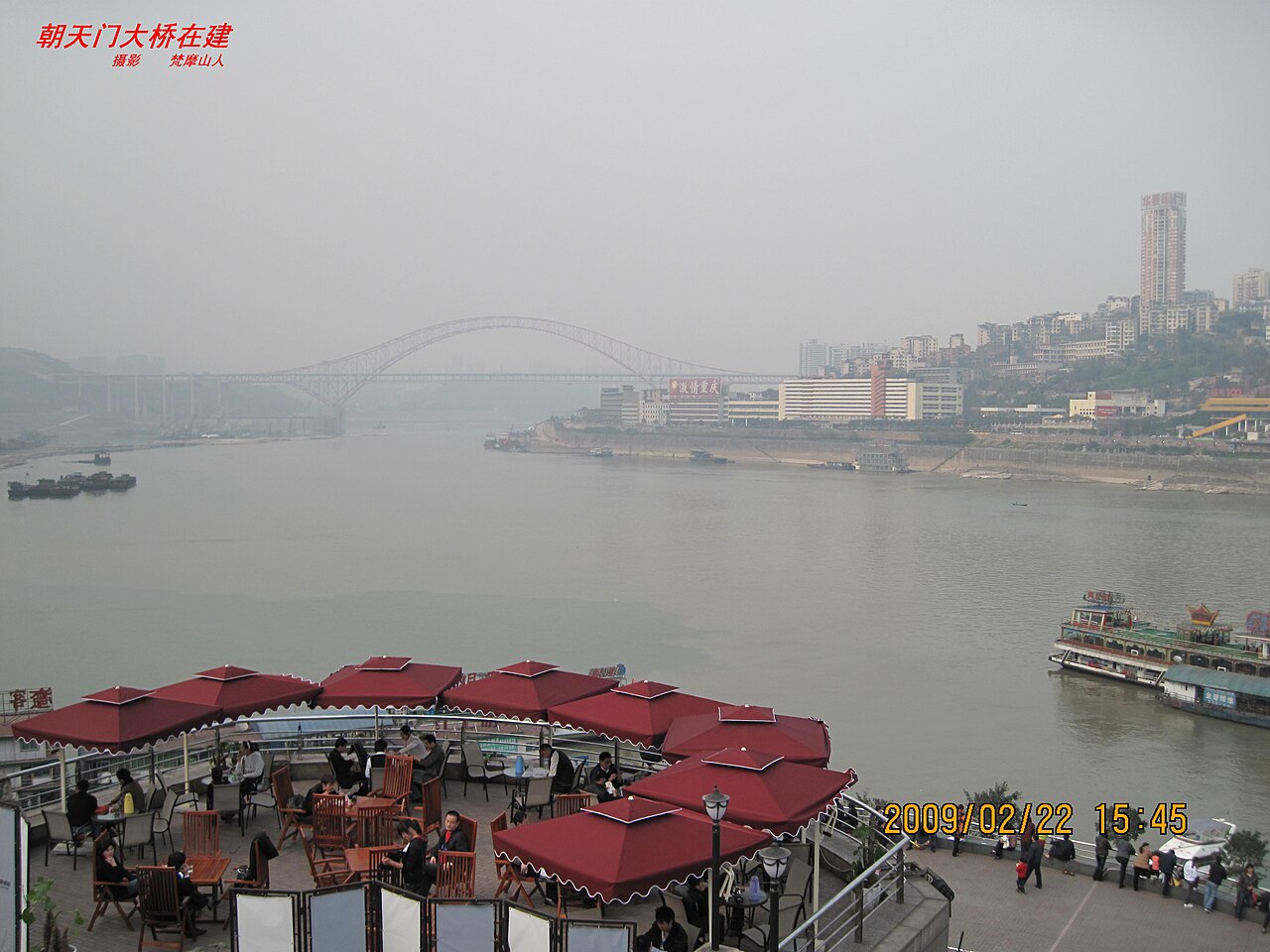
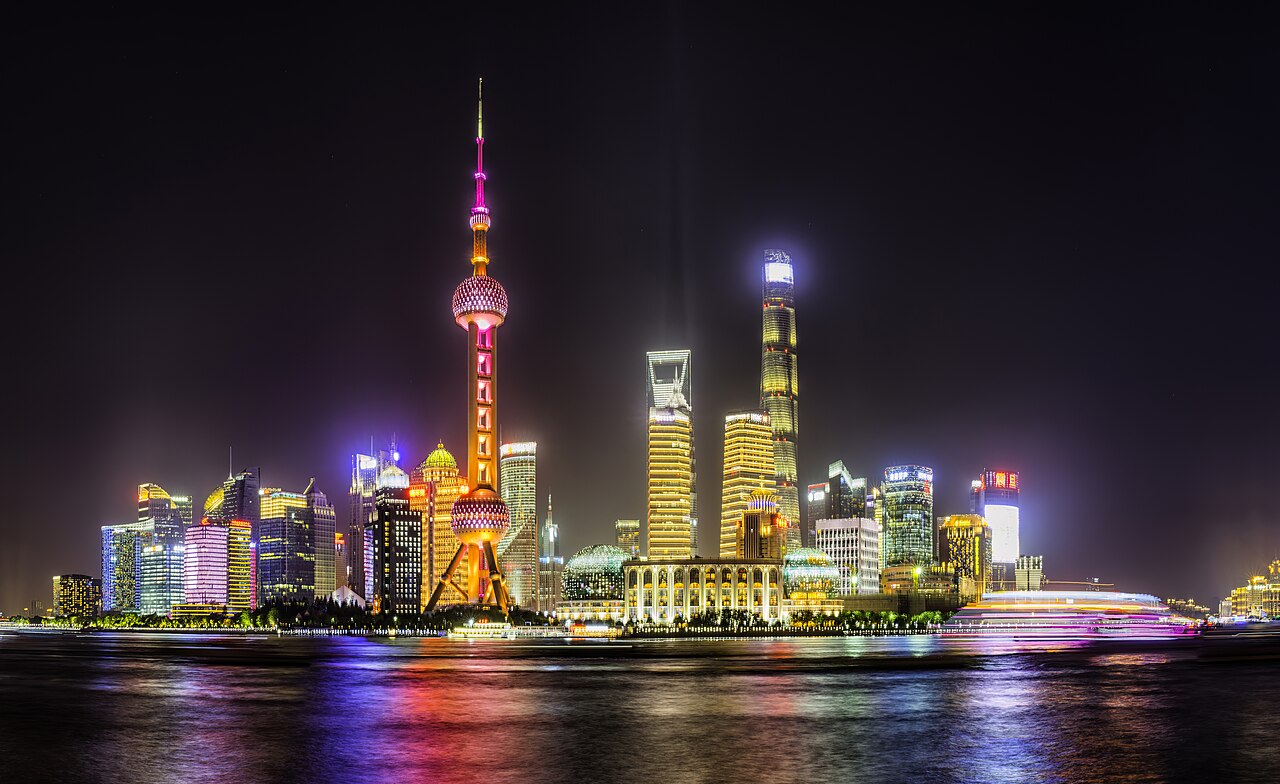
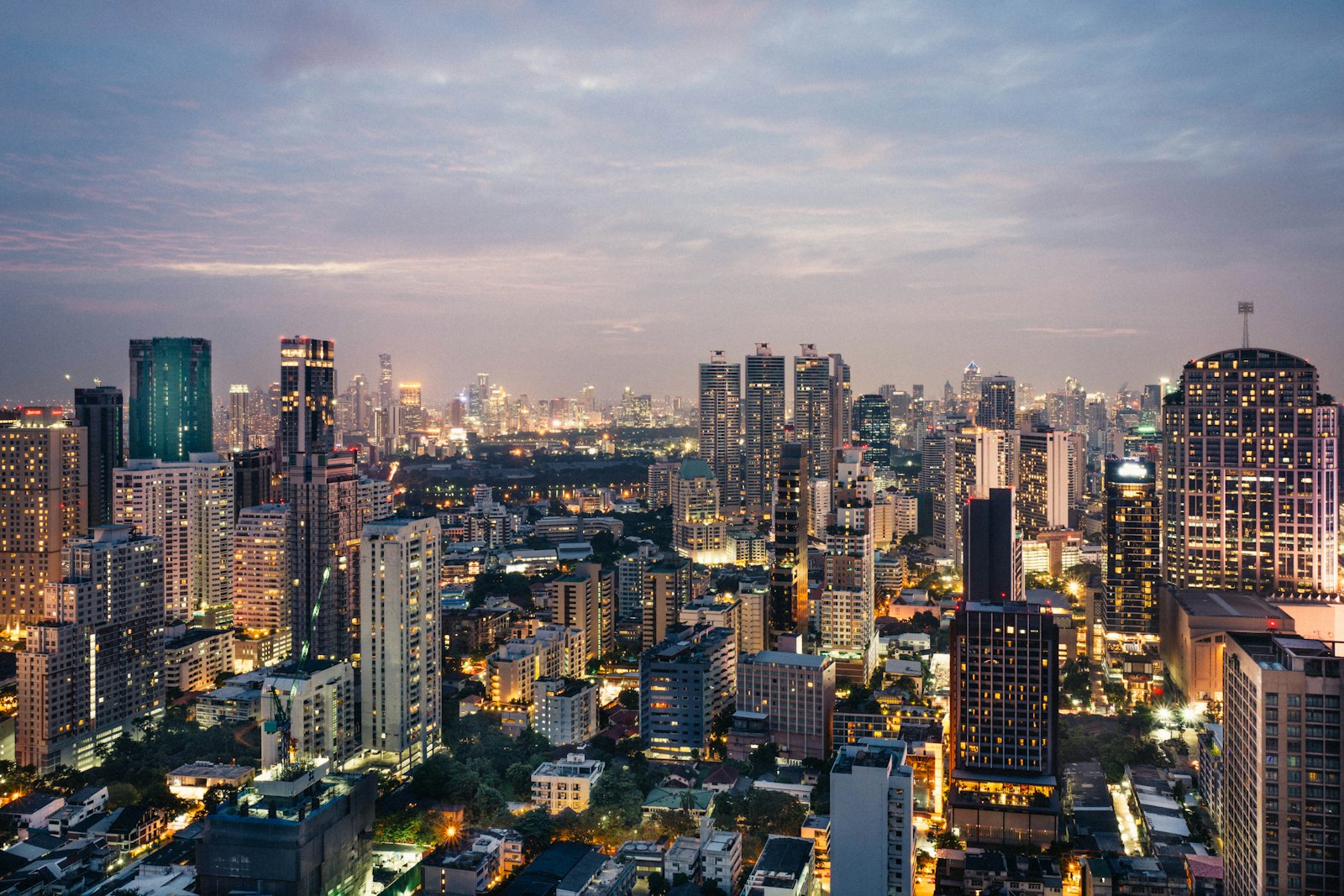
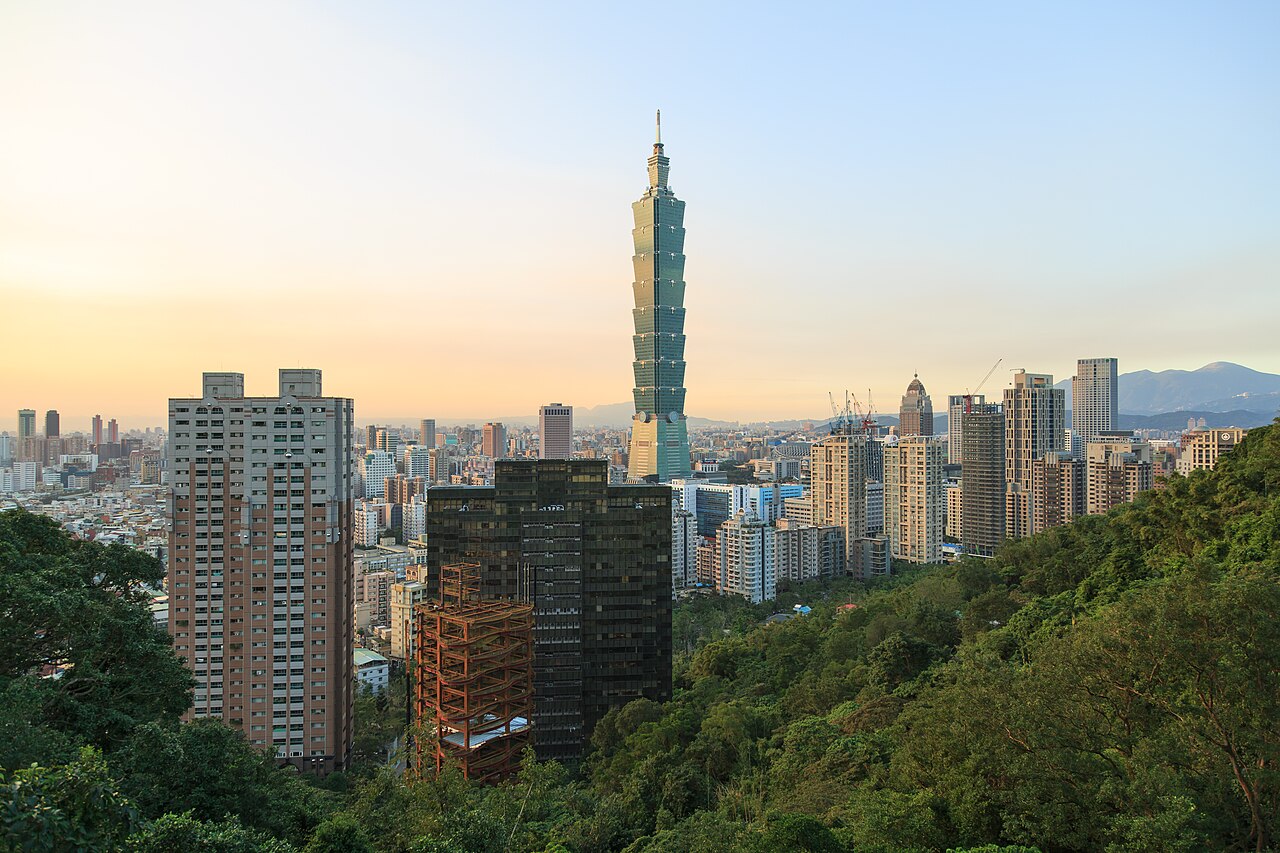
Taipei 101 rising over the Xinyi district at dusk
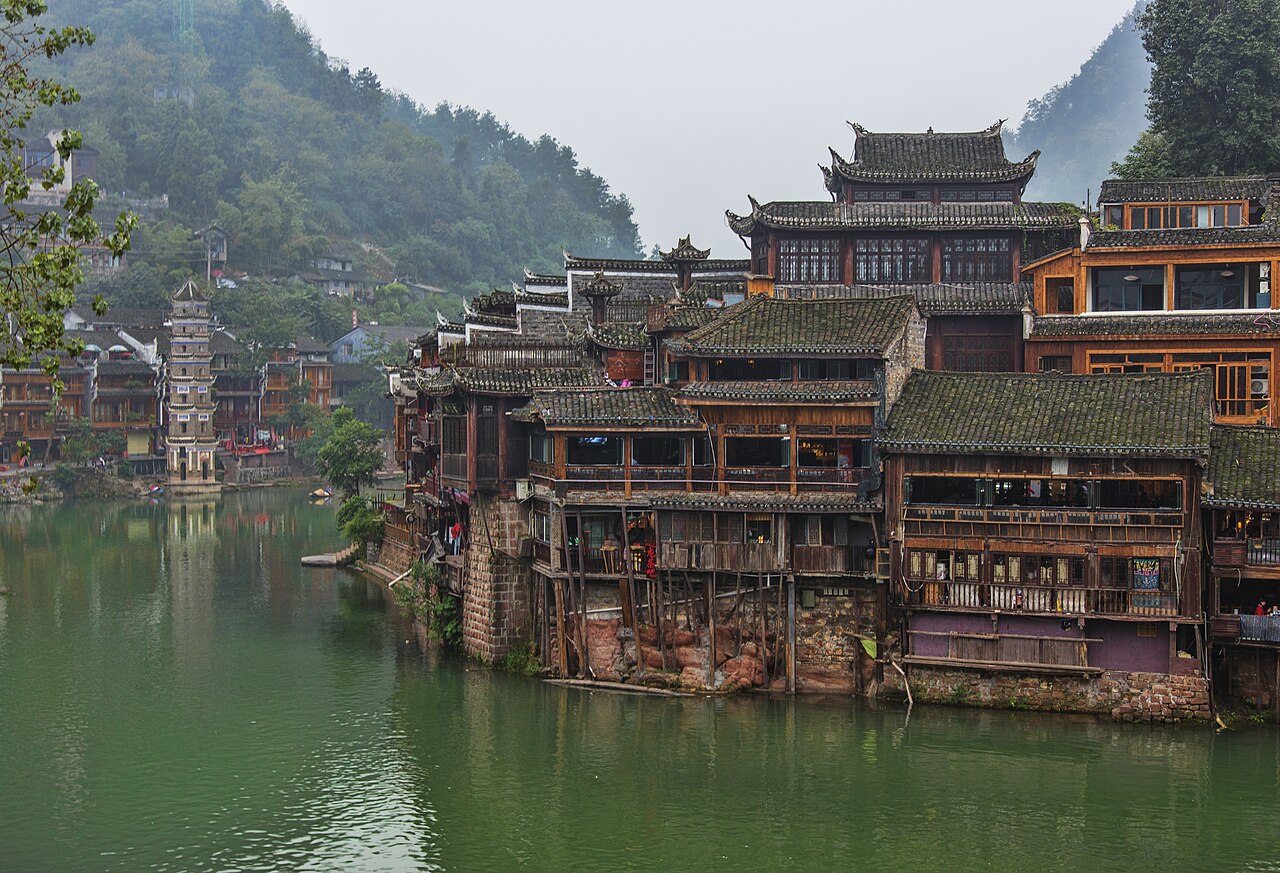
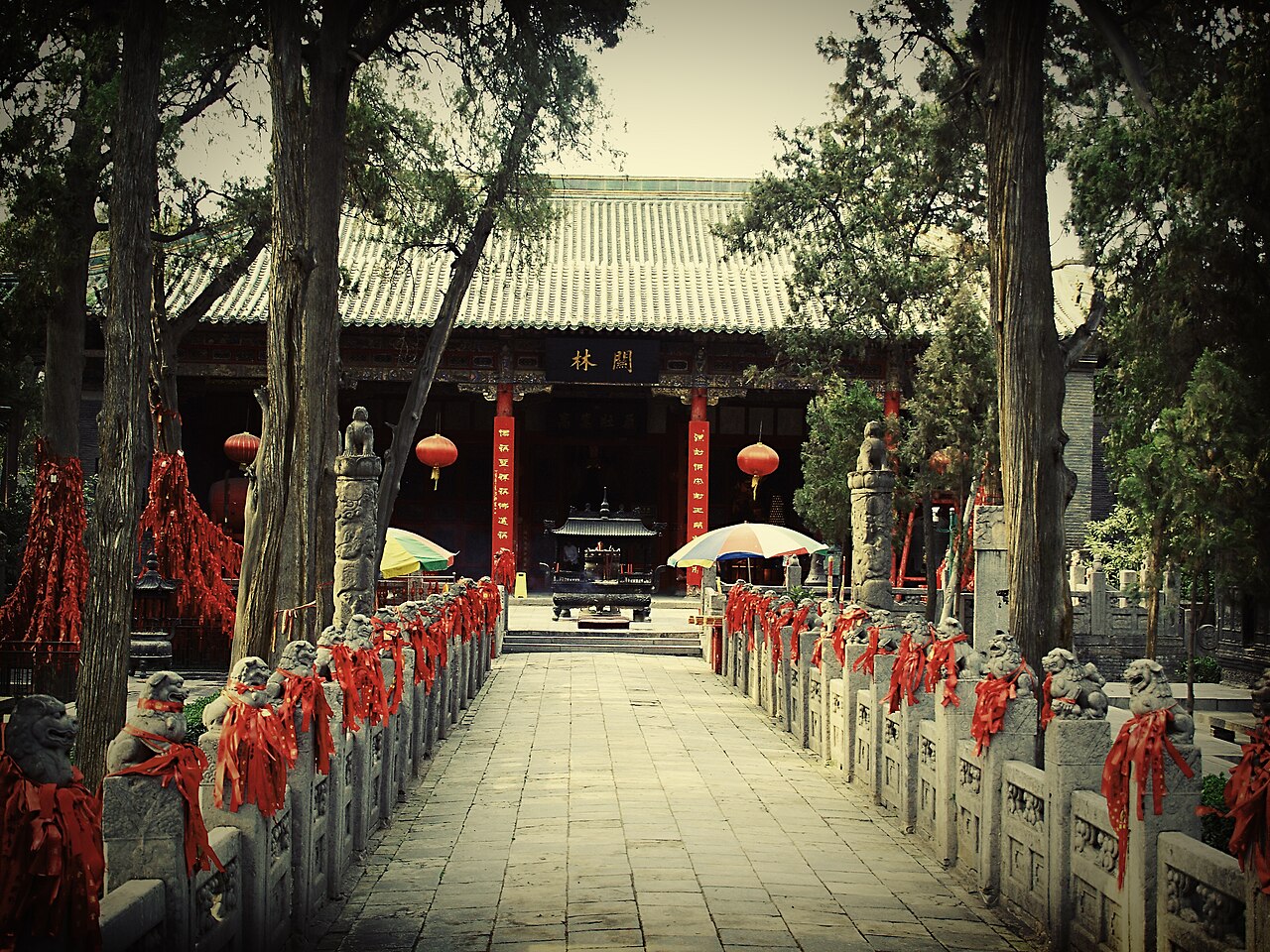
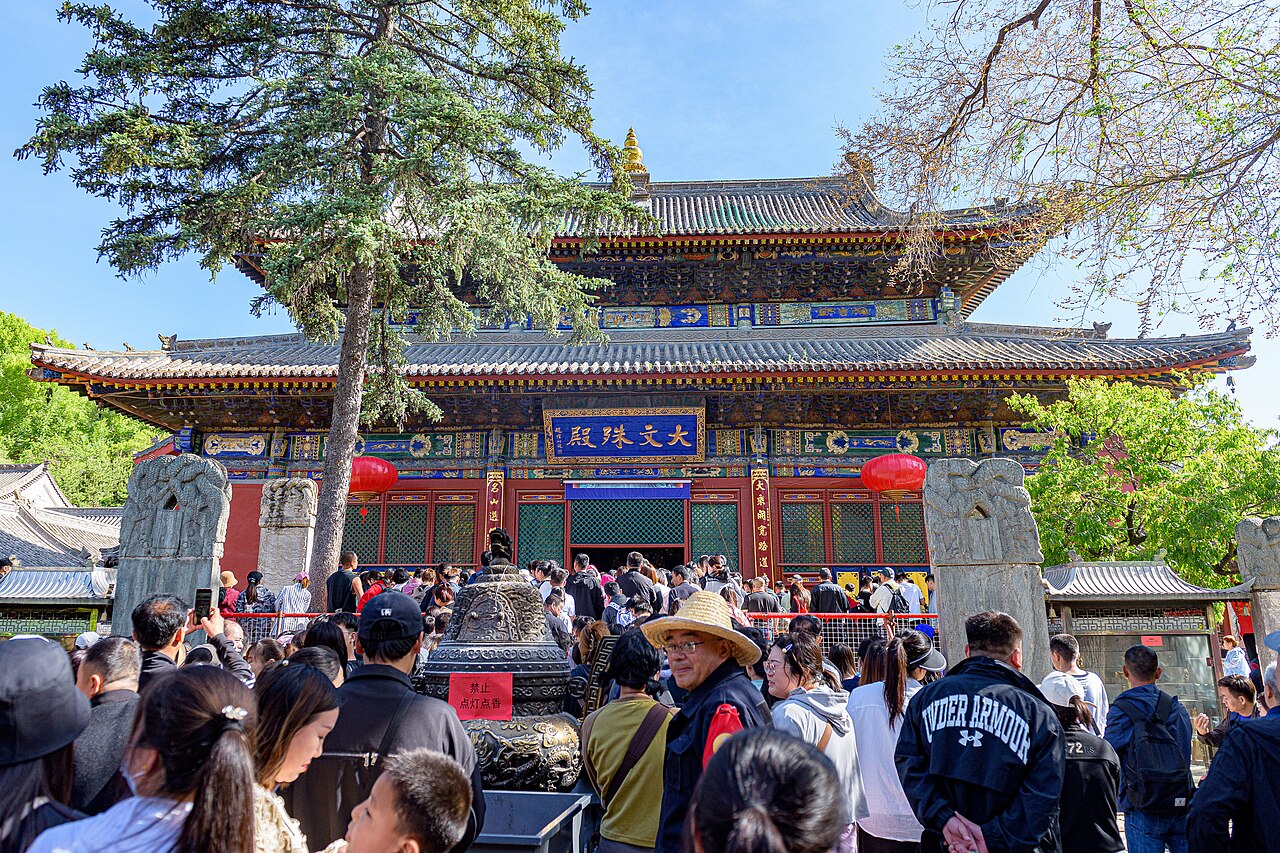
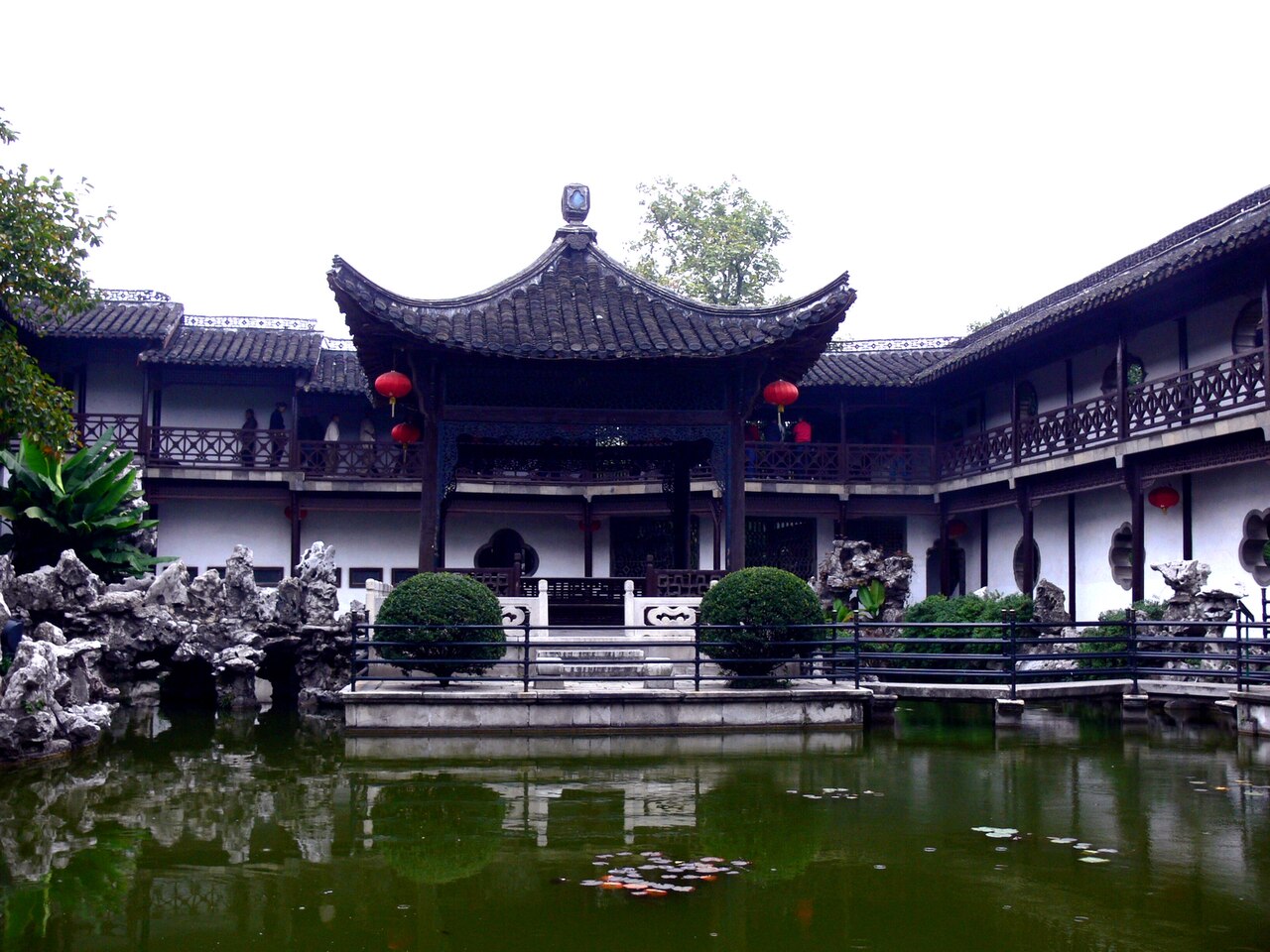
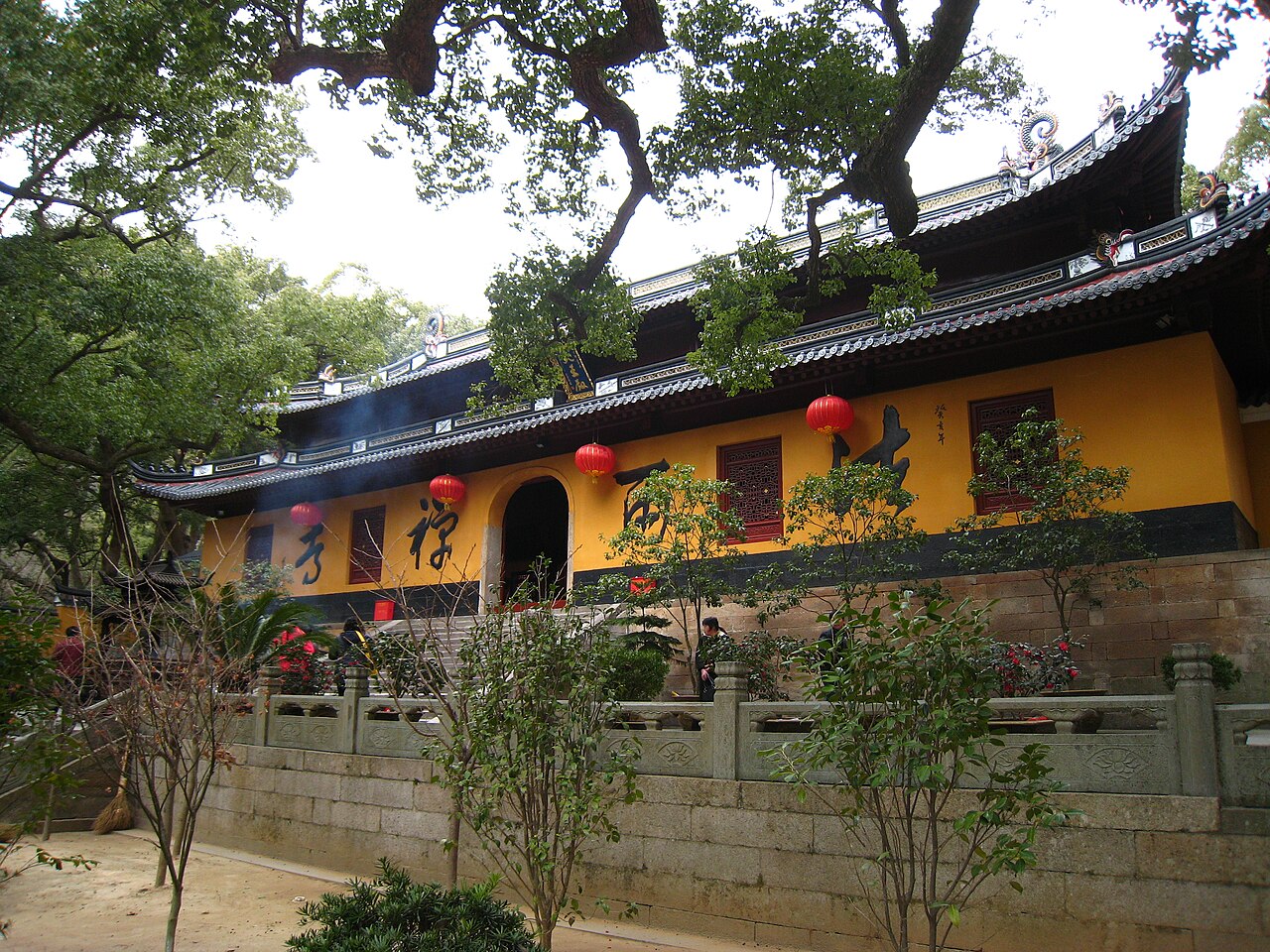
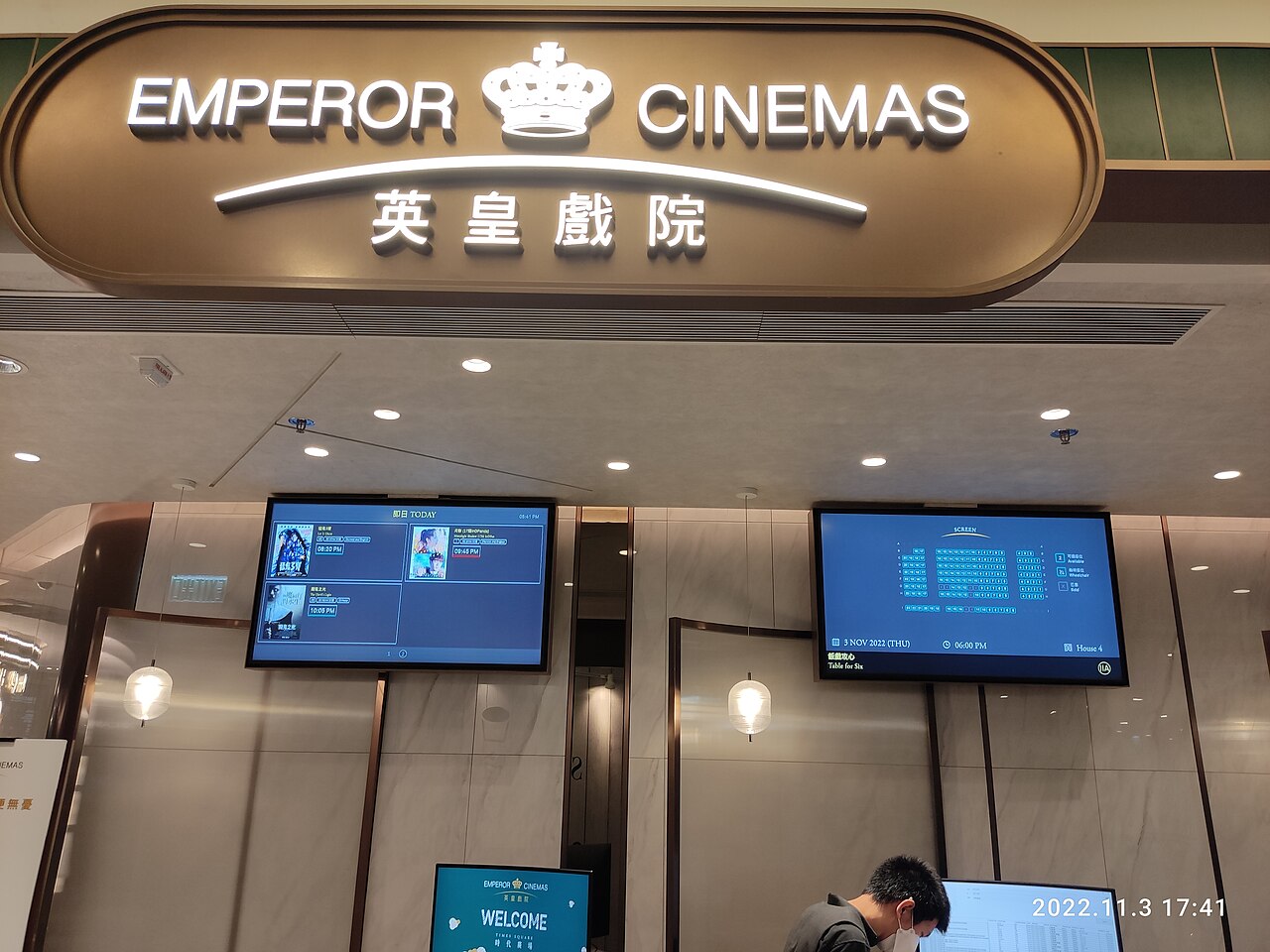
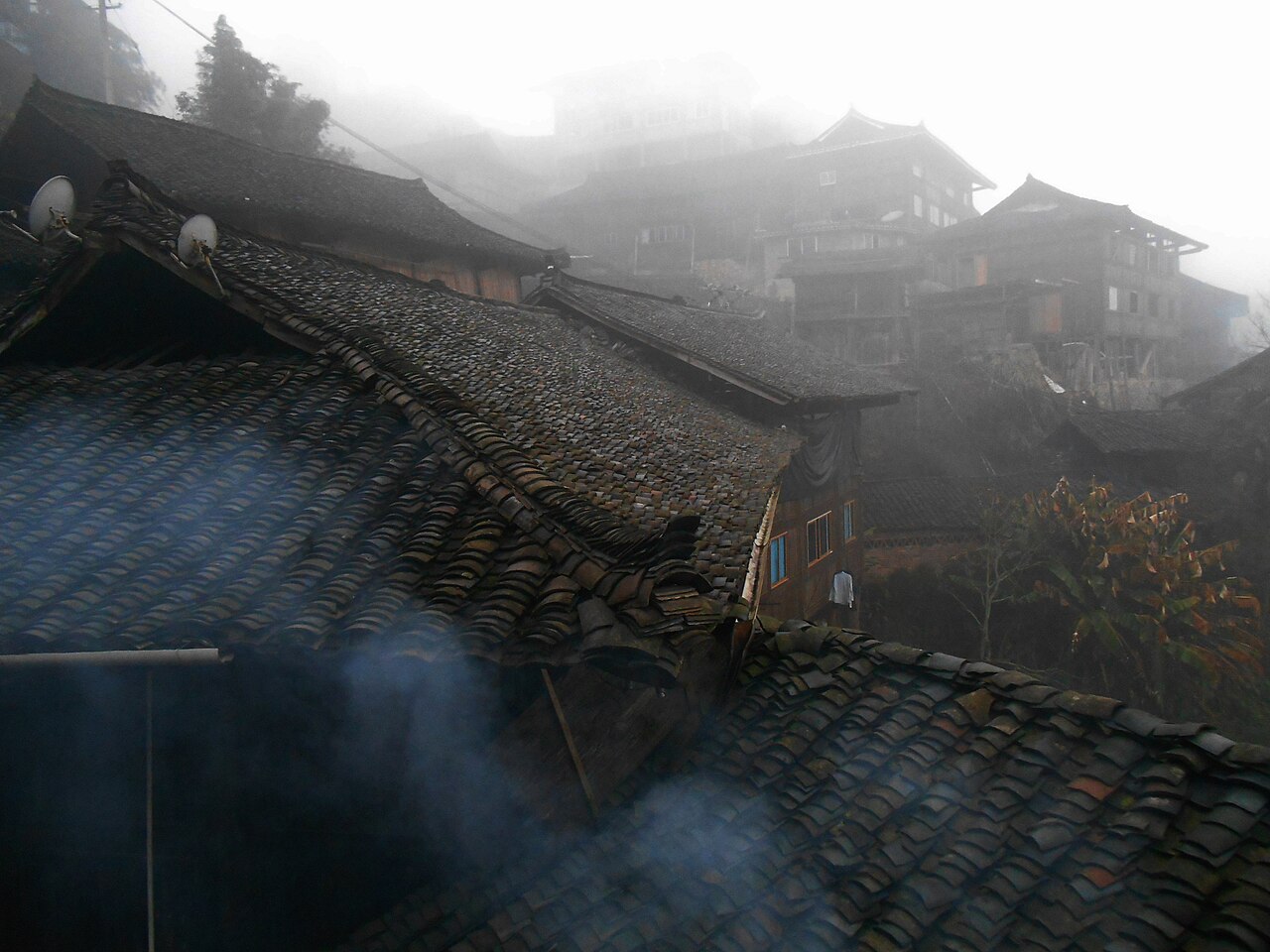
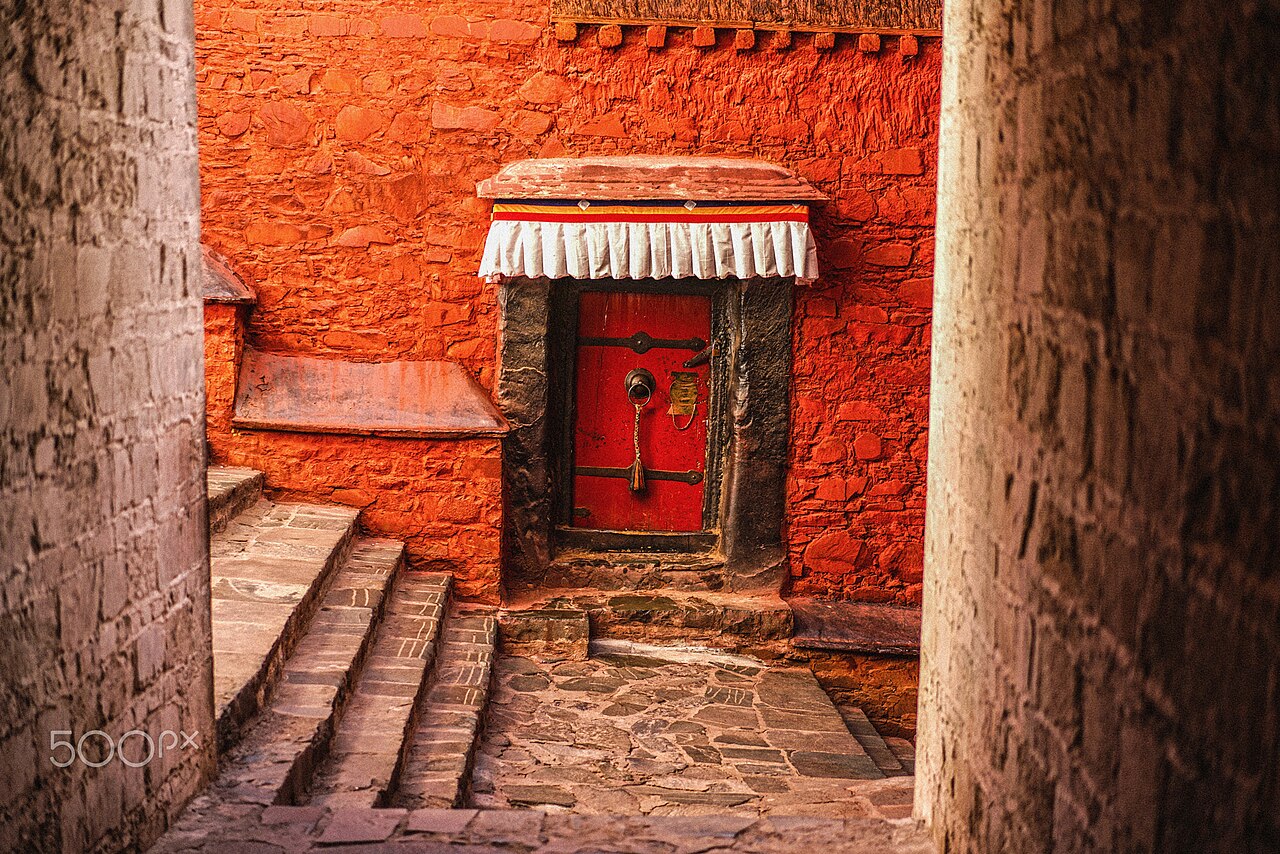
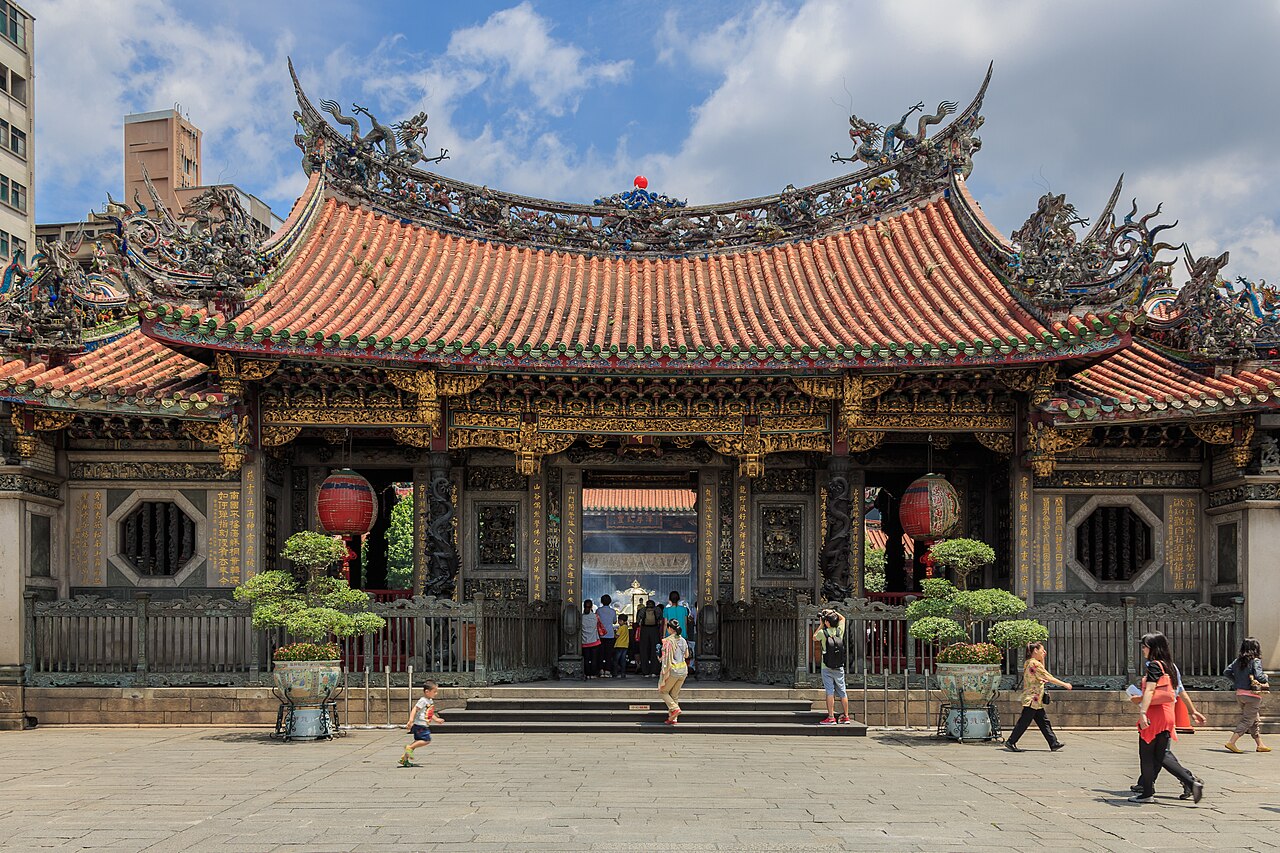
Incense smoke and carved stone at Longshan Temple in Wanhua
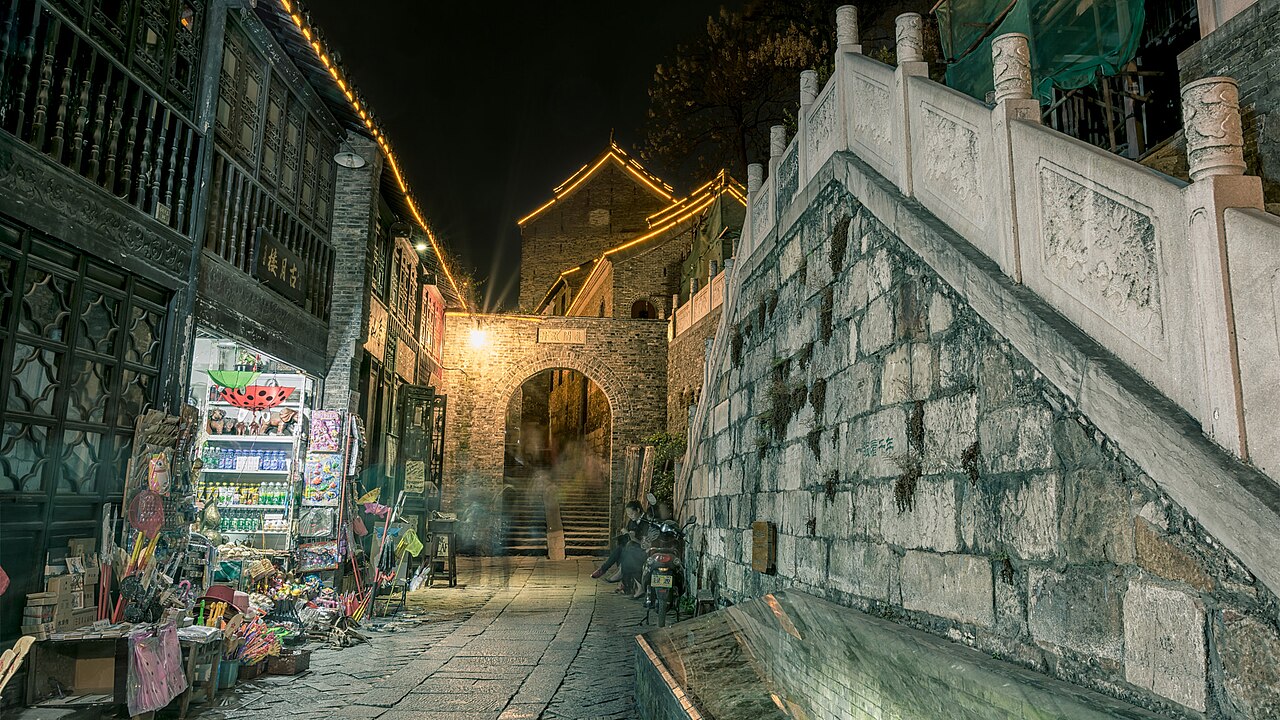
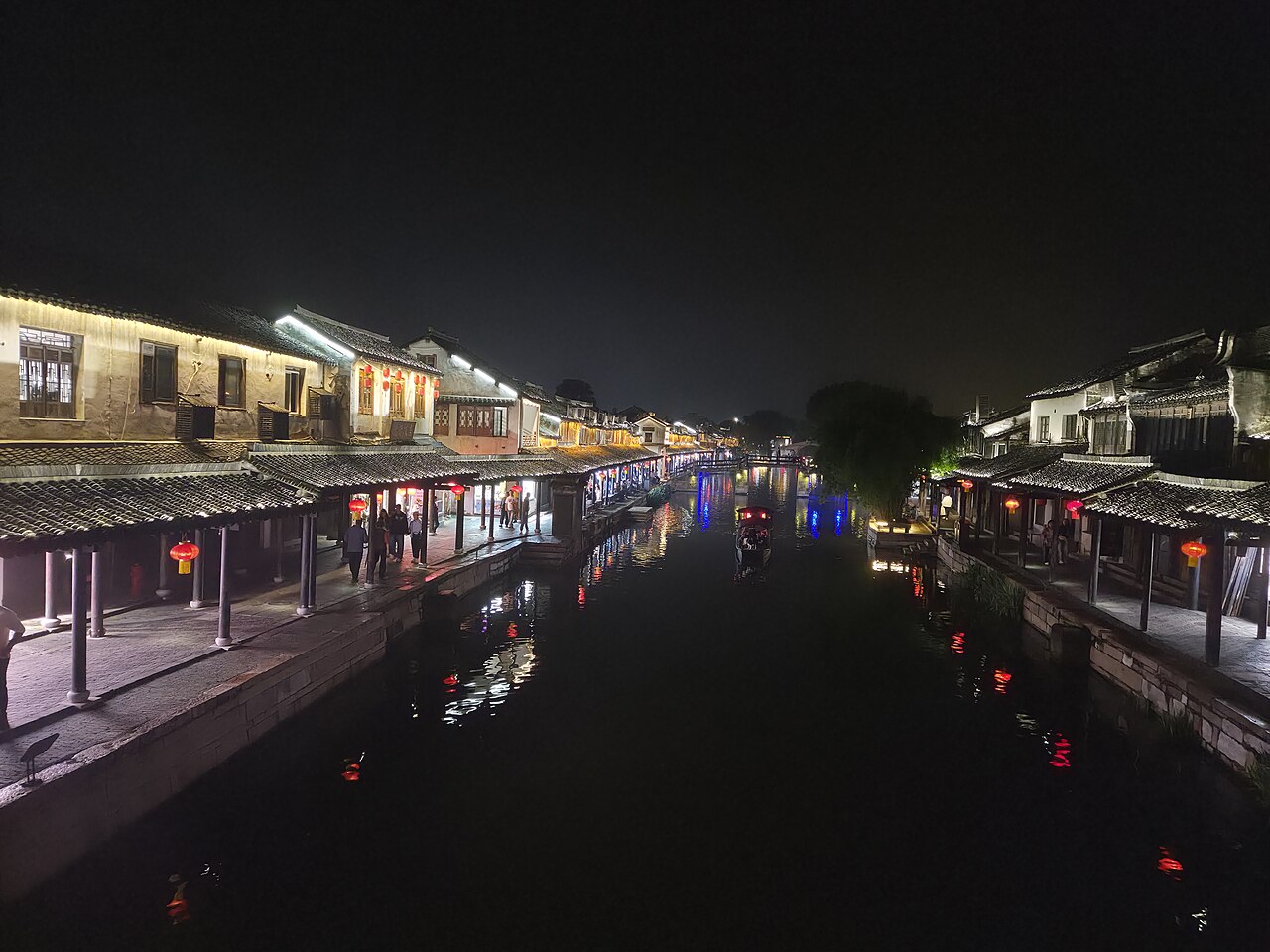
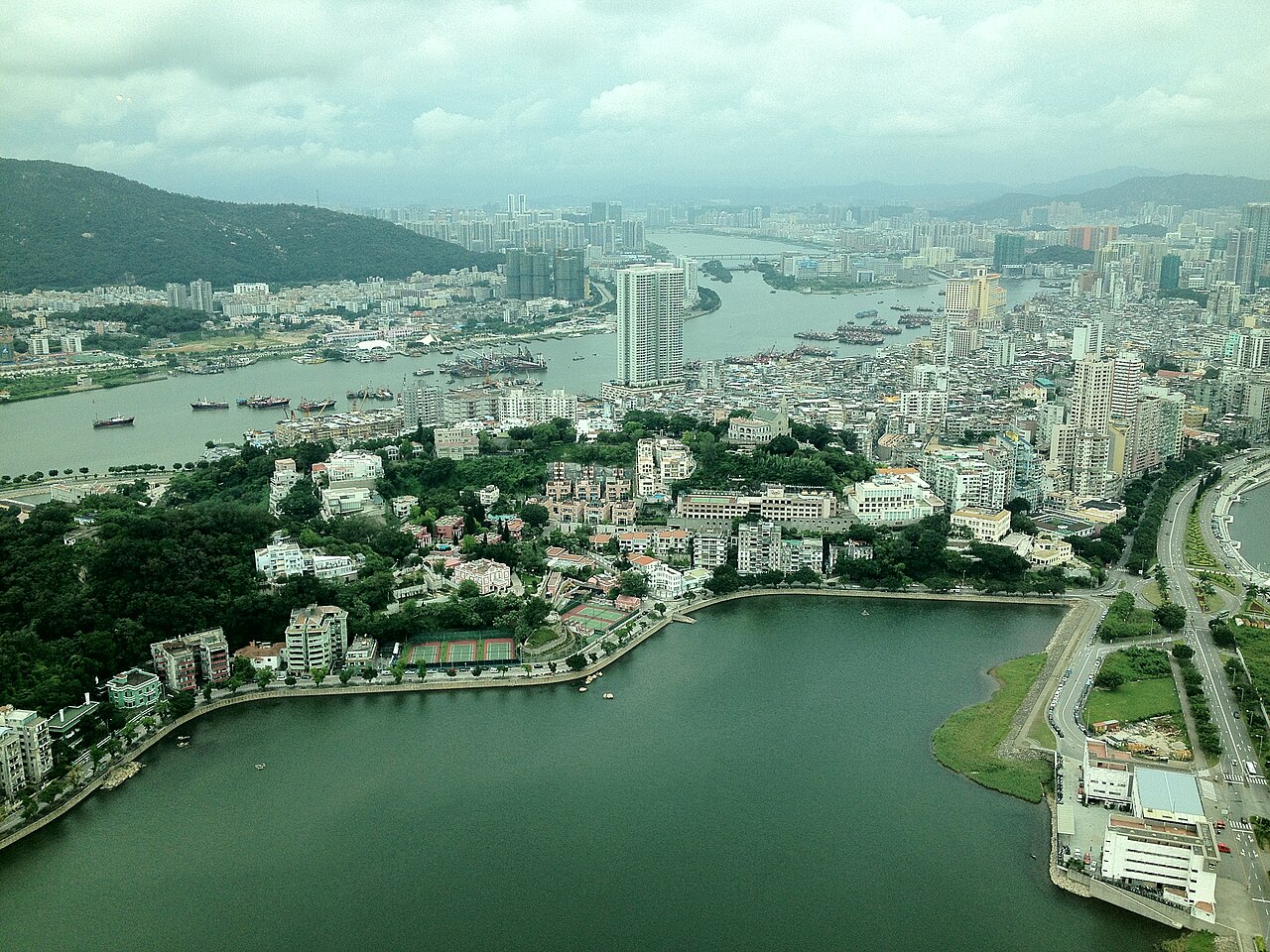
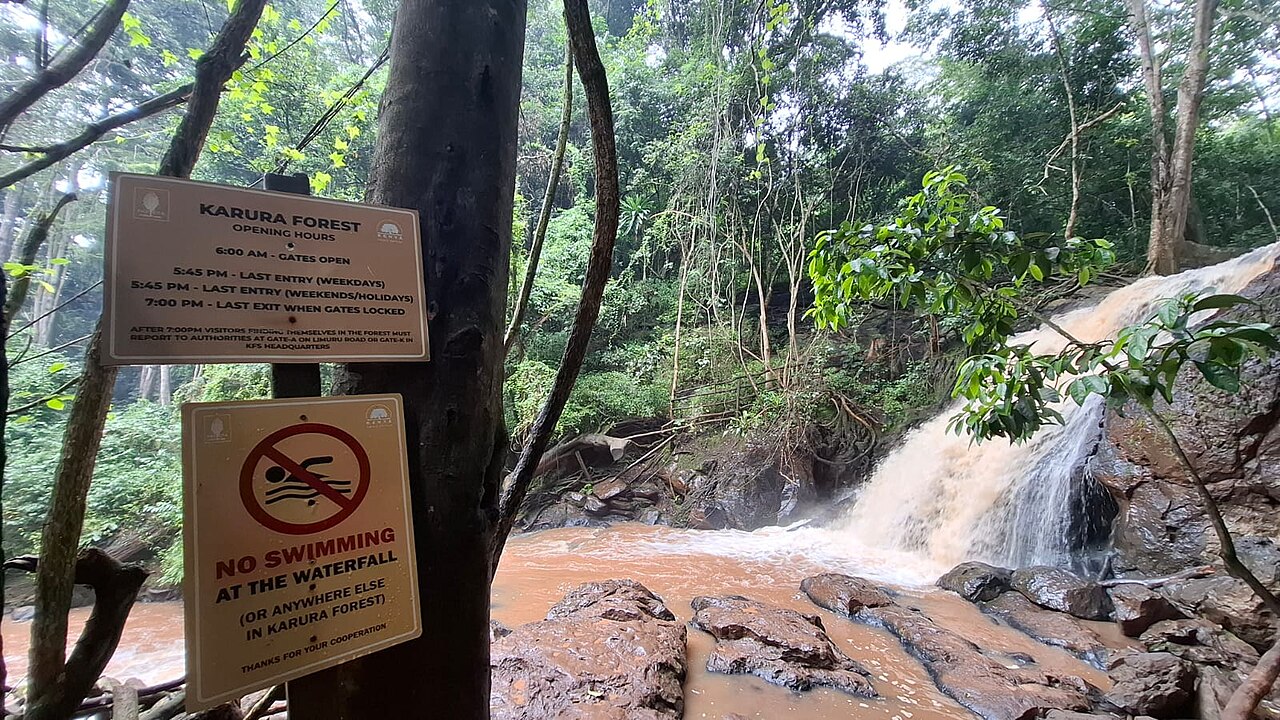
Shilin Night Market at full tilt, queues three deep at every stall
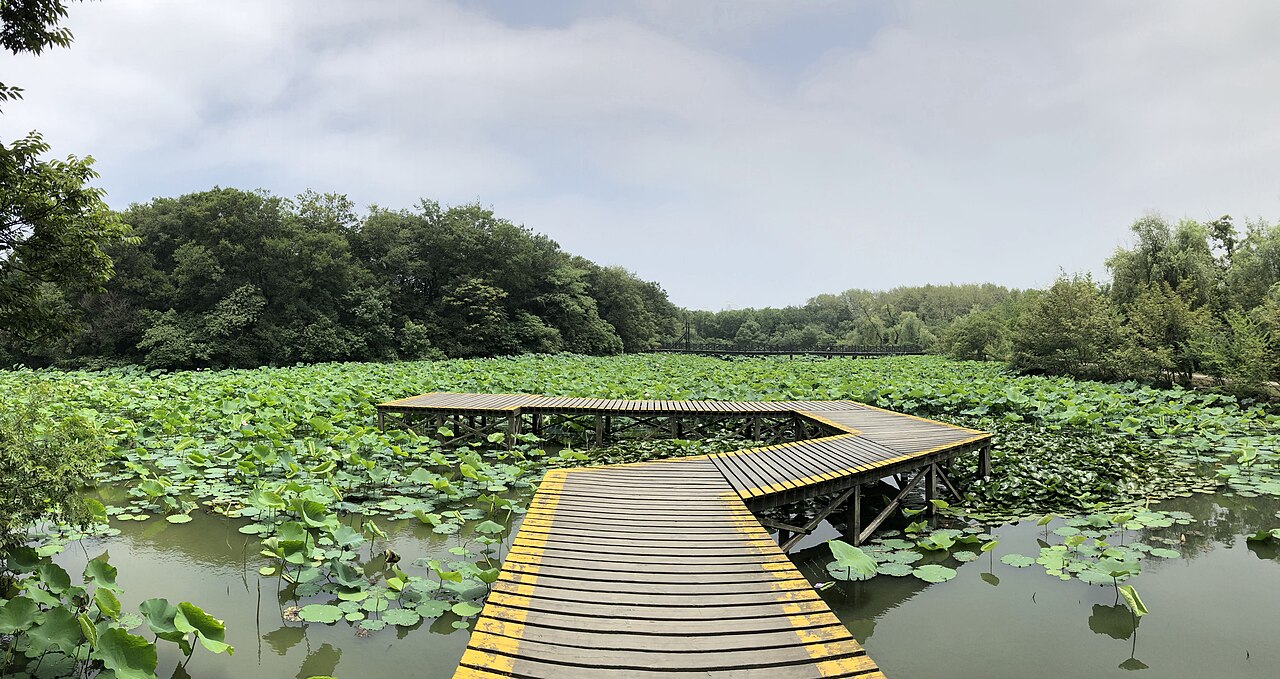
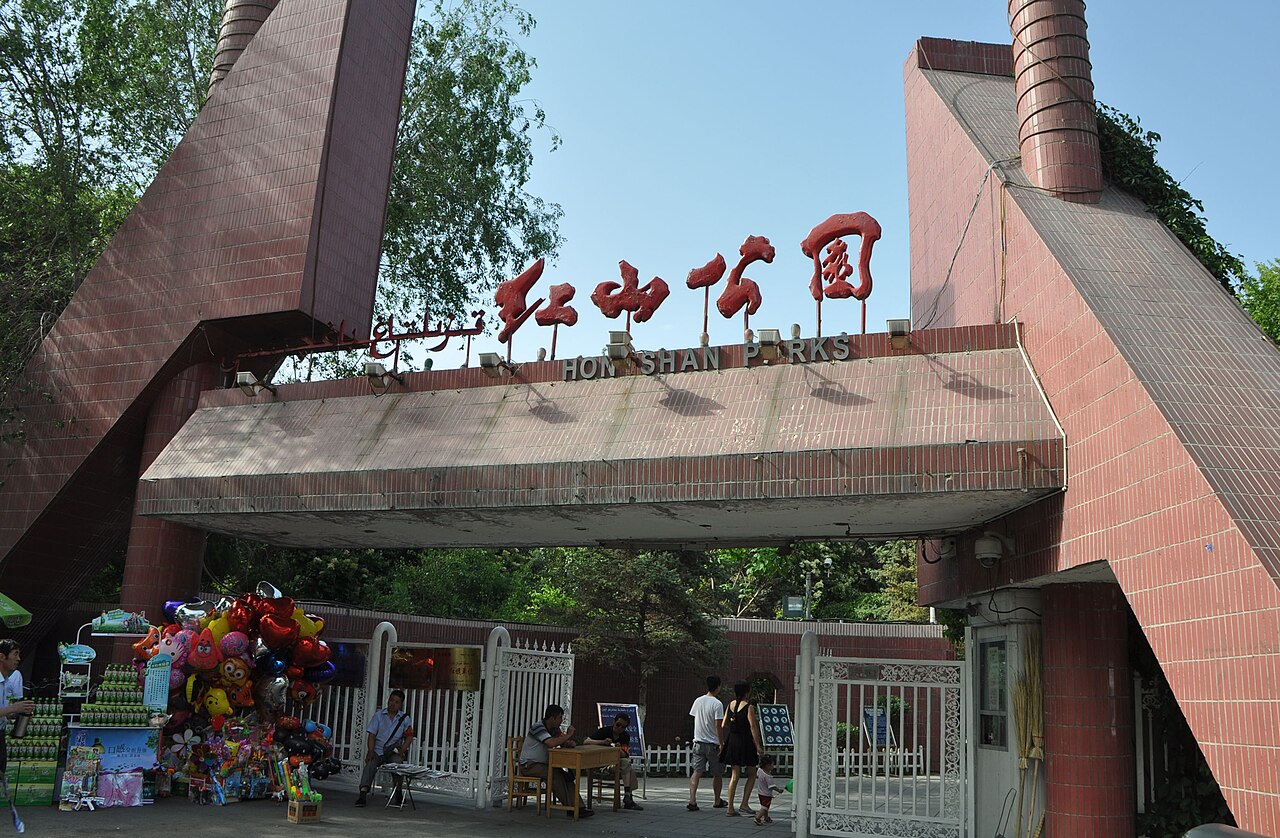
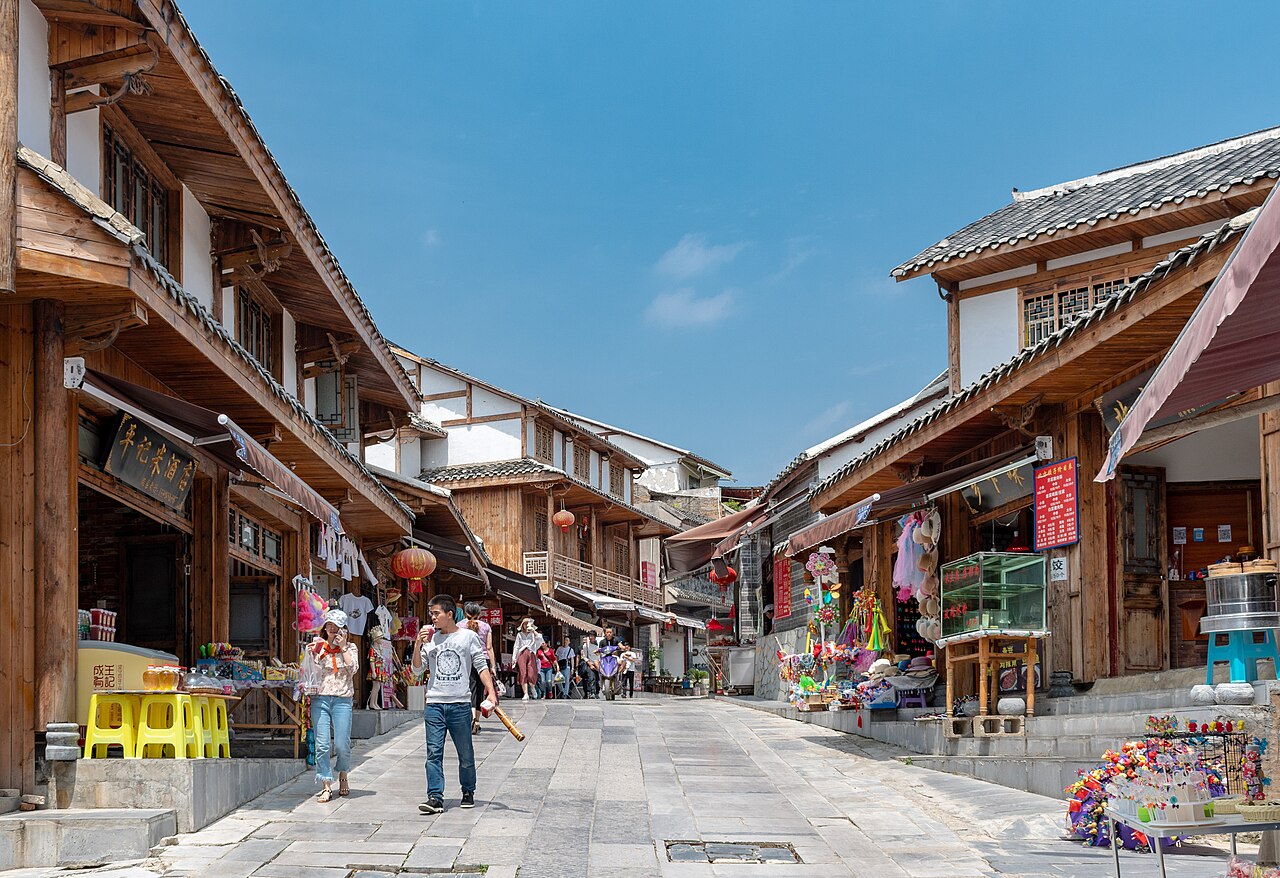
Steam rising off the green sulphur pools at Beitou's Hell Valley

We got lost in Ximending and a teenage boy came up to us — I assumed he wanted to drag us into a hair salon, like everywhere else. He just smiled, asked where we were from, whether we were travelling independently, and told us to enjoy Taiwan. A single stop, a single kind sentence, and it stuck with me longer than any of the food.

Panda Ai Travels, 'A Nostalgic Old-Town Trip with My Best Friend'

China Airlines NX609 carried us out of Taipei but it couldn't carry away the warmth this city left on us in a week. Taipei is the kind of place where even the winter rain is gentle enough to make you a little drunk on it.

CS Xiaodaren, 'My 2011 Wedding Photography Trip'

Taipei is a city you accidentally fall for. You come for the 508-metre tower and the dumplings, and you leave remembering the stranger who walked you four blocks to your hotel because your map was upside down. It is dense, humid and loud in the way all Asian capitals are loud — scooters pouring off the bridges, temple incense drifting over a seven-lane road — and yet somewhere in the middle of it there is always a wooden bench, a cup of oolong and someone telling you to sit down and rest.

The city runs on the MRT, and the MRT runs like a Swiss watch. Ten lines fan out from Taipei Main Station and reach almost everything a visitor wants: Longshan Temple in the old riverside quarter of Wanhua, the museums at Shilin, the hot springs at Beitou, the tea hills and cable car at Maokong, and the harbour town of Tamsui at the end of the red line. Fares run NT$20–50, trains come every three to five minutes from 06:00 to midnight, and eating or drinking on the platform will earn you a fine and a very polite telling-off.

What surprises people most is the scale of the small stuff. A bowl of oyster vermicelli costs NT$55 and you eat it standing in the street. A night in a hostel bunk costs NT$400–550. A 20-minute soak in a volcanic spring costs NT$70. Meanwhile the National Palace Museum quietly holds the finest collection of Chinese imperial art on earth, and Eslite's Dunnan store stays open around the clock so you can browse art books at 3am. Taipei is not an expensive city pretending to be cheap — it is genuinely, stubbornly good value.

Taipei

Don't leave without

Seven things that are worth rearranging a day for.

  1. Ride the world's fastest lift to Taipei 101's 89th floor and stay for the 21:15 last entry, when the city lights come on
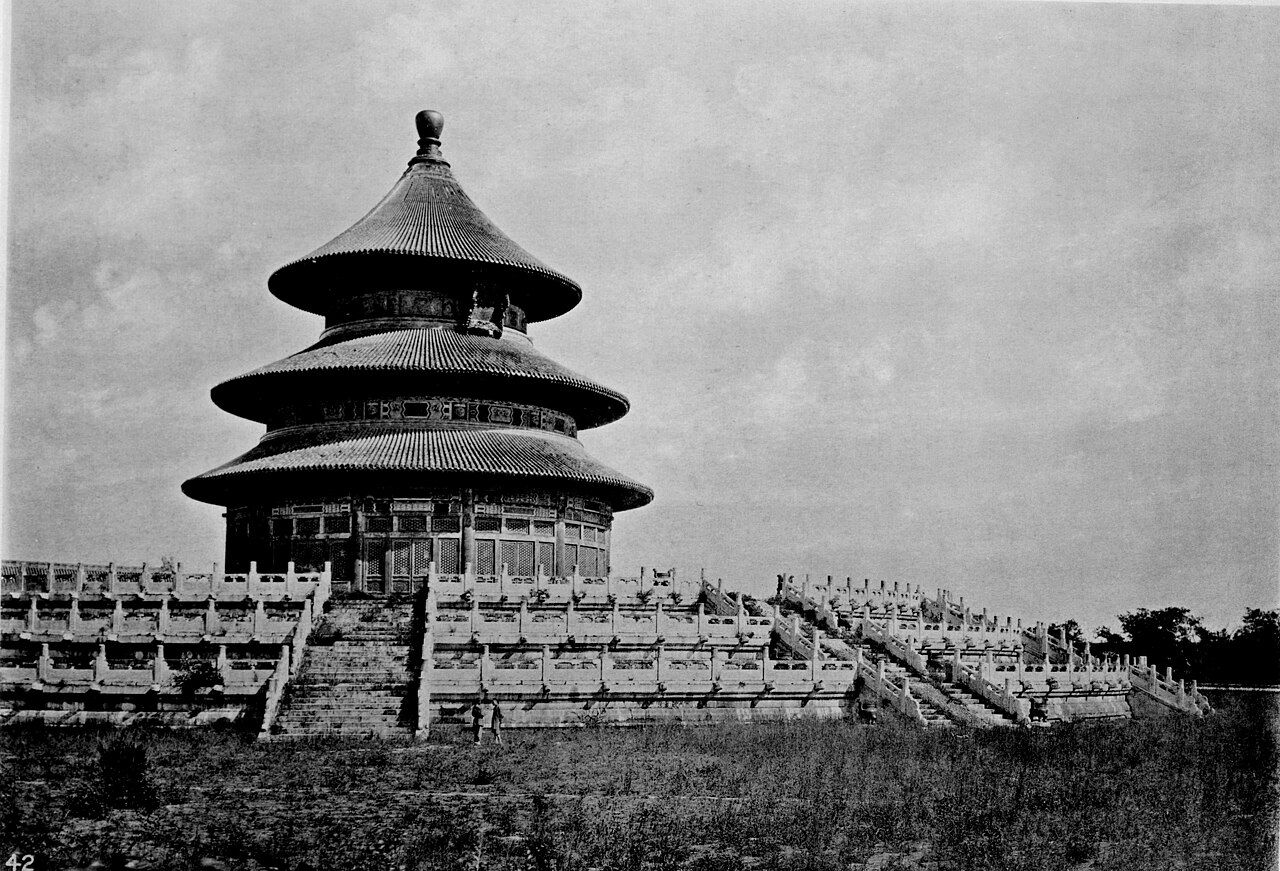
  2. Stand in the incense smoke at Longshan Temple, built in 1738 and still packed at 7am with people chanting
  3. Eat your way down Shilin Night Market — huge fried chicken, oyster omelette, and the candied-fruit stall everyone queues for
  4. Soak in a NT$70 public hot-spring bath in Beitou, then walk the steaming green sulphur pools at Hell Valley
  5. Take the Maokong gondola up for tea at sunset, when the whole Taipei basin turns orange below you
  6. Cycle the riverside path at Tamsui to Fisherman's Wharf and watch the sun drop behind Lover's Bridge

Highlights

Five things Taipei does better than almost anywhere

Taipei 101, the thermometer of the

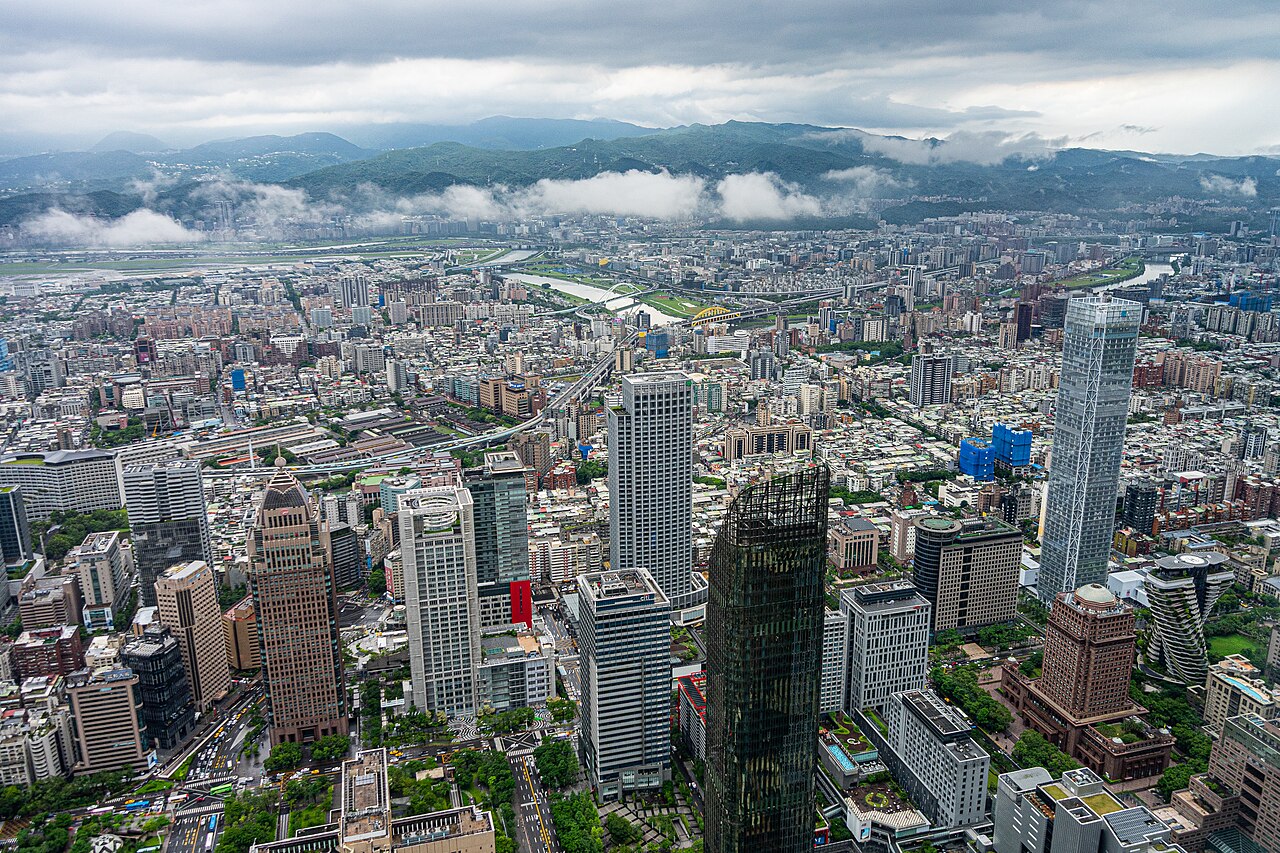
At 509 metres it was the world's tallest building from 2004 to 2010, and the elevator still rockets you to the 89th-floor observatory in 37 seconds. Tickets are NT$400 full fare, NT$370 concession, plus NT$100 if you want the outdoor deck. Open daily 10:00–22:00, last tickets sold at 21:15 — go 30 minutes before sunset and you get daylight, dusk and the neon grid in one visit.
Night markets that are a full even

Shilin is the biggest and the most touristed, Raohe the best-value, Ningxia the local favourite. Come hungry with three or four friends, buy one portion at a time and share — NT$50–200 per dish means you can eat eight things for under NT$500. Rule of thumb: join whichever stall has the longest queue.

Ximending, the youngest and loudes

Pedestrian-only streets packed with Japanese and Korean labels, indie boutiques, cinemas and street performers. The 1908 red-brick Ximending Red House has been reborn as a design and craft incubator. Take MRT to Ximen, Exit 6, and eat your way through Ah Zong Mian Xian, Chengdu Star Fruit Ice and Lao Tian Lu braised snacks.

Eslite, a bookstore that never clo

The Dunnan branch on Dunhua South Road trades 24 hours a day; the Xinyi store runs 10:00–24:00 Sunday to Thursday and to 02:00 on Friday and Saturday. Wooden floors you're welcome to sit on, a coffee smell the moment you push the door, and English-language shelves that will cost you an extra suitcase.

Mengjia, where the old city still

Longshan Temple was founded in 1738 and still fills with incense and chanting from early morning. Walk five minutes to Bopiliao Historic Block for the Qing-era brick lanes, then squeeze into Huaxi Street Tourist Night Market for snake soup and squid thick soup. One MRT stop, three centuries.

Itinerary

Two three-day routes that actually fit the MRT map

Classic Taipei: old town, skyline,

3 days days

The first-timer's loop. You never travel more than 40 minutes between stops, and every night ends at a night market. Buy an EasyCard at any station — NT$200 including NT$100 deposit, and you get 20% off every MRT ride.

  1. Day 1

    Old town on foot, night market by

    Start at Longshan Temple before 9am while the incense is still thick, walk to Bopiliao Historic Block, then ride two stops to Chiang Kai-shek Memorial Hall for the 10:00 guard-changing ceremony in Liberty Square. Afternoon in Ximending — the Red House, the tattoo lane, the cinemas — then finish at Huaxi Street or Ningxia Night Market.

    Stops: Longshan TempleBopiliao Historic BlockChiang Kai-shek Memorial HallLiberty SquareXimendingNingxia Night Market

  2. Day 2

    Palace Museum, hot springs, the sk

    Be at the National Palace Museum for opening at 09:00 — 650,000 objects, about 8,000 on show at any time, and a full walk-through is said to take 30 years. Ride the Red 30 bus back to Shilin, then MRT to Xinbeitou for the Hot Spring Museum, Geothermal Valley and a NT$70 public soak at Longnai Tang. Be at Taipei 101 by 17:00 for the sunset slot.

    Stops: National Palace MuseumShilinXinbeitou Hot Spring MuseumGeothermal ValleyTaipei 101 Observatory

  3. Day 3

    Tamsui, the river mouth, the sunse

    Take the MRT to the end of the line and spend the whole day in Tamsui: the old street, Fort San Domingo, Aletheia University, Tamkang High School and the Lovers' Bridge at Fisherman's Wharf. If you have energy left, take the ferry across to Bali for the riverside bike path, or swing back through Shilin Night Market on the way home.

    Stops: Tamsui Old StreetFort San DomingoAletheia UniversityFisherman's WharfLovers' BridgeShilin Night Market

Slow Taipei: tea hills, art villag

3 days days

For the second visit, or anyone who wants fewer queues and more sitting down. Half the days are spent above the city on tea terraces or in former factory buildings, and you'll ride the gondola twice.

  1. Day 1

    Yangmingshan and Beitou in one slo

    Bus 260 or the Red 5 from Jiantan MRT up to Yangmingshan. Walk the Xiaoyoukeng fumaroles — steam pours out of the vents year-round — then take a taxi to a hot-spring restaurant for lunch. Come down through Beitou in the afternoon, and finish at the hillside Taipei Public Library Beitou Branch, the wooden building everyone calls the library in the woods.

    Stops: YangmingshanXiaoyoukengBeitouTaipei Public Library Beitou Branch

  2. Day 2

    Maokong tea and the gondola

    MRT to Taipei Zoo, then the Maokong Gondola up — NT$30 for one stop, NT$40 for two, NT$50 for three, half price with a concession card, closed Mondays. Spend the afternoon in a teahouse: Yaoyue and Hanshe are the famous ones, and the system is a per-person tea-water fee (NT$120 in the daytime, NT$140 after 6pm, NT$180 after midnight) plus the leaf itself, from NT$200 for jasmine to NT$600 for top oolong. Unlimited refills.

    Stops: Taipei ZooMaokong GondolaYaoyue TeahouseMaokong tea terraces

  3. Day 3

    Songshan Cultural Park, Treasure H

    Morning at the Songshan Cultural and Creative Park, a 1937 tobacco factory turned into Taipei's answer to 798 — Baroque garden, warehouses, boiler room, all now galleries and design shops. Afternoon at Treasure Hill Artist Village near Gongguan, a squatter settlement that escaped demolition and became an artist colony. Walk over to National Taiwan University for the palm-lined Royal Palm Boulevard and a carton of the campus dairy's milk.

    Stops: Songshan Cultural and Creative ParkTreasure Hill Artist VillageNational Taiwan UniversityGongguan Night Market

Sights

The five stops worth planning your day around

Museum · Shilin

National Palace Museum

The world's largest collection of Chinese imperial art — more than 650,000 pieces, with roughly 8,000 on display at a time and the rest rotated every three to six months. The bronzes, jades, ceramics and calligraphy are the reason many people come to Taipei at all.

Address
No. 221, Sec. 2, Zhishan Rd, Shilin District
Tickets
NT$160 exhibition hall, NT$20 Zhishan Garden
Hours
Sun–Fri 09:00–17:00, Sat 09:00–20:30, closed Mondays and national holidays
Getting there
MRT Shilin, transfer to bus Red 30; or buses 213, 255, 304, 18, 19 to the museum gate

Tip Go on a Saturday evening — it stays open until 20:30 and the tour groups have gone. Under-30s can apply for a Youth Travel Card on the spot at the airport or Taipei Main Station tourist service centre and get discounted admission here and at Taipei 101.

Landmark · Xinyi

Taipei 101 Observatory

509.2 metres of glass and steel, with a lift that covers the climb to the 89th floor in 37 seconds — it was the fastest passenger elevator in the world when the tower opened. The facade is lit in a different colour of the rainbow each night. Below the observation deck, floors B1 to 5 are a fashion mall.

Address
No. 45, Shifu Rd, Xinyi District
Tickets
NT$400 full, NT$370 concession, NT$100 extra for the outdoor deck
Hours
Daily 10:00–22:00, last admission 21:15
Getting there
MRT Taipei City Hall Exit 2 and walk 10 minutes, or take the free Taipei 101 shuttle from the station every 20 minutes

Tip Buy online to skip the ticket queue, and time your slot for about an hour before sunset. The free shuttle from City Hall MRT saves you a sweaty 15-minute walk in summer.

Temple · Wanhua

Longshan Temple and Mengjia

Founded in 1738 and dedicated to Guanyin, Longshan is the spiritual heart of the old city — the neighbourhood that gave Taipei its first commercial life. Incense smoke, chanting and fortune-tellers spill into the surrounding lanes, and the Bopiliao brick-lined historic block is a five-minute walk away.

Address
No. 211, Guangzhou St, Wanhua District
Tickets
Free
Best time
Early morning for the chanting; the 15th and 30th of each lunar month for the biggest crowds
Getting there
MRT Longshan Temple Station, Bannan Line, one stop from Ximen

Tip Pair it with Huaxi Street Tourist Night Market and the Qing-era lanes at Bopiliao — one MRT stop covers a whole afternoon of old Taipei. Watch the lantern festival here if you're in town for Lunar New Year.

Monument · Zhongzheng

Chiang Kai-shek Memorial Hall and

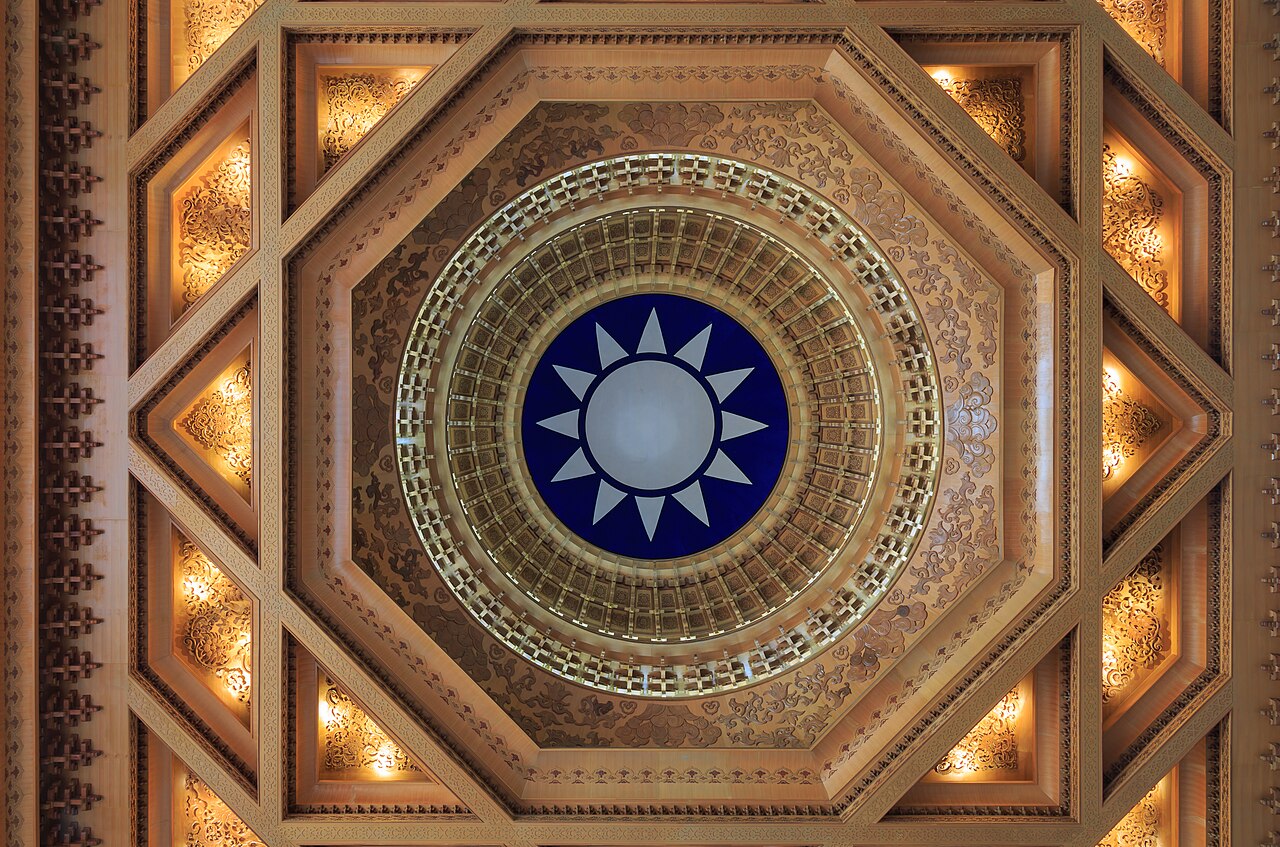
The white hall with the blue octagonal roof is the image most people carry of Taipei before they arrive: pigeons, flagstones, and the great open sweep of Liberty Square with the National Theater and Concert Hall facing each other across it. The guard-changing ceremony is the reason most visitors time their arrival.
Address
No. 21, Zhongshan South Rd, Zhongzheng District
Tickets
Free
Hours
Hall 09:00–18:00; guard changing on the hour, 10:00–16:00
Getting there
MRT Chiang Kai-shek Memorial Hall Station; buses 15, 18, 20, 22, 37, 204, 208

Tip Come at 09:50 for the 10:00 ceremony and you'll get the front rank before the coach groups arrive. The Presidential Office Building is a 15-minute walk away — weekdays 09:00–12:00 you can register and join a free volunteer-guided tour of the ground floor, though you must be inside by 11:30.

Hot springs · North Taipei

Beitou and Yangmingshan

Beitou's sulphur springs have been famous since the Japanese colonial era, when the bathhouses were named Longnai Tang, Xingnai Tang and Tienai Tang for their particular waters and cures. Above it, Yangmingshan is Taipei's back garden — fumaroles at Xiaoyoukeng, cherry blossoms and calla lilies from mid-February to early April, and hot-spring restaurants tucked into the hillsides.

Public bath
Longnai Tang NT$70 per person for 30 minutes in the communal pool, NT$100 per person for a family pool
Hours
Beitou hot spring area 08:30–21:00
Getting there
MRT to Xinbeitou; or buses 216, 266, 230. For Yangmingshan, bus 260 or Red 5 from Jiantan MRT
Don't miss
Taipei Public Library Beitou Branch, the 'library in the woods', and the Hot Spring Museum and Geothermal Valley

Tip Winter is the best season here — soaking in a steaming pool while rain drifts through the mist is the classic Taipei experience. Bring your own swimsuit and towel, and note that public pools expect men to wear trunks rather than short shorts.

Food

Five things you have to eat in Taipei

Beef noodle soup

Taipei's unofficial civic dish. Braised beef shank, soy-and-star-anise broth, thick chewy noodles, a spoon of pickled mustard greens. Lin Dong Fang off Bade Road is the one locals argue about; a bowl runs NT$200–260 and the queue moves fast.
Xiaolongbao at Din Tai Fung

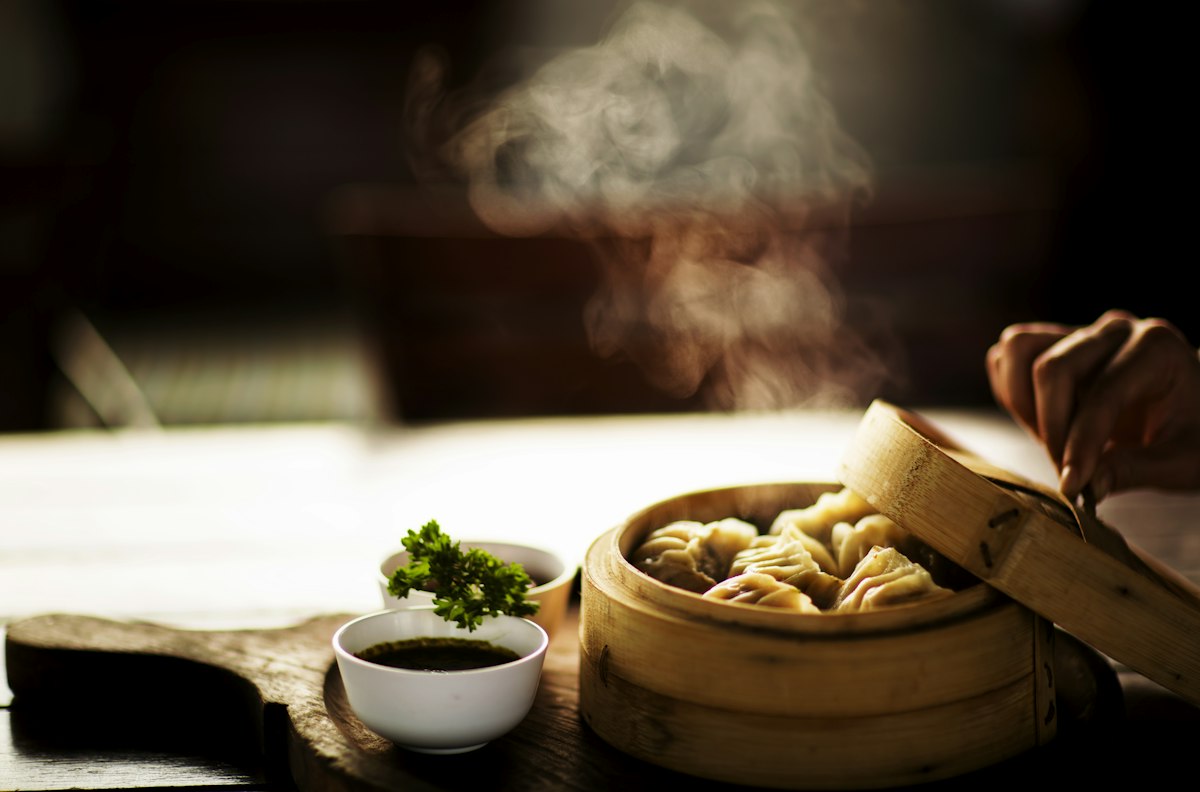
The soup dumpling that made Taiwan famous abroad — NT$180 a steamer at the Xinyi Road original near Yongkang Street, open 10:00–21:00 weekdays and from 09:00 weekends. Order the pork dumplings, the shrimp-and-pork shao mai and the hot-and-sour soup; skip anything fried.
Oyster vermicelli (o-a mi sua)

Ay-Chung Flour-Rice Noodle on Emei Street in Ximending has been slinging this since 1975, NT$40–55 a bowl, 11:00–22:30 (23:00 weekends). No tables — you stand on the pavement and eat, which is half the experience. Thick starchy broth, braised pork intestine, plump oysters.

Night market small plates

Shilin is the biggest and most tourist-heavy; Raohe, Ningxia and Huaxi are where locals actually eat. Budget NT$300–400 and graze: pepper buns at Raohe's Fuzhou Shizu stall, oyster omelette, deep-fried chicken bigger than your hand at Shilin, and mango shaved ice to finish.

Tropical fruit you can't take home

Wax apple (lian wu), sugar apple (shi jia), guava dusted with plum powder and Taiwan pineapple. Fruit can't cross most borders, so eat it here — buy from a fruit shop or a traditional market rather than a night-market stall, where the price per jin can triple for tourists.

Where to eat

Four restaurants worth planning a day around

Soup dumplings

Din Tai Fung (Xinyi Road original)

The founding branch, still on the ground floor of a plain building on Xinyi Road Section 2. Go before 11:30 or after 14:00 to avoid the ticket-and-wait system. The kitchen window where the dumplings get pleated is worth two minutes of your time.

Address
No. 194, Section 2, Xinyi Road, Da'an District (Yongkang Street corner)
Hours
10:00–21:00 weekdays; 09:00–21:00 weekends
Phone
02-2321-8928
Price
NT$180 per steamer of xiaolongbao; NT$400–600 per person with sides
Booking
No reservations — take a number and wait

Beef noodles

Lin Dong Fang Beef Noodle

A bare-bones noodle shop near Zhongxiao Fuxing that opens at 11:00 and runs until 06:30 the next morning, so it doubles as a late-night fix. The broth is rich and the noodles have real bite; the room is cramped and nobody minds.

Address
No. 274, Section 2, Bade Road, Zhongshan District
Hours
11:00–06:30 daily
Phone
02-2752-2556
Price
NT$200–260 per bowl
Order
Half tendon, half beef, with extra pickled greens

Street food

Ay-Chung Flour-Rice Noodle

A Ximending institution since 1975 and the best NT$50 you'll spend in Taipei. You eat standing up on Emei Street, bowl in one hand. The queues look terrifying and clear in five minutes because the turnover is relentless.

Address
No. 8-1, Emei Street, Wanhua District (Ximending)
Hours
11:00–22:30; until 23:00 weekends
Phone
02-2388-8808
Price
NT$40–55 per bowl
Tip
Add chilli and vinegar at the counter before you take the first bite

Neighbourhood eating

Yongkang Street cluster

The lanes around Din Tai Fung are the densest restaurant zone in the city: Kao Chi for Shanghai-style dishes, Yongkang Beef Noodle, Smoothie House for mango shaved ice, and a dozen small coffee shops in between. Come hungry and walk it.
Address
Yongkang Street, Da'an District (MRT Dongmen, exit 5)
Hours
Most places 11:00–21:00; some close Mondays
Price
NT$150–400 per person per stop
Best time
Weekday lunch, when the office crowds are still at their desks
Getting there
MRT Dongmen Station, 3 minutes on foot

Where to stay

Three bases, and what each one buys you

Splurge · Xinyi

W Taipei

Directly above the Xinyi shopping complex and connected to the metro without going outside — you can eat, shop and reach the platform in slippers. The 10th-floor bar is the reason people book it. Rooms are stylish but the hardware is ordinary for the price.
Address
No. 10, Section 5, Zhongxiao East Road, Xinyi District
Phone
+886 2 7703 8888
Price
From NT$10,000 per night
Why here
Taipei 101, Xinyi malls and MRT all within a five-minute walk
Trade-off
You pay for the location and the bar, not the room fittings

Budget · Zhongshan

Taipei Home Stay International

The only government-registered hostel in central Taipei, which is why it books out two months ahead. Forty-odd bus routes pass nearby, the airport bus stops at the door and MRT Xingtian Temple is across the street. Dorms are NT$550 a bed, doubles NT$1,380, family rooms NT$2,200.

Address
11F, No. 293, Songjiang Road, Zhongshan District
Phone
+886 2 2503 5819
Price
NT$550 per dorm bed; NT$1,380 double; NT$2,200 four-person family room
Booking
Two months ahead in high season — it fills fast
Getting there
Airport bus direct; MRT Xingtian Temple opposite

Mid-range · Taipei Main Station

Huaining Hotel

Wedged between Taipei Main Station and Ximending, which makes it the most practical base for a short trip: you can walk to the Presidential Office, 228 Peace Park and the botanic garden. European-style rooms around a pretty little courtyard, NT$2,280–3,480.

Address
No. 1, Huaining Street, Zhongzheng District
Phone
+886 2 2311 4811
Price
NT$2,280–3,480 per night
Why here
Walkable to Ximending, Taipei Main Station and the museum district
Website
keymans.com.tw

Getting around

How to reach Taipei and move through it

Arriving by air

Taoyuan International Airport (TPE) sits about 40 km southwest of the city; Songshan Airport (TSA) is right in the city and handles the Shanghai–Taipei Hello Kitty flights. From Taoyuan, seven coach companies run fixed daily services to Taipei from the arrivals hall on the ground floor — NT$110–140 one way, roughly one hour. A metered taxi to Taipei adds 15% to the clock and lands around NT$1,300.

Taoyuan coach fare
NT$110–140, about 1 hour
Taoyuan taxi to Taipei
About NT$1,300, meter plus 15%
Songshan Airport
Muzha–Neihu MRT line straight into town
Airport info lines
T1 03-398-2143; T2 03-398-3274

MRT (metro)

The MRT is clean, cheap and covers nearly every sight you came for. Fares start at NT$20 and top out around NT$50 for the longest rides. Trains run 06:00–24:00. A one-day pass costs NT$200 for unlimited rides that day (Kong Kong cable car not included) and is refundable minus a NT$50 deposit within three days. Direction-finding is easy — every station is signed in English.

Base fare
NT$20, up to NT$50
Operating hours
06:00–24:00
One-day pass
NT$200, valid the day you activate it
EasyCard
NT$200 (NT$100 deposit), 20% off MRT fares

EasyCard

Buy one the moment you land. The EasyCard works on Taipei MRT and buses, in convenience stores and at many shops, and gives you a 20% discount on MRT rides. Pick one up at any station information desk, the EasyCard machines, or any convenience store with the logo. Refunds are deposit plus remaining balance minus a NT$20 handling fee.

Cost
NT$200 including NT$100 deposit
Where to buy
Station desks, machines, convenience stores
Refund
Deposit + balance − NT$20 fee
Works on
MRT, buses, shops, some taxis

Taxi, bus and bike

Yellow taxis meter from NT$70 for the first 1.5 km, then NT$5 every 300 m; after 11pm add 20%, plus NT$10 each for phone booking and boot service. City buses cost NT$15 (NT$12 for students and police) and don't give change, so have coins ready. For hills and river paths, rent a bike — the Bali side of the Tamsui river has one of the best riverside cycling lanes in the city.

Taxi flagfall
NT$70 for 1.5 km, then NT$5/300 m
Late-night surcharge
+20% between 23:00 and 06:00
Bus fare
NT$15, exact change only
English-speaking taxi
02-2799-7997

Shopping

What to bring home, and where to buy it

Pineapple cakes

Taipei's number-one souvenir. Good ones skip preservatives and keep 30–40 days, around NT$30 a piece — Chia Te, Vigor Kobo and SunnyHills are the names locals argue over. Cheaper tourist-box versions run NT$100 a box with a 12-month shelf life, and they taste like it.

Nougat

Sweet, chewy and packed with peanut and milk flavour, keeps 30–40 days — ideal for handing out at the office. Sugar & Spice, Chia Te and Sakura Grandpa are reliable picks. Tucheng in New Taipei even has a dedicated nougat museum if you want the full story.

Skincare and cosmetics

Japanese and Korean lines that never reach the mainland sit on these shelves, typically 20–30% cheaper, and gift sets can knock nearly half off. 'My Beauty Diary' sheet masks are the cult buy, alongside Kuan Yuan Lian's loofah water. Watsons and Cosmed are the two chains to raid, especially on weekends.

Books and tea

Eslite is a Taipei institution — the Dunnan branch trades 24 hours and the Xinyi store stays open until 02:00 on weekends. Taiwan books are pricey (from about CNY 60–70 each), so hunt the Zhongshan underground book street for permanent discounts, or the second-hand shops near NTU. For tea, Maokong's roasters sell everything from NT$200 jasmine to NT$600 top-grade oolong.

Practicalities

The details that save you a headache

Vegetables, fruit, salted fish and meat cannot be brought into Taiwan. Duty-free allowances are one bottle of spirits, one carton of cigarettes and a little perfume. You may carry in up to NT$60,000 in cash, and must declare foreign currency over US$10,000 or yuan over CNY 20,000 on arrival or the excess is confiscated.

CurrencyNew Taiwan dollar (NT$), roughly 1 CNY = 4.6–4.7 NT$. Notes come in 2000, 1000, 500, 200 and 100; coins in 50, 20, 10, 5 and 1. Bring a UnionPay card — about 80% of ATMs take it, and over 6,000 shops accept it. Change money at the airport, not in Hong Kong.
Power110V with flat two-pin sockets. Most phone and laptop chargers handle 110–220V and work fine; high-draw appliances like hairdryers don't, so borrow one at your hotel. If your laptop charger has a third pin you'll need an adapter.
LanguageMandarin is spoken almost everywhere, in traditional characters that most visitors can read. In the south, ask younger people for directions. Note that 1 is read 'yi', not 'yao'. Handy local terms: mrt = metro, ji che = scooter, fan dian = hotel, hua zhuang shi = toilet, hao kang = discount.
ConnectivityTPE-Free is the city government's free wifi and covers every MRT station, city buildings, libraries and some buses; one account also works on New Taipei and iTaiwan networks. Hotels and hostels almost always have wifi. 7-Eleven has its own network but you must buy a card. Local SIMs are sold at Taoyuan, Songshan and Kaohsiung airports, carrier shops and 7-Eleven — bring two IDs.
Tipping and etiquetteNo tipping. Priority seats on the MRT stay empty even when the carriage is packed — leave them for those who need them. No eating, drinking or chewing gum on MRT platforms or trains. Stand on the right of escalators and let the left side pass. Phones are banned in the first and last carriages.
Opening hours and closuresMany sights and almost all museums close on Mondays — check before you go. The National Palace Museum opens Sunday–Friday 09:00–17:00 and Saturday 09:00–20:30, closed Mondays and public holidays. Taipei 101's observatory runs 10:00–22:00 daily with last tickets at 21:15. Expect crowds on New Year, Lunar New Year and 28 February.
Safety and emergenciesTaipei is very safe, including late at night. Ambulance 119, police 110. If you lose your entry permit, the National Immigration Agency hotline is (+886) 2-2375-7372, 24 hours. Carry your passport — hotels and some sights ask for it.

Background

Two hundred years of the city, read in three streets

From Mengjia to Dadaocheng: how Ta

Taipei's story starts on the river, not on the boulevards. In the Qing dynasty the port of Mengjia — today's Wanhua, built around Longshan Temple — was the trading heart of northern Taiwan, and the old saying went "first Tainan, second Lukang, third Mengjia." When the Tamsui River silted up in the late 1800s, the merchants moved downriver to Dadaocheng, whose Dihua Street still runs with old pharmacies, pawnshops and cloth shops, and whose New Year market is the busiest week of its year. Walk from Longshan Temple MRT to Dadaocheng Pier and you walk the whole 19th century in about an hour.

Why the city feels Japanese in pla

Japan ruled Taiwan from 1895 to 1945 and rebuilt Taipei as an administrative capital: the Presidential Office (finished 1919) is a Baroque-revival former Governor-General's Office, the red-brick Taipei Contemporary Art Museum was a Japanese-era elementary school, and Beitou's hot springs were developed by Japanese bathers who named the baths Takinoyu and Hoshinoyu. The 228 Peace Memorial Park remembers what came after — the 1947 uprising and the long martial-law era that followed — and the 228 Museum inside it (NT$20, free on Wednesdays) is the most honest hour you will spend in the city.

Reading & watching

Three things to take in before you land

Film

Monga (2010)

Dir. Doze Niu

The gangster film that made Wanhua famous again and sent a generation of Taiwanese teenagers into Longshan Temple and Bopiliao Old Street. Watch it, then walk the same lanes — the temple is a two-minute stroll from Longshan Temple MRT.

Book

Taipei People

Pai Hsien-yung

Fourteen short stories about mainlanders who arrived in Taipei in 1949 and never quite arrived. Read it on the MRT and the city's older neighbourhoods — Ximending, Dadaocheng, the lanes behind Taipei Main Station — will look different.

Music

Formosa / 美麗島 and the Witch House

Lo Ta-yu, Deserts Chang, sodagreen

Lo Ta-yu's "Taipei is not my home" is the city's most quoted lyric; Deserts Chang and sodagreen both started in the 100-seat back room of Witch House, the NT$300-a-head cafe opposite NTU where Thursday to Saturday gigs still start at 21:30. It is the cheapest live music in the city.

The questions visitors ask us most about Taipei, answered plainly.

Frequently asked questions

Prices and practical details are reviewed every month by our Beijing team and updated the day a rule changes.

How many days do you need in Taipei?

Four to five full days is right. Three days covers Taipei 101, the National Palace Museum, Longshan Temple, Ximending and one night market. Add a fourth for a Beitou hot-spring afternoon and a Tamsui sunset, and a fifth for Maokong, Yangmingshan or a day trip to Jiufen and Yehliu on the northeast coast.

When is the best time to visit Taipei?

October to December. The autumn months are clear, dry and cool, and typhoons have usually finished by late September. Spring (March–May) is pleasant but showery. Summer is brutally humid at 33–35°C with afternoon thunderstorms, and winter is mild but grey — Taipei's famous drizzle arrives and stays. Cherry-blossom season on Yangmingshan runs mid-February to early April.

Is Taipei expensive to travel in?

No — Taipei is one of the better-value big cities in Asia. An MRT ride is NT$20–50, a bowl of beef noodles NT$150–200, a night-market meal NT$50–100, a hostel bunk NT$400–550 and a mid-range hotel NT$2,500–4,000. A comfortable day including transport, two meals and one paid attraction comes to roughly NT$1,200–1,800 per person.

Do I need cash in Taipei, or can I use a card everywhere?

Carry cash. Convenience stores, department stores and hotels take cards, but night markets, small noodle shops, temples and taxis are cash-only. Use an EasyCard for the MRT, buses and even convenience-store purchases, and withdraw from ATMs at 7-Eleven or FamilyMart — most accept international cards.

How do I get from Taoyuan Airport into central Taipei?

Two good options. The Airport MRT runs to Taipei Main Station in about 35–50 minutes for NT$150–160, roughly every 7–15 minutes from 06:00 to 23:00. Alternatively, the Kuokuang and other coach services take 55–70 minutes to Taipei Main Station for NT$110–140. A taxi costs around NT$1,300 and takes 45–60 minutes depending on traffic.

Is Taipei worth visiting in winter?

Yes, if you pack for rain. December to February sits around 15–20°C with frequent drizzle — locals call it the season for hot springs, and Beitou and Yangmingshan are at their best. It is also the cheapest time for hotels, the museums are quiet on weekday mornings, and the year-end New Year's Eve fireworks at Taipei 101 are the biggest show of the year.

Related reading

Related reading

Visas Do I Need a Visa for China? Requirements, Costs and How to Apply China's entry rules changed more in the last three years than in the previous twenty. Here is exactly who needs a visa, what it costs, how long it takes and which passports now walk straight through. 9 min read Visas China's 240-Hour Visa-Free Transit: Who Qualifies and How It Works Ten days in China with no visa application, no fee and no fingerprints — if you hold the right passport and leave for a third country. Here is the rulebook, port by port. 8 min read Money Paying in China: Alipay, WeChat Pay, Cards and Cash Roughly nine in ten urban payments in China now run through a phone. Set up two apps before you fly, carry a modest cash float, and you will never be stuck at a till. 8 min read Transport China's High-Speed Rail: How to Book, What It Costs, How Fast It Goes The fastest way to cross China is also the most pleasant. Here is how to book a ticket with a foreign passport, what the three classes actually give you, and how to survive a Chinese station at rush hour. 9 min read Planning Best Time to Visit China: Month by Month, Region by Region China is the size of Europe, so 'the best month' depends on where you stand. Here is the month-by-month answer for the north, the Yangtze valley, the south and the plateau. 8 min read Planning What to Pack for China: The Complete 2026 Checklist Twenty thousand steps a day, three climate zones and a phone that has to do everything. This is the list we give our own travellers, minus the things they never used. 7 min read Food Chinese Food Culture: Eight Cuisines, One Table There is no such thing as Chinese food. There is Cantonese, Sichuan, Hunan, Jiangsu, Zhejiang, Fujian, Anhui and Shandong — and knowing which one you are eating changes everything. 8 min read Traditions Chinese Tea Culture: Six Classes, One Pot, Two Fingers Tea in China is not a beverage category, it is a social technology: it fills silences, seals deals and sets the pace of a meal. Here is how to sit down in one and not look lost. 7 min read Traditions Chinese Festivals: The Calendar, the Dates and the Crowds Lunar dates mean the calendar moves every year — and two of the festivals move several hundred million people at once. Plan around them or plan into them, but never by accident. 8 min read Etiquette Chinese Etiquette: What Matters, What Does Not, and Why Most etiquette advice for China is either obvious or wrong. These are the dozen behaviours that actually change how you are treated, and the reasoning behind each. 7 min read

Tell us your dates.
We'll do the rest.

Free itinerary design, a revised plan within one working day, and nothing charged until you approve the final version.

  • An EasyCard costs NT$200 (NT$100 deposit) and gives you 20% off every MRT ride; top it up at any station or 7-Eleven.
  • Taipei 101 tickets are NT$400 (NT$370 concession) with last entry at 21:15; the National Palace Museum is NT$160 and closes Mondays.
  • Shilin Night Market is at Jiantan MRT, not Shilin station — one stop earlier, and everyone gets it wrong once.

No spam. No sales calls. Just a real itinerary from a real person.