City guide · Anhui

Hongcun travel guide: Moon Pond, South Lake, and how to see the Hui village at dawn

A 900-year-old Hui village laid out as an ox, with water running to every door and a mirror-still crescent pond at its heart.

  • Known forMoon Pond · South Lake · Hui architecture
  • Typical spend¥500–800 for a night
  • Ideal lengthOvernight
  • PaceVery slow — dawn water, long lunches, no schedule

Reviewed by our Beijing team Updated 2026-10-10

The short version

Hongcun is a 900-year-old Hui-style village below the Yellow Mountains and a UNESCO World Heritage Site. Give it a half-day for the sights — Moon Pond, South Lake, Nanhu Academy and Chengzhi Hall — but stay one night if you can: entry is ¥104 and valid for three days, and the dawn light on the water is the whole reason people come. Xidi is 30 minutes away, Tachuan 2 km; Huangshan North station is about an hour by road.

  • Entry is ¥104 and valid three days — keep the ticket on you, it is checked inside the village.
  • Reach it via Huangshan North (about 1 hour) or Tunxi (about 1.5 hours by bus).
  • The water is stillest and the lanes emptiest before 8am; tour groups peak mid-morning.
  • Stay inside the village to avoid re-buying tickets and to get the dawn to yourself.
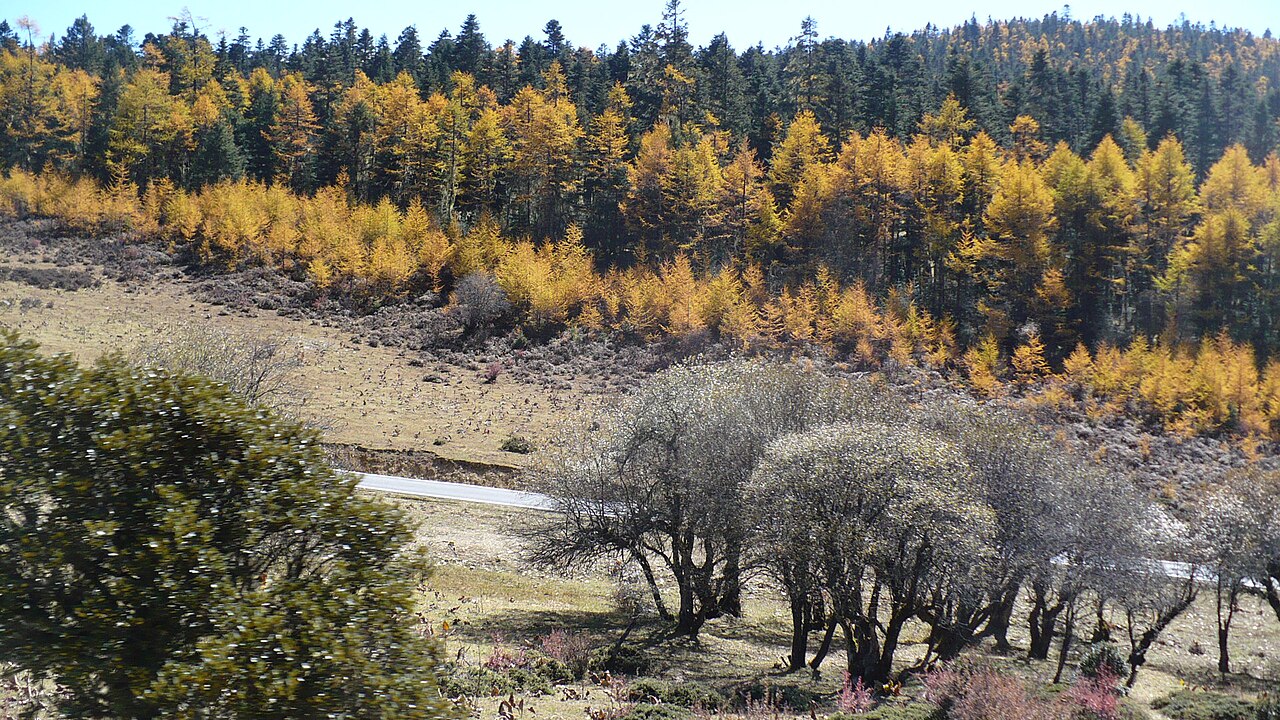
  • Add Xidi (30 minutes) and Tachuan, famous for autumn colour, 2 km down the road.

City guide

First impressions

Photographs from the coast, and what other travellers wrote afterwards.

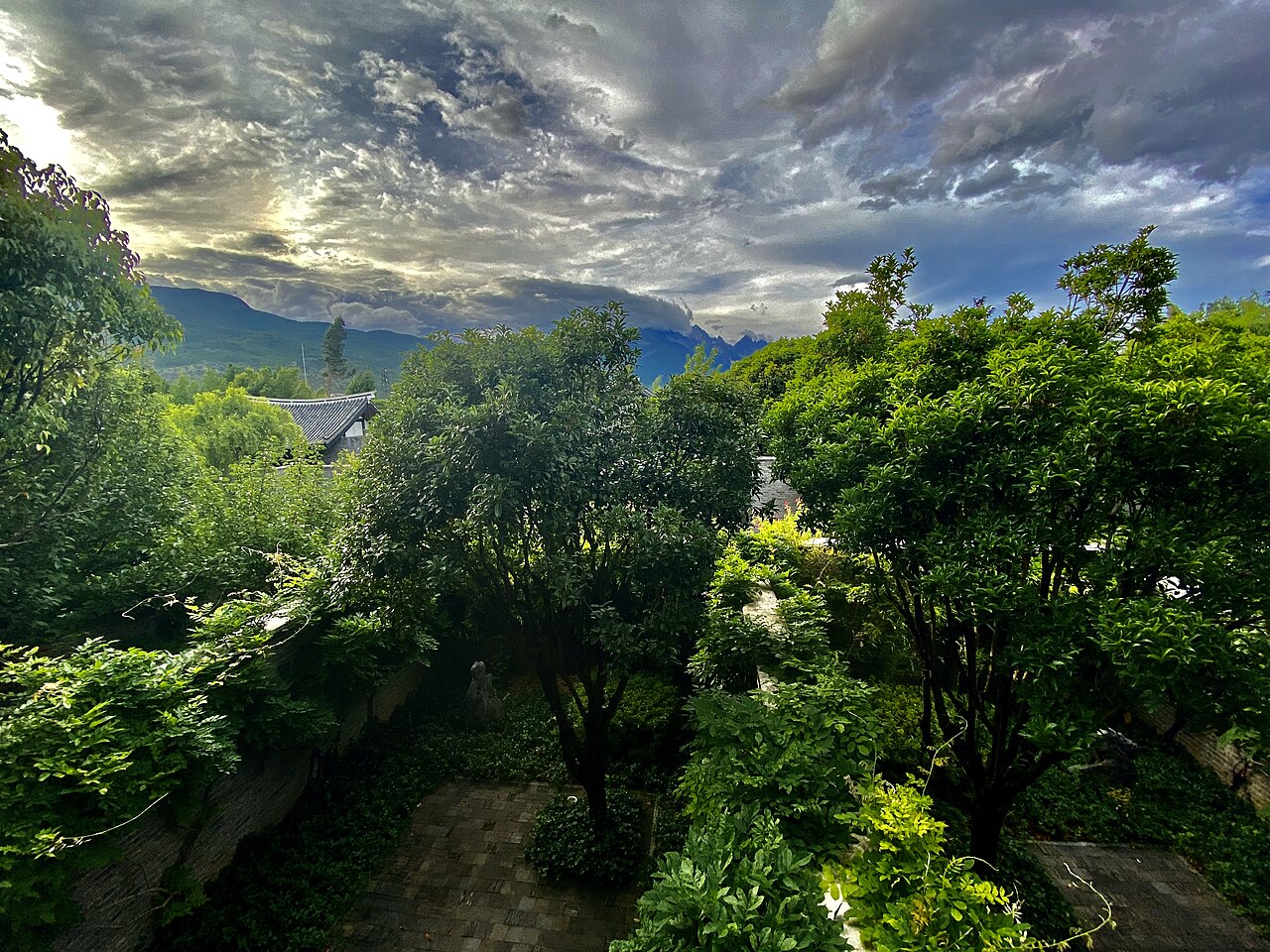
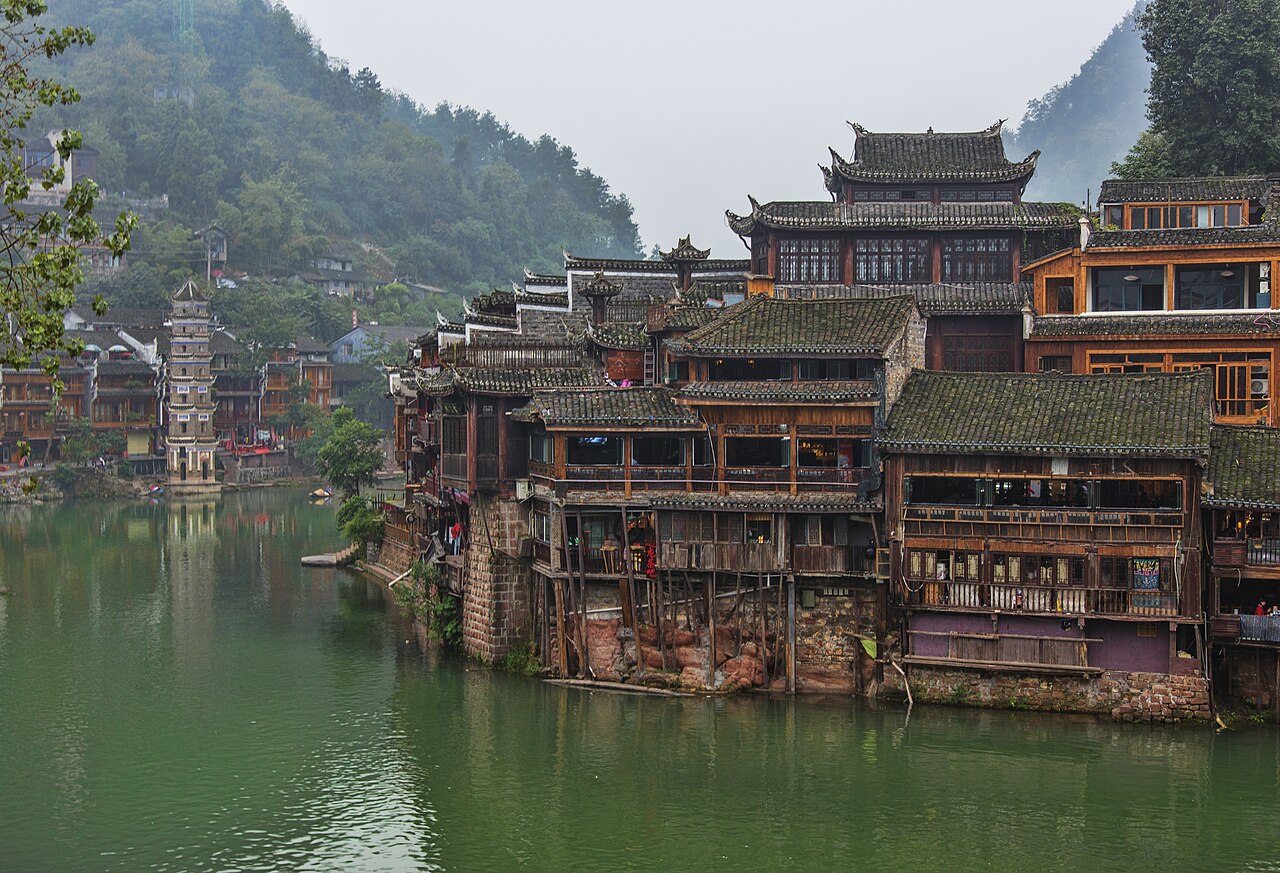
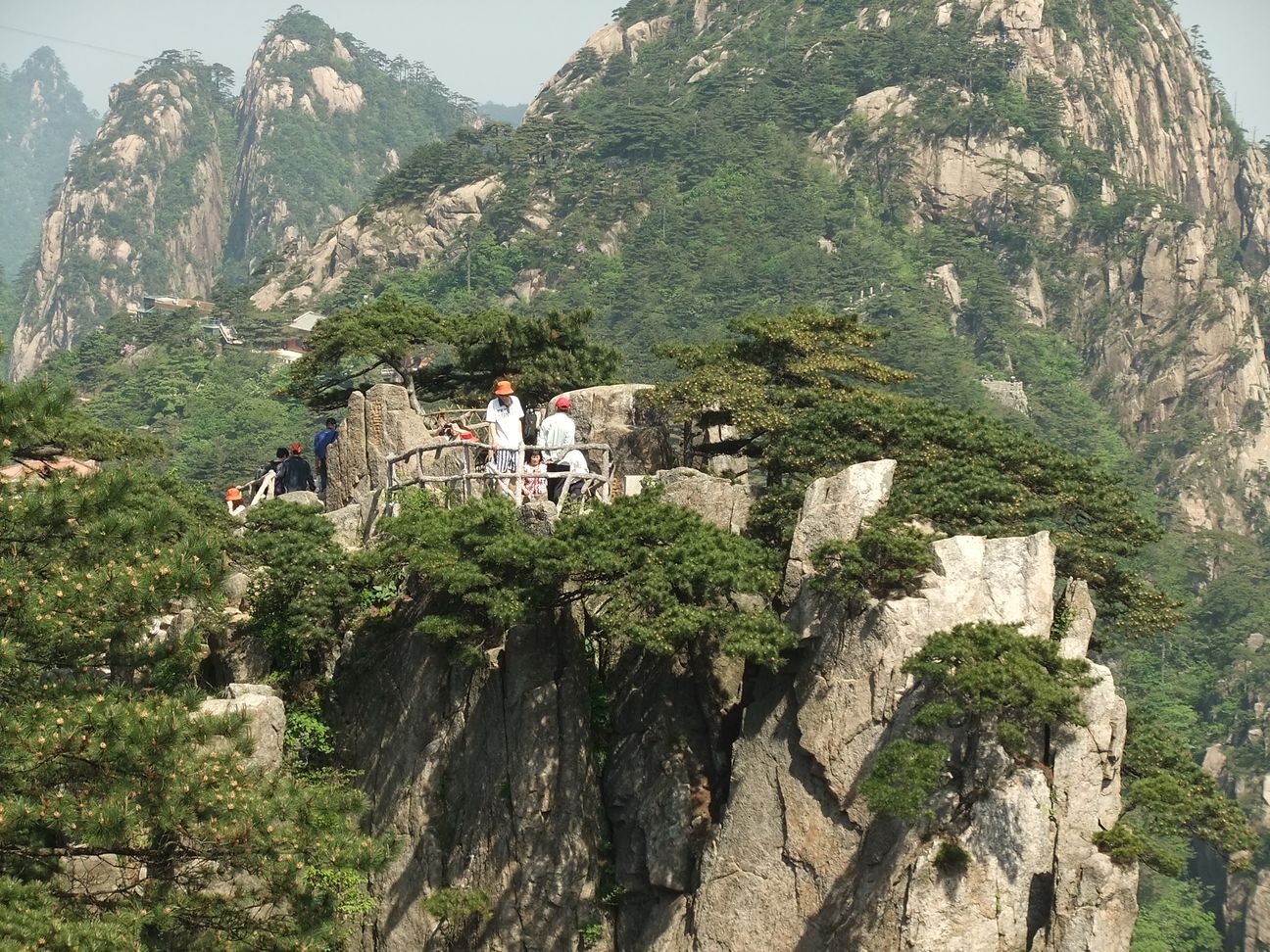
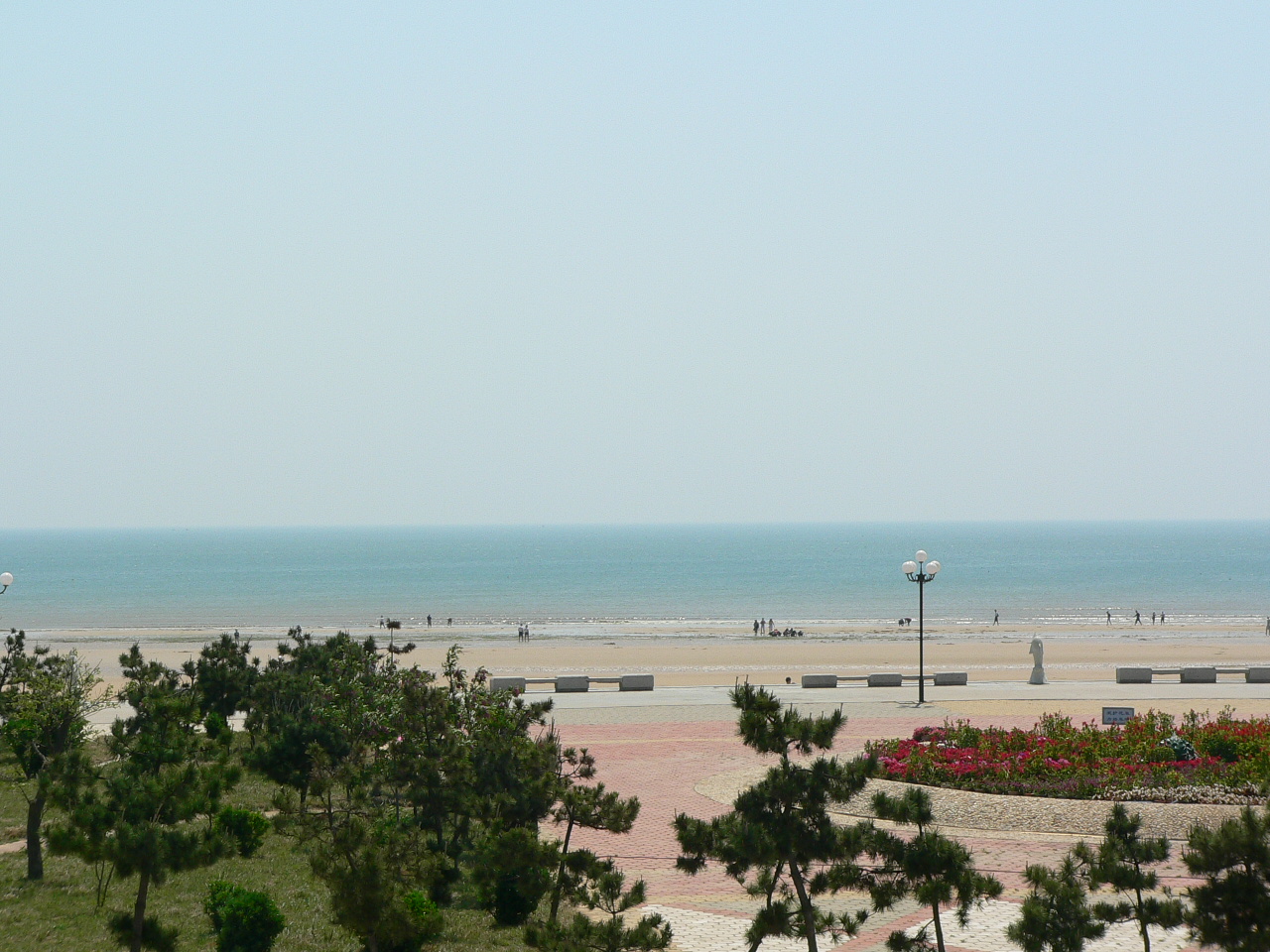
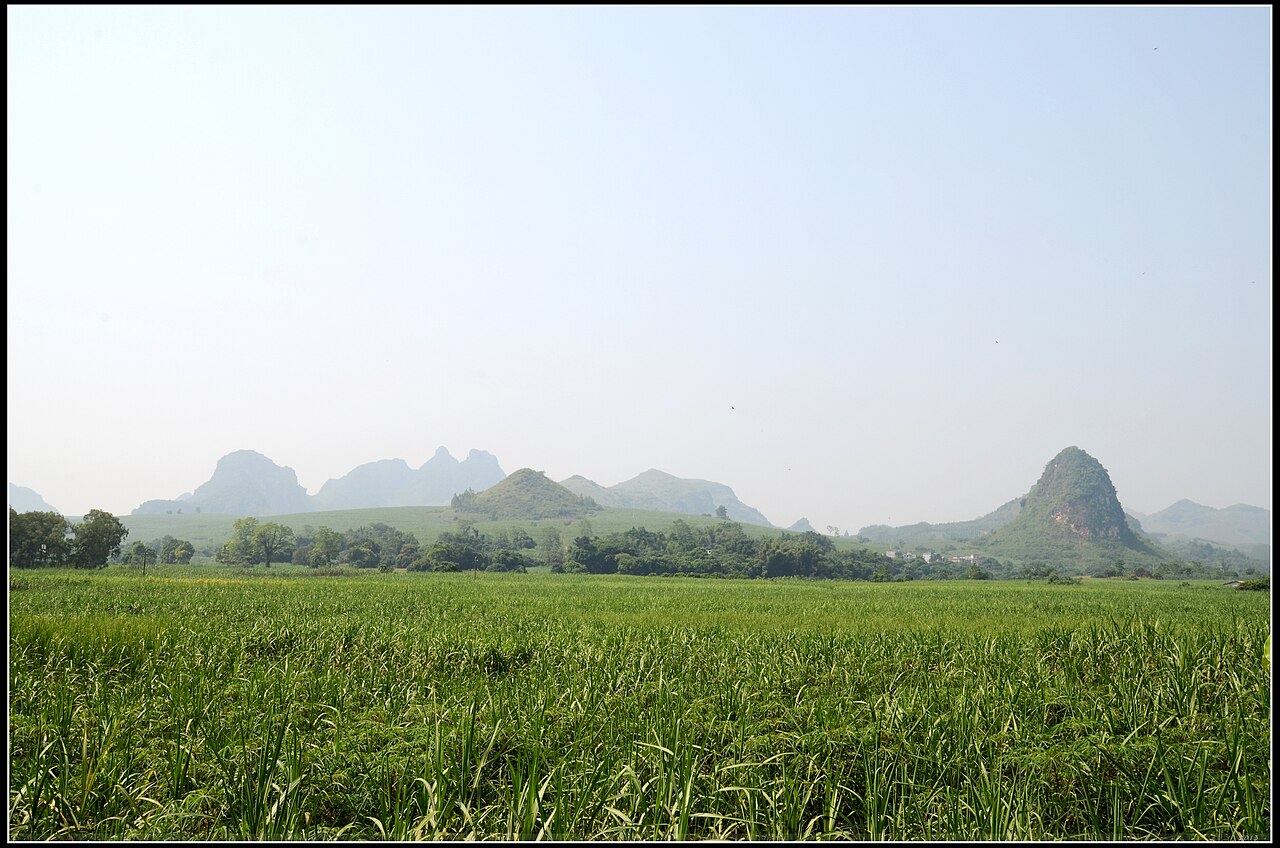
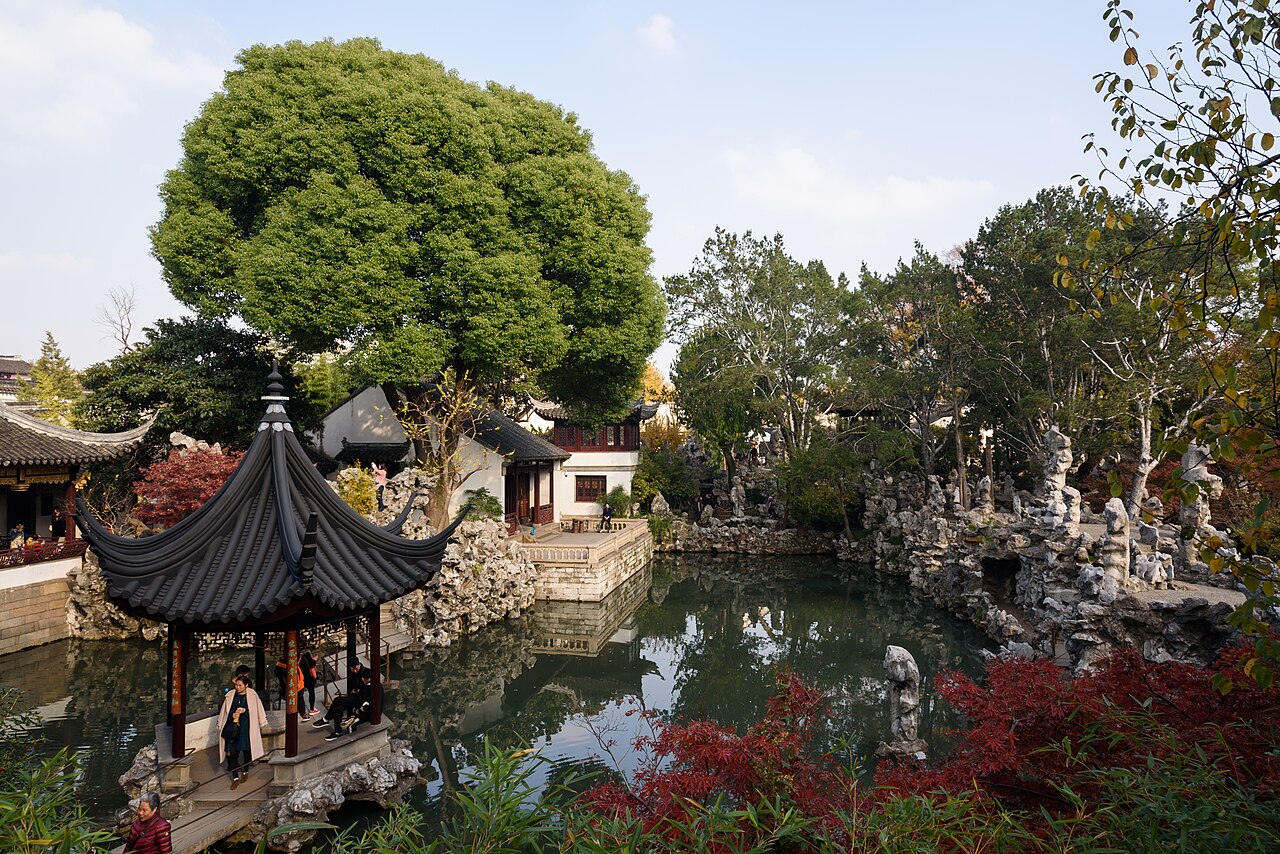
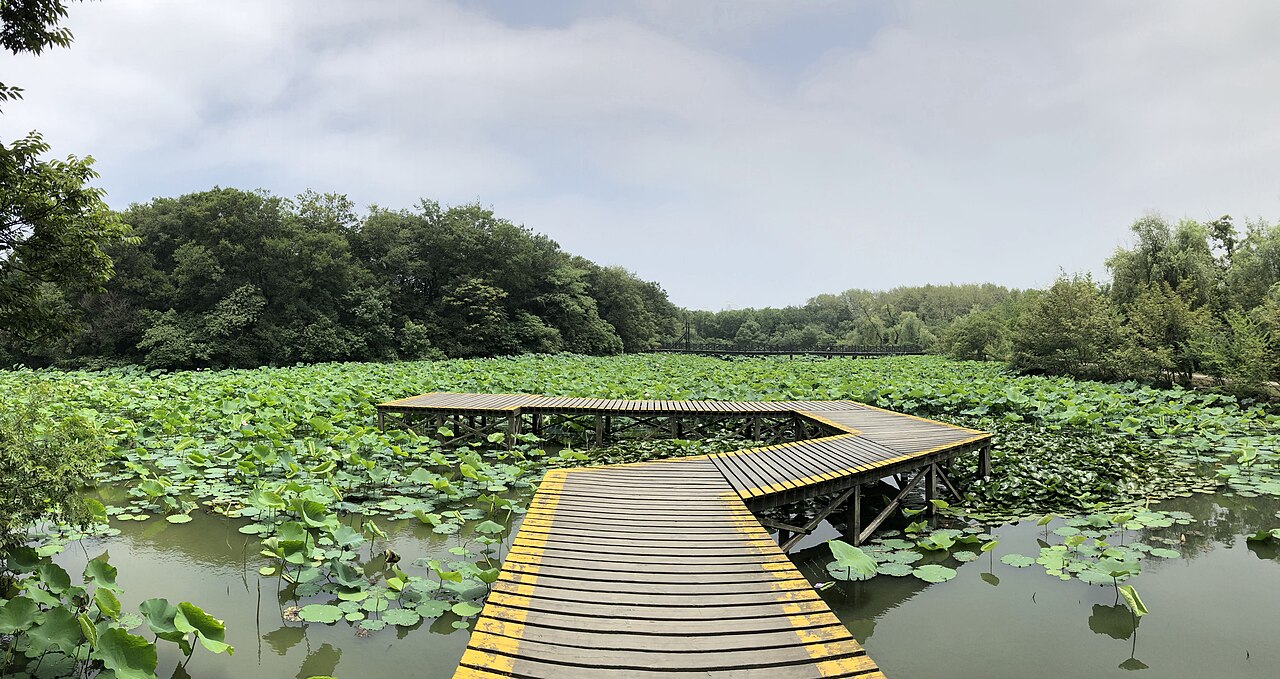
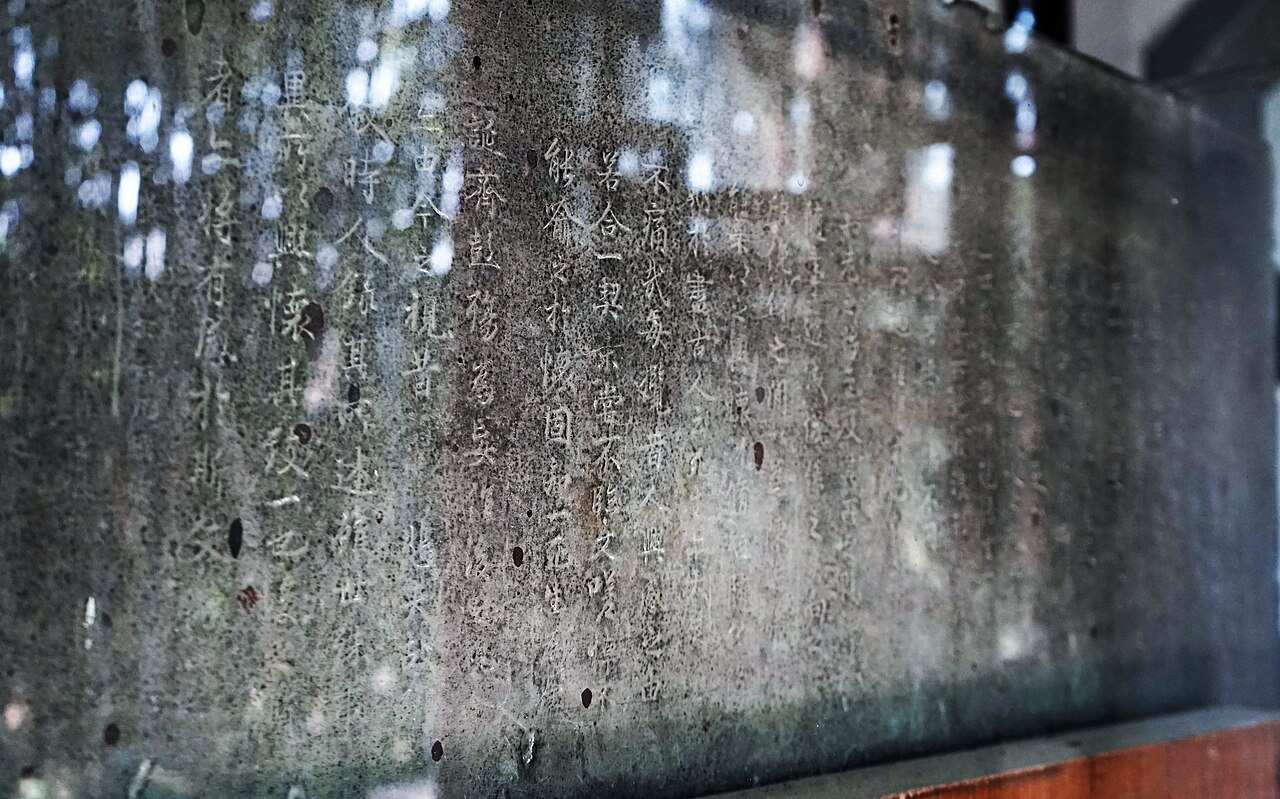
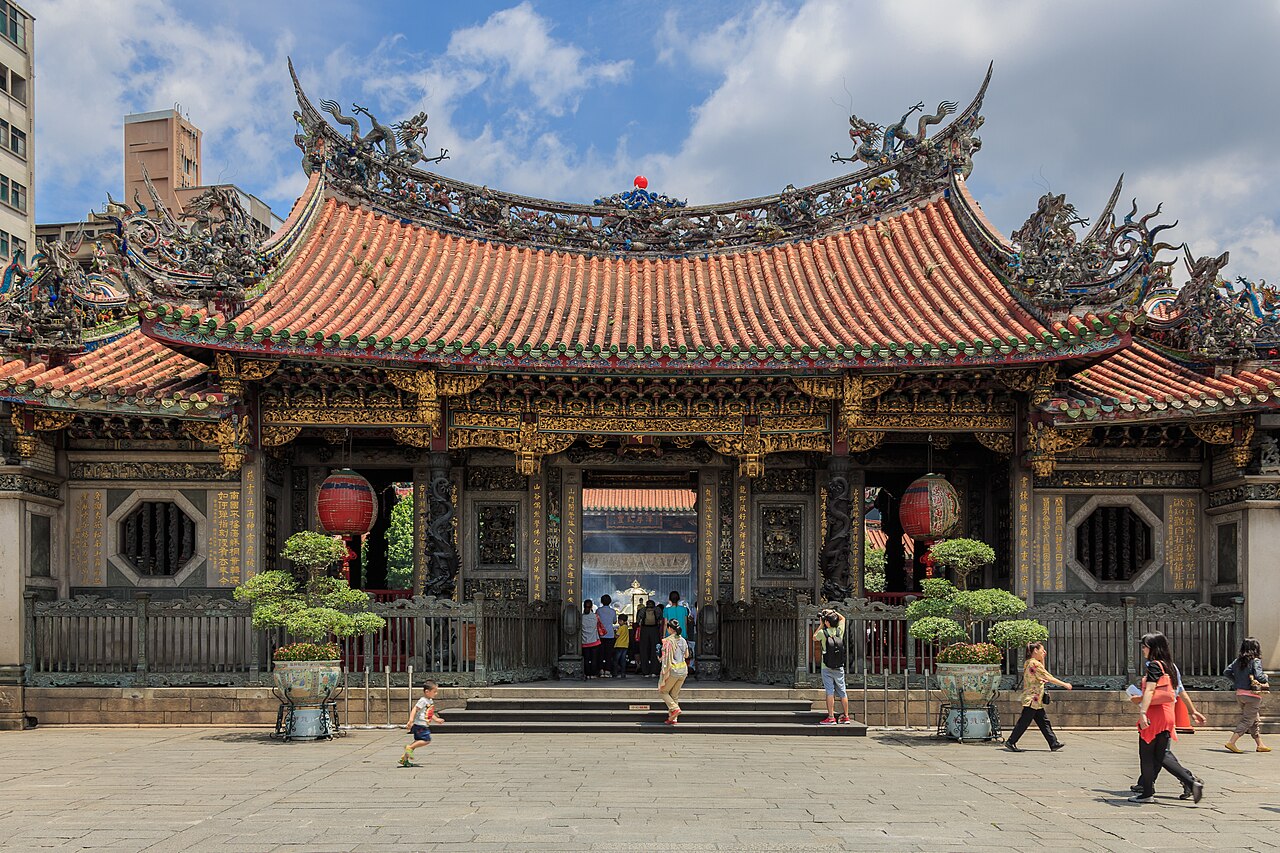
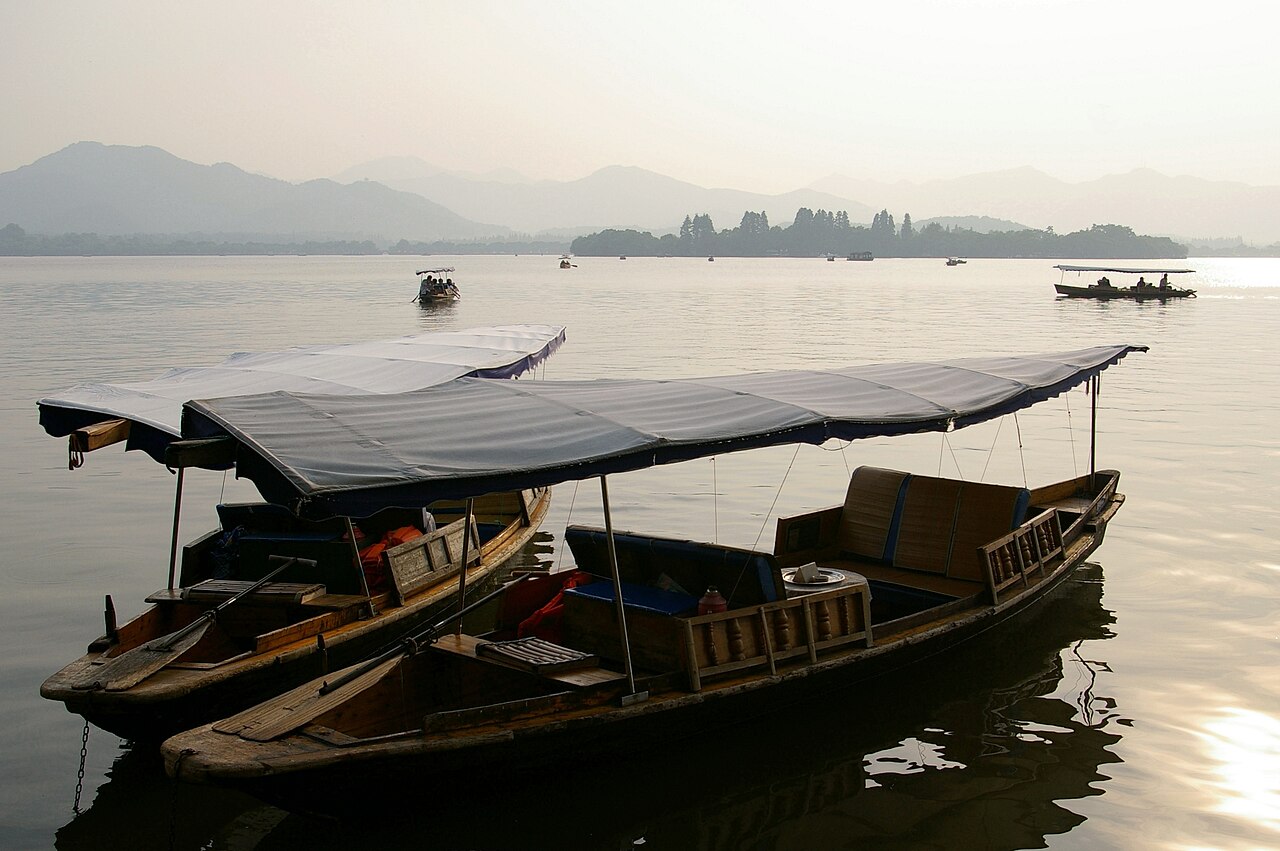
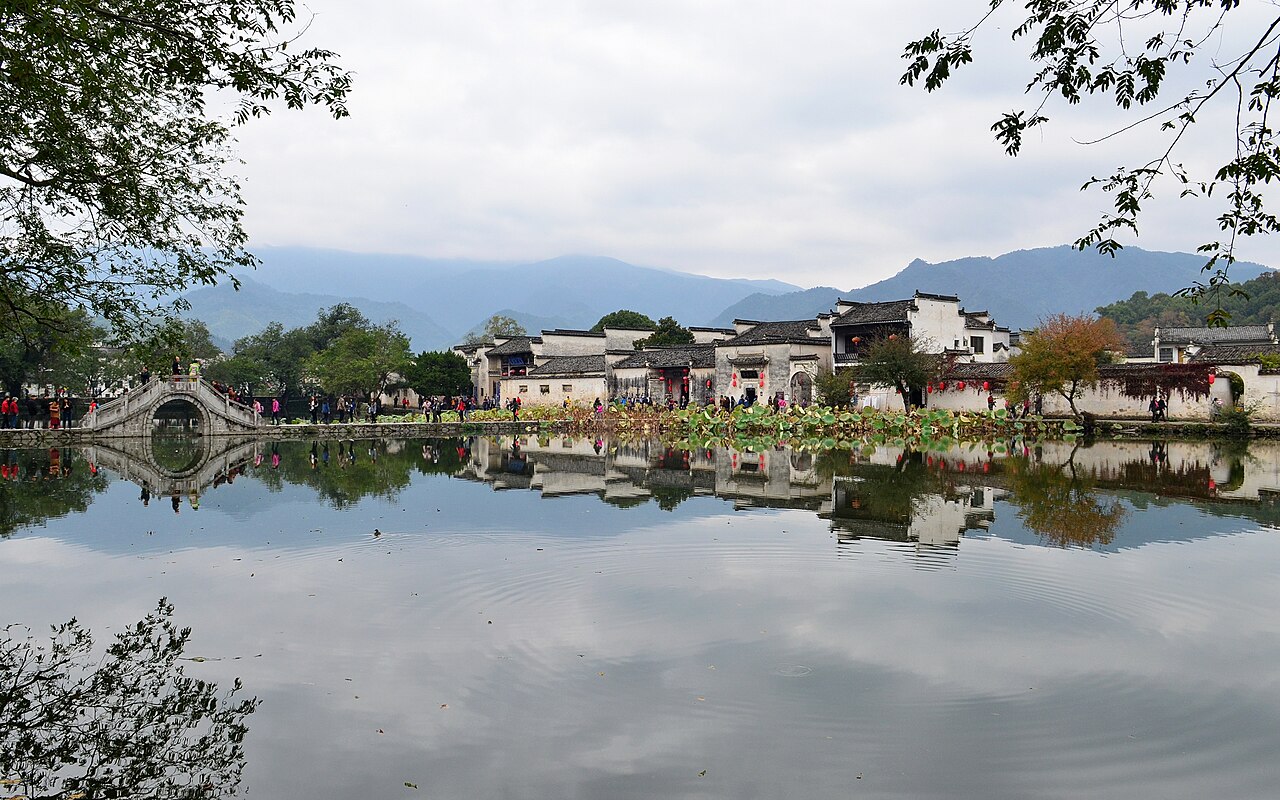
Moon Pond at dawn, the half-moon reflecting the Hui houses
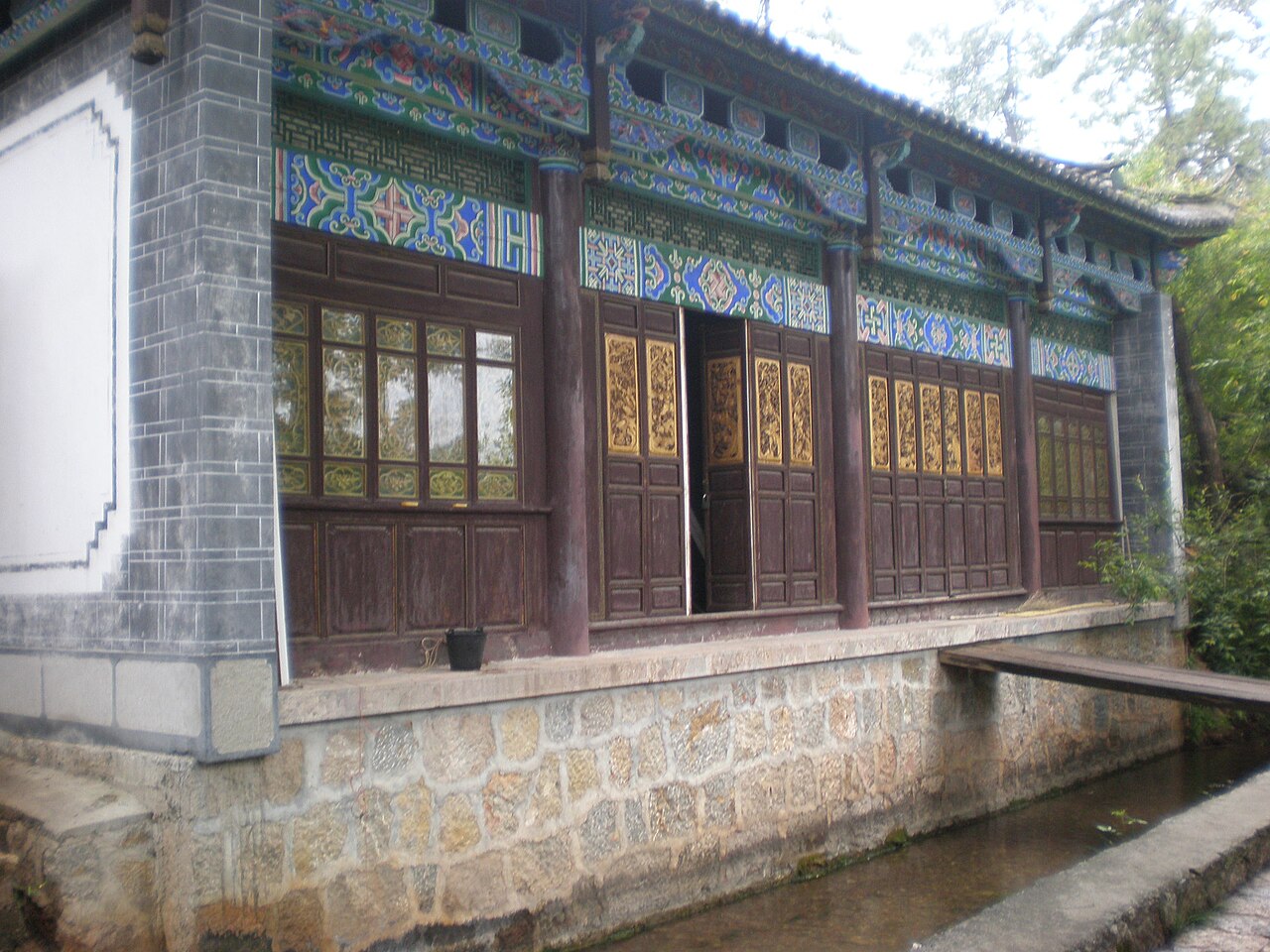
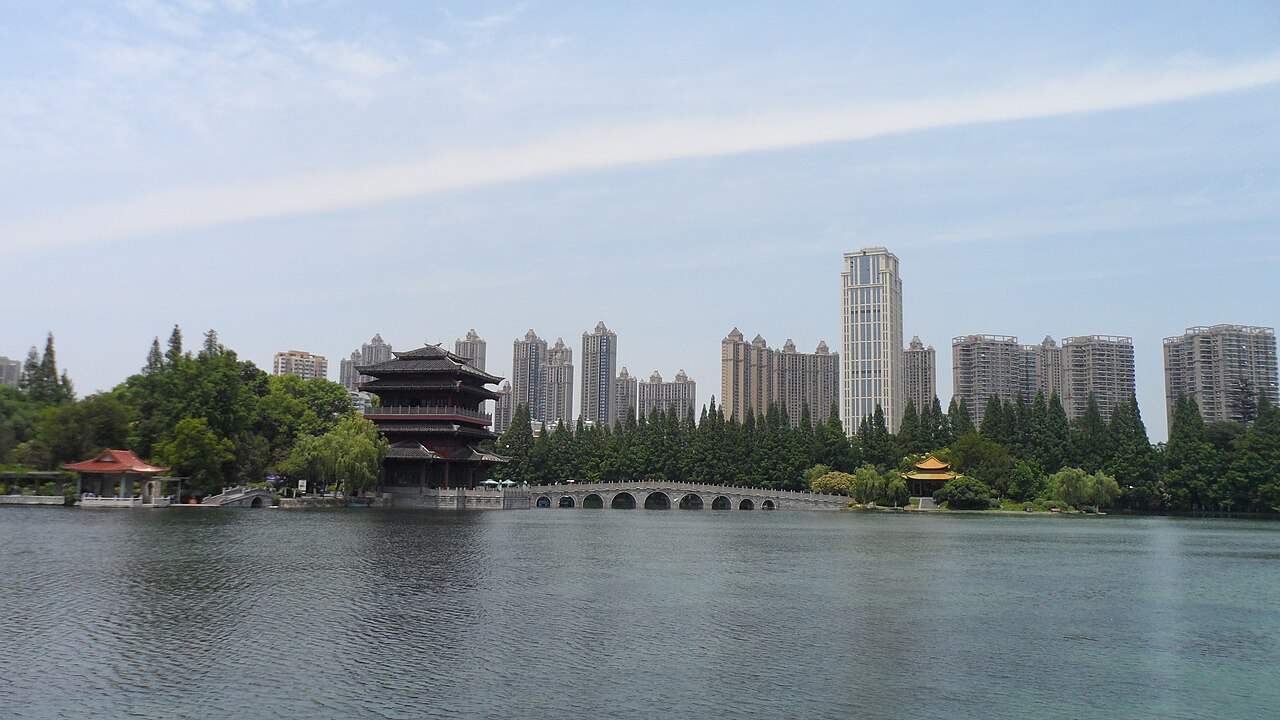
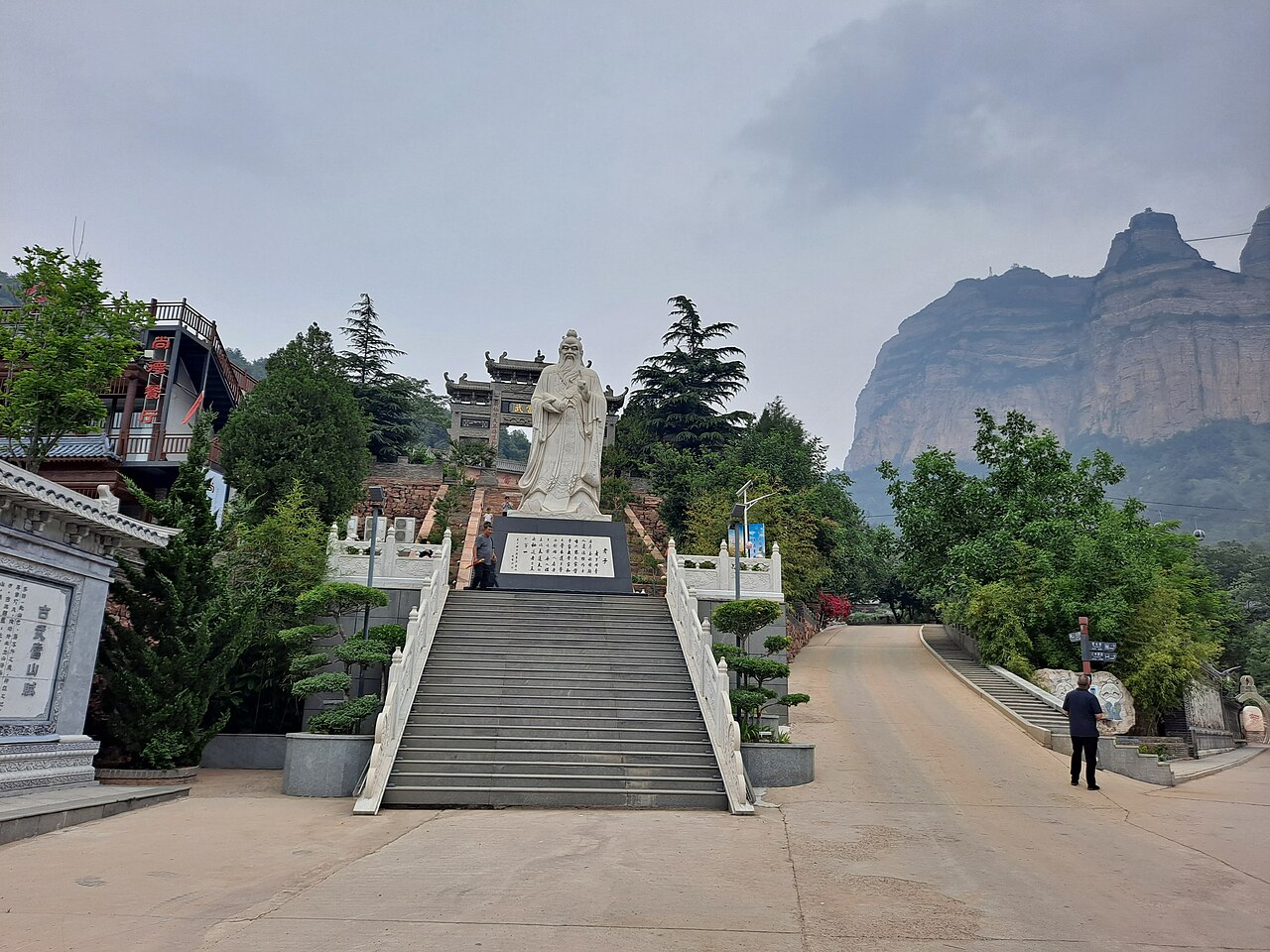
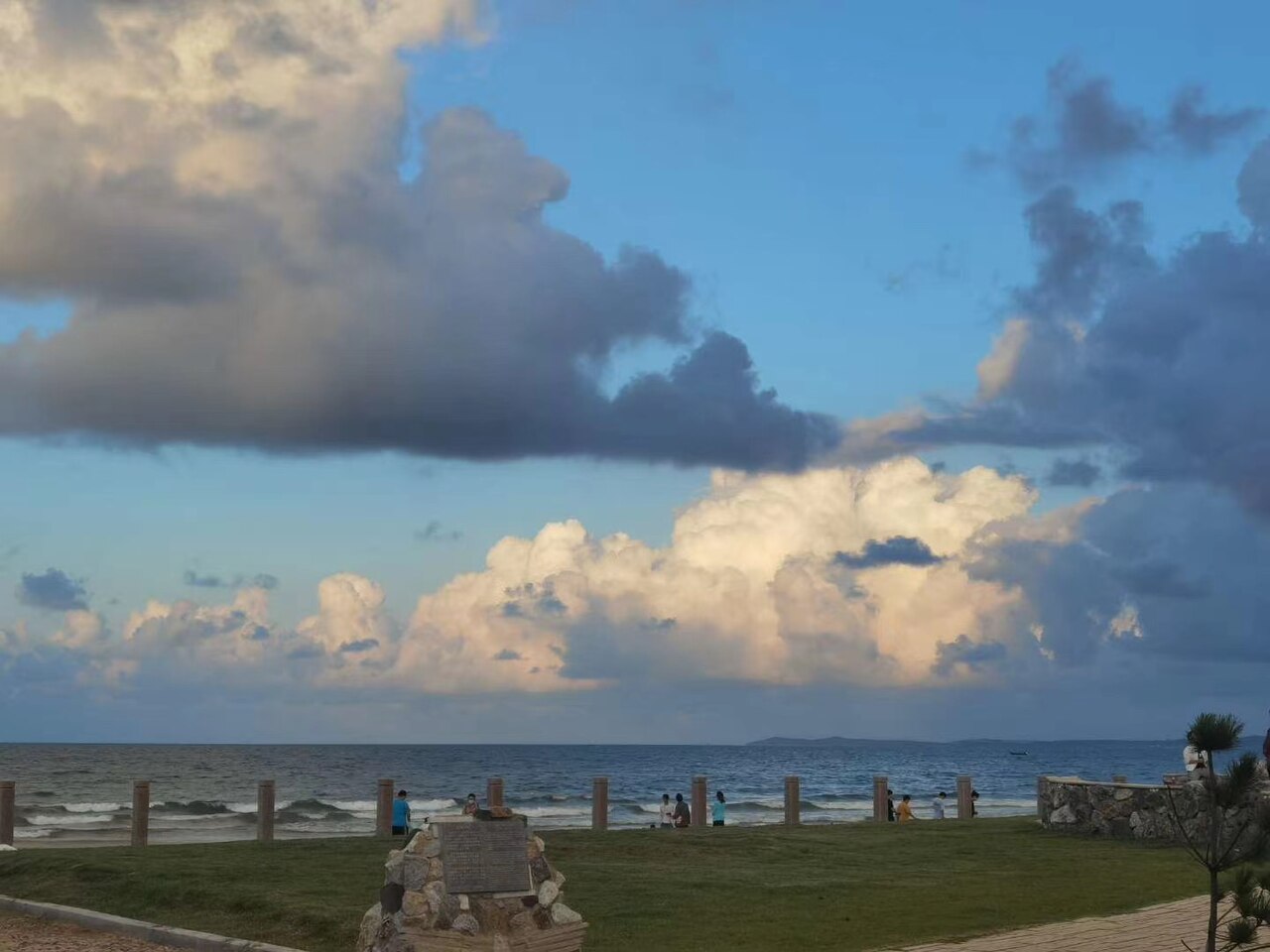
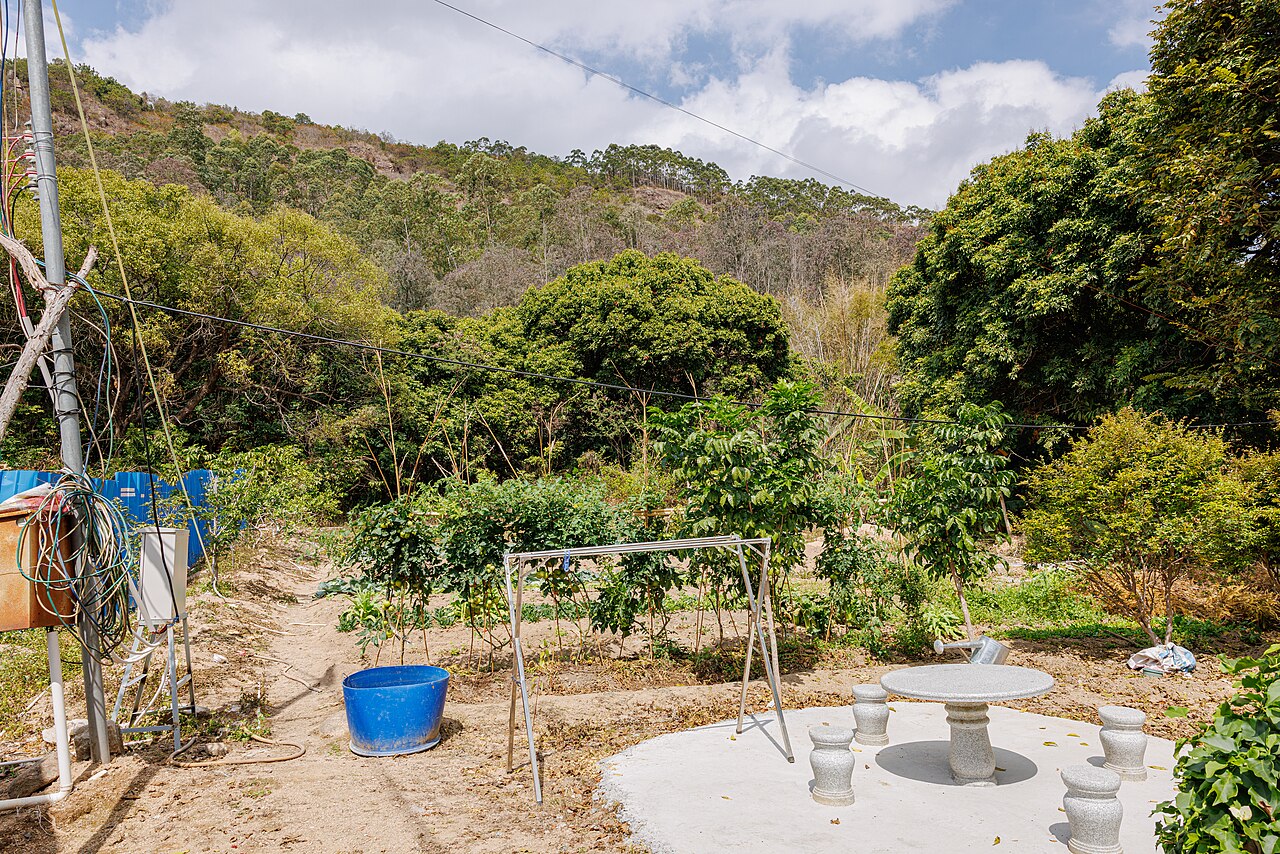
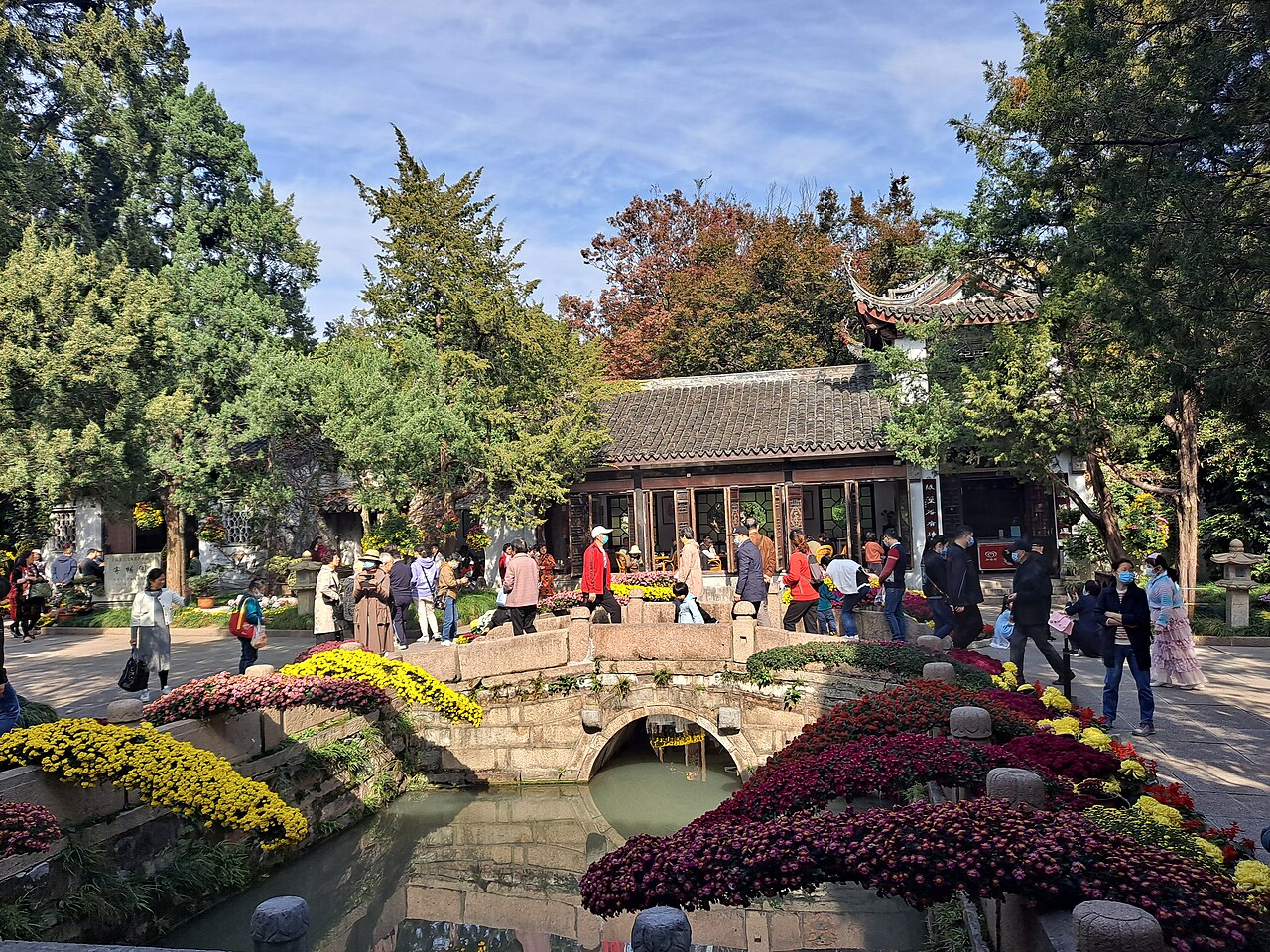
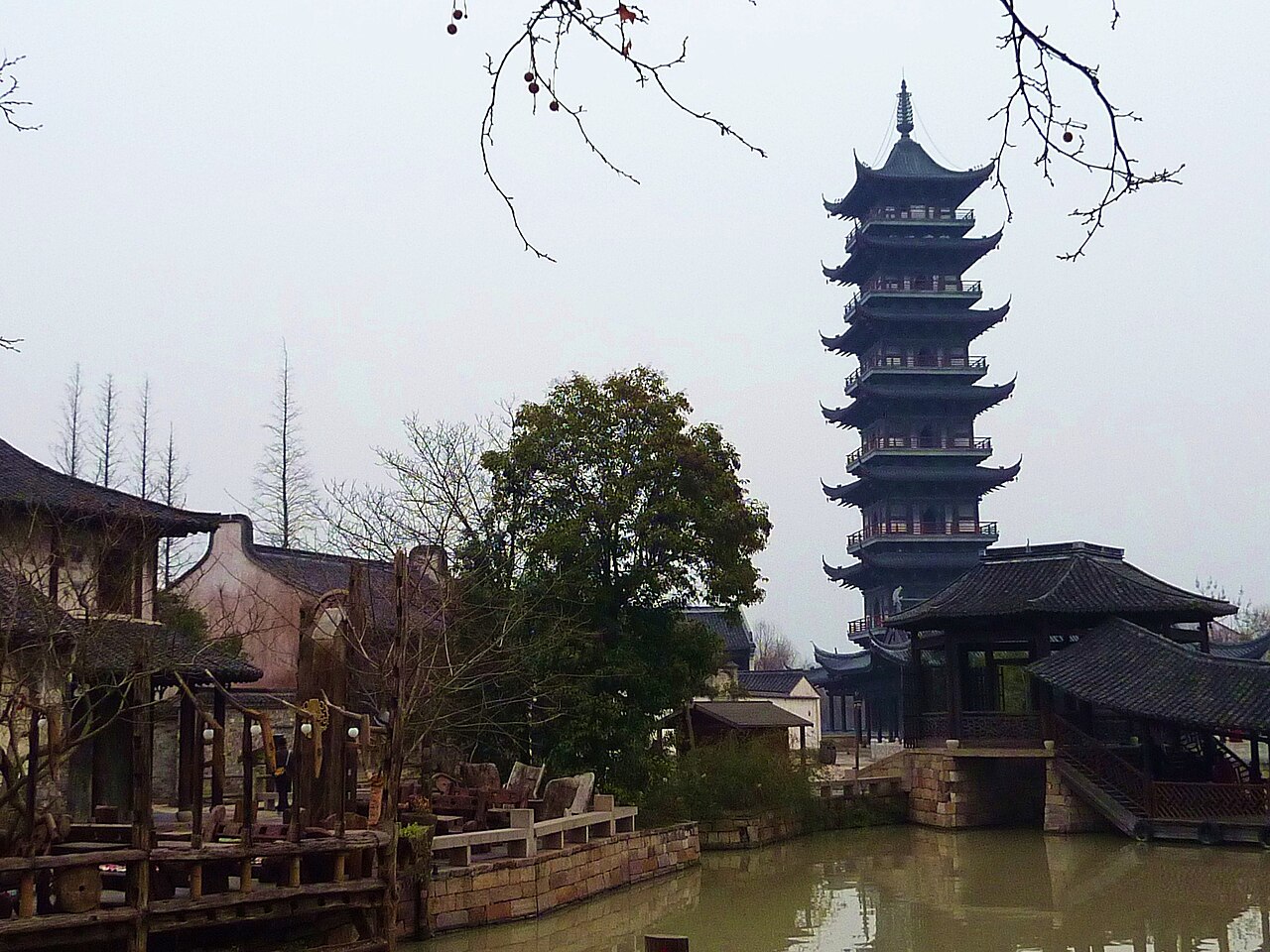
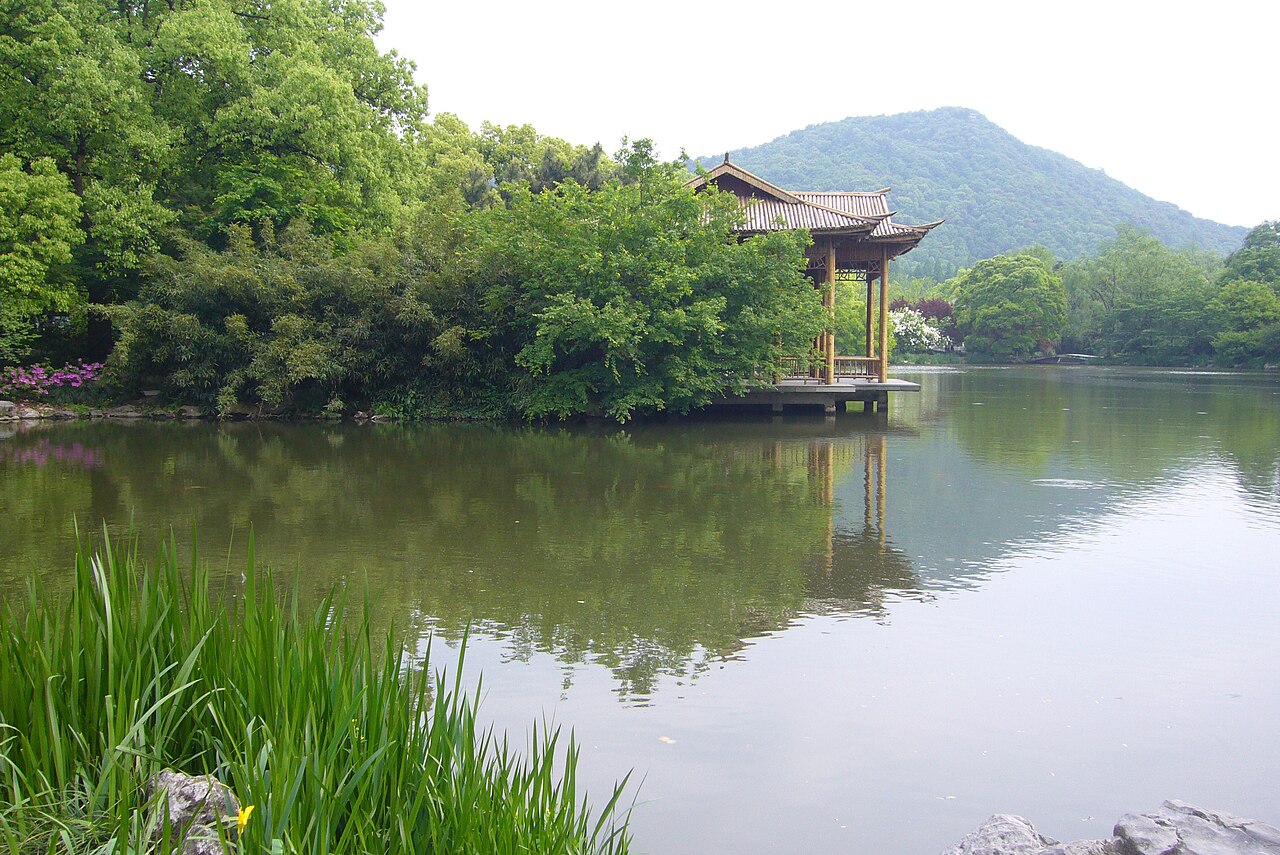
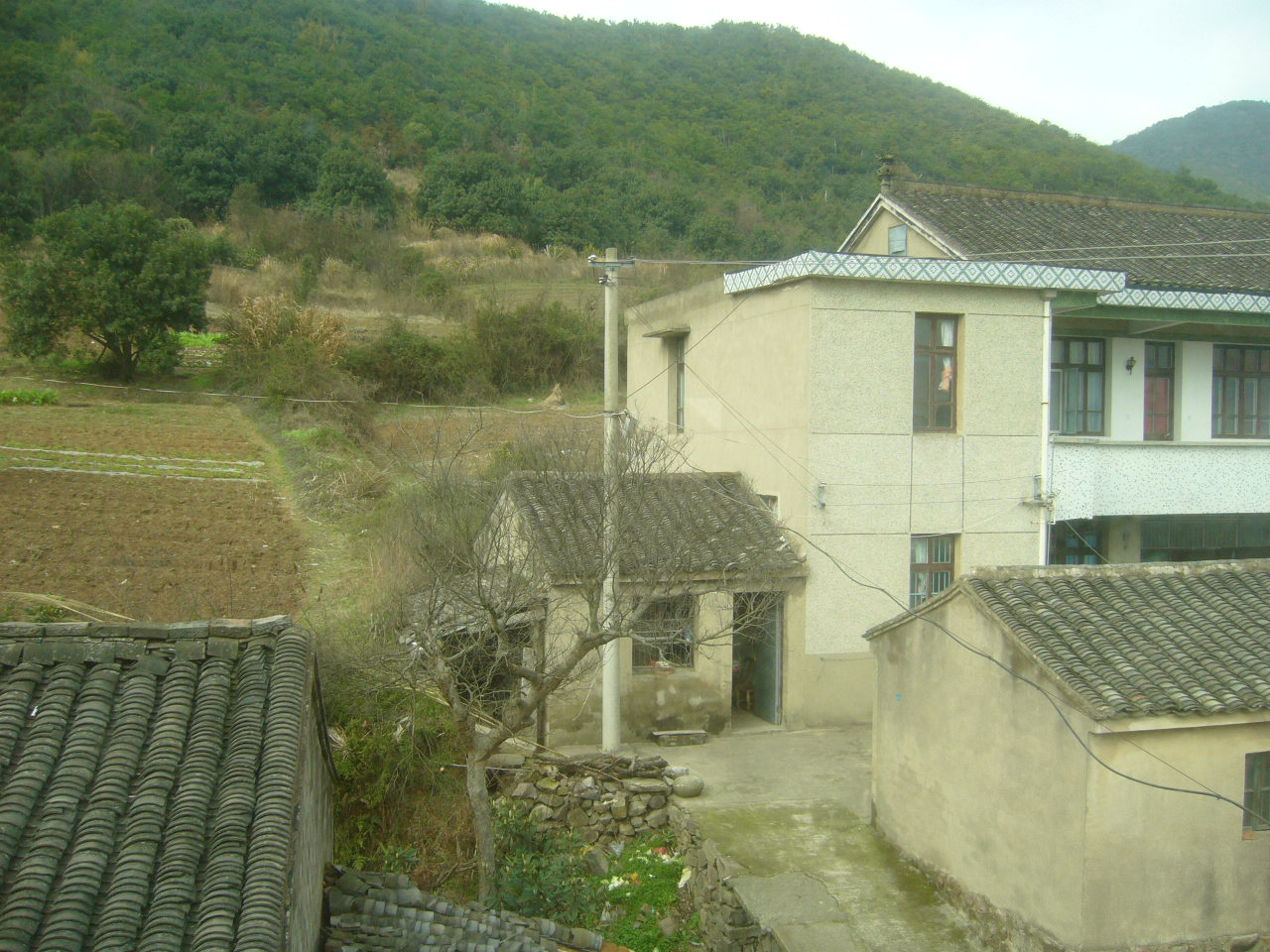
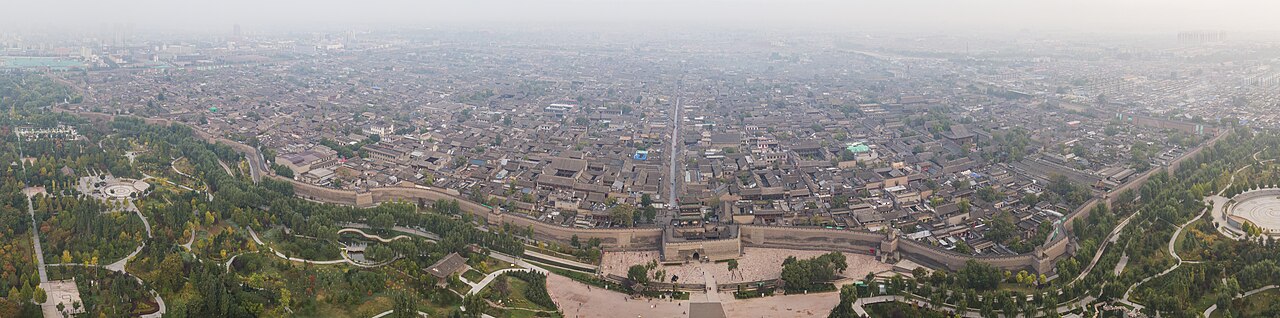
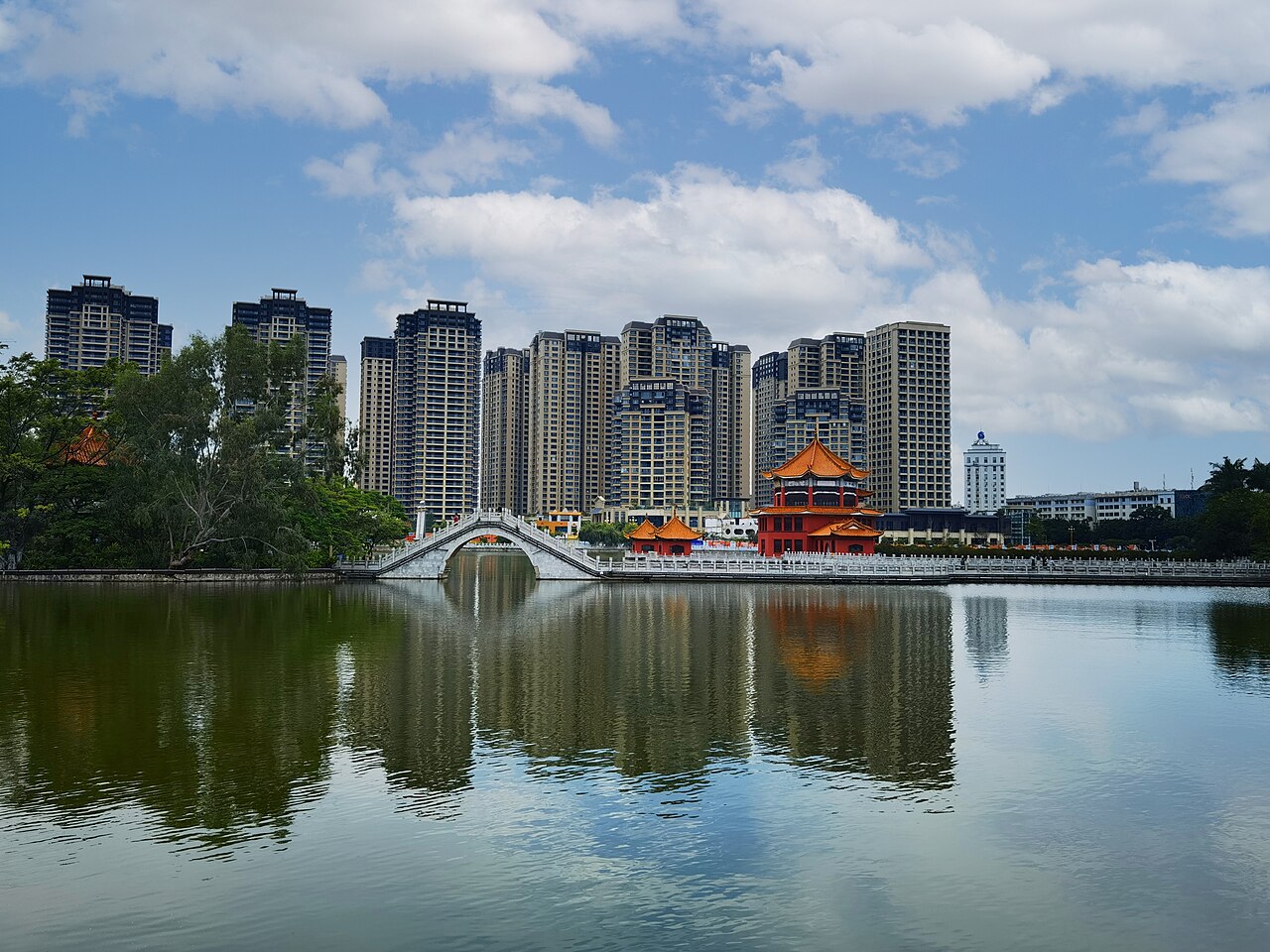
The arched bridge and South Lake, with Nanhu Academy on the far bank
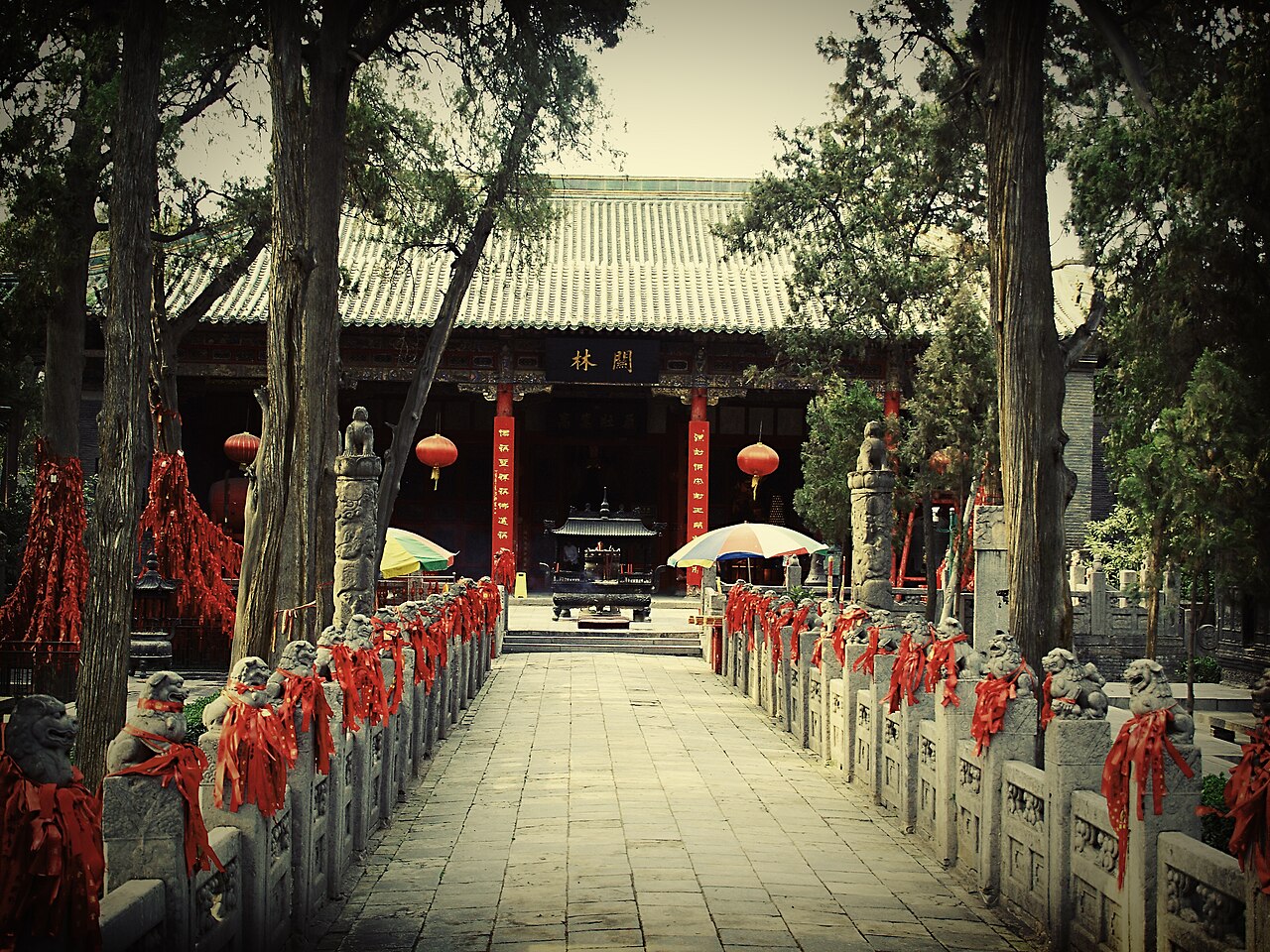
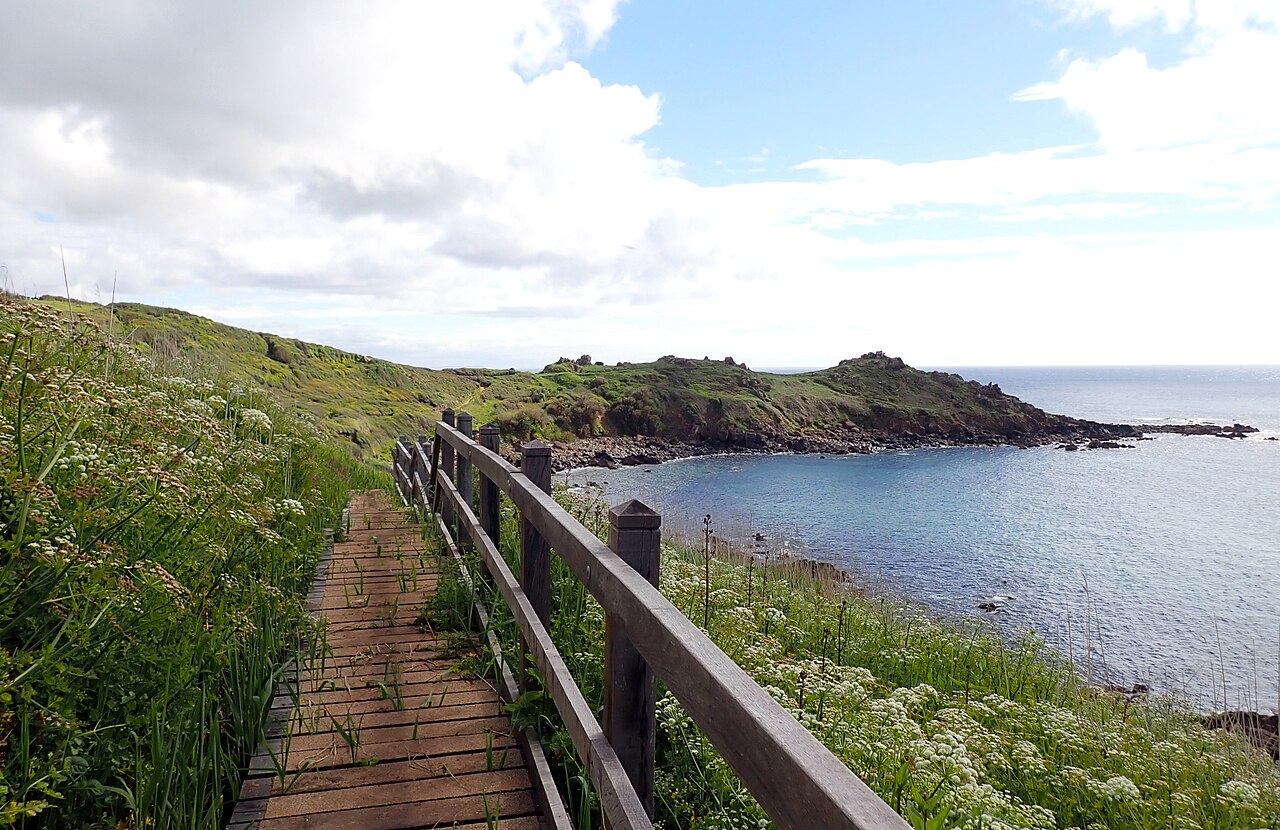
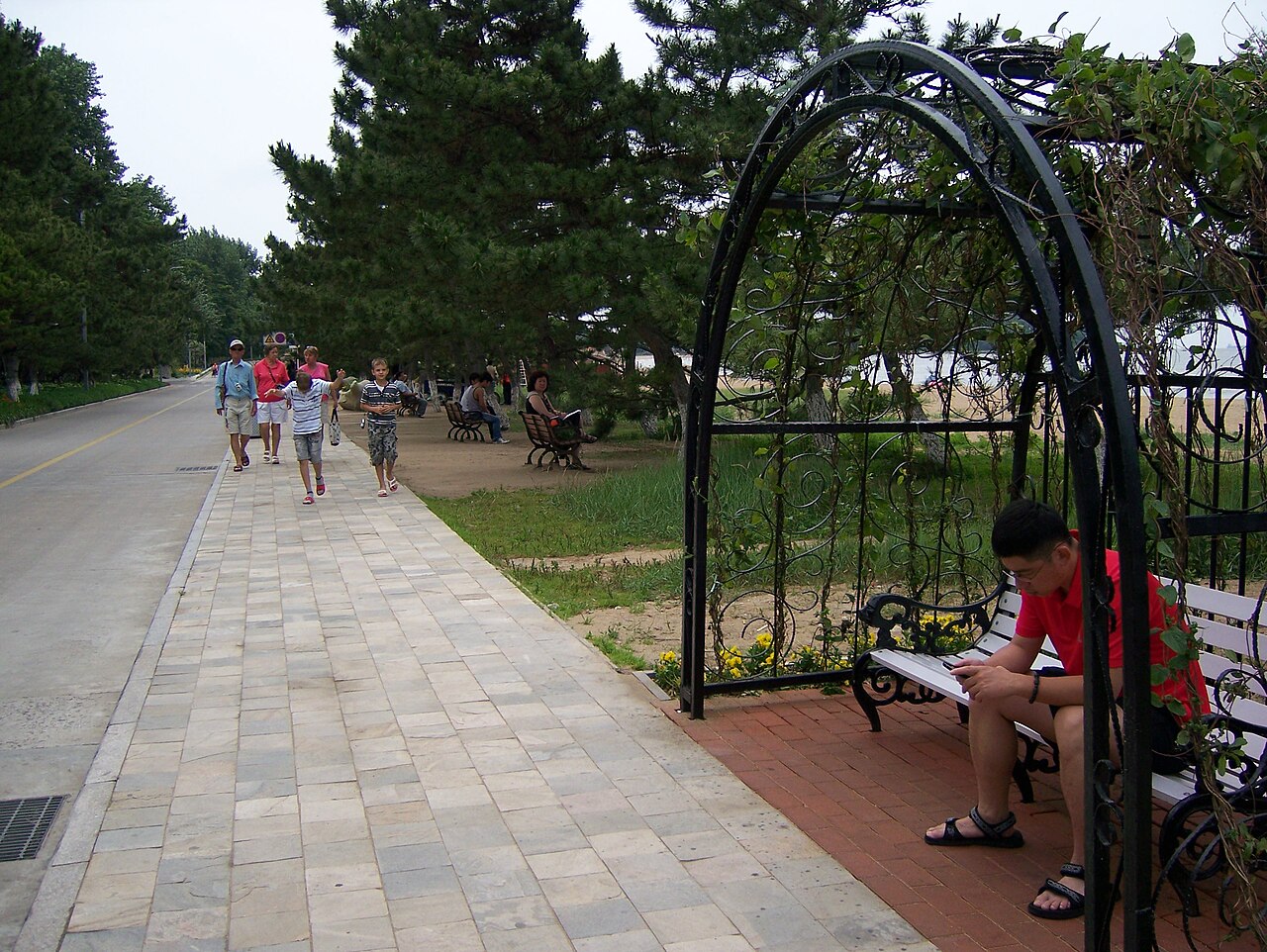
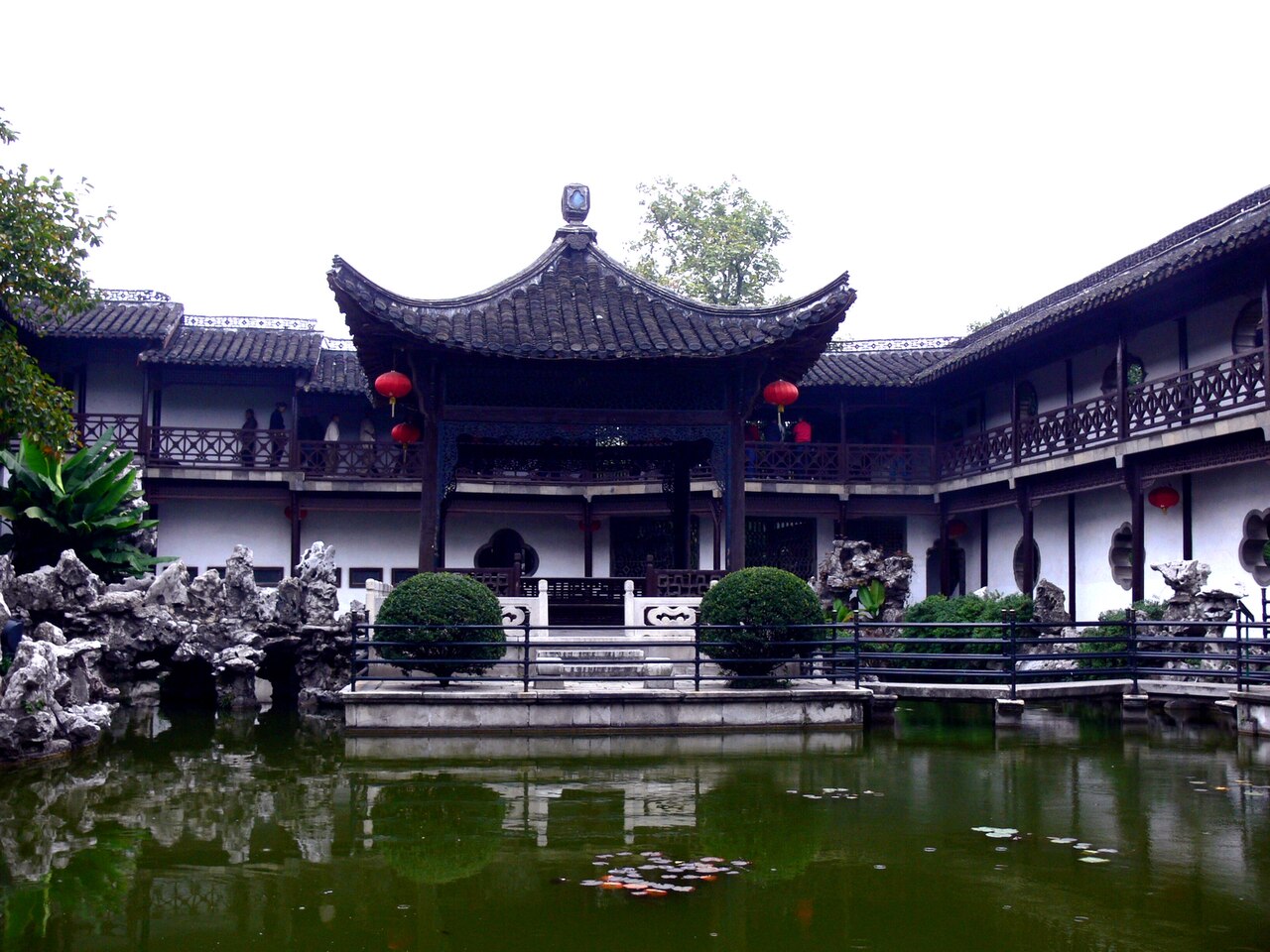
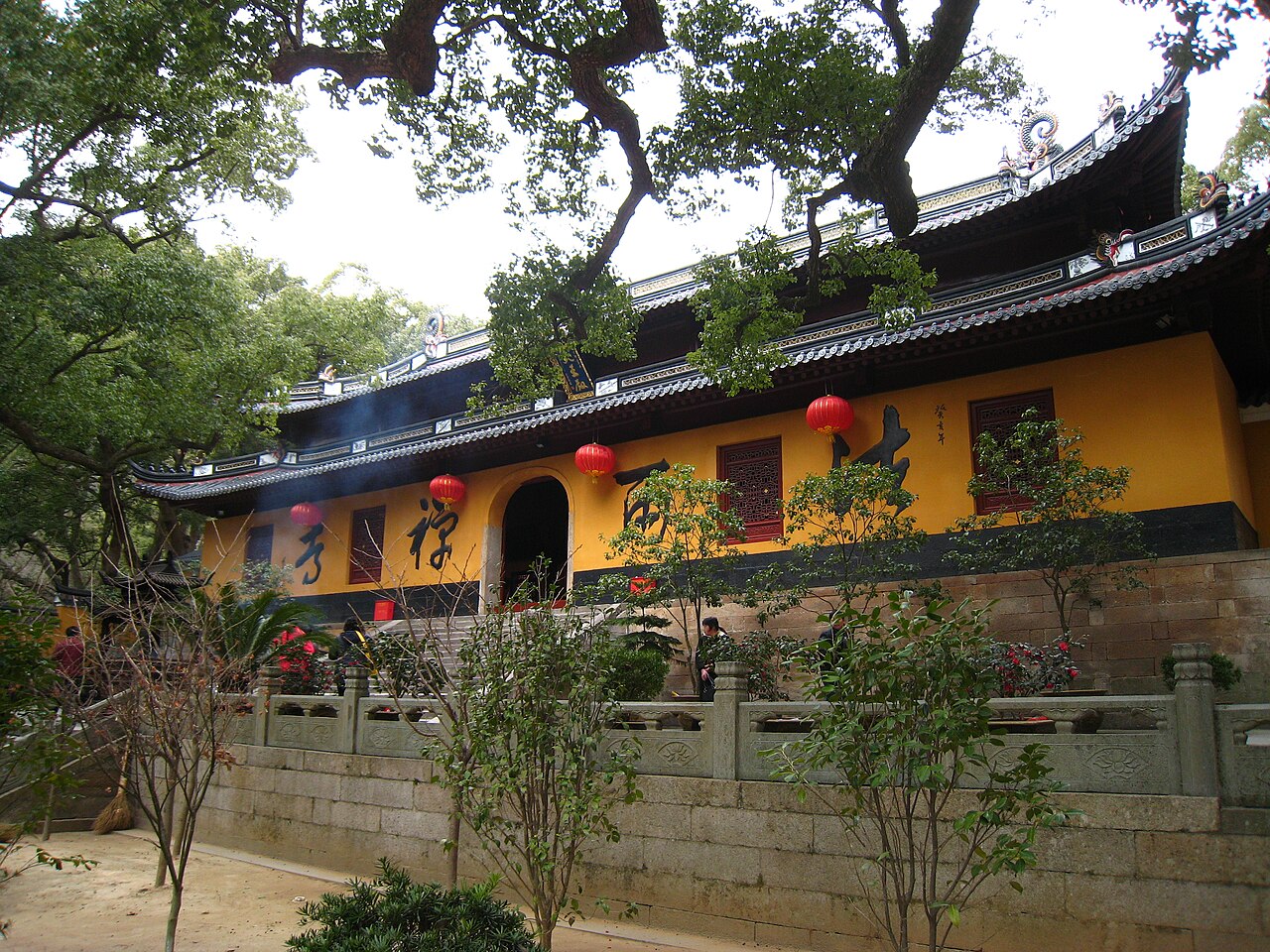
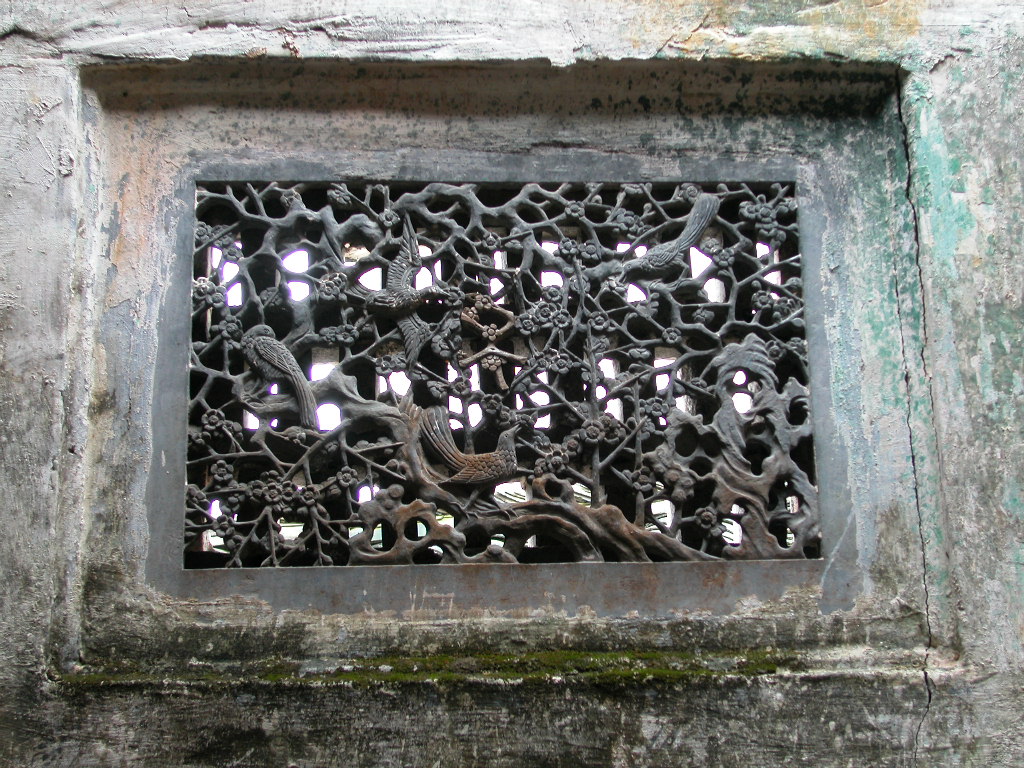
Chengzhi Hall, the salt merchant's mansion, and its carvings
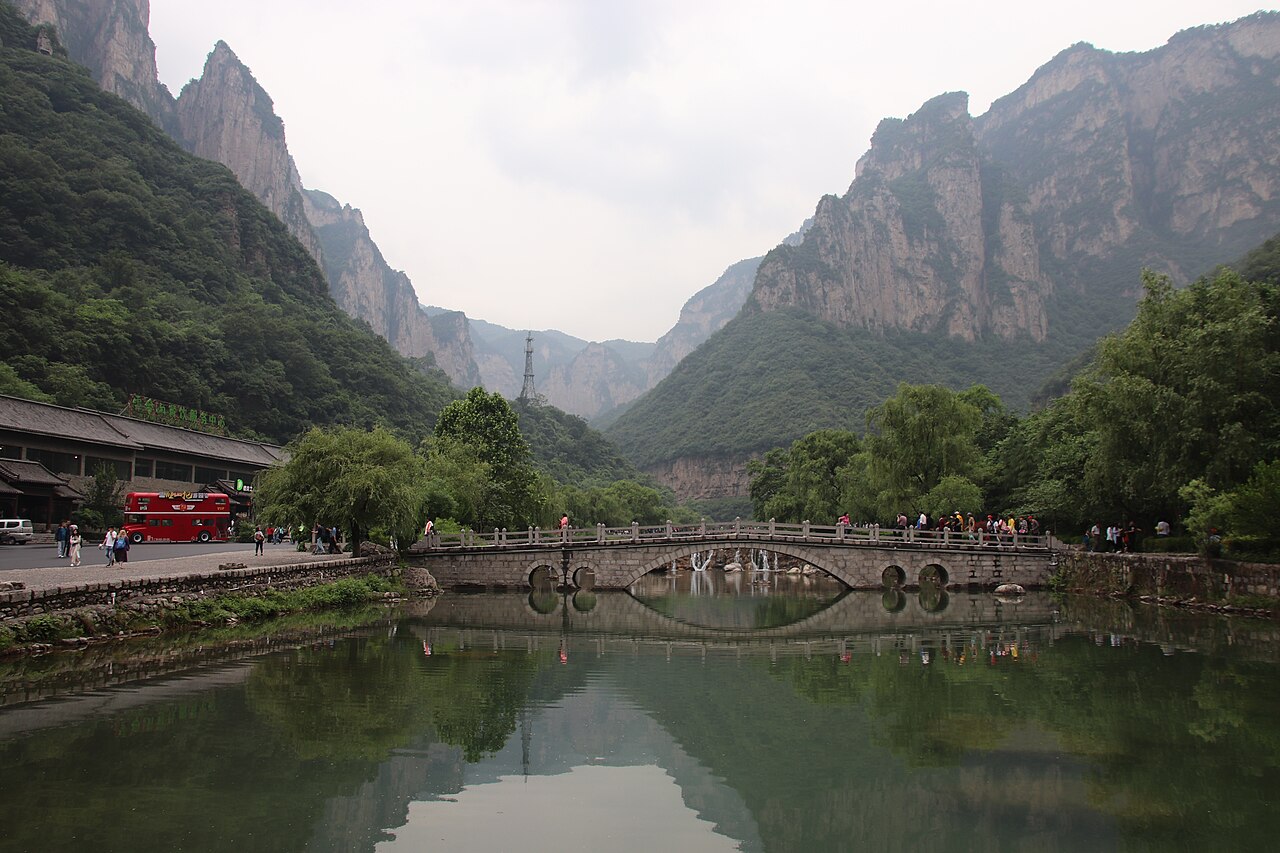
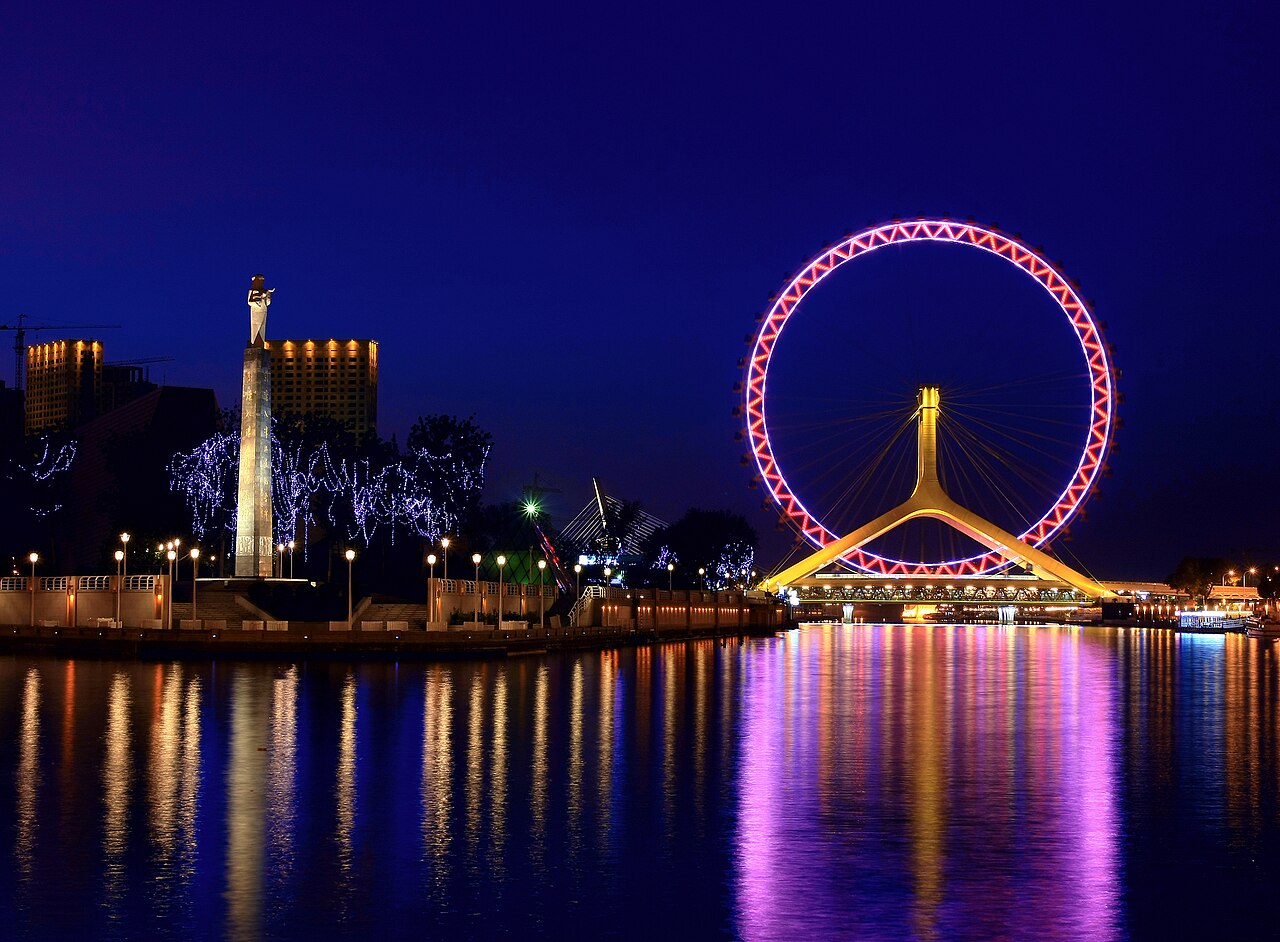
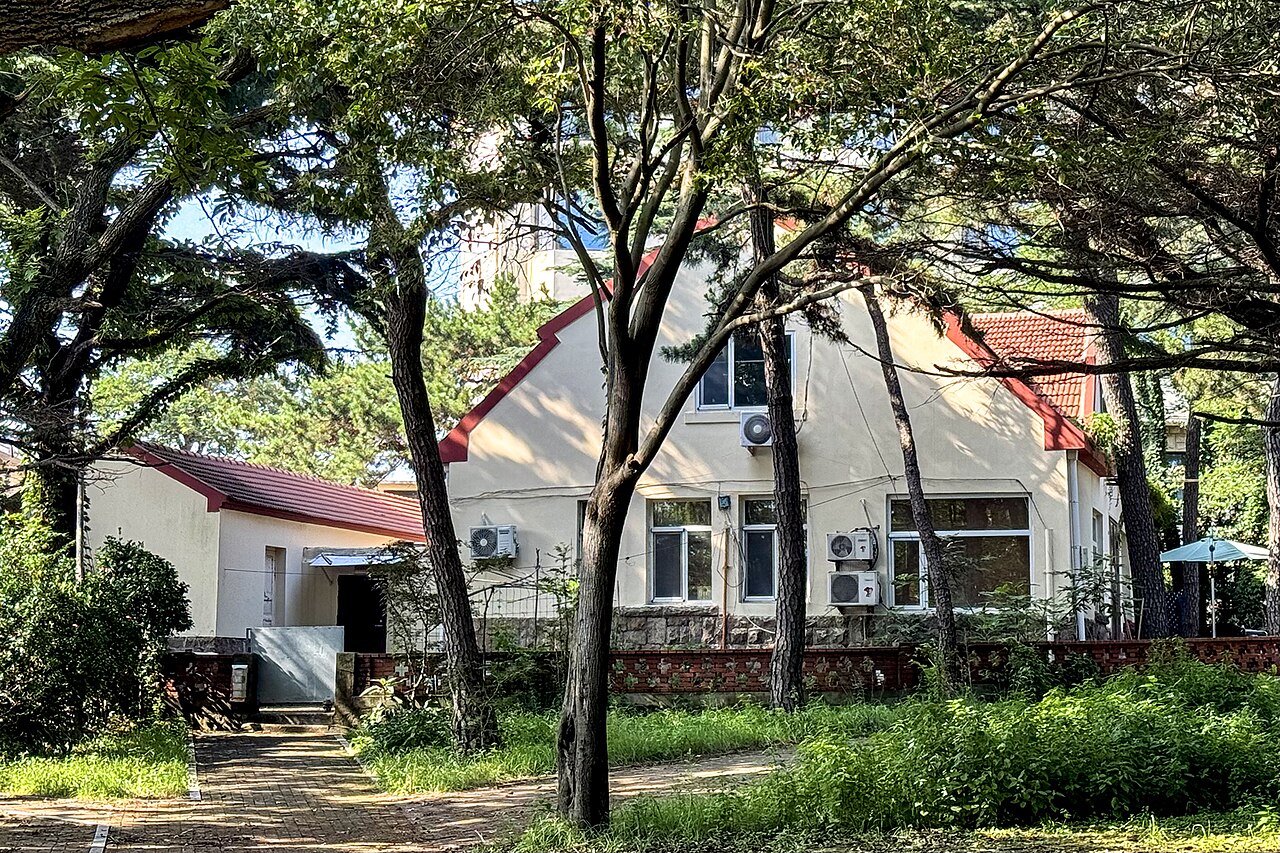
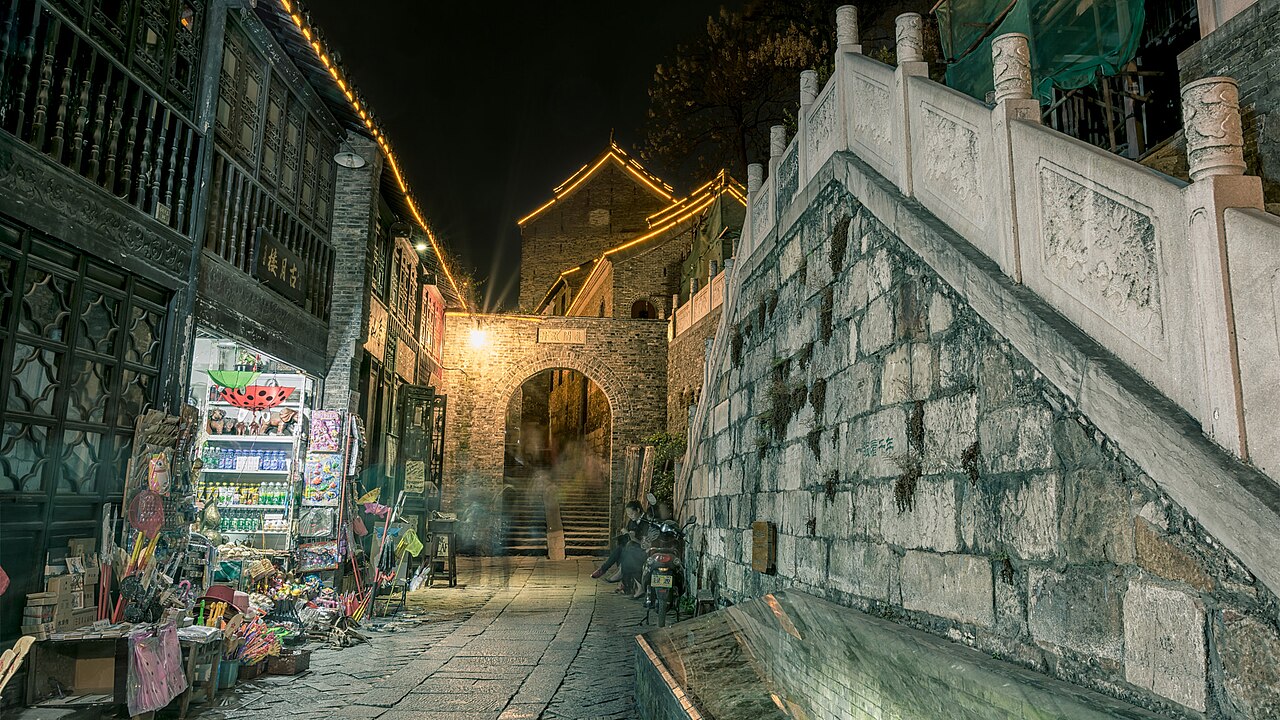
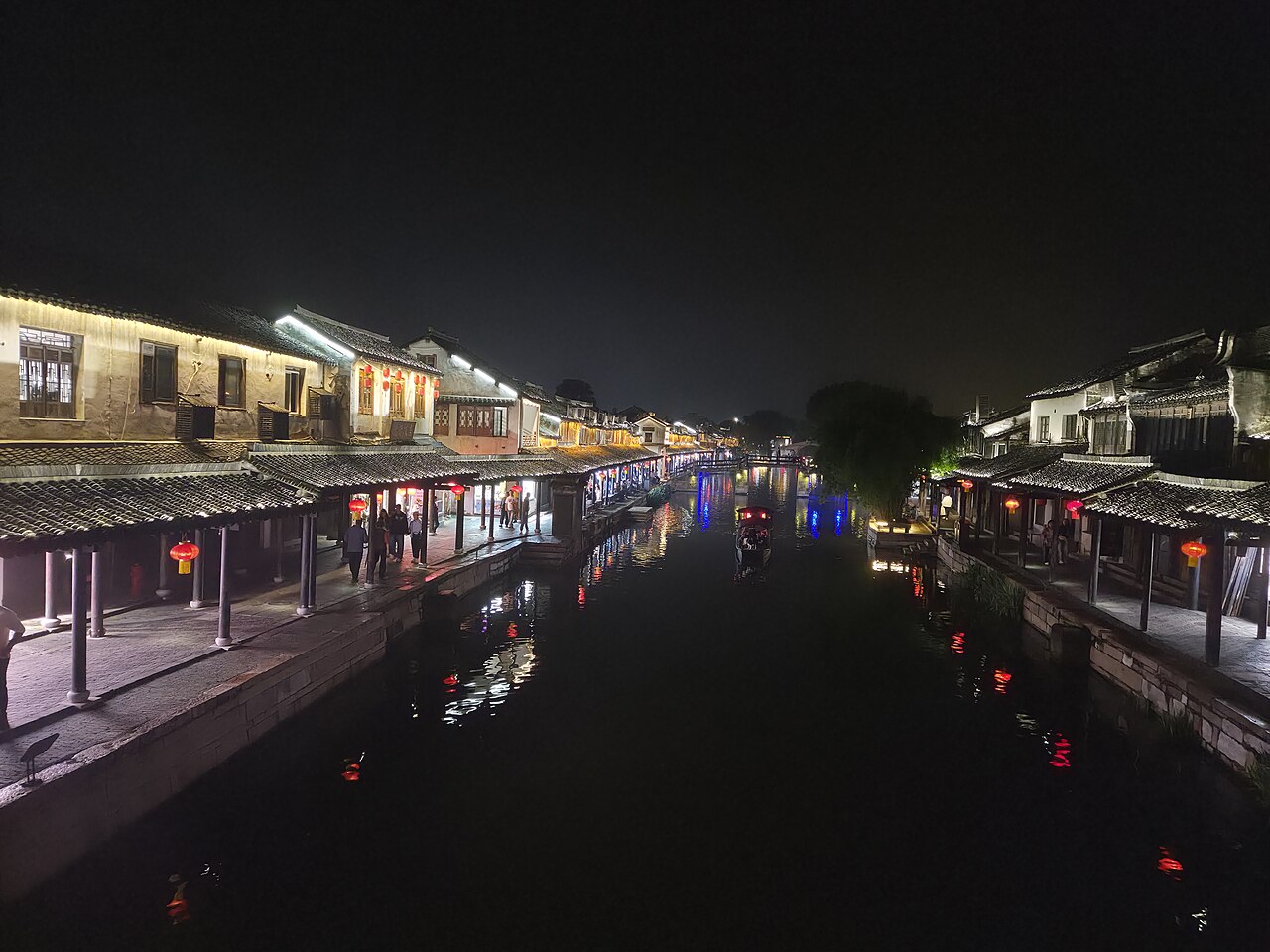
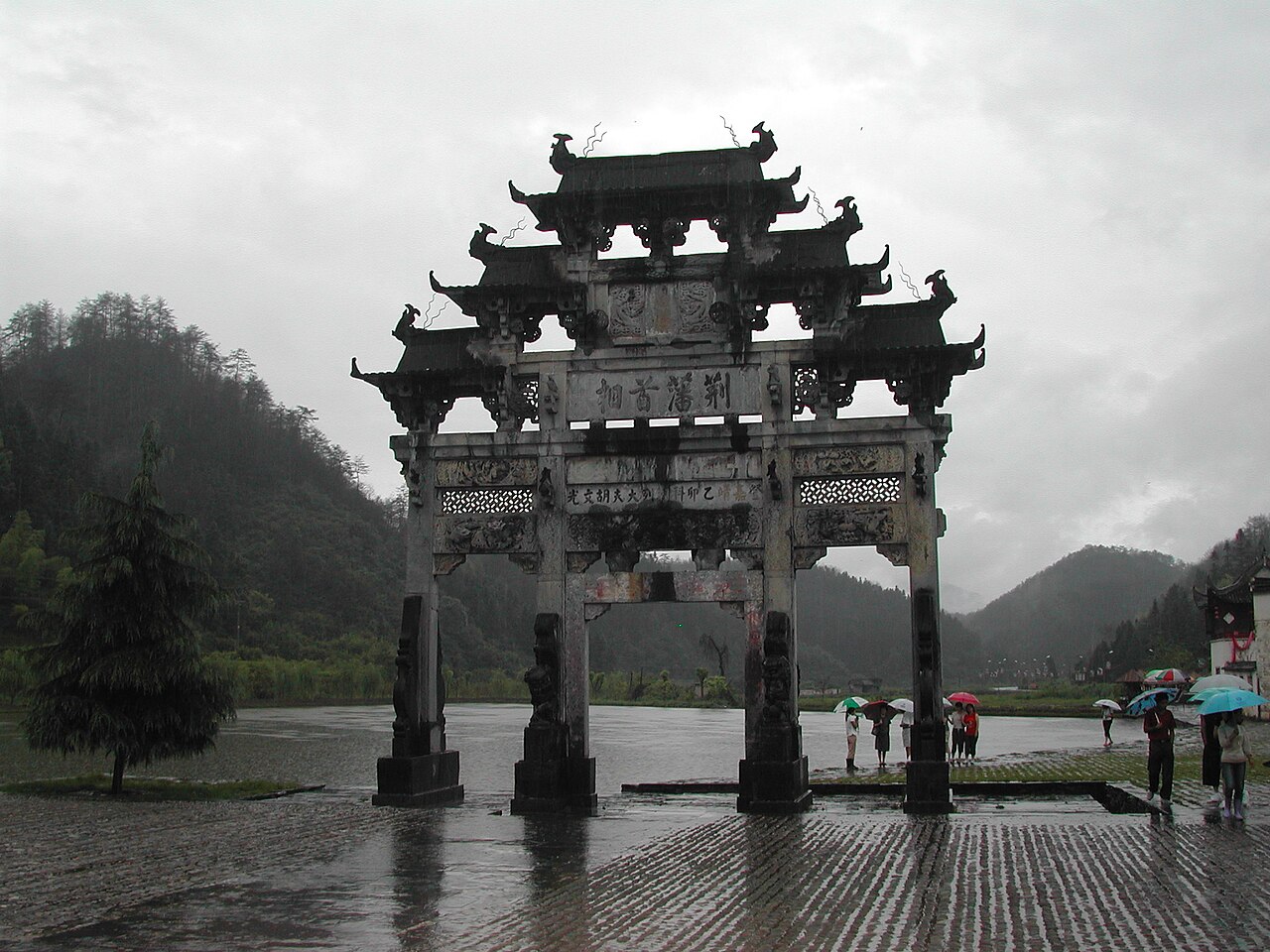
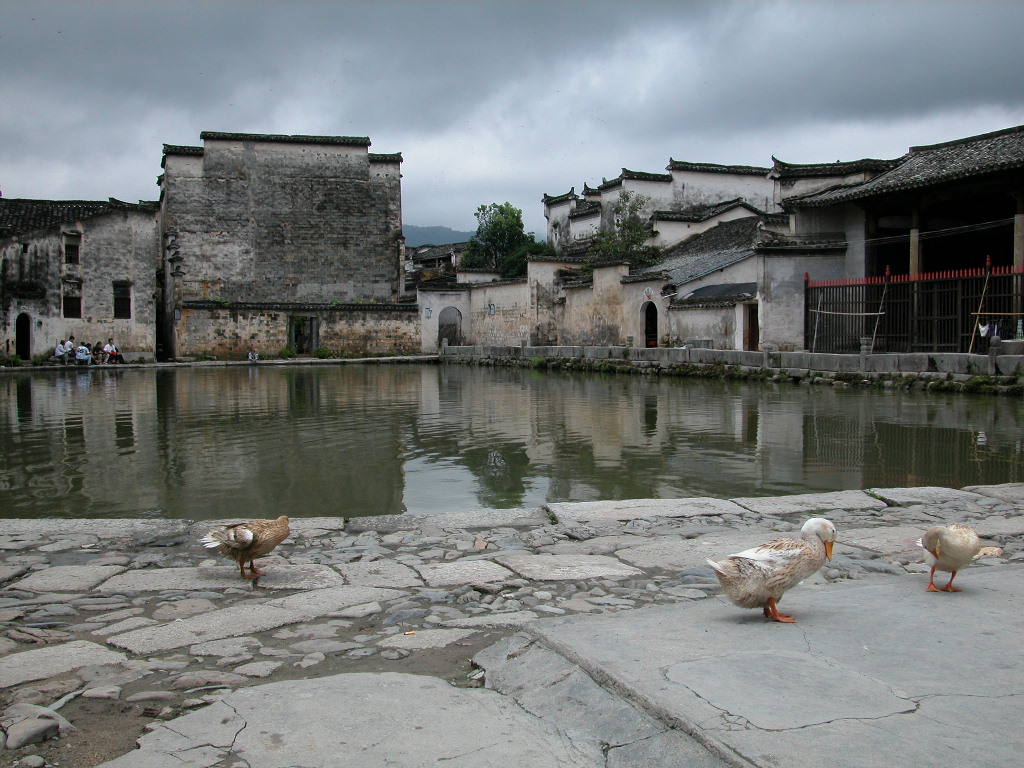
The water channel threading the lanes of the village

Tang Xianzu wrote that to reach Huizhou is to fall in love without knowing why or how. The old lanes, old houses, old bridges and old wells of this small town in the southern hills weave it all together.

Traveller note — 'An Abiding Love, a Dream of Huizhou'

I first heard of Hongcun years ago, in a travel magazine. The ink-wash walls and tiles stayed in my mind, and the idea of this ox-shaped village kept pulling me towards it.

Traveller note — 'Like an Ink Painting, Falling for Its Light and Shade'

Hongcun has been photographed so often that you will arrive feeling you have already seen it — and then the view opens up anyway. It is a cluster of white-walled, black-tiled Hui houses gathered around a half-moon pond and a long flat lake, set against green hills, and the reflections in the water do most of the work. It has been called 'the village inside a Chinese painting' for so long the phrase has gone flat; standing at Moon Pond before the crowds arrive, it stops being a cliché.

What lifts Hongcun above the other pretty villages is its plan. In the twelfth century its founders, reading the site through feng shui, imagined the whole settlement as an ox: the hills as its head, two ancient trees as horns, a winding water channel as its intestines, Moon Pond as its stomach and South Lake as its belly. Four hundred years later the water still runs to every house, cooling the lanes, feeding the kitchens and turning each alley into a corridor of reflections.

The village is also an accident of preservation. Because it sat deep in the hills of Yixian county, cut off by the very terrain that kept the Hui merchants' money in their home towns, Hongcun kept its Ming and Qing houses almost intact — which is why UNESCO listed it, with neighbouring Xidi, as a World Heritage Site in 2000, and why film-makers, Ang Lee among them, keep coming back.

The catch is that everyone knows. Hongcun is a top-tier sight, and from mid-morning to late afternoon the lanes fill with tour groups and art students with sketchpads. It is small, so the fix is easy: come in the early morning or late evening, or sleep inside the walls. One night buys you both ends of the day, which is the difference between visiting Hongcun and actually seeing it.

Hongcun

Don't leave without

Seven things that are worth rearranging a day for.

  1. Be at Moon Pond before 8am, when the water is glass and the lanes are empty
  2. Photograph the arched bridge over South Lake with the hills behind it
  3. Stand in the carved interior of Chengzhi Hall and count the courtyards
  4. Follow the water channel from one end of the village to the other
  5. Sleep inside the village walls, in a converted Hui merchant's house
  6. Eat a pork-and-mustard-greens baked cake straight from the oven
  7. Take the half-hour trip to Xidi, the other UNESCO Hui village

Highlights

What not to miss in Hongcun

Moon Pond (Yuezhao)

Moon Pond (Yuezhao)

The half-moon pool at the heart of the village, built deliberately as a half circle to echo the idea that a full moon must wane. Ringed by the finest Hui houses, it is the image everyone comes for — and at dawn, with mist on the water, it delivers.
South Lake and Nanhu Academy

South Lake and Nanhu Academy

The long, flat lake on the village's southern edge, built in imitation of the West Lake at Hangzhou, with the arched bridge that gives Hongcun its most photographed view. Nanhu Academy sits on its northern bank, a fine old private school.

Chengzhi Hall

Chengzhi Hall

The 1855 mansion of a salt merchant, and the grandest house in the village: nine courtyards, 60 rooms, 136 wooden columns and carving on almost every surface, including a celebrated 'hundred boys' panel above the central doorway. This is the one interior not to skip.

The water lanes (shuizhen)

The water lanes (shuizhen)

The channel that runs to every door — the 'ox intestines' of the village plan. Follow it and you thread the whole settlement, past washing stones, kitchens and the little stone bridges that cross it. It is the best way to see Hongcun as a working place rather than a set.

The Hui architecture itself

Whitewashed walls, black-tiled roofs and stepped horse-head gables, with carved beams and stone doorframes — the Hui building style at its most complete. The lanes are still lived in, so the best thing to do is simply wander without a map.

Tachuan, Xidi and the hills

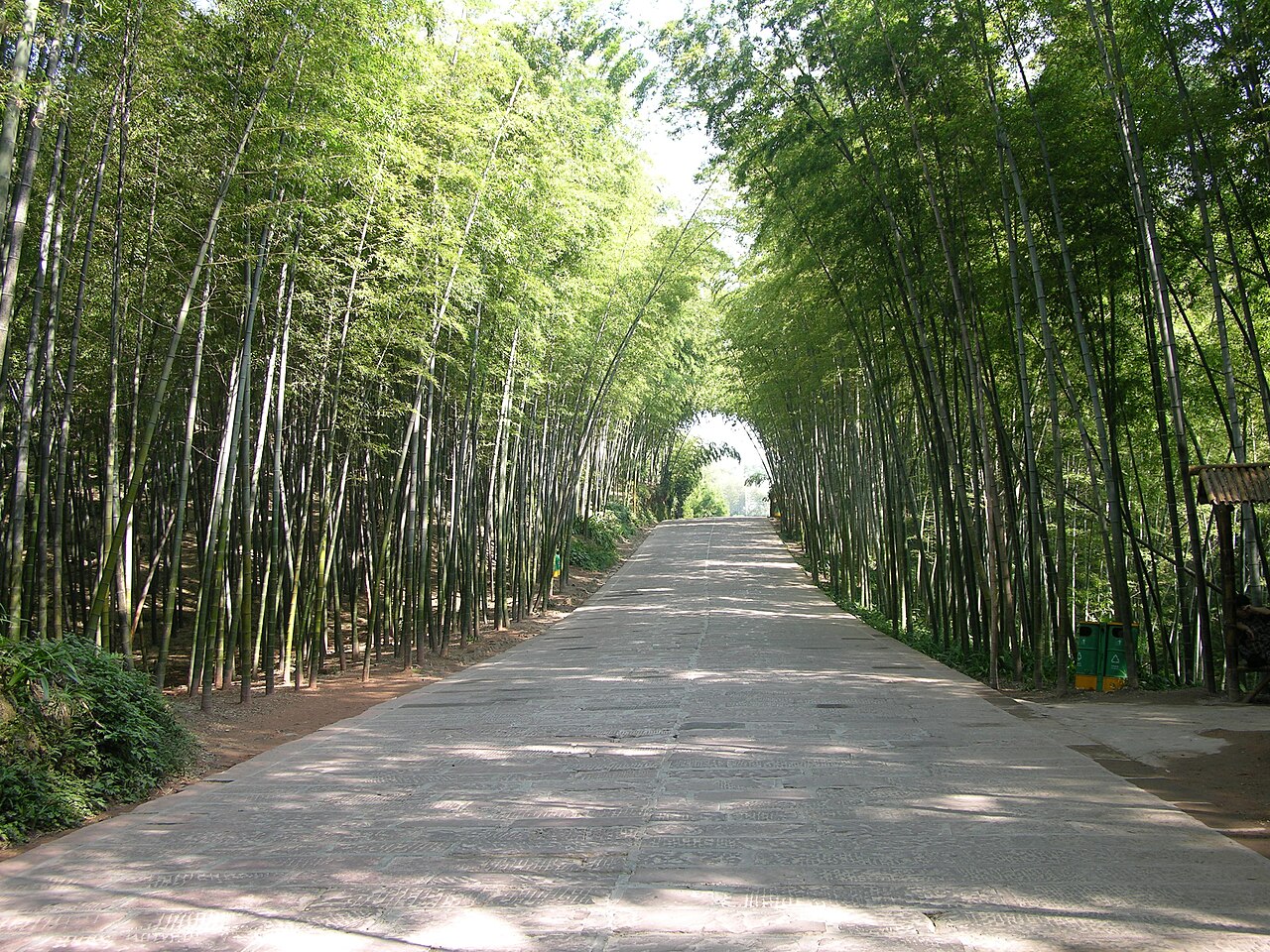
Tachuan, 2 km away, is a classic spot for autumn colour and spring rapeseed; the Wooden Keng bamboo forest, a Crouching Tiger location, is 4 km out. Xidi, the other UNESCO Hui village, is 30 minutes' drive down the road.

Suggested itineraries

One day in the village, and three days across the Hui country

The one-day plan is the village on foot. The three-day route pairs Hongcun with Xidi, Tachuan and the Wooden Keng bamboo forest, staying in the village.

One day in Hongcun

1 days

The classic walking loop, from South Lake through to the ancient trees.
  1. Morning
    South Lake, the academy and the water lanes

    Enter from the south and start at South Lake — the arched bridge, the reflections, and Nanhu Academy on the north bank. Then head north to the Hui houses of Jingde Hall and Wang Daxie's former residence.

    Follow the water channel into the village, and you arrive at Moon Pond, the heart of Hongcun.

    Stops: South LakeNanhu AcademyJingde HallMoon Pond

  2. Afternoon

    The great houses and the ancient trees

    From Moon Pond, work through the old halls in turn: Lexu Hall, Jixiu Hall, the marvellous Chengzhi Hall, Deyi Hall, Shuren Hall and Taoyuanju.

    Finish under the twin ancient trees — a 500-year-old maple-poplar and ginkgo, said to bring good fortune — and take the last light back at the water.

    Stops: Lexu HallJixiu HallChengzhi HallDeyi HallShuren HallTaoyuanjuRed and White ancient trees

Three days: Hongcun, Xidi and the hills

3 days

The unhurried Hui-country loop, based in the village itself.

  1. Days 1–2

    Hongcun proper

    Arrive from Tunxi via Shexian and Tangyue, where the great memorial archways stand, then settle into a guesthouse inside the village.

    Give the village its morning and its evening — the sights by day, and the water at first light and dusk, when the coaches have gone and Hongcun goes quiet.

    Stops: ShexianTangyue archwaysHongcunMoon PondSouth Lake

  2. Day 3

    Xidi, Tachuan and the bamboo sea

    Travel the short hop to Xidi, the other UNESCO Hui village, whose courtyards and lanes are quieter than Hongcun's. Then, in season, take in Tachuan for its autumn colour or spring rapeseed, and the Wooden Keng bamboo forest, the bamboo-sea location from Crouching Tiger, Hidden Dragon.

    Distances are tiny — Xidi is about 30 minutes, Tachuan 2 km, Wooden Keng 4 km — so all three fit a single day if you start early.

    Stops: XidiTachuanWooden Keng bamboo forest

Sights

The places worth your time

One ¥104 ticket, valid three days, covers the main sights and the village guide. Keep it with you; it is checked inside the village.

Moon Pond (Yuezhao)

Landmark · On the ticket

Moon Pond (Yuezhao)

The crescent pool at the geographic and emotional centre of Hongcun, and the 'ox stomach' of the village plan. Local tradition holds that the site's natural spring could only be shaped as a half-moon, echoing the idea that 'a full moon wanes, a flower that blooms will fade' — which is why the pond is famously asymmetric. Ringed by the finest surviving Hui houses, it appears on stamps, paintings and, endlessly, in photographs.

Ticket
Included in the ¥104 village ticket
Best time
Before 8am, for still water and no crowds
Where
Centre of the village, north of South Lake
Time needed
30–45 minutes, more with a camera

Tip The pond is small and the crowd is real. Come at first light, or linger after the tour groups move on in the late afternoon. The photograph everyone wants needs both the stillness and the emptiness, and only the early morning gives you both.

South Lake (Nanhu)

Landmark · On the ticket

South Lake (Nanhu)

The long, flat lake along the village's southern edge, the 'ox belly' of the plan, built in the Ming dynasty in imitation of Hangzhou's West Lake. The arched bridge across it, with the Hui houses and hills behind, is the view that defines Hongcun; the lake is at its most beautiful with no wind, when the whole village drops into the water as a reflection.

Ticket
Included in the ¥104 village ticket
Best time
Dawn, or a windless evening
Where
Southern edge of the village, at the main entrance
Time needed
45 minutes

Tip Walk the full length of the bank rather than stopping at the bridge — the far end is usually emptier, and the reflections hold there longer. On a still night the pavilions and lanterns glow on the surface, which is a different picture entirely.

Chengzhi Hall

Historic house · On the ticket

Chengzhi Hall

Built around 1855 as the residence of the salt merchant Wang Dinggui, Chengzhi Hall is the grandest house in Hongcun and one of the finest surviving large Hui dwellings. It covers about 2,100 m² across nine courtyards, 60 rooms and 136 wooden columns, with a pond and a well inside so that, as the saying goes, you need not leave the house for water. Above the central doorway sits the celebrated 'Hundred Boys at the Lantern Festival' wood carving.

Ticket
Included in the ¥104 village ticket
Hours
08:00–17:30, last entry about 17:00
Where
Mid-way along the upper water channel
Time needed
45 minutes

Tip Do not rush the carvings — the 'hundred boys' panel, the four 'fisherman, woodcutter, farmer, scholar' columns and the opera scenes on the brackets are the reason this house is famous. A local guide (included with your ticket at the entrance) brings the details out.

Nanhu Academy

Historic school · On the ticket

Nanhu Academy

A large private academy on the north bank of South Lake, formed in 1814 by merging six earlier village schools into one. Its halls had set roles — a lecture hall, a shrine to Confucius, a room for beginners, a library and a viewing pavilion over the lake — and its scale shows how seriously the merchant village took education. The classic view of South Lake is from its front steps.

Ticket
Included in the ¥104 village ticket
Hours
08:00–17:30
Where
North bank of South Lake
Time needed
30 minutes

Tip Stand on the front terrace and look back at the lake and the arched bridge — it is the best composed view in the village, and quietest right after opening.

Lexu Hall and the ancestral halls

Ancestral hall · On the ticket

Lexu Hall and the ancestral halls

Lexu Hall, on the north side of Moon Pond, is the Wang family ancestral hall built in the early fifteenth century, with Ming-style beams, brackets and carved spandrels of real quality. It forms one of the 'eight sights of Hongcun', the pond-and-lotus view that has been painted for centuries.

Ticket
Included in the ¥104 village ticket
Hours
08:00–17:30
Where
North side of Moon Pond
Time needed
20 minutes

Tip It is small and central, so it is easy to pass twice. Look up — the roof structure is the thing to see, not the furniture.

Shuren Hall and Deyi Hall

Historic houses · On the ticket

Shuren Hall and Deyi Hall

Two of the smaller, subtler houses that explain why Hongcun is more than its two ponds. Shuren Hall, from 1862, sits on a six-sided plot for luck and keeps a small running-water pond inside; Deyi Hall, from 1815, is a classic Hui courtyard house with sixteen lotus-leaf doors, a pond fed by the water channel and a garden that has earned it the nickname 'the open-air flower hall'.

Ticket
Included in the ¥104 village ticket
Hours
08:00–17:30
Where
Along the village lanes, near Moon Pond
Time needed
30 minutes each

Tip These houses reward slow looking — the water, the planting and the sight-lines are deliberate. If you have time for only one smaller house, choose Deyi Hall for its courtyard and its garden.

The Red and White ancient trees

Landmark · Free

The Red and White ancient trees

Two 500-year-old trees at the head of the village — a maple-poplar and a ginkgo, known locally as the red and white trees — which in the ox-shaped plan are the animal's horns, and which locals regard as symbols of good fortune. They mark the traditional end of a Hongcun walk.

Ticket
Free
Hours
Open all day
Where
Above the village, to the north
Time needed
15 minutes

Tip Pair them with the walk up Leigang Hill just beyond, from which you can photograph the whole village laid out below — a five-minute climb from the back street.

Eating

What Hongcun tastes like

Hui cooking is rich, savoury and strongly flavoured — lots of cured pork, bamboo, river fish and wild vegetables. The village turns out excellent home cooking, and wild spring greens appear on menus in season.

Hongcun baked cakes

The village's signature snack, sold hot from the oven all along the lanes. The best is the small one stuffed with preserved mustard greens and pork — crisp, savoury and made to be eaten on the spot, walking.

Stinky mandarin fish (chou guiyu)

Anhui's most famous dish: mandarin fish salted and left to ferment briefly, then braised so the flesh stays firm and the flavour turns deep and unmistakable. Rich, pungent and worth trying once at a proper village table.

Bamboo shoots braised with cured pork

Spring bamboo and ham or cured pork slow-braised together — the dish that sums up the Hui countryside, where every household dries its own meat and each hillside supplies its own shoots.

Oil-braised river shrimp

Wild shrimp from the ponds and streams around the village, cooked quickly in oil until they are crisp and sweet. Simple, local and a good counterpoint to the heavier braises.

Five-fragrance-bark fried eggs

A Hui-country speciality — eggs dry-fried with the shredded bark of Acanthopanax, a local herb, which gives them a faintly medicinal, savoury note. Not on every menu, but a genuine local taste.

Laba tofu

A Yixian tradition: in the depths of winter, households sun-dry blocks of tofu until they firm up and take on a deep, umami flavour. Served as a side, and a taste you will not find in the cities.

Where to eat

Restaurants and stalls worth the address

Most eating in Hongcun is home-style, in family restaurants whose menu is what the hills are giving that month. Ask what is fresh rather than reading too closely.

Hui cooking · By Moon Pond

Deyuelou

A Hui restaurant right beside Moon Pond, with honest cooking, fair prices and one thing no one else has: the view. Eat by the water in the late afternoon and you get the pond as the light goes. It is also the one establishment here famously filmed for the documentary series A Bite of China.

Order
Five-fragrance-bark fried eggs, free-range chicken soup, bamboo with cured bacon, stinky mandarin fish
Where
By Moon Pond, Hongcun village, Yixian
Phone
0559-5541480

Home cooking · Mid-range

Sanlitang

Run by a couple who both cook well, this small place serves the Hui and country dishes you actually want: fragrant, unpretentious, generous. It is the sort of family kitchen that makes village eating in Hongcun worth planning a dinner around.

Order
Braised tofu with pickled cabbage, mushroom chicken stew, stinky mandarin fish
Where
16 Chahang Lane, Hongcun village
Phone
0559-5542598

Snack · Cheap

Hongcun baked-cake stalls

Every few metres along the lanes, a stove and a pile of small baked cakes. The preserved-mustard-and-pork ones are the best; buy two, eat them hot, and come back for more. They also keep, so they make a good gift back home.

Order
Preserved mustard greens and pork cakes
Where
Throughout the village lanes

Snack · Old shop

Yushan cakes

An old-fashioned little shop selling a simple, natural baked cake — no grease, no fuss, just a clean flavour and an old-fashioned setting. Worth finding between the bigger sights for a light stop.

Order
Plain baked cakes
Where
Inside the Hongcun scenic area

Home cooking · Full board

Village guesthouse tables

Most guesthouses in the village will cook dinner and breakfast for their guests, and this is arguably the best way to eat in Hongcun: seasonal mountain vegetables, wild greens in spring, wild game in winter, served in a courtyard that is centuries old. Ask when you check in.

Order
Whatever is seasonal; ask the owner
Where
Guesthouses throughout the village

Sleeping

Where to stay

Stay inside the village if you can — it saves re-buying the ticket, and it is the only way to have the lanes at dawn and dusk. Prices rise sharply at holidays; book ahead.

Heritage guesthouse · from ¥100

Jushangtang

A preserved Qing mansion from 1860, on the main water channel, converted in 1994 into the village's first genuinely characterful guesthouse. Carved old balconies, wooden walls, shutters and antique carved beds give it real weight — staying here feels like sleeping inside the history rather than beside it.

Price
Standard rooms from ¥100 (weekdays)
Where
6 Shang Shuizhen, Hongcun town, Yixian
Phone
0559-5541218

Hostel-style · from ¥60

Qingheyue Inn

The village's only international-hostel-style option, with a big flower-filled courtyard, dorms, singles, standards and family suites. The owner is a long-time outdoorsman with a stash of walking routes, and evenings often turn into tea, music and conversation in the common room. The sociable choice.

Price
Dorm beds from ¥60; singles from ¥180 (weekdays)
Where
28–29 Back Street, Hongcun town, Yixian
Phone
0559-2171731

Old and new wings · from ¥100

Songhetang

Split between a new wing of en-suite doubles, triples and a big-bed couple's room, and an old wing of five rooms with century-old carved beds. Both have private bathrooms, TV, air-conditioning and hot water. A good choice if you want the old-house atmosphere with modern plumbing.

Price
New-wing standards from ¥100 (weekdays)
Where
7 Shang Shuizhen, Hongcun town, Yixian
Phone
0559-5541255

Hui-style inn · from ¥128

Yuetang Inn

A Hui-style inn with simple, classical decoration, offering big-bed, twin, triple and dormitory rooms, all with TV, private bathroom, air-conditioning and 24-hour hot water. It has its own restaurant and private dining rooms seating over a hundred, so it is a solid base for a group or a family.

Price
Big-bed doubles from ¥128 (weekdays)
Where
18 Back Street, Hongcun town, Yixian
Phone
187-5591-5001

Hostel · from ¥65

Laofangzi International Youth Hostel

Two late-Ming and early-Qing houses converted into a hostel, with original old timber and doors throughout — the second courtyard is a heritage house in its own right. Free wifi, laundry, fridge, books and help with onward train and bus tickets, plus a small bar. The cheapest atmospheric bed in the village.

Price
Beds from ¥65
Where
Shang Shui Ze, Hongcun
Phone
0559-5545888

Getting around

Arriving, and moving about

Hongcun has no station or airport of its own. You arrive through Huangshan, then it is road all the way — and once inside the village, you walk.

By air

The nearest airport is Huangshan Tunxi (TXN), beside the gateway town of Tunxi, about 1 hour 20 minutes from the village by road. Connections are mostly domestic, so many travellers fly into a bigger hub and arrive by high-speed rail instead.

Airport
Huangshan Tunxi (TXN)
To the village
Taxi to the new bus station (about ¥20), then a direct bus
Note
Tunxi is what locals mean by 'Huangshan city'

By rail

Hongcun has no railway station; the nearest is Huangshan North, about an hour away by road. The old Huangshan station, in Tunxi, serves the traditional lines and is the historical gateway.

Huangshan North
High-speed services; about 1 hour to the village
Huangshan station (Tunxi)
Traditional lines; connect onward by bus
From Shanghai / Hangzhou
High-speed rail to Huangshan North, then a shuttle

Huangshan North is the modern, fast arrival and the one most travellers use. From there, a car or the scenic-area shuttle drops you at the village gate in about an hour — there is no need to go into Tunxi first.

From Tunxi or Huangshan city

The classic route: from Tunxi's tourist bus station, direct services run to Hongcun in about 1.5 hours, passing Qiyun Mountain and Xidi on the way.

From
Huangshan tourist bus station, Tunxi
Time & fare
About 1.5 hours, around ¥18
Schedule
First bus about 8am, last about 4pm; no midday departure
See also
Our Xidi guide for the other Hui village

From Yixian and Xidi

If you are based in Yixian town, the local bus to Hongcun runs every 20 minutes, takes 20 minutes and costs ¥2. From Xidi, the tourist bus between Tunxi and Hongcun stops briefly, with eight services a day.

From Yixian
Bus every 20 minutes, ¥2
From Xidi
Tunxi–Hongcun tourist bus, ¥4, 8 services a day
Tip
Be at the Xidi gate ten minutes early — the bus stops briefly and moves on

On foot and around the village

Once inside, everything is on foot: the village is small, flat and easy to cover in an hour, and walking is the only vehicle allowed. For Tachuan, Xidi, the Wooden Keng bamboo forest and Leigang Hill, a local bus, a hired car or a bicycle all work — distances are 2 to 5 km.

Inside the village
Walking is the only mode allowed
Tachuan
2 km, by road or on foot
Wooden Keng bamboo forest
About 4–5.6 km, roughly 15 minutes by car

Shopping

What to take home

Yixian's specialities are the point here — tea, embroidery, tofu and pastries. Buy from the village shops and stalls; the prices are usually fairer than in the scenic-area gateway shops.

Taiping Houkui tea

One of China's great green teas, flat-pressed and unmistakable — 'two sharp tips, neither scattered nor curled'. Grown in the hills around Huangshan, and much loved for its mild, clean taste.

Huizhou embroidery

An old Huizhou craft, mostly bead embroidery — small beads stitched into slippers, bags, wall panels and ornaments. It flourished in the Ming and Qing and nearly died out since; the pieces sold in Hongcun keep it alive.

Laba tofu

The Yixian winter speciality: blocks of tofu sun-dried until firm and deeply savoury. Buy it cured and sliced, ready to eat, and it travels well.

Huizhou pastries and cakes

The village's edible souvenirs: baked cakes, rice-flour pastries and nutty sweets, sold in the lanes and packed for travel. Buy one box to eat on the road and one to take home.

Practical

The numbers to save

Hongcun is small and the staffed English help is limited. Save these before you need them.

Emergency (police / ambulance / fire)110 · 120 · 119
Hongcun town health centreHongcun town, Yixian, Huangshan · 0559-5541013
Tourism complaints0559-2267721
Tourism information0559-5522297
Ticket officeMain entrance, south of the village; last entry about 17:00
Cash & cardsWeChat Pay and Alipay work in the village; carry some cash for stalls and small guesthouses
TippingNot expected and often politely refused — do not add a tip to the bill
VisaMany nationalities now enter China visa-free for short stays — confirm your passport's status before booking

Tips

Small things that save a trip

Shoot the water at first light

The only time Moon Pond and South Lake are both still and uncrowded is before about 8am, before the wind and the coaches arrive. Slightly misty mornings give the classic ink-painting shot; by mid-morning the reflections are broken and the bridges are full.

Buy the official ticket, ignore the fixers

People near the entrance may offer to sneak you in without paying. Do not — you lose time, risk a fine, and gain nothing. The ¥104 ticket is valid three days and covers the sights and the guide; buy it and keep it on you.

Stay in the village, keep your ticket

Sleeping inside the walls means no re-buying the ticket and no squeezing your visit into the crowded middle of the day. Ask your guesthouse to meet you at the gate — many will, and some can arrange a small discount.

Check the bus schedule before you go to Xidi

The Tunxi–Hongcun tourist bus stops at Xidi only briefly, eight times a day. Arrive at the gate ten minutes early, or you will be waiting for the next one — a car or a tour is more flexible if time is tight.

Time your visit to blossom or autumn colour

Spring brings rapeseed around the village; autumn turns the hills and lights up Tachuan, 2 km away. Avoid the National Day and Spring Festival holidays, when the village fills, prices roughly double, and the dawn spot is standing-room only.

Eat in, and eat seasonally

The best meal in Hongcun is dinner at your guesthouse, cooked from whatever the hills are giving that month. Ask the owner what is fresh — wild greens in spring, winter bamboo and cured pork later — rather than ordering from a printed menu.

Background

Why Hongcun looks like this

The ox-shaped plan and its water

Hongcun's defining idea is its water. In the Southern Song, around the twelfth century, the village's founders — drawing on feng shui — designed the whole settlement as a single organism in the shape of an ox. Leigang Hill behind the village became the head; two ancient trees the horns; a winding channel of water the intestines; Moon Pond the stomach; and South Lake, added four hundred years later, the belly.

The channel, or shuizhen, is the masterpiece. It threads the village from end to end, running past every house, and served six purposes at once: fire control, climate control, drinking water, washing, irrigation and, in time, power. It still runs today, past the wash-stones and the kitchens, which is why Hongcun feels like a place that is lived in rather than preserved.

History and World Heritage

Hongcun was founded in the Northern Song, roughly nine hundred years ago, by a Wang family claiming descent from Wang Hua, a Tang-dynasty duke of Yue. The village sits in Yixian county, tucked below Leigang Hill and facing South Lake — 'leaning on Leigang, facing South Lake' — a site chosen to block the north wind and avoid flash flooding while still commanding the hills.

By the Qing dynasty, the descendants of the Hui merchants who traded across China had poured their fortunes into the village, and it became a place of fine houses, a working water system and a strong tradition of learning. Its relative isolation in the hills protected it through the twentieth century: it was never modernised out of shape.

In 2000, Hongcun and neighbouring Xidi were inscribed together as a UNESCO World Heritage Site, as the outstanding surviving examples of ancient Hui villages. Since then it has become one of China's most photographed places, and a favourite of film-makers — Ang Lee shot parts of Crouching Tiger, Hidden Dragon among the bamboo and the lanes here in 1999.

Travel with them

Hongcun on screen and in print

Not guides — films, books and music made here or about here, that show the village the way the people in it see it.

Film

Crouching Tiger, Hidden Dragon

Dir. Ang Lee, 2000

The film that put Hongcun and the Wooden Keng bamboo forest on the world's screens. Ang Lee's wuxia epic, with Chow Yun-fat and Michelle Yeoh, used the village lanes and the bamboo sea around it as locations — and it remains the most globally famous piece of cinema shot in the Hui country.

Film

Temptress Moon

Dir. Chen Kaige, 1996

Chen Kaige's moody romance, starring Leslie Cheung and Gong Li, set in 1920s China and filmed in part among the Hui houses — all falling light, carved interiors and languid decay. It captures the melancholy side of these old merchant mansions better than any travel programme.

Book

Walking into the Old Houses

Wang Senqiang and Lu Tingfang

A book about Hongcun's old houses by a writer born in the village's own Shuren Hall. Wang spent decades thinking and writing about heritage preservation, and this is both a guide to the buildings and an insider's account of living inside a World Heritage Site.

Music

Blue Tiles and White Walls, Loving Huizhou

Li Zhihui

An instrumental piece that plays like the village looks — a distant, old melody, the sense of a rainy lane and a long history. Put it on while you look at South Lake and the mood of the place arrives on its own.

The questions visitors ask us most about Hongcun, answered plainly.

Frequently asked questions

Prices and practical details are reviewed every month by our Beijing team and updated the day a rule changes.

How much is Hongcun and how long does the ticket last?

Entry is ¥104 per person and is valid for three days, covering the main sights and the village guide service. Students pay half price, but postgraduate cards are not accepted. Keep the ticket with you — staff check it inside the village — and stay overnight inside the walls if you want to avoid re-buying it.

How do I get to Hongcun from Huangshan North or Tunxi?

By road. From Tunxi, which is what locals mean by 'Huangshan city', the tourist bus station runs direct services to Hongcun in about 1.5 hours; the first bus is around 8am and the last around 4pm, with no service at midday. From Huangshan North railway station it is roughly an hour by car or shuttle. The nearest airport is Huangshan Tunxi (TXN), about 1 hour 20 minutes away. From Yixian town, a local bus runs every 20 minutes and costs ¥2.

Should I stay in the village or outside it?

Inside, if you can. Staying within the walls means you do not re-buy the ticket, you get the lanes before 8am and after the coaches leave, and you can eat dinner in a family courtyard. The village is small, so rooms are simple and prices rise sharply at holidays — book ahead. Outside the village is cheaper and noisier, with none of the mood you came for.

What is the best time of day to photograph Hongcun?

First light, and again at dusk. The water at Moon Pond and South Lake is stillest before the wind picks up, and before 8am the day-trippers have not arrived — that is the classic mirror shot. Slightly misty mornings are best of all. In the evening, the bridges and the pond glow under lantern light, but you will share the spot, so get there early.

Is Hongcun worth staying overnight?

Yes — that is the whole point. Day-trippers see it between about 10am and 4pm, exactly when it is busiest. One night inside the village gets you the mist over Moon Pond at dawn and the quiet lanes at dusk, when the tour groups have gone. Many guesthouses serve breakfast and will cook dinner for you.

What is the best time of year to visit Hongcun?

Spring (March to May), when the rapeseed is out and the village sits in yellow fields, and autumn (October to November), when the surrounding hills turn and nearby Tachuan is at its best. Winter is quiet and beautiful under snow but cold; summer is hot and wet. Avoid the National Day and Spring Festival holidays, when prices double and the lanes are packed.

Are there scams at Hongcun?

One, and it is worth knowing: people near the entrance may offer to sneak you in without a ticket. Do not take it — it wastes time, risks a fine and supports nothing. Buy the official ¥104 ticket, and if you have booked a guesthouse, ask the owner to meet you at the gate; many will, and some can arrange a small discount.

Related reading

Related reading

Visas Do I Need a Visa for China? Requirements, Costs and How to Apply China's entry rules changed more in the last three years than in the previous twenty. Here is exactly who needs a visa, what it costs, how long it takes and which passports now walk straight through. 9 min read Visas China's 240-Hour Visa-Free Transit: Who Qualifies and How It Works Ten days in China with no visa application, no fee and no fingerprints — if you hold the right passport and leave for a third country. Here is the rulebook, port by port. 8 min read Money Paying in China: Alipay, WeChat Pay, Cards and Cash Roughly nine in ten urban payments in China now run through a phone. Set up two apps before you fly, carry a modest cash float, and you will never be stuck at a till. 8 min read Transport China's High-Speed Rail: How to Book, What It Costs, How Fast It Goes The fastest way to cross China is also the most pleasant. Here is how to book a ticket with a foreign passport, what the three classes actually give you, and how to survive a Chinese station at rush hour. 9 min read Planning Best Time to Visit China: Month by Month, Region by Region China is the size of Europe, so 'the best month' depends on where you stand. Here is the month-by-month answer for the north, the Yangtze valley, the south and the plateau. 8 min read Planning What to Pack for China: The Complete 2026 Checklist Twenty thousand steps a day, three climate zones and a phone that has to do everything. This is the list we give our own travellers, minus the things they never used. 7 min read Food Chinese Food Culture: Eight Cuisines, One Table There is no such thing as Chinese food. There is Cantonese, Sichuan, Hunan, Jiangsu, Zhejiang, Fujian, Anhui and Shandong — and knowing which one you are eating changes everything. 8 min read Traditions Chinese Tea Culture: Six Classes, One Pot, Two Fingers Tea in China is not a beverage category, it is a social technology: it fills silences, seals deals and sets the pace of a meal. Here is how to sit down in one and not look lost. 7 min read Traditions Chinese Festivals: The Calendar, the Dates and the Crowds Lunar dates mean the calendar moves every year — and two of the festivals move several hundred million people at once. Plan around them or plan into them, but never by accident. 8 min read Etiquette Chinese Etiquette: What Matters, What Does Not, and Why Most etiquette advice for China is either obvious or wrong. These are the dozen behaviours that actually change how you are treated, and the reasoning behind each. 7 min read

Tell us your dates.
We'll do the rest.

Free itinerary design, a revised plan within one working day, and nothing charged until you approve the final version.

  • Entry is ¥104 and valid three days — keep the ticket on you, it is checked inside the village.
  • Reach it via Huangshan North (about 1 hour) or Tunxi (about 1.5 hours by bus).
  • The water is stillest and the lanes emptiest before 8am; tour groups peak mid-morning.

No spam. No sales calls. Just a real itinerary from a real person.