City guide · Yunnan

Shangri-La travel guide: Songzanlin Monastery, Pudacuo and the road to Meili Snow Mountain

A Tibetan town at 3,300 m in Yunnan's Diqing prefecture — monasteries, grassland, prayer wheels and cold thin air.

  • Known forSongzanlin Monastery · Pudacuo · the 'little Potala'
  • Typical spend¥1,000–1,600 for three days
  • Ideal length3 days, plus 2 for Meili
  • PaceDeliberately slow — the altitude sets the speed

Reviewed by our Beijing team Updated 2026-10-10

The short version

Shangri-La sits at about 3,300 m in Diqing, Yunnan's only Tibetan autonomous prefecture, and it is genuine Tibetan highland rather than a theme town. Give it 3 days: one to acclimatise with Songzanlin Monastery and the Dukezong old town, one for Pudacuo National Park, and one for Napa Lake and Shika Snow Mountain. Add 2 days for the drive to Meili Snow Mountain. Plan a gentle first afternoon — the altitude is real, and a down layer is essential.

  • 3,300 m is high: take the first afternoon slowly, drink water, and avoid alcohol, exertion and hot showers on arrival.
  • 3 days covers Songzanlin, the Dukezong old town, Pudacuo and Napa Lake; add 2 for Meili Snow Mountain to the west.
  • Fly into Diqing Shangri-La (DIG), 5 km from town, or drive about 4 hours from Lijiang.
  • It is cold highland at any time of year — a down jacket, hat and lip balm earn their space in your bag.
  • Do not lean on oxygen from day one; let your body adapt, because dependence sets in fast at altitude.

City guide

First impressions

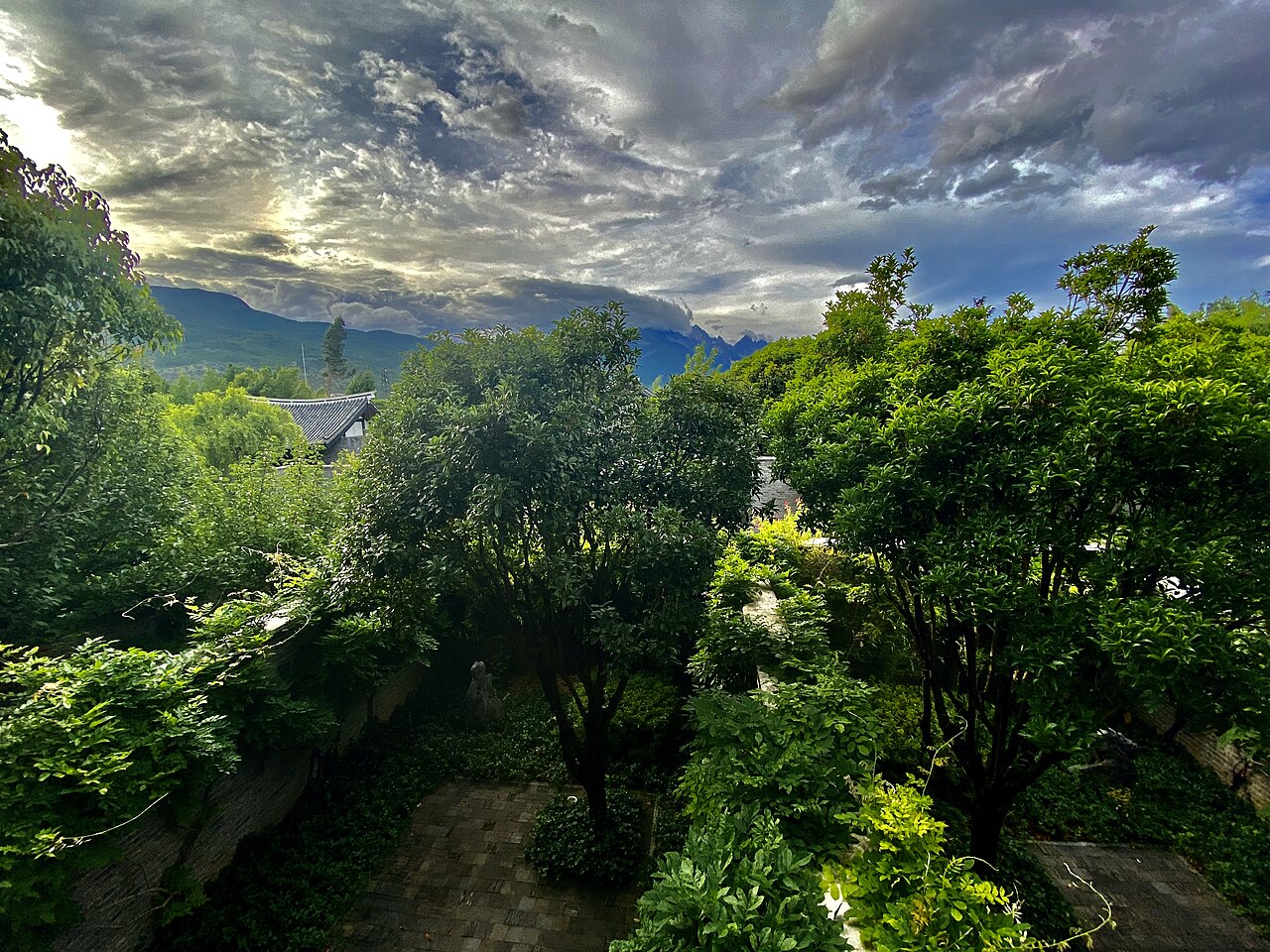
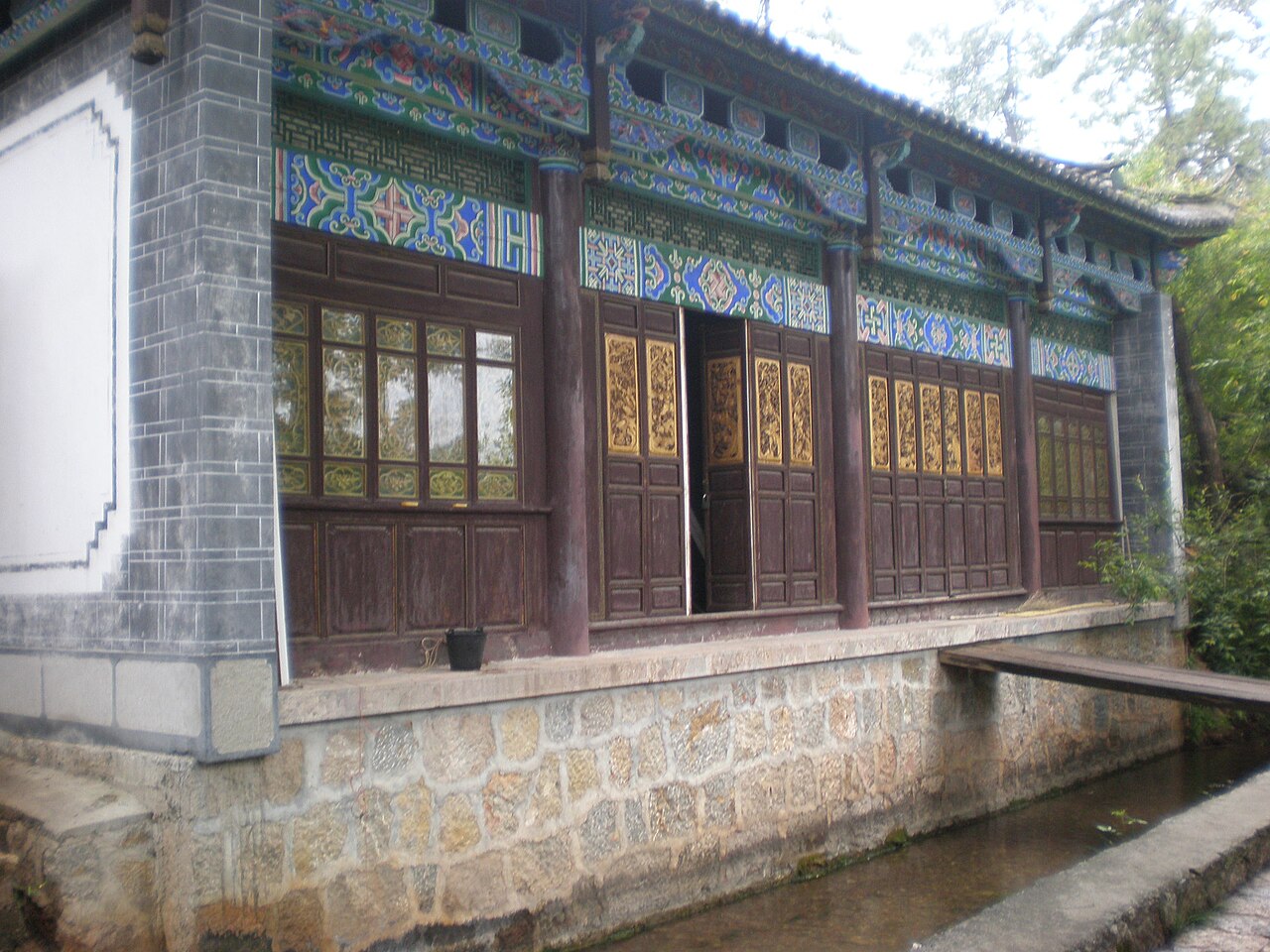
Photographs from the coast, and what other travellers wrote afterwards.

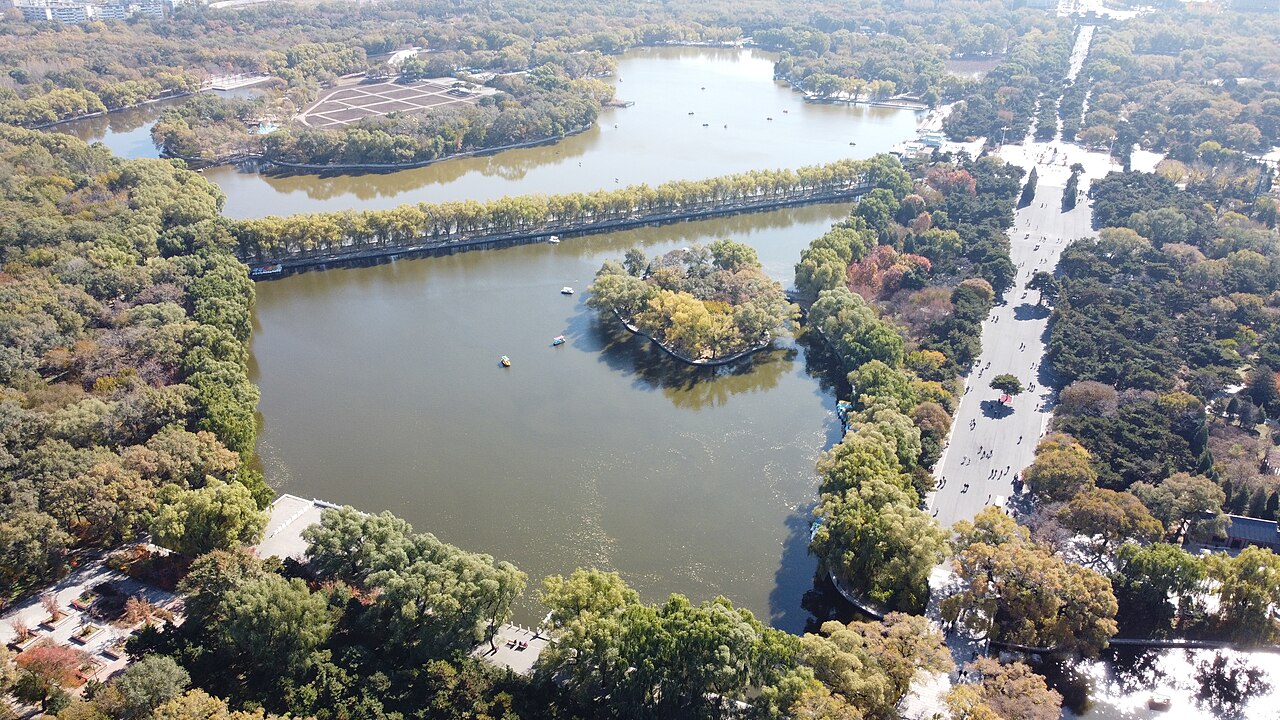
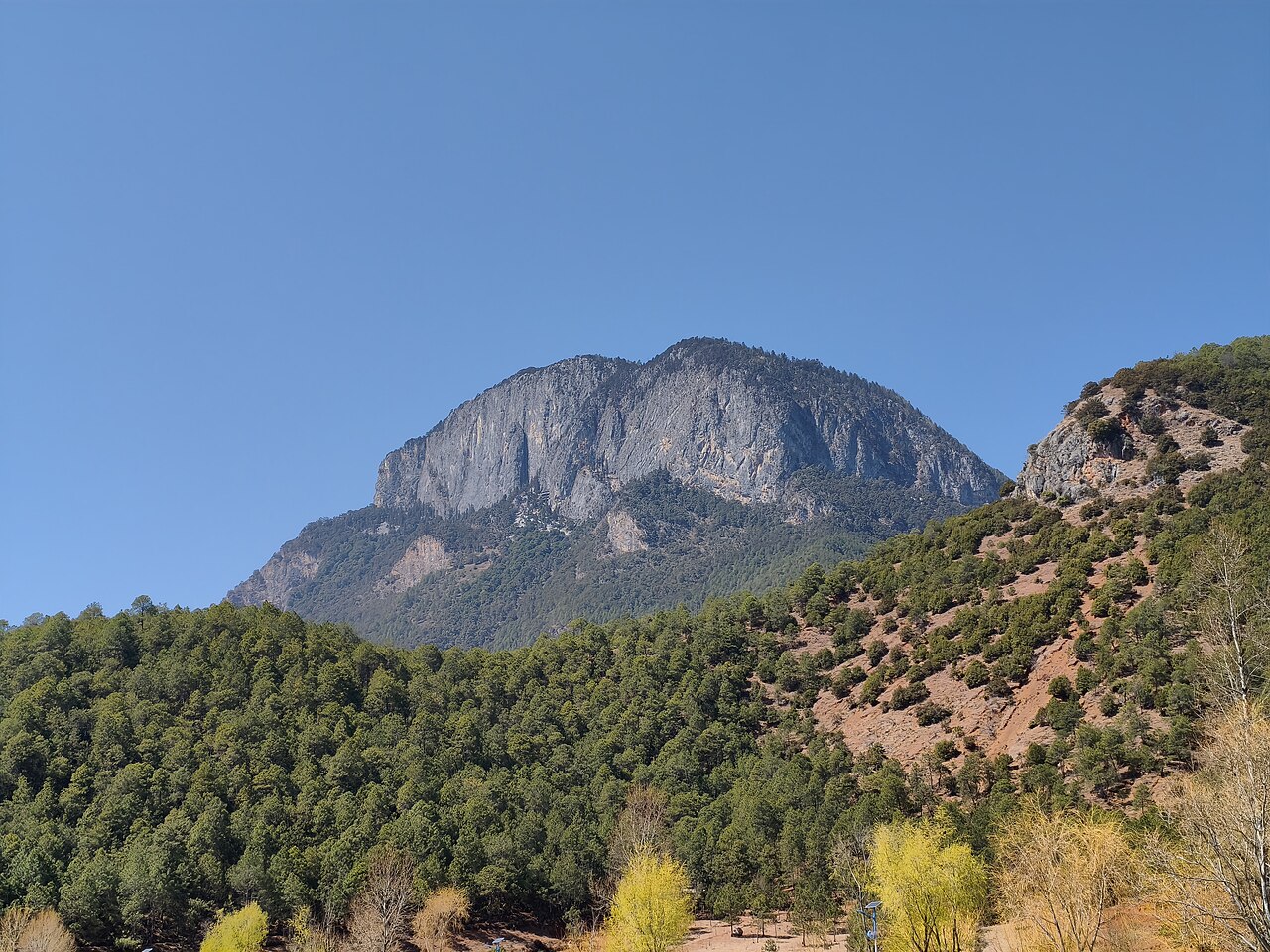
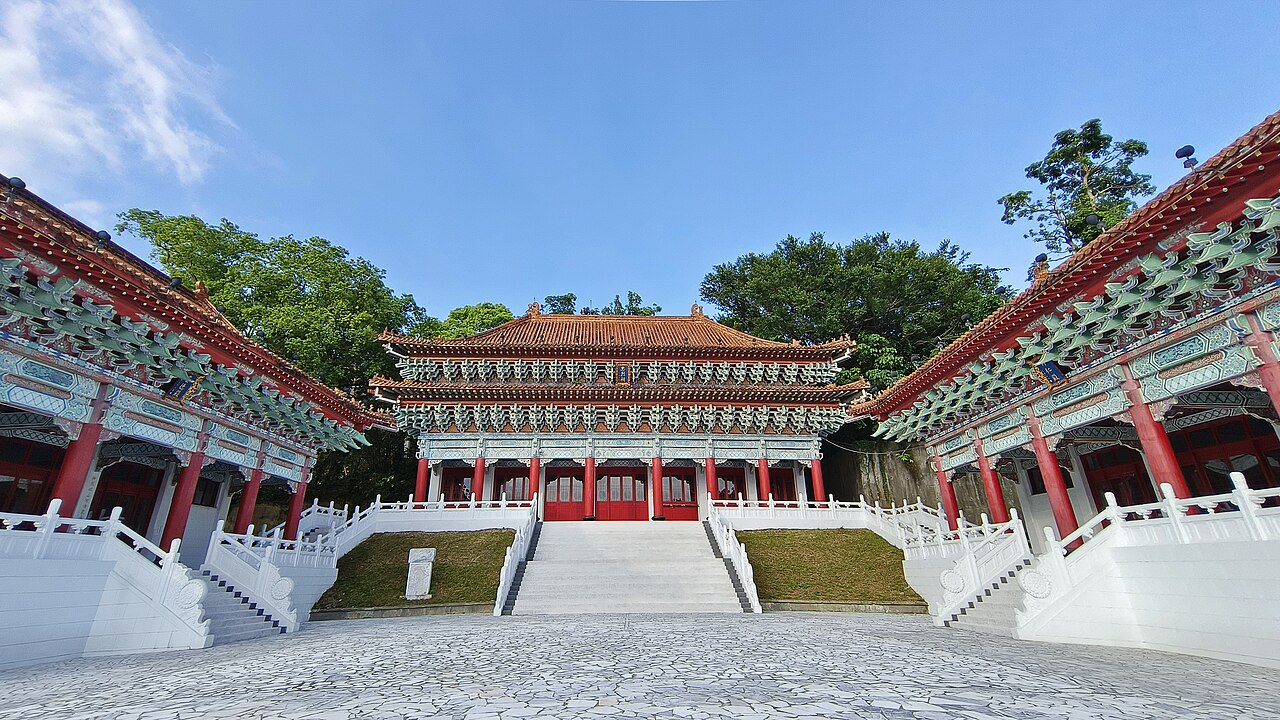
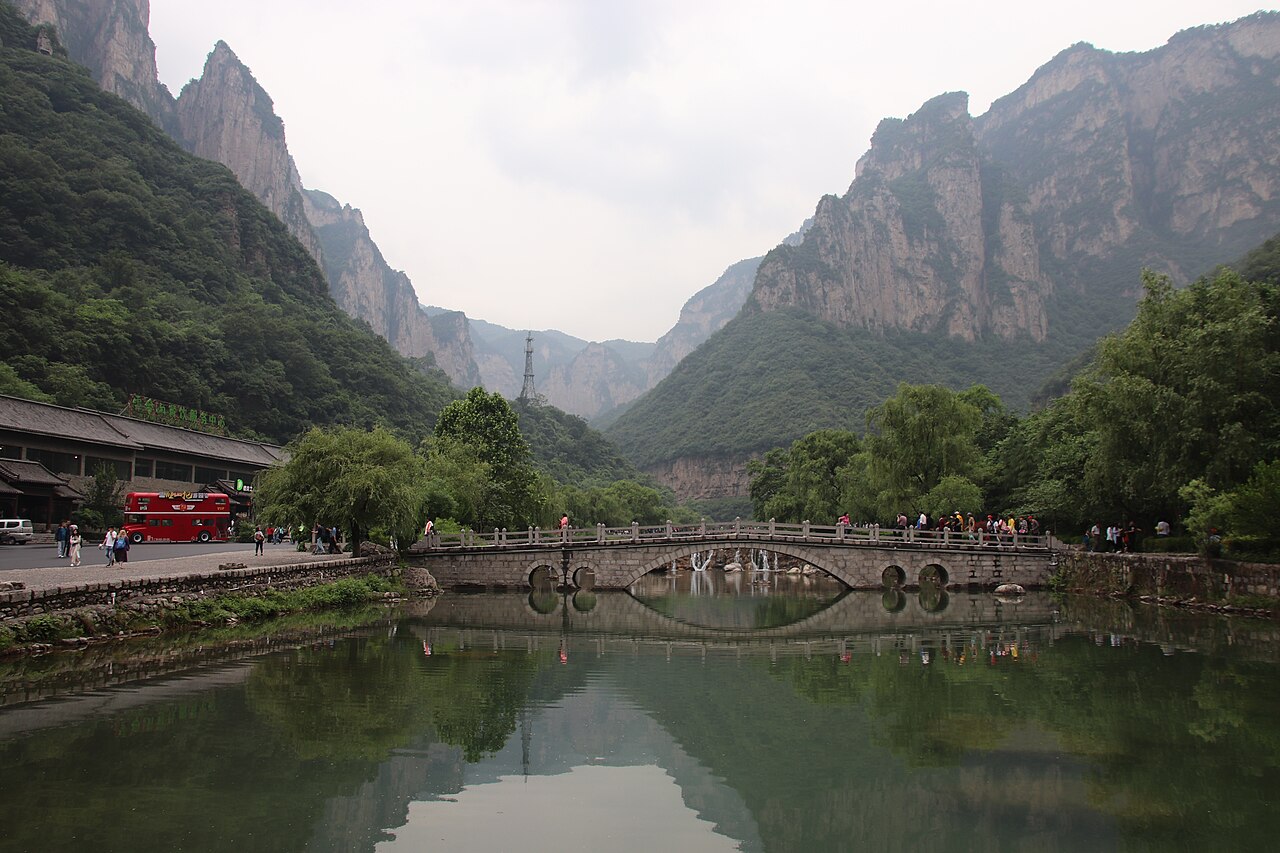
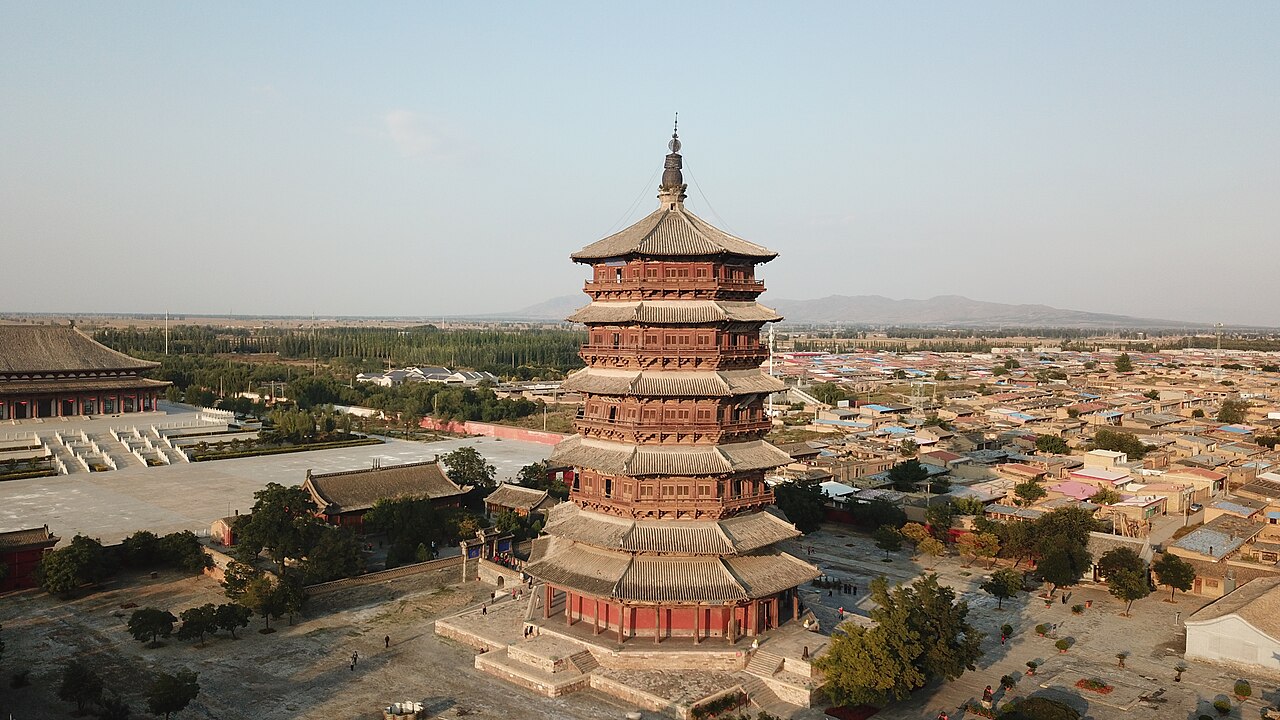
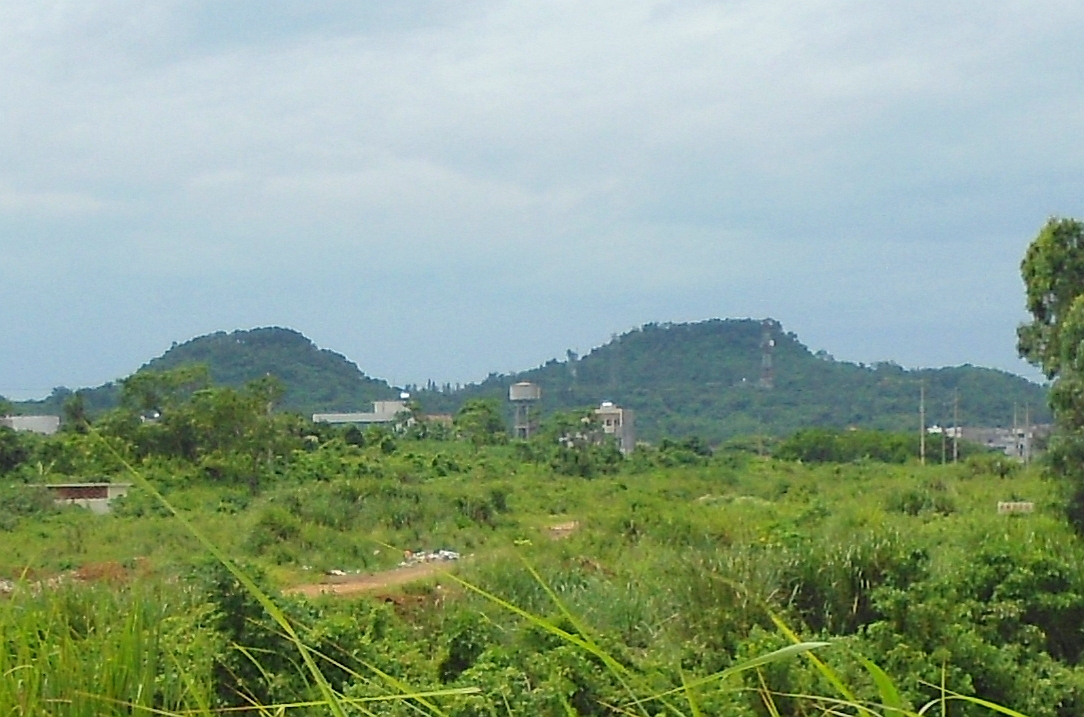
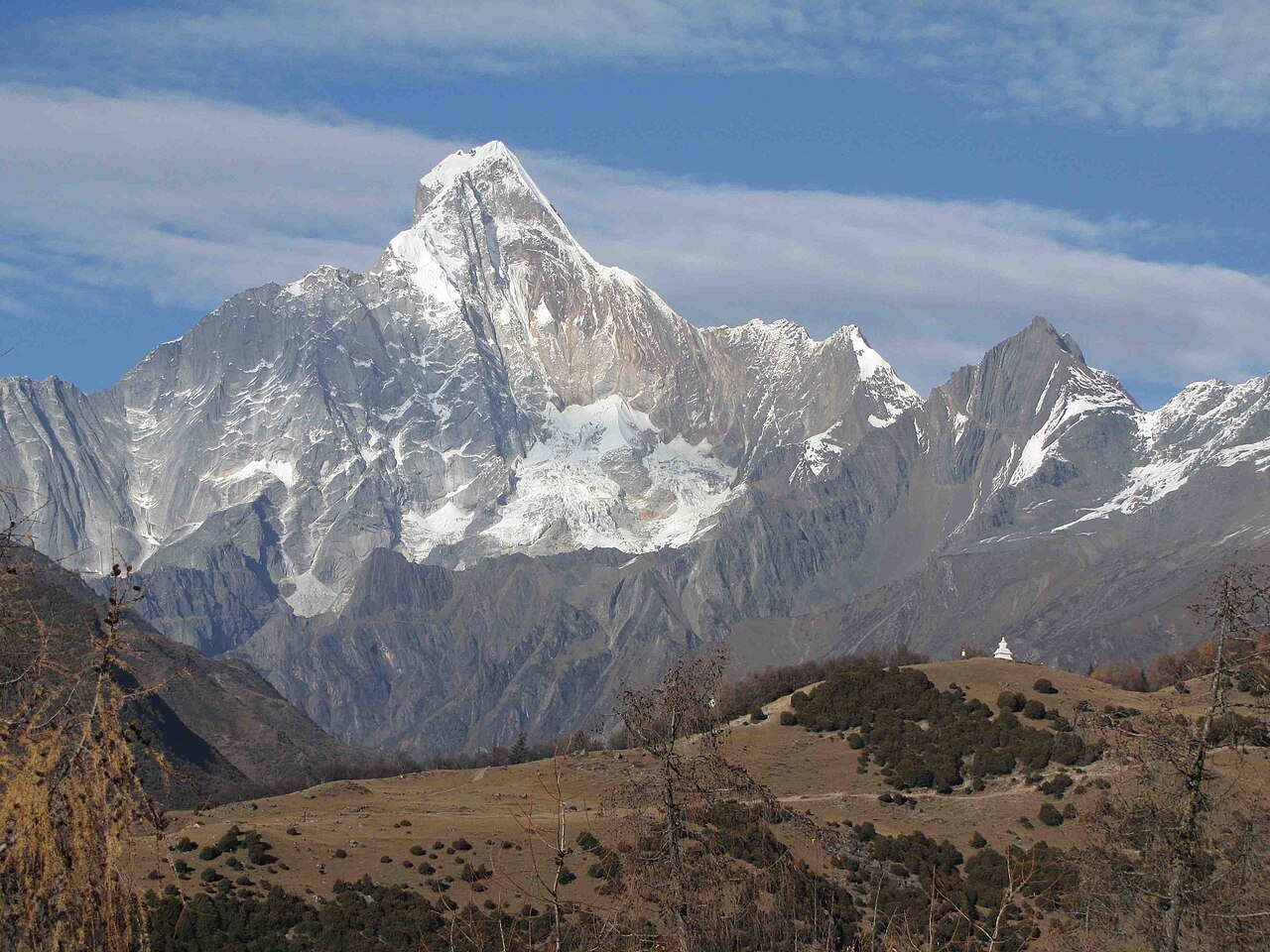
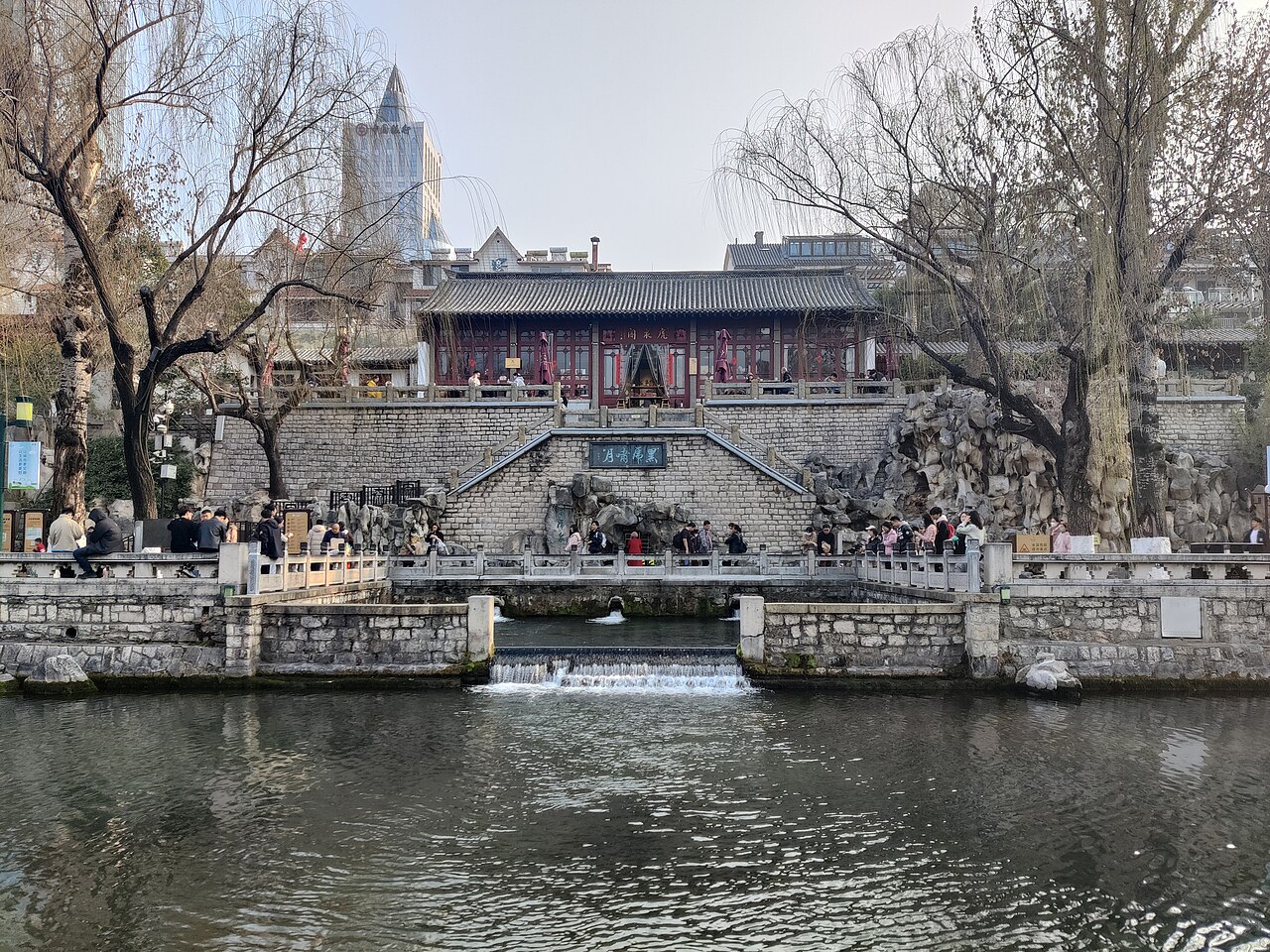
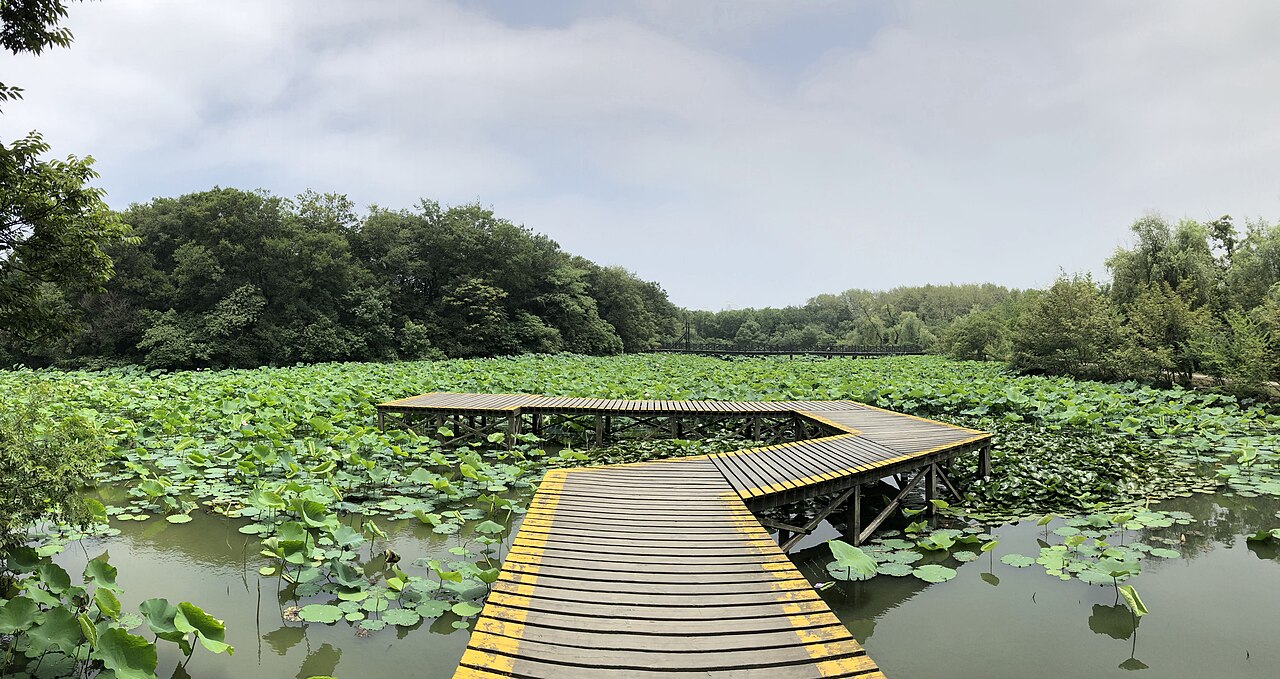
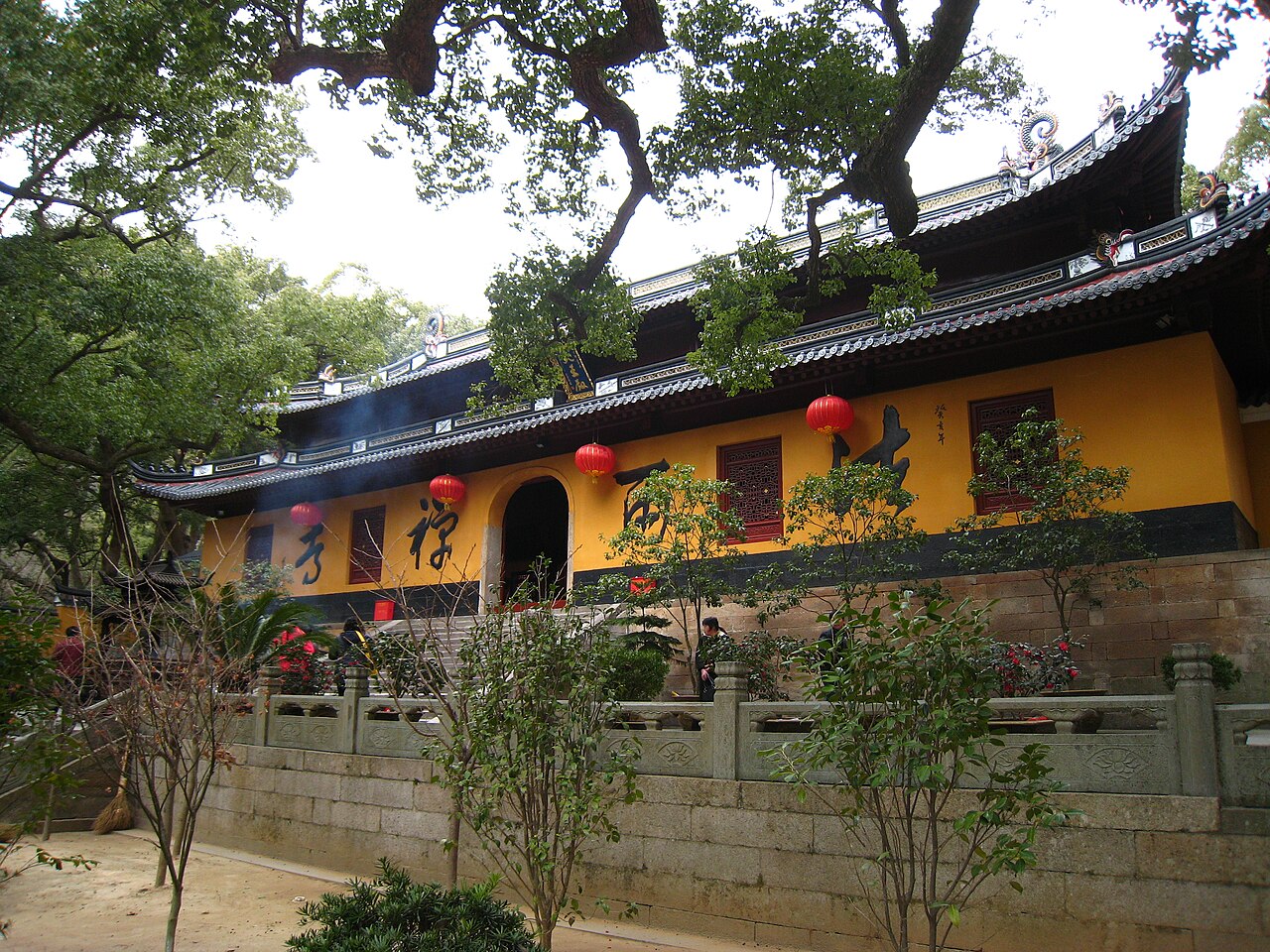
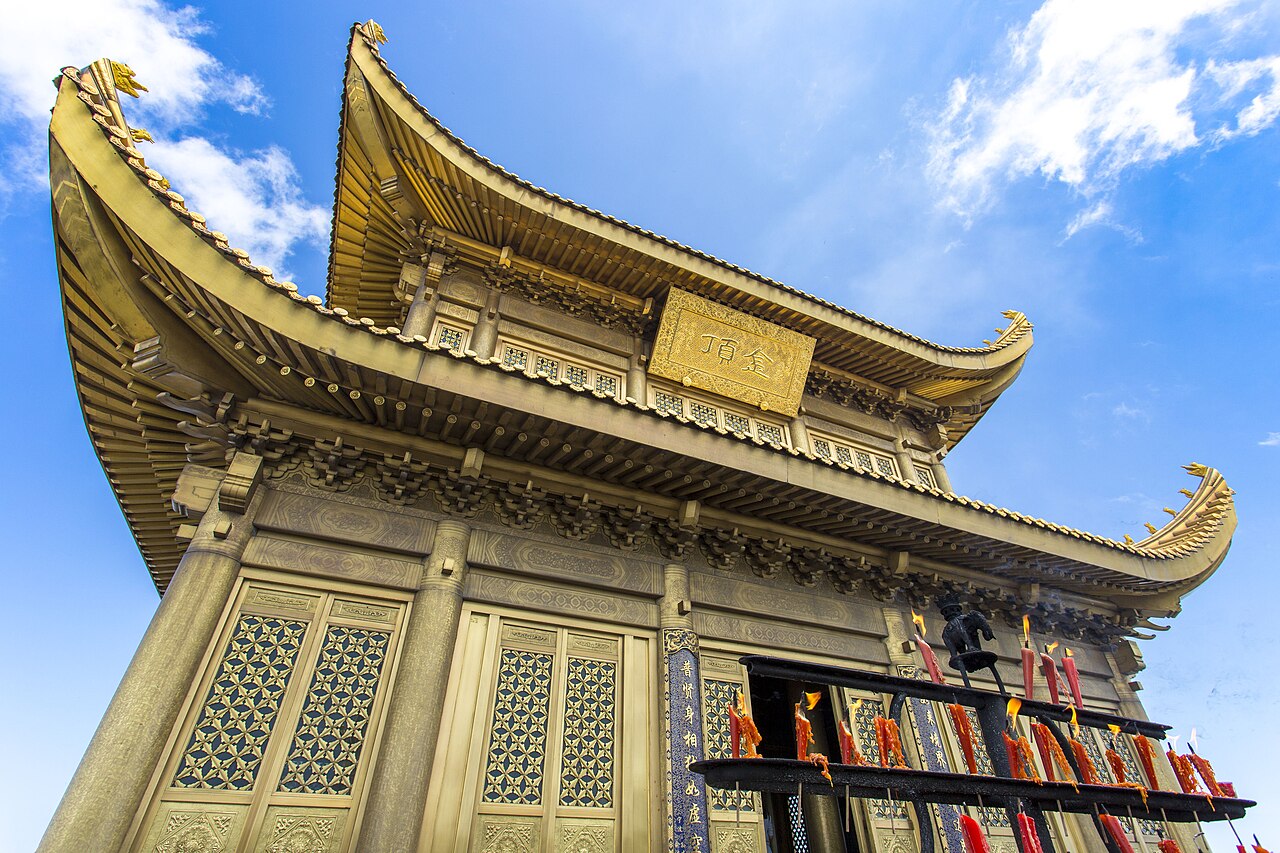
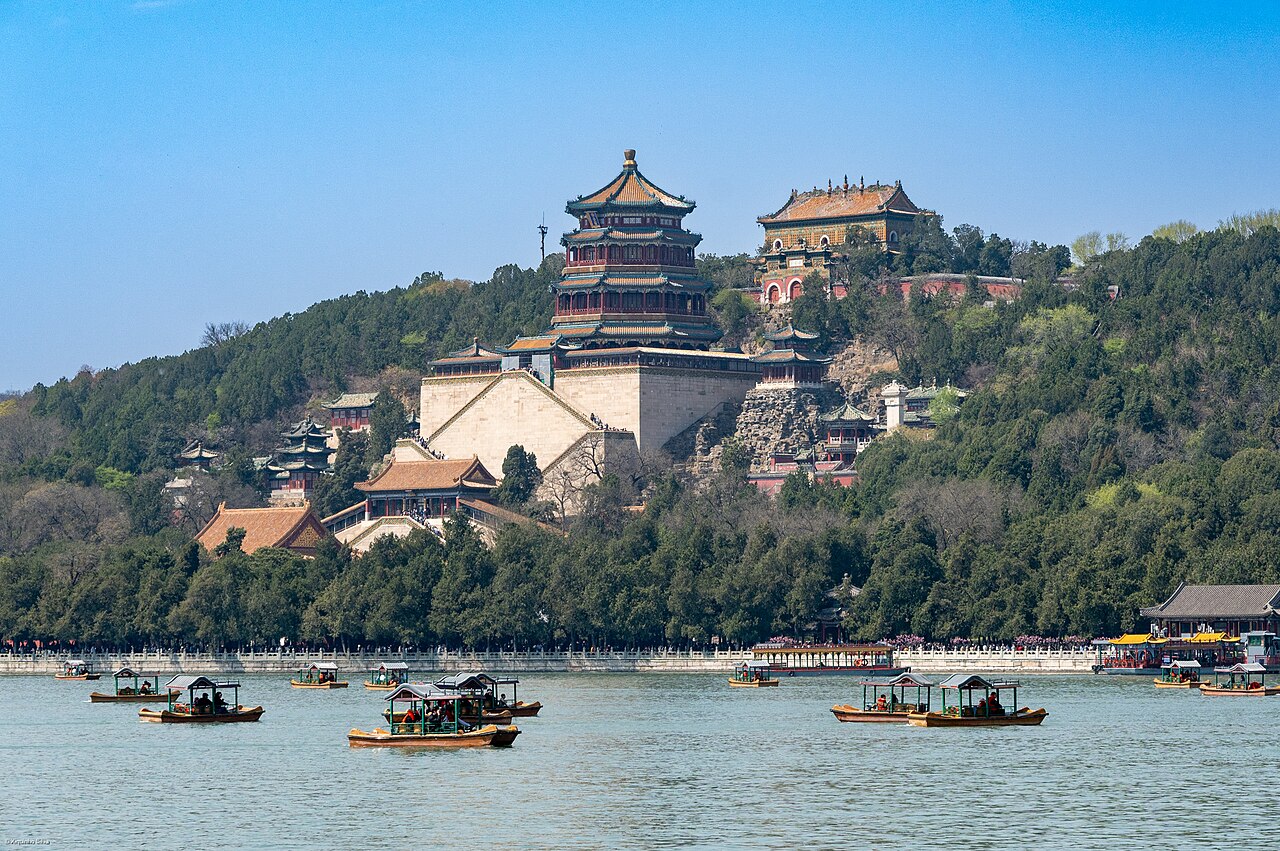
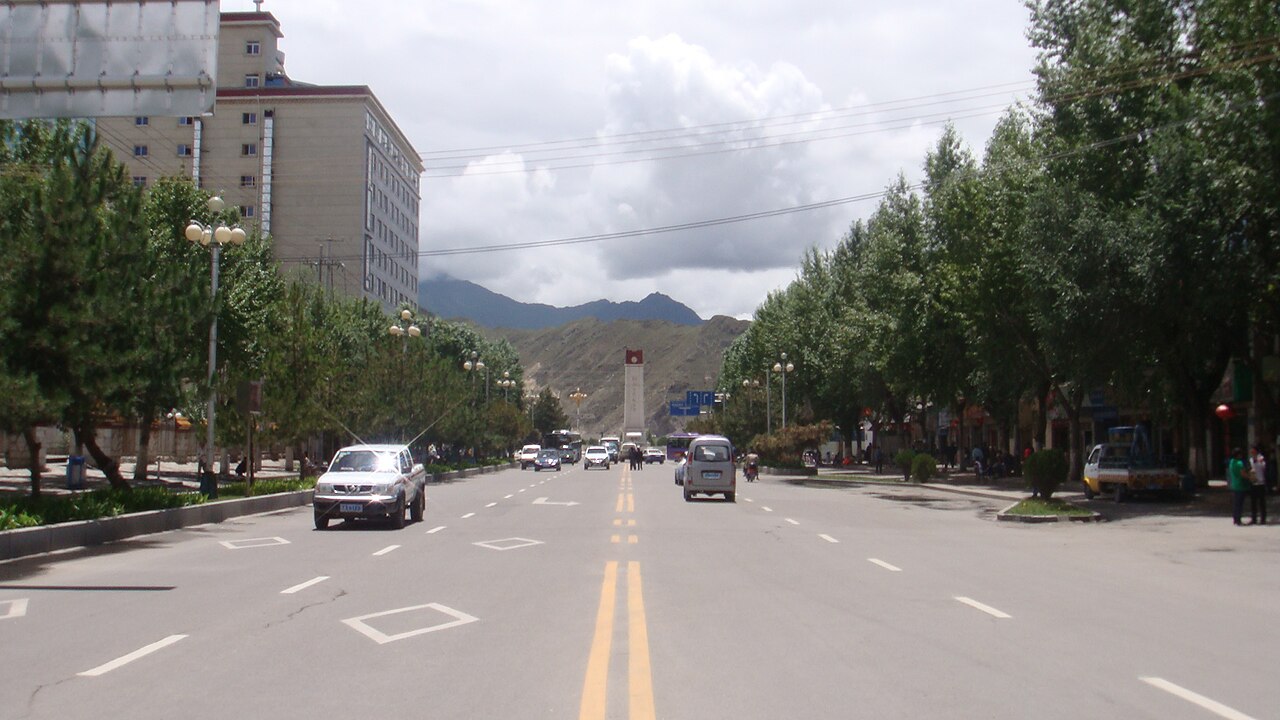
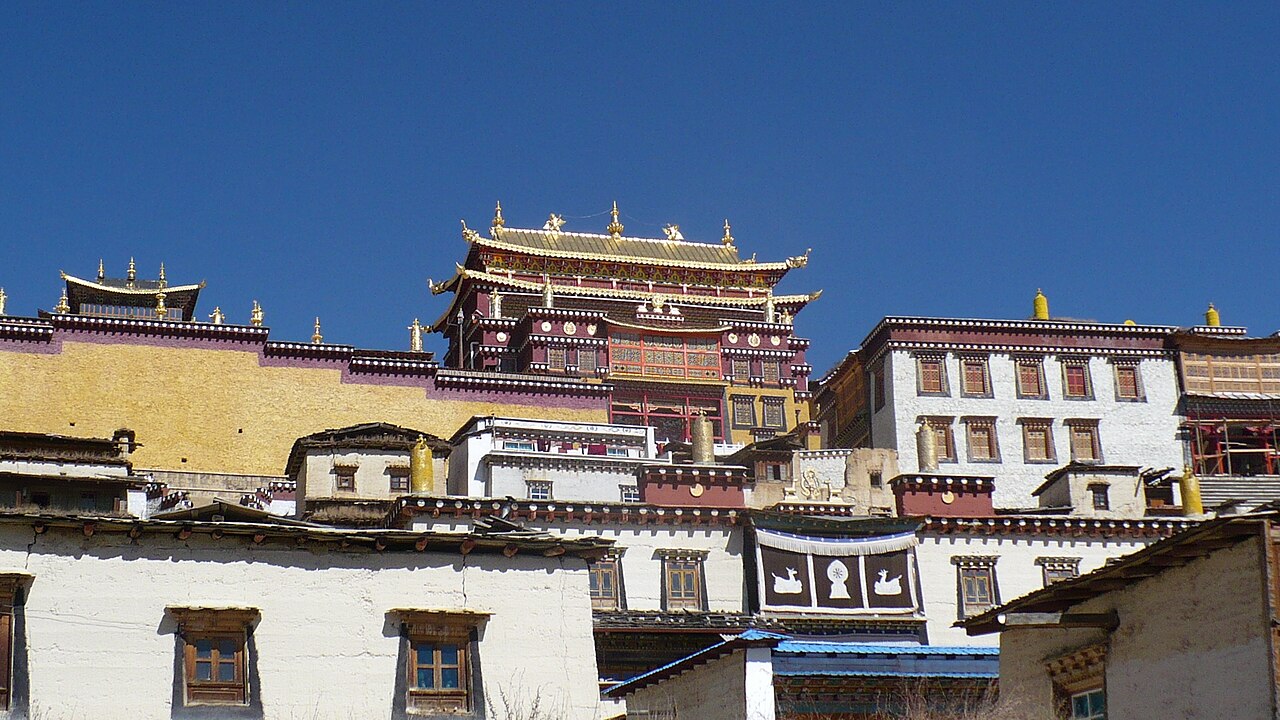
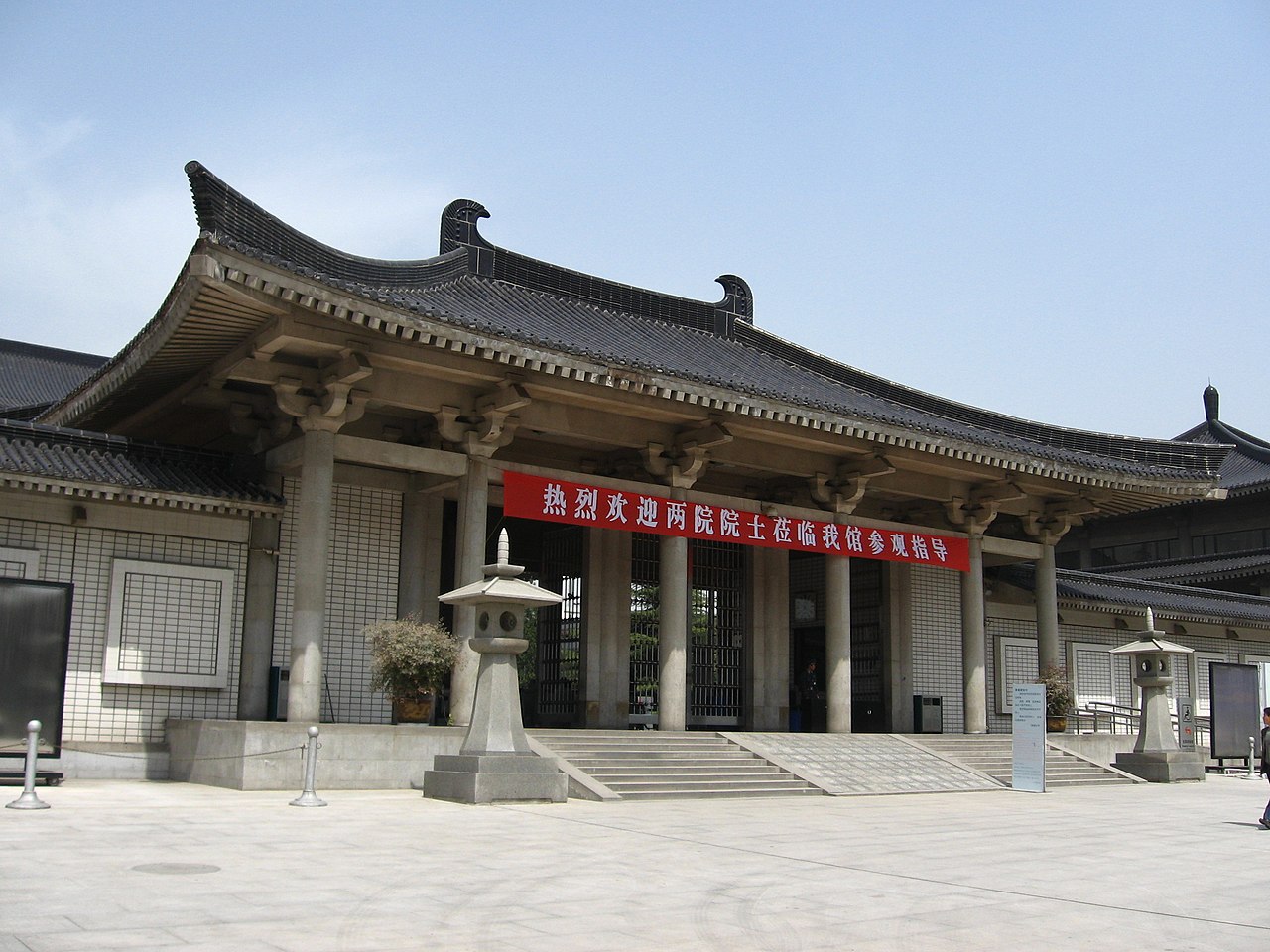
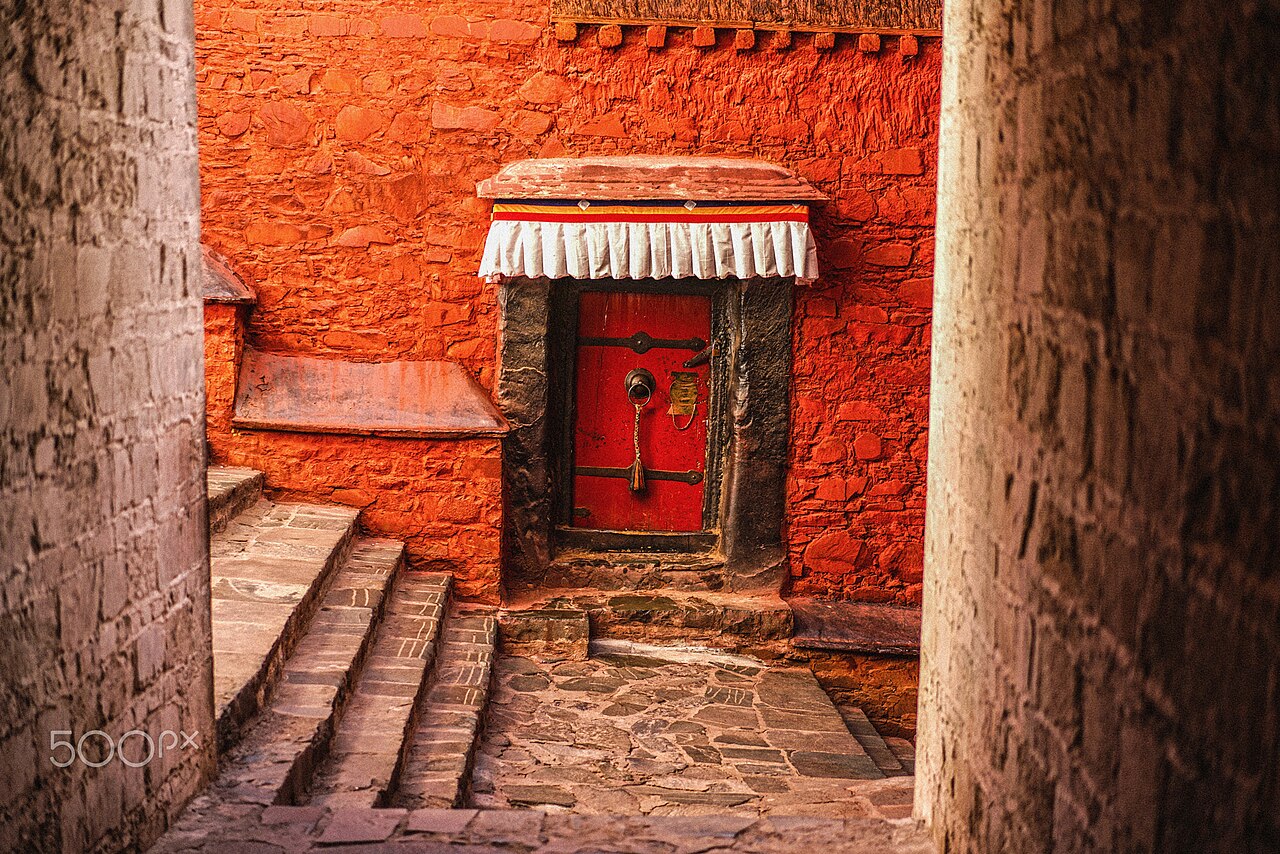
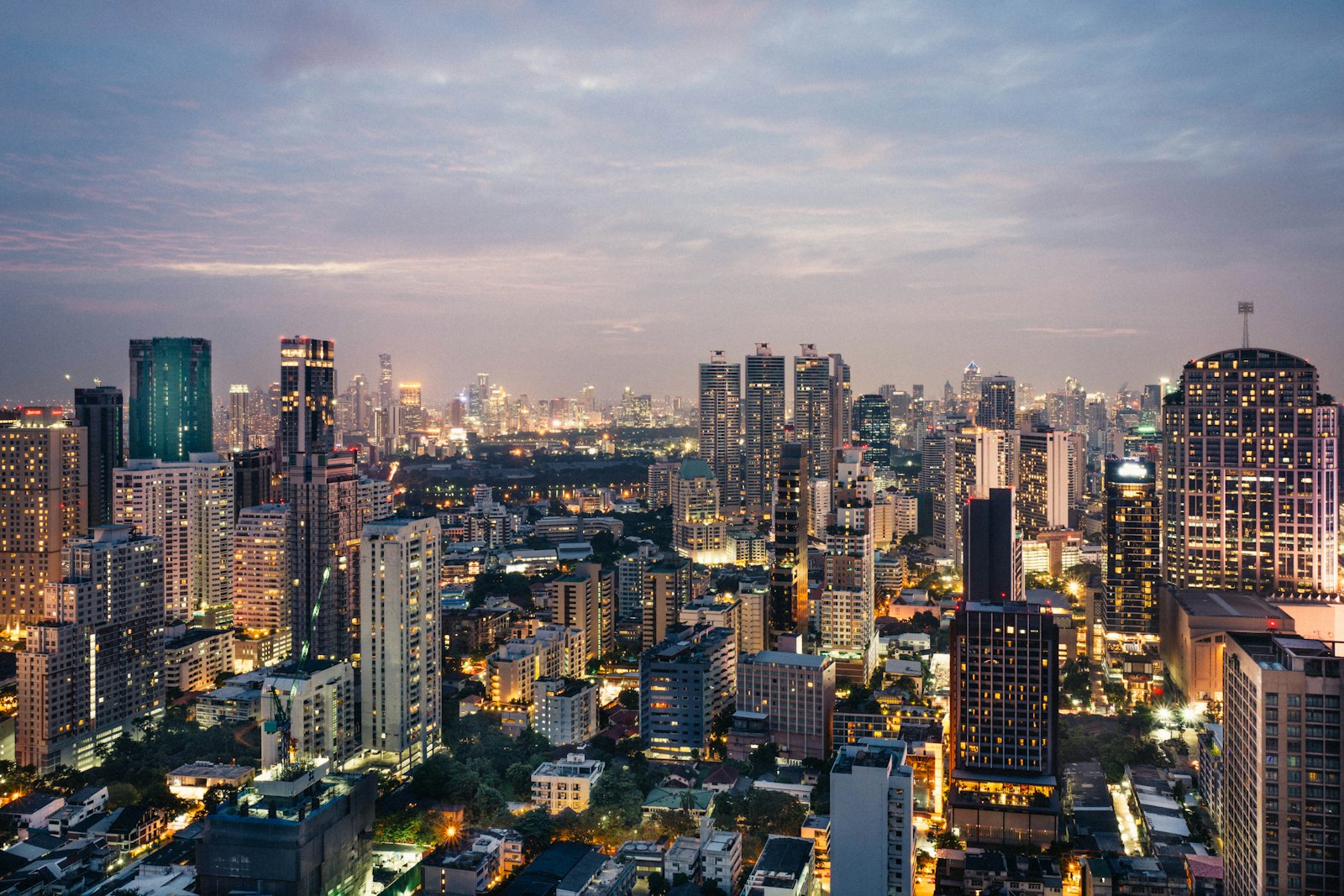
Songzanlin Monastery, the 'little Potala', across the valley from town
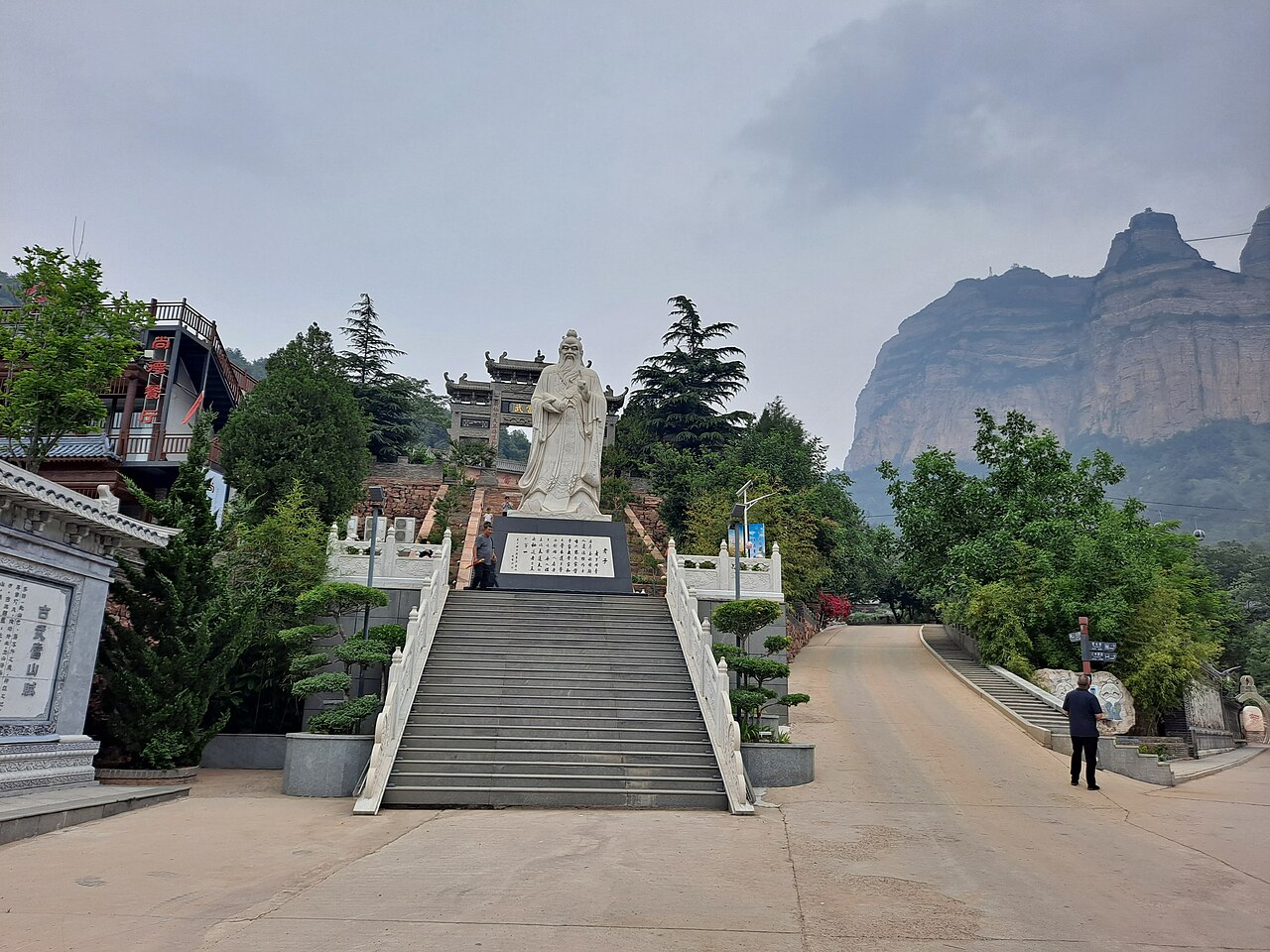
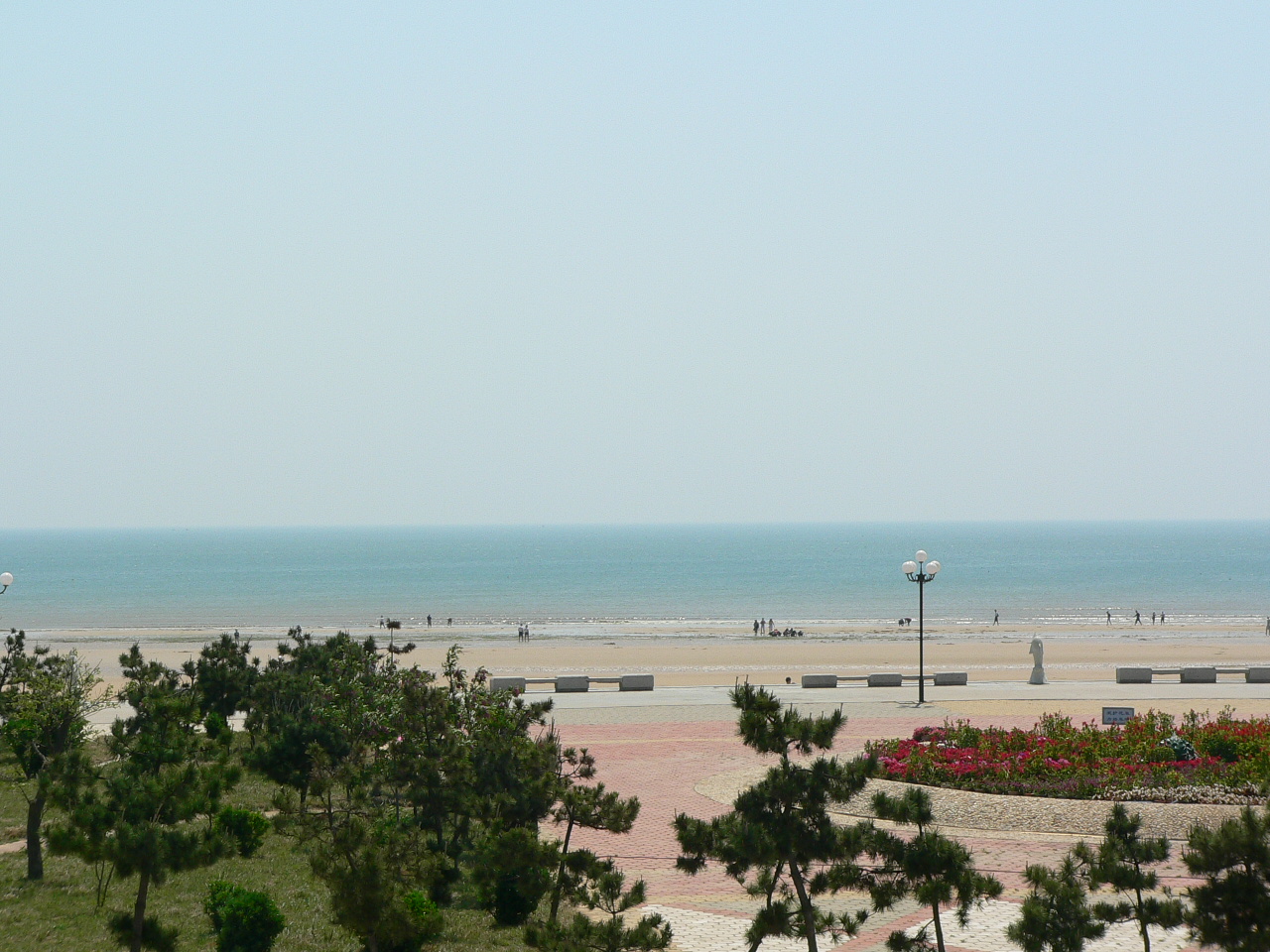
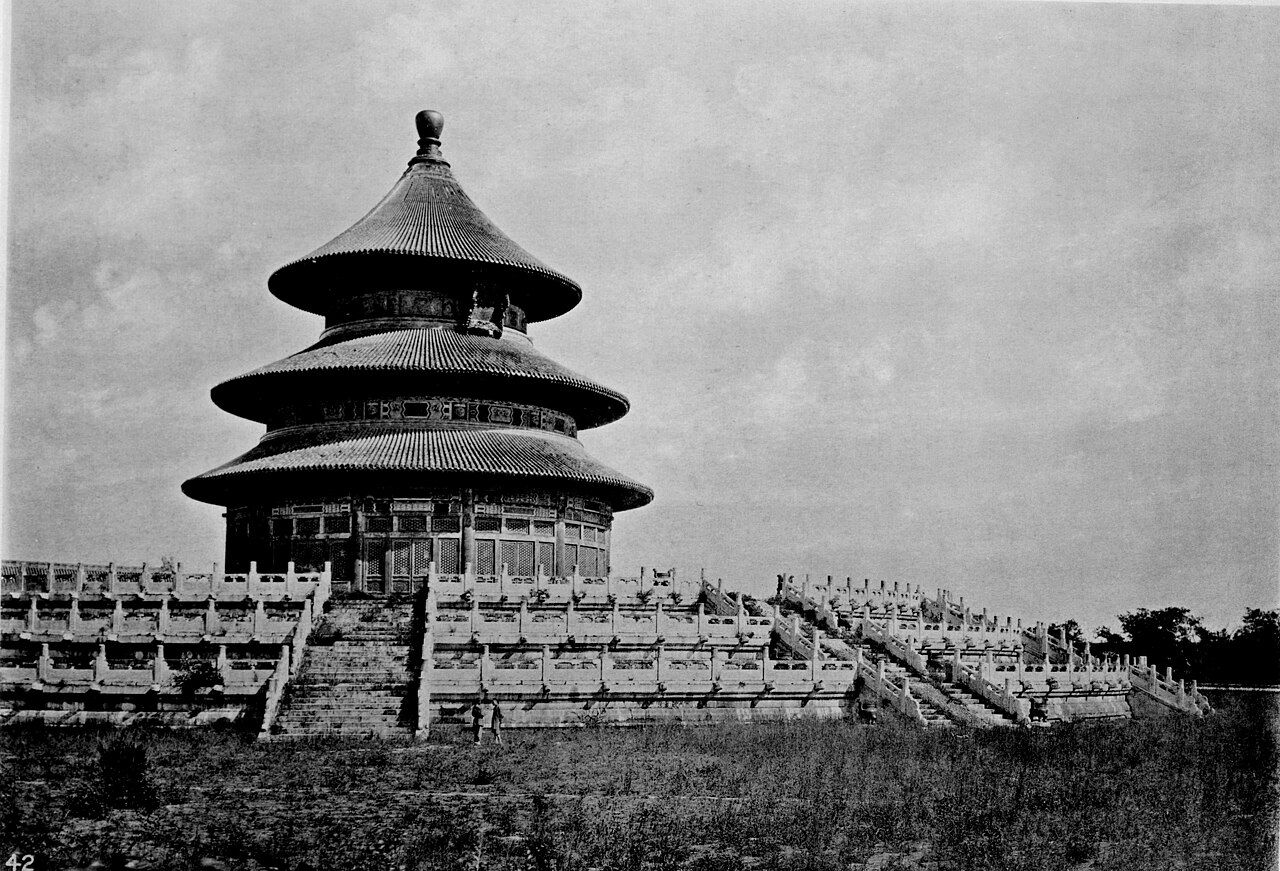
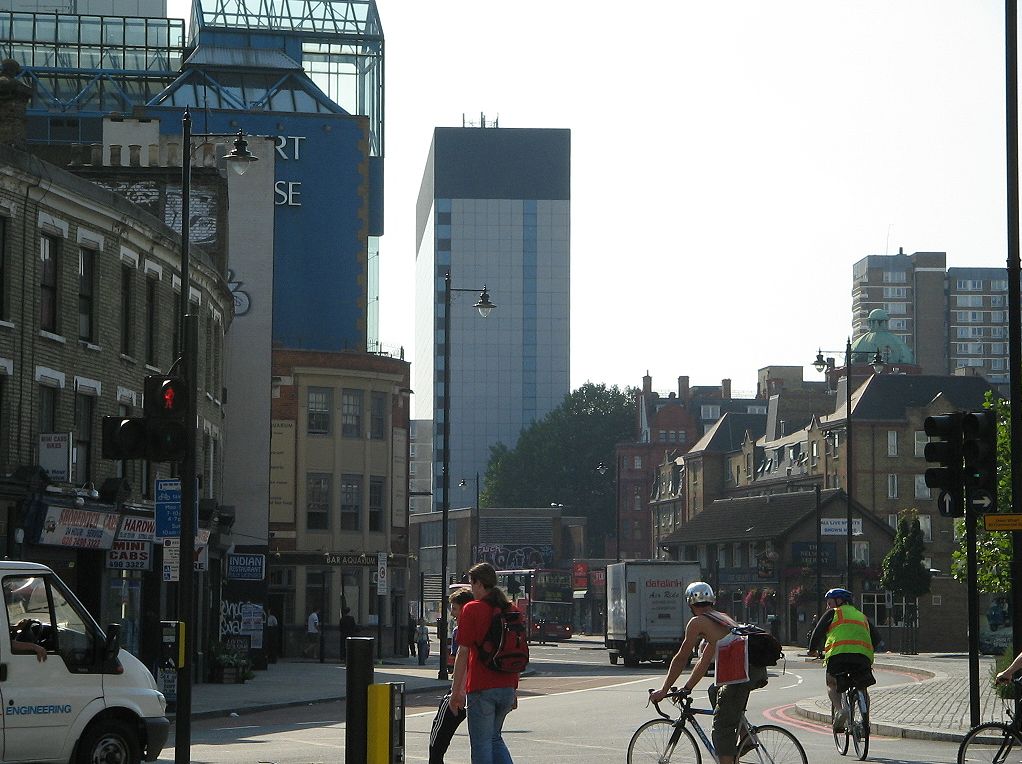
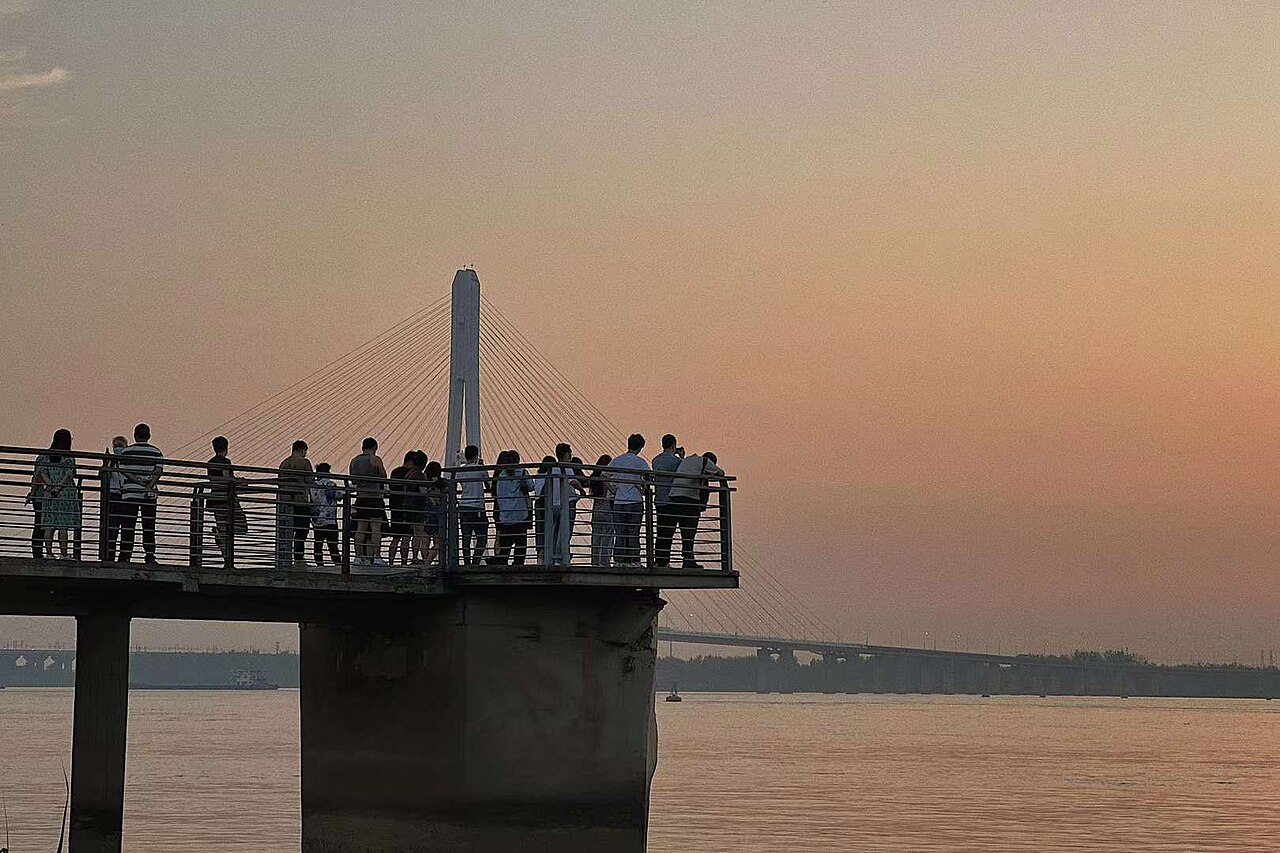
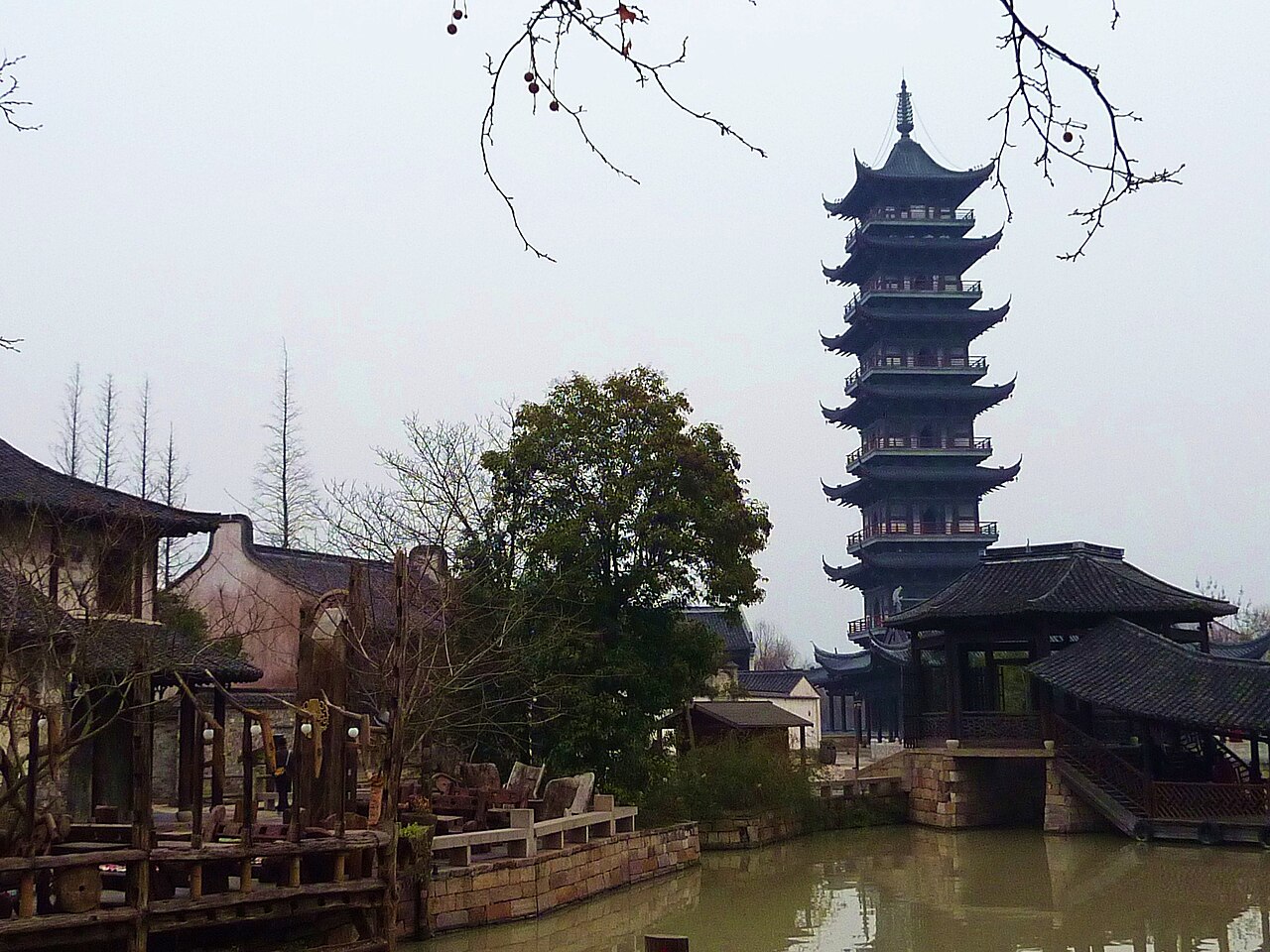
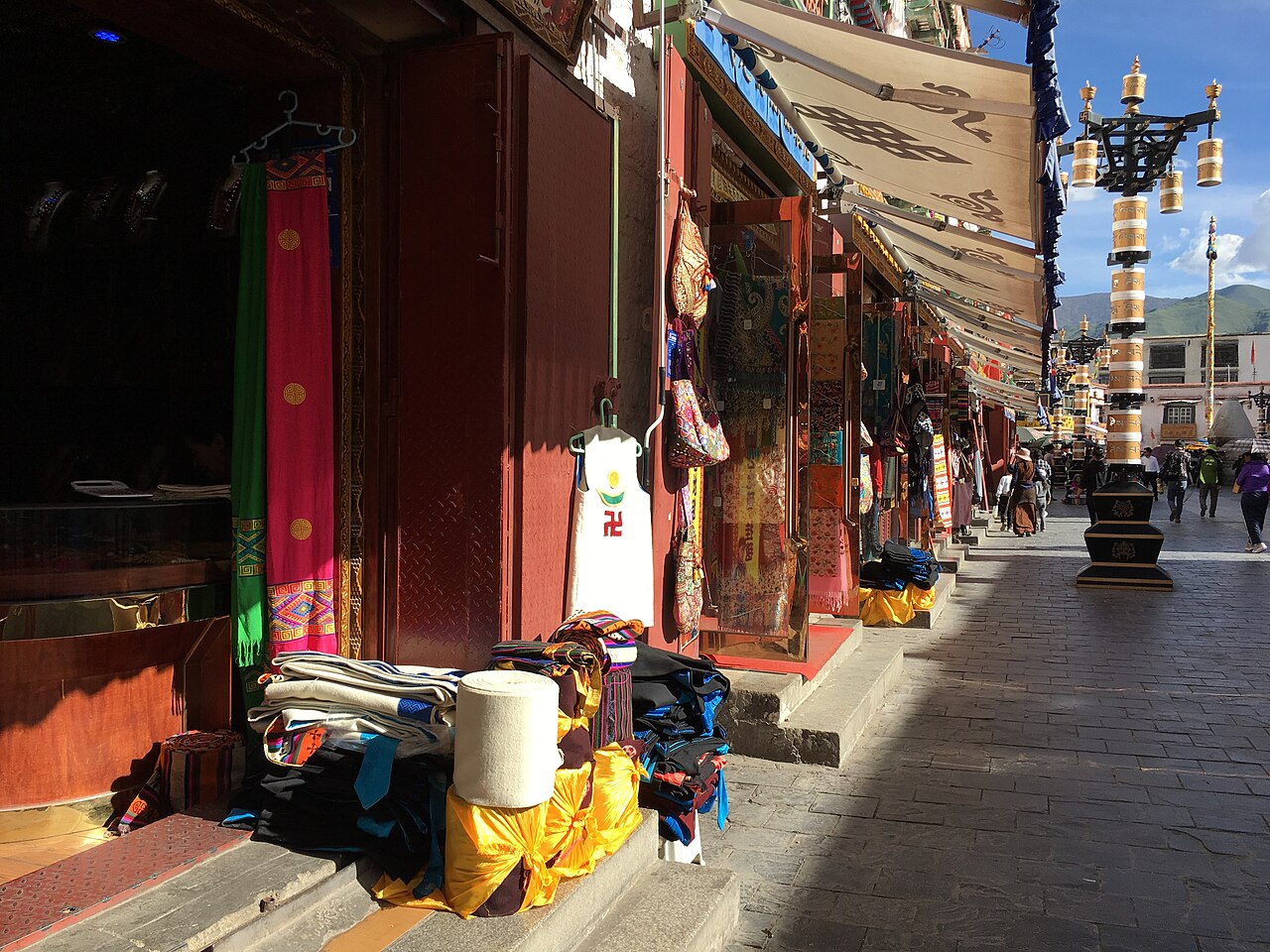
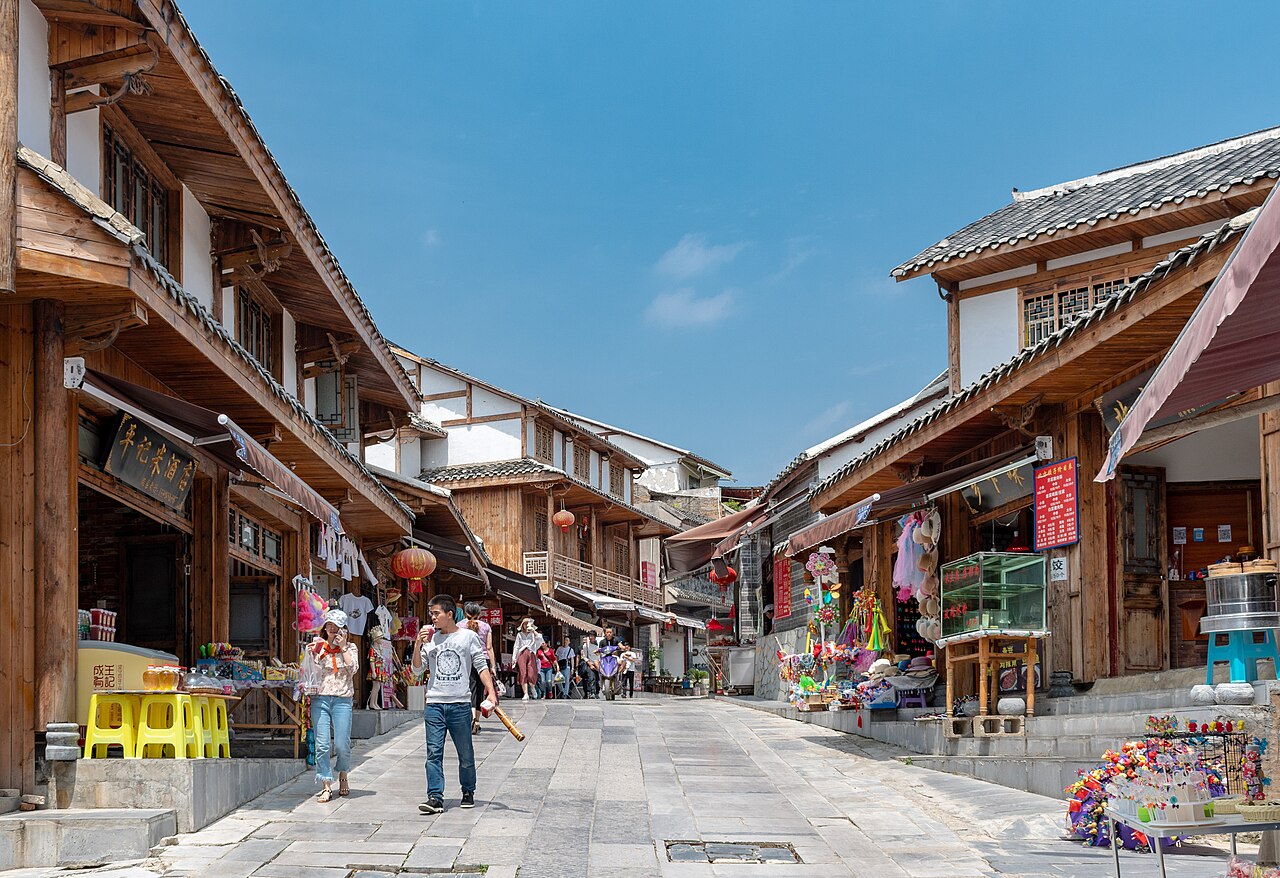
The 21 m gilded prayer wheel above the Dukezong old town
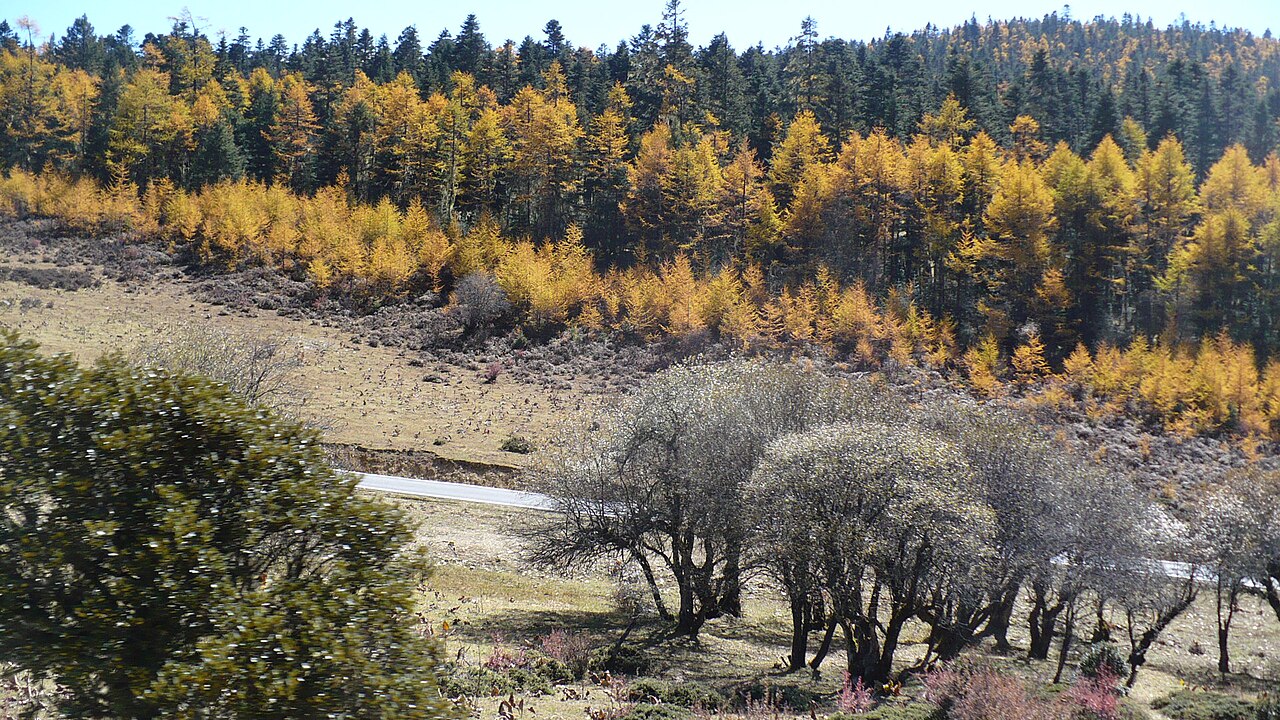
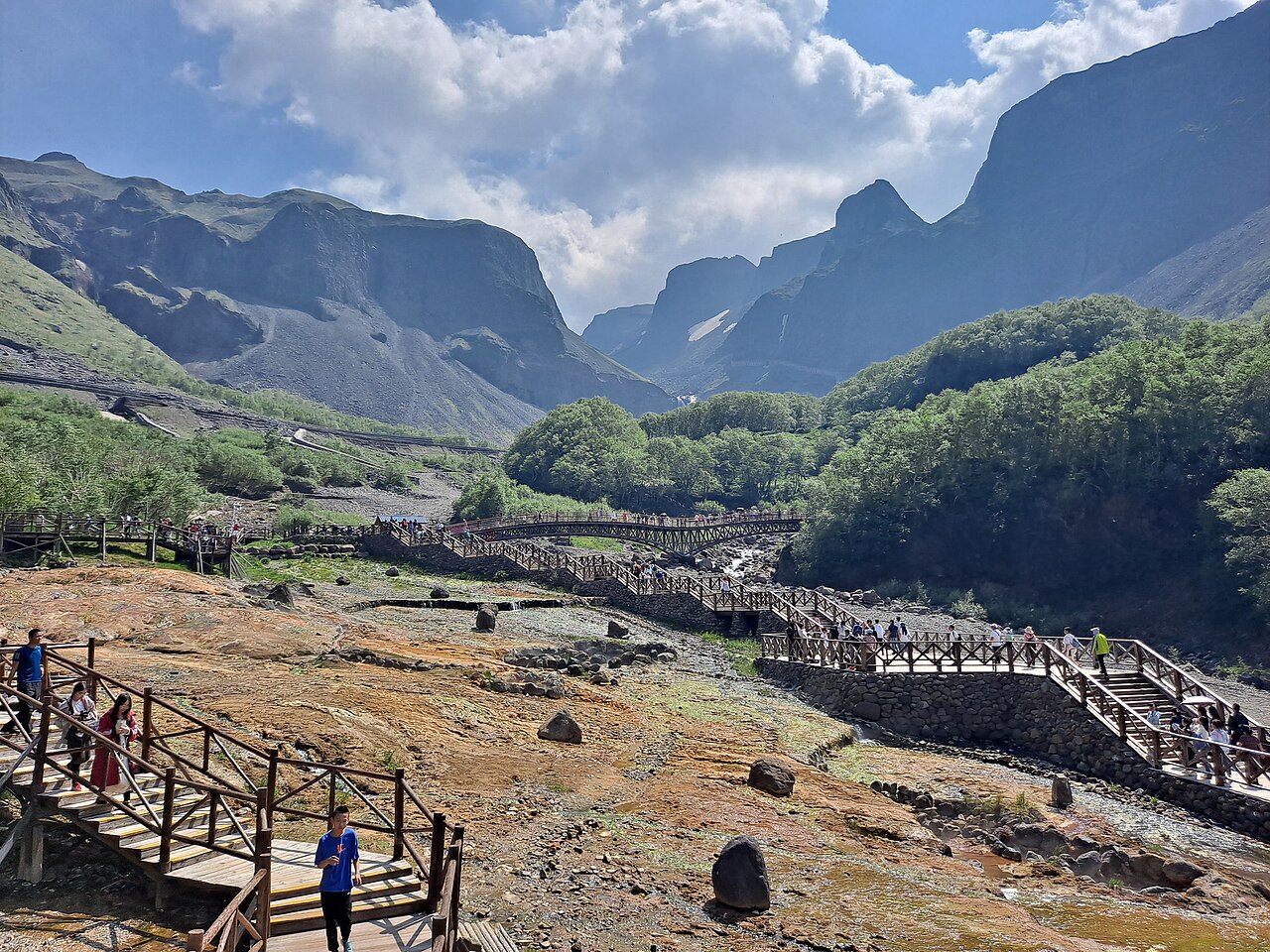
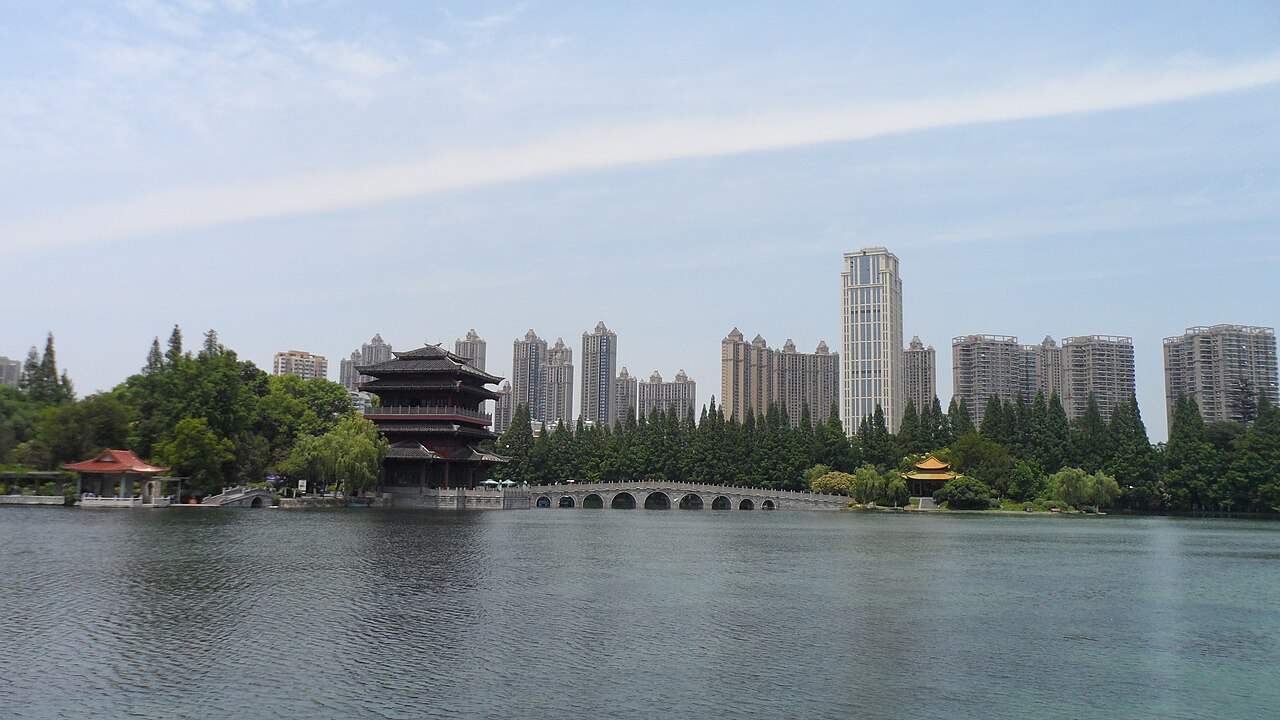
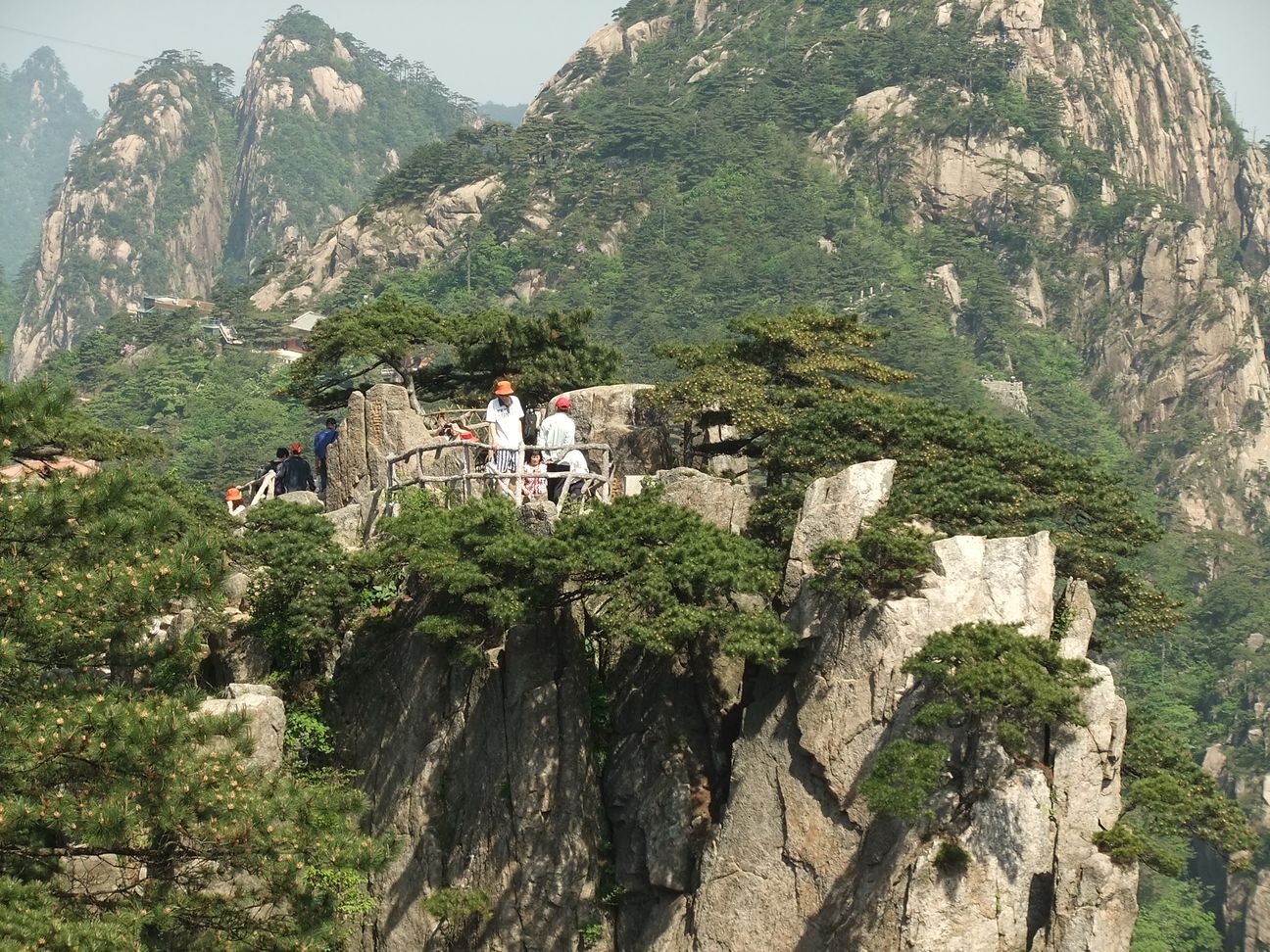
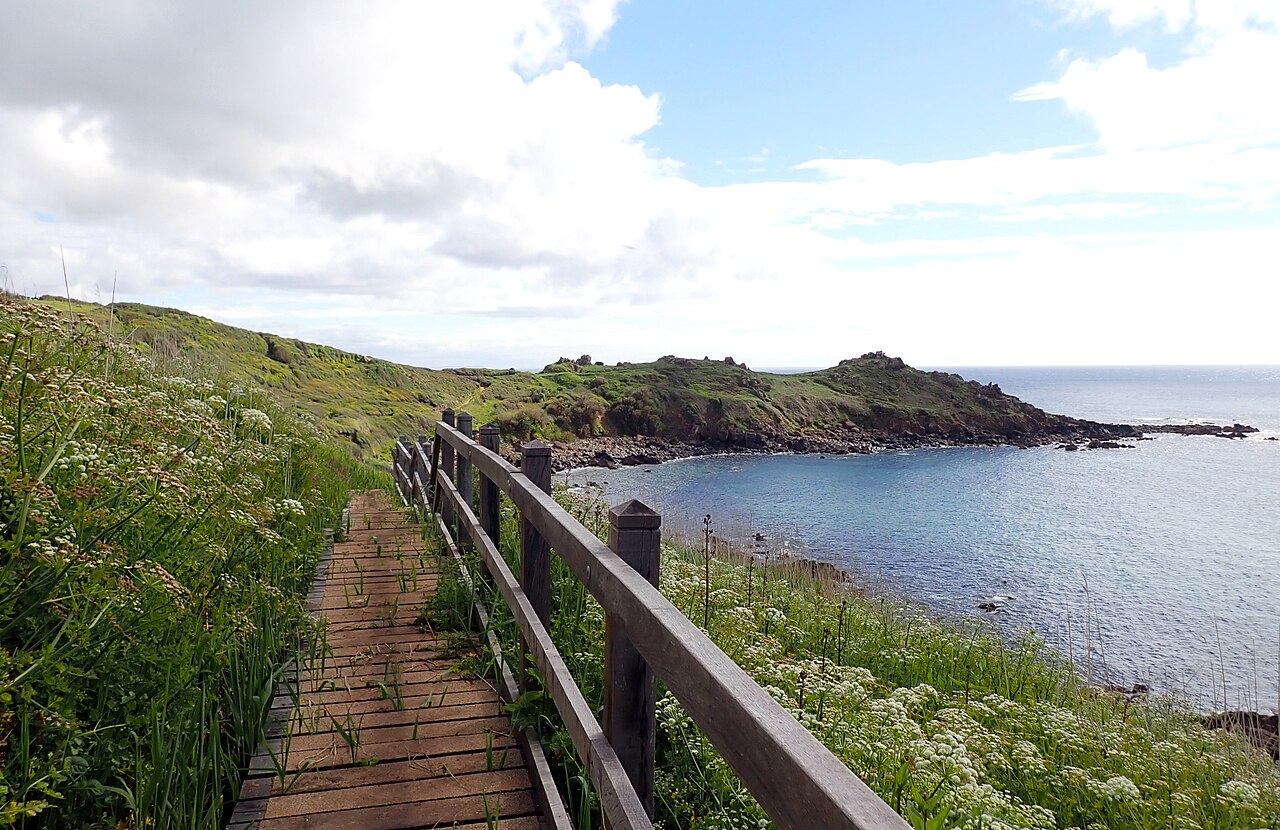
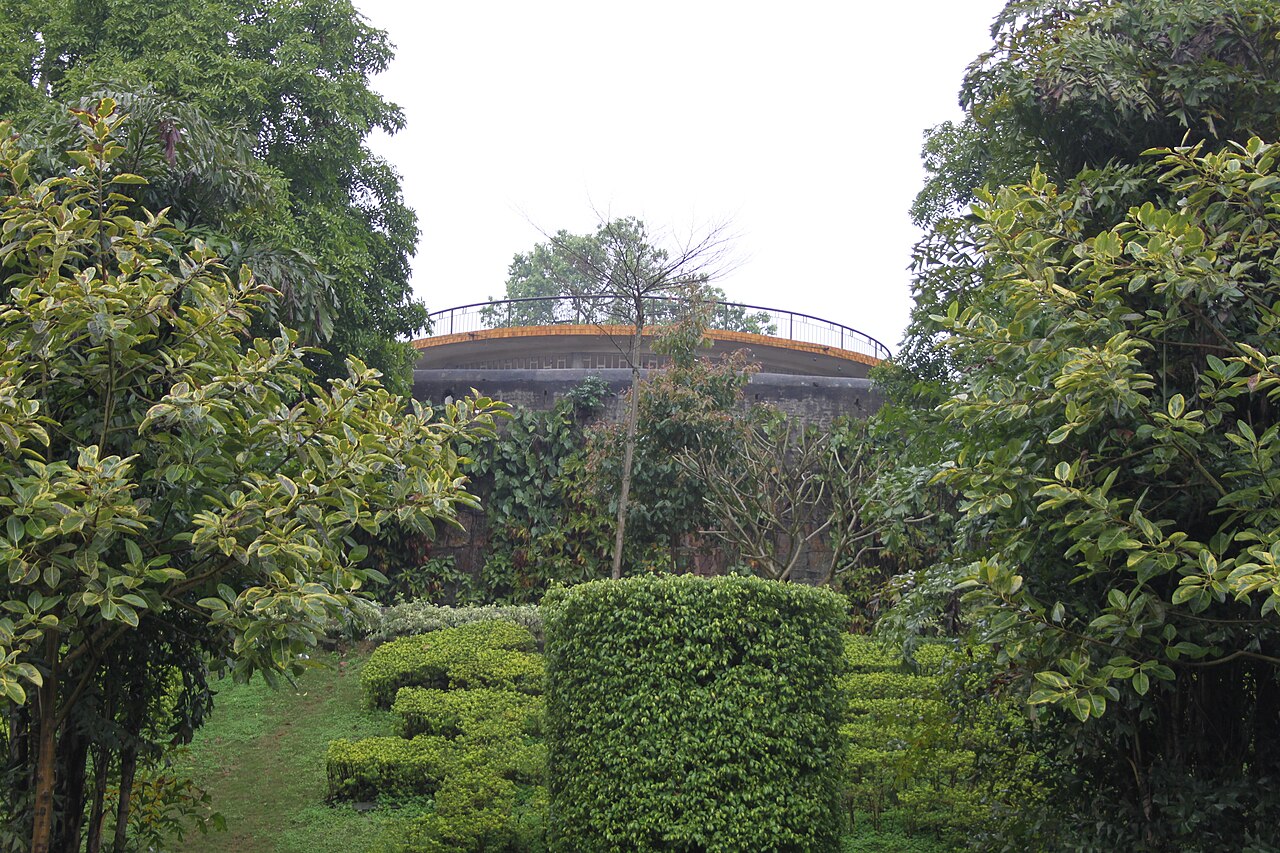
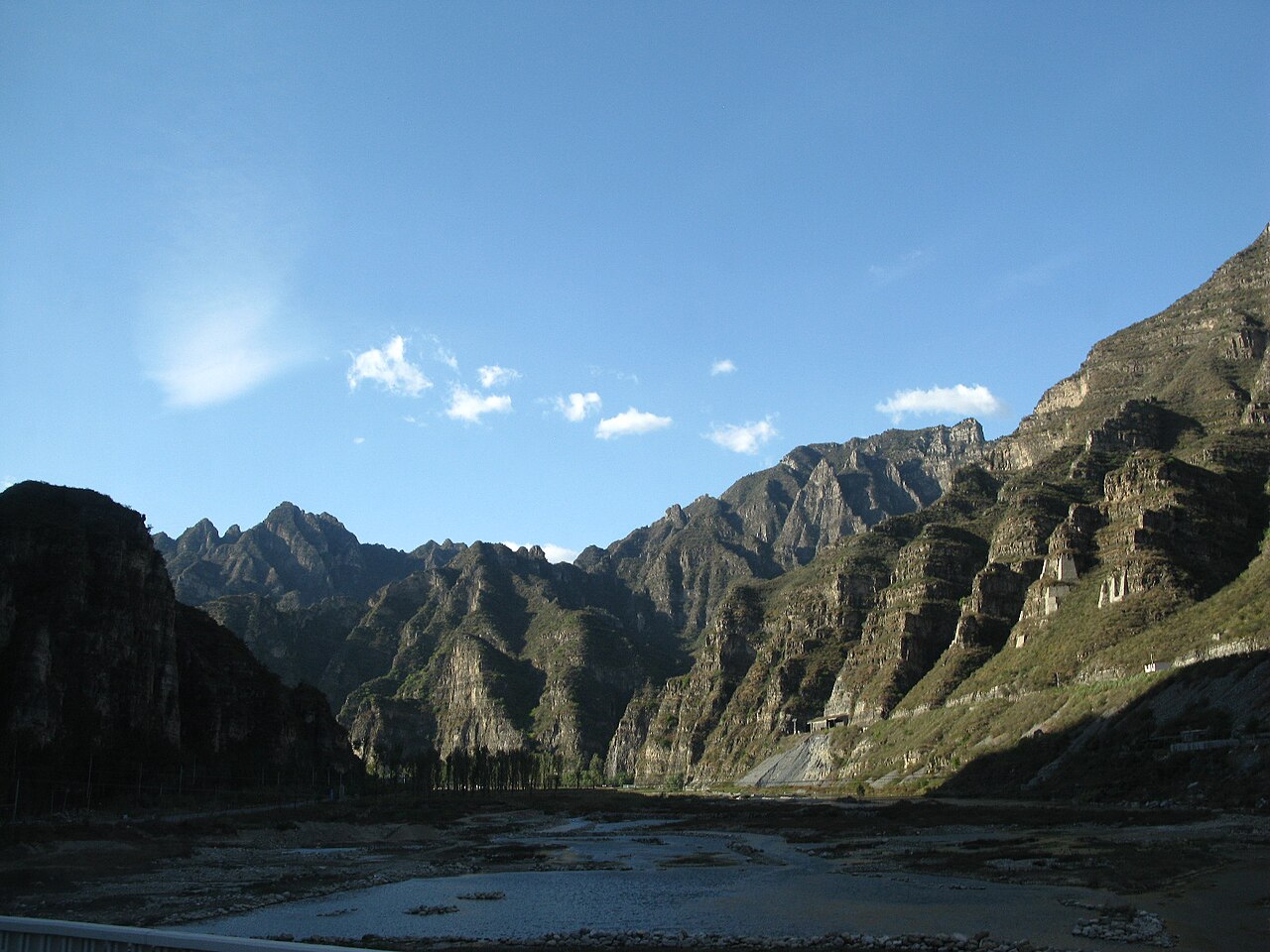
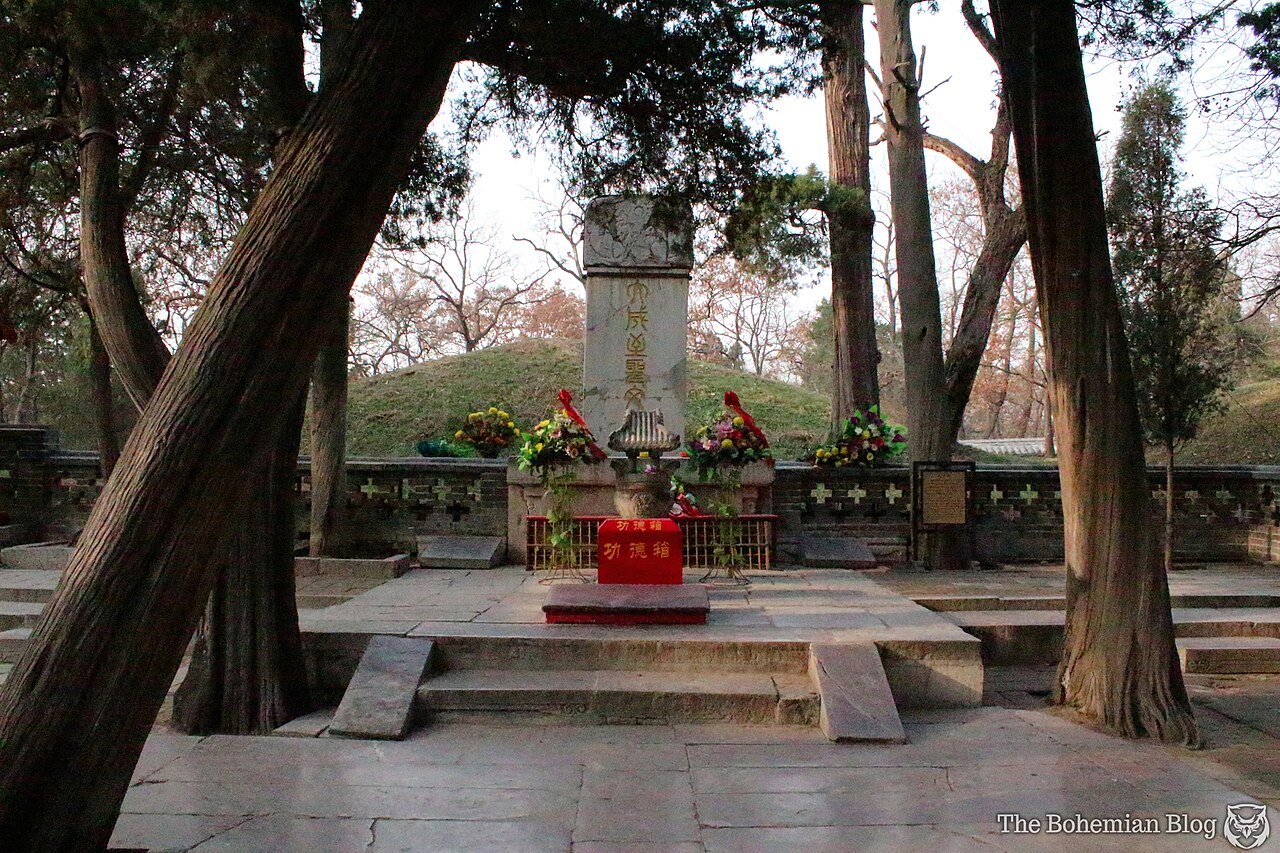
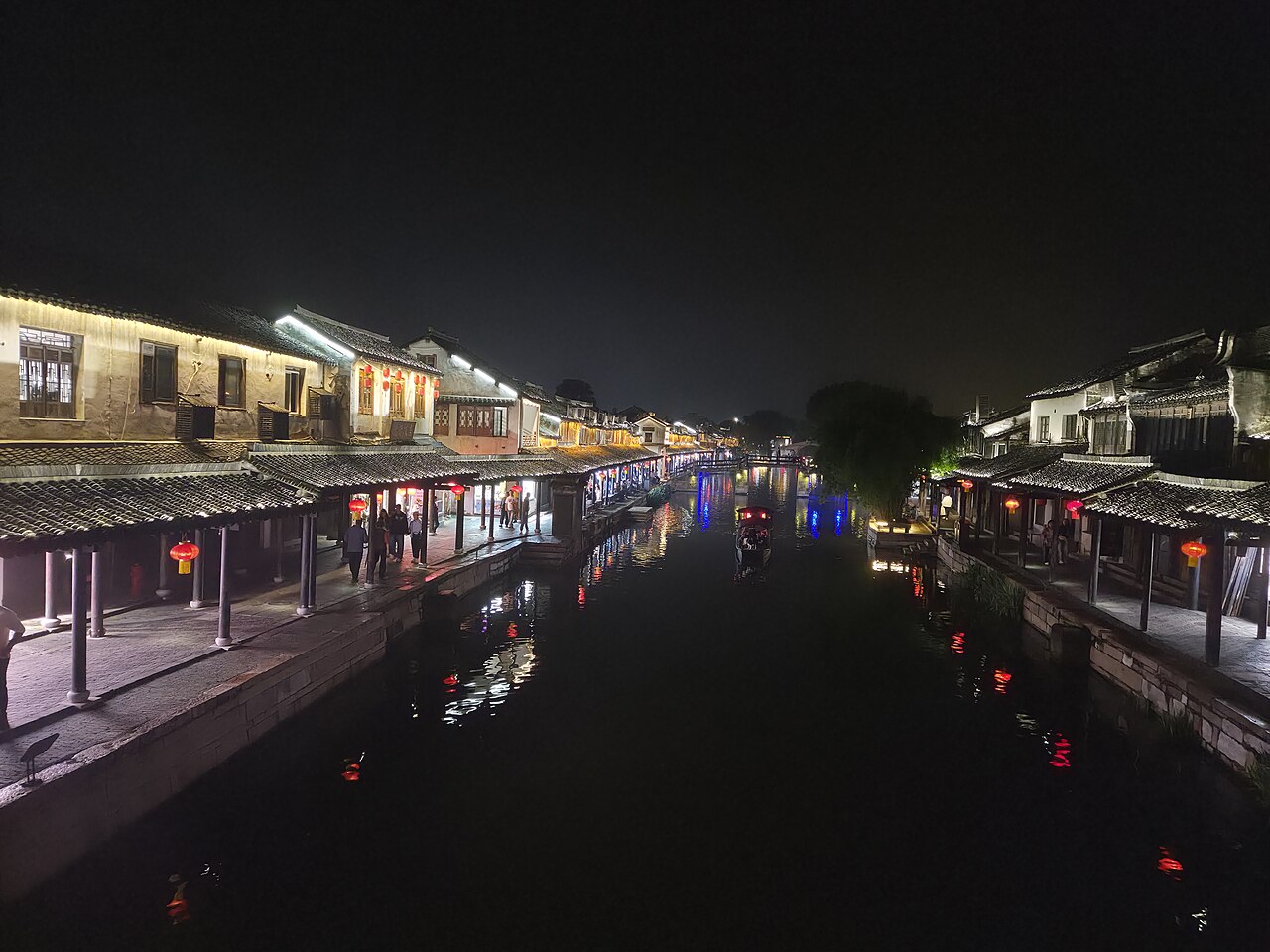
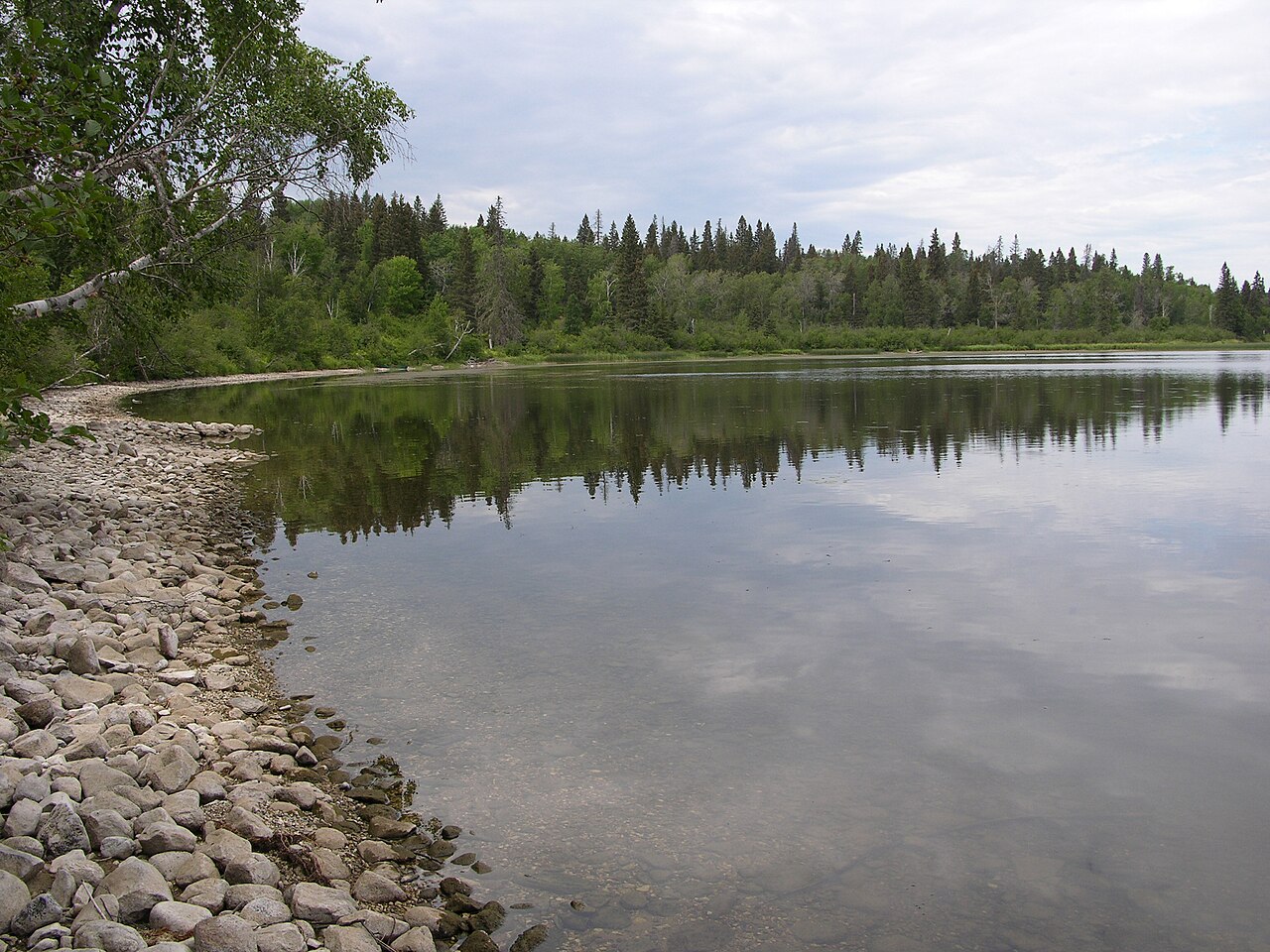
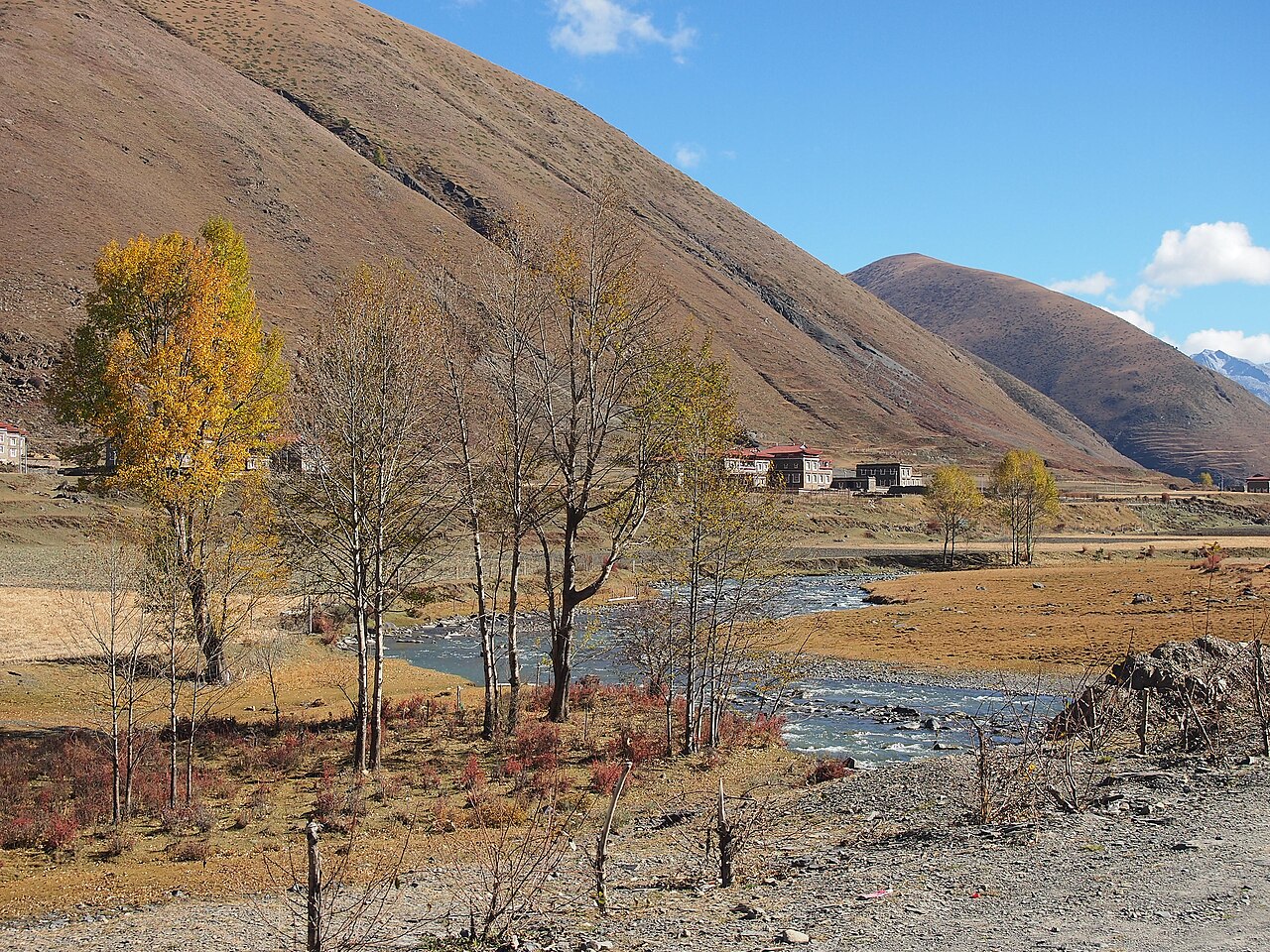
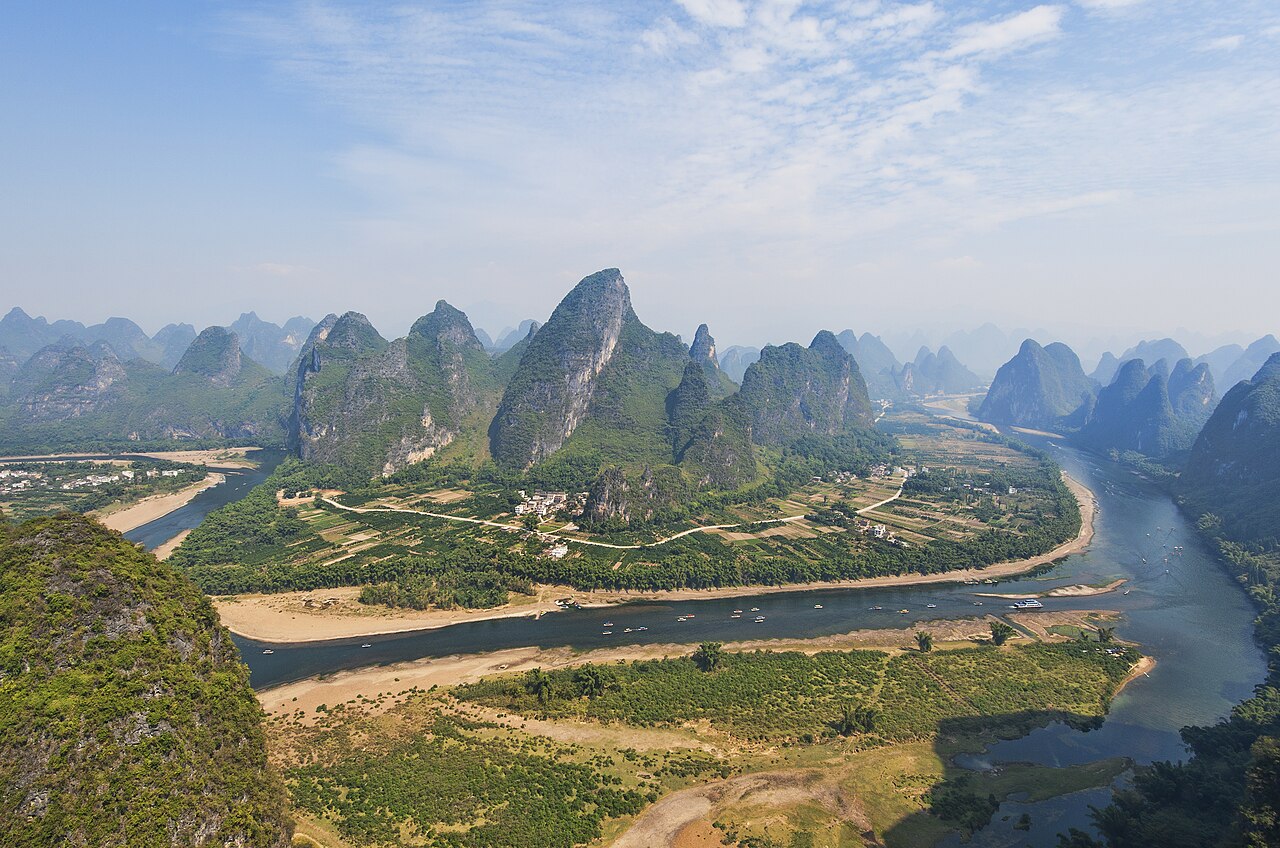
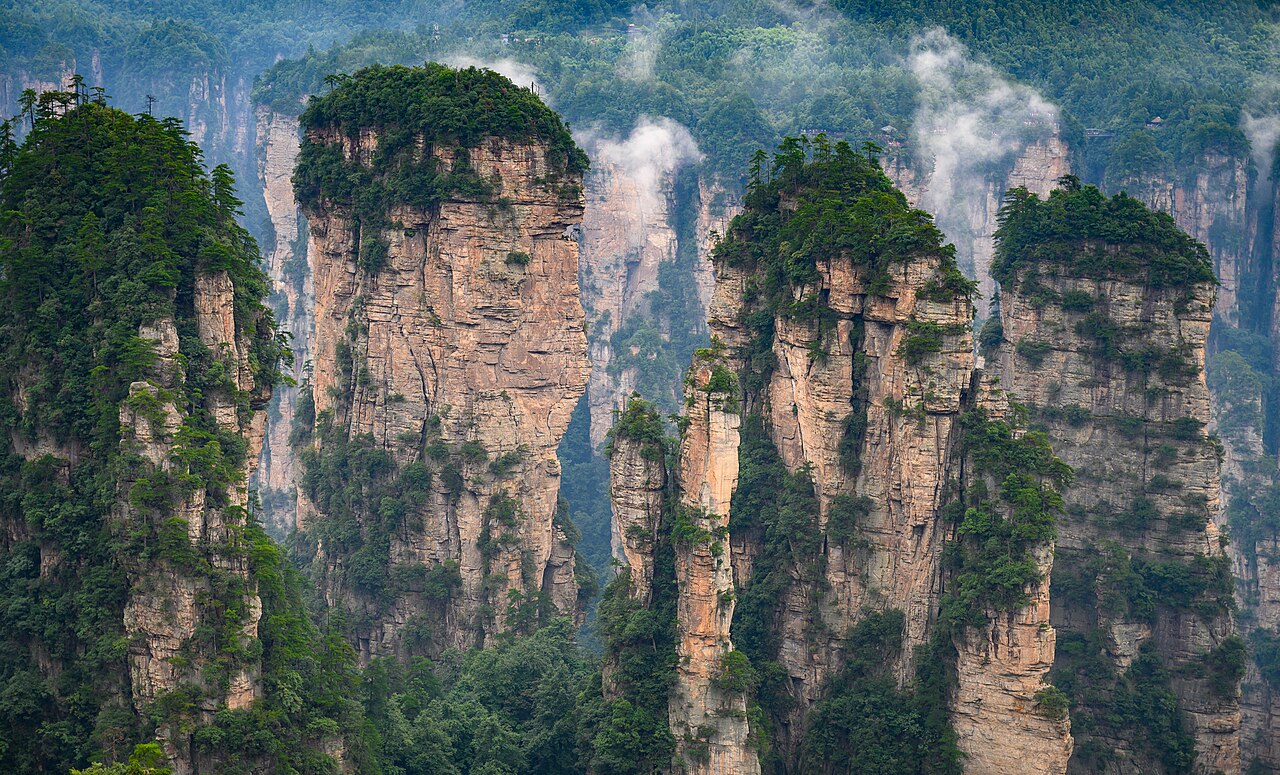
Old-growth forest and clear water at Pudacuo National Park
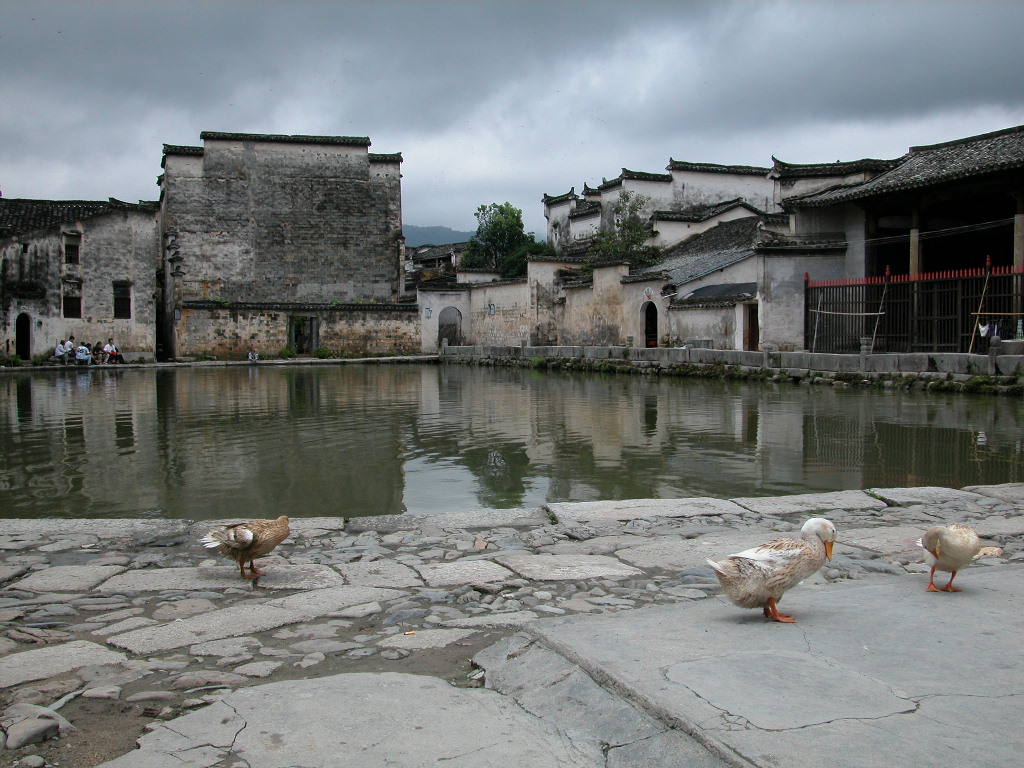
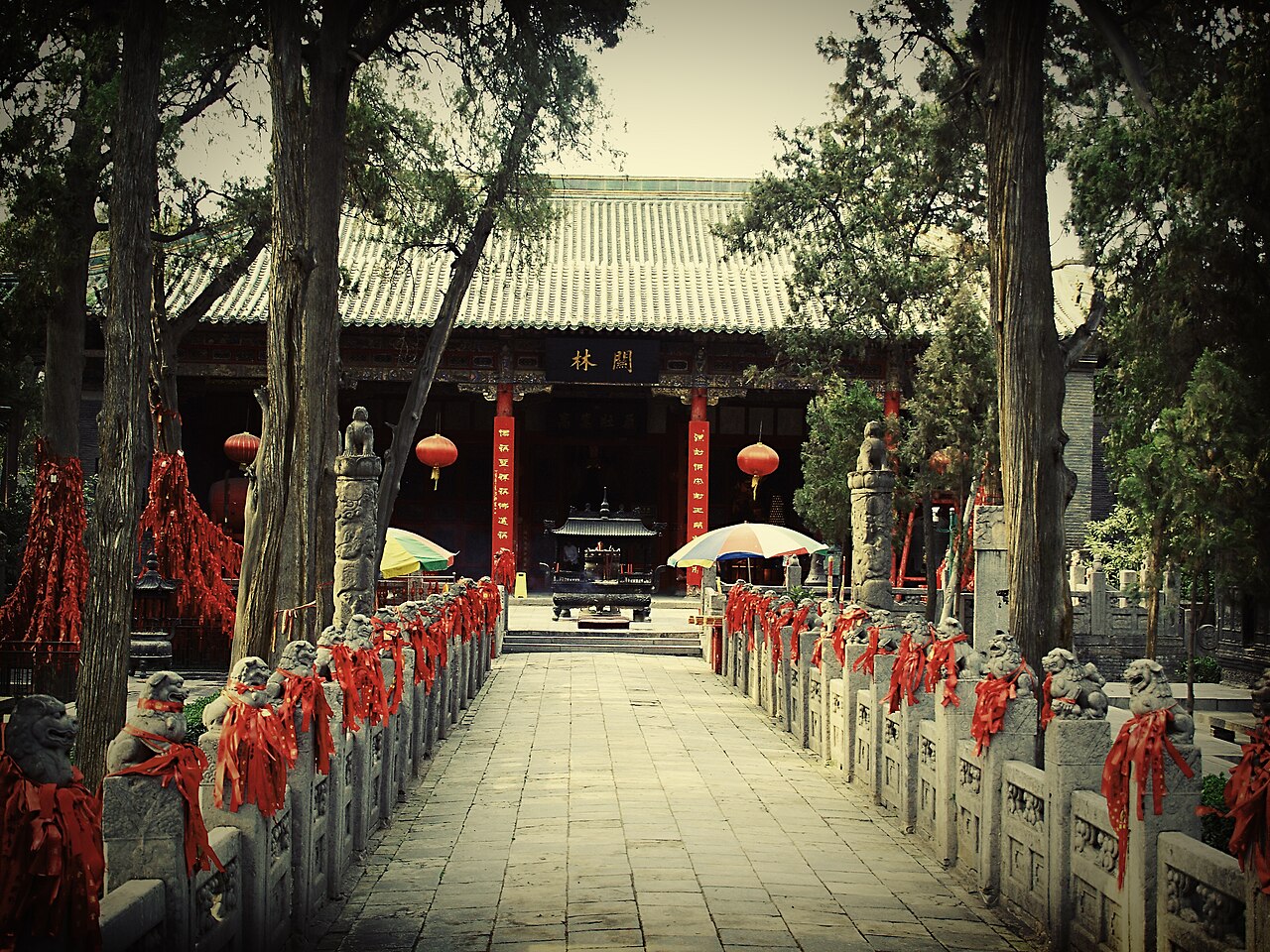
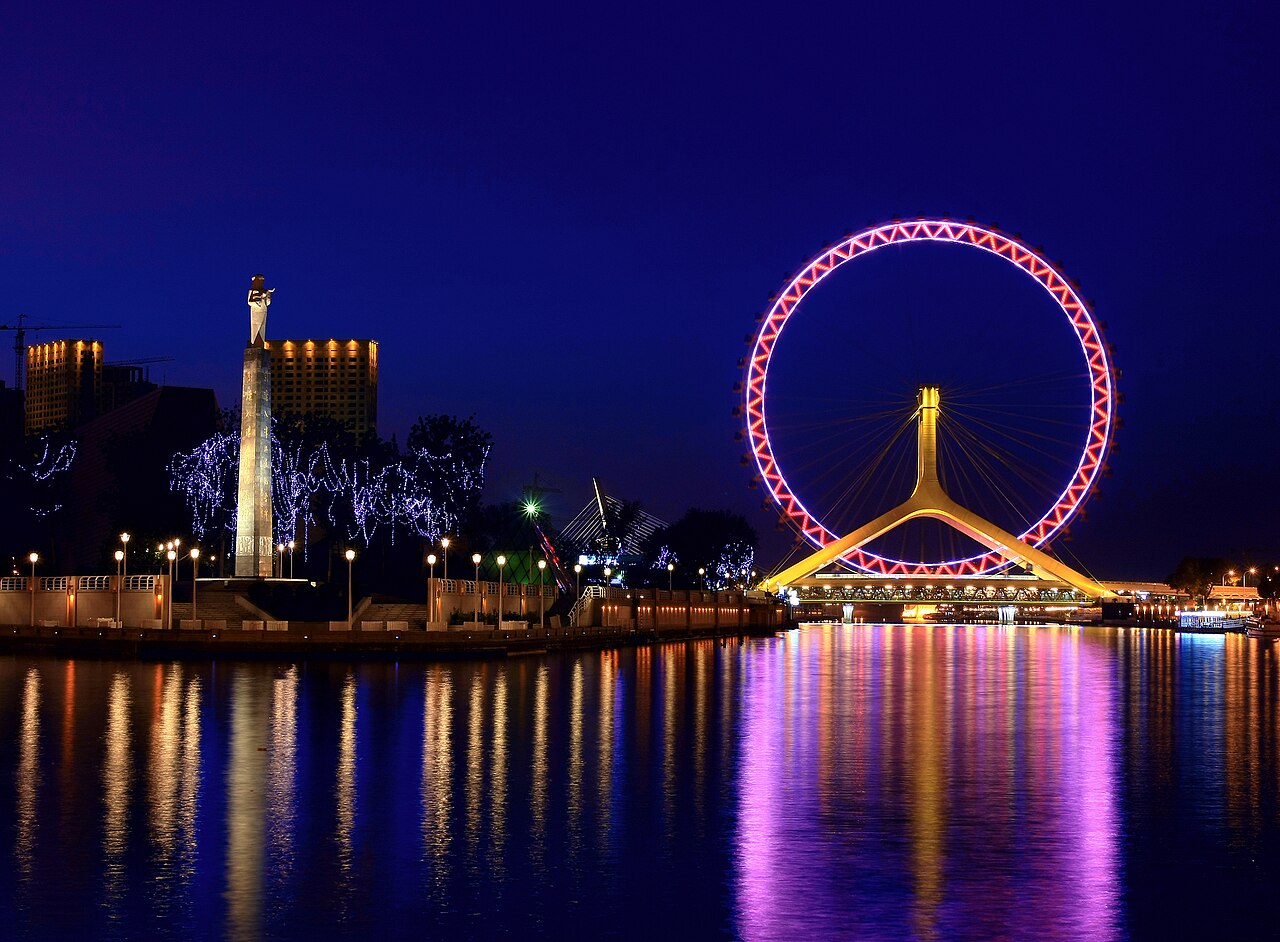
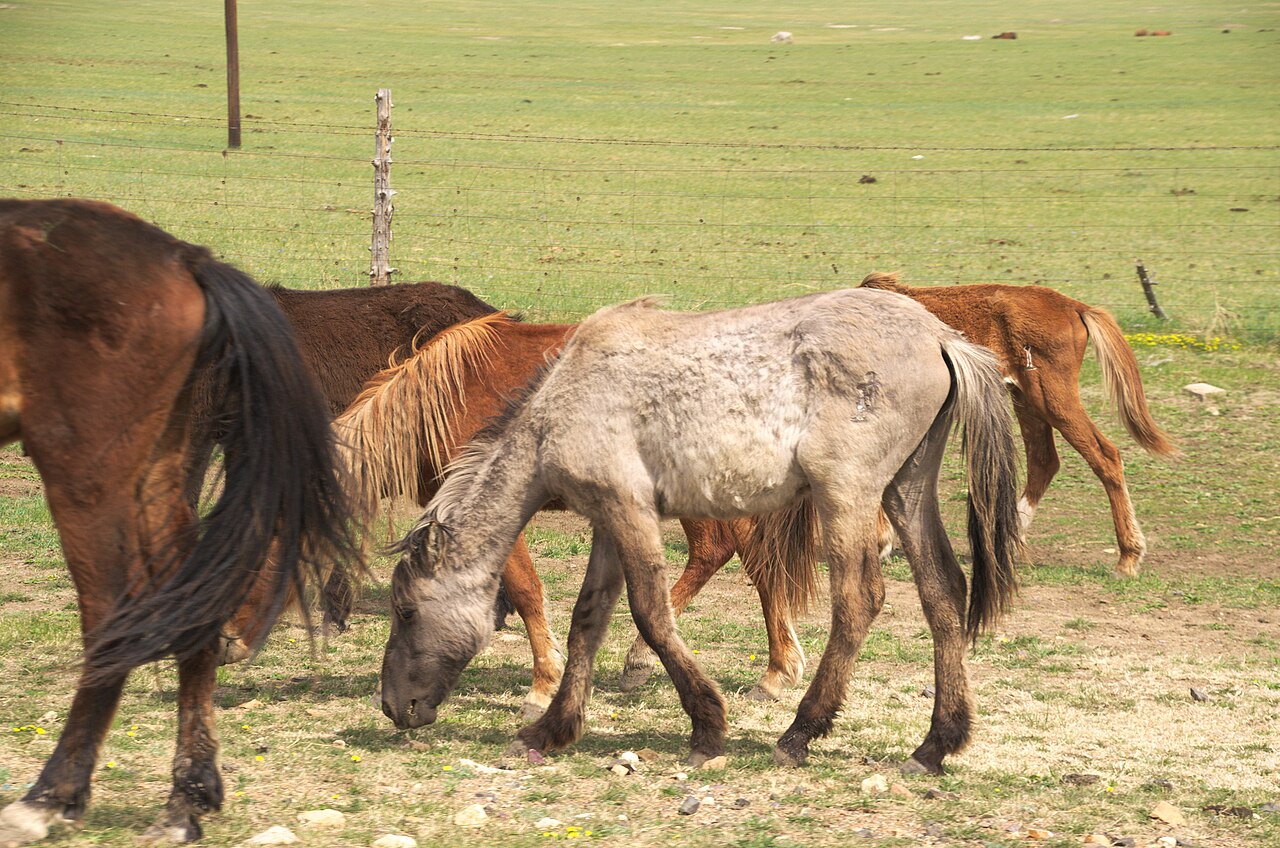
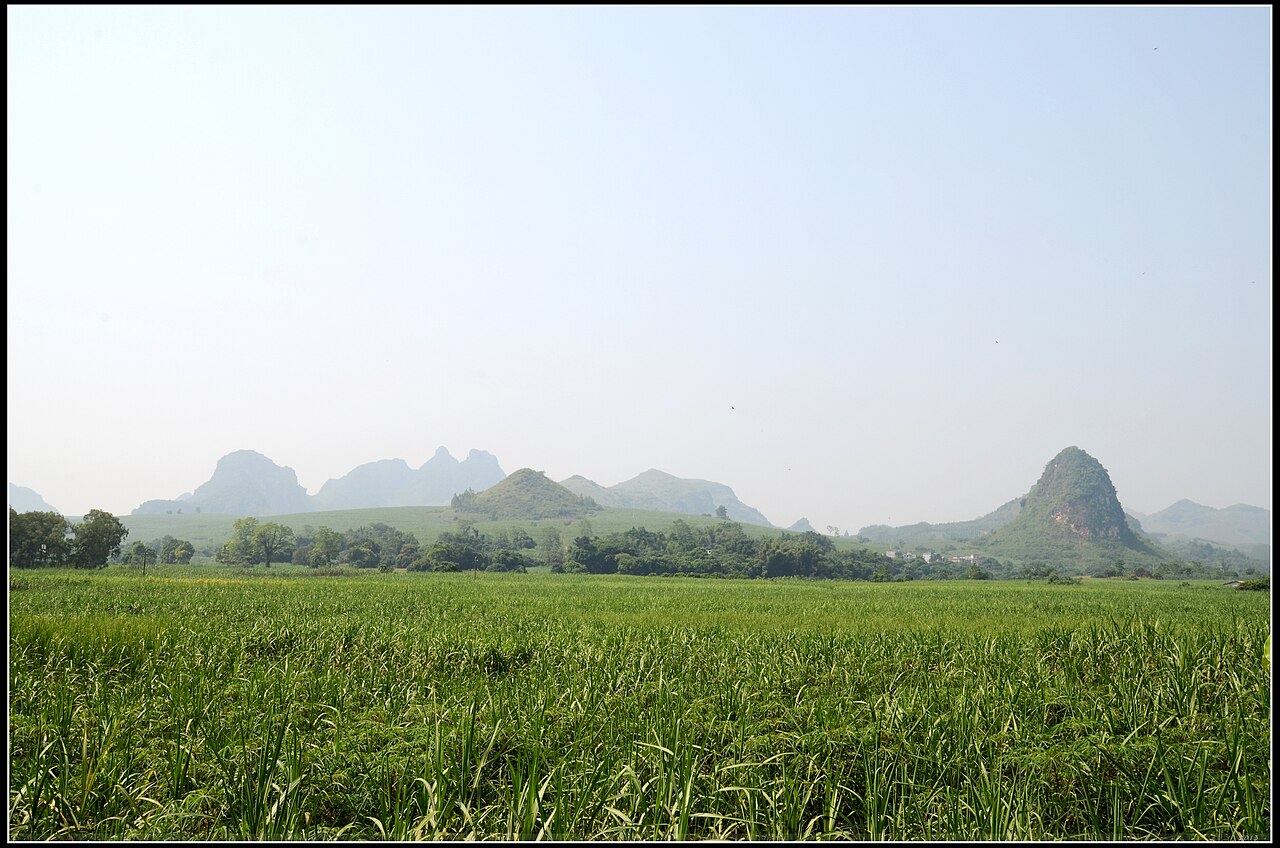
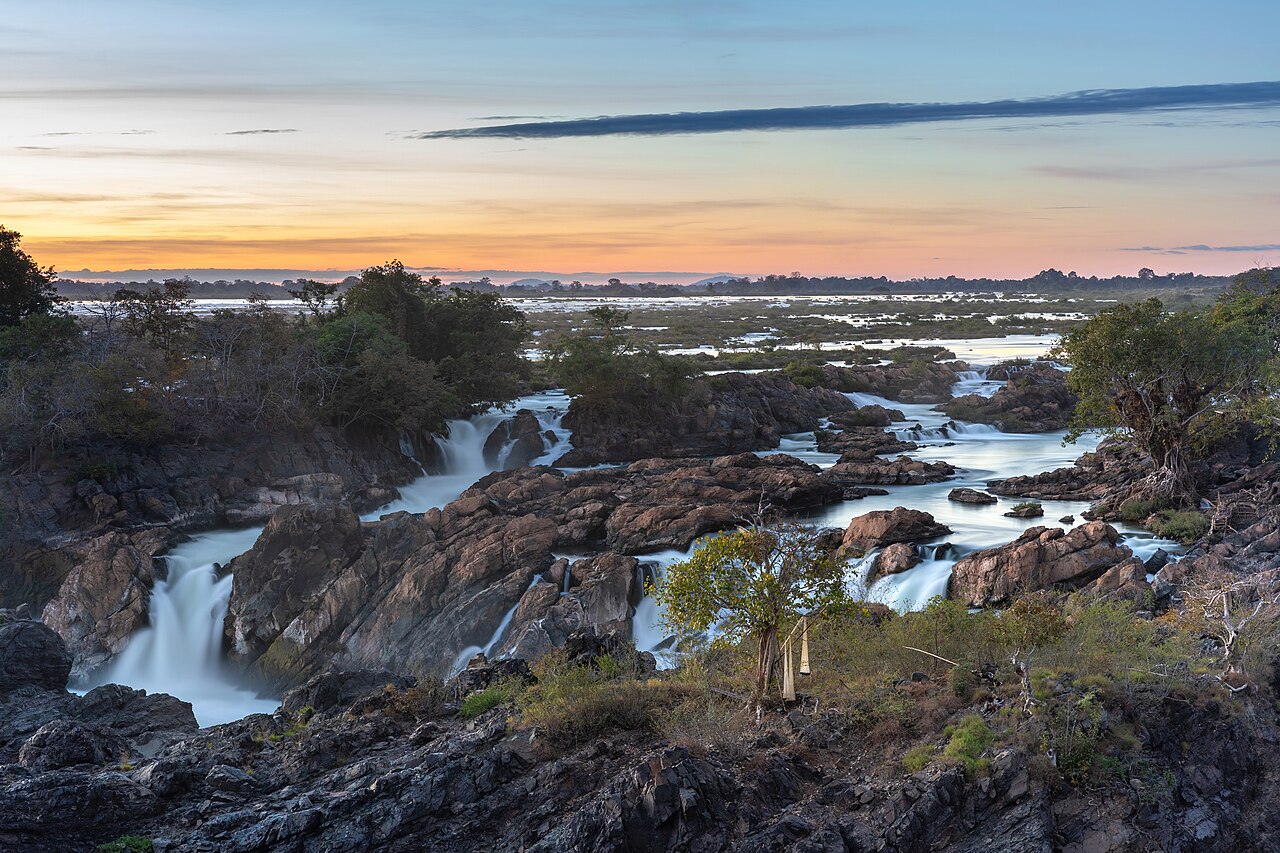
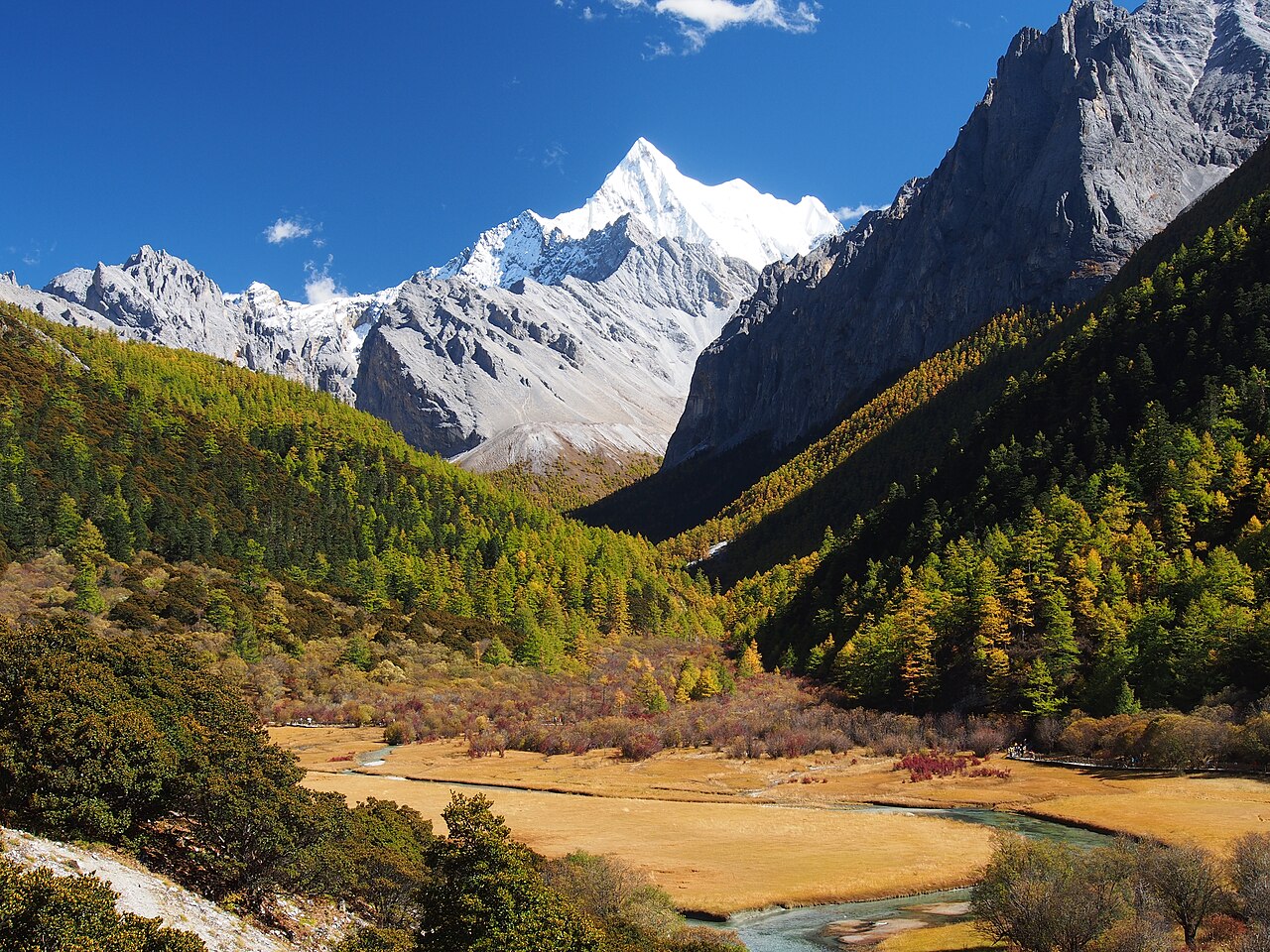
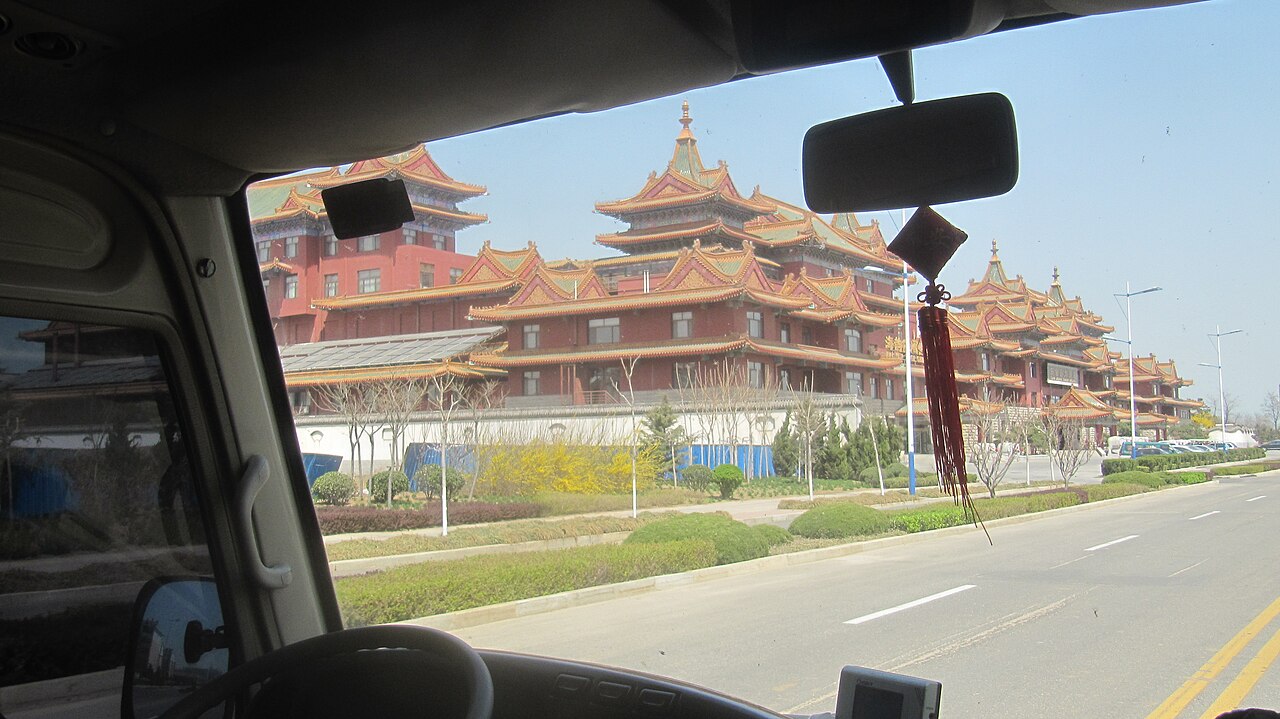
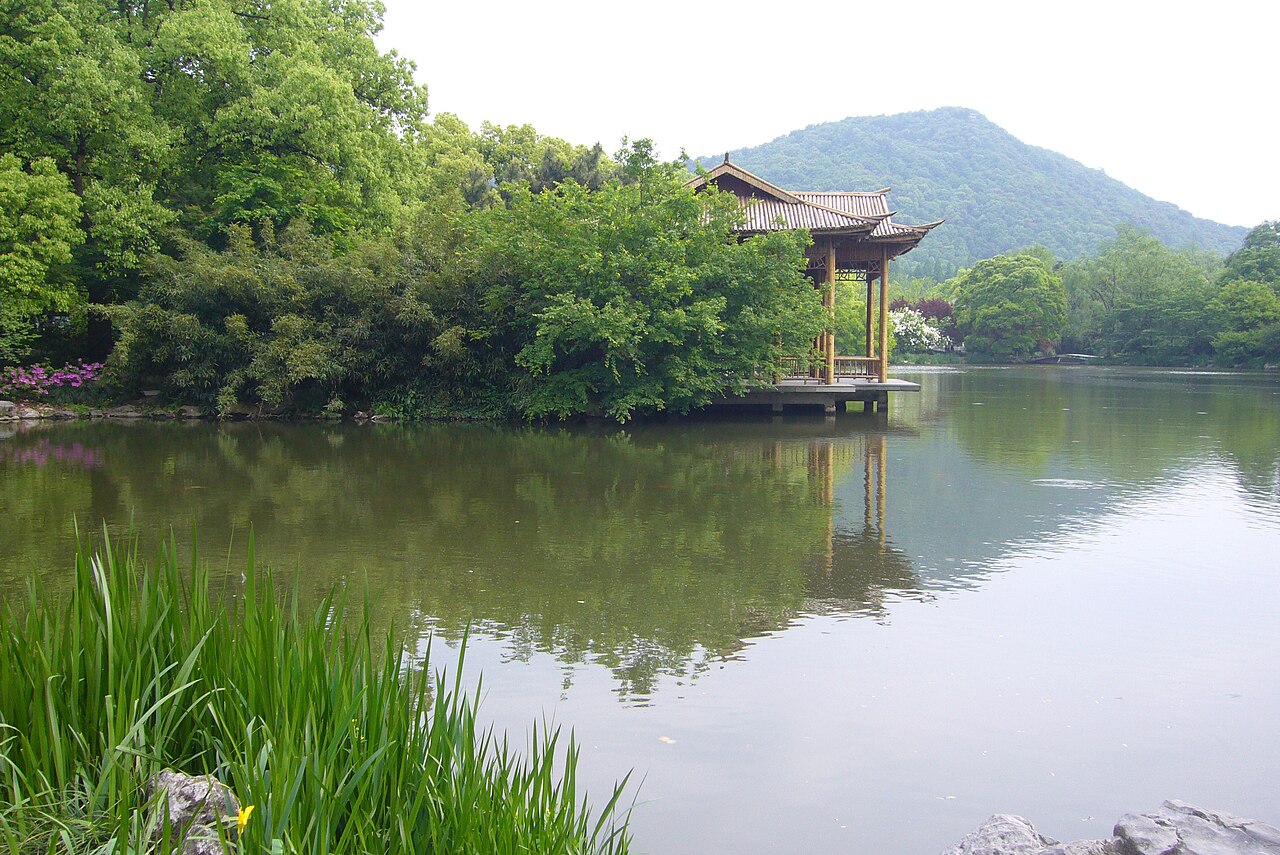
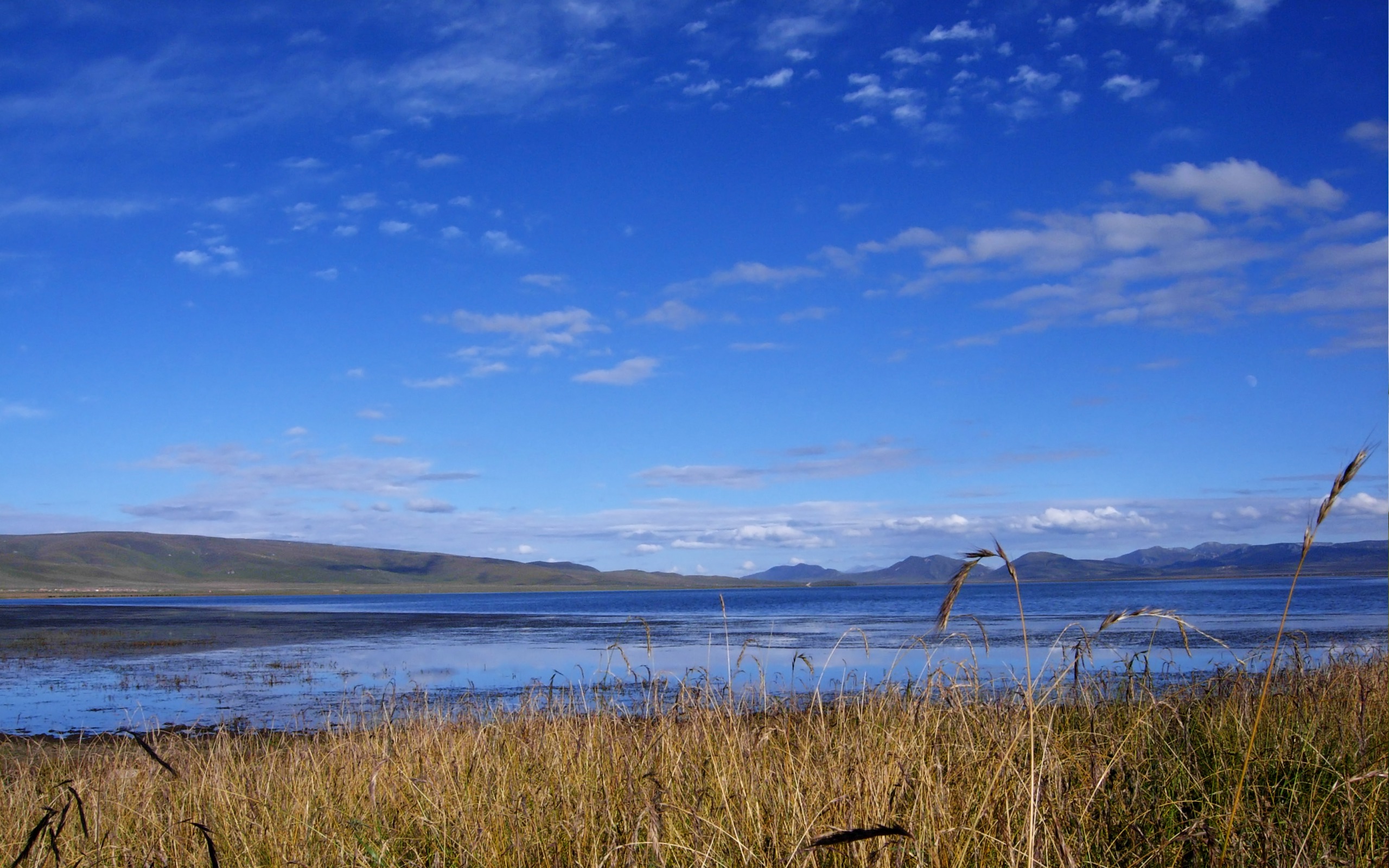
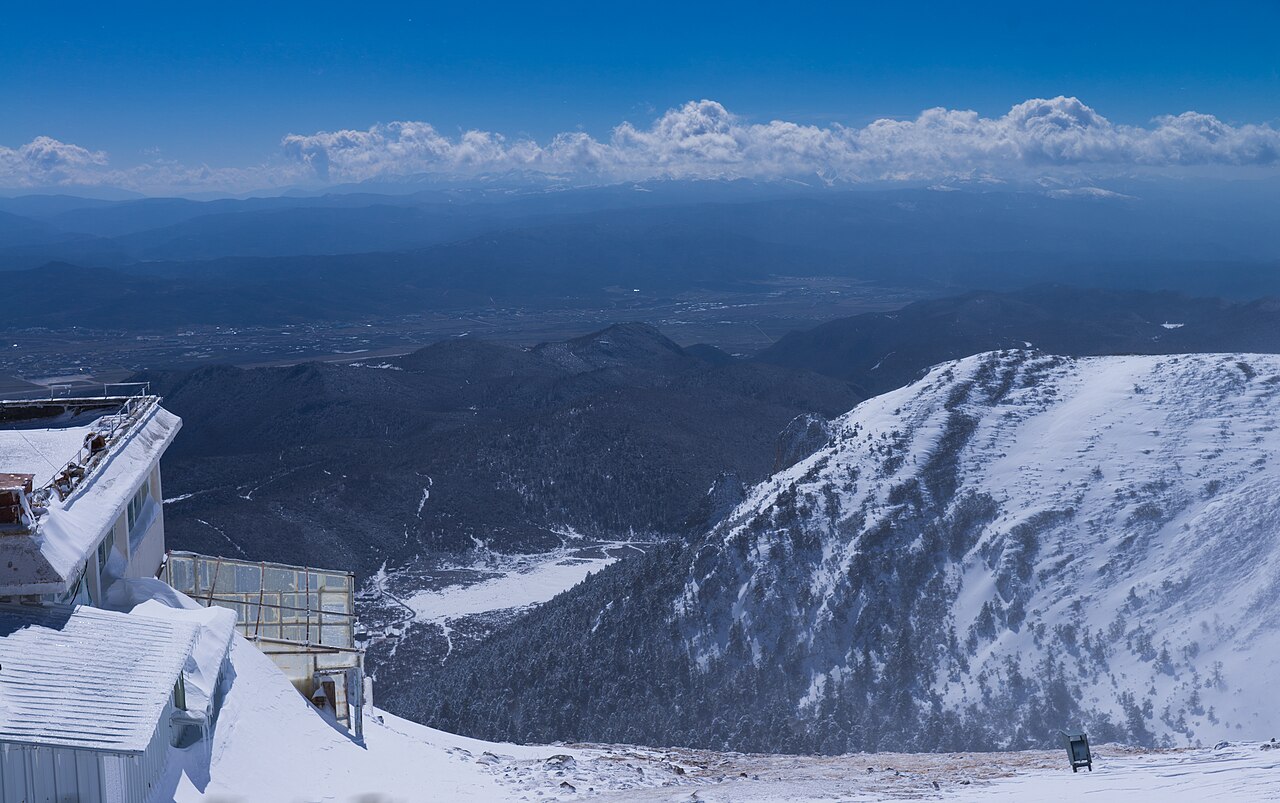
The Napa Lake grassland and Shika Snow Mountain beyond

It is so beautiful that 'beautiful' alone does not cover it. Its vastness and its stillness gave me a feeling of going back to something I had lost. I cannot find the right words — Shangri-La, in Tibetan, means 'the sun and moon in the heart'.

Traveller note — 'Footprints in the Clouds: Yunnan's West'

On the drive you pass Tibetan houses, square and grand, with flags on the roof: one flag for an ordinary Buddhist household, two for a family of standing, and three for a house that has produced a living Buddha.

Traveller note — 'Into Shangri-La: A Pilgrimage in the Clouds'

Shangri-La is a name borrowed from a 1933 novel, James Hilton's Lost Horizon, and pinned onto a real town in 2001 — and for once the marketing holds up. At about 3,300 m, this is true Tibetan highland: white houses with painted eaves, yaks on the grassland, a great monastery across the valley, and air so clean and thin that the whole quality of the light changes.

The town itself, Dukezong, is a Tibetan old town on the old tea-horse road, its stone lanes looping up a small hill to a 21 m gilded prayer wheel — the largest of its kind, and heavy enough that visitors are invited to help turn it clockwise for good fortune. Fire damaged part of the old town in January 2014 and it has been rebuilt; the rhythm of daily life has since shifted to the streets of the new town around it, but the atmosphere survives.

Across the valley stands Songzanlin, the 'little Potala', the largest Tibetan Buddhist monastery in Yunnan, founded in 1679 and still home to hundreds of monks. Beyond it is the plateau's real landscape: Pudacuo National Park with two lakes and old-growth forest, and the Napa Lake grassland, which floods in summer and dries to pasture by winter, with Shika Snow Mountain behind it.

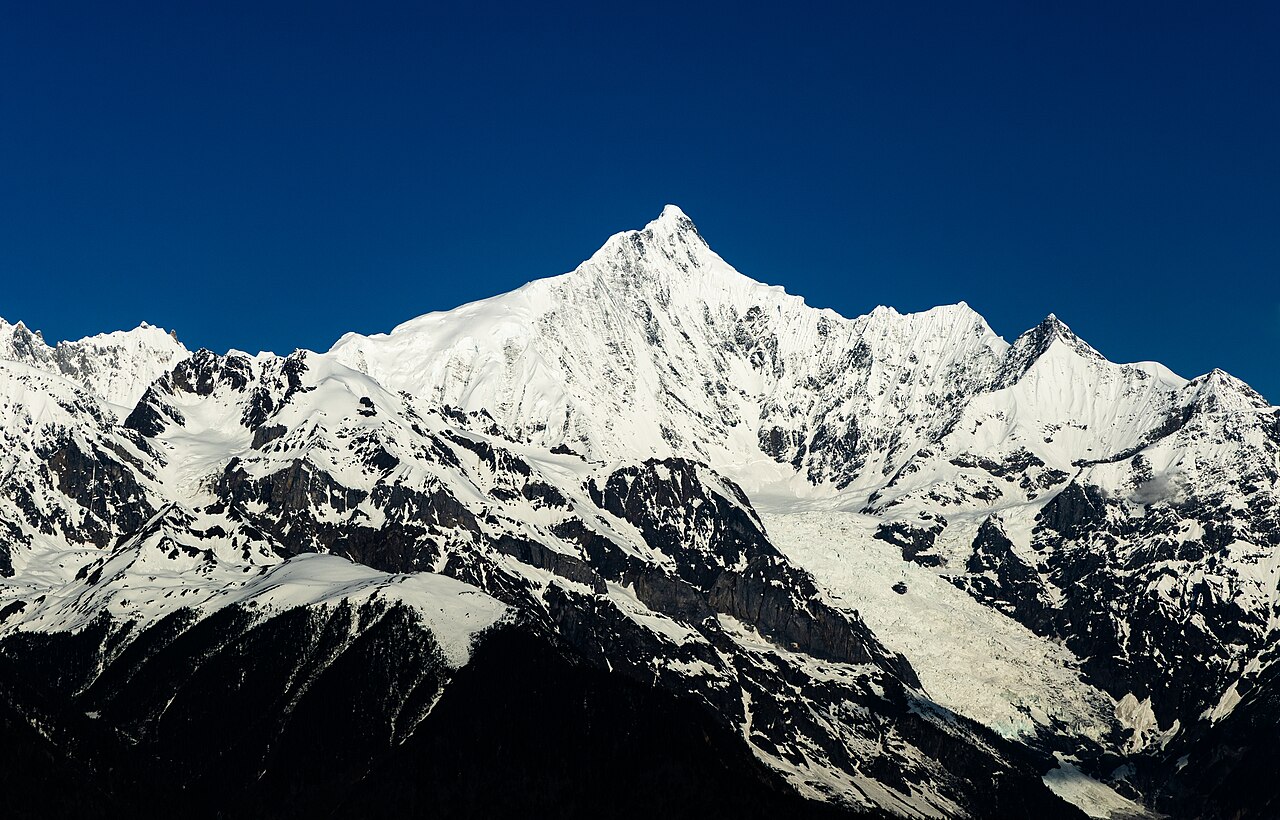
Deeper into Diqing, the road west runs four hours to Deqin and the Meili Snow Mountain range, whose peak Kawagebo has never been summited. The sunrise over its summits — the 'golden mountain' — is the sacred sight of the region, and the reason a lot of people come this far at all.
Shangri-La

Don't leave without

Seven things that are worth rearranging a day for.

  1. Help turn the 21 m prayer wheel on Guishan Hill, once around, clockwise
  2. Walk up to Songzanlin Monastery in the early morning, before the groups
  3. Spend a morning at Pudacuo, drifting between Bita Lake and Shudu Lake
  4. Ride a horse across the Napa Lake grassland and look back at Shika Snow Mountain
  5. Eat a proper yak-meat hotpot and drink butter tea in the old town
  6. Drive west at dawn to Feilai Temple for the golden light on Meili Snow Mountain
  7. Watch the Guozhuang circle dances in the square after dark

Highlights

What not to miss in Shangri-La

Songzanlin Monastery

Songzanlin Monastery

Yunnan's largest Tibetan Buddhist monastery, built in 1679 and laid out like the Potala Palace in Lhasa, which is why everyone calls it the 'little Potala'. Two main colleges, vivid murals, gilded statues and a climb through monks' quarters — allow half a day and dress for the cold.

The Dukezong old town and its prayer wheel

The Dukezong old town and its prayer wheel

A Tibetan old town on the tea-horse road, rebuilt since the 2014 fire, climbing a hill to a 21 m gilded prayer wheel — said to be the world's largest, worth 1.24 million mantras a turn. Join the crowd hauling it clockwise, then lose yourself in the stone lanes below.

Pudacuo National Park

Pudacuo National Park

Two plateaus in one park — Bita Lake and Shudu Lake — with old-growth forest, marsh meadows and clear water at 3,500–3,800 m. It is the easiest and best introduction to the plateau's nature; go in the morning and expect sun and cold within the same hour.

Napa Lake and Shika Snow Mountain

Napa Lake and Shika Snow Mountain

Napa, just west of town, is a seasonal lake and grassland — flooded late summer, dry pasture in winter, with horses and yaks in between. Behind it, a two-stage cable car climbs Shika Snow Mountain to 4,500 m, where eight peaks show on a clear day.

Meili Snow Mountain and Feilai Temple

Meili Snow Mountain and Feilai Temple

Four hours west at Deqin, the Meili range rises to the 6,740 m peak of Kawagebo, one of the eight sacred mountains of Tibet and never climbed. The classic sight is from Feilai Temple at dawn, when the first light turns the summit gold.

Butter tea, yak hotpot and the Guozhuang dance

Butter tea, yak hotpot and the Guozhuang dance

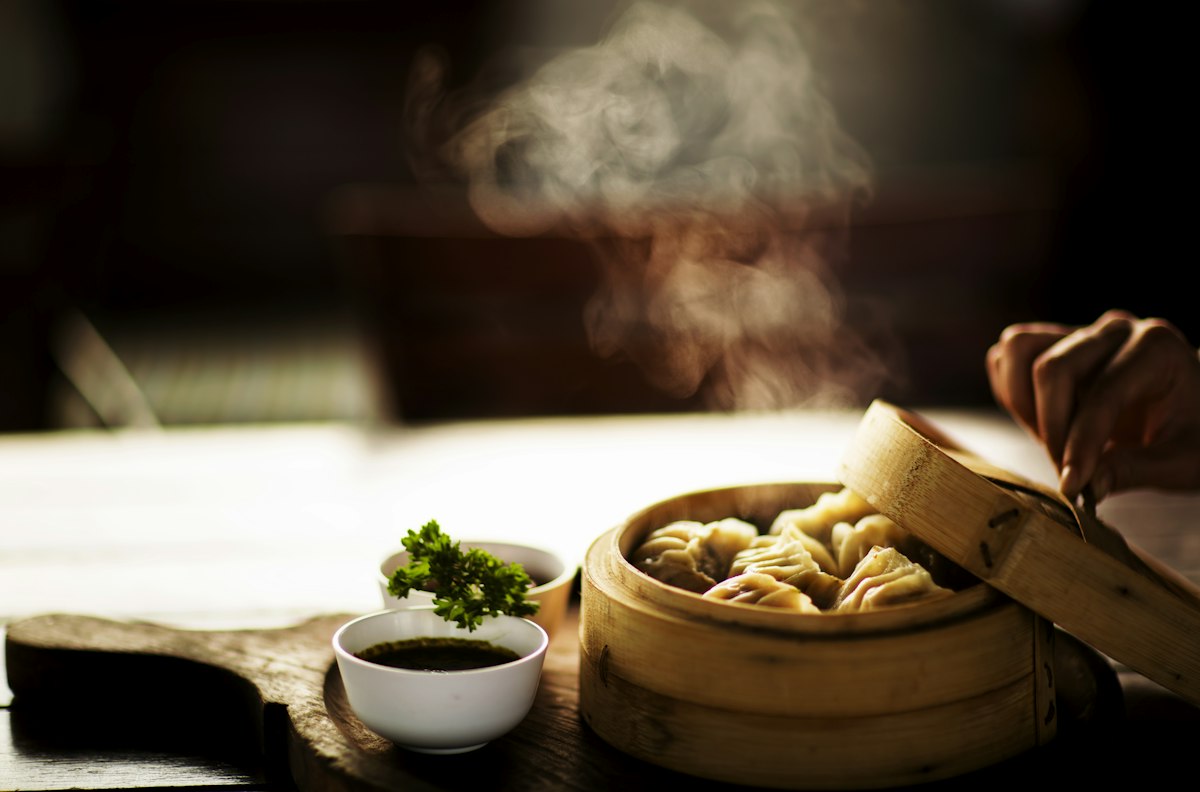
The plateau is also something you eat and watch: butter tea and tsampa, a bubbling yak-meat hotpot, and the Guozhuang circle dances that fill the squares after dark. Earn them first — get the altitude settled, then eat.

Suggested itineraries

One day, three days, and the nine-day grand tour

Shangri-La is a base rather than a route: most people arrive from Lijiang, do the town and the park, then push further west. The last itinerary folds a full Lijiang–Lugu–Shangri-La road trip into one line.

The essentials in one day

1 days

If you are only passing through, this is the pair that matters.

  1. Day 1

    Songzanlin, then the old town

    Take bus 3 or a taxi out to Songzanlin Monastery and give it the morning — the two main halls, the murals and the walk up through the monks' houses.

    Return to the Dukezong old town for the afternoon and evening, and climb to the great prayer wheel to turn it once for luck. Eat a yak hotpot and watch the square dances after dark.

    Stops: Songzanlin MonasteryDukezong old townPrayer wheel

Shangri-La in three days

3 days

The comfortable version: acclimatise, then the park, then the grassland and the snow mountain.

  1. Day 1

    Acclimatise in town

    Arrive and keep the afternoon gently paced — you are at 3,300 m and this is the day that decides the rest of the trip. Do the old town, the prayer wheel and an easy dinner.

    If you feel well, fit in Songzanlin in the late afternoon when the light softens; if not, save it for the morning.

    Stops: Dukezong old townPrayer wheelSongzanlin Monastery

  2. Day 2

    Pudacuo National Park

    Take the park bus or a chartered car to Pudacuo and give it the day: the shuttle and boardwalks around Bita Lake and Shudu Lake, through forest and meadow.

    Return to town in the afternoon and rest before the evening. The park is high and big, so do not add anything else to the day.

    Stops: Pudacuo National ParkBita LakeShudu Lake

  3. Day 3

    Napa Lake and Shika Snow Mountain

    Head west to the Napa Lake grassland in the morning, and ride out across it if the horses are working.

    Take the two-stage cable car up Shika Snow Mountain to 4,500 m for the panorama of eight peaks, then come back to town to leave or stay on.

    Stops: Napa LakeShika Snow MountainCable car

Nine days: Lijiang, Lugu Lake and Shangri-La

9 days

The grand north-west Yunnan loop, starting in Lijiang, dropping to the lake, and finishing on the plateau.

  1. Days 1–3

    Lijiang

    Land in Lijiang and take three unhurried days: Lashi Lake and Shuhe old town, then the Dayan old town itself — the canals, the Mu family mansion, the bars and the food.

    Stops: Lashi LakeShuheDayan old town

  2. Days 4–5

    Out to Lugu Lake

    Drive the winding road to Lugu Lake and stay in Lige. Take a pig-trough canoe at dawn, walk the Grass Sea and the Walking-Marriage Bridge, and circle the lake by car.

    Stops: Lugu LakeLige PeninsulaCaohai

  3. Days 6–7

    Up to the plateau

    Return to Lijiang and continue north to Shangri-La in about 4 hours, climbing onto the plateau. Settle into Dukezong and visit Songzanlin on the first full day.

    Stops: Shangri-LaDukezongSongzanlin Monastery

  4. Days 8–9

    Pudacuo, Napa and out

    Spend the eighth day at Pudacuo National Park and the ninth on the Napa Lake grassland and Shika Snow Mountain, then fly out from Diqing (DIG) or drive back to Lijiang.

    Stops: PudacuoNapa LakeShika Snow Mountain

Sights

The places worth your time

Ticket prices in China change without much notice, and the altitude here makes some of these harder than they look. Treat the prices as a guide and pace yourself.

Songzanlin Monastery

Monastery · The 'little Potala'

Songzanlin Monastery

The largest Tibetan Buddhist monastery in Yunnan, founded in 1679 and built up a hillside in imitation of the Potala Palace, from which comes its nickname. Two main colleges — Zhacang and Jikang — sit at the top, with vivid murals, gilded statues and treasures including Tangka scrolls and gold lamps. It is still an active monastery, so dress and behave accordingly.

Ticket
¥115
Hours
07:30–18:30
Where
About 5 km north of the town
Getting there
Bus 3 from town (¥1), or a taxi (about ¥15)
Time needed
Half a day

Tip Go early or late rather than at midday — the light is better, the tour groups thinner, and the climb less tiring while it is cool.

Dukezong old town and the great prayer wheel

Old town · Landmark

Dukezong old town and the great prayer wheel

The Tibetan old town on the tea-horse road, its lanes climbing around a small hill crowned by a 21 m gilded prayer wheel — one of the largest in the world, and heavy enough that turning it takes a crowd, which is the point. The old town was partly destroyed by fire in January 2014 and rebuilt; the streets below are now a mix of shops, guesthouses and Tibetan homes.

Ticket
Free (the prayer wheel is free to turn)
Hours
Open all day; best in the evening
Where
Central Shangri-La
Getting there
Walkable from most of the town; a taxi from the airport is ¥20–30
Time needed
Half a day with meals

Tip Join the wheel in the evening, when the crowd is biggest and the locals are out — and go round clockwise, as many times as you like.

Pudacuo National Park

Lake · Old-growth forest

Pudacuo National Park

The first national park in mainland China, combining the Bita Lake and Shudu Lake areas into one plateau reserve at 3,500–3,800 m. It takes in almost every plateau landscape at once — mirror-still alpine lakes, rich pastures, wetlands in flower and old forest where birds and animals live — and the boardwalks keep you off the fragile ground.

Ticket
¥258 all-in (¥178 entry + ¥80 shuttle)
Hours
Roughly 08:00–17:00
Where
About 22 km east of the town
Getting there
Park bus from the station ¥30 return, or a chartered car about ¥180 a day
Time needed
A full day

Tip Do not skip the boardwalks to save time — the lakes and the forest are the point, and the shuttle alone will not show you the park. Book the return transport the night before.

Napa Lake grassland

Grassland · Seasonal lake

Napa Lake grassland

A seasonal lake and grassland just west of town on the road to Deqin, which fills with water in late summer and drains to a broad pasture by winter and spring. It is the place for horses, yaks, and the classic view of the grassland backed by Shika Snow Mountain — 'the wind bends the grass and you can see the cattle'.

Ticket
¥65
Hours
Daylight hours
Where
West of town, on the Deqin road
Getting there
Bus from the old-town car park ¥6, or a taxi about ¥50 return
Time needed
Half a day

Tip Horse-riding is the way to cross the grassland, but agree the price and the loop before you mount, and be gentle with the altitude — this is not the day to gallop.

Shika Snow Mountain

Sacred peak · Cable car

Shika Snow Mountain

A mountain behind the Napa grassland whose name means 'the hill with the deer', and which rises through gorges, glacial lakes and meadows to a summit plateau at 4,500 m. On a clear day the view takes in eight surrounding snow peaks, including Meili, Jade Dragon and Haba.

Ticket
Two-stage cable car ¥220 return
Hours
Roughly 08:30–17:00
Where
Inside the Napa grassland area
Getting there
Combine with Napa; bus ¥6 or a taxi about ¥50 return
Time needed
Half a day

Tip At 4,500 m the air is thin and the temperature drops hard — go slowly at the top, and if you feel a headache coming on, come back down rather than push on.

Meili Snow Mountain and Feilai Temple

Sacred range · Sunrise

Meili Snow Mountain and Feilai Temple

Four hours west at Deqin, the Meili range runs for thirteen peaks, each held to be a mountain deity, and rises to Kawagebo at 6,740 m — the highest point in Yunnan, one of the eight sacred mountains of Tibet, and famously unclimbed after a 1991 expedition was killed by an avalanche. The classic viewpoint is Feilai Temple on the hillside at Deqin, at dawn.

Ticket
Feilai Temple viewpoint charges a viewing fee
Best time
Dawn, for the 'golden mountain' light
Where
Deqin county, about 4 hours west
Getting there
Bus from Shangri-La (about ¥70) or a chartered car (about ¥600)
Time needed
Two days with an overnight

Tip You do not have to pay for the Feilai Temple viewing platform — in Deqin, plenty of ordinary places and guesthouses have a good enough angle on the range at dawn, and some are better.

Eating

What Shangri-La eats

Tibetan cooking is built on barley, yak and butter — designed for cold and altitude rather than for delicacy. The hotpot is the thing to order, and butter tea is the thing to at least try.

Yak-meat hotpot

The dish to order on a cold plateau evening: a pot of yak meat with vegetables simmered at the table, rich and warming. Yak is a semi-wild highland animal and the meat is leaner and more savoury than beef; a group should order one big pot and add vegetables.

Butter tea (suyou cha)

The indispensable Tibetan drink: tea brewed strong, then churned with butter, salt and spices into a thick, savoury liquid, kept warm on the fire all day. Most first-timers find it strange, and most people who stay a week end up missing it.

Tsampa

Roasted barley flour, the staple of the Tibetan table, mixed with butter tea and kneaded by hand into a ball. It is filling, portable and everywhere at altitude; try it properly made rather than as a novelty.

Xueli xueluo

A Tibetan speciality whose name means 'grains of pearl': buckwheat dough cut into pieces, tossed with dried cheese and brown sugar and fried in butter. Sweet, sour, bitter and rich at once — the dish for New Year and honoured guests.

Yak dairy

Yak milk is turned into dried cheese and butter, sold in strings and blocks at markets and used in everything from tea to tsampa. The dried cheese curd, chewy and slightly sour, is the local snack to carry in a pocket.

Highland barley wine

The Tibetan barley spirit, pale and mild, served in small cups at every table and toast. It goes down easily, which is exactly the risk at 3,300 m — take it slowly, or skip it on your first day.

Where to eat

Restaurants worth the address

Phone numbers are local landlines; add +86 and drop the leading 0 if calling from abroad. Old-town kitchens are simple and cheap; the hotpot places fill up early.

Tibetan · Snacks

Jisada Tibetan Snacks

A small, well-regarded Tibetan snack house near the old town's central square, serving the everyday cooking of the plateau — tsampa, dried yak, cheese and simple dishes — at low prices. The easiest place to try several Tibetan things at once.

Order
Tsampa, dried yak meat, Tibetan pastries
Where
36 Beimen Street, Dukezong old town
Phone
0887-8286186

Hotpot · Yak

Lixiangyuan Cured-Pork Hotpot

A busy hotpot house that does proper yak meat and butter tea, and the place locals point you to for a big, warm, shared meal on a cold day. It charges by the head, so you know where you stand before you order.

Order
Yak-meat hotpot, butter tea, cured pork ribs
Where
Cicika Street, near Tancheng Square
Phone
13988797616

Tibetan · Old town

Himalaya Tibetan Restaurant

A Tibetan restaurant tucked into the old town's Pijiang slope, with hearty portions, reasonable prices and a menu of yak, barley and butter dishes. Good for a slow evening after the prayer wheel and the square dances.

Order
Braised yak, tsampa, butter tea
Where
Pijiang Slope, Dukezong old town
Price
About ¥40 per person

Dessert · Tea

The old-town bakeries and teahouses

The old town is dotted with Tibetan bakeries selling fried pastries and the butter-fried 'basa' cakes made for festivals, and with teahouses where sweet milk tea costs a few yuan and you can sit out a cold afternoon. Cheap, warm and very local.

Order
Tibetan pastries, sweet tea, dried cheese
Where
Around Dukezong old town
Price
About ¥20–30 per person

Sleeping

Where to stay

Staying in Dukezong puts you in the middle of the atmosphere, but it is the highest and the cobbles are hard work; the new town is lower, flatter and easier on the first night. Book ahead in summer and the October holidays.

Luxury · Tibetan villas · from ¥1,500

Banyan Tree Ringha

A five-star resort of Tibetan-style villas built from natural local materials, with modern comfort inside and traditional furnishings — a way to experience the plateau without giving up anything. It sits higher than the town, so a minority of guests notice the altitude more here.

Price
From about ¥1,500
Where
Hongpo village, Jiantang town
Phone
0887-8288822

Boutique · Mountain views · from ¥1,000

Songtsam Lodge Shangri-La

A four-star boutique lodge near Songzanlin Monastery, next to the bus stop for line 3, with wide rooms and a balcony looking at the monastery, the fields and the mountains. Free Wi-Fi; the views are the reason to stay.

Price
From about ¥1,000
Where
Beside Songzanlin Monastery
Phone
0887-8288889

Full-service · from ¥1,000

Paradise Hotel (Tianjie Shenchuan)

A big, well-equipped hotel on Changzheng Road with complete facilities, an indoor courtyard pool and a good buffet breakfast, plus a welcome beauty bag with lip balm and sunscreen for the dry air. Free airport pickup, which is worth a lot on arrival.

Price
From about ¥1,000
Where
Changzheng Road (middle section), Shangri-La
Phone
0887-8228008

Tibetan guesthouse · from ¥260

Tianniangniao Guesthouse

A purely Tibetan-style guesthouse at the foot of Guishan Hill in the old town, with underfloor heating — rare in Dukezong and a gift in winter — plus a sun terrace on the upper floor with Tibetan furniture and a view over most of the old town. Simple but genuinely warm.

Price
From ¥260
Where
7 Donglang Street, Dukezong old town
Phone
0887-8290789 · 13398877789

Hostel · from ¥45/bed

Qingke International Youth Hostel

A quiet courtyard hostel in the middle of the old town, decorated in the local Tibetan style, with the usual hostel friendliness and several buses and tourist vehicles leaving for Songzanlin, Napa and Shika from close by. A cheap, central base.

Price
Beds from ¥45
Where
76 Beimen Street, Dukezong old town
Phone
0887-8232100 · 13308878500

Getting around

Arriving, and moving about

The town is small and walkable; the sights need wheels. At this altitude, a chartered car for the outlying sights is money well spent.

By air

Diqing Shangri-La Airport (DIG) is 5 km from town, with domestic routes to Kunming, Chengdu, Chongqing, Lhasa, Beijing, Guangzhou and Shanghai. There is no airport bus, so take a taxi, and note the flight search quirk below.

Airport
Diqing Shangri-La (DIG), 5 km from town
To the town
Taxi ¥20–30 · 15–20 minutes · no bus
From Kunming
About 1 hour by air
Watch out
Search for 'Diqing Airport' — 'Zhongdian' or 'Shangri-La Airport' returns wrong results

By long-distance bus

The classic approach from Lijiang is by road, with frequent departures and some of the best scenery in Yunnan along the way. Longer routes connect Kunming, Dali, Deqin and Sichuan.

Lijiang
About 4 hours · ¥42–59 · every 40 minutes from 07:30
Kunming
About 12 hours · ¥180–210 · day and overnight
Dali
About 7–8 hours · ¥66–84
Deqin (west)
About 6 hours · ¥70 · for Meili Snow Mountain

Local buses

Six bus lines run inside the town and to the near sights, all cheap and mostly useful, with line 3 the one that reaches Songzanlin. Buses run roughly 06:00–18:00.

Fare
¥1 flat
Line 3
Reaches Songzanlin Monastery
Old-town car park
Buses to Napa and Shika (about ¥6)
Hours
Roughly 06:00–18:00; no night service

Taxi

Cheap and plentiful, with a low flagfall, but drivers outside the town rarely use the meter, so agree a price first. Useful for Songzanlin and the airport at any hour.

Flagfall
About ¥7
In town
Usually the flagfall, unmetered
Out of town
About ¥15 and up — agree first
Airport
¥20–30

Chartered car and self-drive

The sensible way to reach Pudacuo, Napa, Shika and especially Meili. Cars can be chartered by the day, or rented if you hold a Chinese-recognised licence. Roads to Lijiang and Deqin are good tarmac, though winter snow can close the Deqin road for days.

Chartered car
About ¥300–500 a day for the near sights
To Meili
About ¥600 for the run to Deqin
Self-drive rental
About ¥400–600 a day, licence and deposit required
Winter note
The Deqin road can close after heavy snow in December–February

Shopping

What to take home

The mountains yield herbs, the workshops carved wood and silver — and the one famous product, caterpillar fungus, is where the fakes are. Buy the modest things and enjoy them.

Tibetan wooden bowls and boxes

The Diqing workshops make beautiful everyday things — wooden bowls, boxes, tsampa containers, carved tables — in plain and precious grades, sometimes distinguished into men's and women's forms. They are light, traditional and genuinely useful; the bowl is the traveller's honest souvenir.

Tibetan jewellery and silverwork

Silver, copper and gemstone ornaments with strong Buddhist symbolism — rings, amulets, silver prayer boxes — sold across the old town. Designs are meaningful as well as decorative, but prices vary hugely, so compare before you buy.

Tibetan incense and highland produce

Saffron, snow lotus, fritillary and other highland herbs are sold everywhere, along with Tibetan incense and yak butter tea ingredients. Buy from a shop you trust, and treat the more expensive herbs the way you would any pricey purchase.

Be careful with caterpillar fungus

Cordyceps — 'winter worm, summer grass' — is the prized and very expensive herb of the plateau, gathered above 3,000 m and sold at wildly varying prices. Fakes are common; unless you know the trade, buy elsewhere or not at all.
Practical

The numbers to save

Area code 0887. The old town has pharmacies for altitude remedies; the main hospital is close to it. Save these before the road takes you out of signal.

Emergency (police / ambulance / fire)110 · 120 · 119
Diqing prefecture people's hospitalCicika Street, near the old town · 0887-8222022
Prefecture post officeChangzheng Road / Xiangyang Road junction · 0887-8225653
Airport0887-8229797
Altitude remediesRhodiola, Gaoyuan'an or ginseng tablets — pharmacies in the old town stock them
Pudacuo National ParkEnquiries 0887-8232533 · rescue 0887-8232529
AltitudeTown about 3,300 m · Shika summit 4,500 m · Meili's Kawagebo 6,740 m
CashBanks with ATMs cluster on the two main streets; keep cash for villages and tea houses

Tips

Small things that save a trip

Give the altitude the first day

At 3,300 m, do not walk fast, do not run, and do not carry heavy bags on the day you arrive. Rest, water and light meals for the first few hours are the best investment you will make all trip.

Do not start oxygen on arrival

It is tempting and it is a trap — once you depend on a can on day one, many people find they cannot stop. Save it for a genuine emergency, and let your body adapt the slow way.

Layers, lip balm, sunscreen

The dry thin air and fierce UV chafe skin and lips fast, even under cloud. Pack a windproof down layer, sunglasses, a hat and lip balm; and drink more water than you think you need.

Skip the bath and the bottle on day one

A long hot shower and a night of drinking both make altitude sickness more likely. Take it easy with both for the first day or two, and you will enjoy the rest of the trip far more.

Respect the monasteries

Songzanlin is a working monastery, not a museum. Dress modestly, do not point your feet at statues, ask before photographing, and walk clockwise around shrines and prayer wheels.

Reserve the return transport early

Pudacuo's park bus and the chartered cars to Meili fill up, and the Meili drive needs an overnight. Sort your transport the night before, especially in summer and the October holidays.

Background

Why Shangri-La looks like this

Geography and climate

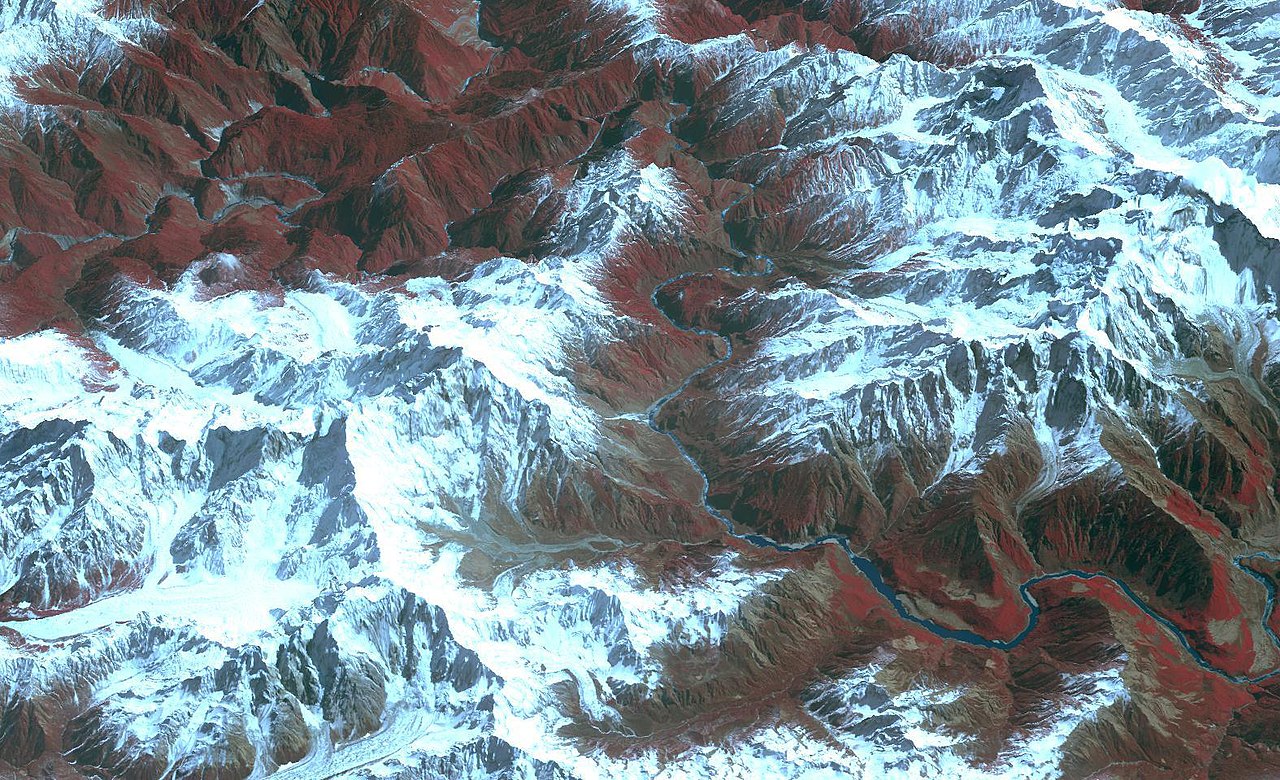
Shangri-La sits in the Diqing Tibetan Autonomous Prefecture, Yunnan's only Tibetan prefecture, at the junction of Yunnan, Sichuan and Tibet. It is the southern extension of the Tibetan plateau and the deep belly of the Hengduan mountains, with the land falling from north to south through three great ranges — the Meili, Yunling and Zhongdian snow mountains — with the Lancang and Jinsha rivers cutting between them. The average elevation across the prefecture is about 3,380 m, and more than half of it lies above 3,000 m, making it the highest administrative area in Yunnan.

The climate is temperate to subarctic, with an average of about 5–13°C across the year, intense solar radiation and a sharp dry season and wet season. The extremes are dramatic: Kawagebo, the highest peak in Yunnan, reaches 6,740 m, while the lowest point in the prefecture is only 1,480 m — a range of more than 5,000 m within one small area. That vertical spread is why the flora and the scenery change so fast as you drive.

Lost Horizon and the Tibetan world

The name Shangri-La comes from James Hilton's 1933 novel Lost Horizon, which describes a hidden, peaceful valley at the western end of the Himalayas whose people follow Tibetan Buddhism. The word became so desirable that several places claimed it, and in 2001 the Yunnan town of Zhongdian won the argument and renamed itself — citing its Tibetan name, 'the sun and moon in the heart', as evidence that it matched the book.

Underneath the literary name, this is a living Tibetan world. Tibetans are the majority of the prefecture, Tibetan Buddhism shapes daily life from the layout of the house to the flags on the roof — one for an ordinary Buddhist household, two for a family of standing, three for a house that has produced a living Buddha — and the great monasteries of Songzanlin and Dongzhulin still anchor the towns. Naxi, Lisu, Yi and other peoples live alongside them, and a surprising French-Catholic church at Cizhong, planted in the Lancang valley in the early twentieth century, remains one of the odder relics in the mountains.

Travel with them

Shangri-La on the page, stage and screen

Not guides — the novel that invented the name and the Chinese works that have kept the idea alive.

Book

Lost Horizon

James Hilton, 1933

The novel that gave the world the word. A plane crash strands its passengers in a hidden Himalayan valley of monasteries, snow peaks and long life, and although Hilton never set foot in China, his description of a peaceful Tibetan valley is exactly why a real town in Yunnan claimed the name decades later.

Book

My Shangri-La

Kim Roseberry

An American photographer's black-and-white meditation on the idea of Shangri-La — not the colourful postcard, but the making of the name itself, and what lies behind the beautiful face of a place that has been dreamed about for ninety years. A thoughtful counterpoint to the brochures.

Film

Here Is Shangri-La

Dir. Ding Naizheng

A Chinese film in which a grieving Taipei mother comes to Shangri-La and is guided through its landscapes by a mysterious boy, eventually finding her way back to herself. Melodramatic, but it captures the way the region has long been cast as a place of spiritual repair.

Music

Shangri-La

Zhu Jing / Rexidao

Two very different settings of the same idea: Zhu Jing's bright, expansive pop version, and the Tibetan singer Rexidao's traditional-inflected recordings. Put them on as the road climbs onto the plateau and the name suddenly sounds less like a slogan.

The questions visitors ask us most about Shangri-La, answered plainly.

Frequently asked questions

Prices and practical details are reviewed every month by our Beijing team and updated the day a rule changes.

Will I get altitude sickness in Shangri-La?

Some people feel it, most do not. At about 3,300 m, a minority of visitors get a headache, a poor first night's sleep or breathlessness on stairs. Take the first afternoon very gently, drink plenty of water, eat lightly, skip alcohol for a day or two and do not race up slopes. If you are going higher — 4,500 m on Shika Snow Mountain, or 4,000 m+ near Meili — give yourself a full day at town altitude first.

How do I get to Shangri-La from Lijiang?

Most people come by road, about 4 hours from Lijiang (buses leave every 40 minutes from 07:30, roughly ¥42–59), or fly straight into Diqing Shangri-La (DIG), 5 km from town, with a 1-hour hop from Kunming. Flying is faster, but the road climbs through some of Yunnan's finest scenery, so many travellers do the road one way and fly the other.

Should I use oxygen or altitude medicine?

Altitude medicine such as Rhodiola can help if you start it a day before you climb, and most travellers carry a small oxygen can as insurance. But do not start breathing oxygen on arrival — the dependence can be hard to shake, and many people who use it on day one find they need it constantly afterwards. Rest, water and time are the real treatments; save the can for an emergency.

What should I pack for Shangri-La?

Layers and sun protection, whatever the season. It is cold highland — a down jacket for evenings and the snow mountains, a windproof shell, sunglasses, a hat and a strong lip balm, because the dry thin air and fierce UV chafe skin fast. Bring any altitude medicine you might want, and note that it is cold enough that most guesthouses in the old town are heated and many have underfloor warmth.

When is the best time to visit Shangri-La?

May to June, when wildflowers carpet the grassland, and September to November, when the rains have gone and the skies are at their clearest for the golden light on Meili. July and August are the wet season but pleasantly cool; winter is bright and bitter, with snow and almost no visitors. It never gets hot here — the seasons are about rain and cold, not temperature.

Is Shangri-La worth it, or is Lijiang enough?

If you have come for Tibetan culture and high mountain scenery, it is worth the extra 4 hours from Lijiang. Lijiang is a gentler, lower, Naxi town; Shangri-La is the plateau — a different landscape and a different people. The altitude is the cost of entry, and the reason to plan the first day slowly. If you have time, the drive on to Deqin and Meili Snow Mountain is the best thing in the whole prefecture.

How far is Meili Snow Mountain from Shangri-La?

About 4 hours west by road, to the town of Deqin, from where the classic view of the range is at Feilai Temple on the hillside above. The drive is its own trip and needs an overnight — the point is the dawn light on the summit of Kawagebo, and you want to be there before sunrise. Allow two days if you are going and returning by road.

Related reading

Related reading

Visas Do I Need a Visa for China? Requirements, Costs and How to Apply China's entry rules changed more in the last three years than in the previous twenty. Here is exactly who needs a visa, what it costs, how long it takes and which passports now walk straight through. 9 min read Visas China's 240-Hour Visa-Free Transit: Who Qualifies and How It Works Ten days in China with no visa application, no fee and no fingerprints — if you hold the right passport and leave for a third country. Here is the rulebook, port by port. 8 min read Money Paying in China: Alipay, WeChat Pay, Cards and Cash Roughly nine in ten urban payments in China now run through a phone. Set up two apps before you fly, carry a modest cash float, and you will never be stuck at a till. 8 min read Transport China's High-Speed Rail: How to Book, What It Costs, How Fast It Goes The fastest way to cross China is also the most pleasant. Here is how to book a ticket with a foreign passport, what the three classes actually give you, and how to survive a Chinese station at rush hour. 9 min read Planning Best Time to Visit China: Month by Month, Region by Region China is the size of Europe, so 'the best month' depends on where you stand. Here is the month-by-month answer for the north, the Yangtze valley, the south and the plateau. 8 min read Planning What to Pack for China: The Complete 2026 Checklist Twenty thousand steps a day, three climate zones and a phone that has to do everything. This is the list we give our own travellers, minus the things they never used. 7 min read Food Chinese Food Culture: Eight Cuisines, One Table There is no such thing as Chinese food. There is Cantonese, Sichuan, Hunan, Jiangsu, Zhejiang, Fujian, Anhui and Shandong — and knowing which one you are eating changes everything. 8 min read Traditions Chinese Tea Culture: Six Classes, One Pot, Two Fingers Tea in China is not a beverage category, it is a social technology: it fills silences, seals deals and sets the pace of a meal. Here is how to sit down in one and not look lost. 7 min read Traditions Chinese Festivals: The Calendar, the Dates and the Crowds Lunar dates mean the calendar moves every year — and two of the festivals move several hundred million people at once. Plan around them or plan into them, but never by accident. 8 min read Etiquette Chinese Etiquette: What Matters, What Does Not, and Why Most etiquette advice for China is either obvious or wrong. These are the dozen behaviours that actually change how you are treated, and the reasoning behind each. 7 min read
Tell us your dates.
We'll do the rest.

Free itinerary design, a revised plan within one working day, and nothing charged until you approve the final version.

  • 3,300 m is high: take the first afternoon slowly, drink water, and avoid alcohol, exertion and hot showers on arrival.
  • 3 days covers Songzanlin, the Dukezong old town, Pudacuo and Napa Lake; add 2 for Meili Snow Mountain to the west.
  • Fly into Diqing Shangri-La (DIG), 5 km from town, or drive about 4 hours from Lijiang.

No spam. No sales calls. Just a real itinerary from a real person.