City guide · Tibet Autonomous Region

Tibet travel guide: Lhasa, Everest Base Camp, holy lakes and what a permit really costs

A plateau the size of Western Europe where the sky starts at your feet, prayer flags carry the wind, and the roads run past 8,000-metre peaks.

  • Known forPotala Palace, Everest Base Camp, holy lakes, monasteries, prayer flags
  • Typical spendAbout US$1,200–2,500 for 8 days, permits and guide included
  • Ideal length8–12 days; 15+ for Mount Kailash or Ali
  • PaceSlow — long drives, thin air, early starts

Reviewed by our Beijing team Updated 2026-10-10

The short version

Tibet is worth 8 to 12 days, and you cannot do it independently. Every foreign visitor needs a Tibet Travel Permit arranged through a licensed agency, plus an organised guide and vehicle for the whole trip. A group tour typically runs US$1,200–2,500 per person for 8 days. Lhasa sits at 3,650 m (12,000 ft), and most people need 2 full days there before pushing higher. Come April to October for open roads and clear mountain views; November to March is cold, cheaper and far quieter, but some passes and the Everest base camp road close.

  • Foreign travellers need a Tibet Travel Permit plus a licensed guide and private vehicle — you cannot buy a Lhasa train or plane ticket and simply show up.
  • Lhasa sits at 3,650 m and Everest Base Camp at 5,200 m; budget 2 rest days in Lhasa before heading higher and expect altitude headaches regardless.
  • The classic 8-day loop covers Lhasa, Yamdrok Lake, Shigatse, Everest Base Camp and Namtso Lake, with 4–5 hours of driving on most days.
  • Tickets are cash-first: Potala Palace costs ¥200 in high season and needs booking the day before, Jokhang Temple ¥85, Everest Base Camp entry ¥180 plus ¥400 per vehicle.

City guide

First impressions

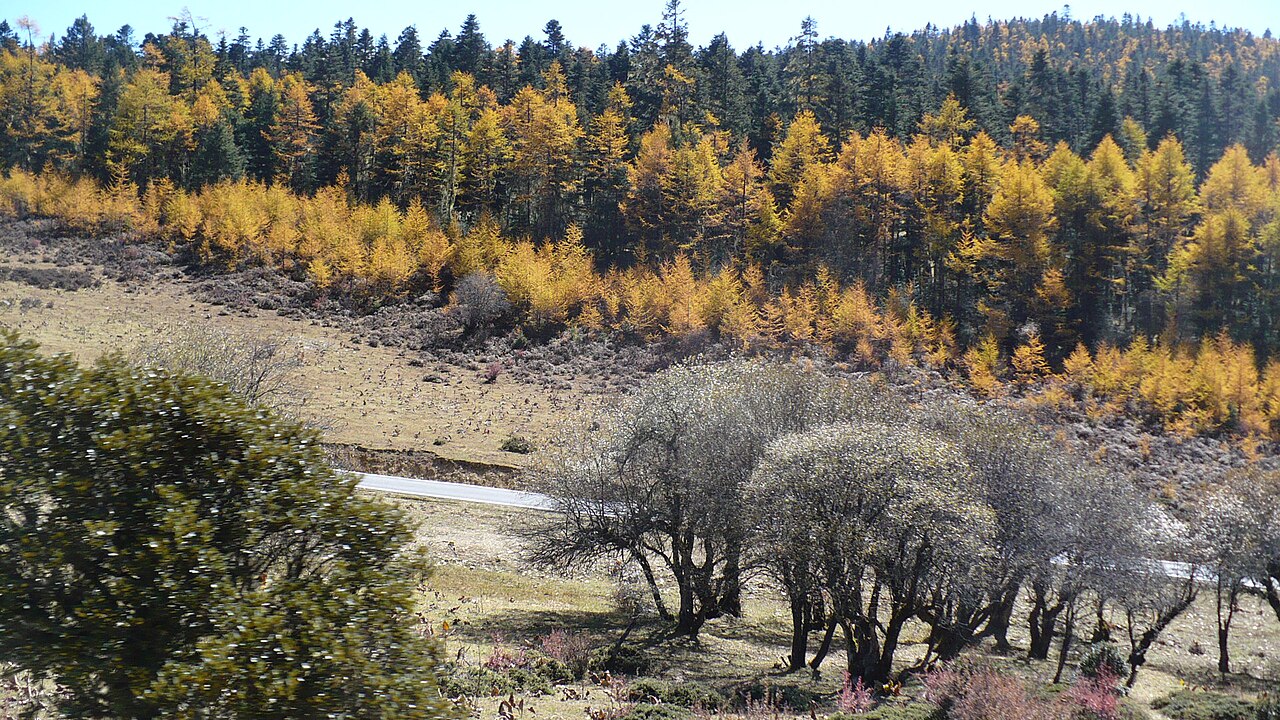
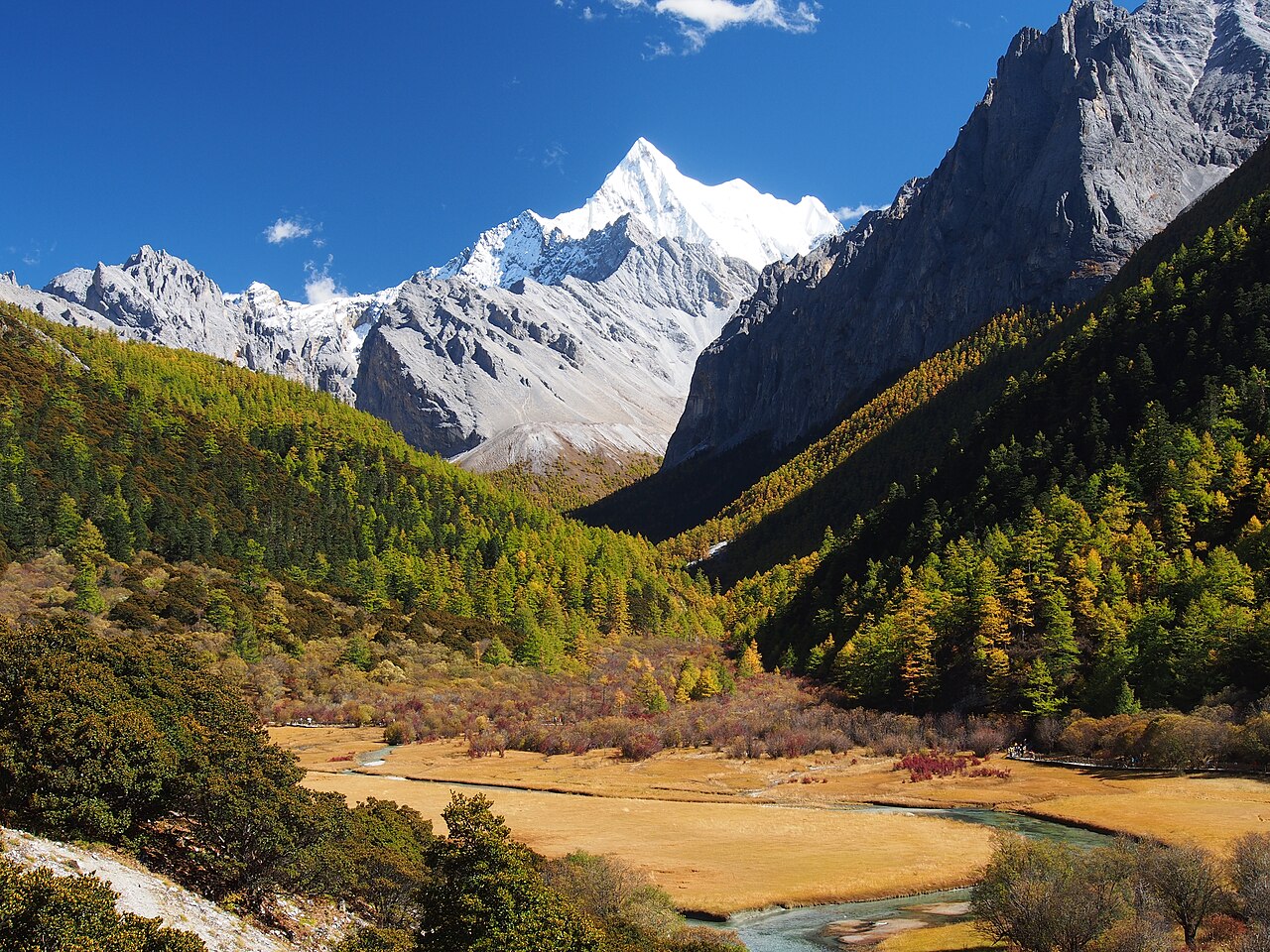
Photographs from the coast, and what other travellers wrote afterwards.

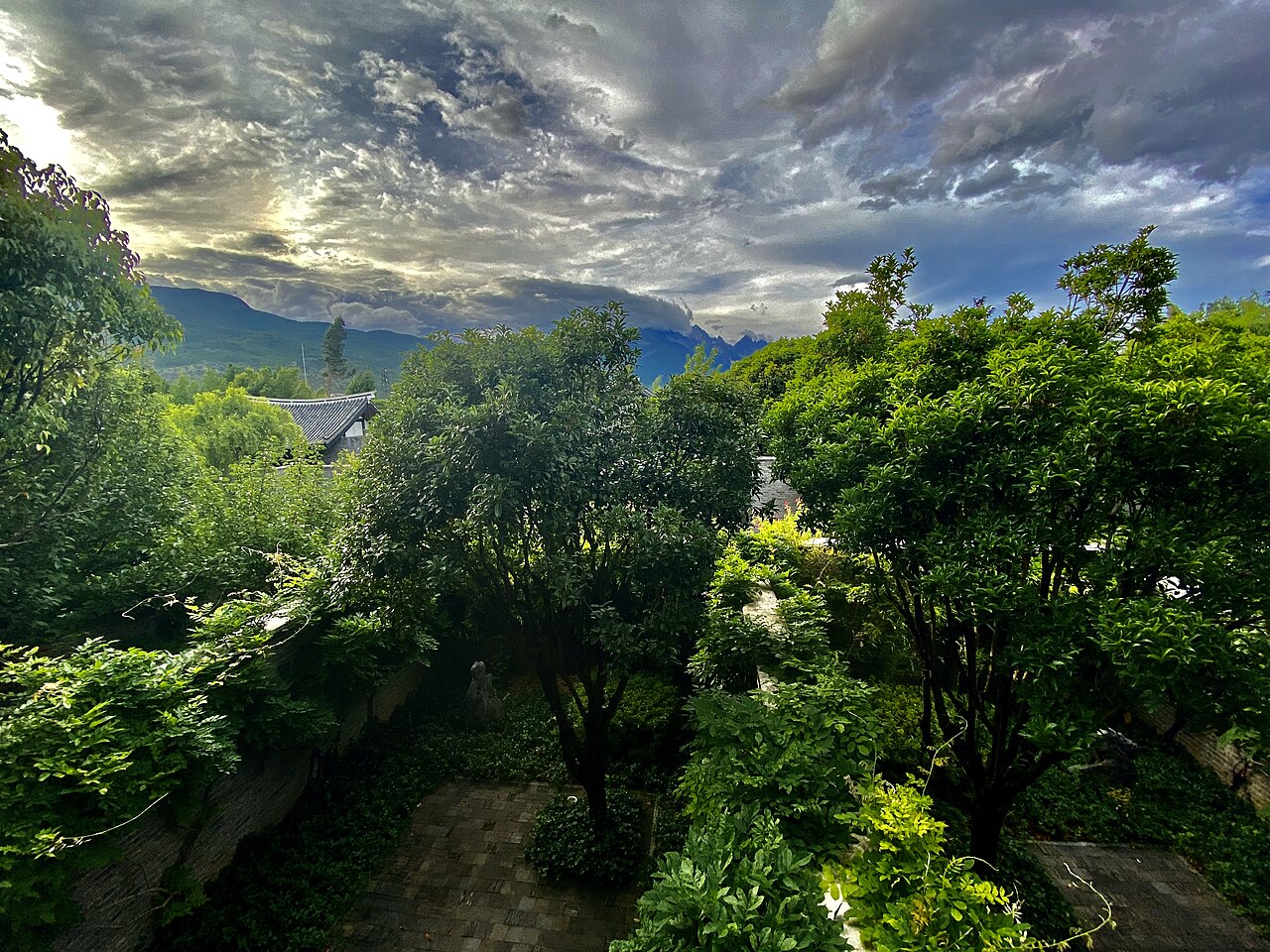
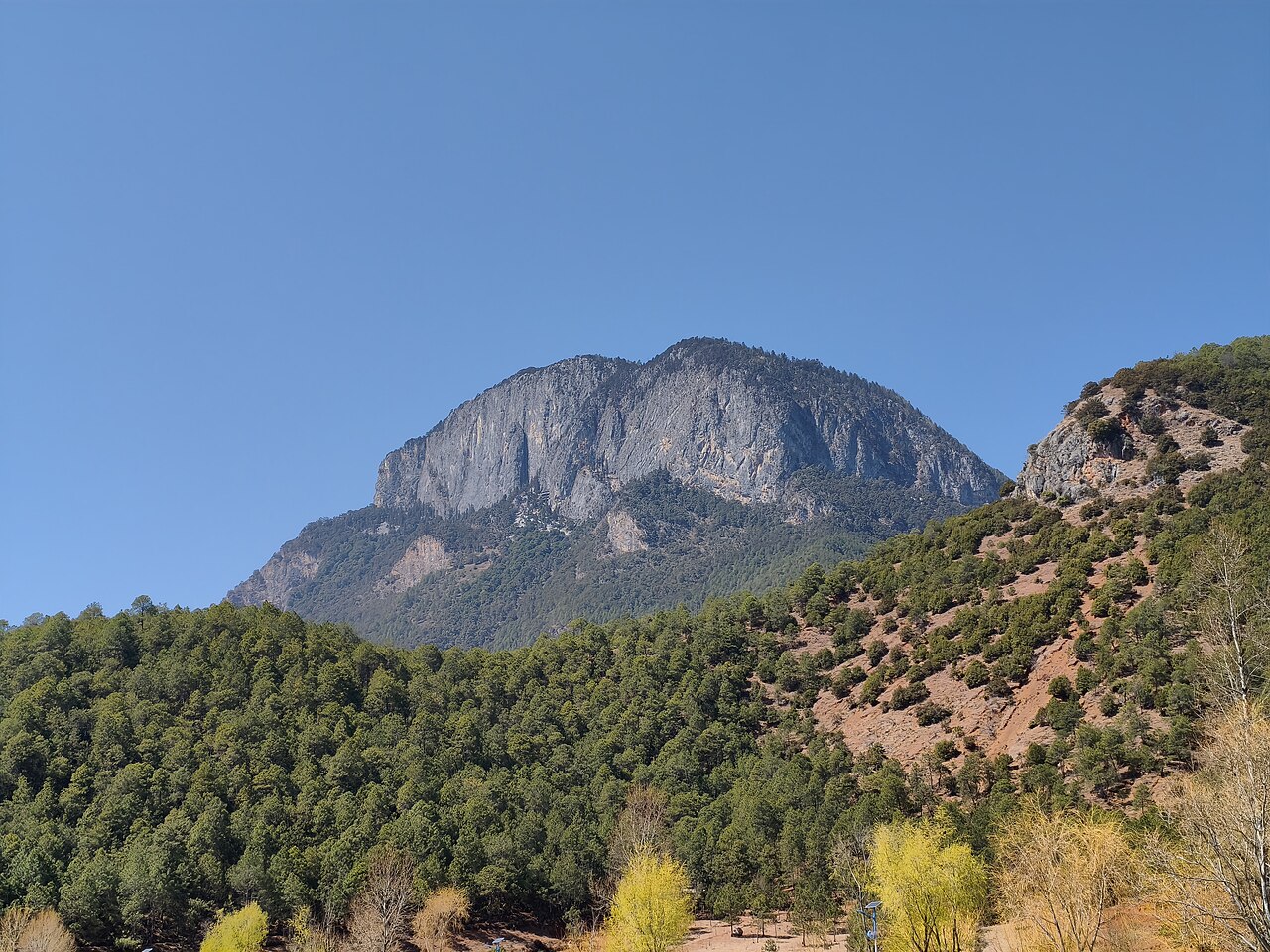
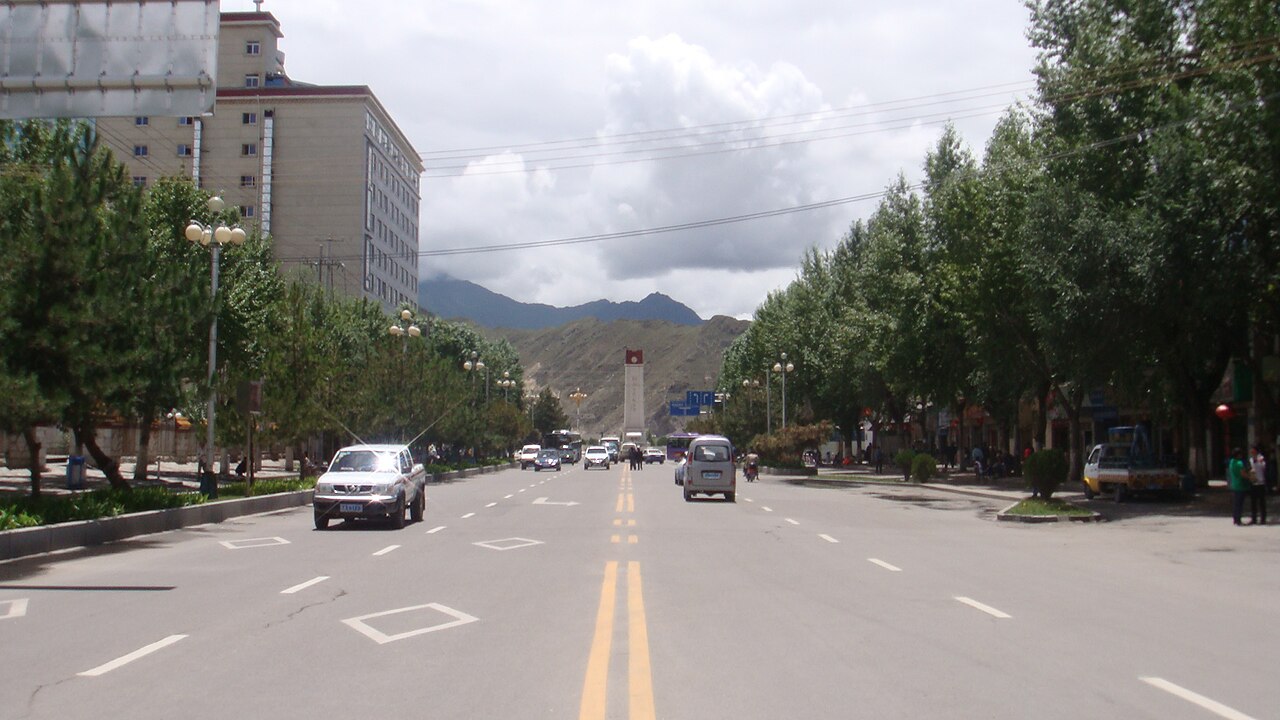
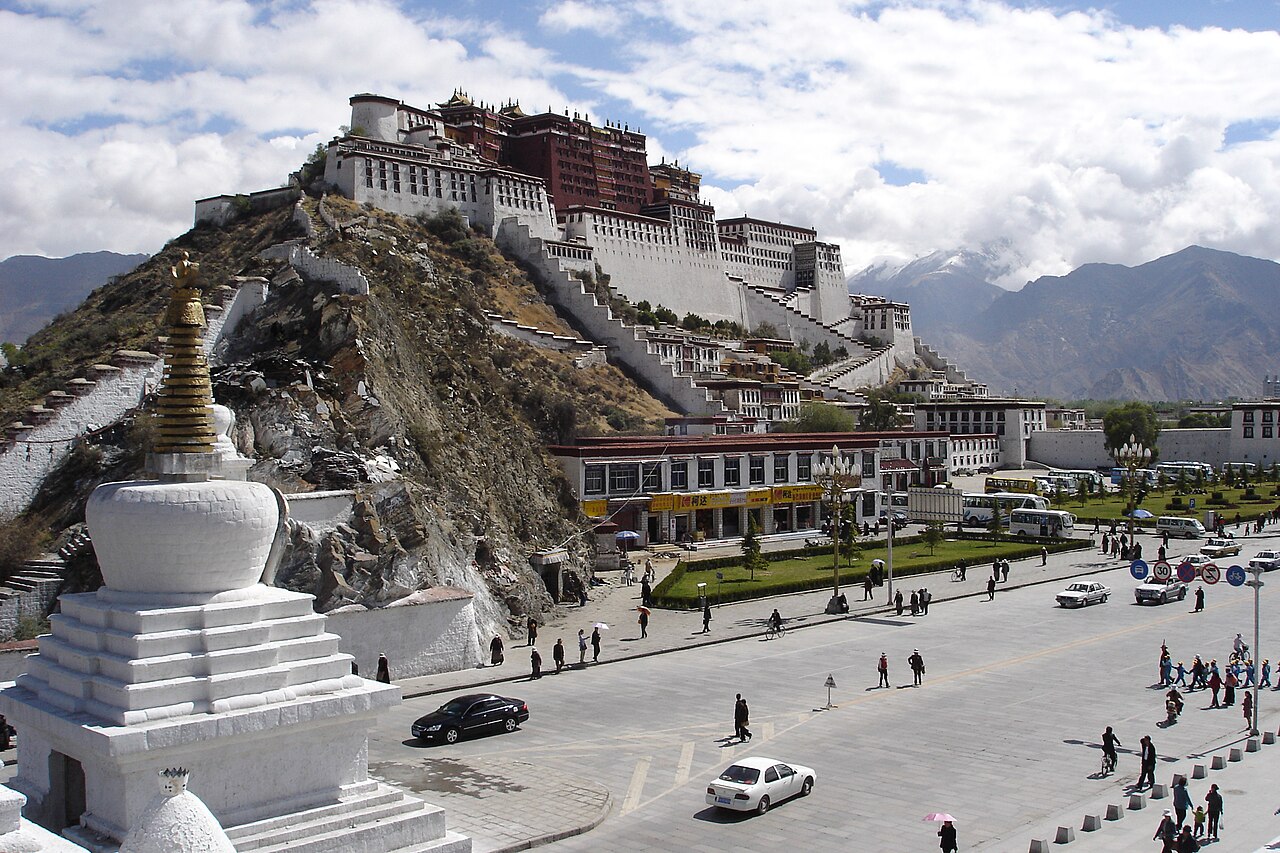
The Potala Palace rising above Lhasa at 3,650 m
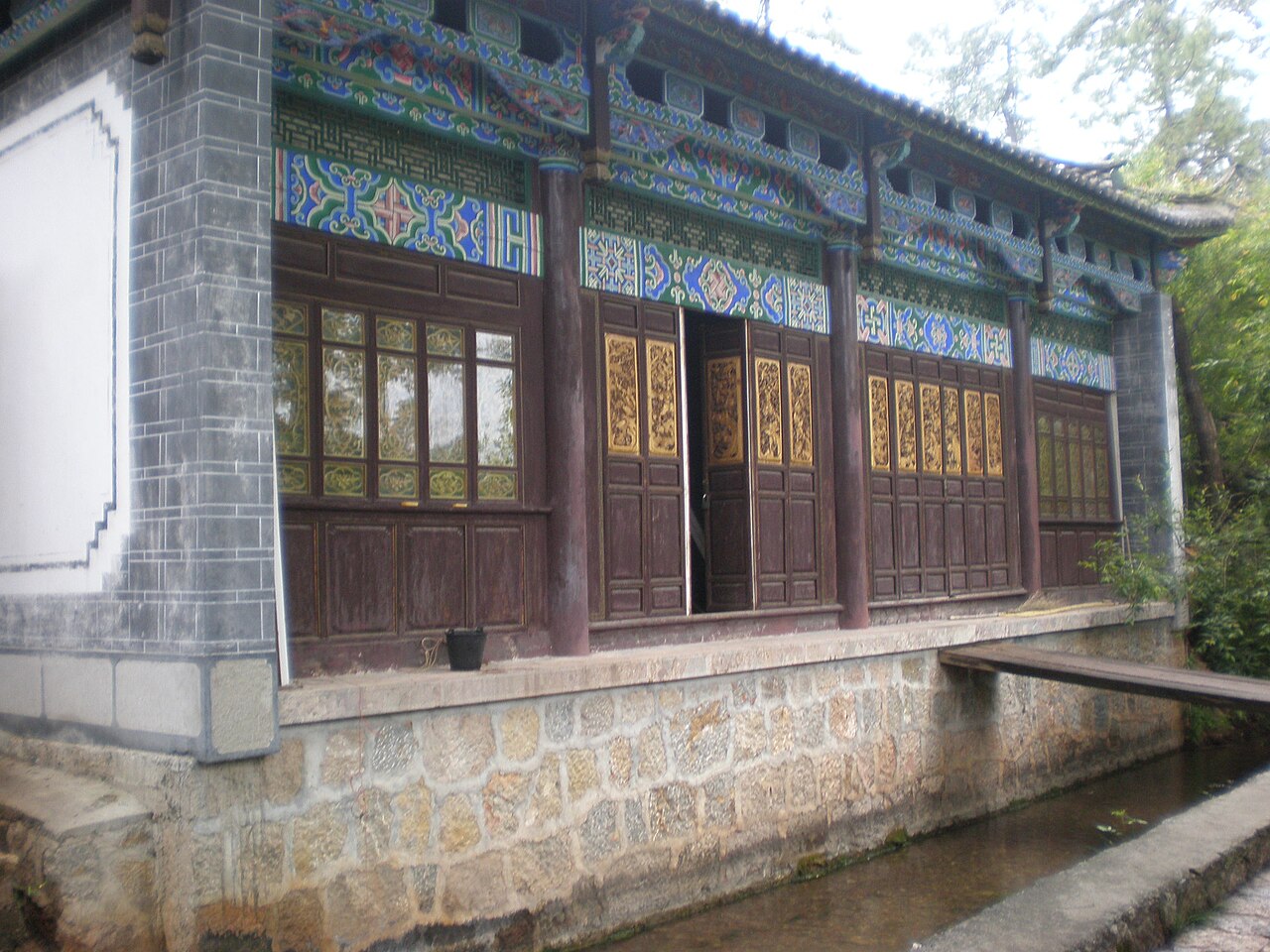
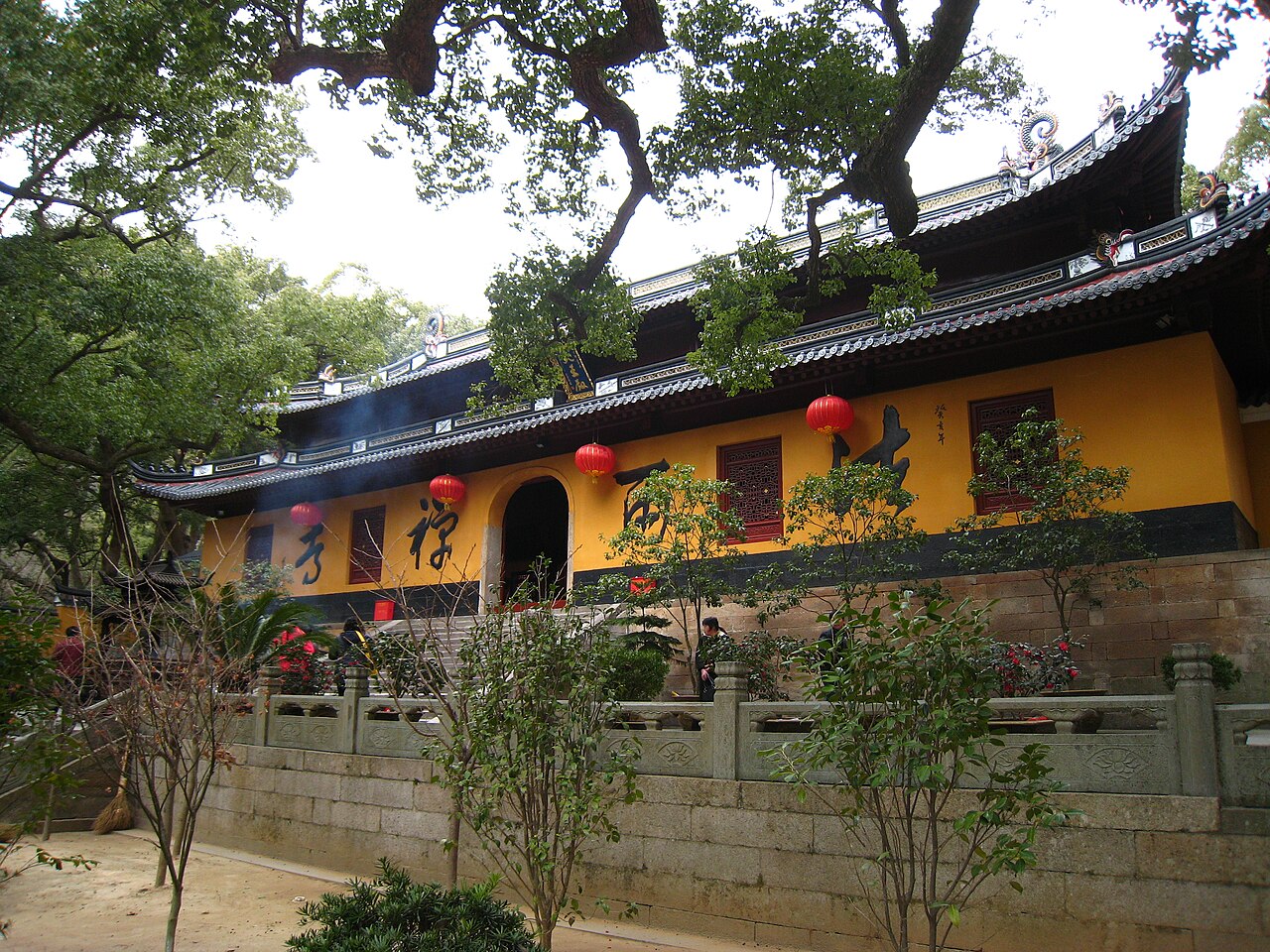
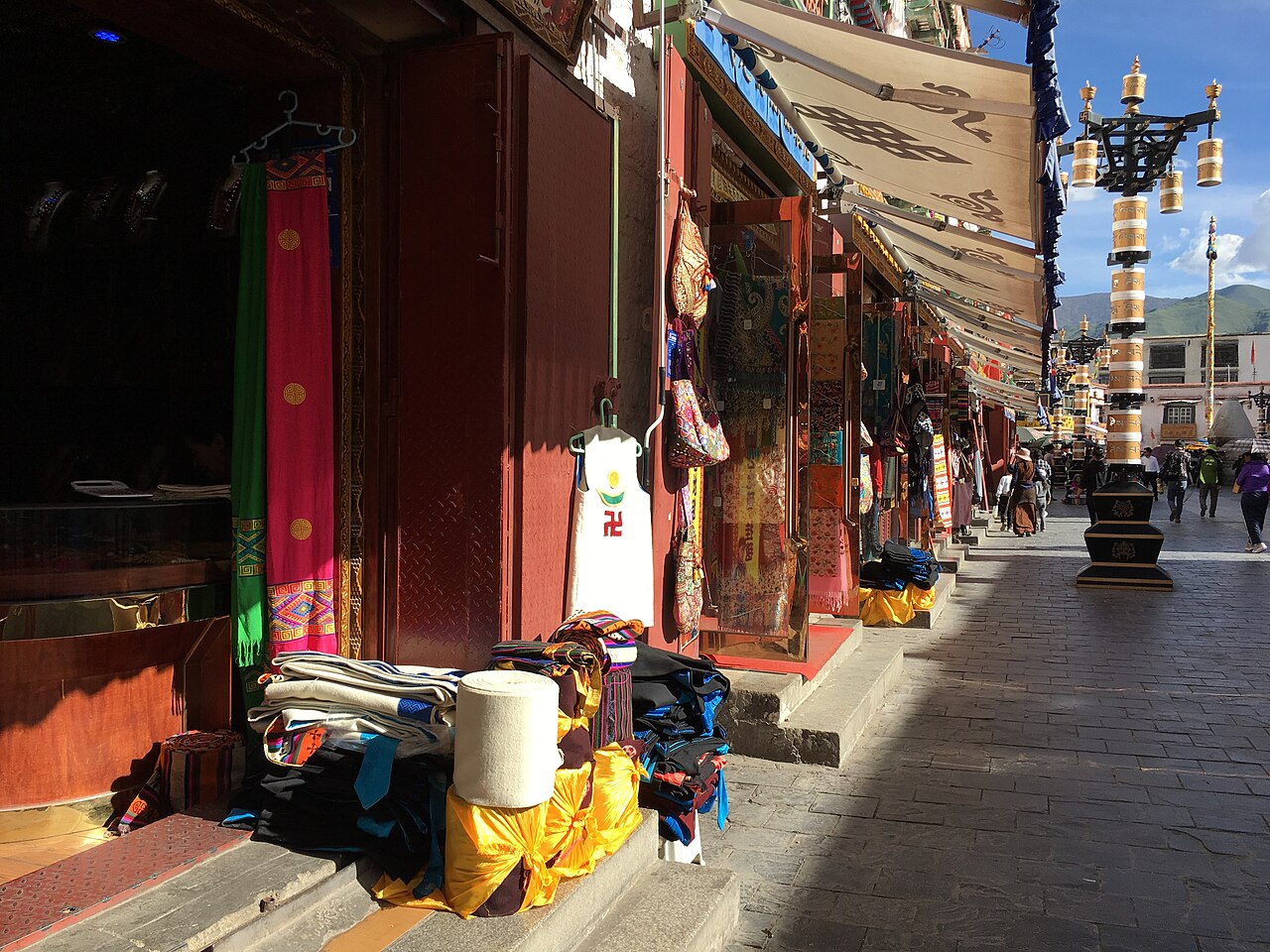
Pilgrims circling the Jokhang on Barkhor Street
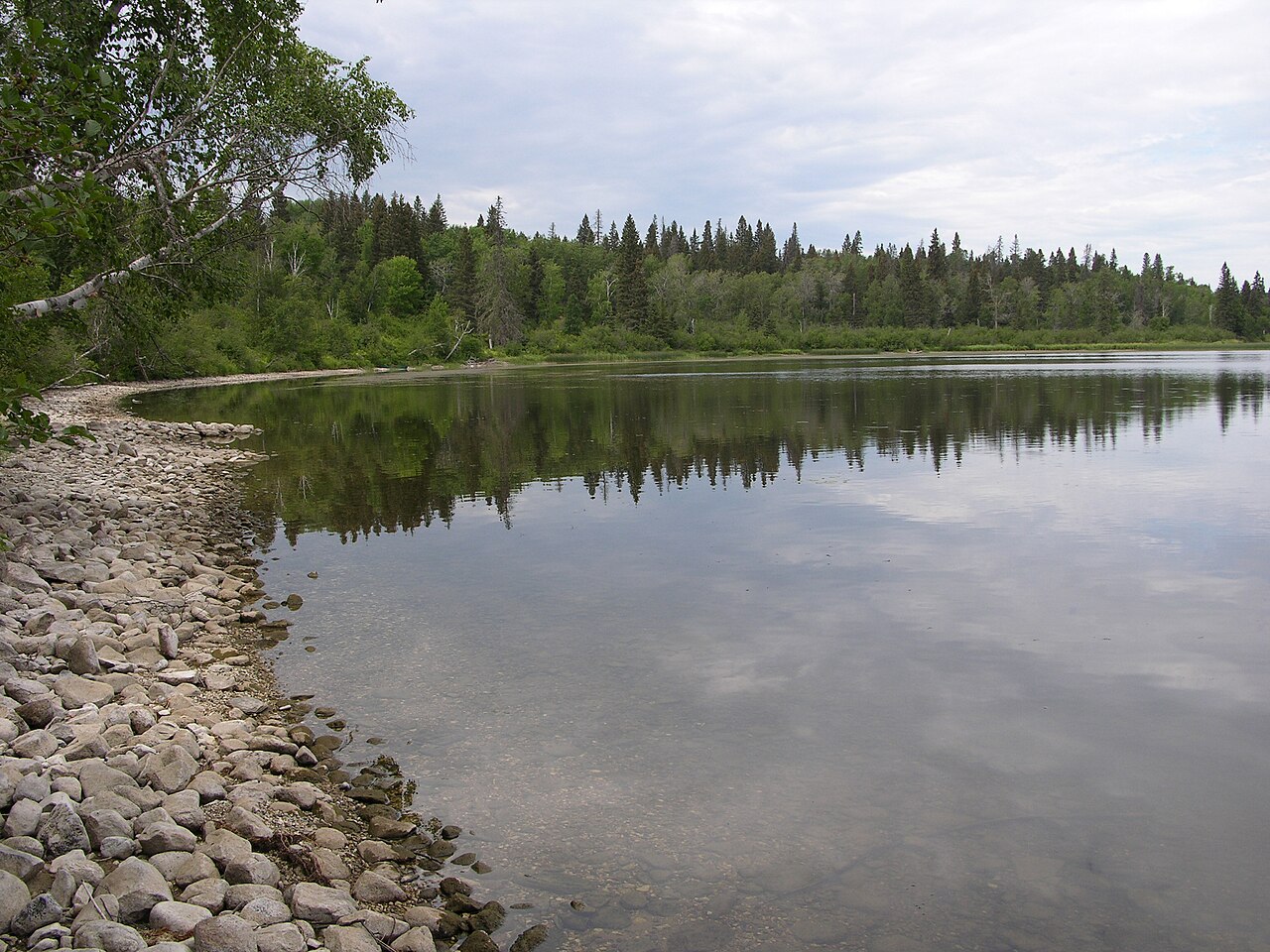
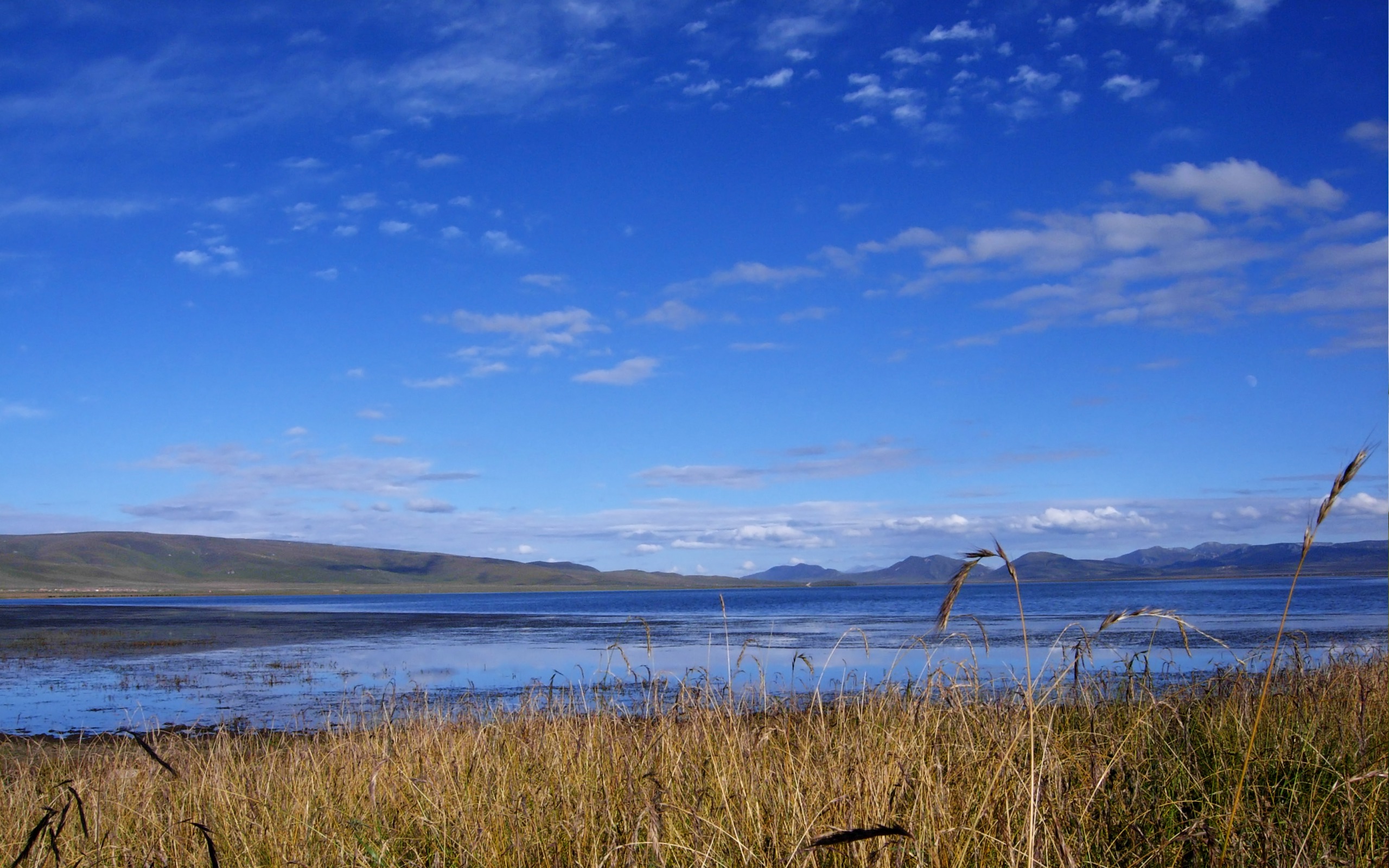
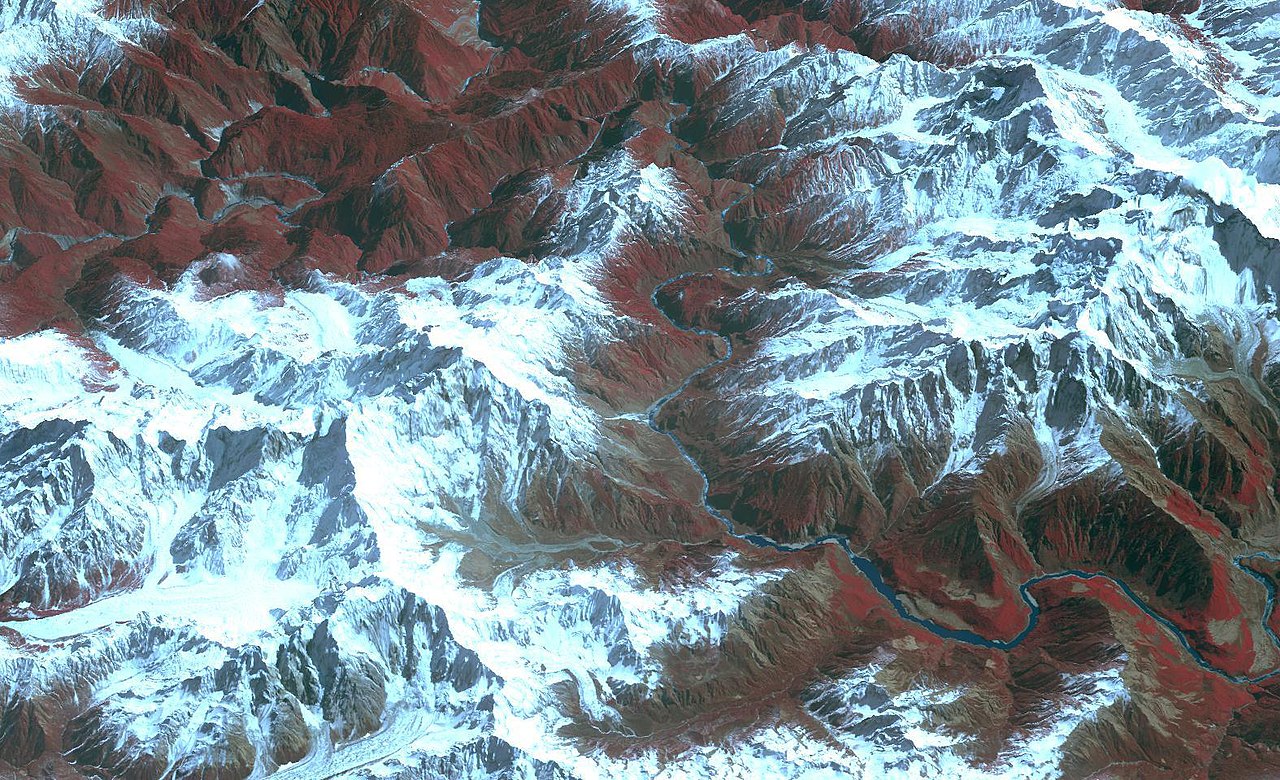
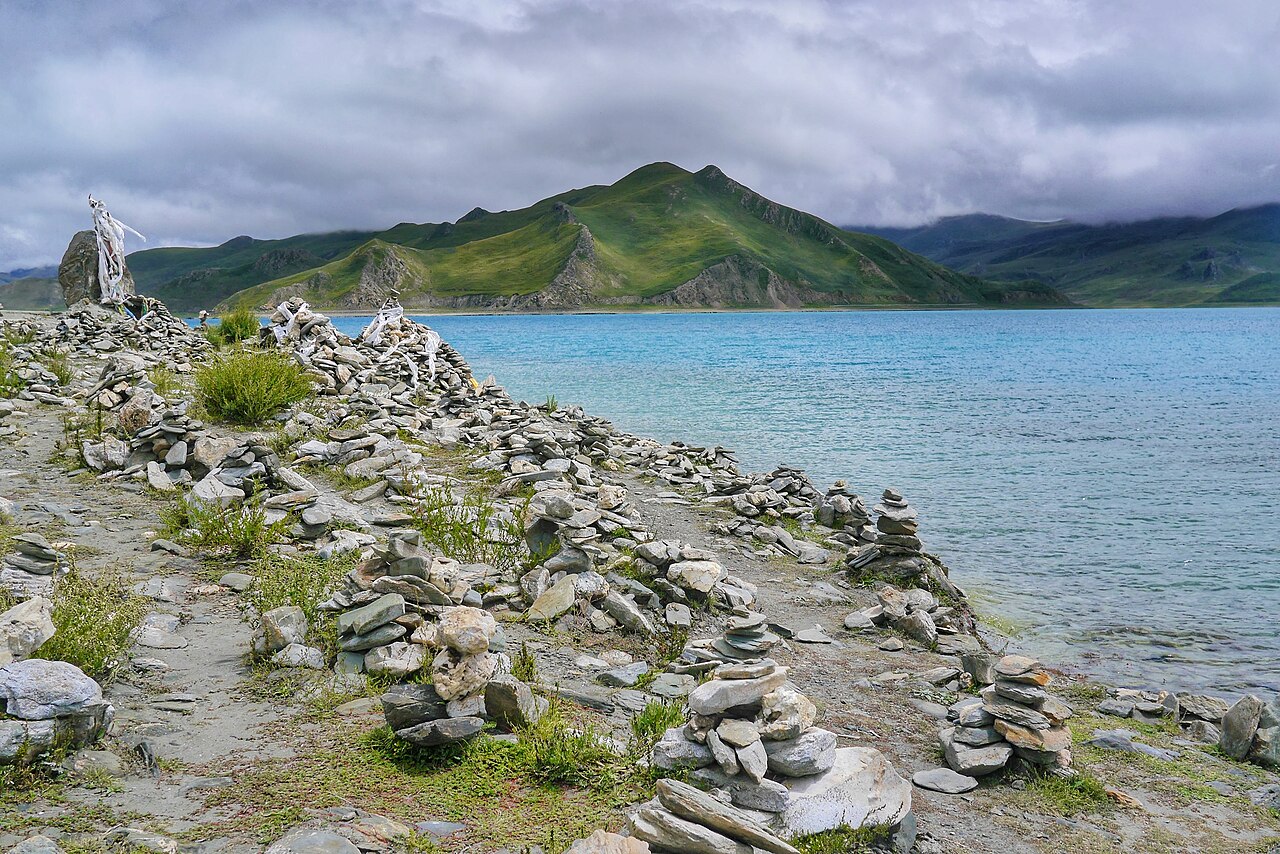
Yamdrok Lake, the turquoise scorpion-shaped holy lake
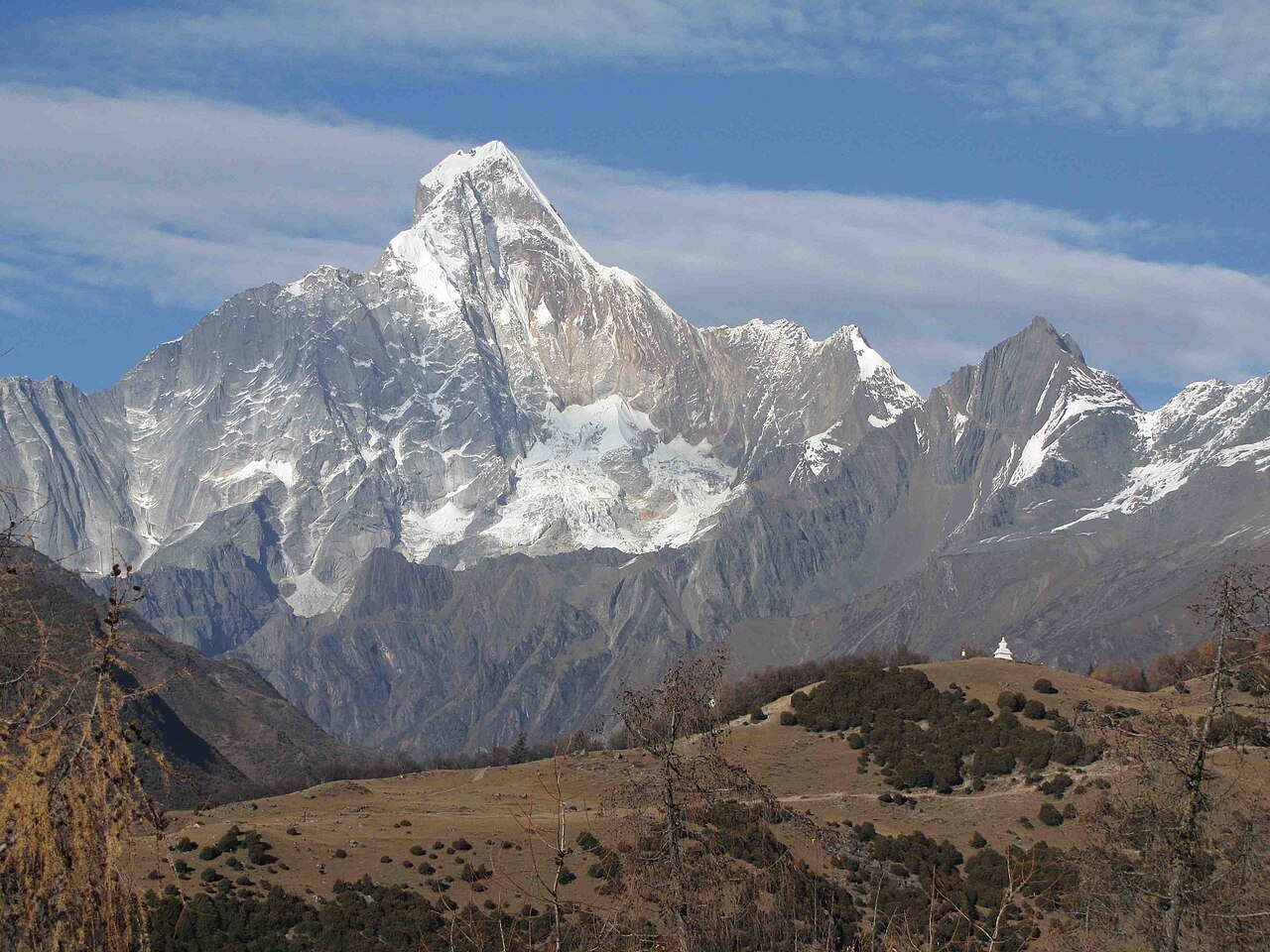
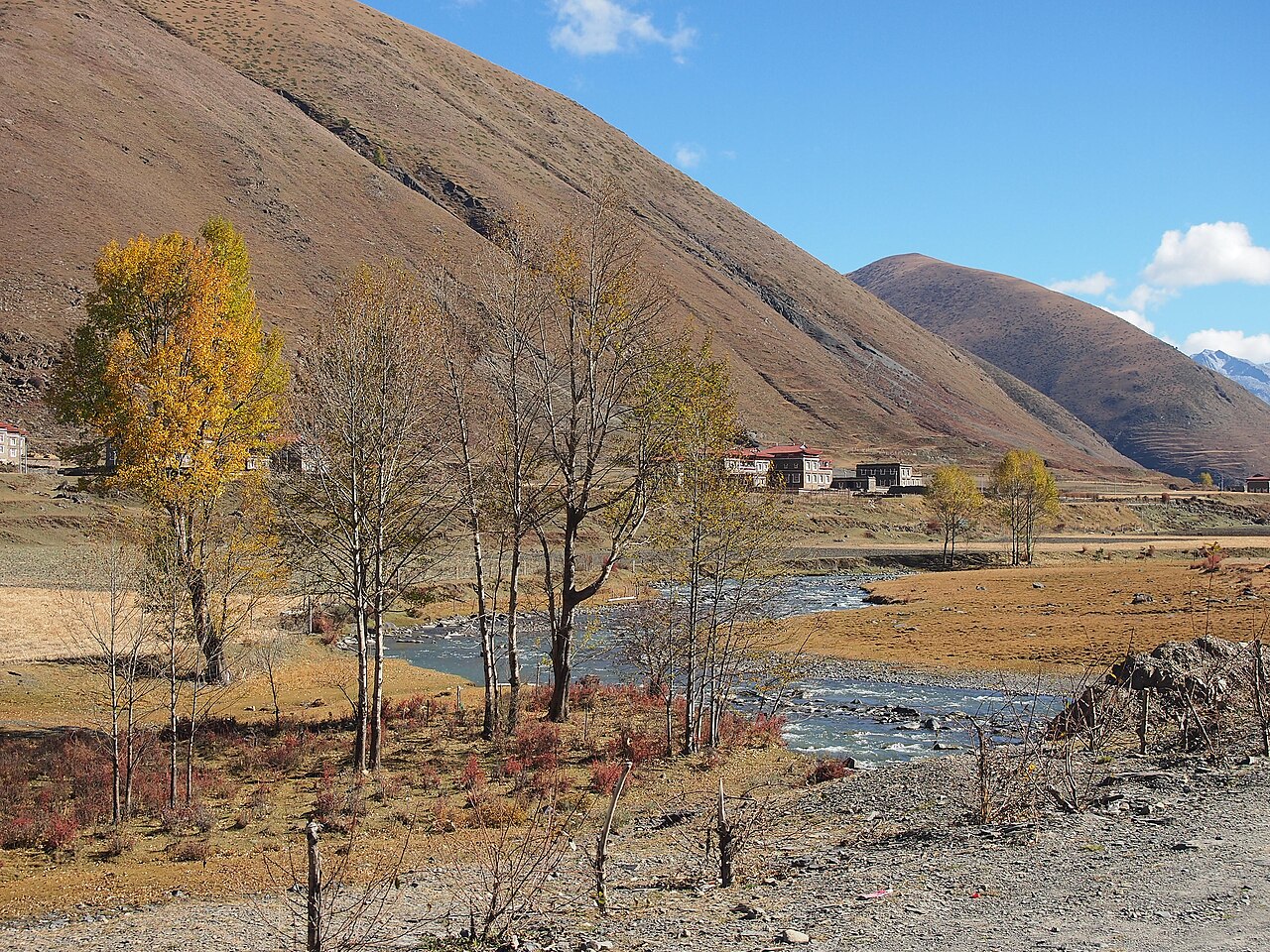
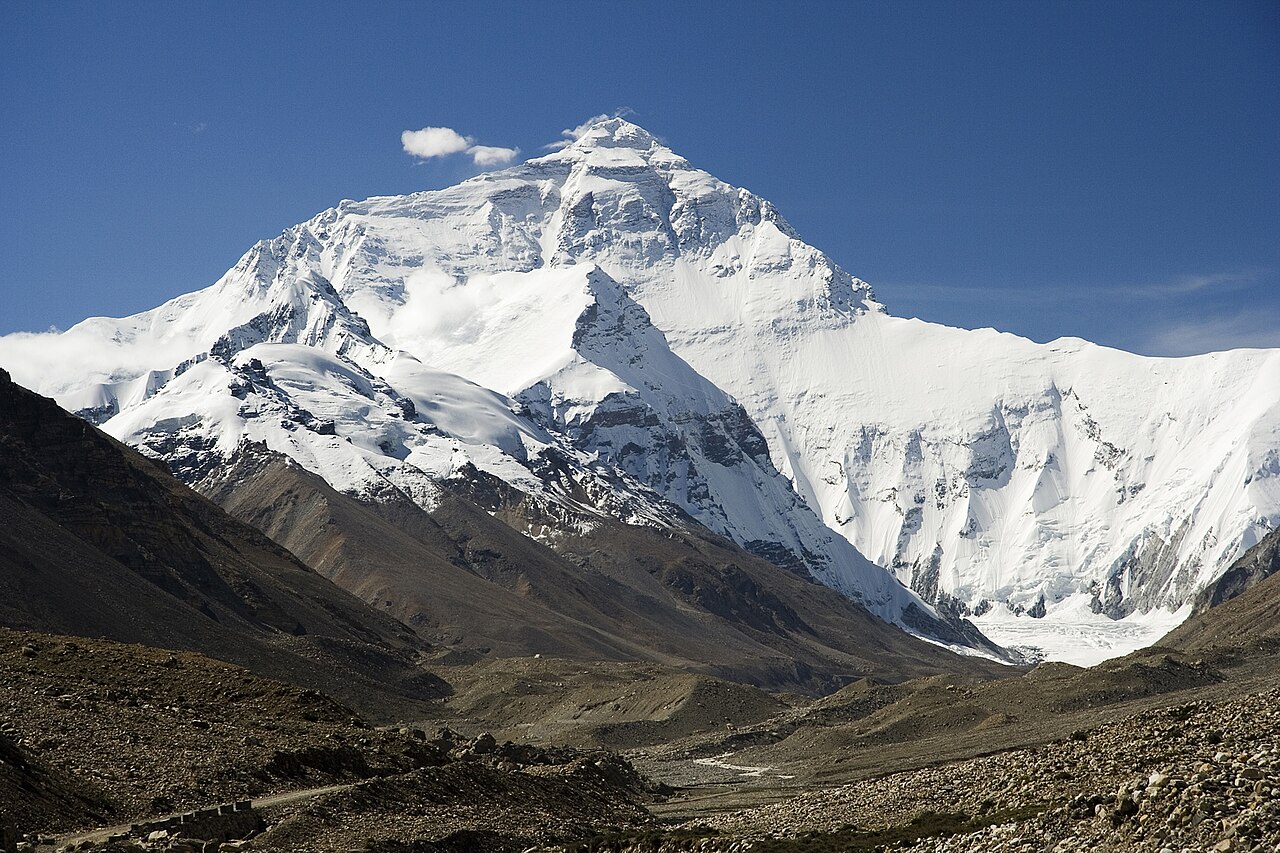
The north face of Everest from Rongbuk Monastery

I always wanted a different opening line for Lhasa. A year of planning, 3,000 kilometres of bad roads — and when I finally saw her, I was almost disappointed. Bright streetlights, clean roads, tidy flyovers, street sweepers at work. It looked like any big city. Then I stayed a while and understood what a magnetic place it is. Everything here calms me down.

Tim_be, 'Hitching to Lhasa'

Shigatse feels barren as a city, but it is genuinely more unspoiled than Lhasa. Tashilhunpo is huge, layered up the hillside. What I remember most is a middle-aged man carrying his elderly mother on his back, step by step, through every single station of the pilgrimage — prostrating, praying, adding butter — never cutting a single step short because of the weight.

Meili Xiong, 'Ten Days in Tibet'

You land in Lhasa and the first thing you notice is not the Potala Palace or the pilgrims, it is your own breathing. At 3,650 m the air is thin enough that a flight of stairs becomes a decision. Give yourself two days to do almost nothing: sit in a sweet tea house on Barkhor Street, watch the circuit of pilgrims shuffle clockwise around the Jokhang, and let your body catch up with the altitude before you ask anything more of it.

Once you have your legs, Tibet unfolds as a series of enormous views. The road west from Lhasa climbs over the Khampa La pass and the turquoise smear of Yamdrok Lake appears below you like spilled paint. Further on, Shigatse's Tashilhunpo Monastery glows ochre in the afternoon light, and past that the road turns to gravel and dust until the north face of Everest fills the entire horizon — a black pyramid with a plume of snow streaming sideways off the summit.

What stays with most travellers is not the scenery but the ordinary devotion of the place. Old women walk the Barkhor with hand-cranked prayer wheels and no particular hurry. Monks at Sera Monastery slap their palms in debate at 3pm every day except Sunday. Nomads on the Changtang grasslands wave as your Land Cruiser passes, and the smell of butter lamps follows you out of every temple door. Tibet is not an easy destination, but it is one that rearranges your sense of scale.

Tibet

Don't leave without

Seven things that are worth rearranging a day for.

  1. Stand in front of the Potala Palace at dawn, before the tour buses fill the square
  2. Join the clockwise pilgrim circuit around the Jokhang on Barkhor Street
  3. Watch the 3pm monk debates at Sera Monastery — the loudest, most theatrical prayer in Asia
  4. See the north face of Everest from Rongbuk Monastery, the world's highest monastery at 5,000 m
  5. Walk the shoreline of Namtso Lake at 4,718 m and listen to the water move
  6. Drink sweet tea in a Lhasa tea house until a stranger sits down and starts talking

Highlights

Five reasons Tibet rewires you

A 1,300-year-old palace 3,700 m ab

The Potala Palace in Lhasa is the highest and largest palace complex on earth, a 13-storey white-and-red fortress that has been the beacon of the Tibetan world for thirteen centuries. Book tickets online the moment your dates are fixed — daily visitor numbers are capped and July to October sells out days ahead.
Lakes that change colour with the

Yamdrok Lake, Namtso and Lake Manasarovar are the three great sacred lakes. Yamdrok alone runs more than 130 km through the mountains and shifts through a dozen blues as the light moves; locals call it the turquoise earring dropped by a goddess. Namtso sits at 4,718 m, so give yourself a full day to acclimatise before you go.

The world's highest mountain, seen

Everest (8,844 m) rises from the Tibet–Nepal border, and the north face is the dramatic one — a sheer pyramid that stays snow-covered year round. From Rongbuk Monastery, the highest monastery on earth at about 5,000 m, it is a 2-hour walk or 15-minute drive to Base Camp.

Ink-dark forests and a 7,782 m pea

Nyingchi, in the southeast, averages 3,100 m and packs glaciers, cloud forests, peach blossom villages and the deepest canyon on the planet into one valley system. Namcha Barwa, 7,782 m, hides behind cloud most of the year — catching a clear view is considered a stroke of luck.

Monasteries where three schools of

Pelkor Chode in Gyantse is the only monastery in Tibet where the Sakya, Kadam and Gelug schools coexist under one roof, crowned by the 100,000-Buddha Stupa. In Lhasa, Sera Monastery's afternoon debates — monks clapping and stamping as they argue doctrine — are open to visitors.

Itineraries

Two three-day routes that actually work

Lhasa essentials — the classic fir

3 days days

Spend your first days at 3,700 m doing as little as possible, then let the city unfold. This route keeps you in Lhasa the whole time, which is exactly what your body needs before any higher ground.

  1. Day 1

    Potala Palace, Jokhang Temple and

    Book the Potala for your first morning — timed entry, passport required, no liquids or lighters. Then walk downhill to the Jokhang, the holiest temple in Tibet, and circle it with the pilgrims on Barkhor Street. Drug Store Hill opposite the Potala gives you the classic photo and the best sunset light.

    Stops: Potala PalaceJokhang TempleBarkhor StreetDrug Store Hill

  2. Day 2

    Drepung, Norbulingka and the Tibet

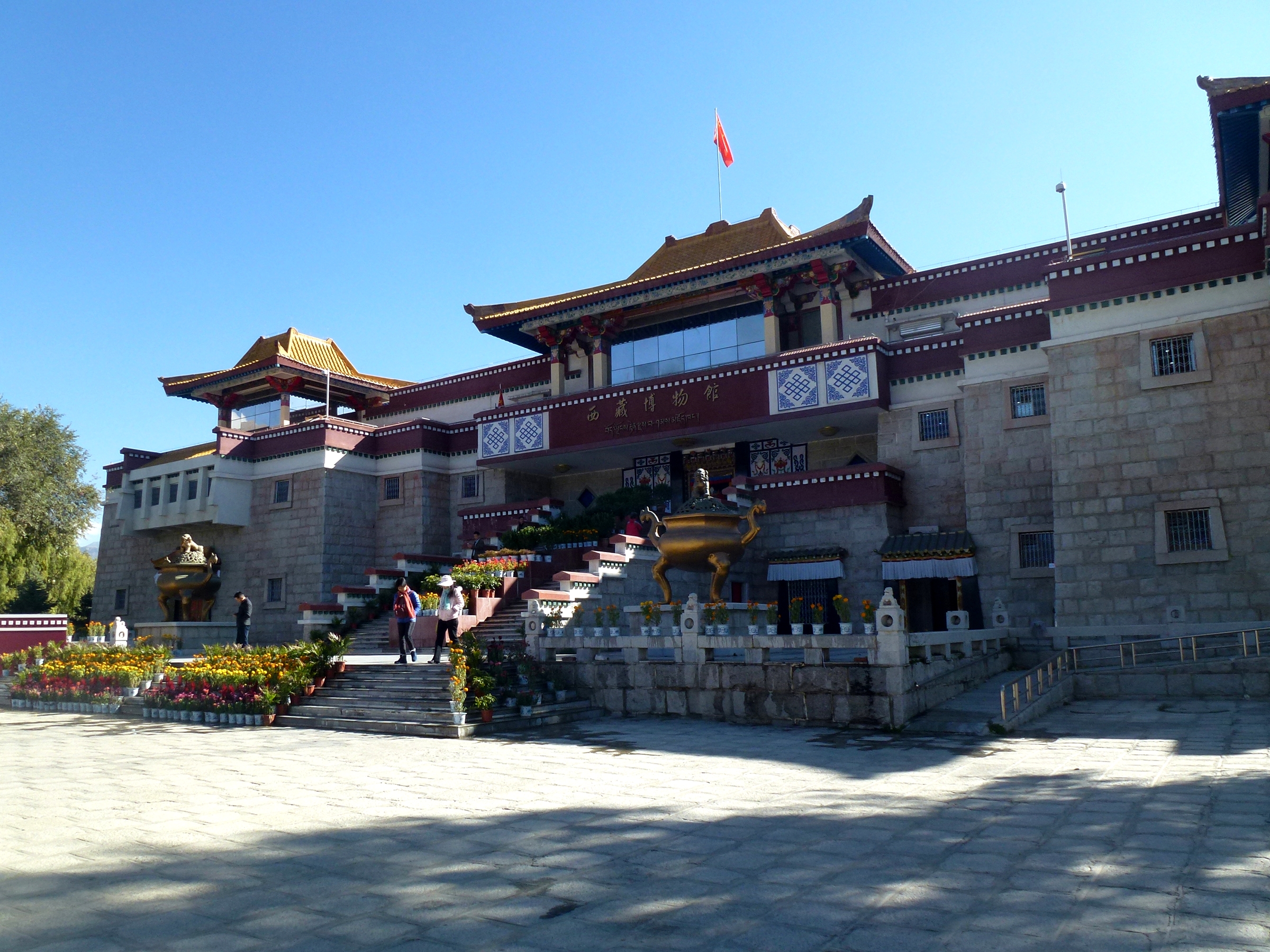
    Drepung Monastery was the mother monastery of the Dalai Lamas and once housed 7,000 monks; go in the morning when the chapels are open. Norbulingka, the former summer palace, is Tibet's largest man-made garden and feels oddly like a Jiangnan park transplanted to 3,700 m. Finish at the Tibet Museum, where the thangka collection alone justifies the ticket.

    Stops: Drepung MonasteryNorbulingkaTibet Museum

  3. Day 3

    Sera Monastery, sweet tea and the

    Catch the monk debates at Sera Monastery in the afternoon — they run roughly 15:00–17:00. Spend the rest of the day the local way: a pot of sweet tea in a neighbourhood teahouse, a slow walk along the Lhasa River at dusk, and a plate of yoghurt and fried potato sticks from a street stall.

    Stops: Sera MonasteryLhasa RiverBarkhor teahouses

Lhasa to Everest Base Camp — the n

3 days days

This is the shortest route that gets you standing under the north face of Everest. It is fast, and it hurts: you climb from 3,700 m to 5,200 m in three days. Only do it if you have already spent at least two nights in Lhasa without symptoms.

  1. Day 1

    Lhasa to Shigatse via Yamdrok Lake

    Leave Lhasa early and climb over the Gampa La pass for your first look at Yamdrok Lake. Then the Karola Glacier, one of Tibet's three major continental glaciers, drops to within a few hundred metres of the road — you can photograph it from the car park. Overnight in Shigatse, Tibet's second city.

    Stops: Yamdrok LakeKarola GlacierShigatse

  2. Day 2

    Shigatse to Rongbuk Monastery and

    Visit Tashilhunpo Monastery in the morning — the seat of the Panchen Lamas, whose Maitreya chapel holds a 26 m gilded Buddha. Then drive the long haul over the Gyatsola Pass (5,200 m) to Rongbuk. Sleep at Rongbuk or at Base Camp itself; the stars at this altitude are the real attraction.

    Stops: Tashilhunpo MonasteryGyatsola PassRongbuk MonasteryEverest Base Camp

  3. Day 3

    Sunrise on Everest, then back to S

    The best light on the north face is at dawn — set an alarm and be outside before sunrise. Walk the 2 hours to Base Camp or take the 15-minute shuttle, then retrace your route to Shigatse for a proper bed and a hot shower.

    Stops: Everest Base CampRongbuk MonasteryShigatse

Sights

What to see, and what it actually costs

Lhasa · must-book

Potala Palace

The 13-storey palace on Marpo Ri hill is the single image everyone carries of Tibet, and it earns the hype. You climb a punishing series of staircases through chapels, assembly halls and the living quarters of successive Dalai Lamas, with the whole of Lhasa spread out below. Timed tickets, passport checks and a one-hour limit inside mean you should plan the visit, not improvise it.

Location
Marpo Ri hill, central Lhasa
Altitude
3,700 m
Entry
Timed tickets, book online in advance
Time needed
2–3 hours including the climb
Closes
Afternoon entry slots fill first in peak season

Tip Go on your first or second day but take the climb slowly — the stairs hit harder than the altitude itself. No liquids, lighters or hats inside; there is a bag check at the gate.

Lhasa · the living heart

Jokhang Temple and Barkhor Street

The Jokhang is the most revered temple in Tibetan Buddhism, built in the 7th century to house a statue of the Buddha brought by Princess Wencheng. Outside, Barkhor Street is a clockwise pilgrim circuit packed with stalls selling prayer wheels, beads, carpets and thangka. The temple's golden roof catches the late-afternoon light.

Location
Old Lhasa, around Barkhor Square
Built
7th century
Circuit
Walk clockwise with the pilgrims
Shopping
Bargain hard — a third of the asking price is normal
Best light
Late afternoon on the roof terrace

Tip Do the kora (the pilgrim circuit) at least once at dawn, when it belongs to locals rather than tour groups. For souvenirs, the crafts market beside Barkhor has lower prices and more reliable quality than the street stalls.

Shigatse · Panchen Lama seat

Tashilhunpo Monastery

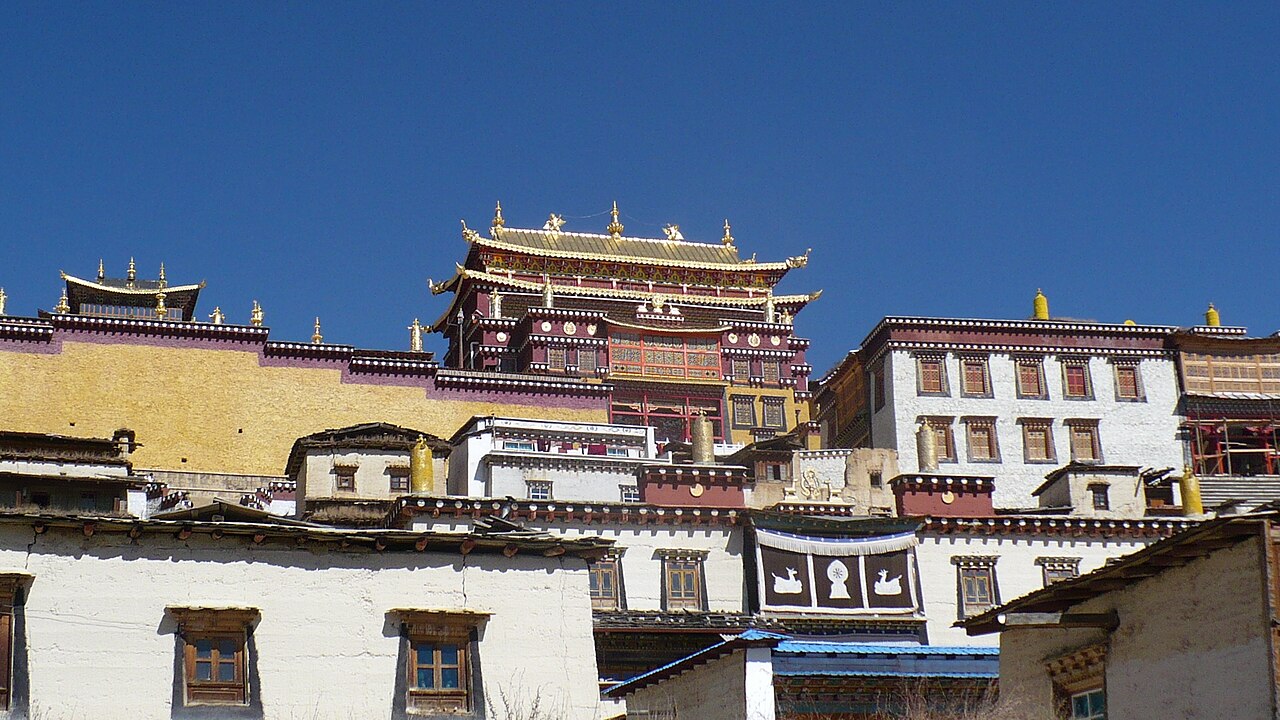
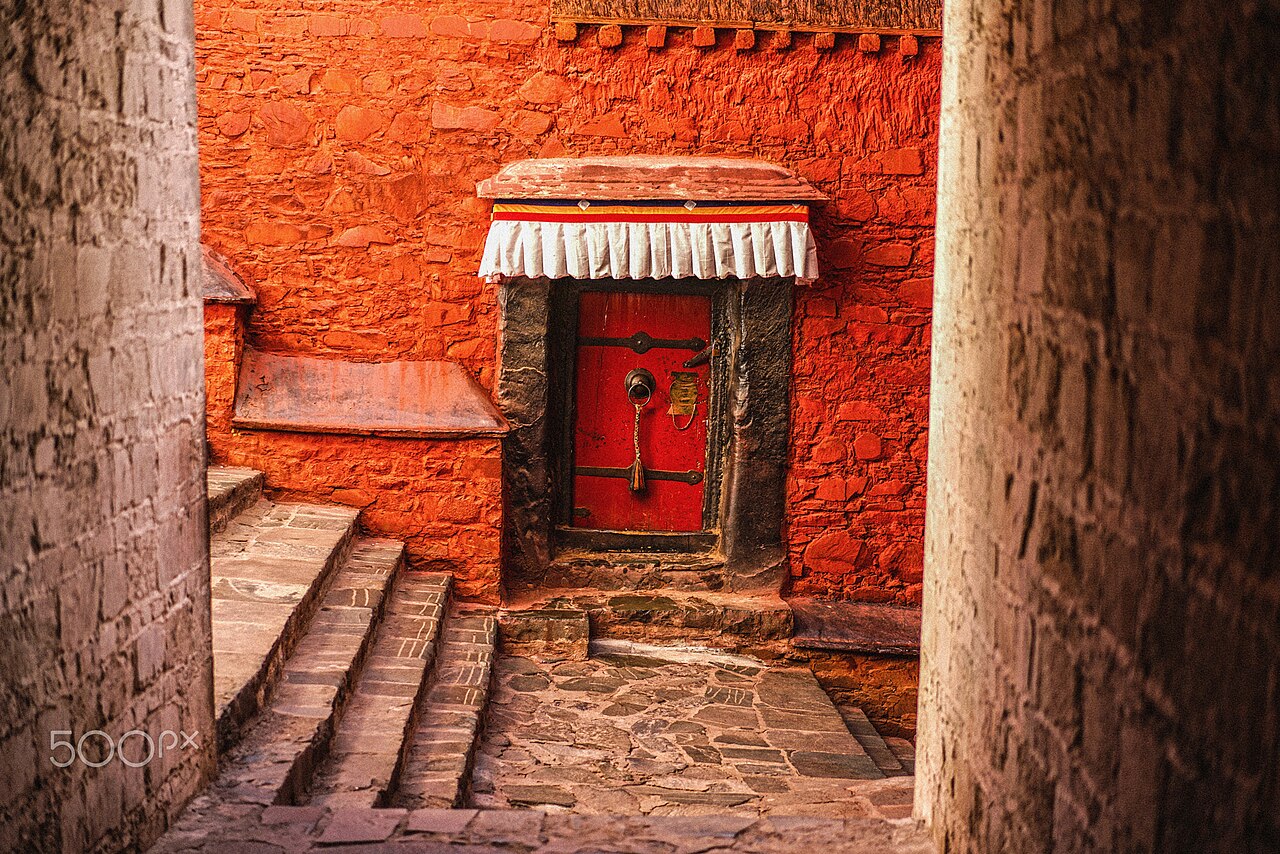
Tashilhunpo is the largest monastery in the Shigatse region and the seat of the Panchen Lamas, ranked alongside Lhasa's three great monasteries. Its Maitreya Chapel holds a 26 m gilded statue of the future Buddha, and the whole complex is a dense hillside of white walls, red chapels and golden roofs. Walk the pilgrim circuit around the perimeter for views over the city.

Location
Shigatse, 280 km from Lhasa
Rank
One of the six great Gelug monasteries
Highlight
26 m gilded Maitreya Buddha
Time needed
2–3 hours
Getting there
Bus from Lhasa takes about 5.5 hours

Tip Combine it with a night in Shigatse rather than pushing straight on to Everest — the drive over Gyatsola Pass is long and the altitude jump is real.

Shannan · sacred lake

Yamdrok Lake

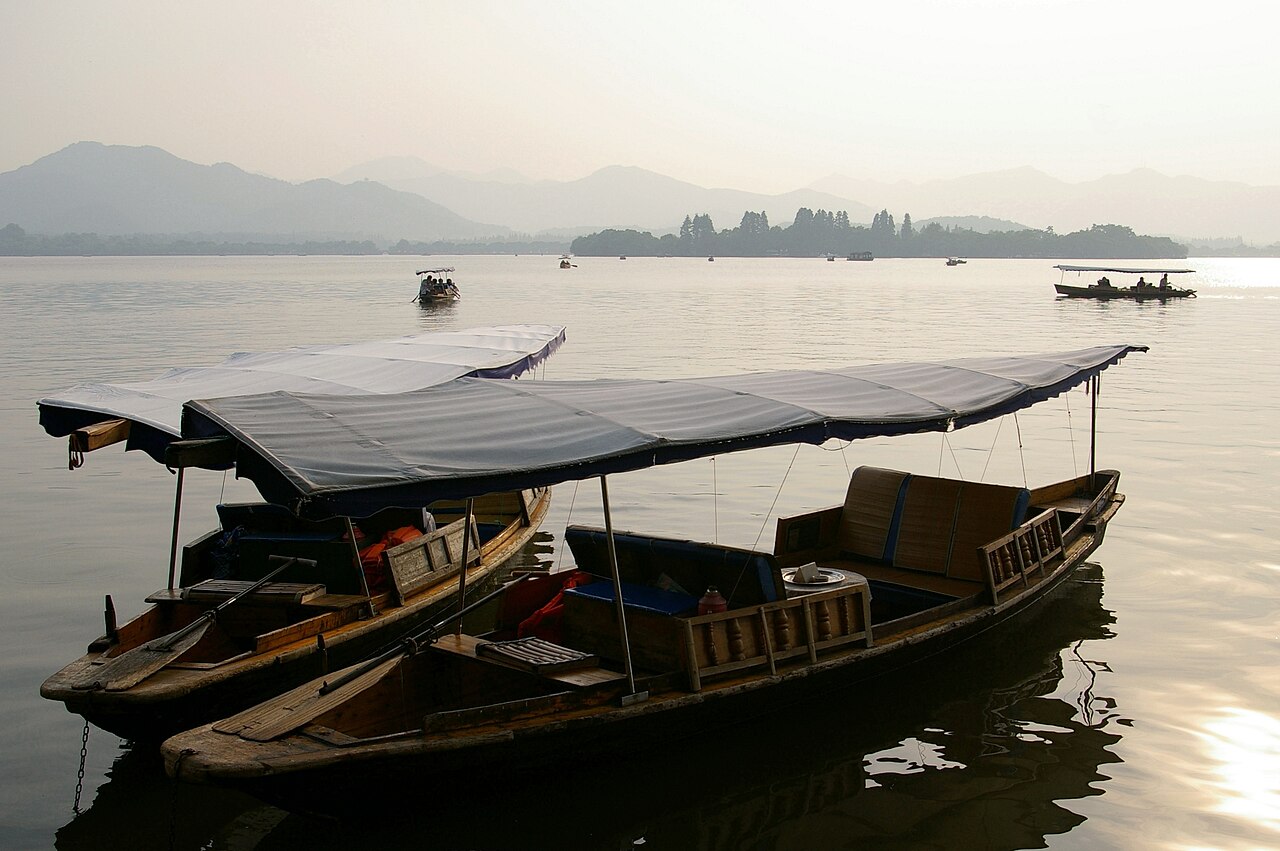
Yamdrok is one of Tibet's three great sacred lakes and, by common consent, the most beautiful. It snakes for more than 130 km through the mountains, and because it is far wider than it looks, you can never see the whole of it from any single point. The colour changes through the day from pale jade to deep cobalt.

Location
Nagarze County, Shannan
Length
Over 130 km
Altitude
About 4,441 m
Access
On the Lhasa–Shigatse road, no detour
Time needed
1–2 hours at the viewpoints

Tip Stop at the Gampa La pass for the first view rather than driving straight to the lakeshore — the elevated angle is the photograph you actually want. Bring a windproof layer; the pass is brutally exposed.

Shigatse · the big one

Everest Base Camp and Rongbuk Mona

The north face of Everest is the steep, snow-plastered pyramid you see in every photograph, and the Tibetan side gives you the cleanest sightline of it. Rongbuk Monastery, the highest monastery on earth at roughly 5,000 m, is the classic viewing spot — a 2-hour walk or a 15-minute drive from Base Camp. Dawn and dusk give the best light.

Peak height
8,844 m
Monastery altitude
About 5,000 m
From Rongbuk to Base Camp
2 hours on foot, 15 minutes by vehicle
Best light
Early morning and late afternoon
Permits
Tibet Travel Permit plus Alien's Travel Permit required

Tip Sleep at Rongbuk rather than trying to drive up and back in one day. The road crosses the Gyatsola Pass at 5,200 m, and altitude sickness hits hardest on the first night above 5,000 m.

Food

Five things you have to eat and drink in Tibet

Sweet tea (甜茶)

Black tea boiled down, cut with milk and sugar, and served by the thermos in Lhasa's teahouses. It is the single best acclimatisation tool you have: cheap, warm, endlessly refillable, and the reason nobody in the city is in a hurry. Order a small glass first, then a flask once you understand how good it is.

Yak butter tea (酥油茶)

Salty, thick and faintly rancid to an untrained palate — and the drink that keeps high-altitude Tibet running. Locals drink it by the bowl all day for energy and warmth. Take the first bowl even if you only manage three sips; refusing it outright is read as a small insult.

Tsampa (糌粑)

Roasted barley flour, mixed by hand with butter tea into a dough you pinch and eat. It is portable, calorie-dense and about 1,500 years old. Ask a teahouse to show you how to roll it — the technique is more fun than the flavour.

Yak meat, in every form

Air-dried yak jerky sold in strings at Bakhor Street, hand-grabbed boiled ribs, cold dressed yak tongue, blood sausage and rich yak stew. The meat is lean, faintly sweet and nothing like beef. Dried yak sells by weight from around ¥80–150 per jin depending on quality.

Barley wine (青稞酒)

A cloudy, lightly fizzy fermented barley drink, closer to a weak cider than to spirits, served warm in wooden cups at festivals and family tables. It is low-alcohol, which matters: at 3,700 m your tolerance is roughly half what it is at sea level.

Where to eat

Four tables worth planning your day around

Lhasa · Breakfast and all morning

Lhasa teahouses (甜茶馆), Bakhor area

The institution of the city. You sit at a shared bench, a glass appears, someone tops it up and you pay by the glass — typically ¥1–3. Sweet tea, tsampa and conversation are all on the menu, and you will almost certainly end up sharing a table with pilgrims. Go before 10am for the full crowd.

Where
Bakhor Street and the lanes north of Jokhang Temple
Order
Sweet tea by the glass, tsampa, Tibetan noodles
Cost
¥15–40 per person
Hours
Roughly 07:00–19:00; busiest 08:00–10:00

Lhasa · Dinner

Yak hotpot and Tibetan restaurants

Lhasa eats far better than its altitude suggests. The strips along Beijing Road and Deji Road mix Tibetan, Sichuan, Nepali, Indian and Western kitchens, so a group that cannot agree on dinner can still eat together. Yak hotpot with wild greens is the local order of choice on a cold evening.

Where
Beijing Road and Deji Road, central Lhasa
Order
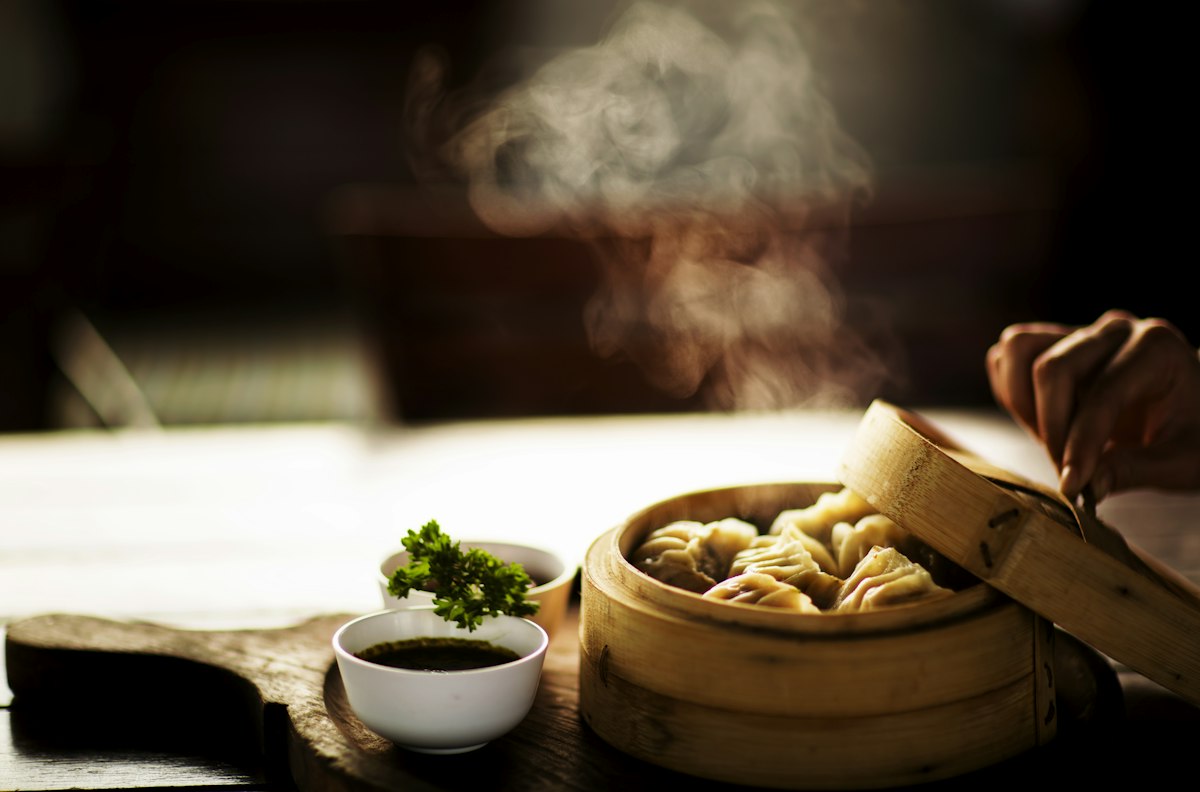
Yak hotpot, grilled yak ribs, Tibetan dumplings (momo)
Cost
¥60–120 per person
Note
Sichuan food is everywhere and reliably good if Tibetan cooking is too rich for you

Shigatse · Evening

Shigatse night market, Jiefang Mid

The market near the bus station is the best-value eating in the second city. Stalls do grilled sausage, cold yak tongue, momo, noodles and barley wine, and the whole street is loud and cheap. Come hungry and order across three or four stalls rather than committing to one.

Where
Jiefang Middle Road, near the bus station, Shigatse
Order
Grilled sausage, cold yak tongue, momo, barley wine
Cost
¥30–70 per person
Hours
From about 18:00 until late

Nyingchi · Lunch or dinner

Stone-pot chicken (石锅鸡), Nyingchi

The signature dish of southeastern Tibet: free-range chicken simmered in a heavy stone pot carved from Medog stone, with Chinese caterpillar fungus, hand-shaped ginseng and other mountain herbs. It costs real money — ¥200–400 for a pot that feeds three or four — and it is the one meal in Tibet people plan trips around.

Where
Lulang and Bayi (Nyingchi) restaurant strips
Order
Stone-pot chicken; confirm the price before ordering
Cost
¥200–400 per pot, serves 3–4
Note
Some visitors find it overrated and overpriced — go in knowing that

Where to sleep

Three bases, three very different nights

Lhasa · Backpacker central

Guesthouses around Jokhang Temple

The old town is where independent travellers cluster, and the logic is sound: you can walk to Jokhang, Bakhor and the teahouses, it is easy to find shared vehicles and travel partners, and there are more small bars and cafés per block than anywhere else in Tibet. Rooms range from dorm beds to small doubles in converted Tibetan houses.

Area
Bakhor Street, Jokhang Temple surrounds, Barkhor old town
Price
¥80–350 per night depending on room type
Best for
Solo travellers, cyclists, anyone wanting to join a group tour
Note
Book ahead June–September; quiet lanes mean noise is rarely a problem

Lhasa · Comfort

Hotels in the new city, west Lhasa

Lhasa has hotels at every level and you genuinely will not struggle for a room even in high season. The newer city west of the old town has the four- and five-star properties, oxygen-supplied rooms, reliable heating and easy taxi access. Trade the atmosphere of the old town for warmth, quiet and a proper shower.

Area
West of the old town, near Potala Palace and Beijing Road
Price
¥400–1,200 per night
Best for
First nights, older travellers, anyone hit hard by altitude
Note
Ask for an oxygen-equipped room if you are struggling to sleep

Shigatse, Nyingchi, Samye · Remote nights

Guesthouses and monastery lodgings

Outside the capital, expect basic guesthouse rooms at ¥25–200, simple twin rooms with shared bathrooms, and in some cases beds inside monastery compounds. Around Samye and the sacred lakes, staying in or beside the monastery is cheap (roughly ¥15–40 per dorm bed) and puts you there for the quietest hours of the day.

Where
Shigatse (Jiefang North Road area), Bayi in Nyingchi, Samye Monastery
Price
¥25–200 per night; monastery dorms ¥15–40 per bed
Best for
Travellers on a fixed-vehicle route who need a bed, not a bathtub
Note
Compare two or three before committing — quality varies wildly at the same price

Getting around

How to reach Tibet and how to move once you're in

Fly into Lhasa

The fastest way in, and the one most people take. Gonggar Airport sits 98 km south of Lhasa in Shannan's Gonggar County, with routes to Chengdu, Beijing, Shanghai, Chongqing, Xi'an, Xining, Guangzhou, Chamdo, Kunming and Kathmandu. Chengdu alone runs four Lhasa flights a day, and the crossing over the Hengduan ranges gives you snow peaks out the window on a clear morning.

Airport shuttle to Lhasa
¥25, about 1 hour
Shuttle departure point in town
CAAC ticket office east of the Potala
Private car, airport to city
¥100–200 depending on group size
Chengdu-Lhasa flight time
Roughly 2 hours 20 minutes

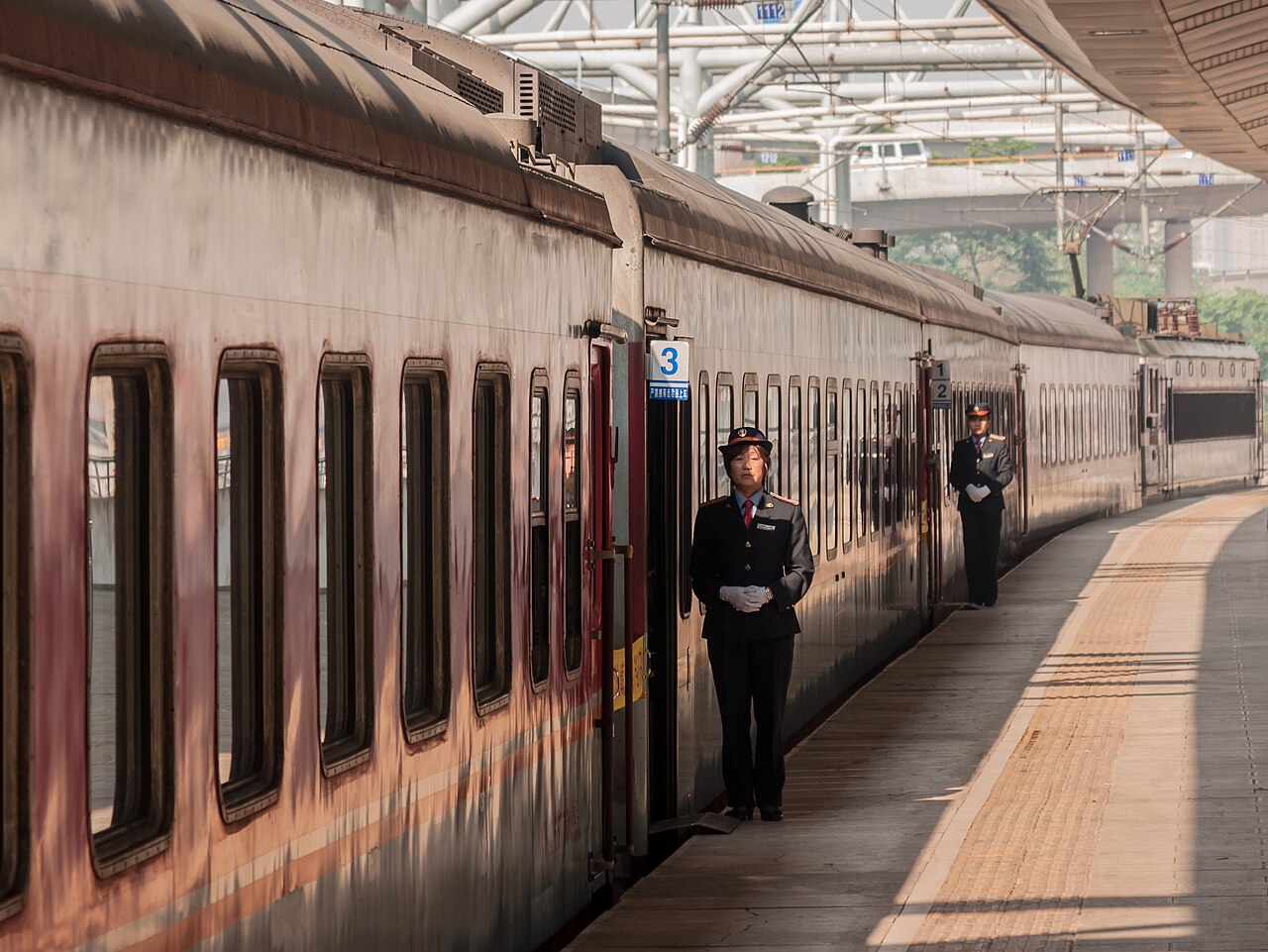
Train on the Qinghai-Tibet line

Cheaper than flying, safer and more comfortable than the overland roads, and the gradual climb helps your body adjust to altitude instead of dumping you at 3,650 m in one jump. Direct services run from Beijing, Chengdu, Chongqing, Lanzhou, Xining, Shanghai and Guangzhou.

Lhasa railway station to city centre
Taxi about ¥20
Buses from the station
Routes 86, 89 and 91, ¥1
Bus departure point
East side of the station square, turn right on exit
Bus timing
Timed to train arrivals, however late

Overland highways

Six roads radiate from Lhasa: the Qinghai line (G109), the southern Sichuan-Tibet (G318), the northern Sichuan-Tibet (G317), the Yunnan-Tibet (G214), the Xinjiang-Tibet (G219) and the China-Nepal Highway (G318). The Qinghai route is the flattest and has long been the main freight corridor, running past snow peaks and gobi; the Sichuan-Tibet and Yunnan-Tibet routes merge into G318 and are the most dramatic and the most difficult.

Lhasa to Golmud
1,165 km, ¥200–240 by bus
Lhasa to Tsetang (Shannan)
191 km, ¥30–50
Lhasa to Chamdo
1,121 km, ¥280
Lhasa to Shigatse
280 km, ¥48–90
Lhasa to Zhangmu
754 km, ¥130
Lhasa to Gyantse
264 km, ¥50

Chartered vehicles and local buses

Inside Tibet, shared buses and chartered 4x4s do the real work. Guesthouses and youth hostels popular with independent travellers are the best places to find cars and split costs with other passengers. Lhasa has four main bus stations, each with its own territory, and the airport sits on the Shannan side, so buses bound for Tsetang pass the junction outside.

North Lhasa bus station
Zaji Road 11 — long distance, including Shangri-La in Yunnan
East Lhasa bus station
Jiangsu East Road 3 — short hops to Mozhugongkar, Nyingchi, Yanghu, Yangbajing, Samye
West Lhasa bus station
Jinzhu Middle Road 1 — Shigatse, Shannan, Golmud, Xi'an
Lhasa long-distance station
Minzu Road 1, 0891-6340523
Lhasa to Samye from Jokhang Square
8am departure, ¥50, arrives around noon, stops inside the monastery grounds
Charter rules
Vehicles need a Tibet Tourism Bureau permit; sign a written contract before departure

Shopping

What to actually buy in Tibet, and what to walk past

Prayer wheels and ritual objects

Handheld prayer wheels, small brass dorje and bells, and butter lamps are sold all over Barkhor Street. Buy from shops rather than pavement touts if you want a working mechanism; the cheap ones seize up within a week.

Carpets and Tibetan rugs

Gyantse carpets are the best-regarded in the region, and Shigatse's free market carries a wide range. Prices run from a few tens of yuan for small mats into the thousands for large hand-knotted pieces, so inspect the knot density before you bargain.

Thangka paintings, silver and wood

Painted thangkas, carved wooden bowls, silver and bamboo bowls, and traditional woven crafts fill the stalls. Barkhor Street is the main concentration in Lhasa, Shigatse's free market the equivalent in the west. Beware the 'antiques' — many are artificially aged reproductions, and a great deal of the jewellery stock is bulk-made and shipped in from Yiwu.

Nyingchi specialities

If you head east, Nyingchi produces musk, bear gall, lingzhi, caterpillar fungus, monkey-head mushroom, gastrodia and pseudo-ginseng, plus apples, walnuts and highland fish. Menba wooden bowls are a genuine local craft worth carrying home.

Practicalities

The things that will actually trip you up

None of this is meant to scare you off — it is the standard list every traveller to Tibet ends up repeating to the next one. Sort the permit first, pack for three seasons, walk slower than feels natural for the first two days, and the rest of the plateau opens up.

Tibet Travel PermitRequired for every foreign visitor and for travel to closed areas. You must book through a licensed agency, and you cannot buy a flight or train ticket to Lhasa without the permit number. Apply well in advance — processing is not instant.
AltitudeLhasa sits at 3,650 m; the Everest base camp area and much of Ngari sit far higher. Do not sprint, do not skip meals, keep warm and sleep properly, and treat a bad headache, vomiting or breathlessness as a signal to descend or see a doctor rather than push through.
ColdsA cold at altitude is genuinely dangerous. Bring layers regardless of how hot your departure city is — temperature swings between places and between day and night are severe, and every regional chapter of this guide warns about it for a reason.
Temple etiquetteRemove hats and sunglasses before entering a hall, step over the threshold rather than on it, walk clockwise around monasteries and stupas, and do not stick a camera in the face of someone doing full-length prostrations.
MoneyBring more cash than you think you need. ATMs exist in Lhasa and Shigatse but thin out fast once you head to Ngari, Nagqu or the Everest region, and small guesthouses and village shops take cash only.
Cost and timingBudget roughly ¥3,000–6,000 for an 8–15 day trip, excluding long-haul flights and permit and agency fees. The comfortable window runs April to October; winter is cold, clear and much quieter, with November to March counting as low season for vehicle pricing.
BargainingAt Barkhor Street, around a third of the asking price is often accepted. For lower prices and more reliable goods, head to the Ethnic Tourist Handicraft Market just off Barkhor, where the stock is less hit-and-miss.

Background

What you're actually walking through

A civilisation that starts here

Shannan, not Lhasa, is where Tibetan civilisation begins. Tradition holds that a monkey and a rock demoness paired up on these hills and their offspring became the first Tibetans; history is firmer — this valley produced the first king (Nyatri Tsenpo), the first palace (Yumbulagang, 2nd century BC), the first Buddhist monastery with all three jewels (Samye), the first scripture, the first farmland and the first village. When you stand in Samye's courtyard you are standing in the blueprint of a religion that later spread across the plateau, which is why Tibetans say a trip to Samye without Qingpu is no trip at all.

Tibetans will tell you the plateau's real geography is not measured in kilometres but in merit: the further and harder the road, the more the journey counts. That logic built the kora (pilgrimage circuits) you'll be walking — around Jokhang in Lhasa, around Mount Kailash in Ngari, around the lake at Namtso. Walk one clockwise, with your right shoulder to the wall, and you're doing what everyone around you came here to do.

Why the plateau looks the way it d

Tibet sits on the collision zone where the Indian plate is still shoving into Asia at roughly 5 centimetres a year — the same force that raised Everest to 8,844.43 m and keeps pushing it up a few millimetres annually. That collision carved the Yarlung Tsangpo, the world's deepest canyon, and left behind the three great lakes — Namtso, Yamdrok and Manasarovar — that pilgrims treat as living deities rather than scenery. The altitude is not a detail: Lhasa is 3,700 m, Everest Base Camp is 5,200 m, and the oxygen up there is about 60 percent of what you breathe at sea level.

The monasteries you'll visit are also political documents. Tashilhunpo in Shigatse has been the seat of the Panchen Lamas since the 4th incarnation; Sera, Drepung and Ganden in Lhasa were the three great Gelug universities, and Drepung alone once housed 7,700 monks. When the 5th Dalai Lama unified Tibet in the 17th century, he did it from Drepung's halls before moving into the Potala. Knowing which order ran which building tells you why the paintings, the robes and even the tea taste different from valley to valley.

Reading & watching

Three things to load before you fly

Book

Seven Years in Tibet

Heinrich Harrer (1952)

The Austrian climber's account of escaping a British POW camp and living in Lhasa from 1944 to 1951, teaching the young Dalai Lama about the outside world. Treat the politics sceptically — it is a Western memoir, not a history — but no other book puts you inside old Lhasa's streets and court rituals so vividly. Read it on the train in from Xining and the landscape outside matches the pages.

Film

The Cup (Phörpa)

Khyentse Norbu, 1999

A comedy shot inside a Tibetan monastery in exile, about novice monks trying to smuggle a television in to watch the 1998 World Cup final. It is the rare film about Tibetan monastic life that is funny rather than solemn, and it will make the tea-stained courtyards you walk through on a Tibetan tour feel like places people actually live, not exhibits.

Music

Tibetan Buddhist chants and Yungch

Various / Yungchen Lhamo's 'Tibet, Tibet' (1996)

Low overtone chanting from the great monasteries is what you'll hear drifting out of the assembly halls — a sound with no equivalent in Western music. Pair it with Yungchen Lhamo, the first Tibetan woman to build an international career, whose voice carries the plateau's folk melodies without the new-age packaging. Play it on the long drives between Shigatse and Saga and the empty road becomes part of the album.

The questions visitors ask us most about Tibet, answered plainly.

Frequently asked questions

Prices and practical details are reviewed every month by our Beijing team and updated the day a rule changes.

Can I travel to Tibet independently?

No. Foreign passport holders must join an organised tour through a licensed Tibetan travel agency, with a registered guide and a private vehicle for the whole itinerary. You also need a Tibet Travel Permit, which the agency applies for on your behalf roughly 15–20 days before arrival; it is checked when you board the flight or train to Lhasa and again at checkpoints on the road.
How do I get to Lhasa?

Fly into Lhasa Gonggar Airport from Chengdu (about 2h 15m, several flights daily), Chongqing, Xi'an or Kunming, or take the Qinghai–Tibet Railway from Xining (about 21 hours) or Beijing and Shanghai (40+ hours). The train climbs gradually and helps with acclimatisation, but it is a long haul; most travellers fly one way and train the other.

How bad is altitude sickness in Tibet?

Most people get some headache, poor sleep and breathlessness for the first 24–48 hours in Lhasa, and it usually passes. The risk is going higher too fast — do not sleep above 4,000 m in your first three nights, drink more water than you think you need, skip alcohol and heavy meals, and ask your doctor about acetazolamide before you leave. If you develop breathlessness at rest, confusion or a wet cough, descend immediately.

What does a Tibet tour actually cost?

Expect US$1,200–2,500 per person for a standard 8-day Lhasa–Shigatse–Everest–Namtso group tour, depending on group size, hotel class and season, with permits, guide, vehicle and driver included but flights to Lhasa extra. Private tours for 2 people push toward the upper end; joining a small group in April, May, September or October is the cheapest way to go.

When is the best time to visit Tibet?

April to October is the practical season, with May, June, September and October the sweet spot for clear skies, open high passes and comfortable daytime temperatures. July and August are warm but wet, with afternoon rain and cloud that can hide Everest. November to March is cold and clear, permits are easier, prices drop, but many guesthouses and some roads close.

What should I not do in Tibet?

Do not photograph monks, pilgrims or police without asking, do not wear a hat or sunglasses inside a temple hall, do not step on the raised threshold when entering, and never walk counter-clockwise around a monastery, stupa or the Barkhor — always keep the sacred object on your right. Also skip the 'antique' shops on Barkhor Street: much of what is sold as old silver or turquoise comes from workshops in Yiwu.

Plan this trip

Prefer it arranged for you?

The same places, with a driver, an English-speaking guide and the tickets already bought.

11 days · Culture

Tibet: Roof of the World

The Potala Palace, Everest Base Camp and prayer flags over the plateau — entered gradually by rail so the altitude does not hit you all at once.

★★★★★4.9 88 reviews

From US$2,490/per person

View tour

Related reading

Related reading

Visas Do I Need a Visa for China? Requirements, Costs and How to Apply China's entry rules changed more in the last three years than in the previous twenty. Here is exactly who needs a visa, what it costs, how long it takes and which passports now walk straight through. 9 min read Visas China's 240-Hour Visa-Free Transit: Who Qualifies and How It Works Ten days in China with no visa application, no fee and no fingerprints — if you hold the right passport and leave for a third country. Here is the rulebook, port by port. 8 min read Money Paying in China: Alipay, WeChat Pay, Cards and Cash Roughly nine in ten urban payments in China now run through a phone. Set up two apps before you fly, carry a modest cash float, and you will never be stuck at a till. 8 min read Transport China's High-Speed Rail: How to Book, What It Costs, How Fast It Goes The fastest way to cross China is also the most pleasant. Here is how to book a ticket with a foreign passport, what the three classes actually give you, and how to survive a Chinese station at rush hour. 9 min read Planning Best Time to Visit China: Month by Month, Region by Region China is the size of Europe, so 'the best month' depends on where you stand. Here is the month-by-month answer for the north, the Yangtze valley, the south and the plateau. 8 min read Planning What to Pack for China: The Complete 2026 Checklist Twenty thousand steps a day, three climate zones and a phone that has to do everything. This is the list we give our own travellers, minus the things they never used. 7 min read Food Chinese Food Culture: Eight Cuisines, One Table There is no such thing as Chinese food. There is Cantonese, Sichuan, Hunan, Jiangsu, Zhejiang, Fujian, Anhui and Shandong — and knowing which one you are eating changes everything. 8 min read Traditions Chinese Tea Culture: Six Classes, One Pot, Two Fingers Tea in China is not a beverage category, it is a social technology: it fills silences, seals deals and sets the pace of a meal. Here is how to sit down in one and not look lost. 7 min read Traditions Chinese Festivals: The Calendar, the Dates and the Crowds Lunar dates mean the calendar moves every year — and two of the festivals move several hundred million people at once. Plan around them or plan into them, but never by accident. 8 min read Etiquette Chinese Etiquette: What Matters, What Does Not, and Why Most etiquette advice for China is either obvious or wrong. These are the dozen behaviours that actually change how you are treated, and the reasoning behind each. 7 min read
Tell us your dates.
We'll do the rest.

Free itinerary design, a revised plan within one working day, and nothing charged until you approve the final version.

  • Foreign travellers need a Tibet Travel Permit plus a licensed guide and private vehicle — you cannot buy a Lhasa train or plane ticket and simply show up.
  • Lhasa sits at 3,650 m and Everest Base Camp at 5,200 m; budget 2 rest days in Lhasa before heading higher and expect altitude headaches regardless.
  • The classic 8-day loop covers Lhasa, Yamdrok Lake, Shigatse, Everest Base Camp and Namtso Lake, with 4–5 hours of driving on most days.

No spam. No sales calls. Just a real itinerary from a real person.