City guide · Hunan

Zhangjiajie travel guide: the Avatar mountains, the 999-step Heaven's Gate, and how to beat the crowds

Three thousand sandstone pillars straight out of Avatar, a glass skywalk bolted to a cliff, and a cable car that leaves from downtown.

  • Known forSandstone pillar forests, Avatar's Hallelujah Mountain, glass skywalks, Heaven's Gate
  • Typical spendAbout ¥1,200–1,500 for 3 days, park tickets included
  • Ideal length3 days for Wulingyuan, 5 with Tianmen Mountain and the caves
  • PaceDemanding — thousands of stone steps a day

Reviewed by our Beijing team Updated 2026-10-10

The short version

Zhangjiajie is worth 3 to 5 days. The headline park, Wulingyuan Scenic Area, is a UNESCO World Heritage site and charges ¥245 plus ¥3 insurance for a ticket valid three days, with unlimited free shuttle buses inside. Tianmen Mountain costs another ¥258 plus ¥3, including the return cable car, Heaven's Gate and the summit. Huanglong Cave is ¥80 and Baofeng Lake ¥74. Budget around ¥1,200–1,500 per person for three days. Fly into Zhangjiajie Hehua Airport, 5 km (3 mi) from town, or take a 5-hour train from Changsha, Hunan's capital.

  • The Wulingyuan ticket is ¥245 + ¥3 insurance and covers three days and all park shuttle buses; a weekly pass costs ¥298.
  • Bailong Elevator up to Yuanjiajie is ¥72 one way, Tianzi Mountain cable car ¥67, Huangshizhai cable car ¥65 one way or ¥118 return, and the Ten-Mile Gallery mini-train ¥38 one way.
  • Free shuttle buses run 07:00–17:00 on set routes and are included in your park ticket — you only pay for the elevator, cable cars and train.
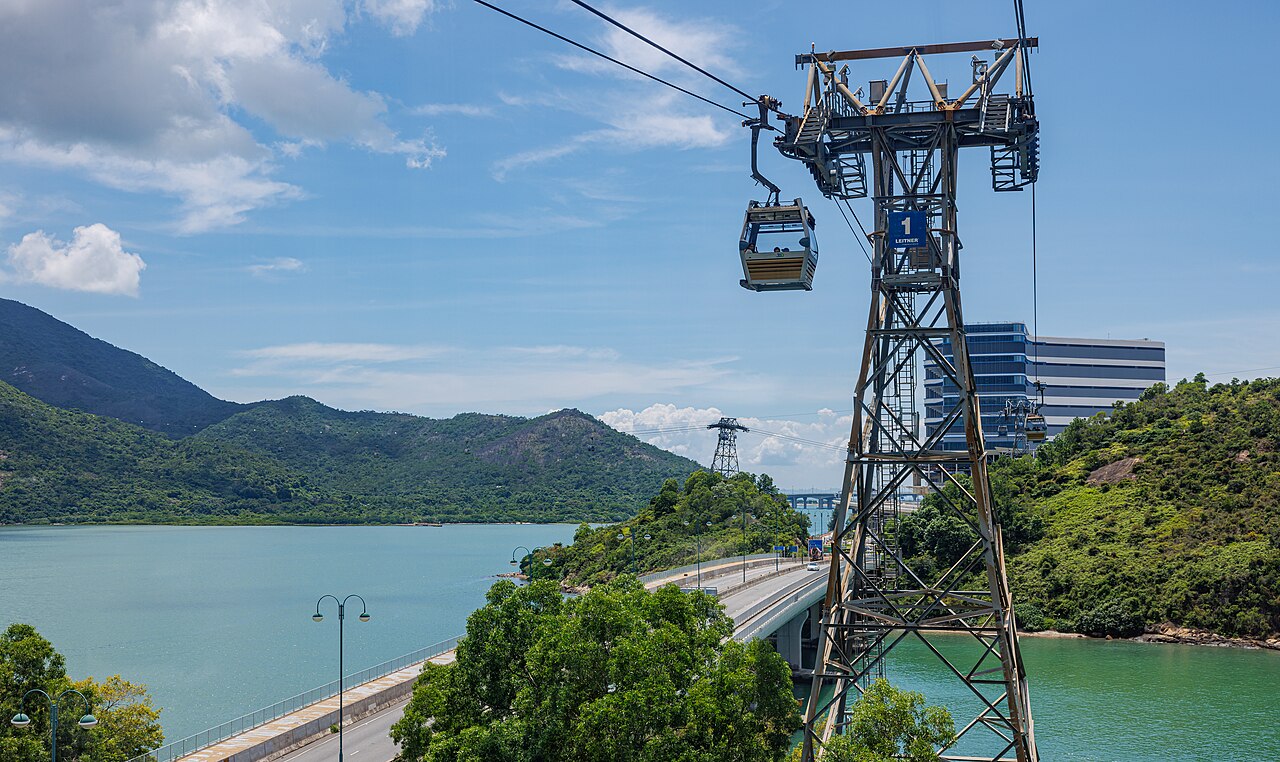
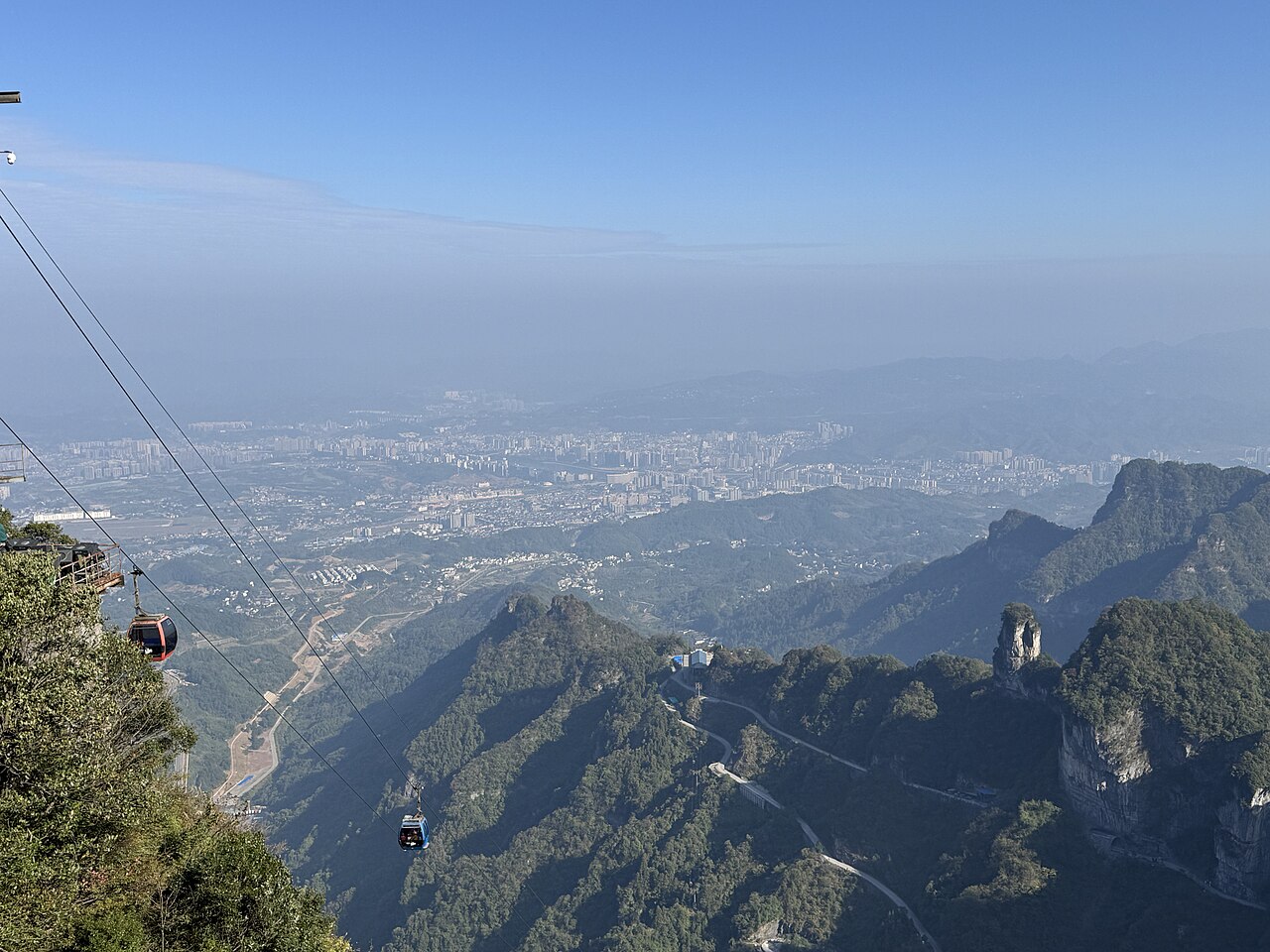
  • Tianmen Mountain's 7,455-metre cable car starts from downtown Zhangjiajie and takes about 30 minutes to the summit, so you can ride it on your arrival or departure day.

City guide

First impressions

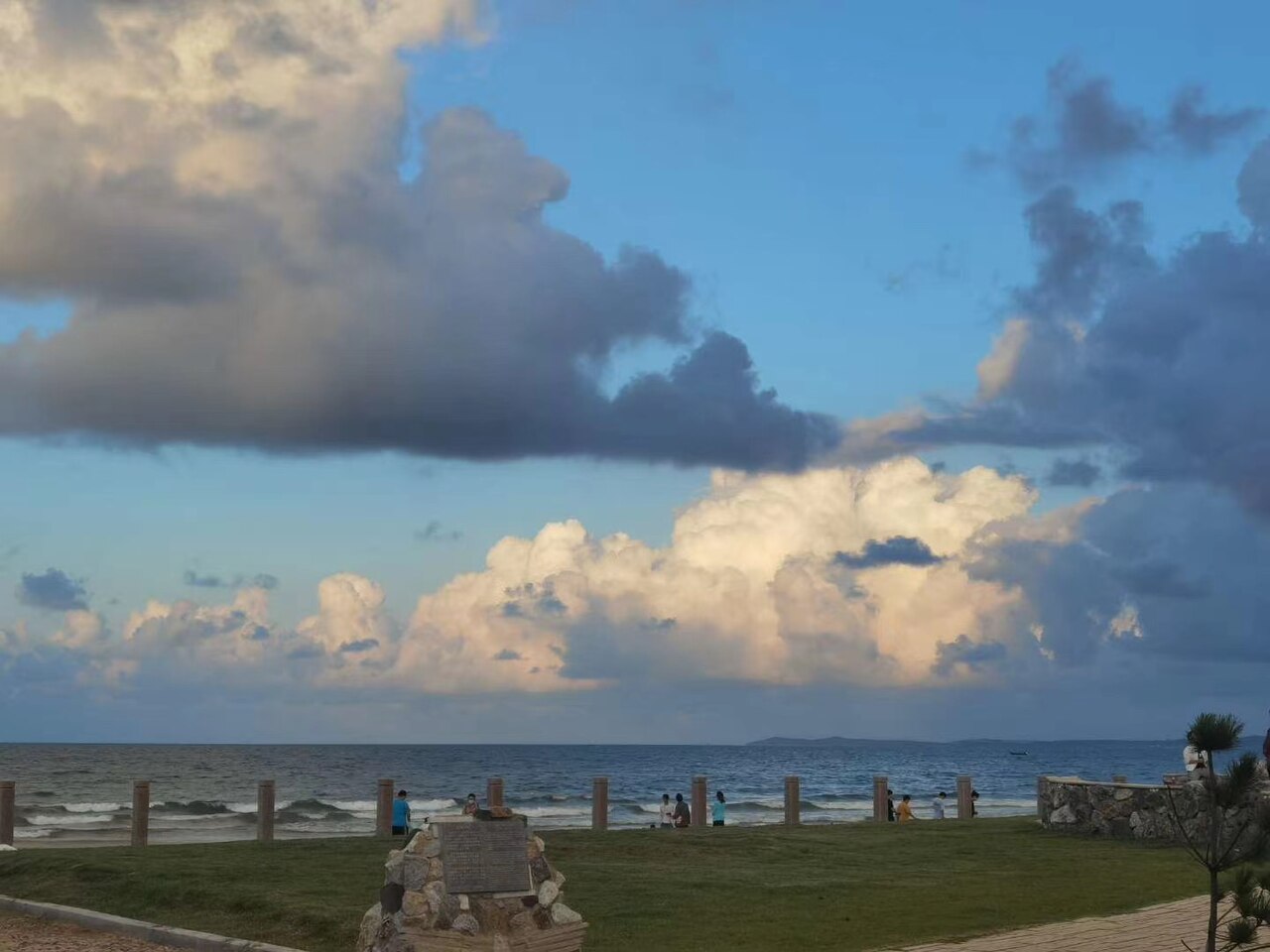
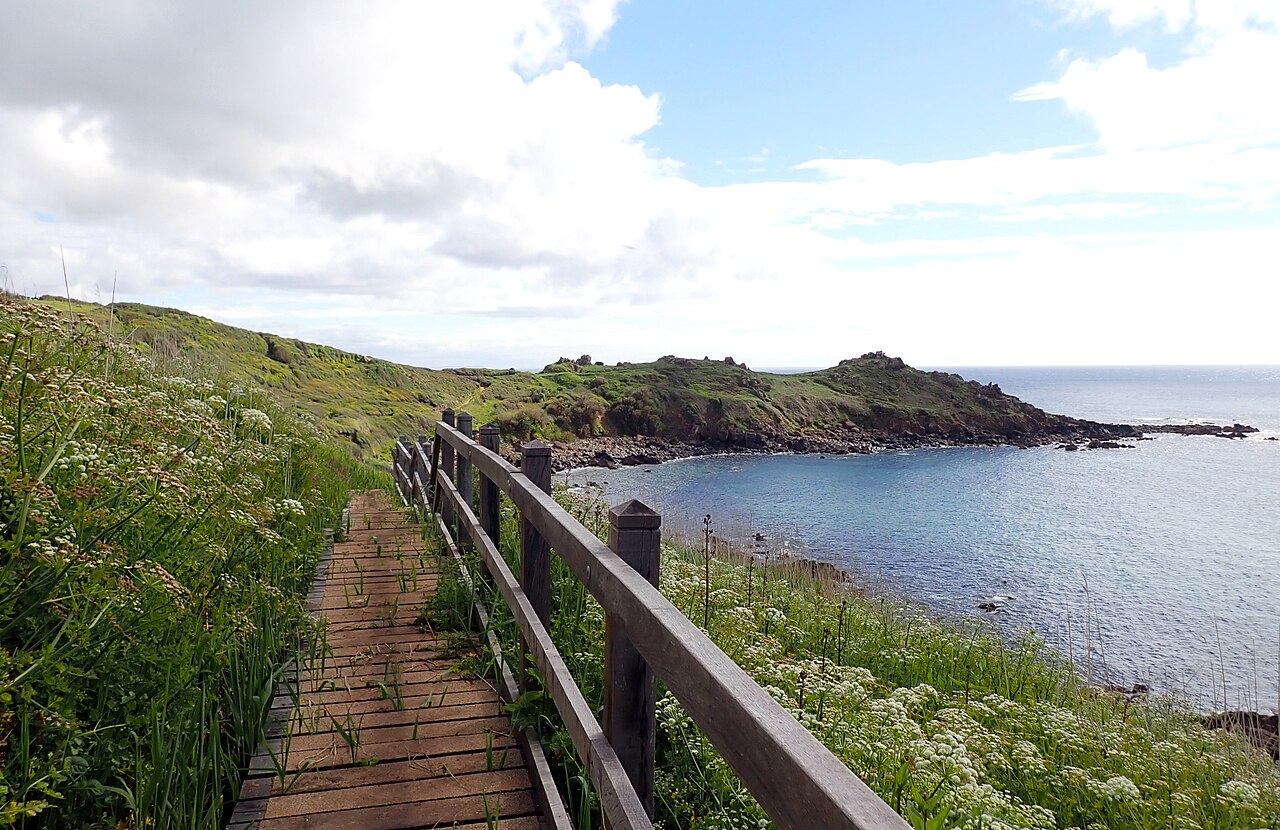
Photographs from the coast, and what other travellers wrote afterwards.

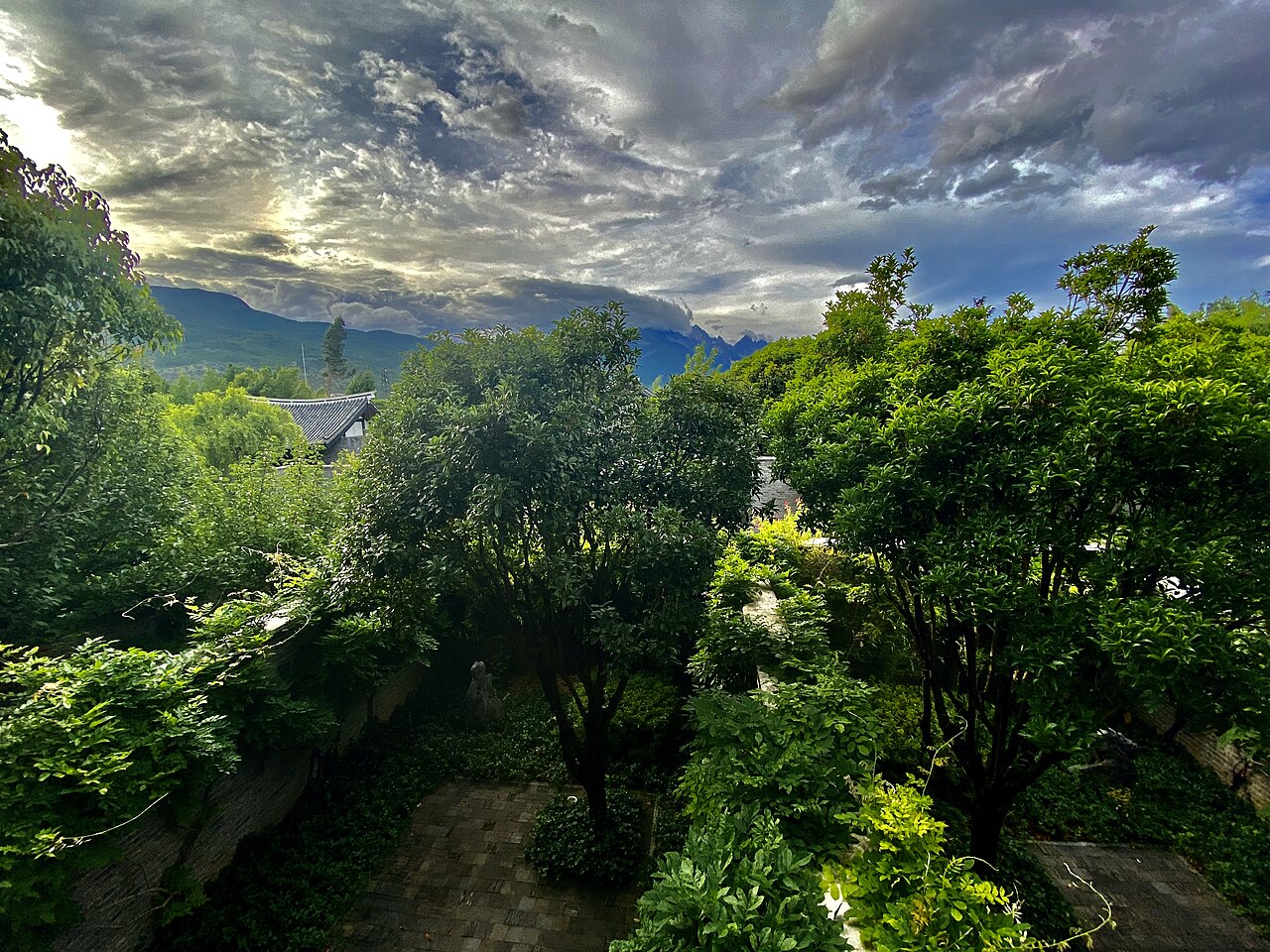
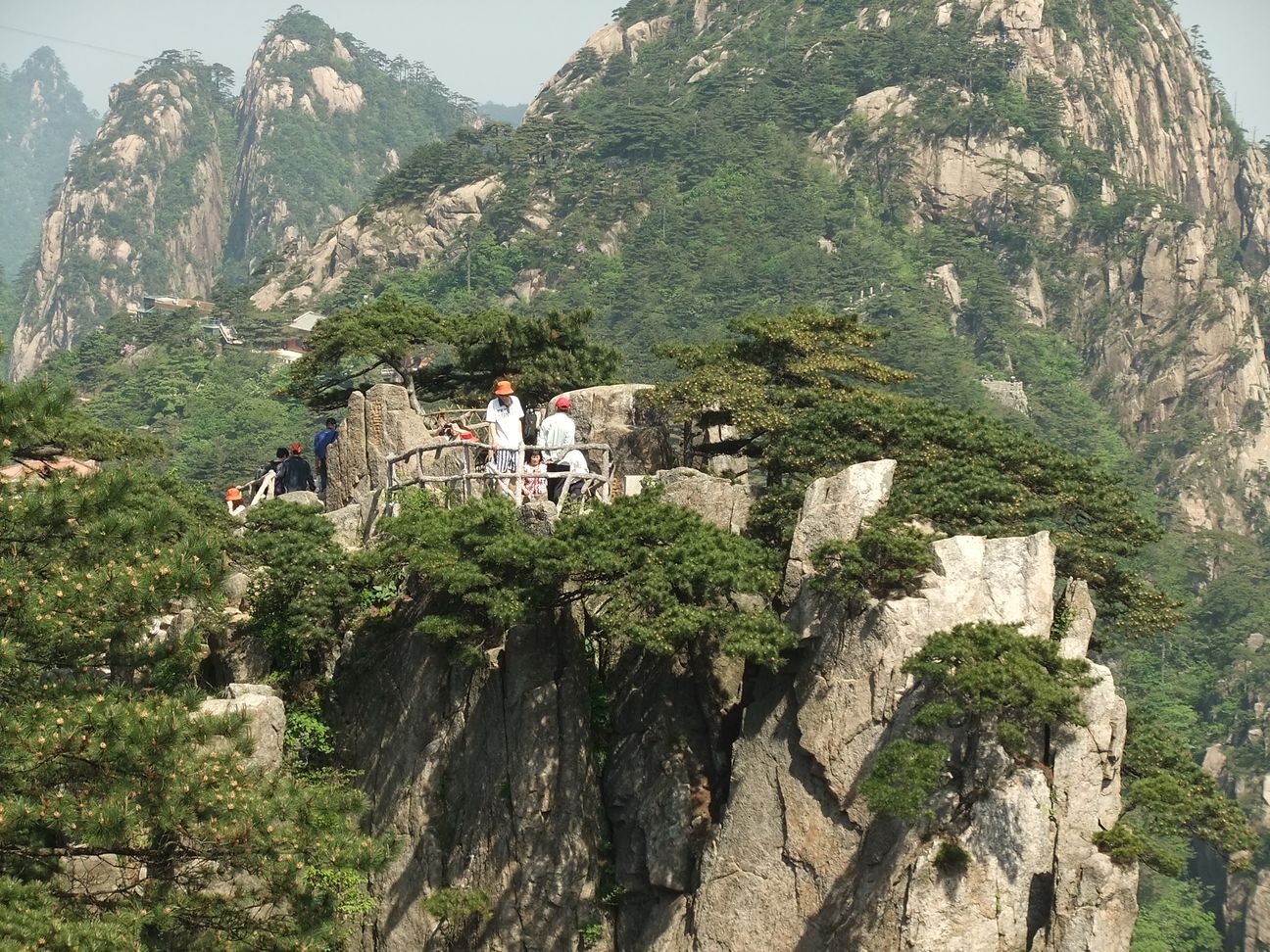
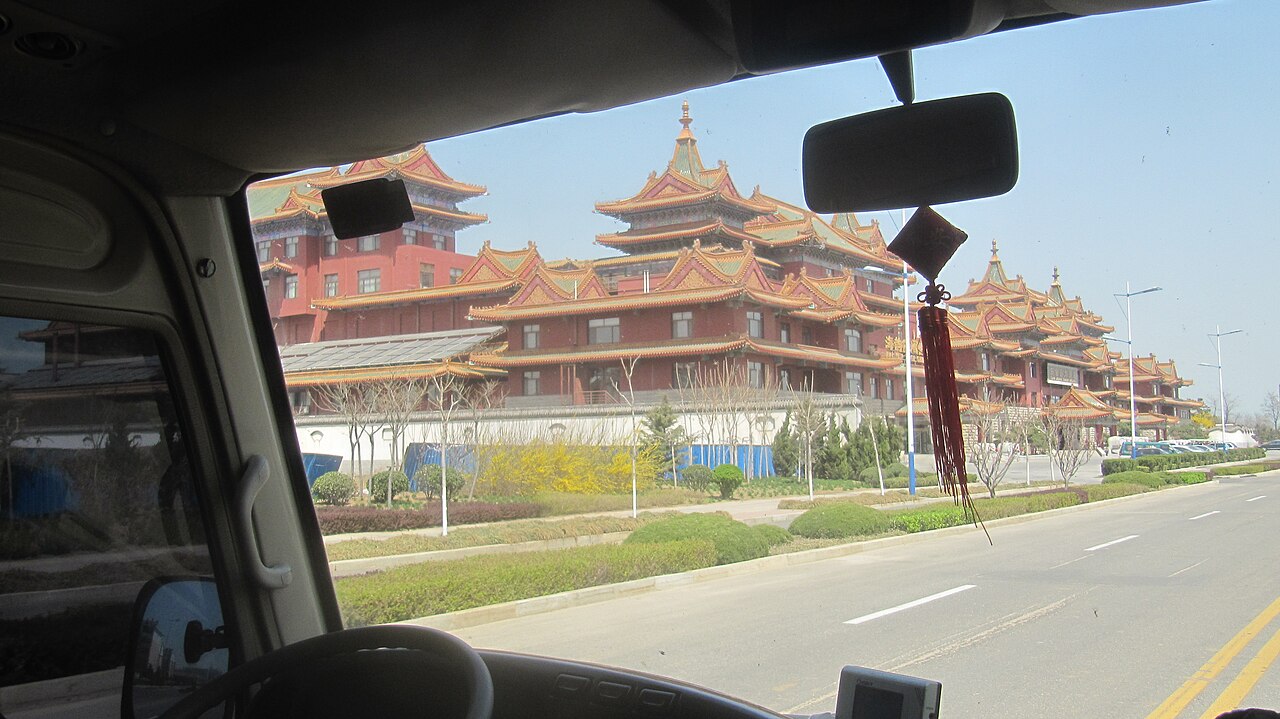
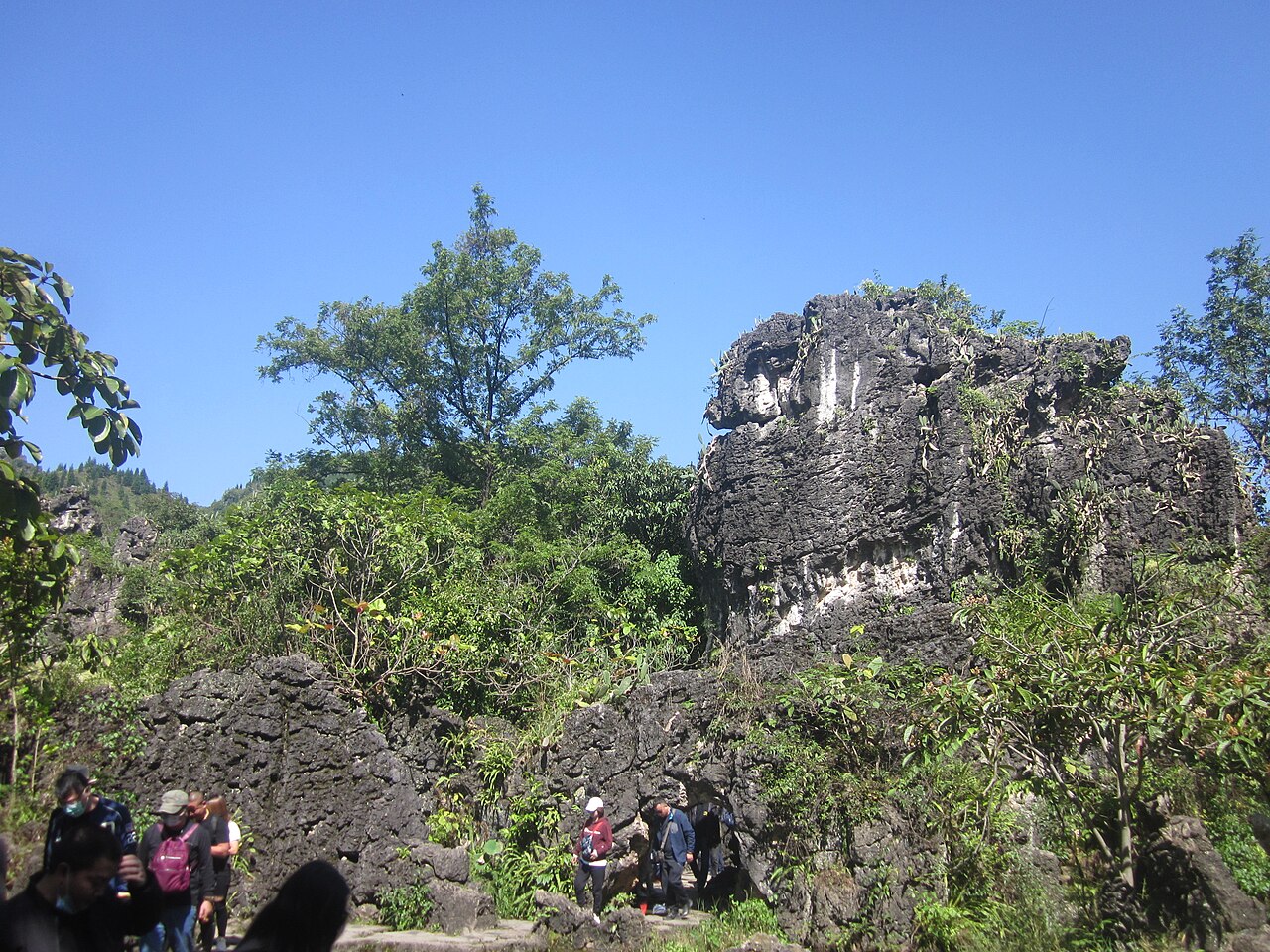
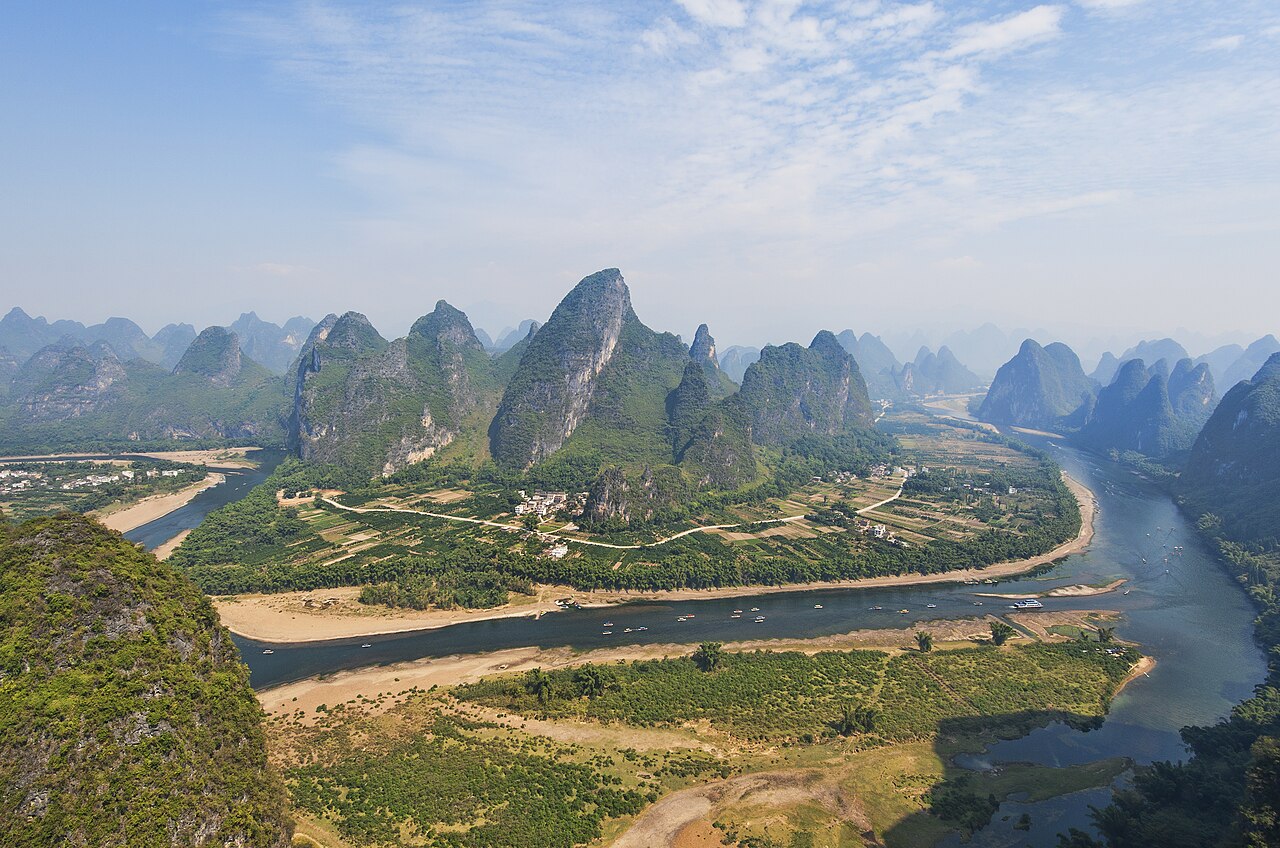
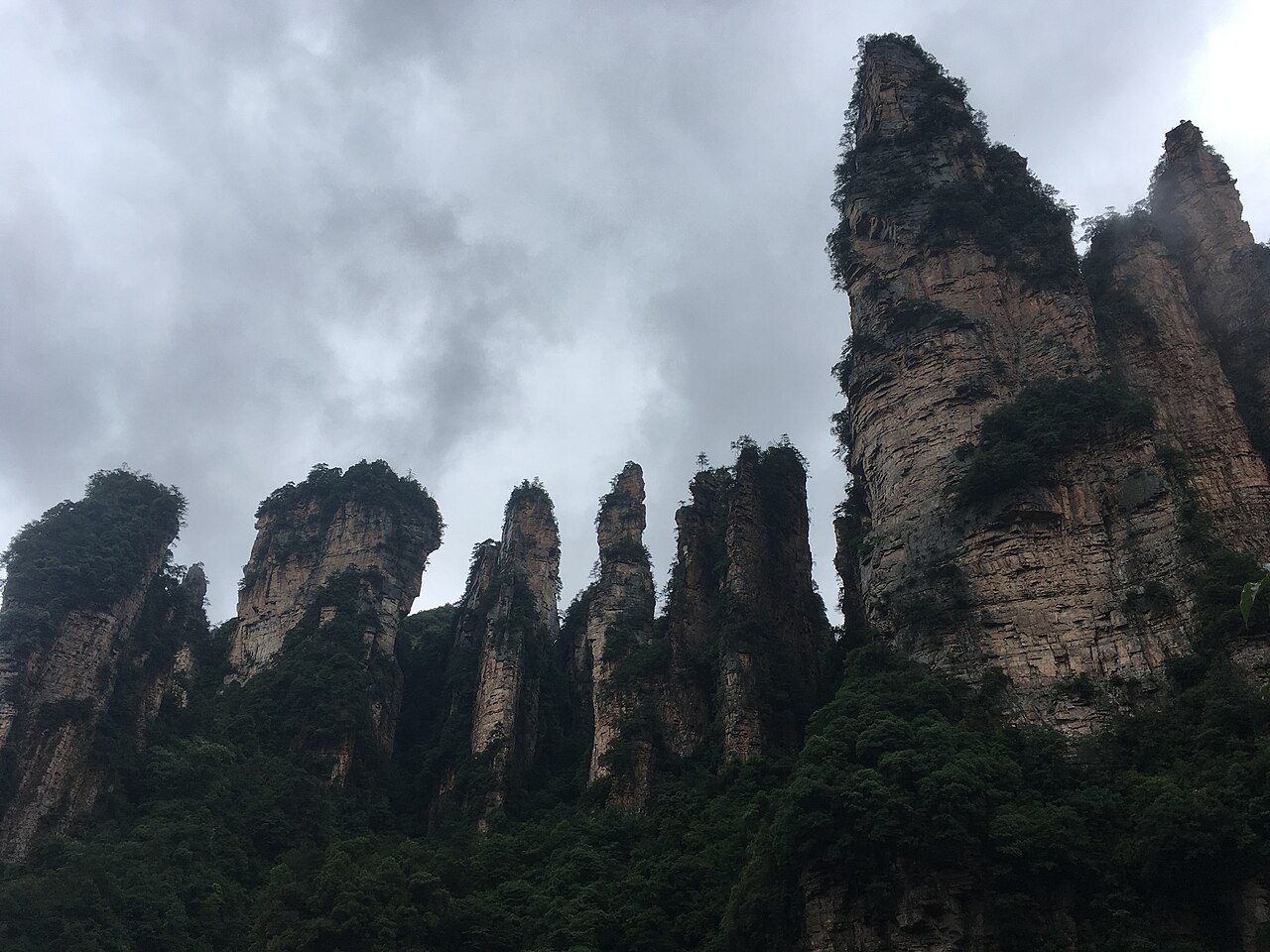
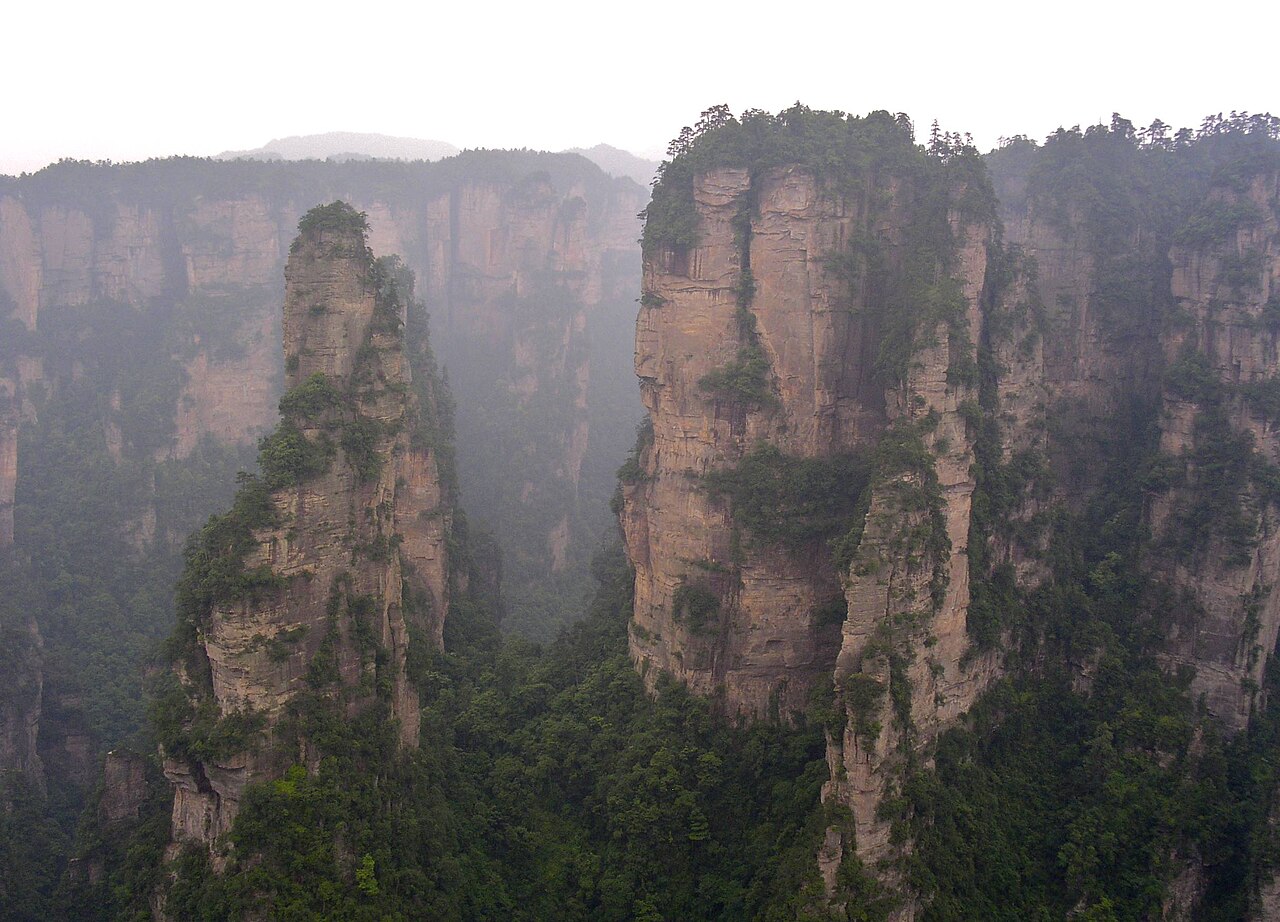
The sandstone pillars of Yuanjiajie rising out of morning cloud
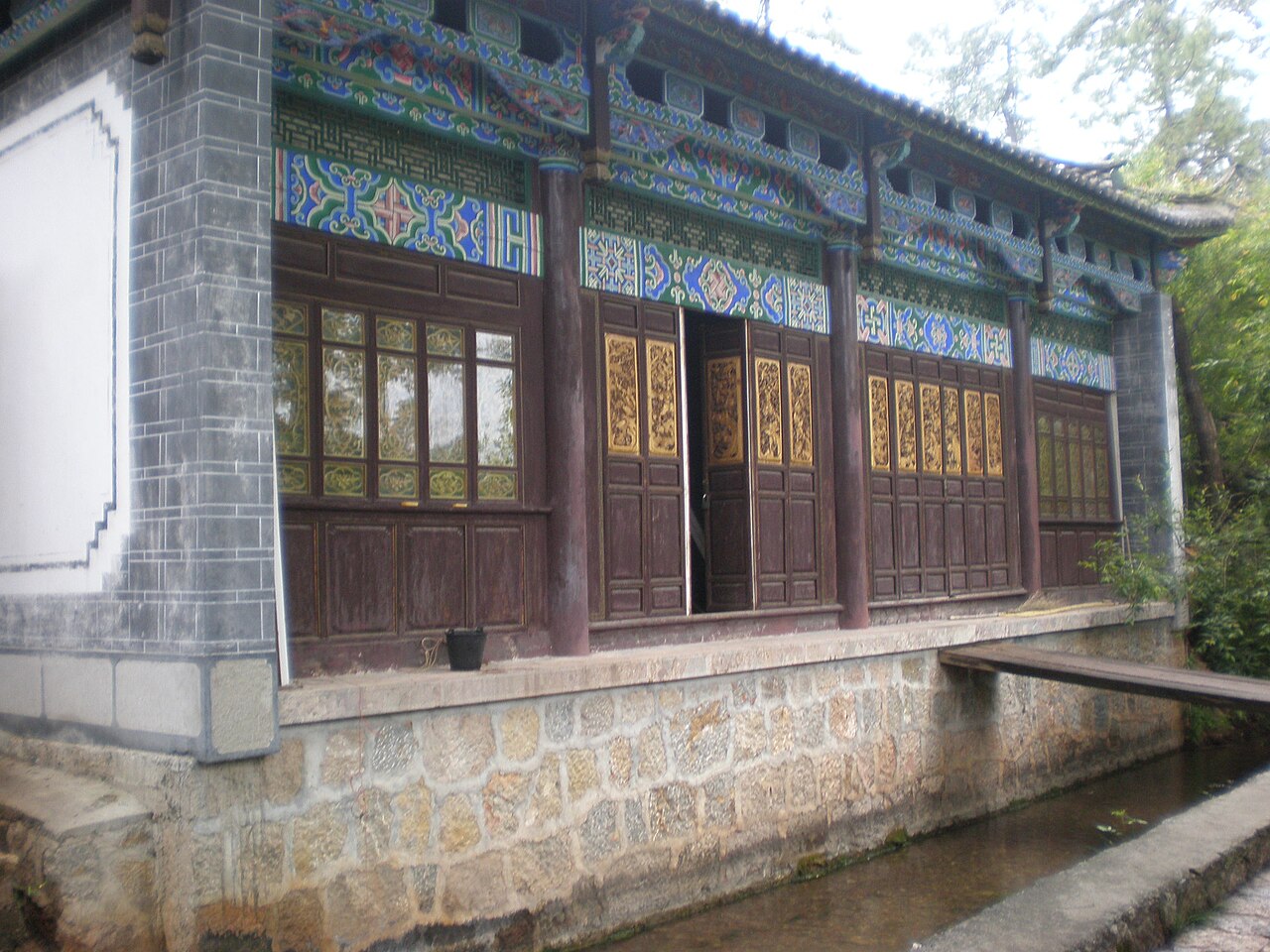
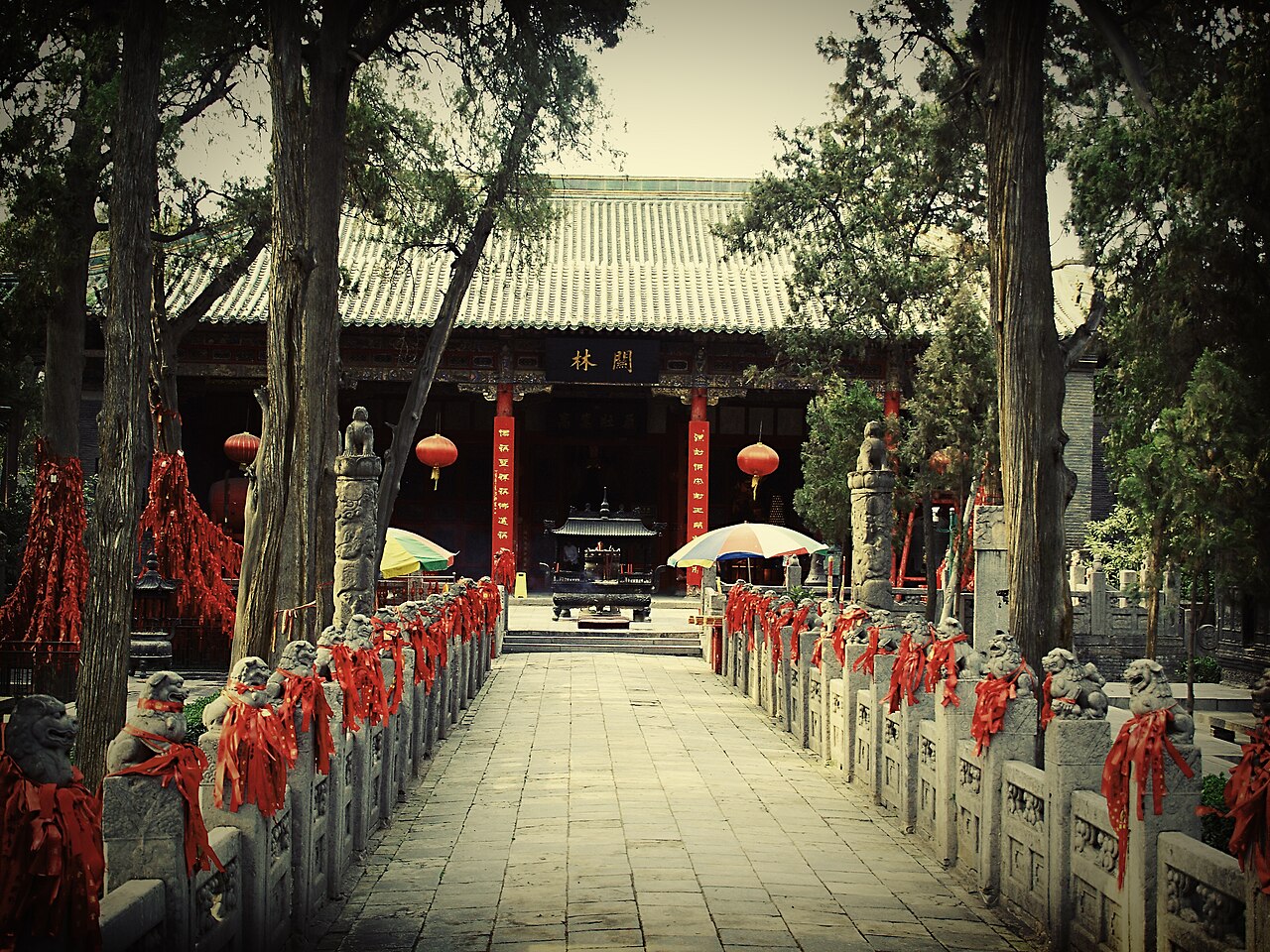
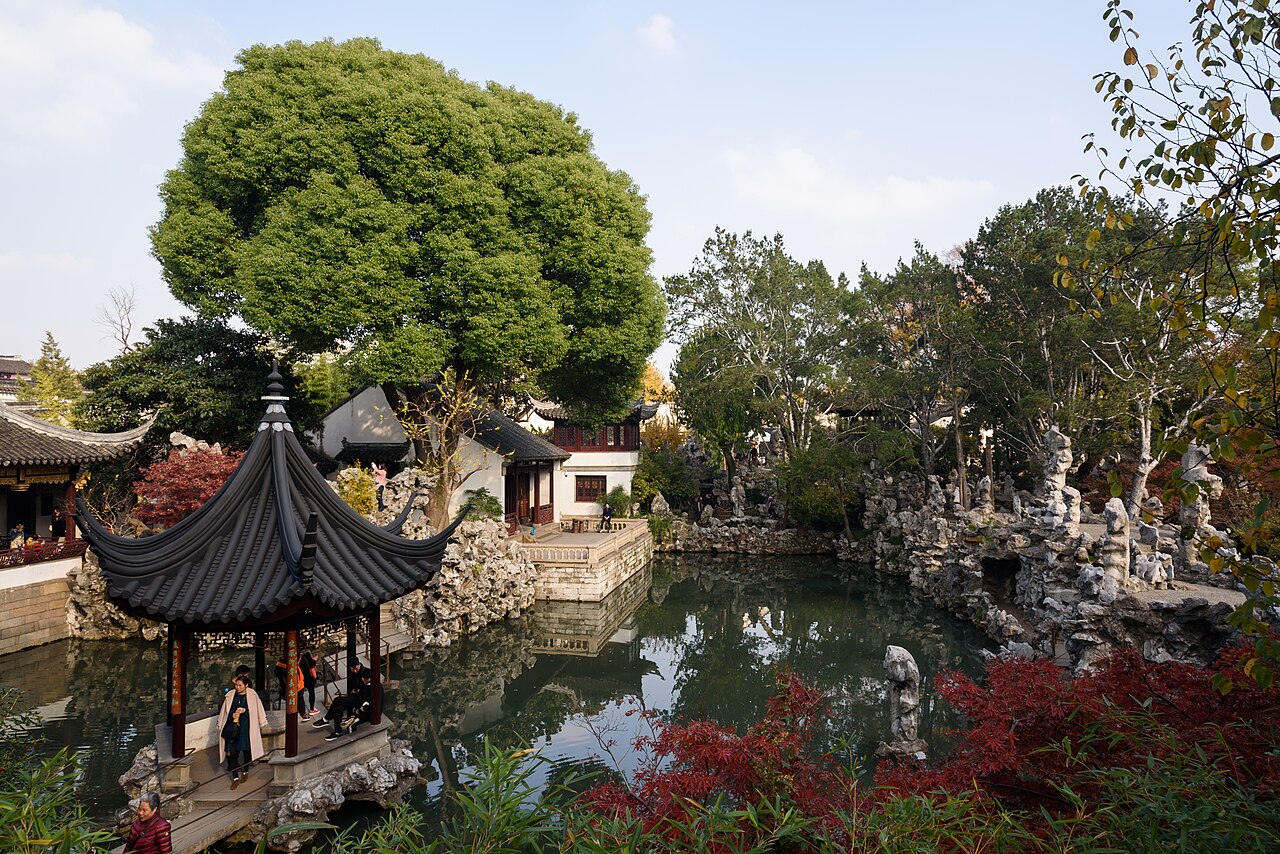
Heaven's Gate, the natural arch punched through Tianmen Mountain
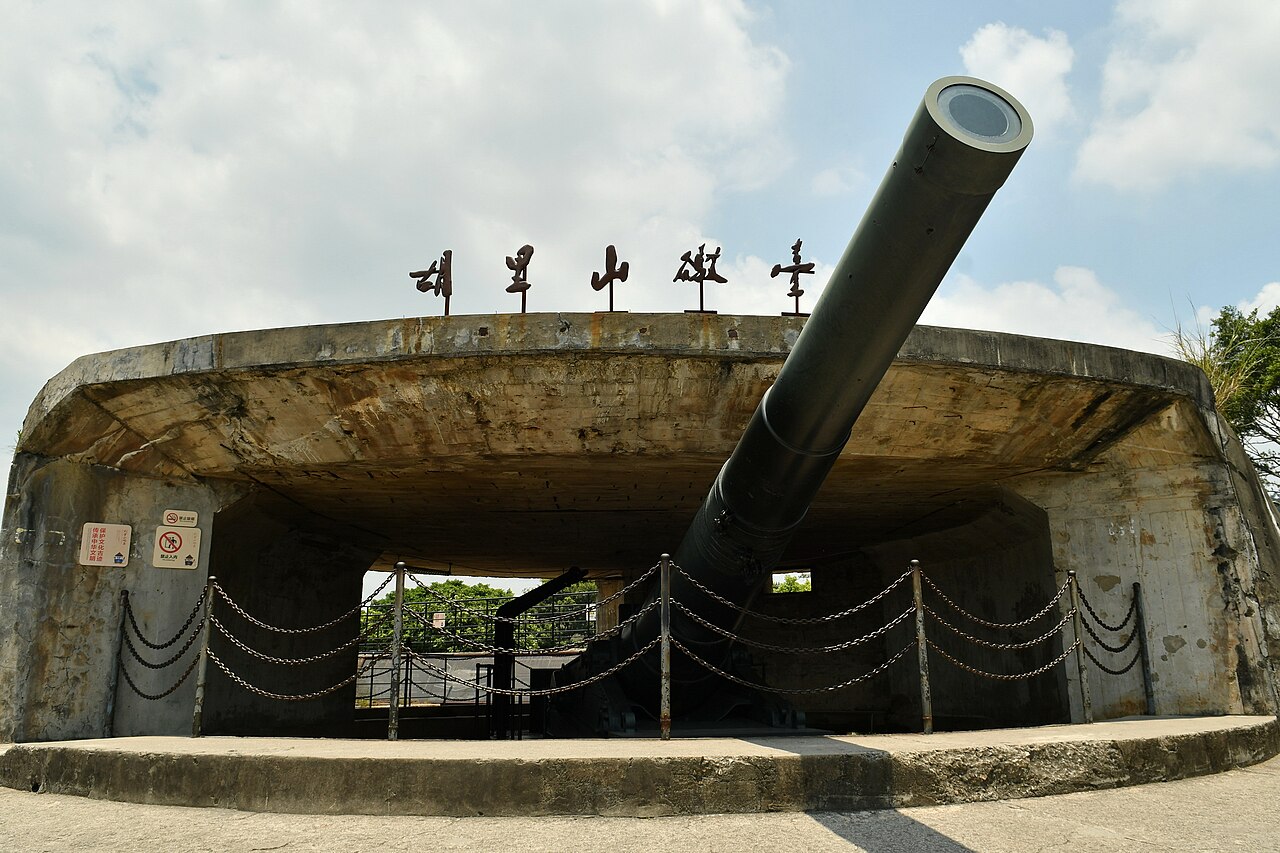
The 99 bends of the Tongtian Avenue climbing to Heaven's Gate
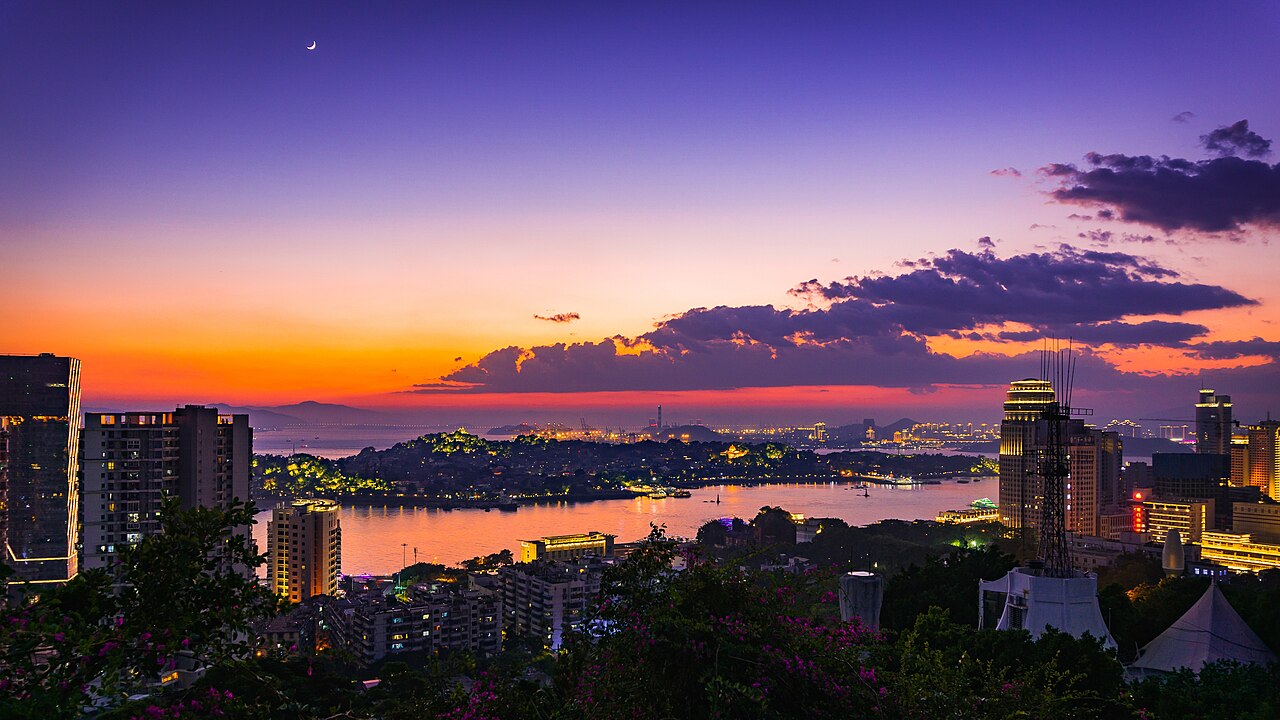
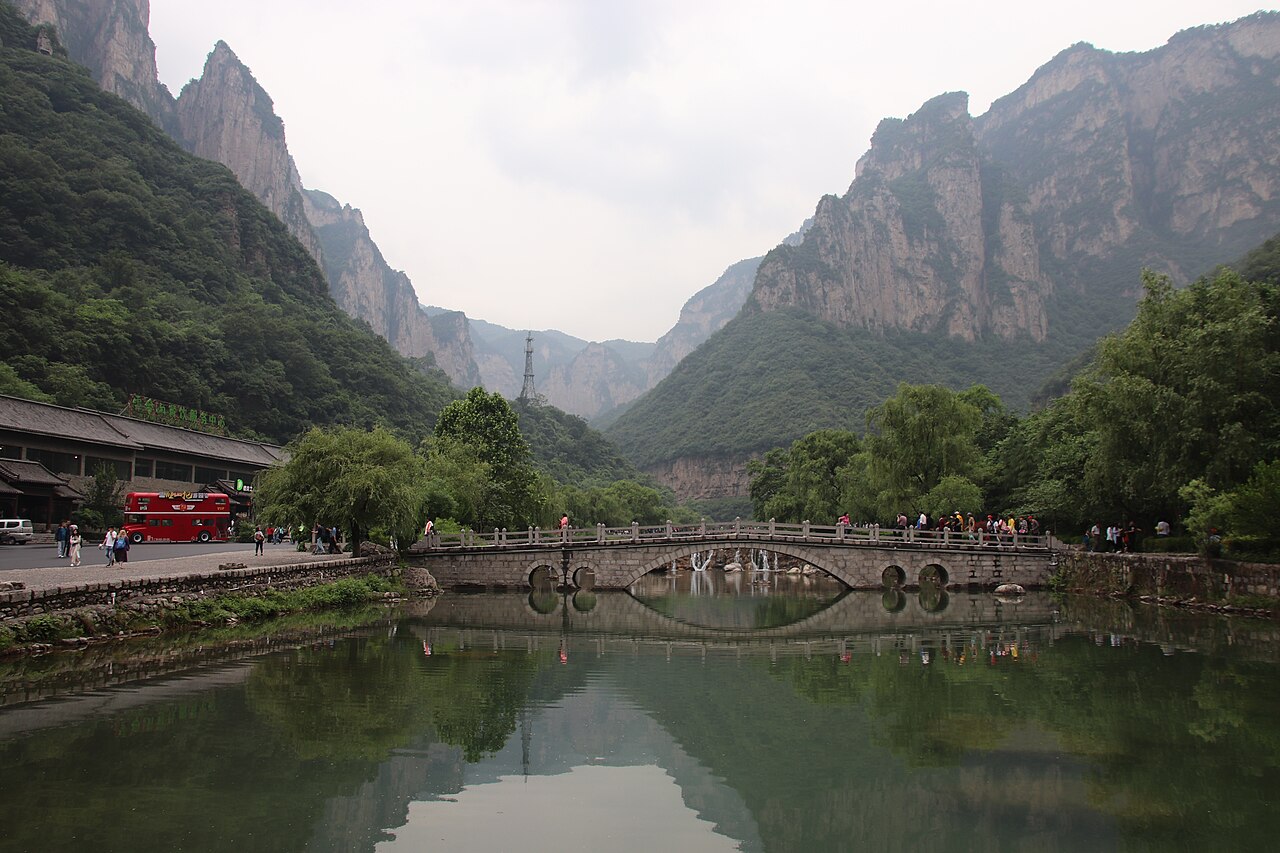
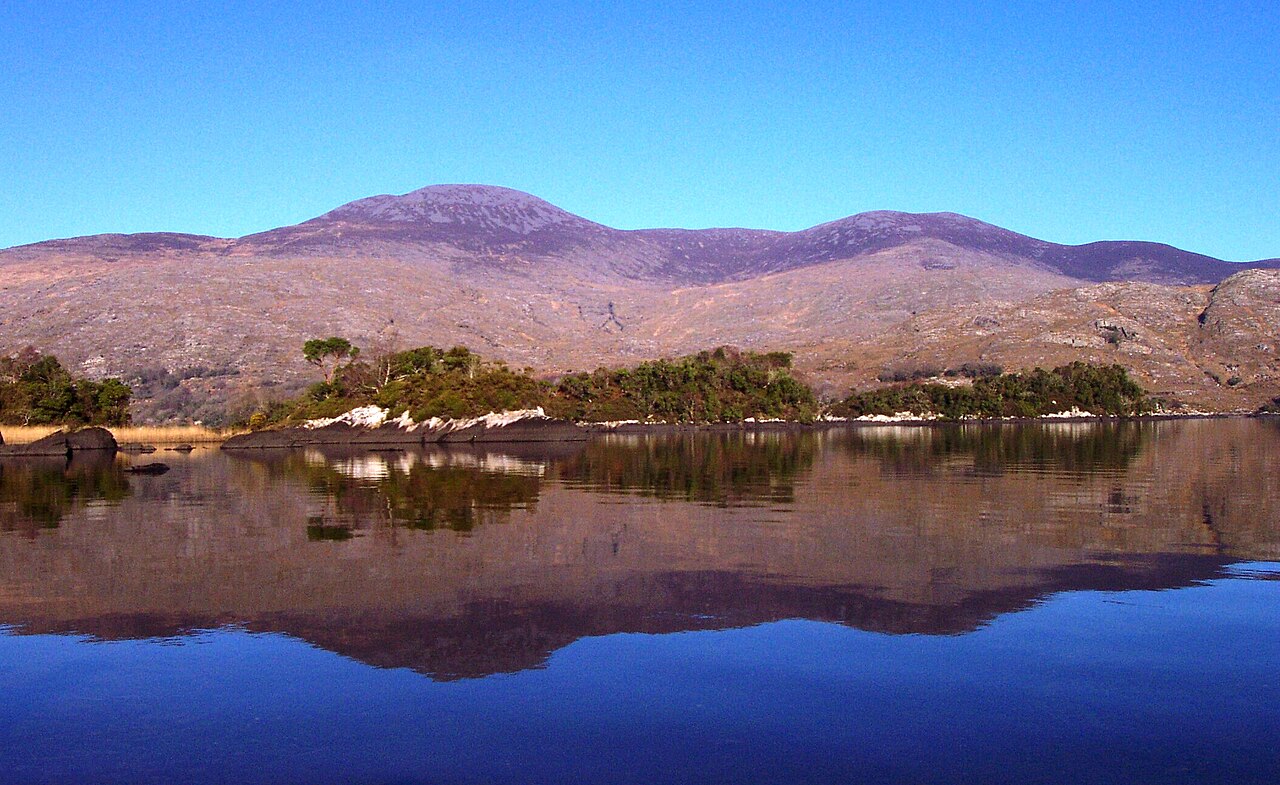
Golden Whip Stream, the flat valley trail beneath the cliffs

When you see the whole range at once, every bit of effort it took to get there feels worth it, because you are not 'as if' standing in a fairyland — you are standing in one. It rained, so the whole of Yuanjiajie was wrapped in cloud, and the cloud moved with the wind, so those towering ridges kept appearing and disappearing. You have to see it yourself to understand.

brant9527, 'Zhangjiajie, a Fairyland in the Rain'

The peaks stood in ranks, fifty-six of them like soldiers, as if they were guarding the place with halberds in hand. It was nearly dusk and the setting sun struck them so they glowed gold. You don't need to say anything — just look at them quietly and you'll feel what it means to be part of nature.

Romantic Traveller 000, 'Zhangjiajie, Fenghuang and Changsha: A Very Practical Guide'

The first thing that hits you in Zhangjiajie is not a view but a scale problem. The pillars rise three or four hundred metres out of the valley floor, packed so tightly that from a viewpoint you cannot count them, and the green haze between them hides where one ridge ends and the next begins. You stand on a platform bolted to a cliff, look down, and the valley floor has vanished into cloud.

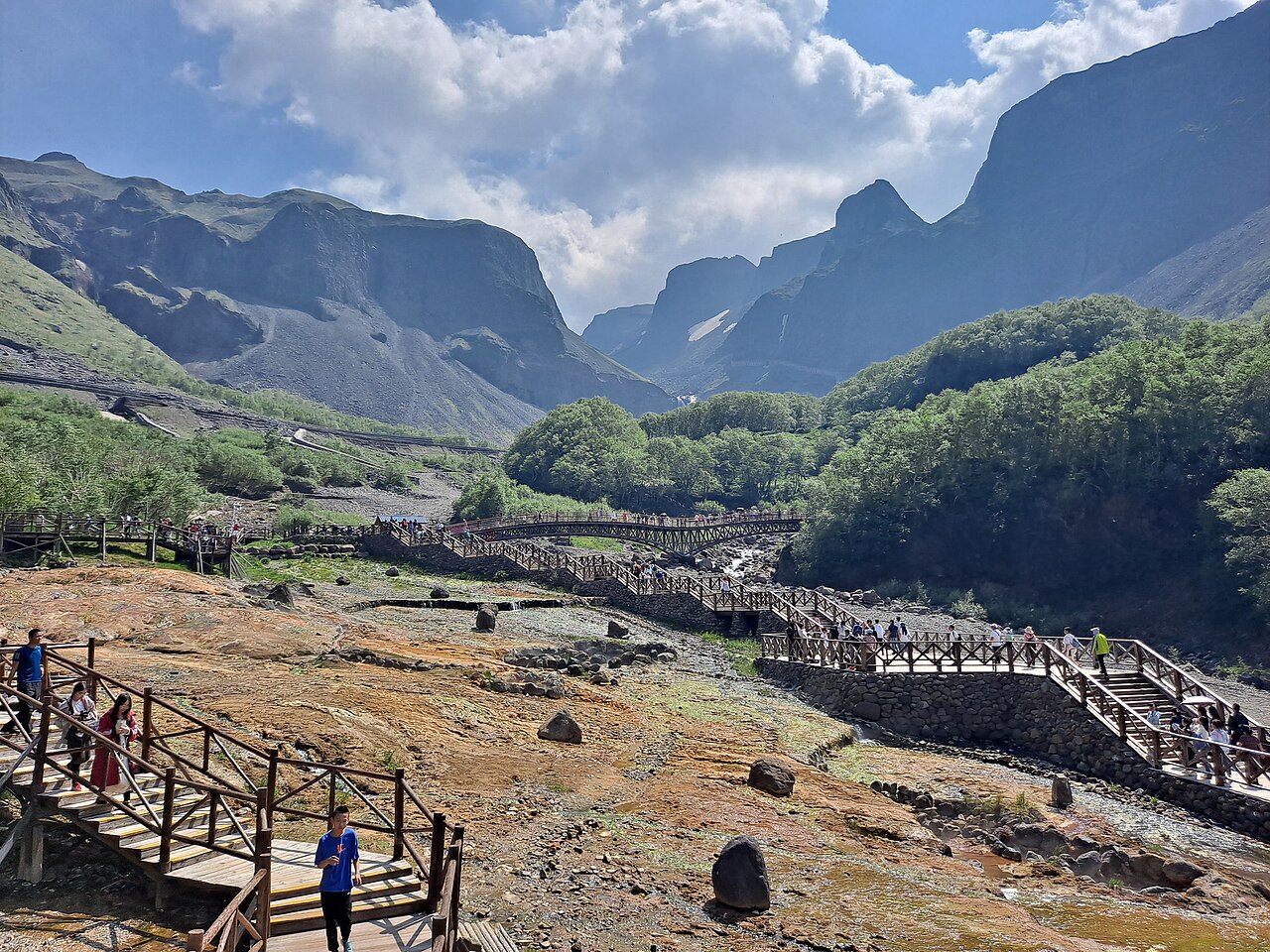
This is not a place you see from a coach window. Almost everything worthwhile here is reached on foot, up and down carved stone staircases, and the park is deliberately spread out so that a single day only touches one corner of it. The reward is that the crowds thin the moment you walk fifteen minutes past any cable-car station, and the further sections — Yangjiajie, the Great Sightseeing Terrace — are often close to empty.

Then there is the absurdity of the infrastructure. A glass elevator climbs 335 metres up a cliff face in under two minutes. A cable car leaves from the middle of downtown Zhangjiajie and lands you on a summit 1,500 metres up. A road with exactly 99 hairpin bends winds to a natural arch punched clean through a mountain. It should feel like a theme park, and somehow it doesn't.

Zhangjiajie

Don't leave without

Seven things that are worth rearranging a day for.

  1. Ride the Bailong Elevator up to Yuanjiajie and see the Hallelujah Mountain pillar that inspired Avatar
  2. Walk the full 7.5 km of Golden Whip Stream, the flat valley-floor trail under the cliffs
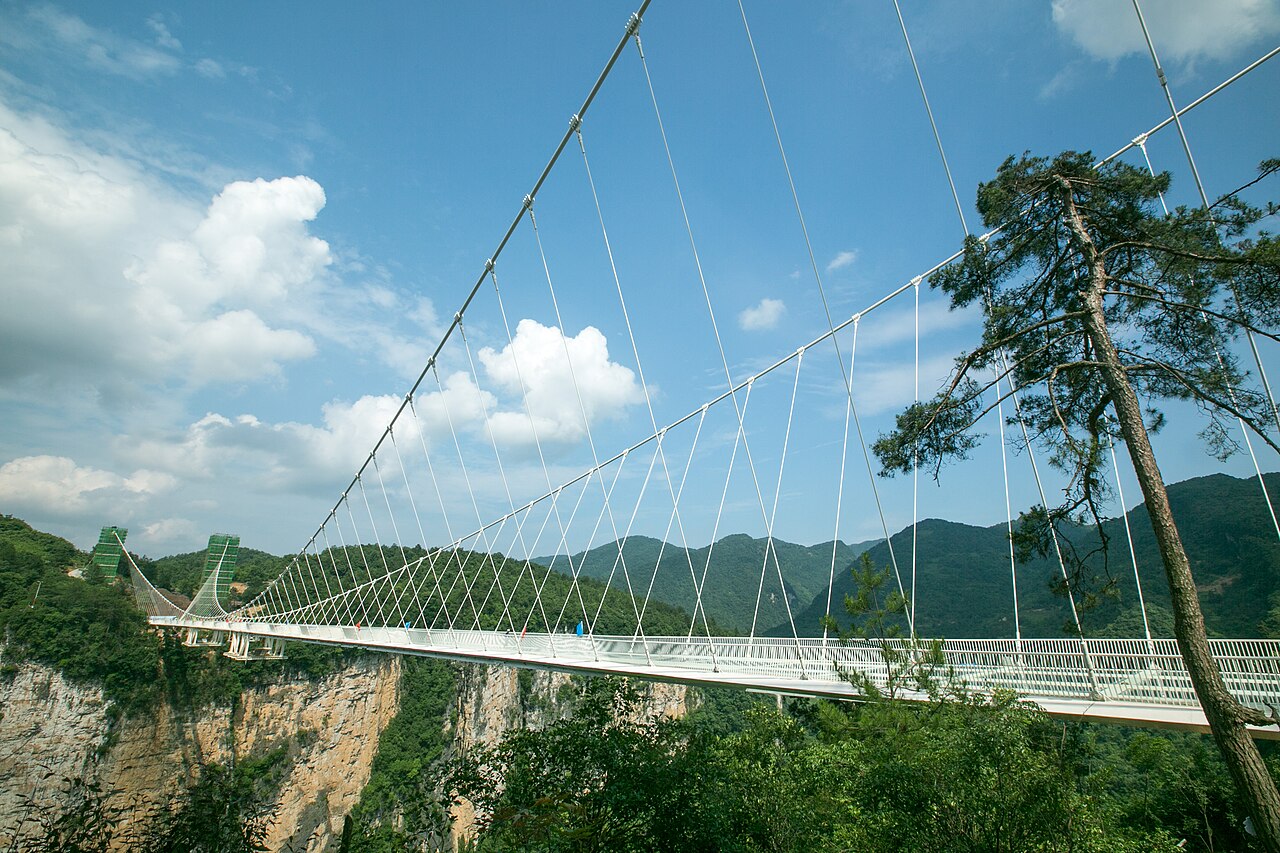
  3. Stand on the glass walkway on Tianmen Mountain, 60 metres of transparent floor above a sheer drop
  4. Climb the 999 steps to the base of Heaven's Gate, the natural arch in the cliff
  5. Eat sanxiaguo, the dry-pot stew of three meats that is Zhangjiajie's signature dish
  6. Watch sunrise from the Great Sightseeing Terrace — the only place in the park where you can see it

Highlights

Five reasons Zhangjiajie stops you mid-sentence

3,000 sandstone pillars, and you c

The Wulingyuan core is a forest of quartz-sandstone spires — some 3,000 of them — that rise 200 to 300 metres straight out of the valley floor. You do not look at them from a distance; the cable cars, the glass elevators and the cliff-edge walkways put you level with the tops. The park ticket is ¥245 plus ¥3 insurance, valid for three days and including the shuttle buses.
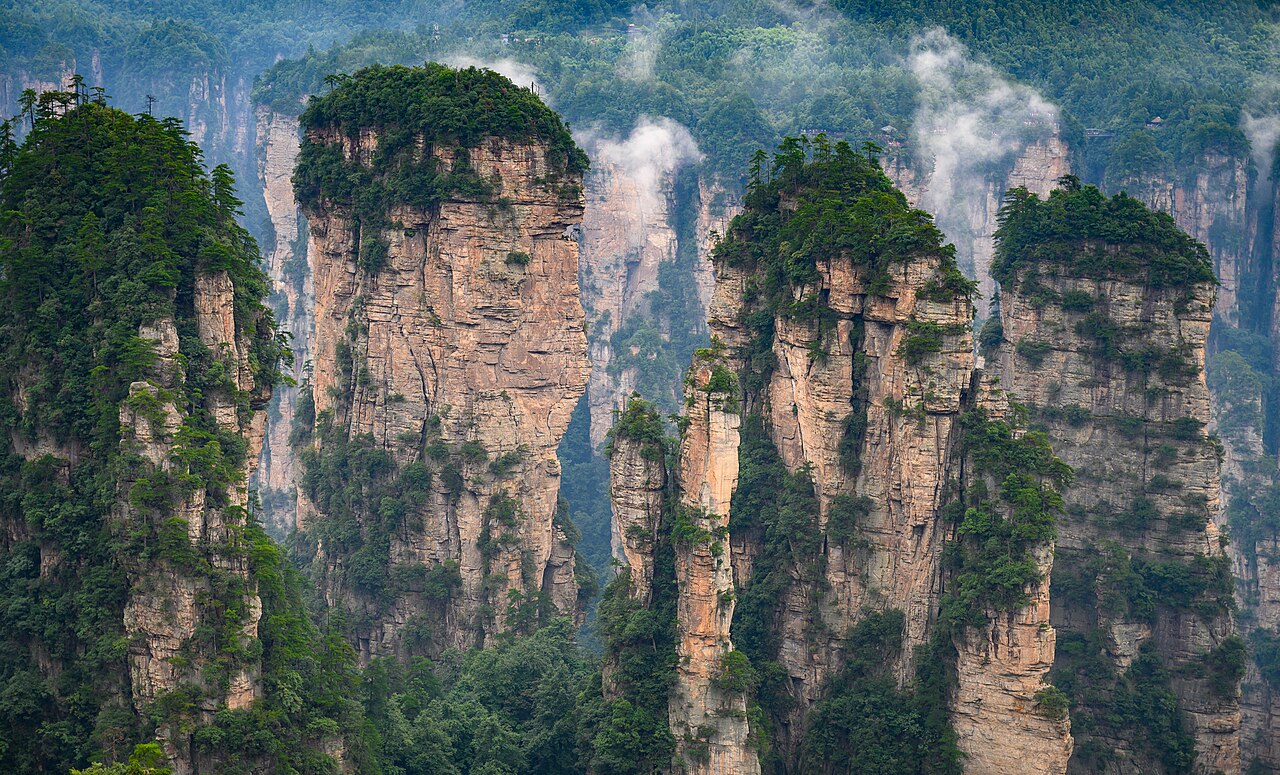
The Avatar mountains, before Holly

The Hallelujah Mountain (once called Qiankun Pillar) is the 150-metre spike that inspired the floating rocks of Pandora, and the park renamed it after the film. It sits in Yuanjiajie, the single most photographed plateau in the park — go early, because every tour group in Hunan converges here by 10am.

A 7.5-kilometre walk that never as

Golden Whip Stream runs flat along the valley floor between the Forest Park gate and Shuiraosimen, with peaks towering on both sides and a stream you can hear the whole way. Two and a half hours, no stairs, and the best introduction to the park if your legs are still fresh.

A cable car that starts in the mid

Tianmen Mountain's cableway is 7,455 metres long and begins in downtown Zhangjiajie, lifting you from street level to a 1,500-metre summit in about 30 minutes. Below you unrolls the 99-bend Tongtian Avenue; ahead, the 1,300-year-old Tianmen Cave, a hole punched clean through the mountain.

Tujia food that is not afraid of h

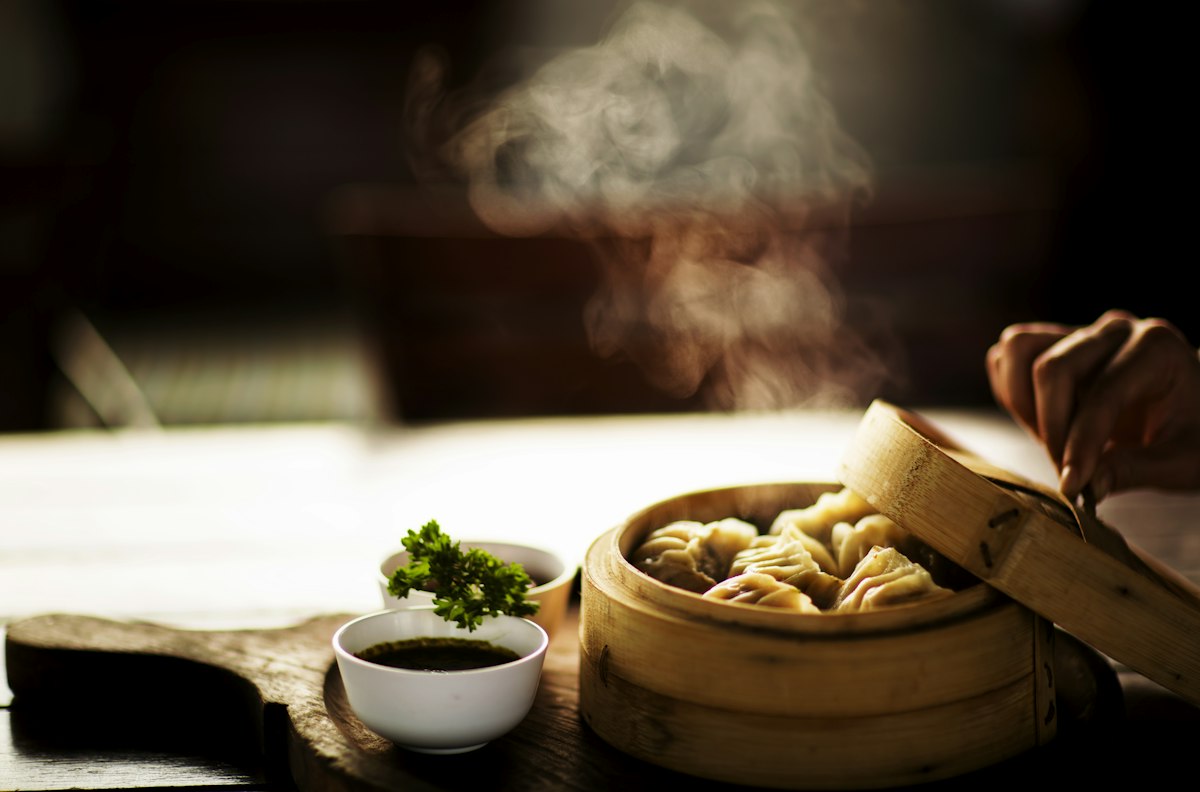
Sanxiaguo — a dry pot of three meats simmered without broth — is the city's signature dish and costs around ¥15 a portion. Add sour fish, smoked pork, blood tofu and wild ferns, and you have a cuisine built on chilli, smoke and fermentation rather than delicacy.

Itineraries

Two ways to spend three days in the park

Classic Three Days: the Wulingyuan

3 days days

The standard route through Wulingyuan Scenic Area, entering at one gate and leaving at another. It covers the four headline areas — Golden Whip Stream, Yuanjiajie, Yangjiajie and Tianzi Mountain — and sleeps two nights inside the park so you are not commuting from the city every morning.

  1. Day 1

    Forest Park gate, Golden Whip Stre

    Start at Zhangjiajie Central Bus Station; the tourist shuttle to the Forest Park gate costs ¥11 and takes 35 to 40 minutes. Walk 300 metres past the gate and you are at the mouth of Golden Whip Stream.

    At the spot called Qianlixianghui you can climb the rough path on the left to Yuanjiajie in about 1.5 hours, or continue flat to Shuiraosimen and take the Bailong Elevator up — 335 metres of vertical climb in 1 minute 58 seconds, ¥72 one way.

    Stops: Golden Whip StreamQianlixianghuiShuiraosimenBailong ElevatorYuanjiajieMihun TerraceBack GardenHallelujah MountainFirst Bridge Under Heaven

  2. Day 2

    Yangjiajie, the wild side, then sl

    Yangjiajie has no cable car and only about 20 percent of it is developed — expect rough paths, some scrambling, and around five hours for the Wulong Village to Sky Corridor line. It is the emptiest and most rewarding walking in the park.

    Take the shuttle to the Wulong Village junction, walk down the steps to the wooden restaurant, and branch left for the Sky Corridor or right for Wulong Village and Tianbo Mansion. From Yibudengtian (32 iron steps to a 1,130-metre platform) continue on to the Sky Corridor.

    Stops: Wulong VillageTianbo MansionYibudengtianSky CorridorDingxiangrong Village

  3. Day 3

    Sunrise at Daguan Terrace, Tianzi

    Get up before dawn for sunrise at Daguan Terrace — the only place in the park where you can watch it, roughly 5am in summer and 7am in winter, with sea-of-cloud mornings if you are lucky. From the junction below, Shenjizhuoshi and Yibunanxing are 30 minutes return; Xianren Bridge and Tianzi Seat are 1.5 hours return.

    Shuttle to Tianzi Mountain, getting off at Shentang Bay for the viewpoint, then walk to Helong Park for Yubi Peak and Xiannv Sanhua. Descend by shuttle or the Tianzi cable car (¥67 one way) to the Ten-Mile Gallery, walk it in two hours or ride the mini-train back for ¥38, then exit at the Wulingyuan gate and shuttle back to the city.

    Stops: Daguan TerraceShenjizhuoshiShentang BayHelong ParkYubi PeakTianzi Mountain Cable CarTen-Mile Gallery

Five Days with the Add-Ons: Tianme

5 days days

The same three-day Wulingyuan core, plus the two sights that sit outside the park boundary and are genuinely worth the extra days: Tianmen Mountain above the city, and the Huanglong Cave and Baofeng Lake pair east of Wulingyuan. Add a sixth day if you want the Maoyan River rafting.

  1. Day 1

    Into the park and up to the top

    Catch the bus from Zhangjiajie city to the Tianzi Mountain gate (¥13, about 90 minutes), buy your ticket, and ride the shuttle straight to the summit instead of climbing the 8,000-odd steps. Spend the afternoon on Tianzi Mountain and walk or ride down to the Ten-Mile Gallery.

    Sleep inside the park at Dingxiangrong — it is the only way to be at Daguan Terrace for sunrise the next morning.

    Stops: Tianzi Mountain gateTianzi MountainTen-Mile GalleryDingxiangrong Village

  2. Day 2

    Sunrise, Yangjiajie, and the undev

    Sunrise at Daguan Terrace, then shuttle to the Wulong Village junction and walk the Wulong Village, Tianbo Mansion, Yibudengtian and Sky Corridor circuit — around five hours and the hardest walking of the trip.

    If you have energy left, hire a car from Dingxiangrong (about ¥120) to reach two viewpoints that are not officially open and no shuttle bus serves: Shenbing Juhui, where 30 stone peaks crowd into one gorge, and Kongzhong Tianyuan, a 40-plot terraced field perched on the high ridges.

    Stops: Daguan TerraceWulong VillageTianbo MansionSky CorridorShenbing JuhuiKongzhong Tianyuan

  3. Day 3

    Yuanjiajie down to Golden Whip Str

    The classic set-piece morning in Yuanjiajie: Mihun Terrace, the Back Garden, Hallelujah Mountain and the First Bridge Under Heaven, all strung along a cliff-edge path with 300-metre drops on your left.

    Ride the Bailong Elevator down in the afternoon and walk the full 15 li (7.5 km) of Golden Whip Stream back to the Forest Park gate, then take the shuttle to the city. Tianmen Mountain is next, and you will want a proper bed.

    Stops: YuanjiajieMihun TerraceHallelujah MountainFirst Bridge Under HeavenBailong ElevatorGolden Whip StreamForest Park gate

Sights

The sights that earn their ticket price

Engineering spectacle

Bailong Elevator (Hundred Dragons

A glass lift bolted to a cliff face, climbing 335 metres in 1 minute 58 seconds and carrying the Guinness record for the world's tallest, fastest and heaviest outdoor elevator. The payoff is the moment you break out of the shaft: the peaks of Shenbing Juhui, one of the park's ten great views, line up in front of you like ranks of soldiers. Ride it up if you are short of time, down if your legs are done.

One-way fare
¥72
Vertical rise
335 m
Ride time
1 min 58 sec
Getting there
Shuttle from Shuiraosimen to the lower station

Tip Queues at the elevator can run over an hour from May to October. Ride before 9am or after 3pm, or accept the walk instead.

Valley walk

Golden Whip Stream

A flat 7.5-kilometre path through the bottom of the gorge, with named peaks on both sides — Golden Whip Rock, Split the Mountain to Save the Mother, Scholar's Hidden Books, Twin Turtles Probing the Stream, Zhang Liang's Tomb. The stream runs beside you the whole way and the air is noticeably cooler than on the plateaus. It is the one long walk in the park that asks nothing of your knees.

Walking time
2.5 hours
Distance
7.5 km
Route
Forest Park gate to Shuiraosimen
Entry point
300 m past the Forest Park gate

Tip There is a monkey section along the stream. Do not take food out of your bag — the macaques grab, and they bite.

The classic panorama

Yuanjiajie

A plateau on the north side of the park where the postcard views actually live: Mihun Terrace, the Back Garden, Hallelujah Mountain and the First Bridge Under Heaven, a natural stone arch spanning two peaks with a 40-metre viewing platform opposite. Every tour group in the province comes here, so the paths get thick — but the scenery justifies the crowd.

Walking time
1.5 to 2 hours
Access on foot
1.5 hours up from Qianlixianghui
Access by lift
Bailong Elevator from Shuiraosimen
Key stops
Mihun Terrace, Back Garden, Hallelujah Mountain, First Bridge Under Heaven

Tip The whole Yuanjiajie path runs along cliff edges with 300- to 400-metre drops. Stop walking when you raise your camera.

Wild, unfinished, uncrowded

Yangjiajie

Only about 20 percent of Yangjiajie is developed, and it shows — narrow paths, iron ladders, some hands-on-rock scrambling, and almost nobody else. Wulong Village was a bandit stronghold chosen for its position: cliffs on all four sides, one way in and out. Tianbo Mansion faces ten parallel stone walls that look like the foundations of an ancient mansion; Yibudengtian is a 1,130-metre platform reached by 32 iron steps.

Walking time
About 5 hours
Access
Shuttle to the Wulong Village junction
Route
Wulong Village, Tianbo Mansion, Yibudengtian, Sky Corridor
Developed
Roughly 20 percent

Tip If you commit to Yibudengtian or the Sky Corridor, finish the line — there is no shortcut back and turning around wastes the hardest hour.

Above the city

Tianmen Mountain

Not to be confused with Tianzi Mountain inside the park — this is the separate massif that stands over Zhangjiajie city, reached by a 7,455-metre cableway that starts downtown and climbs to about 1,500 metres. At the top: the Guigu Cliff Walkway, a 60-metre glass skywalk pinned to a vertical wall, and Tianmen Cave, a natural arch punched through the summit ridge at over 1,000 metres. The 99-bend road up to the cave is an attraction in its own right.

Ticket
¥258 plus ¥3 insurance
Includes
Round-trip cable car, Tianmen Cave, summit area, shuttle bus
Time needed
About 5 hours
Getting there
City buses 4, 5 or 6 to the City Garden cableway station

Tip The ticket price is steep but it covers the cableway and the cave. Go on a clear day — in cloud you pay full price and see grey.

Food

What to eat in Zhangjiajie: Tujia sour, smoked and fiery

Sanxiaguo (三下锅)

The dish that made this city famous — a dry hotpot of three main ingredients stewed with almost no broth. The classic combo is stir-fried intestines, stir-fried walnut meat and western Hunan cured pork. A small pot (about ¥15) comfortably feeds two, and it is best chased with a plate of crunchy pickled radish. Not one for anyone who likes their food mild.

Sour fish and pork (酸鱼 / 酸肉)

Tujia cooking leans hard on sour, smoked and pickled. Pork and fish are packed with glutinous rice powder and fermented, which keeps them through the humid summers and gives them a tangy, faintly fizzy bite. You will find it on almost every Tujia table — ask for it cold as a starter.

Hetuan nian cai / 'combined dish'

The Tujia New Year dish: radish, tofu, cabbage, spring onion, pork and red chili simmered together in one pot. It is meant to symbolise a full harvest and a reunited family. Cheap, homely and served everywhere; a good way to eat vegetables after days of cured meat.

Niqiu zhuan doufu — loach in tofu

A Tujia classic with a method worth hearing: live loach are purged overnight in salted water, then dropped into a block of soft white tofu so they burrow into it before the whole thing is braised with Sichuan pepper, ginger, spring onion and soy. The result is silky and subtle rather than scary.

She fan — 'community rice' (社饭)

Eaten on the spring She festival. Wild spring onion and she herbs are dried in the pan, fatty cured pork is fried until fragrant, then glutinous and ordinary rice are cooked together and steamed with the greens and meat folded through. Lift the lid and the whole room smells of it. Also try hezha, a soybean-and-greens porridge the Tujia say saved lives in lean years.

Eating out

Four places worth sitting down for

Local institution

Master Hu's Sanxiaguo (胡师傅三下锅)

The most popular sanxiaguo counter in town, and the portions back it up — one small pot is plenty for two and the signature three-ingredient stew is deeply savoury. Expect a queue at peak hours and go elsewhere if you want anything delicate. Budget roughly ¥36 per person, and if you are planning a private tour of Zhangjiajie with a food stop built in, this is the address to give your guide.

Signature
Sanxiaguo, three ingredients stewed dry
Per person
About ¥36
Address
Sanjiaoping, opposite Changxiang Tianxia
Getting there
Bus 10 to Sanjiaoping stop

Reliable sit-down

Lekoufu Home Cooking (乐口福家常菜馆)

A clean, fast, well-run Hunan restaurant above Dayong Fucheng that locals rate highly. The two dishes to order are guoba gai rou — crisp rice crust buried under braised pork — and yan'er tuji, free-range chicken stewed with rock fungus picked off the cliffs. Good for a group dinner or a first night when you want air-conditioning and a menu you can point at.

Order
Guoba gai rou, yan'er tuji
Per person
About ¥53
Address
Guyong Road, Yuding District, near the People's Hospital
Phone
0744-2199788

Where locals eat

Yanboduo Mandarin Fish House (岩泊渡桂

A live-fish restaurant whose tables are mostly filled with residents, always a good sign. The mandarin fish pot arrives with several whole fish and a properly built broth — the fish are seared in oil first, which is what gives it depth. It runs a touch salty, so say so if you prefer things lighter.

Signature
Mandarin fish hotpot
Per person
Around ¥8–50 depending on fish
Address
Jinhaian, opposite Huatian Hotel, Yongding District
Phone
0744-8358797

Breakfast

Yangza rice noodles & straw-hat no

Two Zhangjiajie breakfast institutions. The twenty-year-old rice noodle shop near the armed forces office is famous for its lamb offal noodles, with queues down the street every morning from about 6am; a bowl is roughly ¥5. Straw Hat Noodles is named for the owner who has worn the same straw hat for years — hand-made noodles, generous minced-pork topping, help yourself to extra. Eat where the locals queue.

Best time
6:00–9:00am
Cost
From ¥5 a bowl
Rice noodles
Above the armed forces office, opposite the tobacco company
Noodles
Ask your hotel for the nearest branch

Where to sleep

Three bases, three very different mornings

Budget, best location

Hostels inside the park (景区青年旅舍)

Sleeping up on the mountain is the single biggest upgrade to a Zhangjiajie trip: you wake above the cloud layer and walk onto the viewing platforms before the first tour bus arrives. Dorm beds start around ¥40, doubles from about ¥130, and the park hostels — including the ones at Yuanjiajie and Dingxiangrong — are basic but warm, with showers and home cooking. Dingxiangrong is the village to pick if you want to catch sunrise at Daguantai; note the winter shutdown when the shuttle stops running there, reopening each March.

Dorm bed
From ¥40
Double room
From about ¥130
Best for
Sunrise at Daguantai, beating the crowds
Book ahead
Yes — May to October fills up

Mid-range, resort comfort

Wulingyuan town hotels (武陵源)

The town at the Wulingyuan gate is the most convenient base outside the park: you can be at the ticket station in minutes and there are restaurants and shops on your doorstep. The Pullman Zhangjiajie is the plushest foreign-brand option in the area, with a pool and full facilities, from around ¥785 — good if you want a proper resort night between hiking days rather than a dorm. Just accept that you will still queue for the shuttle each morning.

Example
Pullman Zhangjiajie, Huajuan Road
From
About ¥785 per night
Phone
0744-8888888
Best for
Comfort, families, easy park access

Cheap, transport-first

Zhangjiajie city hotels (市区)

Staying in the city near the central bus station is the budget and logistics play: express hotels such as Super 8 or Jinjiang Inn run about ¥199–220 a night, the international youth hostel has beds from ¥30 and doubles from ¥90, and the airport is 5 km away with the railway station 3 km. From here the tourist shuttle to the Forest Park or Wulingyuan gate takes 35–40 minutes for ¥11. Downside: you are outside the scenery and will spend an hour a day commuting.

Express hotels
¥199–220 per night
Hostel beds
From ¥30; doubles from ¥90
Shuttle to the gate
¥11, 35–40 minutes
Airport
5 km; railway station 3 km

Getting around

How to reach Zhangjiajie and move through the park

By air

Zhangjiajie Hehua Airport (DYG) sits just 5 km from the city centre and links more than 20 Chinese cities, but schedules change constantly and some routes don't fly daily — always re-check your flight before booking a tight connection.

Airport to city (bus)
Route 4, 08:00–18:00, ¥1, about 30 min
Airport to city (taxi)
¥15–20 by day, around ¥30 at night
Airport to the park
Roughly ¥100 by taxi
Airport enquiries
0744-8238294 / 8238417

By train

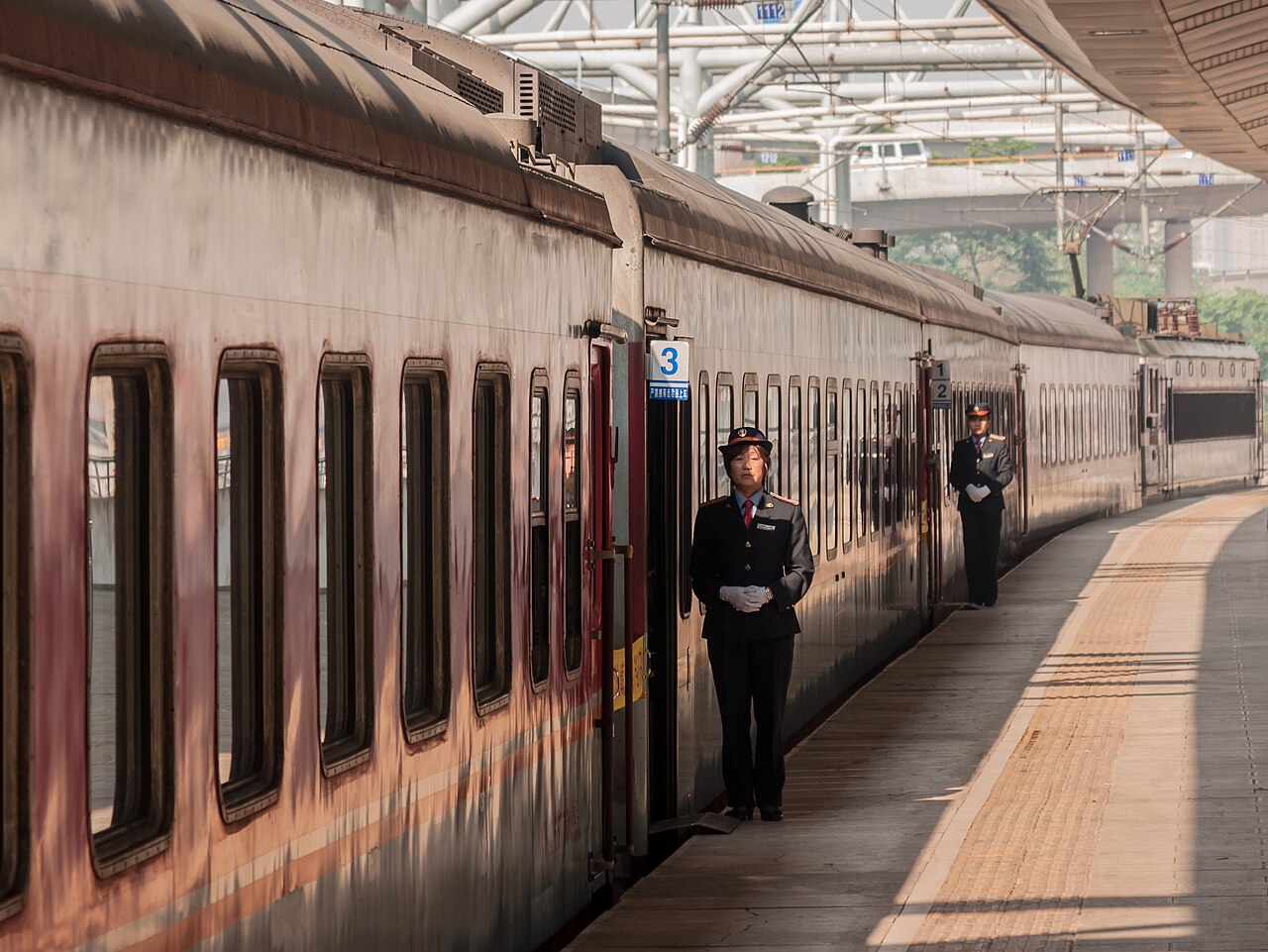
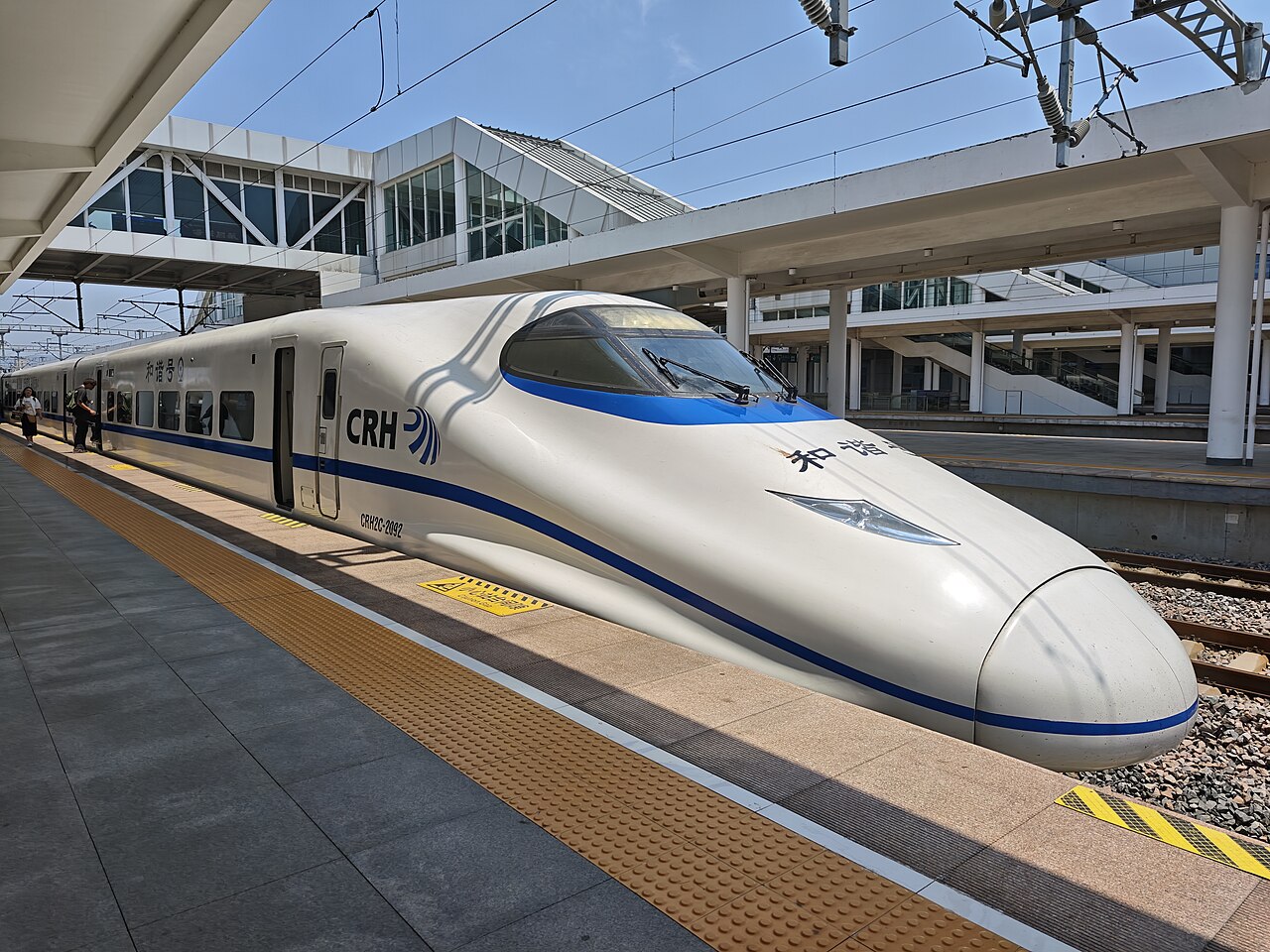
Zhangjiajie's new station is right in the city centre, with buses 1 and 6 starting from directly opposite the exit. From Changsha it's a little over 5 hours, with 7 departures a day; one slower service loops via Jishou and Huaihua (about 11 hours) and is only worth taking if you're heading on to Fenghuang.

Changsha–Zhangjiajie
5+ hours, 7 trains daily
Station enquiries
0744-8512112
Buses from station
1, 6 and others from the exit plaza
To Fenghuang
Bus about 4 hours, ¥65

By long-distance bus

The Central Bus Station sits on the west side of the new railway station square and runs coaches to Wuhan, Shanghai, Suzhou, Changde and the surrounding scenic areas. Buses from Changsha's West Station leave every 30 minutes (¥100–120, about 4 hours), and there's a direct Fenghuang service at 07:50 from beside the Wulingyuan gate for ¥72.

Changsha West Station
Every 30 min, ¥100–120, 4 hrs
Fenghuang to Zhangjiajie
¥65, about 4 hours
Wulingyuan to Fenghuang
07:50 departure, ¥72
Station enquiries
0744-8305599

Inside the park

Shuttle buses inside Wulingyuan are already covered by your entrance ticket and run 07:00–17:00, roughly every 20 minutes, with stops at every major sight. Cable cars, the Bailong Elevator and the mini-train cost extra — budget for them, because using them saves your legs for the parts of Yangjiajie that have no alternative.

Bailong Elevator
¥72 one-way, 1 min 58 sec up
Tianzi Mountain cable car
¥67 one-way
Huangshizhai cable car
¥65 one-way / ¥118 return
Ten-Mile Gallery mini-train
¥38 one-way / ¥52 return
Park shuttle
Free with ticket, 07:00–17:00

Shopping

What to bring home from the mountains

Kiwifruit

Zhangjiajie's small wild kiwis are only a little bigger than an egg and taste sweet-sour. Buy them underripe if you're carrying them home — ripe ones turn to mush in a day. Skip the oversized cultivated ones sold at the gates.

Gegen powder

Ground from wild kudzu root grown on the Wuling slopes, mixed with hot water and a spoon of sugar, or simmered with meat as a dish. Loose powder runs about ¥7 per jin — buy it in a proper supermarket, because sweet-potato starch is passed off as the real thing everywhere else.

Tujia brocade (Xilankapu)

Hand-woven on an old wooden loom with cotton warp and coloured silk weft, made into wall hangings, sachets and clothing. Dense, strong colours and symmetrical patterns of flowers, birds and beasts — the most genuinely local craft you can buy here.

Duzhong tea & preserved tofu

Duzhong leaf tea is drunk for blood pressure and slimming; real leaves pull into threads when you break them, fakes don't. Sangzhi salt tofu — a Qing-dynasty tribute item — is the other reliable edible souvenir, cheap and easy to carry.

Practicalities

Numbers, hours and the scams to dodge

Book accommodation before you travel in high season, roughly May to November: Zhangjiajie receives over 20,000 visitors a day, and 50,000 a day during National Day week, when cable car and Bailong Elevator queues can stretch past an hour. If you'd rather not shuffle along in a crowd, head for Yangjiajie and Daguantai — the tour buses skip them, and the views are just as good. Compare a few licensed guides before committing, and for a full day-by-day plan see our Zhangjiajie itinerary.

Wulingyuan ticket¥245 + ¥3 insurance, valid 3 days with unlimited rides on the park shuttle; concession ¥165 + 3; weekly pass ¥298. Cable cars, the Bailong Elevator and the mini-train are NOT included.
Tianmen Mountain ticket¥258 + ¥3, covering the round-trip cable car, Tianmen Cave, the summit area and shuttle buses. Allow about 5 hours.
Huanglong Cave & Baofeng LakeHuanglong Cave ¥80 (concession 45), open 07:30–17:30 high season, 08:00–17:00 low season. Baofeng Lake ¥74 (concession 42).
Opening hours & park shuttlesPark shuttles run 07:00–17:00. In winter, ice on the summit roads can suspend services to Daguantai and Yangjiajie — call 0744-5555555 before setting out.
Money & withdrawalsDraw cash in the city — ATMs inside the scenic area are few and far between. ICBC Xixiping branch: 0744-8512496. CCB Chongwen Road branch: 0744-8323266.
Emergencies & servicesPeople's Hospital, Guyong Road 192: 0744-8222270. Police: 0744-8222151. Wulingyuan tourism bureau: 0744-5618109. City tourism office: 0744-8380188.
Scams to avoidIgnore the hotel touts and unlicensed guides who mob you at the station square, and never pick up strangers on the road in — they're often illegal guides working with shops and drivers. The 'thousand-year-old human-shaped heshouwu' sold in the mountains is fake, and don't buy 'antiques' or 'rare herbs' unless you truly know the trade.

Background

How these mountains got here — and how the world found them

A sandstone forest 380 million yea

Zhangjiajie's pillars are quartz sandstone, laid down as sediment on a shallow sea floor around 380 million years ago, then lifted, fractured and carved by water and wind into the 3,000-odd towers you walk among today. The vertical joints in the rock are what let it split into columns instead of eroding into ordinary hills, which is why the peaks stand like fence posts rather than slopes. In 1992 Wulingyuan was inscribed as a UNESCO World Heritage Site, and in 2004 it was added to the Global Geoparks Network.
The name is younger than the scene

Until the early 1980s almost nobody outside Hunan had heard of this place; the painter Wu Guanzhong wrote an essay in 1980 that put it on the national map, and tourism infrastructure followed within a decade. The city itself was renamed Zhangjiajie in 1994, taking the name of a small village inside the park. Locals still use the old name Dayong for the urban core, and you will see it on bus signs and restaurant fronts. The 2009 film Avatar borrowed the floating Hallelujah Mountains from these peaks, and the park leaned into it hard — the pillar once called Qiankun Column was officially renamed Hallelujah Mountain in 2010. The tourism board will tell you the resemblance is uncanny. It is close enough that you will probably take the photo anyway.
Reading & watching

Three things to load before you go

Film

Avatar (2009)

dir. James Cameron

The floating Hallelujah Mountains were modelled on the sandstone pillars of Wulingyuan, and the pillar formerly known as Qiankun Column was formally renamed after the film. Watch it on the flight in, then judge for yourself how much Cameron exaggerated. Our Zhangjiajie tour packages put you on the ground beneath them.

Essay

'A Visit to Zhangjiajie' by Wu Gua

Wu Guanzhong, painter

The short essay that dragged Zhangjiajie out of obscurity and onto the national tourism map. Wu was one of China's great modern painters, and he writes about the peaks the way a painter looks at them — mass, line, negative space. Worth reading for the reminder that this landscape was unknown to the wider world barely forty years ago.

Travel writing

Border Town by Shen Congwen (1934)

Shen Congwen

Not set in Zhangjiajie itself but in Fenghuang, four hours west down the same Hunan river country. It is the book that made the region's wooden stilt houses, ferry crossings and Miao villages famous, and it is the best preparation for the western Hunan leg of a longer trip. Pair it with our Fenghuang and Furong Town add-on route.

The questions visitors ask us most about Zhangjiajie, answered plainly.

Frequently asked questions

Prices and practical details are reviewed every month by our Beijing team and updated the day a rule changes.
What is the best time of year to visit Zhangjiajie?

April and October are the best months — the light is clear, the temperatures sit around 20°C (68°F) and the viewpoints are at their sharpest. July brings heavy rain, and climbing in rain is both slippery and pointless because cloud swallows the peaks; the one to two hours right after rain, though, produce the most dramatic mist-wrapped scenery of the year. Winter drops to around 0°C and snow does not close the park — you may get rime ice and a sea of cloud.

How many days do you need in Zhangjiajie?

Three full days for Wulingyuan Scenic Area alone, staying inside the park for two nights so you are not commuting through the gates each morning. Add one day for Tianmen Mountain and one more for Huanglong Cave and Baofeng Lake, and a five-day trip covers everything worth seeing. Anyone who tries to do the park as a day trip from the city sees perhaps a fifth of it.

Is the Zhangjiajie ticket worth it, and what does it include?

Yes — ¥245 plus ¥3 insurance buys three days of entry and unlimited use of the park's shuttle buses, which is the only way to move between the different areas. It does not include the Bailong Elevator (¥72 one way), the Tianzi Mountain cable car (¥67 one way) or the Huangshizhai cable car (¥65 one way, ¥118 return). A weekly pass is ¥298 if you want longer.
Should I take the Bailong Elevator and the cable cars, or walk?

Take them. The elevator lifts you 335 metres in 1 minute 58 seconds, and the cable cars save you 8,000-plus steps that you will want for the walking-only sections. Walk Golden Whip Stream and the Ten-Mile Gallery on the valley floor, ride up, and spend your legs on Yangjiajie and the Great Sightseeing Terrace, which have no mechanical shortcuts at all.

How do I get to Zhangjiajie from Changsha?

The train from Changsha takes about 5 hours and there are seven departures a day. By road it is 320 km on the Changsha–Changde–Zhangjiajie expressway, roughly 2.5 to 3.5 hours with about ¥200 in tolls. Buses leave Changsha West Bus Station every half hour, cost ¥100–120 and take about 4 hours. Zhangjiajie Hehua Airport, 5 km from the city centre, has flights to more than 20 Chinese cities, though not all routes operate daily.

Is Zhangjiajie crowded, and do I need to book accommodation ahead?

From May to November the park receives more than 20,000 visitors a day, and over National Day week that can hit 50,000 — the elevator and cable cars then queue for over an hour. Book accommodation inside the park well in advance, and if you hate crowds head for Yangjiajie or the Great Sightseeing Terrace, which tour groups skip entirely. Going up the elevator before 9am buys you a much quieter Yuanjiajie.

Plan this trip

Prefer it arranged for you?

The same places, with a driver, an English-speaking guide and the tickets already bought.

7 days · Adventure

Zhangjiajie & Avatar Mountains

The sandstone pillars that inspired the floating mountains of Avatar, plus the glass elevator, Tianzi Mountain and the longest cableway in Asia.

★★★★★4.8 121 reviews

From US$1,190/per person

View tour

Related reading

Related reading

Visas Do I Need a Visa for China? Requirements, Costs and How to Apply China's entry rules changed more in the last three years than in the previous twenty. Here is exactly who needs a visa, what it costs, how long it takes and which passports now walk straight through. 9 min read Visas China's 240-Hour Visa-Free Transit: Who Qualifies and How It Works Ten days in China with no visa application, no fee and no fingerprints — if you hold the right passport and leave for a third country. Here is the rulebook, port by port. 8 min read Money Paying in China: Alipay, WeChat Pay, Cards and Cash Roughly nine in ten urban payments in China now run through a phone. Set up two apps before you fly, carry a modest cash float, and you will never be stuck at a till. 8 min read Transport China's High-Speed Rail: How to Book, What It Costs, How Fast It Goes The fastest way to cross China is also the most pleasant. Here is how to book a ticket with a foreign passport, what the three classes actually give you, and how to survive a Chinese station at rush hour. 9 min read Planning Best Time to Visit China: Month by Month, Region by Region China is the size of Europe, so 'the best month' depends on where you stand. Here is the month-by-month answer for the north, the Yangtze valley, the south and the plateau. 8 min read Planning What to Pack for China: The Complete 2026 Checklist Twenty thousand steps a day, three climate zones and a phone that has to do everything. This is the list we give our own travellers, minus the things they never used. 7 min read Food Chinese Food Culture: Eight Cuisines, One Table There is no such thing as Chinese food. There is Cantonese, Sichuan, Hunan, Jiangsu, Zhejiang, Fujian, Anhui and Shandong — and knowing which one you are eating changes everything. 8 min read Traditions Chinese Tea Culture: Six Classes, One Pot, Two Fingers Tea in China is not a beverage category, it is a social technology: it fills silences, seals deals and sets the pace of a meal. Here is how to sit down in one and not look lost. 7 min read Traditions Chinese Festivals: The Calendar, the Dates and the Crowds Lunar dates mean the calendar moves every year — and two of the festivals move several hundred million people at once. Plan around them or plan into them, but never by accident. 8 min read Etiquette Chinese Etiquette: What Matters, What Does Not, and Why Most etiquette advice for China is either obvious or wrong. These are the dozen behaviours that actually change how you are treated, and the reasoning behind each. 7 min read

Tell us your dates.
We'll do the rest.

Free itinerary design, a revised plan within one working day, and nothing charged until you approve the final version.

  • The Wulingyuan ticket is ¥245 + ¥3 insurance and covers three days and all park shuttle buses; a weekly pass costs ¥298.
  • Bailong Elevator up to Yuanjiajie is ¥72 one way, Tianzi Mountain cable car ¥67, Huangshizhai cable car ¥65 one way or ¥118 return, and the Ten-Mile Gallery mini-train ¥38 one way.
  • Free shuttle buses run 07:00–17:00 on set routes and are included in your park ticket — you only pay for the elevator, cable cars and train.

No spam. No sales calls. Just a real itinerary from a real person.