City guide · Tibet

Lhasa travel guide: Potala Palace tickets, the Barkhor kora, and how to handle 3,700 metres

A city of prayer wheels and butter lamps at 3,700 metres, where the sun shines 3,000 hours a year and the world's highest palace watches over it all.

  • Known forPotala Palace, Jokhang Temple, Barkhor kora, sweet tea houses
  • Typical spendAbout CNY 1,000 for 4 days, excluding travel to Tibet
  • Ideal length4 days in the city, 5–7 with Namtso or Shigatse
  • PaceSlow — altitude forces it, and the old town rewards it

Reviewed by our Beijing team Updated 2026-10-10

The short version

Lhasa is worth 3 to 4 full days: the Potala Palace (CNY 200 in high season, 100 in low season) and the 1,300-year-old Jokhang Temple (CNY 70 high season) are the two unmissable sights, the Barkhor kora is free and endlessly absorbing, and the three great monasteries — Drepung (CNY 50), Sera (CNY 55) and Ganden (CNY 40) — fill out the rest. Budget around CNY 1,000 per person for four days excluding transport to Tibet. Come April to October; give yourself 24 to 48 hours to acclimatise before you climb anything.

  • Potala Palace is capped at 1 hour per visitor and requires a free reservation slip collected the day before — you buy the real ticket the next morning, and high season (May 1–Oct 31) costs CNY 200.
  • Jokhang Temple opens 07:00–12:00 and 15:00–18:30; pilgrims get in free before 09:00 while tourists pay CNY 70 (Apr 21–Oct 19) or CNY 35 in winter.
  • Sera Monastery's famous monk debates run every afternoon around 15:00 — no extra ticket beyond the CNY 55 entry, and they're the single best free-of-charge spectacle in the city.
  • The Barkhor and all shrines are walked clockwise; the free Kora circuit around the old town takes about 40 minutes at an unhurried pace.

City guide

First impressions

Photographs from the coast, and what other travellers wrote afterwards.

The Potala Palace at dusk, thirteen storeys of white and red above Red Hill
Pilgrims prostrating in front of the Jokhang Temple, some having walked for months to get here
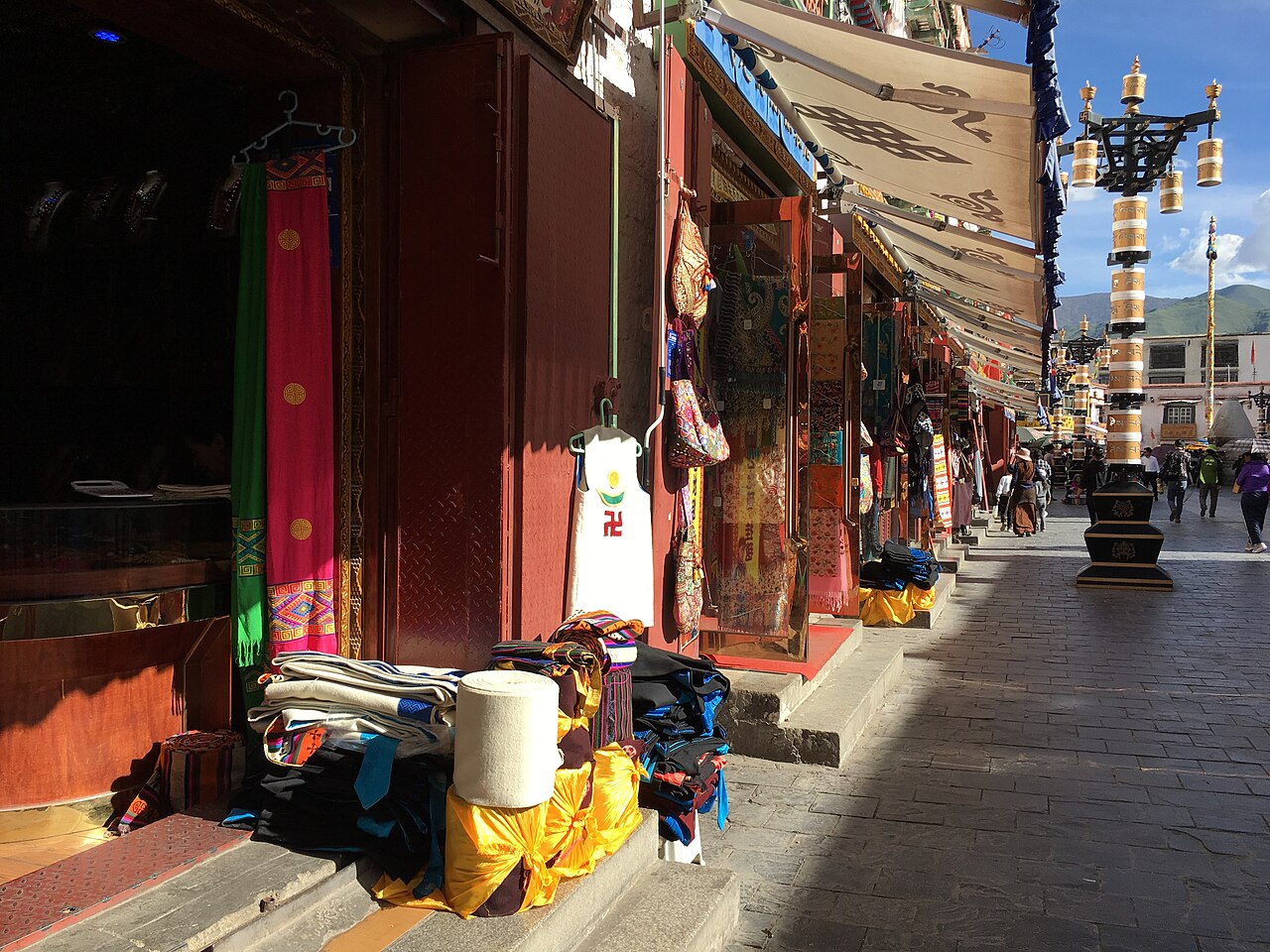
The Barkhor kora at sunrise — clockwise, always, past stalls of turquoise and prayer flags
Butter lamps burning in a darkened chapel of the Jokhang, a thousand years of smoke on the walls

Lhasa is the finish line. Every other day on the road there was a next stop; here there was only the end. I sat on the square for an hour and watched the pilgrims and felt something I don't have a word for.

songuestc, 'Sichuan-Tibet Highway and Everest Base Camp'

My Lhasa afternoon was long and slow and beautiful. I haggled over a stall on the Barkhor and bought a small Tibetan knife and a turquoise ring, then stood in the incense smoke of the temple and bowed like everyone else.

RoseSpirit, 'Snow Land Sunshine, Travelling Tibet Alone'

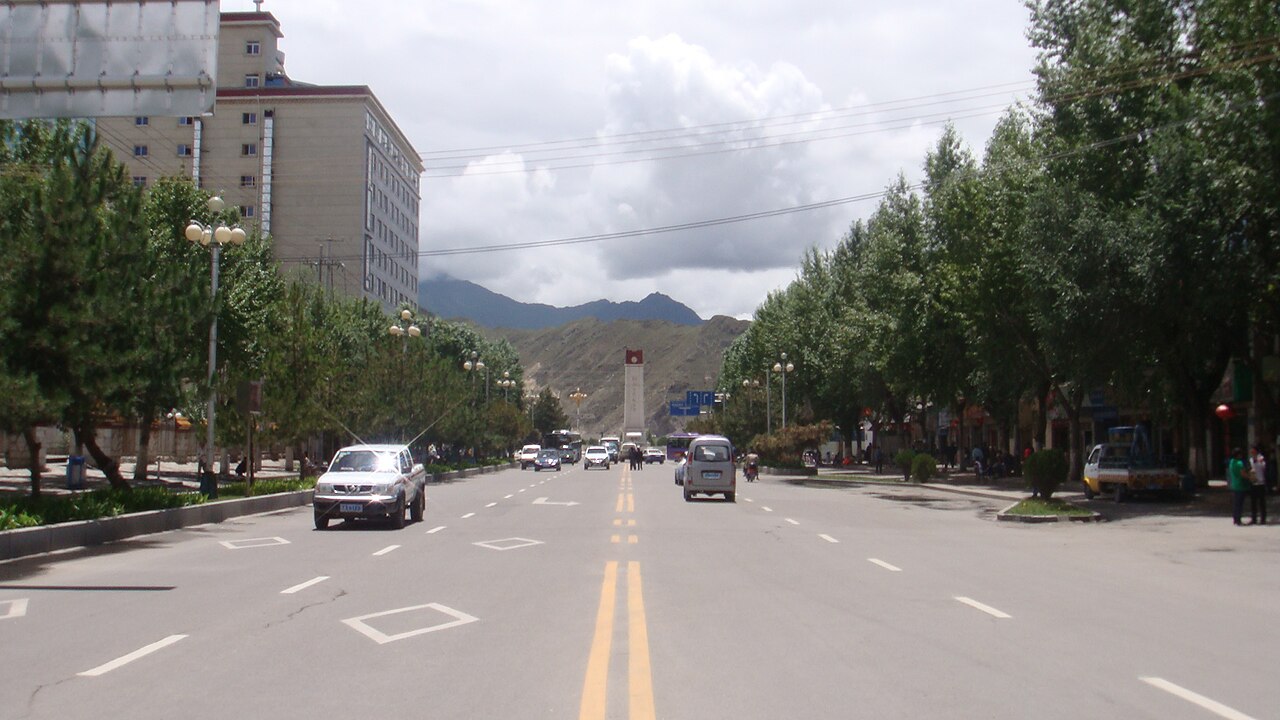
Lhasa sits at 3,700 metres in a valley ringed by bare brown mountains, and the first thing you notice is not the altitude but the light — thin, hard, almost blue-white, the reason Tibetans call it the Sunshine City. Walk into the old town at dawn and you'll fall in with a river of people circling the Jokhang Temple, some spinning hand-held prayer wheels, some dropping to their knees every third step, some just doing their morning laps. Nobody is performing for you.

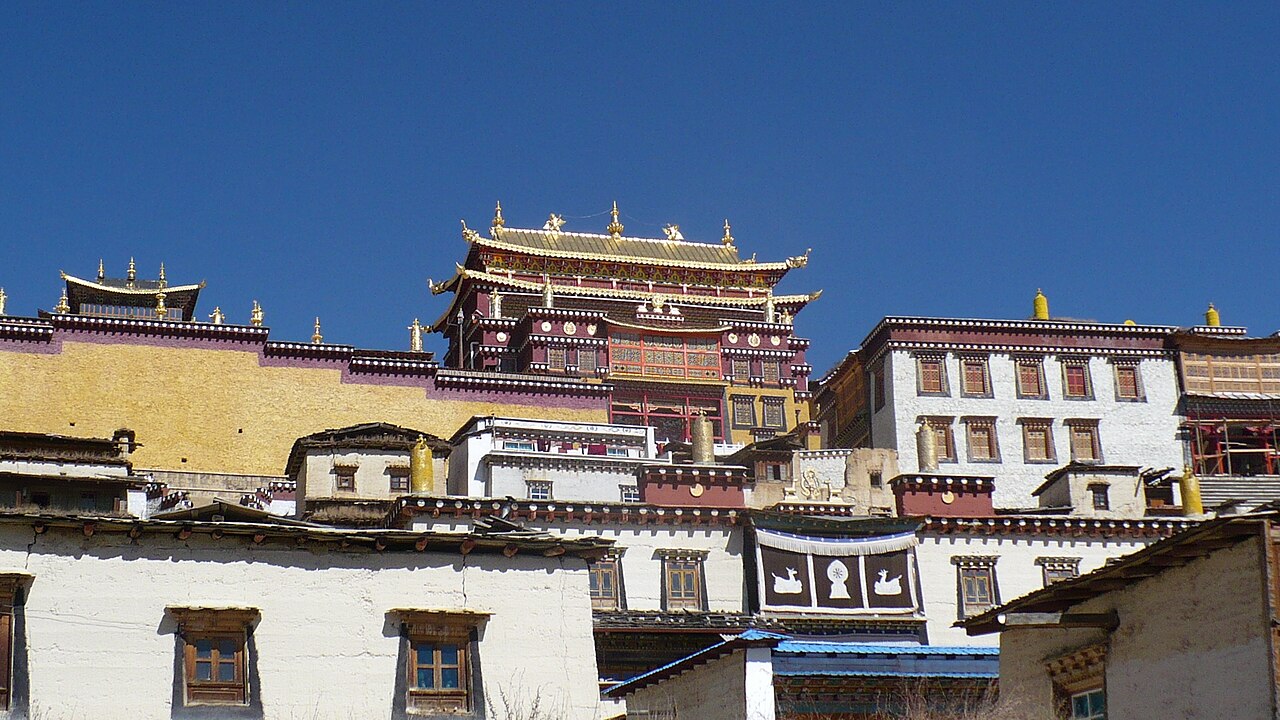
The Potala Palace rises on Red Hill above the city in thirteen storeys of white and red walls, and no photograph prepares you for the scale of it up close. Inside, it is dark, cold and packed with chapels, tombs and gilded statues; your visit is timed to one hour and you will spend half of it shuffling in a queue. It is still worth every minute.

What surprises most visitors is how modern Lhasa has become: banks, supermarkets, a KFC on the main road, and 4G everywhere. But step into a sweet tea house on a side lane, pay three yuan for a glass and sit with Tibetans playing cards and arguing about nothing, and the old city is still entirely there. Give yourself a day to adjust before you do anything ambitious, then let the place set your pace.

Lhasa

Don't leave without

Seven things that are worth rearranging a day for.

  1. Stand in front of the Potala Palace at night, when the whole facade is floodlit and the square fills with dancers
  2. Light a butter lamp at the Jokhang for someone you love — a few yuan buys a small one from the stalls outside
  3. Drink sweet tea at Guangming Teahouse, where you leave coins on the table and staff top you up without asking
  4. Join the Barkhor kora at sunrise, walking clockwise with the pilgrims, and let the crowd carry you
  5. Watch the monks debate at Sera Monastery around 3pm — a wall of clapping hands and rising voices
  6. Catch the Potala's reflection in the pond at Dragon King Pool (CNY 3) on a still morning

Highlights

Five things that make Lhasa unlike anywhere else

Stand before the Potala Palace and

The 1,300-year-old palace climbs the red hill of Maburi like a white-and-crimson cliff, and every pilgrim's palms in Tibet point toward it. This is the single image that pulls people onto the train in the first place, and it earns the hype — especially lit up at night from the square below.
Haggle your way around Barkhor Str

The kora circuit around Jokhang Temple doubles as Lhasa's best market: prayer wheels, turquoise, Tibetan knives, incense, fake antiques. Vendors open high, so start at about a third of the asking price and work up — and buy your genuine Tibetan medicine somewhere official, not here.
Light a butter lamp at Jokhang Tem

This 1,300-year-old temple is the holiest in Tibet, packed from dawn with prostrating pilgrims and the smell of yak-butter lamps. Entry is CNY 70 in peak season (Apr 21–Oct 19) and CNY 35 off-season; lines are longest mid-morning, so come at 7am opening or after 3pm.

Ride the Qinghai–Tibet Railway in

The world's highest railway climbs gradually from Xining or Golmud, letting your body acclimatise as the scenery rolls past — snow peaks, empty grassland, antelope. It's also cheaper than flying and far safer than acclimatising on a plane.

Watch the monks debate at Sera Mon

Every afternoon around 3pm the monks file into the courtyard and slap their palms together in the famous Buddhist dialectic. Entry is CNY 55; the monastery sits in Lhasa's northern suburbs and closes at 4pm, so time your visit to the debate, not around it.

Itineraries

Two ways to spend three days in Lhasa

Classic Lhasa — palace, temples an

3 days days

A gentle, low-mileage loop that keeps you near 3,700m while your body adjusts. Everything here is reachable by taxi (CNY 10 flat in the city) or on foot.

  1. Day 1

    Arrive, rest, and let the altitude

    Do almost nothing today. Check into a guesthouse in the old town near Barkhor Street, drink sweet tea, and walk the flat kora circuit in the late afternoon when the light turns gold.

    Stops: Barkhor StreetJokhang TempleOld-town guesthouses

  2. Day 2

    Potala Palace in the morning, Sera

    Book your Potala ticket a day ahead in peak season and clear security early — visits are capped at one hour inside. After lunch head north to Sera Monastery for the 3pm monk debates, then climb the back hill for a rooftop view over the whole city.

    Stops: Potala PalaceSera MonasteryPotala Square at night

  3. Day 3

    Drepung, Jokhang and the market

    Taxi out to Drepung Monastery, the largest in Tibetan Buddhism and a sweaty climb up the hillside — wear proper shoes. Come back for Jokhang Temple and an unhurried afternoon of shopping on Barkhor Street.

    Stops: Drepung MonasteryJokhang TempleBarkhor Street

Lhasa plus the holy lakes and Ever

3 days days

An ambitious loop for fit travellers with a private vehicle. Altitude climbs fast — if you feel rough, sleep a second night in Tingri rather than pushing on to base camp.

  1. Day 1

    Lhasa to Yamdrok Lake, Karola Glac

    Drive over the Gangbala pass to Yamdrok Lake, a 4,441m turquoise lake ranked among Tibet's three holiest, then on past the Karola Glacier to Shigatse, Tibet's second city and seat of the Panchen Lamas.

    Stops: Yamdrok LakeKarola GlacierShigatseTashilhunpo Monastery

  2. Day 2

    Shigatse to Tingri and Rongbuk Mon

    Continue via Lhatse toward Tingri, where Everest first appears on the horizon, then on to Rongbuk Monastery at 4,980m — considered the best viewpoint on the mountain.

    Stops: TingriRongbuk MonasteryEverest Base Camp

  3. Day 3

    Nam Co at sunrise, then back to Lh

    Watch the sun come up over Nam Co, the world's highest saltwater lake at 4,718m, then break the drive home with a soak at the Yangbajing geothermal springs. Keep the soak short — hot water at altitude is tiring.

    Stops: Nam CoYangbajing hot springsLhasa

Sights

The Potala, the Jokhang, and the three great monasteries

Potala Palace

Book a day ahead in high season

Potala Palace

The 1,300-year-old palace sits on Red Hill at 3,700 m and is the single image every traveler carries home. You get exactly one hour inside, no hats, no photos in the halls, and you must not step on the door thresholds. In high season (May 1–Oct 31) tickets cost CNY 200 and you queue the day before to reserve, then buy with your slip the next day; low season (Nov 1–Apr 30) it drops to CNY 100 and the queue mostly disappears.

Ticket
CNY 200 high season / CNY 100 low season
Hours
09:00–12:00 and 15:30–16:30
Address
35 Gongqian Lane, Beijing Middle Road, Chengguan District
Getting there
Bus 1, 6, 7, 12, 20, 24, 25

Tip If the altitude is hitting you, cheat: take a taxi to the rear entrance, start at the top and walk down. Bring a jacket — the halls are freezing even in July.

Jokhang Temple

The holiest shrine in Tibet

Jokhang Temple

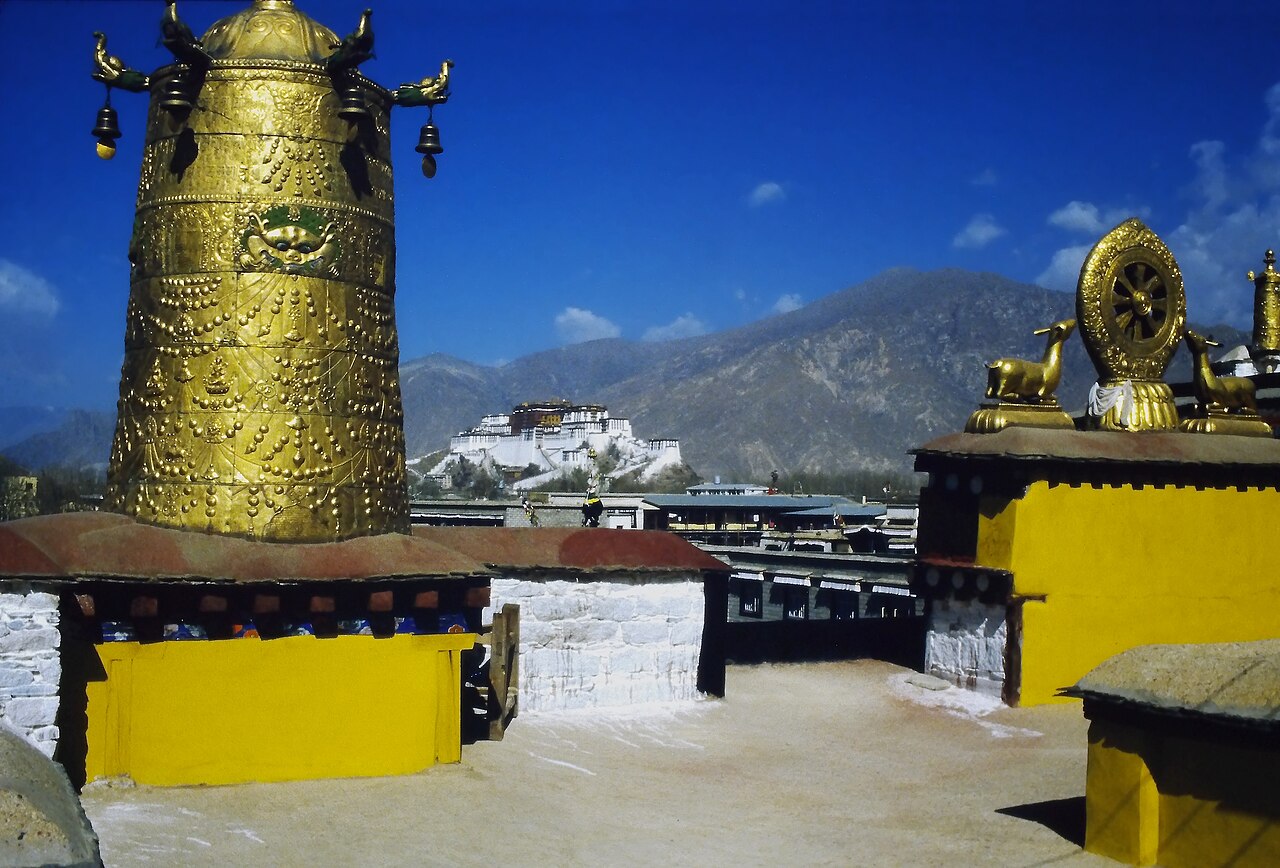
A timber-and-earth temple with a gilded roof that blazes in the afternoon sun, and the reason the whole old town exists. Pilgrims have worn deep grooves into the flagstones out front with full-length prostrations, and thousands of butter lamps burn day and night inside. It is over 1,300 years old and still the spiritual center of the entire Tibetan world.

Ticket
CNY 70 Apr 21–Oct 19 / CNY 35 Oct 20–Apr 20
Hours
07:00–12:00 and 15:00–18:30
Address
Barkhor, Chengguan District
Getting there
Bus 5, 7, 8, 10, 12, 15, 19, 20, 22, 23 — Jokhang stop

Tip Go at 7am with the pilgrims, before the ticket booth even matters, and you will see the temple doing what it is actually for.

Barkhor Street

Free, open all day, always moving

Barkhor Street

The kora — the sacred circuit around the Jokhang — is walked clockwise by an endless river of pilgrims, many doing full prostrations every third step. The same street is also Lhasa's biggest souvenir market, stacked with prayer wheels, turquoise, Nepali silver and yak-bone carvings. It costs nothing to walk it, and it is the single best hour you can spend in the city.

Ticket
Free
Hours
24 hours
Address
Beside the Jokhang, Chengguan District
Getting there
Bus 5, 7, 8, 10, 12, 15, 19, 20, 22, 23

Tip Walk it with the flow, never against it. Vendors will open at roughly a third of the asking price — offer that and hold.

Sera Monastery

The debating monks, 15:00 sharp

Sera Monastery

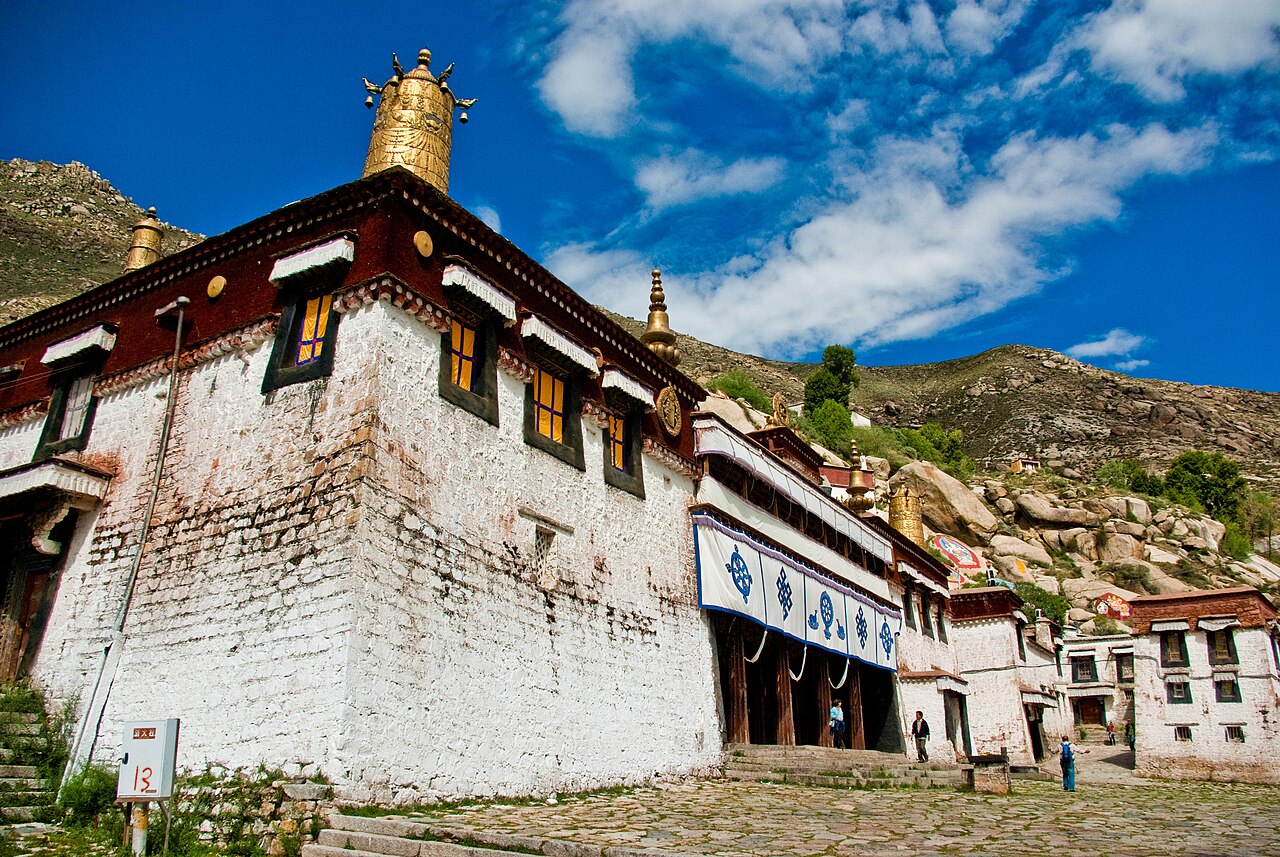
One of Lhasa's three great monasteries, named after the wild roses (sera in Tibetan) that covered the hillside when it was built. The walls of the assembly hall and colleges carry huge painted murals, but everyone comes for the 3pm monk debates — a roaring, hand-clapping, physically theatrical form of Buddhist logic that runs Monday to Saturday.

Ticket
CNY 55
Hours
09:00–16:00, debates start at 15:00
Address
Sera North Road, north Lhasa
Getting there
Bus 16, 24, 25

Tip Stay for the whole debate session, then climb the hill behind the monastery. The view down over the whole Lhasa valley is better than anything you paid for.

Drepung Monastery

The largest monastery in Tibetan Buddhism

Drepung Monastery

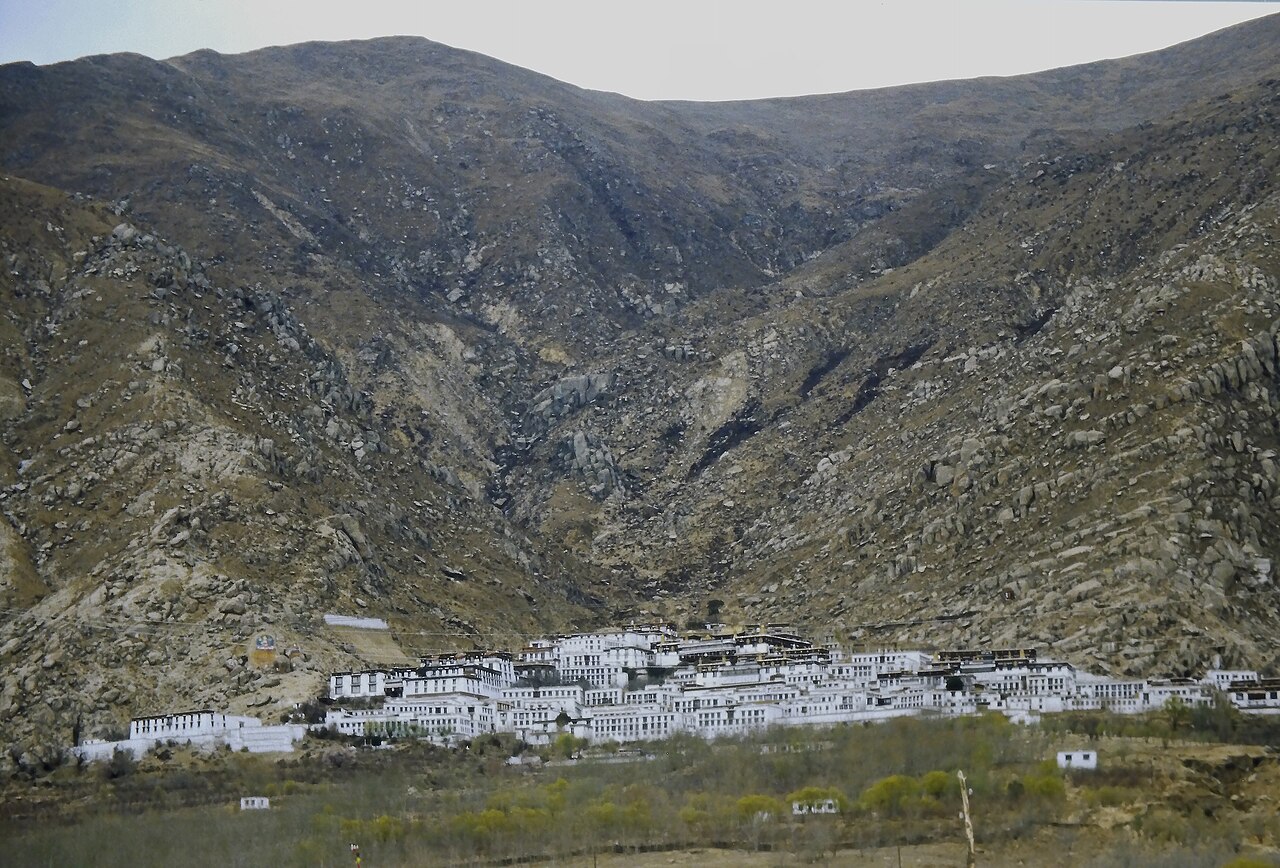
Drepung sits in a fold of Mount Gephel about 8 km out of town and once housed thousands of monks. It holds tens of thousands of cultural relics and scriptures, and the statues and murals across its halls are some of the finest sculpture Tibet ever produced. During the Shoton Festival in the 7th Tibetan month, a giant thangka is unfurled on the hillside here — one of the great spectacles of the Tibetan year.

Ticket
CNY 50
Address
Mount Gephel, about 8 km from Lhasa
Getting there
Bus 4
Best time
Shoton Festival, late August or early September

Tip It is built onto a slope, so wear proper shoes — you will be climbing stairs for two hours straight. Allow half a day.

Ganden Monastery

A 57 km day trip to the mother temple

Ganden Monastery

Founded by Tsongkhapa himself in 1409, Ganden is the ancestral monastery of the Gelug school and sits at 3,800 m on the south bank of the Lhasa River. Two buses leave from the entrance to Jokhang Square between 06:30 and 08:00 each morning and return to Lhasa at 4pm — miss them and you are paying for a taxi.

Ticket
CNY 40
Hours
Open all day
Address
Wangbo Ri, Dazi County
Getting there
Two morning buses from Jokhang Square, return at 16:00

Tip Do the kora around the monastery on the ridge above it — an hour of walking with views over the whole river valley.

Food & drink

Sweet tea, tsampa, and where to eat it

Sweet tea (cha)

Lhasa's century-old signature drink — black tea boiled down with milk and sugar, sweet, rich and about CNY 3 a glass at Guangming Teahouse. Put your money on the table, grab a glass from the sterilizer, and the server will pour and make change himself. Locals sit over one glass for hours playing cards; do the same.

Butter tea

Brick tea churned with yak-butter. Enormously caloric and exactly what your body wants at 3,700 m, though the savory, salty taste takes a day to appreciate. The etiquette: the host fills your cup, you accept it with both hands, sip three times, then drink it down.

Tsampa

Roasted barley or pea flour, mixed with butter tea and rolled into a ball in your palm. Tibet's staple food, sold everywhere by the kilo. Try it once properly made by hand — it tastes like a cross between oatmeal and a dense bread.

Tibetan noodles

The classic breakfast: noodles made from highland barley flour cooked in a rich yak-bone broth, chewy at the core, served with a spoon of chili paste and two meat patties on the side. Finish with a sweet tea and you are set for the day.

Cold yak beef

Yak meat salt-brined, sliced paper-thin and tossed with chili — the local drinking snack, and it goes with highland barley wine. Vacuum-packed versions are sold all over town if you want to take some home.

Yogurt

Sold in reused glass jars from street corners along Beijing East Road and in the alleys off Barkhor for CNY 3 a jar. Stir in white sugar and eat it with a spoon — thick, sharply sour and much better than anything in a supermarket.

Highland barley wine

Called qiang in Tibetan, brewed from the plateau's main grain and served at every festival, wedding and homecoming. Comes in a light version you can drink all evening and a strong version the locals nickname 'plateau maotai'.

Where to eat

Four restaurants worth your evening

Legendary, touristy, unmissable

Makye Ame (玛吉阿米)

The most famous restaurant in Lhasa, said to be where the Sixth Dalai Lama met his lover. Come for the top-floor window seat over Barkhor's circling crowd, the stack of guestbooks you can add to, and the romance of the story — the food itself is a distant second. Expect to wait for a window table in high season.

Cuisine
Tibetan, Western, Indian
Average spend
CNY 65 per person
Address
Southeast corner of Barkhor, opposite the telecom office
Best for
Views over Barkhor and the guestbooks

Sweet tea institution

Guangming Teahouse (光明茶馆)

Duck into the alley opposite the Jokhang, follow the locals in, drop your coins on the table and wait for the server to fill your glass and take what is owed. This is the cheapest and most authentic sweet-tea experience in the city — locals drink, eat noodles, play cards and gossip for hours. Your glass is never empty for long.

Cuisine
Sweet tea, Tibetan noodles, snacks
Average spend
CNY 3 per person
Address
Chengguan District, opposite the Shangbala Hotel, off Beijing Middle Road
Best for
Watching daily Tibetan life unfold

Tibetan and Western

Snowland Restaurant (雪域餐厅)

A big, warm, well-known spot where the Tibetan-Western cooking is taken seriously: generous portions, careful preparation, and a few dishes that divide opinion. Try the potato momos and the minced-meat-with-mashed-potato plate. The room is decorated in full Tibetan style and the staff wear traditional dress.

Cuisine
Tibetan, Western, Indian, Nepali
Average spend
CNY 55 per person
Address
No. 4 Zangyiyuan Road, 1st floor, near the Jokhang
Recommended
Potato momos, minced meat with mashed potato

Indian and Nepali

Namaste Restaurant (娜玛瑟德餐厅)

Above a cinema, minutes from the Jokhang, with a distinctly cross-border menu: excellent Indian curries, Nepali set meals and a very good yogurt cake. The setting is pleasant and the food reliable, though service can be cool — this is the plateau, and warm-and-fuzzy hospitality is not the local style. Go when you want a break from yak.

Cuisine
Indian, Nepali, Tibetan, Western
Average spend
CNY 30 per person
Address
2nd floor, Zhufeng Weiye Building, No. 30 Yutuo Road
Best for
A change from Tibetan food

Where to stay

From CNY 25 bunks to the St. Regis

Best area for first-timers

Barkhor and the old town

The guesthouses and hotels clustered around the Jokhang and Barkhor are where independent travelers base themselves, because everything is walkable, the travel agencies and shared-taxi boards are here, and the teahouses and bars are on your doorstep. Xianzu Island, just south across the river, has a quieter crop of small courtyard guesthouses.

Best for
Walking everywhere, finding travel companions
Room types
Dorms, courtyard rooms, boutique hotels
Price range
CNY 35 dorm bed to CNY 1,530+ suite

The luxury option

Lhasa St. Regis Resort

Spacious rooms and private villas, butler service, a gold-leaf swimming pool, a meditation garden for yoga and Pilates, plus a spa using traditional Tibetan plant therapies that genuinely helps with altitude. The in-house restaurants are a destination in themselves.

Address
22 Jiangsu Road, Lhasa
Price
From CNY 1,530
Phone
0891-6808888

Rooftop view of the Potala

Lubiao Youth Hostel

On Beijing East Road with a 400 sq m rooftop terrace looking over the whole city and the Potala. They run travel advice, outdoor lectures and a notice board thick with shared-vehicle offers — this is where backpackers assemble.

Address
9 Beijing East Road, opposite the Chengguan District Government
Price
From CNY 120
Phone
0891-6344555

A hundred steps from the Jokhang gate

Lhasa Thangka Hotel

Tibetan character with proper hotel comfort, and a rooftop restaurant where you can eat with both the Potala and the Jokhang in your eyeline. Very hard to beat on location at this price.

Address
38 Yutuo Road, Chengguan District
Price
From CNY 326
Phone
0891-6308866

Quiet courtyard, good advice

CMOS Guesthouse

A standalone two-story Tibetan building with a 350 sq m courtyard, chairs and round tables for sunbathing and coffee, and a rooftop view of the Potala. The owner has serious backpacking experience and will happily plan your next week for you.

Address
442 Qumi Road, Lhasa
Price
From CNY 35 per bed
Phone
18689113721

The busiest hostel in Lhasa

Dongcuo International Youth Hostel

The backpacker nerve center of the city, minutes from Barkhor and the Jokhang, with a notice board covered in shared-trip invitations. Rooms are worn, service is indifferent, beds are chaotically managed — and it still sells out every night in high season, so queue at reception early for checkouts if you want a bed.

Address
10 Beijing East Road, opposite the Chengguan District Government
Price
From CNY 45 per bed, CNY 270 standard room
Phone
0891-6273388 ext. 8888

A 300-year-old merchant compound

Bangdacang Courtyard

On Barkhor South Street, one street back from the Jokhang: open the window and you look down on pilgrims; close the door behind you and you are in three centuries of quiet. The compound was the residence of a Tibetan army commander, later sold to the Bangda family, once the largest trading house in Tibet.

Address
Lane 1, Raosai, Barkhor South Street
Price
From CNY 65 dorm, CNY 480 standard room
Phone
0891-6339576

Getting around

Air, rail, and the CNY 10 taxi rule

By air

Chengdu has four flights a day to Lhasa, and the approach over the Hengduan Mountains is spectacular on a clear day — snow peaks for an hour. Lhasa also flies to Kathmandu; sit on the right side of the plane for the mountain views.

Airport
Gonggar Airport
Bus to city
CNY 25, about 1 hour
Bus from city
Civil Aviation ticket office east of the Potala
Private transfer
CNY 100–200 by chartered car

By train

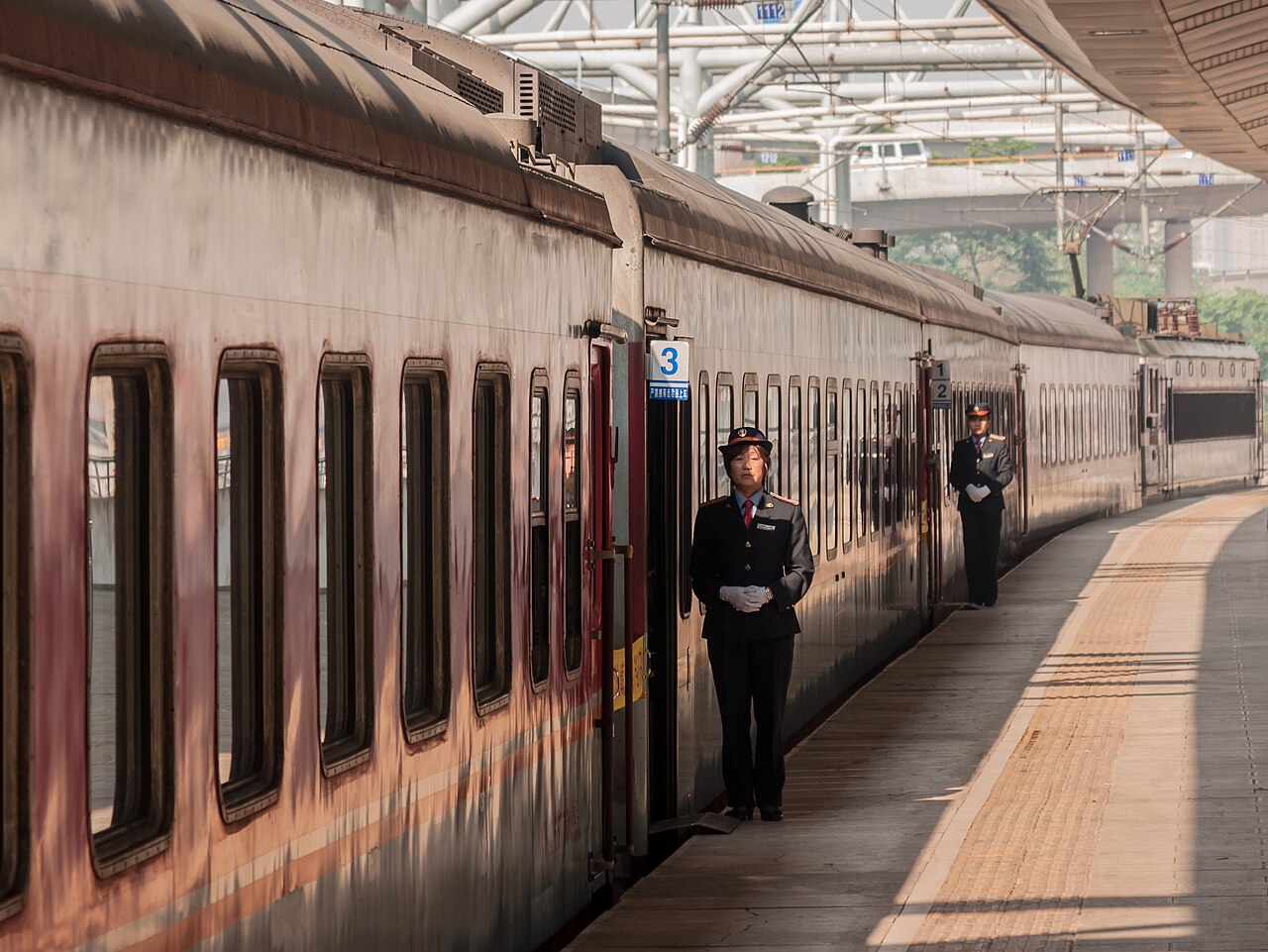
Cheaper than flying and far safer than the road, and the slow climb across the plateau helps your body acclimatize. Direct services run from Beijing, Chengdu, Chongqing, Lanzhou, Xining, Shanghai and Guangzhou.

Station to city
Taxi about CNY 20
Bus from station
86, 89, 91 — CNY 1, timed to every train arrival
Bus stop location
East side of the station square, turn right out of the exit

City buses

About a dozen routes across the city at CNY 1 a ride. Bus 106 and 109 reach Norbulingka. Private minibuses run fixed routes at CNY 2 and stop on request — confirm the destination before you get on.

Fare
CNY 1 (bus), CNY 2 (minibus)
Useful for
Norbulingka (106, 109), Potala (1, 6, 7, 12)

Taxis

Plentiful and cheap. Anywhere inside the city is a flat CNY 10 regardless of distance. For Drepung or Sera you are leaving the city boundary, so agree the fare first — CNY 20 each way is normally achievable.

In-city fare
CNY 10 flat
To Sera or Drepung
About CNY 20 one way, agreed in advance

Bicycle and pedicab

Most guesthouses rent bikes for CNY 20–40 a day, which is a lovely way to reach the small old temples around the city or ride down to the Lhasa River and the Lhalu wetlands. Pedicabs are everywhere and cost under CNY 10 in the city — useful when you cannot flag a taxi.

Bike rental
CNY 20–40 per day
Pedicab
Under CNY 10 in the city

Chartered cars and long-distance b

Shared and chartered vehicles are how you reach Namtso and the wider plateau. Guesthouses and hostels keep lists of drivers. Lhasa has four long-distance bus stations: North Suburb (long haul, including Shangri-La in Yunnan), East Suburb (short trips to Mozhugongka, Nyingchi, Ganden and Yamdrok), West Suburb (Shigatse, Shannan, Golmud, Xi'an) and the main Long-Distance Station on Minzu Road.

Charter to Namtso
CNY 1,200–1,800 depending on season and haggling
Shared tour to Namtso
About CNY 150 per person, departing around 07:00
North Suburb station
11 Zhaji Road
East Suburb station
3 Jiangsu East Road, 0891-6340523
West Suburb station
1 Jinzhu Middle Road, 0891-6324469

Shopping

What to buy, and what not to

Prices on Barkhor open around a third of the asking price. For medicine, buy at the factory shops — they do not bargain, but they also do not sell you dyed paper.

Tibetan ornamentsHand-made from turquoise, coral, bone and silver, often in tiny workshops — expensive but genuinely unique. Ask about provenance before you pay.
Saffron (zang honghua)A prized Tibetan medicine used for skin, circulation and general health, but the market is flooded with fakes. Buy only from the Tibetan Medicine Factory or the Lhasa Medicine Factory shops.
Tibetan knivesA traditional craft carried every day by Tibetans. Check that it can be legally transported before you buy — many cannot be flown out.
Beef jerkyThe standard gift: salted, dried, vacuum-packed and easy to carry. The Tibetan Family chain has branches all over town and consistent quality.
Prayer wheels, thangka and carpetsThe serious purchases. Barkhor is the place, but the Nationalities Handicraft Market just off Barkhor has lower prices and better guarantees.
What to skipAnything sold as 'antique' that has been artificially aged, and most 'Tibetan silver', which is usually white copper. Much of the trinket stock is made in Yiwu, not Tibet.

Practical

Altitude, etiquette and the permits foreigners actually need

Souvenir prices on Barkhor start around a third of what you are quoted. For medicine, buy at the factory shops — they do not bargain, but they also do not sell you dyed paper.

Altitude sicknessA normal physiological response, not a crisis. Symptoms — headache, dizziness, exhaustion, insomnia — usually fade as your body adapts. Do not reach for oxygen immediately, do not reach for pills immediately: eat vegetables and fruit, drink water, sleep, and relax. If you have a bad cold in Lhasa, treat it seriously and get to a hospital for fluids or oxygen, because untreated it can turn into pulmonary edema. People with heart, lung or blood-pressure conditions should not come.
Travel permits for foreignersNon-Chinese passport holders — including Taiwanese visitors and overseas Chinese, except Hong Kong and Macao residents holding SAR passports or Home Return Permits — must obtain a Tibet Tourism Bureau permit before entering. Foreign journalists and diplomats cannot enter as tourists. The process: get a Chinese visa (a tourist visa is best), fix your dates and itinerary, then apply about 20 working days ahead; a travel agency can handle it for you.
LanguageMost Tibetans in Lhasa speak Mandarin, and guesthouse and shop staff often manage English, so foreign visitors get by easily. A few words of Tibetan will change how people treat you — and will help enormously when you bargain.
ClothingSpring and autumn need warm layers; the day-night temperature swing is severe. Summer still means long trousers, long sleeves, a windproof jacket and a sweater for the evenings. In every season bring sunglasses, a hat, sunscreen and a lip balm with SPF.
Etiquette in monasteriesWalk clockwise around monasteries, mani stones and stupas (the rare Bon sites go counter-clockwise). Never cross over ritual objects or fire pits, never spin prayer wheels backwards. Inside: no smoking, no touching statues, no flipping through scriptures, no drumming. Keep quiet, sit upright, and never sit on a living Buddha's seat.
Offering and receivingA white khata scarf is the highest greeting — 1.5 to 2 m long, sometimes pale blue or yellow, with the five-colored version reserved for major religious occasions. When butter tea is poured, wait until your host offers it with both hands, then accept it with both hands; when refilling, tip the cup forward with both hands. The custom is three sips to a cup.
Food taboosTraditionally Tibetans do not eat fish, shrimp, chicken or eggs, though many younger people now do. Do not push food on anyone. Never touch another person's head.
Safety and moneyLhasa is safe and locals and monks are friendly to visitors. Watch out for the occasional fake trader who pressures tourists into buying. Ignore cars still displaying the defunct 'Tibet Tourism' sticker — only vehicles with a 藏AL plate are legally licensed tourist cars. Carry small change and sweets: there are many beggars, mostly children and elderly women.

Restaurants

Where to sit down and eat

The famous one, for the room not the food

Makye Ame

Legend says the 6th Dalai Lama met his lover here, and it is now the most written-about restaurant in Lhasa. Get a window seat for the view down over Barkhor and the shelves of guest books full of other people's confessions. What you eat is genuinely beside the point.

Average spend
CNY 65 per person
Address
Southeast corner of Barkhor, opposite the telecom office
Order
Anything — the view is the dish

The local institution

Guangming Teahouse

Down an alley opposite the Jokhang, and unmistakable because of the crowd of Tibetans at the door. Throw your small change on the table, take a glass from the sterilizer, and wait — the tea is around CNY 3 and far better than anything on the mainland. This is where Lhasa actually drinks.

Average spend
CNY 3 per person
Address
Chengguan District, opposite the Shangbala Hotel, Zangyiyuan Road
Order
Sweet tea, Tibetan noodles, a deck of cards

Tibetan-Western and Nepali, near the Jokhang

Namasthe Restaurant

Second floor, very close to the Jokhang, with a menu that runs from Tibetan-Western plates to Indian and Nepali set meals. Big reputation, mixed reviews, prices on the high side — but the location is unbeatable after a morning at the temple.

Average spend
CNY 30 per person
Address
2F, 30 Yutuo Road, Chengguan District
Order
Yogurt cake, Nepali thali

Tibetan-Western, a Lhasa classic

Snowland Restaurant

Famous for its Tibetan-Western cooking, with Indian and Nepali dishes that hold up. Loud reputation, moderate word of mouth, and prices that aren't cheap — but the yak and lamb dishes are well made and generous.

Average spend
CNY 55 per person
Address
1F, 4 Zangyiyuan Road, Chengguan District
Order
Yak steak, Tibetan-style curry

Proper Tibetan food, done carefully

Snow Mountain Nima Tibetan Restaur

A small frontage hiding a colorful Tibetan-decorated room where the staff all wear traditional dress. The beef and lamb dishes are finely made, the portions are big, and the flavors are real — though a few first-timers find Tibetan cooking hard going. The potato momos and minced-meat-and-mashed-potato dishes are the standouts.

Average spend
CNY 75 per person
Address
North Gate East Area, 75 Tuanjie Xincun Road, Chengguan District
Order
Potato momos, minced meat with mashed potato

Background

Why Lhasa looks the way it does

From Songtsen Gampo to the 5th Dal

In the 7th century, Songtsen Gampo, ruler of the Yarlung Valley, moved his capital to Lhasa and built a palace on the hill where the Potala now stands. He also built the Jokhang and Ramoche temples to house the Buddhist statues his wives brought as dowries. For 250 years after the Yarlung empire collapsed, the center of power drifted away to Sakya, Nedong and eventually Shigatse, and Lhasa faded into the background of Tibetan history.

It was the 5th Dalai Lama (1617–1682) who brought it back. With Mongol support he defeated the Shigatse kingdom, moved his capital to Lhasa, and built the Potala Palace on the ruins of Songtsen Gampo's 7th-century structure. The city has been the capital of Tibet since 1642, and most of the historic buildings you will walk past date from this second flowering. The Jokhang was massively expanded in the same period, though some of its wood carvings and door beams do go back to the 7th century.

The light and the altitude

Lhasa sits at 3,700 m on the north side of the Himalaya, in the rain shadow of the range. The air is thin, clean and almost free of dust and moisture, so solar radiation arrives with very little loss — over 3,000 hours of sunshine a year. That is where the name City of Sunlight comes from, and it is why the light here looks different: hard, high-contrast, and absolutely unforgiving of a badly exposed photograph.

The climate is a plateau monsoon, half-arid: no severe cold in winter, no extreme heat in summer, an annual average of 7.4°C, a recorded high of 29.6°C and low of −16.5°C. Rain falls almost entirely between June and September, about 500 mm a year. It is also the reason the whole city eats dinner late and sits outside in the sun until it goes down.

Reading & watching

Three things to absorb before you go

Music

Back to Lhasa — Zheng Jun

Zheng Jun

"Back to Lhasa, back to the Potala… snow mountains, green grass, beautiful lamasery." For a whole generation of Chinese travelers this song is the reason Lhasa went on the list in the first place. Play it on the train as you cross the Tanggula Pass and you will understand exactly why.

Film

Once Upon a Time in Tibet

Feature film

A wartime romance shot at altitudes up to 5,200 m: an American Flying Tigers pilot crashes in a remote corner of Tibet and is rescued by a young Tibetan woman. The plot is secondary — the plateau landscapes and the light are the reason to watch it before you arrive.

Audio

The sound of the kora

Barkhor, any morning

There is no recording that does it justice, but if you want preparation, listen to field recordings of the Barkhor kora — the shuffle of thousands of feet, the low drone of mantras, the click of prayer wheels, the wooden clap of the debating monks at Sera. It is the soundtrack of the city, and it starts before sunrise.

The questions visitors ask us most about Lhasa, answered plainly.

Frequently asked questions

Prices and practical details are reviewed every month by our Beijing team and updated the day a rule changes.

How do I get Potala Palace tickets, and how far ahead do I need to book?

You cannot buy a Potala ticket on the day. In high season you collect a free reservation slip from the west gate the day before (bring your passport), then return the next morning to pay — CNY 200 from May 1 to Oct 31, CNY 100 from Nov 1 to Apr 30. The palace is capped at around 2,300 visitors a day and only lets you inside for one hour, so book through a tour operator or have your hotel do it if you don't want to queue twice.

Will I get altitude sickness in Lhasa, and what should I do about it?

Most people feel something — a headache, poor sleep, breathlessness on stairs — and it usually eases within 24 to 48 hours. Take it easy on day one, drink more water than you think you need, eat fruit and vegetables, don't drink alcohol, and don't reach for oxygen unless you genuinely feel bad. If you arrive with a cold, or you have heart, lung or blood-pressure problems, talk to a doctor before flying in. A severe cold in Lhasa is not a small thing — get to a hospital.

Can foreigners visit Lhasa, and what paperwork do I need?

Yes, but not independently. Non-Chinese passport holders — including overseas Chinese and Taiwanese travellers — need a Tibet Travel Permit issued by the Tibet Tourism Bureau, arranged through a licensed agency, usually 20 working days ahead. You also need a valid Chinese visa, a fixed itinerary, and you must travel with an organised group or a guide. Foreign journalists and diplomats cannot enter Tibet on a tourist visa.

What is the best time of year to visit Lhasa?

April to October is the practical window, with May, June and September the sweet spot — warm days, clear skies, and the Shoton Festival's giant thangka unveiling at Drepung in late summer. July and August are the rainy season and the busiest, so book trains and hotels early. Winter is cold and dry but sunny, cheap, and far quieter; many travellers say it's the best time for photographs of the Potala.

How do I get to Lhasa — fly or take the train?

Flying is faster but a shock to the system: Chengdu has four daily flights and the route crosses the Hengduan Mountains, so sit by a window for the snow peaks. The Qinghai-Tibet Railway climbs gradually and genuinely helps you acclimatise; trains run from Beijing, Shanghai, Guangzhou, Chengdu, Chongqing, Lanzhou and Xining. From Gonggar Airport, the shuttle bus to town is CNY 25 and takes about an hour; from Lhasa Railway Station, a taxi is around CNY 20 or bus routes 86/89/91 cost CNY 1.

How much does a day in Lhasa cost, and what should I budget for food?

A backpacker day runs about CNY 250–350: CNY 35–65 for a hostel bunk, CNY 3 for sweet tea, CNY 20 for a bowl of Tibetan noodles, and CNY 50–80 for entry to one monastery. Mid-range hotels start around CNY 300 and go up to CNY 1,530 and beyond at the St. Regis. Budget about CNY 1,000 per person for four days in the city, not counting the flight or train in.

What should I wear in Lhasa, and what etiquette should I know?

Pack layers no matter the season — Lhasa swings from T-shirt weather at noon to a jacket after dark, and the sun is fierce enough that you'll want sunglasses, a hat and lip balm with SPF. Inside monasteries, remove your hat, never touch statues, scriptures, drums or a monk's prayer beads, don't smoke or photograph where signs forbid it, and never step on a threshold. Walk clockwise around temples, stupas and mani stones, and don't touch anyone's head.

Related reading

Related reading

Visas Do I Need a Visa for China? Requirements, Costs and How to Apply China's entry rules changed more in the last three years than in the previous twenty. Here is exactly who needs a visa, what it costs, how long it takes and which passports now walk straight through. 9 min read Visas China's 240-Hour Visa-Free Transit: Who Qualifies and How It Works Ten days in China with no visa application, no fee and no fingerprints — if you hold the right passport and leave for a third country. Here is the rulebook, port by port. 8 min read Money Paying in China: Alipay, WeChat Pay, Cards and Cash Roughly nine in ten urban payments in China now run through a phone. Set up two apps before you fly, carry a modest cash float, and you will never be stuck at a till. 8 min read Transport China's High-Speed Rail: How to Book, What It Costs, How Fast It Goes The fastest way to cross China is also the most pleasant. Here is how to book a ticket with a foreign passport, what the three classes actually give you, and how to survive a Chinese station at rush hour. 9 min read Planning Best Time to Visit China: Month by Month, Region by Region China is the size of Europe, so 'the best month' depends on where you stand. Here is the month-by-month answer for the north, the Yangtze valley, the south and the plateau. 8 min read Planning What to Pack for China: The Complete 2026 Checklist Twenty thousand steps a day, three climate zones and a phone that has to do everything. This is the list we give our own travellers, minus the things they never used. 7 min read Food Chinese Food Culture: Eight Cuisines, One Table There is no such thing as Chinese food. There is Cantonese, Sichuan, Hunan, Jiangsu, Zhejiang, Fujian, Anhui and Shandong — and knowing which one you are eating changes everything. 8 min read Traditions Chinese Tea Culture: Six Classes, One Pot, Two Fingers Tea in China is not a beverage category, it is a social technology: it fills silences, seals deals and sets the pace of a meal. Here is how to sit down in one and not look lost. 7 min read Traditions Chinese Festivals: The Calendar, the Dates and the Crowds Lunar dates mean the calendar moves every year — and two of the festivals move several hundred million people at once. Plan around them or plan into them, but never by accident. 8 min read Etiquette Chinese Etiquette: What Matters, What Does Not, and Why Most etiquette advice for China is either obvious or wrong. These are the dozen behaviours that actually change how you are treated, and the reasoning behind each. 7 min read

Tell us your dates.
We'll do the rest.

Free itinerary design, a revised plan within one working day, and nothing charged until you approve the final version.

  • Potala Palace is capped at 1 hour per visitor and requires a free reservation slip collected the day before — you buy the real ticket the next morning, and high season (May 1–Oct 31) costs CNY 200.
  • Jokhang Temple opens 07:00–12:00 and 15:00–18:30; pilgrims get in free before 09:00 while tourists pay CNY 70 (Apr 21–Oct 19) or CNY 35 in winter.
  • Sera Monastery's famous monk debates run every afternoon around 15:00 — no extra ticket beyond the CNY 55 entry, and they're the single best free-of-charge spectacle in the city.

No spam. No sales calls. Just a real itinerary from a real person.