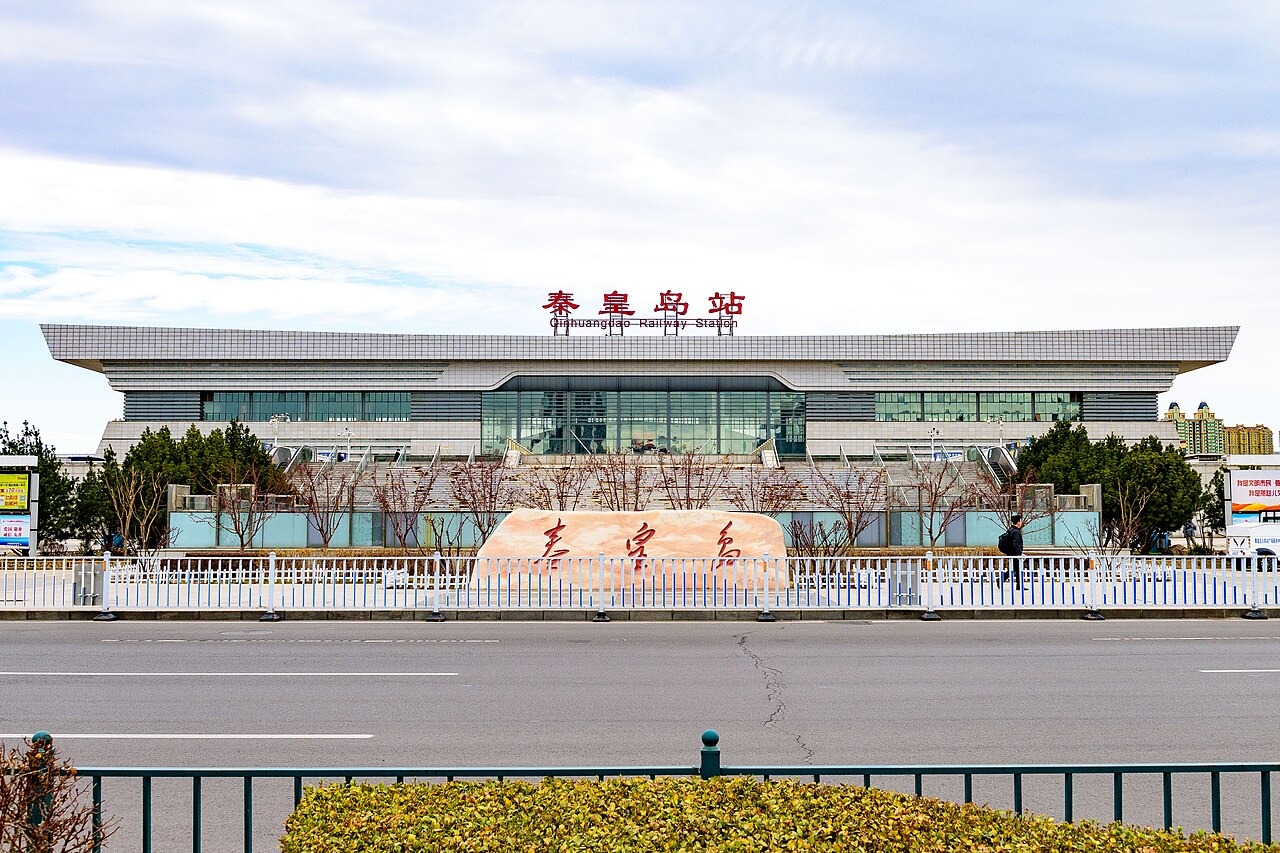
City guide · Hebei

Qinhuangdao travel guide: beaches, vineyards, the sandboarding dunes and how to buy seafood without being short-weighed

126 km of Bohai coast in one municipality — a working port, two famous resorts, and the only desert dunes that meet this sea.

  • Known forWaves · beaches · sunrise · seafood · birds
  • Typical spend¥300–700 over 2–4 days
  • Ideal length2–4 days
  • PaceComfortable — coastal roads, short hops

Reviewed by our Beijing team Updated 2026-10-10

The short version

Qinhuangdao is a port city of 3.1 million holding 126 km of Bohai coast, and it is the frame around Beidaihe and Shanhaiguan rather than a rival to them — those two are its own districts, 17 km and 30 km away. Give it two to four days: the harbour city and the Qin Seeking Immortality headland, the sunrise at Pigeon's Nest, then the Changli Golden Coast for sandboarding at ¥80 and wine tasting at the chateau that ages its red in 20,000 oak barrels.

  • Beidaihe and Shanhaiguan are districts of Qinhuangdao, not separate towns — one municipality covers all three.
  • Four railway stations serve it: Qinhuangdao for Beijing and Tianjin, Shanhaiguan for the northeast, Beidaihe for the resort, Changli for the south coast.
  • The Golden Coast at Changli runs 64.9 km and includes the aptly named Jade Island, where dunes drop straight into the sea.
  • Sandboarding here is one of only two such operations in the world — the other is in Namibia.
  • Nearly everyone is short-weighed somewhere; carry a bottle of water and put it on the scale first to calibrate it.

City guide

First impressions

Photographs from the coast, and what other travellers wrote afterwards.

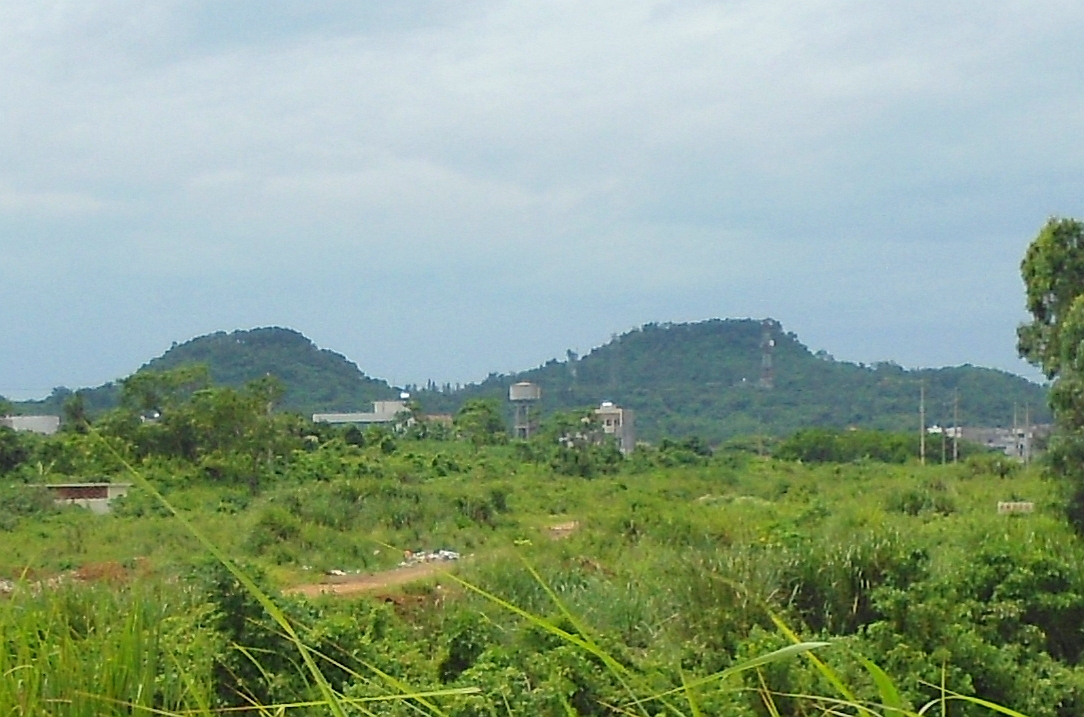
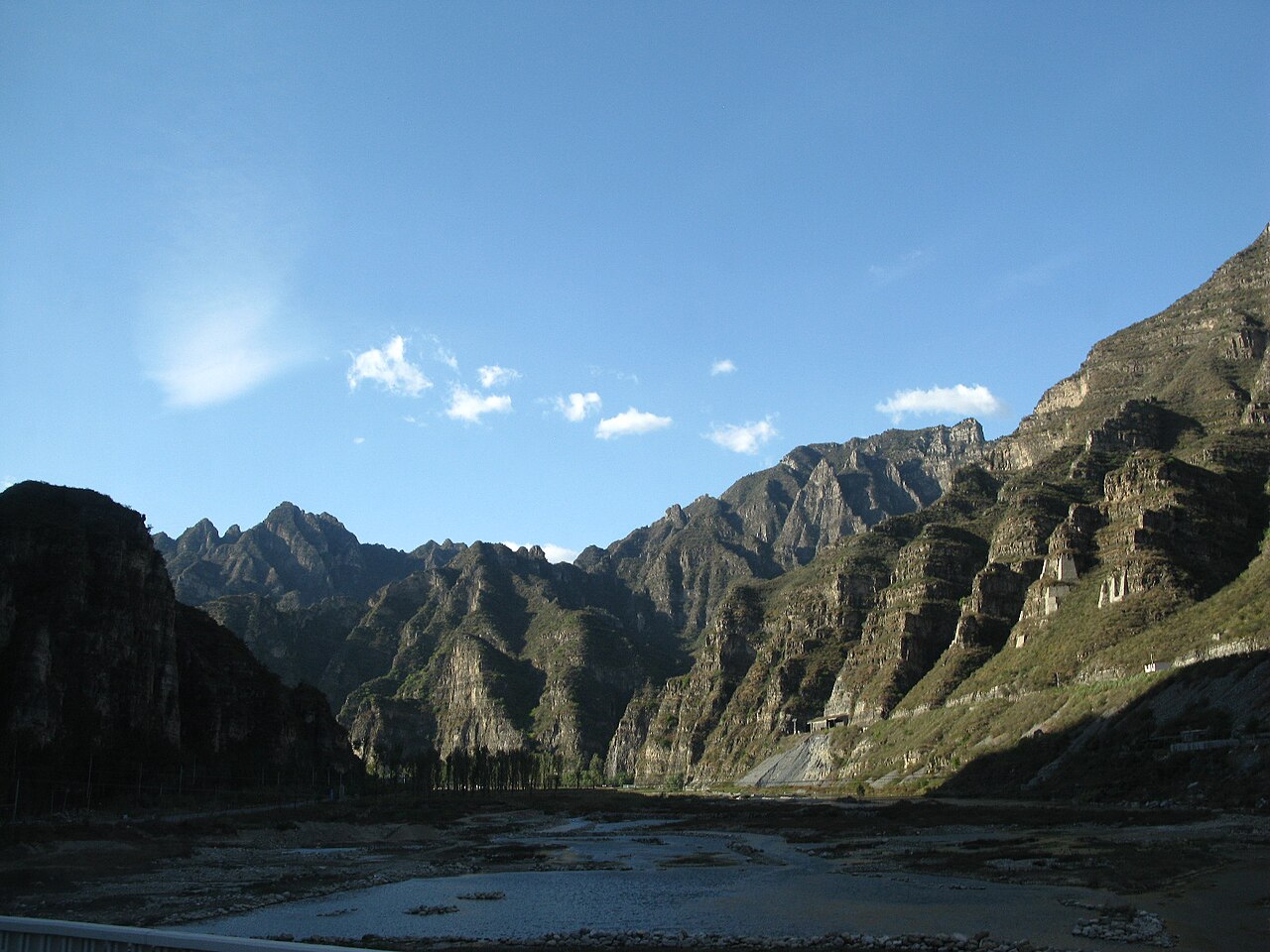
Sunrise at Pigeon's Nest, where the sea-stained cliff faces due east
Sandboarding down a dune on the Changli Golden Coast
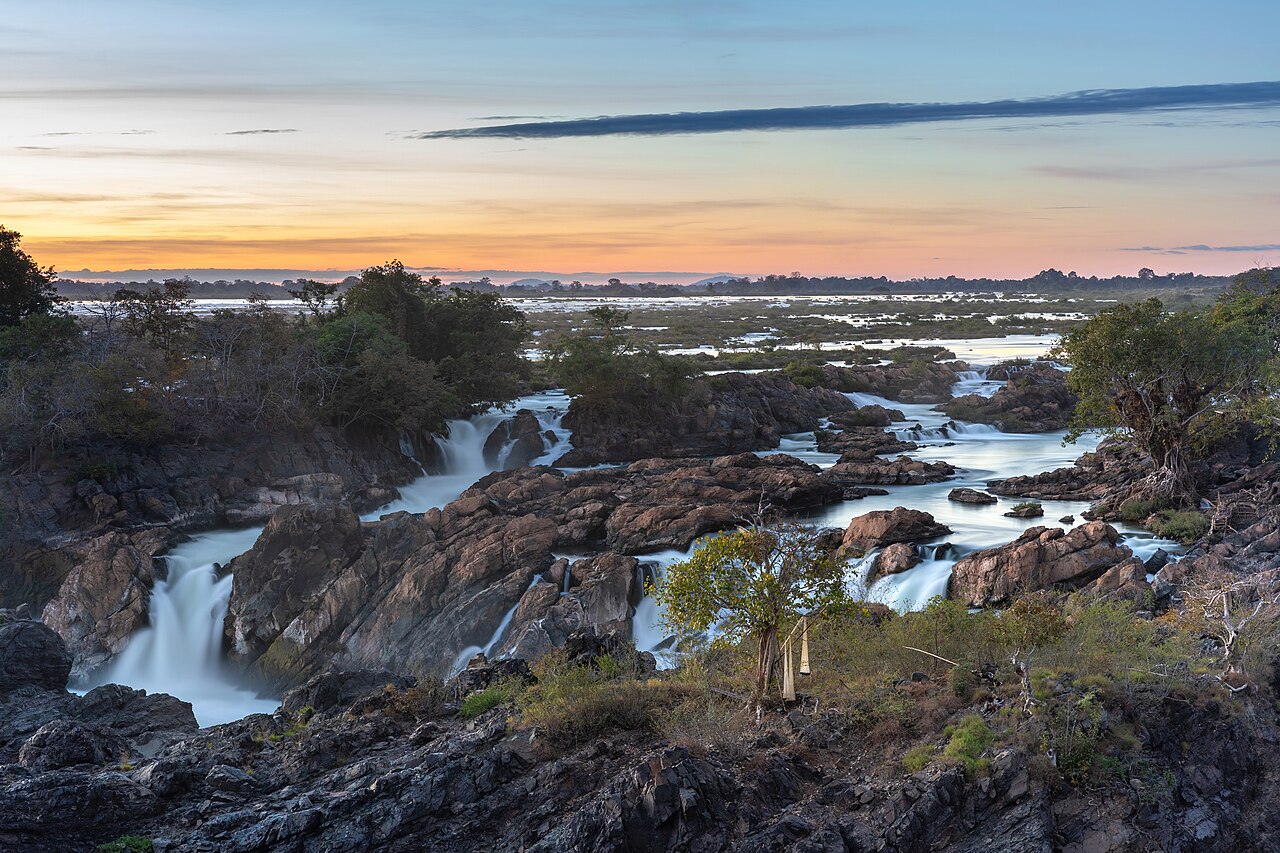
Jade Island, where the dunes run straight into the Bohai
Live seafood at the Shitang Road market, chosen alive and weighed in front of you

Compared with Beijing, this is a small, precise place to live — the traffic gets by without ever needing one of those red lights that always make people twitchy. Slow-paced, wandering down Laolongtou Road. This is what being happy feels like.

Traveller note — 'Shanhaiguan, beauty that crosses legend'

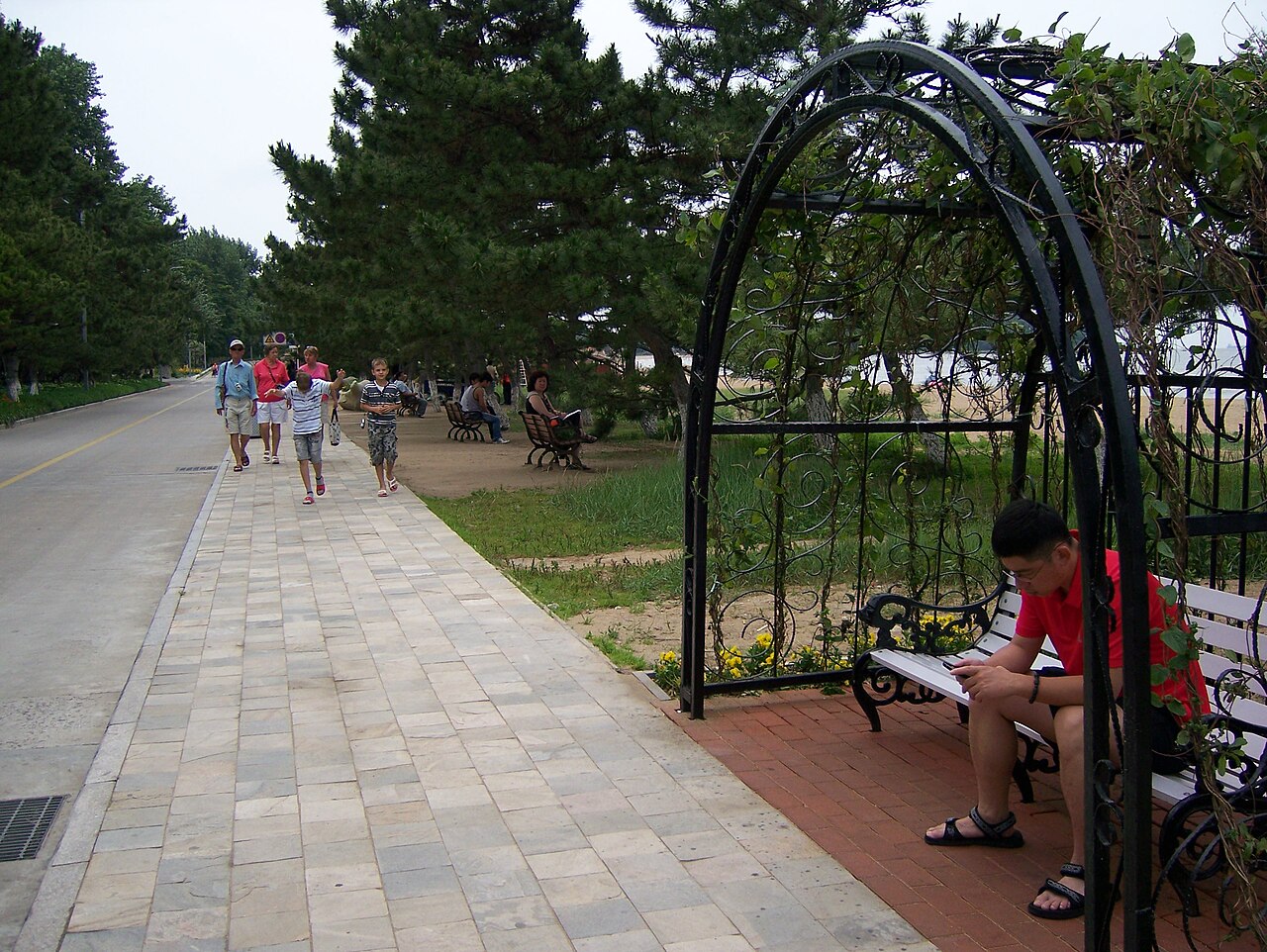
Romantic hearts are always a little damp, so what about a romantic city? Blue sea and gold sand alone might leave something missing. But this forest right next to the blue sea and gold sand is the perfect resting place for the most sentimental kind of person. Gold Bay Forest Park is what makes Qinhuangdao a romantic city.

Traveller note — 'On Qinhuangdao's Gold Bay Forest Park'

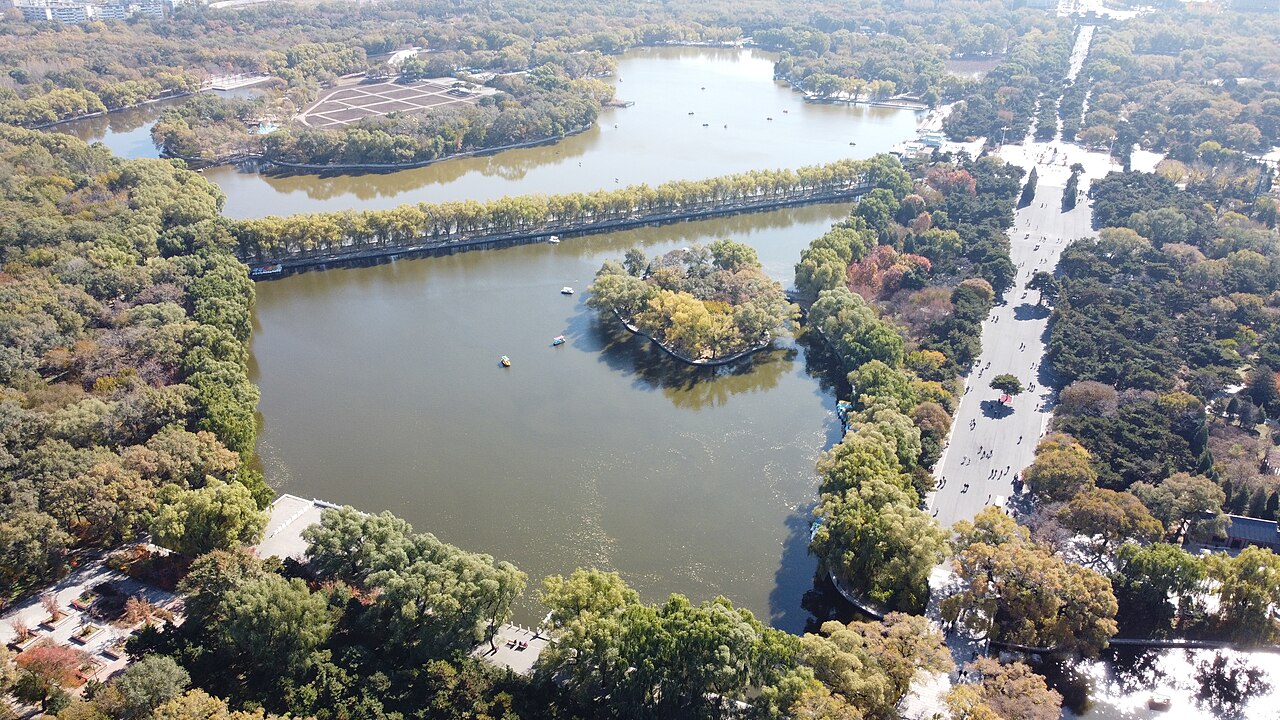
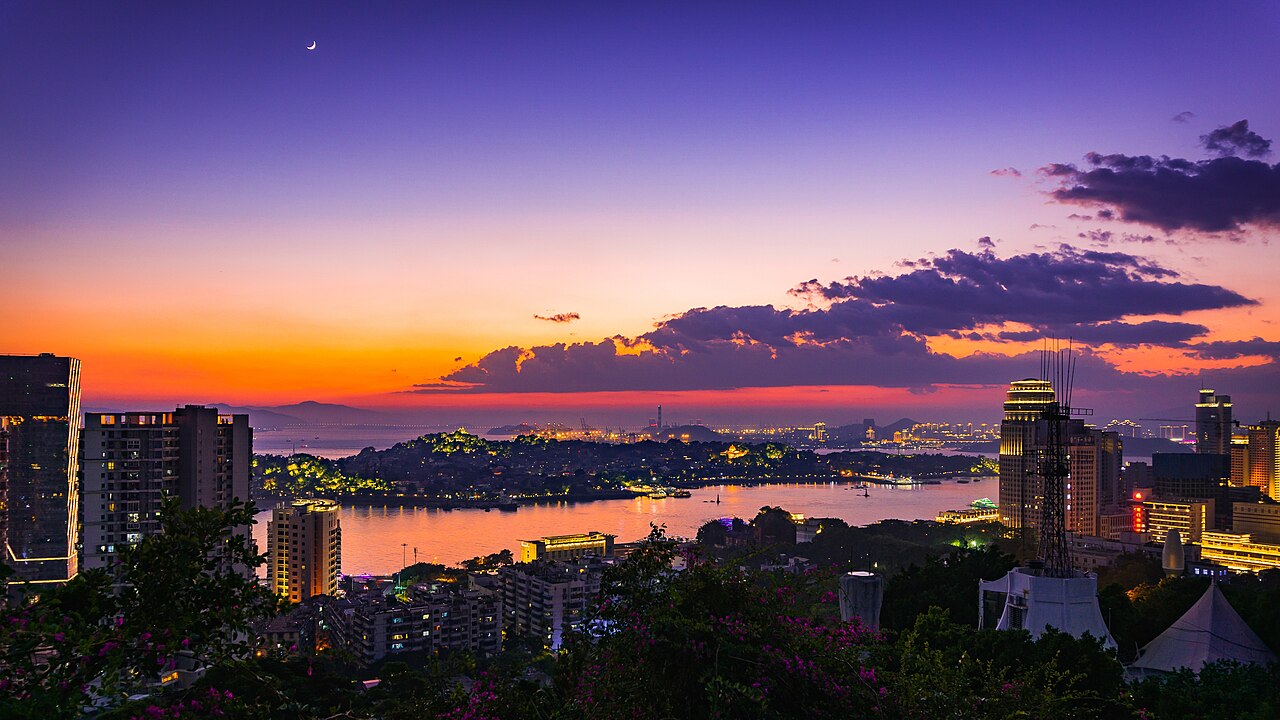
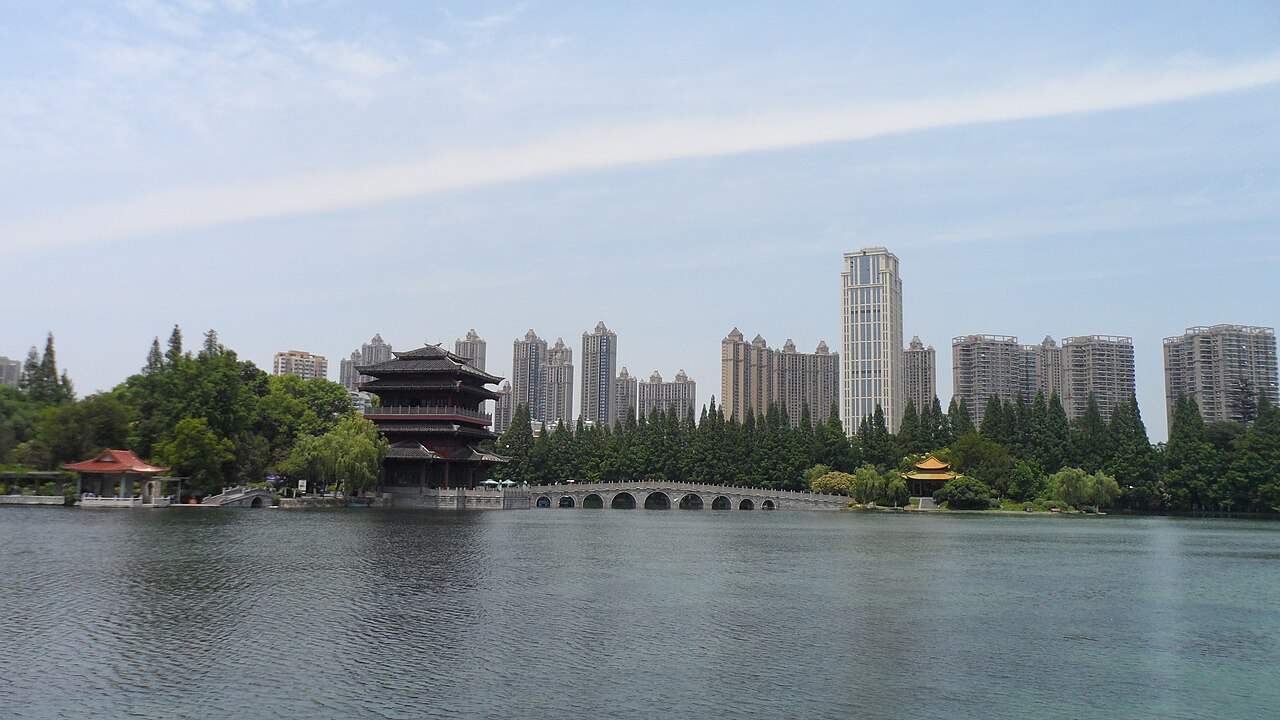
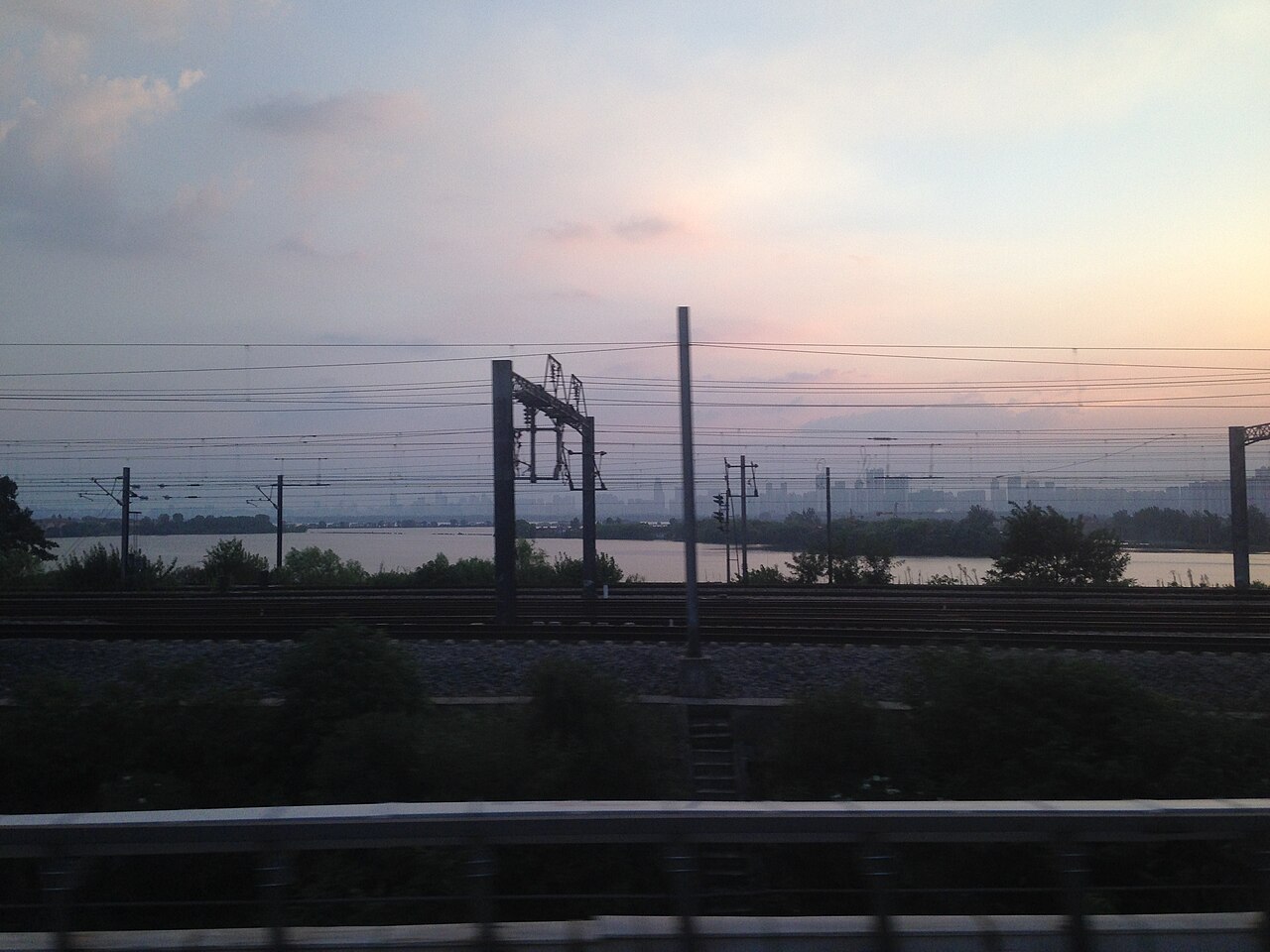
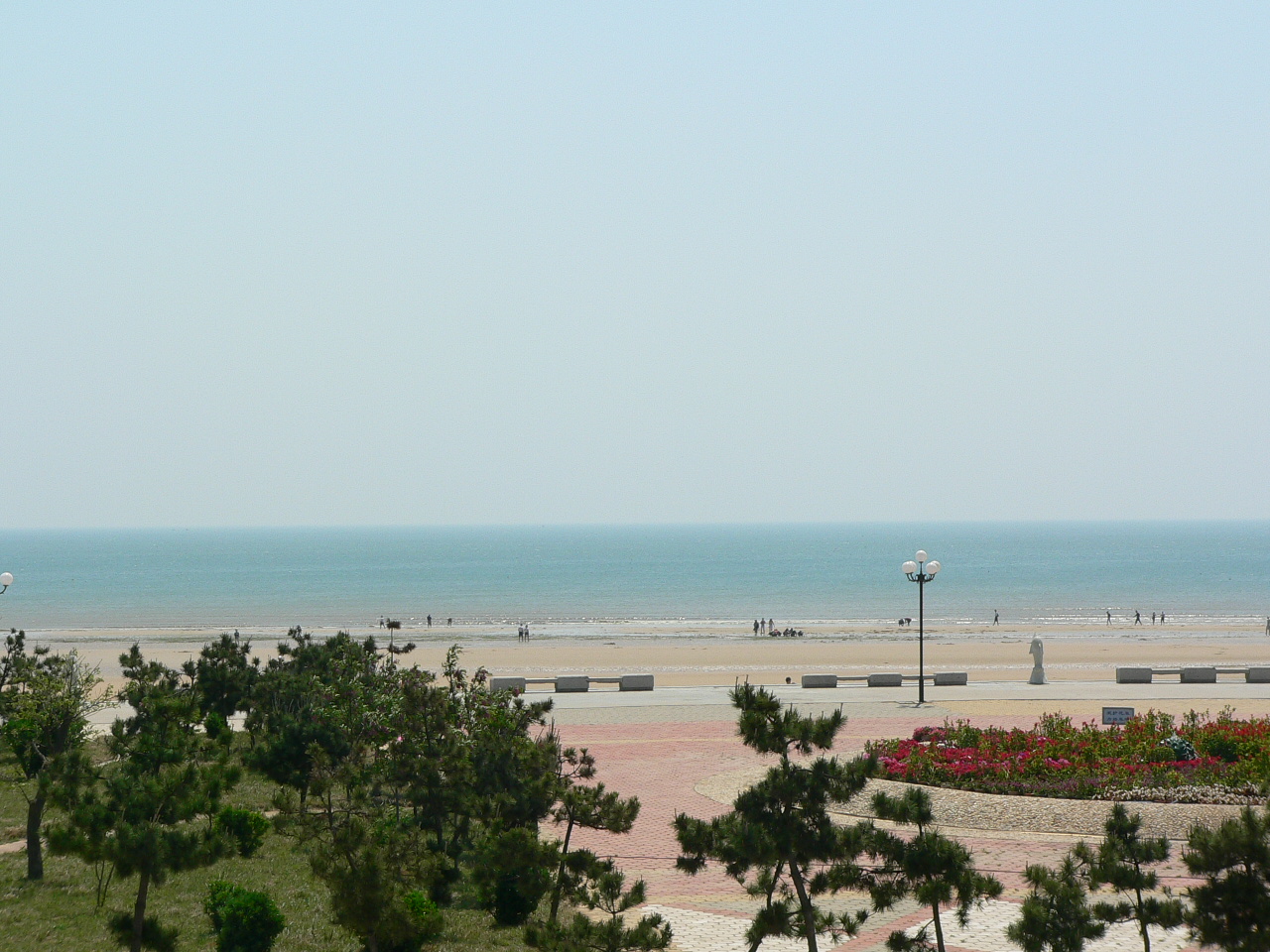
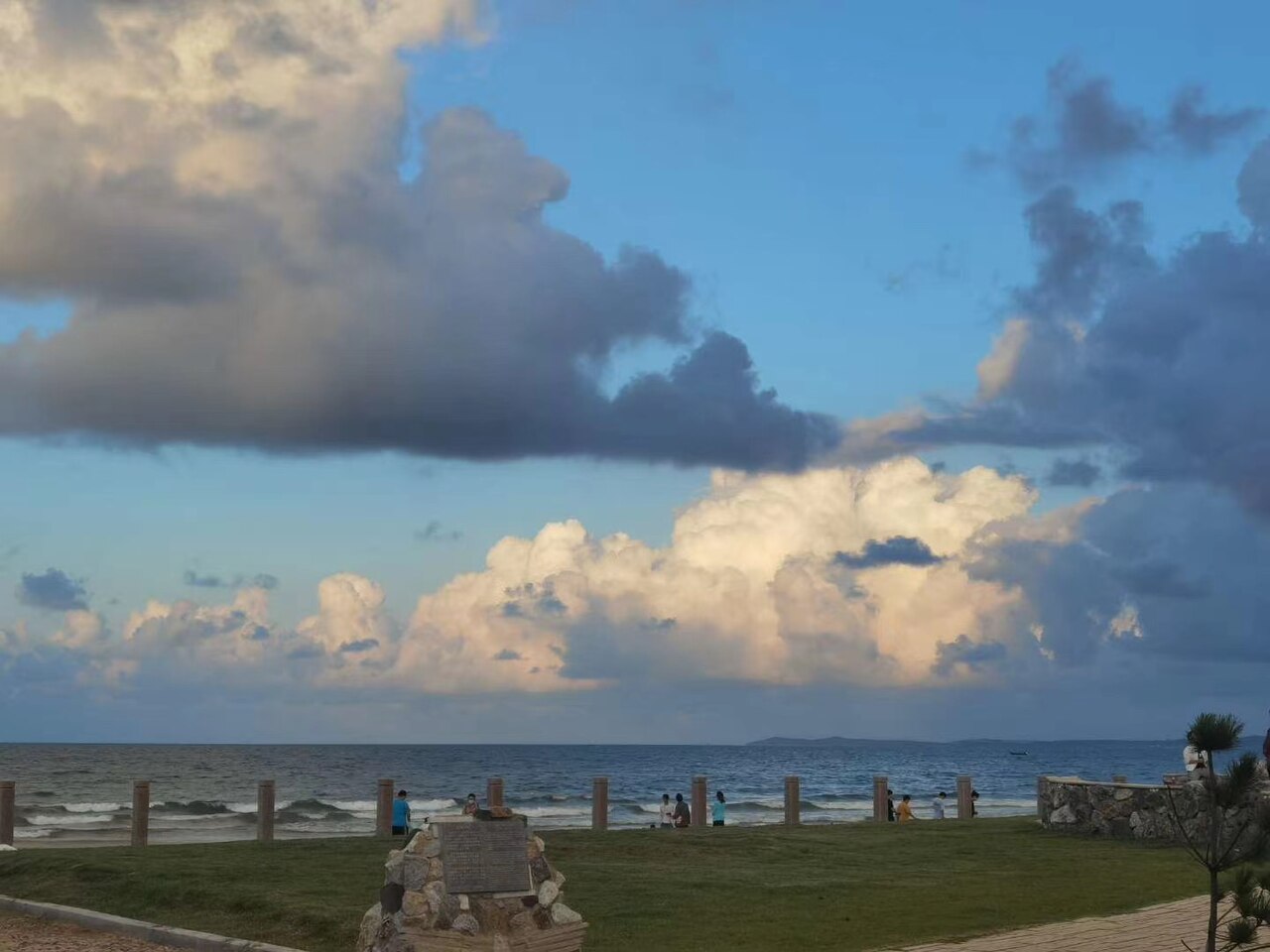
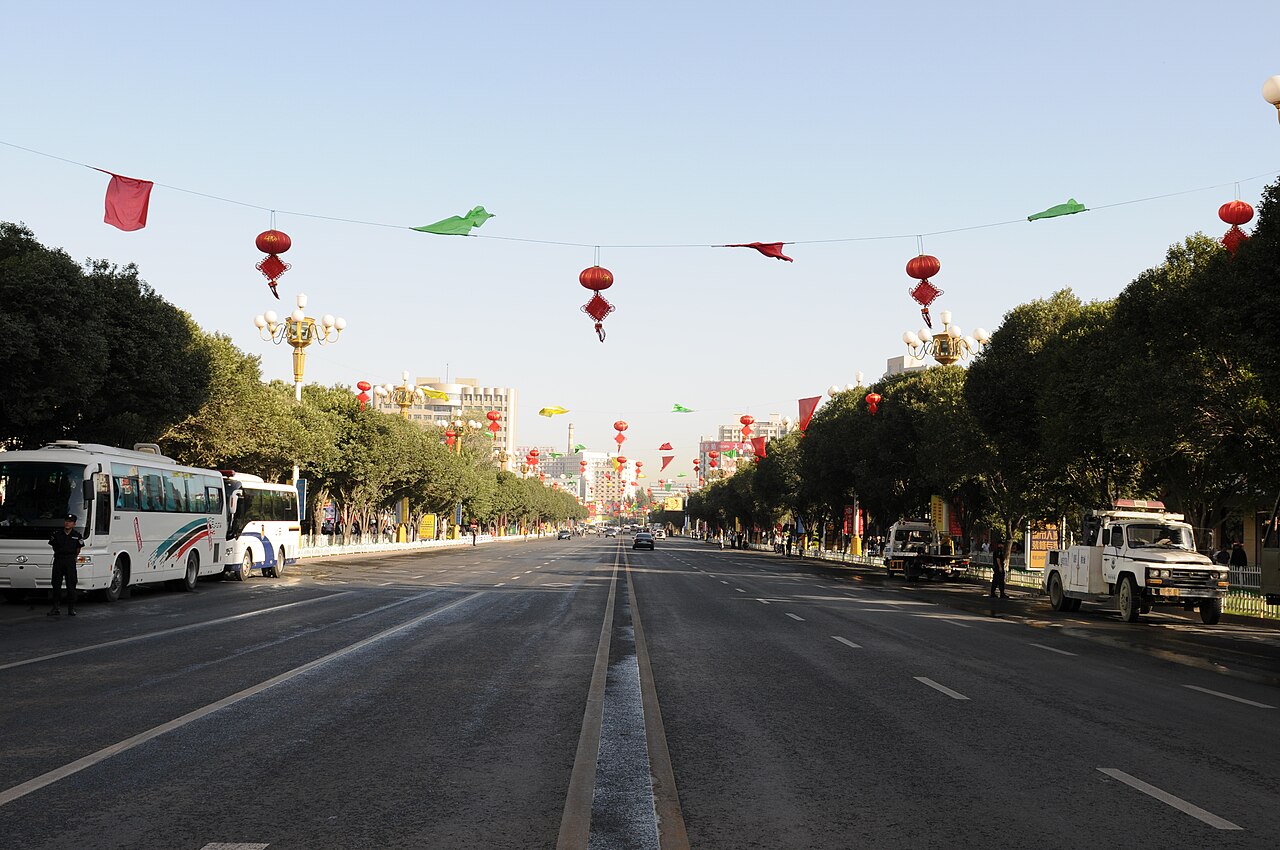
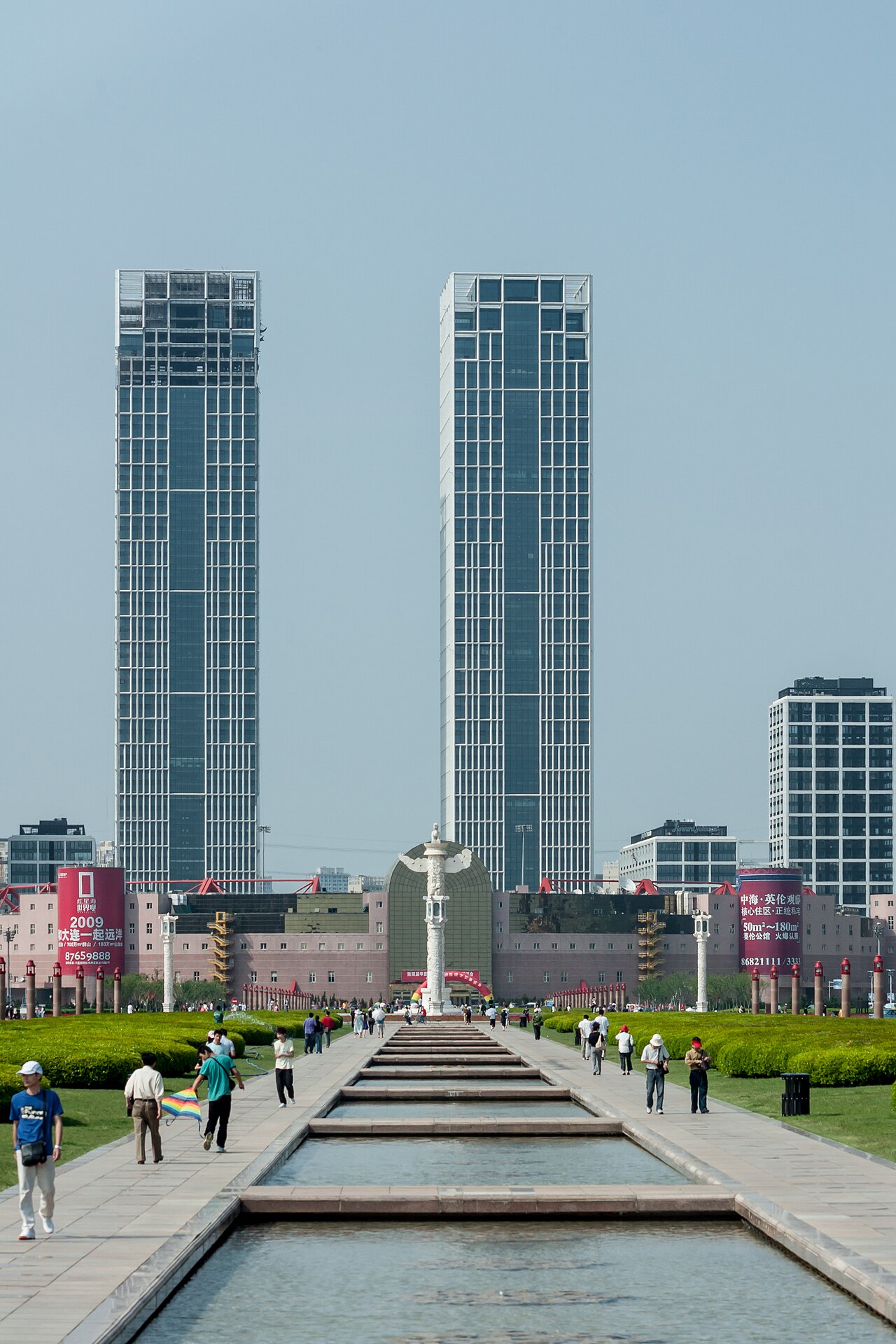
Qinhuangdao is a port city that happens to contain two of the most famous places on China's northern coast. Beidaihe and Shanhaiguan are its districts, and between them sits Haigang — the real working town, with a harbour full of bulk carriers, a university, a long city beach, and an evening pace of its own. Compared with Beijing, this is a small, precise place to live: traffic flows without ever seeming to need a traffic light, and the whole city runs at walking speed.

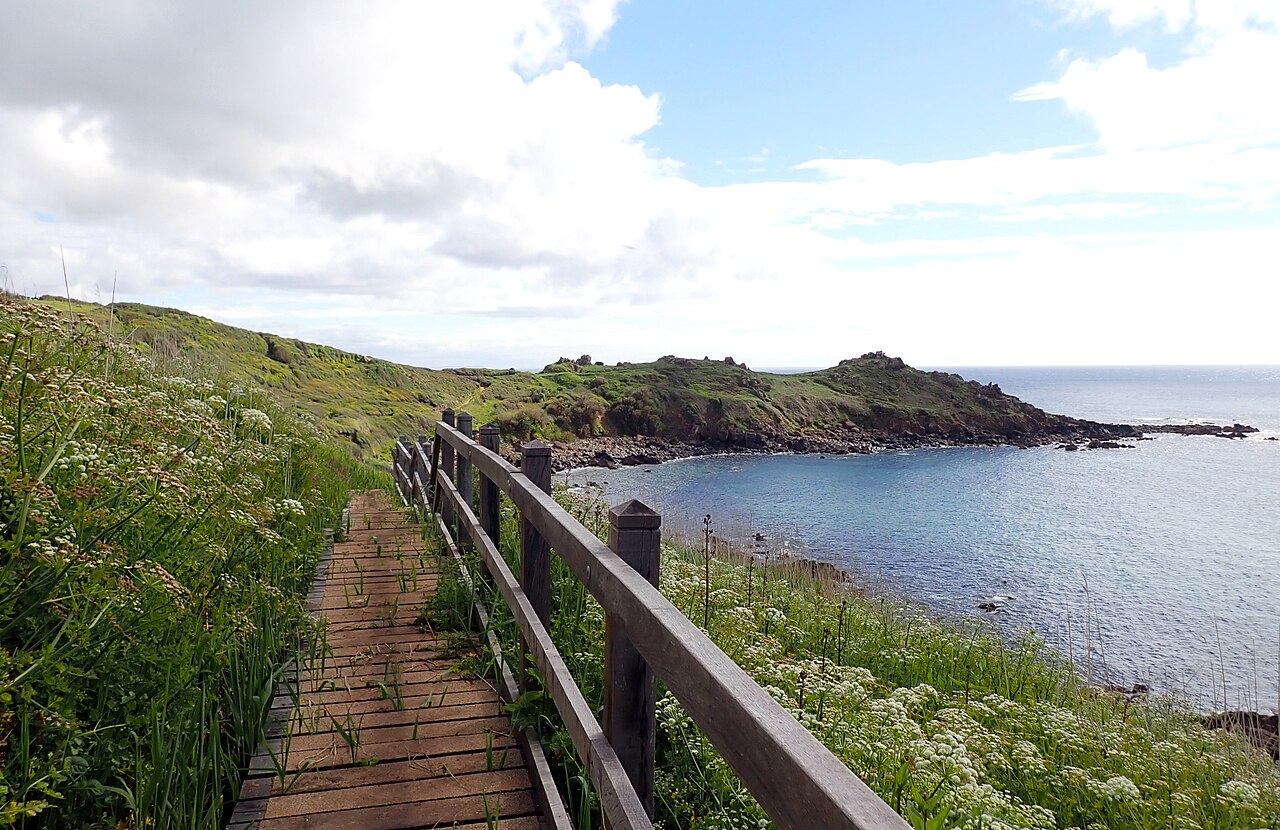
The coast is the story. It runs 126 km from the rocky shore at Shanhaiguan east to the 64.9 km of yellow sand at Changli, picking up resort beaches, the dune system of Jade Island and China's oldest wine region on the way. It is the kind of seaside where a port, a beach holiday and vineyards all sit within an hour's drive of each other, which nobody outside Hebei seems to have noticed.

The city has another identity, and it is older than the port. In 225 BC Qin Shi Huang toured east to this coast and gave the place its name; this is the only city in imperial China to have kept the same name through 340 successive emperors. To the west, Jieshi Mountain is the one Cao Cao climbed in 207 AD to write about the sea. Come for the coast and stay for how cheaply and easily it all works.

Qinhuangdao

Don't leave without

Seven things that are worth rearranging a day for.

  1. Get up for one sunrise at Pigeon's Nest and watch it come out of the water
  2. Strap on a board and slide down a 40-metre dune at the Golden Coast
  3. See the desert meet the sea at Jade Island and sleep in a tent there
  4. Buy live seafood at Shitang Road market and watch it go into the wok
  5. Drink Changli red in the cellar that holds twenty thousand barrels
  6. Go to the Qin Seeking Immortality headland and imagine the flotilla that never came back
  7. Bring binoculars in April or October — this is a serious migration coast

Highlights

What not to miss in Qinhuangdao

Sunrise at Pigeon's Nest

Sunrise at Pigeon's Nest

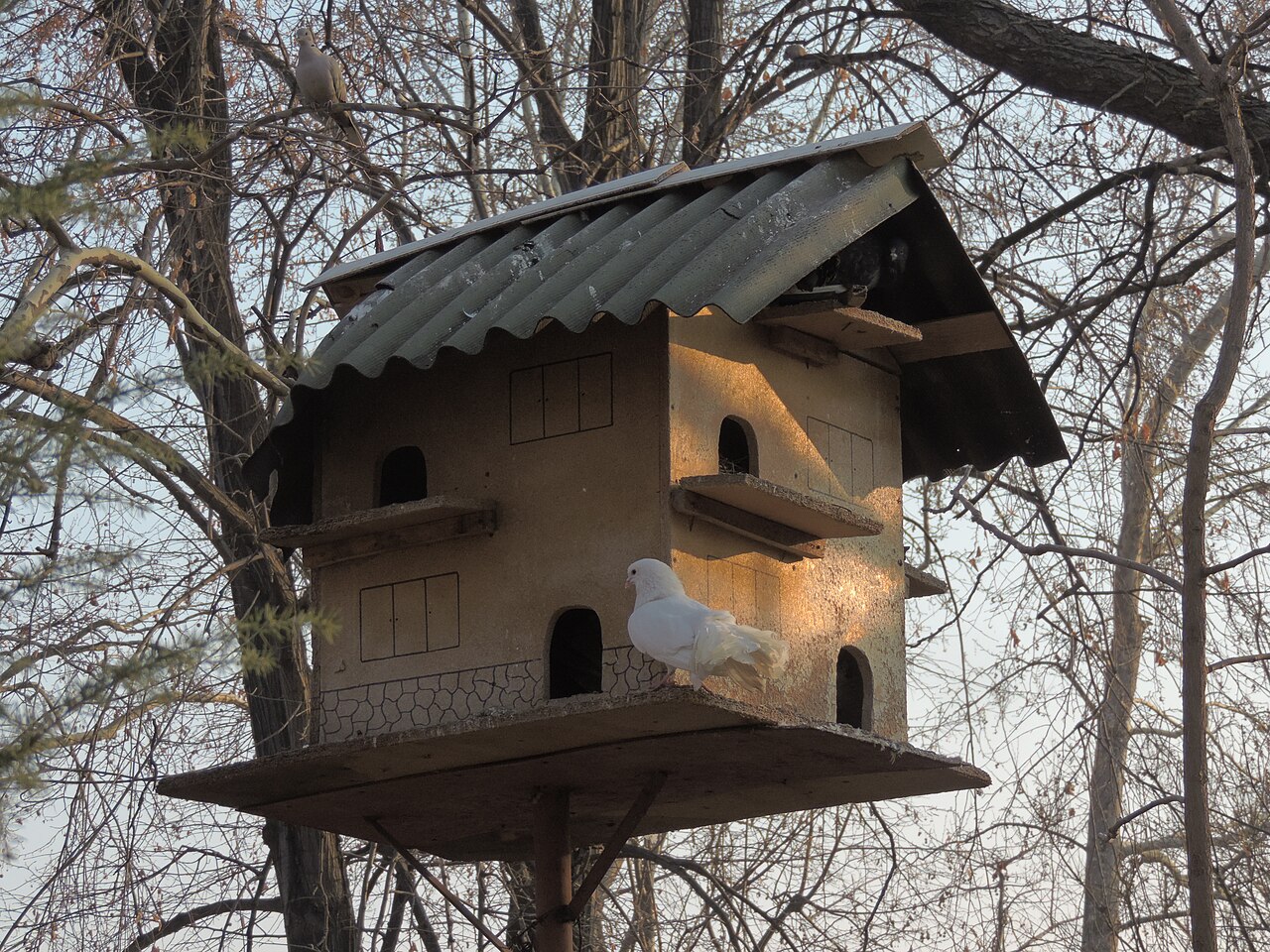
The cliff of Eagle Rock faces due east across open water, making this the classic place to watch the sun lift out of the Bohai — the 'bathing sun' effect is real and worth the alarm. The park opens before dawn in summer and keeps several hundred doves, which land on an outstretched hand.
Sandboarding the dunes

Sandboarding the dunes

Ride the cable car to the top of a sand mountain, sit on a bamboo board and come off a forty-metre slope with nothing between you and the sea. Qinhuangdao runs one of only two sandboarding operations of this kind in the world — the other is in Namibia — and it is genuinely fast.

Where the desert kisses the sea

Where the desert kisses the sea

Jade Island is a peninsula of golden sand walled on three sides by the Bohai and the Qili lagoon, and called the Great Desert East of Beijing for good reason: forty-metre dunes, green woodland and blue water stacked together in one frame. Camp on it if you can.

Seafood bought live and cooked in front of you

Seafood bought live and cooked in front of you

Two markets, one method: choose what is swimming, watch it weighed, then pay someone a few yuan to cook it. Mantis shrimp, swimming crab, clams, scallops and the little iron-plate crab Beidaihe is known for. This is the one meal nobody here skips.

Changli wine country

The coast here is also a wine region, and the flagship estate tours a cellar ageing two hundred thousand hectolitres in more than twenty thousand imported oak barrels. The saying locally is that having been to Huangshan you stop looking at mountains, and having been here you stop asking for wine.

The bird coast

The wooded strip between the mountains and the sea funnels migrants twice a year. Hundreds of species pass through, among them rarities that draw serious birders from Beijing. The wetland boardwalk behind Beidaihe, Lianfeng Hill and Pigeon's Nest are the three reliable spots.

Suggested itineraries

Two days of coast, or three going deeper

Base yourself in Haigang district or Beidaihe and everything else becomes a day trip — the three main districts are 17 to 30 km apart on one bus network.

Seaside break, two days

2 days

The wall and the sea on day one, sunrise and seaside fun on day two. The itinerary most people actually run.

  1. Day 1

    Wall, then bars on the water

    Morning at the First Pass Under Heaven — read the great gate plaque, see Zhendong Tower and the Bell and Drum Tower, then take bus 25 south to Old Dragon Head to watch the wall run into the sea. Climb Chenghai Tower and look in at the Sea God Temple.

    Afternoon at the Meng Jiangnu Temple, then evening at Biluota Bar Park: climb the conch-shaped tower looking across at Qinhuangdao port, and stay for the cabaret on the sea platform.

    Stops: First Pass Under HeavenOld Dragon HeadMeng Jiangnu TempleBiluota Bar Park

  2. Day 2

    Sunrise and the south coast

    Dawn at Pigeon's Nest for the sunrise, then a look at the Olympic Avenue park nearby. Note the granite outcrops here carry Jieshi-type formations hundreds of millions of years old, which is what the 'Lang Tao Sha' poem describes.

    Afternoon at the Nandaihe Golden Coast for sand sliding, grass sliding, the carousel and the full battery of fairground rides — nearly a hundred rides and attractions in one park.

    Stops: Pigeon's Nest ParkOlympic Avenue ParkNandaihe Golden Coast

Deeper three days

3 days

The same coast at half speed, with a market shop, a proper dinner and the dune peninsula added on.

  1. Day 1

    Beidaihe, end to end

    Sunrise at Pigeon's Nest, a full morning at Tiger Rocks, the Olympic Avenue park in the afternoon, then the Shitang Road market before eight for seafood and dry goods. Have it cooked, eat, repeat.

    Evening at Biluota again, this time for the Hebei song-and-dance company's sea-themed show if you are here in July.

    Stops: Pigeon's NestTiger RocksShitang Road marketBiluota

  2. Day 2

    South to Nandaihe

    Spend the day along the Nandaihe Golden Coast: sand sliding, grass sliding, carousel, space ride, spinning chairs, roller coaster — about a hundred attractions, most of them invented here first.

    Late afternoon over to Jade Island: dunes sliding into the sea, a sunset walk along nine kilometres of empty beach, and a night in a hired tent if you planned ahead.

    Stops: Golden CoastJade Island

  3. Day 3

    Wall, then vineyards

    The Great Wall day: the First Pass, its great plaque, the Bell and Drum Tower and the old military headquarters, then bus 25 out to Old Dragon Head, where the wall meets the water at Chenghai Tower and the Sea God Temple.

    Or swap the wall for Changli: the sand-sculpture park in the morning, the Huaxia chateau cellar and grape picking after lunch. Either way you finish somewhere with a good glass in reach.

    Stops: First Pass Under HeavenOld Dragon HeadHuaxia winery

One day without a car

1 days

Everything within bus range: sunrise, breakfast, beach, market, cheap dinner.

  1. Morning

    Sunrise and breakfast

    Taxi to Pigeon's Nest well before first light — the buses do not run early enough. After sunrise, walk or bus to Tiger Rocks for a cheap local breakfast nearby, well away from the seafront prices.

    Stops: Pigeon's NestTiger Rocks

  2. Afternoon and evening

    Beach, then market

    Beach time at Tiger Rocks, then the free Olympic Avenue park in the late afternoon and finally Shitang Road market before the stalls pack up around eight.

    Carry your bag to the guesthouse kitchen and watch it cooked. If you would rather have somebody else cook it, stand in the kitchen and watch anyway — substitutions happen in one distracted minute.

    Stops: Olympic Avenue ParkShitang Road market

Sights

The places worth your time

The famous Great Wall sites sit next door in our Shanhaiguan guide, and the resort beaches are covered in our Beidaihe guide. This list is what the municipality has that neither of those two does.

Legend · In the city

Qin Seeking Immortality site

The headland east of the centre where the First Emperor is supposed to have sent his magicians to sea. In 215 BC, on his fourth eastern tour, he came to Jieshi, had the stone gate inscribed, and dispatched Lu Sheng, Han Zhong, Hou Gong and Shi Sheng across the water for the herb of immortality. None of them came back. The cliffs and the open sea are the draw now; the story is what stops people laughing at the name.

Ticket
Check on arrival — it is a seafront park
Where
Coast east of Haigang district, Qinhuangdao
Getting there
Bus 8 from the city centre
Time needed
1 hour
If you are there in May
The Wanghai Gathering falls on the fifth day of the fifth lunar month, here

Tip Combine it with an evening walk along the harbour promenade in Haigang — that combination is what the city actually is.

Pigeon's Nest Park

Sunrise · The classic view

Pigeon's Nest Park

Also called Eagle Rock Park, after the fracture-formed sea cliff standing off the eastern shore with a rock shaped like a raptor at its top — generations of doves nested in its crevices, hence the name in use now. Mao came here in 1954 and wrote the poem that made this coast famous nationwide, so expect crowds and expect to be moved anyway. A few hundred white doves are kept in the park and will settle on your arm.

Ticket
¥20
Hours
May–Sep 03:00–18:00 · Oct–Apr 08:00–18:00 · duty staff let people in 30 minutes before sunrise
Where
Gechi Road, Dongshan, Beidaihe
Getting there
Bus to Longxing stop, then 820 m east on foot; take a taxi if it is before dawn
Time needed
1–2 hours
Phone
0335-4041774

Tip Our Beidaihe guide has the full detail on this one, including how early to book the taxi. The park opens absurdly early precisely so that people can do this properly.

Beach · The swimming one

Tiger Rocks Marine Park

A comparatively clean beach in the middle of the Beidaihe seafront, scattered with granite boulders of every size and shape that have become the symbol of this stretch of coast. Stand on the rocks and watch the tide come and go, or watch waves break over them and throw up spray like a thousand heaps of snow. There are always children playing and somebody flying a kite, and half the pleasure here is watching people rather than water.

Ticket
¥8
Hours
06:00–22:00
Where
Central Beidaihe seafront, Zhonghaitan
Getting there
Bus to Tiger Rocks or Baihuo Gongsi stop; or to Haibin coach station and walk south
Time needed
Half a day or all of it
Phone
0335-4033301

Tip Parking is the pain: the road by the beach is always full, but there is a proper lot to the west charging ¥20 for unlimited time. Ignore anyone waving you into a space outside their shop.

Amusement · Younger crowd

Nandaihe Golden Coast

The other half of this coast, southwest of Beidaihe and starting 17 km away: the accumulated funfair of Nandaihe, with the International Sand Sliding Centre at its centre and the sea park, Xianluo Island cable car and international entertainment centre around it. The programme runs from sand and grass sliding to a carousel, a space ride, the spin-and-drop, flying chairs and a roller coaster — close to a hundred attractions, many of them first built here.

Ticket
Sand Sliding Centre ¥80 adults, ¥50 children (excludes go-karts and horse riding, no student ticket)
Hours
08:00–16:30
Where
15 Yanhai Road, Golden Coast, Changli county
Getting there
Coach to Changli then a minibus; bus 5 or 22 from Beidaihe station to the 281 Hospital stop then a minibus; about ¥35–40 by taxi
Time needed
Half to a full day
Phone
0335-2081340

Tip Coaches run direct from the Qinhuangdao long-distance station to the Golden Coast for about ¥15, which is by far the least fussy way to get there. Bring cash for the additional rides.

Jade Island (Feicui Dao)

Dunes · Camp here if you can

Jade Island (Feicui Dao)

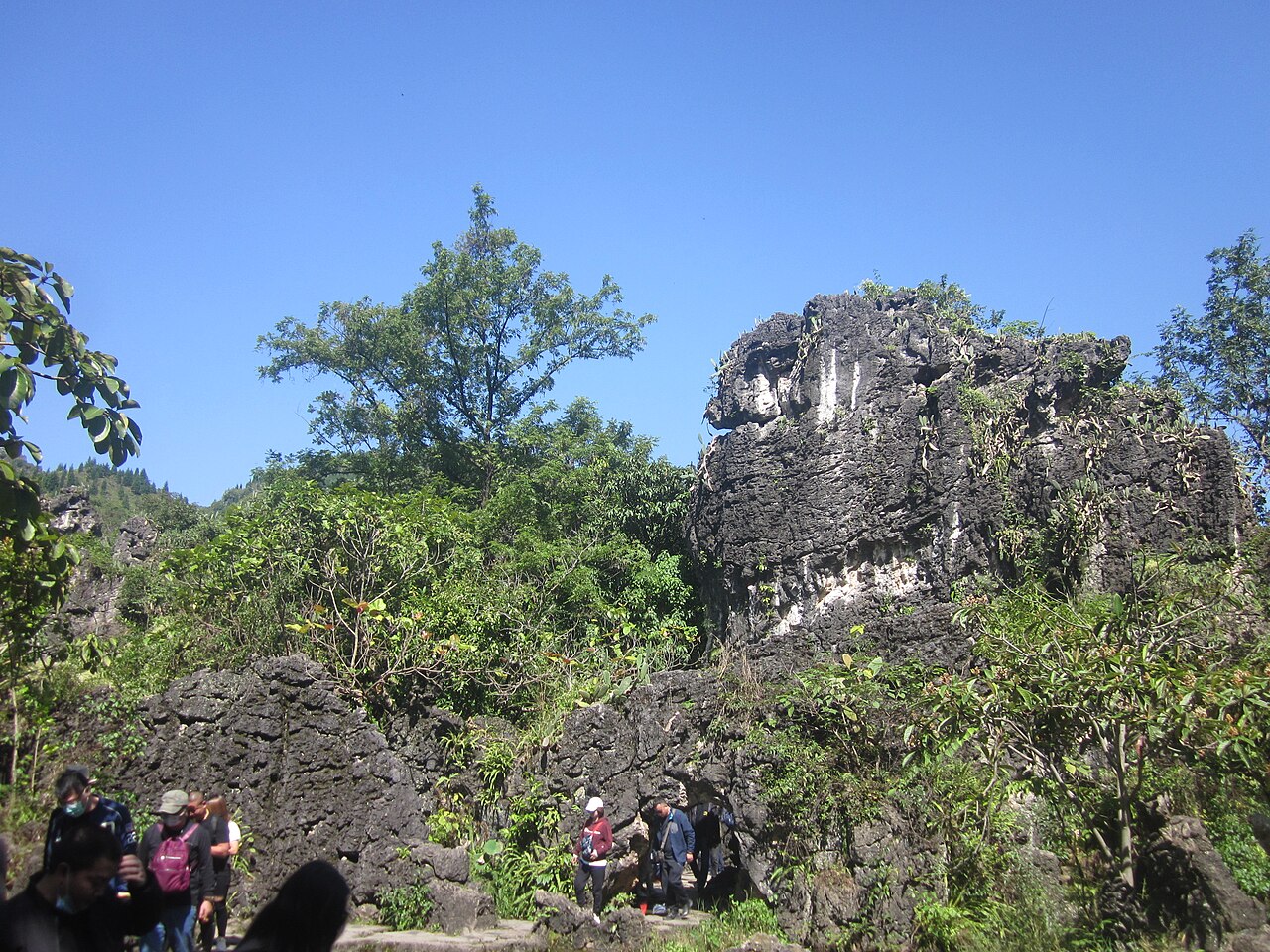
The strangest sight on this coast and the one worth most of your time. A peninsula of fine golden sand surrounded on three sides by the Bohai and the Qili lagoon, carrying dunes tall enough to have earned it the nickname Great Desert East of Beijing: high sand hills, green forest and blue sea composed together in a way that is rare in China and rarer still in the world. It is also a kingdom of birds — over a third of China's bird species have been recorded here, and it is one of the main breeding grounds of the Saunders's gull.

Ticket
¥75 June–September (students ¥55) · ¥55 other months (students ¥35)
Hours
Open all day; activities 08:00–16:00, extended on public holidays
Where
South section of the Golden Coast, Changli county
Getting there
Tourist shuttle from the south gate of Beidaihe, or a taxi on the 17 km run from Beidaihe
Time needed
Half a day to overnight
Phone
0335-2215521

Tip There is no hotel on the island — you camp or you leave. A full double kit (tent, sleeping bag, mat) rents for a few dozen yuan, and the owner will show you how to put it up. Sand is flatter and softer than any mountain; you will sleep well.

Wine · Unexpected here

Huaxia Winery

Part ecological garden, part working estate, built so visitors can watch the whole arc from vineyard to bottle forty-five kilometres out of the city and twenty from the Beijing–Shenyang expressway at Funing. The reason anyone comes is underground: Asia's largest wine cellar, holding upwards of twenty thousand imported oak barrels, which is where the country's top dry red comes from. Tastings are French-inflected, and in season you can go out and pick grapes yourself.

Ticket
¥30
Hours
08:00–17:00
Where
South section of the Golden Coast, Changli county
Getting there
45 km from Qinhuangdao; 20 km from the Beijing–Shenyang expressway at Funing
Time needed
2 hours
Phone
0335-2031799

Tip Pair it with Jade Island for one genuinely varied day: dunes in the morning, oak barrels after lunch. Do not plan to drive afterwards.

Villages · Stay with a family

Grape Valley

Ten kilometres northwest of Changli town, in Xishanchang village, families have been growing vines for over four hundred years in a system that has turned the slopes into what locals call a ten-li grape corridor. It is not a theme park: you stay in a farmhouse, eat what they eat, and walk under the vines. Open May to October, which is also when the fruit is on them.

Ticket
¥20
Hours
08:00–18:00, May–October
Where
Xishanchang village, Shilipu township, Changli county
Getting there
Buses leave for Changli every five minutes, 50–90 minutes, about ¥12; direct buses leave from Changli railway station
Time needed
Half a day or overnight
Phone
0335-2079001

Tip Go instead of to a formal attraction on a hot day — the corridor is shaded, the families are welcoming and it costs a fifth of the fairground.

Free · Odd

Olympic Avenue Park and the Strange Villa

Two cheap or free diversions in Beidaihe. The Olympic park was laid out in 2004 along Olympic Avenue and runs through the history of the games in reliefs, statues, fountains and the hand- and footprints of Chinese champions; there is nothing spectacular about it and that is rather the point — it is free and locals use it. The Strange Villa nearby is a castle-like maze rebuilt on the site of a genuinely odd 1920s American-designed house, with secret passages and sound-and-light tricks that work best at night.

Ticket
Olympic Avenue Park free · Strange Villa ¥15, students ¥12
Hours
Strange Villa 08:00–17:30
Where
Olympic Avenue, Beidaihe; Strange Villa 180 m west of the Lianfeng–Baihua Road junction
Getting there
Bus 34 to Olympic Avenue Park, or bus 21 to Strange Villa
Time needed
45 minutes each

Tip Do the villa after dark when the effects actually register, and treat the park as somewhere to walk off dinner rather than somewhere to visit.

Things to do

Sand, fire smoke and dawn

The coast more or less runs itself in summer. These are the four things people come back talking about.

Sand sliding

The Golden Coast's headline act and one of only two such operations in the world — the other being in Namibia. Take the cable car to the top through rolling sand ridges, sit on a bamboo board, and let go: forty metres down, faster and faster, then coasting another few dozen metres onto the flat. The procedure is strictly managed — collect your board in order, be checked, slide as directed, stand up and clear the run the moment you stop. Shoes on, hat off, body upright and leaning slightly forward, feet braced, hands gripping. Do not walk on the sliding face, do not trail hands or feet in the sand during the descent, and do not stop in the run to take photographs.

Beach barbecue

If you drove, bring a grill. Every beach here has stalls doing it if you did not: skewers, sausages, and above all a small local fish called qingpi zi — long, thin, greenish along the back — which cannot be fried and can only be grilled, and costs almost nothing. Rules worth keeping: insist everything starts raw and grills in front of you; do not char it black; keep raw and cooked plates separate; go easy on cola, which leaches calcium alongside grilled food.

Camping for sunrise

Anywhere along this coast will do, but Jade Island is the recommended one — high dunes facing east, no hotel to speak of, and a rental stall inside the park that will kit you out in a two-person tent, sleeping bag and mat for a few dozen yuan and teach you to pitch it if you have never done it. Unlike camping in the mountains, the sand is flat and soft, and you sleep really well.

Birding the migration

Wooded cover, wetland and a coastal funnel make this one of the great migration corridors in East Asia. The seasons are precise: from June, pond herons, cinnamon bittern, hoopoes and golden orioles breed locally; July brings waves of sandpipers and white-winged black terns skimming the water; August fills the mudflats and estuaries. The best windows, though, are mid-March to late May and early September to mid-November. Standard spots are the Beidaihe wetland, Lianfeng Hill and Pigeon's Nest.

The two festivals

Two fixed dates change the character of the place. The Meng Jiangnu Temple Fair runs from 28 to 30 May at her temple, with snack stalls and local folk arts — ground yangge, comic duets, acrobatics. The Wanghai Gathering, older still, falls on the fifth day of the fifth lunar month at the Qin Seeking Immortality site, when the coast fills with visitors come to look out to sea and ask for calm water.

Eating

What Qinhuangdao eats

The honest way to eat here costs about a third of the seafront restaurants: buy it live at a market, watch the scale, and pay someone to cook it in front of you.

Iron-plate crab

A small crab found only around Beidaihe, which burrows into the sand and is long-bodied, with two circles on its shell that look uncannily like a pair of eyes. The meat is moist and sweet, the roe plentiful and the fat rich. Most kitchens here braise it or simmer it in a clear pot; both are fine, and it is the single most local thing you can eat.

Roast prawns

Prawns from this coast, roasted and served with their own juices — bright in colour, deep in aroma, fine-textured and, by local reckoning, nourishing. Order it anywhere and judge the kitchen by how much liquid is left on the plate.

Dried scallop

Not a dish but a process: wild deep-water clams, shucked, boiled in salted water, then dried in the shade and sealed in a container to shrink into form — ready to eat only after half a year. It travels and keeps indefinitely, which is why it is the standard gift from this coast. Buy it whole and unbroken.

Great Wall boluo cakes

A starch-and-three-delicacies filling wrapped in the leaves of Asian tussoch trees that grow along the wall. It is credited to Qi Jiguang's Zhejiang soldiers, who were issued coarse northern grain and found a way to make it interesting each May when the leaves are young — though the origin I know well enough.

Lao Erwei sesame-paste flatbread

A Haigang district speciality rather than a resort one: faintly yellow, clearly layered, nutty without being heavy, soft without falling apart. Locals eat it alongside hotpot or with mutton soup, which is the correct way to do it.

Sitao baozi and Hui mung-bean cake

Two Shanhaiguan institutions that belong on any Qinhuangdao table. The baozi shop opened in 1958 on lane four of the old garrison grid and its buns are still the local breakfast standard; the halal mung-bean cake has been made since 1945 by a family whose surname was Hui, and is rich, soft and clean-tasting rather than cloying.

Where to eat

Two restaurants and two markets

Phone numbers are local landlines; add +86 and drop the leading 0 if calling from abroad. Check the menu prices before you order and count the bill when it comes.

The famous one · About ¥100 a head

Haixian Ju

Everybody in Qinhuangdao knows this seafood restaurant; it has the broadest range on this coast and lands its catch fresh daily, so the cooking tastes of the sea rather than of refrigeration. The room is pleasant enough and the price is a touch high for what it is, and service is the thing reviewers complain about.

Order
Scallops, mantis shrimp, abalone over rice, yellow fish roe in meat sauce
Where
342 Hebei Avenue, Haigang district, at the Hongqi Road junction
Phone
0335-3230432 · 0335-3222022
Price
About ¥100 a head

Busiest grill · About ¥68 a head

Mengxiang Seafood Barbecue

Reportedly the hottest barbecue house in the city, with queues and a menu you cannot work through in one sitting — twelve scallops for ¥65, fried clams for ¥35, generous portions and clean flavours. Eat garlic with barbecued seafood, which locals swear prevents the following morning's trouble.

Order
Grilled scallops, grilled oysters, honey chicken wings, lamb chops
Where
Yanshan Avenue, Haigang district, at the Minzu Road junction
Phone
0335-3152999
Price
About ¥68 a head

The big one · Before 20:00

Shitang Road market

Beidaihe's main seafood market and the one everybody is sent to, with the widest range on the coast plus the trinket stalls alongside — pearl necklaces, bangles, small shell ornaments. It is the classic Buy-it-live-then-cook-it evening, and the stalls start packing up around eight, so do not arrive late.

Where
Shitang Road pedestrian street, near Lianfeng Road, Beidaihe
Getting there
Bus to Haibin coach station, then 400 m southwest on foot
Good to know
Take a bottle of water and calibrate the scale before you buy anything

The honest one · Locals' prices

Yuhua Road market

Residents' tip rather than a guidebook entry: follow Yuhua Road due south, past the local campus, and there is a produce market with a smaller seafood section. Less variety than Shitang Road, but it sells mostly to people who live here and would notice, so the weights and the prices tend to be straighter.

Where
South end of Yuhua Road, Beidaihe
Getting there
Walk south along Yuhua Road; the Beijing Institute of Technology campus is on the same road
Good to know
Quieter and cheaper than the tourist market, closes earlier

Sleeping

Where to stay, by district

Haigang has the best transport links for covering all three districts; Beidaihe's Liuzhuang quarter has the cheapest beds and the villa hotels; Shanhaiguan has limited capacity, so most people day-trip it.

Haigang · About ¥260

Tianhua International Hotel

Well placed for everything: near Qinhuangdao railway station and Shanhaiguan airport, with both Beidaihe and the Great Wall within easy reach. Reviewers rate the value highly and grumble mildly about maintenance of the fittings — a fair trade at this price.

Price
About ¥260
Where
152 Hebei Avenue, Haigang district
Phone
0335-8905678
Getting there
Bus 27 from Fanjiadian stop near the railway station, alight at the city government stop

Haigang · Apartments from ¥130

Letu Apartment Hotel

In the financial and shopping core of Haigang, next to the malls and People's Square, thirty-five to fifty-four square metres with a kitchen —- cook your own market seafood. Bigger than a hotel room, better appointed than most, cheaper than all of them, and available by the month. Some rooms have a sea view.

Price
From about ¥130
Where
Building 12, Zhongyang Shengjing, Jianshe Avenue, Haigang district
Phone
13315381758
Distances
About ¥11–12 by taxi to the East Bathing Beach, ¥15 to the West Beach, 20 km to Beidaihe or Shanhaiguan on buses 34 and 33
Watch out
Taxis at Qinhuangdao station sometimes refuse trips — walk out of the station before hailing one

Beidaihe · From about ¥68

Xianghai Express Hotel, Liuzhuang

A family hotel in the Liuzhuang quarter at 6 Liuzhuang Beili, three minutes on foot from the central bathing beach and about 500 m from the sea, with the seafood and crafts market 50 m away. Reviewers call the rooms clean and the family running it genuinely warm.

Price
From about ¥68
Where
6 Liuzhuang Beili, Beidaihe
Phone
13780374602
Getting there
Bus 37 from Beidaihe station, or bus 5 then 34, alighting at Liuzhuang; the owner will collect you for around ¥30

Beidaihe · Four-star from about ¥323

New Holiday Hotel Beidaihe

The district's rated four-star, on Dongjing Road, eight minutes' walk from the Tiger Rocks bathing beach with sea-view rooms — book floors 7 to 8 of block A for the view. Twenty minutes from Qinhuangdao by car, with the service and fittings expected at the grade.

Price
From about ¥323
Where
2 An'er Road, Beidaihe
Phone
0335-4280888
Distances
1.3 km to Haibin coach station, 10.4 km to Beidaihe railway station, about 21 km to Qinhuangdao railway station

By Pigeon's Nest · From about ¥224

Guanhai Tower Hotel

At 7 Yingjiao Road, immediately east of Pigeon's Nest Park — the sunrise hotel, in other words, with the sea, the pines and the whole point of being here on the doorstep. Older building, but the cleanliness and the rooms get consistently good reports.

Price
From about ¥224
Where
7 Yingjiao Road, Beidaihe, east of Pigeon's Nest Park
Phone
0335-4688188
Getting there
Bus 15 from the coach station, or bus 37 from Beidaihe railway station, alighting at Shanzhuang

Beidaihe · From about ¥58

Kehaishichun family guesthouse, Liuzhuang

In the busy centre of the Liuzhuang tourist quarter, close to the sea, with the bathing beach a short walk south and the Shitang Road market one bus stop away. Both the Hongshi Road and Yuhua Road markets are within a few minutes, so this end of town is where you find the densest cluster of cheap beds and cheap food.

Price
From about ¥58
Where
Row 11, Zone 2, Yuhua residential quarter, Beidaihe
Phone
0335-4036011
Getting there
Bus 34 for Shanhaiguan, 21 and 22 for Nandaihe, and 37 from Beidaihe station all pass here

Getting around

Arriving, and moving about

The three districts are 17 to 30 km apart on one road, so pick a base and treat the rest as day trips rather than moving every night.

By air

Qinhuangdao Shanhaiguan Airport (IATA code SHP) sits between Haigang and Shanhaiguan districts, with a thin schedule to Shanghai, Shijiazhuang, Dalian, Qingdao, Handan and Chongqing. Every flight is met by a comfortable King Long coach terminating at the civil aviation building downtown, 15 km away, in about twenty minutes. Change there to bus 34 along the coastal avenue for Beidaihe.

Airport coach
From 169 Yingbin Road, Haigang district; 15 km to downtown, about 20 minutes
To the airport by bus
Route 24 branch, roughly every 40 minutes
By taxi
Flag fall ¥5 for 2 km; about ¥70 to the Haibin coach station in Beidaihe

By train

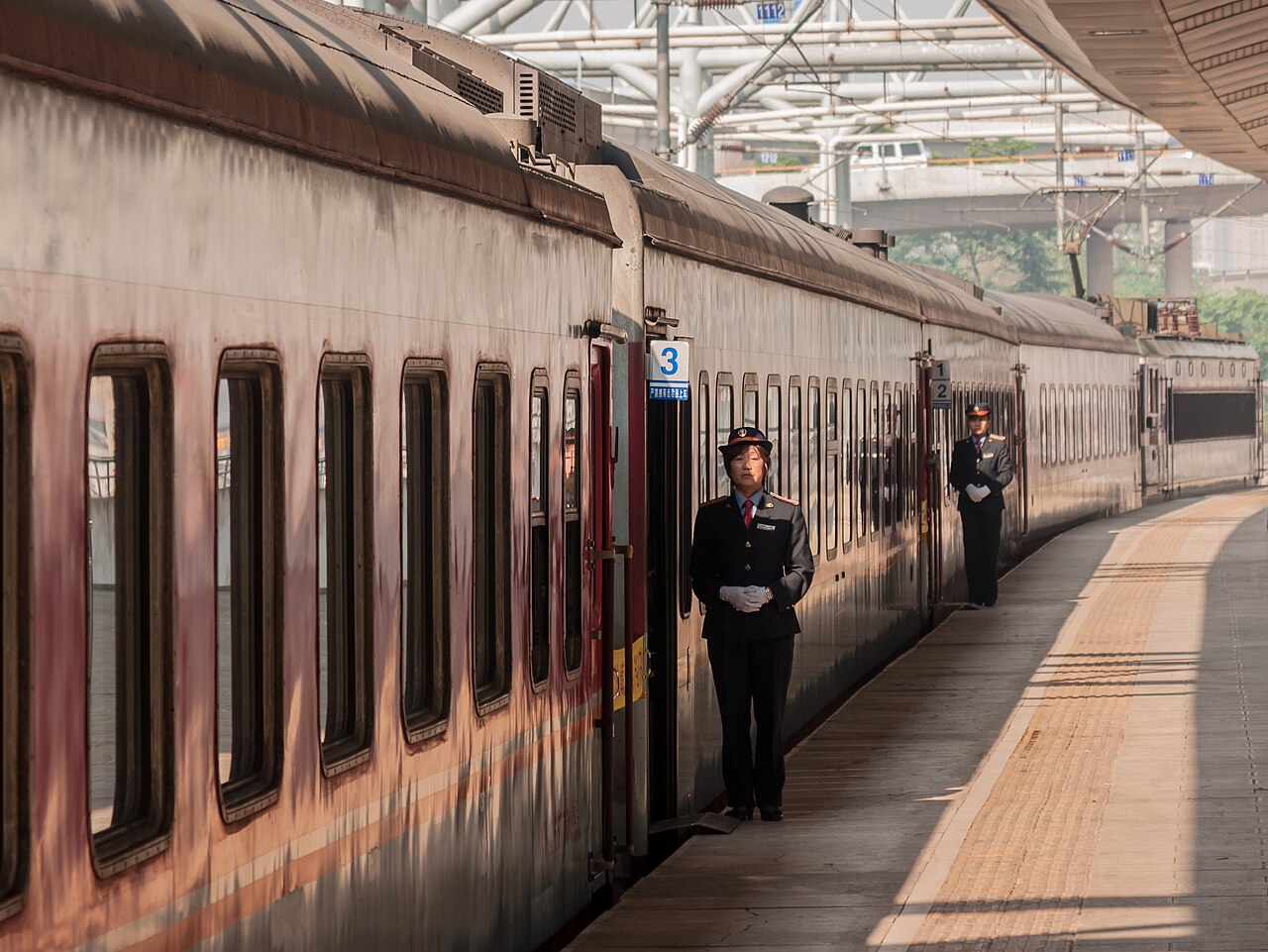
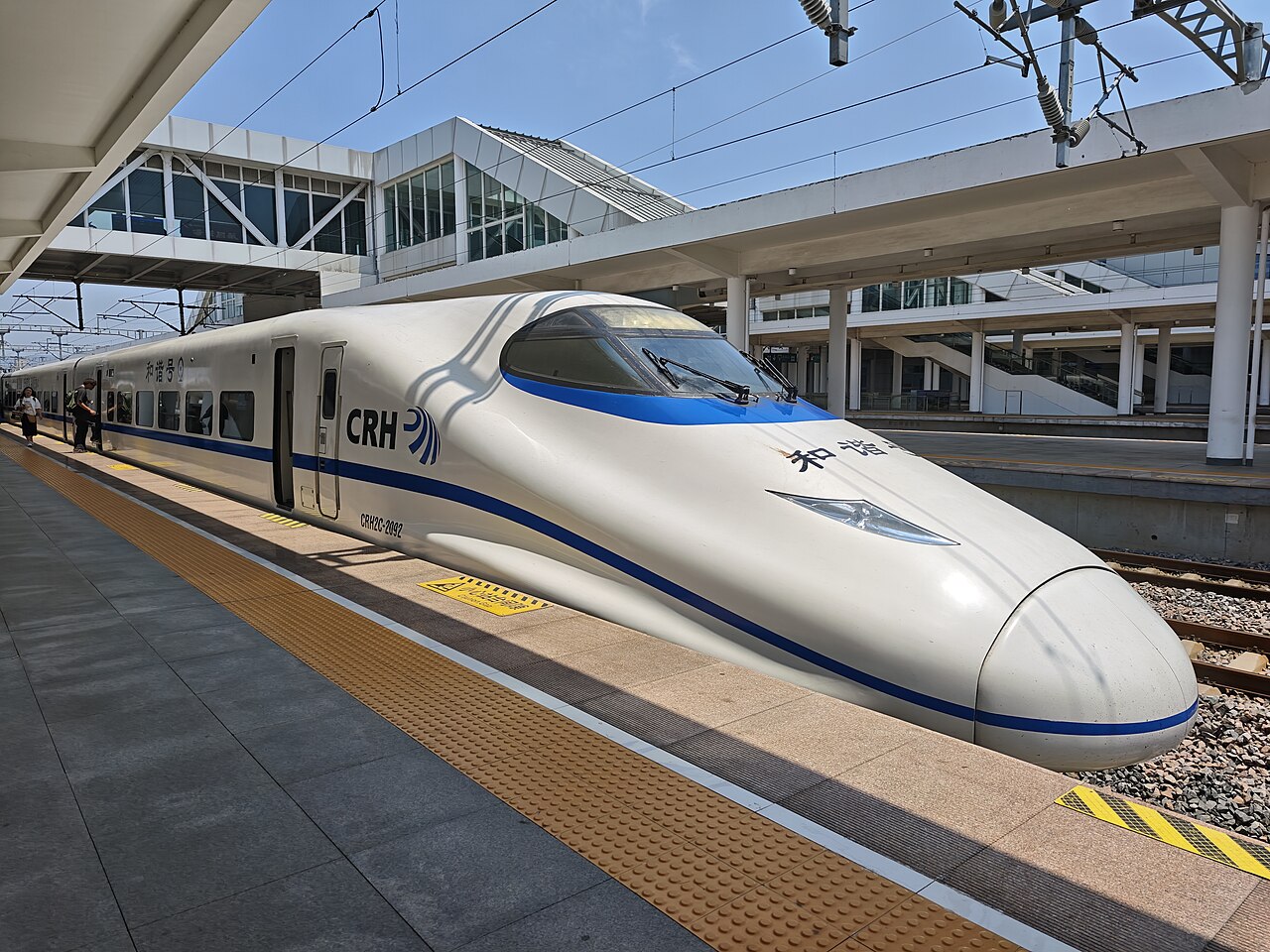
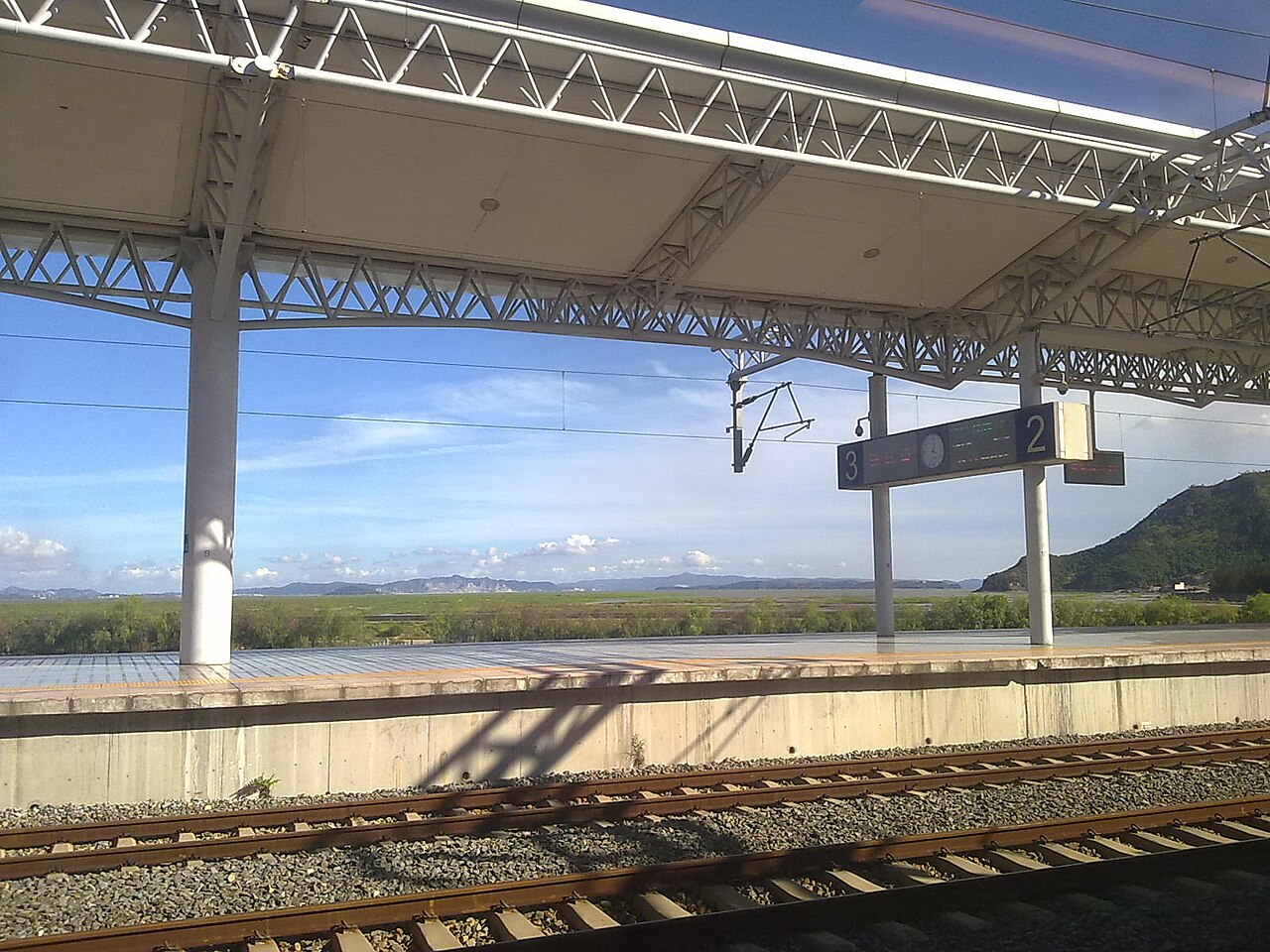
The Beijing–Shanhaiguan, Beijing–Qinhuangdao and Daqin lines cross the municipality, and four stations cover its four corners. Qinhuangdao station is where trains to Beijing and Tianjin start; Shanhaiguan station serves the northeast toward Shenyang; Beidaihe serves the resort; Changli serves the south coast. Short trains from Beijing to Qinhuangdao call at Beidaihe on the way.

Qinhuangdao station
Departures toward Beijing and Tianjin
Shanhaiguan station
Toward Shenyang and the northeast; 312 km from Beijing
Beidaihe / Changli
The resort and the Golden Coast
Timetables
Check departures on the national railway site

By coach

Bawangfen station in Beijing runs coaches to Qinhuangdao roughly every thirty to sixty minutes from 07:00 to 18:00, about three and a half hours. From Tianjin there are three routes to Qinhuangdao — the West coach station at 16:30 for about ¥100, Tianhuan at 08:00 and 11:30, and Dongbeijiao at 12:00. The long-distance station also runs coaches to Beijing at 14:00 and 15:30 for ¥105, times move seasonally, and a ¥15 coach runs direct to the Golden Coast.

From Beijing
Bawangfen, 07:00–18:00, every 30–60 minutes, about 3.5 hours
From Tianjin
West station 16:30 about ¥100 · Tianhuan 08:00 and 11:30 · Dongbeijiao 12:00
Station
405 Beihuan Road, Qinhuangdao · 0335-3067007

Local buses

Flat fares and a network that reaches every sight in the municipality. Bus 34 is the most useful in the city: Yanshan University, the safari park, the bird wetland, the Beidaihe International Club, Olympic Avenue Park, the Strange Villa hotel and Haibin coach station. Bus 8 reaches the Qin Seeking Immortality site, 22 links Beidaihe station with Nandaihe, 25 runs the Shanhaiguan sights, and 19 ends at the yacht club for the West Beach and the undersea world.

Bus 34
Yanshan University · wetland · Olympic Avenue · Haibin coach station
Bus 8
Qin Seeking Immortality site
Bus 22
Beidaihe station · Nandaihe · Beidaihe coach station
Bus 19
Yacht club terminus, for the West Beach and New Australia undersea world
Bus 21
Pigeon's Nest · Lotus Stone · Beidaihe coach station

Taxis and driving

Flag fall is ¥5 covering the first two kilometres, then about ¥1.8 per kilometre plus a ¥1 fuel surcharge — cheap enough that this is rarely the deciding factor. Meters are standard in the busy season and negotiation can beat the meter afterwards. A family of three can hire a car and driver for a day of coastal driving for about ¥230 including half a tank of fuel.

Flag fall
¥5 for 2 km, then about ¥1.8 per km, plus ¥1 fuel surcharge
Hire car and driver
About ¥230 a day, with half a tank of fuel included
From Beijing by road
About 290 km on the Beijing–Shenyang expressway, roughly 3 hours, about ¥120 in tolls
Parking
¥10–20 in Beidaihe, ¥20 at Nandaihe, ¥40 at the Golden Coast · the proper lot west of Tiger Rocks charges ¥20 for unlimited time
Watch out
Do not take unlicensed cars — they cluster around Old Dragon Head far more than anywhere on the resort coast

Practical

Beach prices and useful numbers

Area code 0335. Beach furniture is rented, not owned, and the rates differ sharply between the three coasts — most bathing grounds here also ban plastic rings, since shell can puncture them; rubber is what you want.

Emergency (police / ambulance / fire)110 · 120 · 119
City services hotline12345 · 0335-8091890
Qinhuangdao tourism bureau0335-3661001
Tourism complaints12301 · 0335-3661010
Beidaihe tourism bureau0335-4186310 · complaints 0335-4186110
Qinhuangdao No.1 Hospital258 Wenhua Road, Haigang district · 0335-3034187
Beidaihe Hospital200 Lianfeng Road, Beidaihe · 0335-4041624
Beidaihe rentalsParking ¥10 · umbrella ¥80 · chair ¥60 · rubber ring ¥20 · tent ¥100 — most beaches do not charge to bring your own
Nandaihe rentalsParking ¥20 · umbrella ¥100 · chair ¥60 · ring ¥30 · kayak ¥100 · tent ¥120 — no pitch fee for your own tent
Golden Coast rentalsParking ¥40 · umbrella ¥200 · chair ¥100 · ring ¥50 · jet ski ¥200 a head · tent ¥160 — plus a ¥30 pitch fee close to the water
Swimming seasonJuly–August; possible June and September at noon on a clear day; not advisable May or October

Tips

Where visitors lose money and skin

Calibrate the scale with a bottle of water

A standard small bottle weighs about one jin. Put it on the seller's scale before you agree anything: if it reads more, the scale is off, and the low headline price on the seafood was going to be made back on the weight. Pick everything yourself and accept only live animals.

Know how to read fish, shrimp, crab and shellfish

Clear unclouded eyes, tight gills and a glossy surface mean fresh fish; shells should fit the meat tightly. Crab must be alive — dead crab carries a real poisoning risk and almost no meat — with an opaque white underside, and it should try to bite when you wave a hand; pinch a mid leg and it should feel hard, not soft from a recent moult. Live shellfish are shut or snap closed when touched.

Have a guesthouse cook it, not the market

Market stalls offer free processing and some switch your bag. Guesthouses charge only for cooking and have nothing to gain: no aerated tanks means swapped seafood would die before anyone could sell it. If you use a restaurant kitchen, go into the kitchen and watch your bag into the wok.

Read the tides before you wade

Afternoons are usually flood: if nobody within ten metres of the shore is standing up, only floating, you are in high water with no standing ground. Nandaihe has three sandbars, so at low tide people appear to be standing thirty metres out — but going back you cross one or two troughs, so keep checking the tide rather than trusting the flat water.

Check the menu prices and the bill

Restaurants near the sights price accordingly, and one traveller here was charged over a hundred yuan extra at a seafront place and nearly missed it. Look at the prices before ordering, then count the bill line by line. Refuse unlicensed cars at Old Dragon Head, and take any substitution dispute to the receipts.

Salt air destroys cameras

Keep the body dry and your hands clean, and clean the lens properly after every day on the salt-heavy shore. Do not use it while larking about — sand in the barrel is unrecoverable. Avoid the jump in temperature between a cold room and humid outdoors, which fogs the glass, and never point it straight at a risen sun: the sensor is cheaper than your eyes.

Background

Two thousand years on one coast

History

The place was called Jieshi in antiquity, and it has an emperor to thank for its modern name. In 225 BC Qin Shi Huang, the first emperor, toured as far east as this coast, and Qinhuangdao is named for him — the only city in imperial China that kept its name through 340 successive rulers. On his fourth eastern tour he reached Jieshi, had the stone gate inscribed, and sent the magicians Lu Sheng, Han Zhong, Hou Gong and Shi Sheng to sea for the herb of immortality. None returned.

It stayed strategic. Emperor Wu of Han came out to view the sea, built the Hanwu Terrace at Jieshi, campaigned in Korea from here, and stored grain at Jinshanzui in Beidaihe. Kublai Khan placed the Pingluan circuit of the central secretariat here, later reorganised as Yongping prefecture; the Ming ran a salt administration from the coast. Then in 1644 Li Zicheng brought some forty thousand men to Shanhaiguan against Wu Sangui, who brought in a hundred and fifty thousand Qing troops: the Battle of Shihe ran three days before the rebels broke and fell back to Yongping, changing the course of Chinese history. In 1898 the Qing government formally opened Beidaihe as a summer resort for people of all nations, and in 1912 Sun Yat-sen inspected the Shanhaiguan bridge works here as national railway director. In 1954 Mao stood on this shore and wrote the lines that made Beidaihe famous.

Geography and climate

Qinhuangdao lies on the north shore of the Bohai, on the throat of the corridor between north China and the northeast: 380 km from Beijing, 243 from Tianjin and 461 from Shenyang. Its hundred and twenty-six kilometres of coast run from the rock shore under the Great Wall to the dune fields of Changli, taking in three sea districts and four inland counties — Lulong, Qinglong, Funing and Changli — every one of which has something to see.

The climate is temperate semi-humid continental monsoon: four distinct seasons and an annual mean of about 10.1°C, with no brutal summer and no severe winter. That mildness is the whole basis of the resort business. June to August is when most of the municipality — Nandaihe, the Golden Coast, the wall — is at its best, while Beidaihe works from May to October, and its birding reputation means spring and autumn bring their own crowd with binoculars.

Travel with them

The city in film and song

Two songs about the same hundred and twenty-six kilometres, and one absurd short film. Together they are the closest thing to a mood board for this city.

Music

Qinhuangdao

Omnipotent Youth Hotel

It describes the desolation of this land and this sea, and finds the dark heart hidden beneath the summer-resort dressing. One listener put it better than any guidebook: it made him understand his own connection to this stretch of coast better than many people who have spent a lifetime on it, and left the lights of Qinhuangdao switched off for him forever, with turbid waves breaking. Play it on the harbour road at dusk.

Music

Beidaihe Song

Gala

Weirdly catchy rather than good, and its one line — the Maldives are too far away, and if I can only kiss your face then Beidaihe is paradise enough — is why it became the unofficial anthem of this coast. The sentiment holds up: where you go matters less than who you are on the sand with.

Film

Love, Monkey, Qinhuangdao

Director Yu Zhe

A man finds a fire extinguisher on the beach and sets off on a dreamlike search for something to put out with it. Short, absurd, and set on precisely the municipal beaches described in this guide — which is either a coincidence or a very local joke.

The questions visitors ask us most about Qinhuangdao, answered plainly.

Frequently asked questions

Prices and practical details are reviewed every month by our Beijing team and updated the day a rule changes.

How are Qinhuangdao, Beidaihe and Shanhaiguan related?

They are one municipality. Beidaihe and Shanhaiguan are both districts of Qinhuangdao, 30 km and 17 km from the city centre respectively, and all three share the same bus routes. So a trip to Qinhuangdao almost always means all three, and you should base yourself in one and day-trip the others.

What is there to do in Qinhuangdao city itself?

More than its reputation suggests. The working harbour and its long seafront promenade, the Qin Seeking Immortality headland east of the centre, and the university district around Yanshan University are the main draws. West of town, Jieshi Mountain is the one from Cao Cao's poem, and Changli's vineyards are an hour away.

How do I get from Beijing to Qinhuangdao?

High-speed and ordinary trains to Qinhuangdao station take roughly 2 to 3 hours and stop at Beidaihe station on the way. Coaches run from Beijing's Bawangfen terminal from 07:00 to 18:00, about 3.5 hours. Qinhuangdao Shanhaiguan Airport (SHP) has a handful of domestic flights and a coach into town.

When can you actually swim here?

July and August are the real bathing months, with mid-July to early August the warmest — and the busiest, so sun protection matters. June and September are tolerable if you pick a clear day and swim at noon. In May and October the water is too cold; from November to April, forget it unless you are a winter swimmer.

Is Beidaihe or Nandaihe better?

Beidaihe is mostly for looking — Pigeon's Nest, Lianfeng Hill, Biluota — and it costs more to stay there. Nandaihe is built for doing: its own amusement parks, a cross-harbour cable car and the better beaches, with fewer rocks in the water, and noticeably cheaper rooms. They are 20 minutes apart on the ¥1 bus 22, so you need not choose.

How do I avoid being cheated buying seafood?

Carry a bottle of water: a standard bottle weighs about one jin, so putting it on the seller's scale calibrates it instantly. Pick the animals yourself and only accept live ones — crab claws are usually tied, so do not be afraid to handle them. Then have your guesthouse cook it rather than a restaurant kitchen, or follow the bag into the kitchen if you cannot.

What is the Changli Golden Coast?

A 64.9 km strand of soft yellow sand in Changli county, southwest of the city and starting 17 km from Beidaihe, taking in four areas: the International Sand Sliding Centre, the Sand Sculpture World, the fishing island and Jade Island. It is the more active of the two coasts here, and it is where you go to sandboard.
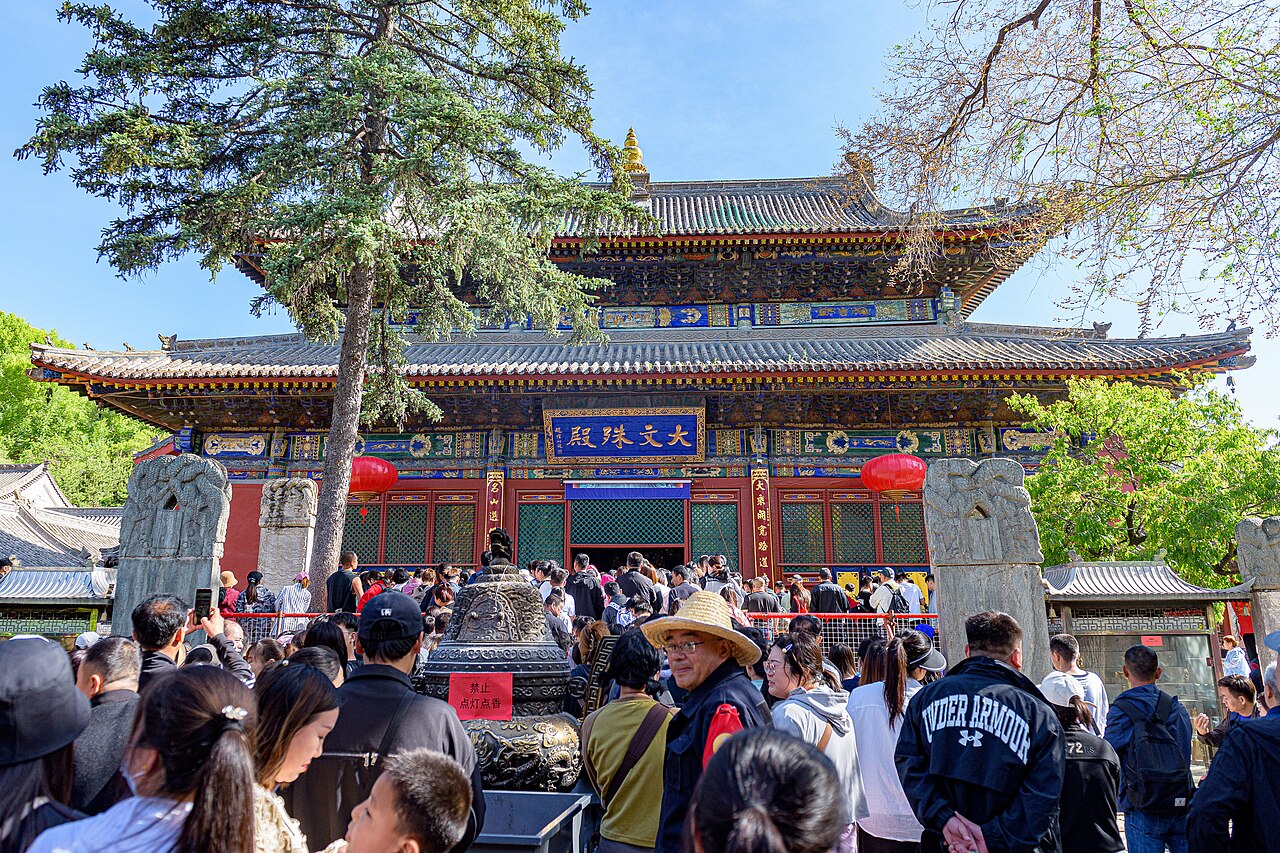
Is Qinhuangdao worth visiting outside summer?

Yes for birds and for prices. The migration windows are mid-March to late May and early September to mid-November, with herons, waders, hoopoes and orioles moving through the coastal woods and wetlands. Everything is cheaper and emptier then, and the mild climate — the annual mean is about 10°C — makes walking pleasant most of the year.

Related reading

Related reading

Visas Do I Need a Visa for China? Requirements, Costs and How to Apply China's entry rules changed more in the last three years than in the previous twenty. Here is exactly who needs a visa, what it costs, how long it takes and which passports now walk straight through. 9 min read Visas China's 240-Hour Visa-Free Transit: Who Qualifies and How It Works Ten days in China with no visa application, no fee and no fingerprints — if you hold the right passport and leave for a third country. Here is the rulebook, port by port. 8 min read Money Paying in China: Alipay, WeChat Pay, Cards and Cash Roughly nine in ten urban payments in China now run through a phone. Set up two apps before you fly, carry a modest cash float, and you will never be stuck at a till. 8 min read Transport China's High-Speed Rail: How to Book, What It Costs, How Fast It Goes The fastest way to cross China is also the most pleasant. Here is how to book a ticket with a foreign passport, what the three classes actually give you, and how to survive a Chinese station at rush hour. 9 min read Planning Best Time to Visit China: Month by Month, Region by Region China is the size of Europe, so 'the best month' depends on where you stand. Here is the month-by-month answer for the north, the Yangtze valley, the south and the plateau. 8 min read Planning What to Pack for China: The Complete 2026 Checklist Twenty thousand steps a day, three climate zones and a phone that has to do everything. This is the list we give our own travellers, minus the things they never used. 7 min read Food Chinese Food Culture: Eight Cuisines, One Table There is no such thing as Chinese food. There is Cantonese, Sichuan, Hunan, Jiangsu, Zhejiang, Fujian, Anhui and Shandong — and knowing which one you are eating changes everything. 8 min read Traditions Chinese Tea Culture: Six Classes, One Pot, Two Fingers Tea in China is not a beverage category, it is a social technology: it fills silences, seals deals and sets the pace of a meal. Here is how to sit down in one and not look lost. 7 min read Traditions Chinese Festivals: The Calendar, the Dates and the Crowds Lunar dates mean the calendar moves every year — and two of the festivals move several hundred million people at once. Plan around them or plan into them, but never by accident. 8 min read Etiquette Chinese Etiquette: What Matters, What Does Not, and Why Most etiquette advice for China is either obvious or wrong. These are the dozen behaviours that actually change how you are treated, and the reasoning behind each. 7 min read
Tell us your dates.
We'll do the rest.

Free itinerary design, a revised plan within one working day, and nothing charged until you approve the final version.

  • Beidaihe and Shanhaiguan are districts of Qinhuangdao, not separate towns — one municipality covers all three.
  • Four railway stations serve it: Qinhuangdao for Beijing and Tianjin, Shanhaiguan for the northeast, Beidaihe for the resort, Changli for the south coast.
  • The Golden Coast at Changli runs 64.9 km and includes the aptly named Jade Island, where dunes drop straight into the sea.

No spam. No sales calls. Just a real itinerary from a real person.