City guide · Shandong

Qufu travel guide: the Temple, the Mansion, the Cemetery, and what no guidebook tells you to watch out for

One family, two thousand years of steles, and a ¥150 pass that covers the lot — the easiest serious day trip in Shandong.

  • Known forConfucius, steles, ritual, Kong family food
  • Typical spend¥500 / person / day incl. entry
  • Ideal length1 long day, 2 days better
  • PaceSteady — five hours of walking

Reviewed by our Beijing team Updated 2026-10-10

The short version

Qufu is the small walled city in Shandong where Confucius was born, and one long day does it: a ¥150 combined ticket (¥185 on public holidays, half price with a student, senior or officer card) covers the Temple, the Mansion and the Cemetery, and the three take about five hours on foot. Keep the stub — it also gets you into Yan Hui's temple, the Duke of Zhou's temple, Shouqiu and the Shaohao Tomb free, and 20% off Nishan where Confucius was born. It is 135 km from Jinan, Shandong's capital, and 30 minutes by high-speed rail from Tai'an at the foot of Mount Tai.

  • Buy the ¥150 pass, not the individual tickets — the Temple alone is ¥90, the Mansion ¥60 and the Cemetery ¥40, so anything more than the Temple pays for itself.
  • The stub is money: Yan Temple, the Duke of Zhou Temple, Shouqiu and the Shaohao Tomb are ¥50 each bought alone and free with it.
  • Sights here are not sold individually once you are inside the system, so decide north-line-plus or day-trip before you queue.
  • Hire an official guide at the visitor centre east of the south gate, or walk behind a tour group and listen in — the freelance guides working the gate are a known problem.
  • Everything that matters is within walking distance: buses are ¥1, taxis ¥5 for 2 km, and a pedicab across the old town costs about ¥5 with commentary thrown in.

City guide

First impressions

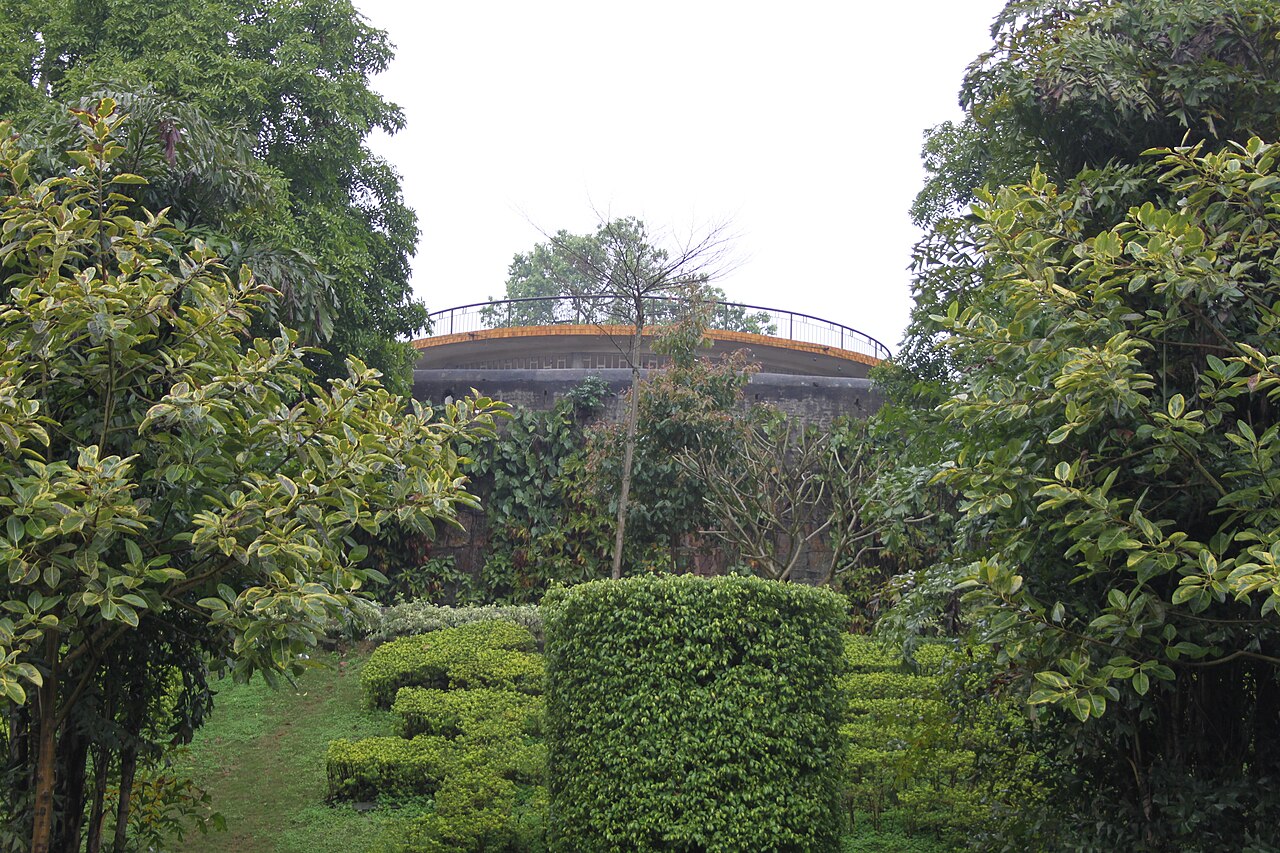
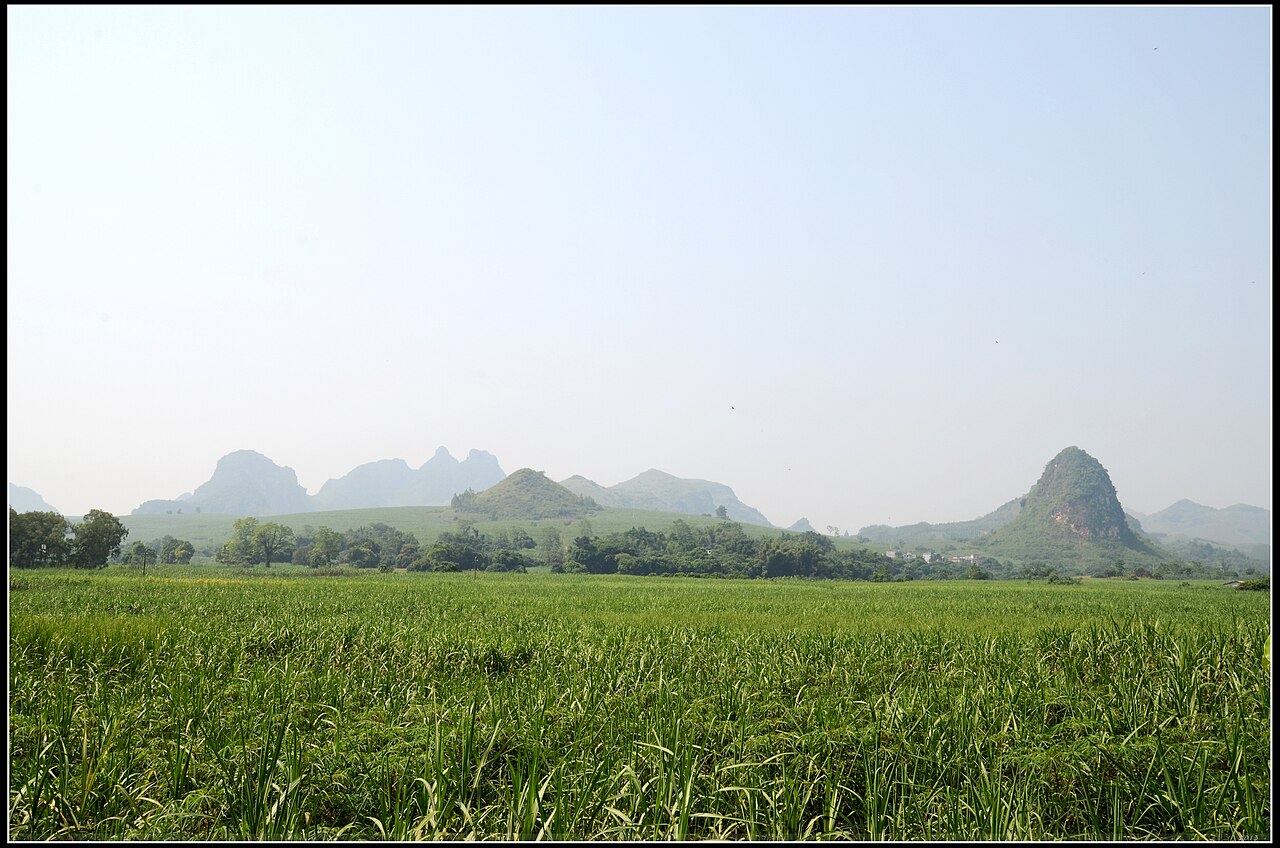
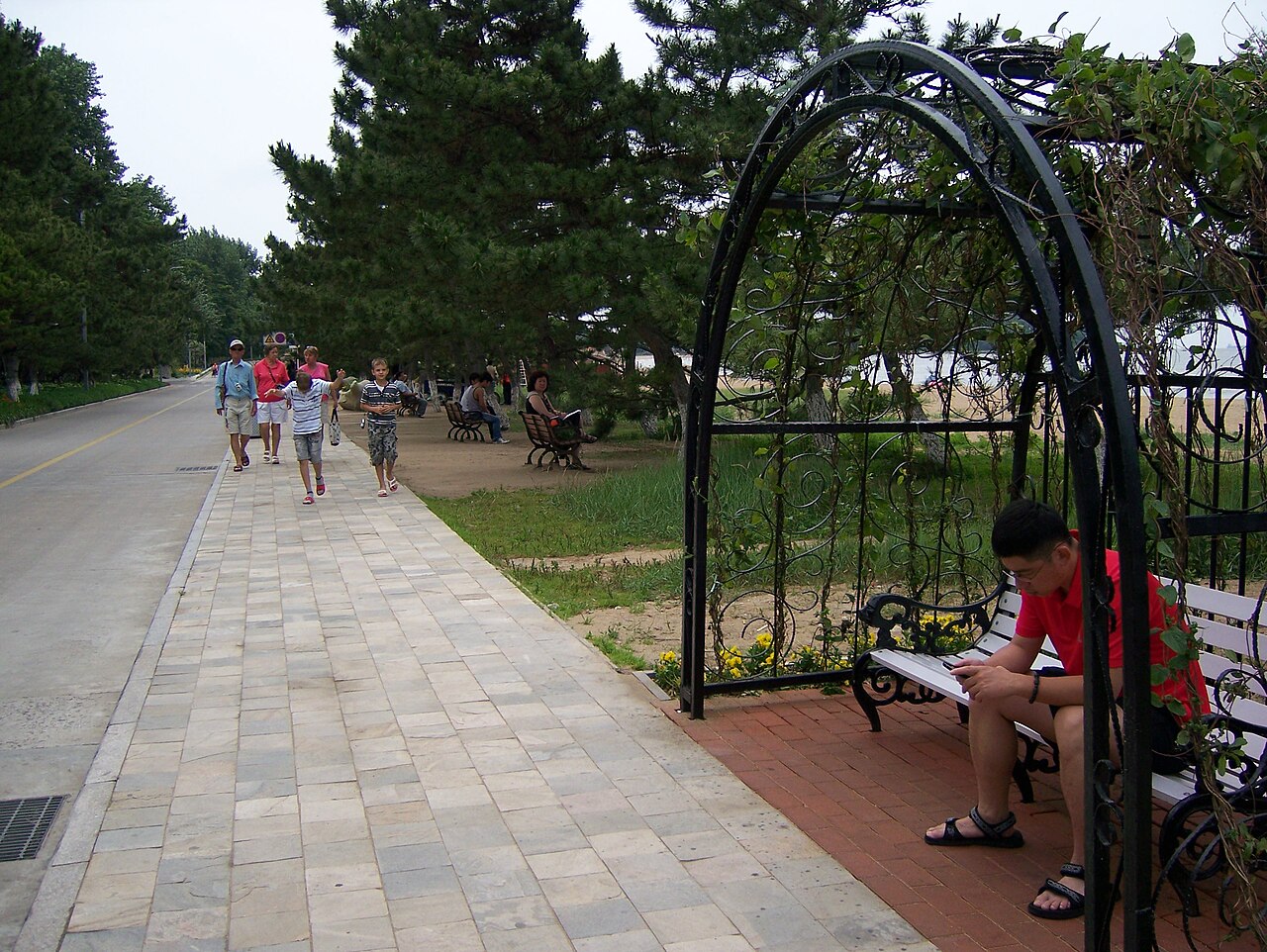
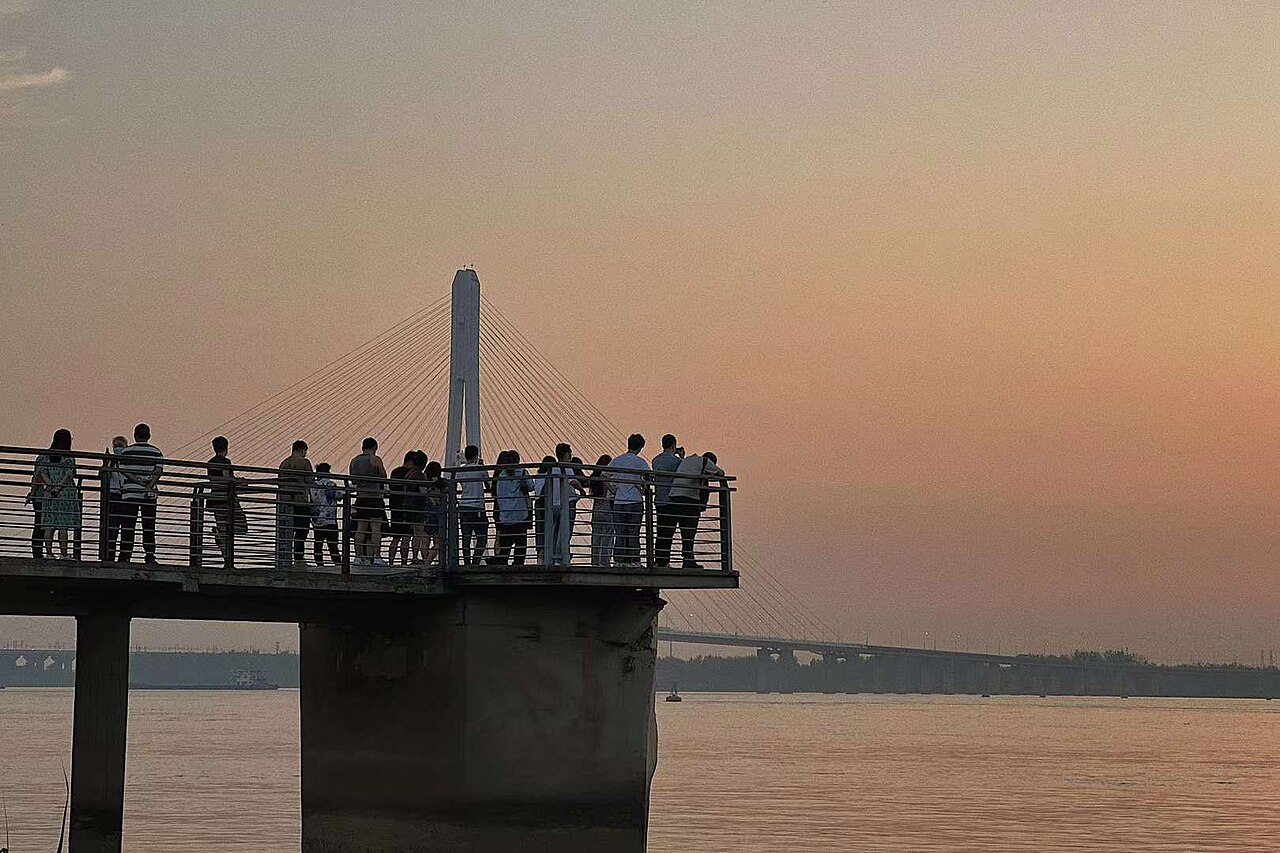
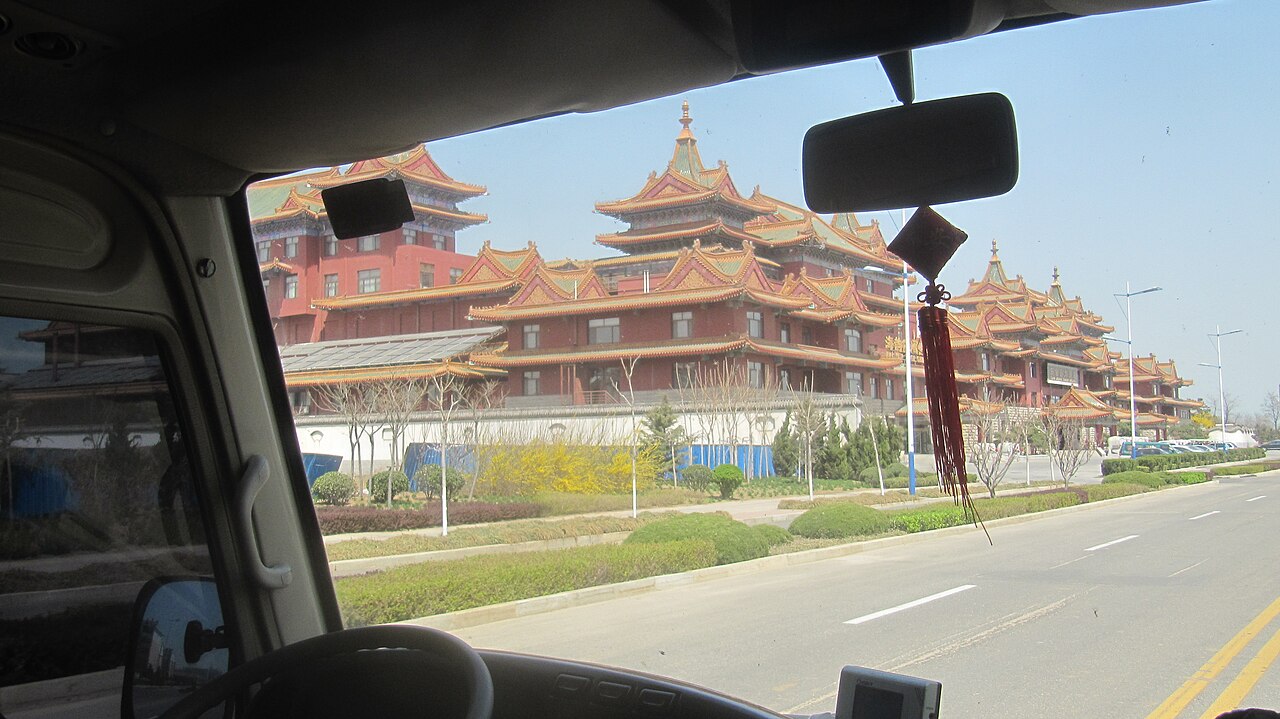
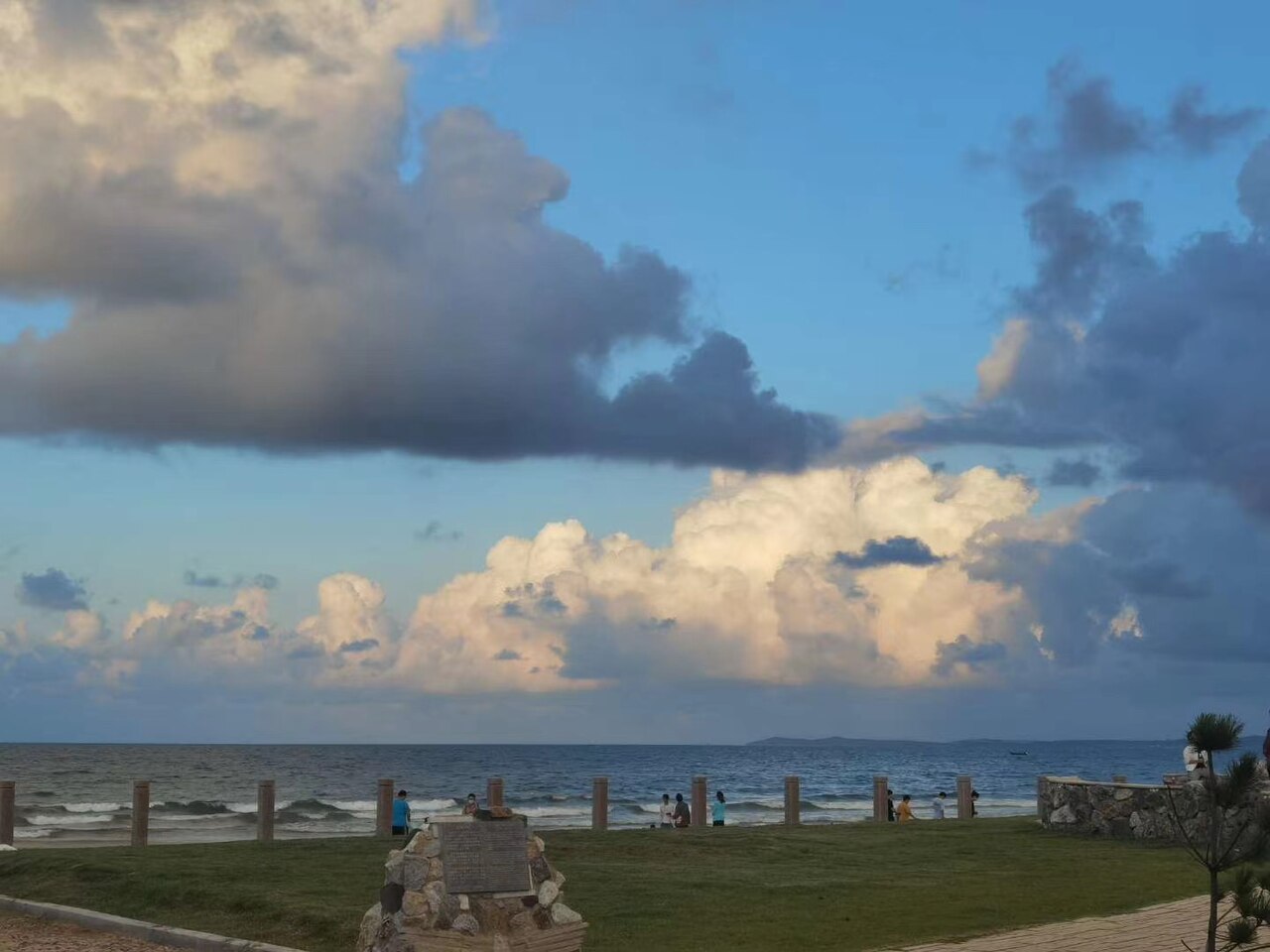
Photographs from the coast, and what other travellers wrote afterwards.

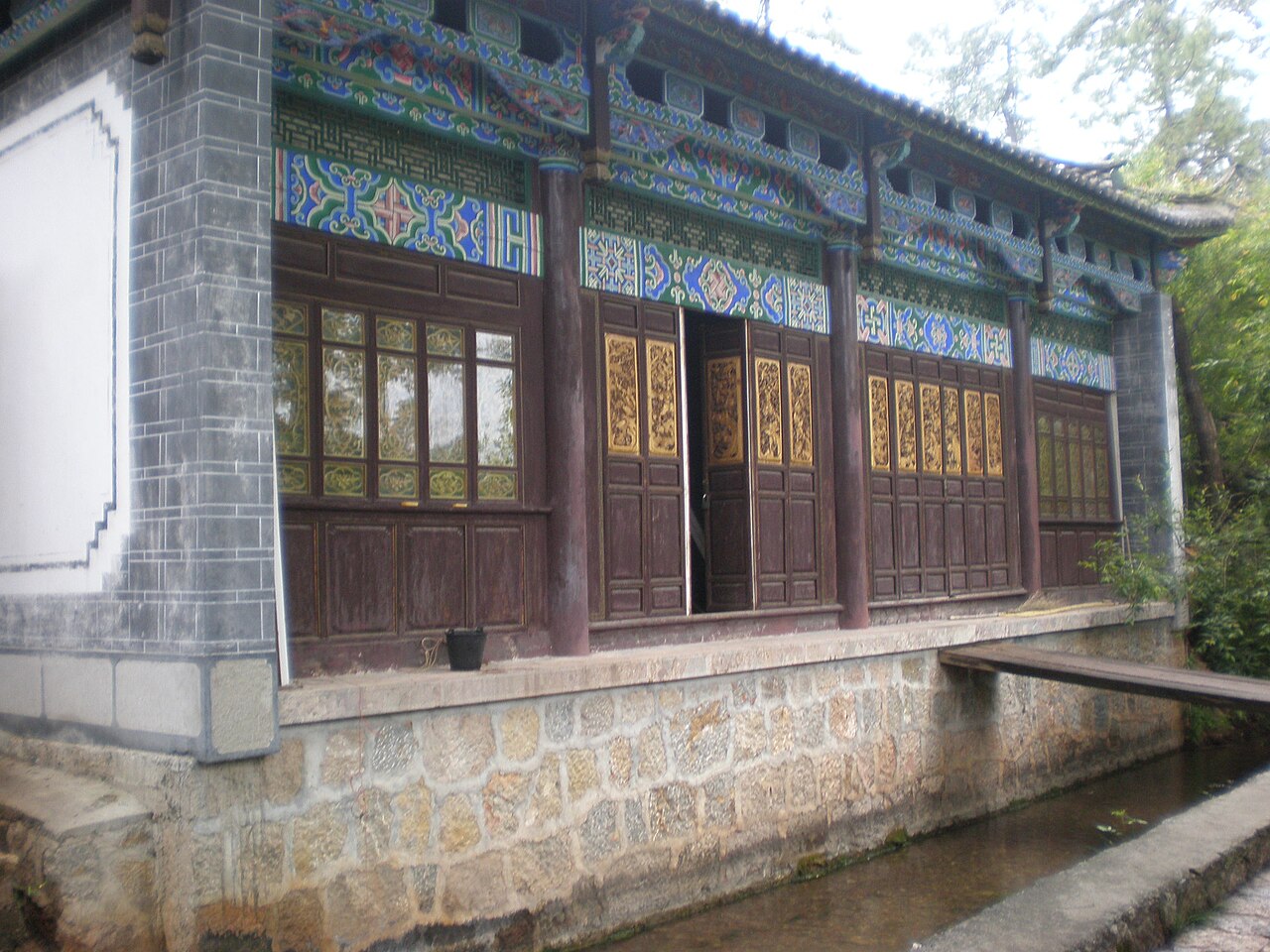
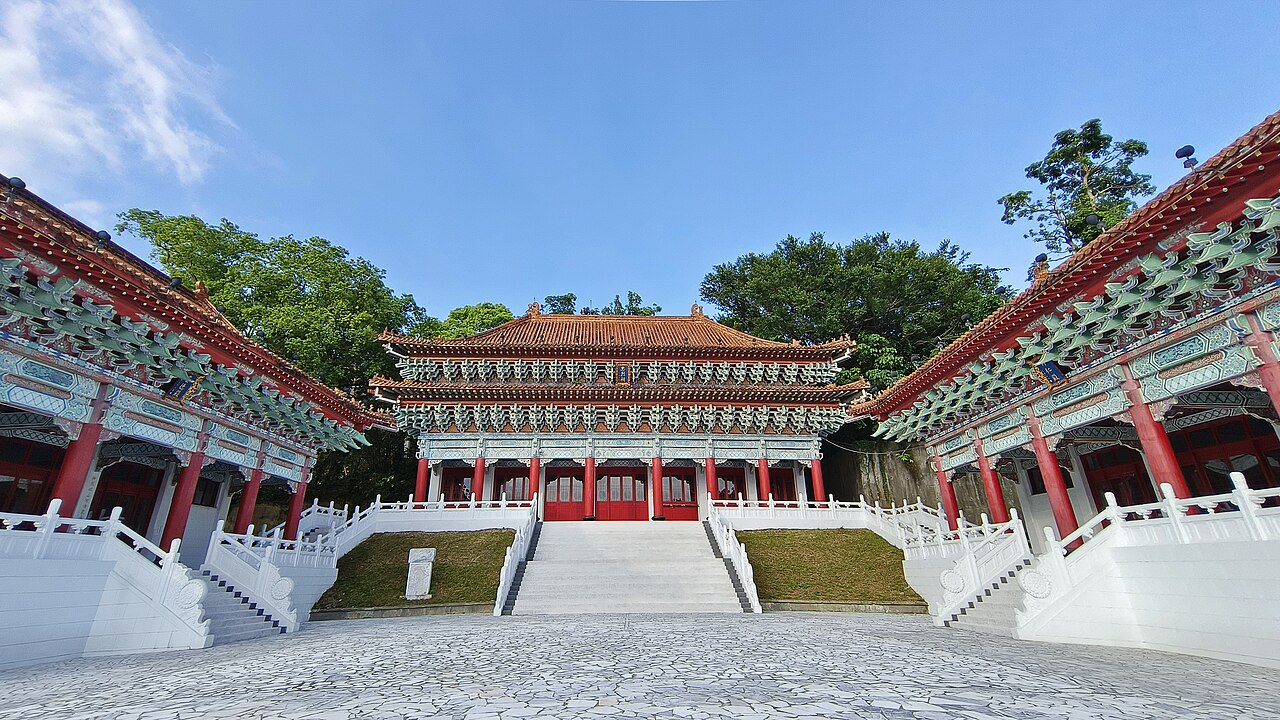
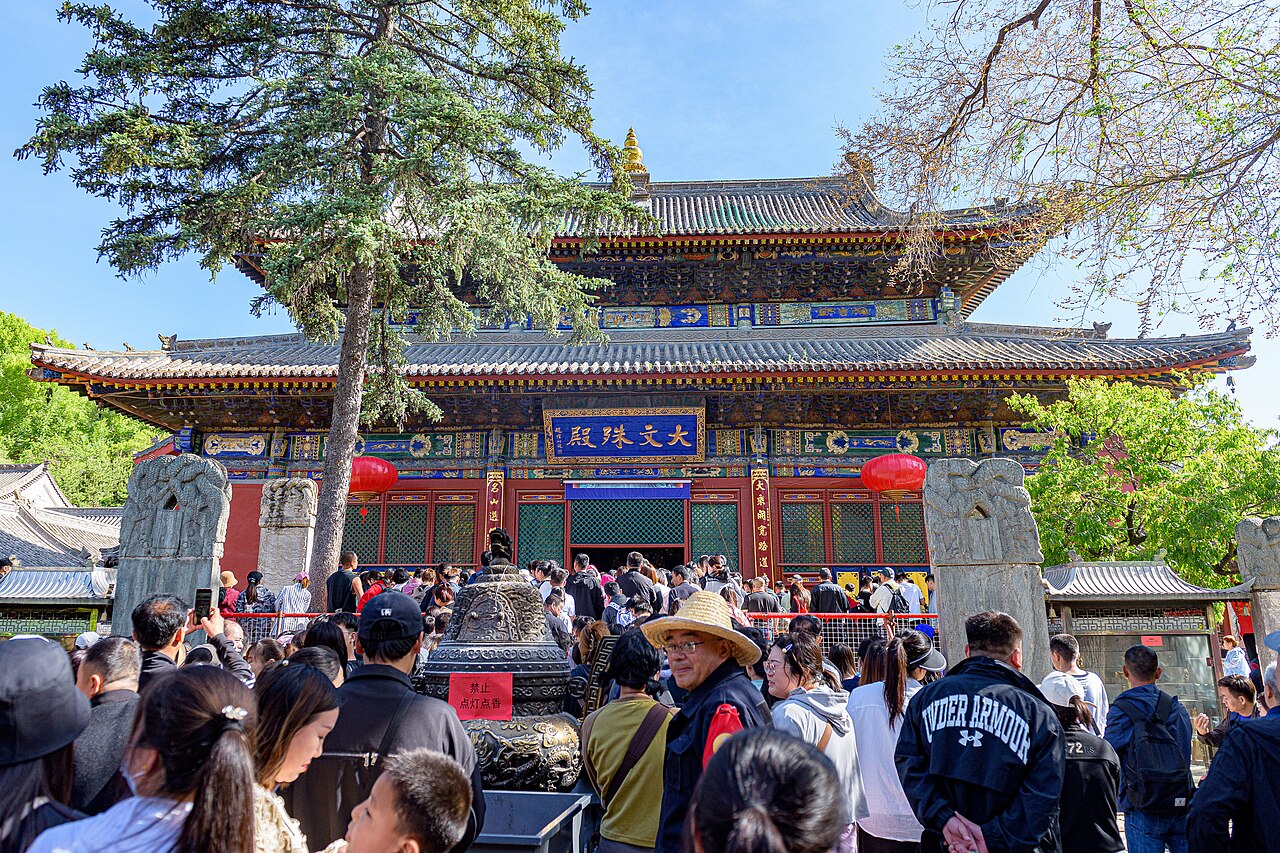
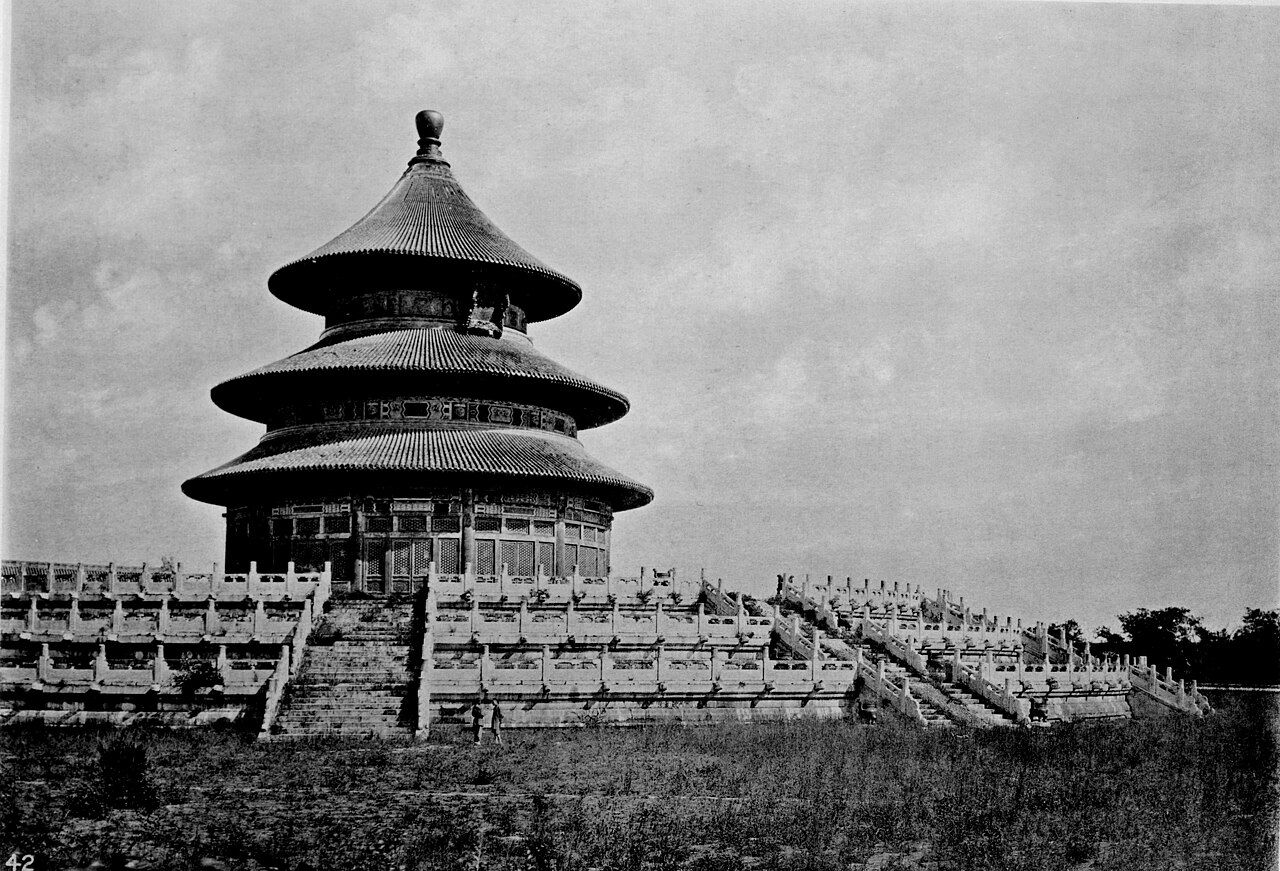
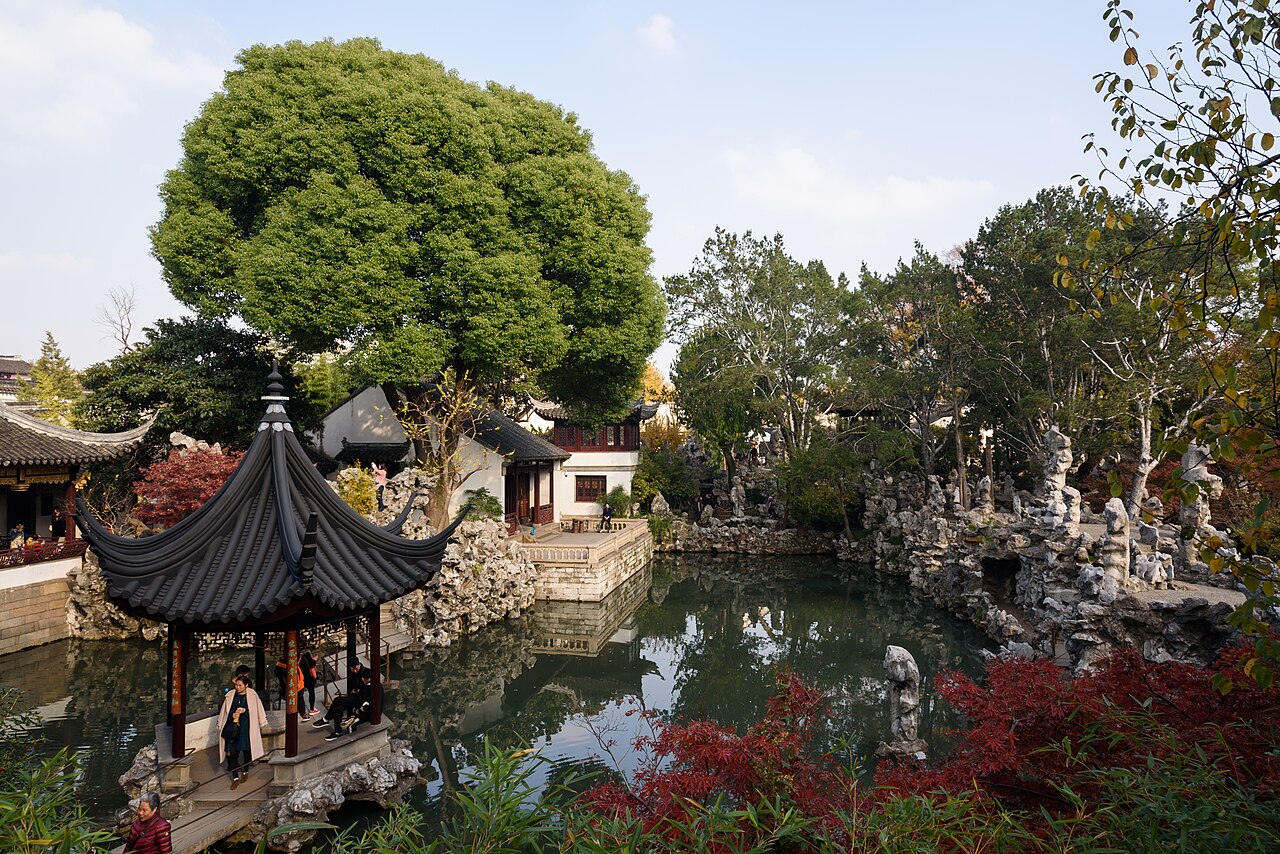
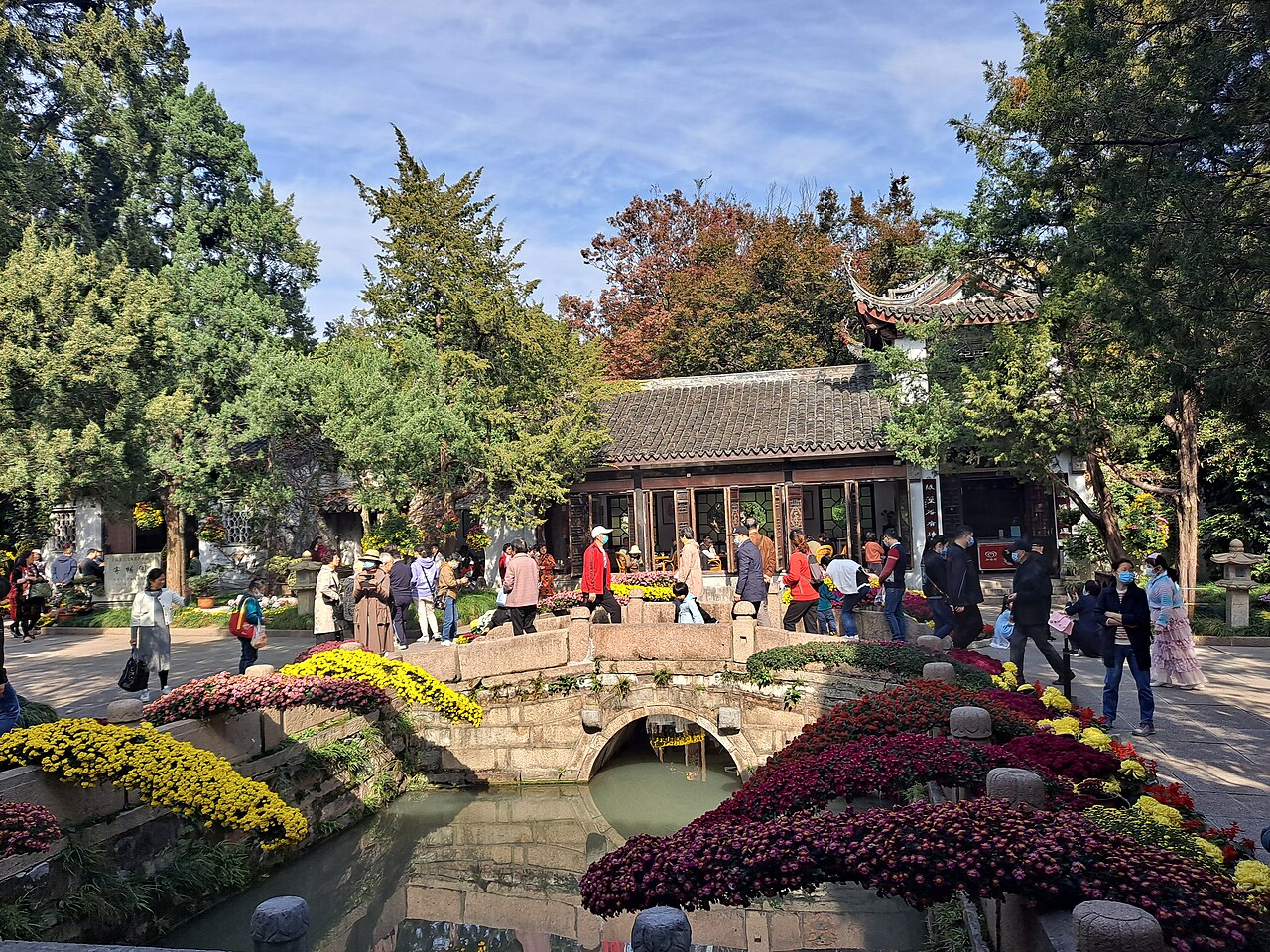
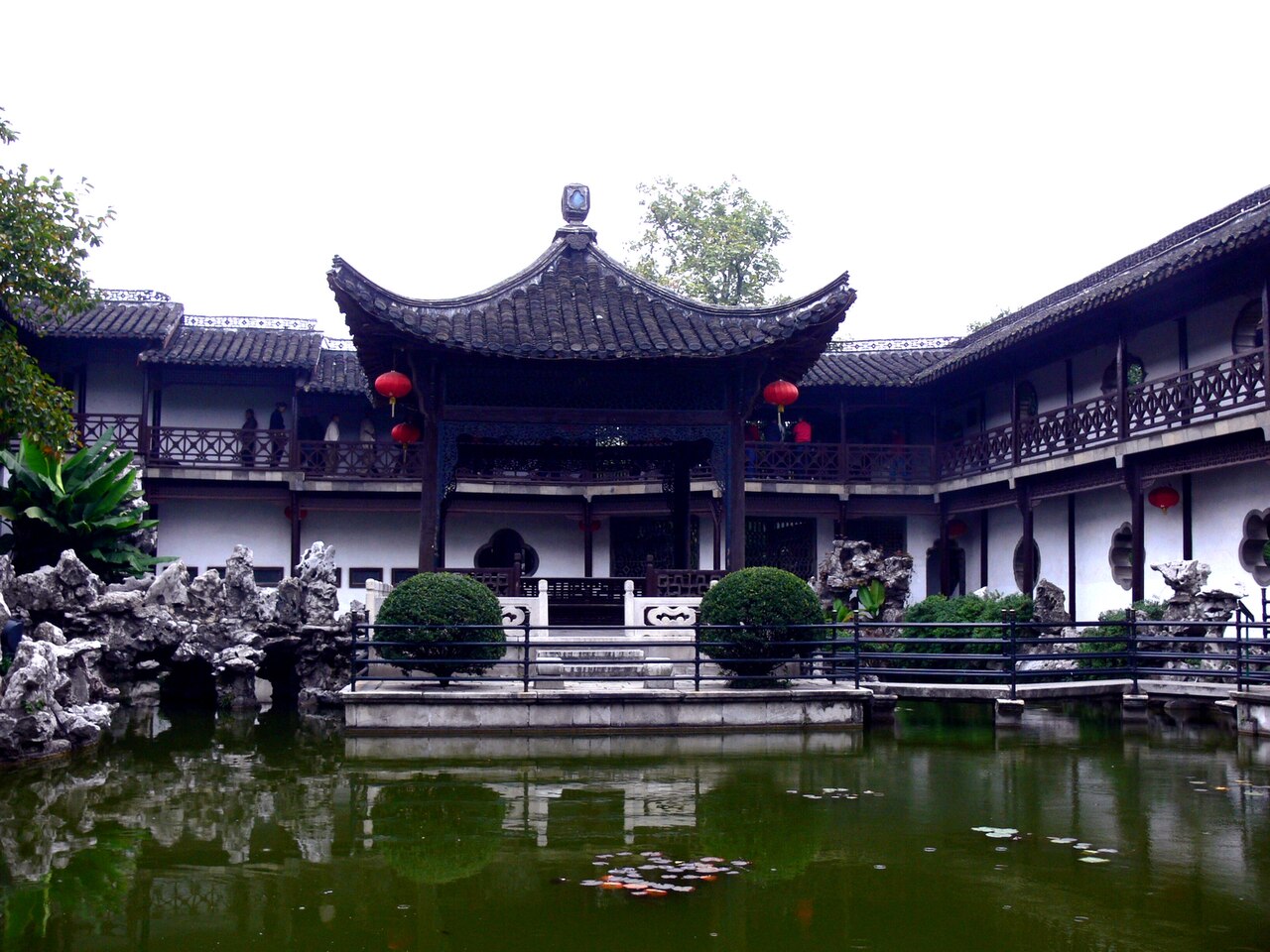
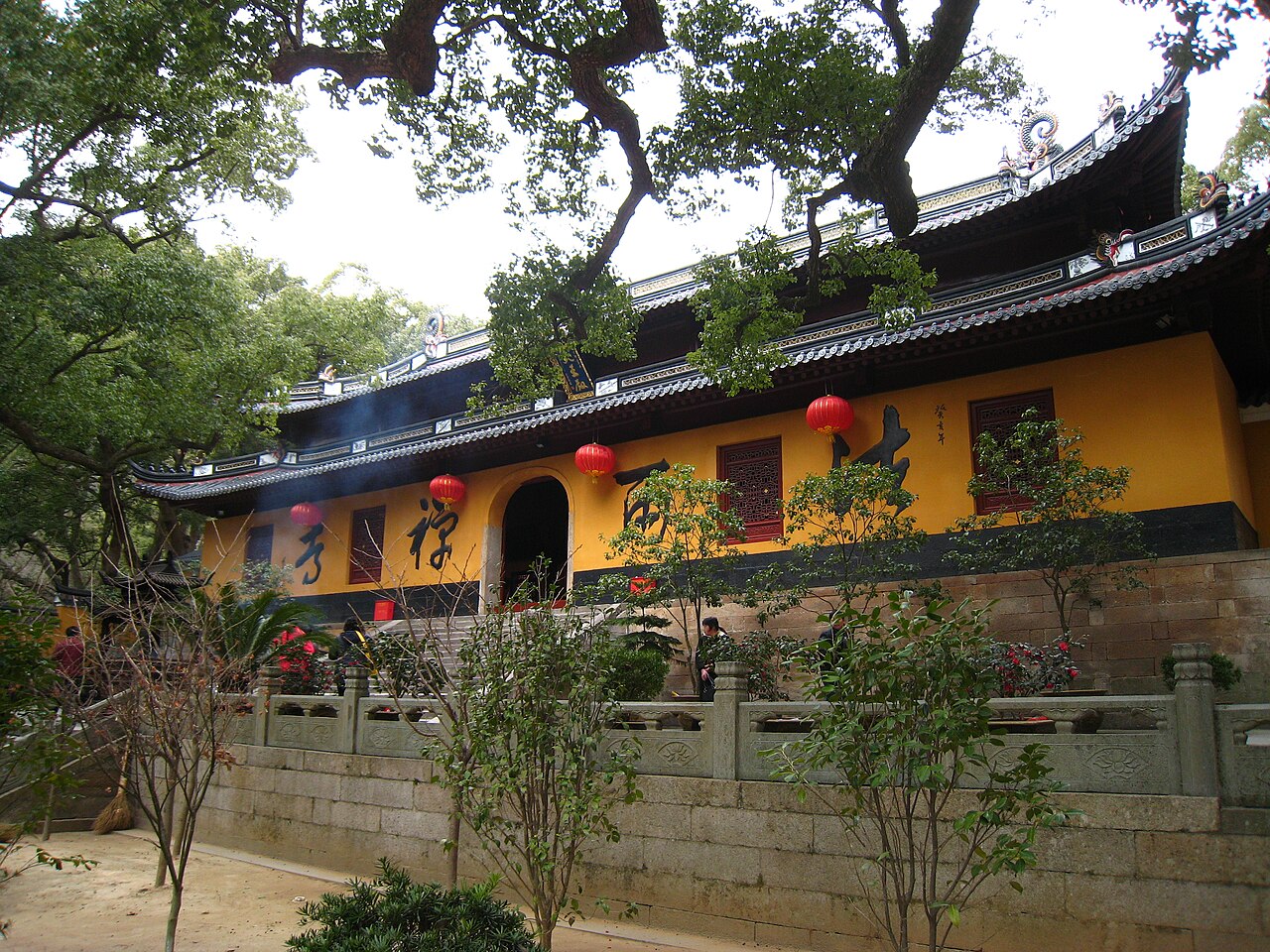
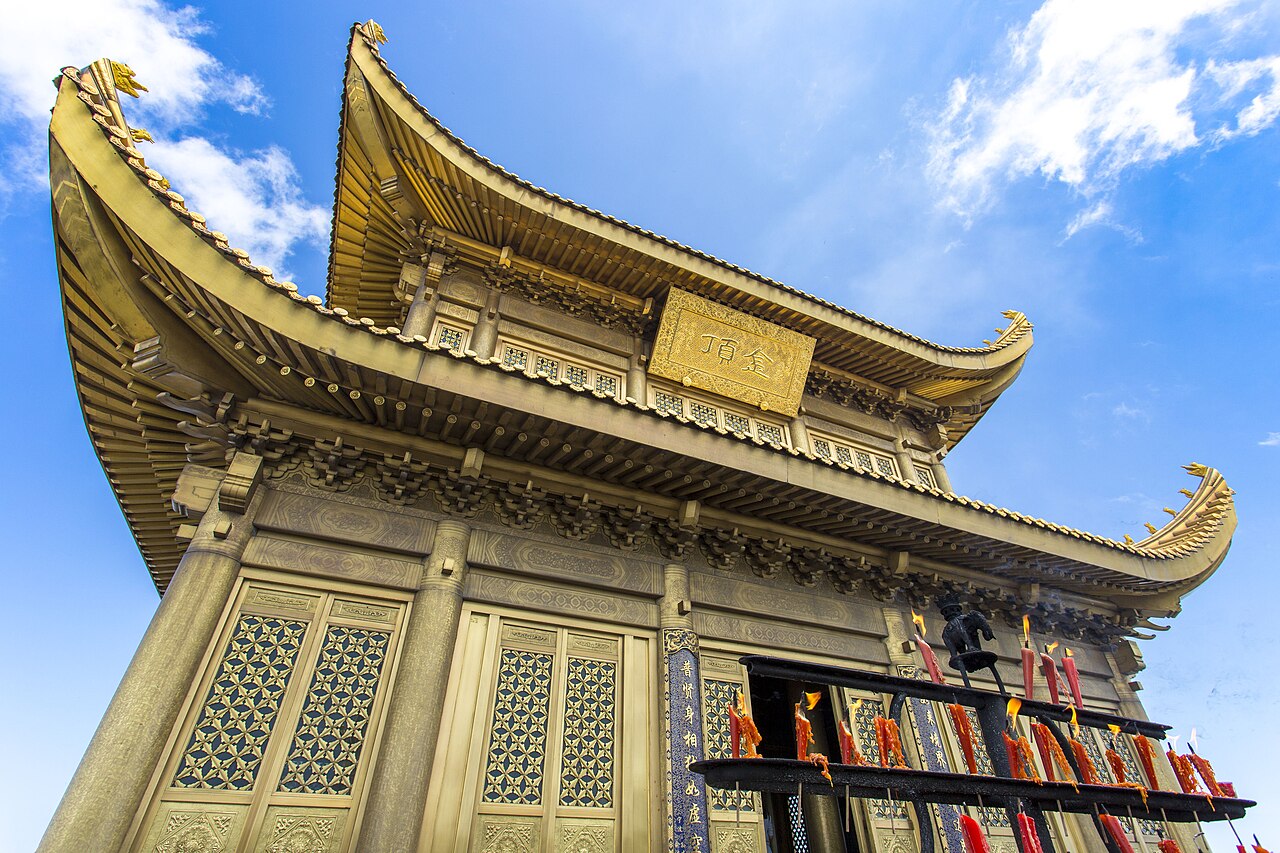
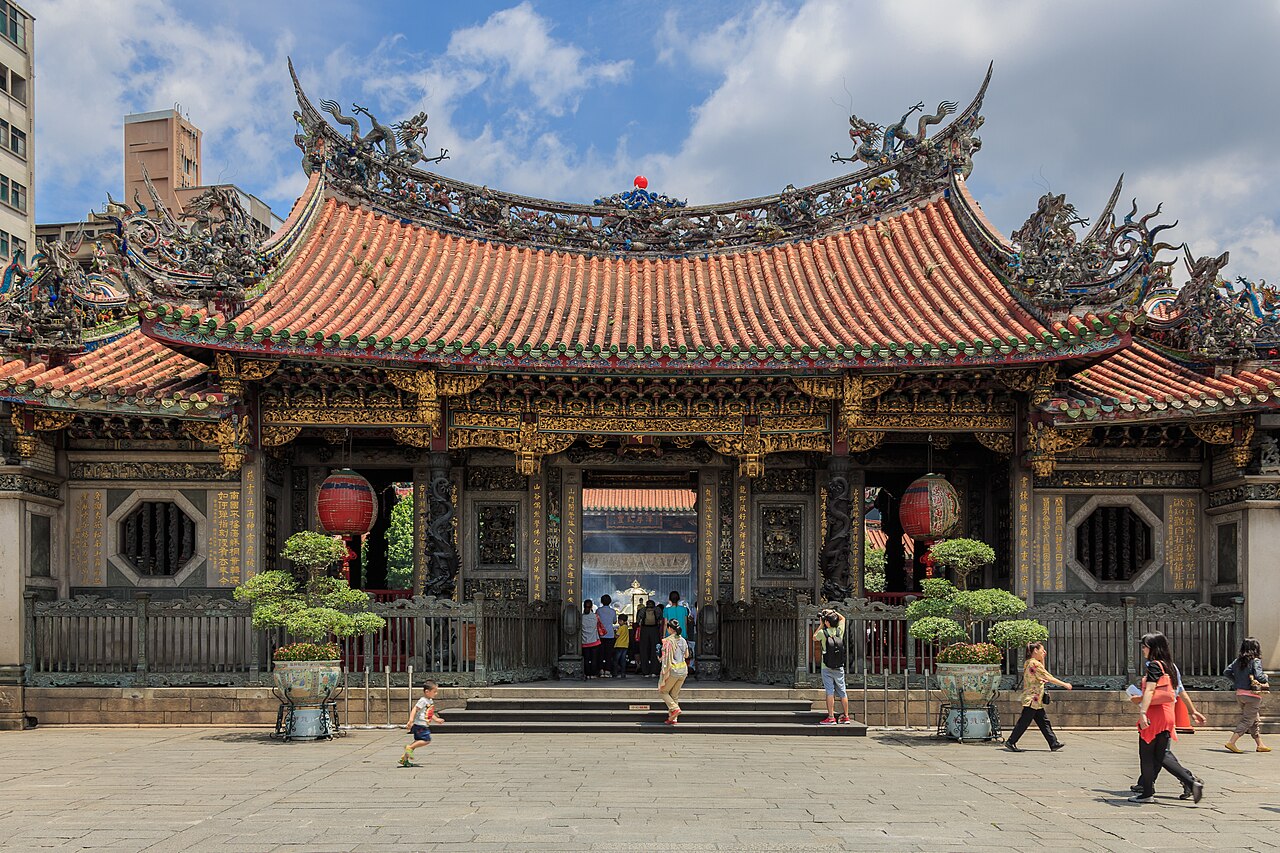
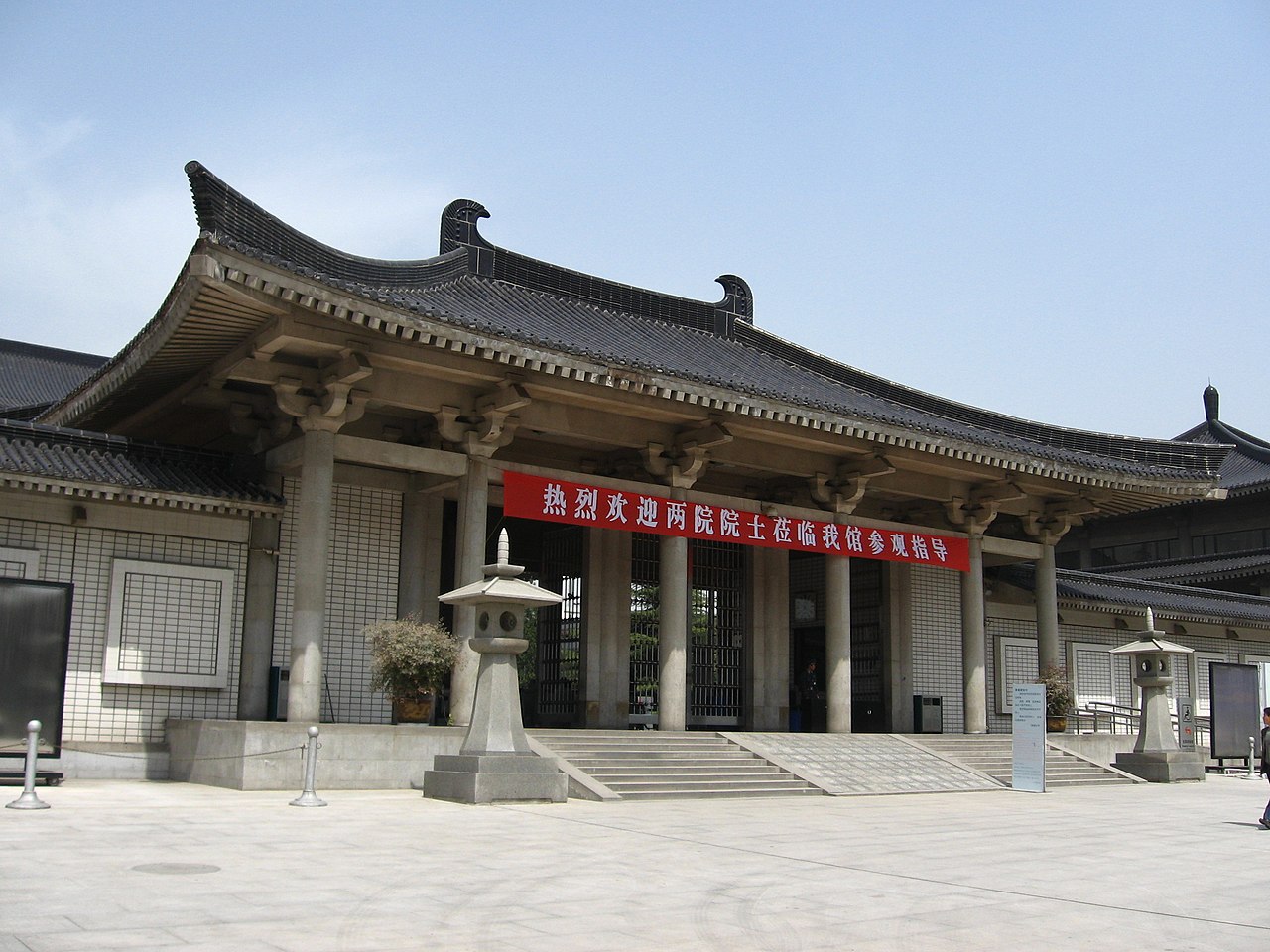
The Hall of Great Achievement and its dragon-carved stone columns
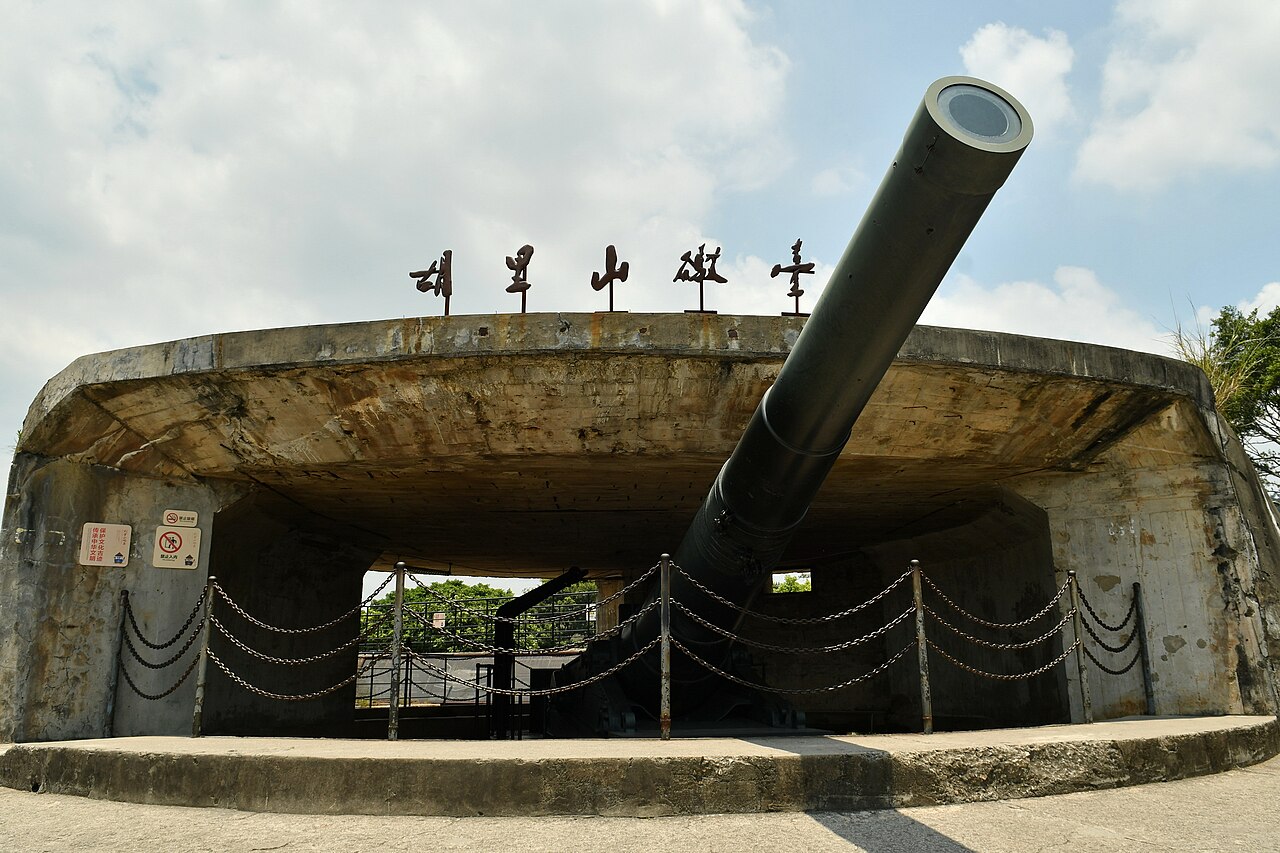
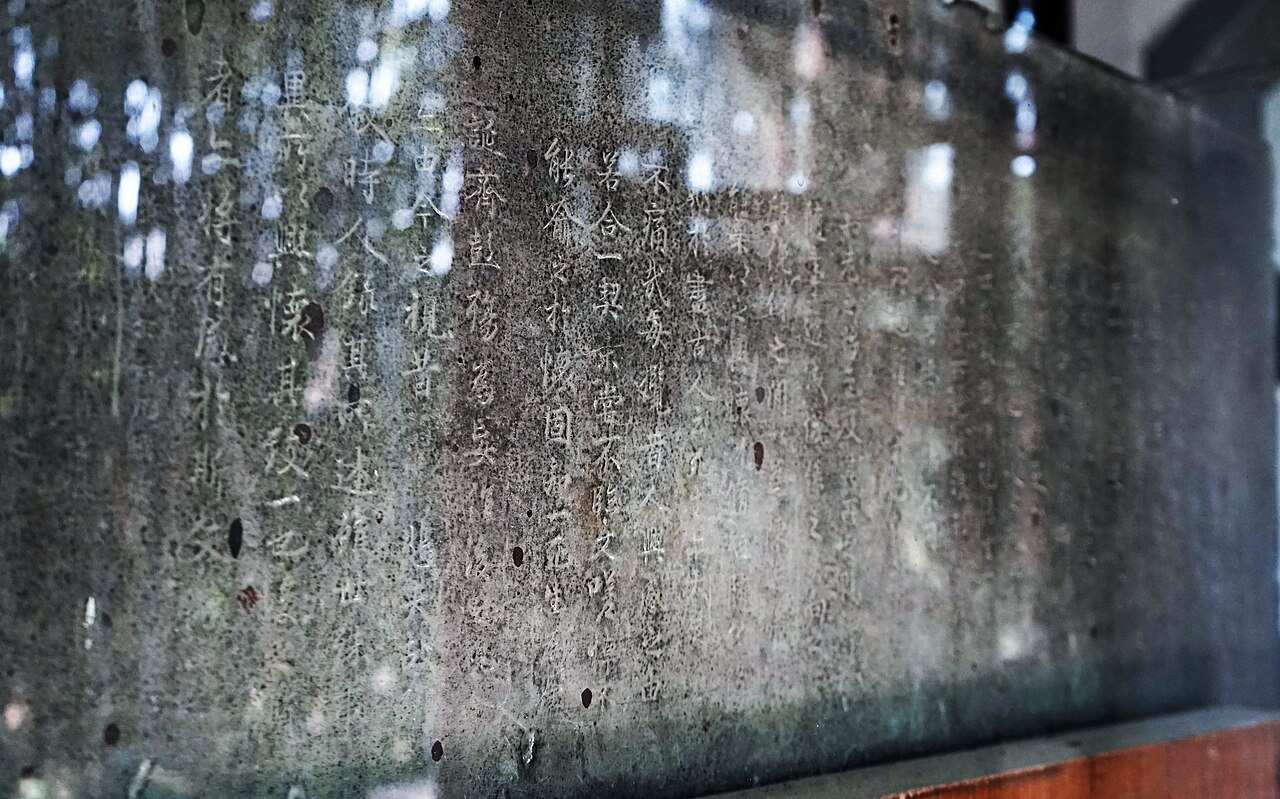
Stele pavilions in the Temple — the second great forest of stone in China
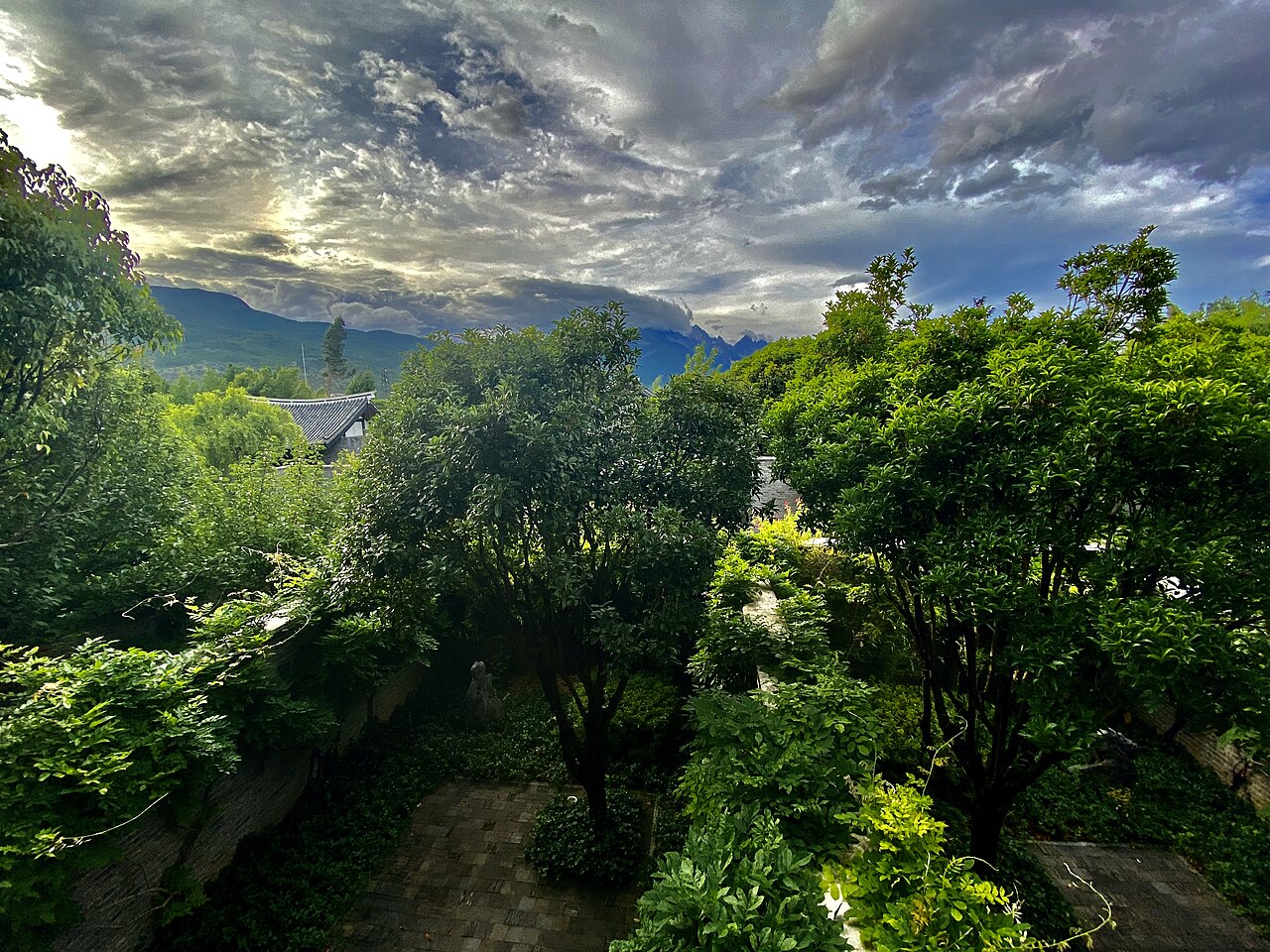
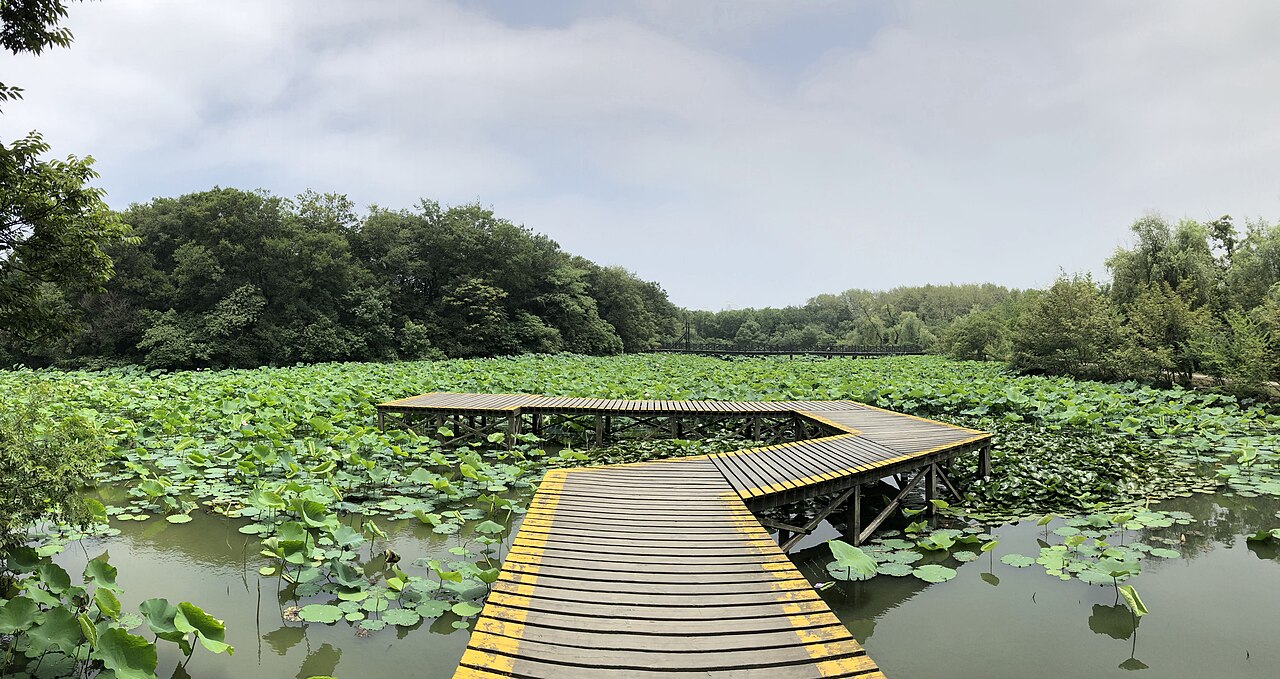
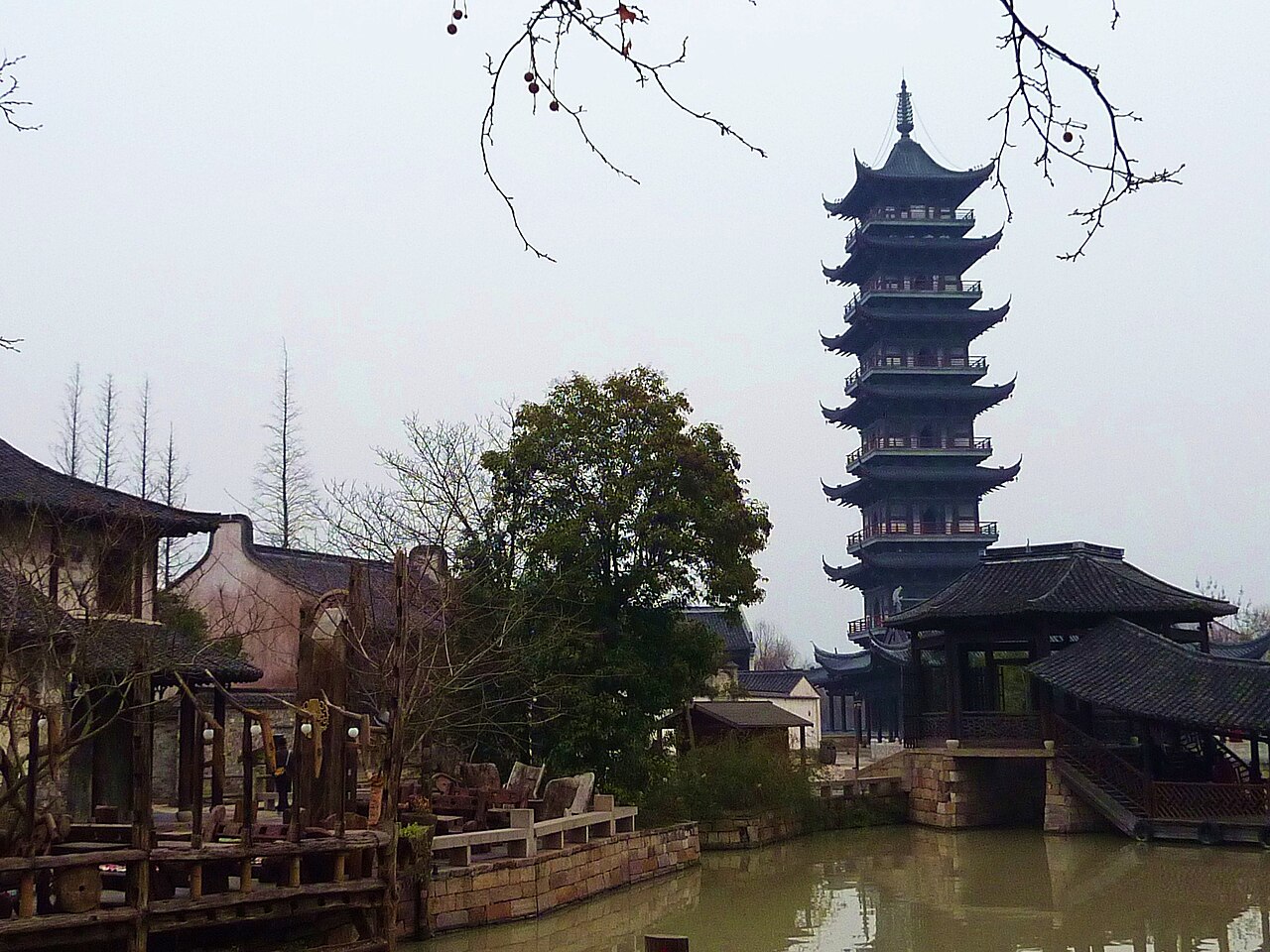
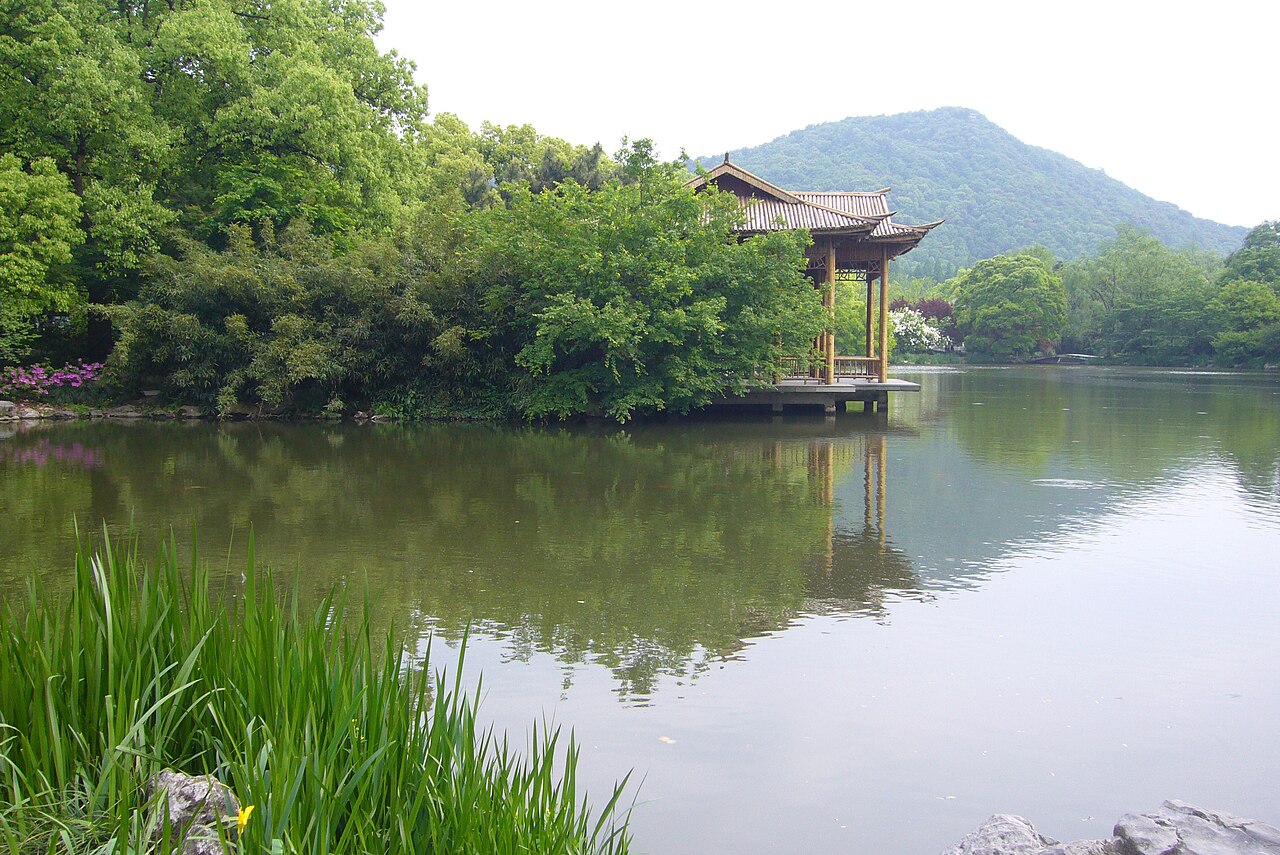
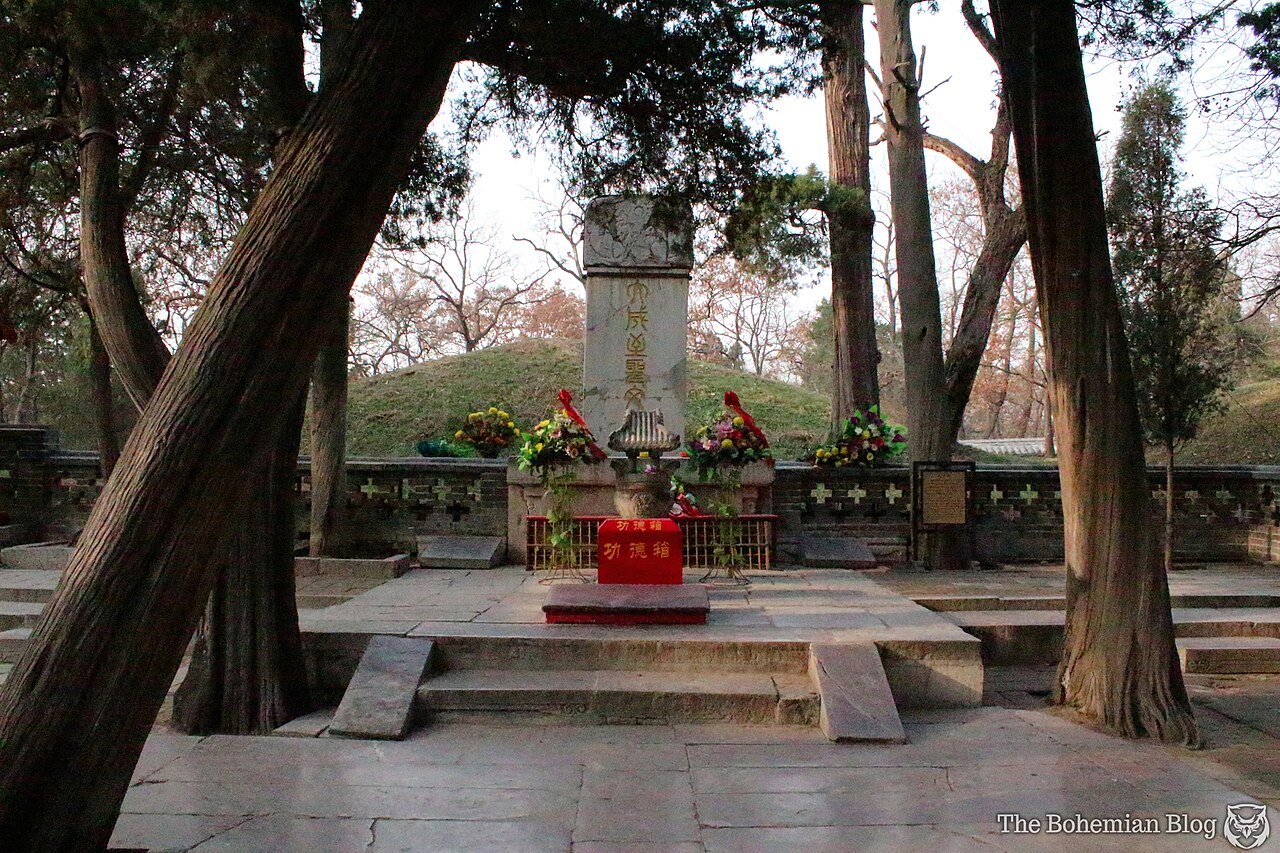
The paths and old trees of the Cemetery at dusk
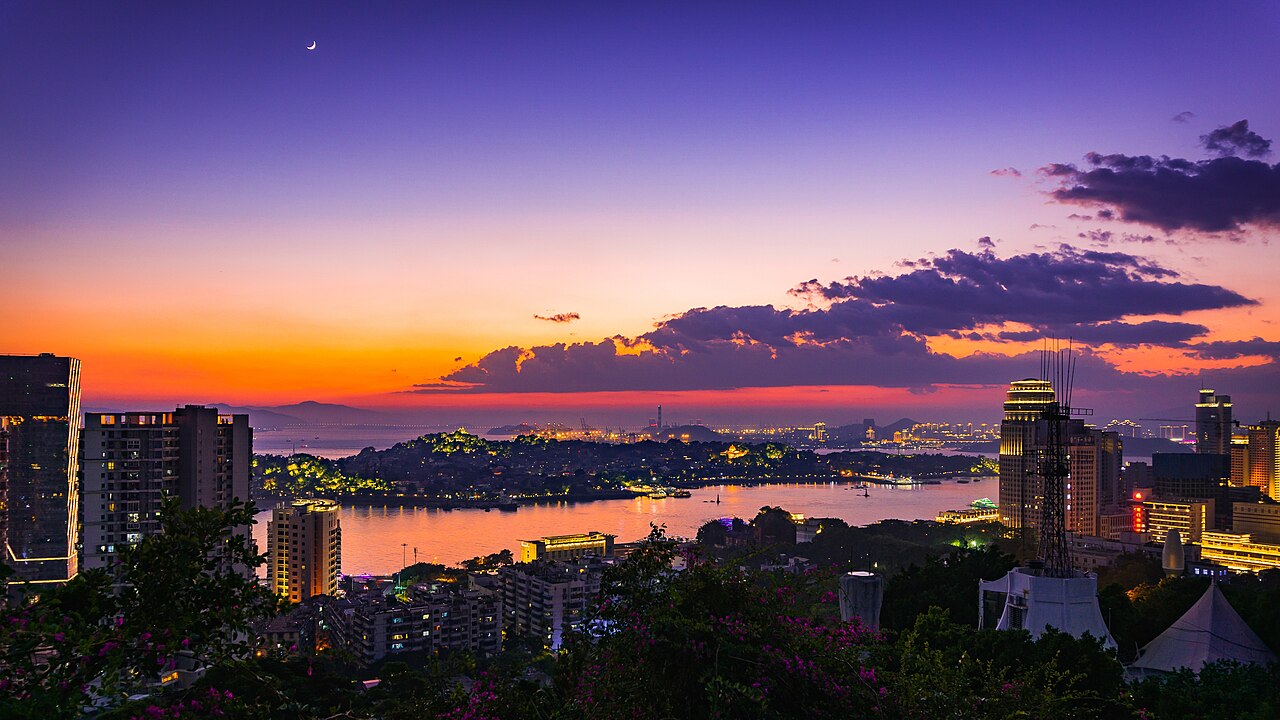
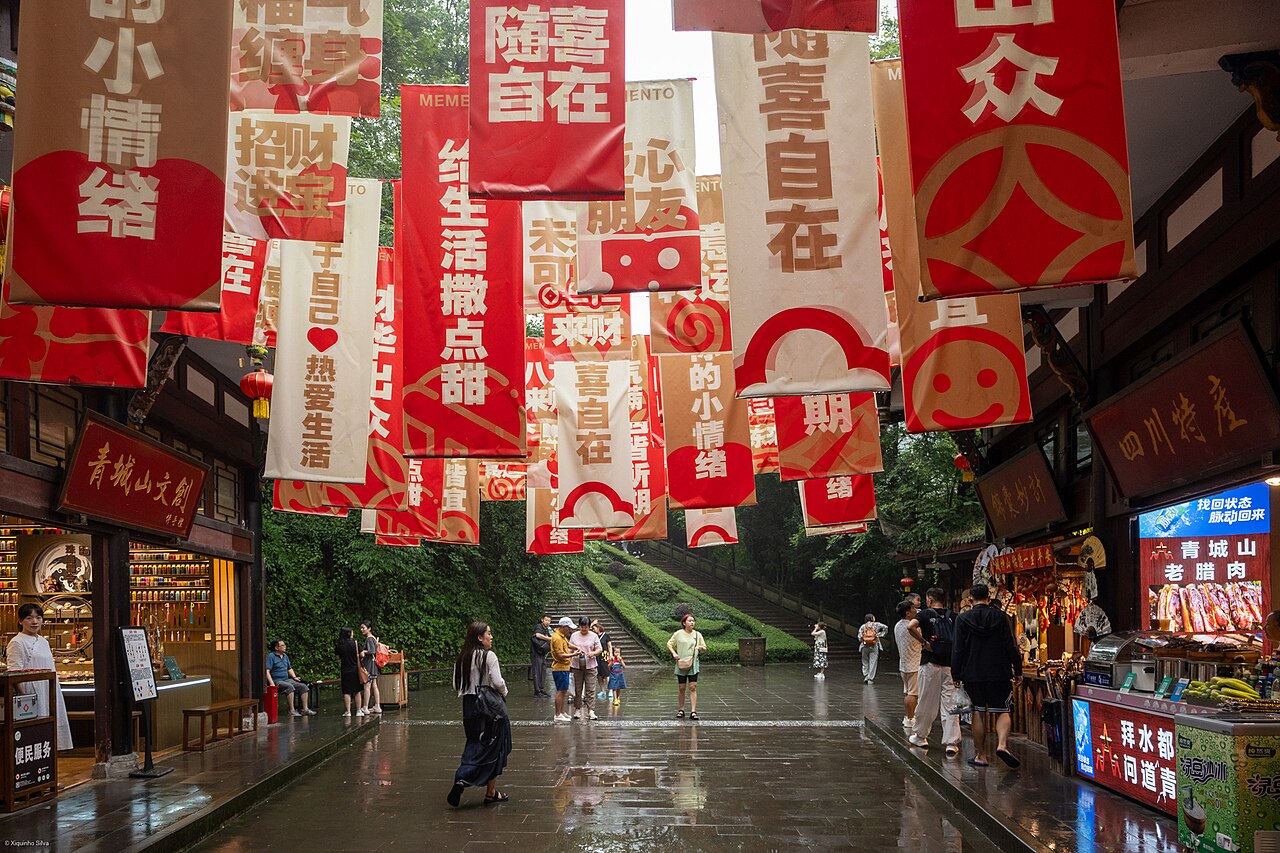
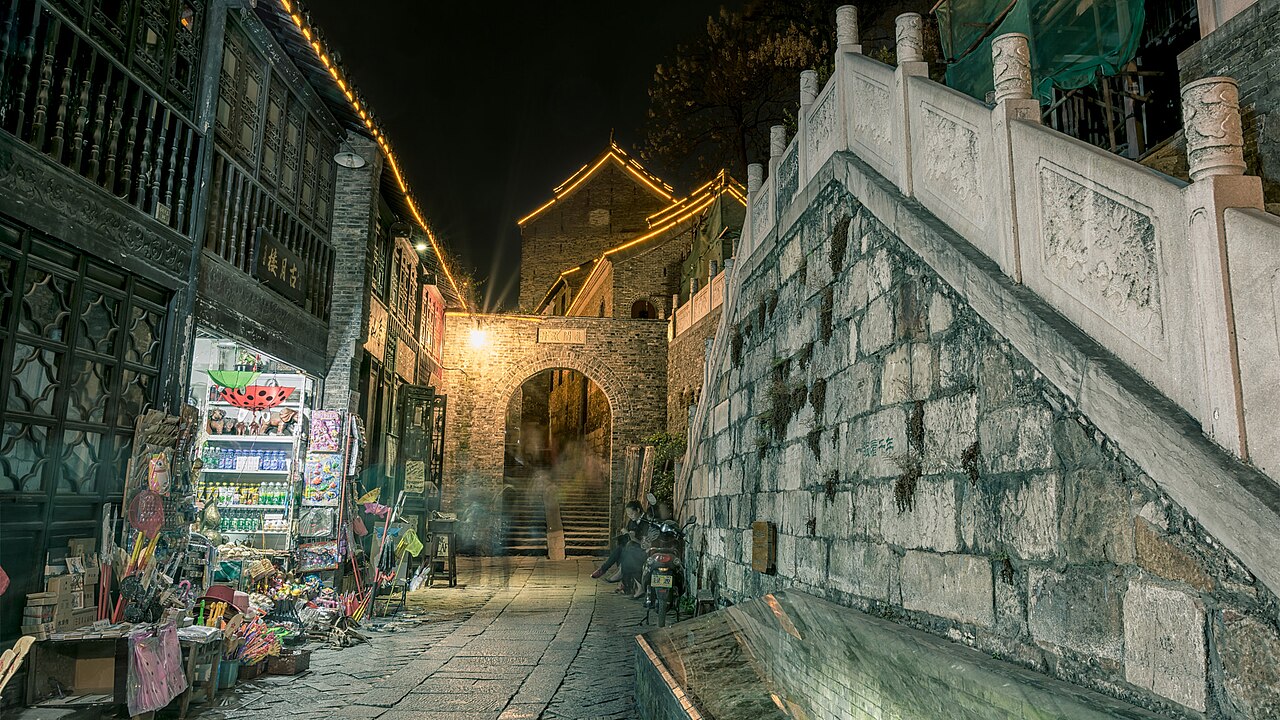
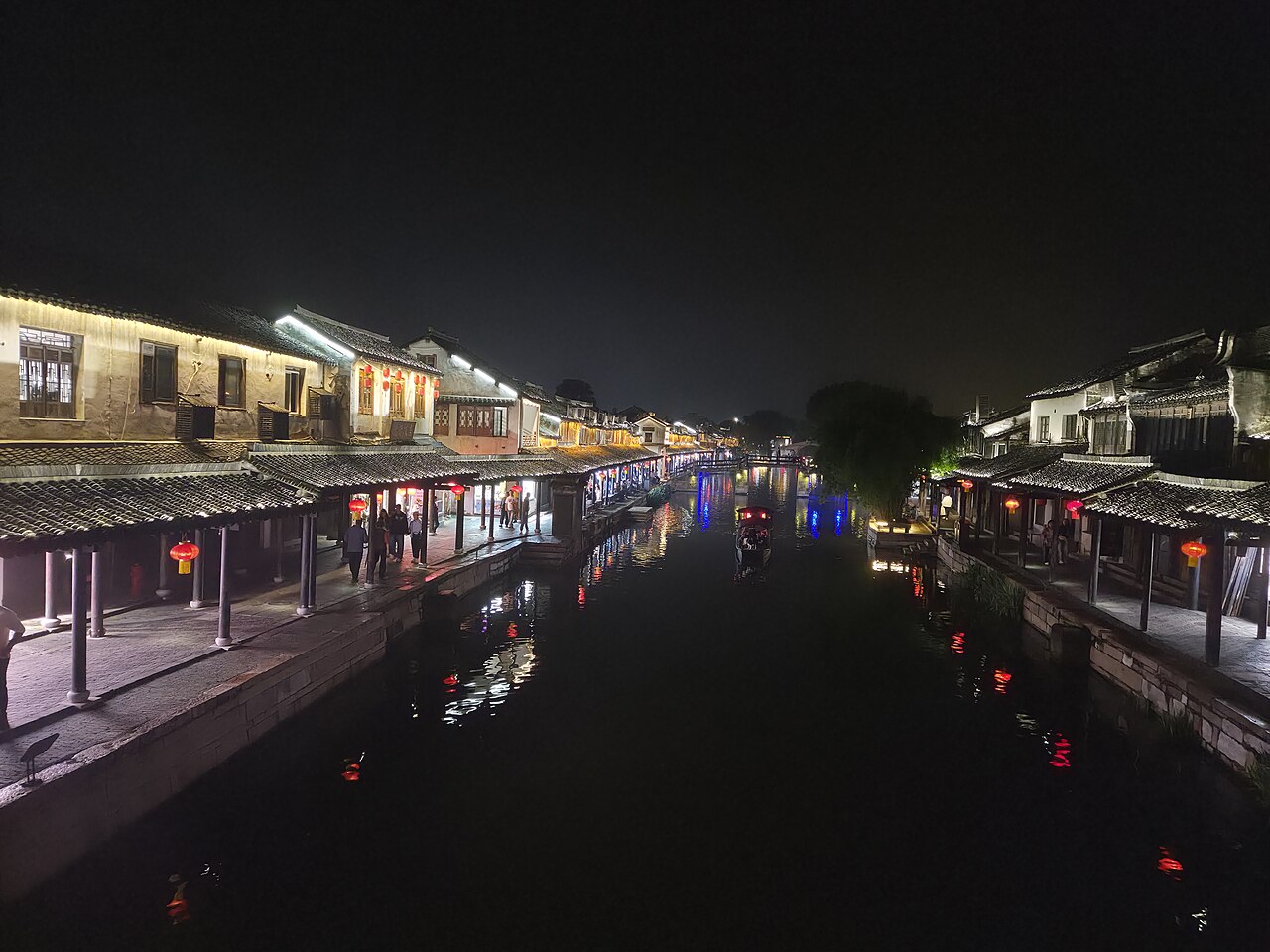
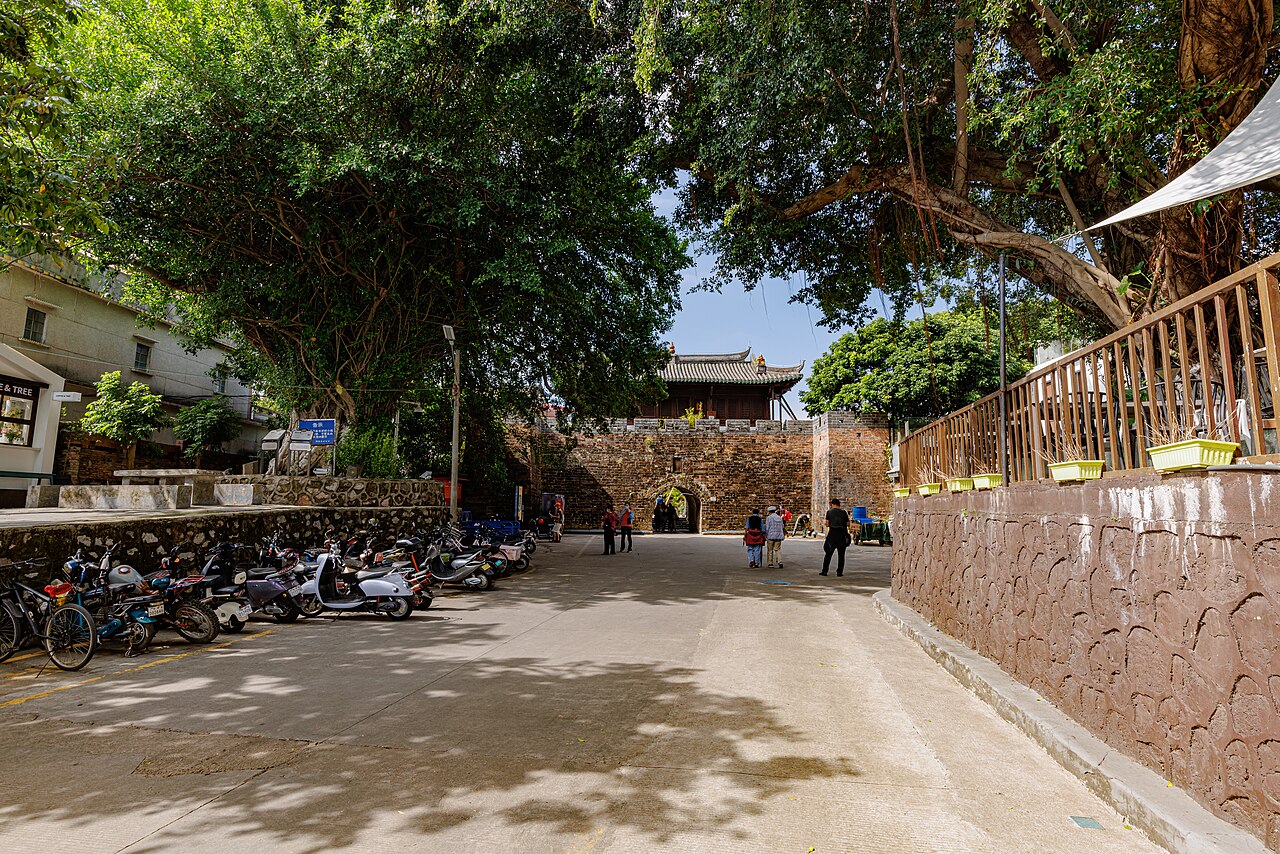
The morning bell and the gate-opening ceremony at the Ming city wall

Emperors of every dynasty carved steles in his honour. His temple is gilded and magnificent, with dragon columns and a golden-water bridge, and the main hall built to sacrifice to him dwarfs the halls where they enshrine the Buddha and the bodhisattvas. He is the only man who was never an emperor and yet was given the rites of one. Countless imperial tombs were violated. His was never touched.

A traveller's note, 'The Three Kong Sites of Qufu'

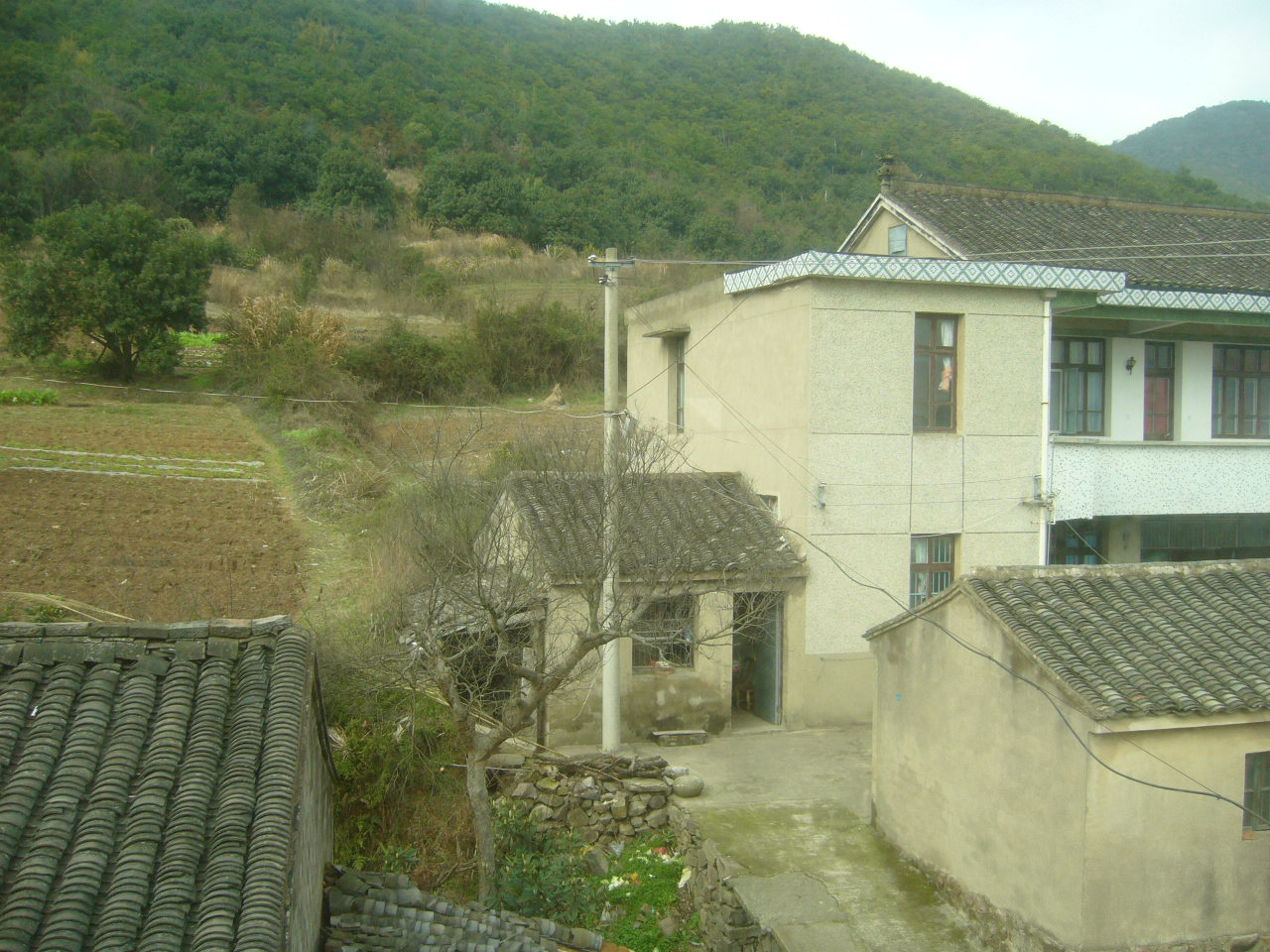
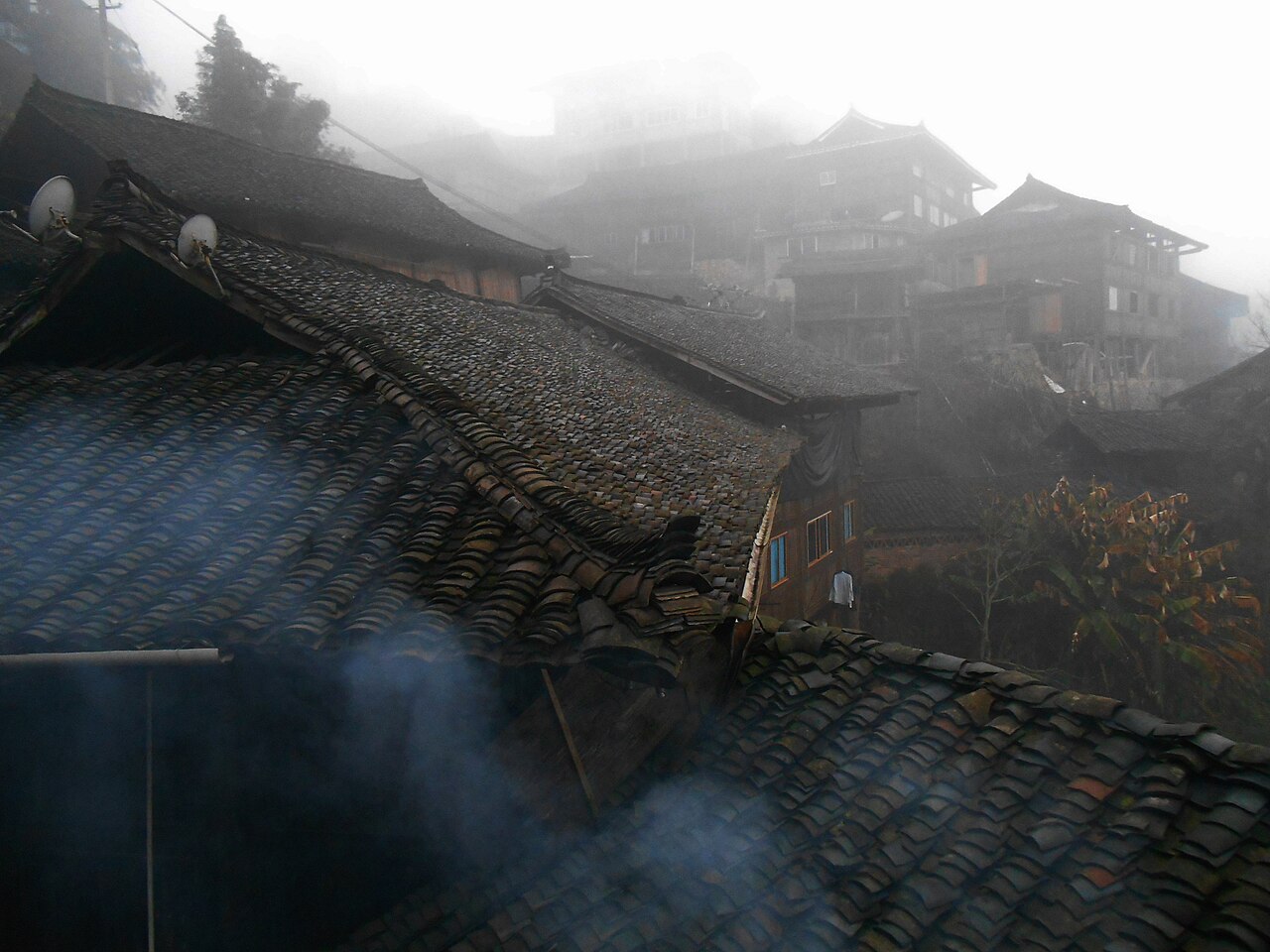
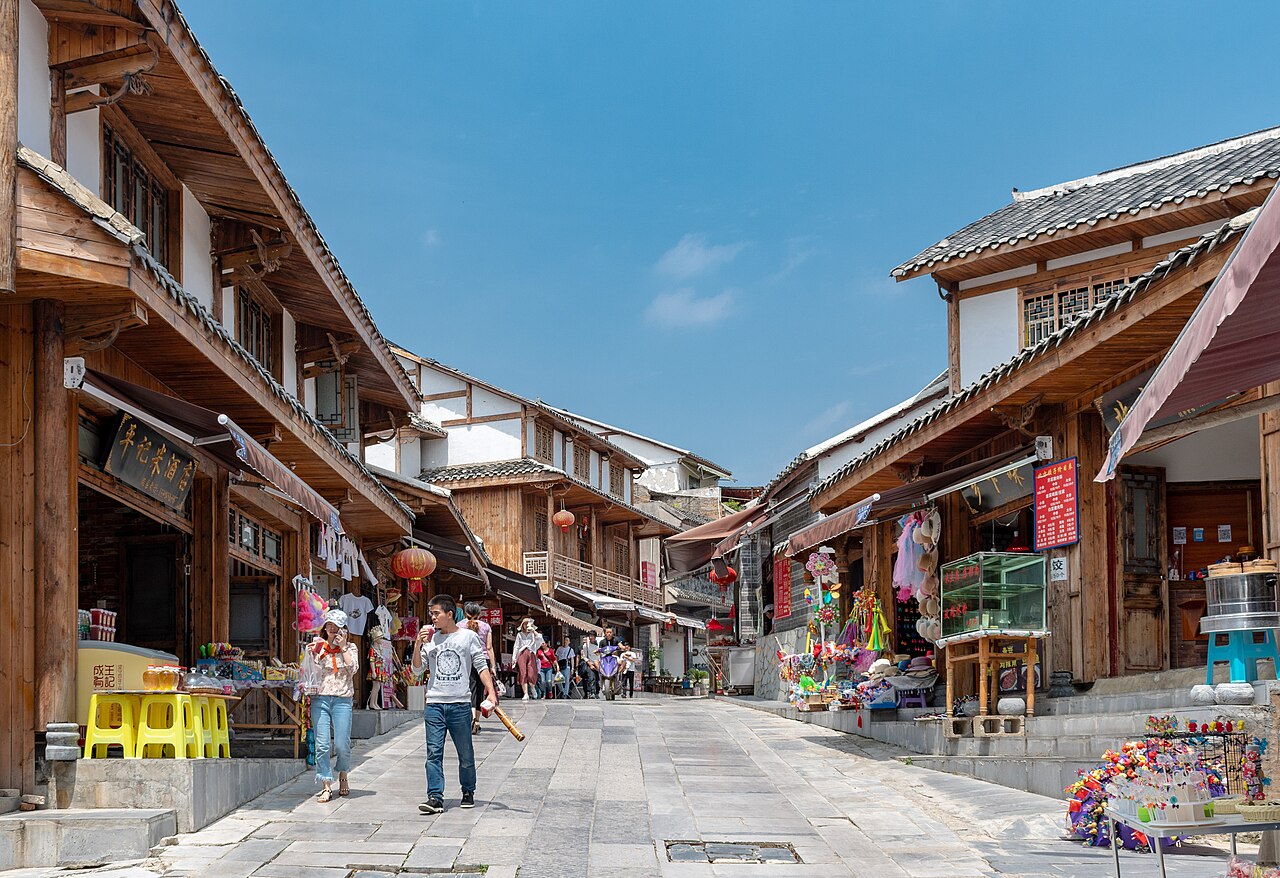
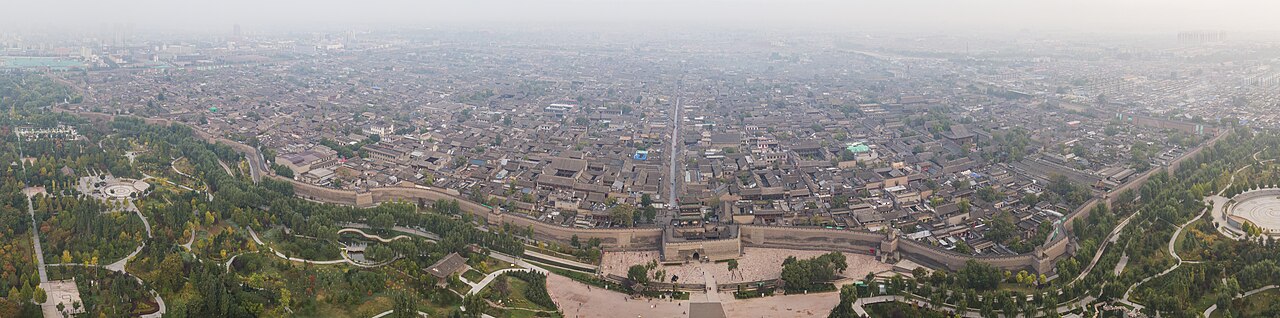
My first impression was how small the city is — I measured it almost entirely on foot, and everywhere I looked there were grey tiles on sloping roofs. Later, riding a pedicab out to the Cemetery, an old man told me: they do not allow tall buildings here. Low and close to the ground, and still full of the noise of ordinary life.

A traveller's note, 'That Old and Modern City'

Qufu is small, and the smallness is deliberate. Tall buildings are not permitted in the centre, so the old town keeps its low grey scale and you can walk the whole of it. In the Zhou dynasty it was the capital of the state of Lu, and for eight centuries it was the most cultured city in the country apart from Luoyang. UNESCO listed the complex in 1994; the State Council named it one of the first batch of national historic cities in 1982. Western visitors call it the Jerusalem of the east, and it is counted among the four sacred cities of the world.

Nearly everything you can walk into exists because of one man and one family, and the family is still here. Emperors carved steles and wrote inscriptions for him for two thousand years; the main hall where he was sacrificed to is several times grander than the halls where the Buddha is enshrined. He is the only person in Chinese history who was not an emperor and received an emperor's rites. Where plenty of imperial tombs were robbed, his was never touched.

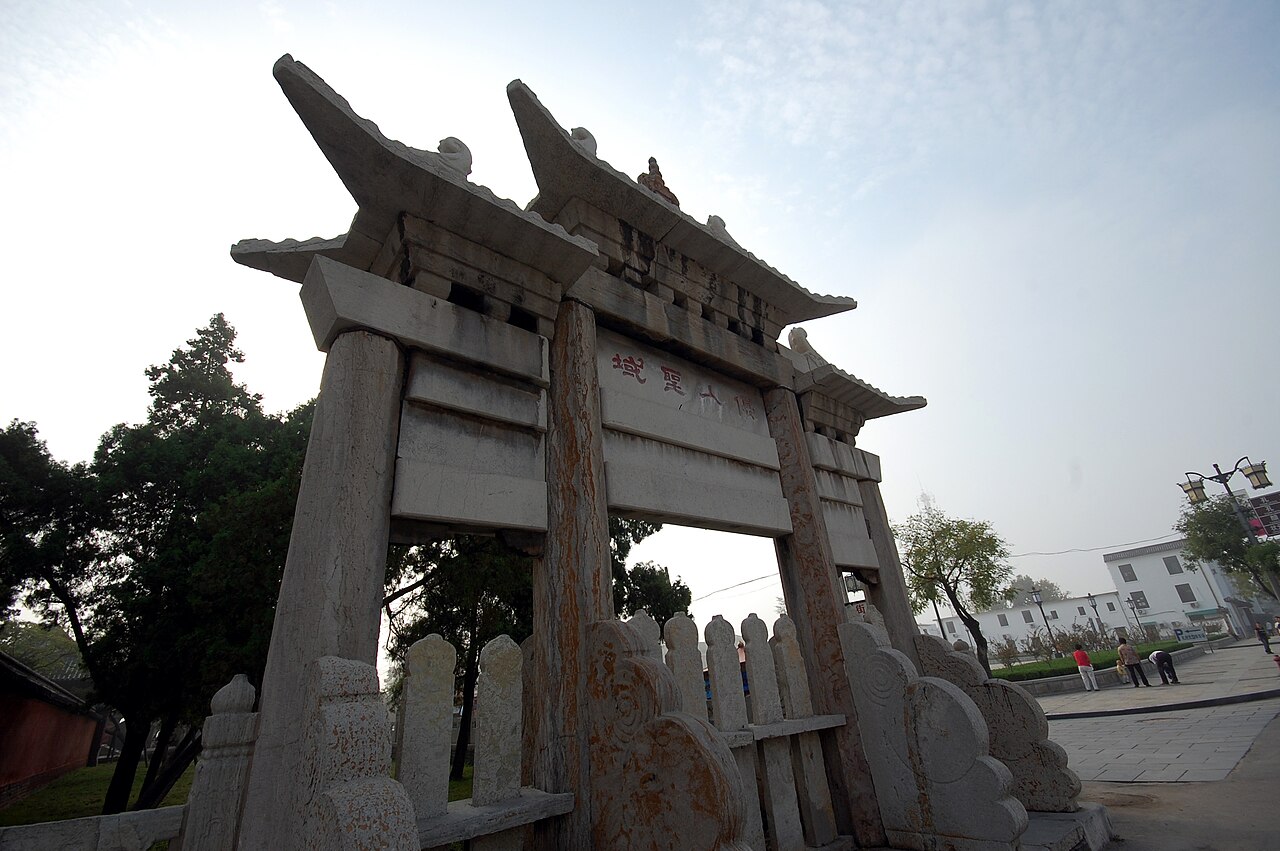
The three sites are not really three attractions so much as one continuous argument. The Temple is what the state built: nine courtyards grown over two millennia, ranked with the Forbidden City and Chengde as one of China's three great ancient building complexes, holding the country's second great forest of steles — Liang Sicheng called the whole thing a unique case in the history of world architecture. The Mansion next door is what the family built for itself: offices at the front, private quarters behind, a garden at the back, and the ten Shang and Zhou ritual bronzes the Qianlong emperor gave them in 1771. The Cemetery north of the walls is where they are buried — 3,000 mu of trees, more than 100,000 of them, and 3,600 steles from Tang to Qing.

What has quietly changed is that Qufu has stopped being purely a place you look at. Since 2013 the city has run the morning bell and evening drum again at the Ming south gate, you can take a ritual class, and the ceremony visitors are not allowed to watch during the autumn festival is staged daily at the Hall of Great Achievement for anyone who turns up.

Qufu

Don't leave without

Seven things that are worth rearranging a day for.

  1. Be at the south gate at 08:00 for the morning bell and the gate-opening ceremony
  2. Walk the Temple slowly, then find the interlocking eaves that gave Chinese a word for intrigue
  3. Walk rather than ride to Confucius's grave in the Cemetery
  4. Visit Yan Temple and the Duke of Zhou's Temple on the strength of your stub
  5. Eat smoked tofu and a vegetable pancake off the street
  6. Go out to Nishan and stand at the pavilion above the place he was born

Highlights

Six things that make the detour worth it

Three great sites, one family

The Temple where emperors sacrificed to Confucius, the Mansion where his eldest line lived, and the Cemetery where two thousand years of them are buried. Nothing in Qufu makes sense apart from that family, and the family is still here.

The second greatest forest of stone

Between them the Temple and the Cemetery hold more steles than anywhere in China bar Xi'an — the Temple in its Thirteen Stele Pavilions and the side halls, the Cemetery with 3,600 more from the Tang through the Qing. Do not rush them; this is the actual content of Qufu.

A building joke that became a proverb

In one corner of the Temple the eaves of two halls interlock so tightly that the architectural term for it — hooking hearts, locking horns — became the everyday Chinese idiom for political scheming. Once you have seen it you will never read the phrase the same way.

Morning bell, evening drum

Since April 2013 Qufu has run the old ceremony again: the bell at 08:00 at the south gate of the Ming wall, with the gate-opening ritual, and the drum at night. Free, twenty minutes, and the one thing that makes the old town feel inhabited rather than curated.

A pass that keeps paying

The ¥150 ticket does not stop at the three Kong sites. It also opens Yan Temple, the Duke of Zhou's Temple, Shouqiu and the Shaohao Tomb — each ¥50 on their own — and takes 20% off Nishan. Keep the stub; every entrance checks it and some ask for it twice.

A city you walk, not drive

Tall buildings are banned in the centre, so the whole town is brick, tile and low roofline, measured on foot. Buses cost ¥1, taxis start at ¥5 for 2 km, and a pedicab ride across the old town is about ¥5 with the driver narrating as he pedals.

Suggested routes

One long day, or a much better two

The long day

1 day days

Everything that matters in one day, starting at opening. This is what the ¥150 ticket and five hours of walking buys.

  1. Day 1

    Temple, Mansion, Cemetery

    Be at the south gate for the 08:00 bell and the gate ceremony, then go straight into the Confucius Temple while it is still quiet. Two hours: the dragon columns, the Thirteen Stele Pavilions, the Hall of Great Achievement, and look up for the interlocking eaves.

    Exit west 50 metres into the Confucius Mansion — one hour through the offices at the front and the family quarters behind. Lunch either at the hotel restaurant next door for a proper Kong banquet or on Wumaci Street for the cheap local version.

    Afternoon: walk north to Yan Temple, then the Cemetery. Do not take the ¥10 buggy without thinking — Confucius's own grave is only about ten minutes on foot.

    Stops: South gate morning bellConfucius TempleConfucius MansionYan TempleConfucius Cemetery
The relaxed two days

2 days days

The route advised for anyone who can spare the night — and the version that lets you be at the gate at eight in the morning.

  1. Day 1

    All three Kong sites plus Yan Temple

    Start at opening and take the Temple slowly, with a guide if you have booked one through the visitor centre. Break for lunch around the old town.

    Afternoon: the Mansion next door, then walk across to Yan Temple — free with your pass — and finish the day at the Cemetery in the low evening light, which is when the trees are best.

    Stops: Confucius TempleConfucius MansionYan TempleConfucius Cemetery
  2. Day 2

    Free with the pass, plus a choice

    Morning: Shouqiu and the Shaohao Tomb, where the legendary Yellow Emperor is said to have been born and the tomb of his son Shaohao rises in pyramid form — both free on your stub, both ¥50 if you were paying.

    Then the Duke of Zhou's Temple, one of only three in the country. Afternoon is yours: the Six Arts City, or push out to Nishan where Confucius was born if you are willing to give it the half day.

    Stops: Shouqiu and Shaohao TombDuke of Zhou TempleSix Arts City or Nishan

Three days with Jinan and Mount Tai

3 days days

The classic Shandong triangle: springs, sacred mountain, sage. All three are within easy reach of each other.

  1. Day 1

    Jinan on foot

    Jinan's sights are all in the centre and you can walk the entire day without a bus: Baotu Spring first thing while the crowds are thin, then Quancheng Square, then Heihu Spring further along the moat.

    Eat on Furong Street, one of the best-known snack streets in Shandong, and walk it off afterwards around Daming Lake.

    Stops: Baotu SpringQuancheng SquareHeihu SpringFurong StreetDaming Lake

  2. Day 2

    Mount Tai, the classic central route

    Coach or train from Jinan — under an hour either way. The route everybody walks is the Hongmen central line: Red Gate, Doumu Palace, Midway Gate to Heaven, the Eighteen Bends, South Gate to Heaven, the Heavenly Street, Jade Emperor Peak.

    Some people start at ten at night and climb to be on the summit for sunrise. It is a decision you should make in advance, and it is not the one to make in high summer.

    Stops: HongmenMidway Gate to HeavenEighteen BendsSouth Gate to HeavenJade Emperor Peak

  3. Day 3

    Qufu

    Train down to Qufu East or a coach every 20 minutes for ¥15 — about half an hour. Then the three Kong sites, and anything left in the tank can go to Yan Temple or the Six Arts City afterwards.

    If you have a fourth day, Mikou Weishan Lake — ten thousand mu of red river and a hundred li of reeds — and the old canal town of Taierzhuang both work from here.

    Stops: Confucius TempleConfucius MansionConfucius CemeteryYan Temple

Sights

What to actually go and see

Start here

The Confucius Temple

The temple proper where Confucius was sacrificed to, expanded by emperors for two thousand years until it became a complex of nine courtyards. It ranks with the Forbidden City and the Chengde mountain resort as one of China's three great ancient building groups, and Liang Sicheng called it a unique case in the history of world architecture. The Sacred Traces Hall, the Thirteen Stele Pavilions and the east and west wings of the Hall of Great Achievement hold such a weight of stone that it is called China's second great forest of steles. Plenty of visitors come specifically to pray for examination success.

Where
Centre of Qufu; buses 3 and 5 from the coach station
Ticket
¥90 alone; included in the ¥150 three-site pass
Half price
Student, senior and officer cards
Enquiries
0537-4410518

Tip Look for the interlocking eaves of the Imperial Stele Pavilion and Dacheng Gate — the building trick that became the Chinese idiom for intrigue — and give yourself two hours, not one.

Next door

The Confucius Mansion

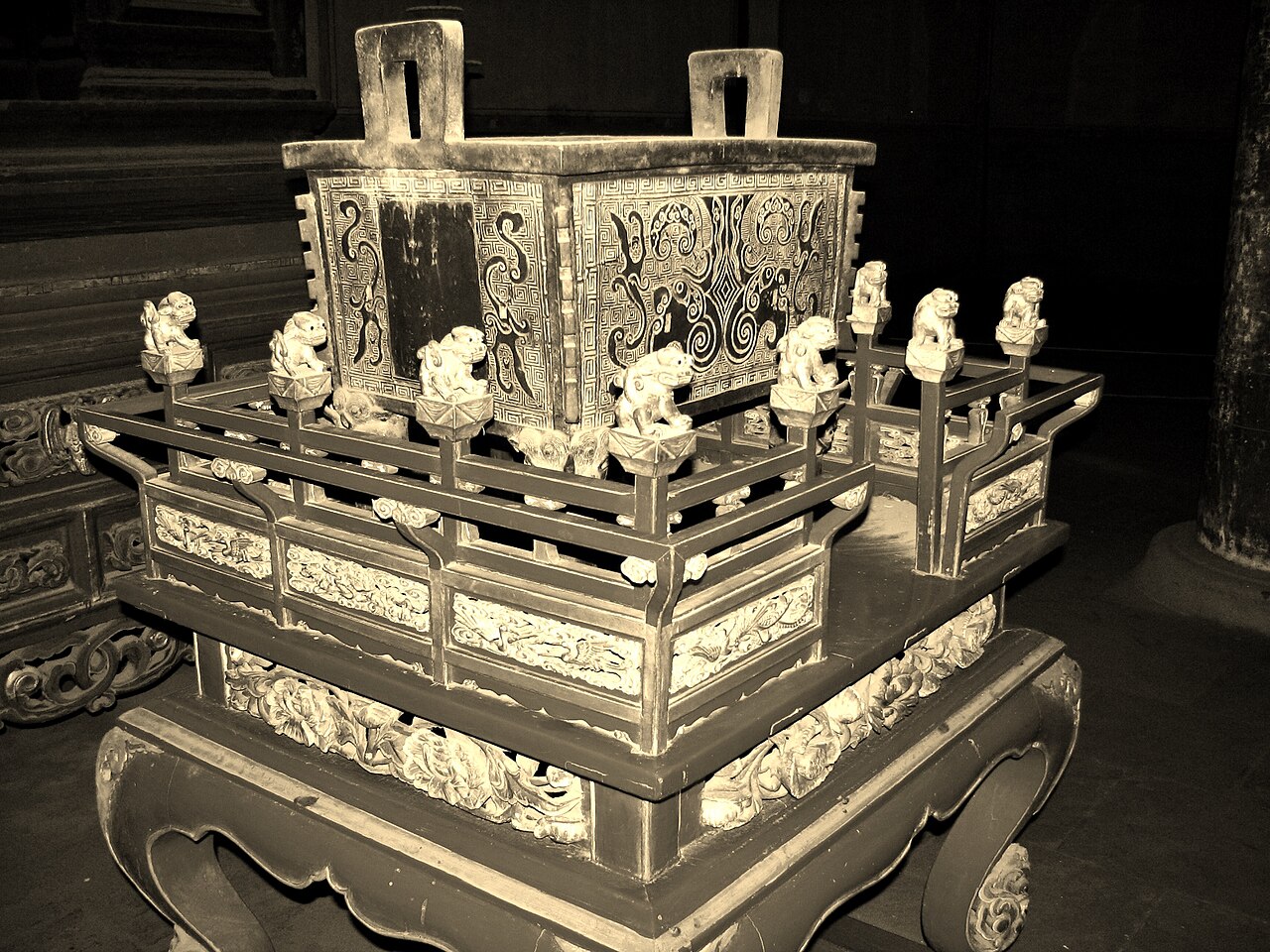
Also called the Duke Yansheng's residence, home of Confucius's eldest line, and listed by UNESCO in 1994. It is the most complete surviving example of a Chinese official residence fused with a private house, laid out in three parallel sequences: the front is government, with three halls and six offices, behind it the inner quarters with the front upper room and the front and rear halls, and finally a garden. The east sequence holds the family temple; the west holds the studios. Among its treasures are the ten ritual bronzes given to the family by the Qianlong emperor in 1771.

Where
Immediately west of the Temple, about 50 metres
Ticket
¥60 alone; included in the ¥150 pass
Allow
One hour

Tip Walk it as one continuous visit with the Temple — the contrast between the state half at the front and the private half behind is what makes the place legible.

Walk, do not ride

The Confucius Cemetery
Also called the Forest of the Ultimate Sage: the burial ground of Confucius and his descendants and the largest and longest-used family cemetery in the world. Three thousand mu holding more than 100,000 trees, with stone figures standing in groups and 3,600 steles from the Tang, Song, Yuan, Ming and Qing — the reason it too is called China's second forest of steles. There is an old puzzle nobody has solved: ten thousand trees and not one crow nests, a hundred kinds of grass and never a snake.

Ticket
¥40 alone; included in the ¥150 pass
Electric buggy
¥10 / person for the full circuit
On foot
About ten minutes to Confucius's own grave
Combined walking time
The whole three-site circuit is about five hours

Tip Unless you are short on time in the heat, walk. The buggy is ten yuan and the grave is ten minutes; what you lose by riding is the silence of the trees, which is the point of coming.

Free with the pass

Yan Temple

The temple of Yan Hui, also called the Fusheng Temple, and the finest of Confucius's students. Confucius praised him for living in a mean alley with a single bowl of rice and a ladle of water and still being content, for demanding much more of his own conduct than of his comfort — which is how he earned the title of the worthy one. Small, quiet and almost empty compared with the three great sites.

Hours
08:00–17:00
Ticket
Free with the pass; ¥50 alone
Where
North end of Louxiang Street
Enquiries
0537-4411075

Tip Do it on your way from the Mansion to the Cemetery rather than as a separate errand. It takes twenty minutes and it is the quietest room you will be in all day.
Free with the pass

The Duke of Zhou's Temple

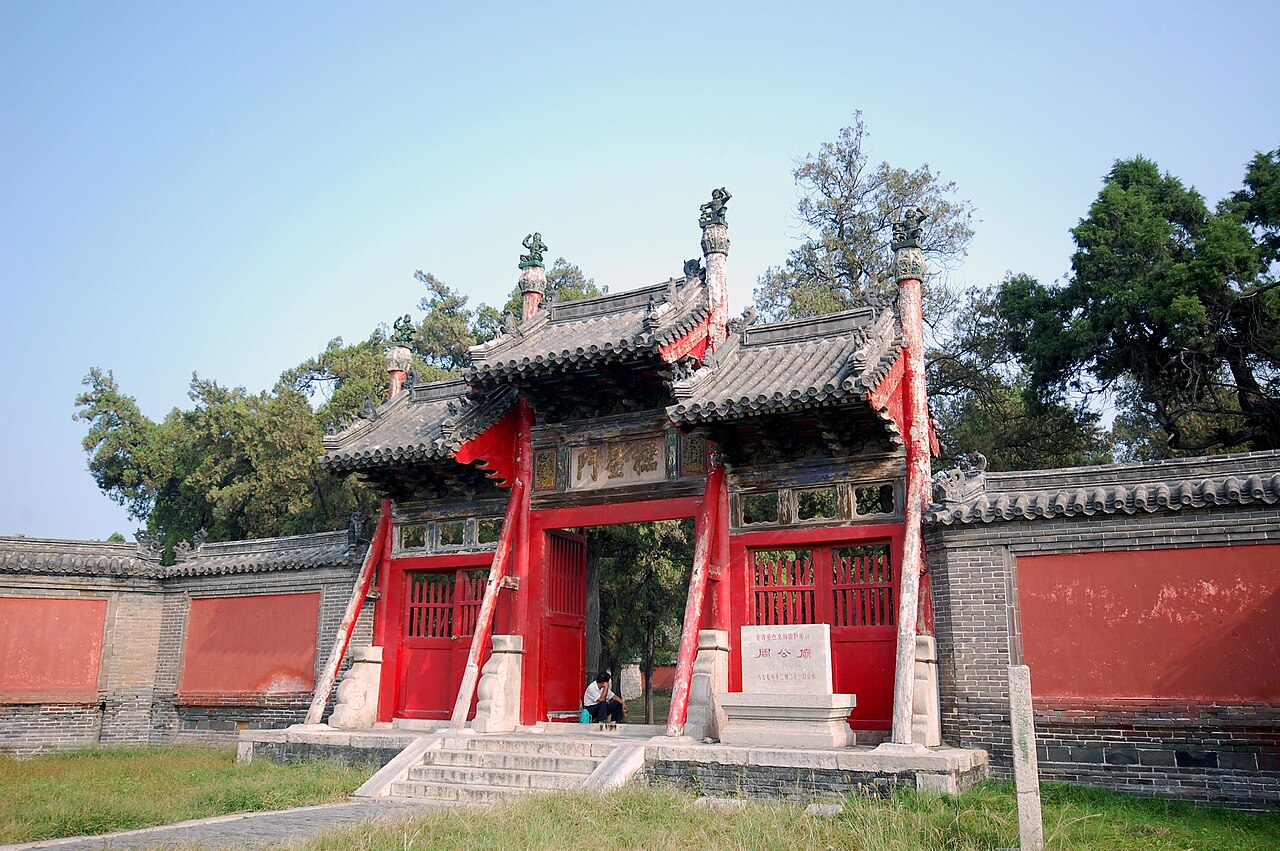
Ji Dan, the Duke of Zhou, was the fourth son of King Wen and brother of King Wu; he helped overthrow the Shang, built the Zhou and wrote its institutions, and the emperors later honoured him as the Ultimate Sage, which is why the temple is also called the Yuansheng Temple. Qufu holds one of only three Duke of Zhou temples in the whole country.

Hours
08:00–17:00
Ticket
Free with the pass; ¥50 alone
Where
Duke of Zhou Temple Street, Qufu
Enquiries
0537-4411075

Tip Pair it with Shouqiu and the Shaohao Tomb in one morning — all three are free on your stub and they sit in the same direction out of town.

Free with the pass

Shouqiu and the Shaohao Tomb

Ancient records make Shouqiu the birthplace of the Yellow Emperor, and the site is now a park holding the largest stone stele in China. Shaohao, known as Jintian, was said to be the Yellow Emperor's son and one of the Five Emperors; his tomb, once called Cloud Sun Mountain, is shaped like a pyramid, which is how it picked up the nickname China's pyramid. One of the country's notable ancient tombs.

Hours
08:00–17:00
Ticket
Free with the pass; ¥50 alone
Where
Shouqiu east of Jiuxian village, 4 km east of Qufu; the tomb thirty paces north

Tip This is the pair most visitors leave off, because nobody tells them the pass covers it. Go; the pyramid mound is stranger than anything in the three great sites.

Where Confucius was born

Nishan

A low hill east of the city above the Yi River holding three buildings — the Confucius Temple, the Nishan Spirit Temple and the Nishan Academy — raised as a memorial over the family's origins. The Guanchuan Pavilion in the south-east corner of the temple is traditionally the spot from which Confucius said that time flows away like this river, day and night. On the eastern foot is the Fuzi Cave, the cleft in the rock where he is said to have been born; a temple was raised beside it under the Northern Wei and rebuilt ever since. The academy sits among old cypresses with its eight named views.

Hours
08:00–17:00
Ticket
¥50 alone; 20% off with the combined pass
Where
Nishan town, Qufu
Getting there
Tourist coach from Qufu coach station, or drive: Jingtai expressway to the Qufu interchange, then Rilan for 16.6 km to the Nishan exit
Enquiries
0537-4414001

Tip Half a day at least, and it is genuinely out of town. Do it on a second day — trying to fit it in after the three great sites is how people end up hating Nishan.

Modern, deliberately

Confucius Six Arts City

A purpose-built cultural park themed on the six arts Confucius taught — ritual, music, archery, charioteering, calligraphy and mathematics — put together with modern audio-visual techniques. It is unapologetically a constructed attraction, and the reason to go is the timing: ritual music and dance, plus a reconstructed Confucian sacrificial dance, run in the Six Arts theatre at 10:00 and 15:00 every day.

Hours
07:30–18:00
Ticket
¥60 combined for the two halves; ¥40 for the Six Arts City alone, ¥30 for the native place garden
Seniors
¥30 for ages 60–69; free over 70
Where
15 Chunqiu Road, Nanxin district; bus 5
Enquiries
0537-4494810

Tip Either arrive for the 10:00 or 15:00 performance or skip it. Rocking up at noon gets you a model park and nothing else.

Away from the crowds

Jiuxian Mountain

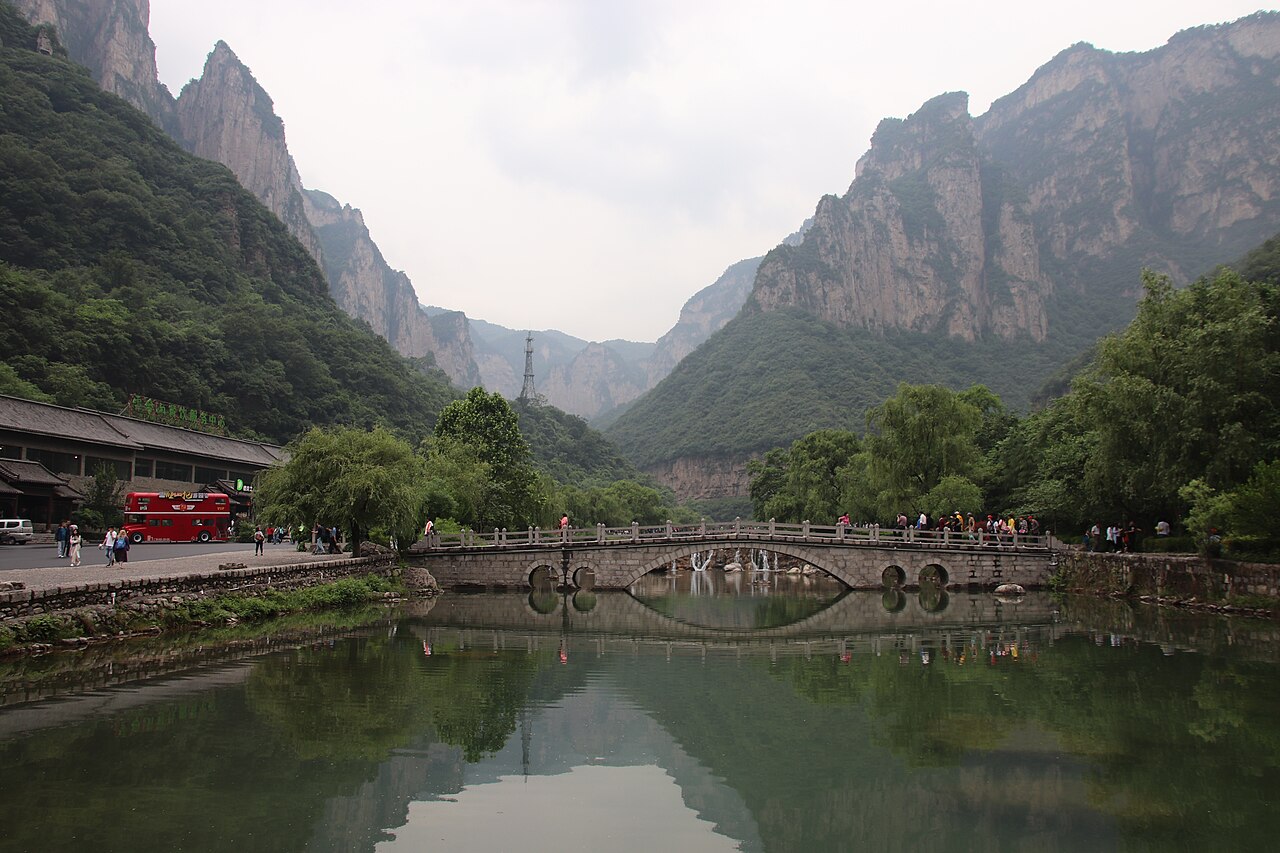
The name comes from a story about nine heavenly maidens who slipped down to earth, liked the scenery too much to go back, and were turned into nine peaks by an irritated Queen Mother of the West. Wooded, with springs meeting in the ravines and odd rocks everywhere: cool in summer, heavy with fruit in autumn, and the obvious choice if you would rather see countryside than another hall.

Ticket
¥30
Where
20 km north of Qufu
Getting there
Dedicated coach from Qufu New Coach Station
Enquiries
0535-5664777

Tip Give it a morning and combine it with nothing else — the twelve kilometres out of town are the point, and it does not work squeezed into an afternoon.

Side trip

The Mencius temple and mansion, Zoucheng

The next sage down the road. Mencius's temple, also called the Second Sage Temple, is a rectangle of five courtyards, tightly composed and a fine piece of architecture, holding more than 350 steles. Two are the ones everybody stops at: the place where Mencius's mother cut the cloth on her loom, and the marker for her three moves.

Hours
08:00–17:00
Ticket
¥40 Apr 1 – Oct 31; ¥30 Nov 1 – Mar 31
Where
44 Yashengfu Street, Zoucheng
Getting there
Bus 3 from east of Qufu coach station to Mencius native place

Tip Coaches leave every 20 minutes and the fare is ¥10, so it makes a clean second-day alternative to Nishan if you have already had enough Confucius.

Ceremonies and shows

What you can actually watch, and what you cannot

The morning bell and evening drum

Restored on 1 April 2013. Every morning at 08:00 at the south gate of the Ming city wall, the bell is struck and the ceremony of opening the gate is performed, with the drum answered at night. Free, about twenty minutes, and worth the alarm call.

The daily Confucius ceremony

The real sacrifice performed during the autumn Confucius culture festival is closed to visitors — which is exactly why the city stages one every day at the Hall of Great Achievement. Turn up, stand at the back, and do not worry whether your dates line up with the festival.

Apricot Altar, Sacred Dream

A large open-air music and dance spectacle built on four lines from the Analects, staging two and a half millennia of Confucianism from the Zhou to the present with a huge cast. Runs every evening from April to October, 20:00–21:10 at the Xingtan Theatre, 18 Gulou North Street. ¥180.

Ritual music and dance at the Six Arts City

The six arts Confucius taught, staged as dance, plus a reconstructed sacrificial dance. Twice daily at 10:00 and 15:00 in the Six Arts theatre, included in the ¥60 ticket. Smaller and stranger than the big evening show, and far cheaper.

A ritual class

Qufu has been moving from looking-at culture to doing culture: alongside the bell and the ceremony, short ritual and etiquette classes run for visitors who want to be taught rather than shown round. Ask at the visitor centre east of the south gate.

The autumn festival itself

The China Qufu International Confucius Culture Festival began in September 1989 and runs from around 28 September into late October: ceremonies, performances, exhibitions, academic meetings and trade. Everything is busier and everything costs more, but nowhere else will you see this much ritual at once.

Food

Banquet tables and street food

Longevity unbroken

The one banquet dish that escaped the banquet. Longevity noodles with a whole carp in sauce, auspicious enough to have become a standalone Qufu speciality and compulsory at birthday tables. You will find it in every sizeable restaurant in town, which tells you how good the marketing was.

The Single-Rank Peach of Longevity

A great fat peach moulded from sweet paste with the character for longevity stamped on it in red, drawing on the old story of the immortal Magu bringing birthday offerings. It came out of the Kong kitchens into the streets and is now local street food: good-looking, sandy-sweet, and the sort of thing children eat before noticing what it is.

Immortal's duck

Braised until the meat leaves the bone, with sweet clear soup and richness that never turns cloying, which is how it earned its reputation as one of the great Kong dishes. Order it with plain rice and nothing else on the table.

Qufu smoked tofu

The genuinely local snack, sold all over town. Tofu simmered in an iron pot with pork, submerged in water with whole chillies, fennel, Sichuan pepper and cassia. Eaten cold-dressed, stewed, or sliced thin. If you like heat, ask for the five-spice oily-spicy version.

Vegetable pancakes

Made fresh on the griddle: oil, egg, sausage and whatever greens are in season spread on a hot pancake, cooked through, rolled, cut into sections and handed over in paper. Held in the hand, fragrant enough to make you hungry again, and the cheapest decent thing you will eat here.

Kong family pastries

Passed down through generations by the family's own pastry cooks, always freshly baked and judged on colour, scent, taste and shape. Some were for going out — tribute to the court, gifts to guests — and some simply for the household: seasonal, everyday, arrival and festival cakes.

The five banquets

Birthday feasts with the finest service and names full of puns on long life; marriage feasts named for the couple; celebration feasts for promotions and births; reception feasts for the emperor and his ministers, where the Qing-era Manchu-Han banquet was the summit; and the everyday household table that changes with the season.

Qufu fragrant rice

Grown around the southern springs outside the south gate since Zhou times and at its peak under Qianlong. Small-grained, richly fragrant, and the source of the local boast that one household cooking it leaves ten households smelling it — whoever controls the aroma wins the argument.

Where to eat

Three restaurants, plus the cheap option

Kong banquet

Queli Guesthouse restaurant

Attached to Qufu's only four-star tourist hotel, right beside the Temple and behind the Mansion, in buildings that fit the neighbourhood rather than fighting it. The menu is Kong family cooking — Yangguan Three Folds, Ginkgo in Poetry and Rites, Kong-family beancurd, hot and sour soup. Be warned: it is expensive and there is a 10% service charge on top.

Where
1 Queli Street, Qufu
Average spend
About ¥81 / person
Bookings
0537-4866660 / 4866661
Note
10% service charge added after the meal

Cheap and beloved

Split-Firewood Chicken

Tiny, round the corner off a main road and genuinely hard to find, with old tables and chairs and a reputation built entirely on word of mouth online. Order pot-cooked chicken, pot-cooked fish, fried starch noodles, honeyed yam and pineapple sticky rice. This is where Qufu people eat when they are not pretending to host anyone.

Where
South end of Huadeng Street, west side, near the Yi River park
Average spend
About ¥31 / person
Phone
0537-4461158

Local fish

Tianxiang fish house

One of the better-known fish restaurants in Qufu, consistent and reasonably priced. Order pot-cooked fish, the snakehead, prawns flash-fried with rolled pancakes, water-caltrop congee, boiling fish and fish-ball soup — the fish list is the point, everything else is a supporting act.

Where
South section of Datong Road, just south of the Huanbao Hotel
Average spend
About ¥39 / person
Phone
0537-4492040

The local answer

Datong, Dacheng and Kuiquan roads

If you do not care about the menu and would rather eat where locals eat, go to this cluster of streets. Dozens of restaurants, fair prices, every cuisine you could want, and about ¥10 a head. It sits roughly 500 metres from the Temple and the Mansion, so you can walk there after visiting and walk straight into the sites afterwards.

Where
Datong Road, Dacheng Road and Kuiquan Road
Average spend
About ¥10 / person
Distance to sights
About 500 m from the Temple and Mansion
Note
Where drivers and pedicabs will try not to take you

Where to stay

Inside the walls or ten minutes out

Four star

Queli Guesthouse

Qufu's only four-star tourist hotel, and the address most people want: the Temple is to its right and the Mansion behind it, in period buildings that put you properly inside the precinct. Environment and service are good; the rooms themselves have seen some years. Restaurant does a Kong family banquet.

Where
1 Queli Street, Qufu
Prices
Single ¥380–410; standard ¥330–430 with breakfast, ¥280–380 without; suite ¥1,480
Phone
0537-4866400

Designed, modern

Oriental Confucian Garden Hotel

A newer high-end hotel laid out by the architect Wu Liangyong. The plan works on square and circle as its two generative figures, a deliberate metaphor for Chinese thought and specifically for the Confucian ideas of humaneness and harmony — the building is intended as an argument, not just a hotel.

Where
Middle section of Cangeng Road, near the Qufu city government
Prices
Single ¥330–360; standard ¥338–400; suites ¥890–1,680, all breakfast included
Phone
0537-5053114

Backpacker

Qufu International Youth Hostel

The closest thing to the sites for the least money: the Temple, Mansion and Cemetery are a few minutes on foot. Comfortable, clean, safe and well-run, though the rooms are plain and you bring your own toiletries.
Where
West side, north end of Gulou North Street, outside the west wall of Yan Temple
Prices
Dorm bed ¥40; standard ¥100; family room ¥110
Phone
0537-4418989 / 4428989

Family run

Baotai guesthouse

Less than a hundred metres from the Confucius Temple, immediately west of it, and certified under the city's hospitality standards programme — a family guesthouse rather than a hotel. Hot water and internet are the weak points, so ask before you book if either matters to you.

Where
52 Cangxiang Street
Prices
Standard ¥68–88; suite ¥138
Phone
0537-4688886

Budget

The chains, and the university guesthouse

The reliable low-cost answers, all walkable to everything. Cheapest of all is the Qufu Normal University reception centre at about ¥15 for a dorm bed, with very cheap doubles; its east gate is a quarter of an hour on foot from the three Kong sites, or buses 2, 3 and 5.

Jinjiang Inn
7 Chunqiu Road, west of the city government, 0537-4927999
Hanting Hotel
Block 2, visitor centre, Jingxuan East Road, 0537-4670888
Home Inn
34 Jingxuan East Road, 0537-4927777
Cheapest bed
Qufu Normal University reception centre, about ¥15

Getting around

How to reach Qufu and move through it

By air

Qufu has no airport and does not need one. Jining Qufu Airport (JNG) is about 85 km away, Jinan (TNA) 180 km and Xuzhou 160 km, and all three connect onward by coach. An airport coach to Jining leaves from Taibai Square on Taibai Road in downtown Jining; alternatively take a Jining–Jiaxiang coach and then city bus 3, 5 or 6 out to the terminal.

Nearest
Jining Qufu Airport (JNG), about 85 km
Alternatives
Jinan (TNA) 180 km; Xuzhou 160 km
Ticket office
Jining ticket centre, Hongxing Middle Road, 0537-6666666

By high-speed rail

Usually the best answer if you are coming from outside Shandong. Qufu East opened in June 2011 on the Beijing–Shanghai line, at Xizou town about 6 km south-east of the centre, and the K01 bus runs it into town for ¥3. Ordinary Qufu station — built in 1981 at the south end of Dianlan Road in the economic development zone — is 6.6 km from the centre and handles provincial services plus trains to Zhengzhou and Beijing.

Qufu East
Xizou town, south-east of the city; K01 bus into town, ¥3
Qufu station
South end of Dianlan Road, development zone, 6.6 km out; buses 3 and 9 (circular), K01, K05
Enquiries
0537-3991516

By coach

The backbone for travel inside Shandong. The coach station is central, north side of National Highway 327 just short of the Temple and Mansion, with departures across the province and a handful of long-distance services passing through to Beijing, Shanghai, Hangzhou, Xuzhou, Shangqiu, Baoding and Cangzhou. Sample fares: Jinan every 30 minutes ¥45; Jining every 20 minutes ¥15; Yanzhou every 20 minutes ¥5; Zoucheng every 20 minutes ¥10; Tengzhou every 30 minutes ¥20; Tai'an every 30 minutes ¥23; Zibo every 40 minutes ¥65; Mount Tai every 20 minutes ¥15.

Where
1 Jingxuan East Road; buses 3, 6, 9, K01, K05
Enquiries
0537-4412554
Jinan
06:40–18:00, every 30 minutes, ¥45, non-stop express
Mount Tai
06:00–19:00, every 20 minutes, ¥15

By city bus

The town is small and there are only eight routes, all of which cost ¥1 — except the high-speed-rail route K01, which is ¥3. They cover everything you need including most of the minor temples. The weakness is frequency: waits can be long, which is why people take pedicabs instead.

Fare
¥1; K01 high-speed line ¥3
Routes
Eight in total
Caveat
Intervals between services can be long

By pedicab

Given how small Qufu is and how few buses run, the pedicab is often the best local transport and always the most agreeable: about ¥5 a person, negotiable, and the rider generally talks you through what you are passing. It is transport and guiding for the price of a bus.

Fare
About ¥5 / person, and you can negotiate
Bonus
Drivers narrate the route
Warning
Some drivers take visitors to guesthouses and restaurants for commission — choose your own destination first

By taxi or car

All Qufu taxis are the same model of dual-fuel saloon painted the same colour, with Qufu's own registration prefix. Flagfall is ¥5 for 2 km, then ¥2 for each extra kilometre; complaints go to 0537-4417924. Self-driving is easy: within the city boundary you have the Rilan and Jingtai expressways, National Highways 104 and 327, and a dense provincial road network.

Flagfall
¥5 for 2 km, then ¥2 / km
Complaints
0537-4417924
Driving
Rilan and Jingtai expressways, G104 and G327

Practical

The numbers you will actually need

Two warnings worth reading twice. First, drivers and pedicab men work on commission: they will steer you to particular guesthouses and banquet restaurants, some of them unlicensed, and the enthusiasm is not free. Second, nothing in Qufu has fixed prices — haggle hard at every souvenir stall, and settle your room rate before you check in rather than discovering it at checkout.

Best monthsApril to November. Warm temperate monsoon climate; a hundred or so hills ring the east, north and south borders, with Phoenix Mountain the highest point and Chengzhuang the lowest
Combined ticket¥150 for the three Kong sites, ¥185 on public holidays; half price with student, senior or officer card
SeparatelyTemple ¥90, Mansion ¥60, Cemetery ¥40; Yan Temple, Duke of Zhou Temple, Shouqiu and Shaohao Tomb ¥50 each; Nishan ¥50; Six Arts City ¥60; Jiuxian Mountain ¥30; Mencius temple ¥40 / ¥30 off-season
Free with the passYan Temple, Duke of Zhou Temple, Shouqiu and the Shaohao Tomb. Nishan 20% off. Keep the stub — every entrance checks it
Opening hoursThe three Kong sites open early; all minor temples 08:00–17:00. Nishan 08:00–17:00. Six Arts City 07:30–18:00. Apricot Altar show 20:00–21:10, April to October
Getting inQufu East high-speed station, 6 km south-east, K01 bus ¥3. Coach station on Jingxuan East Road: Jinan ¥45, Jining ¥15, Tai'an ¥23, Mount Tai ¥15, Zoucheng ¥10, Zibo ¥65
Getting aroundEight bus routes at ¥1, K01 ¥3. Taxis ¥5 for 2 km then ¥2 / km. Pedicabs about ¥5 with running commentary
Useful numbersVisitor centre, east of the Temple south gate, 0537-4414002. Qufu tourism bureau, 4 Gulou North Street, 0537-4414789. Tourism complaints 0537-4490799. Taxi complaints 0537-4417924
MedicalQufu Traditional Medicine Hospital, 129 Cangeng Road, 0537-4495336. Second People's Hospital, 7 Gulou North Street, 0537-4488120. People's Hospital, 67 Tiandi Street, 0537-4411661
GuidesOfficial guides are booked at the visitor centre east of the Temple's south gate. The freelancers working the entrances are a known problem — failing that, stand near a tour group and listen
FestivalsChina Qufu International Confucius Culture Festival from around 28 September into late October, begun in 1989. The official ceremony during the festival is closed to visitors, hence the daily staged one

Shopping

Three treasures, five marvels, one shopping street

Rubbings

The first of the three treasures of Qufu: ink rubbings taken from stone steles with paper and a pad. Qufu is one of the main producers in China. The technique comes down to wiping or dabbing, and the local preference is dabbing, which gives the fine, clean prints the city is known for.

Kai wood carving

Traditionally walking sticks and ruyi sceptres cut from kai wood, which is firm but pliable with no cross-grain — a stick made from it will not snap under you, and a naturally crooked branch becomes a stick that looks like a dragon or snake. Pale gold, fine-grained, carved almost openwork, the fibres unbroken as silk.

Nishan inkstones

Named for the quarry on Nishan, with the Songhua stone the best of them: brownish yellow threaded with black-green pine-flower markings. The ink platform and reservoir follow the natural shape of the stone and the pine-flower pattern at the brow is carved in relief. Restrained, and genuinely well made.

The five marvels of central Shandong

The local shortlist of what to carry: Kong-family liquor, ruyi sceptres in kai wood, full-wool carpets, dragon-head walking sticks and Nishan stone inkstones. Everything on it is genuinely regional rather than tourist souvenir in a regional wrapper.

Kong family pastries

Made by dedicated pastry cooks and always baked fresh, judged on colour, scent, taste and shape alike. Broadly two families: those that went out into the world as tribute and gifts, and those that stayed inside the household for everyday and seasonal use.

Qufu fragrant rice

Grown around the springs outside the south gate since the Zhou and at its height under Qianlong. The grain is fine and the smell remarkable — hence the line about one family cooking it and ten families smelling it.

Queli pedestrian street

Immediately east of the Confucius Temple and the place to browse: Confucius statuettes, books of the Analects, rubbings, jade, stone carving and seals. Even if you buy nothing it is worth a walk.

Wumaci commercial street

From National Highway 104 east to Gulou Street, mostly two-storey, laid out old-to-new from west to east so the shopfronts turn from traditional to modern as you walk. Red Tai'an stone paving, old well pavilions, stone arches and little sculptures, the walls faced with imitation Qing-stone relief. The biggest commercial street in Qufu.

Background

Why Qufu is the way it is

A holy city of the everyday sort

Qufu sits in the south-west of Shandong, 135 km south of the provincial capital Jinan and 45 km north-east of Jining, leaning on Mount Tai to the north and facing Zoucheng to the south, with Sishui to the east and Yanzhou to the west. In the Zhou it was the capital of Lu, and this was the golden age of the city: apart from Luoyang, the eastern capital of the Zhou court, it was the most culturally developed city in the country. The State Council named it one of the first batch of national famous historical and cultural cities in 1982; UNESCO listed the Temple, Mansion and Cemetery in 1994.
It is worth being honest about what kind of holy city this is. More than fifty countries and regions maintain working relationships with Qufu in economics, technology, culture and scholarship, and visitors come in every skin colour and every faith — some to venerate Confucius, some to study, some simply to look. Descendants of the Yellow Emperor come looking for roots. Western writing has called it the Jerusalem of the east, and it is conventionally counted among the four sacred cities of the world.

Rings of hills, a hundred of them

The county has more than a hundred summits strung along its eastern, northern and southern borders, with a scatter of tens of smaller mounds inside them and a great block of rich farmland through the centre and west. Phoenix Mountain in the north is the highest point; Chengzhuang in the south-west is the lowest.

The climate is a warm temperate monsoon: four distinct seasons with decent rainfall, dry springs, wet summers, autumn drought and cold dry winters with little snow. April to November is the window, and the guide's own recommendation is summer and autumn — the open-air Apricot Altar show starts in early summer, and autumn brings the culture festival with its ceremonies and performances.

From looking to doing

The shift worth noticing if you came here years ago is that Qufu has deliberately moved from cultural tourism to participatory tourism: the restored morning bell and evening drum, the daily ceremony, ritual and etiquette classes. The idea is that you touch the history rather than read placards about it. It is also, fairly plainly, how a small city keeps a day-tripper overnight.

None of that changes the core fact. He was a teacher and an administrator who failed politically and died thinking his work had come to nothing, and then every succeeding dynasty carved stone in his honour and added to his temple. The Analects — twenty chapters, compiled by his disciples and their disciples, mostly dialogue — remains the shortest way to understand why.

Travel with them

Qufu in print and film

Book

The Analects

Compiled by the disciples of Confucius and their disciples

The founding text of Confucianism, twenty chapters in the received version, written mostly as sayings and dialogue and recording what Confucius and his students actually said and did. It is short. Read three chapters before you come and the stones start talking.

Book

Confucian Ethics and Social Order

Zhang Desheng

A sociologist's account of how Chinese social thought gestated and developed. Confucianism supplied the values of traditional China for two thousand years, became the target of every moderniser in the early twentieth century, and then acquired a new interpretation and a new historical job. Useful for understanding what arguments the steles were having.

Film

Confucius

Directed by Hu Mei

In the sixth century BC Confucius rises from district governor to minister of justice under the Duke of Lu, which finally lets him try governing by ritual. After he puts down a rebellion, a rival forges an order to strip him of office, and he sets out with Yan Hui and Zilu to walk the warring states looking for a ruler who will listen.

Music

Sacrificial music and dance, rebuilt

Traditional ensemble, Kong family repertoire

The ritual music reconstructed for the daily ceremony at the Hall of Great Achievement, on the oldest continuous instrumental tradition in Shandong. Stand at the back of the courtyard for the 08:00 rite and let it do the work that a guide cannot.

The questions visitors ask us most about Qufu, answered plainly.

Frequently asked questions

Prices and practical details are reviewed every month by our Beijing team and updated the day a rule changes.

How long do I need for the three Confucian sites?

About five hours walking steadily: two for the Temple, one for the Mansion, and an hour or two for the Cemetery depending on whether you walk to Confucius's grave or ride the ¥10 electric buggy. Add a guide and it stretches to a full day, and that is the better use of your time.
Should I buy the combined ticket or individual tickets?

Buy the pass. It is ¥150 for all three — ¥185 on public holidays — against ¥90, ¥60 and ¥40 bought separately, so anything beyond the Temple alone makes it the cheaper option. Students, seniors and serving officers pay half. Note that once you are in the system the individual sites are not really sold on their own, so decide before you join the queue.

Is Qufu worth visiting if I am not interested in Confucius?

Yes, if you like buildings and stone. The Temple is one of China's three great ancient building complexes, the Mansion is the best surviving example of a household fused with a government office, and the Cemetery is a forest of 3,600 steles and 100,000 trees. You can enjoy all three as architecture and never open the Analects once.
Should I hire a guide?

Yes, and hire an official one. Without explanation these really are just stones — the steles, the ritual layout and the story of the family all need a voice. The freelance guides who approach you at the gates are a documented problem, so book at the visitor centre just east of the south gate, or simply fall in behind a tour group and listen.

What should I eat in Qufu?

The Kong family banquet is the famous thing, in five registers from birthday and wedding feasts to the household table, but be realistic: few kitchens in Qufu can still cook a genuine one and it is expensive when they can. The smarter eating is on the street — Qufu smoked tofu, simmered with pork, chillies, fennel, Sichuan pepper and cassia, and vegetable pancakes folded round egg and greens straight off the griddle.

How do I get to Qufu from Jinan, Tai'an or Beijing?

High-speed rail to Qufu East from Beijing or Shanghai, then the K01 bus into town for ¥3; from Jinan a coach every 30 minutes for ¥45 or a train. From Tai'an, at the foot of Mount Tai, coaches run every 20 minutes for ¥15 and the train takes about half an hour, so the mountain and the sage pair naturally.
What should I watch out for in Qufu?

Three things. Drivers and pedicab men at the station and around the sights steer visitors to guesthouses and banquet restaurants for commission, and some of those guesthouses are unlicensed. Haggle hard at the souvenir stalls. And agree your room rate before you check in rather than at checkout.

When is the best time to visit Qufu?

April to November. The Confucius culture festival runs from around 28 September into late October, when you get ceremonies and performances everywhere — and equally large crowds. Note that the real ceremony during the festival is closed to visitors, which is exactly why the city stages a daily one at the Hall of Great Achievement.
Related reading

Related reading

Visas Do I Need a Visa for China? Requirements, Costs and How to Apply China's entry rules changed more in the last three years than in the previous twenty. Here is exactly who needs a visa, what it costs, how long it takes and which passports now walk straight through. 9 min read Visas China's 240-Hour Visa-Free Transit: Who Qualifies and How It Works Ten days in China with no visa application, no fee and no fingerprints — if you hold the right passport and leave for a third country. Here is the rulebook, port by port. 8 min read Money Paying in China: Alipay, WeChat Pay, Cards and Cash Roughly nine in ten urban payments in China now run through a phone. Set up two apps before you fly, carry a modest cash float, and you will never be stuck at a till. 8 min read Transport China's High-Speed Rail: How to Book, What It Costs, How Fast It Goes The fastest way to cross China is also the most pleasant. Here is how to book a ticket with a foreign passport, what the three classes actually give you, and how to survive a Chinese station at rush hour. 9 min read Planning Best Time to Visit China: Month by Month, Region by Region China is the size of Europe, so 'the best month' depends on where you stand. Here is the month-by-month answer for the north, the Yangtze valley, the south and the plateau. 8 min read Planning What to Pack for China: The Complete 2026 Checklist Twenty thousand steps a day, three climate zones and a phone that has to do everything. This is the list we give our own travellers, minus the things they never used. 7 min read Food Chinese Food Culture: Eight Cuisines, One Table There is no such thing as Chinese food. There is Cantonese, Sichuan, Hunan, Jiangsu, Zhejiang, Fujian, Anhui and Shandong — and knowing which one you are eating changes everything. 8 min read Traditions Chinese Tea Culture: Six Classes, One Pot, Two Fingers Tea in China is not a beverage category, it is a social technology: it fills silences, seals deals and sets the pace of a meal. Here is how to sit down in one and not look lost. 7 min read Traditions Chinese Festivals: The Calendar, the Dates and the Crowds Lunar dates mean the calendar moves every year — and two of the festivals move several hundred million people at once. Plan around them or plan into them, but never by accident. 8 min read Etiquette Chinese Etiquette: What Matters, What Does Not, and Why Most etiquette advice for China is either obvious or wrong. These are the dozen behaviours that actually change how you are treated, and the reasoning behind each. 7 min read

Tell us your dates.
We'll do the rest.

Free itinerary design, a revised plan within one working day, and nothing charged until you approve the final version.

  • Buy the ¥150 pass, not the individual tickets — the Temple alone is ¥90, the Mansion ¥60 and the Cemetery ¥40, so anything more than the Temple pays for itself.
  • The stub is money: Yan Temple, the Duke of Zhou Temple, Shouqiu and the Shaohao Tomb are ¥50 each bought alone and free with it.
  • Sights here are not sold individually once you are inside the system, so decide north-line-plus or day-trip before you queue.

No spam. No sales calls. Just a real itinerary from a real person.