City guide · Zhejiang

Hangzhou travel guide: what to do at West Lake, where the tea comes from, and how to ride the whole city

A lake in the middle of a city, a tea village in the hills, and two thousand years of getting the mood right.

  • Known forWest Lake, Longjing tea, temples
  • Typical spend¥1,200–2,500 for 3–5 days
  • Ideal length3–5 days
  • PaceUnhurried — the city rewards walking

Reviewed by our Beijing team Updated 2026-10-10

The short version

Hangzhou is the capital of Zhejiang and the most storied lake city in China — West Lake and almost every sight around it are free, and 2–3 days cover the lake, the Lingyin temple complex and a morning in the Longjing tea hills. The one sight that costs real money is the Lingyin temple complex at ¥75 (¥45 for the Feilai Peak grottoes plus ¥30 for the temple), and the famous Impression West Lake show runs ¥200–600; fly into Xiaoshan (HGH) or arrive by high-speed rail, and come in spring or autumn, never in the plum rain.

  • West Lake and all its ten old and ten new scenes are free — as are the public toilets, which is worth knowing on a hot day. Only Lingyin, Xixi and the theme parks charge.
  • Lingyin works in two halves: you must buy the Feilai Peak ticket (¥45) to reach the temple, then the temple ticket (¥30) on top — ¥75 all in, 07:00–18:00.
  • The public bike scheme is the best way to do the lake: 300 points, about one every 300 m, and the first hour is free — so return and re-hire every 59 minutes and the day costs nothing.
  • Public transport is cheap: metro line 1 runs ¥2–8, tourist buses (the Y-prefix routes) reach every sight, and the airport coach is ¥20.
  • Come in March–May or September–November. Summer is a furnace, winter is damp and cold, and the plum rain can run 40 days without a break.

City guide

First impressions

Photographs from the coast, and what other travellers wrote afterwards.

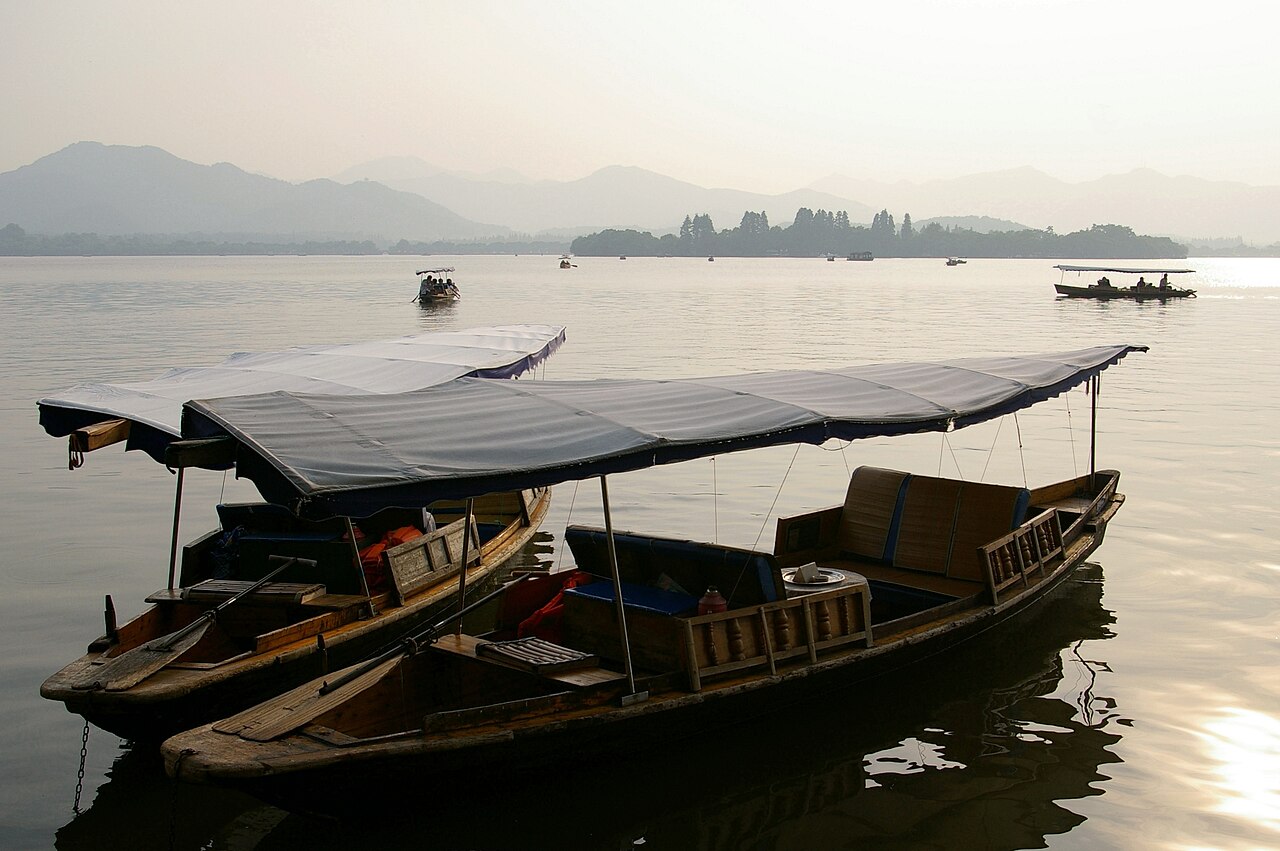
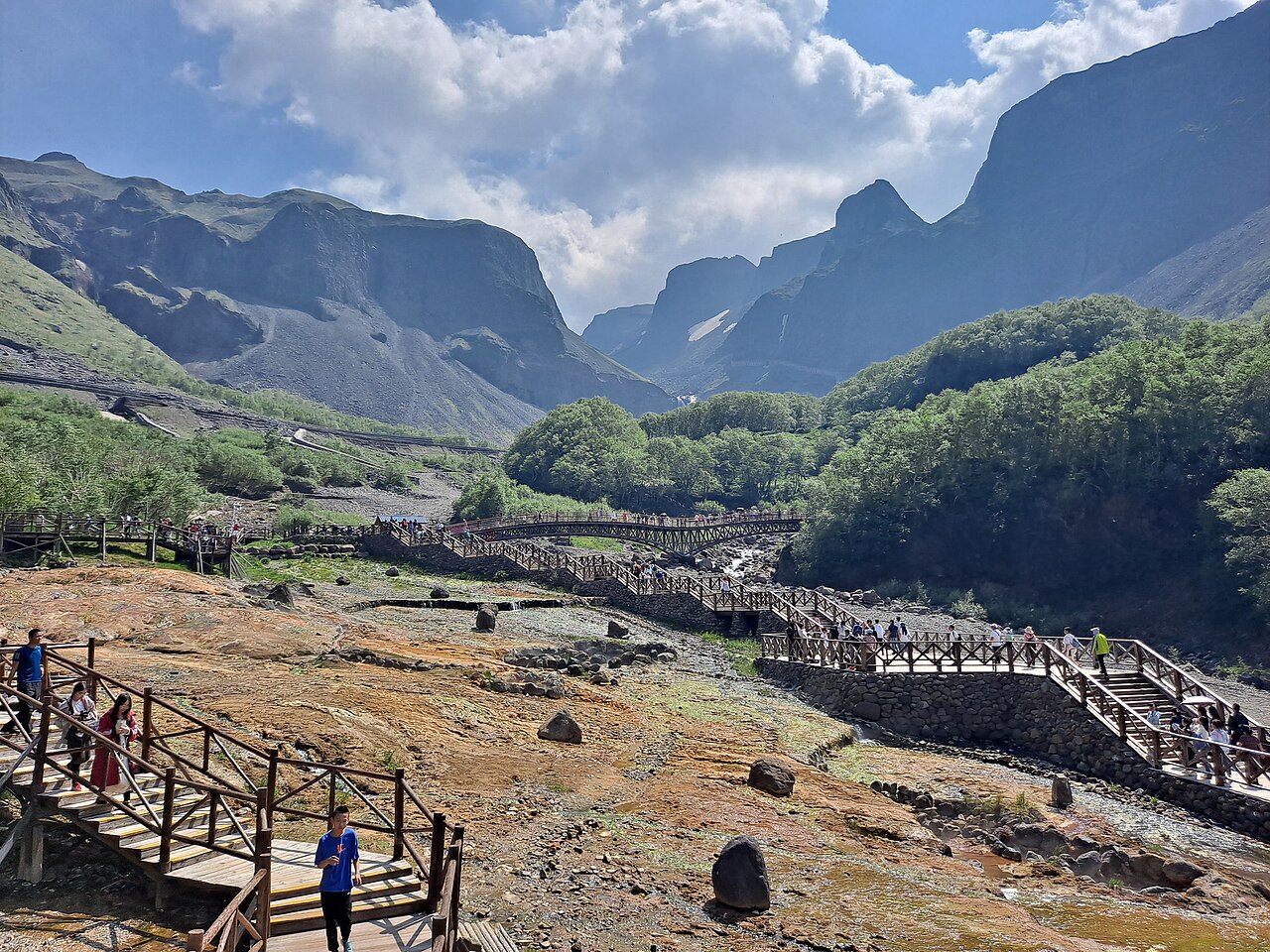
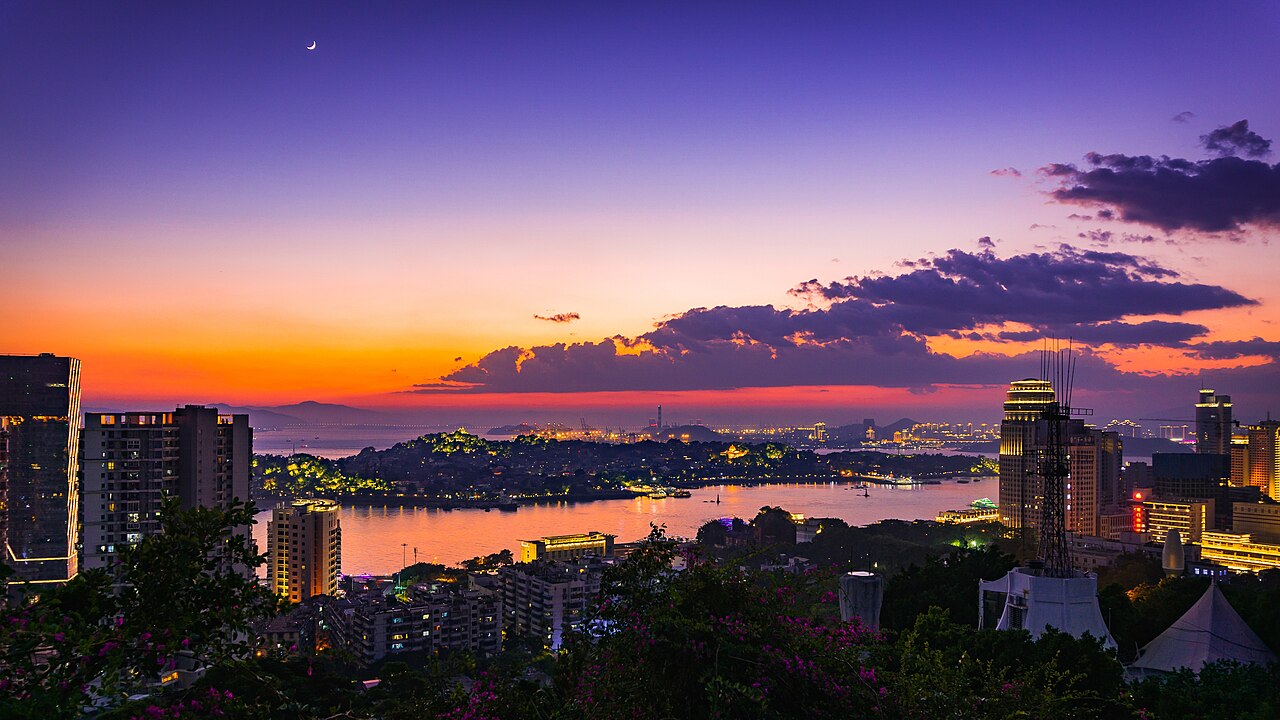
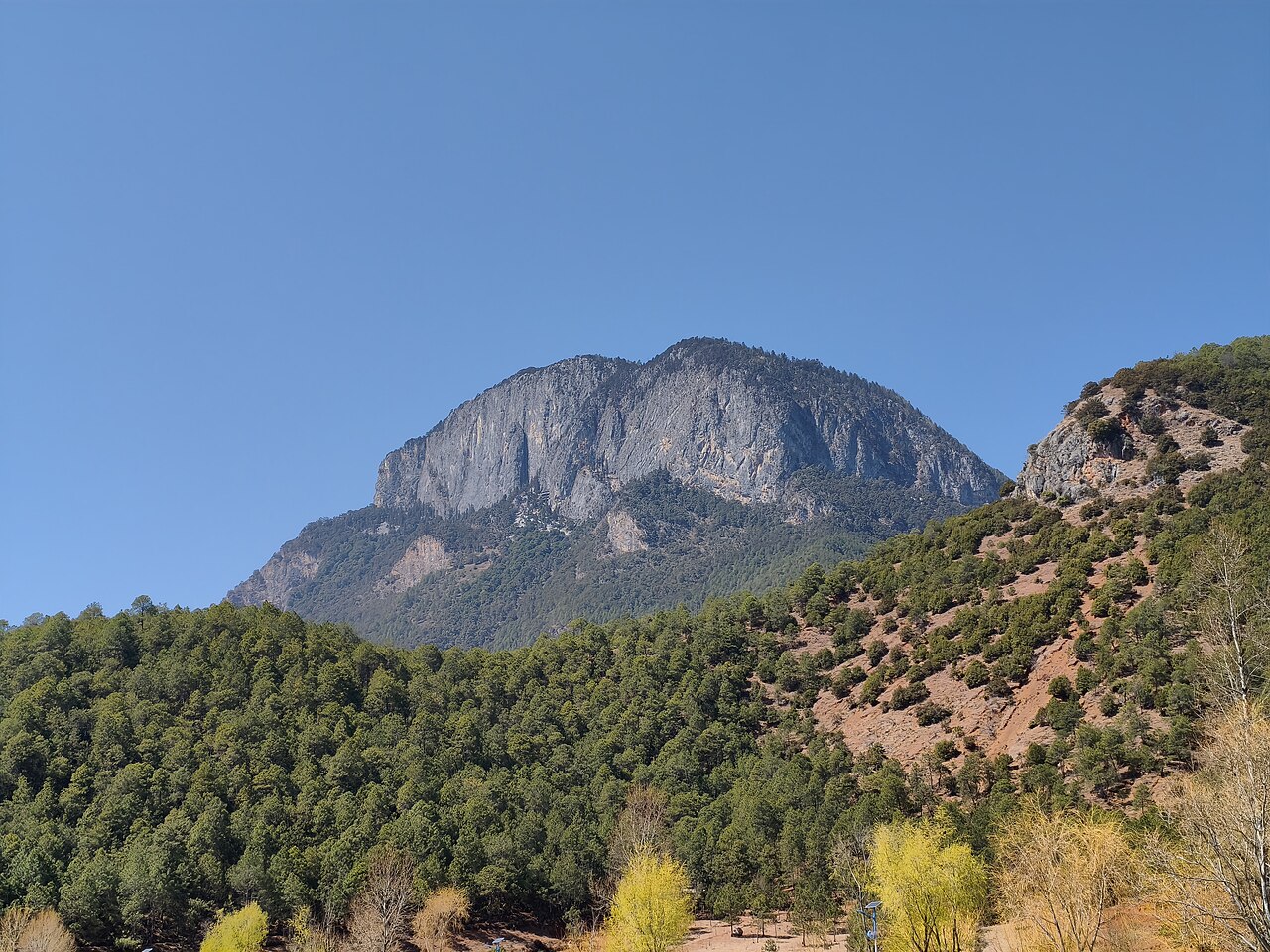
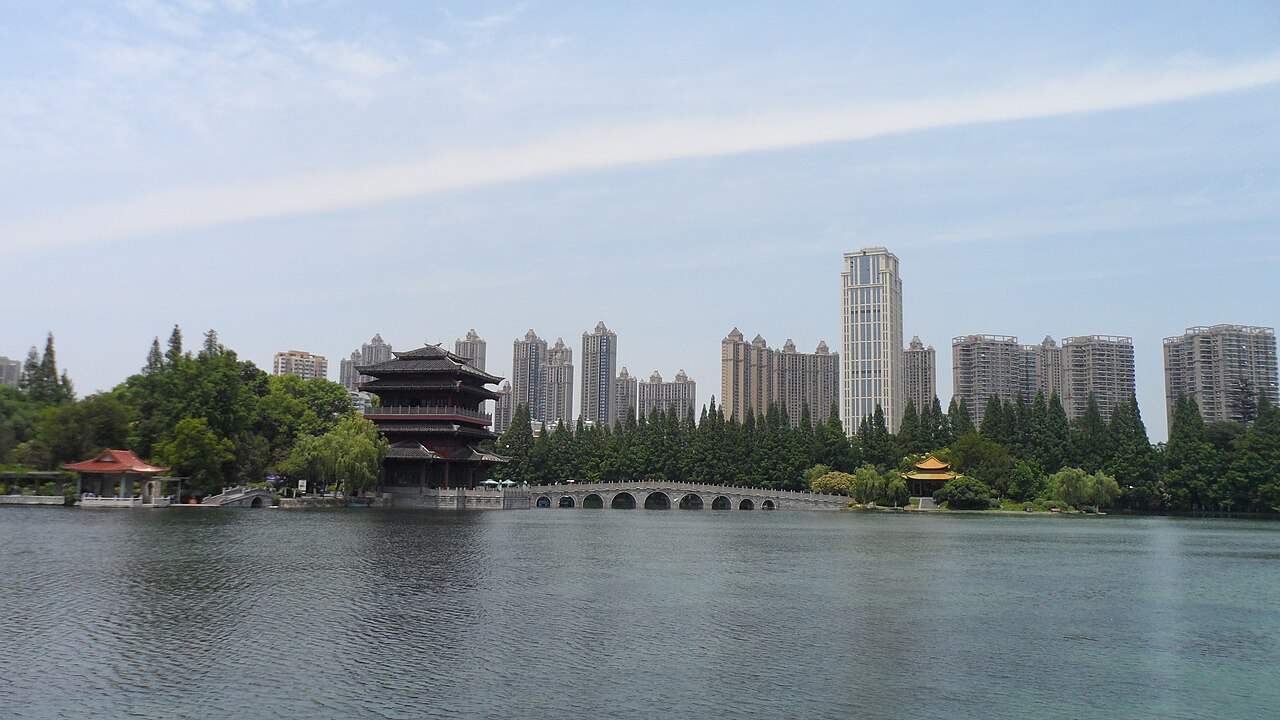
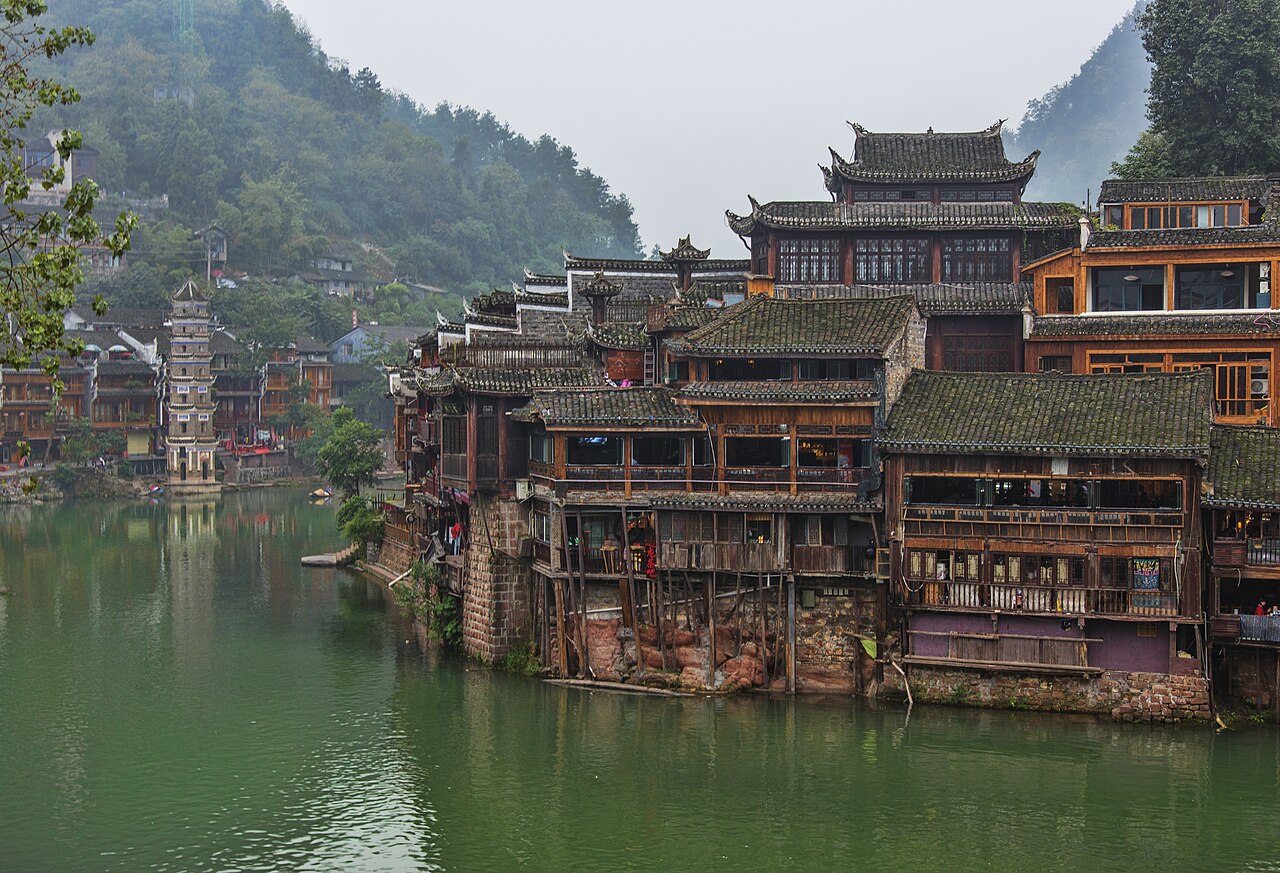
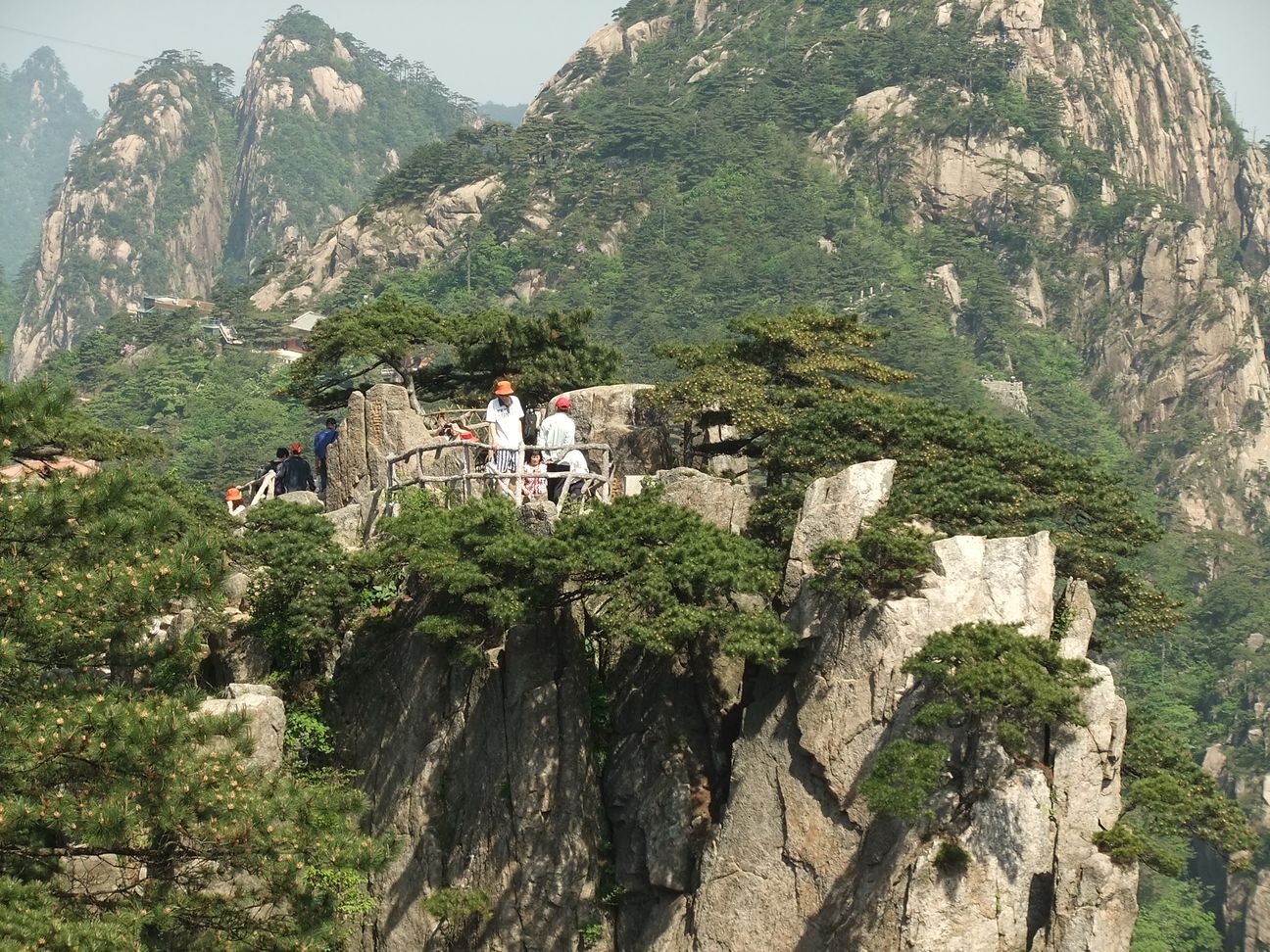
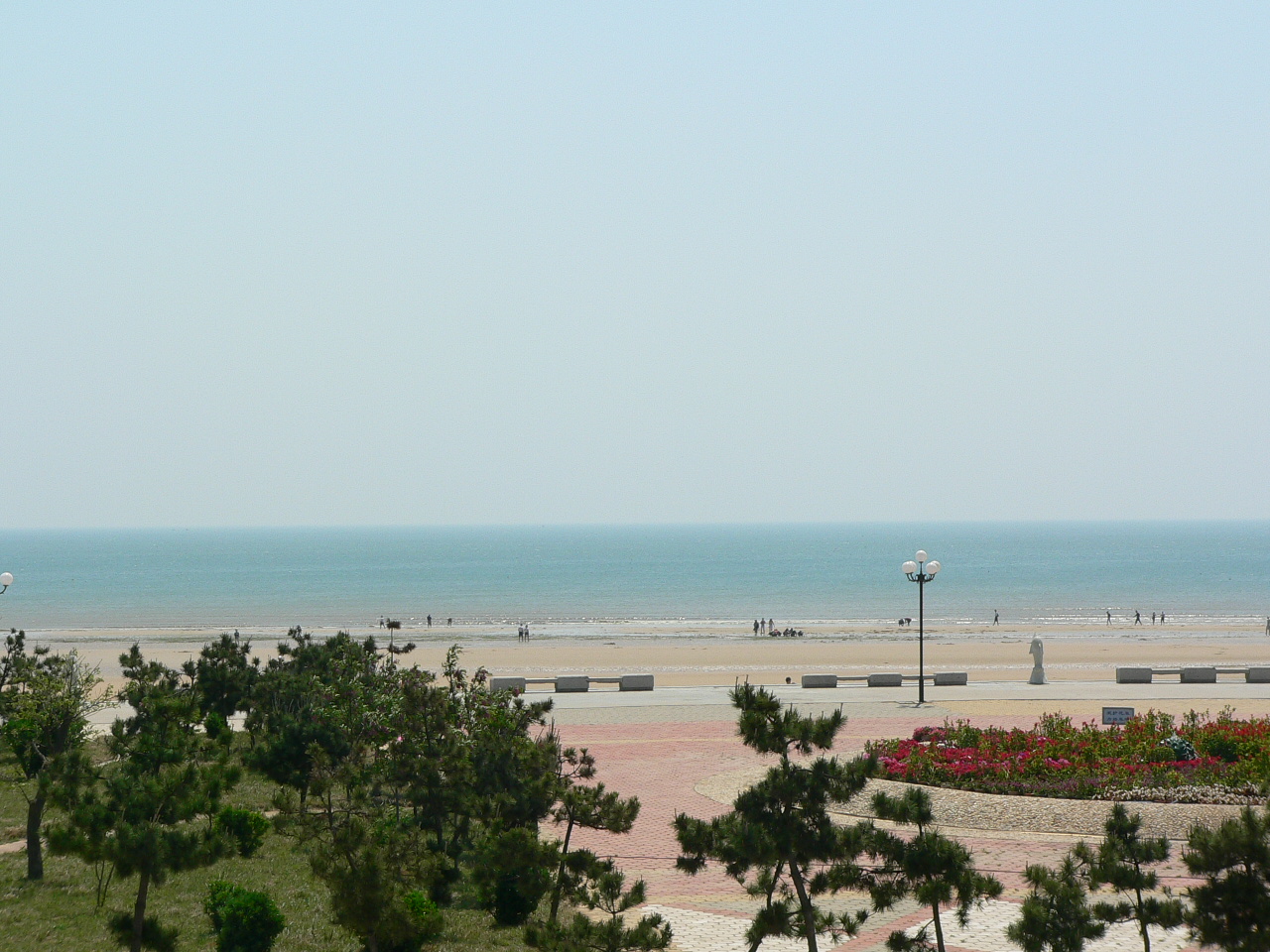
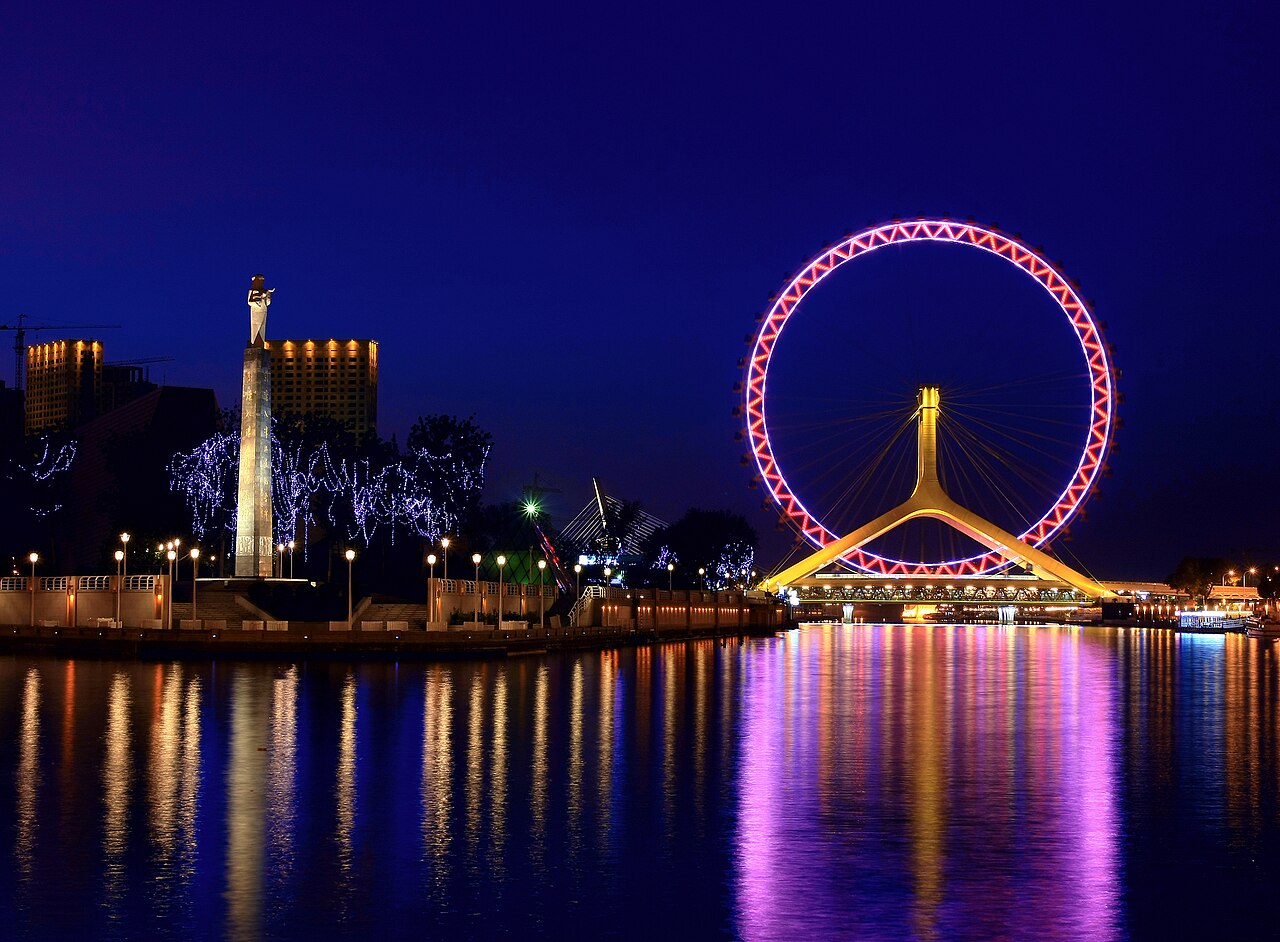
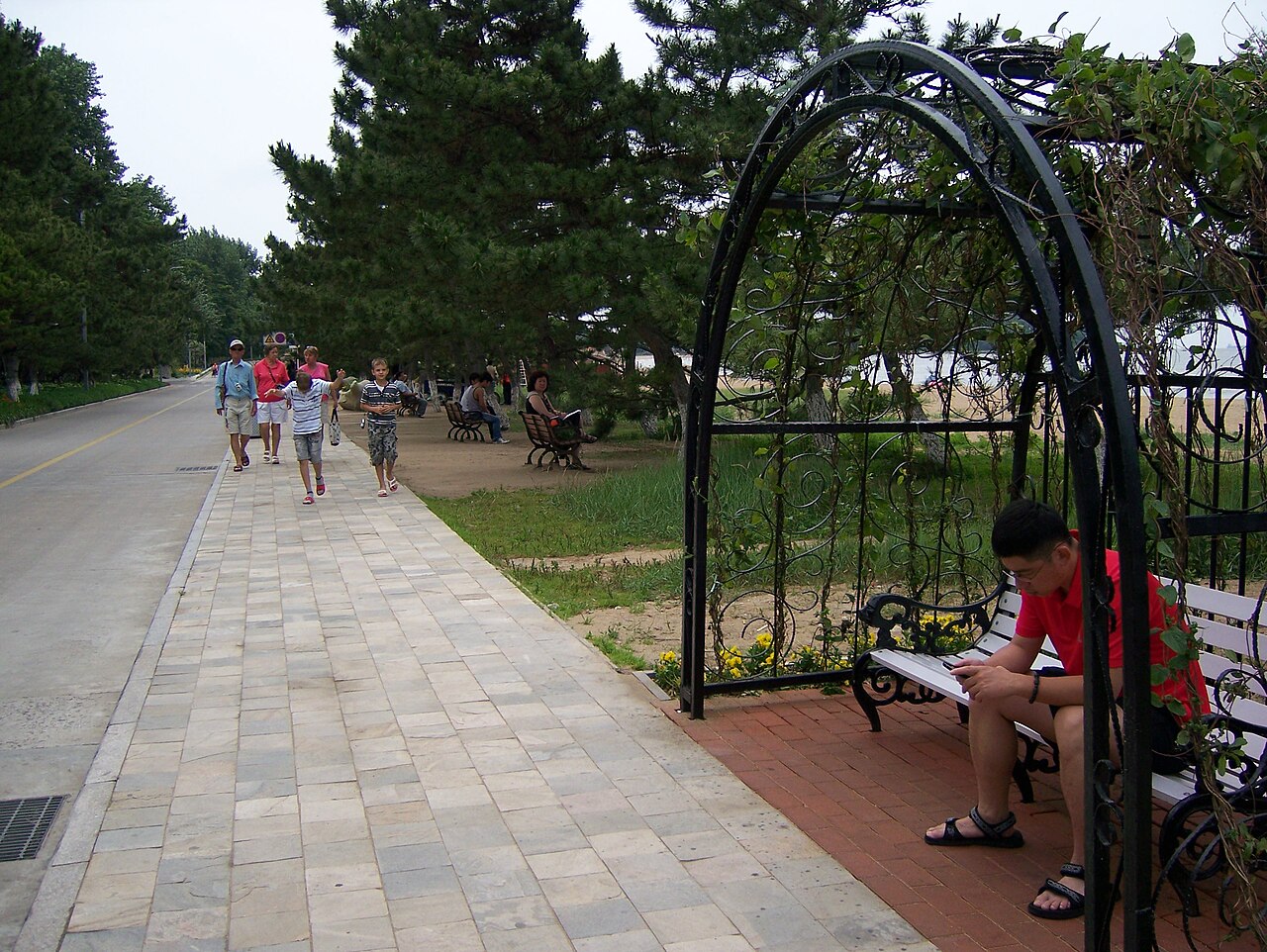
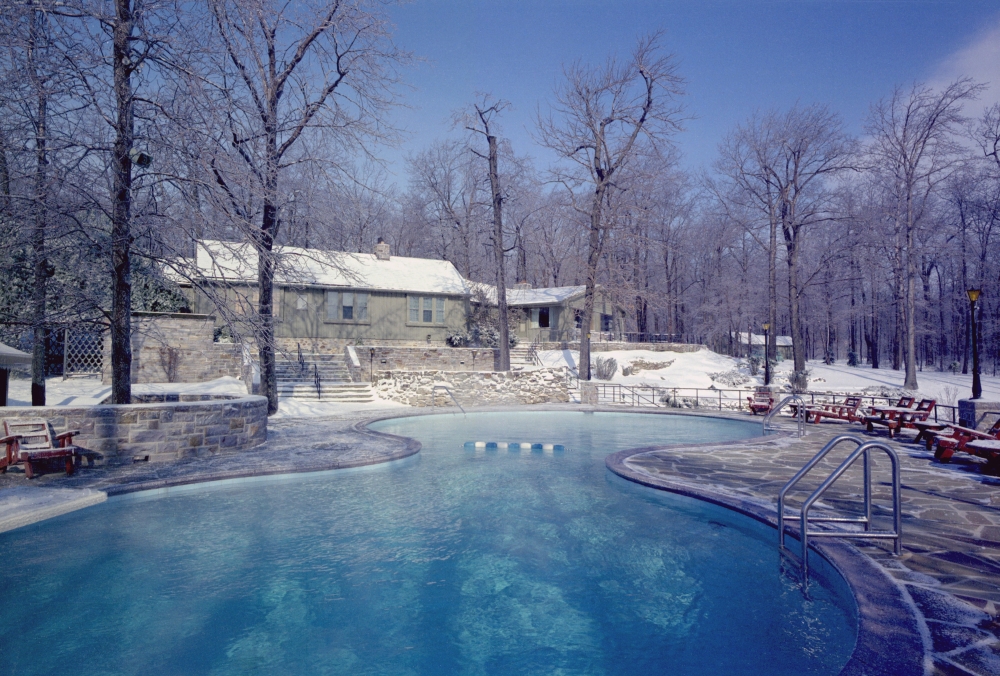
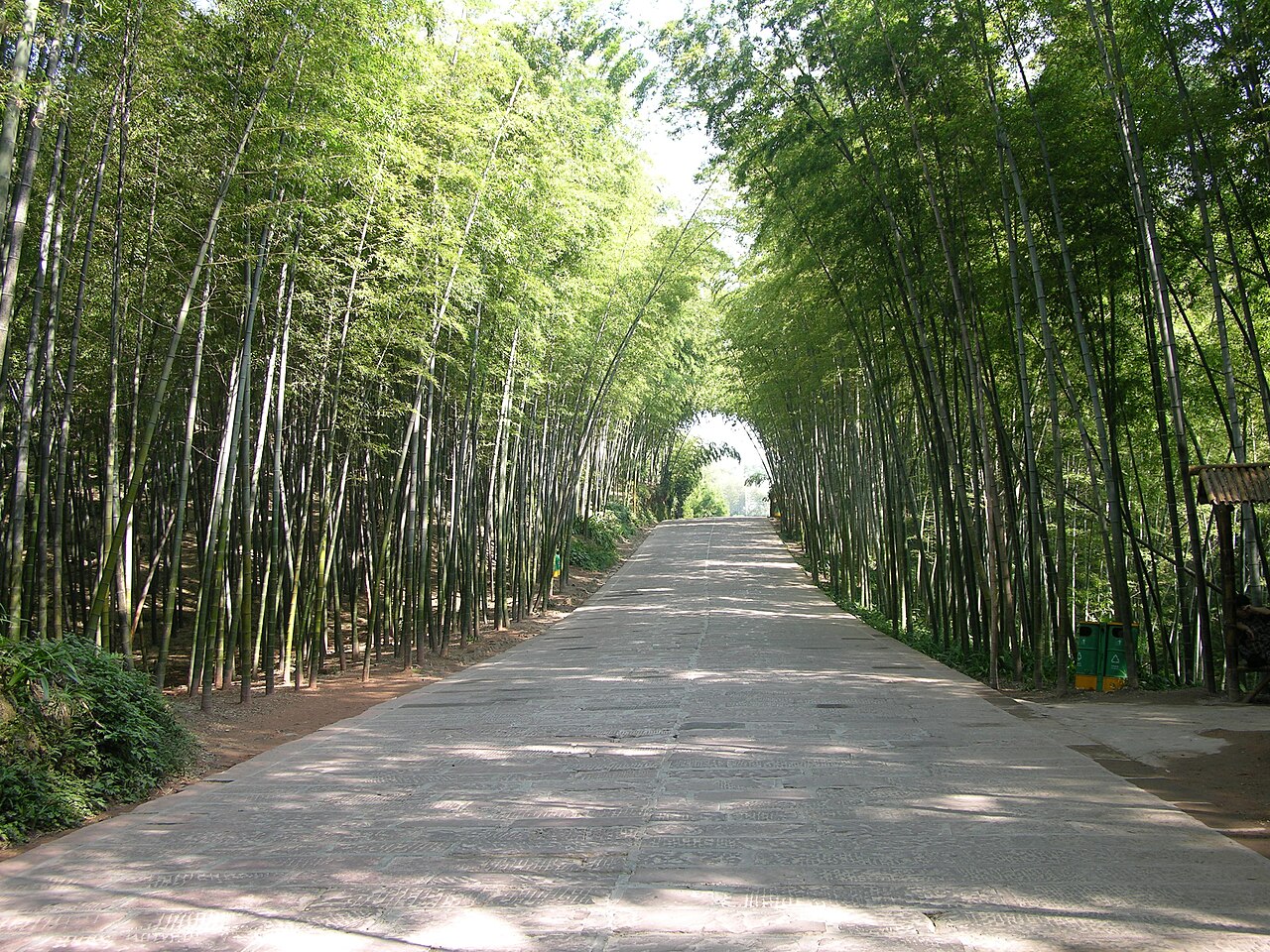
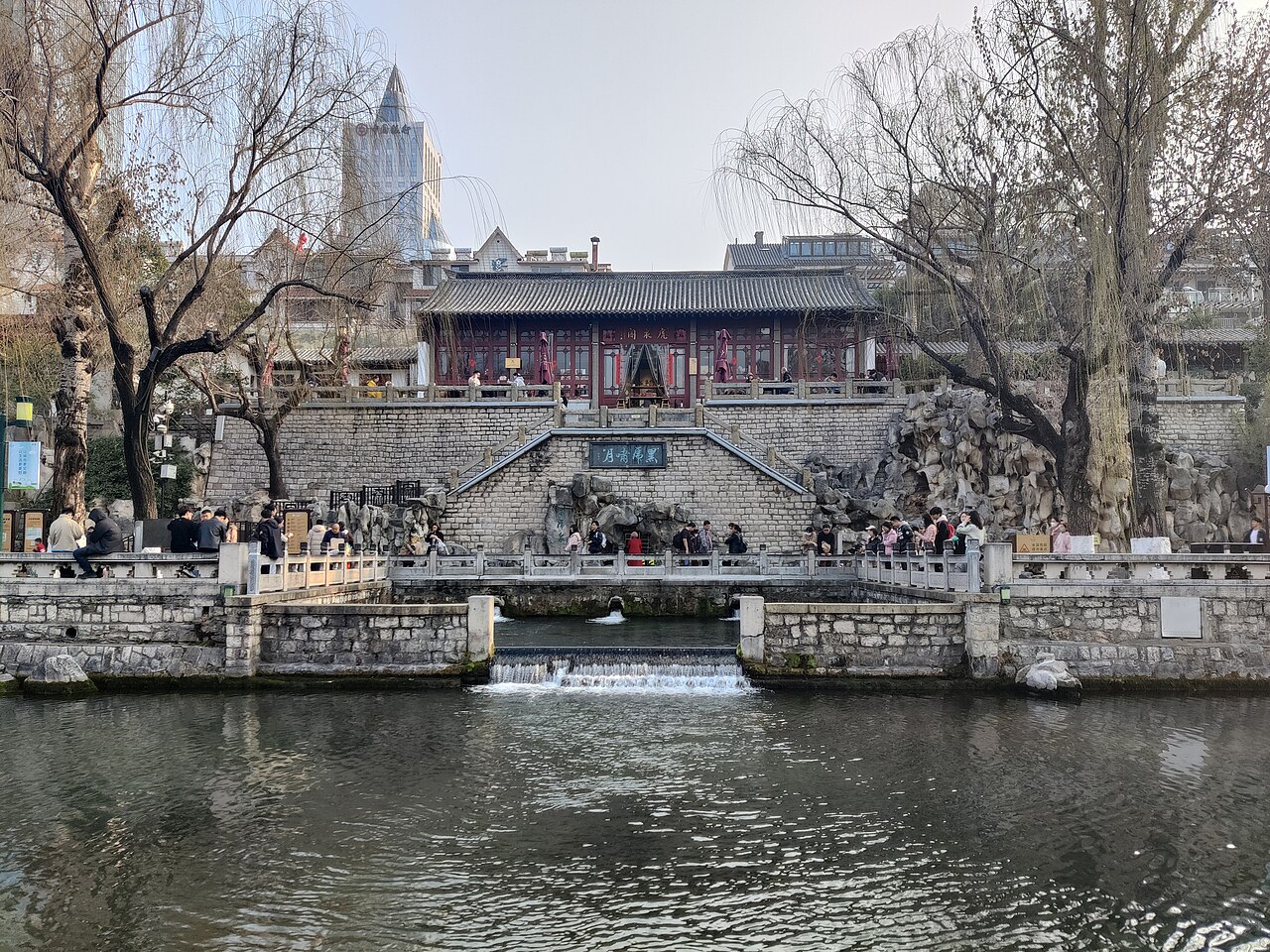
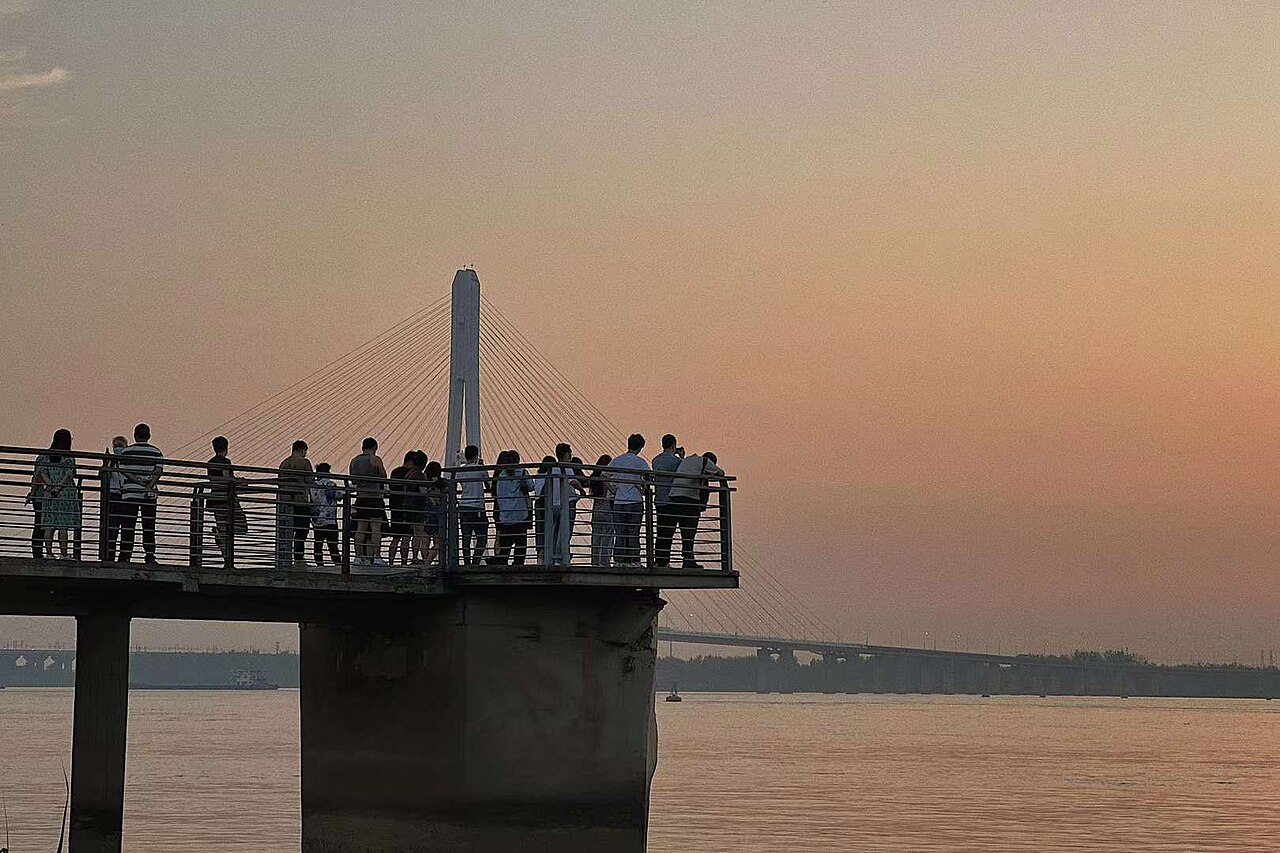
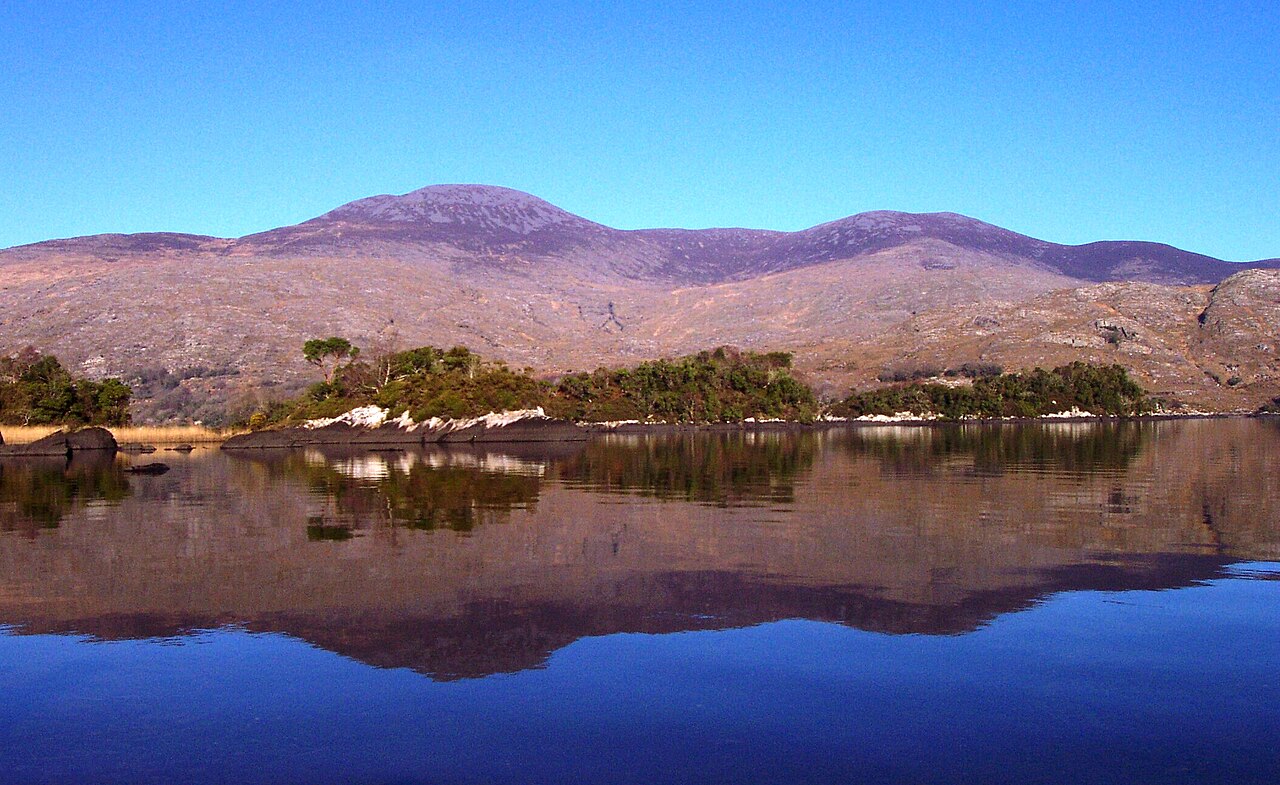
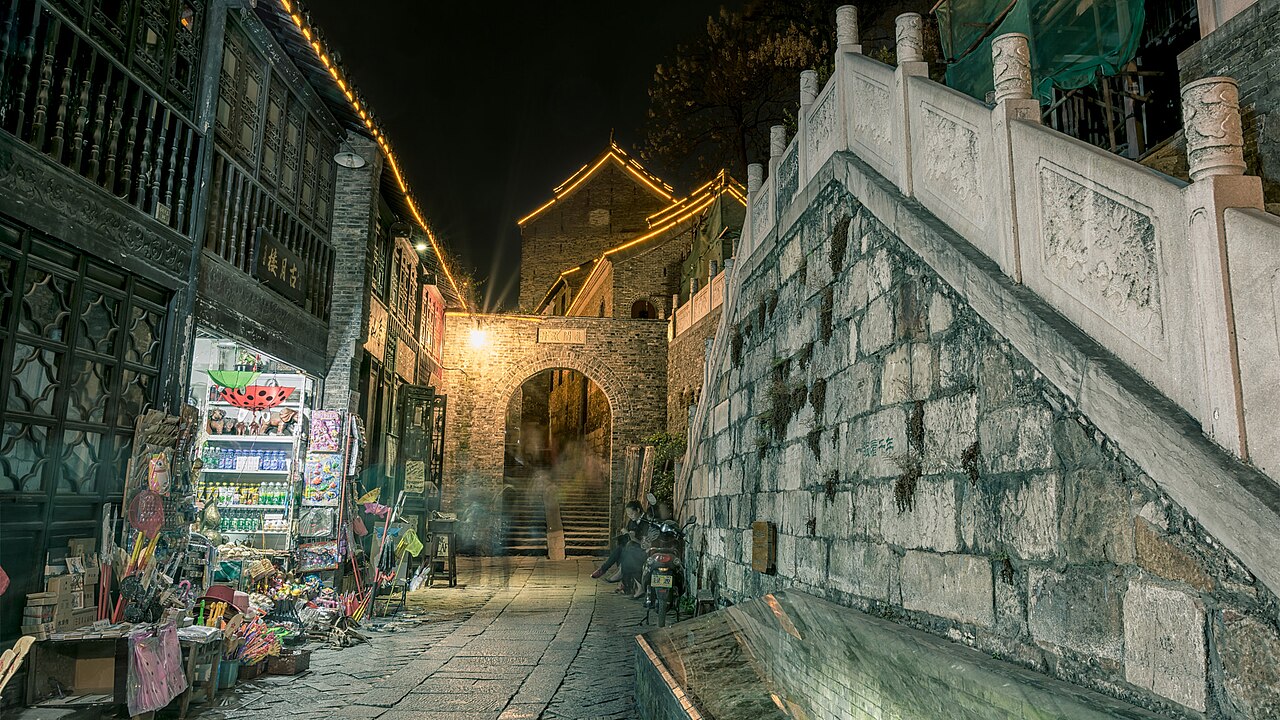
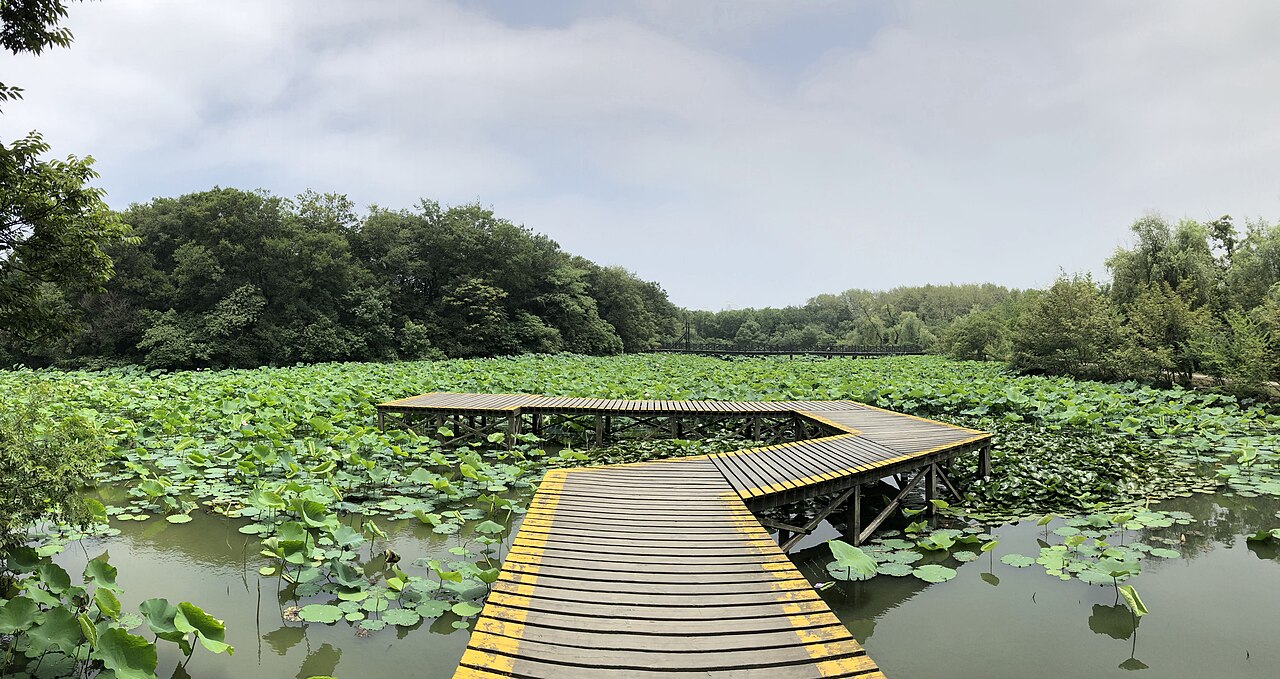
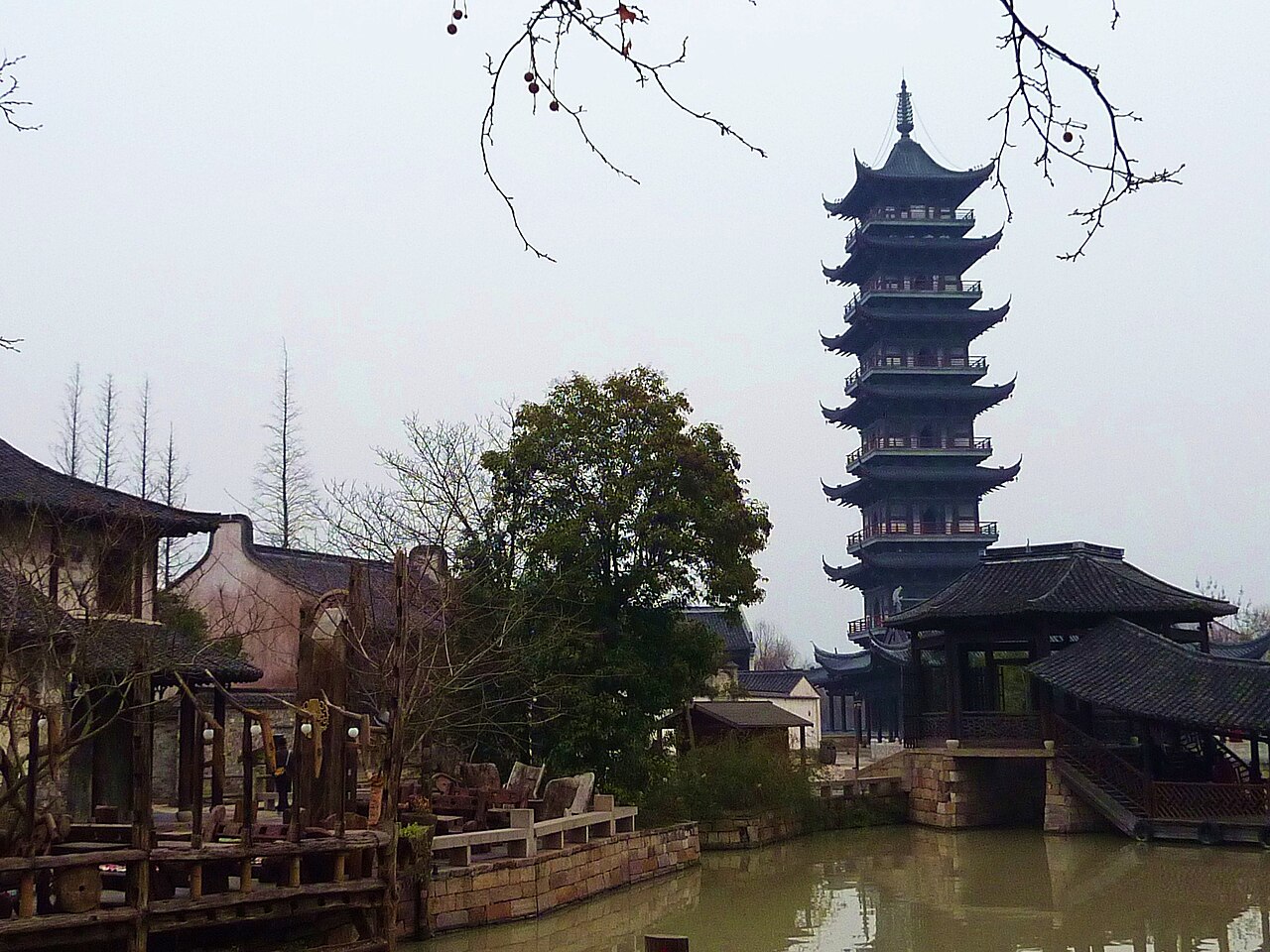
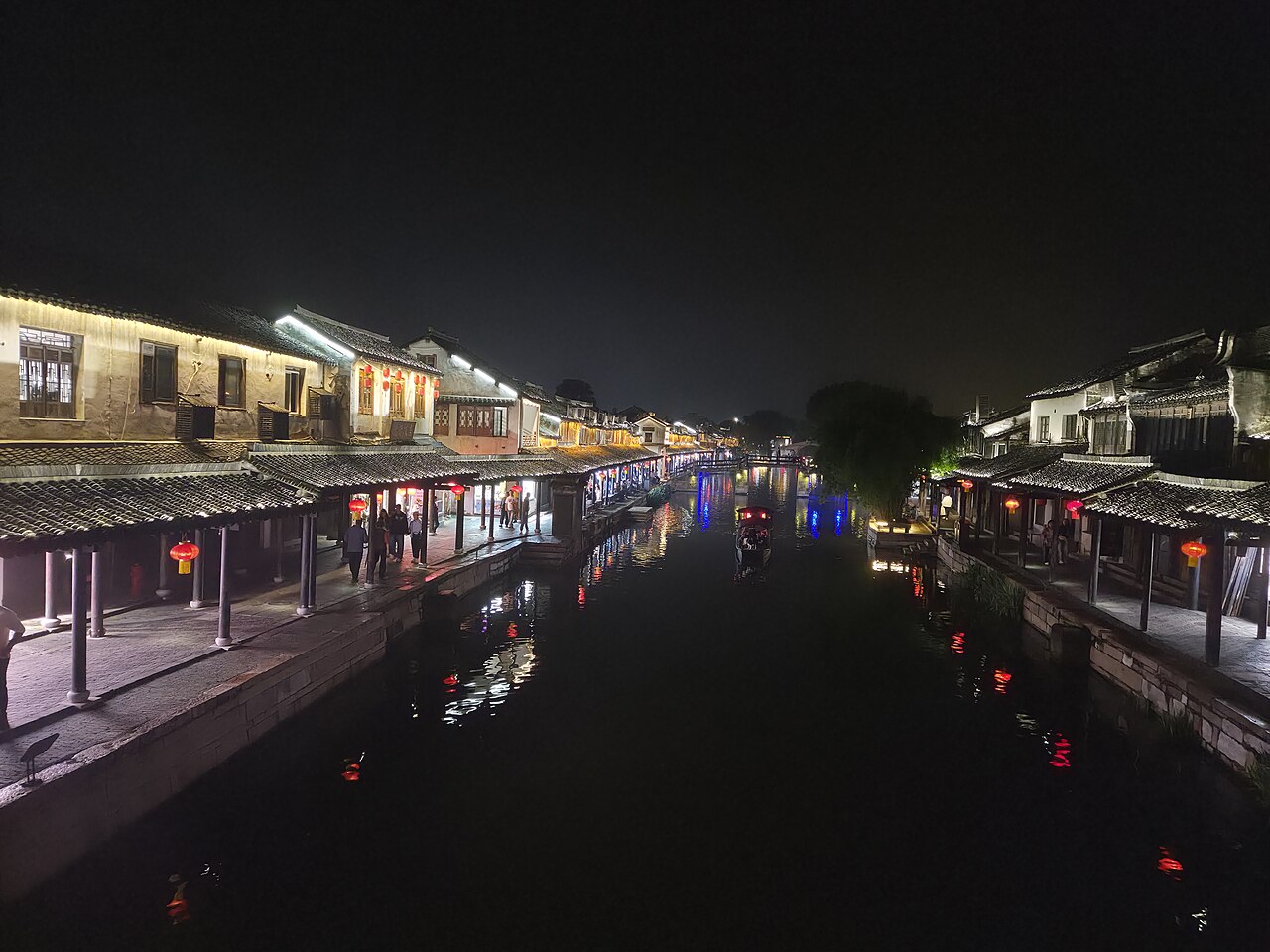
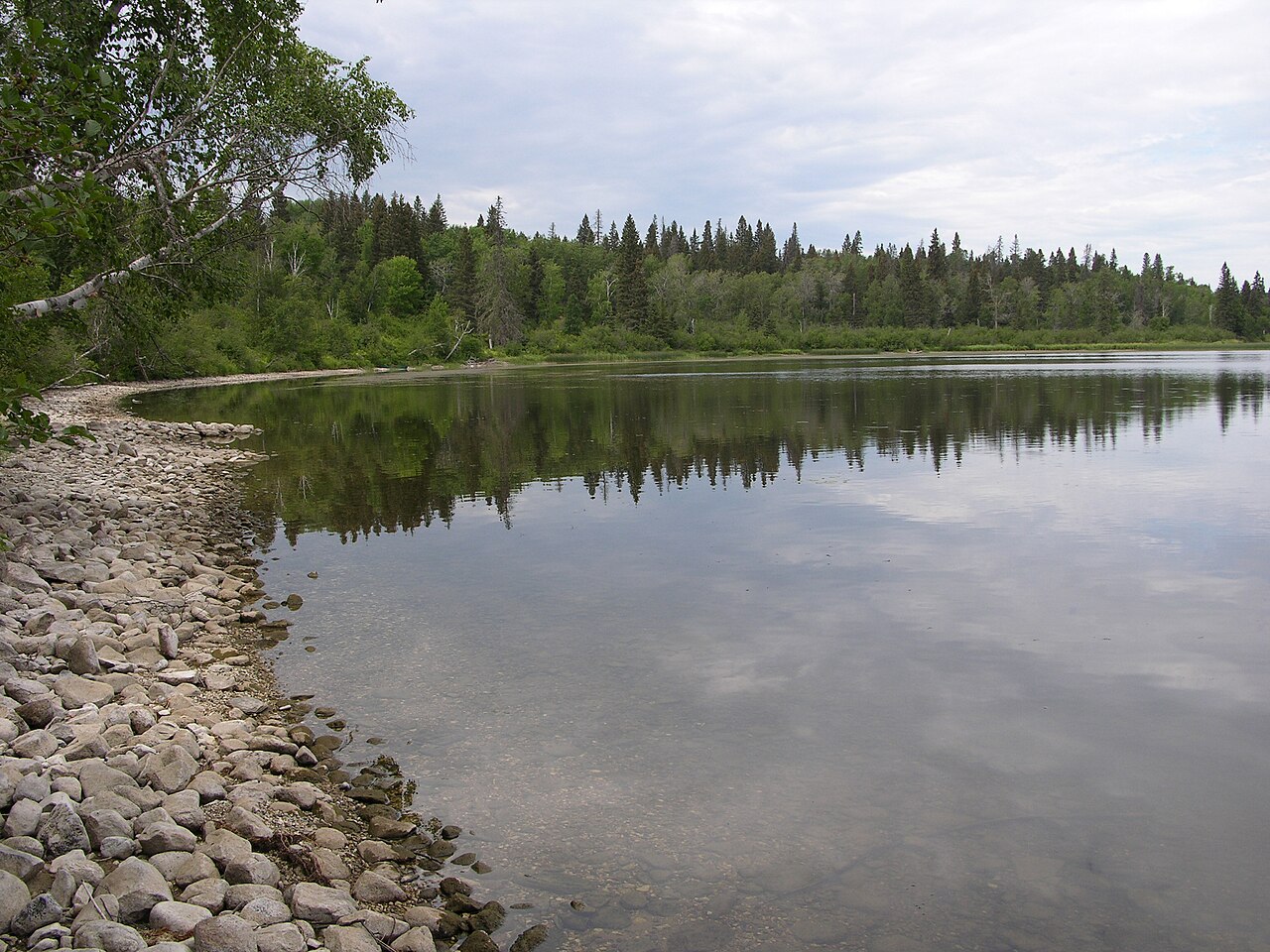
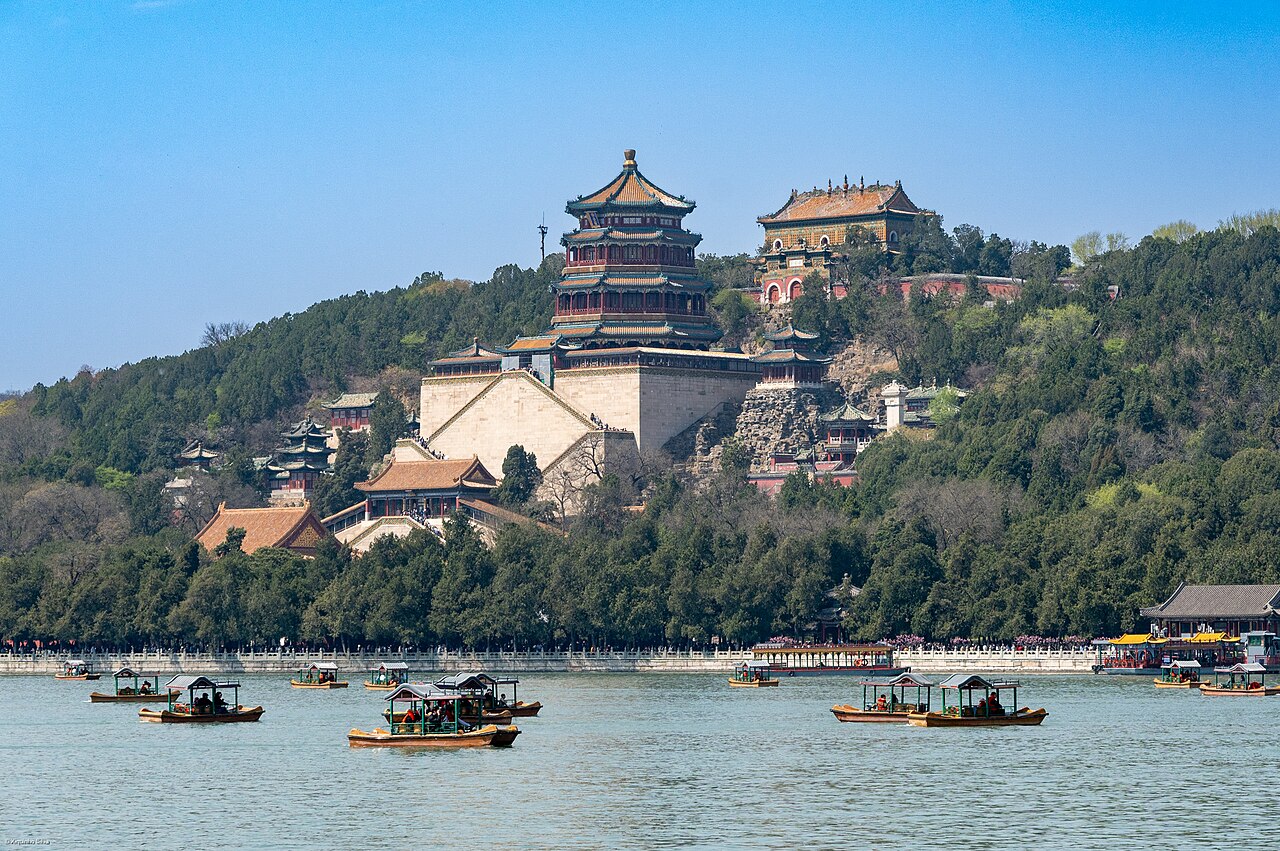
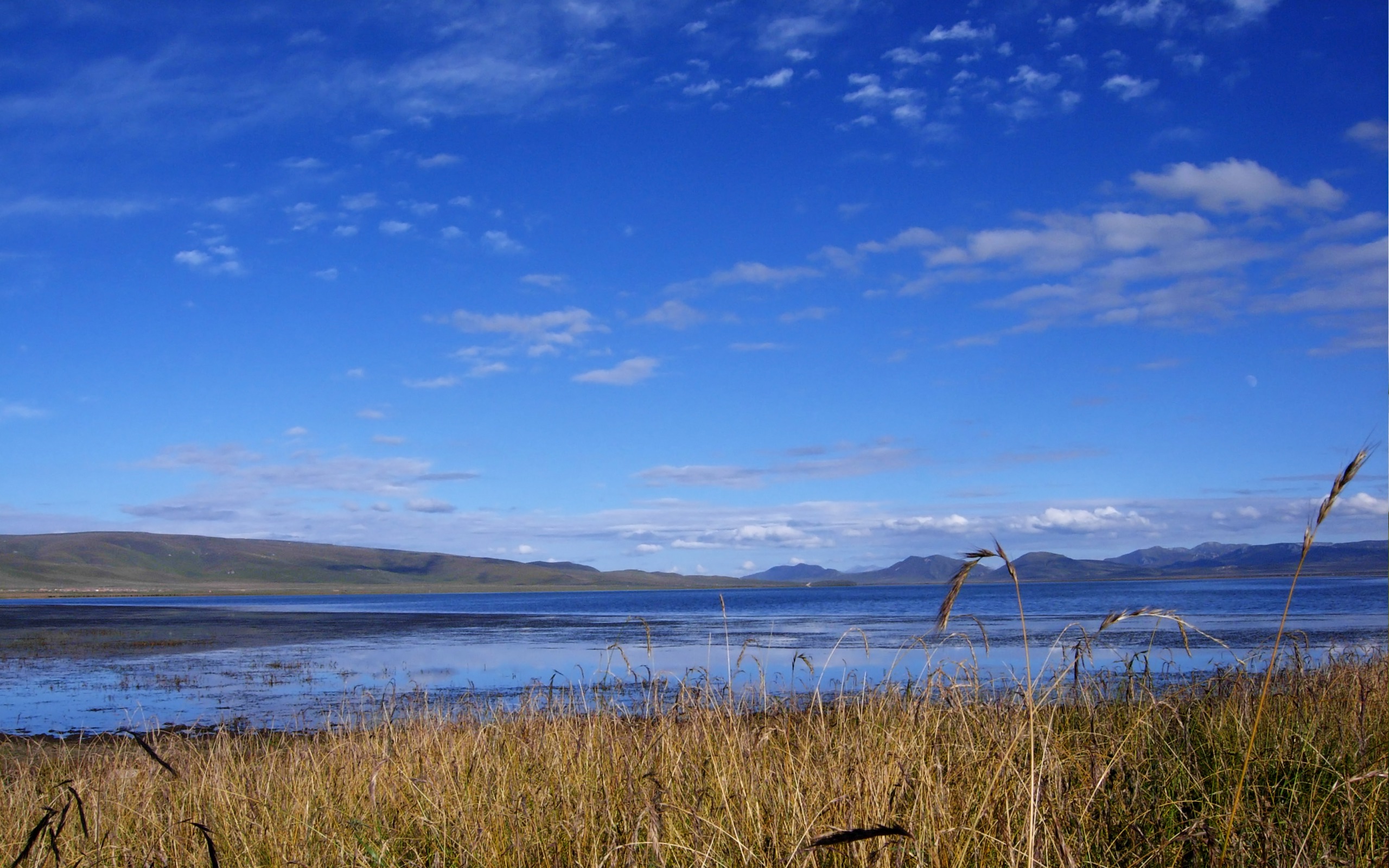
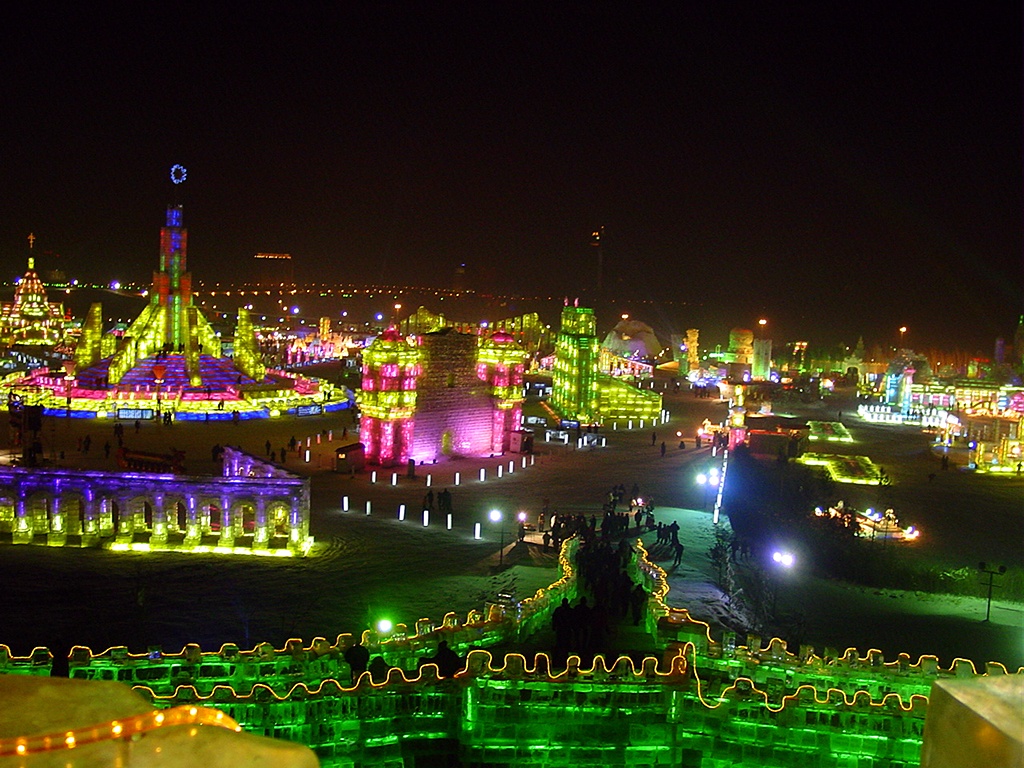
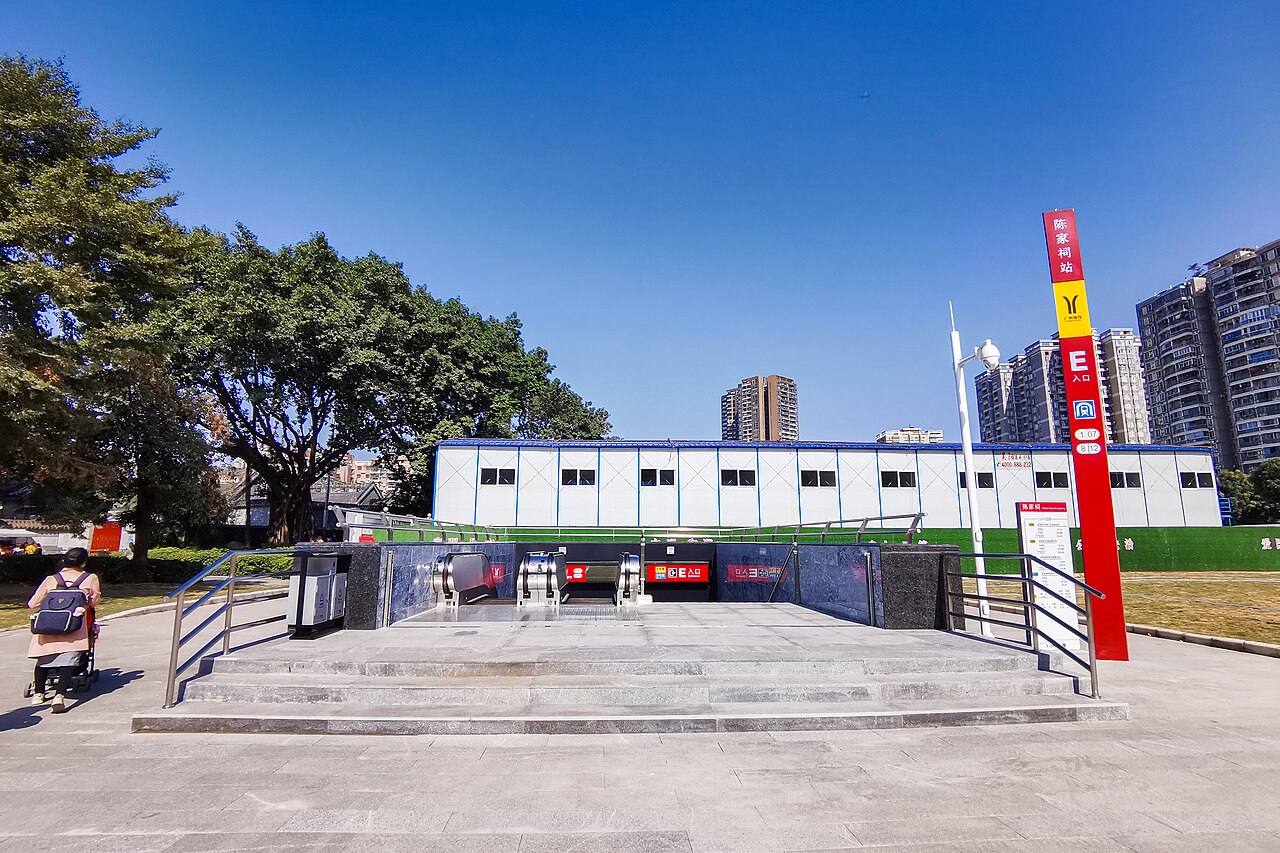
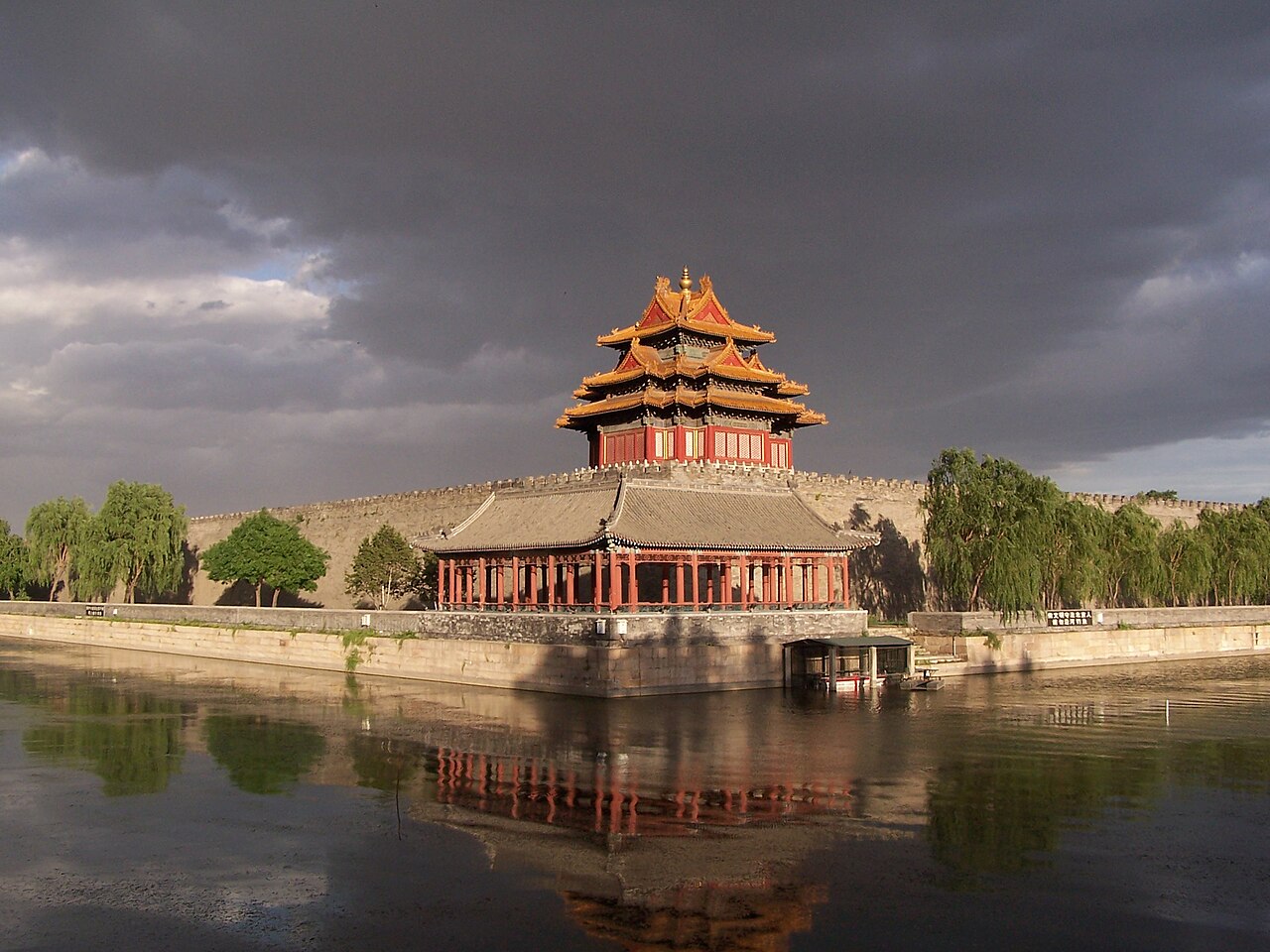
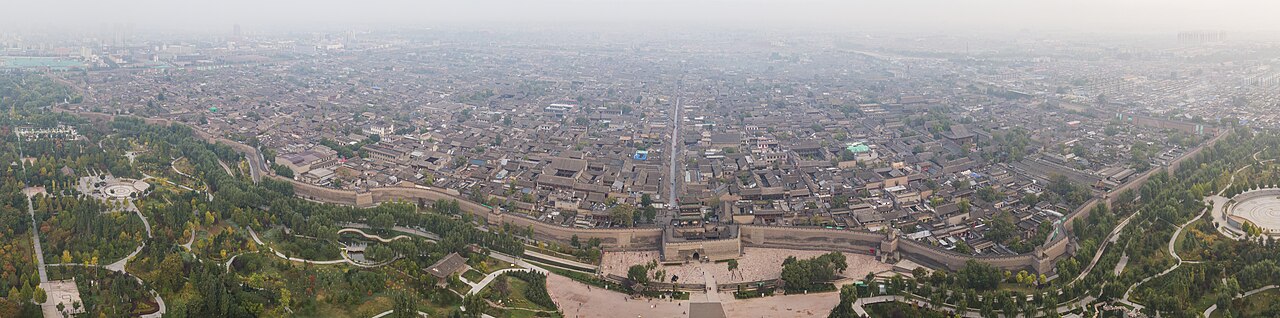
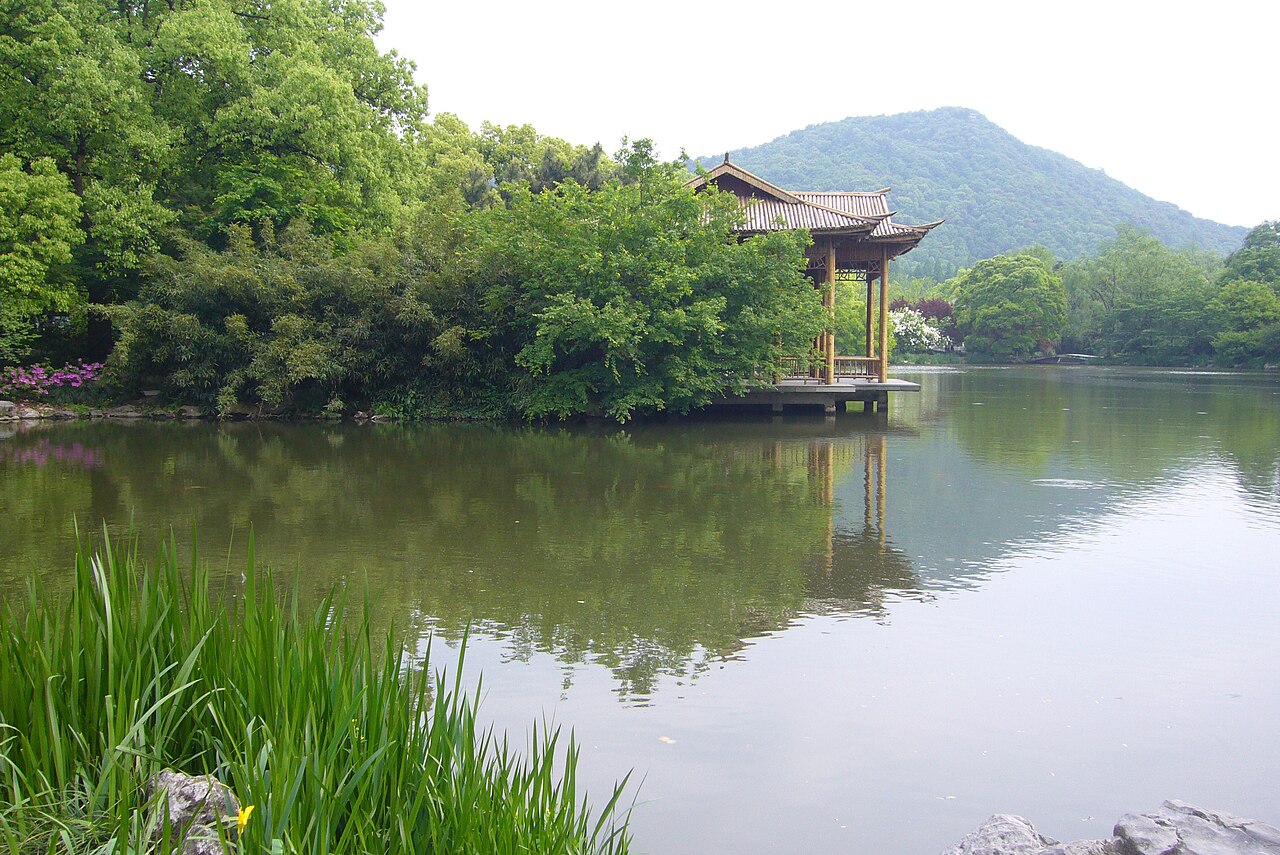
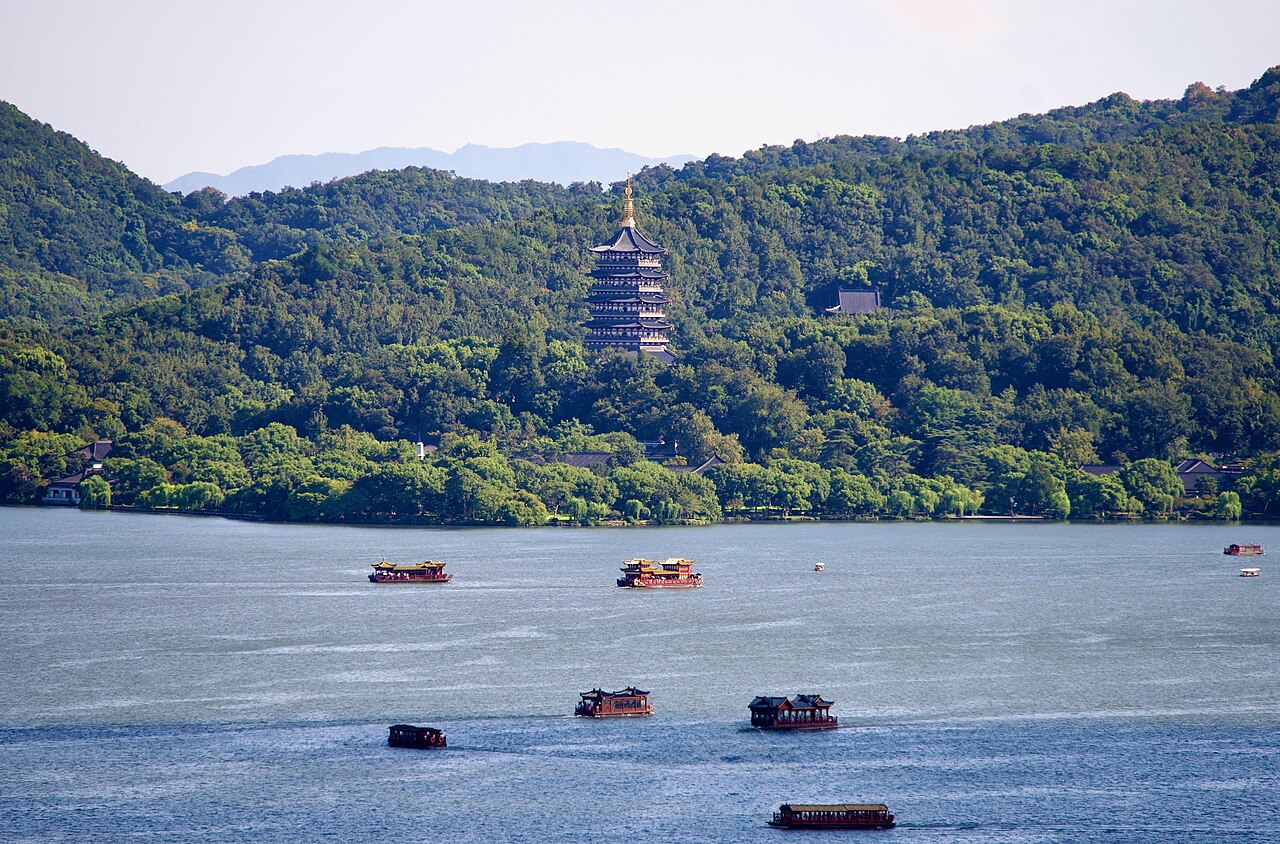
West Lake at dusk, the causeways laid across the water
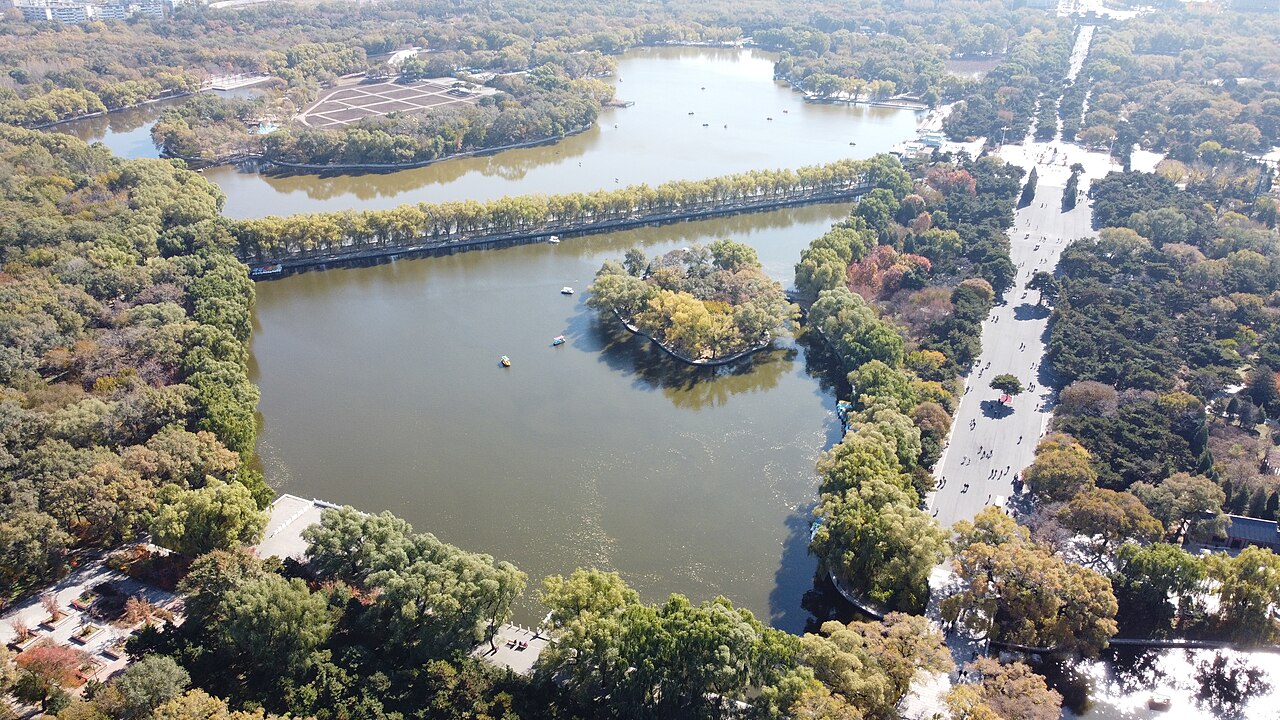
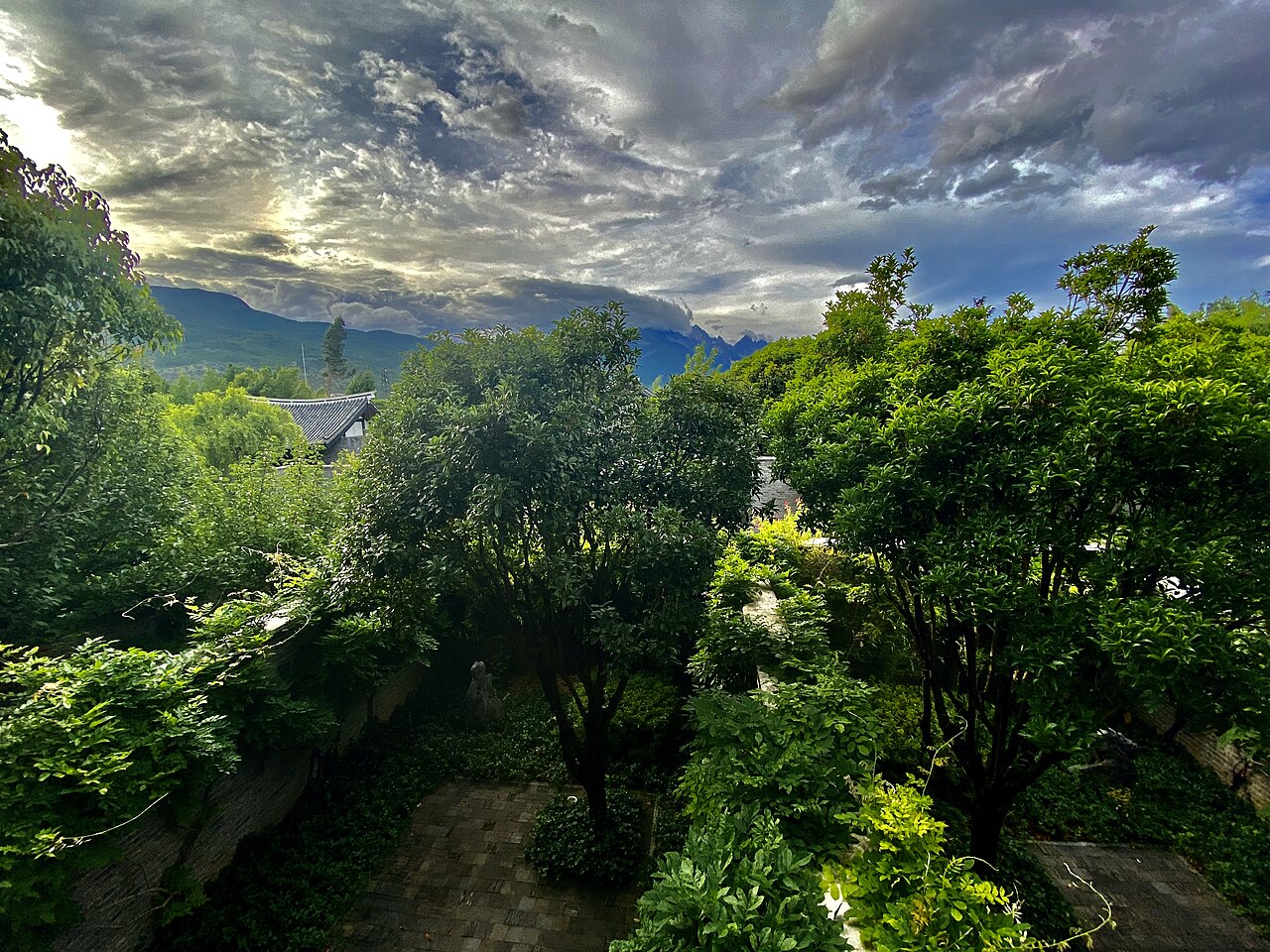
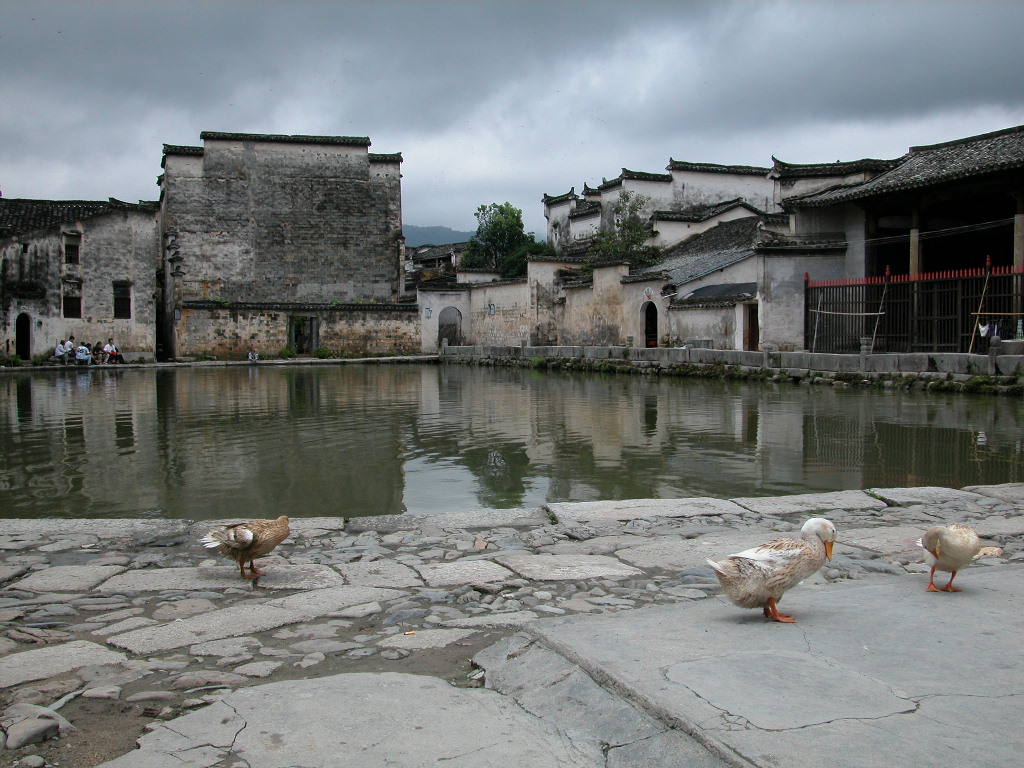
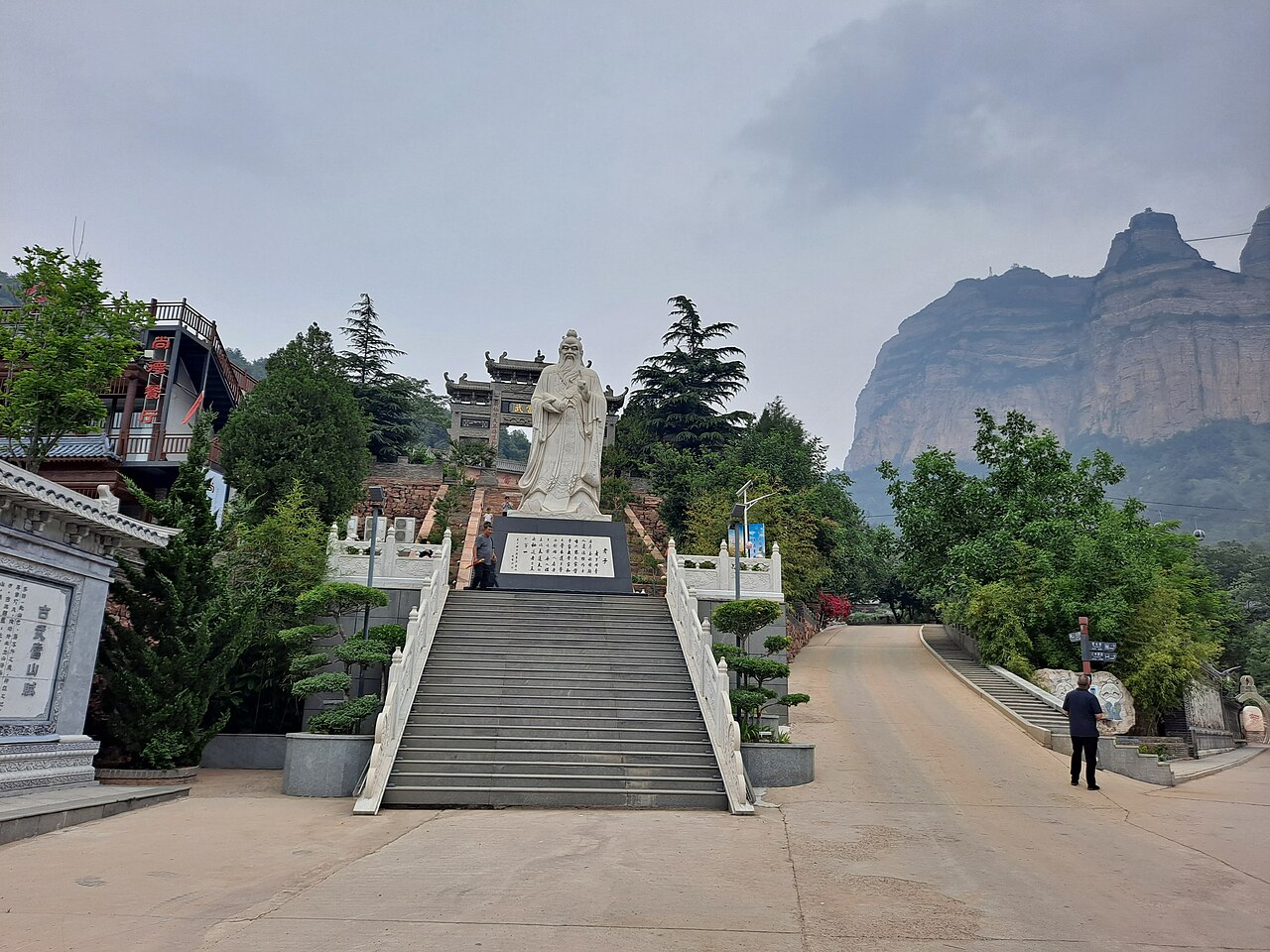
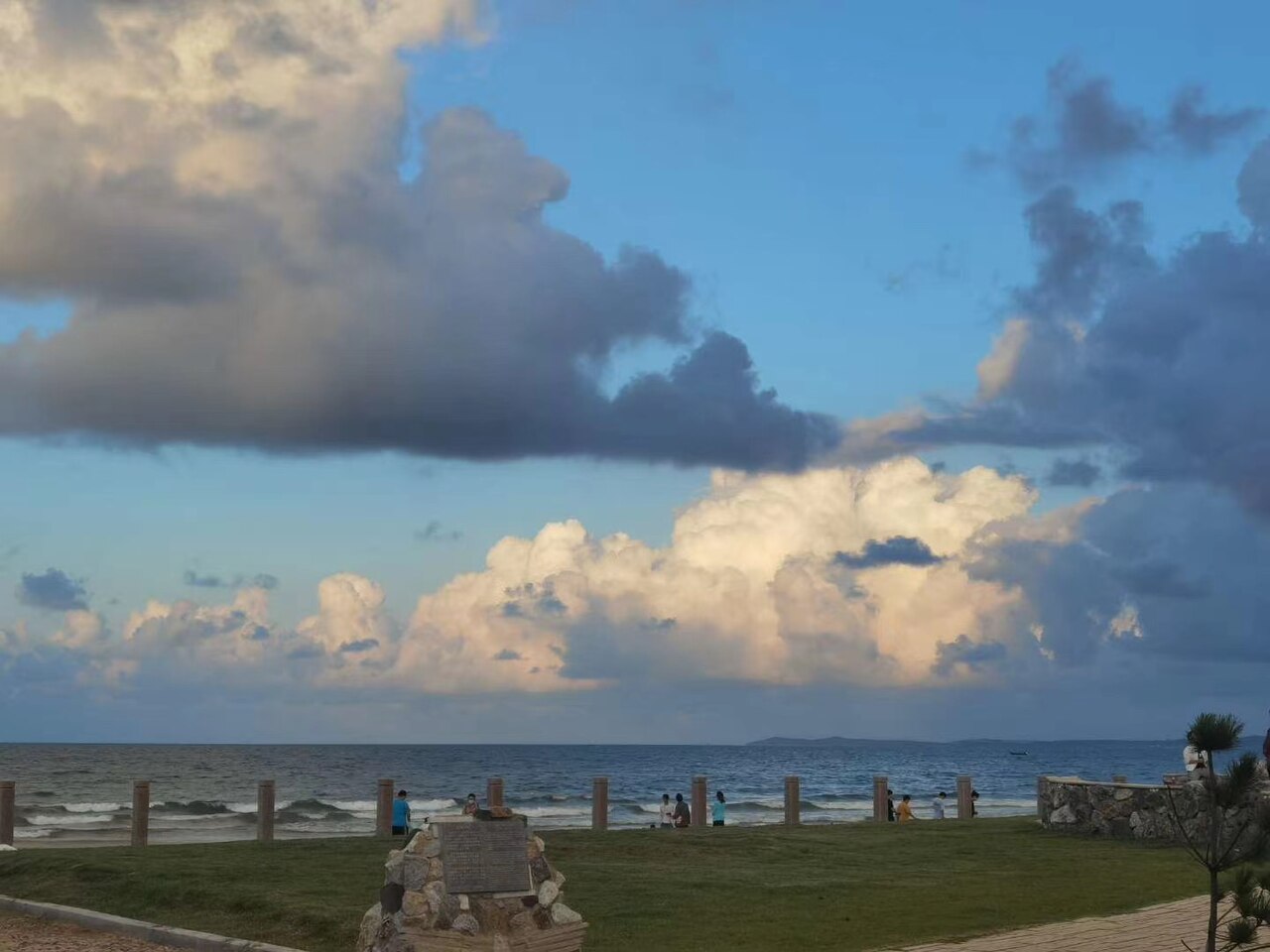
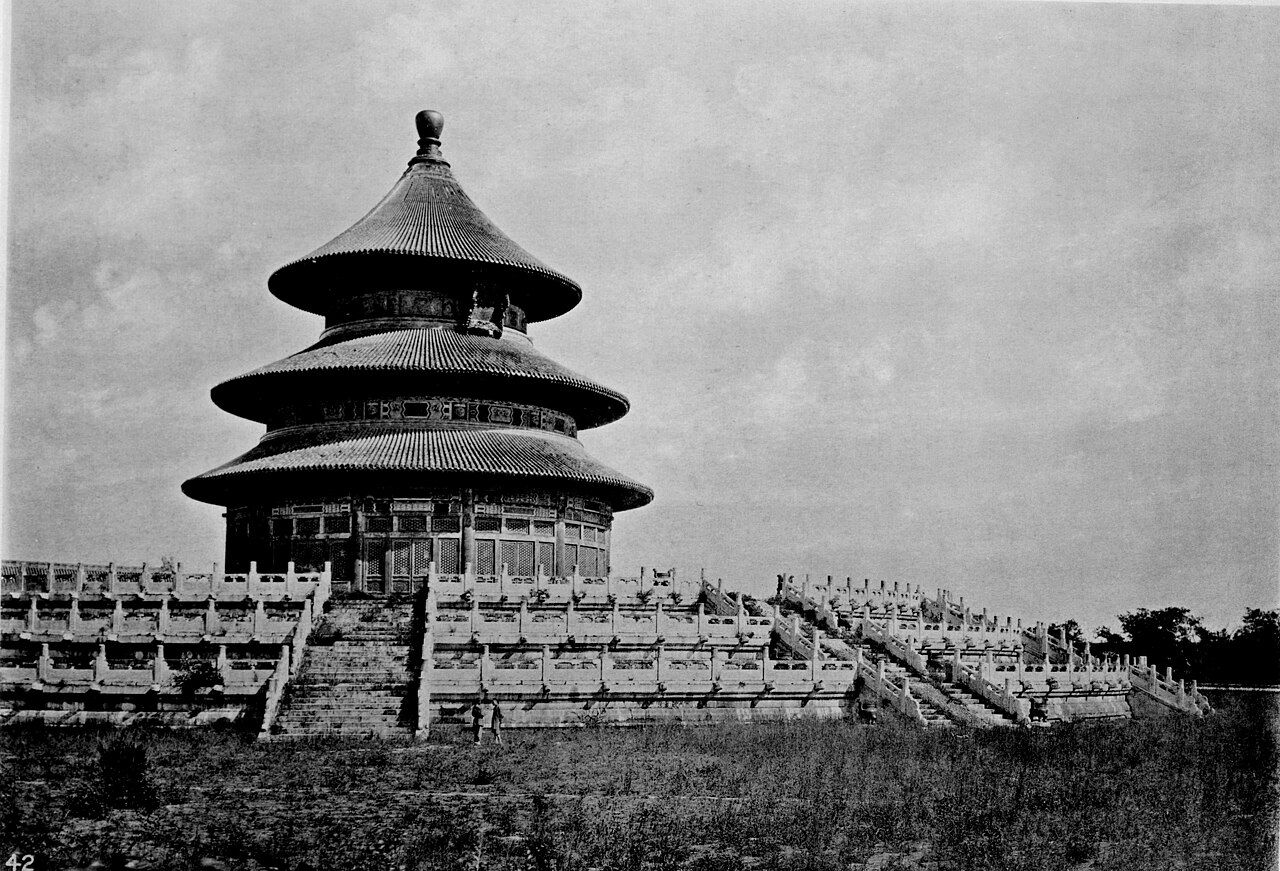
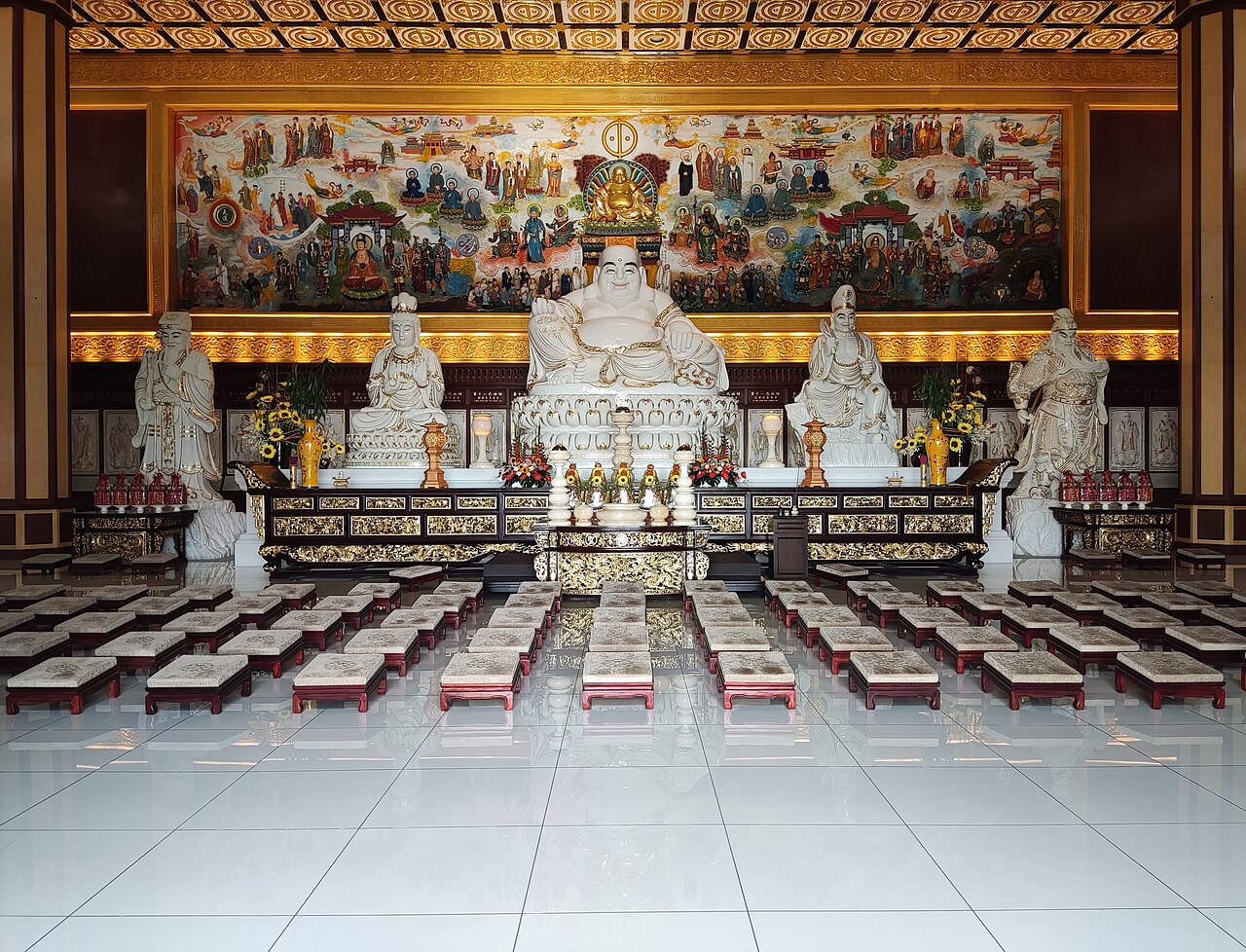
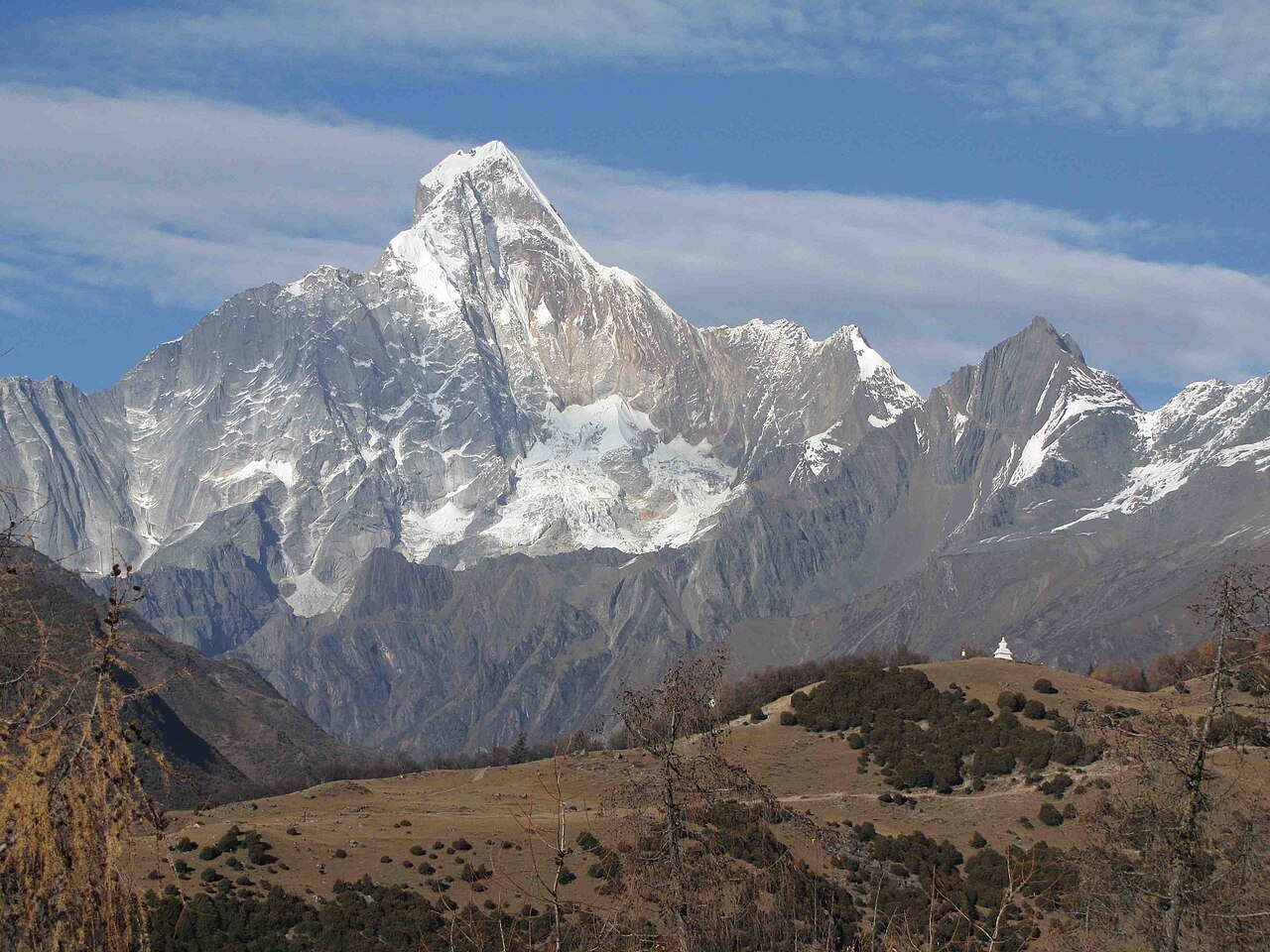
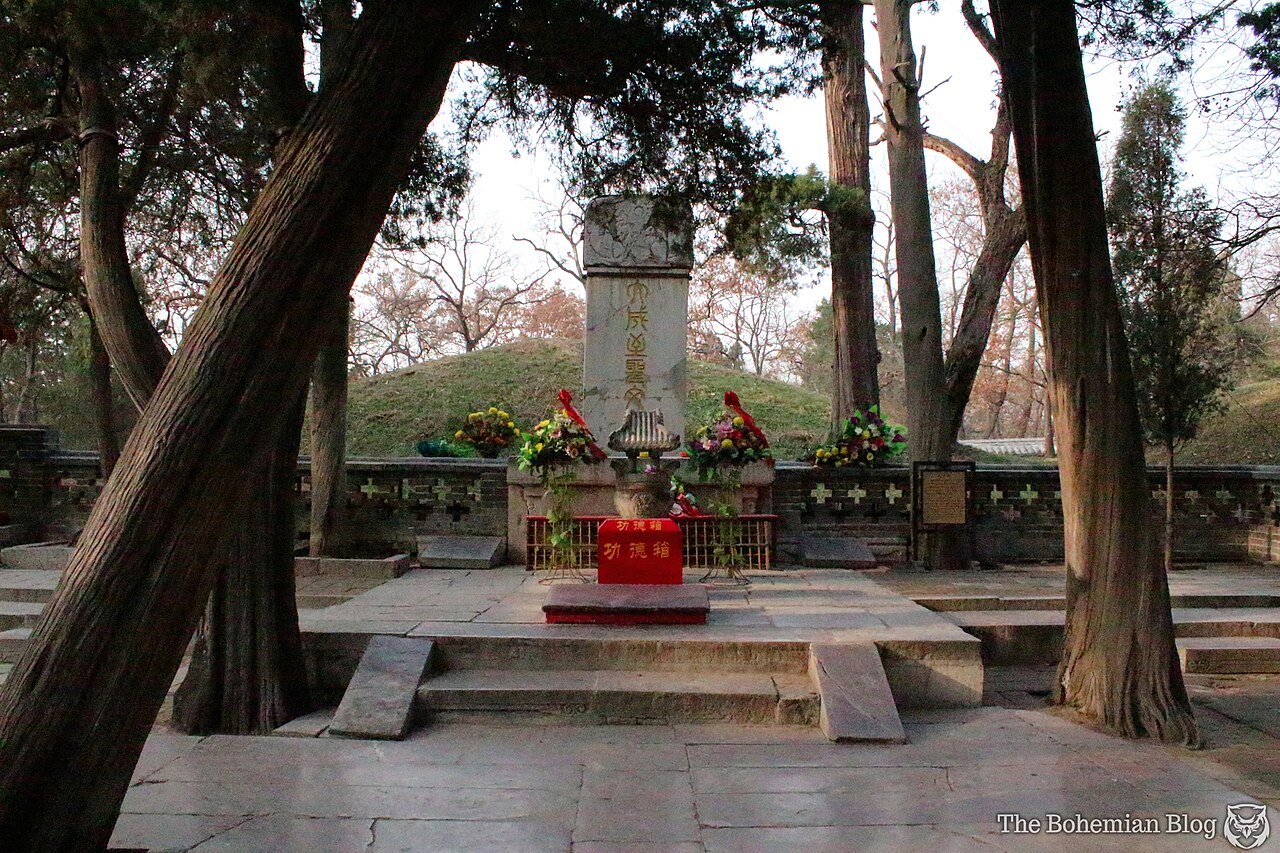
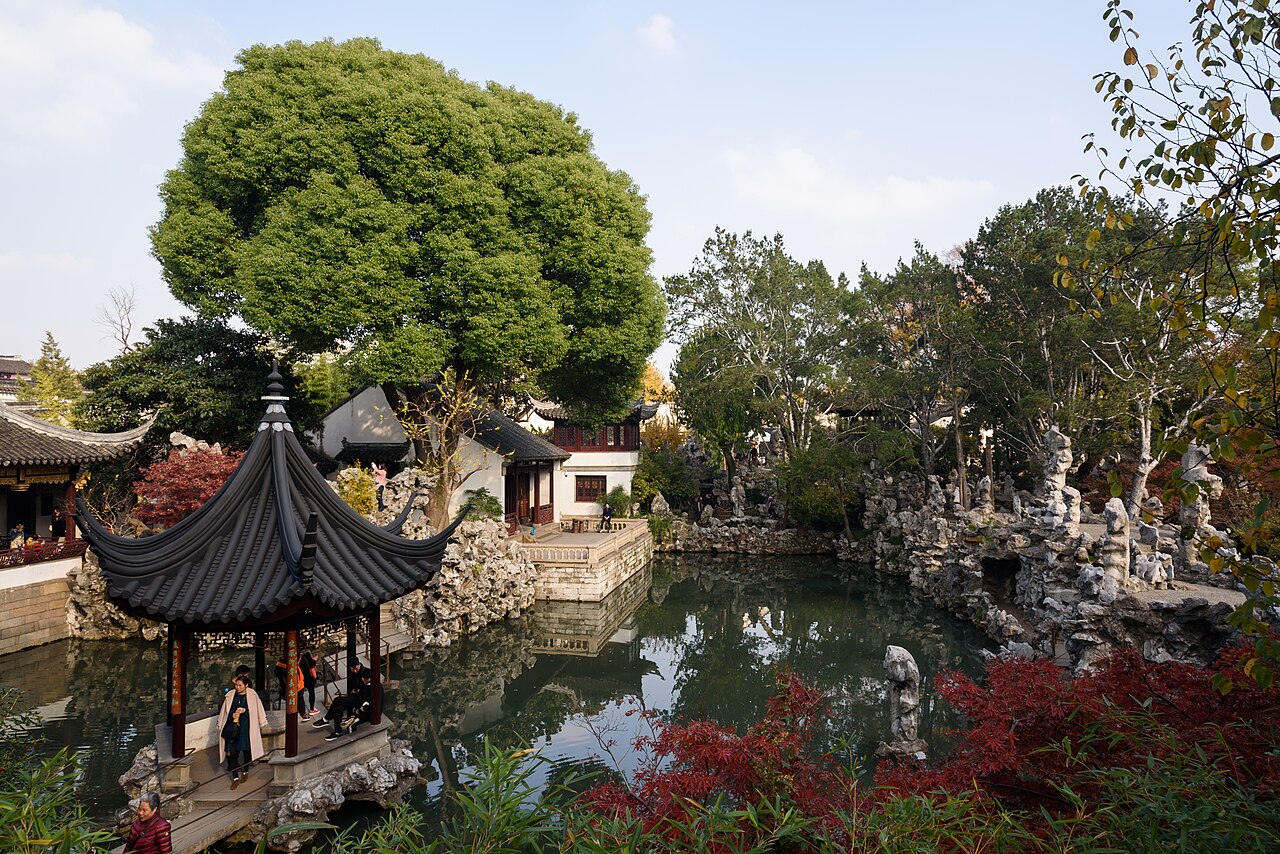
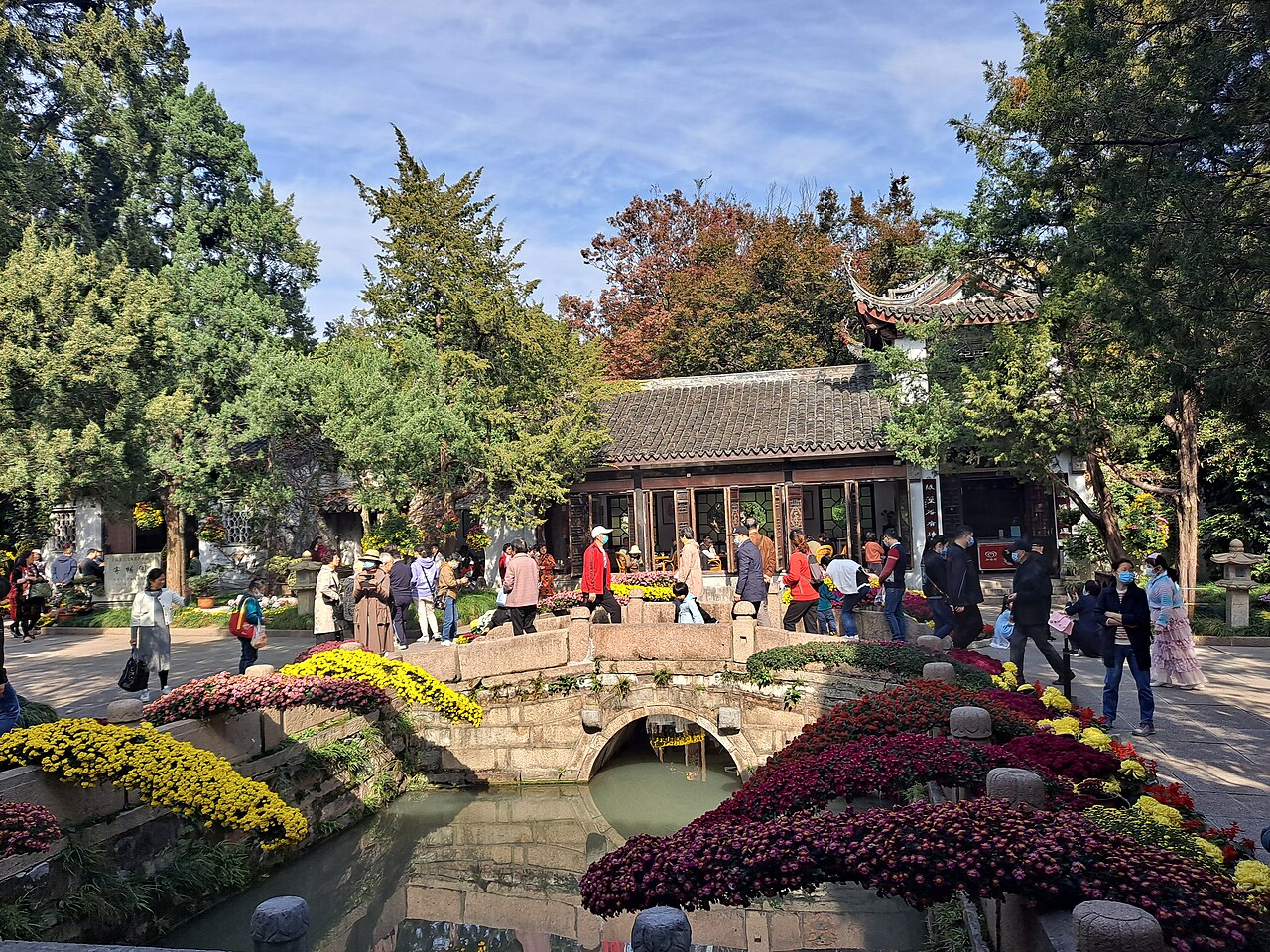
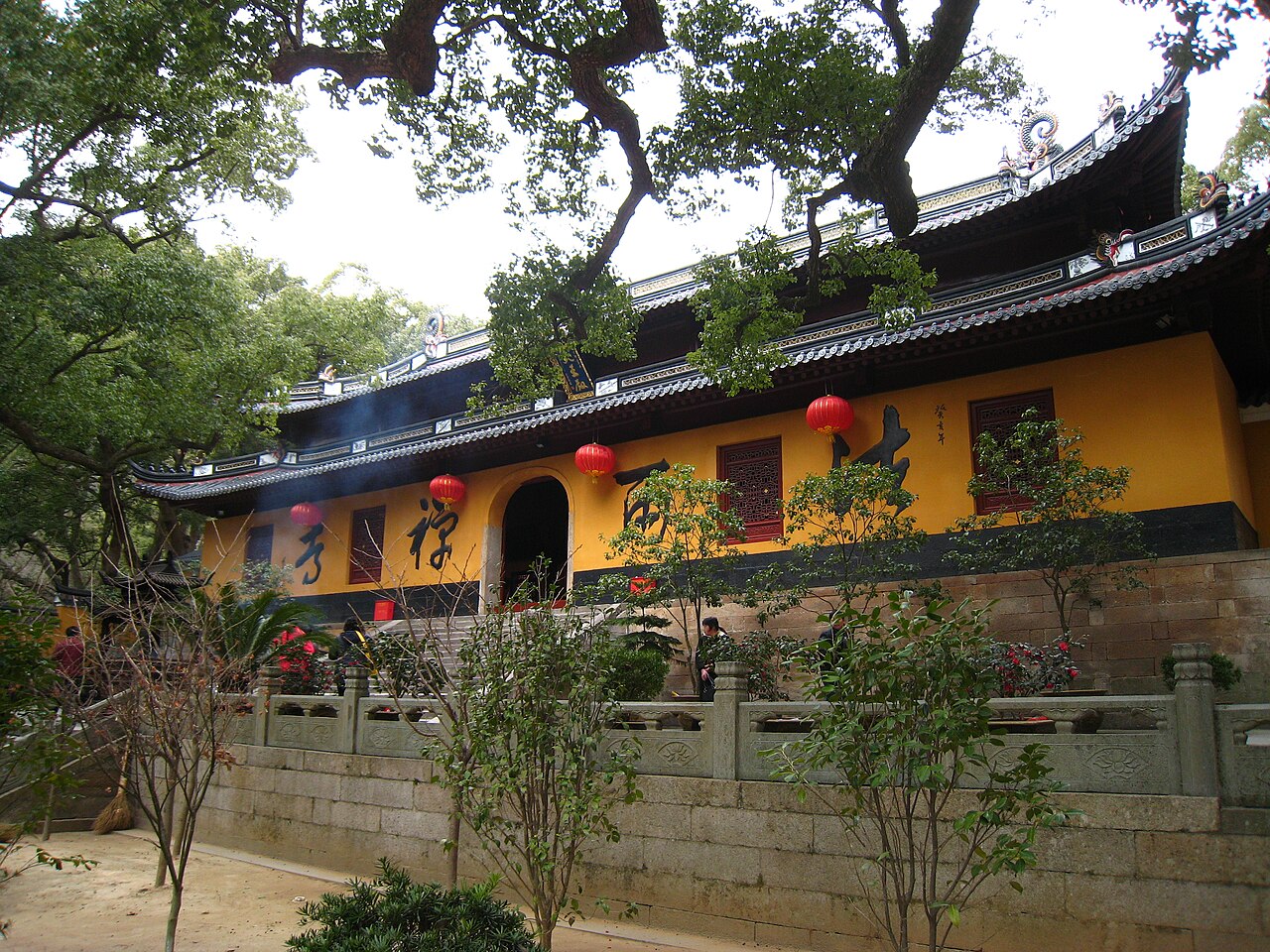
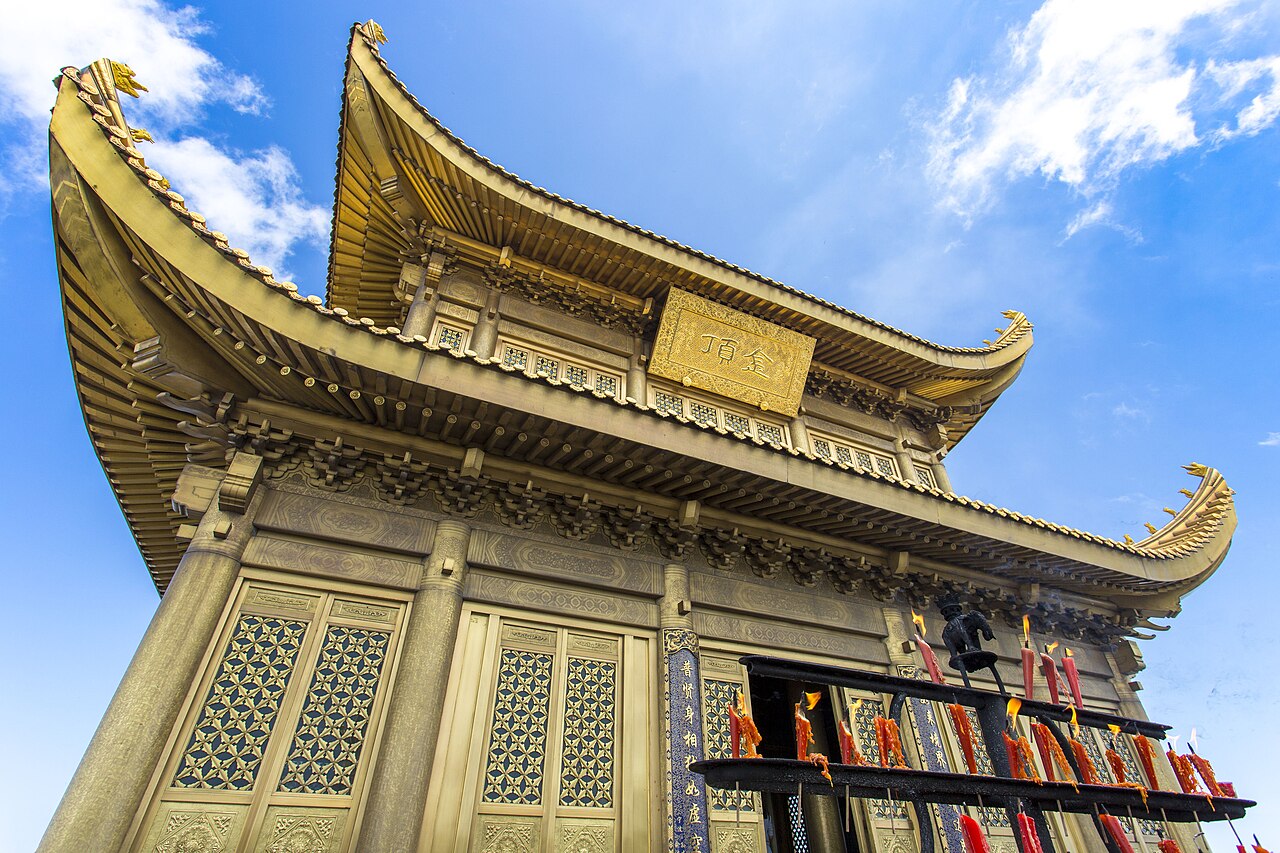
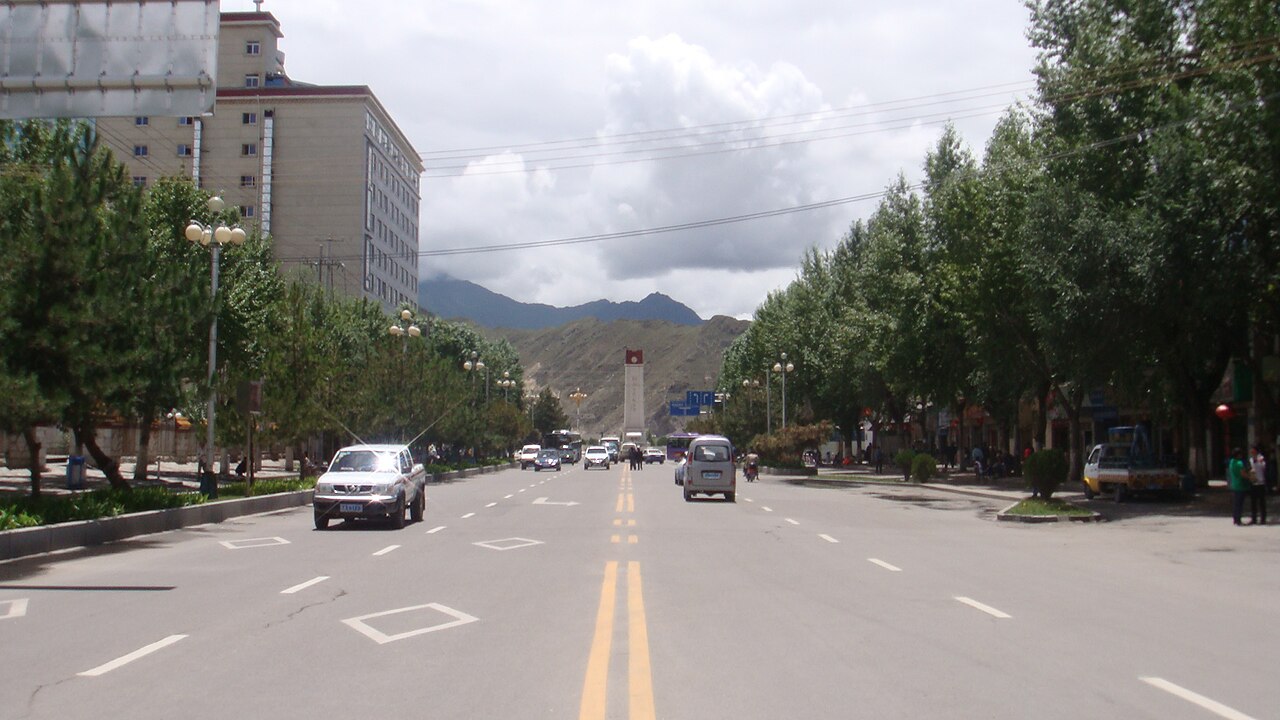
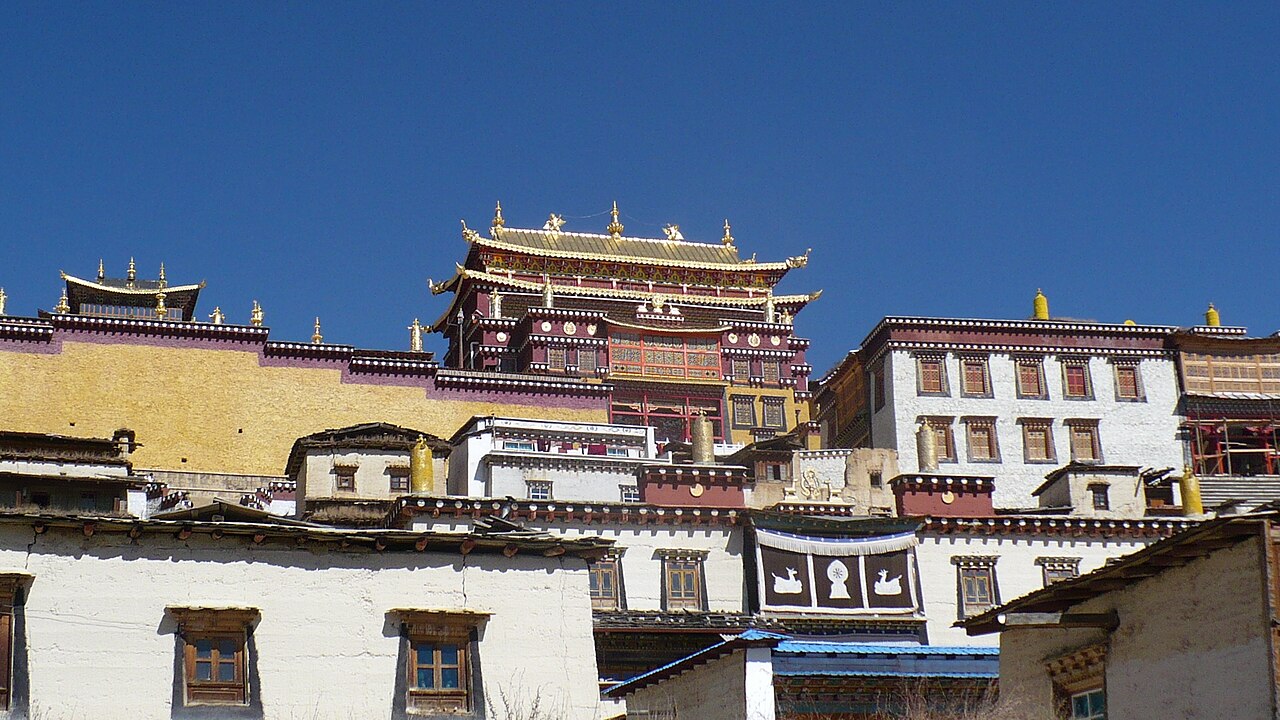
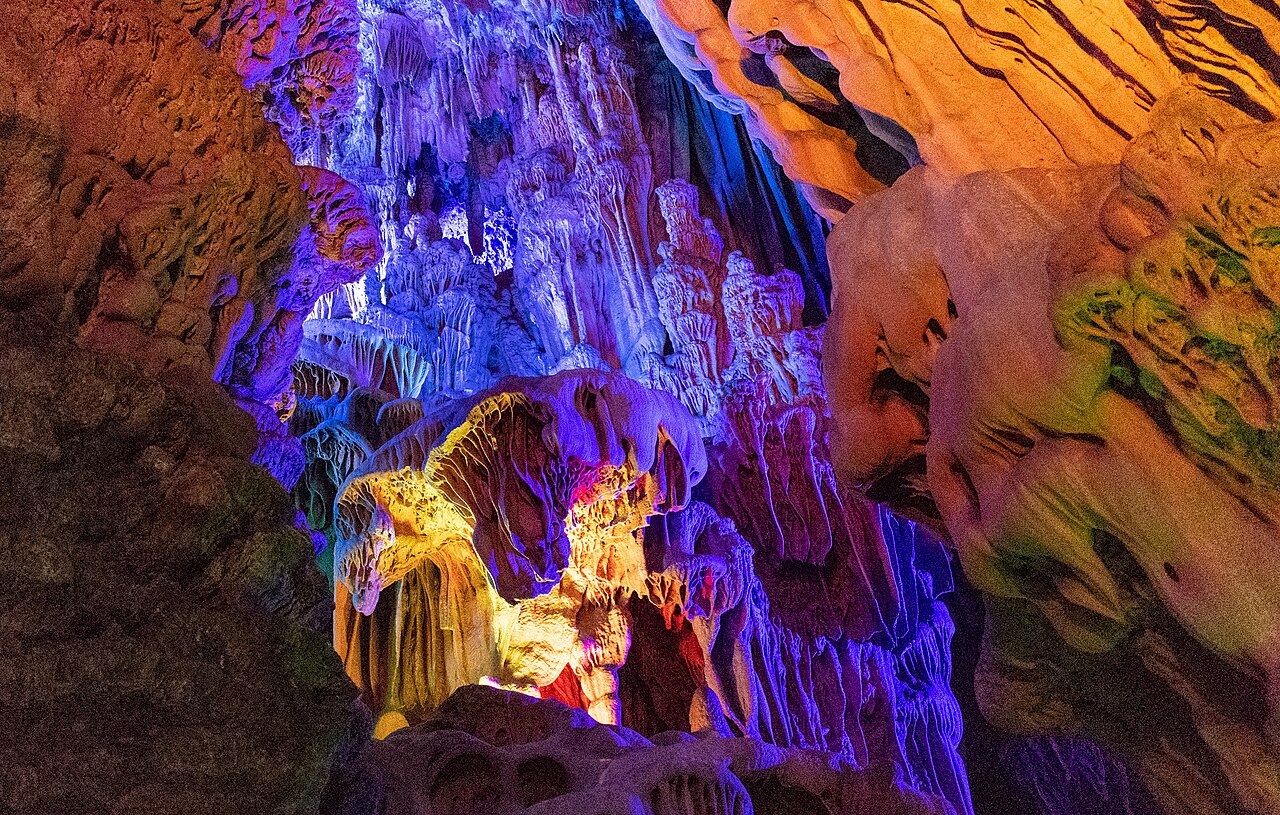
Lingyin temple among the wooded hills west of the lake
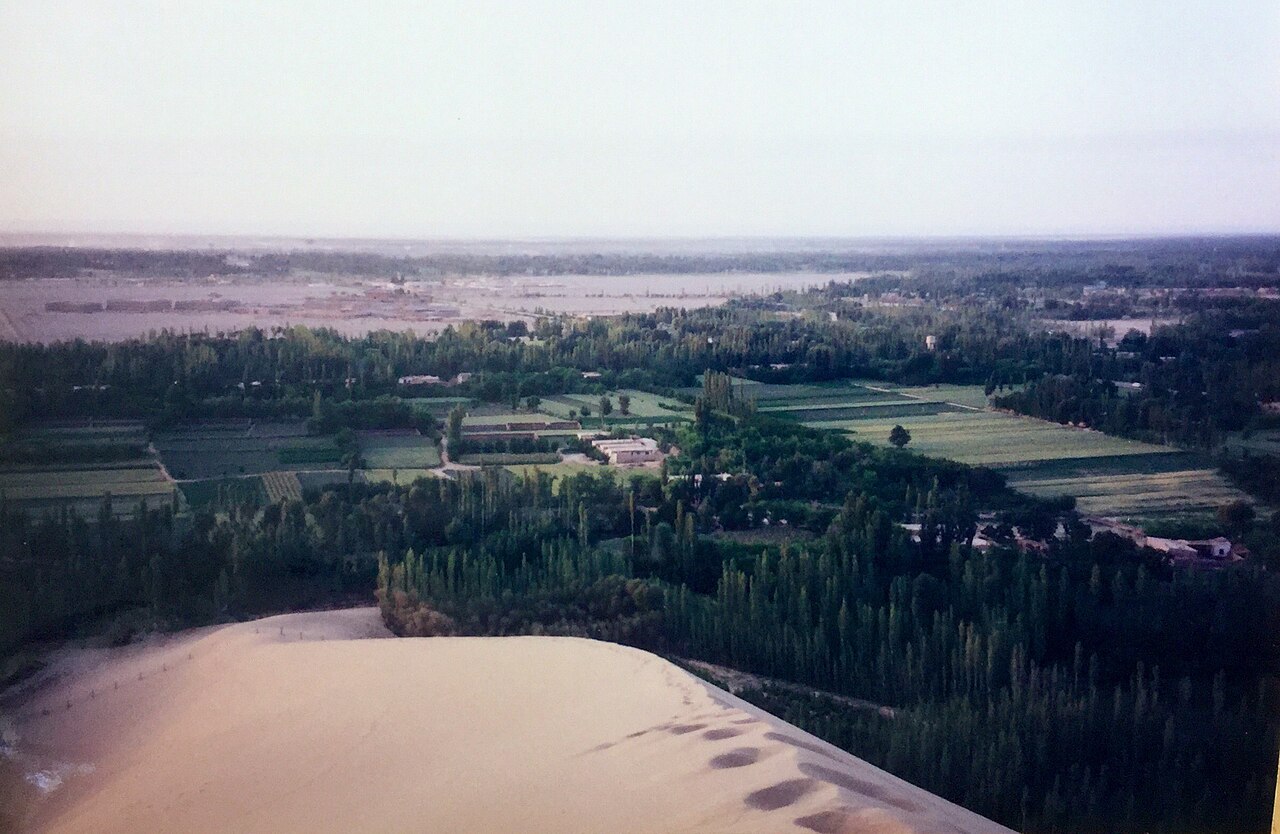
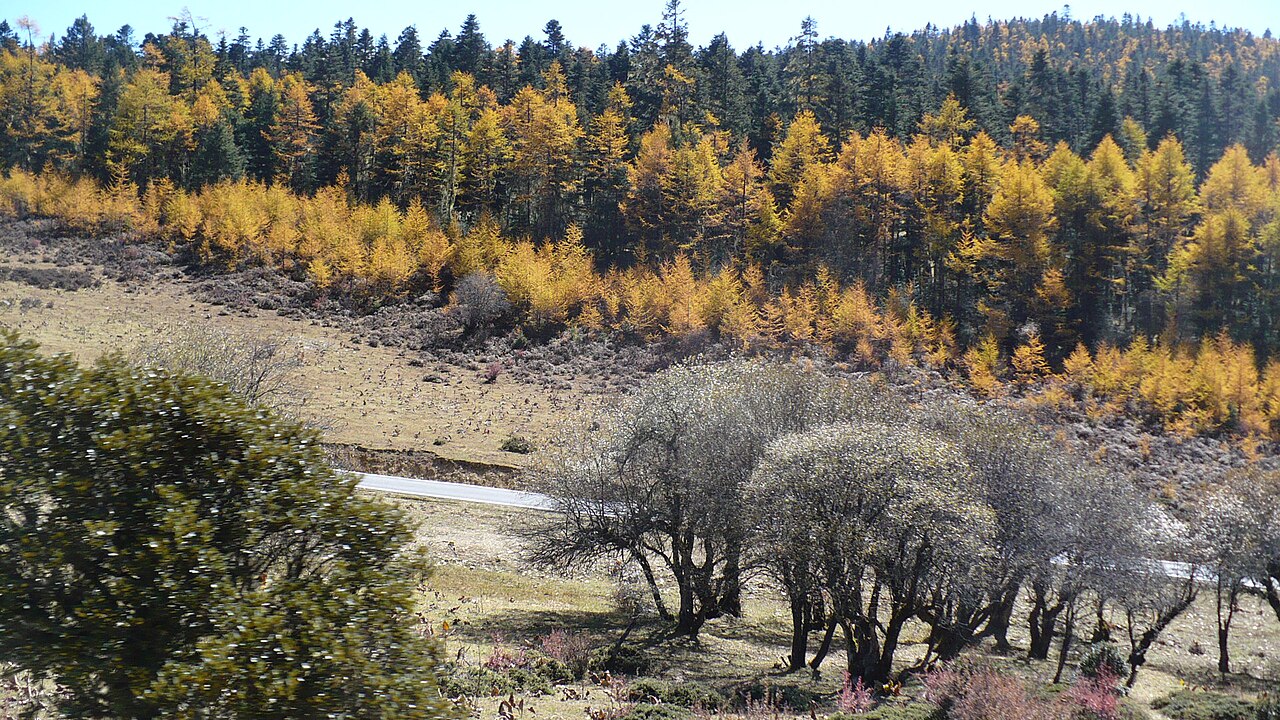
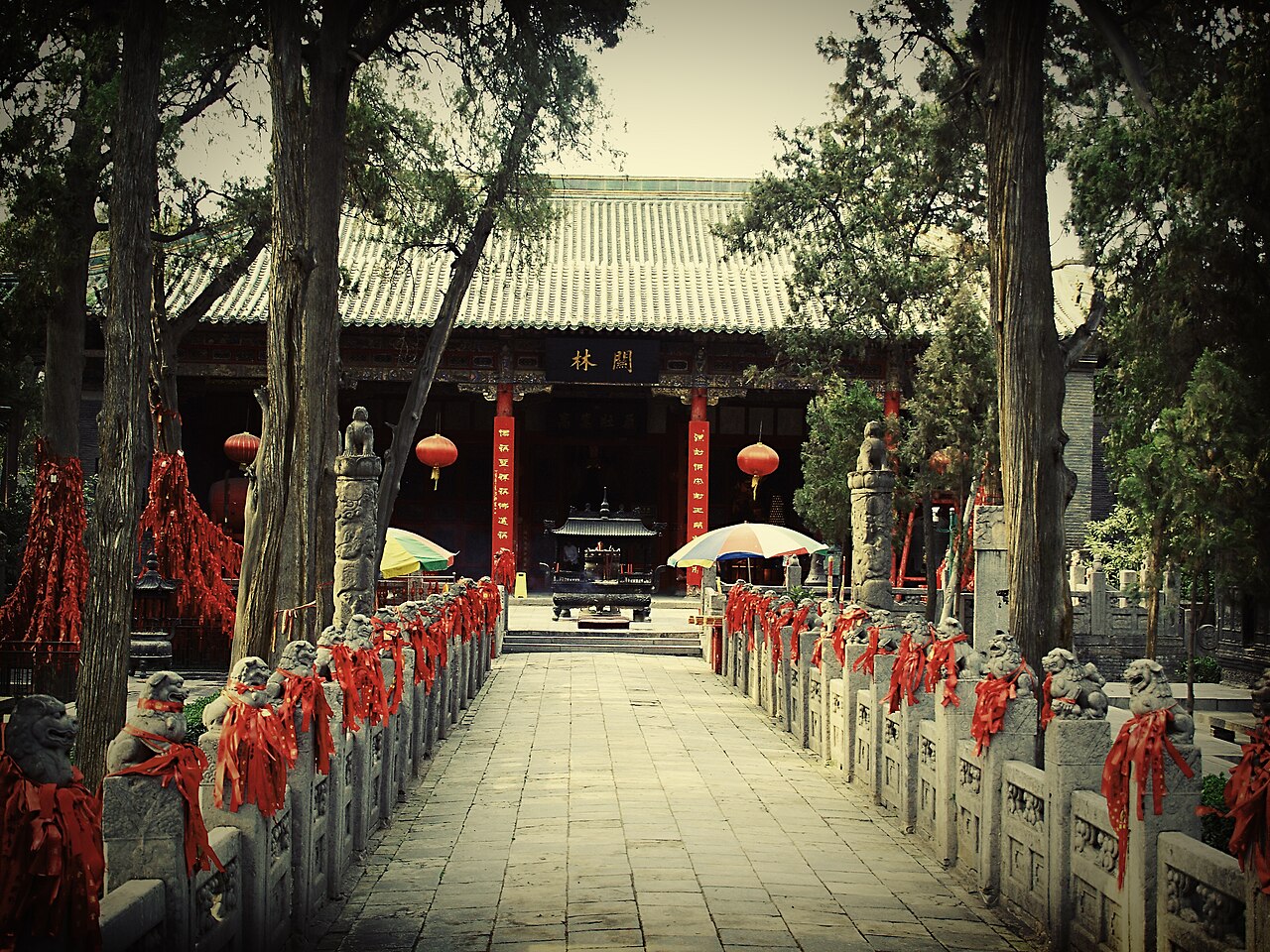
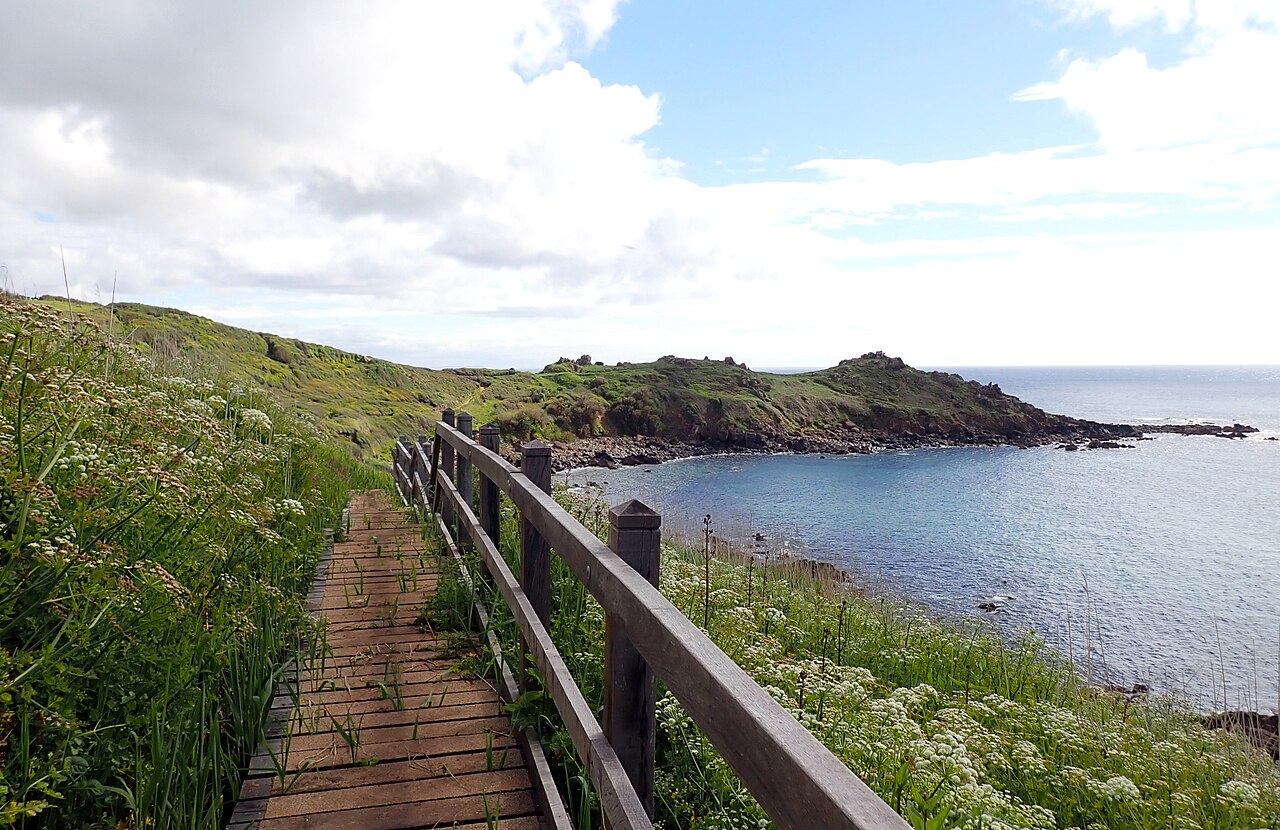
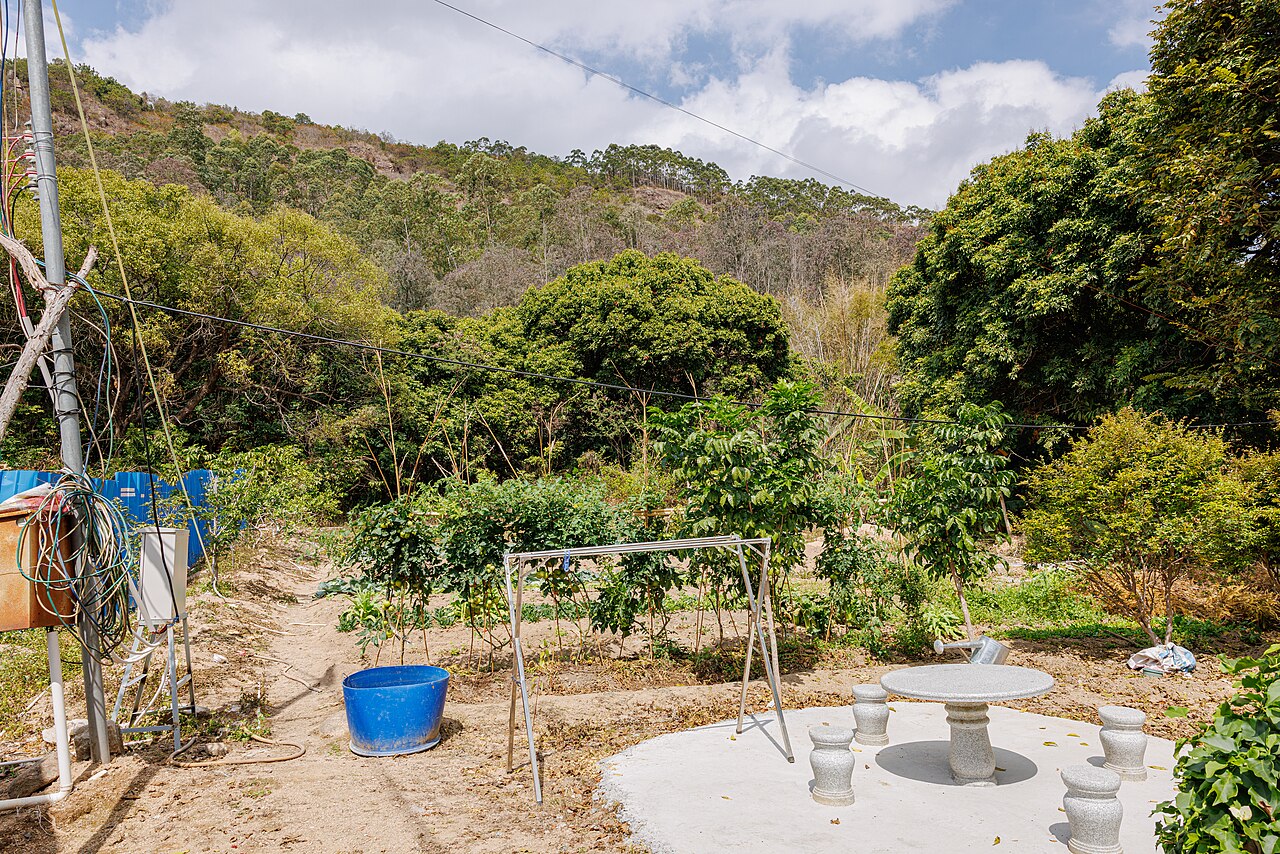
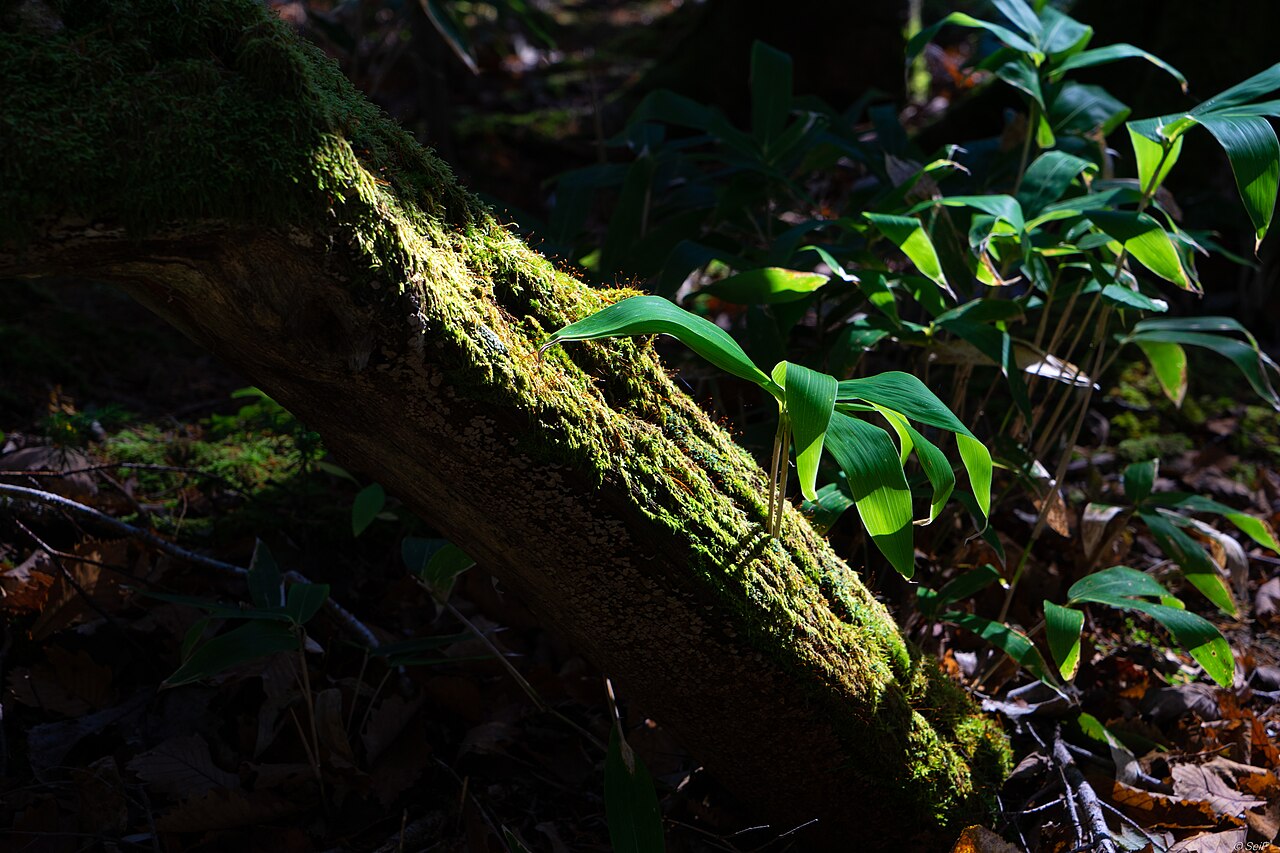
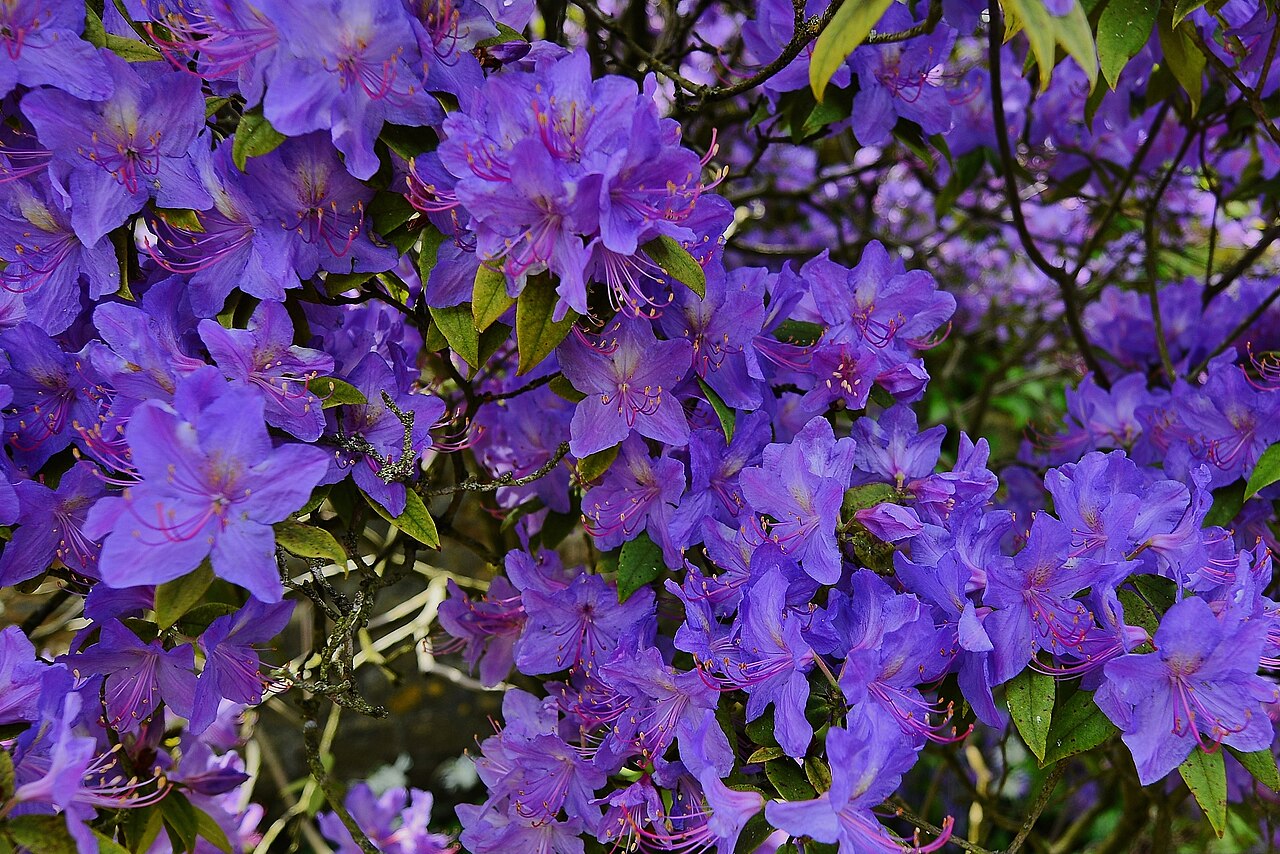
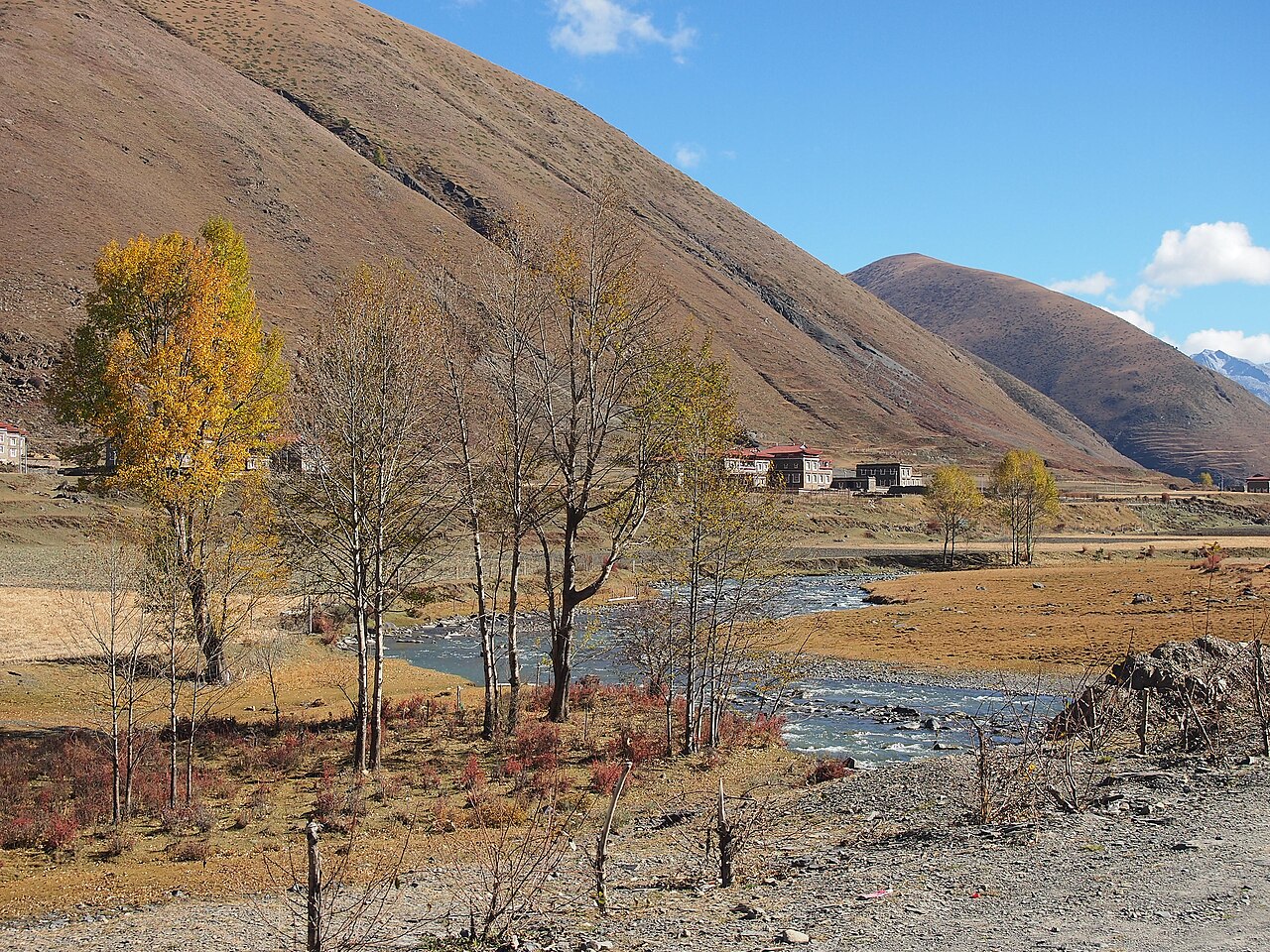
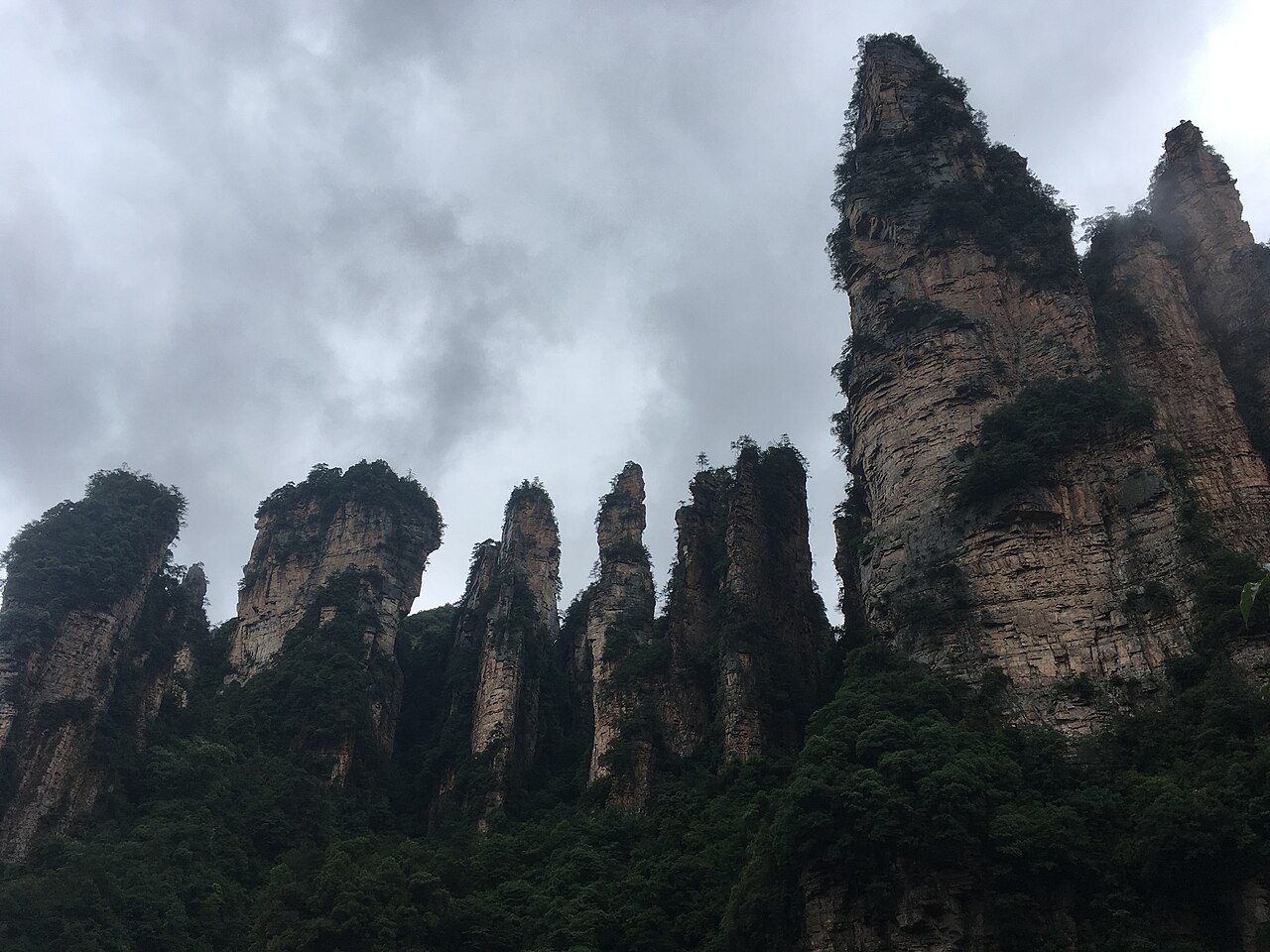
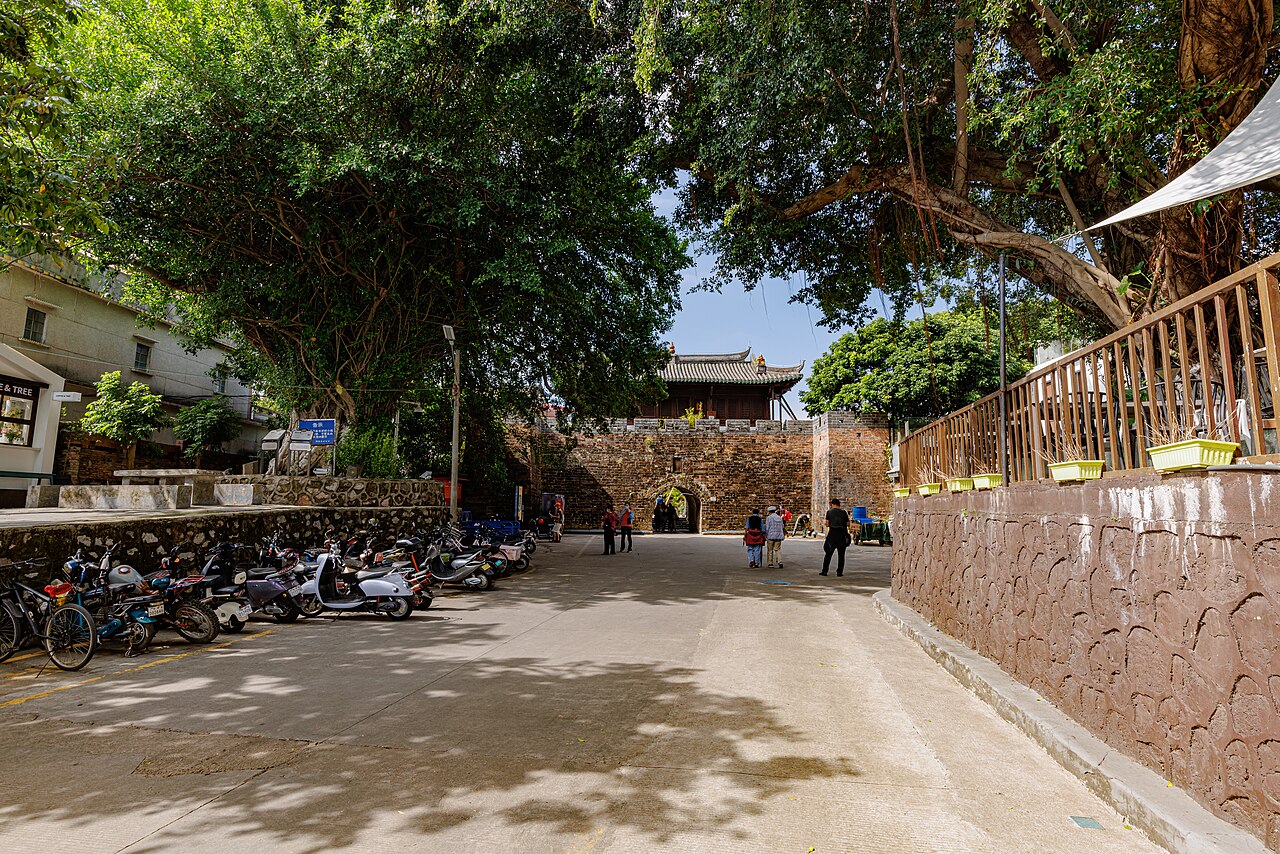
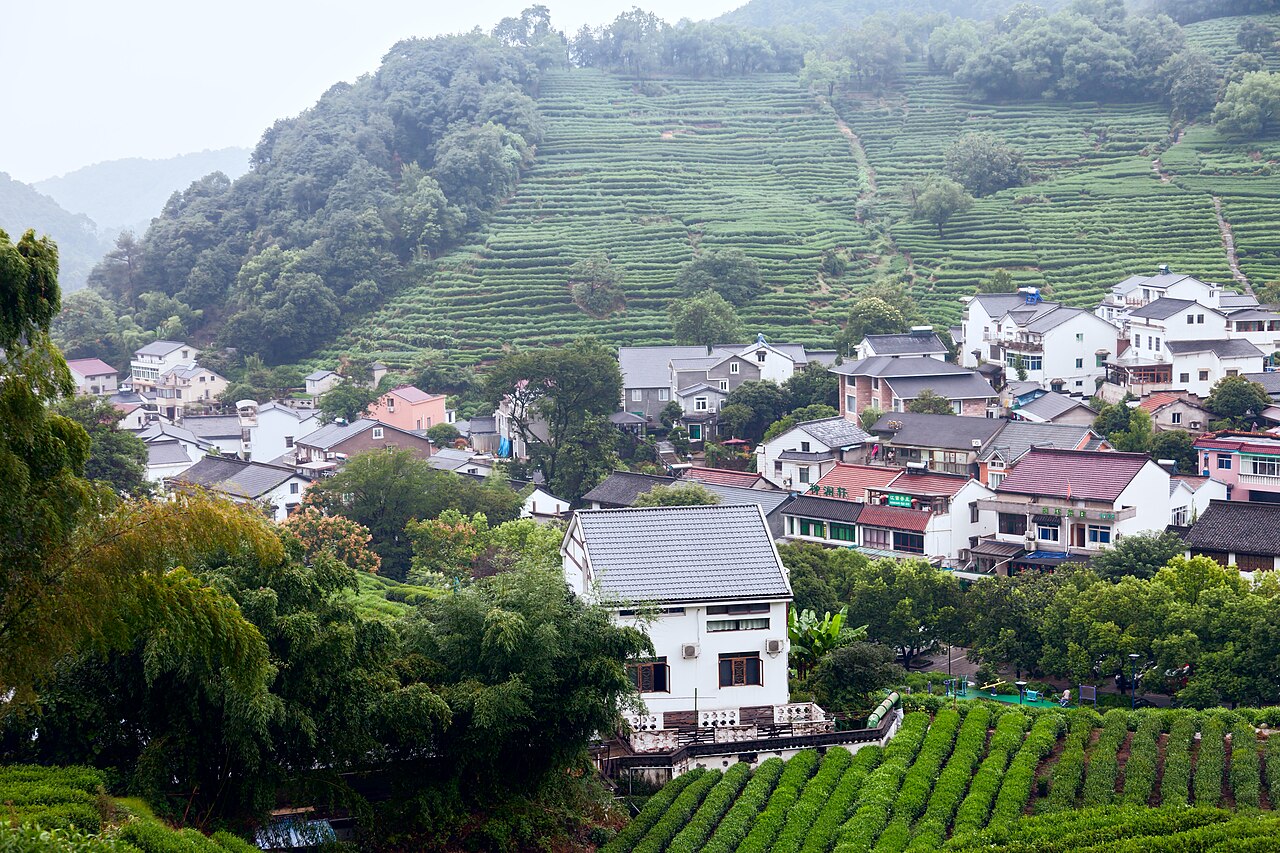
Terraced tea bushes at Longjing village above the lake
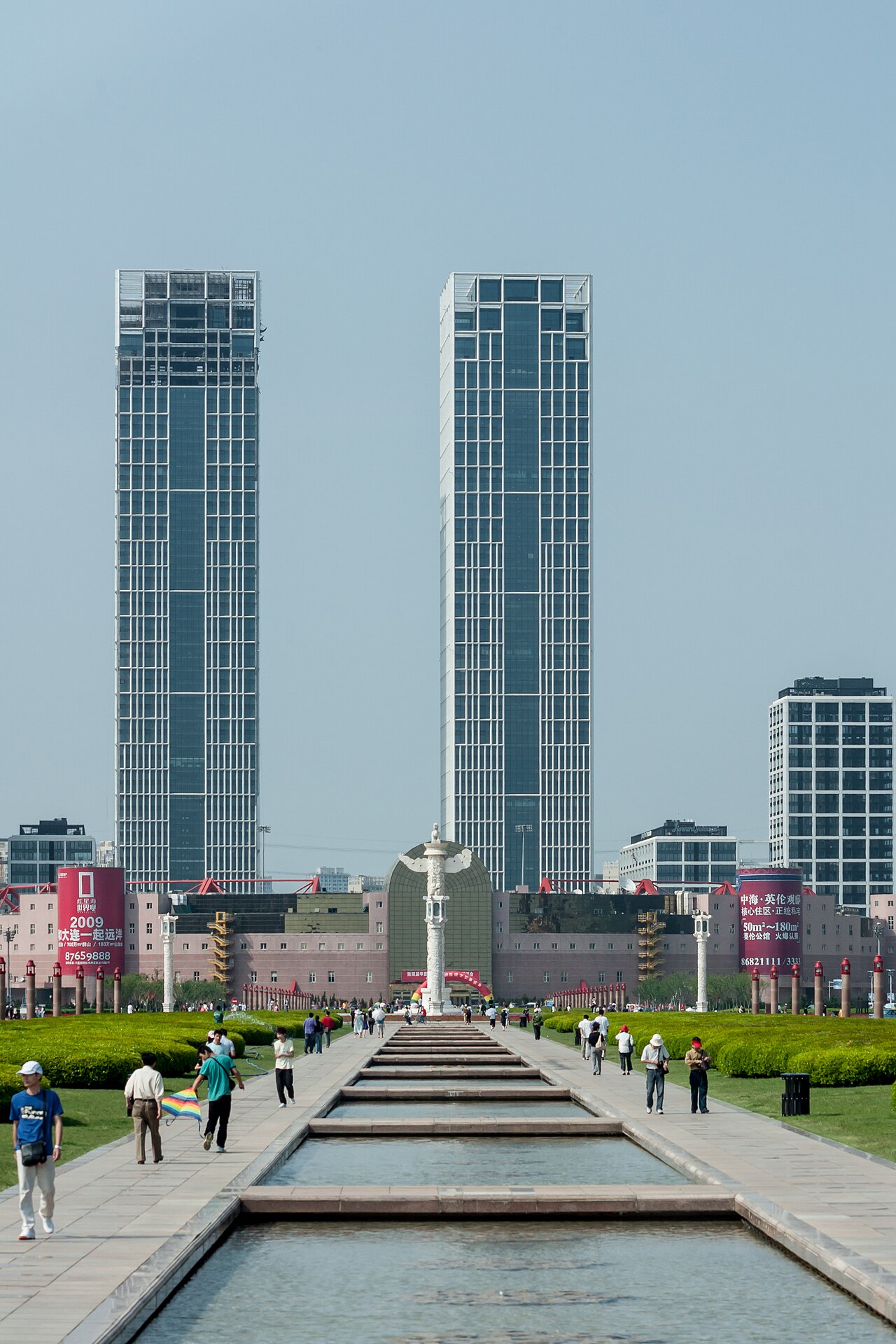
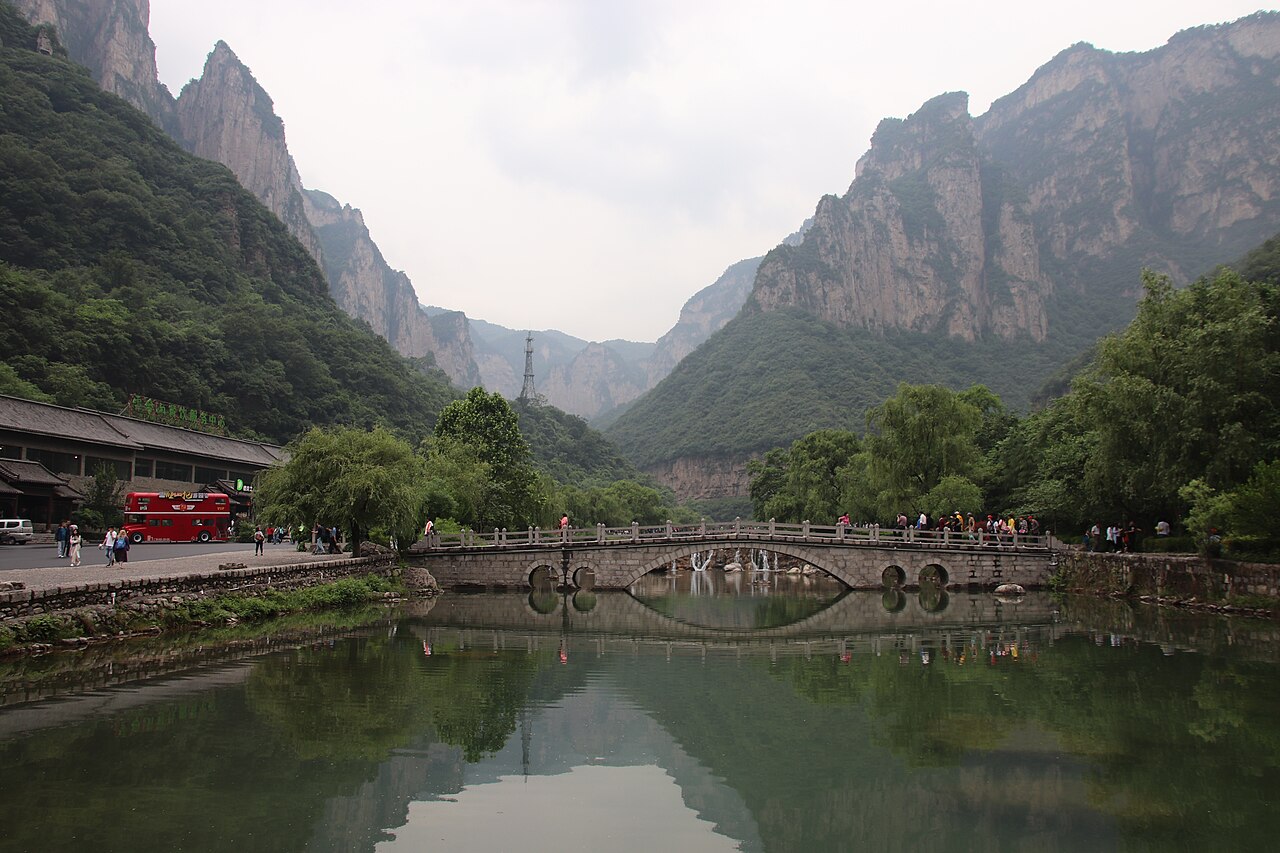
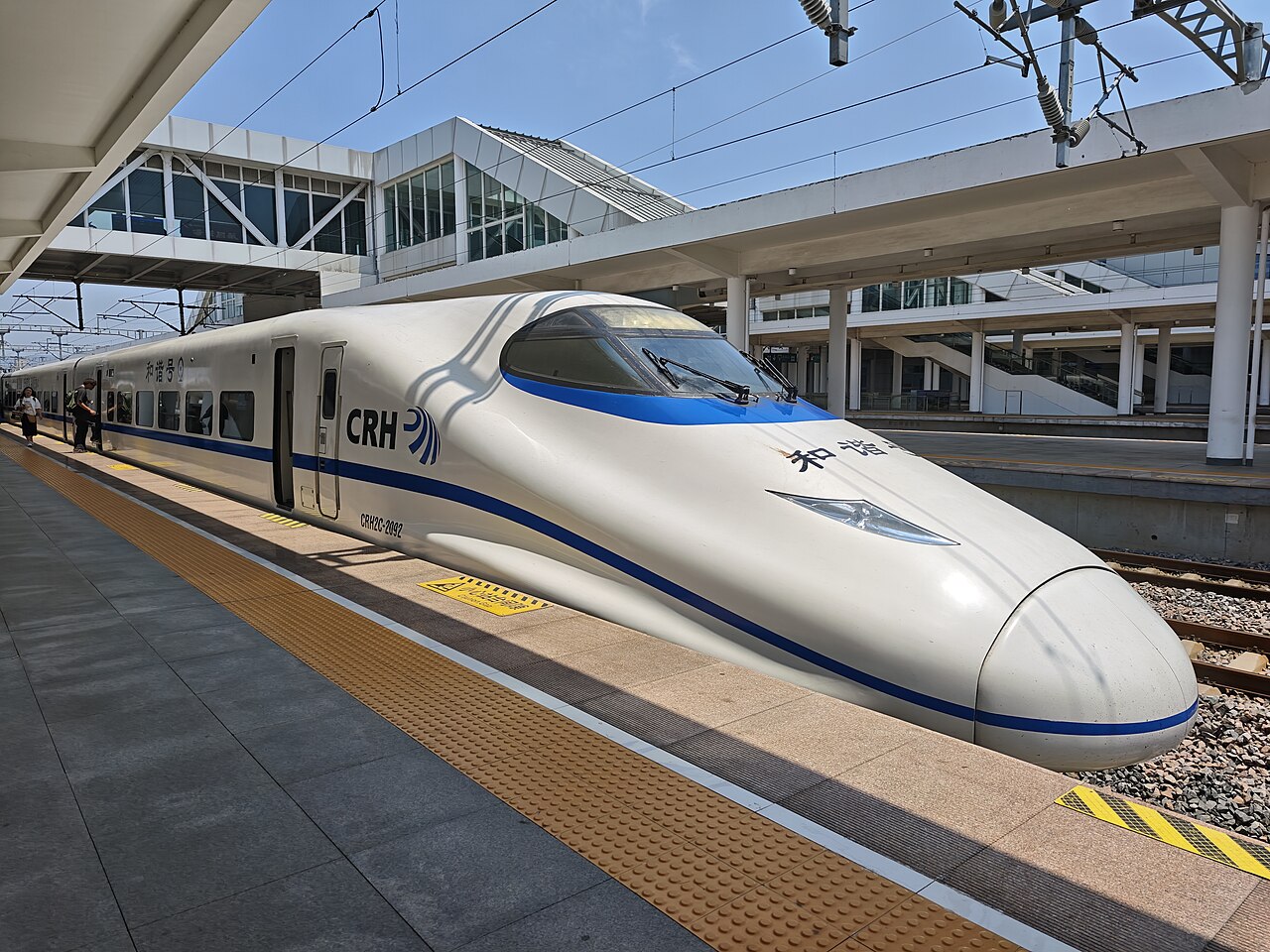
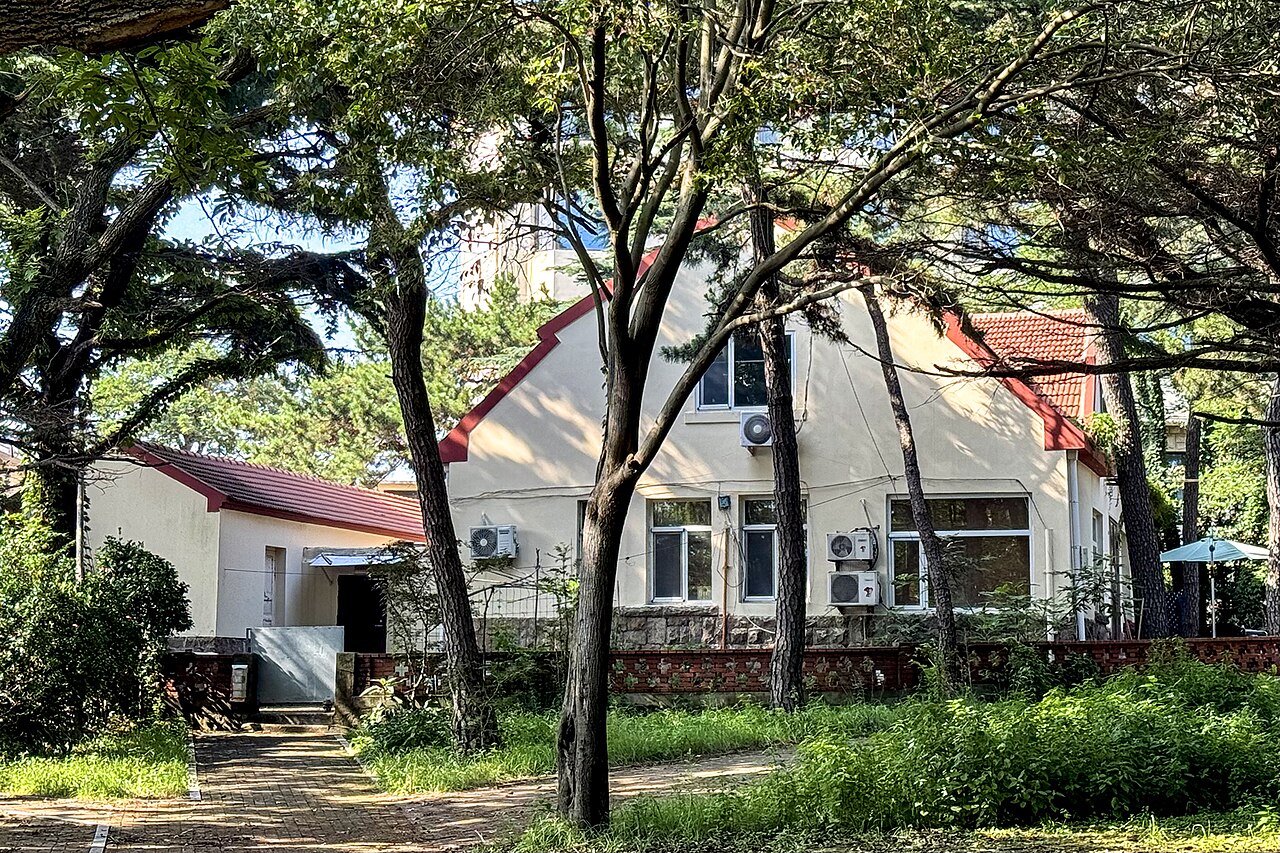
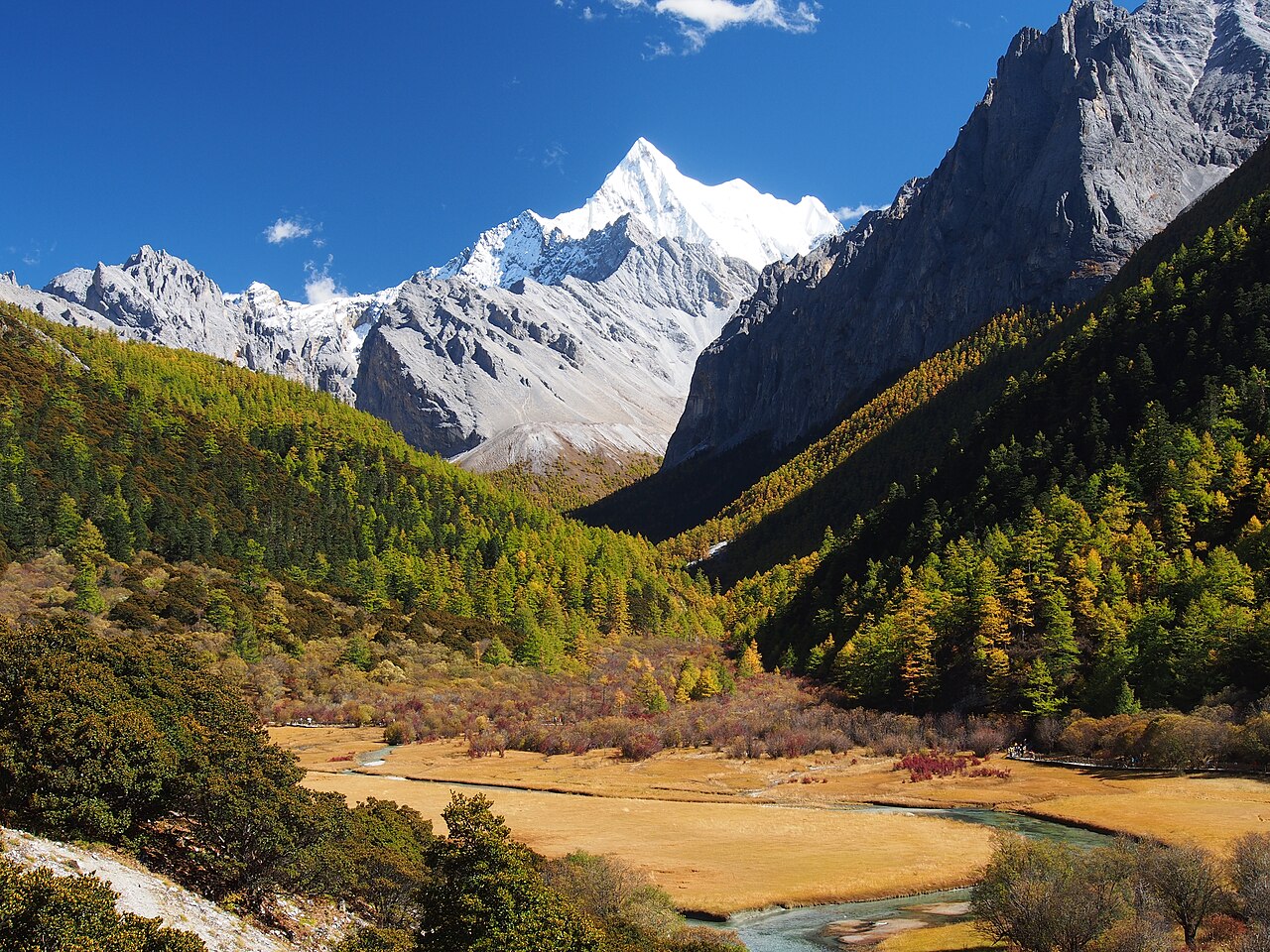
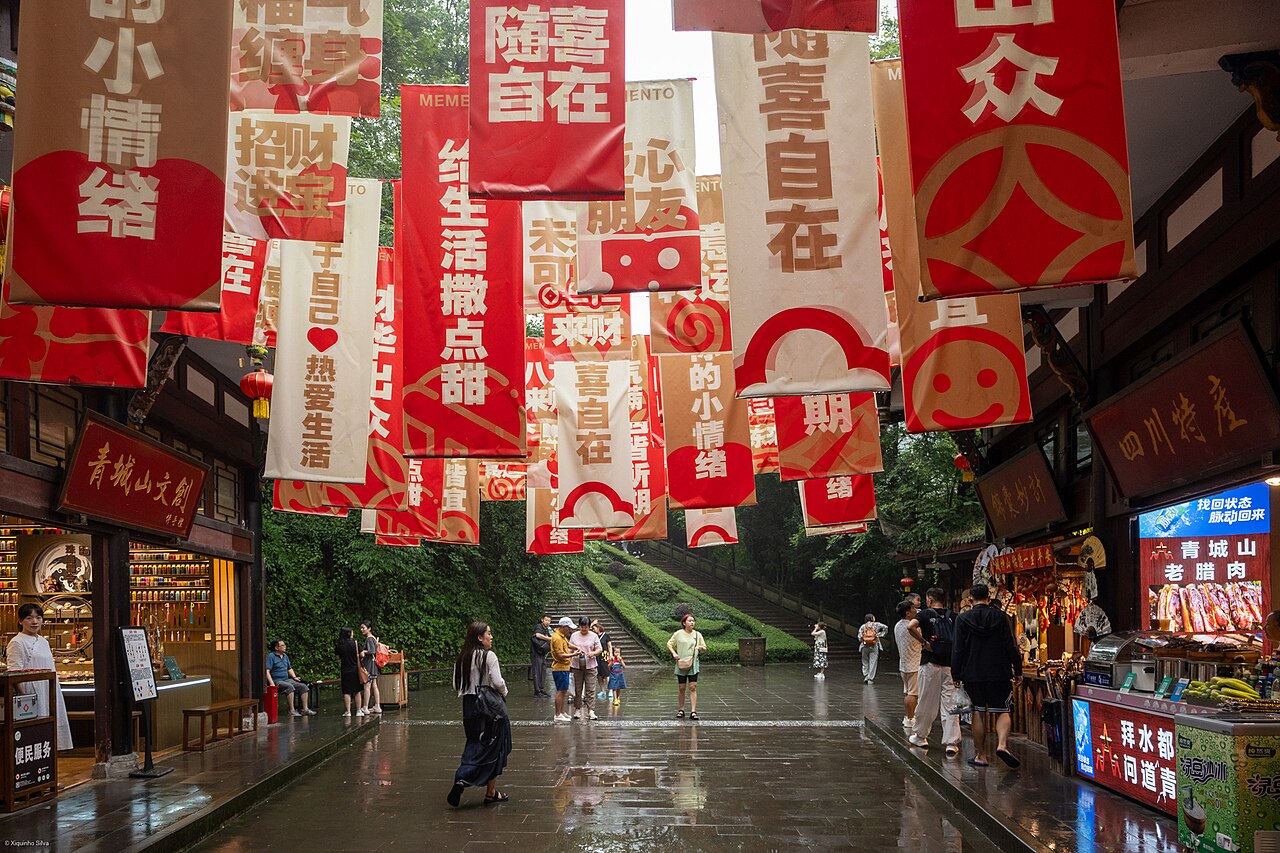
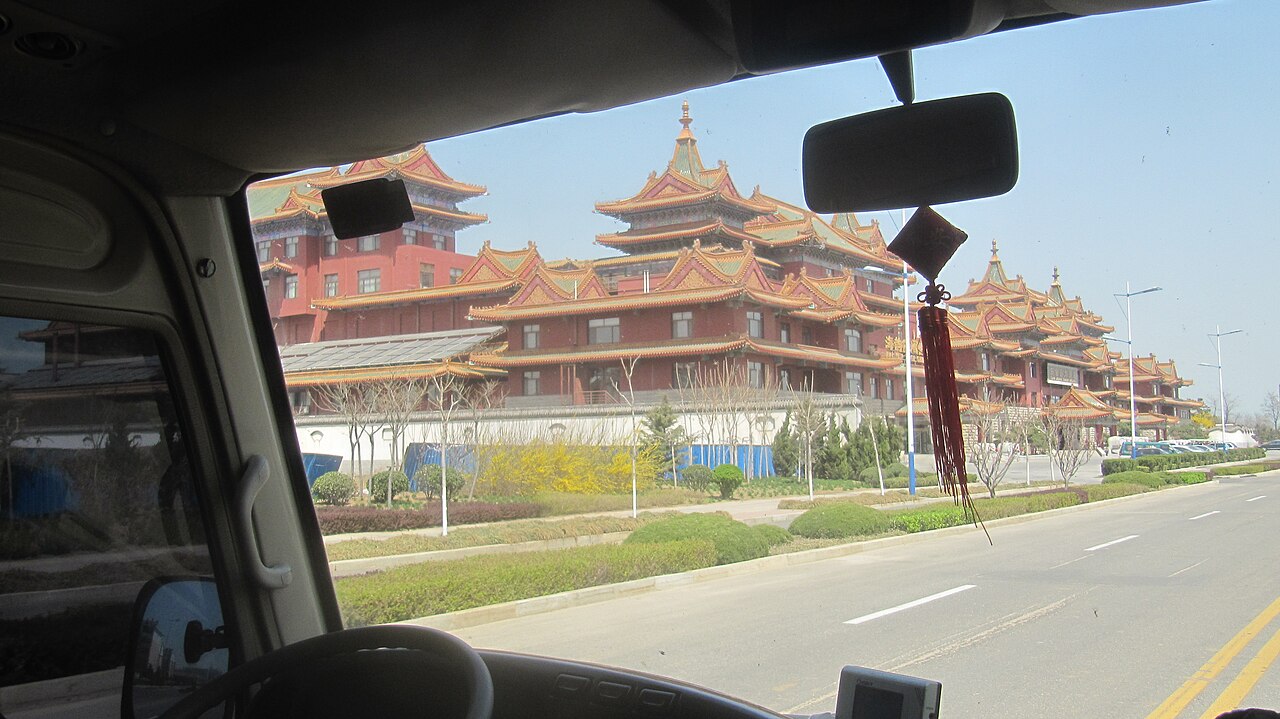
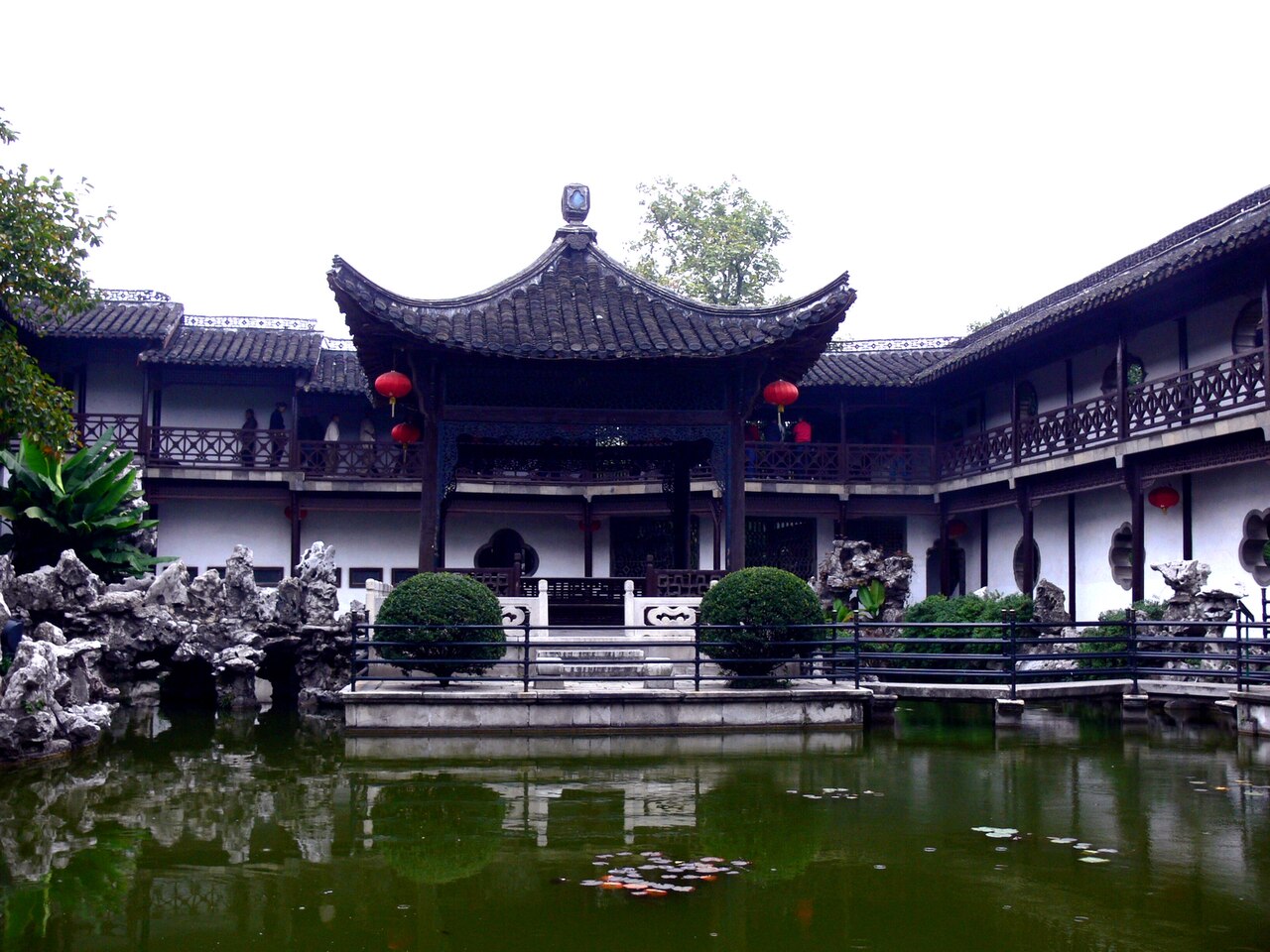
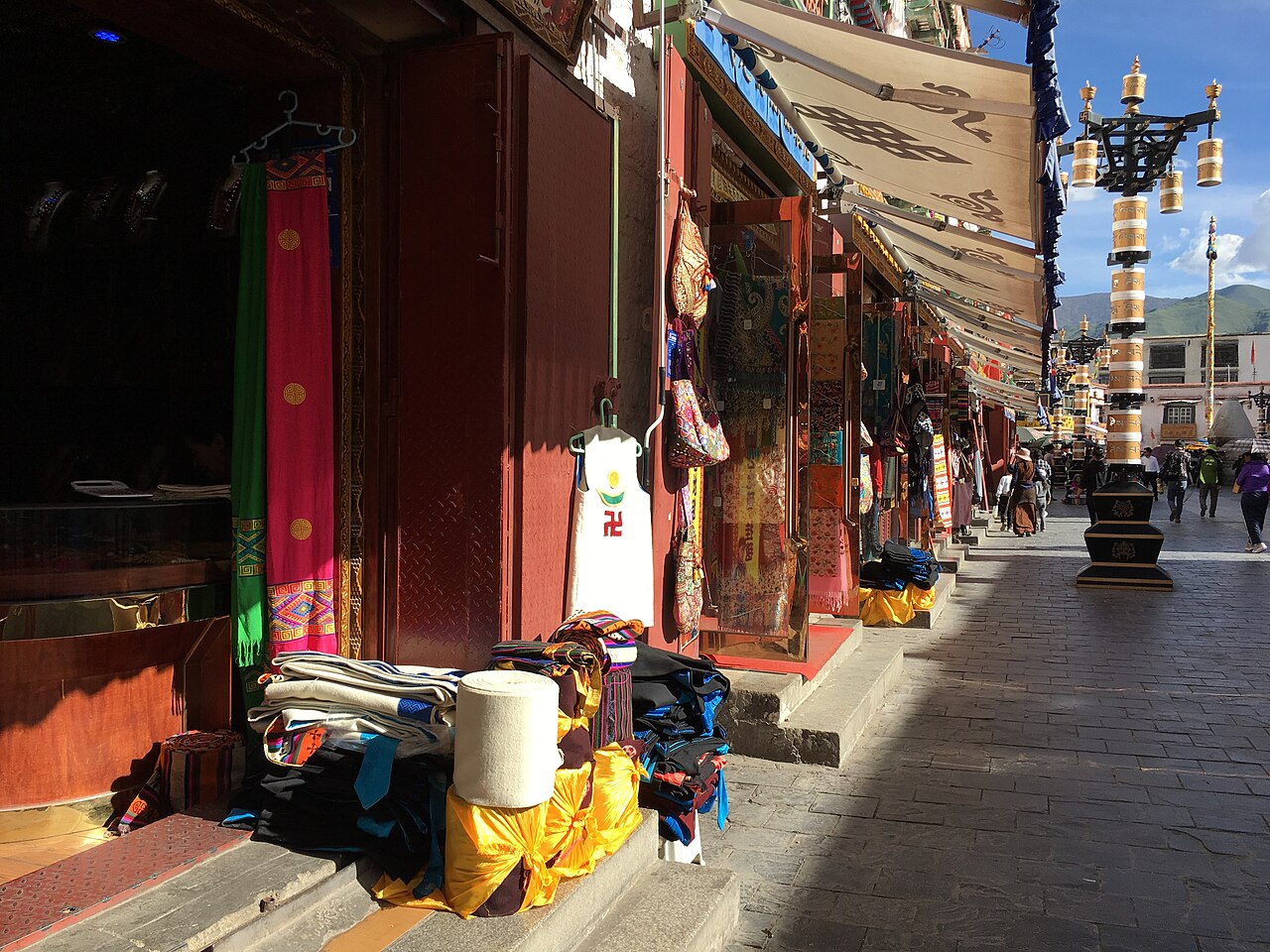
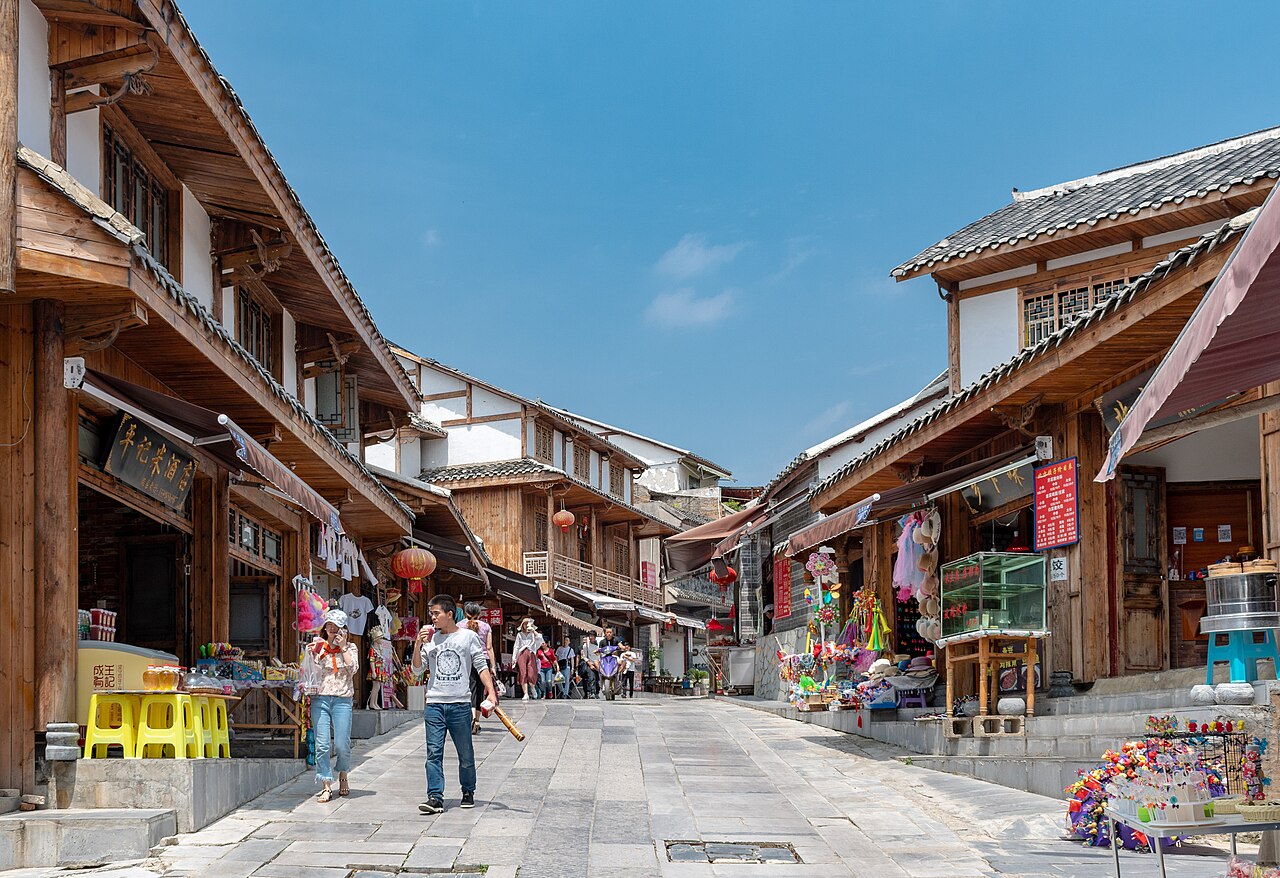
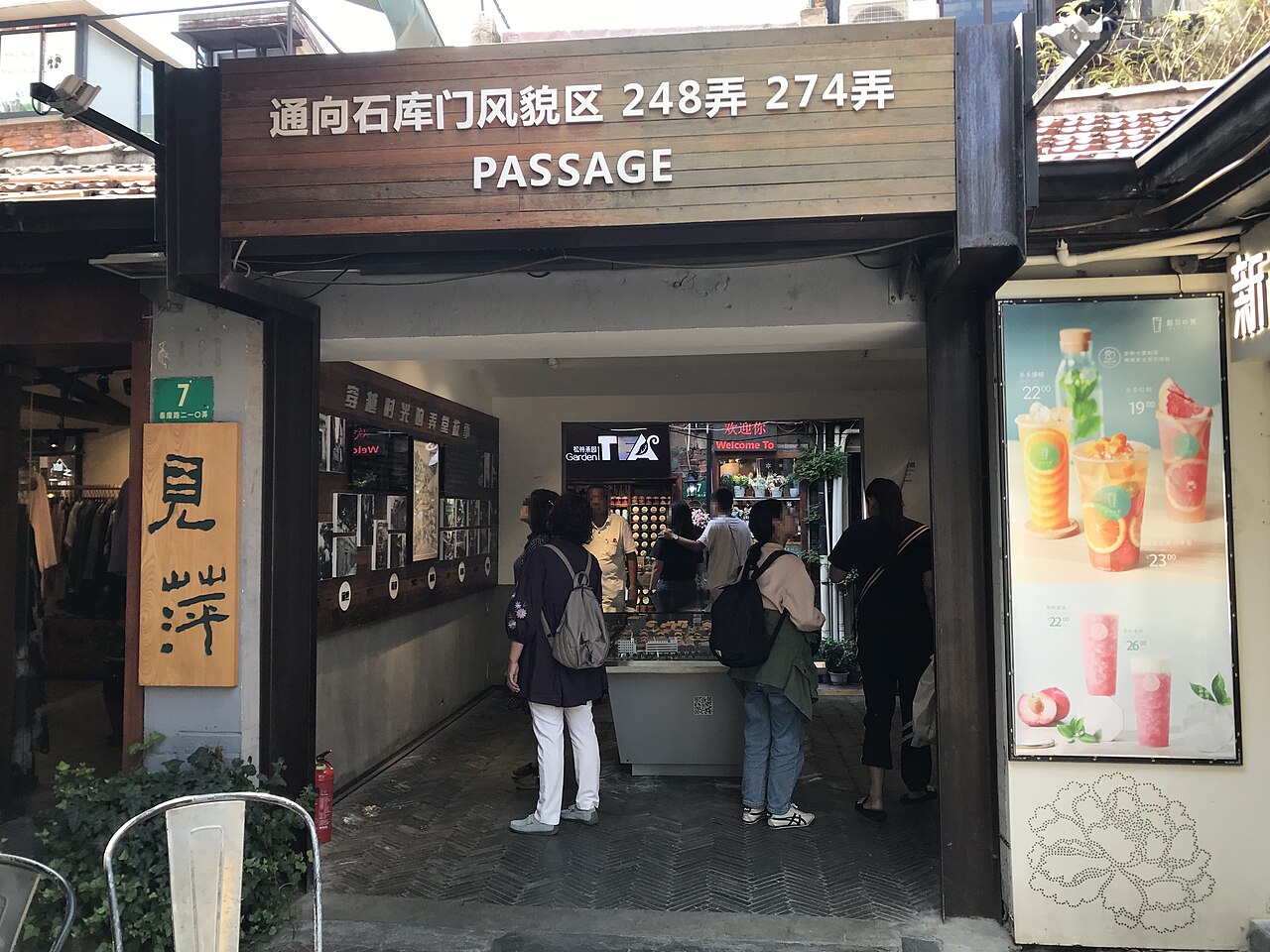
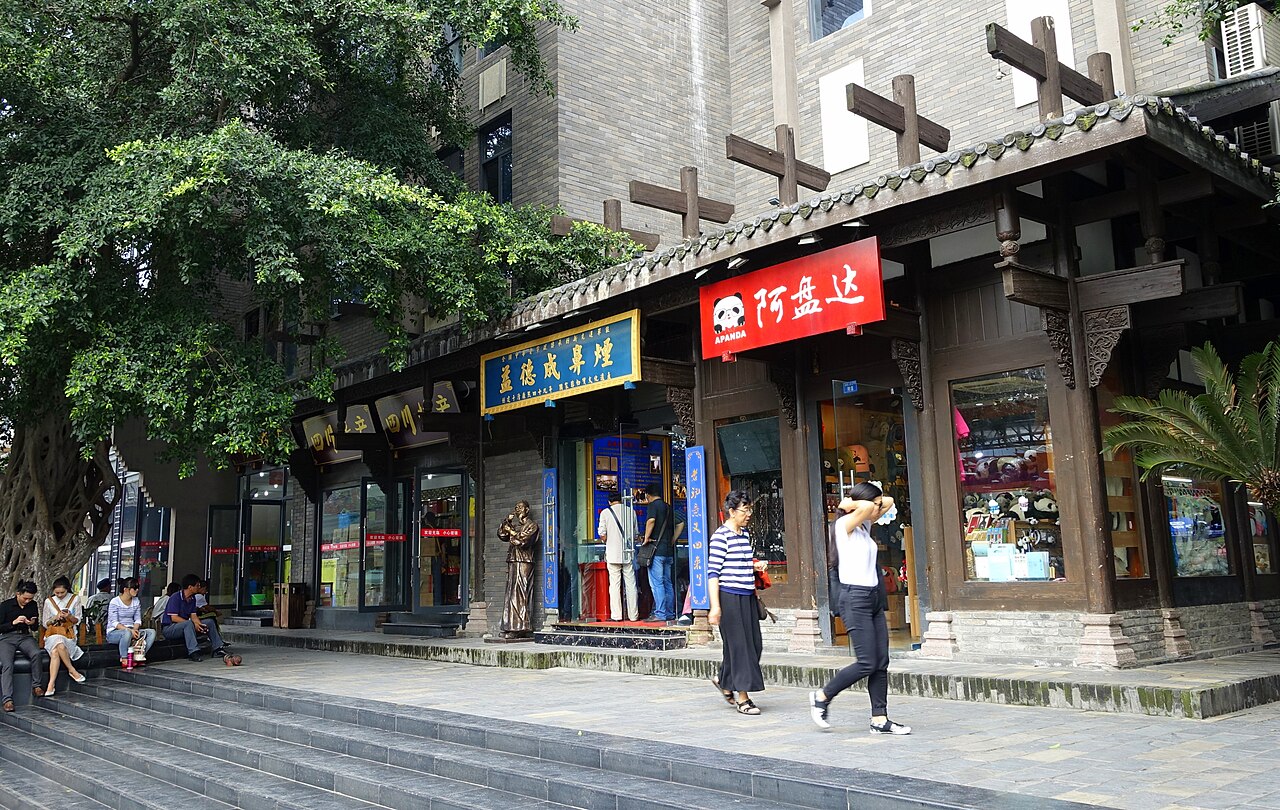
The Southern Song street at Hefang, busy with visitors

Whether you love Hangzhou or not, whether you tire of it or not, Hangzhou is there and West Lake is there, and has been for two thousand years. — 'Four Seasons of West Lake, Delicious Hangzhou'

A traveller's note in the source guide

Watch the calm surface of the lake, hear the bell carried across the water; sit for a while at the top of the pagoda and imagine your soul drifting out of your body, out of the world in front of you, up into the clouds. — 'A romantic trip for one: Hangzhou, Xitang'

A traveller's note in the source guide

Hangzhou is a city built around a lake, and it has spent two thousand years perfecting the art of making that lake worth looking at. Su Shi's line is the one everyone quotes: compare West Lake to the beauty Xi Shi, and she looks right whether lightly made up or heavily. The point is that the view changes with the weather and the season, so there is no wrong time to look, only different ones. The lake is free, the parks around it are free, and the whole circuit is walkable or rideable.

Inland from the water, the city climbs into tea hills. Longjing village is where the best Dragon Well tea is grown, from the eighteen imperial bushes below Lion Peak; Meijiawu is where Hangzhou people go on a weekend to drink, eat farmhouse food and play cards all afternoon. This is the part of Hangzhou that visitors underestimate: the tea isn't a sight, it's a way to spend a day.

Hangzhou is also a temple city and a museum city, quietly. Lingyin — literally 'the retreat of the immortals' — is one of the great working temples of the south, busy with incense and, in the small hours of the lunar New Year, with a crowd fighting for the first joss stick. Around the lake there are the Zhejiang Museum, the Xiling Seal Society and the tomb of Li Shutong, who was both a brilliant artist and a monk, and wrote the words to the song Chinese children learn as Farewell.

The important thing to know before you come is the season. Hangzhou is genuinely beautiful in spring and autumn, and genuinely hard in summer and winter: summer is one of the old furnaces, winter is wet and cold to the bone, and the plum rain of early summer can go forty days without clearing. Book spring or autumn, arrive by air or high-speed rail, and give the city three unhurried days.

Hangzhou

Don't leave without

Seven things that are worth rearranging a day for.

  1. Walk the Su Causeway at first light, before the crowds
  2. Stand on Broken Bridge and think about the White Snake legend
  3. Climb Leifeng Pagoda for the view back over the lake
  4. Ride a public bike the full circuit of West Lake
  5. Drink Longjing tea in the village it was grown in
  6. Eat Dongpo pork and West Lake vinegar fish at least once
  7. Wander the Southern Song street at Hefang and the old pharmacy Hu Qingyu Tang
  8. Catch the Impression West Lake show on the water

Highlights

Six reasons Hangzhou is not just West Lake

A free lake that earns its reputation

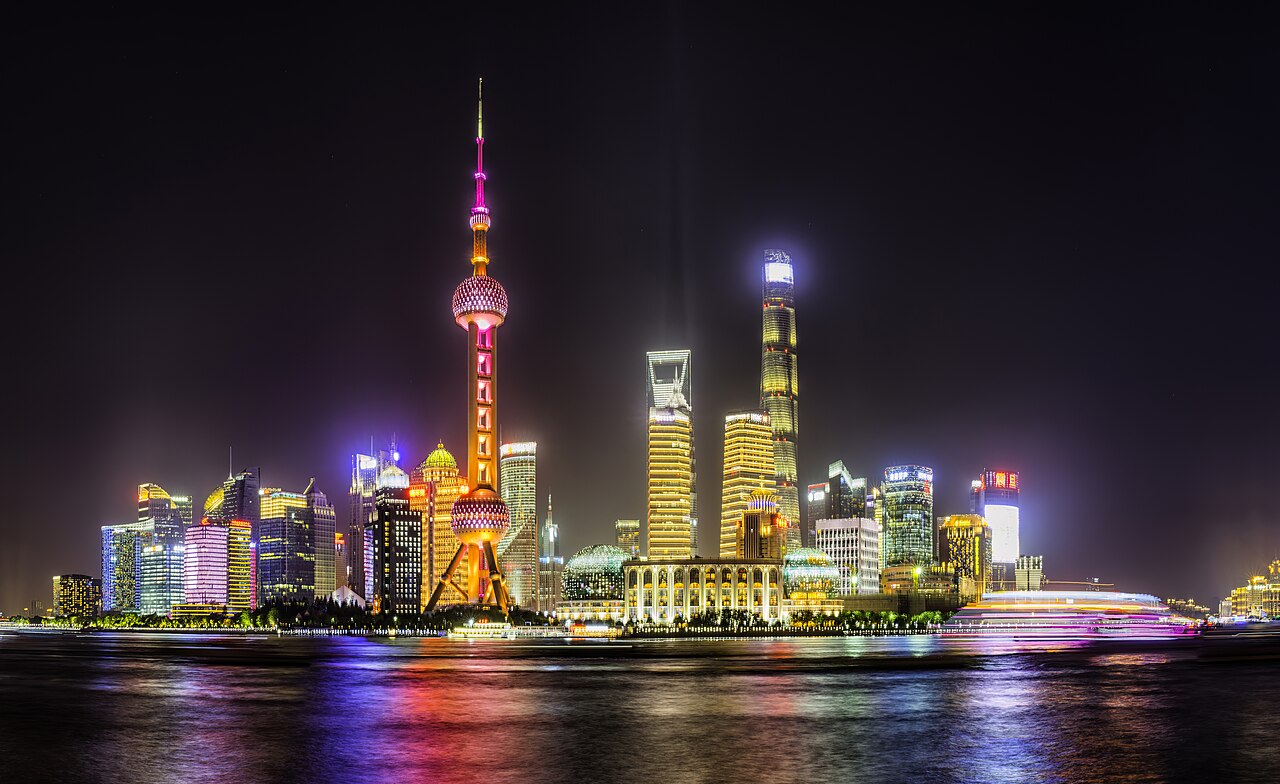
West Lake and all twenty of its named scenes — ten old, ten new — cost nothing, and the whole shoreline is walkable or rideable. The lake is not a single view but a set of weathers: Su Causeway in spring, Lotus in the Breeze at Quyuan in summer, Autumn Moon on the Calm Lake, and Broken Bridge in Snow in winter.
The tea hills are the real day out

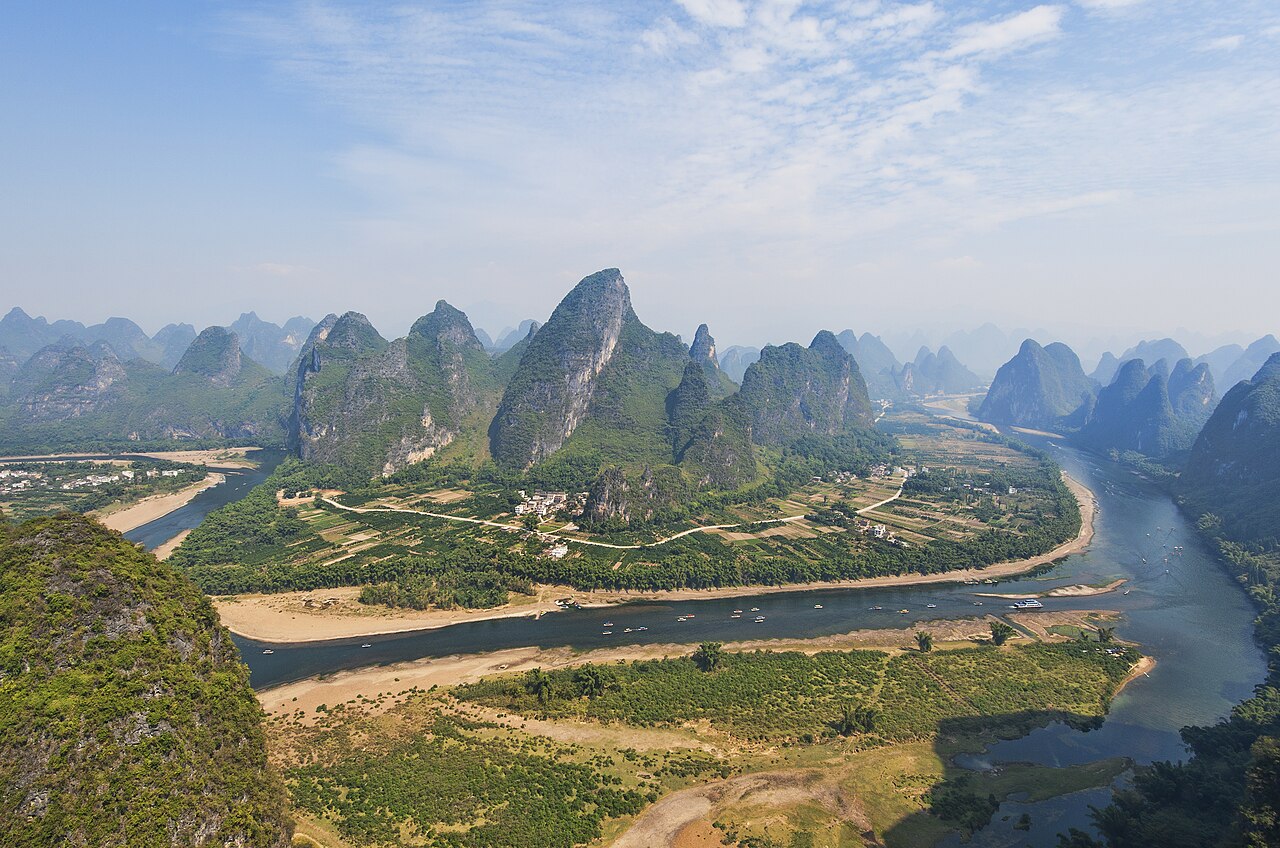
Longjing village grows the country's most famous green tea, the eighteen imperial bushes standing below Lion Peak, and Meijiawu, about 5 km of farmhouse teahouses along Meiling Road, is where Hangzhou spends a weekend. Tasting is free; you buy only if you want to, and in the village it is cheaper than the city tea markets.

Lingyin, a working temple, not a ruin

Lingyin means 'the retreat of the immortals', and it lives up to the name, set in wooded hills west of the lake with the Feilai Peak carvings on the way in. It is a working temple with a great deal of incense burning and, in the small hours of the lunar New Year, a crowd competing for the first joss stick.

A literati city with the goods to prove it

Hangzhou has been the capital of the Wu-Yue kingdom and of the Southern Song, one of China's seven great ancient capitals, and it has kept the artifacts: the Zhejiang Museum on Solitary Hill, the Xiling Seal Society founded in 1904, the tomb of the artist-monk Li Shutong above Tiger Spring, and the studio of the painter Han Meilin.

The food is a reason on its own

Hangzhou cooking is the light, fresh, 'clear and distinctive' edge of Zhejiang cuisine, and the signature dishes are famous for a reason — Dongpo pork, West Lake vinegar fish, Longjing prawns and water-shield soup. Su Shi said no banquet in the empire matched Hangzhou's, and he is quoted on the subject to this day.

It is one of the easiest cities in China to do cheaply

The lake is free, the public bikes are free for the first hour, the metro runs ¥2–8, and a bowl of noodles or a plate of small steamed buns costs a few yuan. For a city with this much culture and scenery, the price of seeing it is remarkably low — which is not something you can say about every famous destination.

Suggested routes

One day, two days, or the slow five

The essential single day

1 day days

The best of Hangzhou compressed: temple in the morning, lake all afternoon, old street at night.

  1. Day 1

    Lingyin — West Lake — Hefang Street

    Start early at Lingyin temple, taking in the Feilai Peak carvings on the way in and, if you like, a vegetarian lunch at the temple, which is better than it needs to be. Then ride bus 7 to the lake and give the whole afternoon to West Lake.

    Walk or ride the lake — North Mountain Road past Broken Bridge and the Bai Causeway, along Hubin Road, round to South Mountain Road for the Leifeng Pagoda and Taiziwan park. Eat dinner on Gaoyin Street, then walk off the meal on Hefang Street, the rebuilt Southern Song shopping street, finishing at Wushan Square.

    Stops: Lingyin templeFeilai PeakWest Lake shorelineHefang StreetWushan Square

Two days, with the tea

2 days days

Lake and temple on day one, tea village and the old city on day two.

  1. Day 1

    Lingyin — the lake — South Mountain Road

    Lingyin early for the temples and the carvings, a vegetarian lunch at the temple, then the lake in the afternoon by the Yanggong Causeway, Su Causeway, Bai Causeway and Broken Bridge. Hubin Road runs into the bar street on South Mountain Road — pick one and finish the day with a drink and some live music.

    Stops: Lingyin templeYanggong CausewaySu CausewayBroken BridgeSouth Mountain Road

  2. Day 2

    Longjing village — Hefang — Southern Song Imperial Street

    A slow morning in Longjing village for the tea, the terraces and the eighteen imperial bushes, then bus back to Wushan Square and Hefang Street for the shops — the century-old pharmacy Hu Qingyu Tang among them. Cross to the Southern Song Imperial Street on Zhongshan Middle Road, and eat dinner on Gaoyin Street, which is all restaurants and always busy.

    Stops: Longjing villageHefang StreetHu Qingyu TangSouthern Song Imperial StreetGaoyin Street

Five days, the full picture

5 days days

If you are not in a hurry: add the wetland, the museums and a day in the hills.

  1. Day 1

    Feilai Peak — Lingyin — Songcheng — South Mountain Road

    Temples and carvings in the morning, then the Songcheng theme park for the 'Romance of the Song Dynasty' show, and the China Academy of Art's riverside campus if there is time. Finish on South Mountain Road.

    Stops: Feilai PeakLingyinSongchengChina Academy of Art

  2. Day 2

    West Lake — Jingci temple — Xixi wetland

    The lake by whichever means you like — on foot, by bike, by sightseeing cart — then Jingci temple by the water, quieter than Lingyin and better for it. In the afternoon take a boat on the Xixi wetland, a landscape that goes back to the Han and Jin, and eat dinner on South Mountain Road.

    Stops: West LakeJingci templeXixi wetland

  3. Day 3

    Longjing village — Baochu Pagoda — Grand Canal

    Tea in Longjing in the morning, then Baochu Pagoda on the low hill by the lake for a full view west, and the Grand Canal in the evening — a water bus from the Wulin Square pier, or the canal sightseeing boat.

    Stops: Longjing villageBaochu PagodaGrand Canal

  4. Day 4

    Museums and the art district

    The Zhejiang Museum on Solitary Hill, the Xiling Seal Society at the Xiling Bridge, and the tomb of Li Shutong in Tiger Spring park. Then the Zhuantang art district, a former cement works turned into studios, for something contemporary.

    Stops: Zhejiang MuseumXiling Seal SocietyLi Shutong's tombZhuantang art district

  5. Day 5

    The hills, or the tide

    Either a day in the hills — the Jingshan temple, or one of the four riding routes out into the tea country — or, in the autumn, out to the Qiantang river for the bore tide, ideally at Yanguan in Haining for the full thing.

    Stops: Jingshan templeTea-country riding routeQiantang river tide

Sights

What to actually go and see

Free, and the reason you came

West Lake

The lake at the centre of the city, ringed by causeways, hills and a shoreline you can walk all the way round. Twenty scenes are officially named — the ten old ones including Su Causeway in Spring, Autumn Moon on the Calm Lake, Broken Bridge in Snow and Leifeng Pagoda at Sunset, the ten new ones including Nine Creeks in Mist, Osmanthus Rain at Manjuelong and Longjing Tea at Longjing. The strongest recommendation in the source guide is to go for the new scenes too, not just the famous old ones.

Ticket
Free — the lake and all its scenes
Best months
March–May and September–November; winter for snow
Time needed
Three hours minimum; a full day to do it properly
Getting there
Bus K7 from the main station to Shaonian Gong or Broken Bridge; Y-prefix tourist buses all round the lake

Tip Do the lake in sections and rest between them. Cruise boats can be chartered for ¥80 a boat, and the price is posted — do not take the touts' boats, which quote whatever they think you will pay.

The temple you pay for

Lingyin temple and Feilai Peak

Lingyin means 'the retreat of the immortals' and sits in a wooded fold northwest of the lake, one of the busiest working temples in the south. The way in runs through the Feilai Peak scenic area, whose limestone hill is famous from the stories of the mad monk Ji Gong and is honeycombed with Buddhist carvings; inside the temple the halls are heavy with incense and the faithful.

Ticket
¥75 in two parts — Feilai Peak ¥45 plus Lingyin ¥30
Hours
07:00–18:00
Address
1 Fayun Lane, Lingyin Road, Xihu district
Getting there
Buses J17, K837, Y1 to Lingyin; Y4 to the east gate

Tip If you want the hill walk rather than the temple, the classic route runs Lingyin — Shantianzhu — Jiulong Baita — Tianmen Mountain — Shililangdang — Wuyun Mountain — Linhai Pavilion — Jiuxi.

The other landscape

Xixi National Wetland Park

A wide wetland west of the city, from Wener West Road to Tianmu Mountain Road, made famous nationally by a line in the film 'If You Are the One' — 'Xixi, stay a while' — which is why its free-Monday concession was withdrawn. Phase one has eight sights, including the misty fishing village and the autumn-snow hermitage; about three quarters of the wetland is free, if you want to save the ticket.

Ticket
¥80 (about three quarters of the wetland is free)
Hours
Summer 07:30–17:30; winter 08:30–17:00 (boat and cart tickets 08:00–16:30)
Address
Xixi National Wetland Park, Tianmu Mountain Road
Getting there
Buses 83, 86, 118, 290, 193, 310, 356, 853, Y13 and others

Tip Best in each season for a different thing — spring greenery, summer water caltrop, autumn reeds, winter plum. Take a boat.

Where the tea is from

Longjing village

A long, thin village on Longjing Mountain, with a well at the entrance that gives it its name and a single road running through to the Nine Creeks. Both sides are farmhouse teahouses; pick one that looks right and the owners will bring out teas of several grades, brew them and let you taste — the tasting is free because they want to sell you tea, and the tea here is usually better and cheaper than the city markets. The eighteen old bushes, famous for the Qianlong emperor, cost ¥10 to visit and are less interesting than the ancient trees around them.

Ticket
Free (the eighteen imperial bushes ¥10)
Best months
Spring, the picking season
Address
Longjing village, northwest foot of Wengjia Mountain, west of West Lake
Getting there
Buses 27 and Tourist 3 to the Longjing stop

Tip Bargain hard — the grades differ hugely in price and you can usually halve the asking price. Also worth knowing: Su Shi and the monk Biancai were friends here, and the friendship is celebrated on the spot.

The old commercial street

Hefang Street and Hu Qingyu Tang

Hefang Street, also called Qinghefang, is a restored Southern Song street east of Wushan Square, lined with souvenirs and snacks and always full. The genuine old thing in the middle of it is Hu Qingyu Tang, the pharmacy founded by the merchant Hu Xueyan and the Hangzhou answer to Beijing's Tongrentang — still a working pharmacy that Hangzhou people go to for consultations and medicine.

Ticket
Free
Where
East of Wushan Square, Shangcheng district
Do not miss
Hu Qingyu Tang, mid-street
Getting there
Tourist 6 or 8 to Gaoyin Street, or buses 8, 60, 195 to Gaoyin Street east

Tip The adjacent Gaoyin Street is entirely restaurants and is where you eat afterwards — try the busy ones, not the empty ones.

The two legends

Leifeng Pagoda and Broken Bridge

Leifeng Pagoda stands on the south shore and is one of the ten old scenes — Leifeng at Sunset — and the place to climb for the view back across the whole lake. Broken Bridge, on the Bai Causeway, is the bridge from the White Snake legend, where Xu Xian and Bai Suzhen are said to have met; the bridge is not broken, and it is a short walk from the north end of the lake.

Leifeng Pagoda
South shore of West Lake, at the site of the old pagoda
Broken Bridge
North end of the Bai Causeway; free
Best at
Leifeng at sunset; Broken Bridge at first light

Tip White Snake and Liang Zhu both end tragically and both are set here, which is why the town's romance has a bittersweet reputation. Come at the right hour and you will understand why.

Free culture

Zhejiang Museum and Solitary Hill

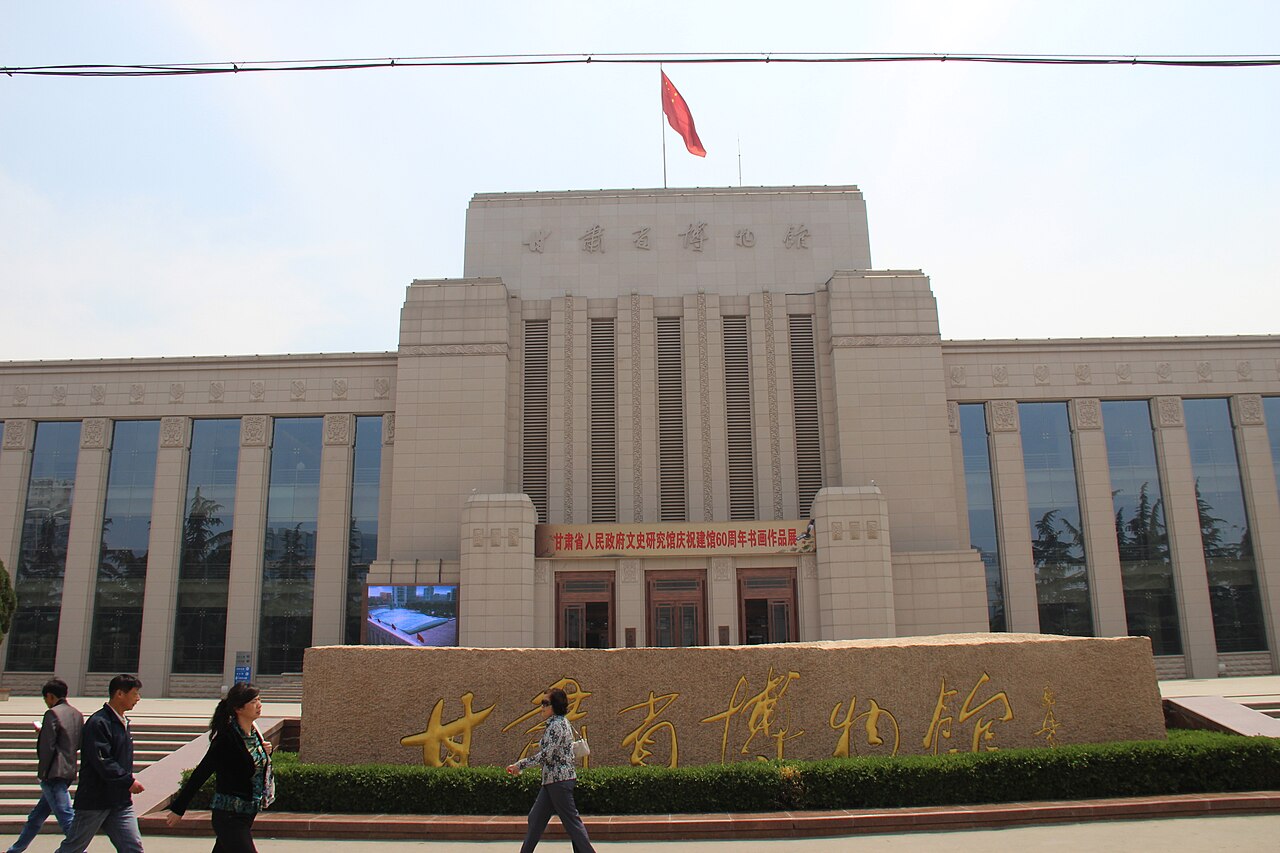
On the southern foot of Solitary Hill at the centre of the lake scenic area, built in November 1929 in a Jiangnan garden style across six halls, the main one a permanent exhibition and the branches dedicated to celadon, painting, crafts, coins and international gifts. It holds more than 100,000 objects covering Zhejiang's history from Hemudu to the present.

Ticket
Free
Hours
Open daily
Where
South foot of Solitary Hill, centre of the lake scenic area
Getting there
Bus 850 from Wushan bus stop; or bus 7 to Broken Bridge and walk

Tip Pair it with the Xiling Seal Society at the Xiling Bridge — founded 1904, the oldest surviving literati society in China, and set in some of the loveliest gardens on the lake.

The two shows

Songcheng and Impression West Lake

Songcheng is China's most-visited theme park, a rebuilt Song-dynasty town with seventy-two old craft workshops, puppet and shadow shows and street theatre, and its centrepiece is the 'Romance of the Song Dynasty' stage show. Impression West Lake is the other big production: a Zhang Yimou outdoor production staged on the water itself from March to December, with music by Kitaro and a rain of water and light over the lake.

Songcheng
¥280 including the show; 10:00–21:00; 148 Zhijiang Road — 0571-87099989
Impression West Lake
¥200–600; 19:45–20:45 plus a 21:15–22:15 second showing Thursday–Saturday; 29 Yanggong Causeway — 400-0408890
Getting there
Songcheng: buses Y4, Y5, K354, K504, sightseeing line 8

Tip The Impression show is outdoors on the water and only runs March to December — check the calendar before you build an evening around it.

Food

What Hangzhou eats

Dongpo pork

The city's signature dish, named for Su Shi, who is said to have cut up the pork the people gave him, braised it rich red and handed it out to the workers building the causeway. Skin thin and meat tender, glossy red, full-flavoured, falling apart but keeping its shape — rich and melting without being greasy.

West Lake vinegar fish

The other classic: a West Lake carp, starved a day or two first to clear it of mud, cooked in three or four minutes to the second and then dressed in a smooth, glossy sweet-and-sour sauce. The pectoral fins stand up, the flesh is delicate with a faint crab note, and the taste is fresh, tender, sweet and sour at once.

Longjing prawns

River prawns cooked with Dragon Well tea picked around Qingming, so that the tea's fragrance gets into the prawns; sweet and fresh on the tongue with a long finish. One of Hangzhou's most representative dishes, and the version at Lou Wailou is a good place to start.

West Lake water-shield soup

Water shield is a specialty of West Lake itself, and the soup — originally called chicken-and-ham water-shield soup — is a traditional Hangzhou dish: jade-green water shield, white chicken and red ham, smooth and fragrant in a clear, pure broth. Picture first, flavour second.

Zhimei small steamed buns

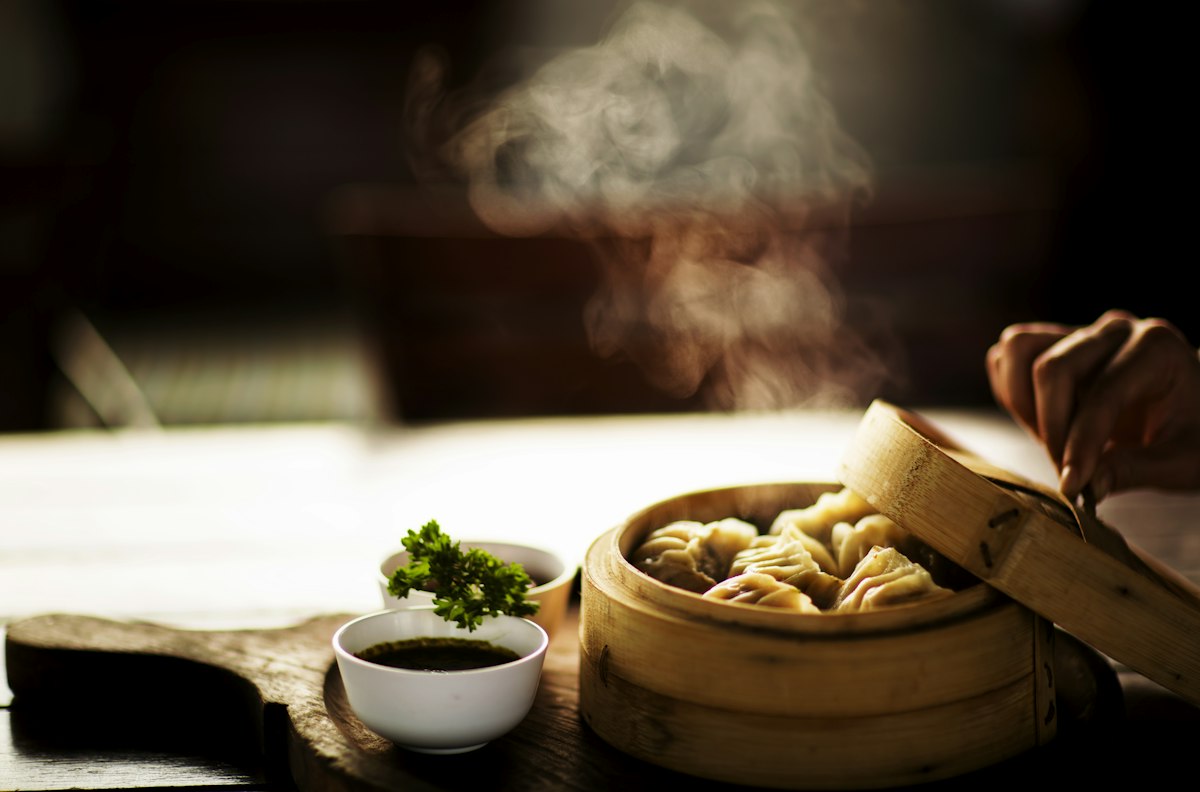
The speciality of the century-old Zhimeiguan house, made with a leavened white-flour skin and a filling of fresh pork, or pork with prawn, or chicken with ham, plus a little meat jelly; steamed in small bamboo baskets over a fierce flame, and named for what is in them.

Fermented pork with bamboo shoots

Yanduxian is a home dish, salted pork simmered with spring bamboo shoots, and Hangzhou people love it because the countryside round about — Lin'an, Anji — is a country of bamboo. The southern shoots are genuinely good; do not take anyone's word for it, taste them.

West Lake lotus-root starch

A Hangzhou speciality, sweet without being cloying: mix a little cold water first, then top up with boiling water and it turns into a clear, glossy paste. Sold in every supermarket, with the Yimeilian brand the one Hangzhou people buy; about ¥20 for a large pack.

Where the locals eat

Beyond the famous names there are three restaurant streets worth knowing: Qingzhiwu, Shengli River and Gaoyin Street (behind Hefang Street). The dishes are the same classics, the prices are a good deal kinder, and the atmosphere is where Hangzhou actually eats rather than where it takes visitors.

Where to eat

Kitchens worth sitting down in

The institution

Lou Wailou

The restaurant everyone argues about and everyone still recommends: on Solitary Hill by the lake, the standard-bearer for classic Hangzhou cooking and the place to order West Lake vinegar fish, Dongpo pork and Longjing prawns in the canonical versions. The ingredients are dependable and the prices are high; on a first visit it is worth doing once, and it will not disappoint badly. Book ahead in season and sit upstairs if you can.

Where
Solitary Hill, by West Lake
Order
Vinegar fish, Dongpo pork, Longjing prawns
Price
Higher than most; book ahead

Cheap, busy, beloved

Grandmother's Home

Famous across the country for a ¥3 plate of mapo tofu and for the queue — an hour at peak times is normal. The setting is pleasant, the service good, the cooking generous and well made, and the prices hard to believe for a city restaurant of this quality. There are branches all over Hangzhou, so ask your hotel for the nearest.

Where
Many branches — ask locally
Known for
¥3 mapo tofu and the queue
Average spend
About ¥53

The evolved home version

Xin Bailu

A restaurant that took Hangzhou cooking and made it plainer and cheaper without making it worse: busy, warm, popular with regulars, and a menu where you simply order what you like. The branch in the Jiebai building on Yan'an Road is easy to find and well placed for after a day at the lake.

Address
4th floor, Jiebai Xinyuanhua, 179 Yan'an Road, Shangcheng district
Order
Yolk duck rolls, yolk ribs, teppan Japanese tofu, crystal prawn dumplings
Average spend
About ¥49
Phone
0571-87245777

The old snack house

Zhimeiguan

A century-old name with branches across the city and a reputation summed up in its old tagline — 'park for the flavour, dismount for the scent'. The snacks are the thing: small steamed buns, sweet lotus root, cat's-ear pasta, pian er chuan noodles, all properly made, and the Dongpo pork and vinegar fish are not to be missed either. The original-style Renhe Road branch near the lake is the one to pick.

Address
1st floor, 83 Renhe Road, Shangcheng district (near Yan'an Road)
Order
Small steamed buns, cat's-ear pasta, pian er chuan noodles
Average spend
About ¥36
Phone
0571-87010200

The one the bosses eat at

Gechang restaurant, Longjing Road

You can skip Lou Wailou and you can skip Grandmother's Home, but in local opinion skipping Gechang marks you out. It is a favourite of some very recognisable names from the city's tech and property industries. The signature dishes are the seafood curry rice-crust roll, baked cheese with mushrooms and Hakka aubergine casserole. Book.

Address
83 Longjing Road, Xihu district (opposite the back gate of the Zhejiang Hotel)
Order
Seafood curry rice-crust roll, baked cheese mushrooms, Hakka aubergine casserole
Average spend
About ¥69
Phone
0571-87888022

Hidden, garden, live music

Rula Xiaozhen

Hard to find and worth finding: a retro garden restaurant under vines, with good food and a foreign singer performing, tucked into the green hills. The kind of place where the setting earns half the bill — order the roast lamb chops, the house rice wine and the 'Li Shizhen' stir-fry.

Address
68-4 Jilongshan, Shuangfeng village, Longjing Road, Xihu district (between Wulaofeng and Jiqingshan tunnels)
Order
Roast lamb chops, house rice wine, Li Shizhen stir-fry
Average spend
About ¥69
Phone
0571-87979012 / 13958191887

Open-air food

Shengli River food street

A 'street-bar' model running from five in the afternoon, with open-air stands built out along the north side of the road: local snacks, smokeless barbecue, drinks, a bit of everything. The most social dinner in Hangzhou, and cheap.

Address
Xiawan Lane, Gongshu district
Best for
Grill, drinks, snacks
From
About 17:00

Under-rated

The temple vegetarian lunch

Lingyin serves lunch, and the source guide is emphatic that it is worth having — proper vegetarian cooking rather than a café bite, eaten in the grounds of one of the south's great temples. Do it on the day you visit Lingyin and it solves lunch at the same time.

Where
Lingyin temple grounds
What
Vegetarian set meal
Average spend
Modest

Shows and festivals

What is on while you are there

On the water

Impression West Lake

The show most visitors plan a night around: an outdoor production staged on West Lake itself, drawing on Hangzhou's legends and history, with a rain effect manufactured over the water and music by the Japanese composer Kitaro. A Zhang Yimou production, running March to December.

Ticket
¥200–600
Times
19:45–20:45, plus 21:15–22:15 on Thursday, Friday and Saturday
Where
29 Yanggong Causeway — 400-0408890
Season
1 March to 31 December

Tip It is outdoors, so dress for the water at night even in summer, and there is no show outside the March–December season.

Spring and autumn

The flower calendar

Hangzhou runs its year by what is in bloom. The cherry and tulip festival at Taiziwan runs late March to early April, with more than a hundred Japanese cherries and tulips; the plum blossom at Chaoshan runs 15 February to 15 March, with the memorial hall to the painter Wu Changshuo; magnolia peaks at the botanical garden; and May brings the crabapple and the first of the tea.

Taiziwan cherry festival
Late March–early April; free since the park opened
Chaoshan plum festival
15 February–15 March, Yuhang district
In the hills
Magnolia at the botanical garden; peach along West Lake

Tip The best single-species spots: cherry and tulip at Taiziwan, peach all along the lake, magnolia at the botanical garden, osmanthus in Manjuelong in late September.

Twice a year

West Lake Music Festival

Running since 2008, twice a year — once in May and once in late October or November. It is a gentle, 'small and pretty' line-up, heavy on bands and singers from the south, Taiwan and Shanghai; Zhang Zhenyue, Tanya Chua, Deserts Chang and others have all played it. The early editions were on the Liulang Wenying lawns by the lake, and it moved to Taiziwan park in 2009.

When
May, and late October or November
Where
Taiziwan park (part of the West Lake scenic area)
Vibe
Gentle indie and singer-songwriter, southern line-up

Tip Dates shift year to year and are announced late — check the official listings before you plan a trip around it.

Autumn

Xihu Expo and the fireworks

The Xihu Expo, running mid-October to early November, is Hangzhou's big cultural month: an art fair, a stamp exhibition, an international fireworks display, a silk fashion festival, a book fair, a food festival, photography exhibitions and a stack of forums. The fireworks display is its own one-off event, held in mid-October and moved between West Lake, the Grand Canal and the Qiantang river each year.

Xihu Expo
Mid-October to early November
Fireworks
One night in mid-October, location changes annually
What else
Silk festival, book fair, food festival, photography shows

Tip If your dates catch the expo, plan one day for it and pick only the events you care about — it is far too large to do whole.

Dragon Boat Festival

Dragon-boat racing at Jiangcun

The dragon-boat races at Jiangcun, in the Xixi wetland, are a genuine local custom rather than a tourist event: recorded from the Tang, flourishing under the Southern Song and still going in the Qing, when the Qianlong emperor came and gave them the name 'Hezhu dragon-boat racing'. On the morning of the festival the crews row in from the surrounding waterways, boats painted bow to stern, and the racing is for the spectacle rather than the placing — people capsize, right the boat and carry on, and the banks are packed.

When
Dragon Boat Festival, on the fifth day of the fifth lunar month
Where
Jiangcun, Xixi wetland
What
Dragon boats, drums, capsizes, crowds

Tip Arrive early for a spot on the bank — by mid-morning the riverside is a wall of people.

Spring and autumn

The animation festival and the Qiantang bore

The Hangzhou Animation Festival runs 26 April to 1 May at the White Horse Lake animation plaza in Binjiang — a large cosplay event as much as an industry fair, so expect One Piece and Bleach characters everywhere. In autumn, the Qiantang river bore tide, biggest around the eighteenth of the eighth lunar month, is watched from Yanguan in Haining or from the river bank in Hangzhou itself; the wave runs one to two metres high, up to three, moving upstream at about 20 km/h (12 mph).

Animation festival
26 April–1 May, White Horse Lake plaza, Binjiang
Bore tide
Biggest near the 18th of the 8th lunar month; two high tides a year at the equinoxes
Where to watch
Yanguan, Haining — or the riverbank in Hangzhou, near the railway bridge

Tip For the tide, get a fixed spot well before the wave and listen for it before you see it; the sound arrives first. Watch from the bank, never from the water.
Shopping

What to carry home

Longjing tea

The obvious buy and the one to be careful with. Buy in spring, preferably around Qingming, and go to Longjing village rather than a tea shop for the best price; taste before you buy and bargain, since grades differ hugely. Genuine Dragon Well is flat, smooth and straight, tender green and glossy, with a fresh, clean fragrance and a sweet, mellow taste. There are two kinds of Longjing sold — real West Lake Longjing and generic Zhejiang Longjing — and if you do not know tea, buy from a large city supermarket rather than a roadside stand.

Hangzhou silk

Hangzhou is called the house of silk, and the place to buy it is the Hangzhou Silk City opposite the Huanbei small-goods market on Fengqi Road. Two warnings from the source guide: the goods there vary widely in quality, so take someone who knows, and the market shuts at night, so go in daylight. If you would rather pay for certainty, Du Jinsheng, a silk factory founded in 1922, is the old-name answer.
West Lake silk umbrella

Bamboo ribs, silk canopy, light and pretty and genuinely useful — the umbrella is known as the flower of West Lake. It shades as well as it shelters, and it is decorative enough to carry for its own sake. Sold in the Hangzhou Silk City and on Hefang Street.

West Lake lotus-root starch

A Hangzhou speciality, smooth and fragrant, sold in every supermarket; the Yimeilian brand is the one local families buy, about ¥20 for a large bag. Mix with a little cold water first, then top up with boiling water, and it turns into a glossy, clear paste. Cheap, light and easy to carry.

Where to shop, by taste

For clothes and the cheap-and-fashionable hunt, Sijiqing is one of the largest wholesale clothing markets in China — go to the busier old Sijiqing by the main station. For electronics, Wensan Road's information street can replace a lost camera charger or memory card in a hurry. For luxury, the Hubin international names street is one of the country's three big luxury clusters.

The fashion note

Hangzhou's department stores and brand shops discount harder than in most Chinese cities, which is why it has a reputation as a shopping town. Beyond the classic souvenirs — lotus starch, silk umbrellas, tea — the city now sells fashion as much as it sells local products, and the range runs from luxury to very cheap.

Where to stay

By the lake, or in the hills, but not the outskirts

Choosing an area

The three reliable districts

Hangzhou's accommodation divides cleanly. High-end hotels cluster around Wulin Square and the West Lake scenic area; budget and mid-range chains sit in the Wensan education district and around Wushan Square; and the hostels and boutique guesthouses gather in Siyanjing, Qingzhiwu and Lingyin Baile Renjia. Siyanjing has the best transport and is 10–15 minutes on foot from the Su Causeway; Qingzhiwu is full of good food and next to the botanical garden; Lingyin is quieter and greener but less convenient. Wherever you pick, do not stay out in the suburbs — the buses stop early and taxis are hard to get back from the sights.

High-end
Wulin Square and the West Lake scenic area
Budget and chains
Wensan district and Wushan Square
Hostels and boutique
Siyanjing, Qingzhiwu, Lingyin Baile Renjia
Avoid
The outer suburbs — thin transport and early buses

On the lake, by the pagoda

Zhejiang Xizi Hotel (Wang Zhuang)

Set on the slope below Leifeng Pagoda, one of the ten old scenes, facing the water on the east and next to the old Jingci temple, looking across the lake to the Su Causeway, Three Pools Mirroring the Moon and Liulang Wenying, and out to the north and south peaks and Baochu Pagoda. Convenient, reached by buses K4 and K504. From ¥660.

Address
37 South Mountain Road, Xihu district
Price
From ¥660
Phone
0571-87021888

The splurge

Shangri-La Hangzhou

Famous for its setting and its service, at the north end of the lake on North Mountain Road: forty acres of garden to walk, an indoor pool, and the lake on the doorstep. The most comfortable way to do Hangzhou if the budget is there.

Address
78 North Mountain Road, Xihu district (near Yue Fei's temple)
Price
From ¥883
Phone
0571-87977951

History on the lake

Hangzhou Xinxin Hotel

On North Mountain Road in the core of the scenic area, facing south over the lake, made up of several buildings — the east block, the west block that began as the Gu Yun cottage in 1912, the middle block from 1922, the Qiushui Villa from 1932 and the north block. Three of them are listed modern historical buildings, which makes it a place to stay as much for the walls as the rooms. From ¥618.

Address
58 North Mountain Road, Xihu district
Price
From ¥618
Phone
0571-87660000

Fifty metres from the water

Hangzhou International Youth Hostel

The city's first youth hostel and still the best placed, 50 m from West Lake on South Mountain Road — Chinese architecture and aesthetic, a courtyard, a garden terrace and the Blue Water café next door. Popular to the point of being full, so book a long way ahead. From ¥55.
Address
101-3 South Mountain Road, Hangzhou
Price
From ¥55
Phone
0571-87087891

By the old street

Wushan Yi International Youth Hostel

At the foot of Wushan Tianfeng, one of the ten new scenes, and quiet in the middle of the city: buses reach Wushan Square or Qingbo Gate, and the hostel is about a hundred metres up the hill path from 7 Siyi Road. Close to Hefang Street, which makes it a good base for anyone who wants to eat their way through the old town. From ¥45.

Address
22 Zhongshan Middle Road, Shangcheng district
Price
From ¥45
Phone
0571-87018790

Getting around

How to reach Hangzhou and move through it

By air

Xiaoshan International (HGH) is about an hour from the centre and has three terminals, the newest being T3. The usual way in is the airport coach at ¥20; the service runs frequently through the day and drops at the main station, the Metropark hotel and the Wulin Gate ticket office.

Airport
Hangzhou Xiaoshan International (HGH), about 1 hour from the centre
Airport coach
¥20; 15–30 minute headway depending on the hour, 05:30–21:00
Coach stops
Wulin Gate, Zhongshan hotel, the main railway station, then the terminal
Enquiries
0571-86661234 / 0571-86661236

By train

Two stations are in use: the main station in the city, which handles almost all services, and Hangzhou South in Xiaoshan, which took over from the East station while it was rebuilt. High-speed rail is the best way in from within the delta.

Main station
1 Huancheng East Road, station square — 0571-87829983
Hangzhou South
Zhanqian Road, Xiaoshan district; buses 301, 537 to the centre and the lake
Booking
Phone 0577-96105105 or online at www.12306.com
Caution
The station area is chaotic — ignore the private 'black' coaches touting for passengers

By metro and bus

Metro line 1 opened on 24 November 2012, ¥2–8 a ride. The bus network is huge and cheap, and the Y-prefixed tourist routes are the ones that reach the sights, most usefully Y4, Y5 and Y8. Almost all city buses are exact-fare, so carry small change.

Metro
Line 1 opened 24 November 2012; ¥2–8
City buses
¥1–4; K-prefix routes ¥2, B-prefix faster routes ¥3–4
Tourist buses
Y-prefix routes to the lake, South Mountain Road, Six Harmonies Pagoda, Songcheng and more
Seasonal fares
Full fare December–February and May–September; most buses half price in March, April, October and November
Hotline
0571-85191122

By bike

The best way to do the lake. The public scheme has points roughly every 300 m, seven in ten open 24 hours, and a card costs ¥300 (¥200 deposit plus ¥100 of credit), one rider per card and up to five cards per ID. The tariffs make it nearly free if you are clever: the first hour is free, the second ¥1, the third ¥2, then ¥3 an hour. Return and re-hire every 59 minutes and a day of riding costs nothing. Private hire round the lake starts around ¥10–20 an hour.

Card
¥300 (¥200 deposit + ¥100 credit); up to 5 cards per ID
Tariff
First hour free, 2nd ¥1, 3rd ¥2, then ¥3/hour
The trick
Return and re-hire within each hour and the day is free
Private hire
About ¥10–20 an hour, single, tandem and mountain bikes

By taxi

Taxis flag at ¥11 for the first 3 km including a ¥1 fuel surcharge, then ¥2.5 a kilometre from 3 to 10 km, with a 50% empty-running surcharge beyond 10 km, and ¥2.5 for every four minutes of waiting. Driving yourself means watching the plate-number restrictions in the scenic area, which change by weekday and, in spring and autumn, by odd-or-even plate on weekends.

Flagfall
¥11 / 3 km (including ¥1 fuel surcharge)
3–10 km
¥2.5 per km
Over 10 km
Plus 50% empty-running surcharge
Waiting
¥2.5 per four minutes
Driving
Plate-number restrictions in the scenic area — check before you go

By boat

The lake boats are one thing; the canal and the river are another. Water buses run on the Grand Canal between four piers from 07:00 to 18:00, about every half hour, ¥3 in the peak windows and ¥5 the rest of the time; the canal sightseeing cruise is ¥50; the canal night cruise is ¥60–80; and the Qiantang river night cruise, which only runs in summer, is ¥80–120.
Water bus
Genshan, Wulin Gate, Xinyifang, Gongchen Bridge piers; 07:00–18:00, about every 30 min, ¥3–5
Canal sightseeing cruise
¥50; departs 09:00 and 13:00, about 1 hour
Canal night cruise
Upper cabin ¥80 / lower ¥60; departs 19:30, ends about 21:00
Qiantang river night cruise
Upper cabin ¥120 / lower ¥80; summer only; departs 19:15, ends 22:00

Tips

Small things that make the trip

Do not stay in the suburbs

The source guide's clearest warning: Hangzhou's buses stop early and taxis are hard to find at the sights, so a cheap room on the edge of town becomes an expensive taxi ride at the end of a long day. Stay by the lake, by Wushan Square or in the old-town districts.

Take the free guide booklet

Every hotel, tourist information point, airport desk and station desk has the Hangzhou Travel Guide free, published by the city's tourism commission in eight languages including English. It is genuinely detailed and covers everything in and around the city — pick one up on arrival.

Do not buy tea you cannot judge

There are two kinds of Longjing sold and the price gap is enormous. If you do not know tea, buy from a large city supermarket rather than a stand, and never follow the older women who accost you on the road offering to take you to a tea village — they are on commission and the price will be higher, not lower.
Book accommodation before the holidays

The lake-area hotels fill for the May Day, Qingming, National Day and New Year holidays, and the good ones go first. Outside the holidays, in the March-to-October season, expect a ¥40–80 weekend surcharge, which you can sometimes talk your way out of if you are staying several nights.
Carry small change

Buses are exact-fare almost everywhere and there is no change given. Keep a few one-yuan notes and coins on you, and remember that bus fares actually drop in some months — March, April, October and November are half price on most routes.

Watch the hours of the sights you came for

Lingyin closes at 18:00, the Xixi wetland closes at 17:30 in summer and 17:00 in winter with the last boat tickets at 16:30, and Impression West Lake only runs March to December. Build the day around the closing times rather than the openings.

Practical

The numbers you will actually need

Hangzhou is a city that rewards the middle of the day as much as the ends of it — the lake in any weather, a teahouse for the hottest hours, and the tea hills when you need to get out of town without going far.

Best monthsMarch–May and September–November. Subtropical monsoon, four seasons clear: humid hot summers, damp cold winters. Spring flowers from March; osmanthus and clear skies in autumn
FreeWest Lake and all twenty of its scenes; the lake shoreline; Jingci temple areas; the Zhejiang Museum; Hefang Street and Wushan Square; public toilets everywhere
TicketsLingyin complex ¥75 (Feilai Peak ¥45 + temple ¥30), 07:00–18:00; Xixi wetland ¥80 (summer 07:30–17:30, winter 08:30–17:00); Songcheng ¥280 including the show; Hangzhou amusement park ¥160; Jingshan temple ¥5; Impression West Lake ¥200–600
The showsImpression West Lake 19:45–20:45 and 21:15–22:15 Thursday–Saturday, March–December; Songcheng 10:00–21:00 daily
Getting inAir to Xiaoshan (HGH) plus a ¥20 coach; or high-speed rail to the main station. Metro line 1 ¥2–8; buses ¥1–4; lake-area taxi flagfall ¥11 / 3 km
Public bikesCard ¥300 (¥200 deposit + ¥100); first hour free, then ¥1, ¥2, ¥3 an hour; points every 300 m, most open 24 hours
BoatsLake charter ¥80 a boat; canal sightseeing ¥50; canal night ¥60–80; Qiantang river night (summer) ¥80–120; water bus ¥3–5
Useful numbersTourism complaints 0571-96123; bus hotline 0571-85191122; airport 0571-86661234; water bus 0571-88024368

Background

Why Hangzhou is the way it is

Four thousand seven hundred years, and two dynasties' capital

People have lived here for more than 4,700 years — the Liangzhu culture, called the dawn of Chinese civilisation, grew up in this region — and legend says that Yu the Great, travelling to a gathering of lords at Kuaiji, 'left his boat and stepped ashore' here, which is supposed to be the origin of the name Yuhang. The name Hangzhou came later, and the city has kept it ever since.

Its real weight as a city comes from being capital twice: to the Wu-Yue kingdom in the Five Dynasties, and to the Southern Song, which makes it one of China's seven great ancient capitals. That double spell as a seat of power is why it has the temples, the gardens, the seals and the poems — and why the lake was managed, planted, bridged and named rather than simply left alone.

Why the lake looks designed, because it is

West Lake is not a natural feature someone built a city around; it is a piece of water that generations of officials dredged, diked and landscaped until it became a work of art. The causeways are named for the men who had them built — Su Shi's Su Causeway, Bai Juyi's Bai Causeway — and the twenty named scenes are a kind of official catalogue of what the lake is supposed to make you feel, in each season and each weather.

This is what people mean when they call Hangzhou a literati city. Painting, sculpture, drama and music have all flourished here, partly because the province has been among the first developed in the modern era and has carried that openness through. The Xiling Seal Society, founded in 1904, is the oldest surviving literati society in China; the tomb of Li Shutong, who was both a great artist and a monk, sits above Tiger Spring; the Zhejiang Museum holds more than 100,000 objects from Hemudu onward.

The city as a set of moods

Hangzhou's reputation rests on two things it does better than almost anywhere: scenery that changes with the light, and the habit of treating that scenery as something to be experienced rather than ticked off. The lake in rain, the lake at dusk, the lake under snow — the same water, three different poems. The tea hills are the second half of it, where the best green tea in the country is grown and where the correct activity is to sit for a whole afternoon.

The practical consequence for a visitor is that Hangzhou does not really have a checklist of sights. It has a set of things to do slowly — walk the causeways, take a boat, drink tea where it grows, eat the dishes Su Shi praised, and let the weather do the rest. Come in spring or autumn, give it three days rather than two, and it will outlast the photographs.

The questions visitors ask us most about Hangzhou, answered plainly.

Frequently asked questions

Prices and practical details are reviewed every month by our Beijing team and updated the day a rule changes.

When is the best time to visit Hangzhou?

Spring and autumn, without question. From March the whole city leafs out and the flowers come in waves — cherry, peach, tulip, magnolia — and late September to November is clear, dry and scented with osmanthus. Summer is genuinely hard, one of China's old furnaces, and winter is wet and cold; the plum rain of early summer can run 40 days without a clear day. Come in spring or autumn and avoid the May Day and National Day holidays entirely.

Is West Lake free?

Yes — West Lake and every one of its ten old and ten new scenes are free, as is the whole lakeside circuit, and so are the public toilets, which matters on a hot day. The charged sights are the exceptions: the Lingyin temple complex is ¥75 in two parts, the Xixi wetland ¥80, the Songcheng theme park ¥280, and the Impression West Lake show ¥200–600.

How do I get around West Lake?

Walk it, or ride it. The lake is ringed by roads with bike lanes and there are hire points about every 300 m, seven in ten of them open 24 hours; better still, the public bike scheme's first hour is free, so return and re-hire every 59 minutes and a full day costs nothing. Four classic rides run from the 10 km (6 mi) ecological route to the 25 km hills route. Tourist buses starting with Y also circle the lake.

What is the difference between Lingyin and Feilai Peak?

They are two tickets for one visit. You cannot reach Lingyin temple without entering the Feilai Peak scenic area first, so the Feilai Peak ticket is ¥45 and the temple ticket is ¥30 on top, ¥75 in total. Feilai Peak is the limestone hill famous from the stories of the mad monk Ji Gong, covered in hundreds of Buddhist carvings — worth the extra hour even if you are not going into the temple.

Where should I buy Longjing tea?

In Longjing village if you can, and taste before you pay. The four genuine producing areas are Wengjia Mountain, Longjing village, Manjuelong and Yangmeiling; the tea from the eighteen imperial bushes below Lion Peak is the famous grade. In the village the tasting is free and the bargaining is real — you can usually take a third to a half off the asking price. Avoid the older women who approach you on the road offering to take you to the tea fields; they take a commission.

What should I eat in Hangzhou?

The classics, all in one place if you want: West Lake vinegar fish, Dongpo pork, Longjing prawns, and a bowl of West Lake water-shield soup. Dongpo pork is named for Su Shi, who is said to have cooked pork in cubes for the workers building the causeway; vinegar fish wants a fish starved for a day or two first and cooks in three or four minutes. For value, locals go to Xin Bailu or Grandmother's Home rather than the famous Lou Wailou, and the restaurant streets are Qingzhiwu, Shengli River and Gaoyin Street.

Is Hangzhou worth visiting in winter?

Yes, if you accept what winter is here. It is damp and cold rather than snowy, and the lake under a low grey sky is quiet and atmospheric; the one winter scene everyone names is Broken Bridge in Snow, one of the ten old scenes. The plum blossom at Chaoshan runs from mid-February to mid-March. Bring a real coat and expect to spend more time indoors, in teahouses and temples.

How do I get to Hangzhou?

By air to Xiaoshan International (HGH), about an hour from the centre, with a ¥20 coach to the city every 15–30 minutes depending on the hour; or by high-speed rail, which is the better option from within the delta, with Ningbo, Shanghai, Suzhou and Nanjing all within a couple of hours. Inside the city, metro line 1 runs ¥2–8, buses ¥1–4, and the Y-prefixed tourist routes reach every sight.

Plan this trip

Prefer it arranged for you?

The same places, with a driver, an English-speaking guide and the tickets already bought.

3 days · Stopover

Shanghai Stopover Discovery

Designed around the 240-hour visa-free transit window: three days that actually work with your flight times rather than against them.

★★★★★4.8 143 reviews

From US$460/per person

View tour

15 days · Grand Tour

Grand China Odyssey

Five regions, one journey: imperial north, panda country, the karst rivers of Guilin and the skyline of Shanghai, with Hangzhou's West Lake.

★★★★★4.8 132 reviews

From US$2,580/per person

View tour

Hangzhou

West Lake Private Day Tour

The causeways before the crowds, a boat to the island on the ¥1 note, and the hillside pagoda nobody climbs. The lake, done properly.

From US$109/per person

View tour

Hangzhou

Longjing Tea Village Day Tour

Thirty minutes uphill from West Lake, terraced bushes and families pan-firing the country's most famous green tea by hand.

From US$99/per person

View tour

Hangzhou

Lingyin Temple & Grand Canal Day Tour

A 1,700-year-old monastery with Buddhist carvings cut into the cliff behind it, then the working southern end of China's imperial canal.

From US$95/per person

View tour

Related reading

Related reading

Visas Do I Need a Visa for China? Requirements, Costs and How to Apply China's entry rules changed more in the last three years than in the previous twenty. Here is exactly who needs a visa, what it costs, how long it takes and which passports now walk straight through. 9 min read Visas China's 240-Hour Visa-Free Transit: Who Qualifies and How It Works Ten days in China with no visa application, no fee and no fingerprints — if you hold the right passport and leave for a third country. Here is the rulebook, port by port. 8 min read Money Paying in China: Alipay, WeChat Pay, Cards and Cash Roughly nine in ten urban payments in China now run through a phone. Set up two apps before you fly, carry a modest cash float, and you will never be stuck at a till. 8 min read Transport China's High-Speed Rail: How to Book, What It Costs, How Fast It Goes The fastest way to cross China is also the most pleasant. Here is how to book a ticket with a foreign passport, what the three classes actually give you, and how to survive a Chinese station at rush hour. 9 min read Planning Best Time to Visit China: Month by Month, Region by Region China is the size of Europe, so 'the best month' depends on where you stand. Here is the month-by-month answer for the north, the Yangtze valley, the south and the plateau. 8 min read Planning What to Pack for China: The Complete 2026 Checklist Twenty thousand steps a day, three climate zones and a phone that has to do everything. This is the list we give our own travellers, minus the things they never used. 7 min read Food Chinese Food Culture: Eight Cuisines, One Table There is no such thing as Chinese food. There is Cantonese, Sichuan, Hunan, Jiangsu, Zhejiang, Fujian, Anhui and Shandong — and knowing which one you are eating changes everything. 8 min read Traditions Chinese Tea Culture: Six Classes, One Pot, Two Fingers Tea in China is not a beverage category, it is a social technology: it fills silences, seals deals and sets the pace of a meal. Here is how to sit down in one and not look lost. 7 min read Traditions Chinese Festivals: The Calendar, the Dates and the Crowds Lunar dates mean the calendar moves every year — and two of the festivals move several hundred million people at once. Plan around them or plan into them, but never by accident. 8 min read Etiquette Chinese Etiquette: What Matters, What Does Not, and Why Most etiquette advice for China is either obvious or wrong. These are the dozen behaviours that actually change how you are treated, and the reasoning behind each. 7 min read

Tell us your dates.
We'll do the rest.

Free itinerary design, a revised plan within one working day, and nothing charged until you approve the final version.

  • West Lake and all its ten old and ten new scenes are free — as are the public toilets, which is worth knowing on a hot day. Only Lingyin, Xixi and the theme parks charge.
  • Lingyin works in two halves: you must buy the Feilai Peak ticket (¥45) to reach the temple, then the temple ticket (¥30) on top — ¥75 all in, 07:00–18:00.
  • The public bike scheme is the best way to do the lake: 300 points, about one every 300 m, and the first hour is free — so return and re-hire every 59 minutes and the day costs nothing.

No spam. No sales calls. Just a real itinerary from a real person.