City guide · Sichuan

Qingcheng Mountain travel guide: Tianshi Cave, the back-mountain gorges and how to pick a half

The mountain where Daoism was organised, and the one Chengdu escapes to when the basin turns into an oven.

  • Known forDaoism, temples, back-mountain gorges
  • Typical spend¥500 / person / 1–2 days
  • Ideal length1 day per half
  • PaceModerate — a lot of stone steps

Reviewed by our Beijing team Updated 2026-10-10

The short version

Qingcheng Mountain is worth a day: a 1,260 m peak about 68 km from Chengdu where Zhang Daoling founded the Way of the Celestial Masters in AD 143, which makes it one of the birthplaces of Daoism, and a UNESCO World Heritage site alongside Dujiangyan since 2000. It is really two mountains — the front one of temples and halls at ¥90, or the back one of gorges and waterfalls at ¥20 — and the intercity train from Chengdu takes about an hour for ¥15.

  • Zhang Daoling founded the Way of the Celestial Masters here in AD 143; Daoism ranks the mountain the Fifth Grotto-Heaven and the ancestor mountain of the school.
  • 36 peaks, 72 caves and 108 sights, with dozens of halls and palaces still standing — a working Daoist museum rather than a rebuilt one.
  • Front mountain ¥90 with a ¥35 one-way cable car and a ¥5 boat across Yuecheng Lake; back mountain ¥20 with the Jinli cable car at ¥30 one way.
  • Open 8:00–18:00; a combined Dujiangyan plus Qingcheng ticket is ¥180, and the two places are 10 km apart.
  • About an hour from Chengdu on the ¥15 intercity train, or 30 minutes on bus 101 from Dujiangyan — the same trip everybody from the capital makes.

City guide

First impressions

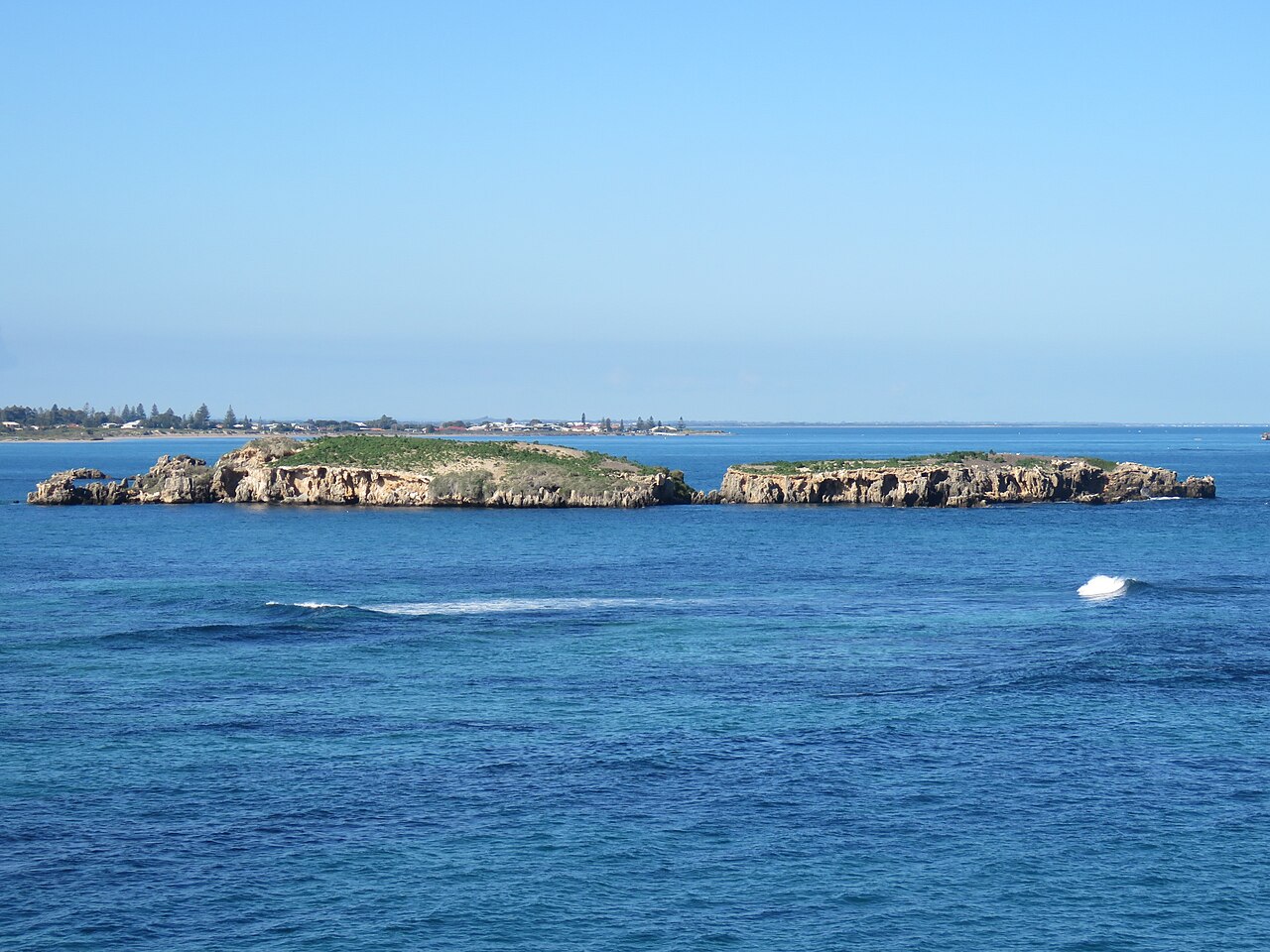
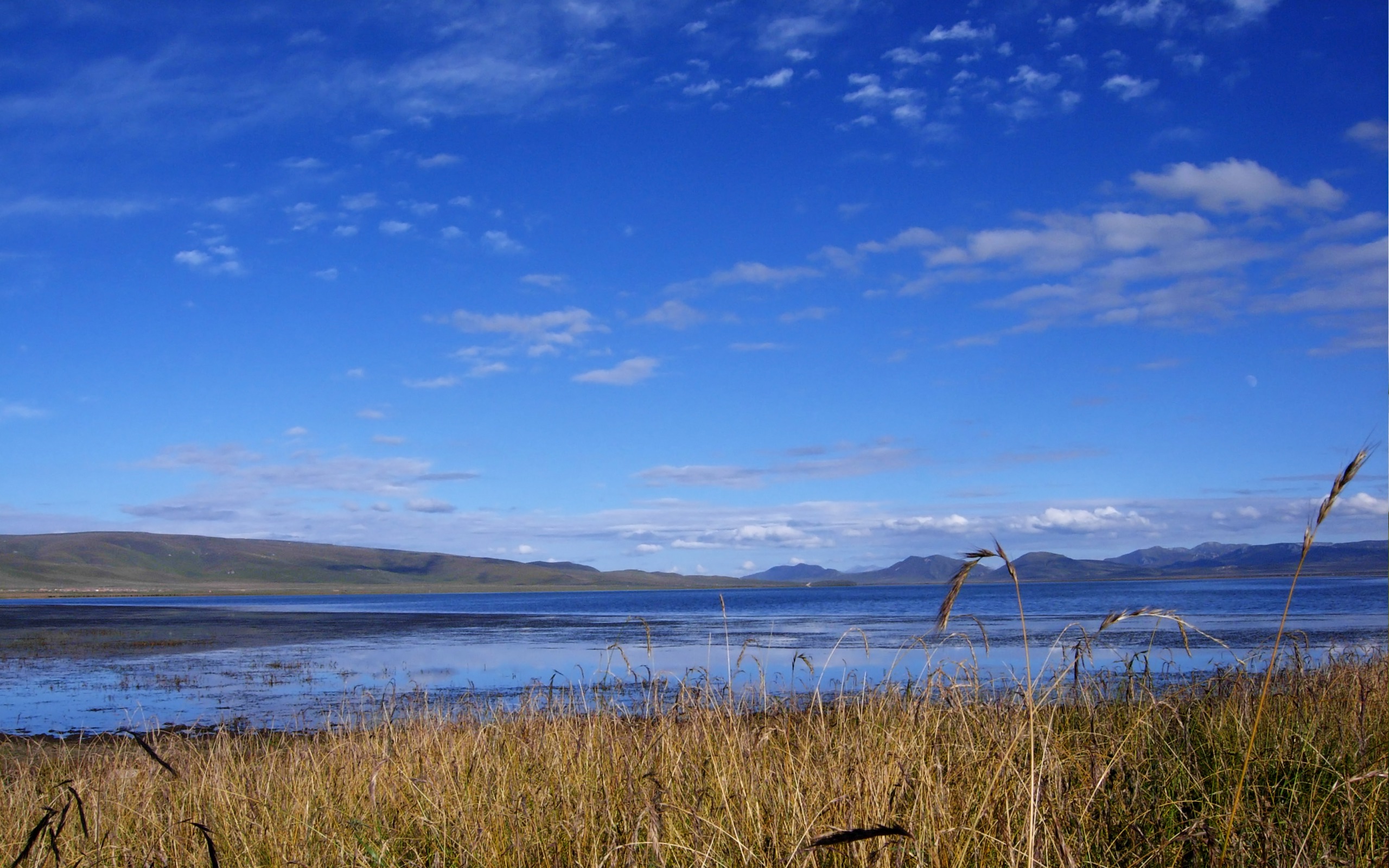
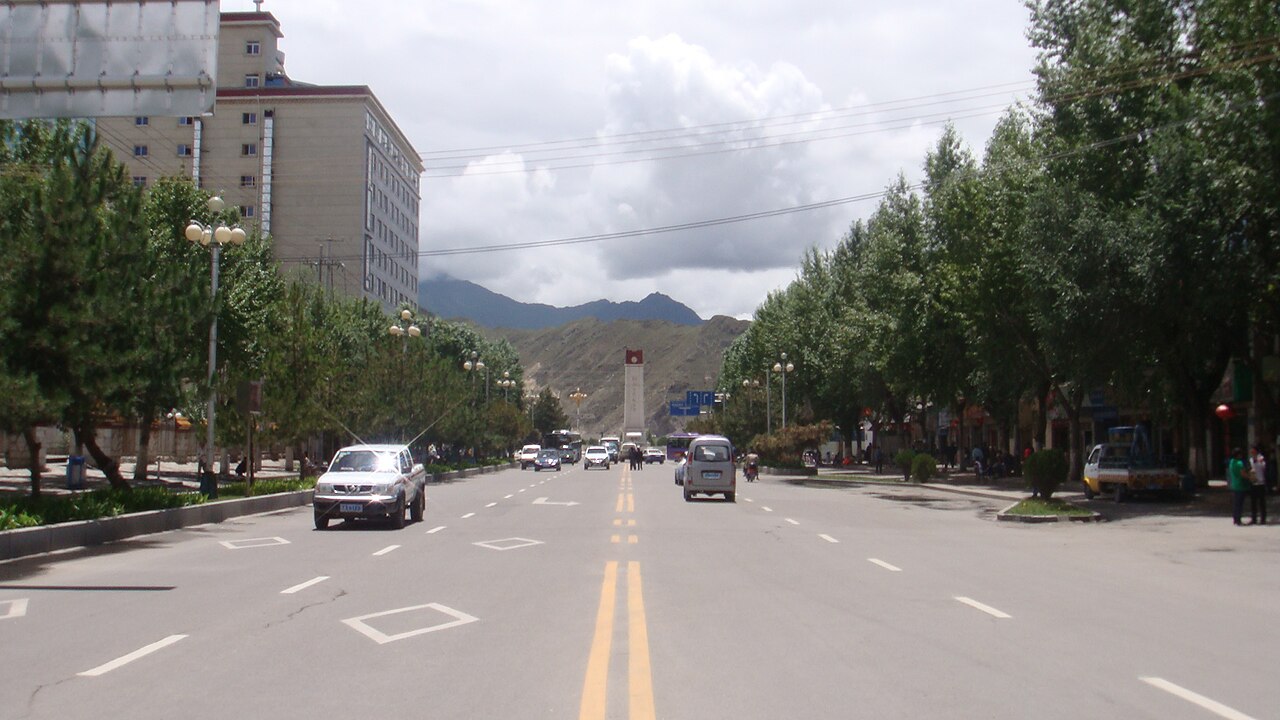
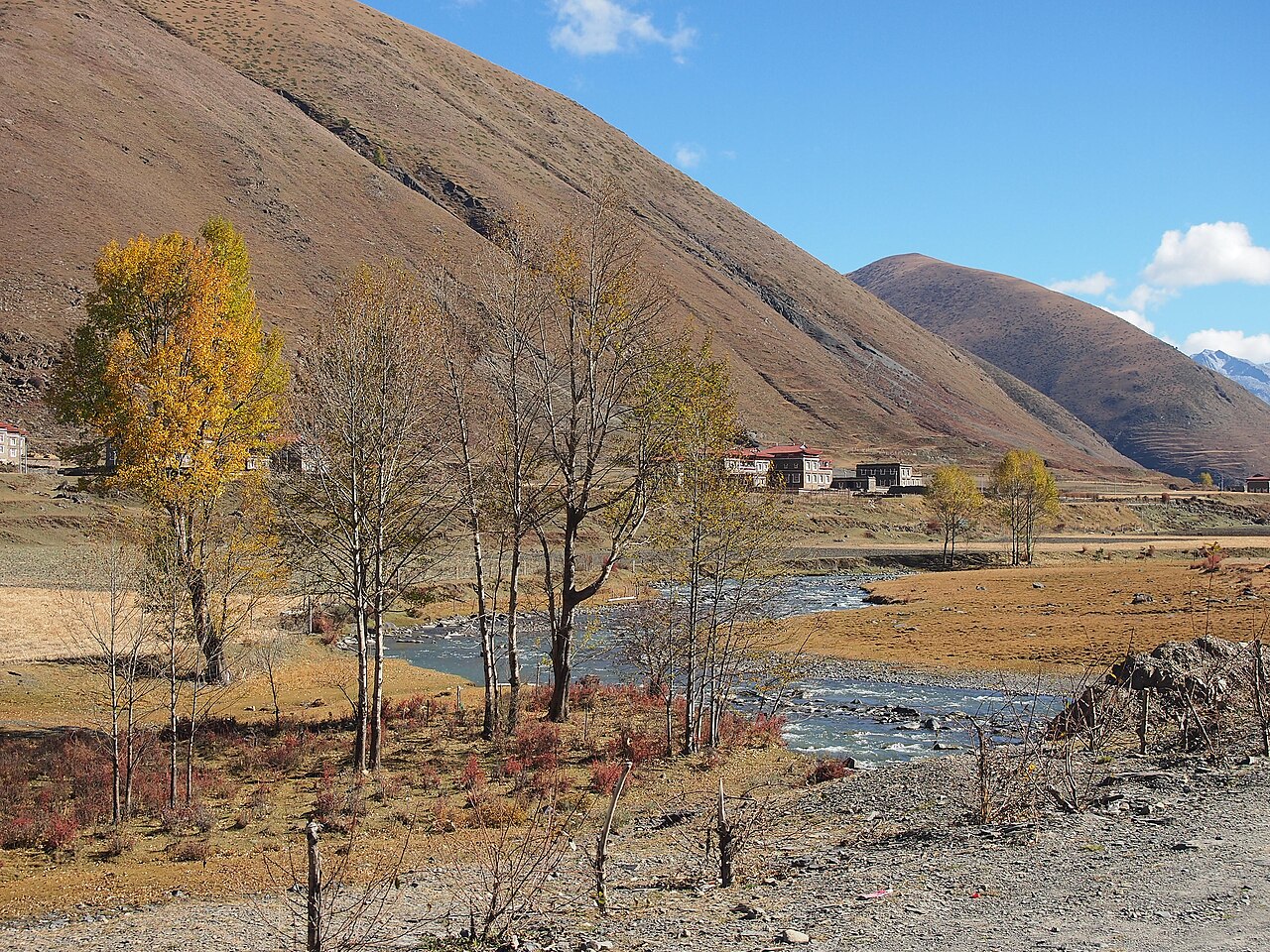
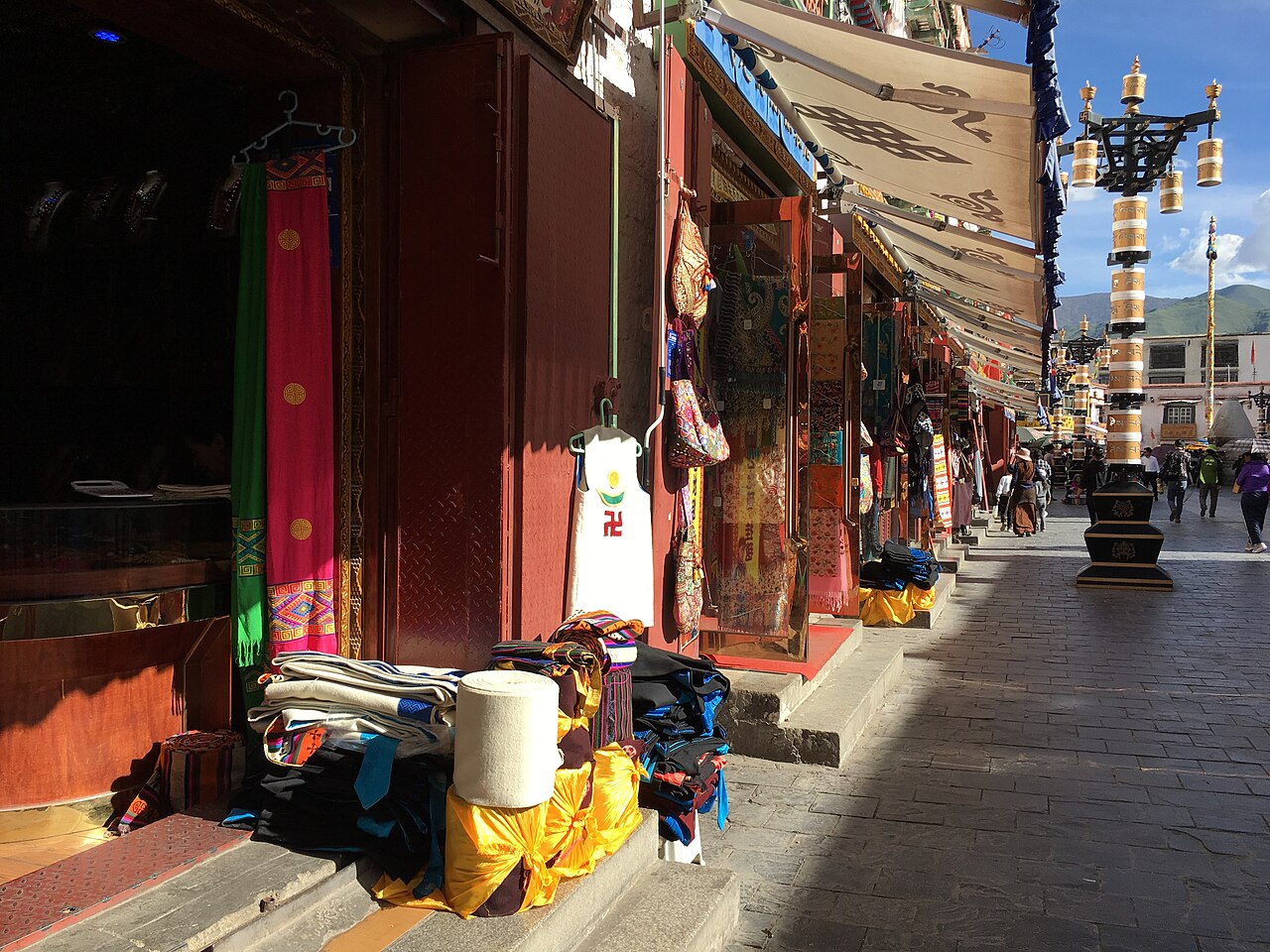
Photographs from the coast, and what other travellers wrote afterwards.

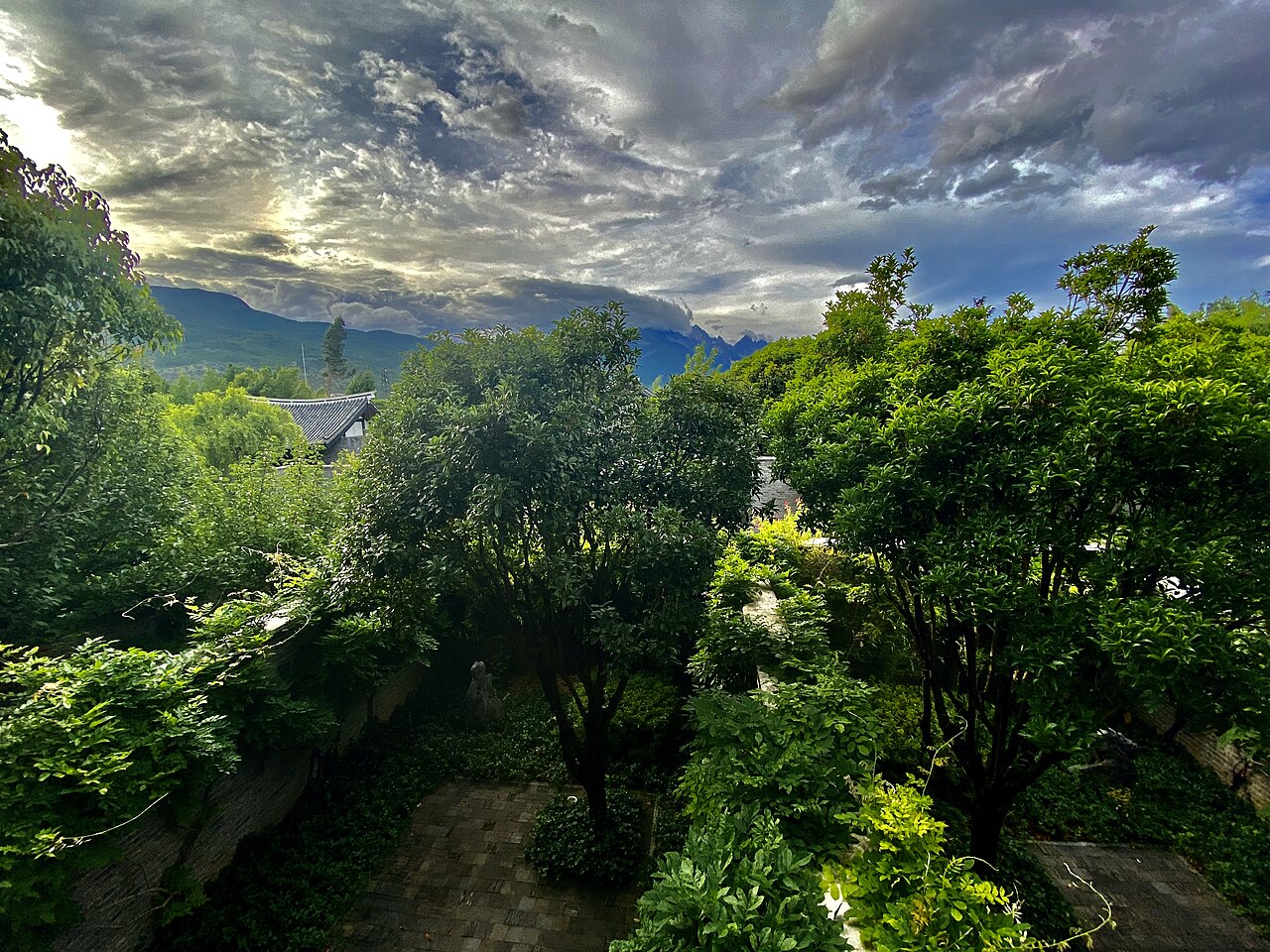
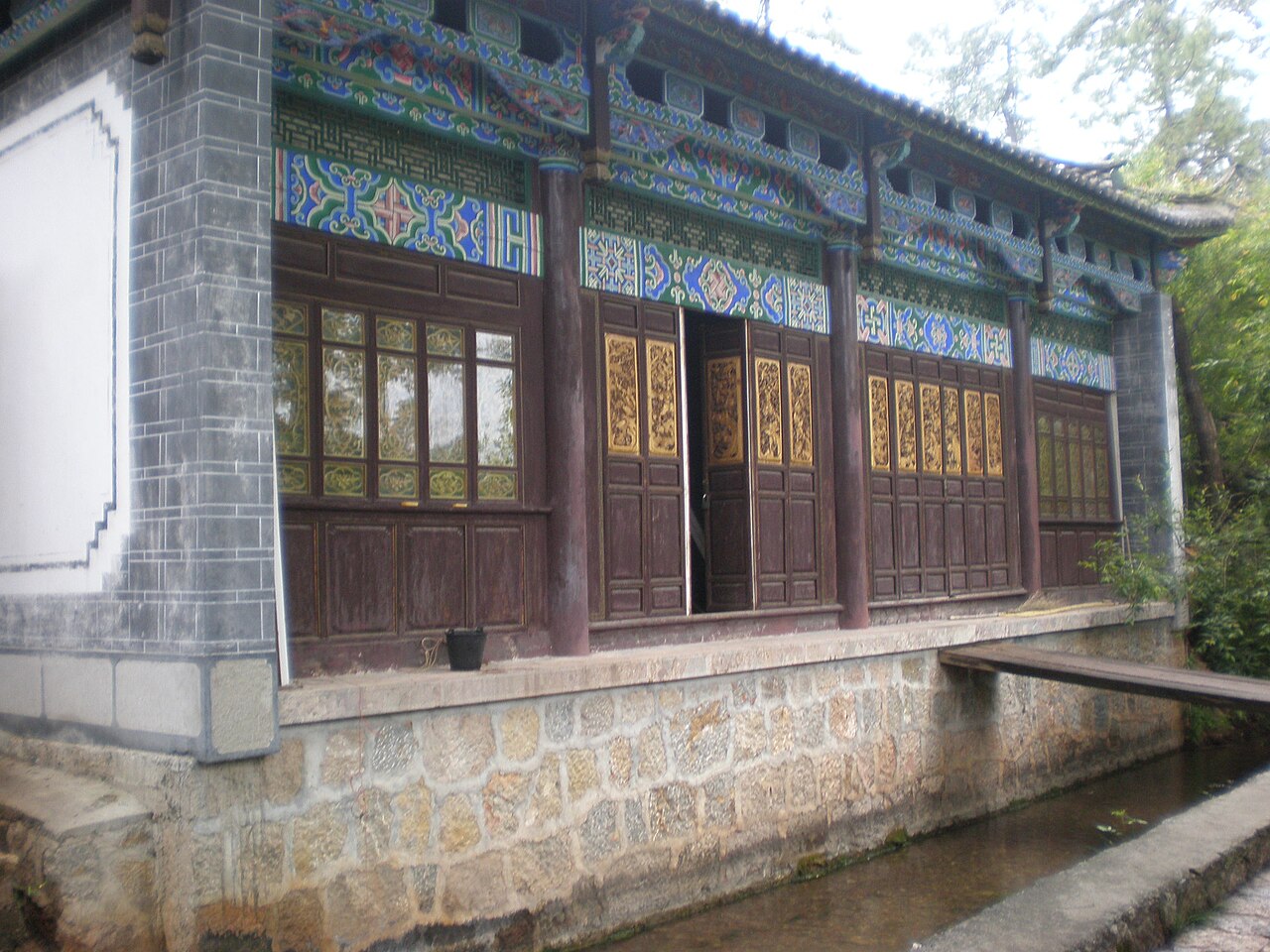
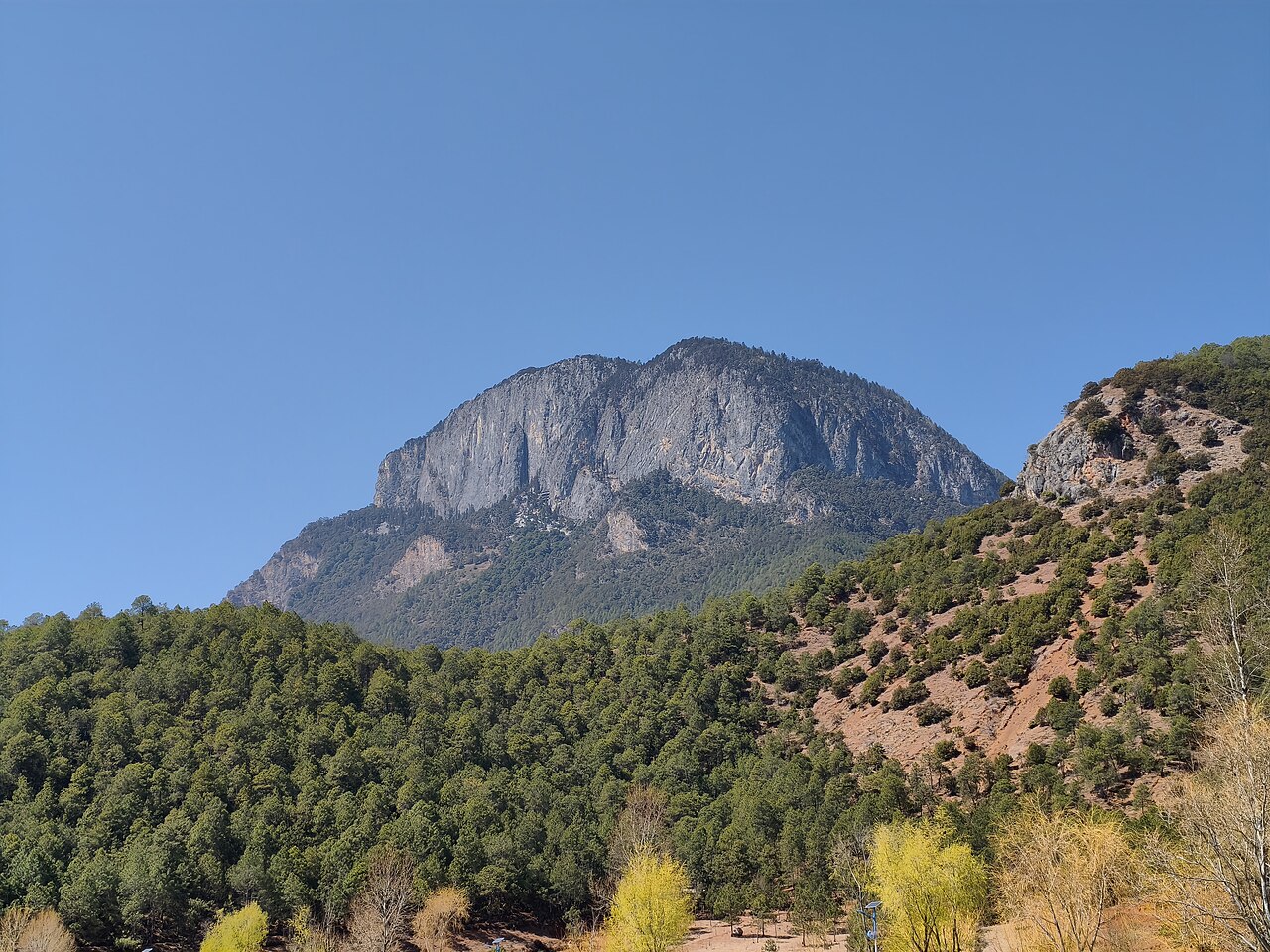
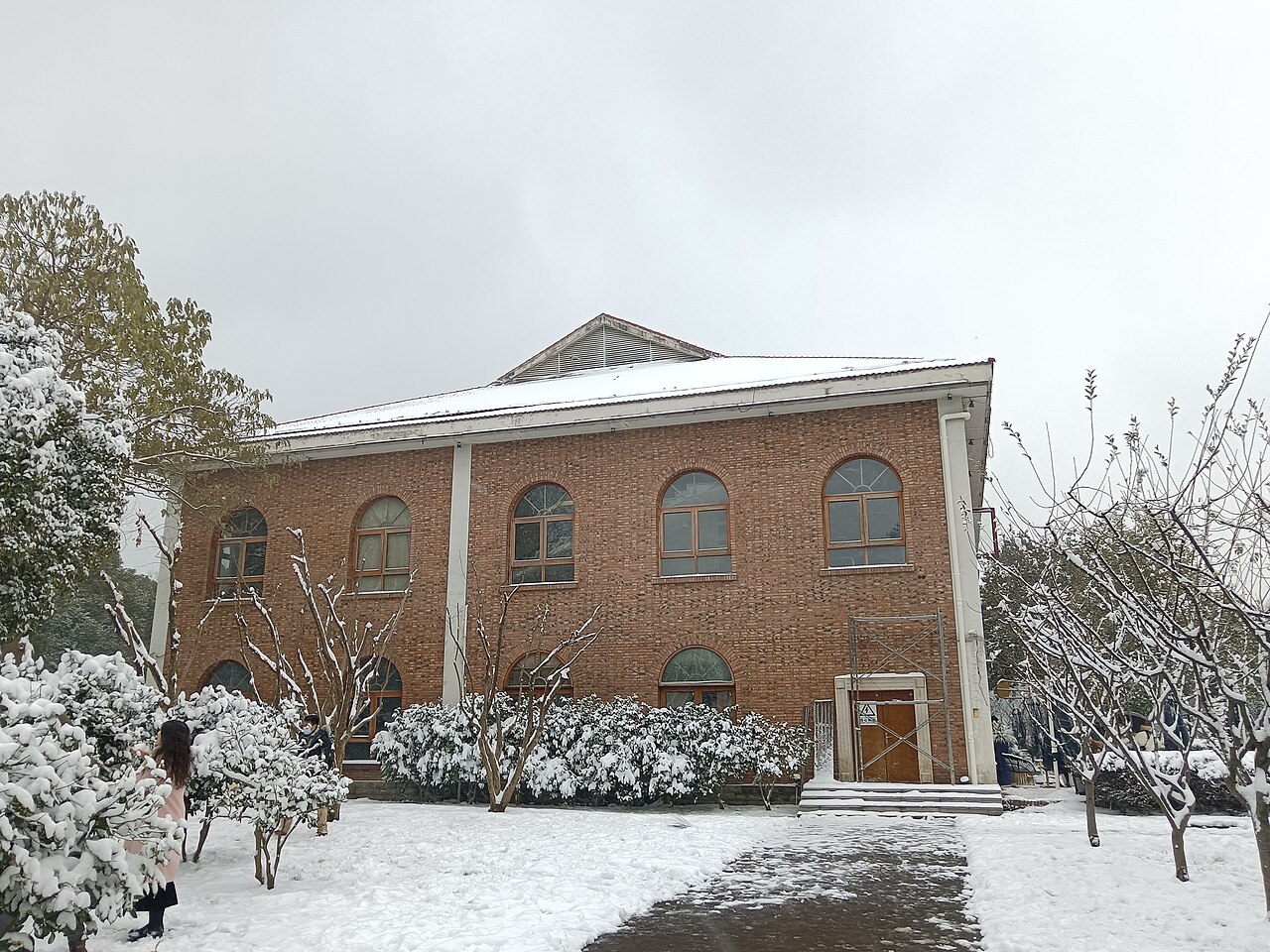
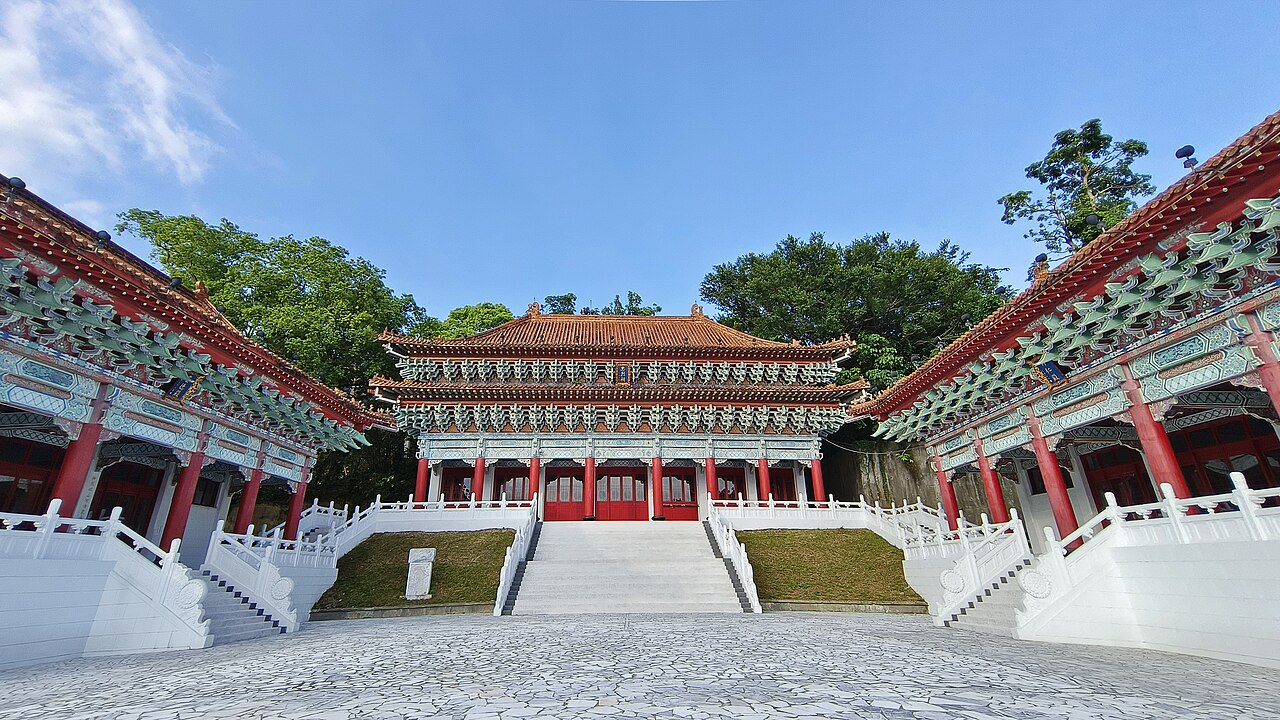
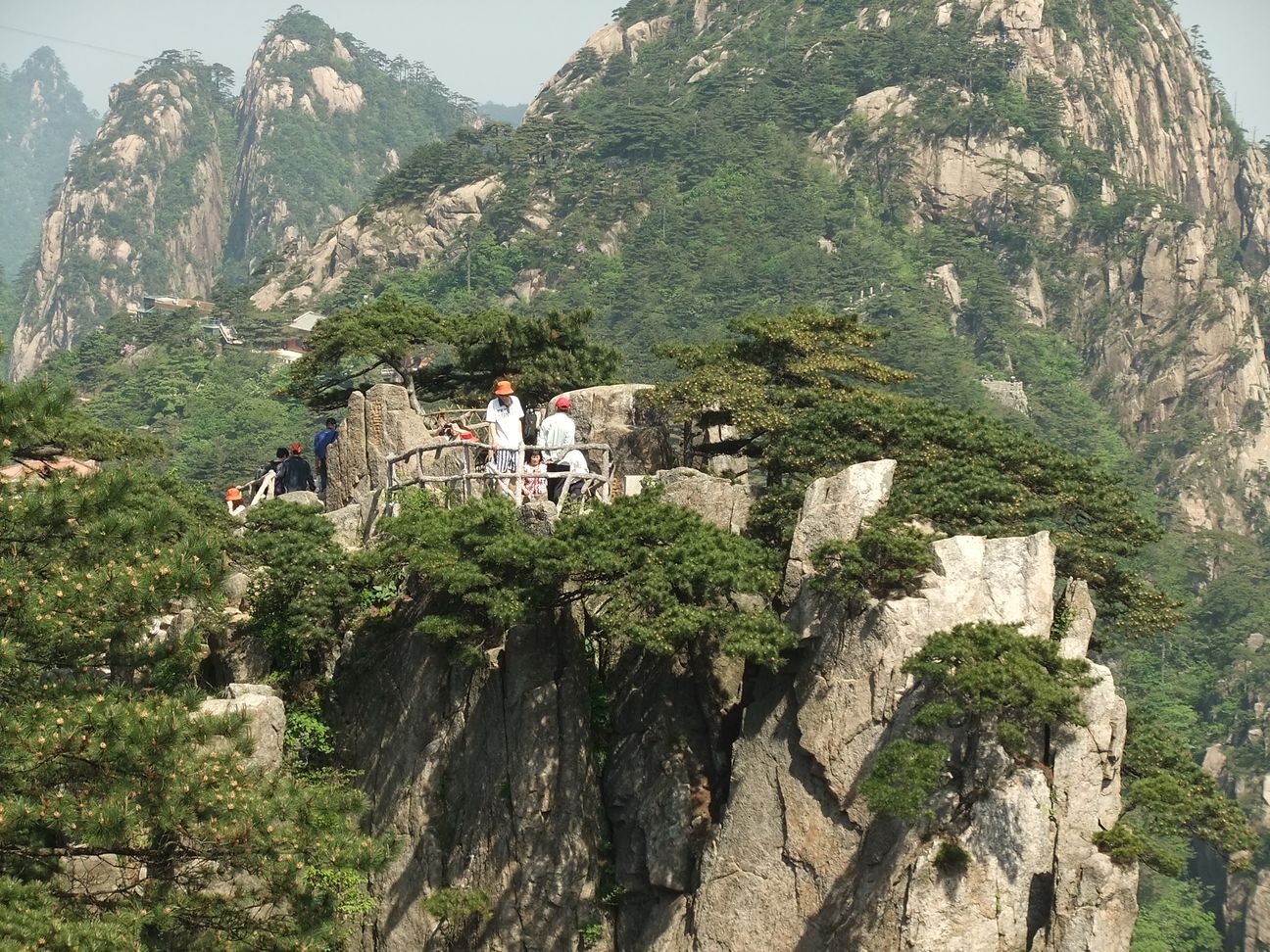
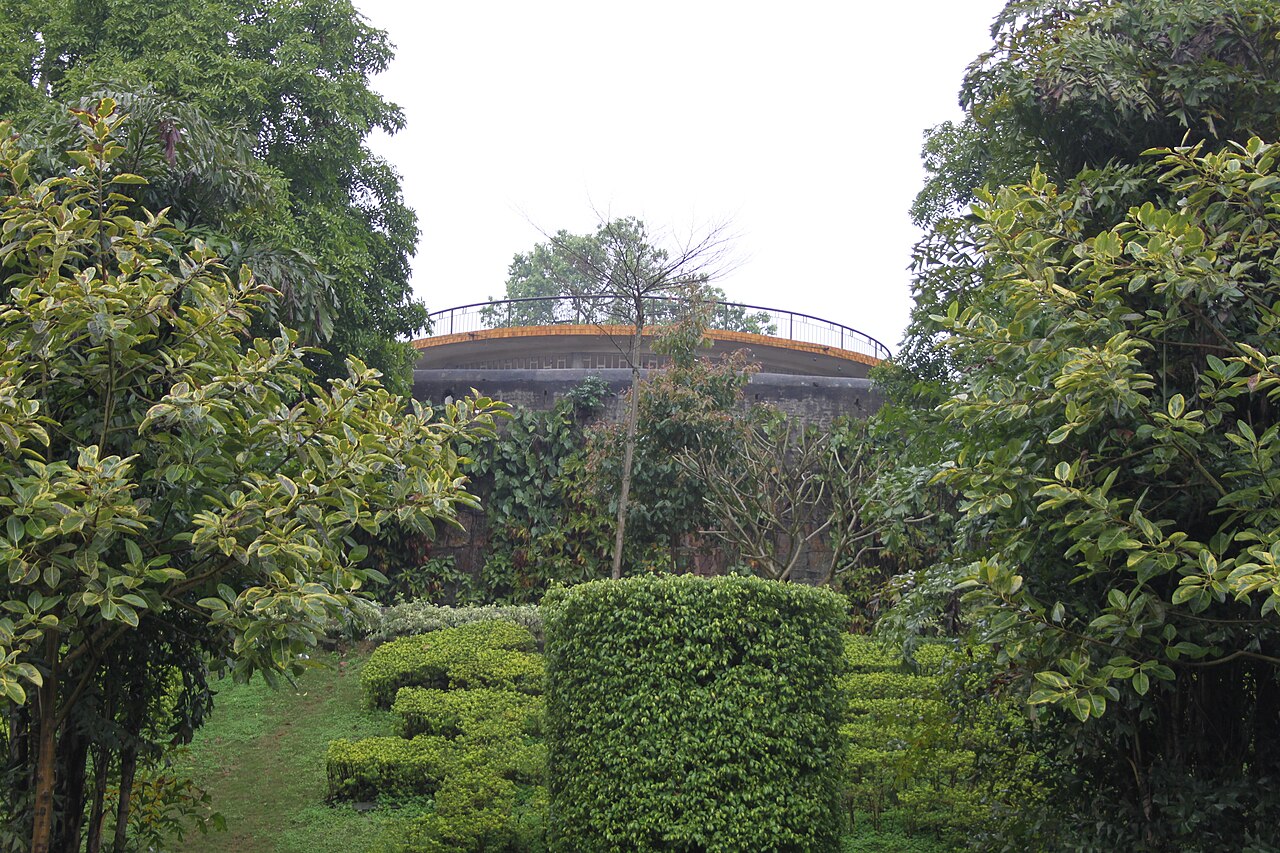
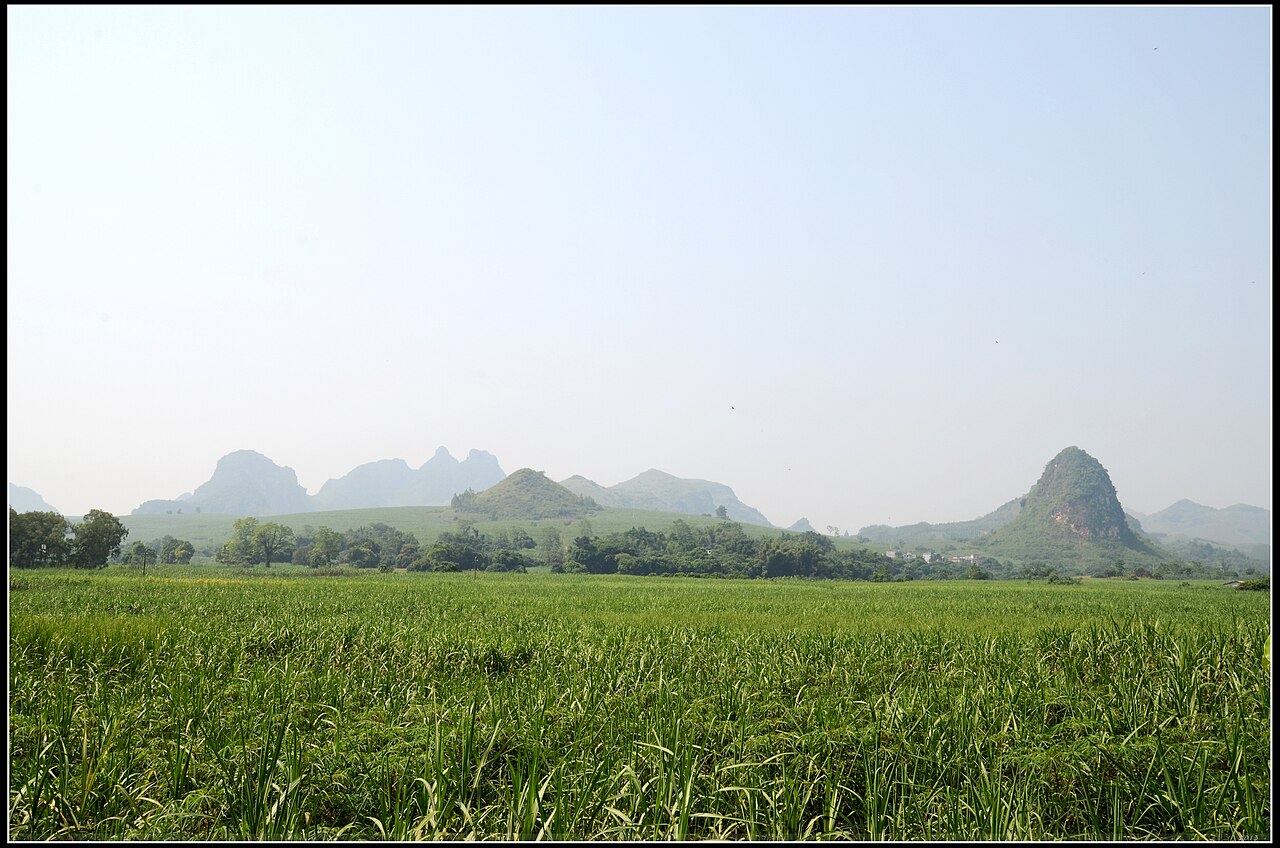
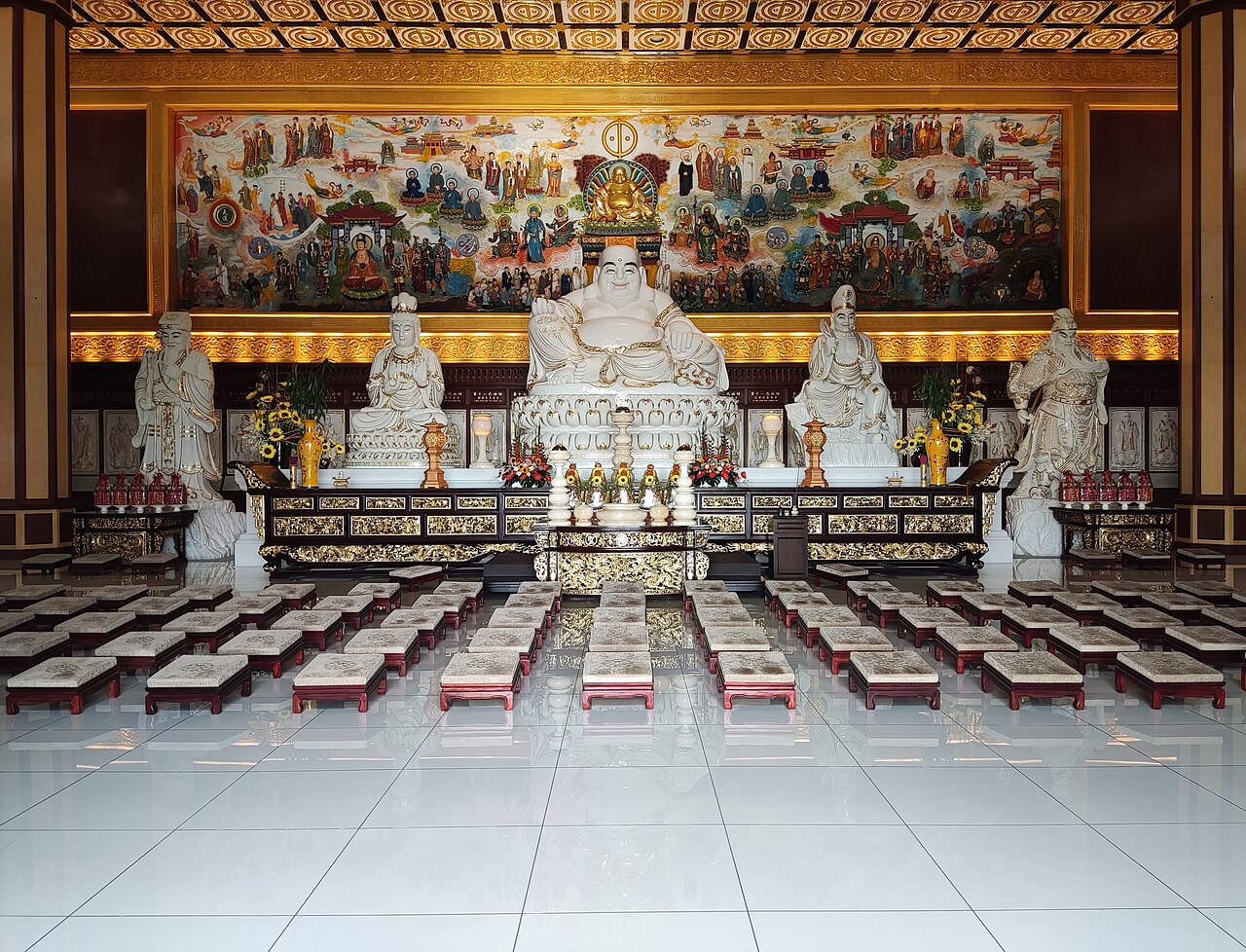
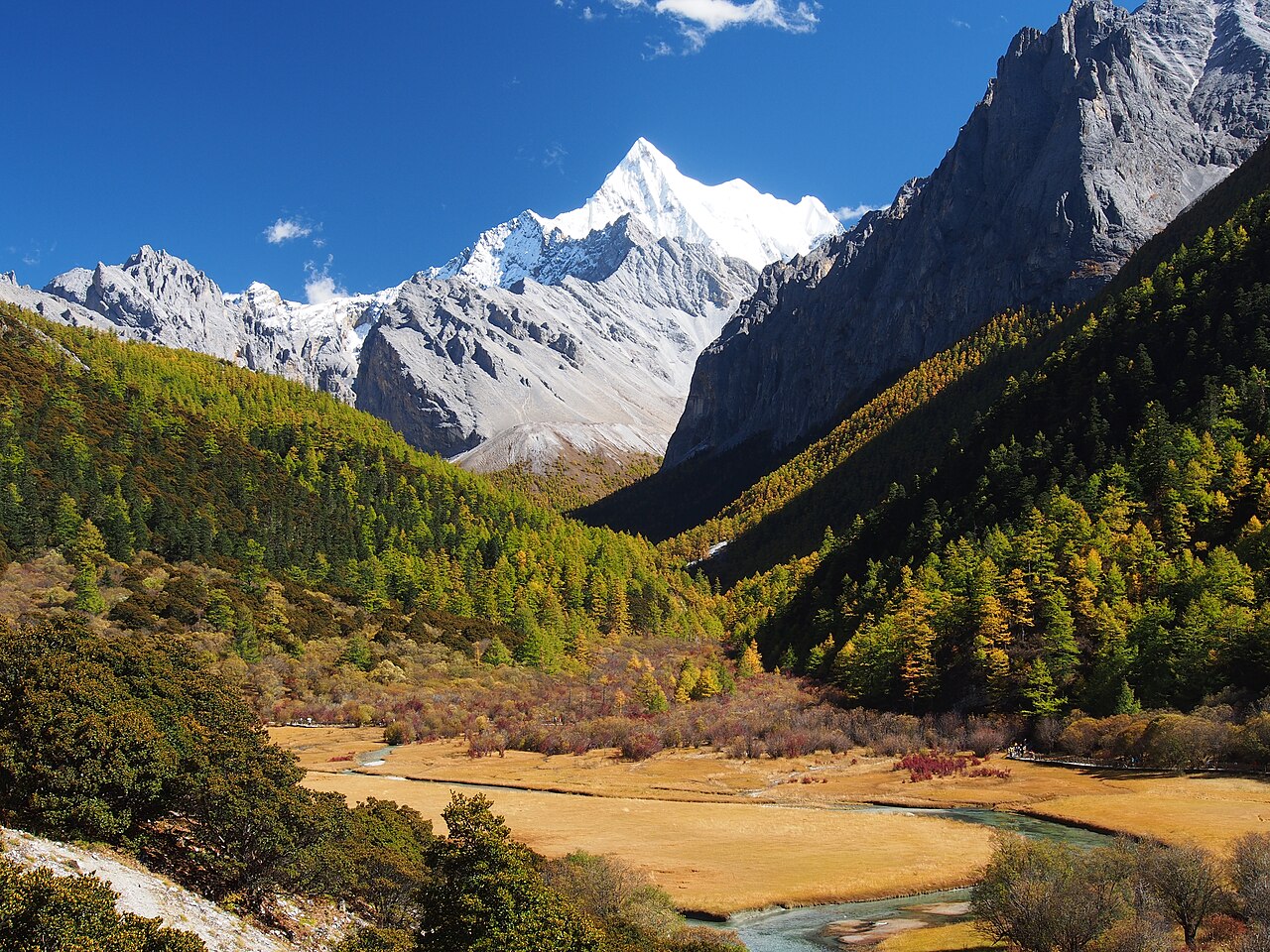
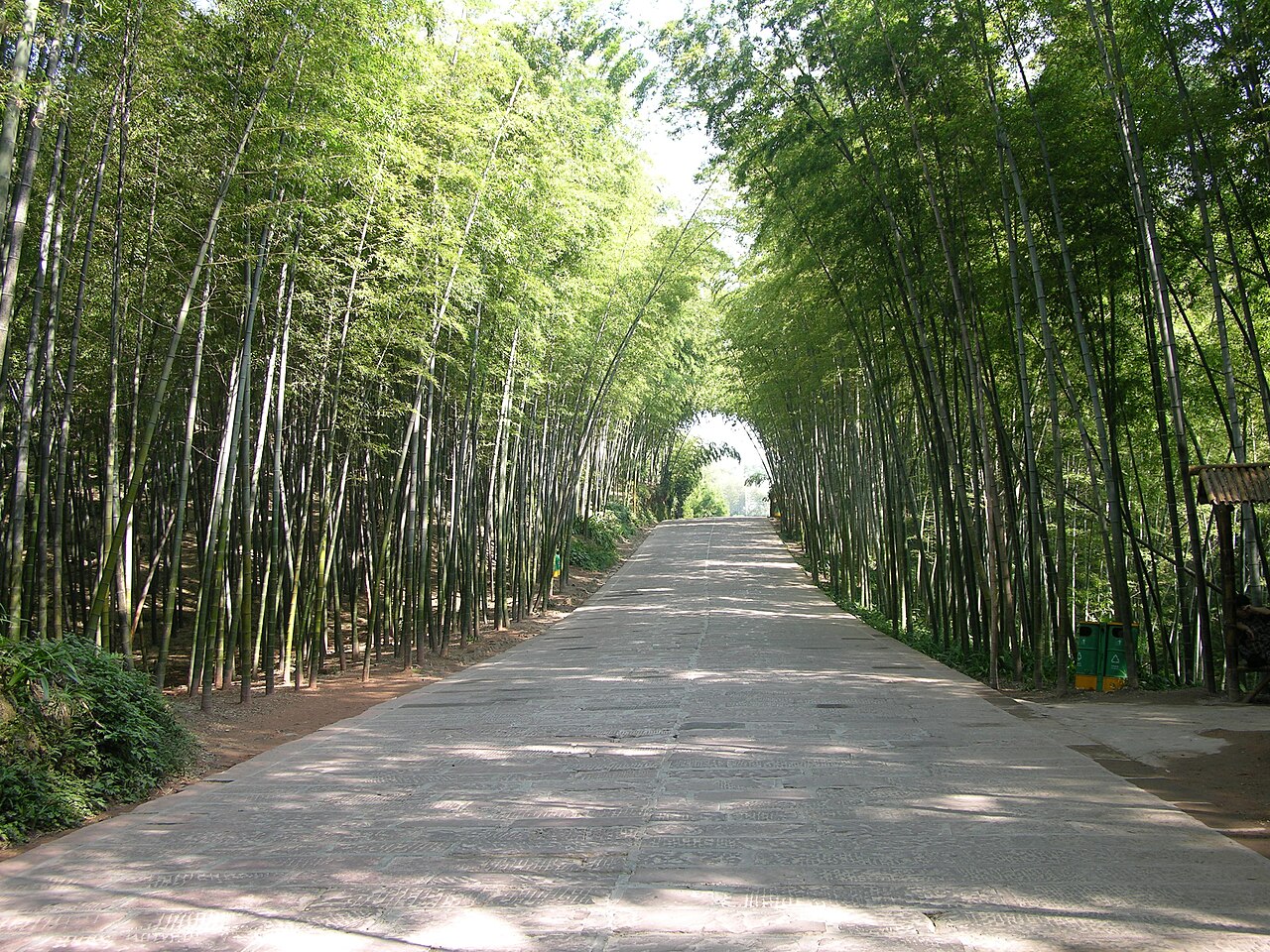
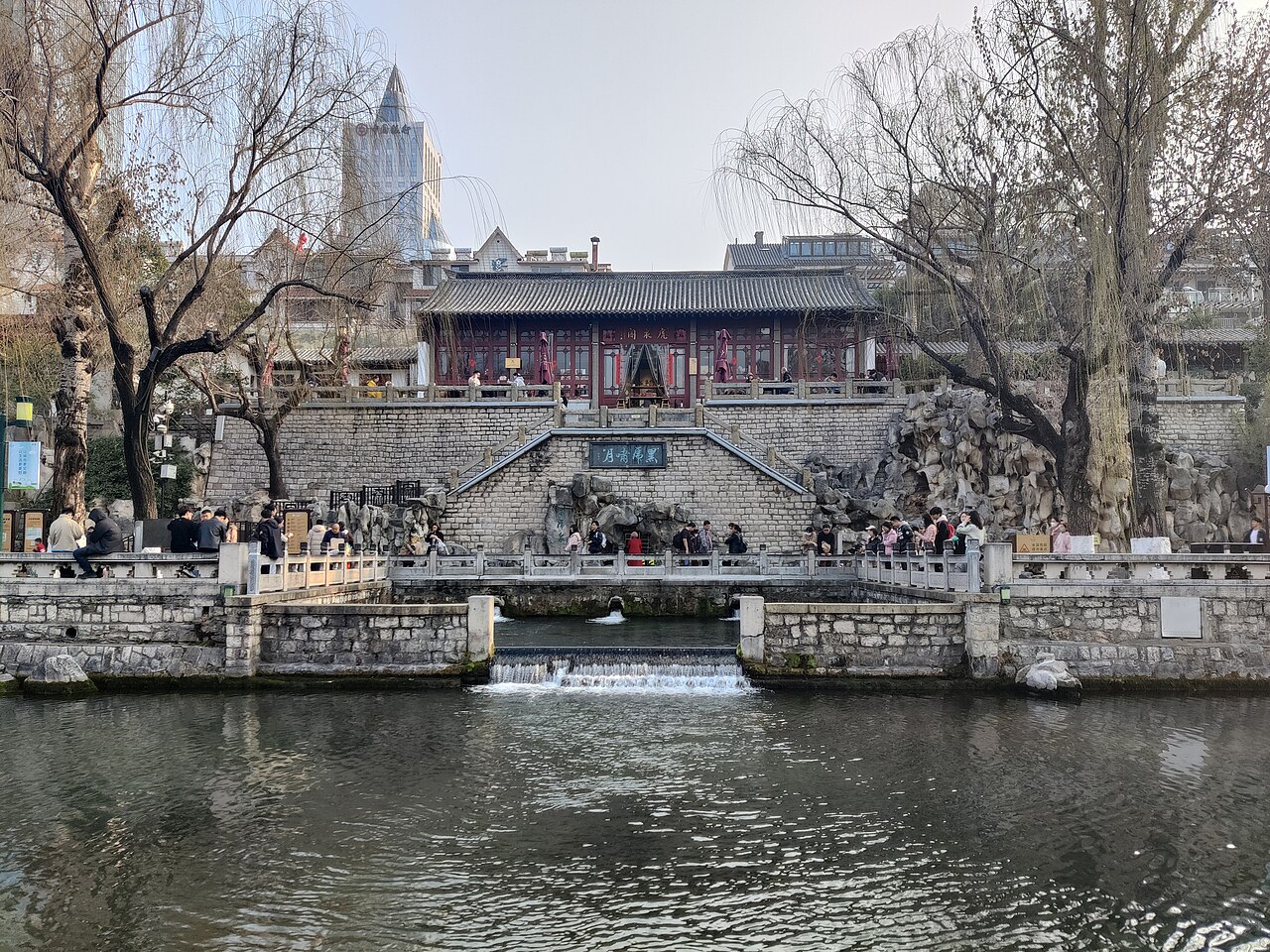
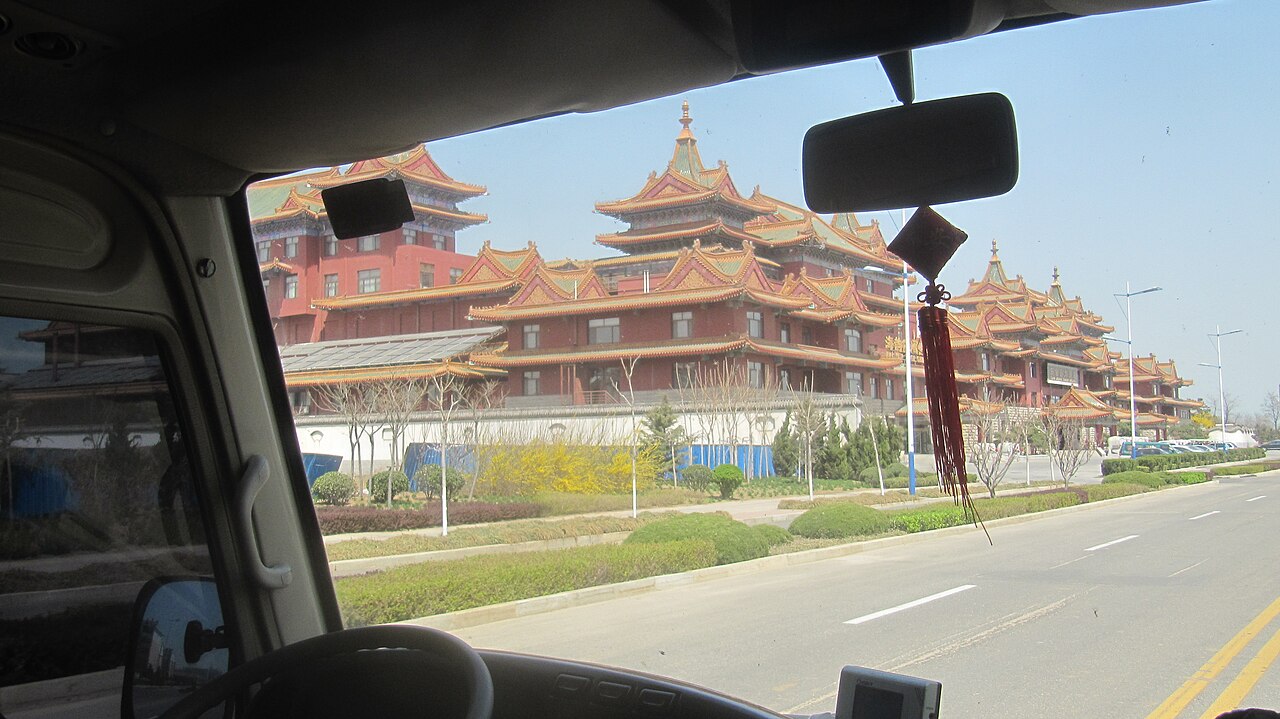
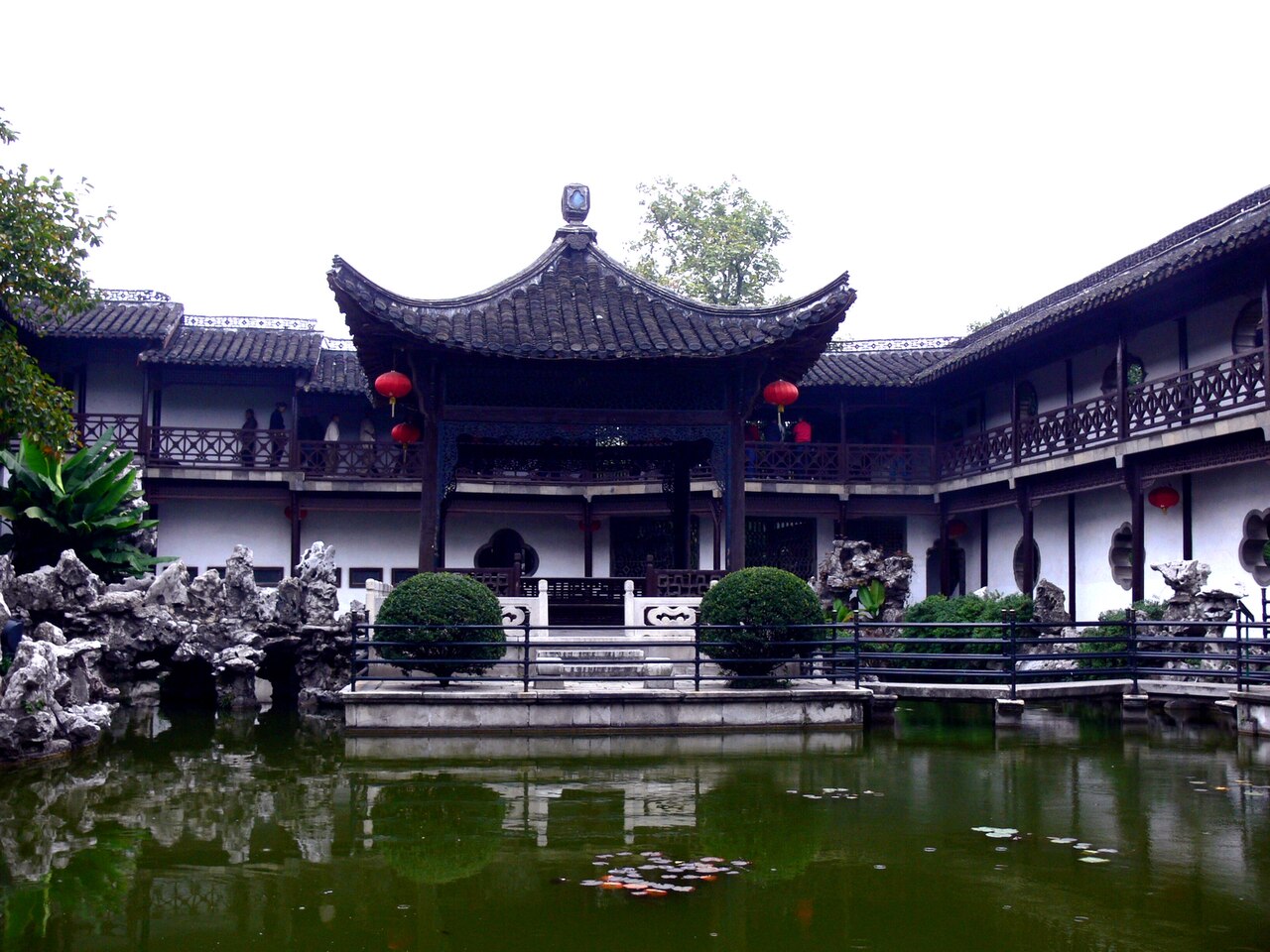
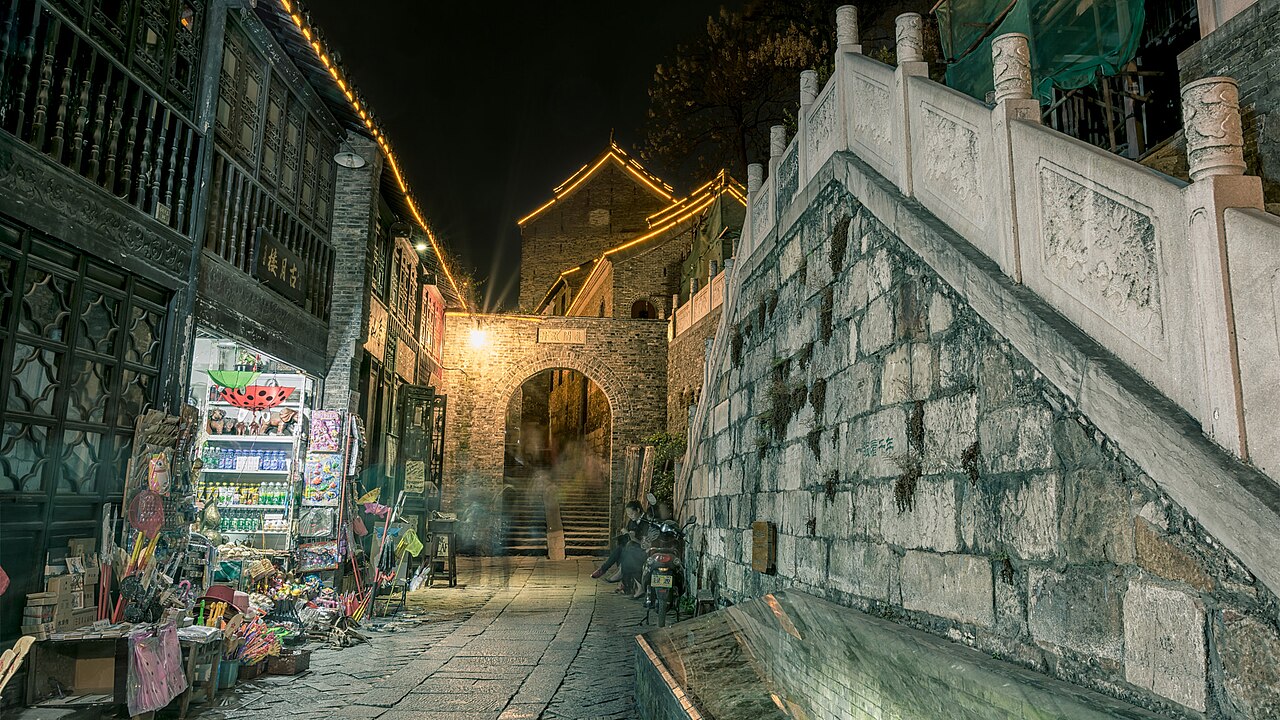
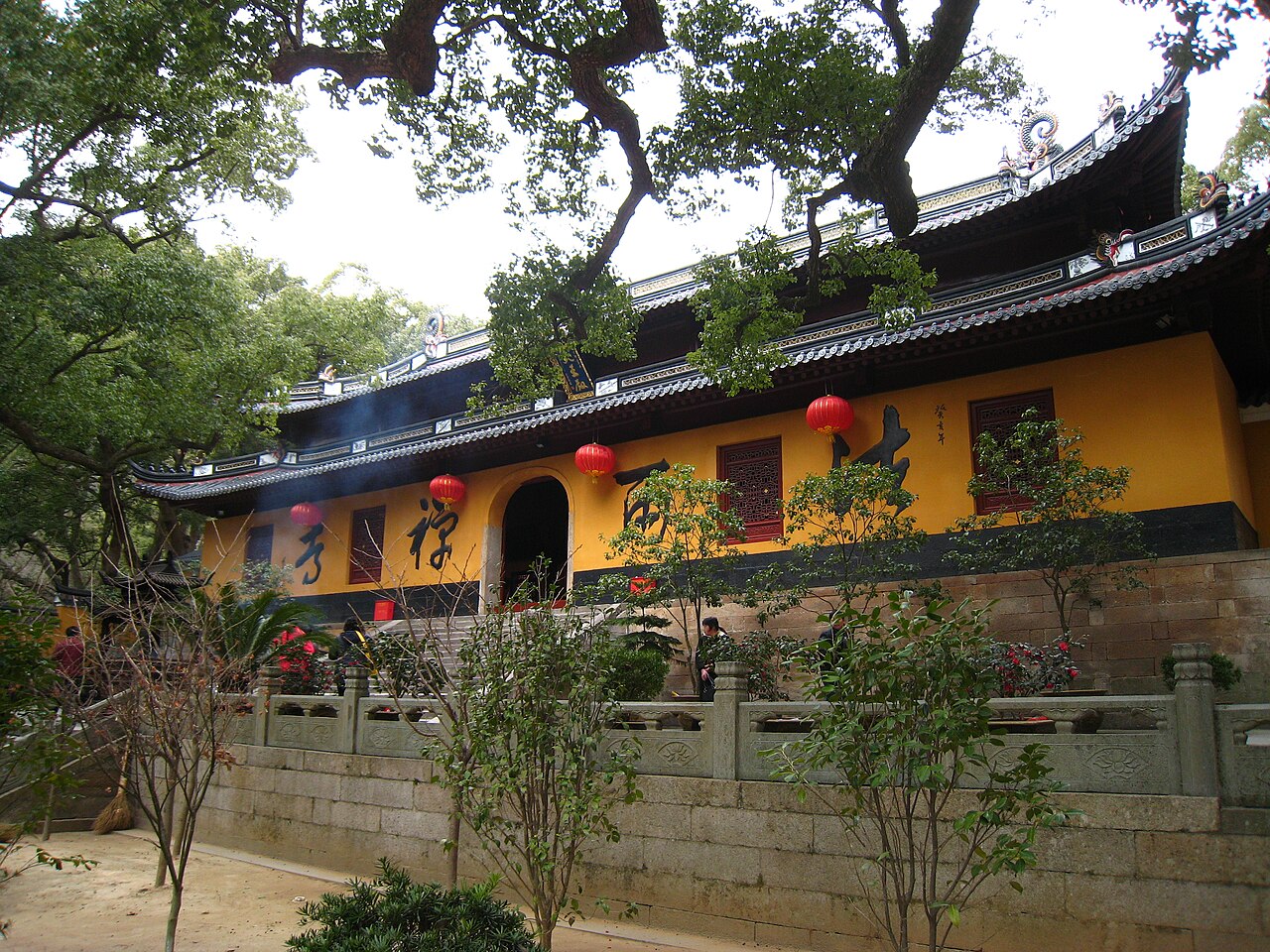
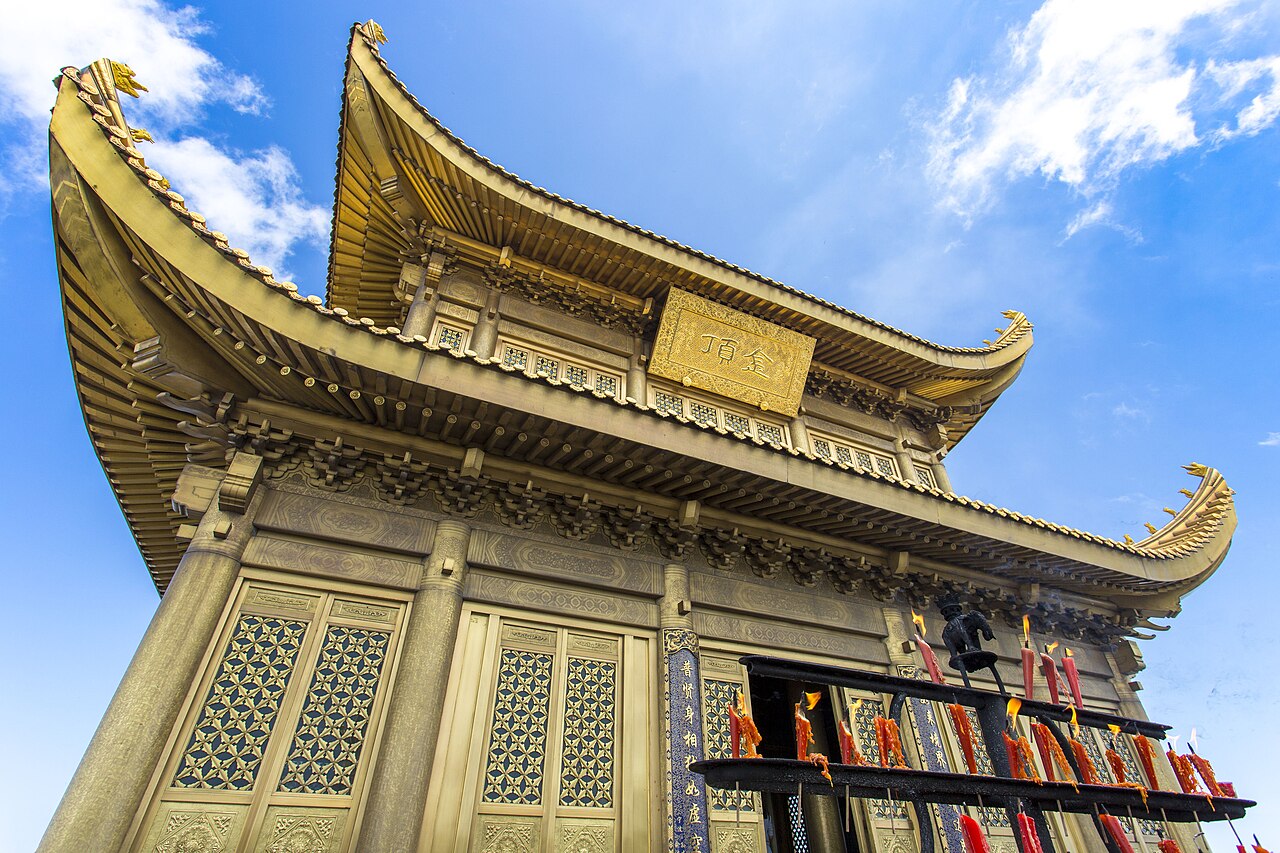
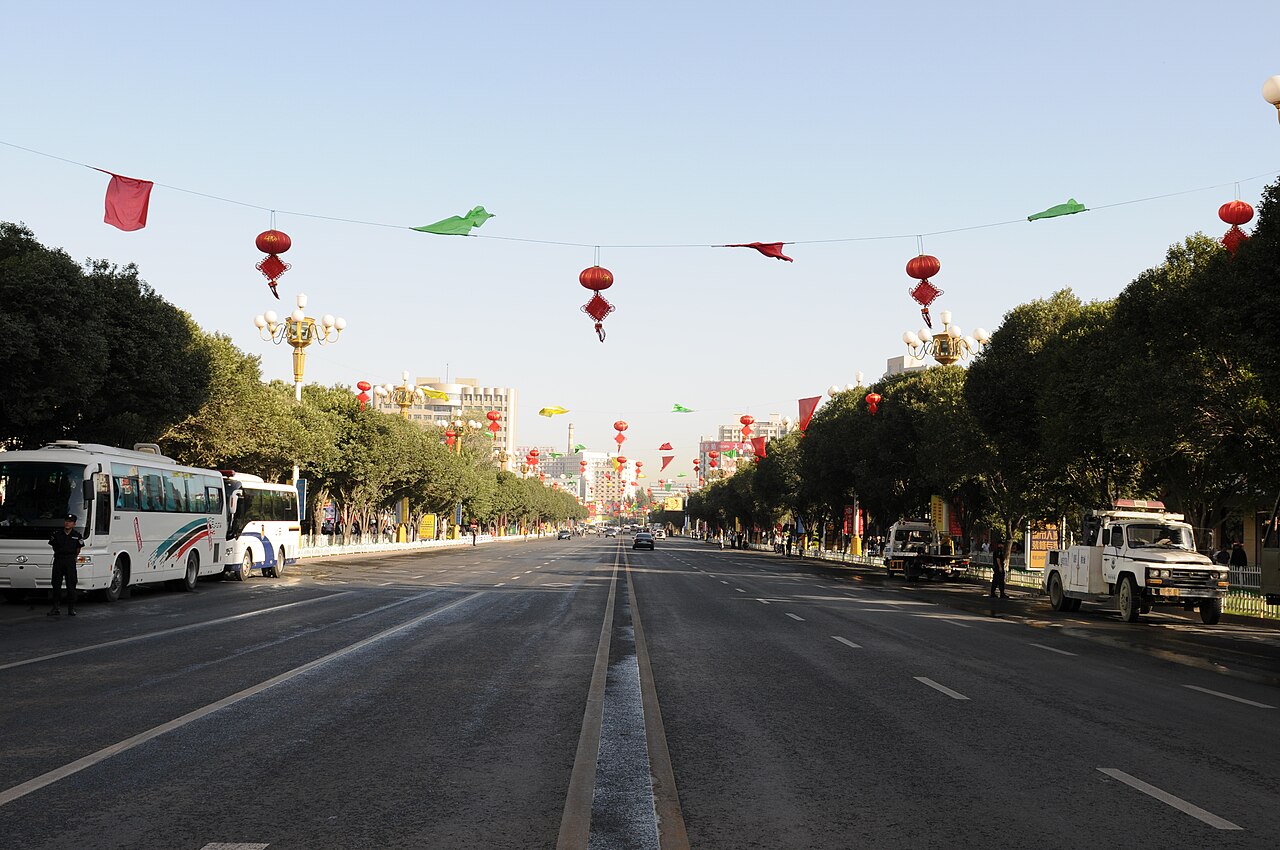
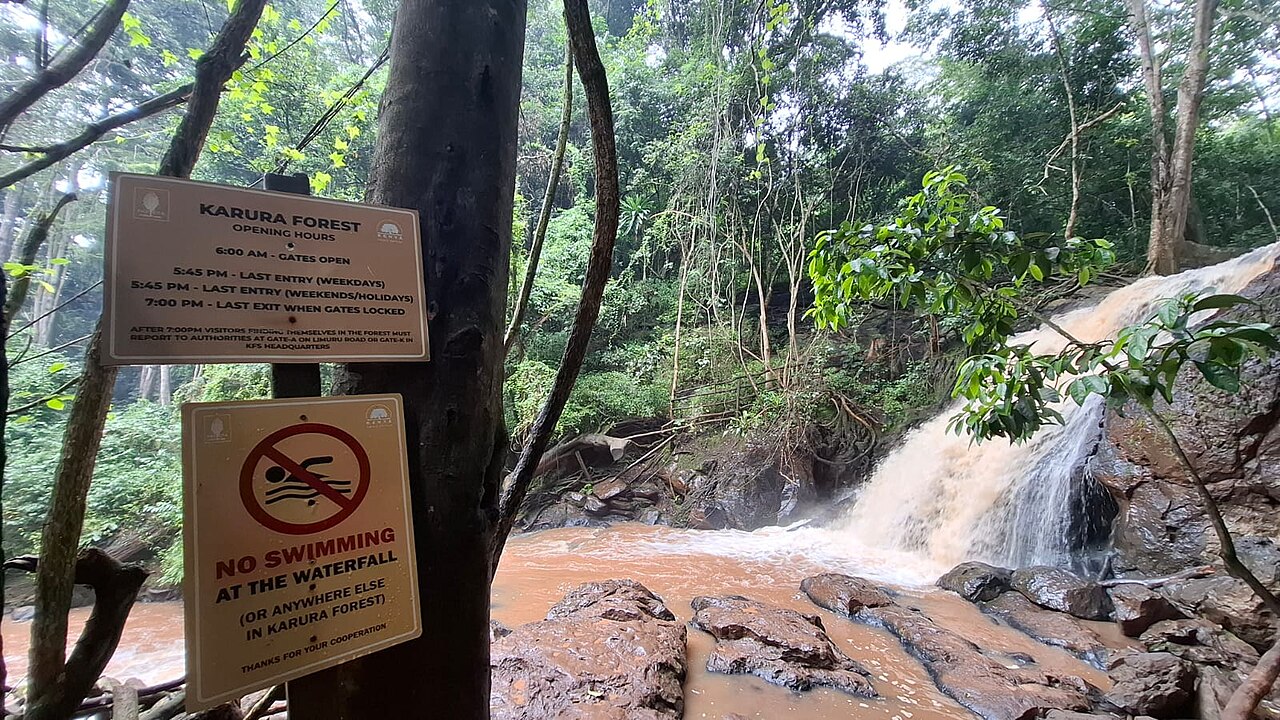
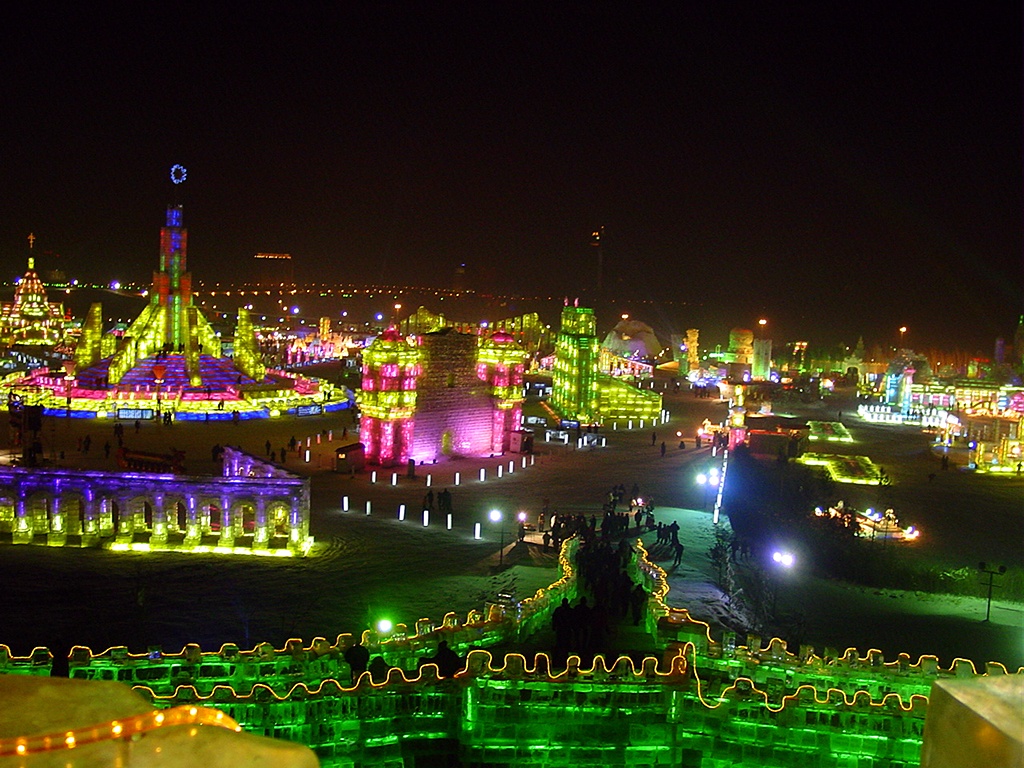
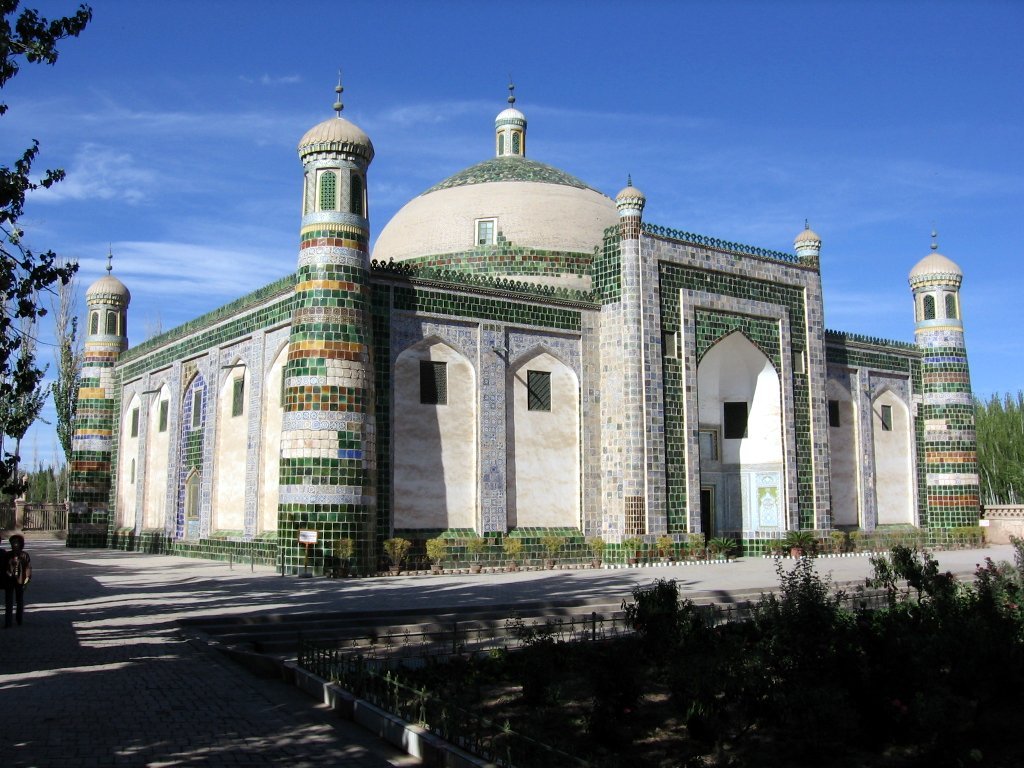
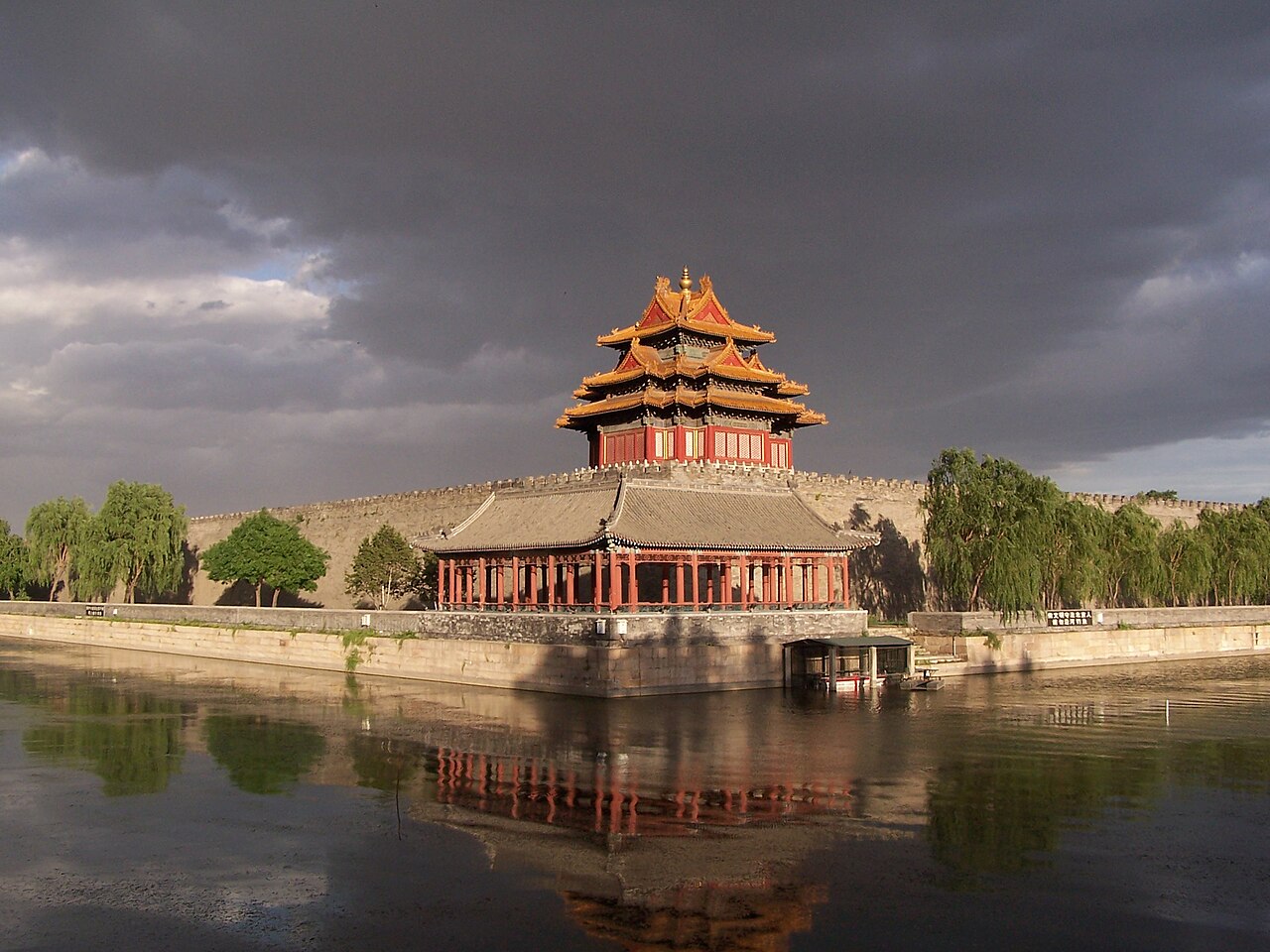
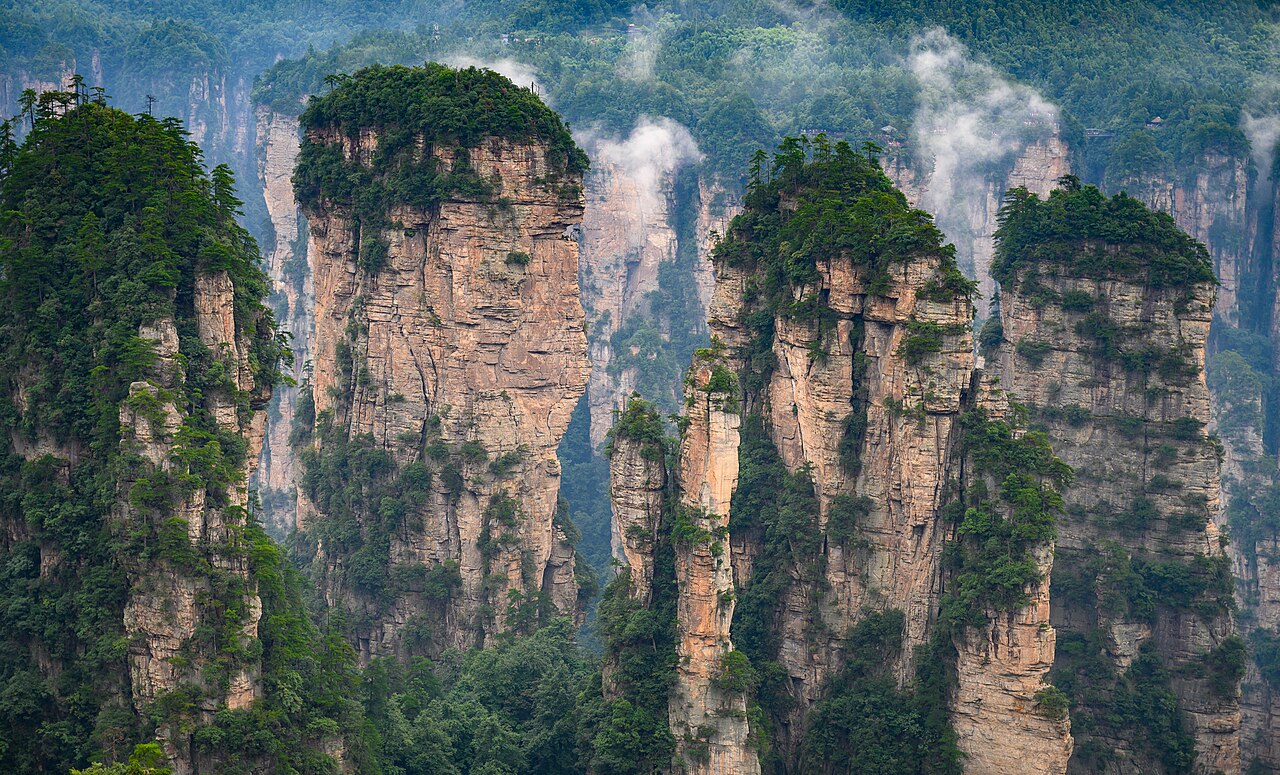
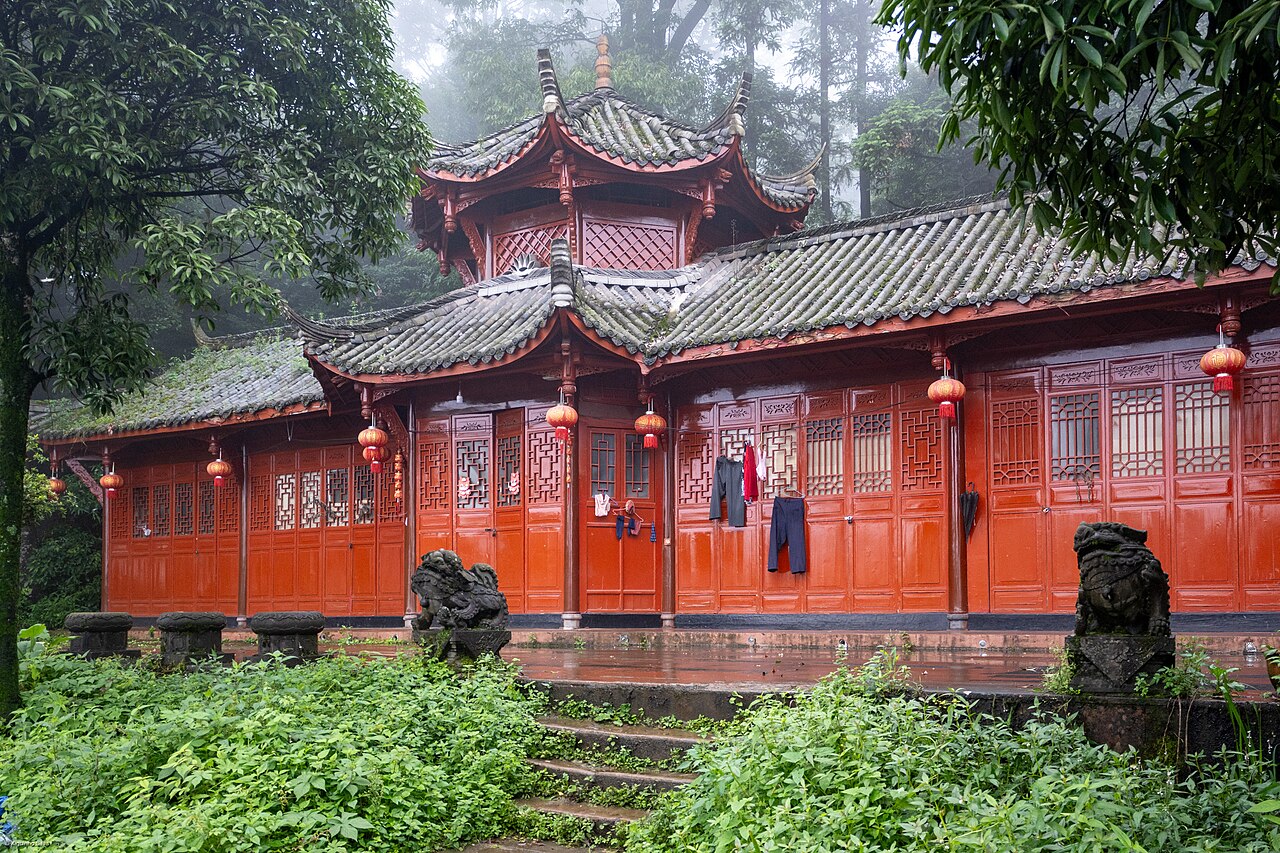
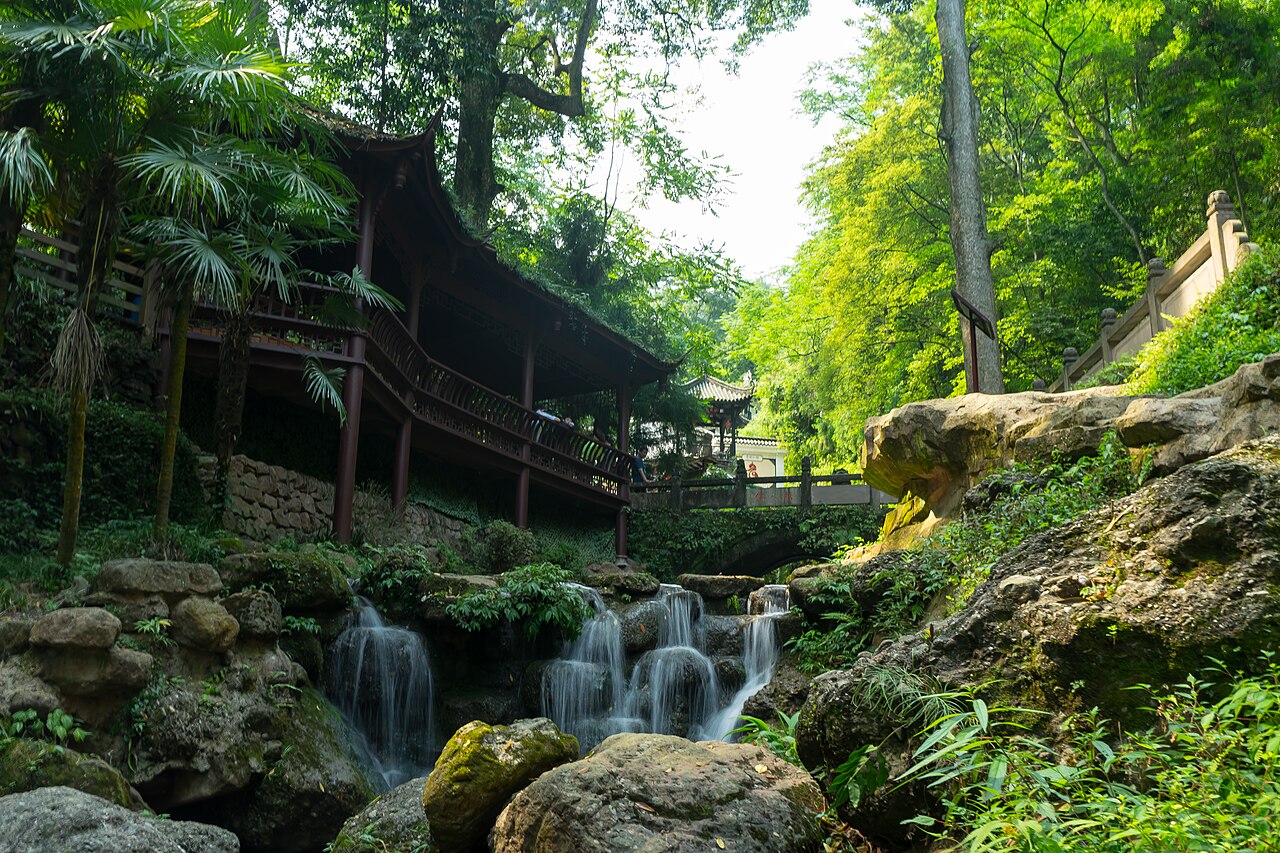
Tianshi Cave, at the heart of the front mountain
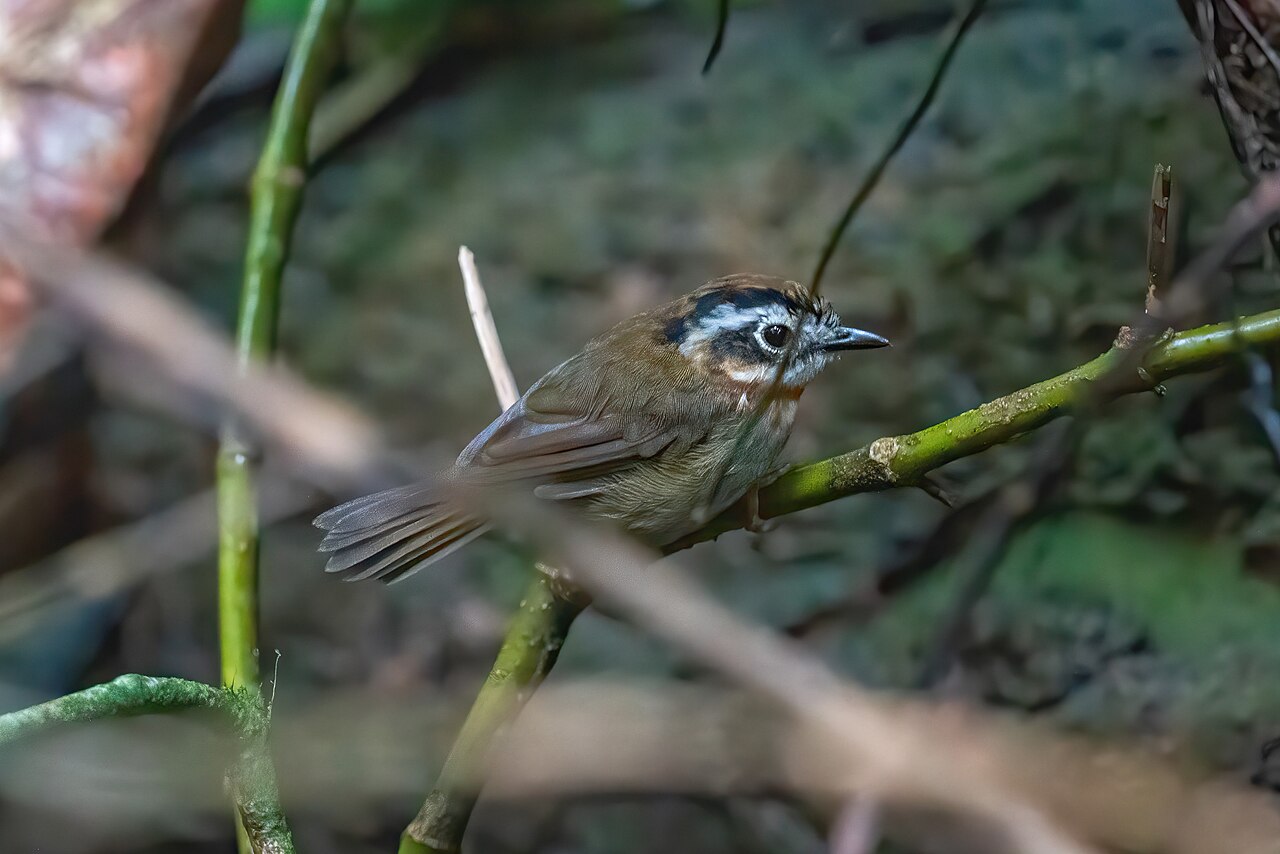
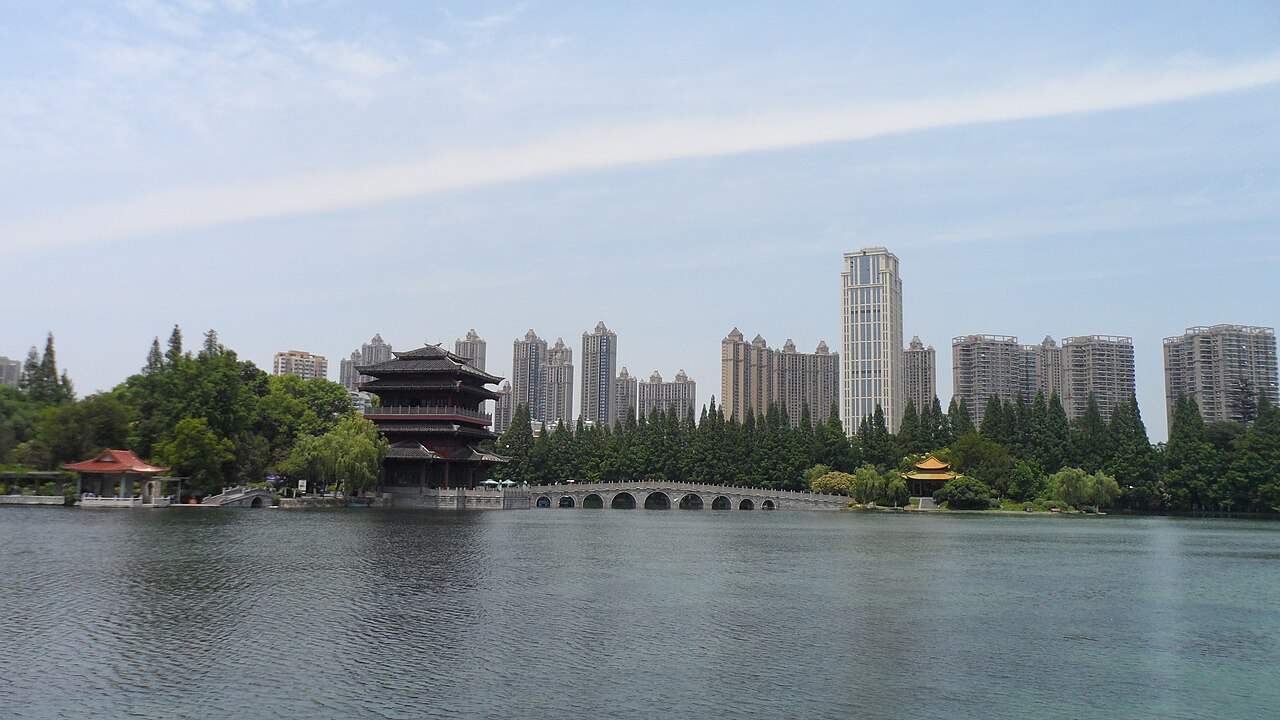
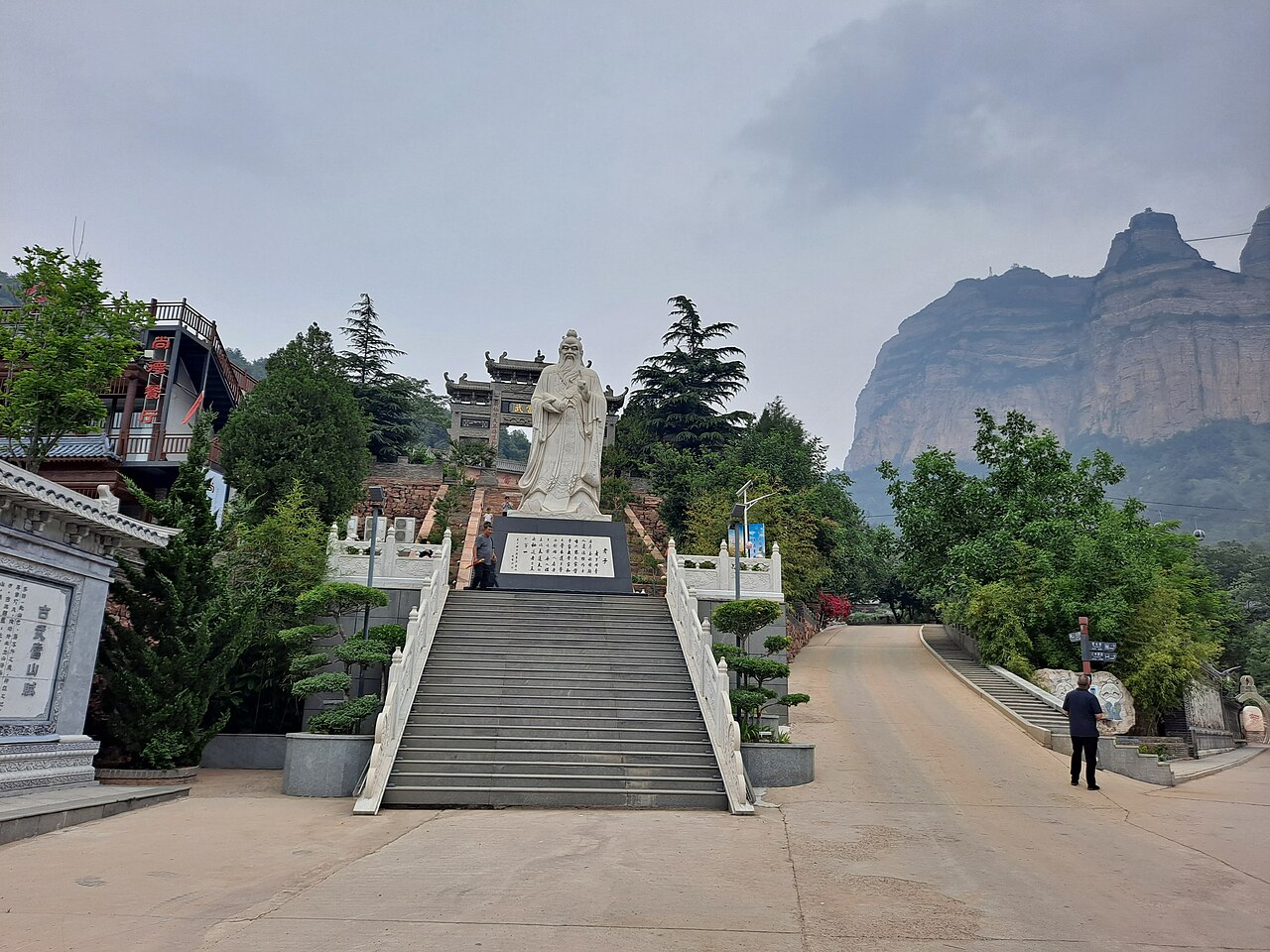
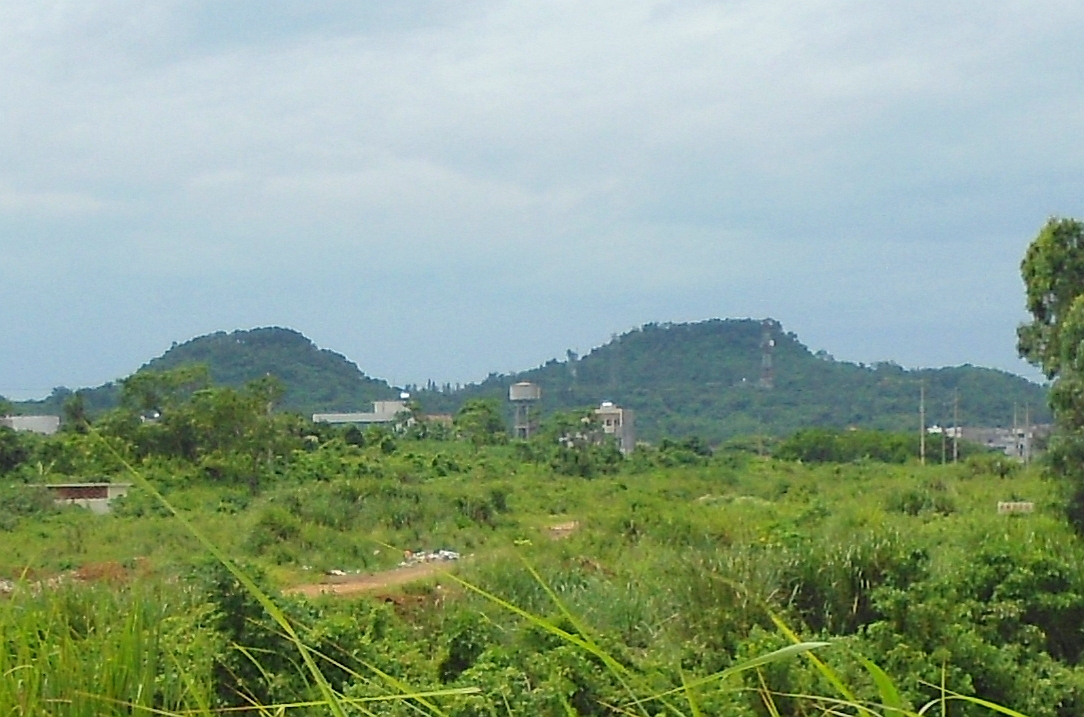
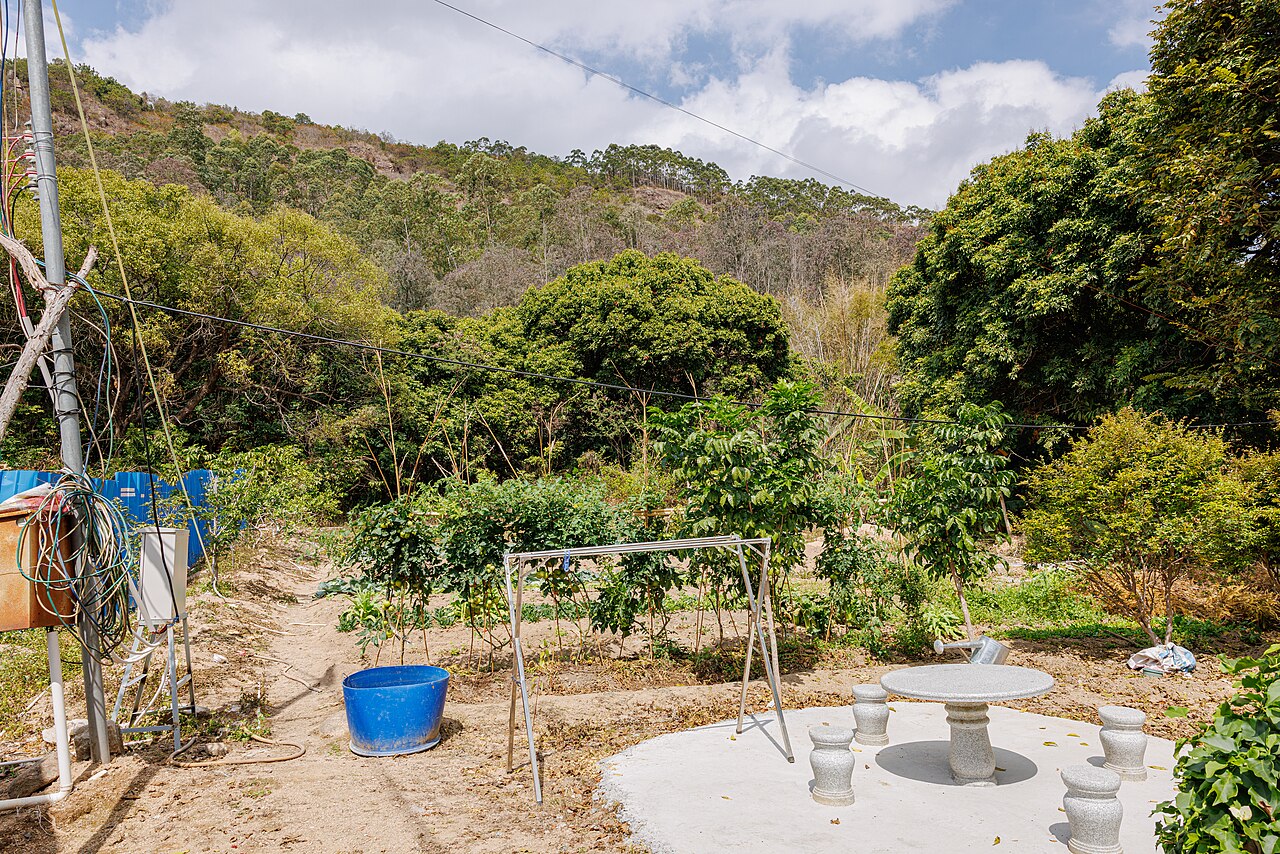
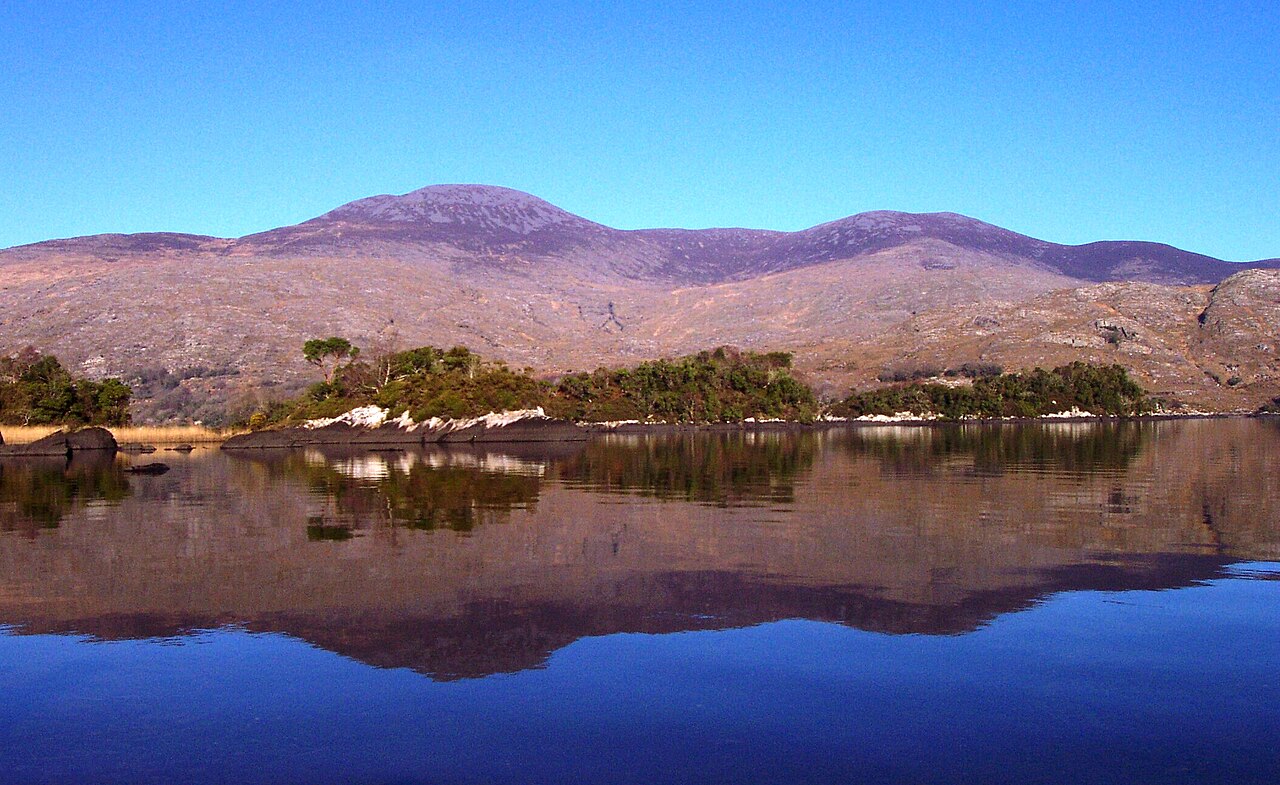
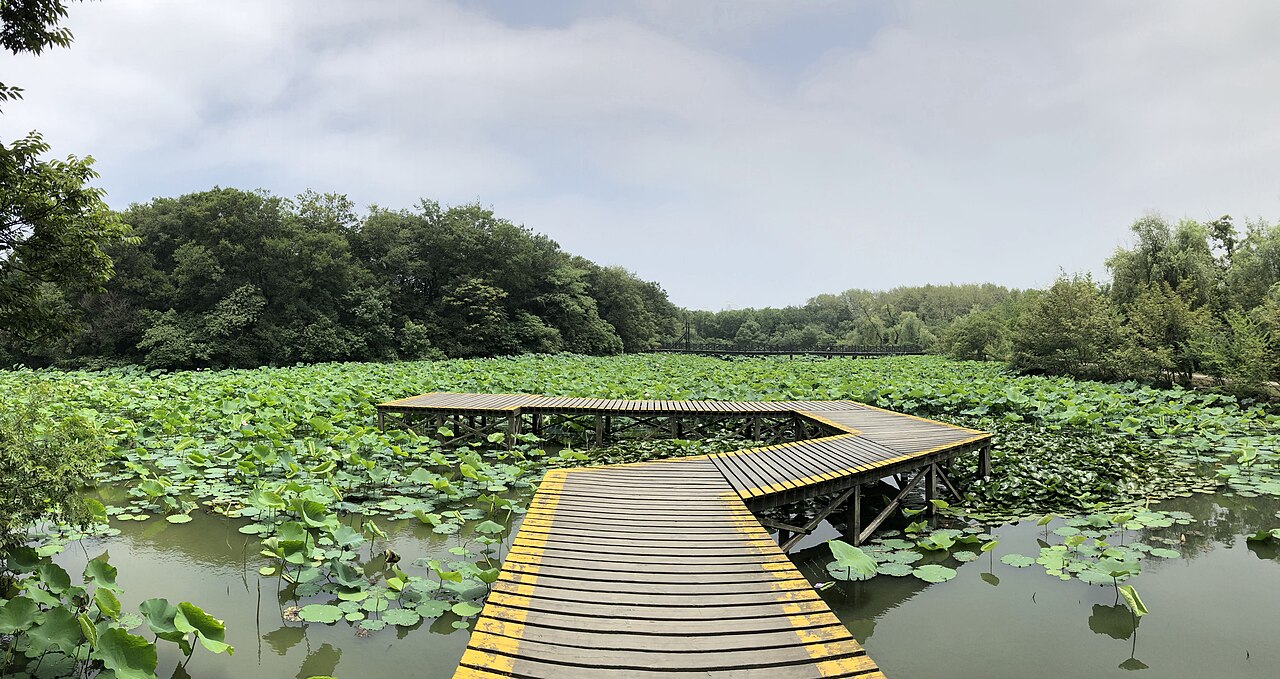
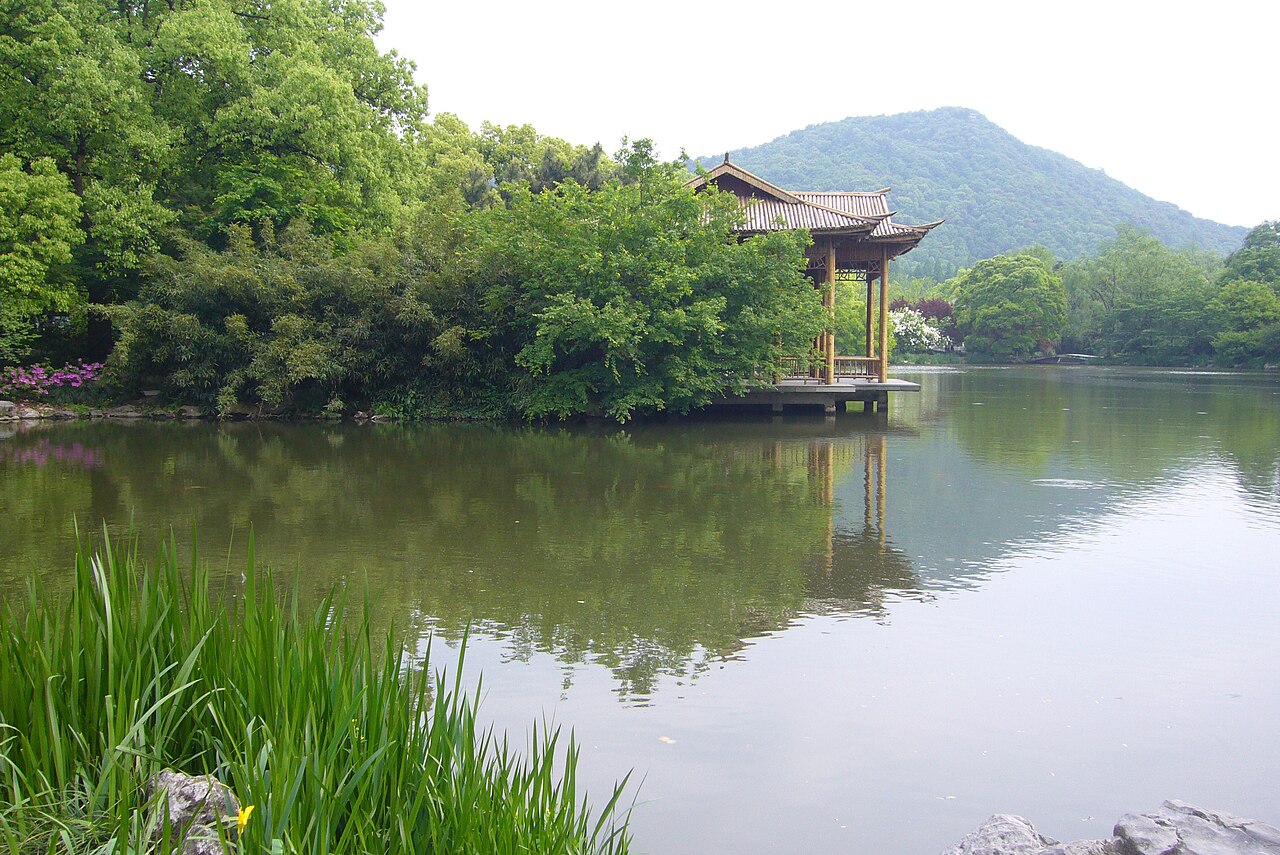
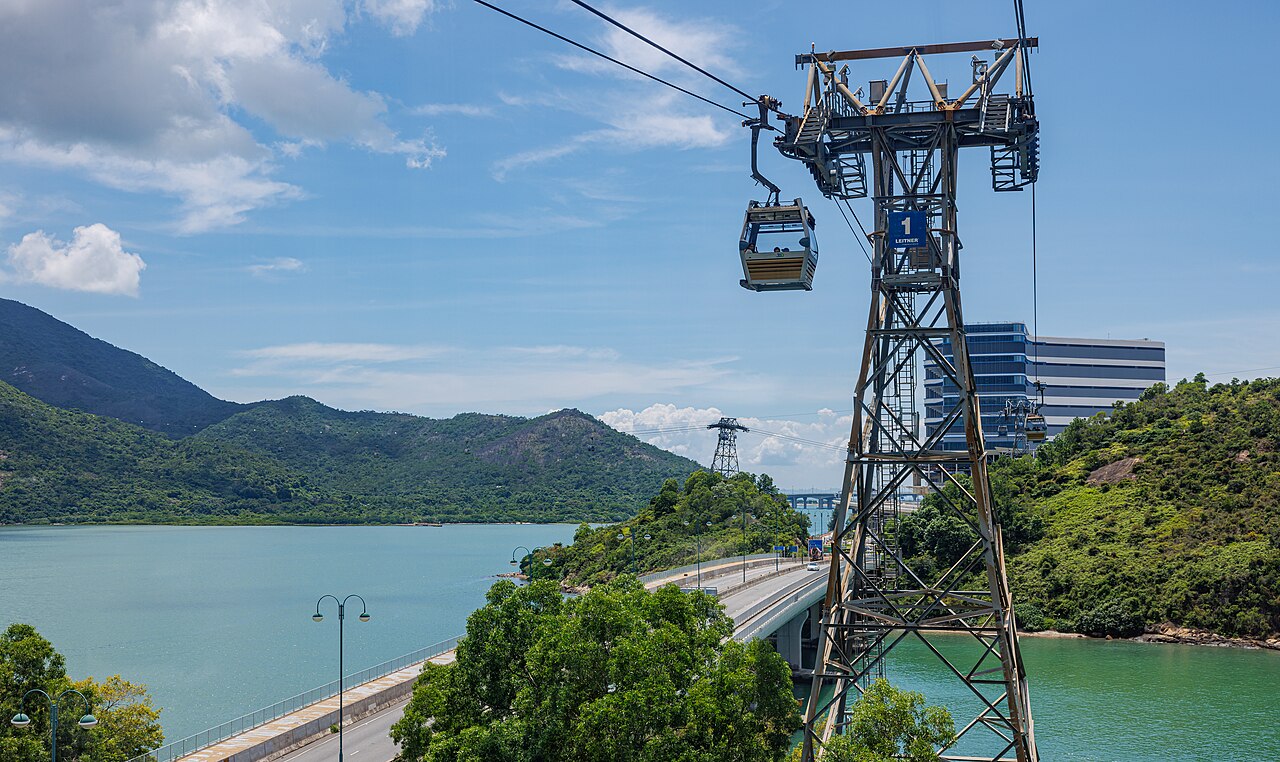
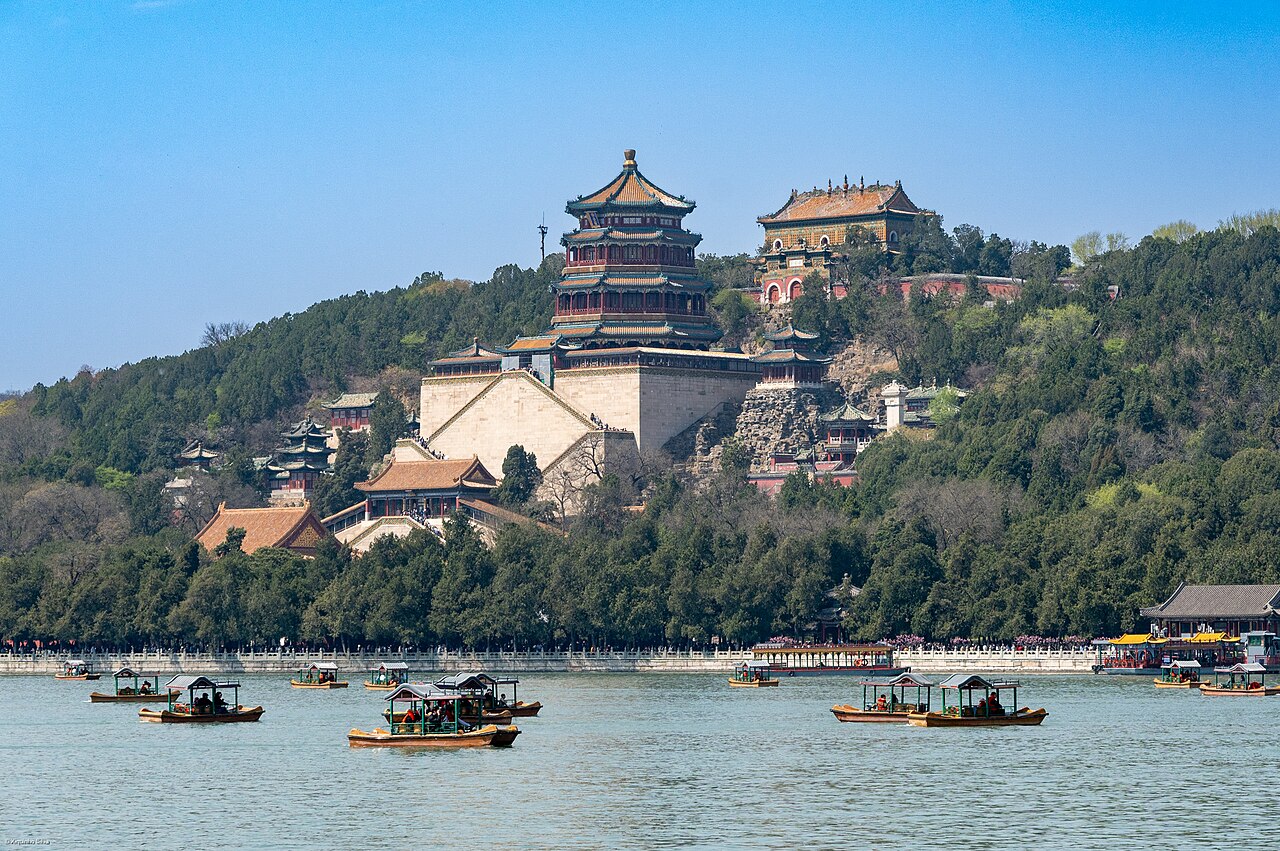
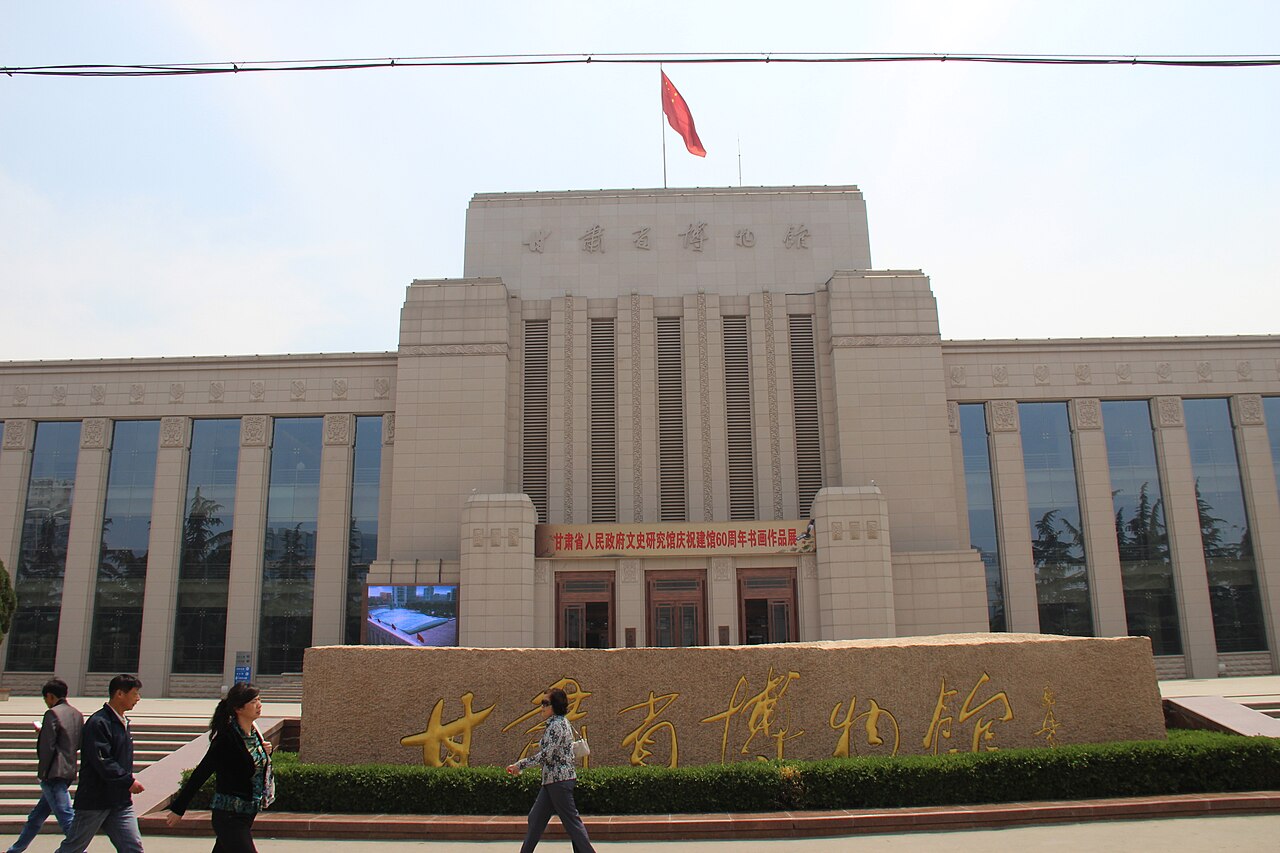
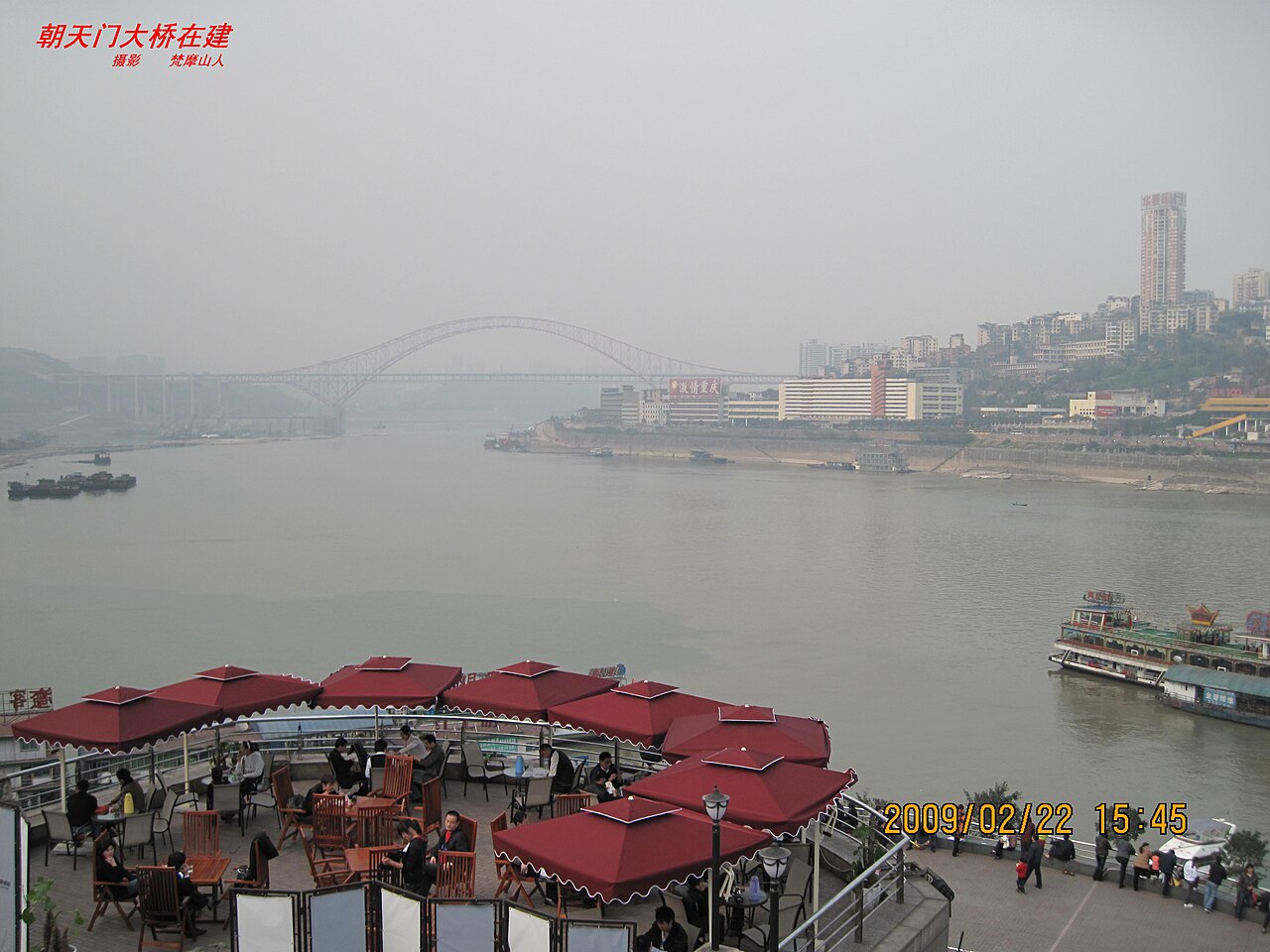
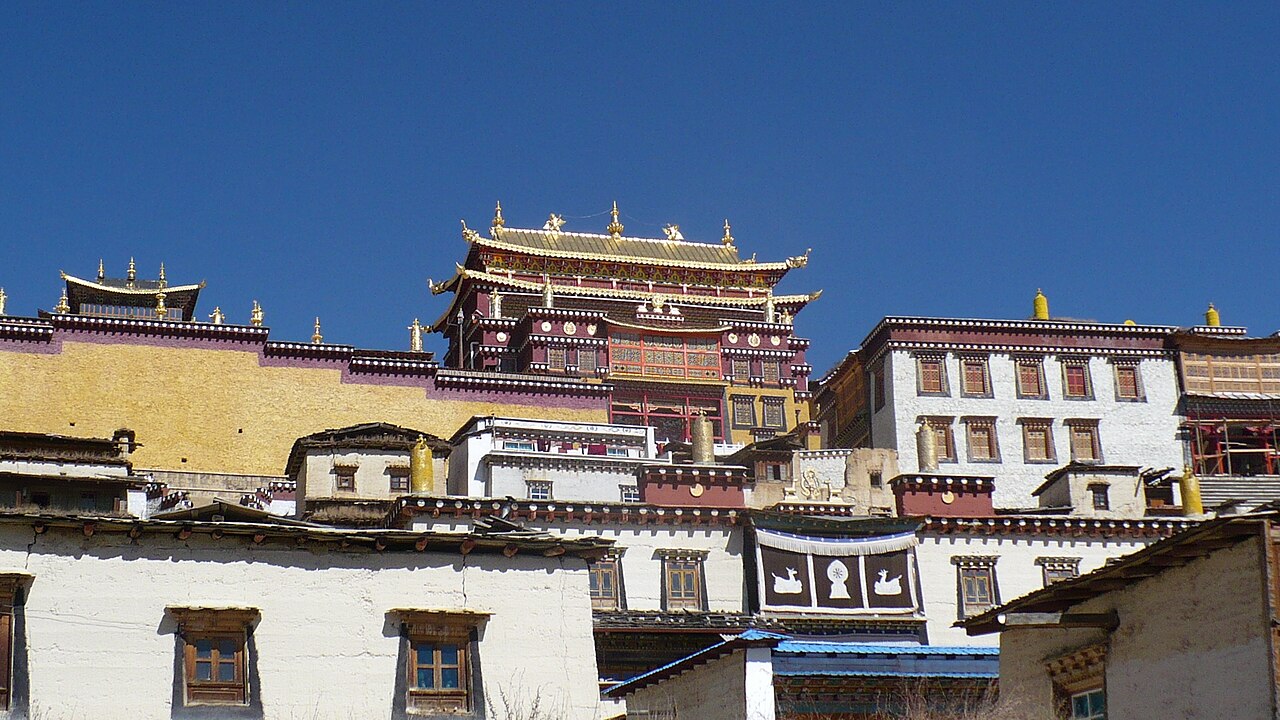
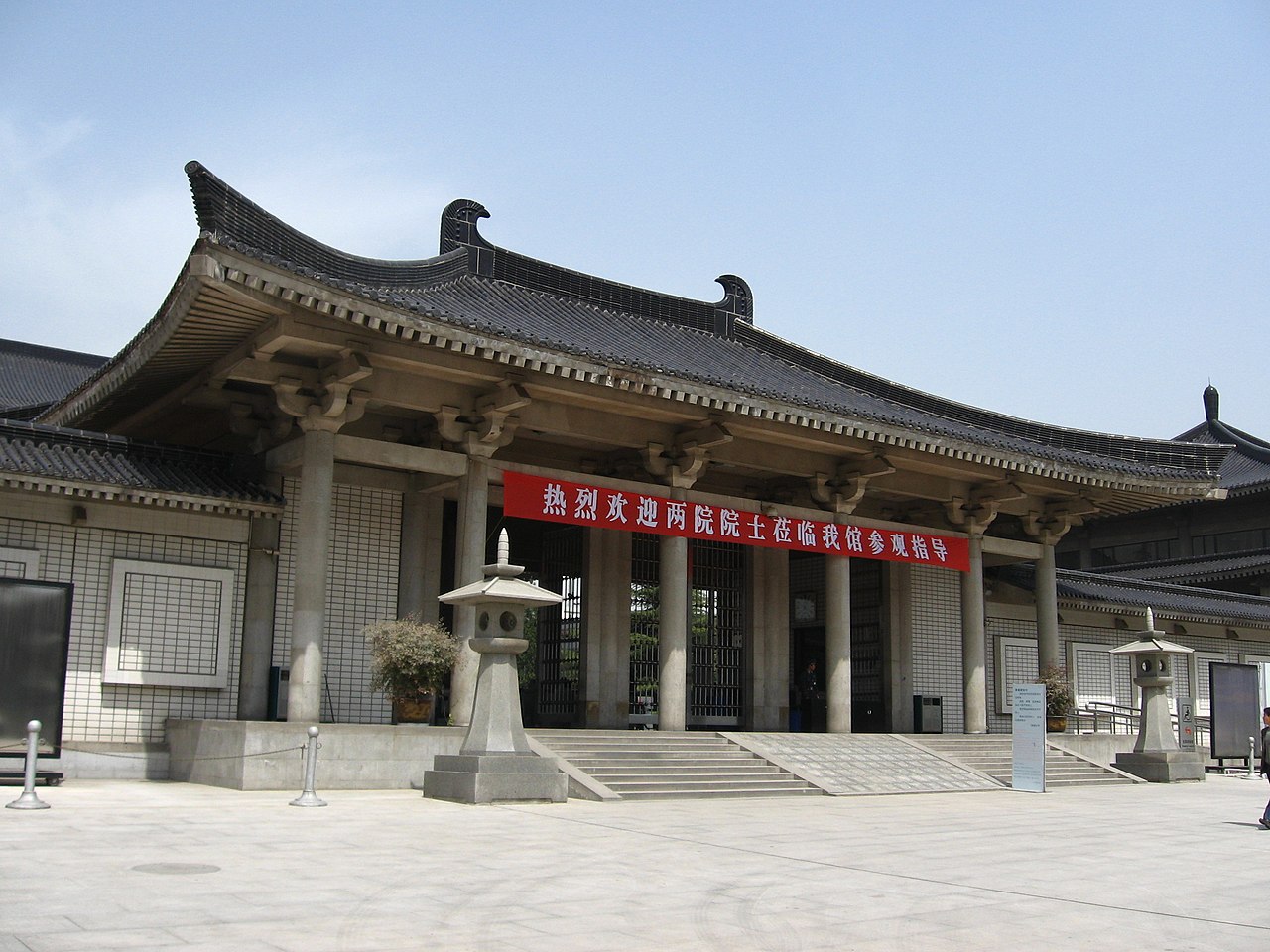
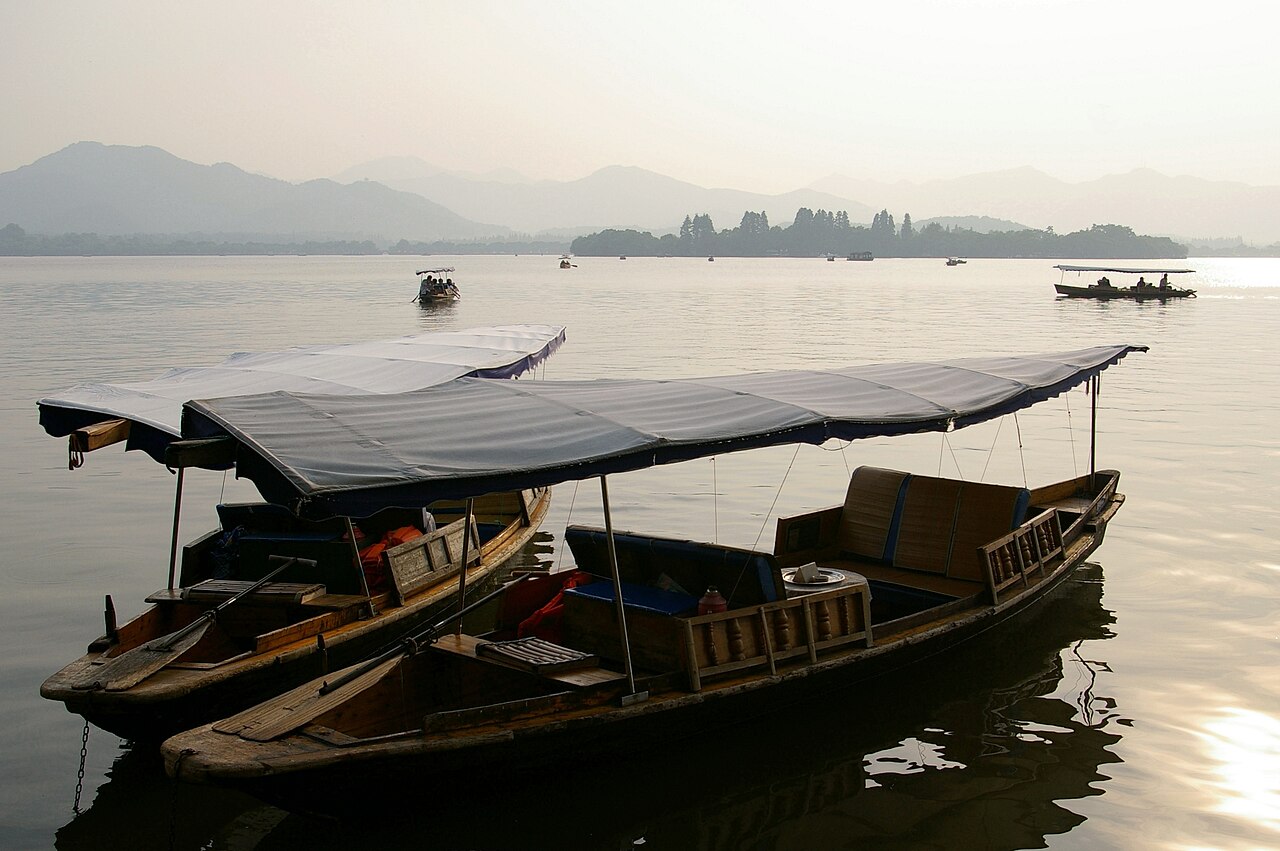
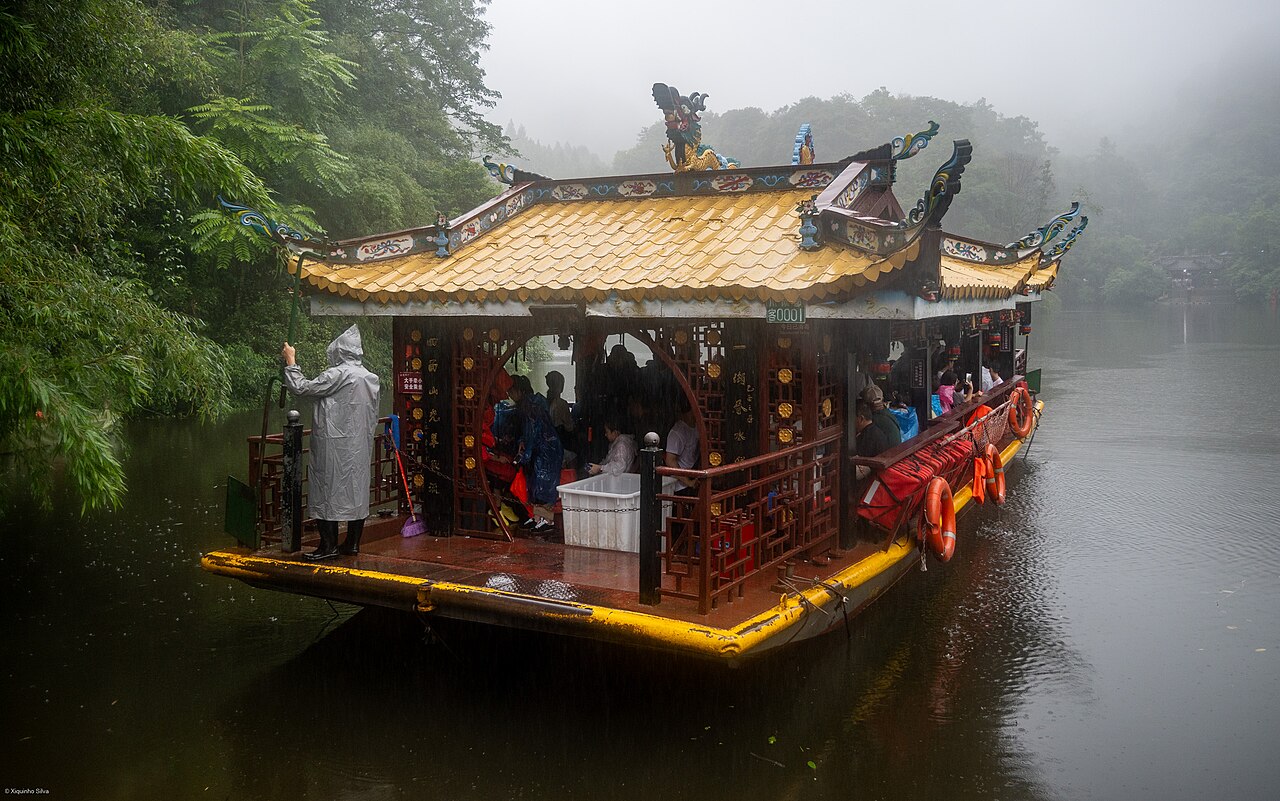
Yuecheng Lake and the cable car on the way up
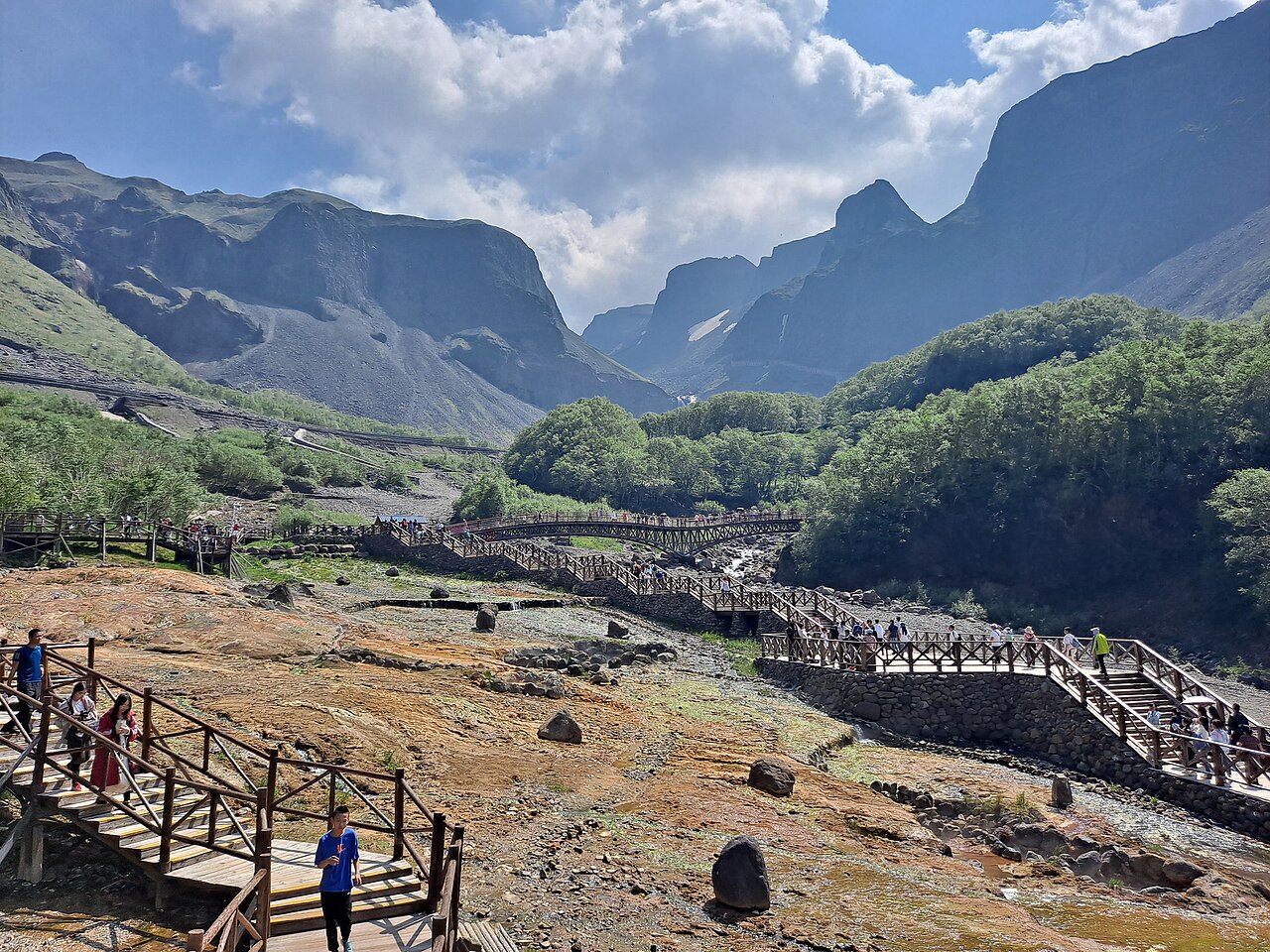
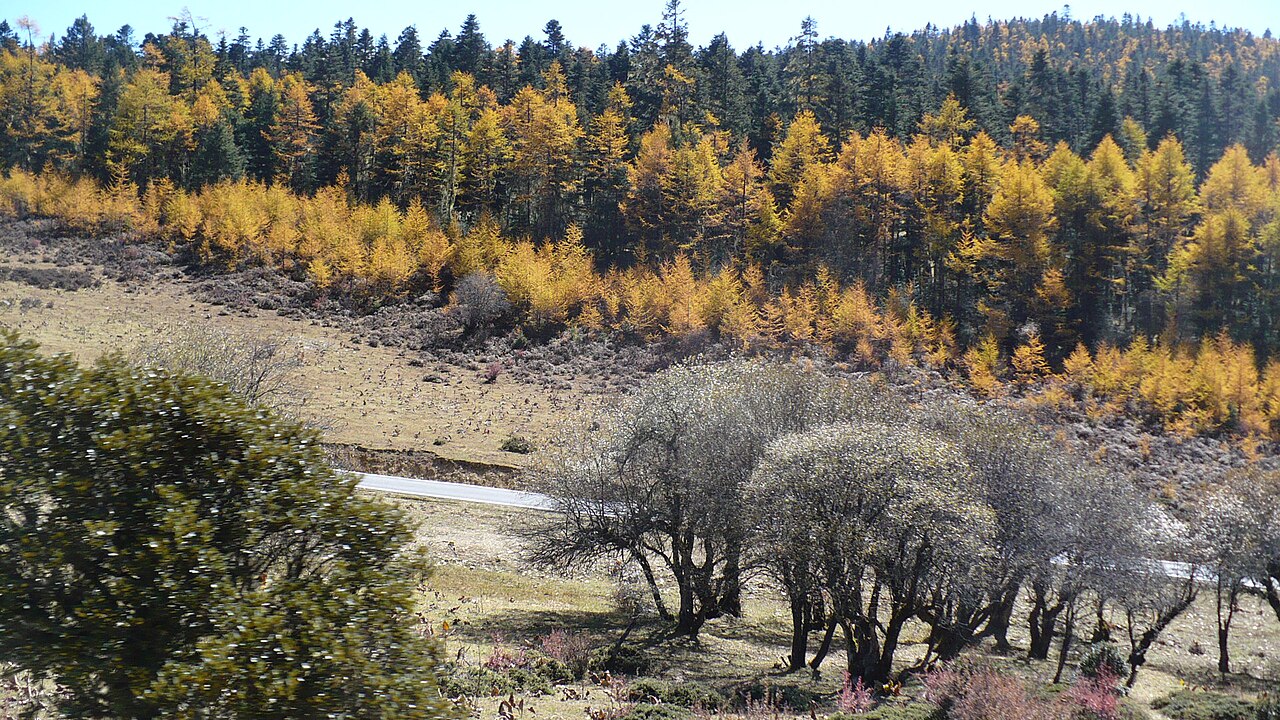
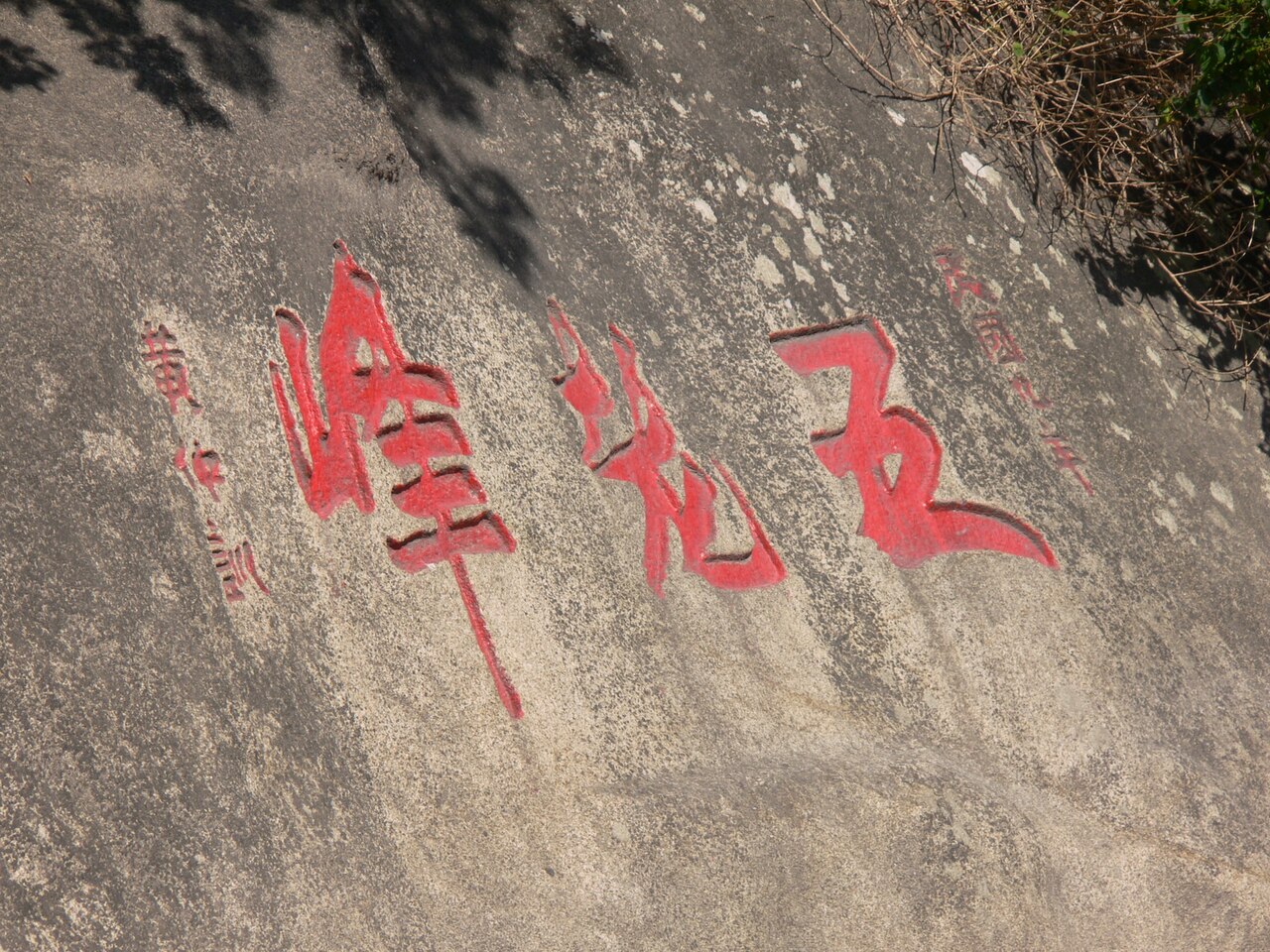
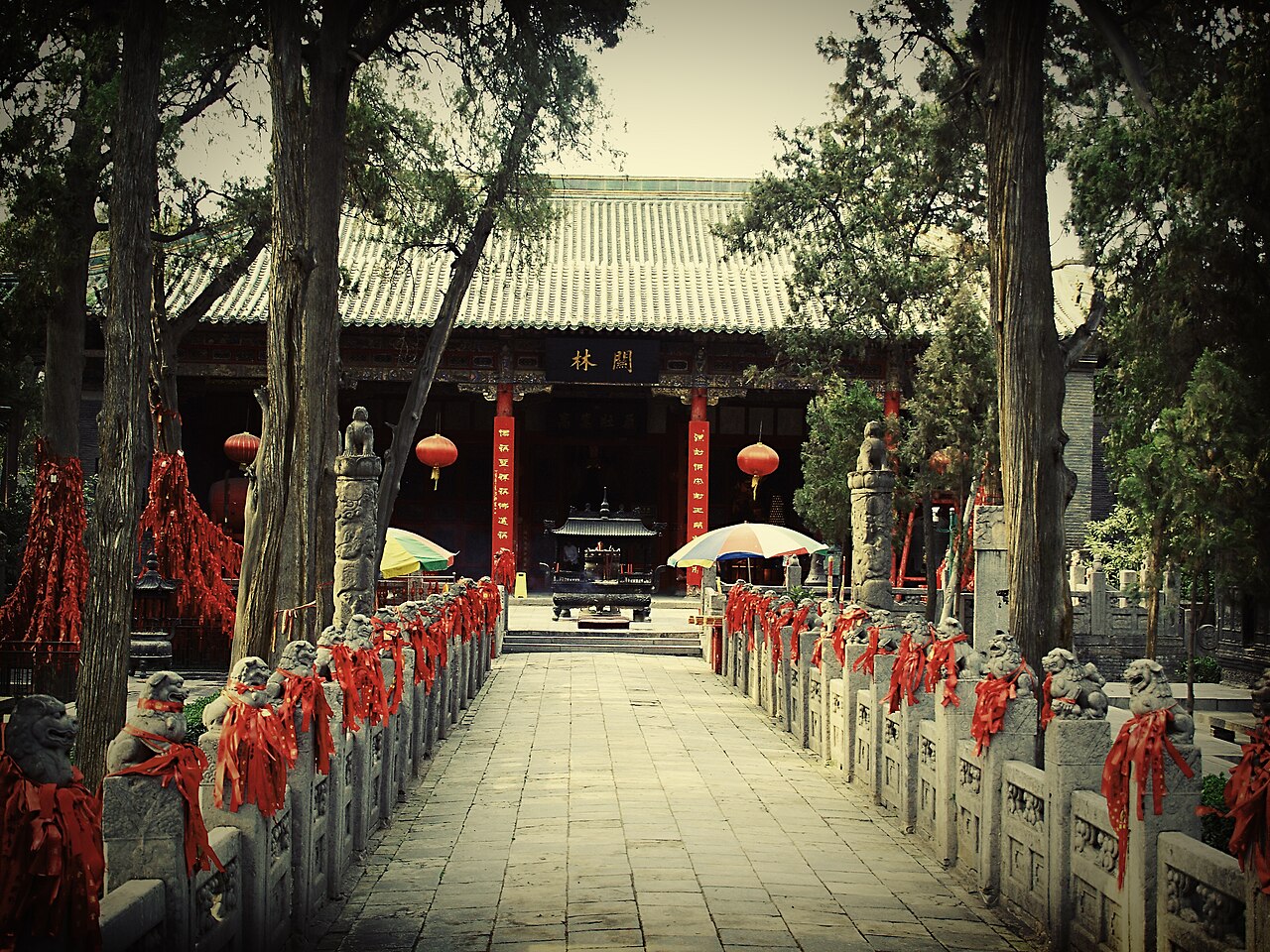
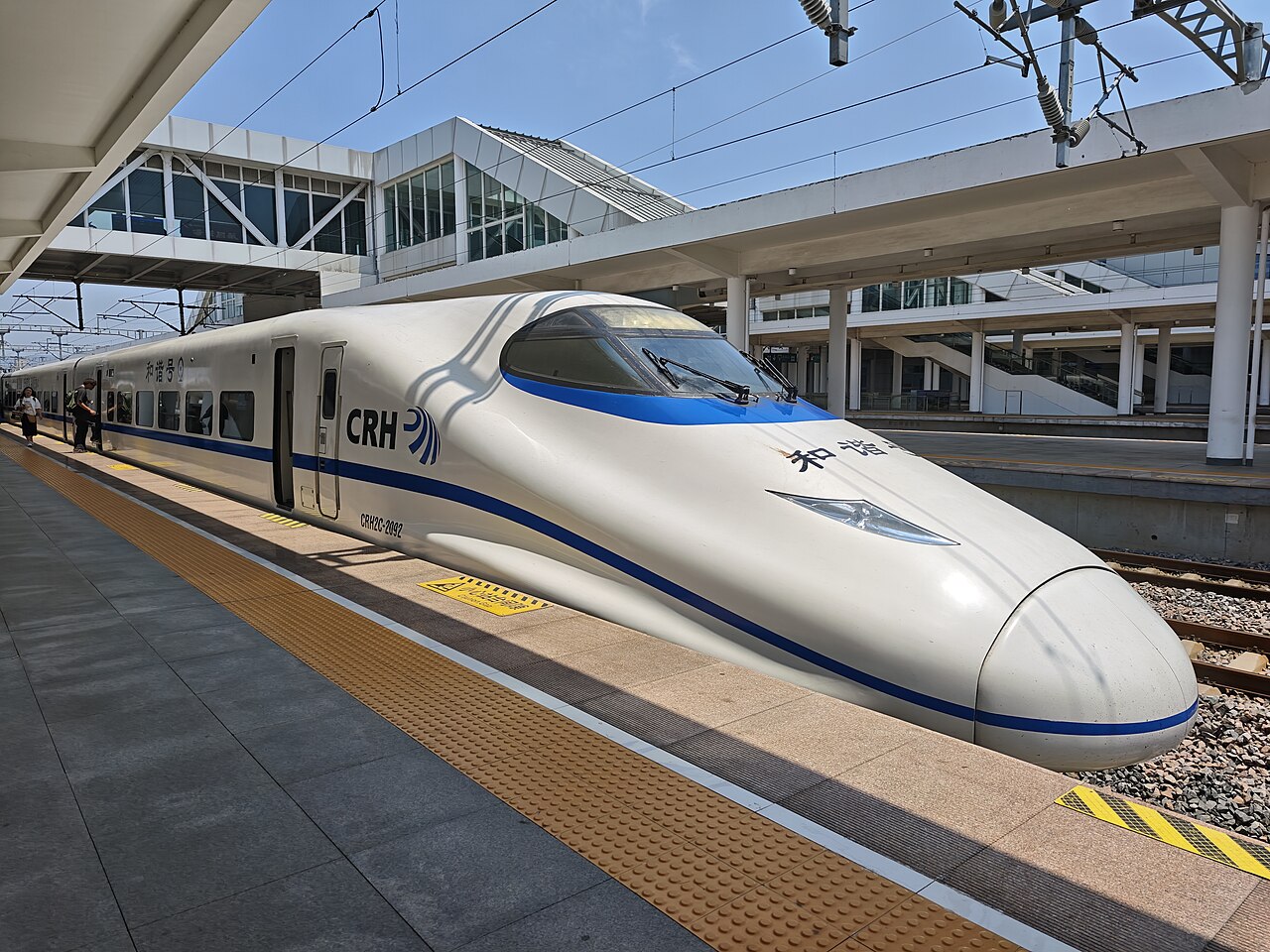
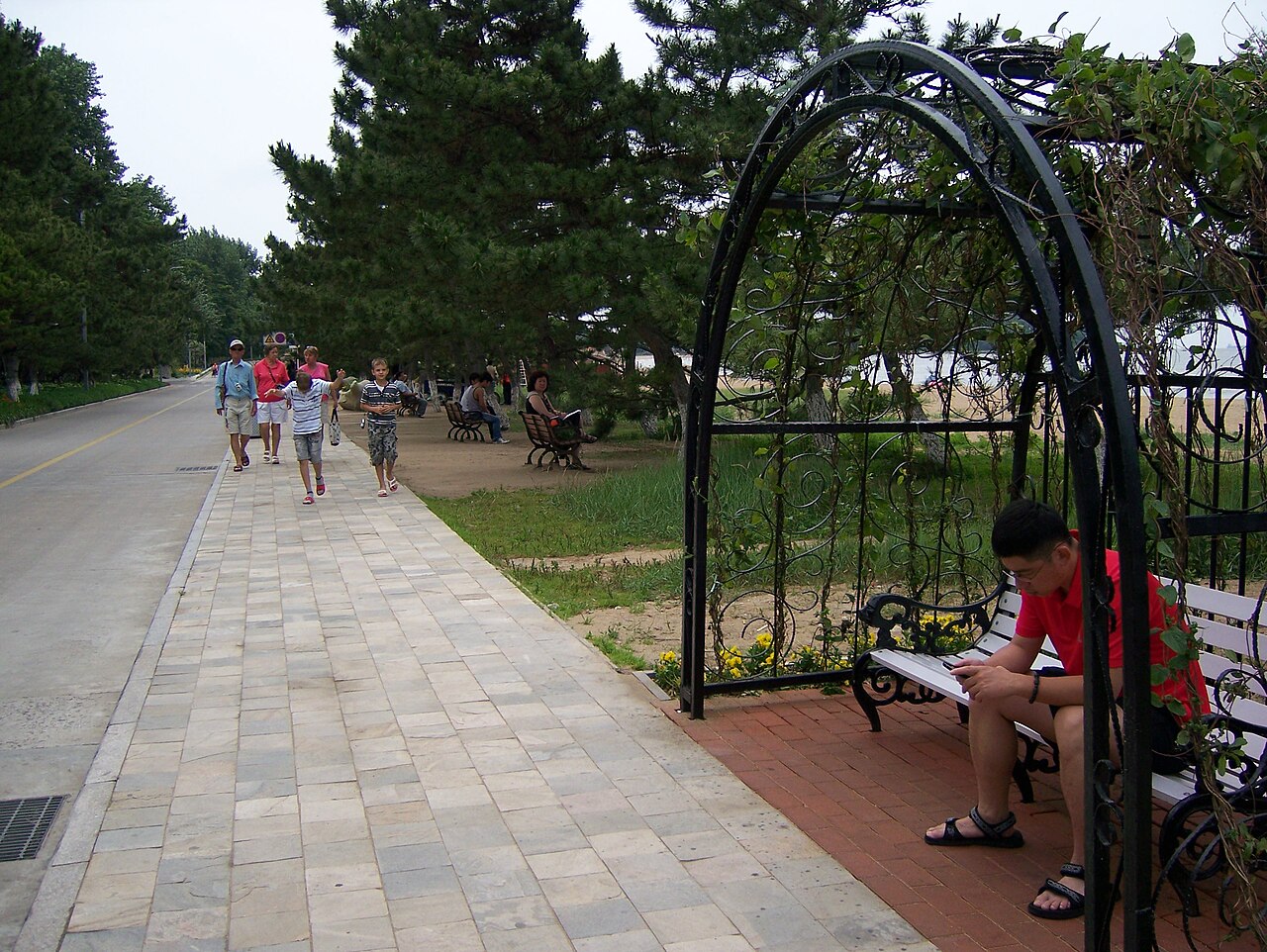
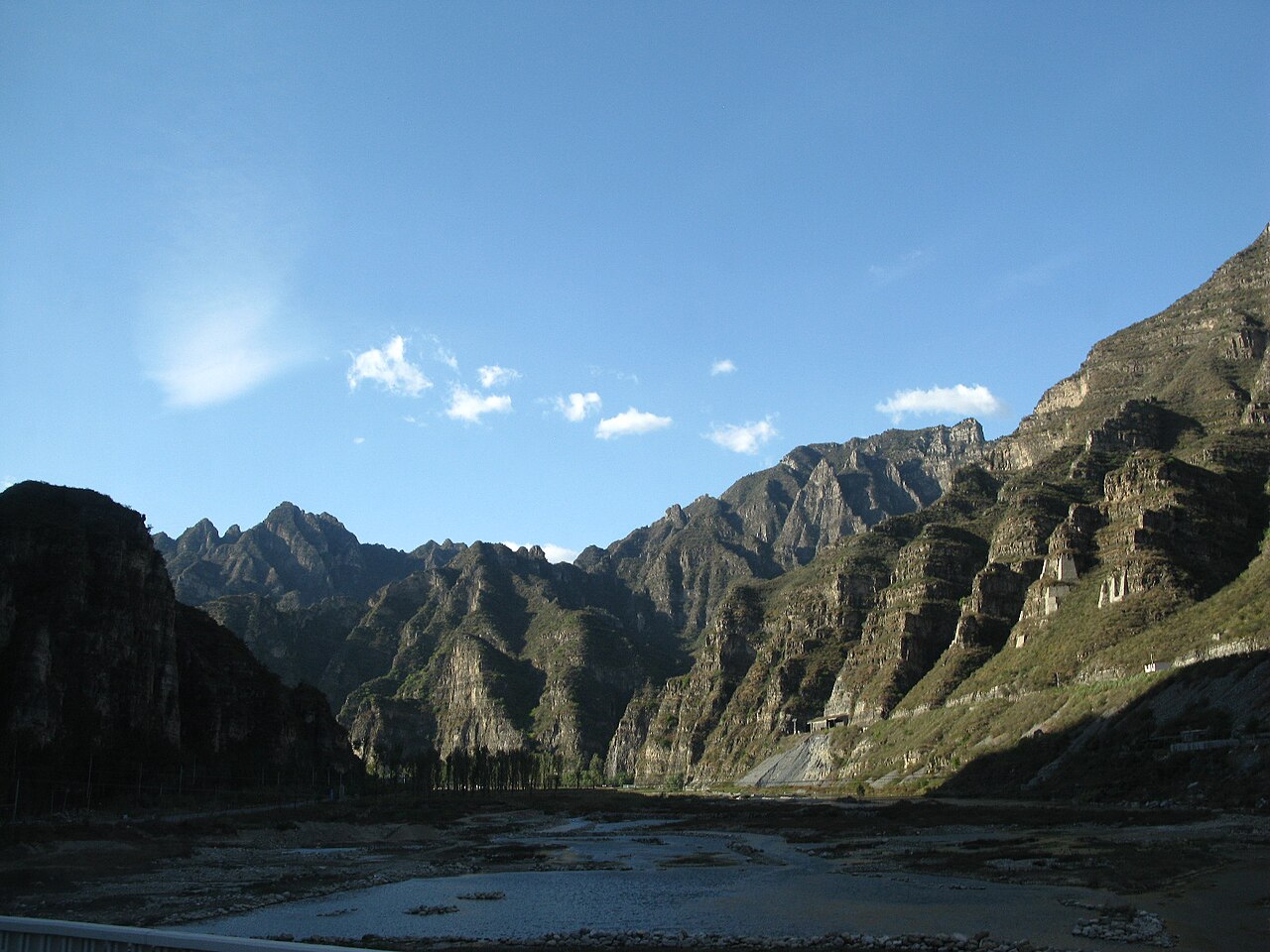
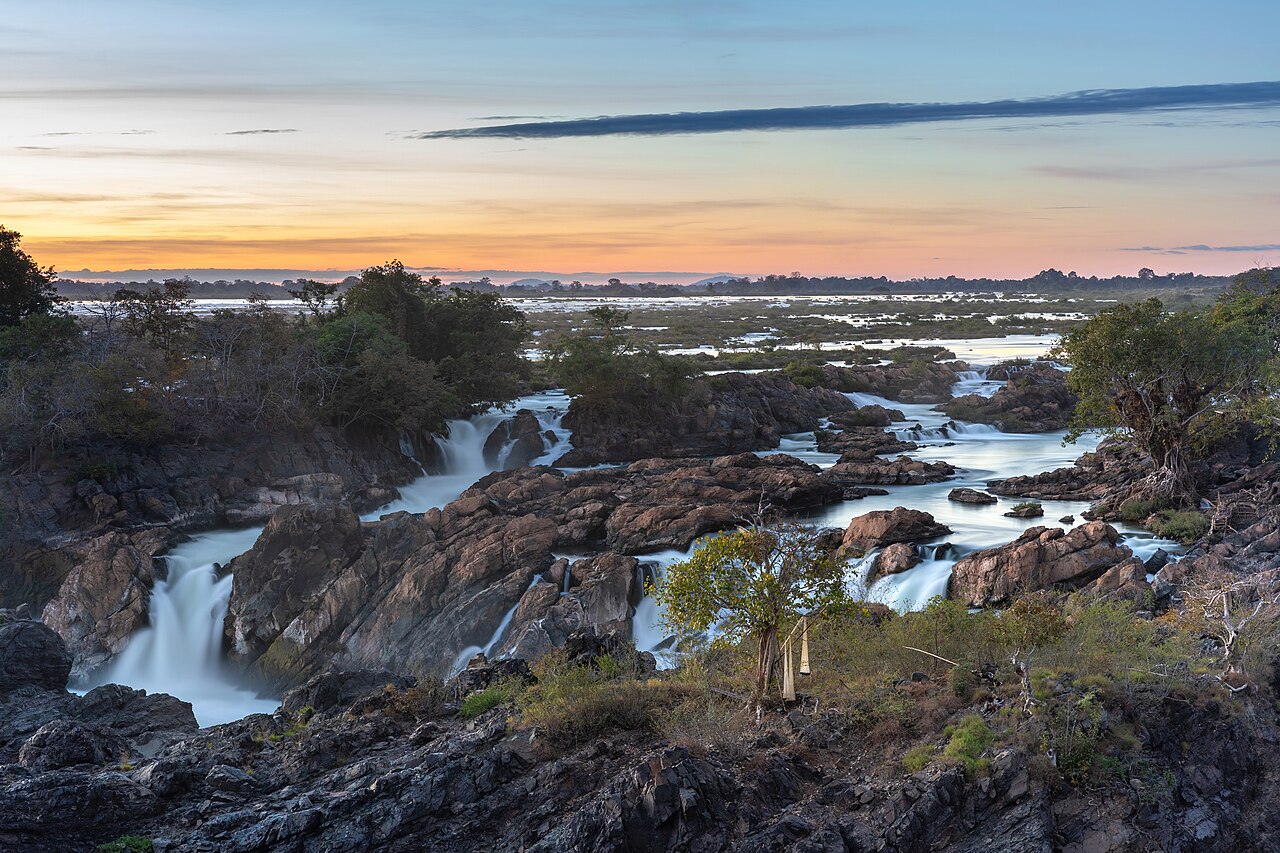
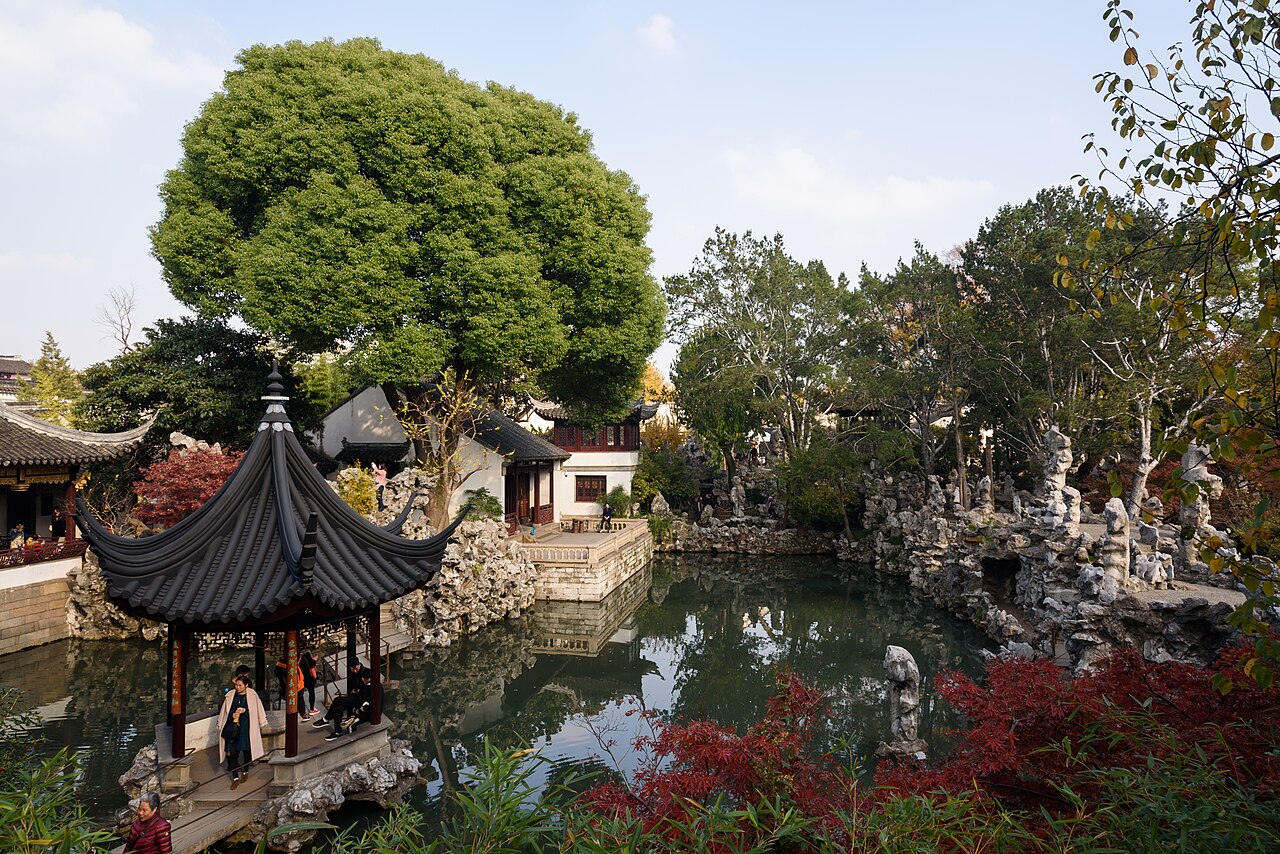
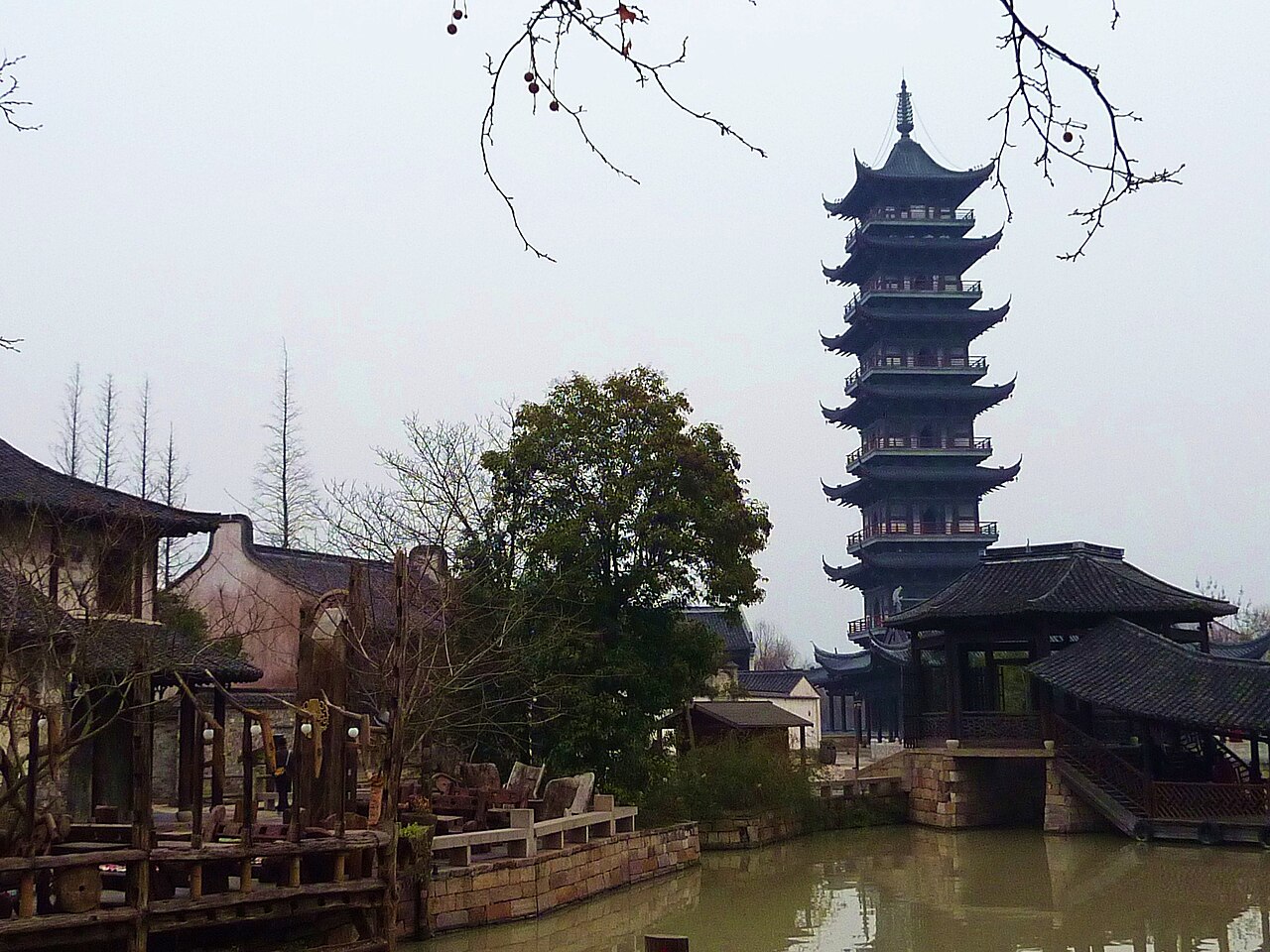
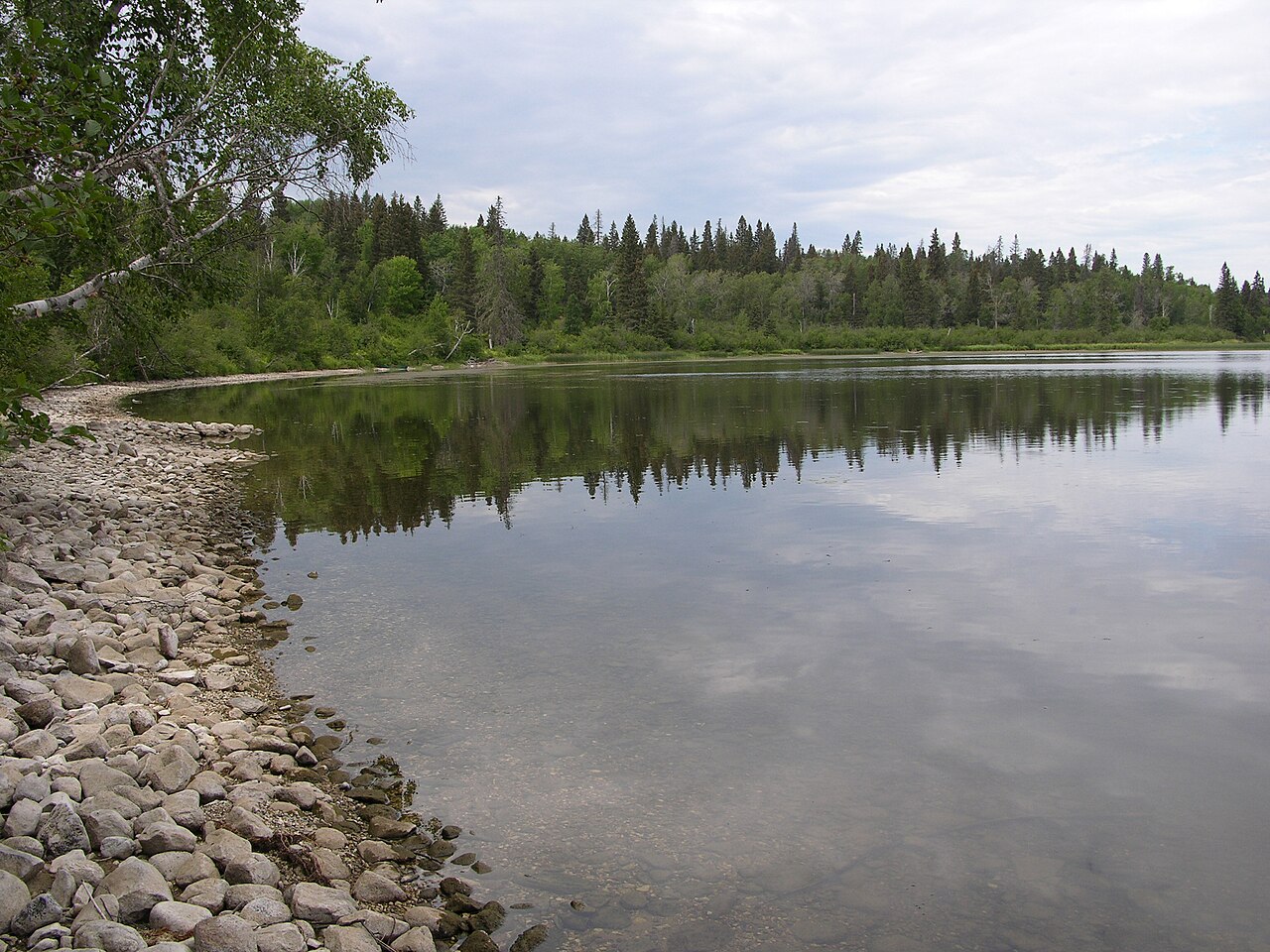
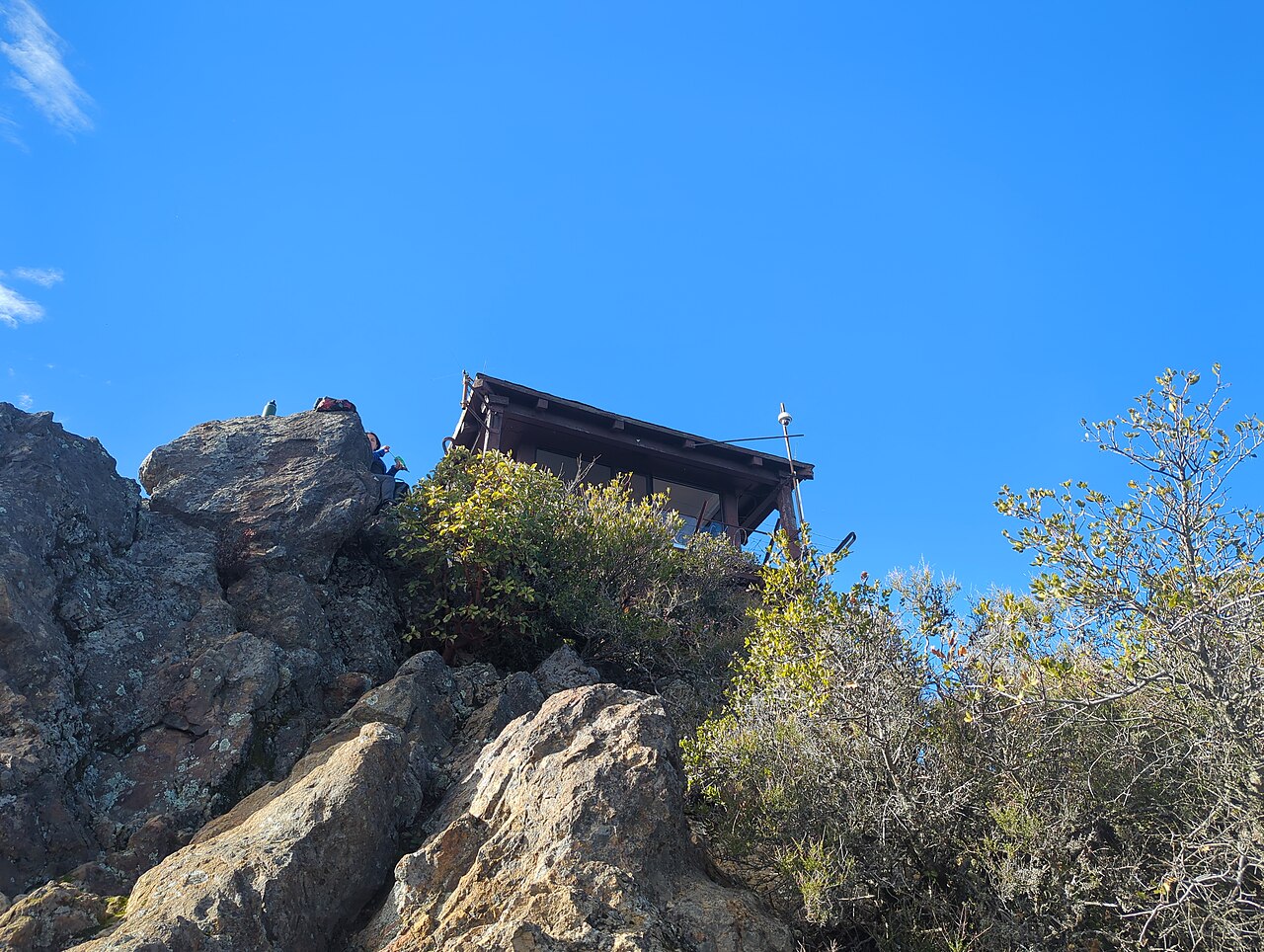
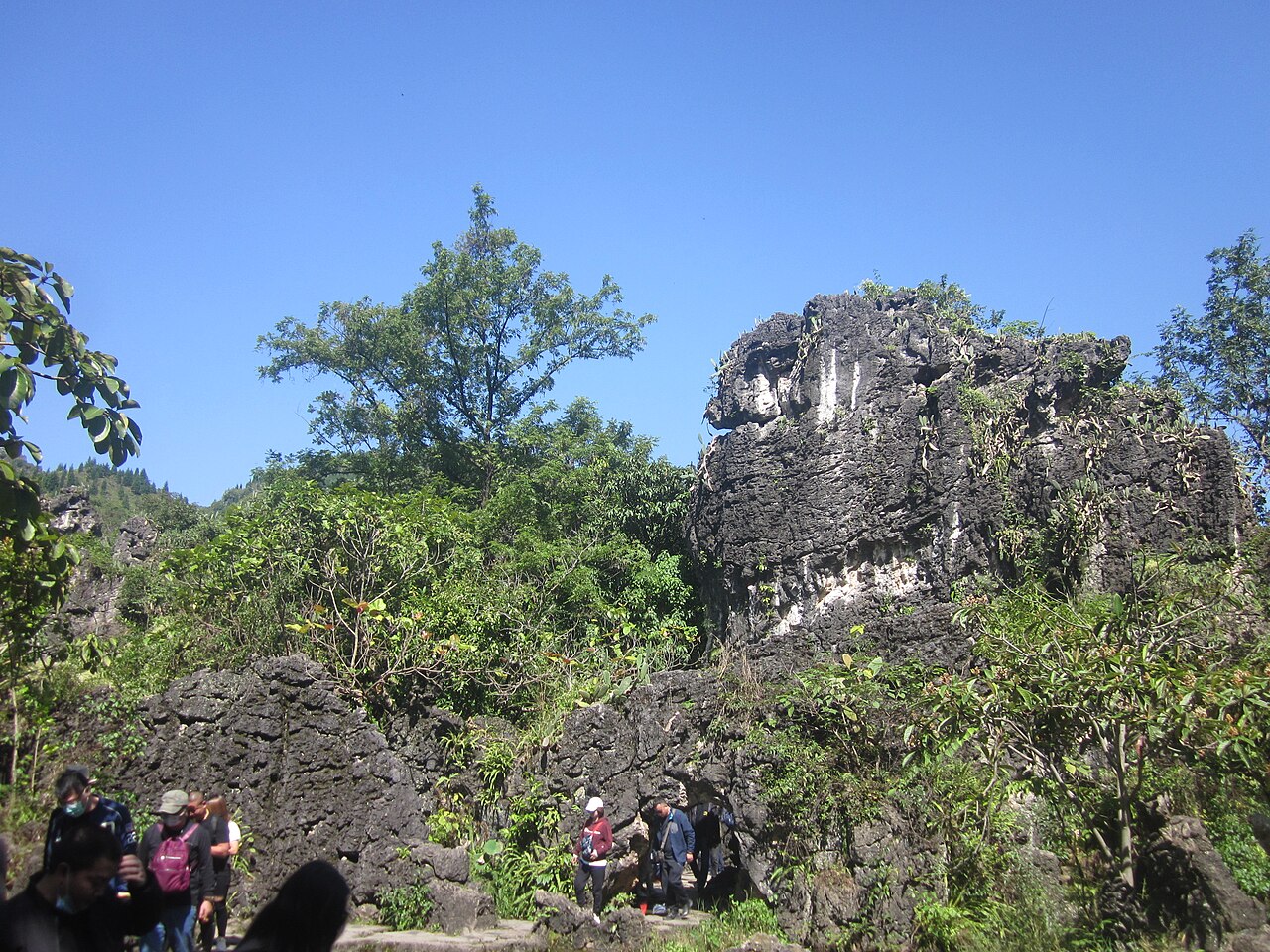
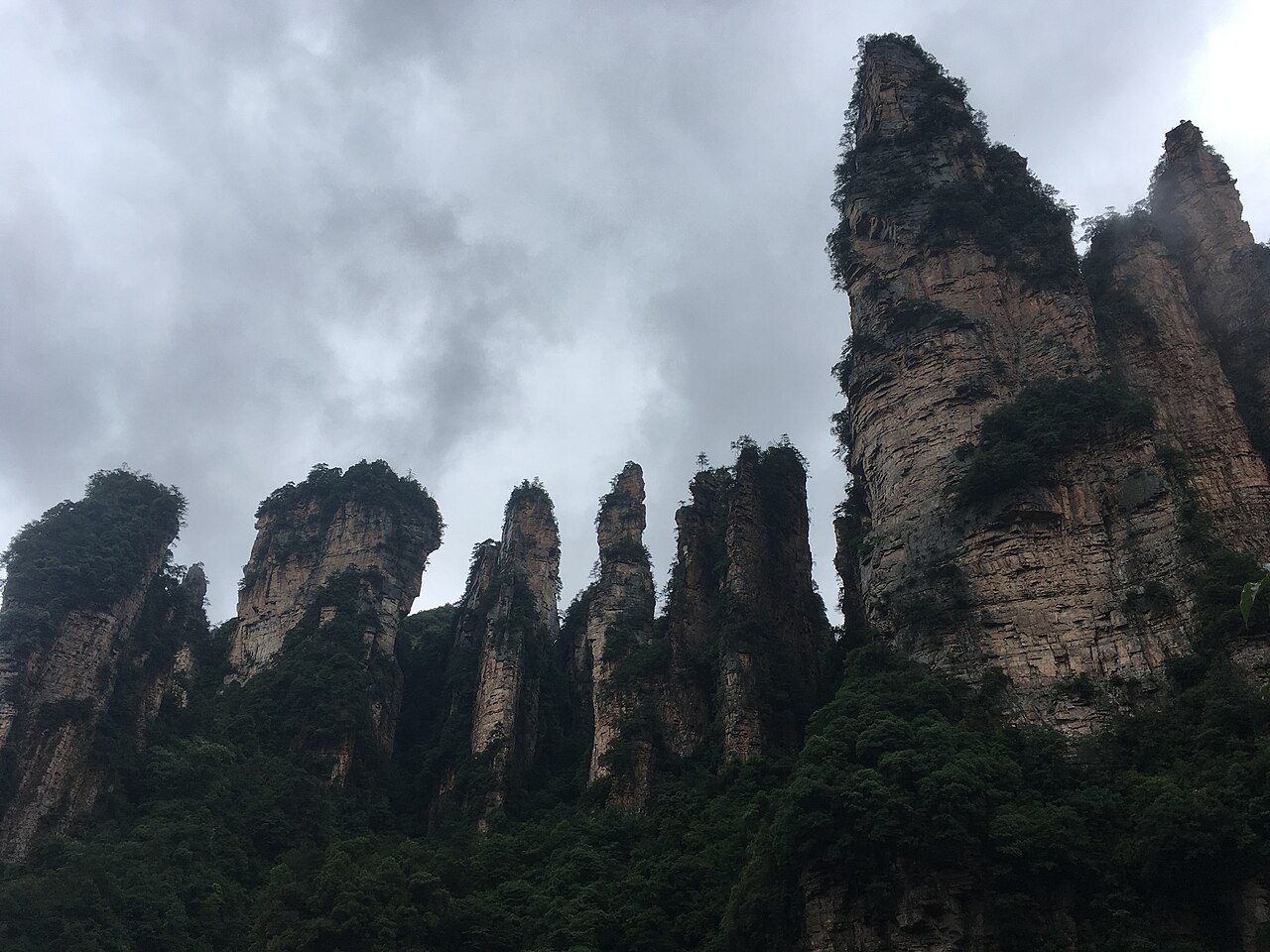
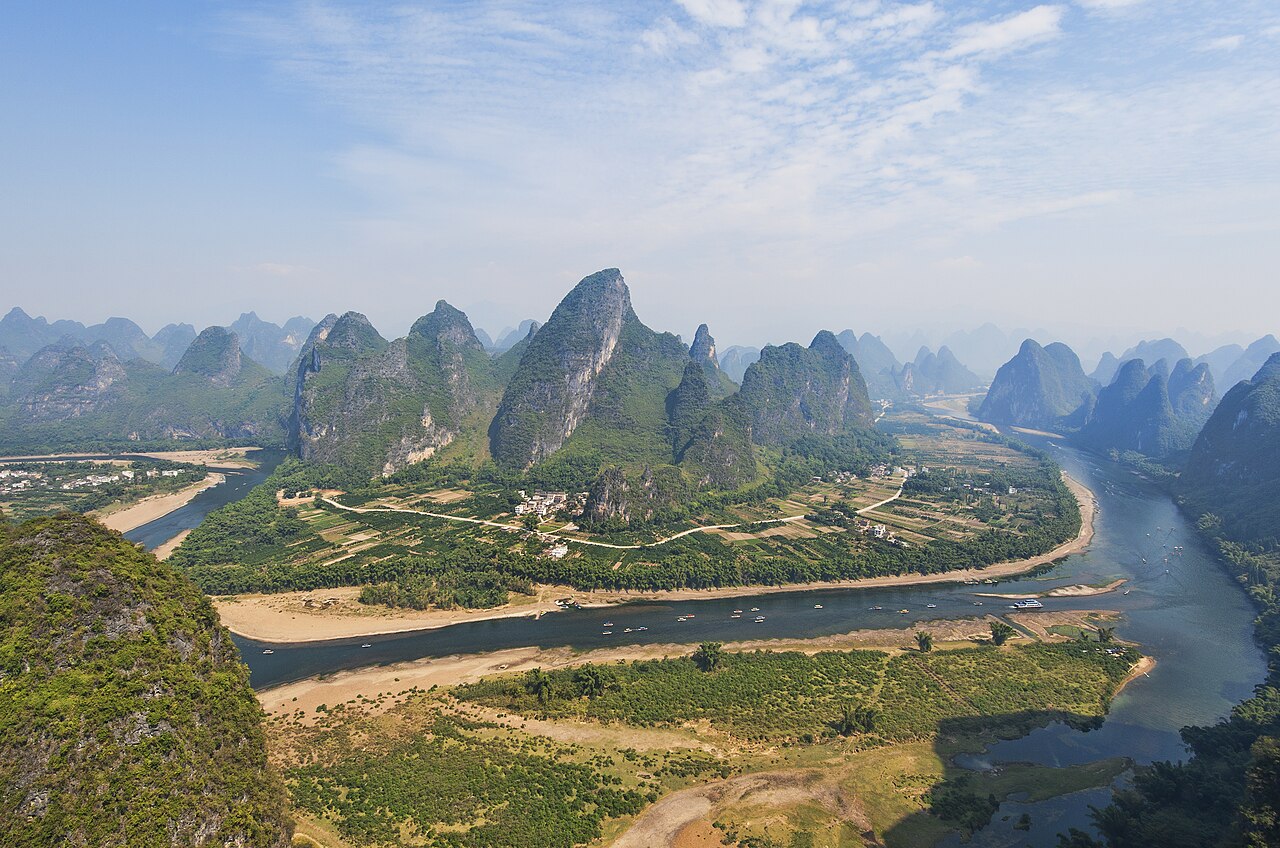
The Wulong ravine on the back mountain
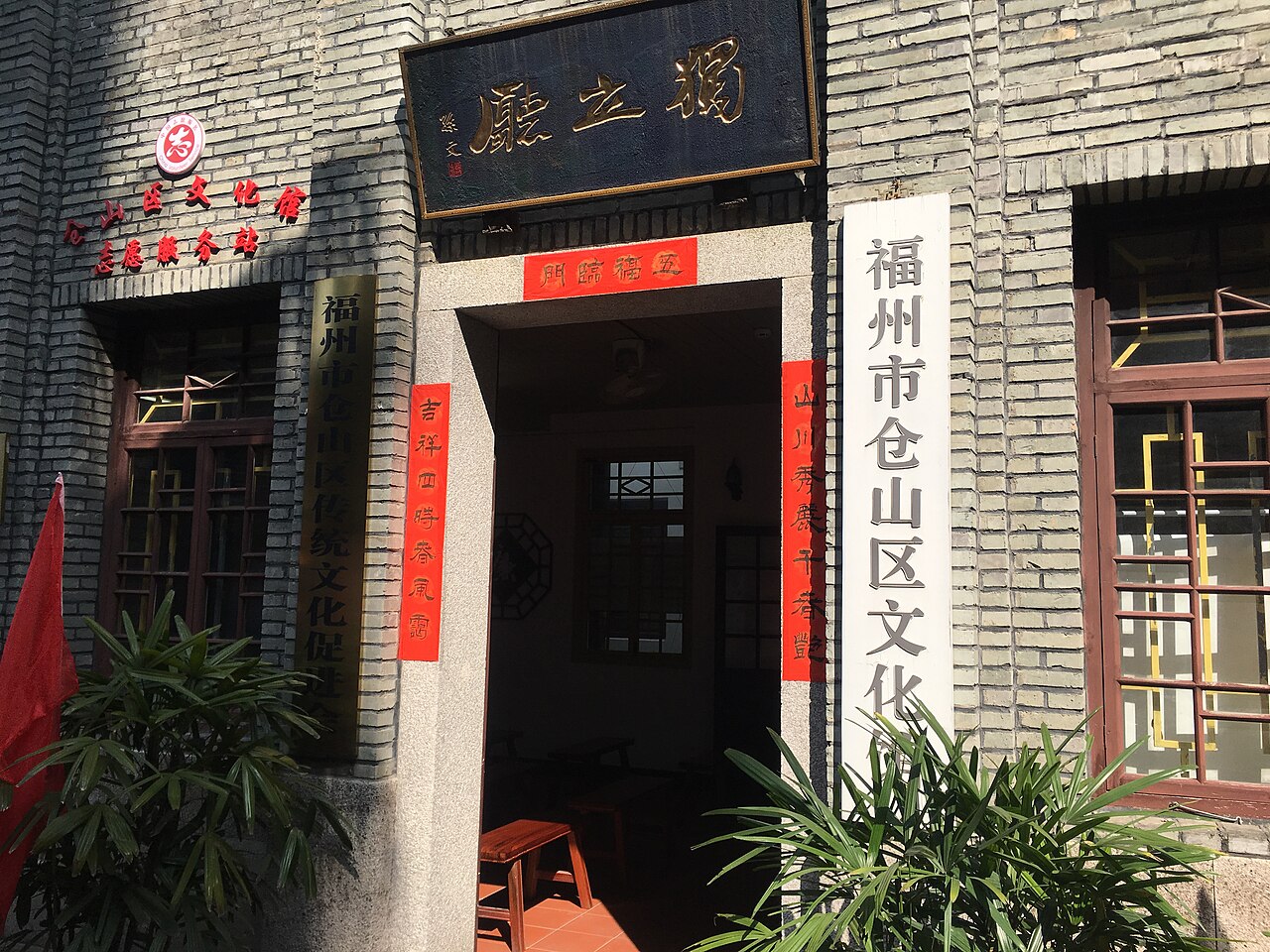
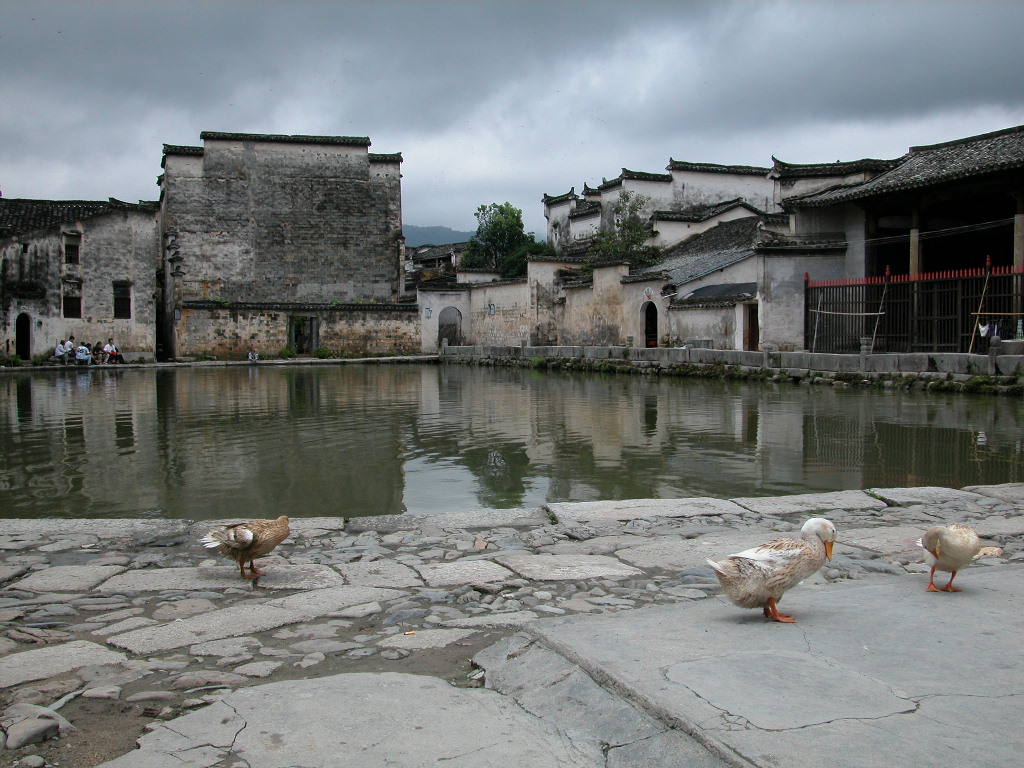
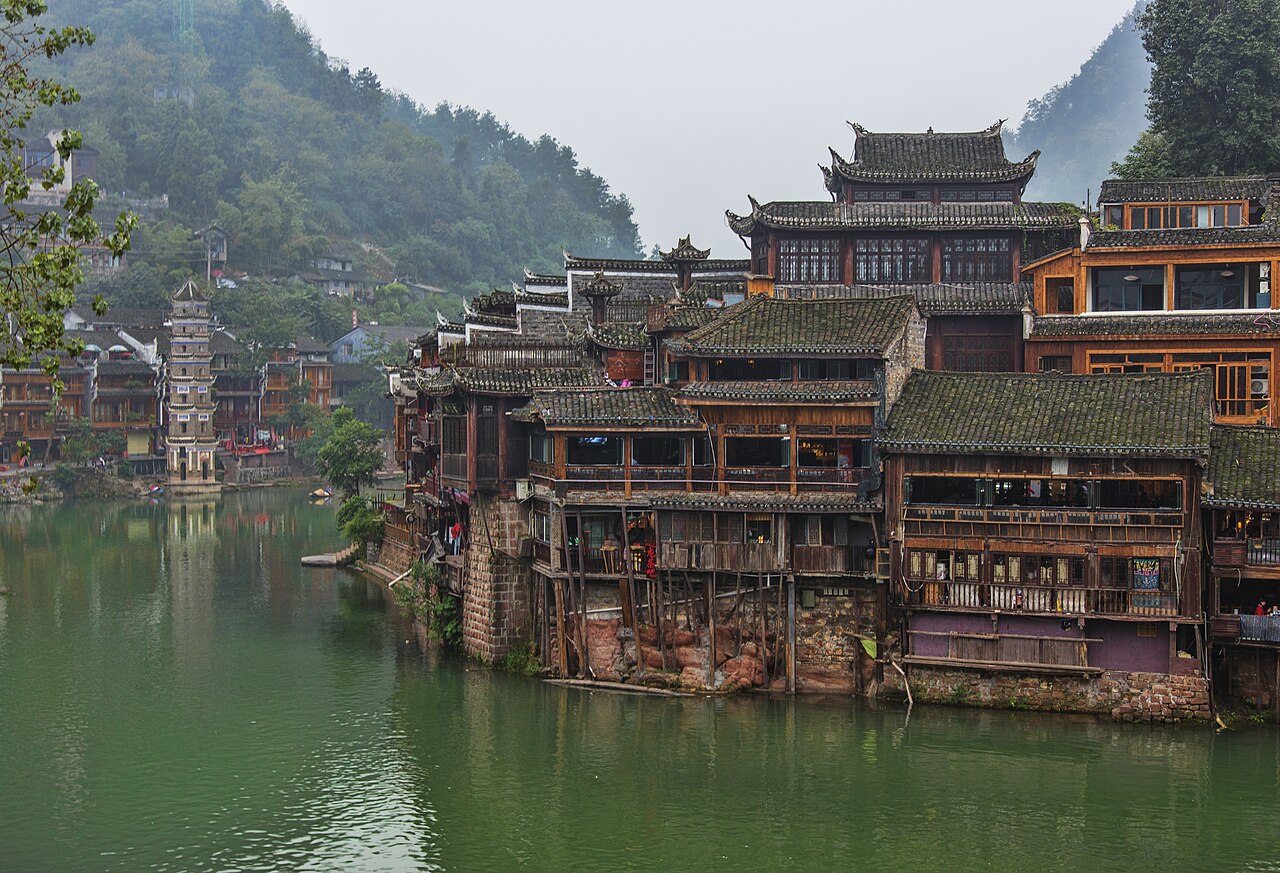
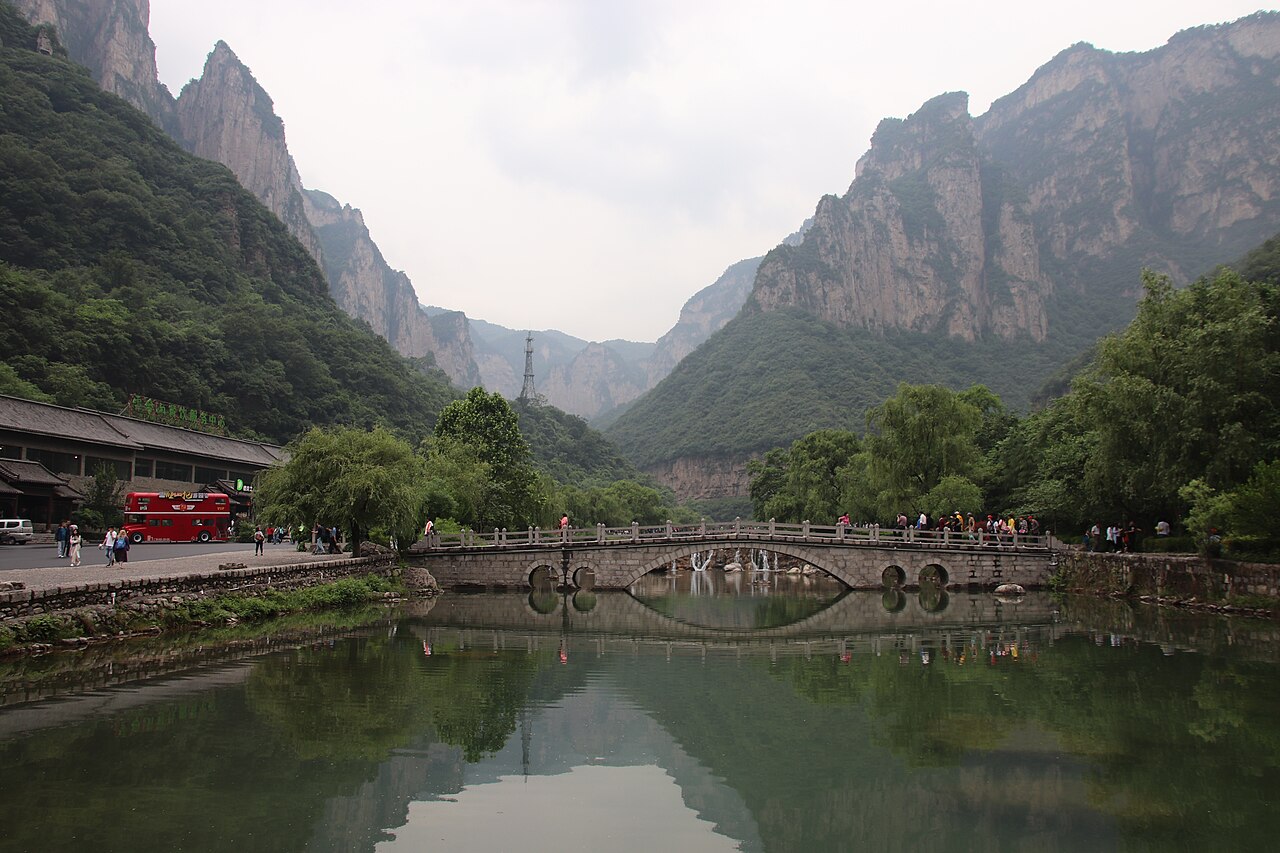
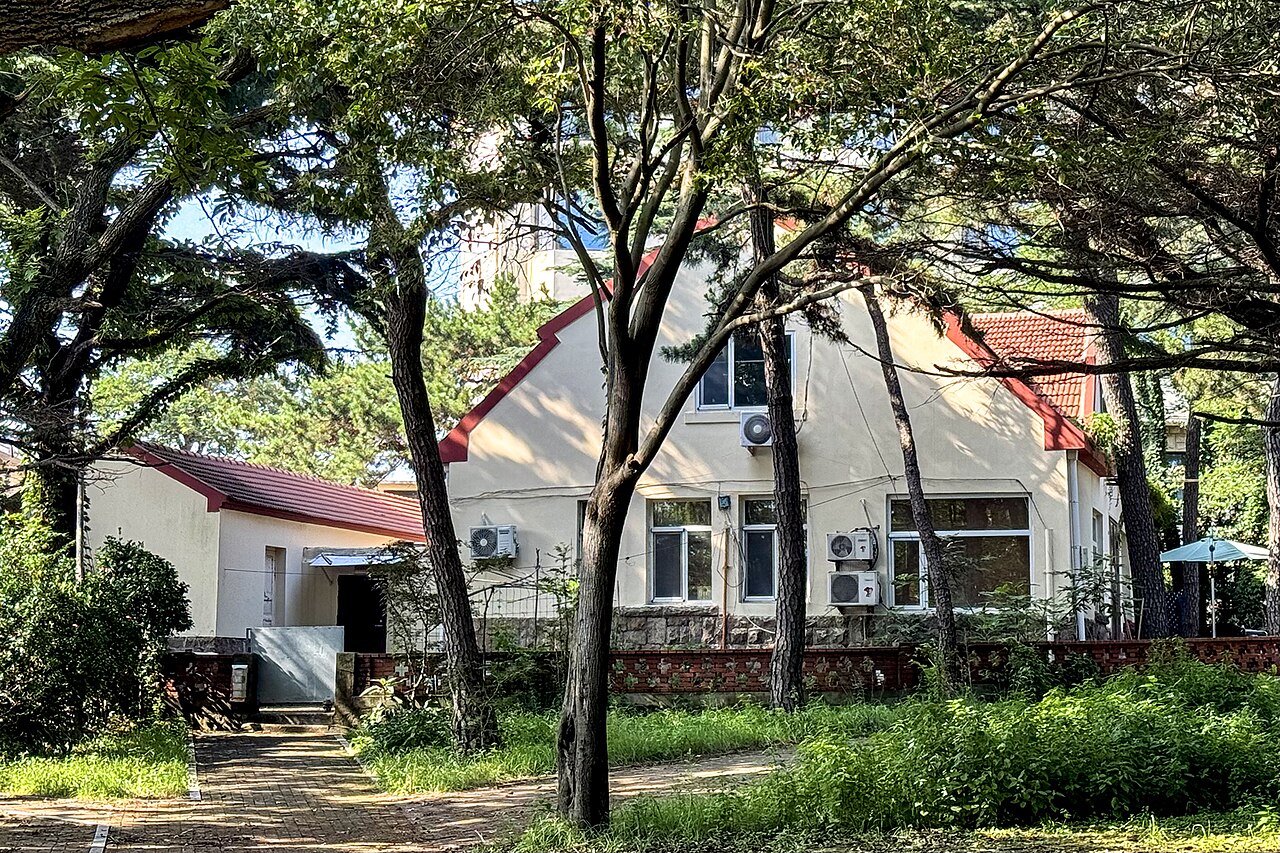
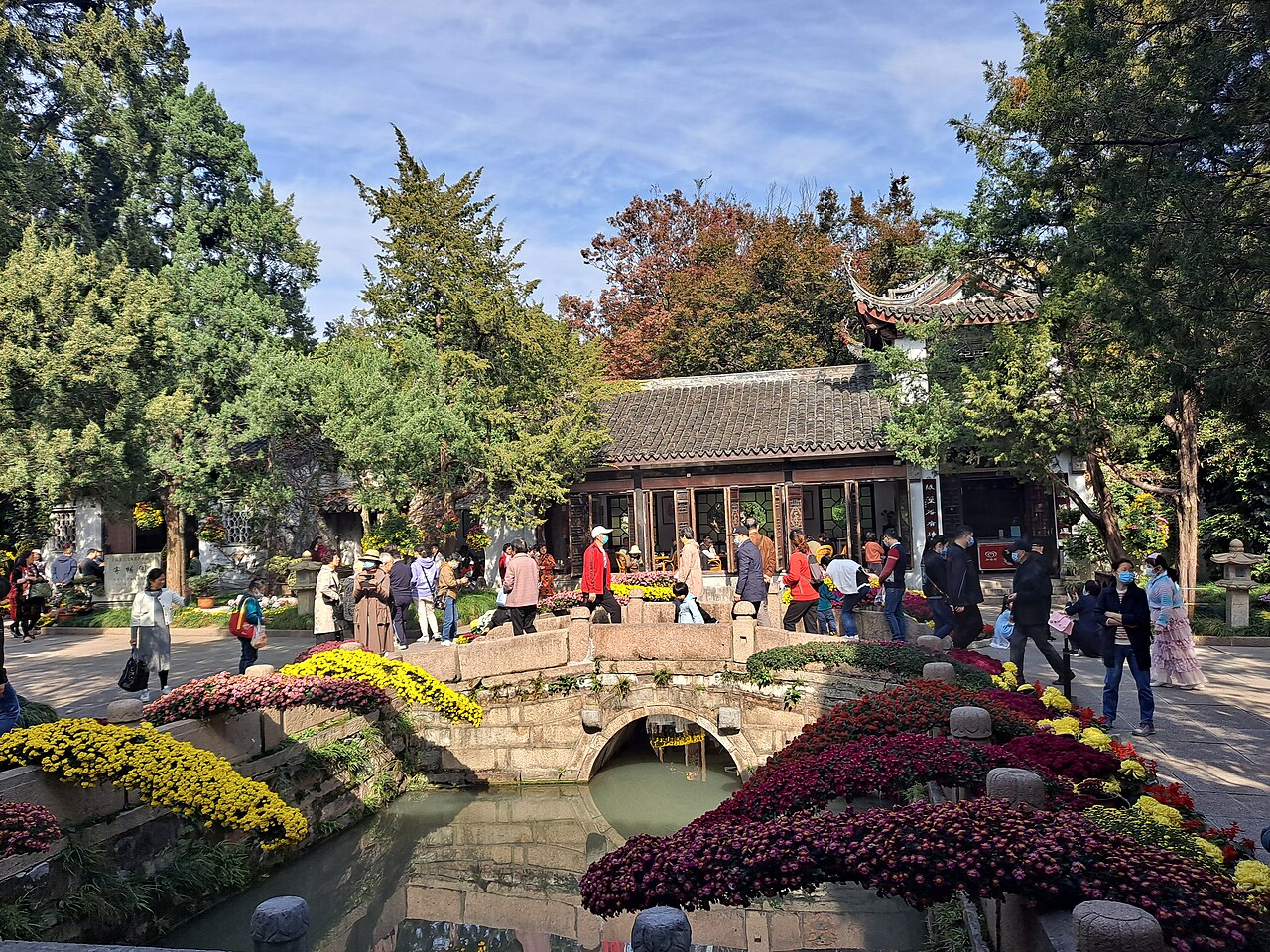
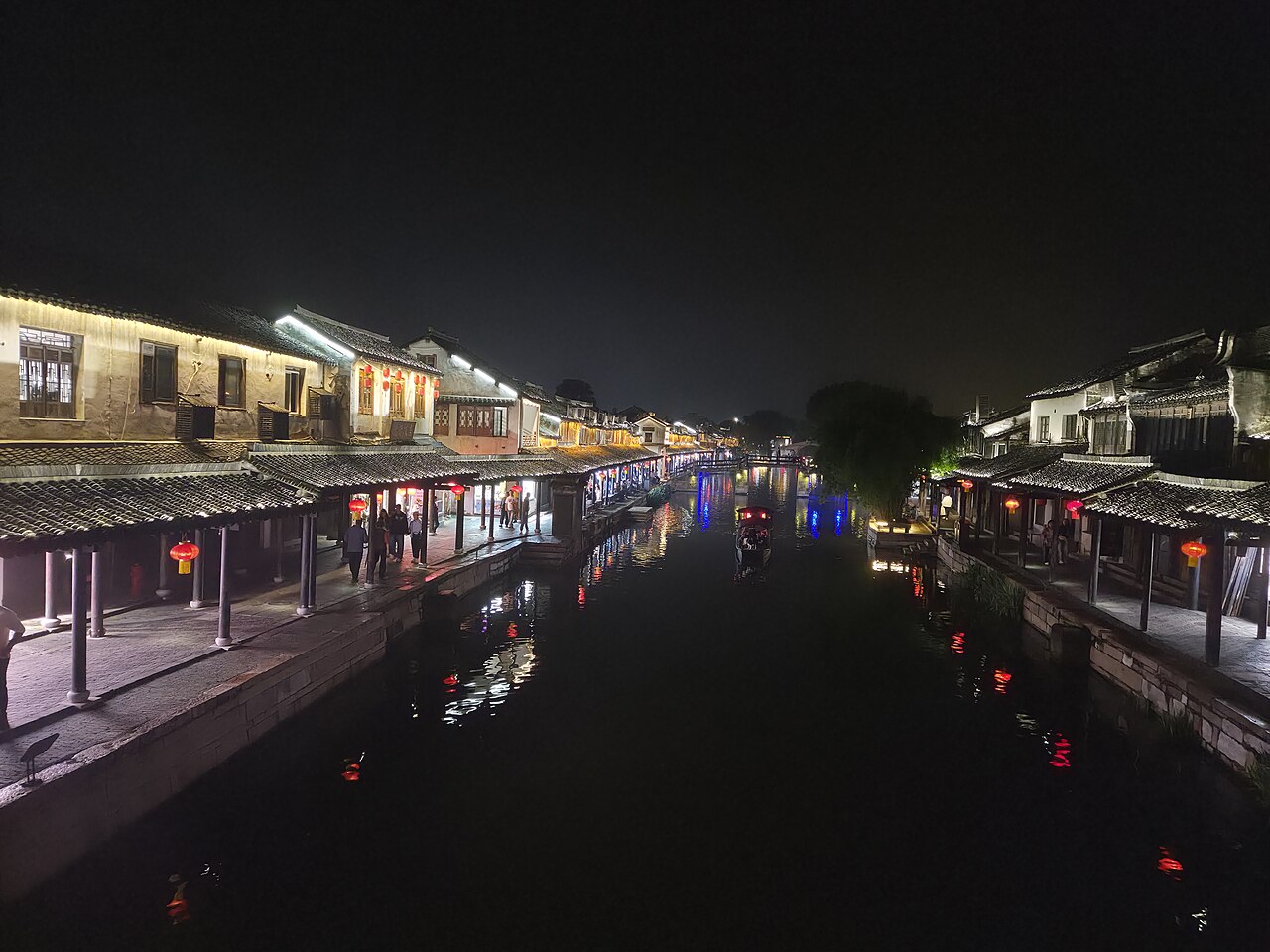
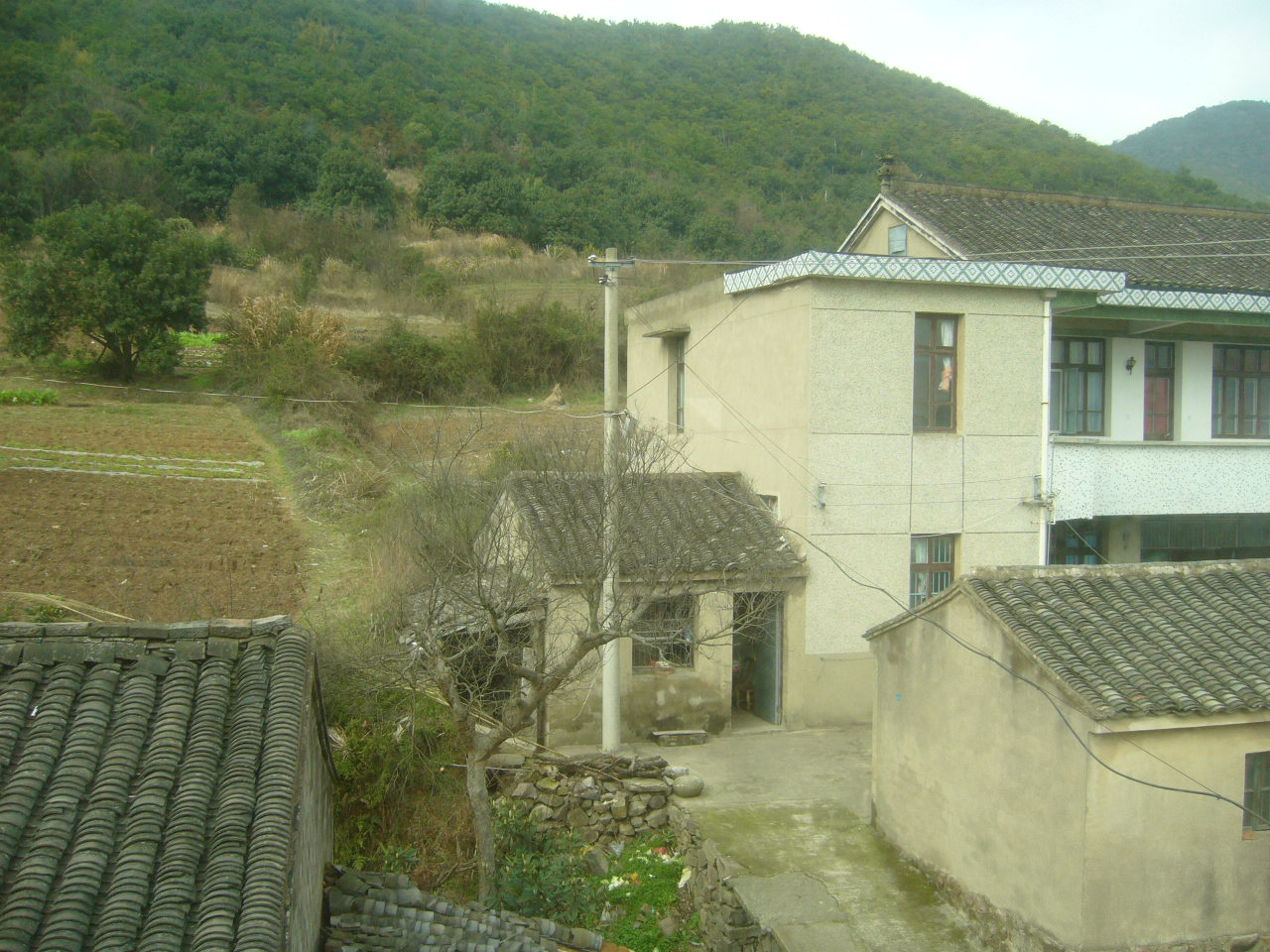
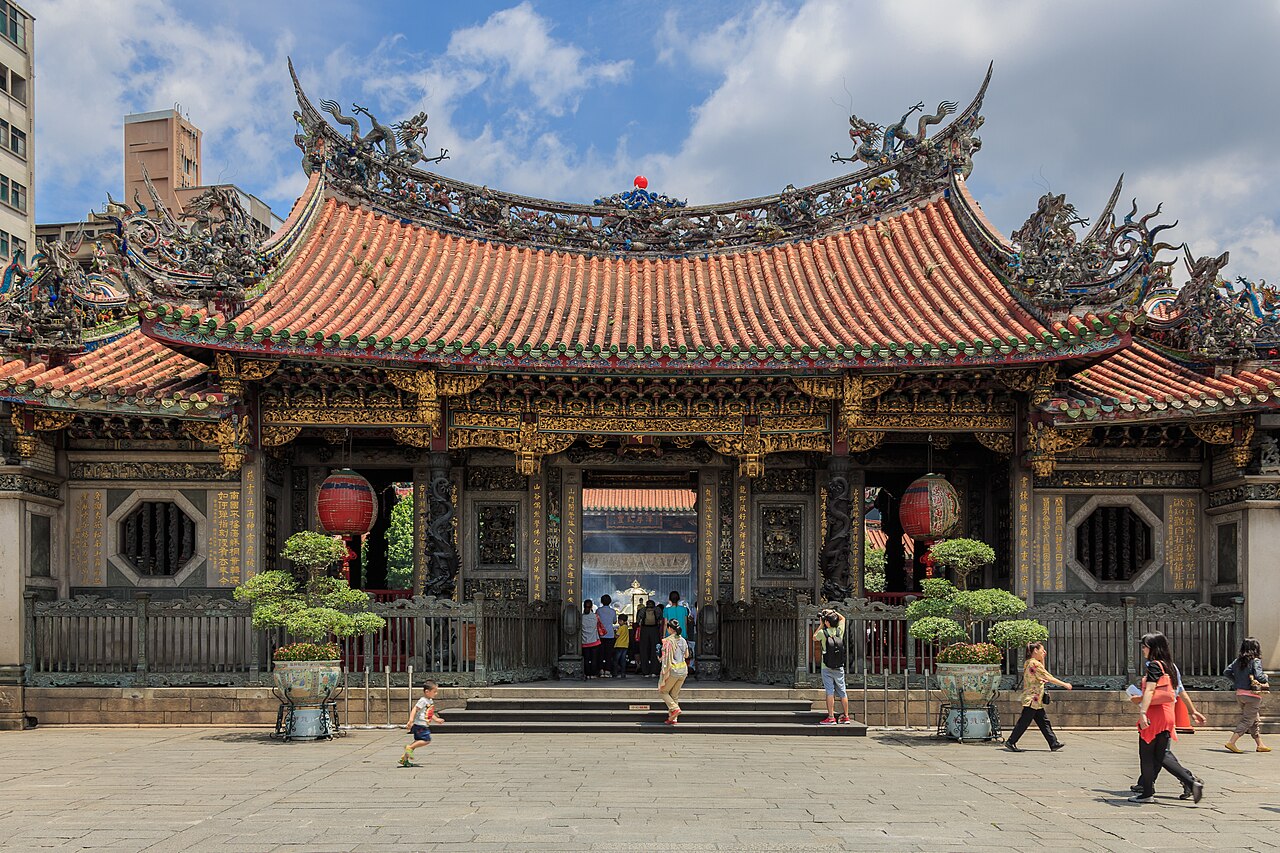
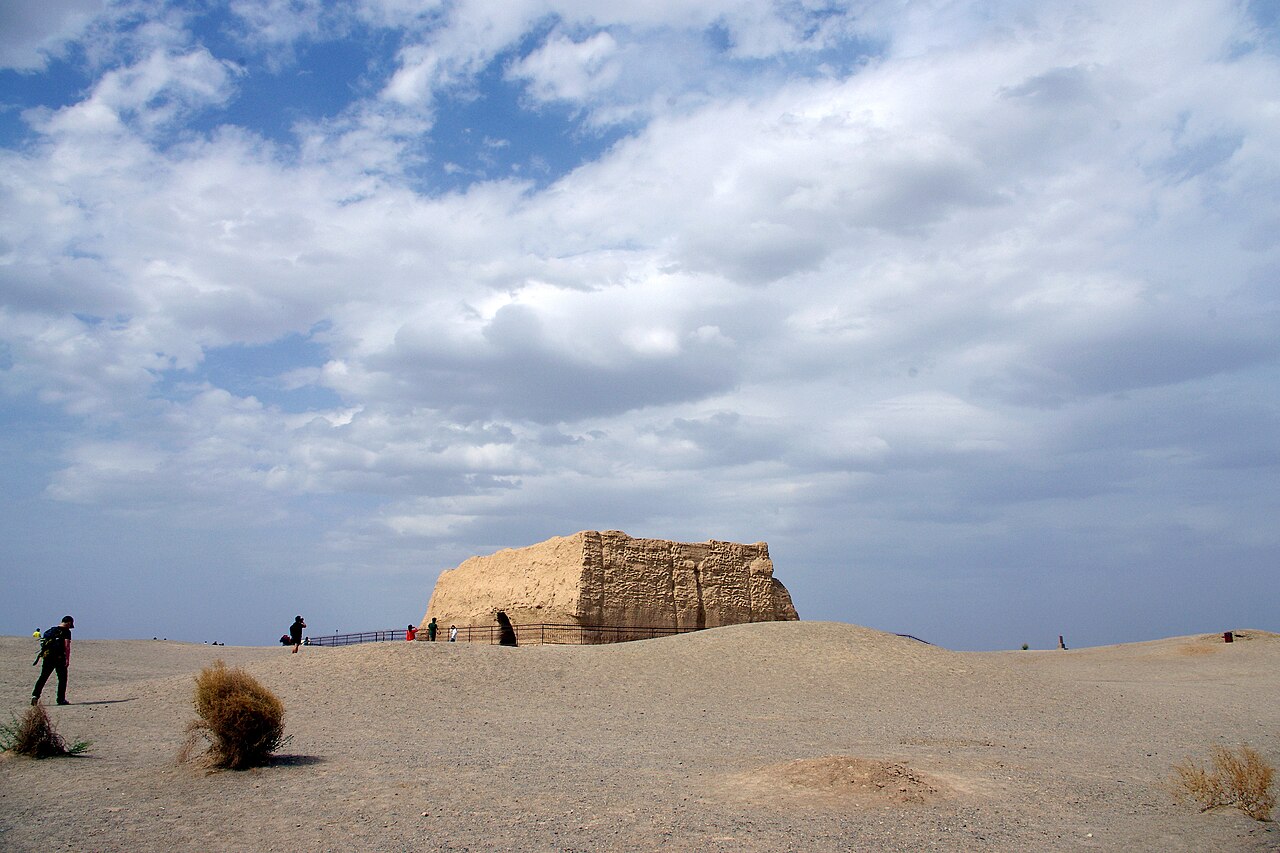
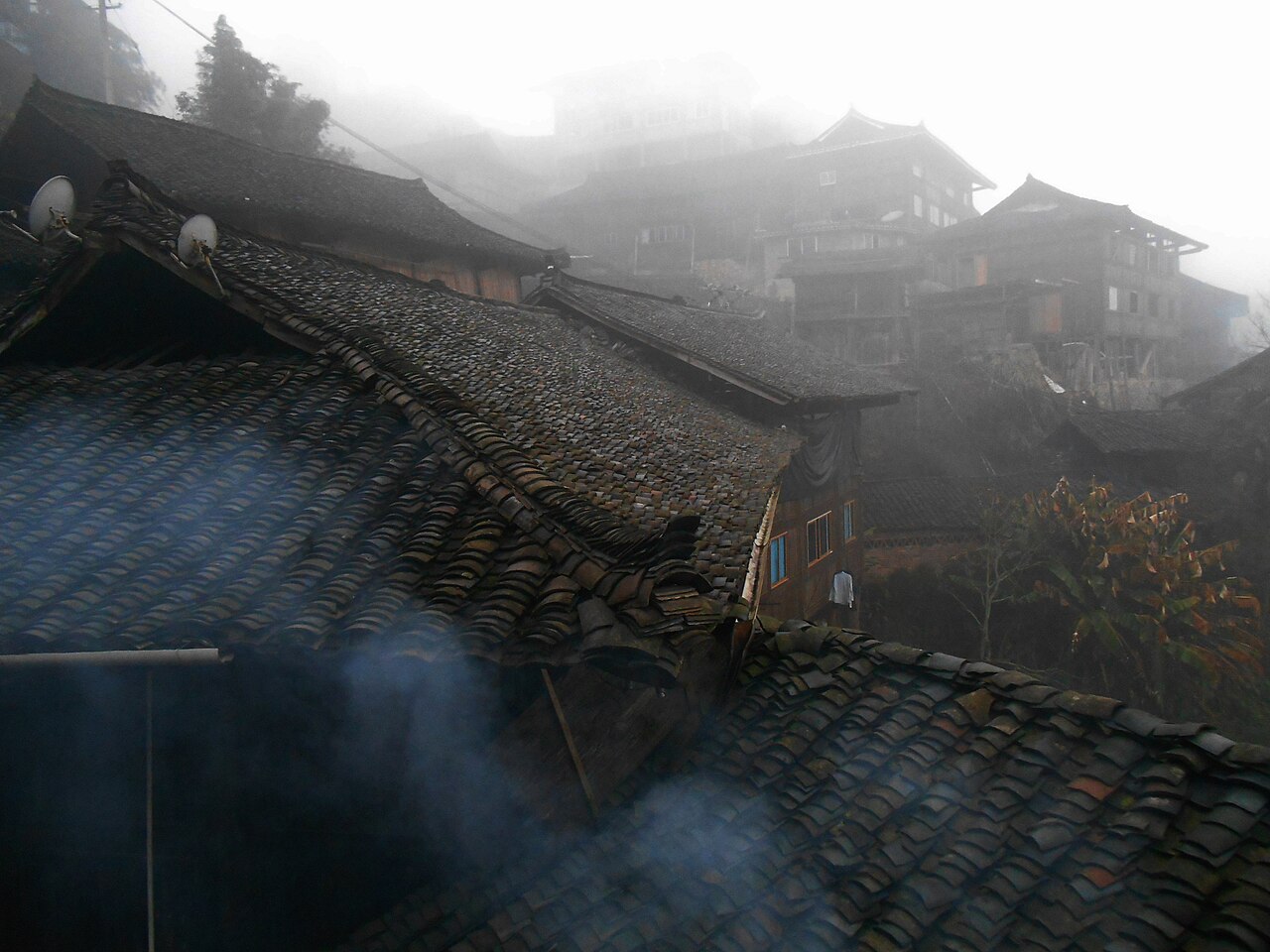
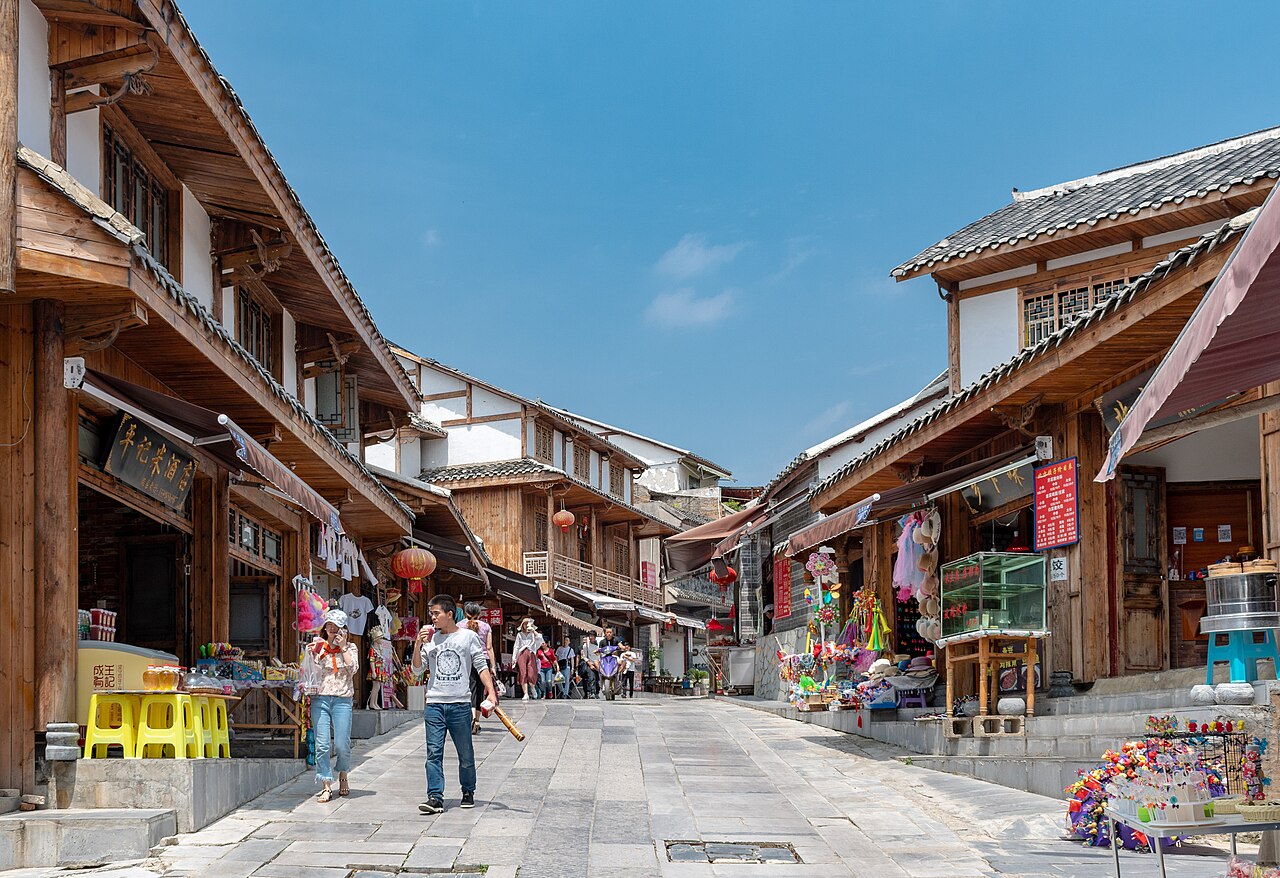
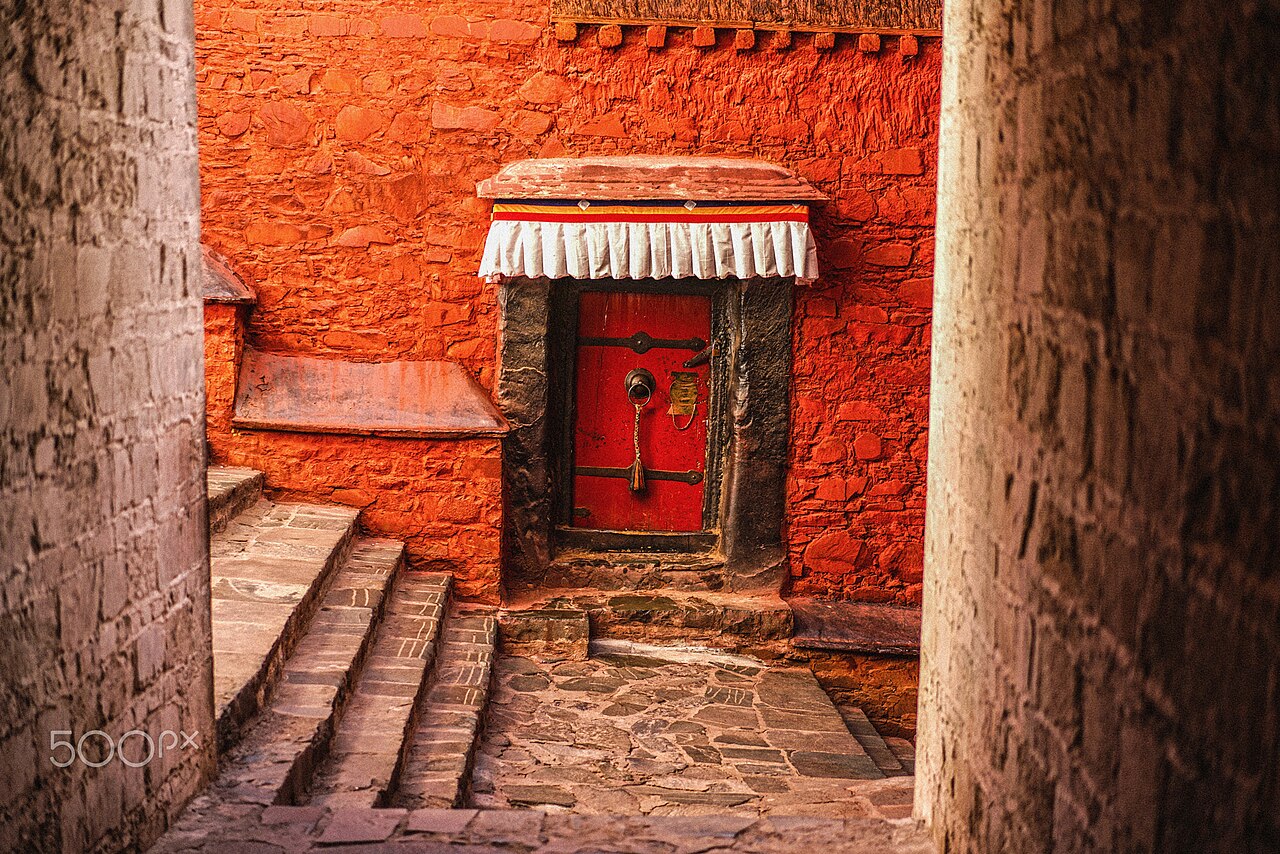
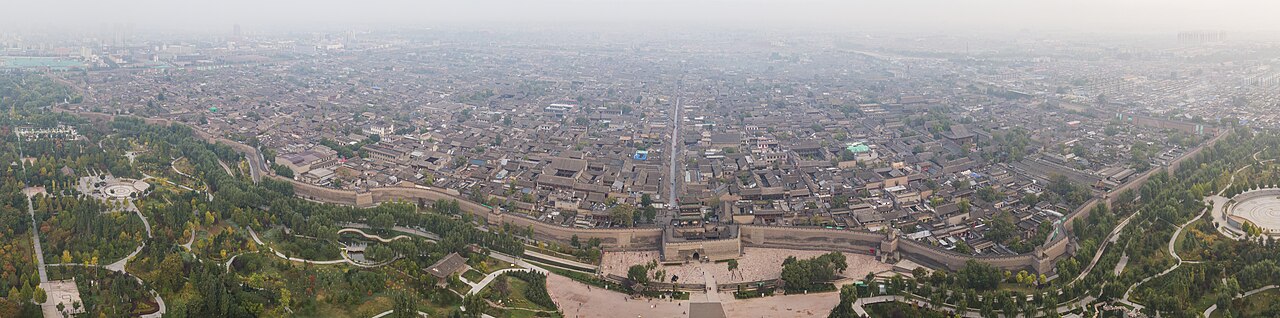
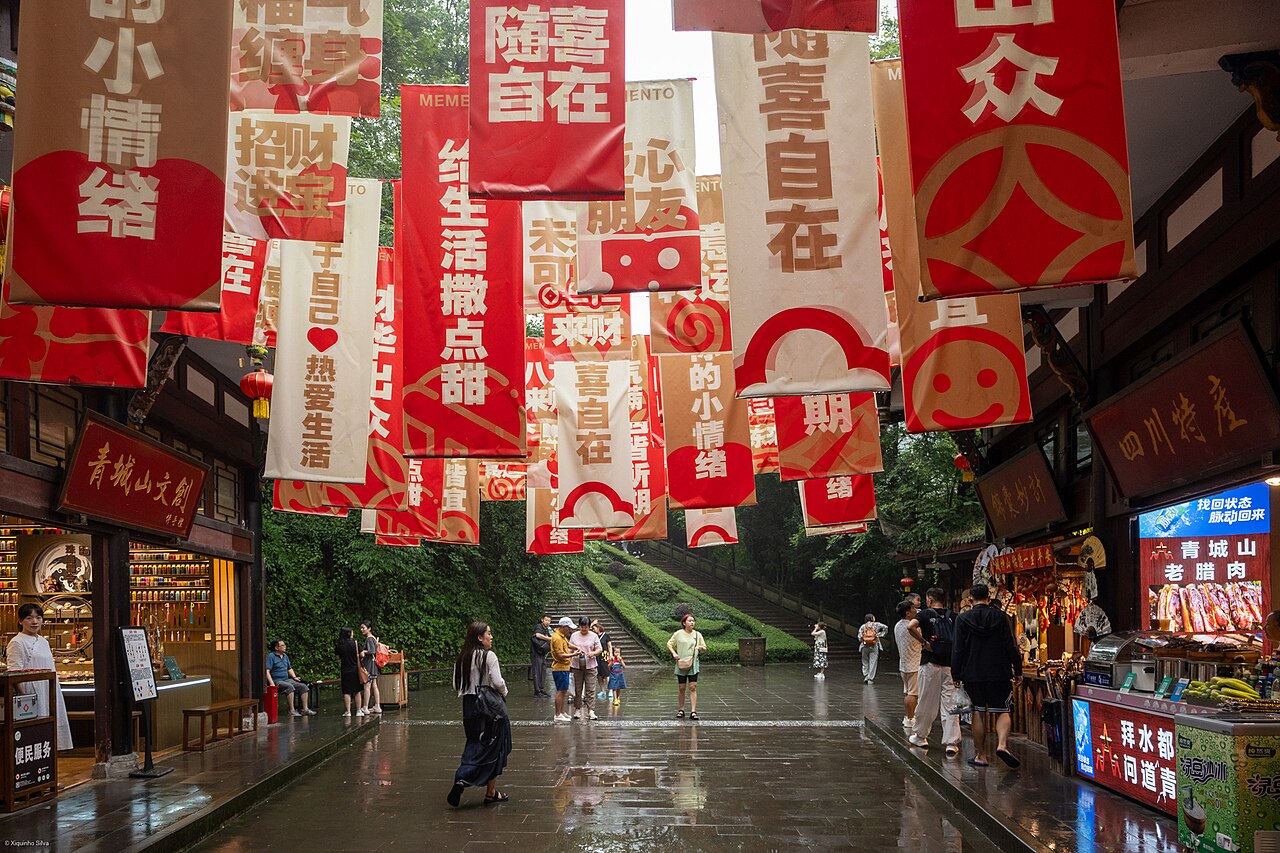
Tai'an old town, at the foot of the back mountain

The green in front of my eyes is the Min River, the glance back in a dream is old Qingcheng business. Seeing the Way in one flower and one leaf, you have to hide the awkward and the crude inside the full and the wanting; meeting nature in one movement and one stillness, you take a whole mountain into a mustard seed.

A traveller's note, Dujiangyan: The Journey in Pursuit of Freedom

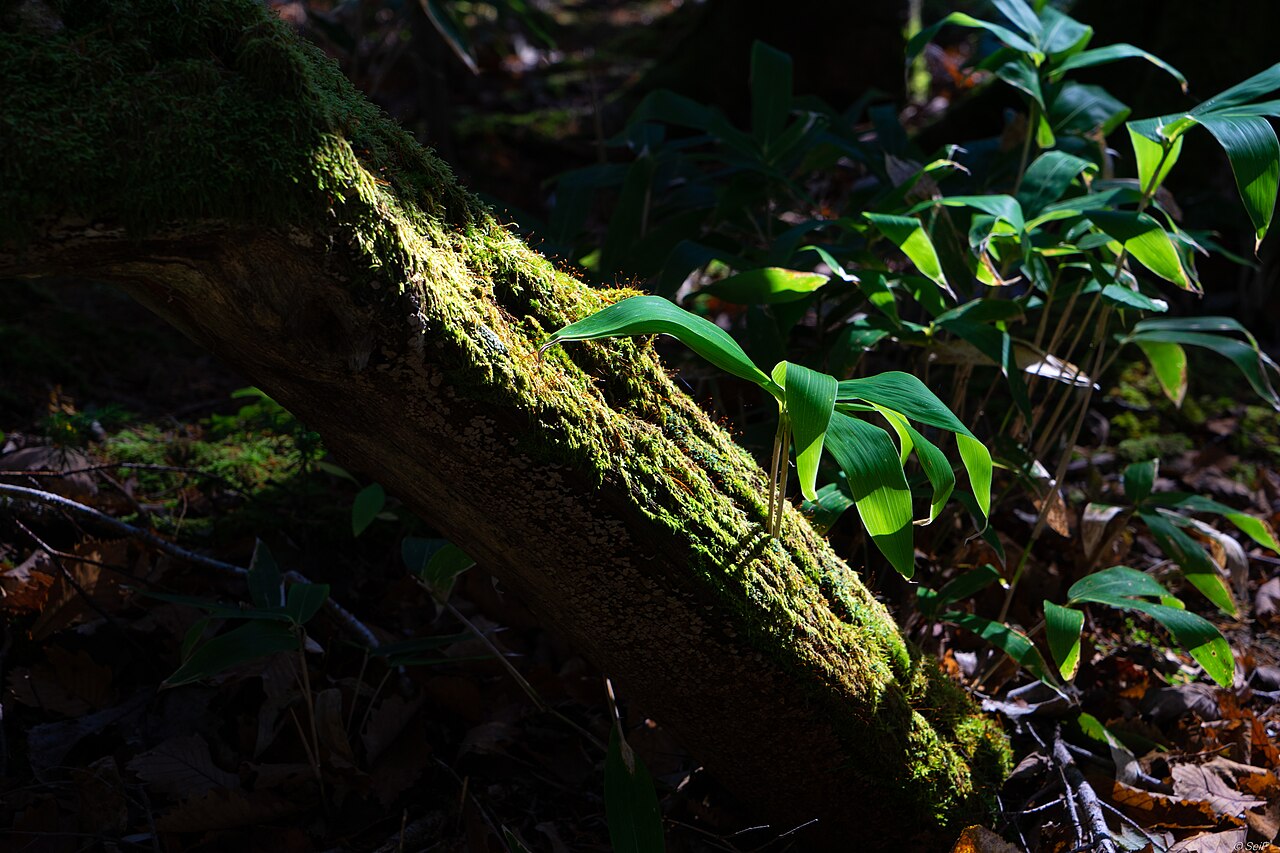
The moment you go in through the gate you understand what Qingcheng, quietest under heaven, means. The little pavilions are thick with moss, green everywhere, and in light rain the cool air goes right down into your chest. All you feel standing there is peace and ease.

A traveller's note, Falling for Chengdu: Eight Days

Qingcheng Mountain lies 10 km south-west of the Dujiangyan works and has been famous for one quality since antiquity: quiet. It is a World Heritage site, it is written into the histories as the ancestral mountain and ancestral court of the Way of the Celestial Masters, and dozens of its halls are still standing and still in use, holding old objects and the hand-work of modern masters. Celestial Masters have come here to pay respects to the ancestral court for generation after generation, which is why the mountain is best described as a Daoist museum that happens to be a thousand years long and still alive.

Walk in through the gate and you understand within minutes what the phrase Qingcheng, quietest under heaven, is about: little pavilions furry with moss, green pressed in on every side, and in light rain an air that goes cool and clean all the way down into your lungs. Palaces and halls are all but hidden in the dense old trees; the railings are bound with thick hempen rope gone green with age, and the rope tells you what the weather here does to things. A thousand years of Daoist practice settles on you without anybody saying a word.

The mountain is really two. The front is the Daoist route: Jianfu Palace at the foot, the Natural Picture Pavilion partway up, the Tianshi Cave where Zhang Daoling taught, Shangqing Palace with its carved Laozi, and the Laojun Pavilion on the summit ridge, with a cable car and a ferry across Yuecheng Lake to take the worst of the climb out. The back is a wetter, wilder valley: the Tai'an old town at its foot, the Wulong ravine, the Baiyun caves, and a waterfall system that drops 40-odd metres in three linked pools.

Whichever half you take, the climate is doing half the work. Qingcheng sits in the middle-northern stretch of the famous Rain Screen of West China on the western edge of the Sichuan basin: mild, damp, green in every season, with moss and running water everywhere. People come for the quiet that is in the name. In the halls, and in the mist between the peaks, it is still there.

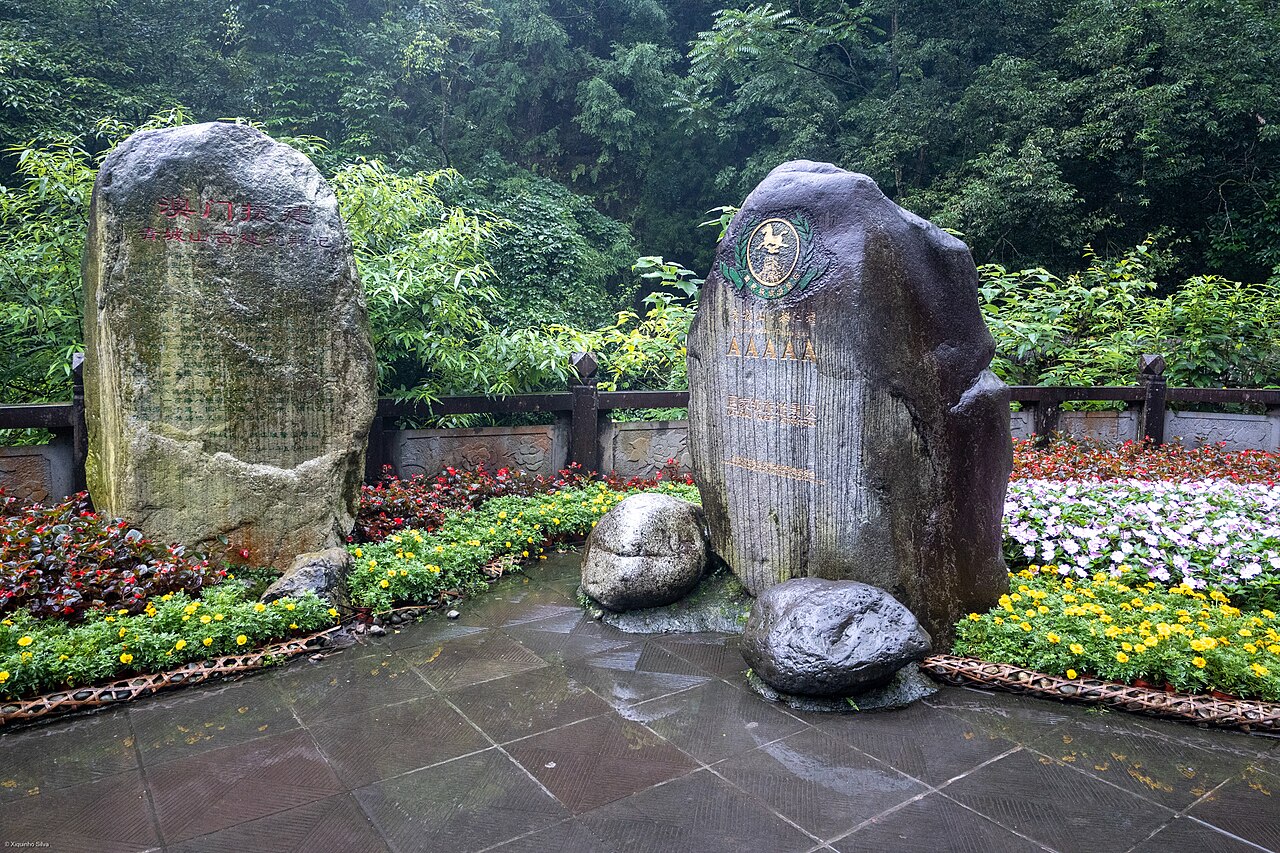
Qingcheng Mountain

Don't leave without

Seven things that are worth rearranging a day for.

  1. Look for Zhang Daqian's work at Shangqing Palace, high on the front mountain
  2. Breathe the back mountain properly — it is the reason locals come
  3. Light incense and ask for something, in a temple that is still worked
  4. Cross Yuecheng Lake by boat on the way up the front mountain
  5. Walk the Wulong ravine all the way through to Youyi village
  6. Sleep a night in a Tai'an farmhouse and eat what they cook

Highlights

Why the mountain matters

The Daoist route

This is where the school was organised. Zhang Daoling came here in AD 143, thatched a hut and taught, and Qingcheng became the ancestral court of the Celestial Masters — every Celestial Master since has come up here to pay respects. The halls along the front-mountain path are not reconstructions of a religion; they are a religion still being practised, with the incense lit and the monks in residence.
The quiet

Qingcheng is famous for one word: you, meaning deep quiet. Halls hidden in dense old trees, handrails bound in hempen rope gone green with moss, streams running somewhere below you all the time, and mist moving between 36 peaks. In light rain, on a quiet Tuesday, it is the most convincing version of that word you will find anywhere in Sichuan.

The back mountain

The half locals prefer. An 8 km ravine called Wulong — Five Dragons — a waterfall system dropping more than 40 metres through three linked pools, the Baiyun cave group high on a cliff, and a crystal cave formed ten to thirty million years ago. Wetter, greener and wilder than the front, with farmhouses and tea stalls the whole way along.

Daoist carvings and calligraphy

Shangqing Palace keeps a statue of Laozi and a woodblock of the five thousand characters of the Dao De Jing; Jianfu Palace holds the 394-character couplet known as the one marvel of Qingcheng; and the mountain has kept the work of modern painters who came up here to paint, including the years Xu Beihong spent in a room at the Tianshi Cave.

Tai'an old town

The town at the foot of the back mountain, once a staging post on the road from the Chengdu plain west into the Jinchuan country and a trading town rich on the traffic. Now it is where you sleep, eat farmhouse cooking and start the walk, with a Buddhist temple of the same name closing off its far end.

Cool air in August

The mountain sits at about 15.2°C annual mean on the wet western rim of the basin, and when Chengdu is unbearable in July and August this place is green and cool with the water running. That is why the city treats Qingcheng as its summer escape, and why summer weekends are the ones to book ahead.

Suggested routes

One half per day

The front mountain

1 day days

The temple line from the gate to the summit ridge — the reason Qingcheng is on the World Heritage list.

  1. Up

    Ferry, cable car, the halls

    In at the front gate to Yilewo, then the ¥5 ferry across Yuecheng Lake and the cable car up. From the top station it is a short climb to Lingyun Villa and Shangqing Palace, on the slope about 500 m below the summit, and then on up to the Laojun Pavilion on the first peak of Qingcheng.

    Come back down the same way to Shangqing Palace, and then take the descending line instead: Chaoyang Cave, the Zushi Hall, the Tianshi Cave, the Fifth Cave-Heaven, Ningcui Bridge and the Shanyin Pavilion.

    Stops: Jianfu PalaceYuecheng LakeShangqing PalaceLaojun Pavilion

  2. Down

    The Natural Picture, and out

    The last leg is the prettiest: down to the Natural Picture Pavilion, a ten-cornered double-eaved kiosk from the Guangxu years wedged between two closing peaks, then on to Yilewo and out of the front gate.

    Ride up and walk down. The upper stretch is crowded and the scenery along it is unremarkable; the lower, walking stretch is where the mountain looks like a painting.

    Stops: Tianshi CaveNatural Picture PavilionFront gate

The back mountain

1 day days

The water line: a ravine, a cave group, a waterfall system, and the ferry and cable car out.

  1. Up

    Wulong ravine to the Baiyun caves

    Start at Tai'an old town and take the Wulong route in: Wulongfang, the Jinwawa pool, then the 8 km Wulong ravine — the Five Dragons ravine, once called the Barbarian River gully — up to Youyi village.

    From Youyi village climb on to the Nine Monks Cave, the Baiyun Temple and its cave group high in the cliff, then the Natural Bridge and the Fairy's Dressing Pool.

    Stops: Tai'an old townWulong ravineYouyi villageBaiyun caves

  2. Down

    Waterfalls, ferry, cable car

    Down through the Twin Springs Water Curtain Cave, then across the Cuiying Lake on the ¥2 ferry — 2 yuan for the prettiest two minutes of the day — and on past the Hundred-Zhang Bridge and the Jade Maiden Pool.

    Finish at the lower station of the Jinli cable car at Feiquanfang, or walk the last stretch out to Tai'an for dinner and a bed.

    Stops: Twin Springs Water Curtain CaveCuiying LakeJade Maiden Pool

Two days: mountain, then the machine

2 days days

The loop Chengdu does: the Daoist mountain one day, the irrigation works the next.

  1. Day 1

    Front mountain, then down to the back

    Front mountain in the morning: gate, Yuecheng Lake ferry, cable car, Shangqing Palace, Laojun Pavilion, then the walking descent past the Tianshi Cave to the Natural Picture Pavilion and out.

    Take the bus round to the back mountain and walk in from Tai'an as far as Youyi village, the Nine Monks Cave and the Twin Springs Water Curtain Cave, then down to the Jinli cable car. Sleep in a Tai'an farmhouse.

    Stops: Front mountainTianshi CaveBack mountainTai'an old town

  2. Day 2

    Dujiangyan and the old town

    Ten kilometres to Dujiangyan: bus 101A from the front gate to the Nanqiao stop, or the intercity train for ¥5. Walk the three works — fish-mouth, Flying Sand Weir, Bottle-Neck — then up the escalator to Yulei Tower.

    Afternoon in the rebuilt Guanxian old town and the evening on the Nanqiao night-beer strip, then the last train back to Chengdu.

    Stops: Dujiangyan worksYulei TowerGuanxian old town

Front mountain

The Daoist line, bottom to top

Palace at the foot

Jianfu Palace

Sitting at the foot of Zhangren peak, first built in AD 730 in the eighteenth year of Kaiyuan, rebuilt again and again since, and now down to two halls and three courts. Three great halls enshrine the famous Daoists and the various gods, and the 394-character couplet on the pillars inside is called the one marvel of Qingcheng.

Where
At the foot of Zhangren peak, just inside the front gate
Founded
AD 730, Tang Kaiyuan 18
Look for
The 394-character couplet, known as the one marvel of Qingcheng
Today
Two halls and three courts survive

Tip Start here and take the steps at an old man's pace. The whole front mountain is staircases, and the ones who sprint the first 200 of them are the ones sitting down at the third hall.

Pavilion

The Natural Picture Pavilion

A ten-cornered, double-eaved kiosk built in the Guangxu years of the Qing (1875–1909), standing on the ridge of Pailaigang on Longju Mountain, between Jianfu Palace and the Tianshi Cave. Two peaks close in on either side; the kiosk stands among grey cliffs and dense green, and anyone arriving feels they have walked into a picture — which is exactly where the name comes from.

Where
Between Jianfu Palace and the Tianshi Cave, on the ridge
Built
Qing, Guangxu years · 1875–1909
Form
Ten-cornered, double-eaved kiosk

Tip This is the spot that gives the walk its reputation, and it is the reason to walk down rather than ride. Late afternoon light through the two closing peaks is the shot.

The heart of the mountain

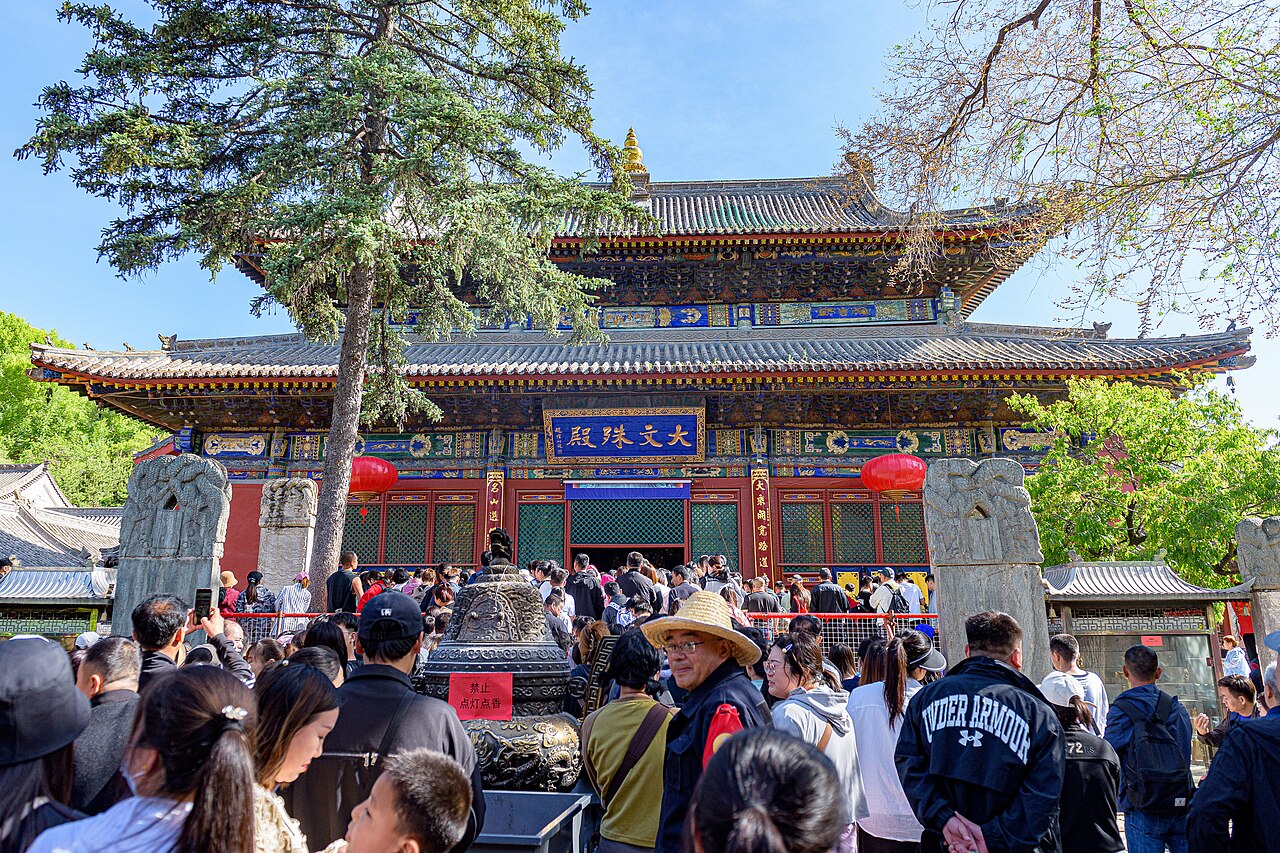
Tianshi Cave

The cave-shrine of the Celestial Master and the reason Qingcheng matters: Zhang Daoling is said to have taught here, and behind the main Sanqing Hall stand the Huangdi shrine and the cave itself. The present halls are late Qing, large and finely carved, with valuable objects and very old trees around them. In the summer of 1943 Xu Beihong stayed here in a room of his own and painted illustrations to the Nine Songs of Qu Yuan, among them the two famous ones.

Where
Halfway up the front mountain, on the walking line
Buildings
Late Qing, large-scale and finely carved
Main hall
Sanqing Hall, with the Huangdi shrine and the cave behind it
Modern history
Xu Beihong lived and painted here in 1943

Tip Go in and sit. This is a working temple rather than a display, and it is quietest in the middle of the afternoon when the groups have moved on.

Palace and summit

Shangqing Palace and the Laojun Pavilion

Shangqing Palace stands on the slope about 500 m below the summit, and the present buildings date from the Tongzhi years of the Qing; the three characters over the gate were written by Chiang Kai-shek. Inside is a statue of Laozi, the founder, with a woodblock of the five thousand characters of the Dao De Jing, plus the Magu Pool, the Mandarin Duck Well and other old traces. Above it, the Laojun Pavilion holds the first peak of Qingcheng.

Where
Shangqing Palace about 500 m below the summit; Laojun Pavilion on the first peak
Buildings
Qing, Tongzhi years
Inside
Laozi statue, woodblock of the 5,000 characters, Magu Pool, Mandarin Duck Well
Note
The Laojun Pavilion has been under rebuilding since the Wenchuan earthquake — watch your step at the top

Tip The summit pavilion is the best view on the mountain, and the most exposed. Carry a layer even in summer, and check what is open before you climb the last stretch.

Lake and cable car

Yuecheng Lake and the cable car

A small, bright lake set between Zhangren and Qinglong peaks, named for the mountain beside it — the Ghost City Hill below Zhangren, also called Yuecheng Hill, where legend says the immortals of old went to hide. The water is clear and bright enough to justify the old line about a mountain needing a hermit and a lake needing a dragon. A ¥5 ferry crosses it to the cable car station.

Where
Between Zhangren and Qinglong peaks, on the front-mountain route
Ferry
¥5 across the lake
Cable car
¥35 one way · ¥60 return
Best time
Early, before the queue; misty mornings are the best photographs

Tip Ride up, walk down. The cable car skips a long, steep, crowded stretch, and the walking descent past the Tianshi Cave and the Natural Picture is the better half of the mountain.

On the way

The Tianshi Cave line: the small things

Between the set pieces the front mountain is a staircase of small Daoist stops: the Chaoyang Cave, the Zushi Hall, the Fifth Cave-Heaven, the Ningcui Bridge and the Shanyin Pavilion, strung below the Tianshi Cave on the way back to Yilewo and the gate. None of them is a must-see and all of them are the reason the walk feels like a pilgrimage rather than a hike.

Where
The descending line from Shangqing Palace to the front gate
Stops
Chaoyang Cave · Zushi Hall · Tianshi Cave · Fifth Cave-Heaven · Ningcui Bridge · Shanyin Pavilion
Why
This is the stretch with the better scenery — do not ride past it

Tip Take this line down even if you rode the cable car up. It is the half of the mountain that people describe afterwards.

Back mountain

The water line

Ravine · 8 km

The Wulong ravine

Once called the Barbarian River gully and renamed for the five dragons said to hide in it, this is the spine of the back mountain: 8 km of gorge with the path running beside the water the whole way, past the Wulongfang, the Jinwawa pool and up to Youyi village. There are two ways in — up from Tai'an through the Wulong bridge, or down from above by the Feiquan gully and the Baiyun caves.

Length
8 km, the length of the back-mountain gorge
Route
Tai'an → Wulongfang → Jinwawa pool → Wulong ravine → Youyi village
Character
Wetter, greener and wilder than the front mountain

Tip If you only walk one thing on the back mountain, walk this. Allow half a day and start early — the light in the gorge goes by mid-afternoon.

Waterfalls

The Three Pools and the Misty Spring

Three linked pools carved by the falling water, and three silver cascades dropping more than 40 metres in total: the upper, middle and lower falls, tipping off the cliff above Yongquan Cave into the top pool and breaking into spray as they go, which is what puts the mist into the name. In sunlight the spray throws rainbows.

Where
On the back-mountain waterfall line
Drop
Three cascades, 40-odd metres in total
Best
In sun, for the rainbows; after rain, for the volume

Tip The rock around the pools is slick, and the spray means you will be wet anyway. Footwear with grip, and a rain shell rather than an umbrella.

Cave group

The Baiyun caves

The highest point on the back-mountain hot line, the Baiyun cave group is reached along cliff faces and through old trees and bamboo, with birds and spring water in your ears the whole way. The Tang poet Jia Dao wrote about it: long wandering among the respected and the old, asking this one about the famous peaks — half way through the fifth month, watching the waterfall, inside the white cloud of Qingcheng.

Where
High on the cliff, on the Baiyun upper route
Ticket
¥5
Access
Steep paths along cliffs through old forest and bamboo

Tip This is the steepest, quietest corner of the mountain. Skip it if the rock is wet — the path down is the difficult part, not the climb up.

Cave

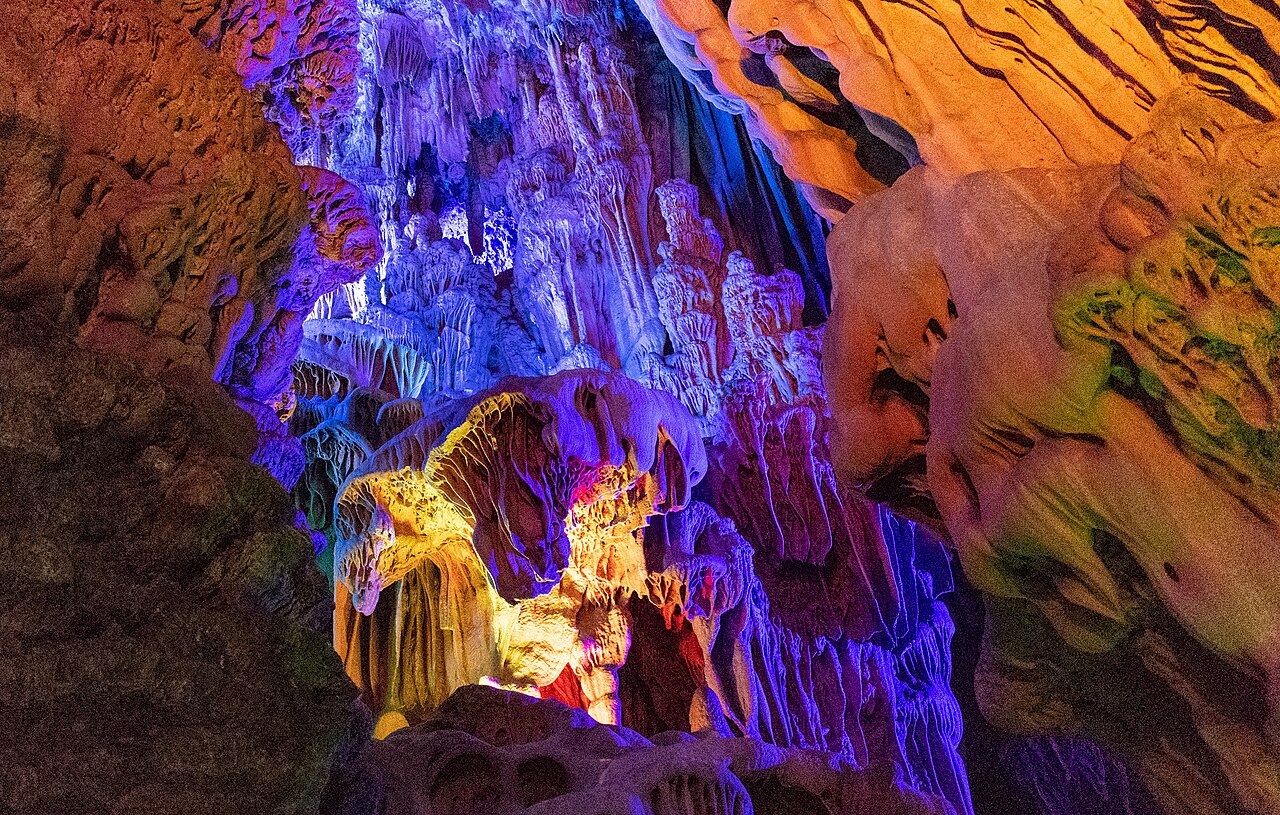
The Three Dragons Crystal Cave

In the cliff halfway up the Three Cave Waters gully, 1.5 km from Tai'an Temple, a conglomerate travertine cave formed ten to thirty million years ago under very particular geology. There is a river inside it and the cave runs on three levels, which is rare enough that geologists make the trip for it. Cool, wet, and lit like a fairground, which is part of the charm.

Where
1.5 km from Tai'an Temple, in the Three Cave Waters gully
Age
10–30 million years
Inside
A river, on three levels — conglomerate travertine
Ticket
¥10

Tip Bring something warm: it is genuinely cold inside, and you come out of it into mountain air feeling about ten degrees overdressed.

Lake and ferry

Cuiying Lake and the way out

The small lake on the way down, crossed by a ¥2 ferry — two yuan for the best two minutes on the mountain — then the Hundred-Zhang Bridge and the Jade Maiden Pool, and out to the lower station of the Jinli cable car at Feiquanfang. The whole descending line is water: pools, springs and the sound of it, the entire way.

Ferry
¥2 across Cuiying Lake
Then
Hundred-Zhang Bridge · Jade Maiden Pool · Jinli cable car lower station
Cable car
Jinli, ¥30 one way / ¥55 return, Feiquanfang to Shisuntang

Tip Take the ferry even if you could walk round. It is two yuan, and it is the photograph everybody takes of this mountain.

Old town

Tai'an old town

Ringed by the quiet of the back mountain, Tai'an is the first sight of the back mountain and the place everybody stays. It has always been a town on a road: once the key post on the route from the Chengdu plain west into the greater and lesser Jinchuan, known in the old days as Huaping Laozelu, a Wei River garrison under the Tang, renamed Tai'an after the old Tai'an Temple behind it. A market town for the traffic between Chengdu, Maowen and Jinchuan for centuries.

Where
At the foot of the back mountain
History
Huaping Laozelu in old times · Wei River garrison under the Tang · Tai'an from the Qing
Now
The base for the back-mountain walk, and where the farmhouses are
At the far end
Tai'an Temple, a Buddhist temple of the same name

Tip The most honest way to do the back mountain is to sleep here: walk in the morning, eat farmhouse cooking at night, and skip the drive back to Chengdu in the dark.

Food

What the mountain eats

Ginkgo and chicken soup

The dish the mountain is known for. Ginkgo with chicken: the broth is clean and savoury and not in the least greasy, and it counts as food therapy as much as dinner. Almost every restaurant in Qingcheng does it, and it is the one thing you should eat here before you leave.

Cured pork

Old la rou, thoroughly Sichuan: the whole craft has rules, right down to how the pig is broken down, because some people want the small cuts, others the ribs, the trotters or the head, and each part is cured differently. Fragrant enough that people describe it as leaving the smell on your lips. Meat-eaters should not miss it.

Wild greens and river fish

The back-mountain farmhouses do what the mountain gives them: wild greens picked that morning, freshwater fish out of the streams, and whatever is in season, cooked plainly and served in quantity. Half the reason people drive up here on a Saturday is this table rather than the walk.

Frozen cakes

Common all over Chengdu but made properly here: corn, black rice and plain versions, white with a yellow tinge, moist and soft with real spring to them, light rather than heavy, sweet with a faint sour edge. The method is what makes them, and the method is local.

The four treasures of Qingcheng

The mountain's four, and the edible souvenir list: the kiwi-fruit rice wine brewed by Daoist method with Qingcheng spring water; the tribute tea fired through eleven steps and sent to court for centuries; the Daoist pickles, which answer a thousand years of Daoist dietary thinking in one saucer; and the ginkgo-and-chicken soup, the local restorative. Buy the tea and the wine; eat the other two.

Where to eat

The kitchens worth the detour

The famous one

Luo's chicken

Dujiangyan chicken is not to be argued with, and the road up to Qingcheng is lined with chicken signs; the one everybody names is Luo's, opposite the Neusoft software park, a house that goes back to the Daoguang years. Eat the chicken dipped in the chilli sauce or plain, and it is good either way.

Where
Opposite the Neusoft software park, Qingchengshan town
Average spend
About ¥50 a head
Phone
13880332379
Best for
The chicken this mountain is famous for

Fly-by-night

Qiu's tofu pudding

An absurdly good hole-in-the-wall near the town's public health centre, and nothing to look at. You sit, you order, and everything is home cooking — blood curd, tofu pudding, cold chicken, fried chicken giblets, fried liver and kidney, steamed aubergine, folded-ear plant, cold tofu skin — and then you start eating and your chopsticks stop taking instructions from your brain.

Where
Near the Taiping town public health centre
Average spend
About ¥20 a head
Order
Blood curd, tofu pudding, cold chicken, fried giblets

Local institution

Li's blood curd

If it is the fine, tender version of blood curd you are after, this place on the Shagou River bridge at Zhongxing town is the answer, and it is usually heaving. It is one of the things people come to Qingcheng specifically to eat.

Where
Near the Shagou River bridge, Zhongxing town
Average spend
About ¥30 a head
Phone
028-87211859 · 13518184318

Home-style Sichuan

The Family Feast kitchen

Plain cooking, close to the scenic area, a decent room and a friendly owner: the catfish, the spare ribs and the cold chicken are all worth ordering. It is the table you want after eight hours on stone steps, and it is five minutes from the gate.

Where
185 lower section of Yaowang Avenue, Qingchengshan town, 20 m opposite the police station
Average spend
About ¥30 a head
Phone
028-87255096
Best for
The first thing you eat after coming down

Where to stay

Front, back, or Dujiangyan

Five-star, at the front gate

Qingcheng Garden Hotel

Right by the front mountain gate, a five-star house with convenient transport, good scenery and properly attentive service. The base if you want to be first into the mountain in the morning and you do not want to think about logistics at all.

Where
303 Dashan Road, Qingchengshan town
Price
From about ¥558 a twin
Phone
028-87138686 ext. 8100

Mid-range, near the station

Ruiliyuan Hotel

At the foot of the mountain with a good position and the view to match, and only 1 km from the Dujiangyan high-speed station. The sensible compromise: close enough to both the mountain and the train that you can do either on a whim.

Where
1 Xiangzhang Road, Daguanyuan, Qingchengshan town
Price
From about ¥176 a twin
Phone
028-61922266
Distance
1 km from the Dujiangyan high-speed station

Back-mountain farmhouse

Wu family farmhouse, Tai'an

In the Hongyan new village holiday area of Tai'an old town, about 500 m from the back-mountain entrance: old-fashioned on the outside, thoroughly modern and fully equipped inside. Farmhouse prices that move with the season, and the walk starts from the door.

Where
Behind the Wu family compound, Hongyan new village, Tai'an old town
Price
About ¥100 a room, varying by season
Phone
028-61920823
Best for
The back mountain, properly

Back-mountain, by the bridge

Golden Triangle Villa, Tai'an

Beside the old bridge in Tai'an old town, right up against the quiet of the mountain: old trees overhead, green in every direction. The sort of place people book for walking, for looking at things, and — as the house itself puts it — for growing old in.

Where
By the old bridge, Tai'an old town (near Yidao Street)
Price
From about ¥150 a double
Phone
028-61920175

Back-mountain, opposite the temple

Tianyu Villa, Tai'an

An all-round farmhouse courtyard in Tai'an old town, directly opposite Tai'an Temple, with the back-mountain trails starting a few minutes' walk away. A little more money, a little more room, and the temple bell for an alarm clock.

Where
Tai'an old town, opposite Tai'an Temple
Price
From about ¥240 a double
Phone
13518111760

Getting around

An hour from Chengdu

By intercity train

The easy way up. Chengdu North or Chengdu West to Qingchengshan station takes about an hour for ¥15, with the first train out at about 07:01 and the last at about 20:17, and returns from 08:02 to 21:07. Local buses meet the trains and run up to the front gate. Dujiangyan and Qingchengshan are themselves one stop and ¥5 apart on the same line, which is what makes the two-day loop work.

Chengdu → Qingchengshan
About 1h · ¥15 · first 07:01, last 20:17
Qingchengshan → Chengdu
¥15 · first 08:02, last 21:07
Dujiangyan ↔ Qingchengshan
¥5, a few minutes — first 07:44, last 20:47 from Dujiangyan

By coach

Xinnanmen station in Chengdu runs direct to the front mountain from 09:30 for ¥21. Chadianzi and Ximen stations serve Dujiangyan, from ¥16 and ¥11 respectively, from where you change. From Shuangliu airport there are six coaches a day to Dujiangyan at ¥24, booked 24 hours ahead, and the airport rail link plus the intercity train is usually faster. In season a shuttle also runs from outside the Wuhou Shrine, hourly from 08:00 to 20:00.

Chengdu Xinnanmen
From 09:30 · ¥21 direct to the front mountain
Via Dujiangyan
Chadianzi from ¥16 · Ximen ¥11 express / ¥6.5 local
Shuangliu airport
6 coaches a day to Dujiangyan, ¥24, book 24h ahead
Wuhou Shrine shuttle
Hourly 08:00–20:00, May–Nov; every 2h in winter

By car

Two toll-free routes out of Chengdu, both ending at the front-mountain car park: the Chengqing express route via the Wenjiang exit, Furong Avenue, Tianxiang Road, Wenyu Road, Shou'an and Guannan Road to Qingchengshan town; or the same route reached via Guanghua Avenue and Wenjiang's Nanxun and Fengxi roads. On a summer Saturday, leave early — the car park is the reason people take the train.

Route 1
2nd ring → Chengwen interchange → Chengwenqiong expwy, Wenjiang exit → Furong Ave → Tianxiang Rd → Chengqing route → Qingchengshan
Route 2
2nd ring, Guanghuacun → Guanghua Ave → Wenjiang Nanxun/Fengxi → Chengqing route → Qingchengshan
Tolls
Free on the Chengqing route for Chengdu-plated vehicles via Wenjiang

By local bus

Route 101 links the Qingcheng Mountain scenic area with the Dujiangyan passenger centre, first bus 06:30 and last 19:30, about 30 minutes — and you can also catch it at the Lidui gate of the Dujiangyan scenic area. From the Qingchengshan rail station, buses run on to the front gate, and there are direct minibuses from the station to the back mountain. From Dujiangyan, route 101A from outside the scenic area goes to the rail station, where you change for the back-mountain bus.

Route 101
Qingcheng Mountain ↔ Dujiangyan passenger centre · 06:30–19:30 · about 30 min
Rail station → front gate
Local buses meet every train
To the back mountain
Direct minibus from the Qingchengshan rail station
From Dujiangyan
Route 101A to the rail station, then change for Tai'an

By taxi

Dujiangyan taxis are mostly Santana, Jetta and Sprint: ¥5 for the first kilometre, then ¥1.6 by day and ¥1.9 at night. Useful for the station to the gate hop, or for getting out to the back mountain at Tai'an when you cannot be bothered with the change of bus — and cheap enough that it is the obvious answer for two or three people travelling together.

Flagfall
¥5 for the first km
Day rate
¥1.6 per km
Night rate
¥1.9 per km
Best use
Rail station to the gate, or out to Tai'an with a group

Practical

Tickets, hours, phones

Pick one half per day. The front is temples, history and an awful lot of stone steps; the back is water, gorges and walking. Trying both in a day means a long slog and a lot of missed turns — and with Dujiangyan 10 km away for ¥180 on a combined ticket, there is no reason to.

Front mountain¥90 · cable car ¥35 one way / ¥60 return · Yuecheng Lake boat ¥5
Back mountain¥20 · Jinli cable car ¥30 one way / ¥55 return · Cuiying Lake ferry ¥2 · crystal cave ¥10 · Baiyun caves ¥5
Combined ticketDujiangyan + Qingcheng Mountain ¥180 — 10 km apart, worth two days
Hours8:00–18:00
Half priceFull-time students up to bachelor's degree · ages 60–69 · minors over 6 and under 18 ·Daoist initiation certificate holders beyond one visit a month
FreeServing military and military-academy students · Chengdu senior card · 70 and over · disabled and disabled veterans · children under 6 or under 1.3 m · on your birthday, with ID
FestivalsMountain-climbing festival March–May · Daoist Culture Festival in September, with events at Qingyang Palace, Heming Mountain and Laojun Mountain
ClimateSubtropical humid; annual mean about 15.2°C · hottest month extreme 34.2°C · coldest −7.1°C · spring swings hardest
PhonesScenic area 400-1151-222 · Sichuan tourism complaints 028-96927 · www.djy517.com · Qingchengshan scenic area hospital, Xiangnan Road
BanksAgricultural Bank and Chengdu Rural Commercial Bank in Qingchengshan town, both with ATMs; everything else is in Dujiangyan city · the mountain post office has closed

Tips

Small things that decide the day

Ride up, walk down

The local advice for the front mountain is unambiguous: take the cable car up and walk down. The ascending route is crowded and the scenery along it is nothing special, while the descending line past the Tianshi Cave and the Natural Picture is where the mountain earns its reputation.

Pack for two seasons

Spring is the season with the widest swing here — warm enough at midday to think summer has arrived, and cold enough at night, with the wind up, to think it is winter. Layers, and something waterproof, whatever the forecast says.

Travel light and wear the right shoes

Take as little as possible up the mountain; every extra kilo is felt on the staircases. Loose, comfortable clothes and proper trainers or walking shoes, not sandals — the paths are stone, often wet, and frequently steep.

Follow the signs, keep out of closed areas

Stay on the marked route and do not go into closed sections; protect the relics and be careful with fire in the forest. Parts of the mountain were damaged in the earthquake and some of the stelae are cracked, and some halls are still being restored — which is a reason to watch your step, not to go exploring.

Sleep in Tai'an for the back mountain

It is not short of beds around either half, but the back-mountain farmhouses are cheaper than the front and they are what Chengdu people book. Staying in Tai'an lets you walk in at first light and eat at the farmhouse afterwards, instead of driving back down in the dark.

Book the holiday weekends

There are plenty of rooms around the mountain, but the big holidays do fill up, and summer weekends are when Chengdu arrives en masse. If you are coming in July, August or a public holiday, book the bed before you book anything else.

Background

How a green city got its name and its religion

How the Daoists got here

In the second year of Han'an in the Eastern Han — AD 143 — Zhang Ling, the Celestial Master and the organiser of Daoism, came to Qingcheng Mountain and chose it for its depth and its green, thatched a hut and began teaching. From that point the mountain was the place Daoism came from, and it was ranked by the tradition as the Fifth Grotto-Heaven. At the end of the Tang the great Daoist Du Guangting arrived and married the Celestial Masters' tradition to the Shangqing teachings, which promised ascent to the Shangqing heaven, higher than the old Taiqing. He served the Former Shu kingdom as a senior minister, was ennobled, and spent his last thirty years on this mountain writing.

Under the Ming, the Daoism transmitted here belonged to the Longmen branch of the Complete Perfection school, which asked its adepts to leave home, live in a monastery, stay unmarried and eat no meat, and developed a whole discipline of quiet sitting. Monks in residence meant halls and groves maintained, which is one reason the mountain looks the way it does. War at the end of the Ming scattered them; in the eighth year of the Kangxi emperor, Chen Qingjue, a Longmen monk from Wudang, came to run the mountain and put it right again. What is transmitted on Qingcheng today is the Dantai Bidong lineage of the Longmen branch.

Two explanations for the name

The first is a description: the mountain's 36 peaks — yin and yang, arranged in a ring — stand with sharp ridges and steep cliffs, and the green closes in on all four sides so that the whole mass looks like a walled town. Hence Qingcheng, the green city. The second is a story about a spelling mistake, and it is not a legend: the mountain was originally called Qingcheng with the water radical, after the old saying that the Clear Capital and the Purple Tenuity are where the Celestial Emperor lives.

Buddhism grew fast under the Tang and the two religions quarrelled over the mountain until the case reached the emperor. Emperor Xuanzong, who followed the Dao, ruled in person: the temples go back to the Daoists, the monasteries stay outside the mountain. But the edict was written with the wrong character, dropping the water radical, and the name became Qingcheng — green city. The mountain still keeps the full text of the Tang imperial edict on a stele to prove it.

The wet green rim of the basin

Qingcheng sits in the middle and northern stretch of the Rain Screen of West China, on the western edge of the Sichuan basin, and the climate is mild, humid and subtropical: an annual mean of about 15.2°C, an extreme of 34.2°C in the hottest month and −7.1°C in the coldest. Spring is the season that moves most — warm enough at noon to feel like summer is here, and cold enough by night, with the wind coming up the mountain, to feel like winter.

That damp, mild air is what produces the thing the mountain is famous for: old trees, moss on the railings, water running somewhere below you wherever you stand, and the mist that settles between the 36 peaks. It is also what makes the paths slippery in winter and the stone steps tiring in summer, and it is why the mountain has been the obvious place for Chengdu to go when the basin becomes unbearable.

Travel with them

Qingcheng in print and song

Book

The Gazetteer of Qingcheng Mountain

Edited by Wang Chunwu

The new gazetteer: history, relics, religion, famous visitors, poetry and the present state of the mountain, in one volume. Read it and you will understand the place considerably better — and the odds are you will like Qingcheng more, and be more thoroughly taken in by it, than before you started.

Music

Daoist Music of Qingcheng Mountain

Zhang Kongshan

The music has a long history: when Zhang Ling founded the school at the start of the second century there were already ritual forms and fixed tones. What you can hear today has been through more than 1,800 years of north-south exchange and the merging of different schools' liturgies, which is why it carries a breadth that feels more like Chinese music generally than like one temple.

Music

Bai Suzhen at the Foot of Qingcheng

The Good Sisters (Hao Meimei)

The band's cover of the old classic, which sounds like an ink-wash landscape and never once falls into the vulgar: distant and unhurried, better than the world above, until people and plants seem drunk together and the mind goes flying off with the immortals.

The questions visitors ask us most about Qingcheng Mountain, answered plainly.

Frequently asked questions

Prices and practical details are reviewed every month by our Beijing team and updated the day a rule changes.

Should I visit the front or the back of Qingcheng Mountain?

It depends what you came for. The front mountain is the Daoist route — Jianfu Palace, the Tianshi Cave, Shangqing Palace and the summit — which is the reason the mountain matters, with more crowds and more stone steps. The back mountain is a wetter, wilder valley of gorges, caves and waterfalls, quieter and more of a walk, and the one Chengdu families choose for a slow weekend. With one day, first-timers usually do the front; walkers usually prefer the back.

How do I get to Qingcheng Mountain from Chengdu?

The intercity train is easiest: Chengdu North or Chengdu West to Qingchengshan station takes about an hour for ¥15, roughly 07:01 to 20:17 outbound and 08:02 to 21:07 back, with local buses on to the front gate. Xinnanmen station also runs direct coaches to the front mountain from 09:30 for ¥21. If you are already at Dujiangyan, bus 101 takes about 30 minutes, or hop the intercity line one stop for ¥5.

When is the best time to visit Qingcheng Mountain?

April to October, and every season has its own version. July and August are the classic months — cool and green up here while Chengdu bakes, which is why the city treats it as its summer escape. March to May brings the mountain-climbing festival, and September the Daoist Culture Festival, with the main venue here and events at Qingyang Palace, Heming Mountain and Laojun Mountain. Winter is misty, cheap and very quiet; the moss and the halls look their best, but a lot of the path is slippery.

Do I need the cable car?

On the front mountain it is worth it: ¥35 one way or ¥60 return, crossing via Yuecheng Lake, and it removes a long, steep, crowded stretch of steps. The local trick is to ride up and walk down, because the descent is the better walk. The back mountain has the Jinli cable car at ¥30 one way or ¥55 return, from Feiquanfang to Shisuntang. Either way, expect real climbing beyond the cable car — to the Laojun Pavilion at the front, to the falls at the back.

How many days do I need at Qingcheng Mountain?

One day covers one half properly. The front mountain takes most of a day: Jianfu Palace, the climb past the Natural Picture Pavilion, the ferry and cable car, Tianshi Cave, Shangqing Palace and the Laojun Pavilion. The back mountain also takes a day, walking the Wulong ravine and the falls out of Tai'an. With two days do one each, and add Dujiangyan, 10 km away, for a third. Front and back in a single day is a slog with a lot of missed turns.

What is near Qingcheng Mountain?

Dujiangyan and the old town of Guanxian are 10 km away, and they pair with Qingcheng in one ticket for ¥180. Around the back mountain there is Tai'an old town and the Puzhao Temple; a little further out are the Hongkou nature reserve with its rafting, Longchi forest park and Lingyan Mountain. Most people do Qingcheng and Dujiangyan as a two-day loop out of Chengdu.

Is Qingcheng Mountain worth visiting?

Yes, especially with Dujiangyan, since the combined ticket is ¥180 and the two are 10 km apart — the best two-day trip out of Chengdu. Qingcheng is the birthplace of Daoism rather than a dramatic scenic peak, so come for halls, forest, mist and the famous quiet rather than for big views. If you want a walking mountain, do the back; if you want the history, do the front.

Is it easy to find a bed near Qingcheng Mountain?

Very — there is no shortage of places around either half, though you should book for the big holidays. The front mountain has a five-star hotel by the gate and comfortable mid-range options within a kilometre or so of the high-speed station. The back mountain is all farmhouses, mostly around Tai'an old town, they are cheaper than the front, and they are what Chengdu locals book.

Related reading

Related reading

Visas Do I Need a Visa for China? Requirements, Costs and How to Apply China's entry rules changed more in the last three years than in the previous twenty. Here is exactly who needs a visa, what it costs, how long it takes and which passports now walk straight through. 9 min read Visas China's 240-Hour Visa-Free Transit: Who Qualifies and How It Works Ten days in China with no visa application, no fee and no fingerprints — if you hold the right passport and leave for a third country. Here is the rulebook, port by port. 8 min read Money Paying in China: Alipay, WeChat Pay, Cards and Cash Roughly nine in ten urban payments in China now run through a phone. Set up two apps before you fly, carry a modest cash float, and you will never be stuck at a till. 8 min read Transport China's High-Speed Rail: How to Book, What It Costs, How Fast It Goes The fastest way to cross China is also the most pleasant. Here is how to book a ticket with a foreign passport, what the three classes actually give you, and how to survive a Chinese station at rush hour. 9 min read Planning Best Time to Visit China: Month by Month, Region by Region China is the size of Europe, so 'the best month' depends on where you stand. Here is the month-by-month answer for the north, the Yangtze valley, the south and the plateau. 8 min read Planning What to Pack for China: The Complete 2026 Checklist Twenty thousand steps a day, three climate zones and a phone that has to do everything. This is the list we give our own travellers, minus the things they never used. 7 min read Food Chinese Food Culture: Eight Cuisines, One Table There is no such thing as Chinese food. There is Cantonese, Sichuan, Hunan, Jiangsu, Zhejiang, Fujian, Anhui and Shandong — and knowing which one you are eating changes everything. 8 min read Traditions Chinese Tea Culture: Six Classes, One Pot, Two Fingers Tea in China is not a beverage category, it is a social technology: it fills silences, seals deals and sets the pace of a meal. Here is how to sit down in one and not look lost. 7 min read Traditions Chinese Festivals: The Calendar, the Dates and the Crowds Lunar dates mean the calendar moves every year — and two of the festivals move several hundred million people at once. Plan around them or plan into them, but never by accident. 8 min read Etiquette Chinese Etiquette: What Matters, What Does Not, and Why Most etiquette advice for China is either obvious or wrong. These are the dozen behaviours that actually change how you are treated, and the reasoning behind each. 7 min read
Tell us your dates.
We'll do the rest.

Free itinerary design, a revised plan within one working day, and nothing charged until you approve the final version.

  • Zhang Daoling founded the Way of the Celestial Masters here in AD 143; Daoism ranks the mountain the Fifth Grotto-Heaven and the ancestor mountain of the school.
  • 36 peaks, 72 caves and 108 sights, with dozens of halls and palaces still standing — a working Daoist museum rather than a rebuilt one.
  • Front mountain ¥90 with a ¥35 one-way cable car and a ¥5 boat across Yuecheng Lake; back mountain ¥20 with the Jinli cable car at ¥30 one way.
No spam. No sales calls. Just a real itinerary from a real person.