City guide · Zhejiang

Yandang Mountain travel guide: the three wonders, the separate night ticket, and what each sight actually costs

A volcano that weathering turned into scenery — 500-odd sights of peak, cave and waterfall across eight scenic areas.

  • Known forVolcanic peaks, night silhouettes, waterfalls
  • Typical spend¥500–1,000 for 2–3 days
  • Ideal length2–3 days
  • PaceWalking — 3–6 hours of trail a day

Reviewed by our Beijing team Updated 2026-10-10

The short version

Yandang Mountain is a 120-million-year-old rhyolite volcano in Yueqing, Zhejiang — a 5A-rated world geopark with more than 500 sights across eight scenic areas — and 2 to 3 days covers its three classics: Lingfeng, Lingyan and the Grand Dragon Waterfall. Tickets are cheap by Chinese standards: Lingfeng ¥40 by day and ¥80 for the night show, Lingyan ¥20, the Grand Dragon Waterfall ¥40, the Three-Stage Waterfall ¥15. The high-speed rail station puts you in Xianglingtou, the centre of the scenic area, in about ten minutes.

  • The three wonders are Lingfeng, Lingyan and the Grand Dragon Waterfall; the Lingyan flying-figure show, worked on a cable slung across the gorge, is reckoned unmatched anywhere in China.
  • Lingfeng is sold twice over — ¥40 for the day and ¥80 for the night, when lights throw the same rock into silhouettes: an eagle folding its wings, a rhino watching the moon, a husband and wife.
  • The Grand Dragon Waterfall is the longest in China and runs on rainfall: come on a clear day after rain in May–June or August–September and it drops 200 m as one roaring white sheet; in a dry winter it thins to a thread.
  • The sights are scattered over a mountain range rather than a town: in peak season green minibuses link the two Lings and one Dragon for as little as ¥6.50, but out of season you charter a car for ¥150–200 a day.
  • This is Duanchang Cliff country — where, in Jin Yong's 'Return of the Condor Heroes', Xiaolongnü and Yang Guo swear to meet again after sixteen years — and the scenic area now signs the filming locations.

City guide

First impressions

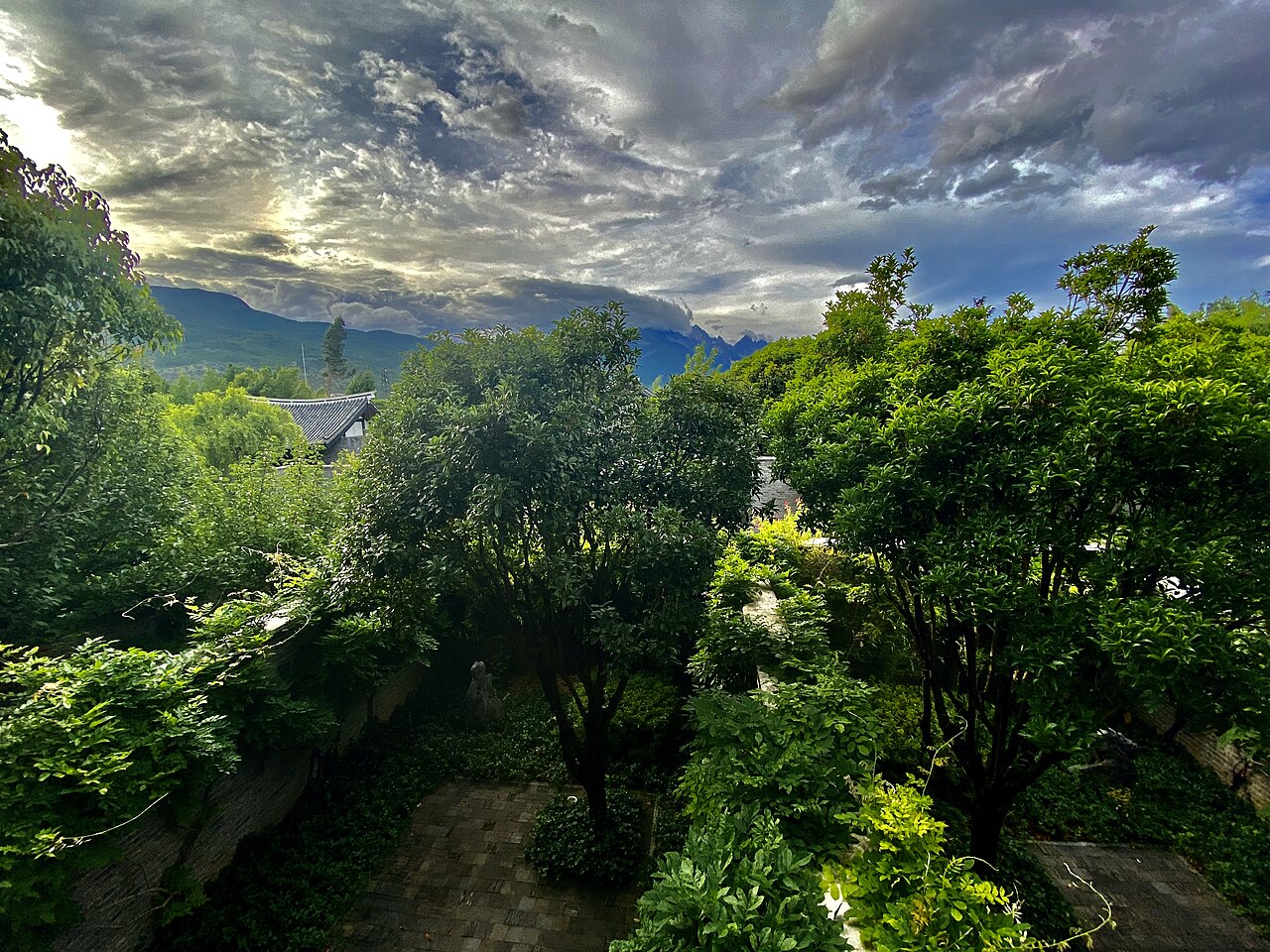
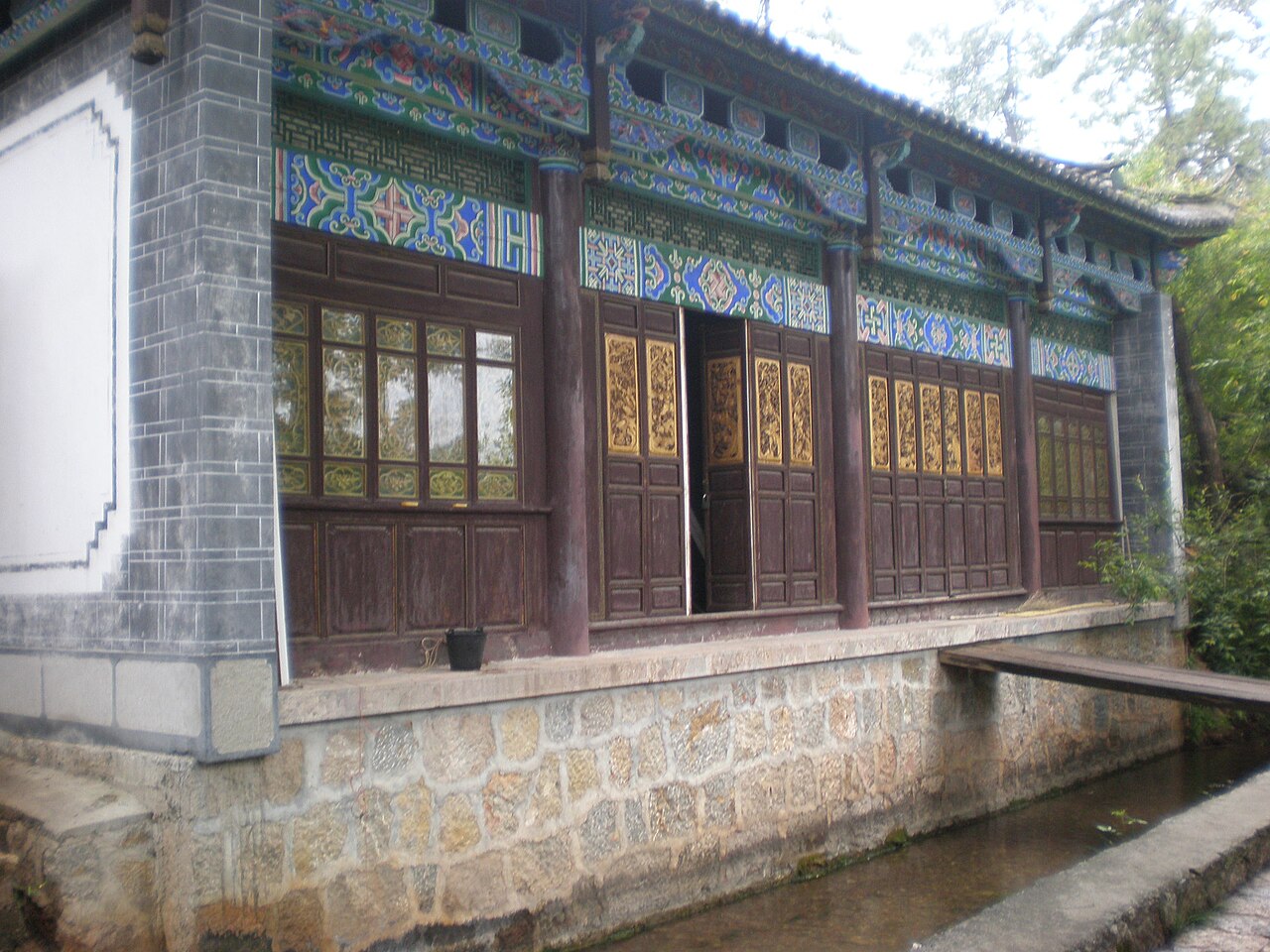
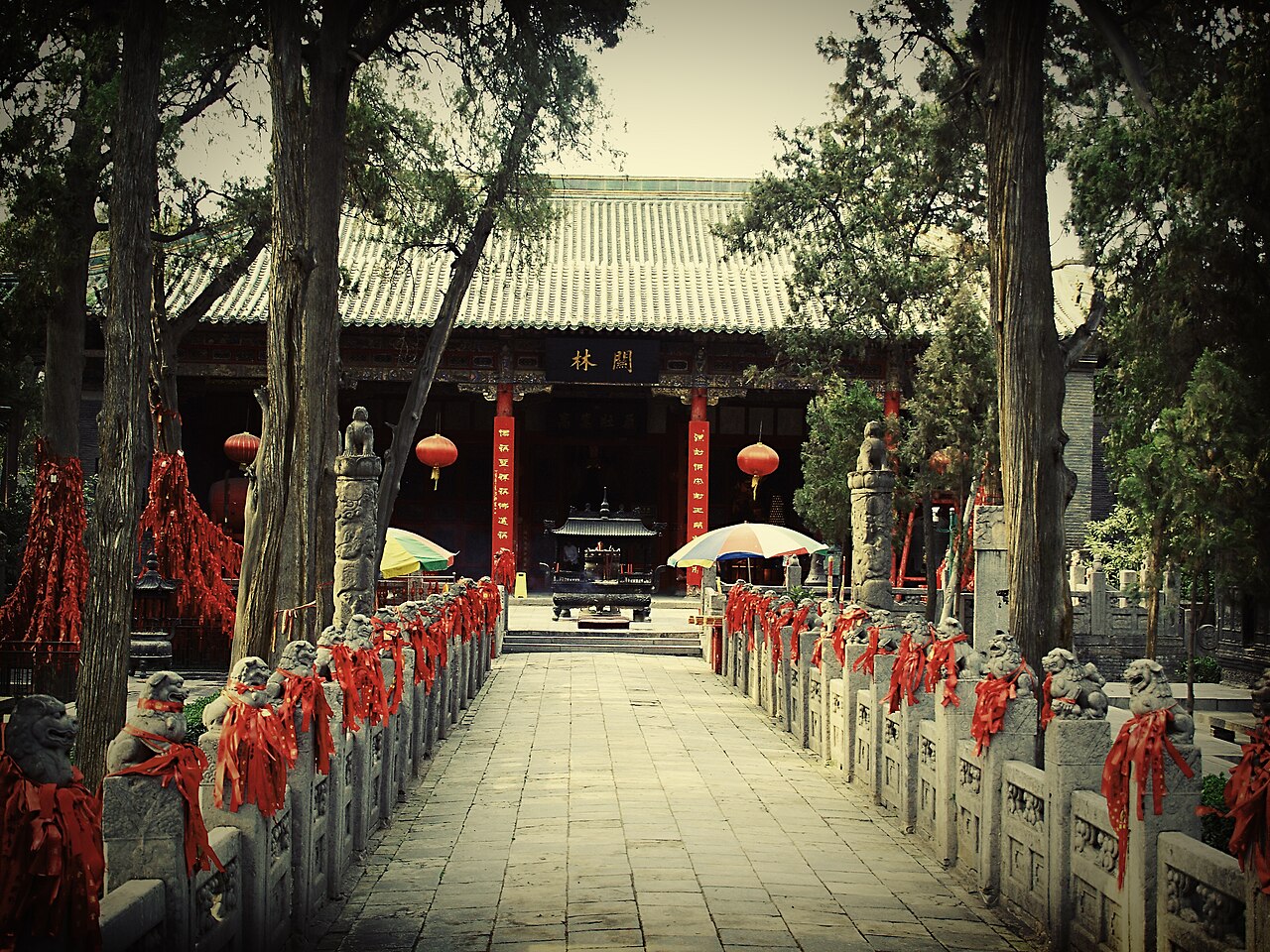
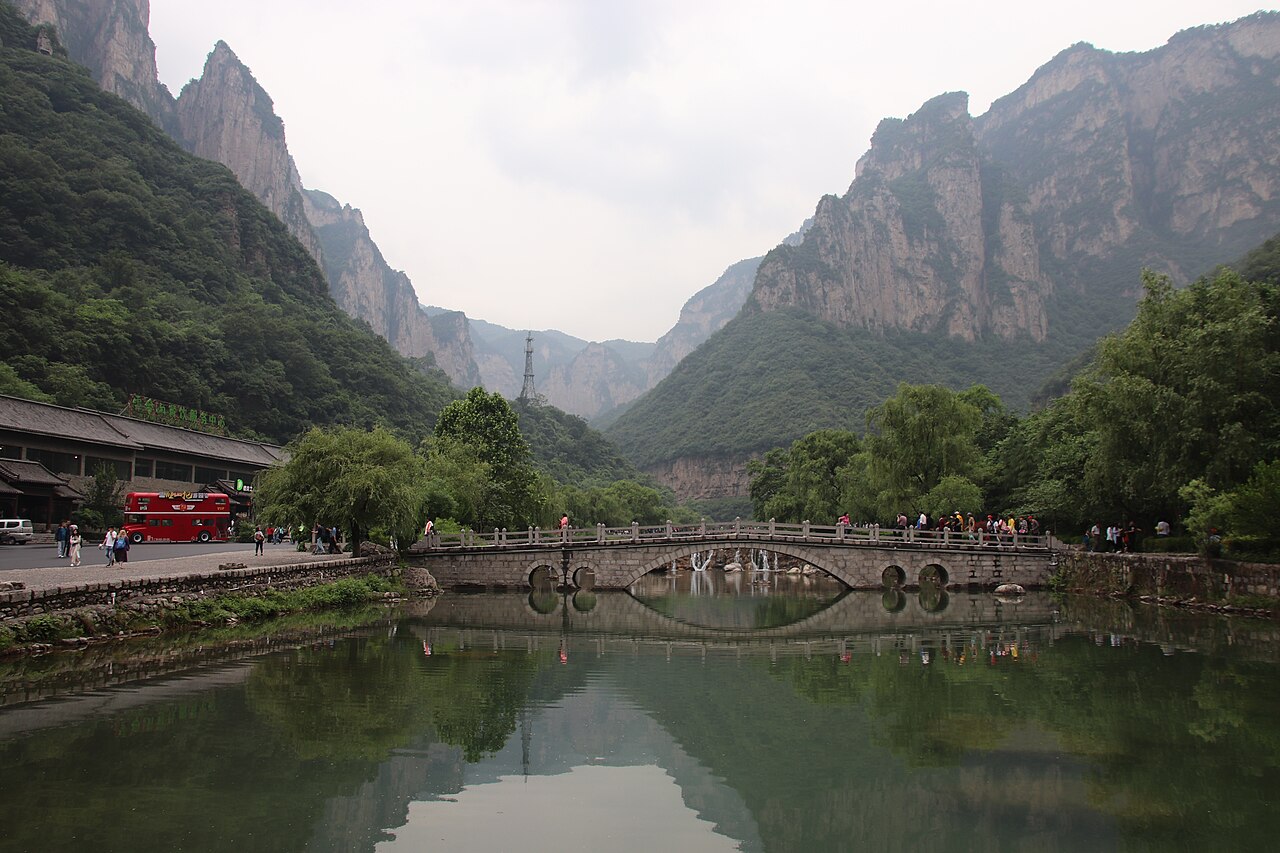
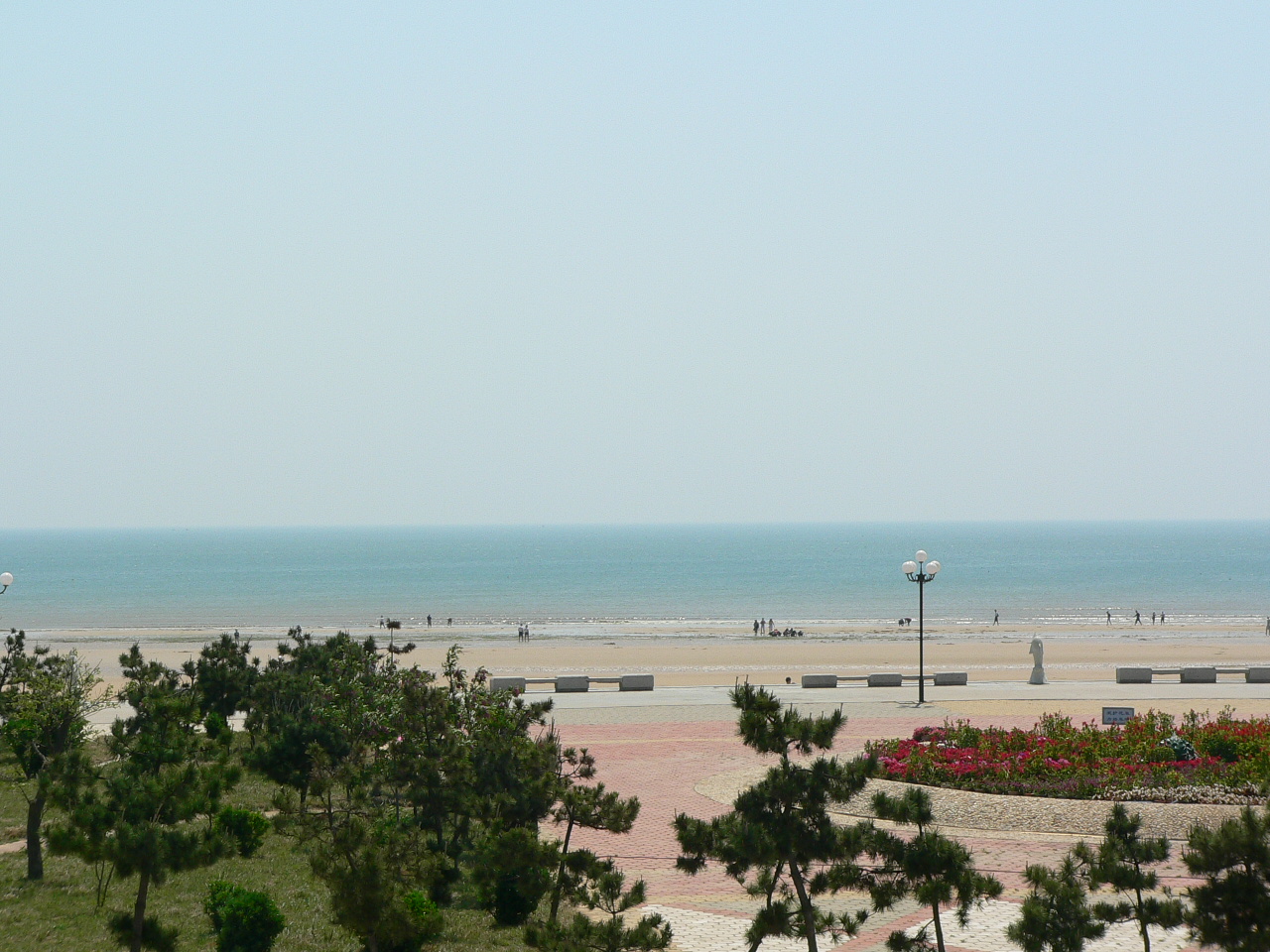
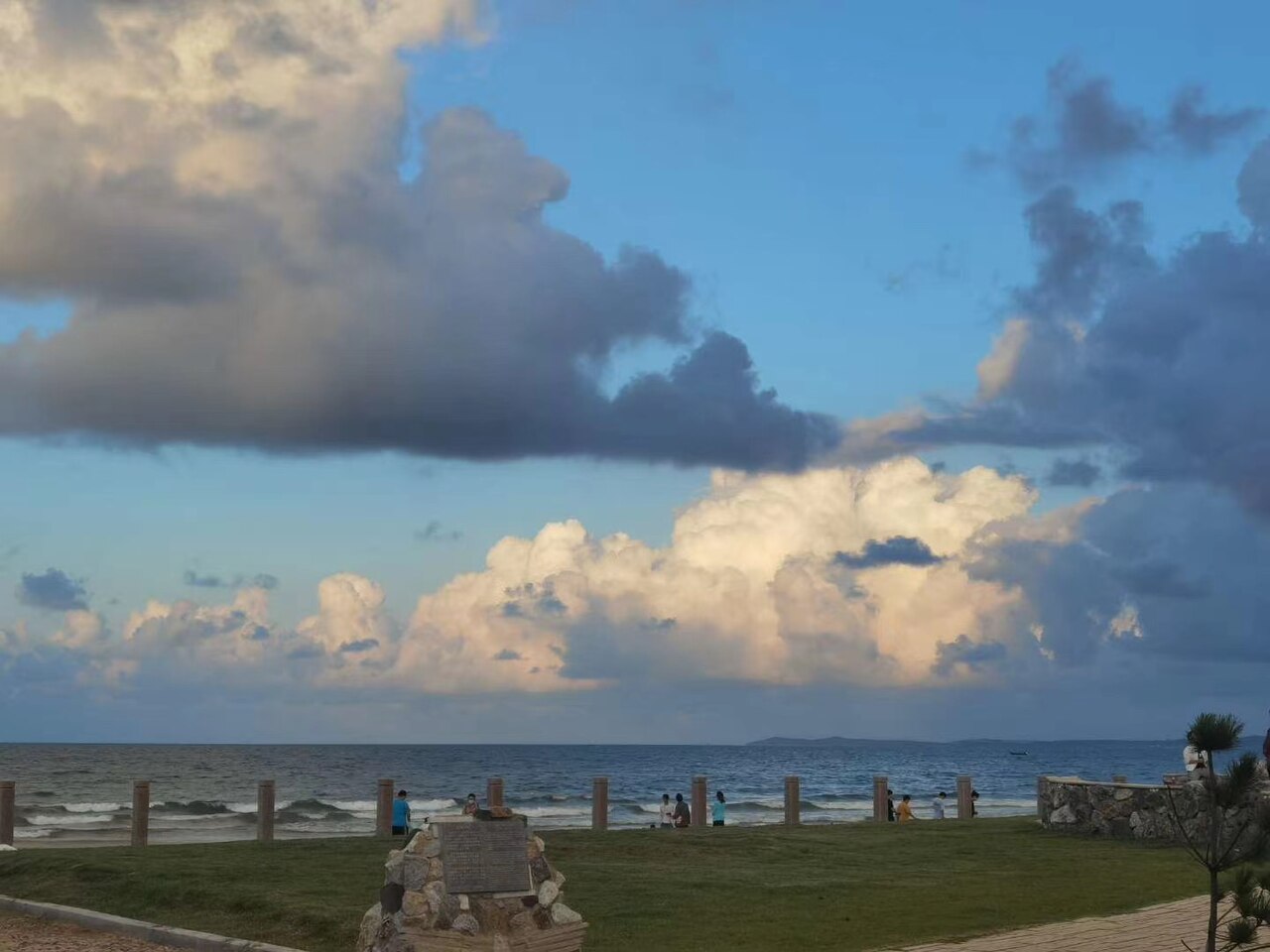
Photographs from the coast, and what other travellers wrote afterwards.

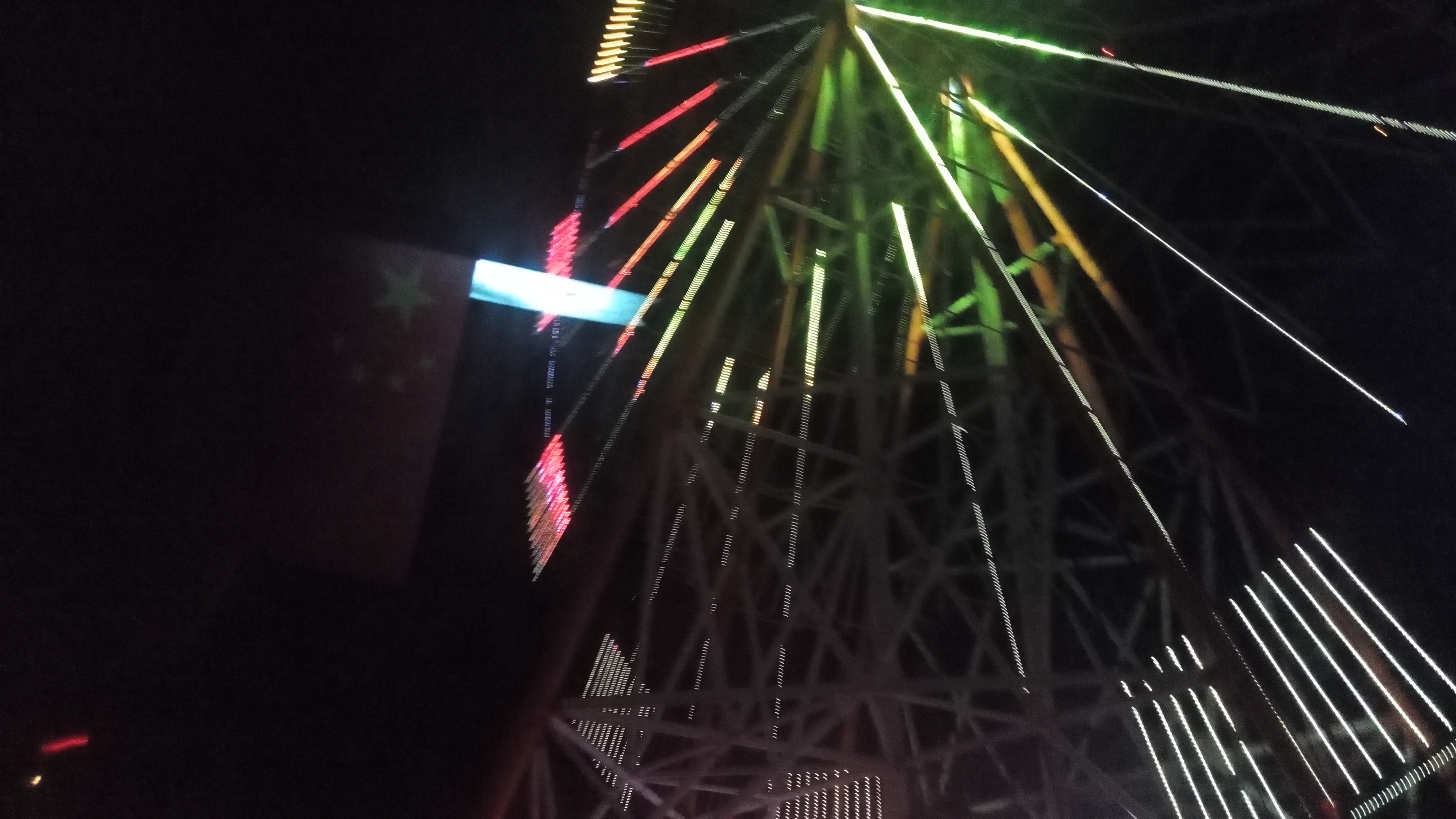
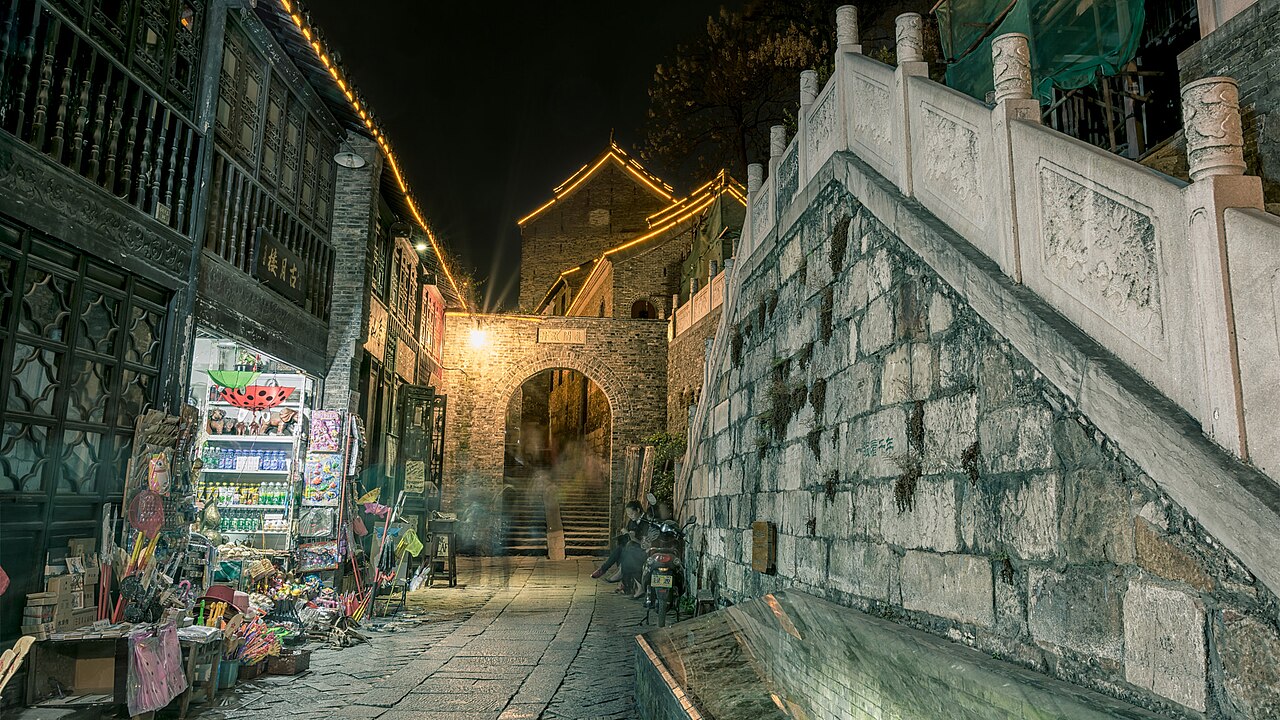
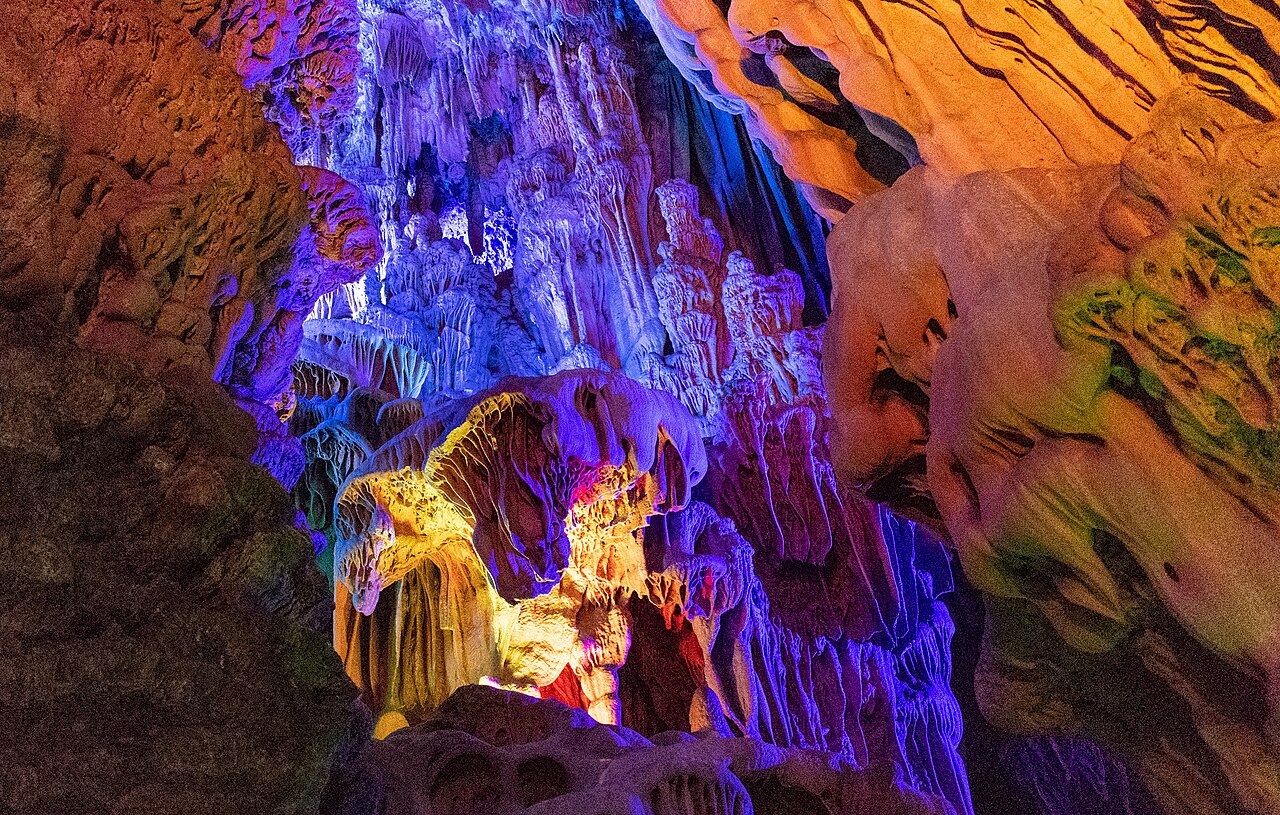
Lingfeng by day is worth looking at; by night it is something else again
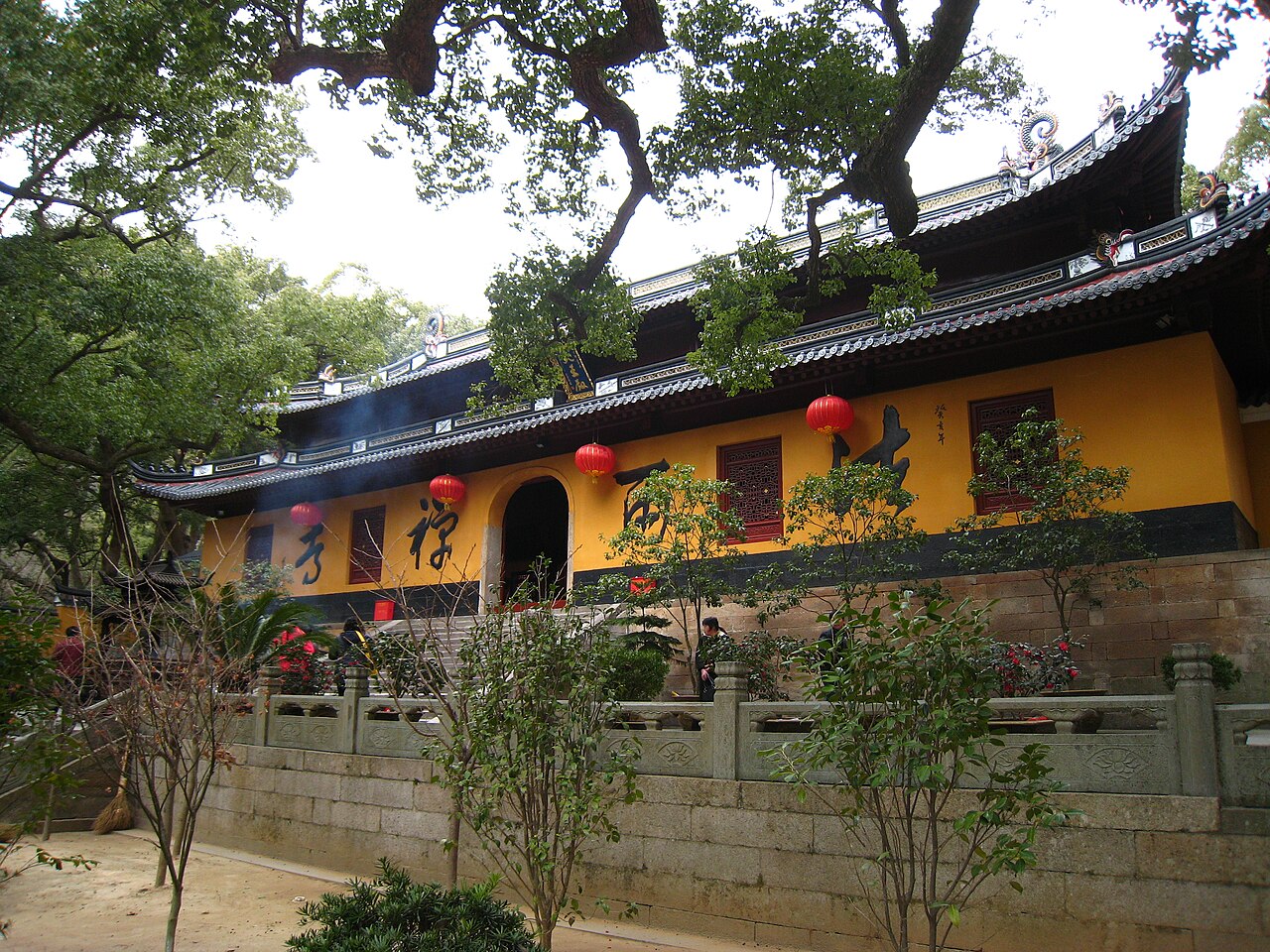
Guanyin Cave: nine tiers of gallery built into a natural cavern
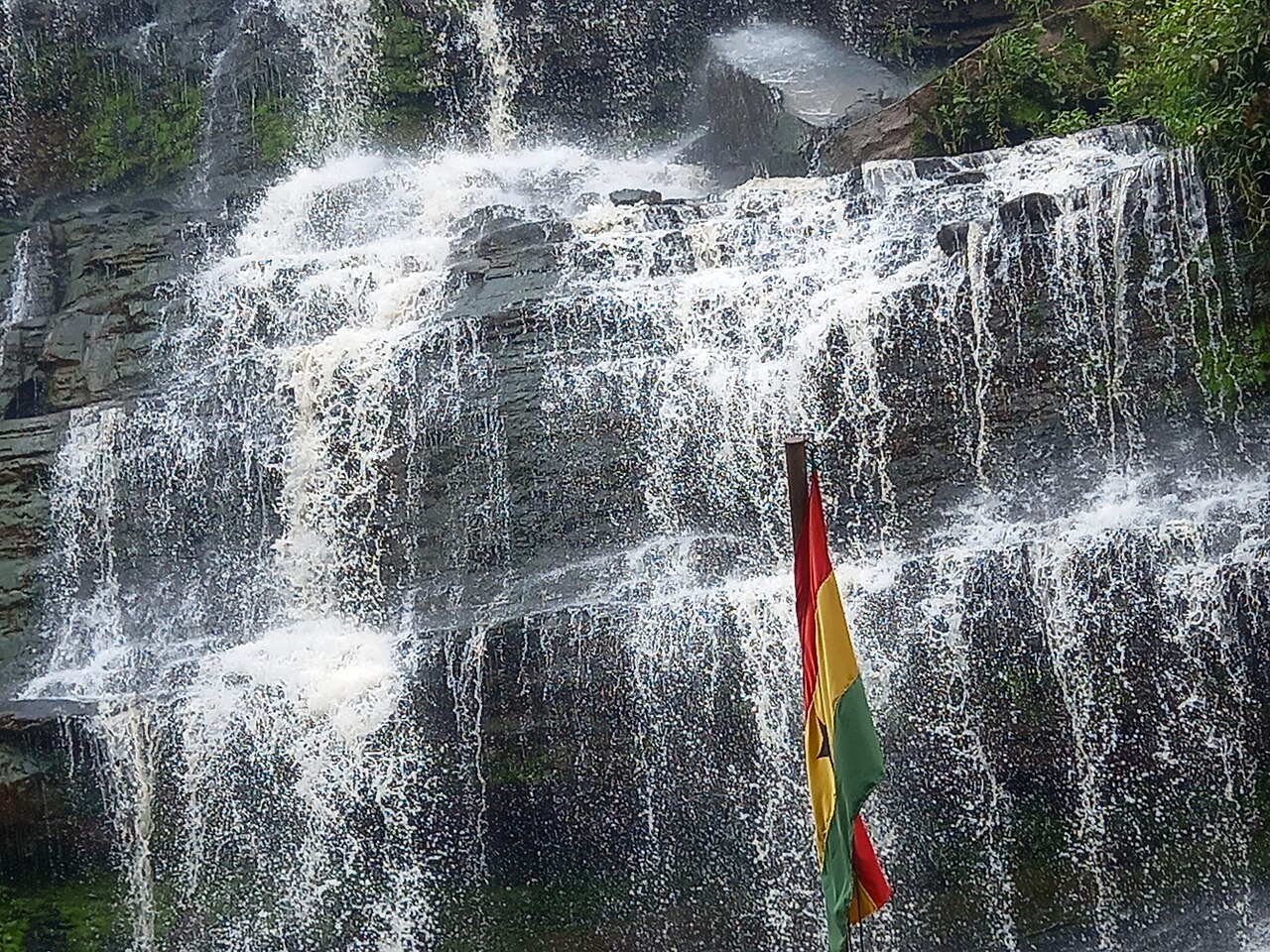
The Grand Dragon Waterfall, the longest drop in China
Xiansheng Gate: two 200 m cliffs standing a few metres apart

The Grand Dragon Waterfall scenic area is a valley — go in along the path on the right and come out on the left. What Dalongqiu is famous for is how the view changes with every step: the same rock is a different thing from a different angle. The day I went it was wet and humid, which only added to the feeling of being somewhere enchanted. I rather wanted to get lost in it.

'Go, Your Yandang Mountain', a traveller's note

The cable car is fine — not fast, not slow, and not that high either; even A-mei, who is afraid of heights, could manage it, so there is really nothing to be frightened of. The whole point of Fang Cave is the plank walk pinned into the cliff, plus its strange assortment of caves and peaks. We had no guide, and on the empty path we were glad just to run into a few other walkers. In the end we read the signs and used our imaginations, and enjoyed ourselves anyway.

'Yandang Mountain Travelogue', a traveller's note

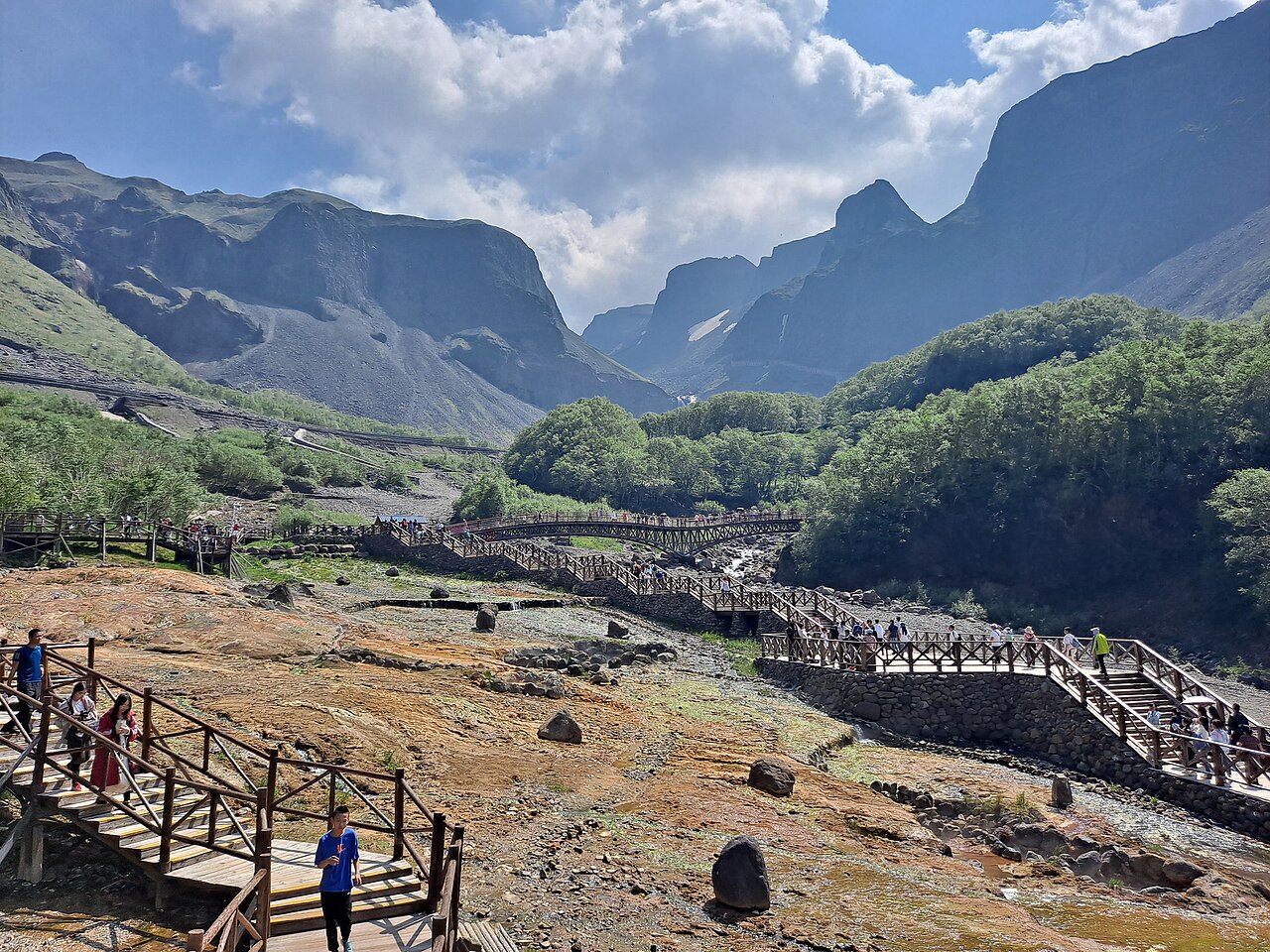
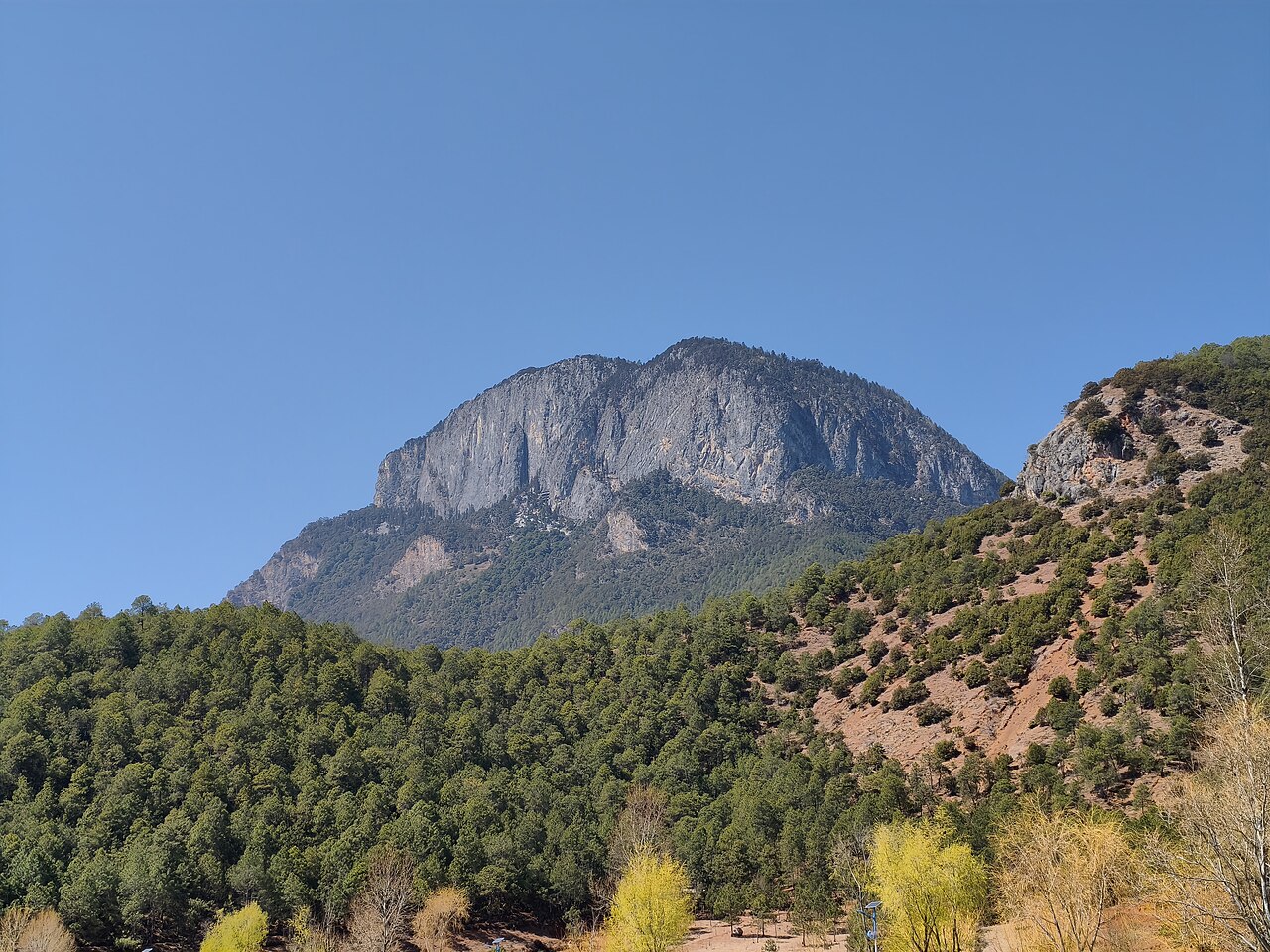
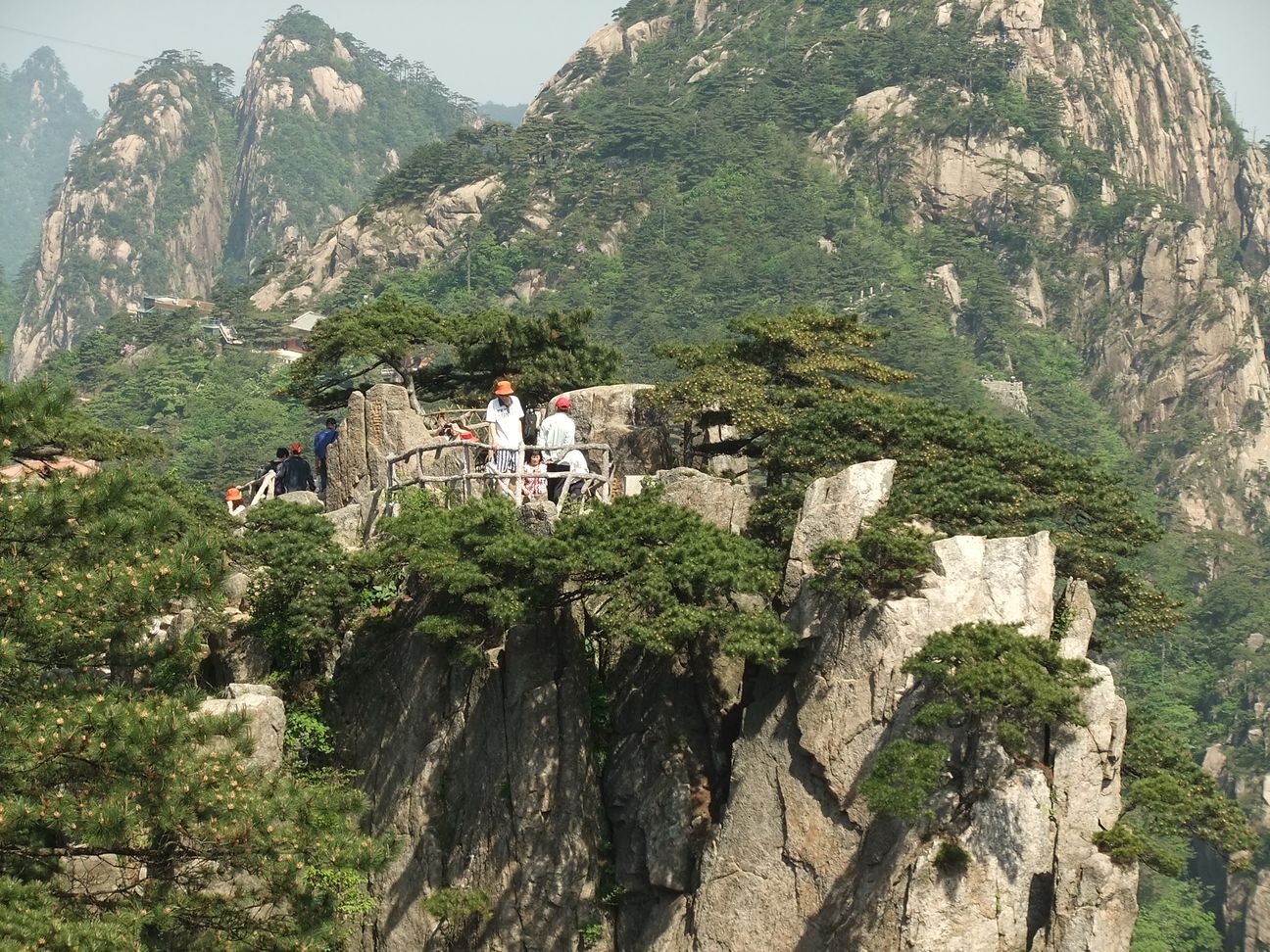
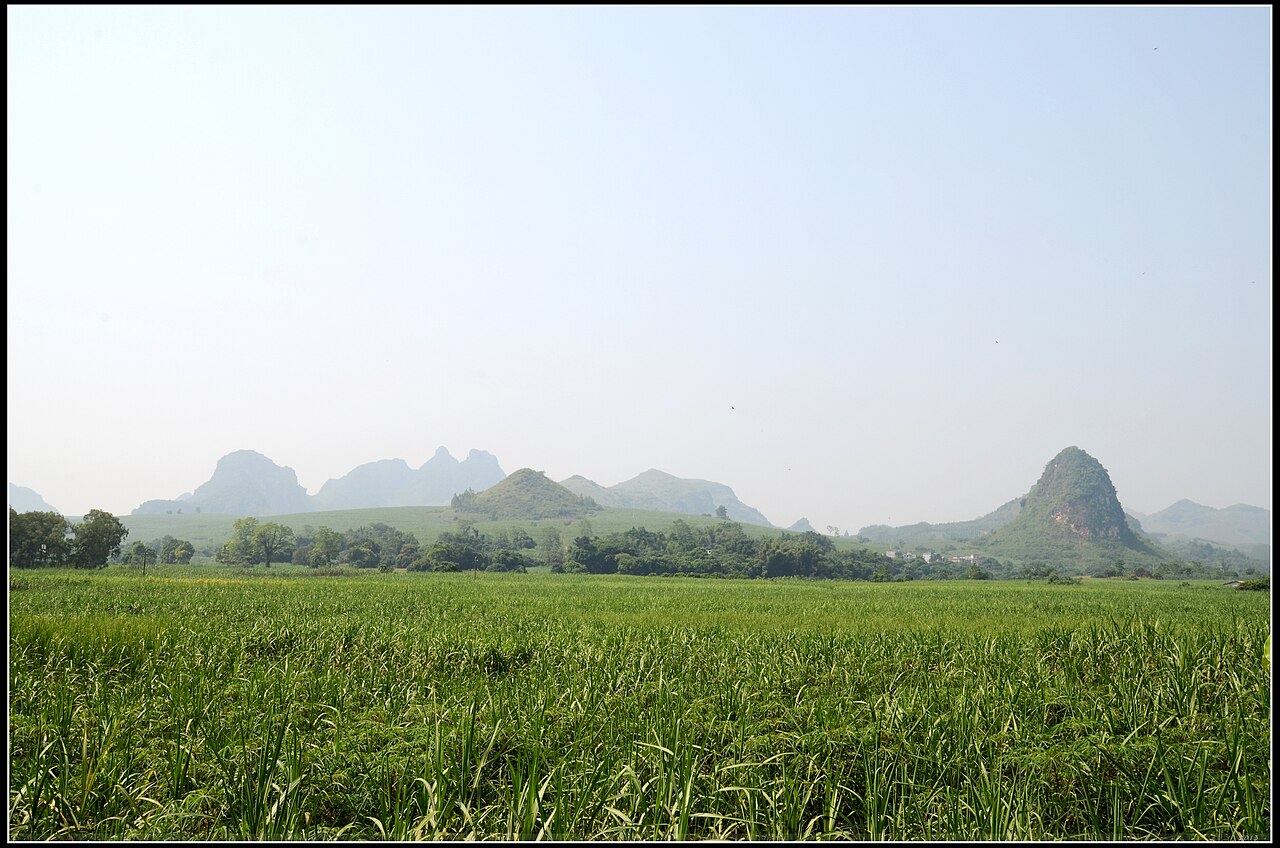
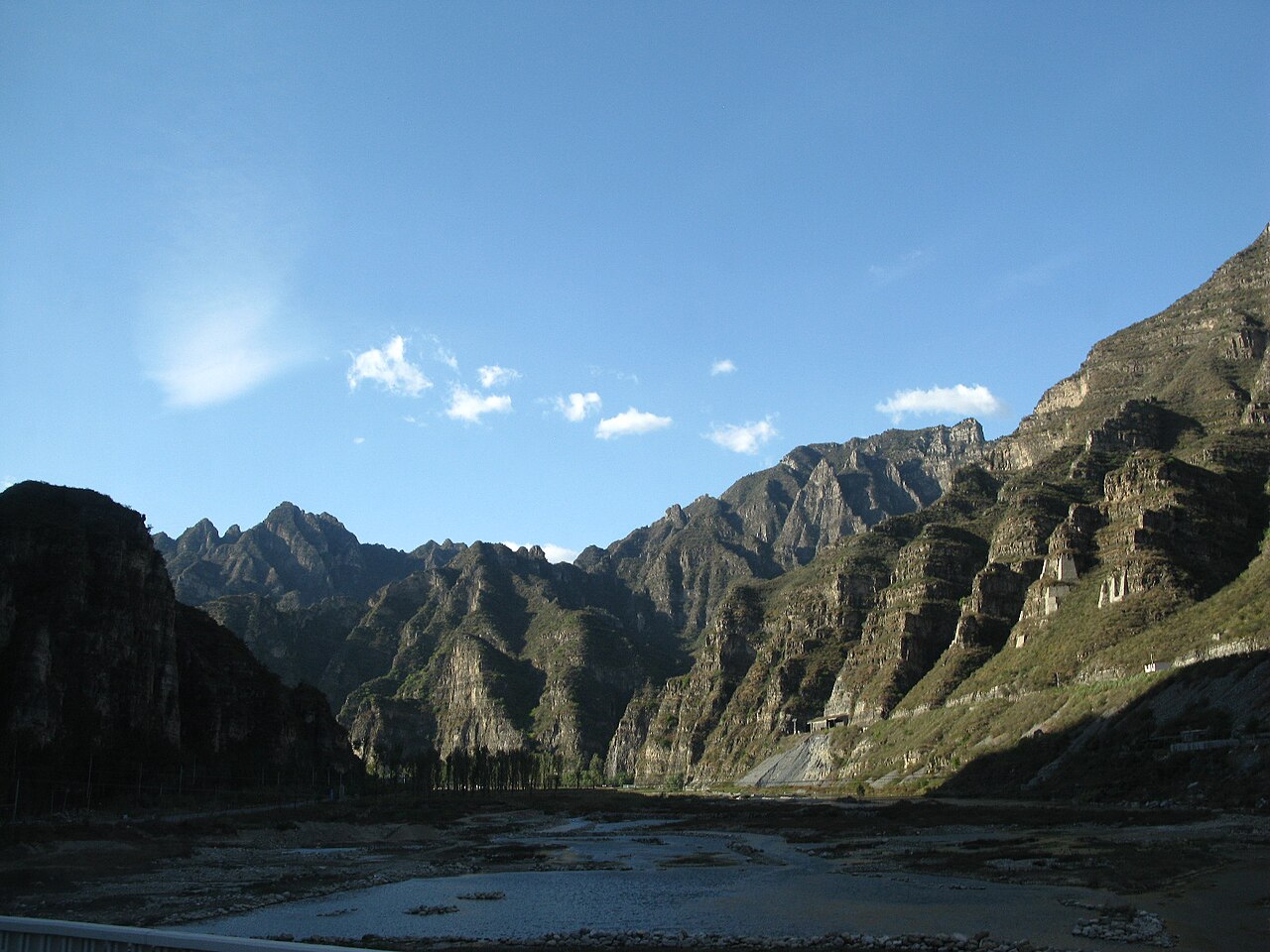
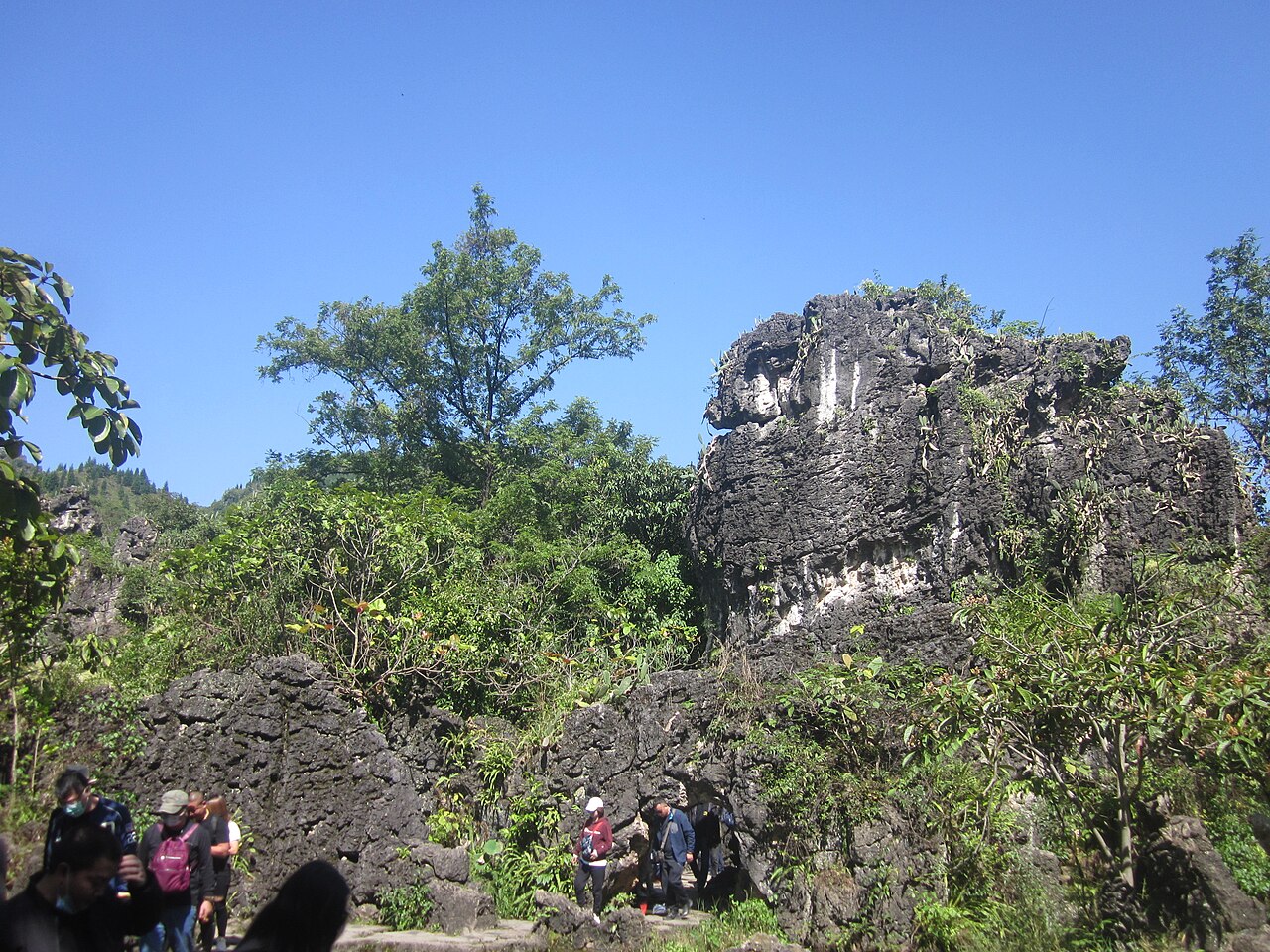
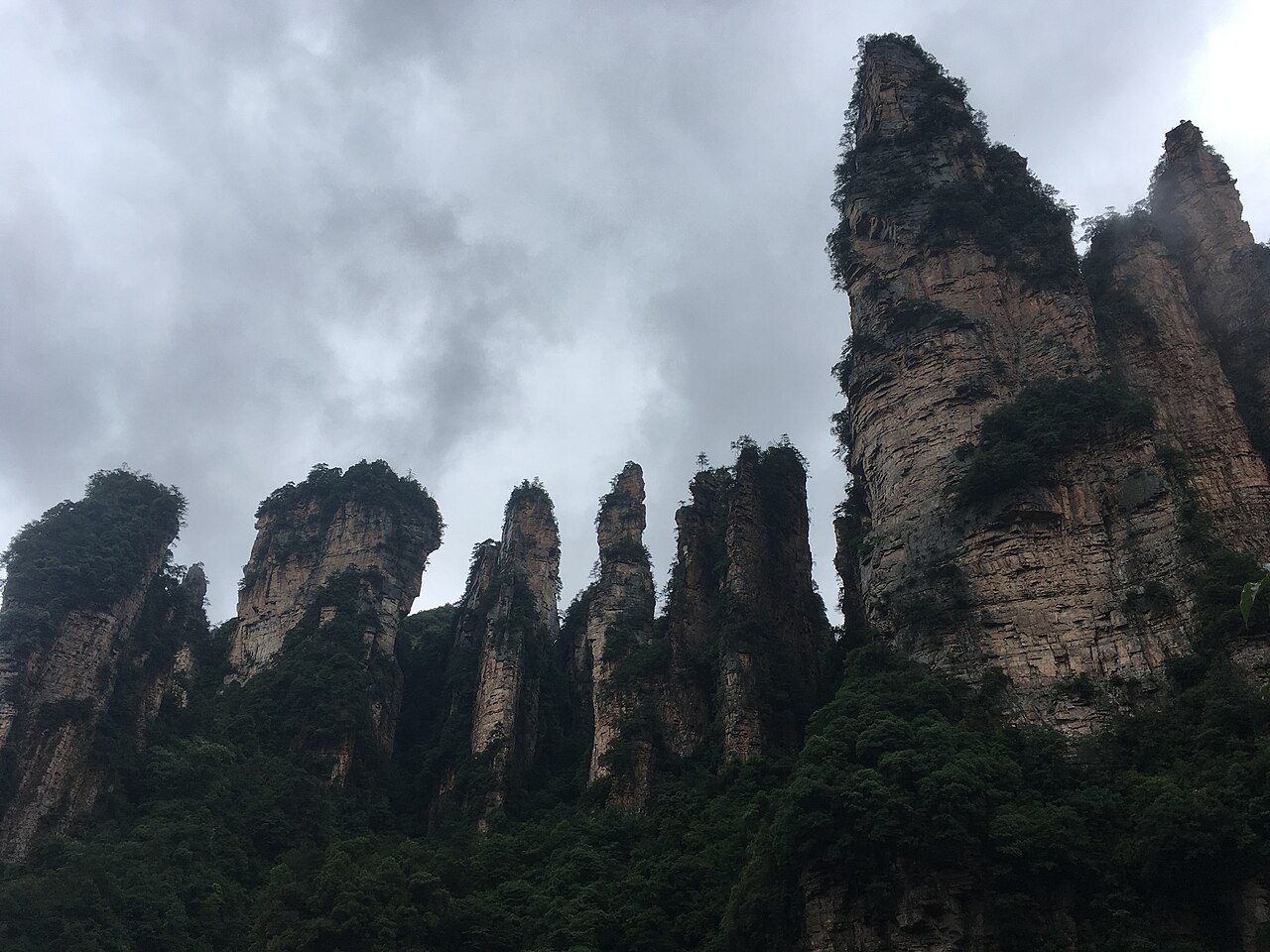
Yandang Mountain was a volcano before it was a mountain, and that is the whole reason nothing here looks like anywhere else. A hundred and twenty million years ago, in the Cretaceous, a rhyolite eruption laid down the rock; a hundred million years of weathering have since carved it into peaks, pillars, blocks, caves and cliffs on a scale ordinary ranges simply do not manage. Geologists call it a museum of sculpted landforms, and in 2005 it was made one of China's world geoparks. The scenic area covers 450 sq km.

It rises in Yueqing on the southern Zhejiang coast, part of it spilling into Yongjia county and Wenling city — which is why Chinese travellers speak of north, middle, south, west and east Yandang as five separate ranges, even though the place everyone means is Beiyandang, the northern one, inside Yueqing. Within it are eight scenic areas and more than 500 named sights, and three are the reason people come: Lingfeng, Lingyan and the Grand Dragon Waterfall, together the three wonders of Yandang.

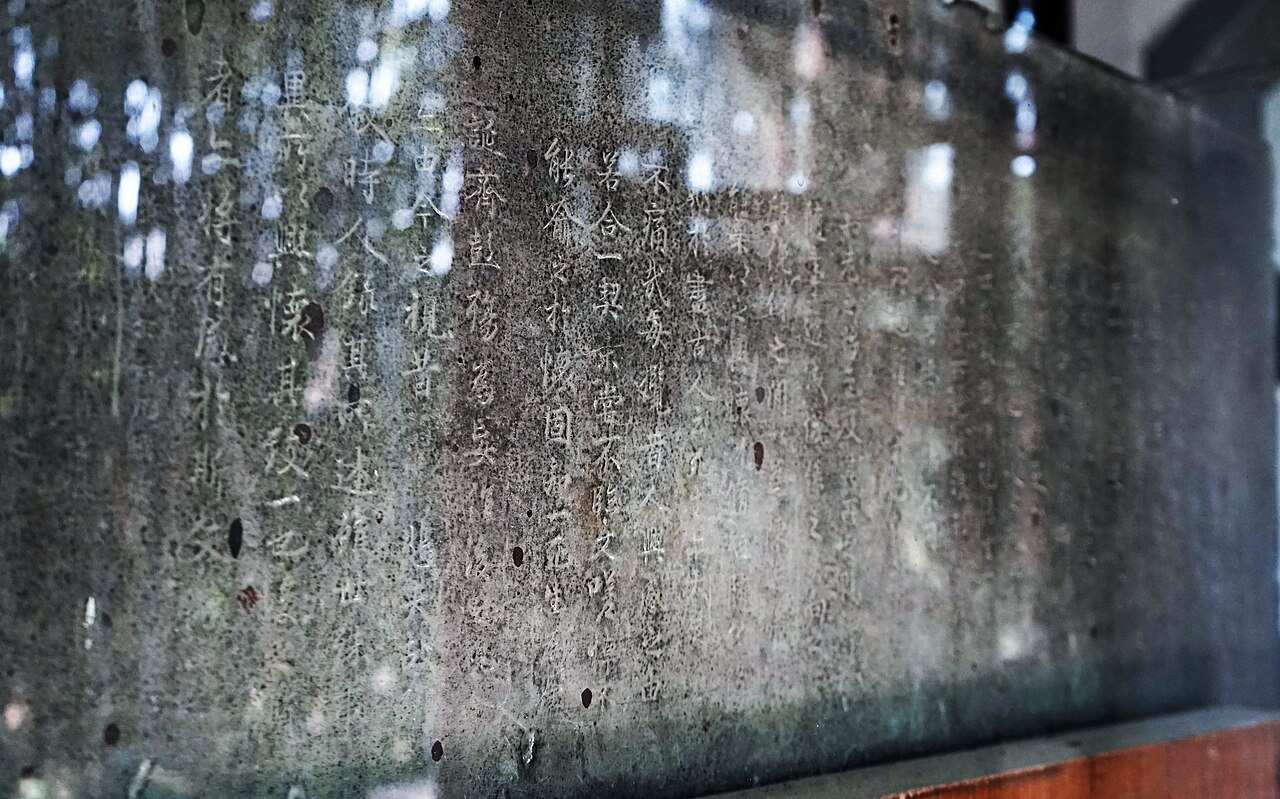
What keeps it from being only scenery is the weight of writing on the rock. Yandang is one of the three mountains of the classic formula — Huangshan, Lushan and Yandang — and the literary record goes back as far as the formula does. Xu Xiake, the great Ming traveller, climbed it at twenty-eight and is said to have hauled himself up a cliff on a strip of cloth; Shen Kuo wrote about it in his Dream Pool Essays; Xie Lingyun is supposed to have invented his hiking clogs here; Kang Youwei left more than twenty works after an 1924 visit. The Qing poet Jiang Taoshu summed it up in a couplet: to describe the dragon pool is hard to put brush to paper; not to have seen Yandang is to have lived in vain.

Yandang Mountain

Don't leave without

Seven things that are worth rearranging a day for.

  1. See the Lingfeng night view — the mountain's most famous hour
  2. Watch the Lingyan flying-figure acrobatics strung across the gorge
  3. Walk through Xiansheng Gate, the so-called first gate under heaven
  4. Stand on Duanchang Cliff where Xiaolongnü leapt in 'The Return of the Condor Heroes'
  5. Pray for your family inside Guanyin Cave, the first cave-heaven of Yandang
  6. Watch the Grand Dragon Waterfall drop 200 m after a summer storm

Highlights

Six reasons people climb it

Lingfeng, twice over

The east gate of the mountain and the reason it is famous. Walk it by day for the Guanyin and Beidou caves and the Hezhang peak; come back after dark, when lights pick the same ridges out as cut-paper shapes. The local verdict is that the day view is worth looking at and the night view is ravishing.

Lingyan and the flying figures

Where Lingfeng is chiselled and gorgeous, Lingyan is majestic and grand — the old temple below, the Pingsia cliff behind, the Tianzhu and Zhanqi crags facing each other across the valley. The draw is the flying-figure acrobatics on a cable high over the gorge, at 10:30 in the morning and again in the afternoon.

The Grand Dragon Waterfall

The longest waterfall in China, dropping roughly 200 m in a single fall. It is seasonal: after a summer thunderstorm it is a white dragon, loud enough to feel a hundred metres away; in a lean winter it is a thread, and the prize then is the rainbow hanging in the spray.

Guanyin Cave

The first cave-heaven of Yandang, with nine tiers of timber gallery built into a natural cavern so neatly that building and rock read as one. For a few minutes a day the sun reaches the hall on the cave floor, and decades of incense hang in the shaft. It is where people come to ask for the family.

Xiansheng Gate

Yandang has a dozen-odd places called gates; this is the most striking, two cliffs 200 m high standing only a few metres apart. The height of the walls against the width of the gap is genuinely dizzying — some visitors cannot stay long. The Fentou and Songpo streams play the soft half of the composition.

Fang Cave, Yangjiao Cave and Yan Lake

The outlying sights, and the ones that justify hiring a car: the plank walk pinned into a sheer wall at Fang Cave, a Daoist temple wedged between cliff and chasm at Yangjiao, and the reed lake at 990 m on the Yan Lake ridge, where the geese used to roost and which Xu Xiake called the home of the wild geese.

Suggested routes

Two days of wuxia, or three unhurried days

The wuxia two-day route

2 days days

Built around the filming locations of 'The Return of the Condor Heroes' and the fastest way to see all three wonders.

  1. Day 1

    Lingyan – Grand Dragon Waterfall – Lingfeng by night

    Start at Lingyan for the Condor Heroes locations: Duanchang Cliff, the entrance to the Living Dead Tomb, the summit of Mount Zhongnan and the gate of the Ten Thousand Beasts Manor. Stay for the original attraction, the flying-figure acrobatics across the gorge, and allow time for the sky-window cave, the dragon-nose water and the Little Dragon Waterfall.

    After lunch move on to the Grand Dragon Waterfall, where the novel's pool below Duanchang Cliff sits under the real 200 m drop; take the Scissor Peak and the Zhaojun Leaving the Pass rocks on the way. Come back after dinner for the Lingfeng dreamscape night view — the rhino watching the moon, the lovers peak, the eagle folding its wings.

    Stops: LingyanDuanchang CliffGrand Dragon WaterfallScissor PeakLingfeng night view
  2. Day 2

    Lingfeng by day – Three-Stage Waterfall – Xiansheng Gate

    Do Lingfeng properly in daylight: the Guohe three sights, the Hezhang peak, Guanyin Cave with its nine galleries and the inscriptions. Then take the Three-Stage Waterfall, where the water falls over three separate cliffs — the middle stage is the one people call the finest sight in Yandang — along with the orchid pavilion and the general-embracing-seal rock.

    Spend the afternoon at Xiansheng Gate, the first gate under heaven, then look in on the Ming-dynasty memorial archways at Nange, the Shifo cave and the Bashful Waterfall on the way out.

    Stops: Lingfeng day viewGuanyin CaveThree-Stage WaterfallXiansheng GateNange archways

The unhurried three-day route

3 days days

Mist out to sea, then leisure itself — waterfalls first, the high ridge and the outer sights later.

  1. Day 1

    Grand Dragon Waterfall – Lingfeng by night

    Spend the morning in the Grand Dragon Waterfall valley: Scissor Peak, Zhaojun Leaving the Pass, the high-wire bicycle show and the fall itself. Enter by the right-hand path and leave by the left — the shifting silhouette is the point.

    Eat early and be at Lingfeng for dusk, when the lamps come up and the peaks turn into the husband-and-wife pair, the eagle folding its wings and the rhino watching the moon.

    Stops: Grand Dragon WaterfallScissor PeakLingfeng night view
  2. Day 2

    Lingfeng – Three-Stage Waterfall – Xiansheng Gate

    After breakfast walk Lingfeng by day — the Guohe three sights, Hezhang peak, Guanyin Cave, the inscriptions and the Chaoyang cave — then the Three-Stage Waterfall for the orchid pavilion, the general-embracing-seal rock and the bashful maiden.

    In the afternoon take Xiansheng Gate, the first gate under heaven, with the Bashful Waterfall and the Shifo cave.

    Stops: LingfengThree-Stage WaterfallXiansheng Gate

  3. Day 3

    Lingyan, then the road home

    After breakfast, walk Lingyan properly: the temple, the Little Dragon Waterfall, the Reclining Dragon valley and the flying-figure show, which is the one thing here you cannot see anywhere else. Have lunch and start the journey home.

    If you have an extra half-day, charter a car out to Fang Cave for the plank walk and the cable car, or up to Yan Lake for the sunrise and the cloud sea.

    Stops: Lingyan templeLittle Dragon WaterfallFlying-figure show

Sights

What the ticket actually buys

The east gate

Lingfeng

Photographers set up here more than anywhere else on the mountain. The ridge climbs along the Mingyu stream between peaks stacked so tightly they seem to fold into one another, and the two great caves — Guanyin and Beidou — plus the Hezhang peak are the reason to walk it. Guanyin Cave is the first cave-heaven of Yandang: nine tiers of gallery built into the rock, sunlight reaching the hall on the cave floor for only a few minutes a day, incense hanging in the shaft from decades of burning. The whole scenic area also takes in Guohe Bridge, the White Cloud nunnery and the Chaoyang cave.

Ticket
¥40 by day, ¥80 for the night session
Hours
08:00–18:00
What is inside
Guanyin Cave, Beidou Cave, Hezhang Peak, Guohe Bridge, White Cloud Nunnery
Getting there
Scenic-area bus from Xianglingtou; about ten minutes on foot

Tip The day and night sessions are sold separately and the night one costs ¥30 more. Do the night view once — it is the single most famous thing on the mountain, and it only takes about an hour.

The flying figures

Lingyan

The Yuan writer Li Xiaoguang put the difference in one line: for chiselled, gorgeous beauty nothing beats Lingfeng; for majestic, massive grandeur nothing beats Lingyan. The old Lingyan temple sits at the centre with the Pingsia cliff — brilliant as brocade — behind it and the Tianzhu and Zhanqi crags facing each other, walls of rock a thousand feet up. Lingfeng makes the imagination race; Lingyan makes it quiet. Hidden away in the folds are the sky-window cave, the dragon-nose water, the Jade Maiden peak and the twin-pearl falls, and the place is called profound precisely because it keeps its best things out of sight.

Ticket
¥20
Hours
08:00–18:00
Flying-figure show
10:30; Mon–Thu 15:30; Fri–Sun 14:00 and 16:00
Getting there
Scenic-area bus from Xianglingtou

Tip Time the day around the flying-figure show rather than the other way round — it is a cliff-face acrobatics act on a cable, and there is nothing else like it in China.

The longest drop in China

The Grand Dragon Waterfall

A valley with a wide mouth and a stream beside it, and a fall that changes character with the season and the weather. When the summer thunderstorm has just passed it is an untamed white dragon — the spray like thunder and snow, the roar loud enough to feel a hundred metres off, the droplets still catching you tens of metres away. In the thin days of winter it shrinks, and if you are lucky with the sun a rainbow flickers in it like a necklace. The name is deliberate: qiu means pool, and it is the pool at the foot, not the fall, that makes it a dragon rather than just another pu.

Ticket
¥40
Best time
A clear day after rain, May–June or August–September
The drop
About 200 m in a single fall

Tip Walk in on the right-hand path and out on the left — the whole point of the place is how the rock changes shape as you move under it.

Three cliffs, three falls

Three-Stage Waterfall

Wedged between Lingfeng to the east and Lingyan to the west, and covering 3 sq km, this is the valley where the stream throws itself over three successive cliffs to make an upper, middle and lower fall. The middle one is the finest — the Qing verdict is that it is the first great sight of Yandang — a half-round cavern with the water coming straight off the roof of it, and when the volume is up it is genuinely spectacular. Locals say the hollow that holds it is a cooled volcanic vent, fire and water making a wonder between them.

Ticket
¥15
Hours
08:00–18:00
Getting there
Scenic-area bus, or walk from Xianglingtou, 10–20 minutes
Also here
General Rock, the martyrs' tomb, Jingming Temple, the forest park

Tip The narrow Chuyue valley just alongside is worth the detour: it cradles the so-called first screen under heaven, the Tiecheng wall, and shows you the side of Yandang that is about hiding things rather than showing them off.

The first gate under heaven

Xiansheng Gate

Yandang has a dozen-odd sights called gates, and this is the best of them: two cliffs rising 200 m and standing only a few metres apart. The disproportion between the height of the walls and the width of the gap is what stops people — some get dizzy and cannot stay. The two streams, Fentou and Songpo, run the soft counter-melody to all that vertical rock, and the two halves of the composition set each other off.

Ticket
¥15
Also in the area
Sanshui Rock, the Ming archways at Nange, Shifo Cave, the Bashful Waterfall

Tip The western part of the area has a run of sights with the character for immortal in their names. The Sanshui rock has a style of its own among Yandang's waterfalls, and the Nange archways are one of the few pieces of human, rather than natural, history on the mountain.

The plank walk

Fang Cave

West of Lingyan, a stretch of more than a hundred metres of plank walk pinned into a sheer cliff, with three dripping springs inside the cave whose water you can drink, and terraced fields hacked out of the slope below. The cable car up is slow, low enough that even travellers who dislike heights manage it, and the view down from the walkway is the reason you came.

Ticket
¥30
Cable car
¥60 a person
Getting there
Chartered car or the scenic-area bus, then the cable car

Tip The plank walk is the attraction here — everything else is a bonus. Go on a clear day, because the whole point is looking down.

The outer ring

Yangjiao Cave, Yan Lake and Xianqiao

Three further-out sights for anyone with a car. Yangjiao Cave sits in the south-east face of Fang Mountain, named for the peak behind it or for the horn shape of the opening depending on which version you hear; the three wonders here are the Sword Peak, the Gourd Rock and the cave itself, and there is a Daoist temple, the Yuchan Palace, built inside it, with cliff in front and a very long drop behind. Yan Lake is on the ridge top at 990 m — once, the records say, ten li across and never dry, reeds thick on it and the autumn geese coming to roost, which is how the mountain got its name; it has silted up to a small pond now, but the sunrise over the East China Sea and the cloud sea from the ridge are still the best thing in Yandang. Xianqiao is the country of the immortal Prince Jin, who is said to have flown here on a crane: the Fairy Bridge, the Fairy Pavilion, the Immortal's Cave, the Flute-Playing Peak, the Cinnabar Stove Rock and the Stone Chessboard are all named after him. The bridge is 38 m long, about 7 m wide and over 10 m high.

Yangjiao Cave
¥15
Yan Lake
¥5
Xianqiao
¥10
Getting there
Poor public transport — charter a car and bring food and water

Tip Yan Lake is the one to plan a whole morning around: the tea grown on that ridge is the Yandang Mao Feng the province is known for, and a clear dawn gives you the sea below the cloud.

Film locations

Where the Condor Heroes were shot

Return of the Condor Heroes

Lingfeng: the outer corridor

The day circuit doubles as the show's outdoor set — the outer corridor shots, the Hezhang peak standing in for the Chongyang Palace, whose great hall is supposed to rise nine storeys and seven inside the rock, and the real sights of Guanyin Cave and the inscriptions. It is the easiest place to see why the location scouts came here.

From the novel
Chongyang Palace, nine storeys
Real sights
Hezhang Peak, Guanyin Cave, Guohe three sights

The vow

Duanchang Cliff

This is the cliff Xiaolongnü is said to have thrown herself from, and where she and Yang Guo swear to meet again in sixteen years. The couplet that goes with it — sighing at heartbreak on the heartbreak cliff, weeping one's gut out at the bottom of the passionless valley — is quoted at every turn in the scenic area, and the cliff itself is signed as a filming location.

Where
Lingyan scenic area
Also here
Living Dead Tomb entrance, Mount Zhongnan summit, Ten Thousand Beasts Manor gate

Return of the Condor Heroes

The pool below Duanchang Cliff

The Grand Dragon Waterfall carries the second cluster of Condor locations: the pool at the foot of Duanchang Cliff, plus the real sights of the fall itself and the Zhaojun Leaving the Pass rock. Stand at the bottom on a wet day and the melodrama of the novel makes a certain amount of sense.

Where
Grand Dragon Waterfall scenic area
Best time
Straight after heavy rain

Return of the Condor Heroes

Xiansheng Gate: the Passionless Valley

The third cluster: the Passionless Valley inn, the cave, the mouth of the Passionless Valley — alongside the real Ming-dynasty archways at Nange, the Shifo cave and the Bashful Waterfall. Of all the locations, this is the one where the landscape does the most work for the story.

Where
Xiansheng Gate scenic area
Real sights
Nange archways, Shifo Cave, Bashful Waterfall

Food

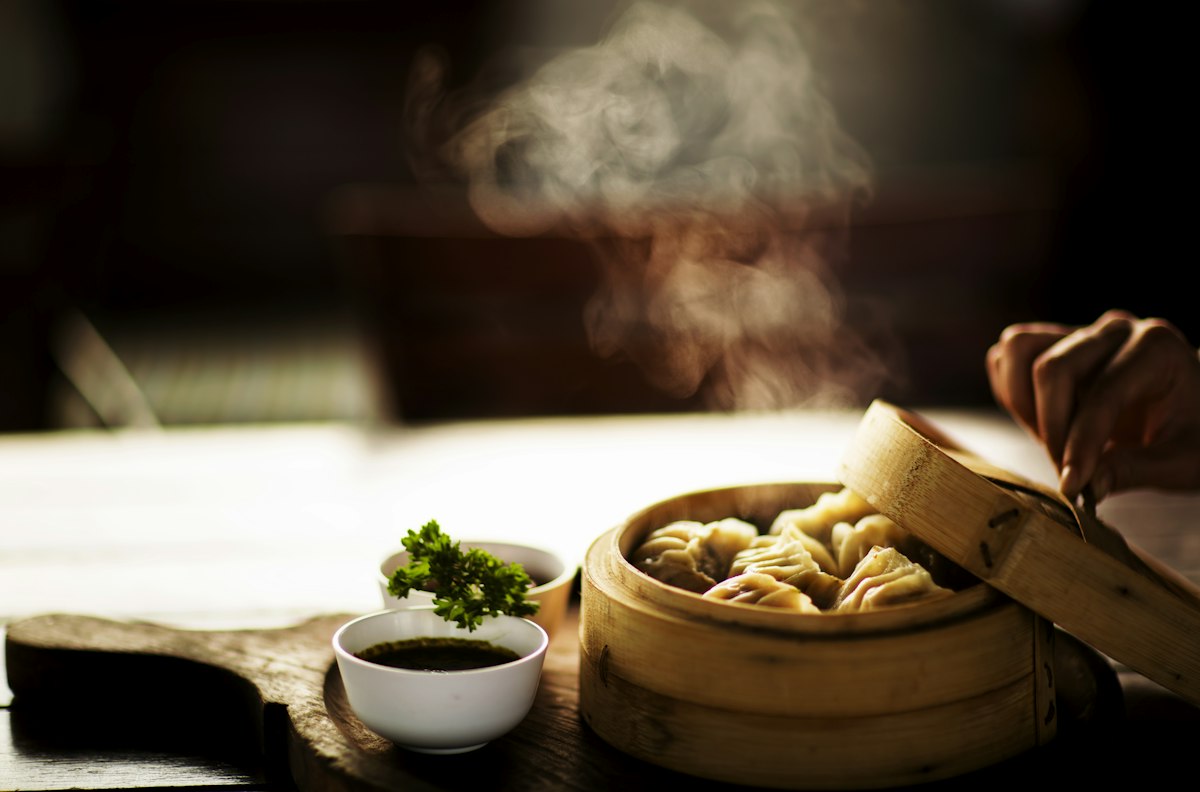
Five treasures, eight dishes, one river of tea

The five treasures of Yandang

The local canon, fixed in the Qing by Lao Dayu in his 'Unrecorded Tales of the Ou River': Yanming tea, the Guanyin bamboo, the Venus fern, the mountain songbird and the sweetfish. Four of the five are things you look at rather than eat, which tells you something about how this province thinks about a menu.

Sweetfish

Golden, fine-scaled and without the muddy note that puts people off freshwater fish — which is why it is the one to drink with. Lao Dayu recorded that it is born in early spring and grows an inch a month, reaches a foot by winter, then runs down to the tide to spawn and dies there. It is found only in the streams of Yandang, and the best come out of the Shimen pool.

Yandang stone frog

The dish of the eight that people order twice. The flesh is fine and tender, the broth thick and clean, the whole thing fresh and delicate rather than rich. It is a summer and autumn dish and a genuinely good reason to sit down.

The eight famous dishes

The mountain's canonical set: minced chicken with sweetfish, dragon-coiling-pearl, Yandang stone frog, potato and game casserole, beautiful yellow croaker, clam and tofu soup, emerald shrimp, and plain-braised sea crab. Every restaurant in town claims to do all eight; order by what is in season and what is swimming.

Potato and game casserole

Hare and potato, simmered long and slow until the colour goes dark red and the smell gets into everything. One of the eight, and the sort of dish the hills do better than the coast.

Mung-bean noodles

Made from mung-bean and sweet-potato starch, thick as a chopstick and faintly green, and best fried. The rule is no cabbage, no spinach — too much water and it ruins both the taste and the look — but celery, oyster, razor clam and shredded egg instead.

Sweet-potato vermicelli soup

Dried vermicelli simmered with trotter or bone, then finished in the bowl with egg strands, celery, dried shrimp, seaweed, oyster, vinegar, soy and seasoning, plus a little chilli paste if you like it hot. A wedding, a funeral, any banquet in Yandang involves a plate of fried vermicelli — it is not optional.

And the sea

The mountain gets the fame, but Yandang sits on the coast and the seafood is the other half of the menu. One rule worth repeating: eat in the town, not inside the scenic area. The difference in the bill is real.

Where to eat

Chaoyang Road and Xiaoxia Road

Best value

The restaurant in Yandangshan Villa

Inside the four-star Yandangshan Villa on Xiaoxia Road. Very good value, mostly seafood, unremarkable room, decent service. If you want a proper sit-down meal without the tourist premium, start here.

Average spend
¥40
Address
8 Xiaoxia Road, Yandangshan, Yueqing
Why here
The cheapest good kitchen in town

Try the sweetfish

Xiangpenpen Grand Hotel

Two floors: the ground floor handles the tour groups, the first floor is private rooms, and the staff will happily take independent travellers upstairs. The food is good and the sweetfish is the thing to order.

Average spend
¥85
Address
Songxi Avenue, Yandang town

Big plates

Jinying Restaurant

Generous portions, good flavours, good service, and the seafood is fresh with thick, sweet flesh. The sort of place where you order four dishes for three people and still take something home.

Average spend
¥36
Address
25 Xiangling Street, Yandang town, Yueqing

Where the locals go

Huguang Guild Hall Tea House

A lot of Yueqing people eat here, which is the recommendation that matters. The room is done out in an old-fashioned style and the kitchen is broad rather than deep — the roast yellow croaker, the boiled fish, the loofah with fried dough sticks and the red-bean ice all come recommended.

Average spend
¥70
Address
387 Chenmu Road, Yueqing

The big dinner

Yinying Villa Chinese Restaurant

Expensive, but the menu is complete and it is not just country cooking. If you want one proper multi-person dinner rather than a string of roadside meals, this is the respectable choice.

Average spend
¥180
Address
7 Xiaoxia Road, Yandangshan, Yueqing

Where to stay

A bed in the town, or a tent on the hill

Good value

Hongdalou Hotel

The most central address on the mountain, right next to the Xianglingtou pedestrian shopping street — food, shopping and transport all on the doorstep, and it is where the restaurants cluster. The hotel runs a free pick-up from the station.

From
¥100 a night
Phone
0577-62241011
Address
3 Xiaoxue Lane, Xianglingtou, Yandangshan, Wenzhou, Zhejiang

By Lingfeng

Wangfenglou Hotel

Clean and tidy, and only a few steps from the Lingfeng scenic area, which makes the night view a five-minute errand. Free pick-up from both the Yandangshan coach station and the high-speed rail station, and the hotel also sells rafting packages.

From
¥108 a night
Phone
0577-62242496
Address
41 Xiegong Road, Yandang town, near Lingfeng

Quiet rooms

Furong Hotel

Inside the scenic area, clean, and more modern than most of its neighbours, with a food street close by. Ask for a room on the hill side — the staff say you hear birds and see the mist come up in the early morning.

From
¥198 a night
Phone
0577-62246999
Address
2 Xiaoxia Road, Yandangshan

On the walking street

Yandangshan Shuguang Villa

In the middle of the scenic area, well fitted out and well placed — ten minutes on foot to Lingfeng, and the pedestrian street outside is the liveliest shopping in Yandang after dark. A green sightseeing bus stops at the end of the street and calls at every sight from Lingfeng to the Grand Dragon Waterfall.

From
¥318 a night
Phone
0577-62245222
Address
151 Walking Street, Xianglingtou village, Yandang town

Comfort

Yandangshan Villa

Four-star, close to the sights, in good surroundings, clean and with genuinely good service — about the best the mountain has. A large step up in price from the guesthouses, and worth it if you are walking hard for three days.

From
¥400 a night
Address
8 Xiaoxia Road, Yandangshan, Yueqing

The local trick

Camping on Lingfeng hill

The Lingfeng night view is one of the three wonders, and one way to see it is to sleep on the mountain: pitch on the hill by the Jiangjun Cave road, or by the forest-farm buildings, and walk the peaks after dark. It costs nothing, it saves the ¥30 night ticket, and you get the sunrise and the mist into the bargain.
Cost
Free
Bring
A warm layer — the ridge holds cloud most of the year
Note
Locals do this; so can you

Shopping

Tea, bamboo and dried sea

Yanming tea

A fired green tea, also sold as Longqiu tea, Yandang Mao Feng or Yandang cloud-mist, and picked only between Clear and Bright and Grain Rain. It is made from the first fat bud with one leaf or three, and comes out emerald, pungent in the nose and clean and mild in the cup. It has been counted among the five treasures since the Ming.

Guanyin bamboo

A slender bamboo about a metre tall, grown for looking at rather than eating. It likes warmth, moisture and half shade, hates strong sun and waterlogged roots, and wants rich, loose, well-drained soil — and it must not go below freezing in winter. Its fine leaves hang like a phoenix tail, and the weight of them bends the thin canes over, which is why it has the name it has.

Venus fern

A medicinal fern that likes dark, damp places out of the sun — look for it under big trees or on the walls of old houses. It grows one to two feet tall, and in deep winter golden spots come out on the backs of the leaves, in two rows facing each other, which is where it gets its name. Its roots coil like bamboo roots, only finer, and it stays green through the winter.

Dried seafood

The fish of these waters is good fresh and good dried: shark fin, dried eel, fish maw, fish skin, cuttlefish, shrimp, dried shrimp, kelp, nori and fish floss. It travels well, keeps well, and makes a plausible gift for anyone who did not come with you.

The Yandang walking street

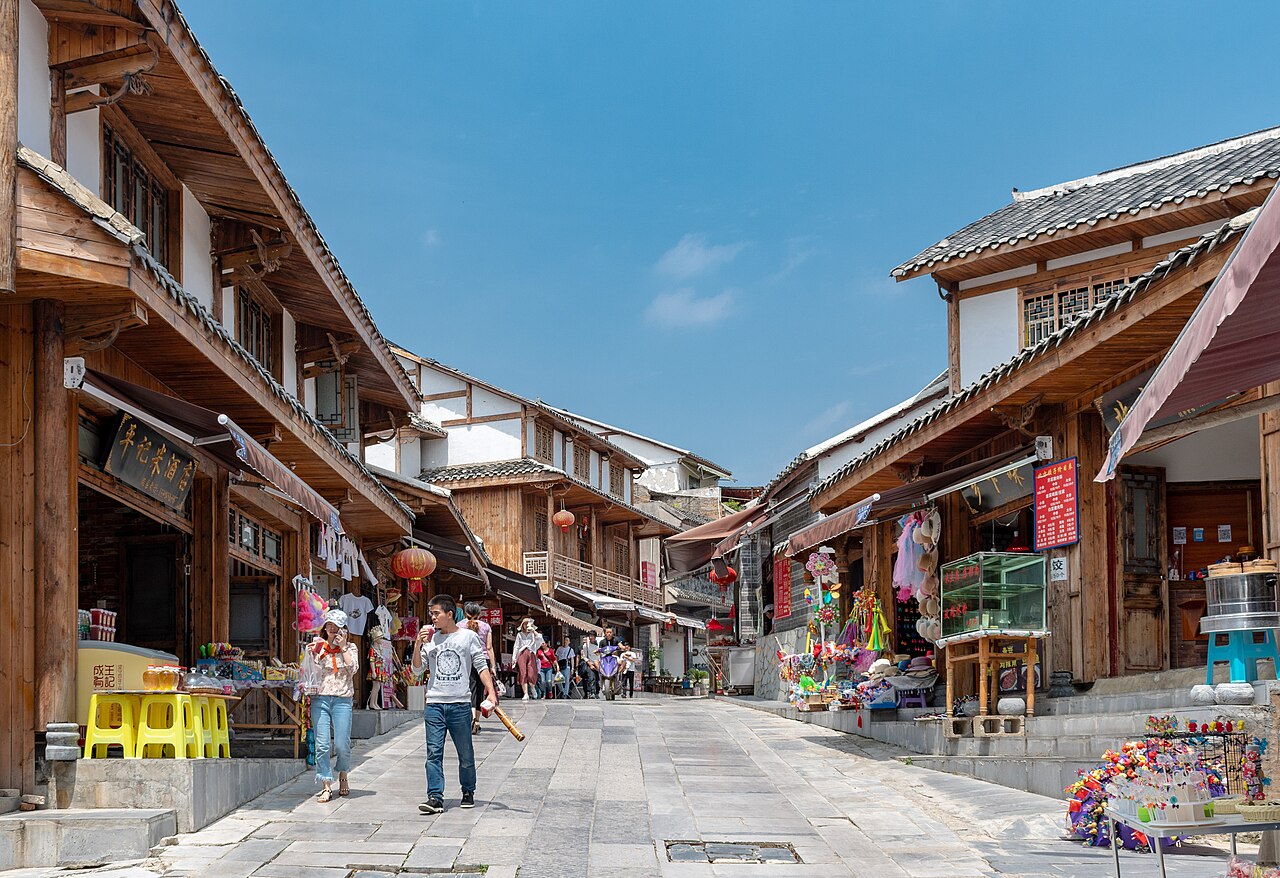
In Yandang town, and the obvious place to buy the local specialities in one go. One caution that comes up repeatedly in traveller accounts: the restaurants and shops here are known to price for tourists, so treat the first figure as an opening bid and haggle.

Yueqing Times Square

The most complete and best shopping centre in Yueqing city, on Qingyuan Road — though because Yueqing's spending power is not high, there are fewer big-name brands than you might expect. Worth an hour if you have run out of things to do in the town.

Getting there

The train is the easy part; the buses are the problem

By high-speed rail

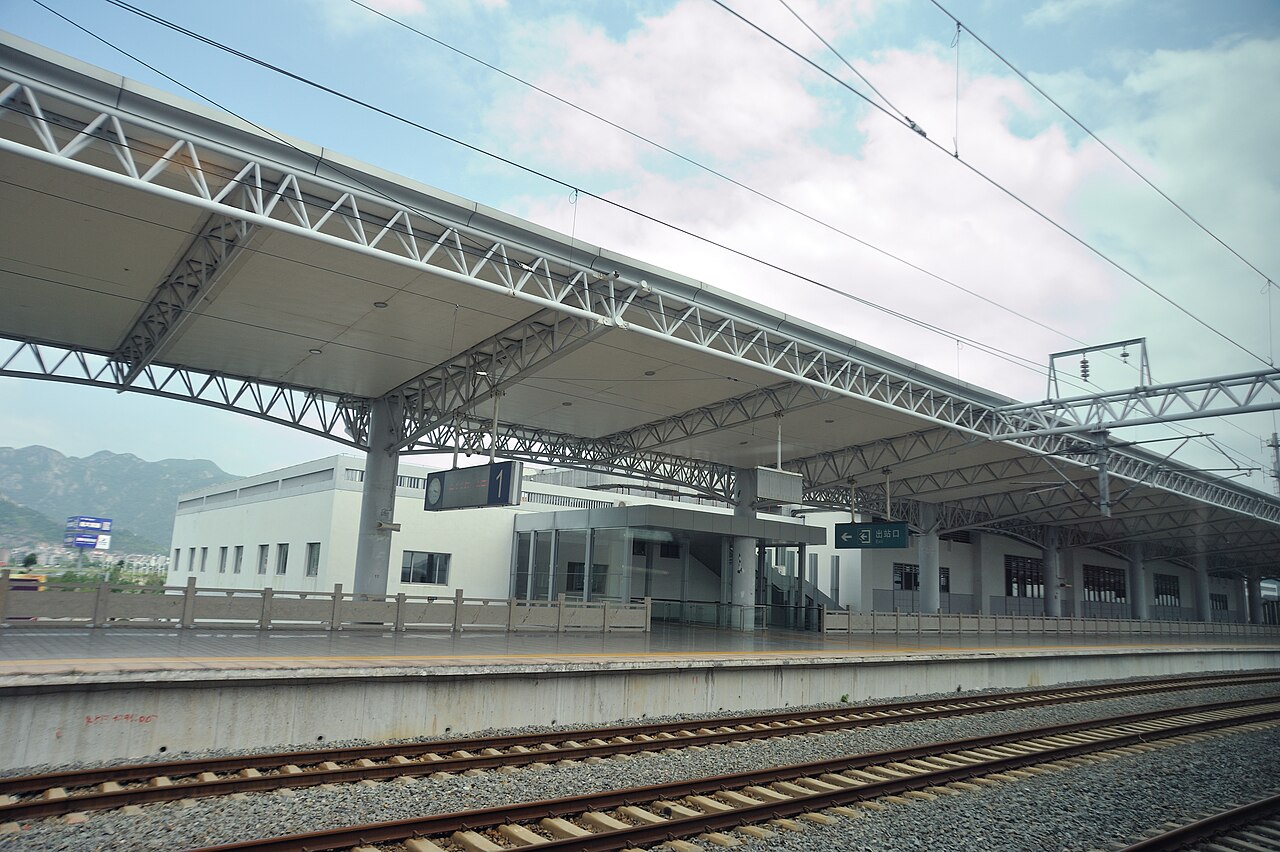
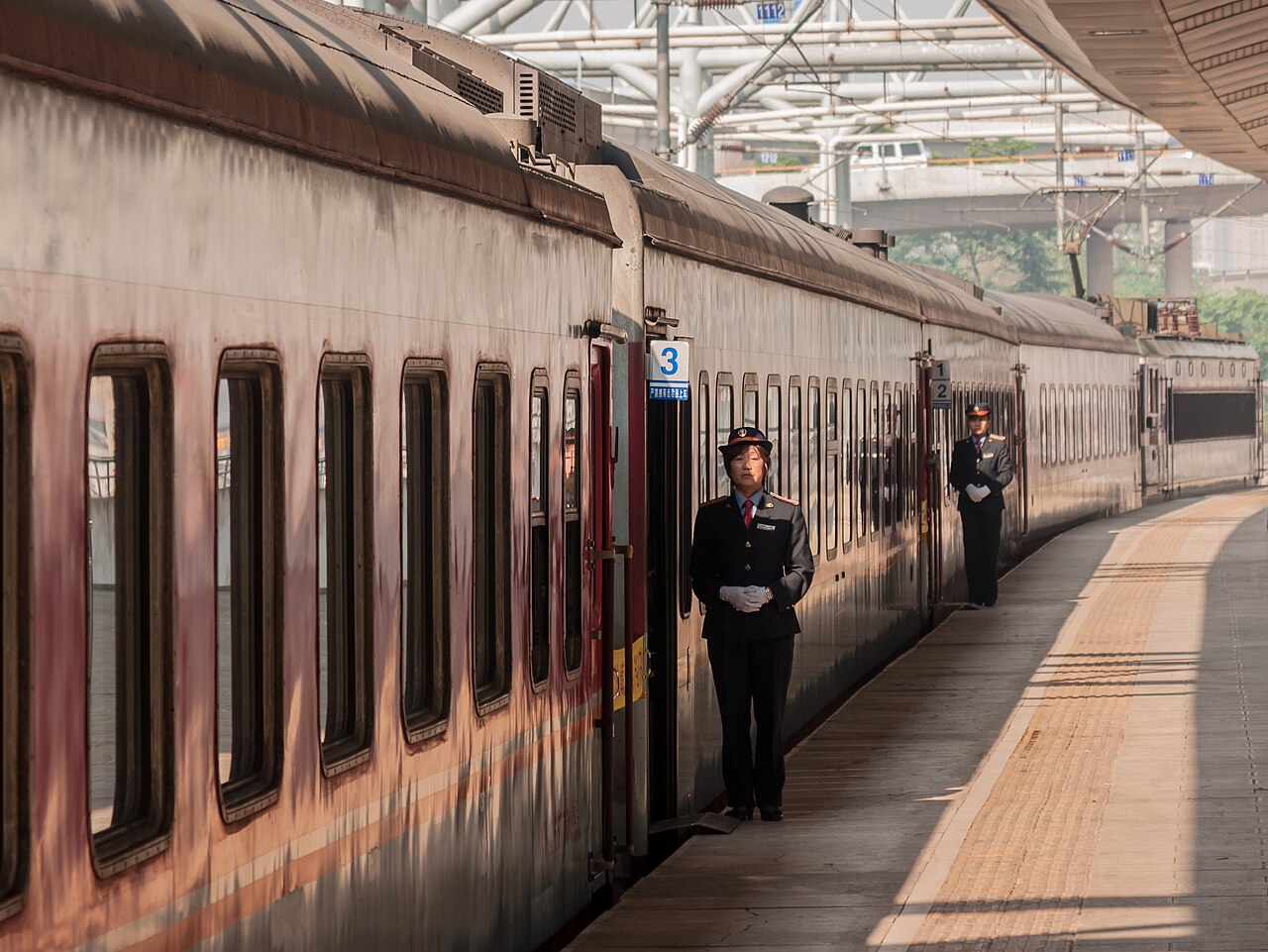
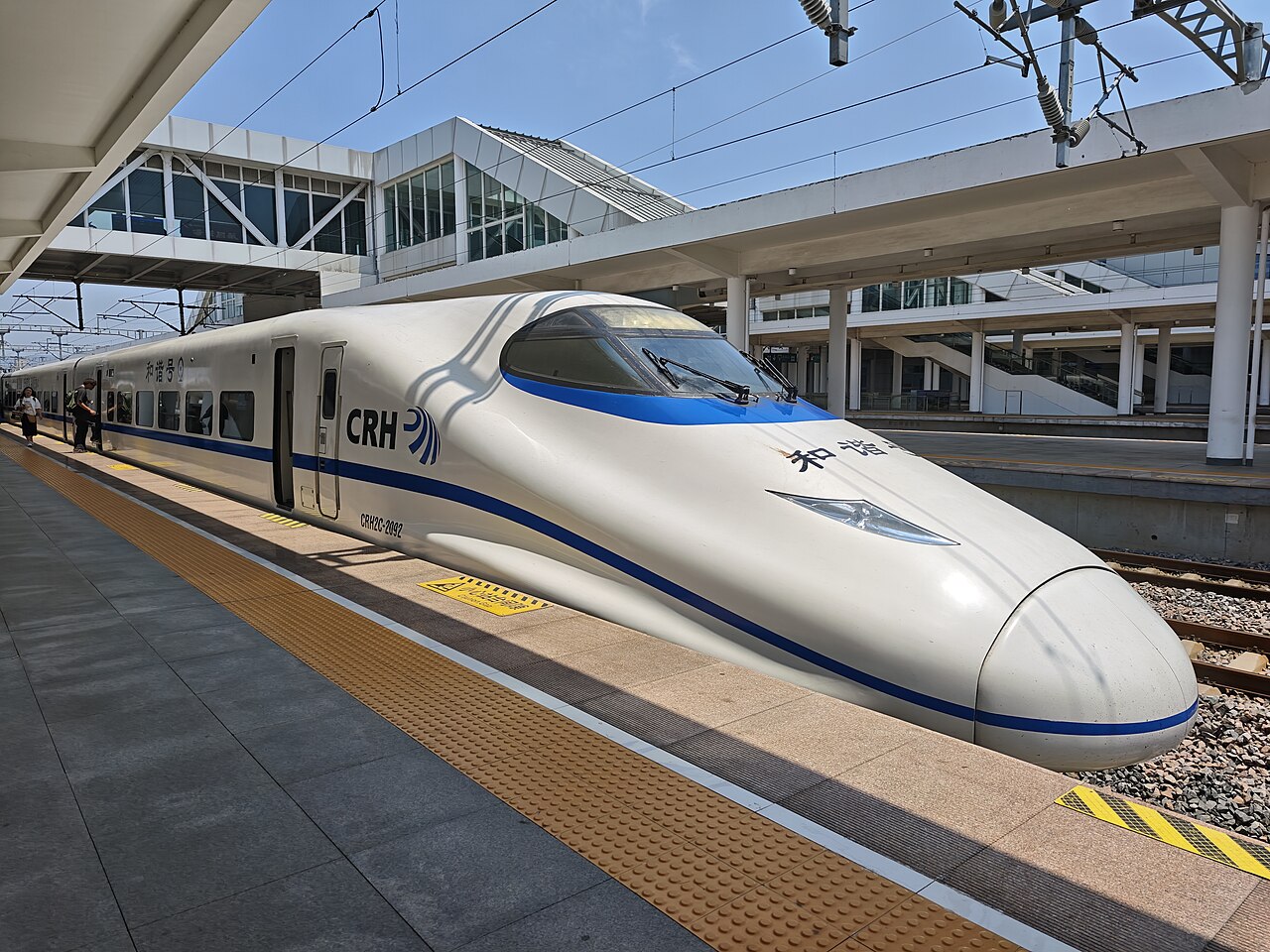
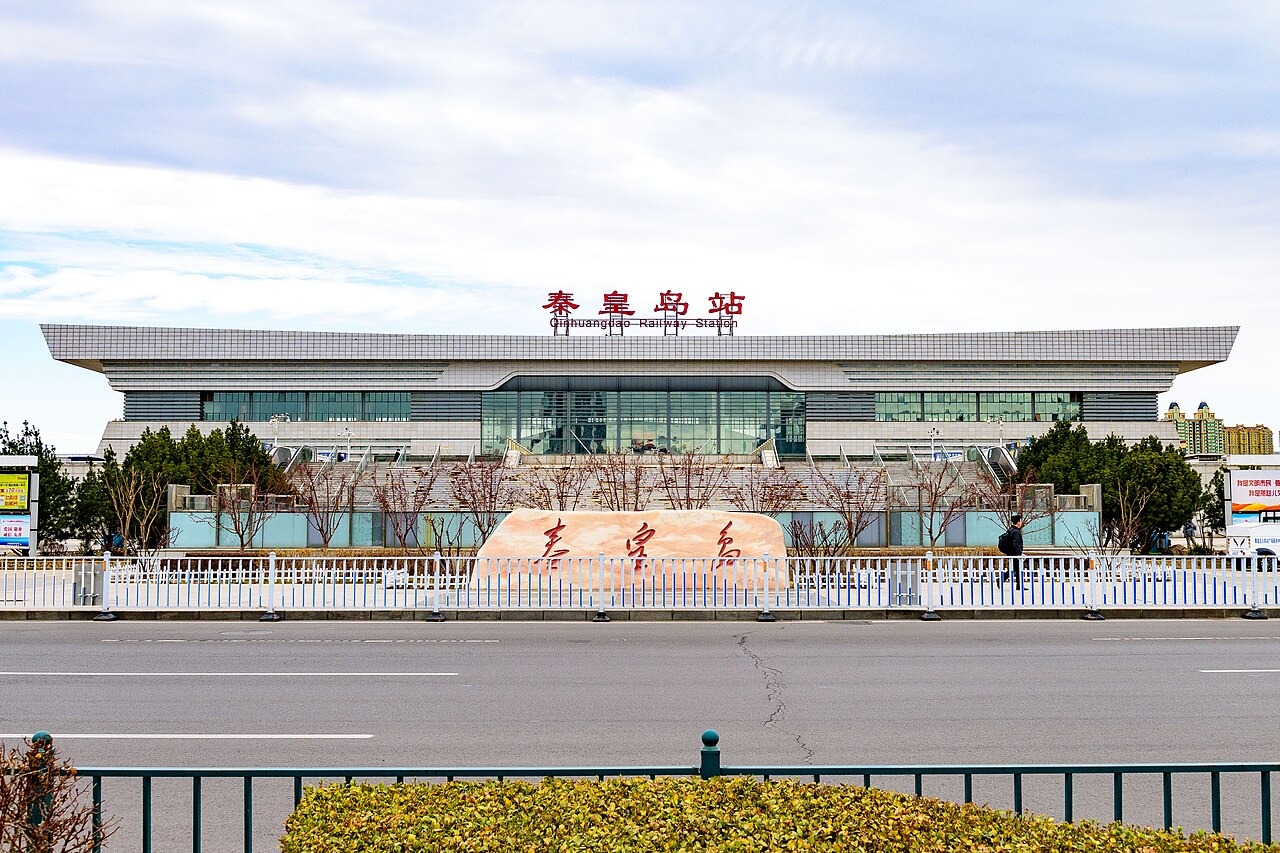
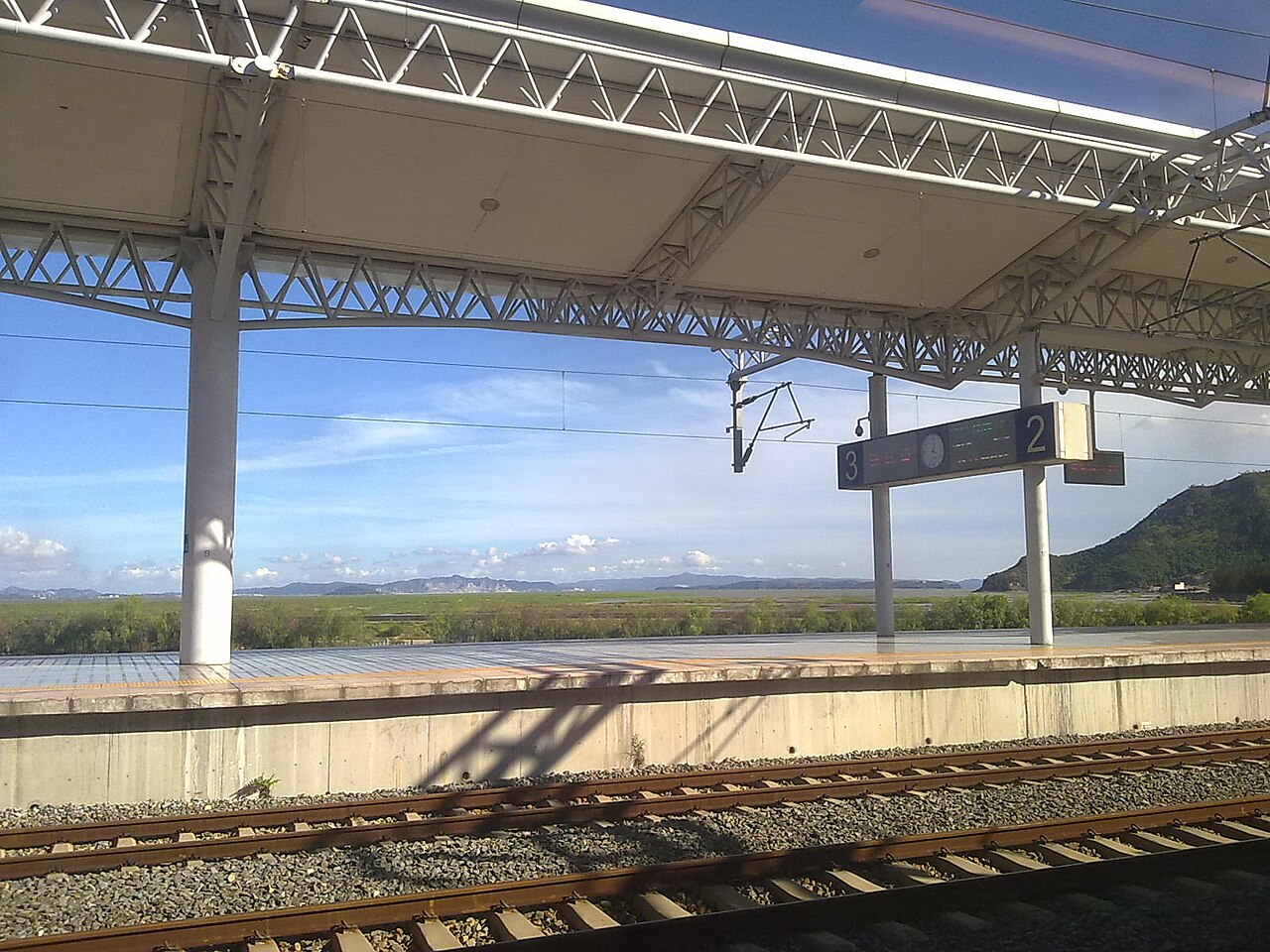
This is now the obvious way in. The Ningbo–Taizhou–Wenzhou high-speed line passes through Yandang Mountain and stops there, and from the platform it is only ten-odd minutes by road to Xianglingtou, the tourist hub at the heart of the scenic area. Everything else — air, coach — is a fallback by comparison.

Line
Ningbo–Taizhou–Wenzhou high-speed railway
Station
Yandang Mountain
To the scenic centre
About 10 minutes to Xianglingtou

By air

Wenzhou Yongqiang airport lies 80 km south, linked by first-class road, under two hours away and about ¥250–300 by chartered car. Taizhou Huangyan airport is only 60 km north, under an hour and about ¥200 chartered — and fares from Huangyan are generally cheaper than from Wenzhou. Huangyan flies daily to Guangzhou at 12:50, to Shanghai Pudong at 19:15, and to Beijing at 10:20 on Mondays, Wednesdays, Fridays and Sundays, with other services to Chengdu, Chongqing, Fuzhou, Hefei, Kunming, Nanchang, Shenzhen, Taiyuan, Wuhan, Xiamen and Xi'an. Wenzhou's airport bus runs to the CAAC ticket office in town in about 35 minutes, and eight direct coach lines now reach Rui'an, Yueqing, Pingyang, Cangnan, Lishui, Qingtian, Fuding and Wenling.

Wenzhou Yongqiang (WNZ)
80 km, under 2 hours, ¥250–300 chartered
Taizhou Huangyan (HYN)
60 km, under 1 hour, ¥200 chartered, cheaper fares
Wenzhou airport bus
¥12 to town, about 35 minutes

By coach

From Hangzhou, the Yandangshan tourist bus station sits beside the Yandang Hotel at Xianglingtou, with direct high-speed coaches to and from Hangzhou East coach station at 08:30 and 14:00 — 350 km, about five hours, ¥85. From Shanghai, the Zhixin terminal at 249 Zhijiang West Road runs a direct coach at 14:00 taking over seven hours, returning from Yandangshan at 17:10; ¥130 in low season, ¥150 in high. There is also a sleeper from Shanghai to Yueqing leaving 22:30 from 233 Minli Road by the Hanzhong Road metro station, ¥130, which drops you at the National Road 104 junction in Yandang town around 04:00. From Ningbo it is 220 km and about four hours, with very frequent departures, getting off at Yandang town (Baixi) on National Road 104. From Wenzhou, the New South coach station opposite the railway station runs air-conditioned tourist buses at 07:30, 09:30, 10:30, 13:30 and 15:30 for ¥27.

Hangzhou
08:30 and 14:00, 350 km, 5 hours, ¥85
Shanghai
14:00 direct, 7+ hours, ¥130–150
Ningbo
220 km, about 4 hours, frequent
Wenzhou
New South station, 5 a day, ¥27

Getting around

In peak season green minibuses serve the main sights — the two Lings and one Dragon — leaving once ten people have gathered, and very cheaply: the run from the Yandang town (Baixi) junction on National Road 104 in the far east to the Grand Dragon Waterfall in the far west costs just ¥6.50. In the low season there are too few passengers for the fares to cover the tunnel toll and parking charges, so the buses effectively become taxis and you charter: ¥80–100 for an afternoon, about ¥150 for a day, ¥260 or so for three days, and ¥150–200 for a day with a driver. Take water and dry food for the outlying sights, because there is almost nothing between them.

Peak-season bus
Departs at 10 passengers; ¥6.50 across the whole scenic area
Off-season charter
¥80–100 an afternoon, ¥150 a day, ¥260 for three days
Bring
Water and dry rations for the outer sights

Practical

Tickets, phones and the two scams

In summer bring insect repellent and cooling balm; the dining rooms here lean on seafood and mountain game, so carry something for your stomach.

Lingfeng¥40 by day, ¥80 for the night session — sold separately, 08:00–18:00
Lingyan¥20, 08:00–18:00; flying-figure show at 10:30, plus 15:30 Mon–Thu or 14:00 and 16:00 Fri–Sun
Grand Dragon Waterfall¥40; best on a clear day straight after rain, May–June or August–September
Three-Stage Waterfall¥15, 08:00–18:00; reached by scenic bus or a 10–20 minute walk from Xianglingtou
Outer sightsXiansheng Gate ¥15, Fang Cave ¥30 (cable car ¥60), Yangjiao Cave ¥15, Yan Lake ¥5, Xianqiao ¥10
Student cardsBring yours — it is worth half price at the main sights
Scam one: restaurantsEat at busy, central places with friendly owners. Quiet out-of-the-way restaurants have been reported for inflated bills and for refusing to let guests leave until they pay.
Scam two: temple incenseDo not take incense handed to you at a temple gate. At the small temple by the Grand Dragon Waterfall and inside Fang Cave, free incense has ended in demands for a set sum — one party reported ¥200.
PhonesYandangshan is in Yueqing, area code 0577. Visitor centre 62241549; tourism hotline 62178888; complaints 62243651; police 110 or 62243139; medical 120 or 62243409.

Background

A volcano, a name and a library of inscriptions

A Cretaceous rhyolite volcano

Yandang is a Cretaceous rhyolite volcano on the Pacific rim, on the edge of the East China Sea in Zhejiang. It records how a Mesozoic volcano was born and evolved, and it displays the deep valleys and peak forests that a hundred million years of geology have made of it — which is why it is called a museum of sculpted landforms. The scenic area covers 450 sq km, with more than 500 sights spread across eight scenic areas, known for strange peaks and rocks, old caves and stone chambers, and flying waterfalls and springs. It was made one of China's world geoparks in 2005.

Why it is called Yandang

There was a lake on the summit, thick with reeds, the reeds matted into a marsh, and the wild geese flying south used to roost there — hence yan, goose, and dang, marsh. The name has stuck since the range was first opened up in the Northern and Southern dynasties; it grew through the Tang and peaked in the Song. Tradition also makes it the seat of the arhat Nuoju, one of the five hundred disciples of Sakyamuni.

The mountain that China wrote about

Of the three mountains and five sacred peaks, the three are Huangshan, Lushan and Yandang, and the literature follows the rank. Xu Xiake came at twenty-eight, wrote the Yandang Mountain travelogue, and is said to have got himself up a cliff face on nothing but a strip of cloth while snowbound monks watched in disbelief. Shen Kuo described it in his Dream Pool Essays and Fang Xiaoru in his Notes on the Zhongshan Thatched Hall; the calligraphers Cai Xiang and Fan Chengda and the dramatist Tang Xianzu left poems and wall inscriptions. Xie Lingyun is credited with inventing his hiking clogs here; Kang Youwei produced more than twenty works after a 1924 visit; Mao Dun wrote a poem on the Greeting Monk rock and Su Shi two poems on a painting of the mountain. Jiang Taoshu's couplet is the one everybody quotes: hard to put brush to paper describing the dragon pool; a life without Yandang is a life wasted.

Local craft: flower-drum, paper-cut, stilts

Yueqing's own art forms are small and stubborn. Da huagu, the flower-drum, is called the one flower of Yueqing folk art, and its songs go: the melon vine trails long and longer, the flower-drum girl is your mother; by day she teaches you the drum, by night she teaches you to sew. The fine-line paper cuts of Siqian in Xiangyang come from a craft tradition more than five hundred years old, practised now by some two thousand people in the town, shipped to the United States, Canada, Japan, Korea, Singapore, Hong Kong, Macau and Taiwan, and worth over a hundred million yuan a year; Xiangyang was named a folk-art town of Zhejiang in 1998 and of China in 2000. And the Nanyue stilts, known to every woman and child there, date from the late Qing: in 1907 the Wu family of Xingwan village organised the village to learn the art, and seven young men took to walking on metre-long bamboo poles with a small wooden step bound at the middle.

Travel with them

Read watch and listen before you go

TV series

Wenzhou Family

Directed by Kong Sheng

The rise and fall of one ordinary Wenzhou family, written by Gao Mantang and starring Li Liqun, Chi Peng, Zhang Yi and Yin Tao — thirty-six episodes that use a grassroots start-up story to carry the whole arc of three decades of reform. It explains the merchant culture of this coast better than any guidebook, and the mountain sits in the middle of the region it describes.

Book

Gazetteer of Yandang Mountain

Revised by Jiang Shunan; annotated by Lu Liyang and Zhan Wangmei

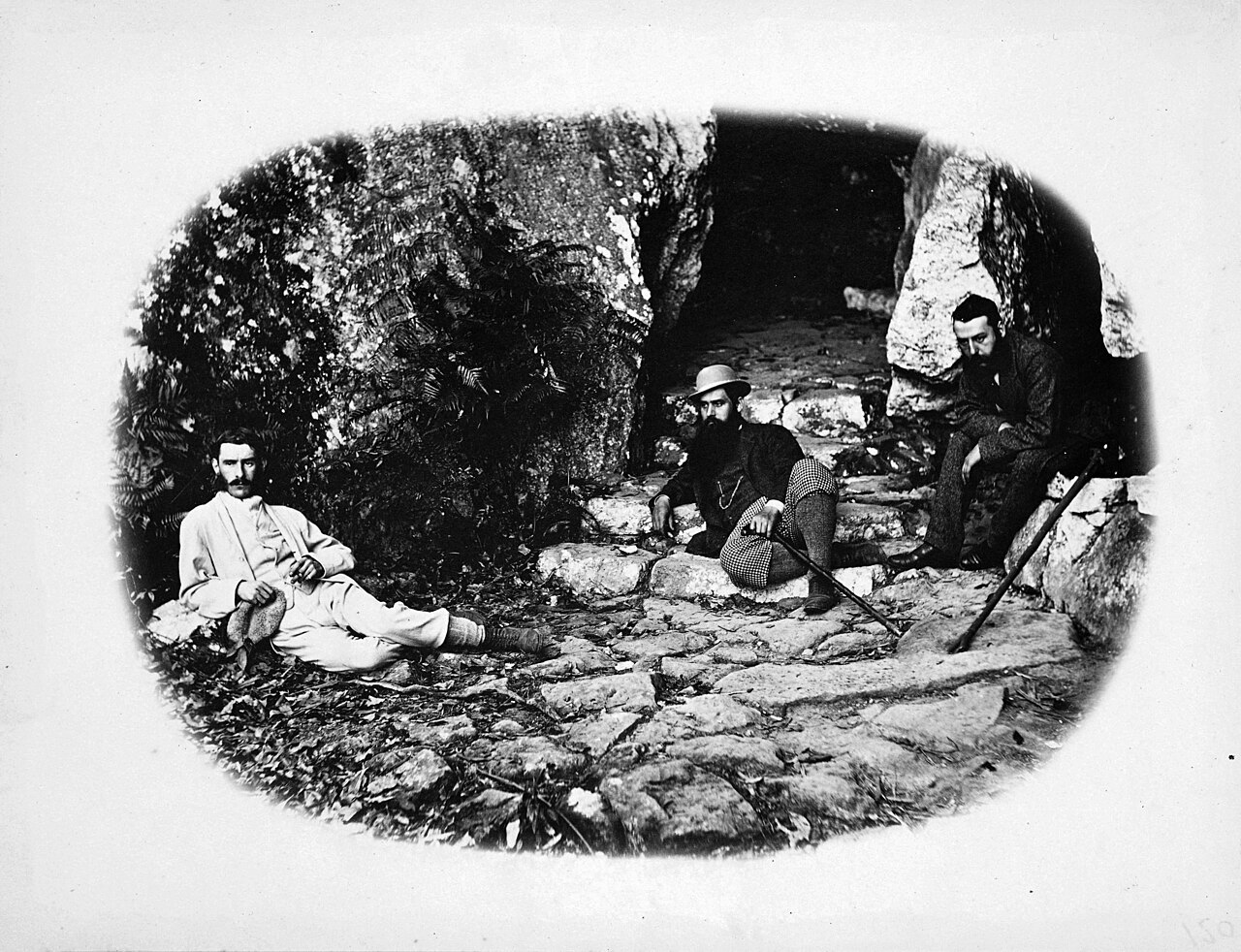
Jiang Shunan was a well-known traveller of the Republican period who did more than anyone to develop Yandang: he protected the old sites and relics, improved the roads, invited figures such as Kang Youwei up to see it, and printed photograph albums, maps and guidebooks. His revised gazetteer is still useful to anyone building the world geopark today.

Book

How Wenzhou People Think

Yang Hongjian

The argument is the familiar one — that Wenzhou people are the Jews of China — but the book is really about a way of thinking and behaving: that they are born traders. As one Wenzhou netwriter put it, what we do does not seem strange to us; it is only in other people's eyes that it looks different. Useful background for the southern end of the province.

Music

Wenzhou Is a Good Place

Sung by He Wei

The theme song of a Wenzhou television news programme, and now known to every household in the city. Its stated ambition: you can find Wenzhou people almost anywhere in the world and hear Wenzhou dialect almost anywhere — so let Wenzhou songs be sung everywhere too.

The questions visitors ask us most about Yandang Mountain, answered plainly.

Frequently asked questions

Prices and practical details are reviewed every month by our Beijing team and updated the day a rule changes.

How many days do I need at Yandang Mountain?

Two days is the minimum and three is better. Two days does Lingyan and the Grand Dragon Waterfall on day one plus the Lingfeng night view, then Lingfeng by day, the Three-Stage Waterfall and Xiansheng Gate on day two. A third day buys Lingyan properly, the sky-window cave and dragon-nose water — or pushes out to Fang Cave, Yangjiao Cave and Yan Lake for the sunrise.

When is the best time to visit Yandang Mountain?

Spring, summer and autumn, and for the waterfall specifically a clear day straight after rain in May–June or August–September. The Grand Dragon Waterfall is drawn by water: after a summer storm it drops 200 m in one roaring white sheet, but in a dry spell it thins to a trickle. Pack for sun and rain both, and carry mosquito repellent and cooling balm in summer.

Do I need to charter a car, or can I use the buses?

In peak season green minibuses cover the main sights cheaply — as little as ¥6.50 from the Yandang town junction on National Road 104 out to the Grand Dragon Waterfall. Out of season they stop running to timetable, and the outlying sights have poor public transport, so you charter: ¥80–100 for an afternoon, about ¥150 for a day, around ¥260 for three days.

Can I stay inside Lingfeng to see the night view without buying the night ticket?

Yes, and locals do it — though the night ticket costs only ¥30. You can camp on the Lingfeng hill by the Jiangjun Cave road, or by the forest-farm buildings, watch the night view after dark and skip the ticket; then walk Lingfeng properly in the morning and leave afterwards. If you would rather sleep in a bed, pay the ¥30 once and be done with it.

What should I eat in Yandang Mountain?

Start with the sweetfish — golden, fine-scaled and good with a drink — then the stone frog, the best of the eight famous dishes, tender in a thick clean broth. Add mung-bean noodles fried with celery, oyster and egg, and a bowl of sweet-potato vermicelli soup. Eat in the town rather than inside the scenic area for better value.

Where exactly is Yandang Mountain in Zhejiang?

It is in Yueqing, a county-level city administered by Wenzhou prefecture, with parts of the range in Yongjia county and Wenling. It sits 297 km from Hangzhou and 68 km from Wenzhou. Most visitors get to Wenzhou first and then find a coach or train up to Yandang town.

Is the Lingfeng night view worth a second ticket if I have already done the daytime?
Yes — they are genuinely two different sights. The day is about the caves, the Hezhang peak and the detail in the rock; the night is pure silhouette, with a guide naming the shapes one by one. It is the single most famous thing in Yandang and takes about an hour. Independent travellers need not hire a guide: there are group guides everywhere with loudspeakers you can stand next to.

How do I avoid being ripped off in Yandang Mountain?
Three rules. Eat at busy, central places with friendly-looking owners rather than quiet out-of-the-way ones, where inflated bills and pressure to pay are a known problem. Never accept incense handed to you at a temple gate — at the small temple by the Grand Dragon Waterfall, and inside Fang Cave, free incense has ended in demands for a set sum; one party reported losing ¥200. And agree car or pedicab prices before you get in, then haggle; a helpful hotel owner can often find you a cheaper driver.

Related reading

Related reading

Visas Do I Need a Visa for China? Requirements, Costs and How to Apply China's entry rules changed more in the last three years than in the previous twenty. Here is exactly who needs a visa, what it costs, how long it takes and which passports now walk straight through. 9 min read Visas China's 240-Hour Visa-Free Transit: Who Qualifies and How It Works Ten days in China with no visa application, no fee and no fingerprints — if you hold the right passport and leave for a third country. Here is the rulebook, port by port. 8 min read Money Paying in China: Alipay, WeChat Pay, Cards and Cash Roughly nine in ten urban payments in China now run through a phone. Set up two apps before you fly, carry a modest cash float, and you will never be stuck at a till. 8 min read Transport China's High-Speed Rail: How to Book, What It Costs, How Fast It Goes The fastest way to cross China is also the most pleasant. Here is how to book a ticket with a foreign passport, what the three classes actually give you, and how to survive a Chinese station at rush hour. 9 min read Planning Best Time to Visit China: Month by Month, Region by Region China is the size of Europe, so 'the best month' depends on where you stand. Here is the month-by-month answer for the north, the Yangtze valley, the south and the plateau. 8 min read Planning What to Pack for China: The Complete 2026 Checklist Twenty thousand steps a day, three climate zones and a phone that has to do everything. This is the list we give our own travellers, minus the things they never used. 7 min read Food Chinese Food Culture: Eight Cuisines, One Table There is no such thing as Chinese food. There is Cantonese, Sichuan, Hunan, Jiangsu, Zhejiang, Fujian, Anhui and Shandong — and knowing which one you are eating changes everything. 8 min read Traditions Chinese Tea Culture: Six Classes, One Pot, Two Fingers Tea in China is not a beverage category, it is a social technology: it fills silences, seals deals and sets the pace of a meal. Here is how to sit down in one and not look lost. 7 min read Traditions Chinese Festivals: The Calendar, the Dates and the Crowds Lunar dates mean the calendar moves every year — and two of the festivals move several hundred million people at once. Plan around them or plan into them, but never by accident. 8 min read Etiquette Chinese Etiquette: What Matters, What Does Not, and Why Most etiquette advice for China is either obvious or wrong. These are the dozen behaviours that actually change how you are treated, and the reasoning behind each. 7 min read
Tell us your dates.
We'll do the rest.

Free itinerary design, a revised plan within one working day, and nothing charged until you approve the final version.

  • The three wonders are Lingfeng, Lingyan and the Grand Dragon Waterfall; the Lingyan flying-figure show, worked on a cable slung across the gorge, is reckoned unmatched anywhere in China.
  • Lingfeng is sold twice over — ¥40 for the day and ¥80 for the night, when lights throw the same rock into silhouettes: an eagle folding its wings, a rhino watching the moon, a husband and wife.
  • The Grand Dragon Waterfall is the longest in China and runs on rainfall: come on a clear day after rain in May–June or August–September and it drops 200 m as one roaring white sheet; in a dry winter it thins to a thread.

No spam. No sales calls. Just a real itinerary from a real person.