City guide · Anhui

Hefei travel guide: Bao Zheng's shrine, Li Hongzhang's mansion, and how to eat Anhui food

Anhui's 2,000-year-old capital: the hometown of China's model judge, a moat-turned-garden ring, and the fast rail gateway to Huangshan.

  • Known forBao Zheng · Li Hongzhang · the moat gardens
  • Typical spend¥450–800 for two days
  • Ideal length2 days
  • PaceSlow — parks, museums and long food streets

Reviewed by our Beijing team Updated 2026-10-10

The short version

Hefei is the capital of Anhui and a 2,000-year-old city built where two rivers meet. Give it 2 days: one for the old-town core inside the moat ring — Bao Zheng's memorial shrine, Li Hongzhang's mansion and Xiaoyaojin Park and the Anhui Museum — and one for the water town of Sanhe or the forested Dashu Hill. Add an afternoon for Lake Chao. It is also the high-speed rail gateway to Huangshan and the Hui villages, about 90 minutes away.

  • Two days for the old town and one day trip; a third to slow down.
  • Bao Zheng's shrine, Li Hongzhang's mansion and Xiaoyaojin all sit inside the old-town moat ring.
  • Sanhe Ancient Town, a 2,500-year-old water town, is 40 km southwest and a classic half-day.
  • Hefei is a major Yangtze-delta rail hub — Huangshan is about 90 minutes by high-speed train.
  • Best months are April to October; spring and autumn are the pick of them.

City guide

First impressions

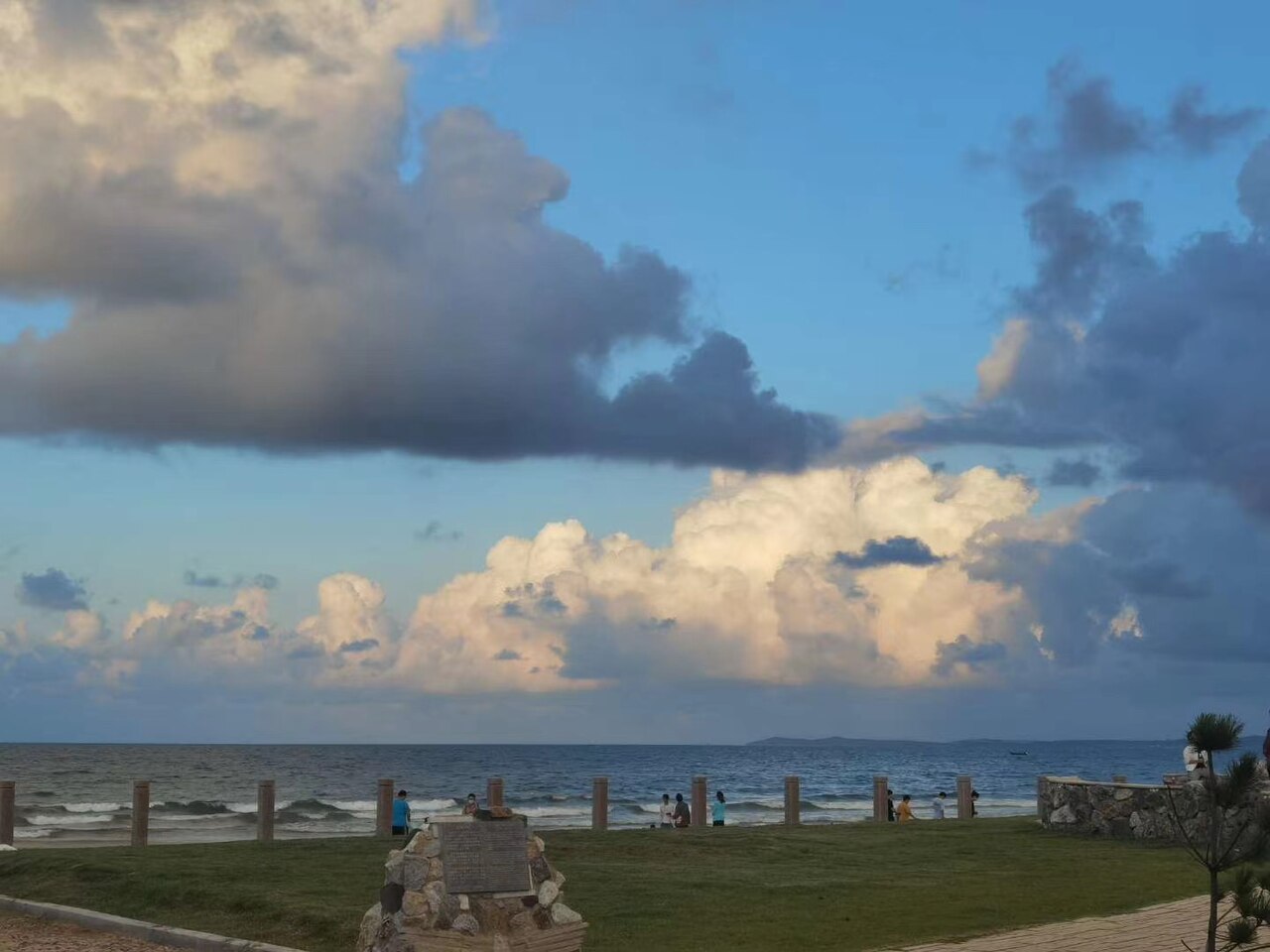
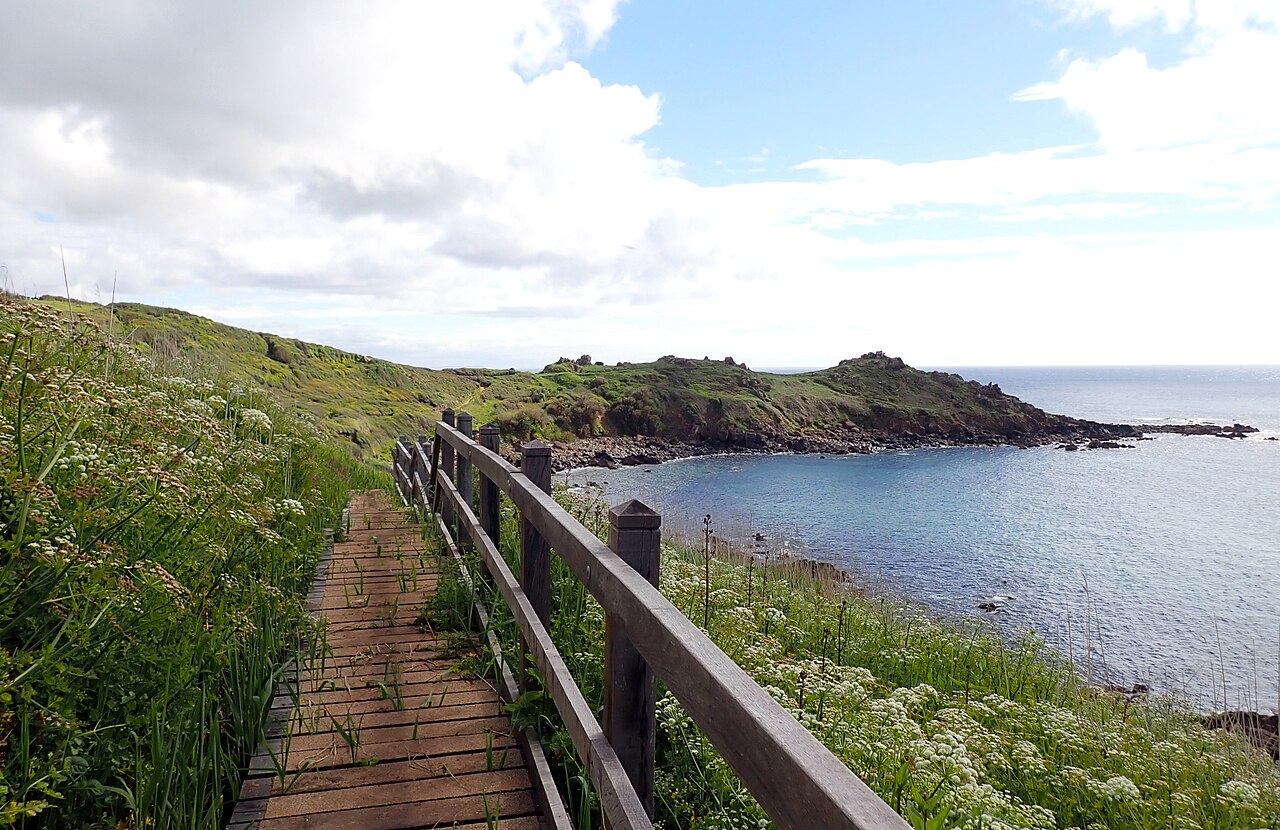
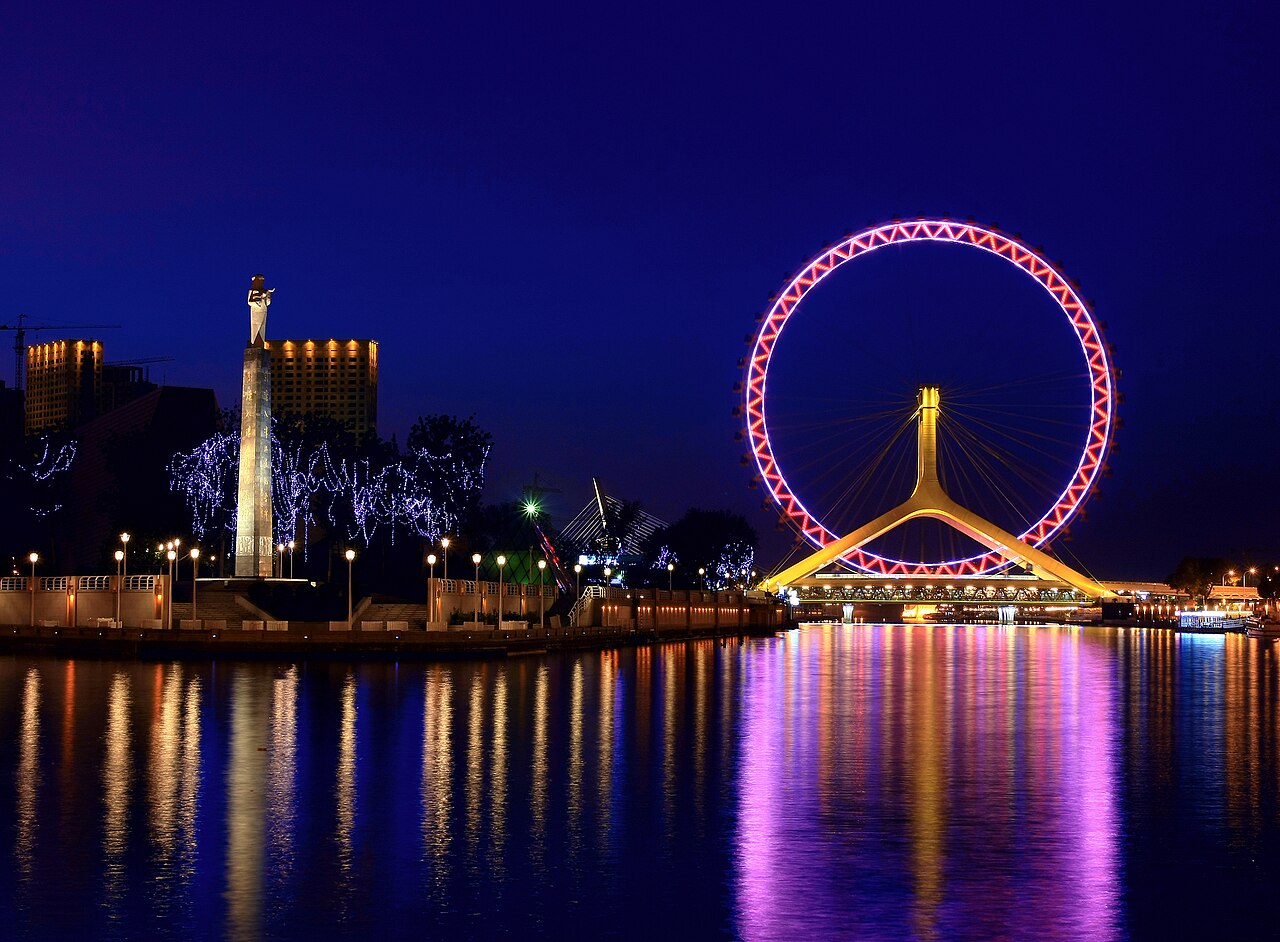
Photographs from the coast, and what other travellers wrote afterwards.

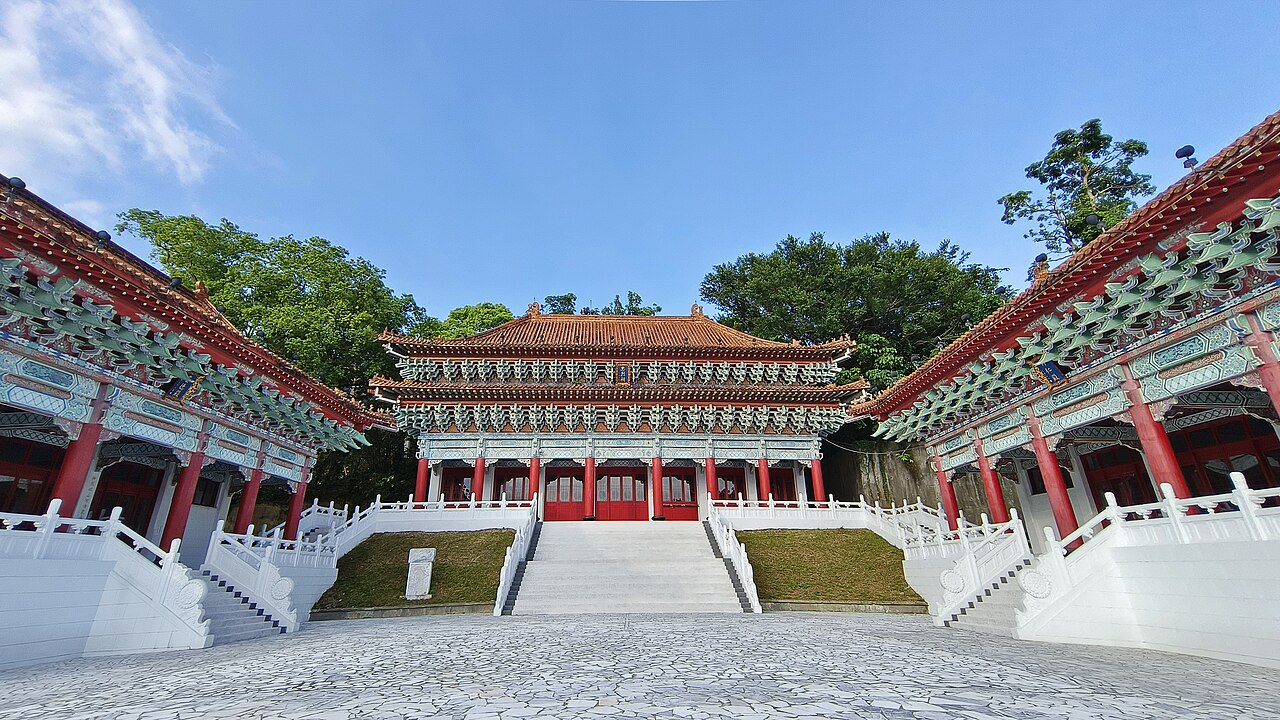
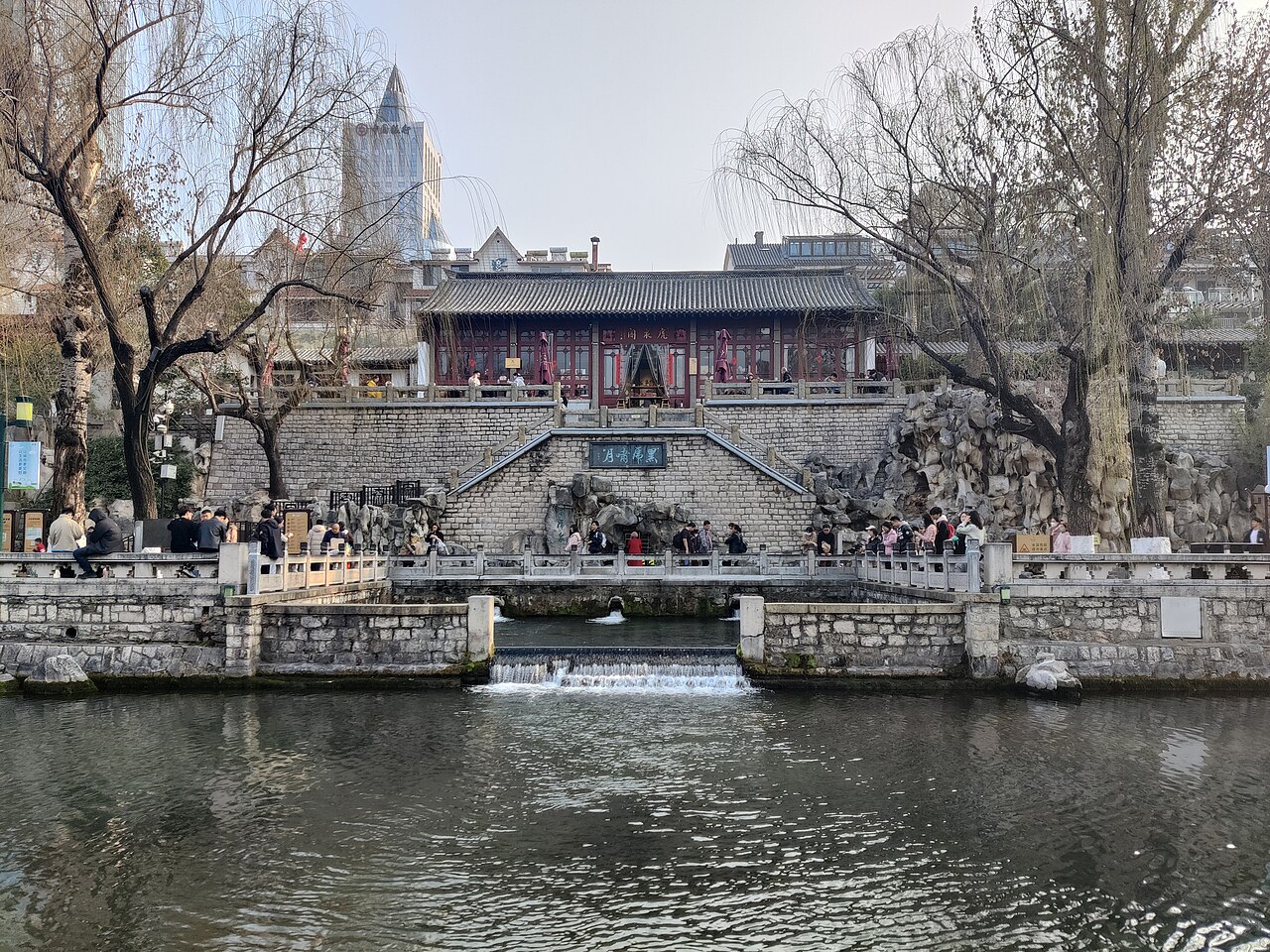
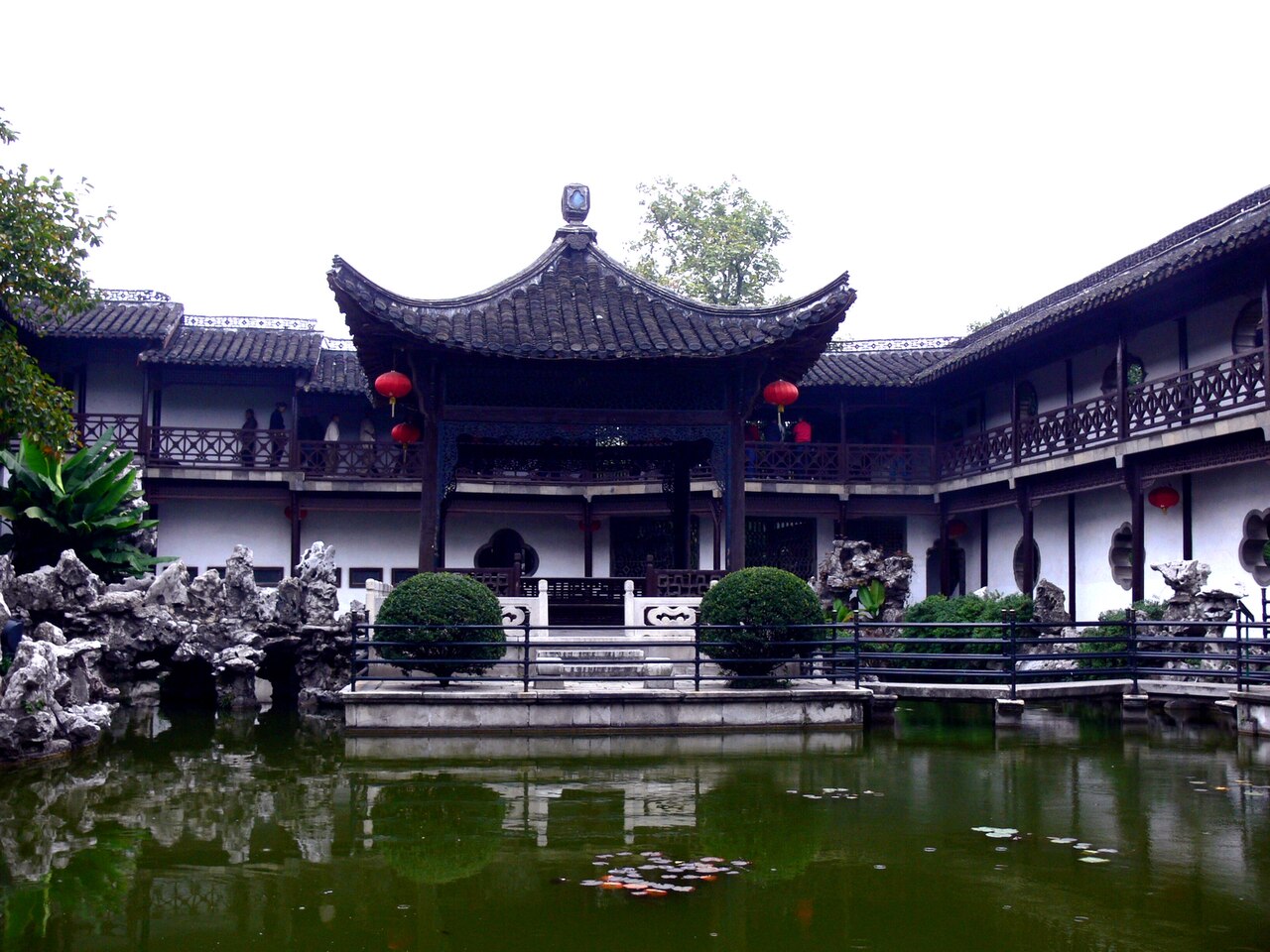
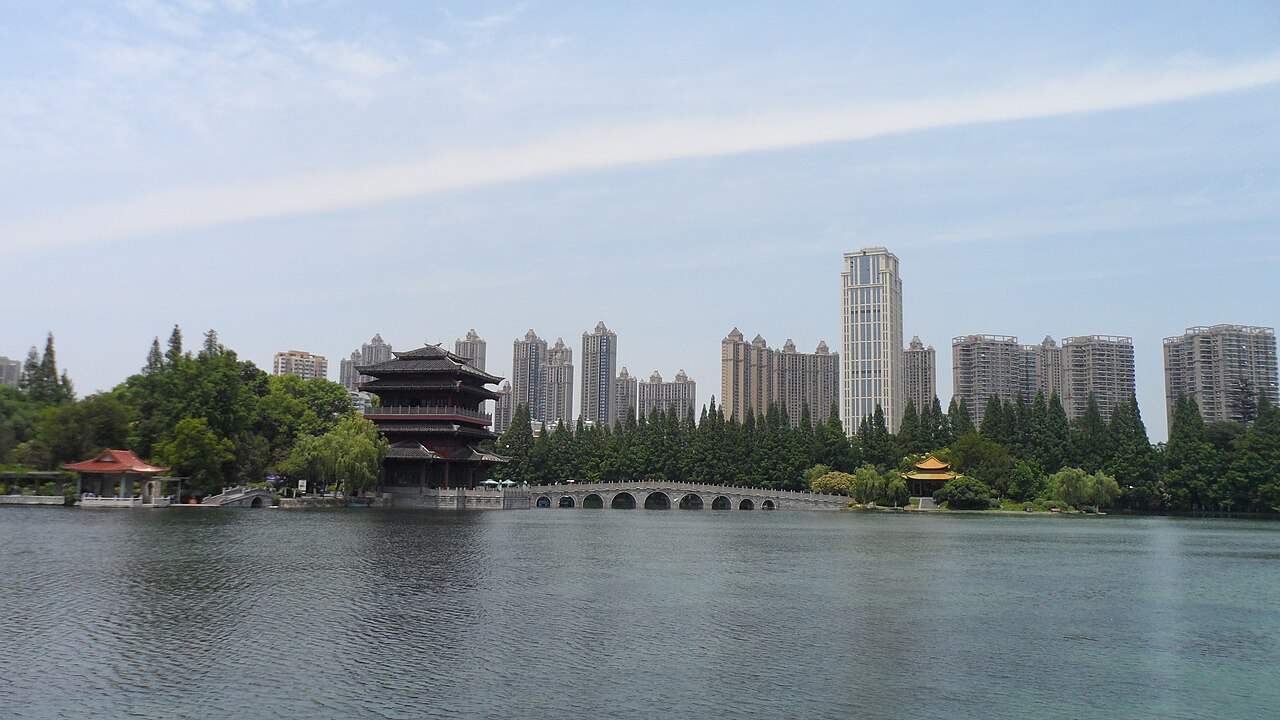
Bao Zheng's memorial shrine on its island in the Baohe moat
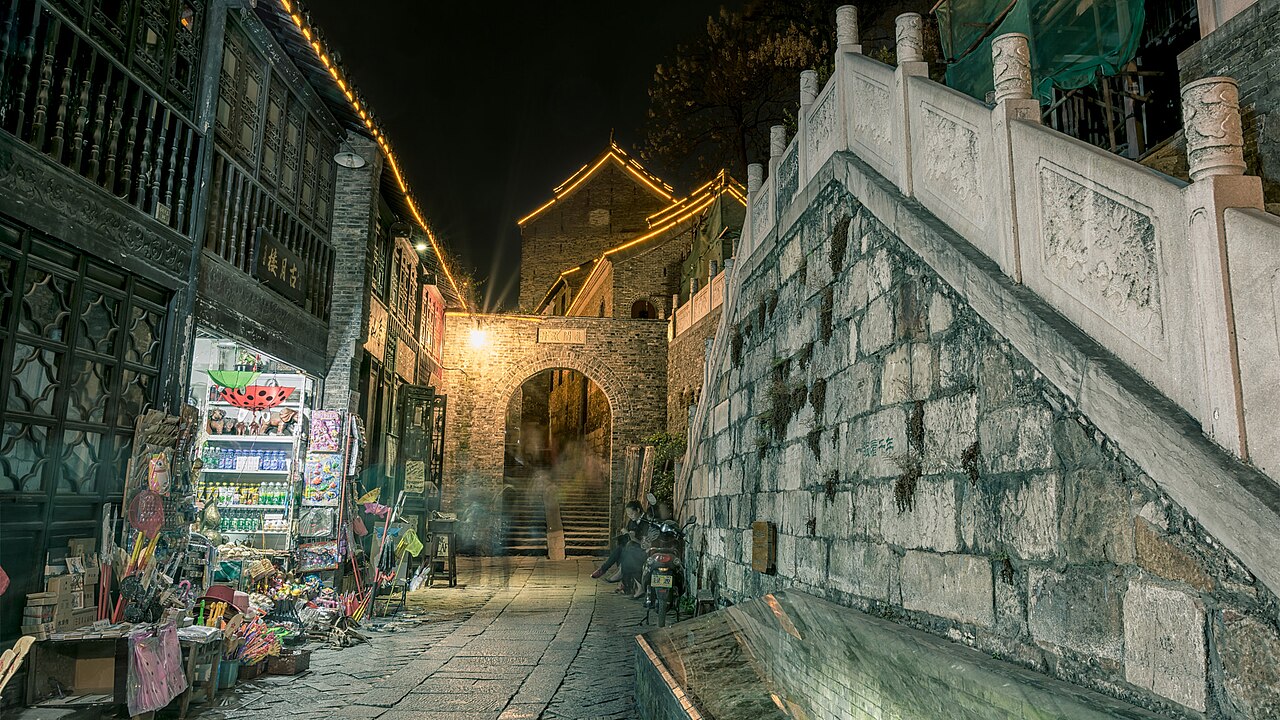
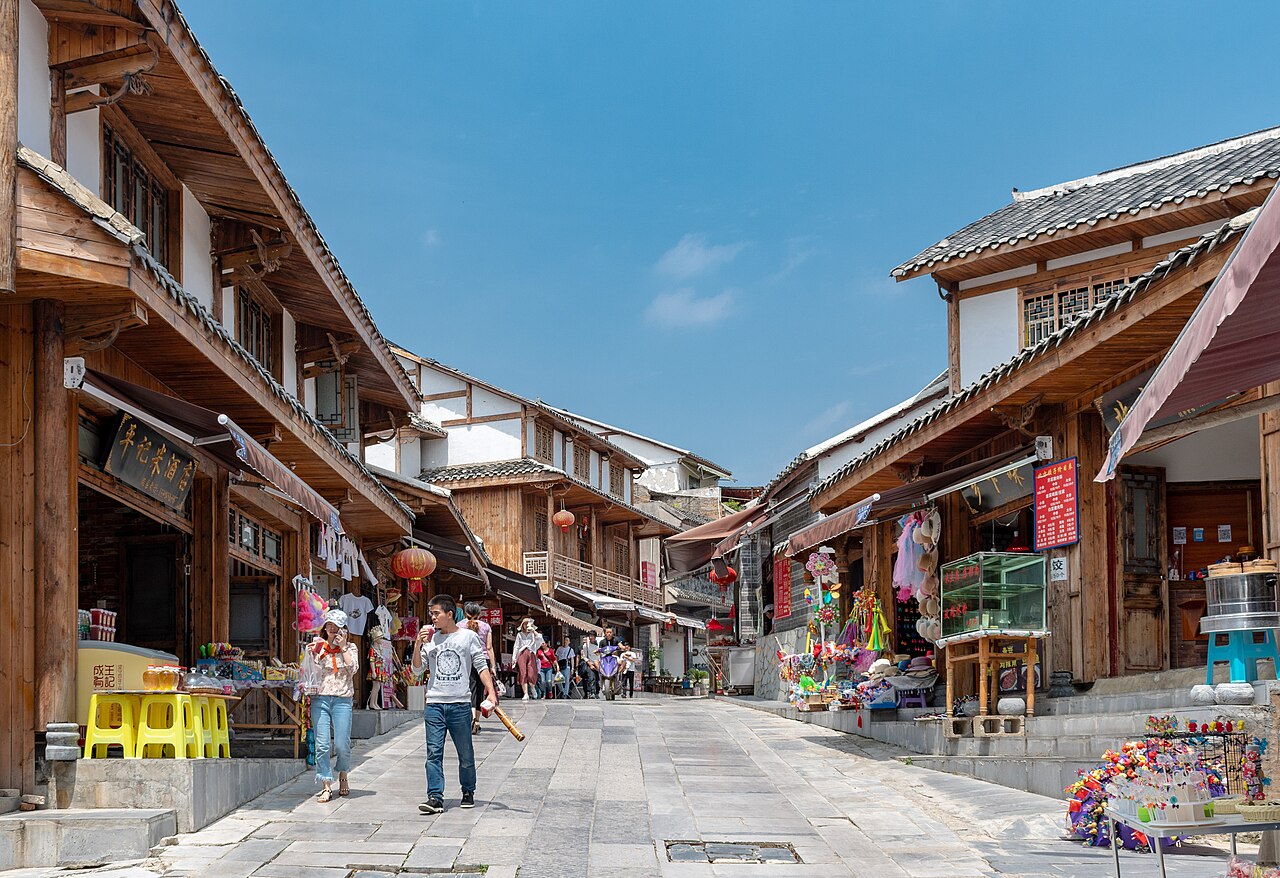
Li Hongzhang's mansion on the Huaihe Road pedestrian street
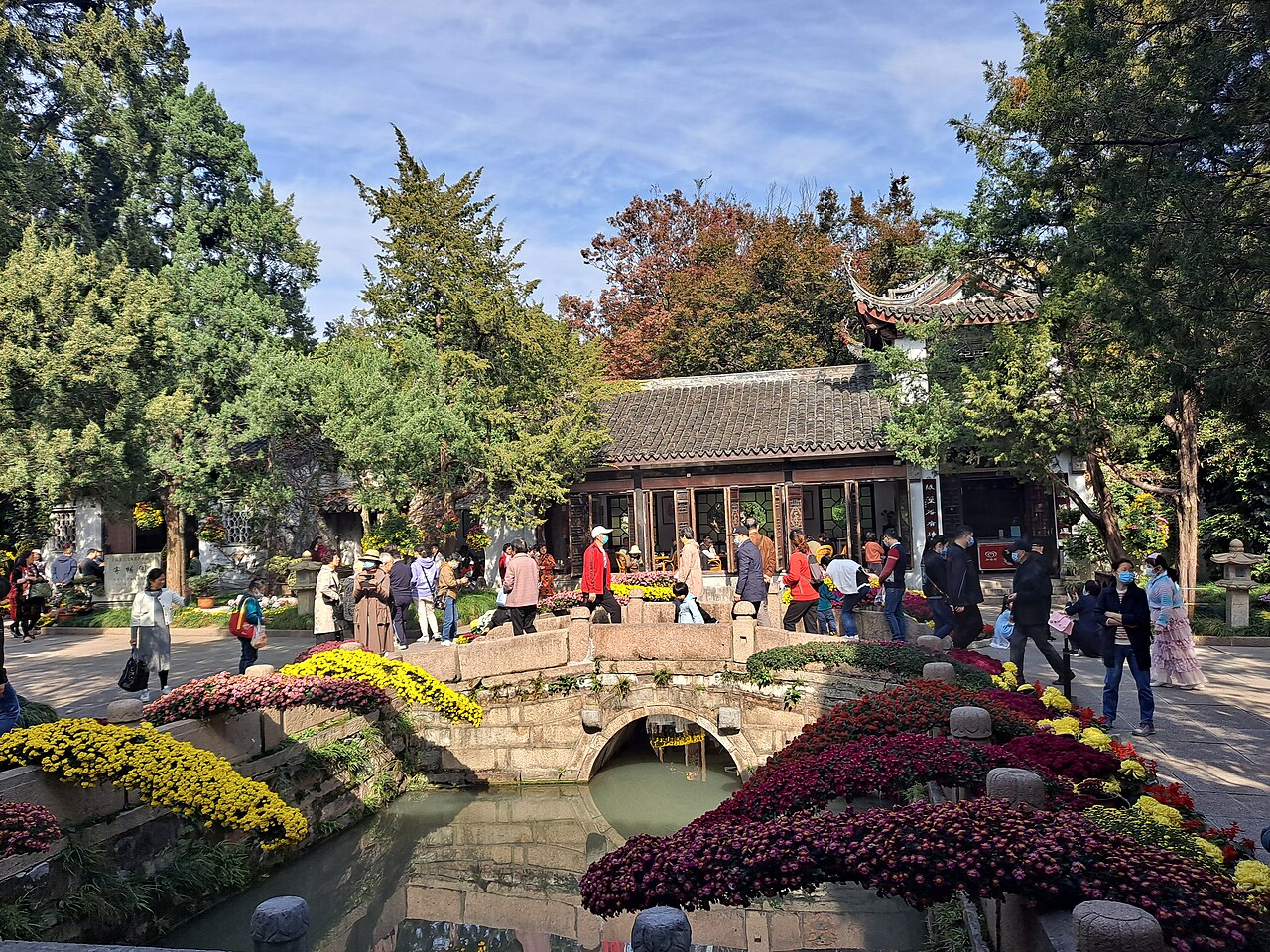
Xiaoyaojin Park, the old battlefield turned city green
Cao Cao chicken and the Anhui table

Anhui felt like a child playing by the sea who stumbles on treasure — a catch so unexpected and so complete that I could hardly believe it.

Traveller note — 'Memories of Dashu Hill'

I love Hefei not only for its taste of technology, but for the way it keeps learning and moving forward; and for its long history, its generosity, its embrace.

Traveller note — 'Hefei, Through Many Springs'

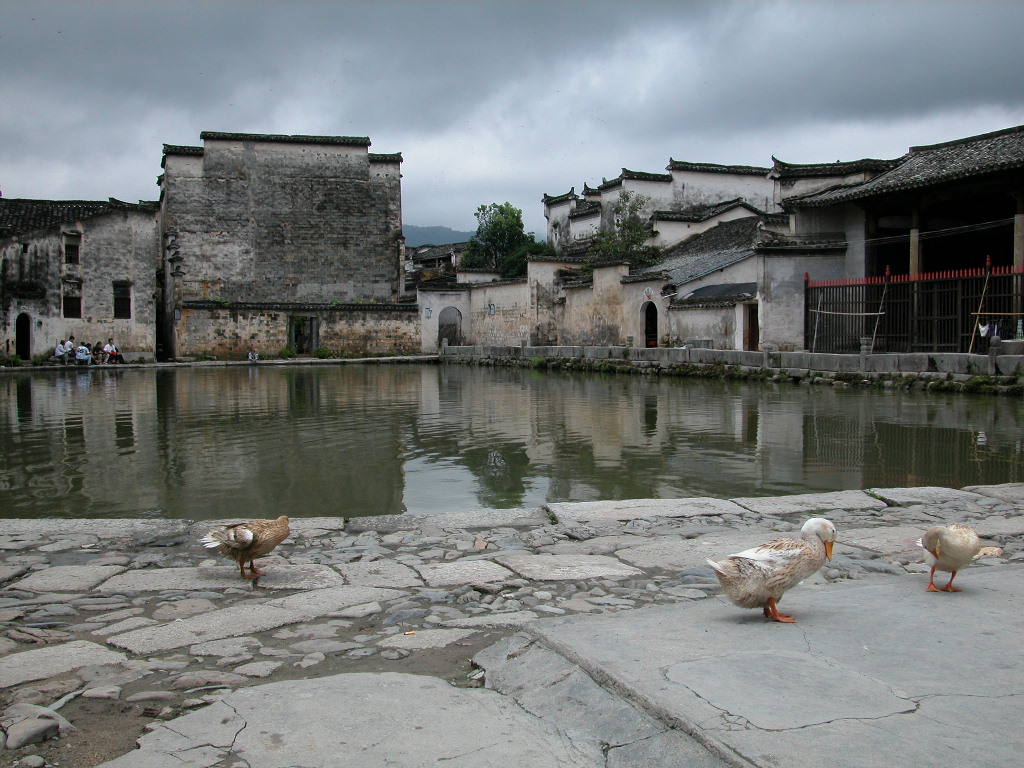
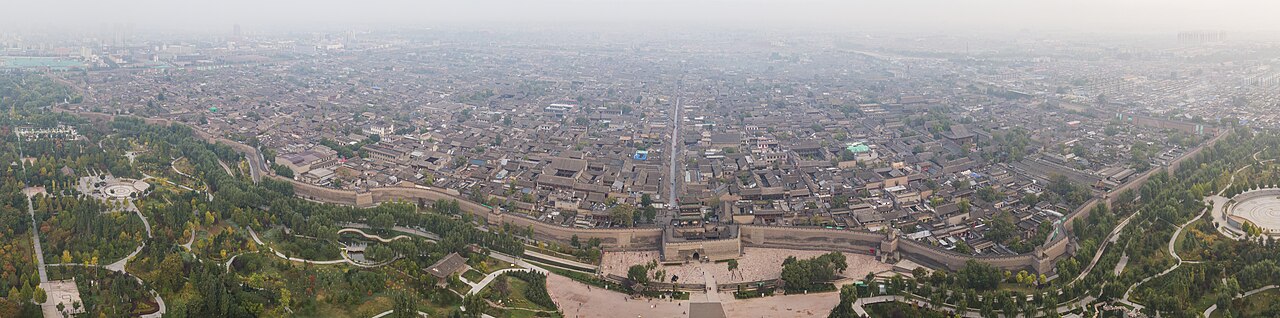
Hefei has been a regional capital for most of two thousand years, and for most of that time it was a place to be defended rather than admired: a river junction behind a ring of water, guarding the road from the north China plain down into the Yangtze delta. That ring is still there — as a moat-turned-park that loops the old centre — and almost everything you came to see sits inside it.

Its two defining figures come from opposite ends of its history. Bao Zheng, the Song-dynasty official who became the nation's enduring symbol of the incorruptible judge, was born just outside the city and is buried here; Li Hongzhang, the late-Qing statesman who founded the Beiyang Fleet, built his family mansion on what is now the main shopping street. Between them they anchor the whole old town.

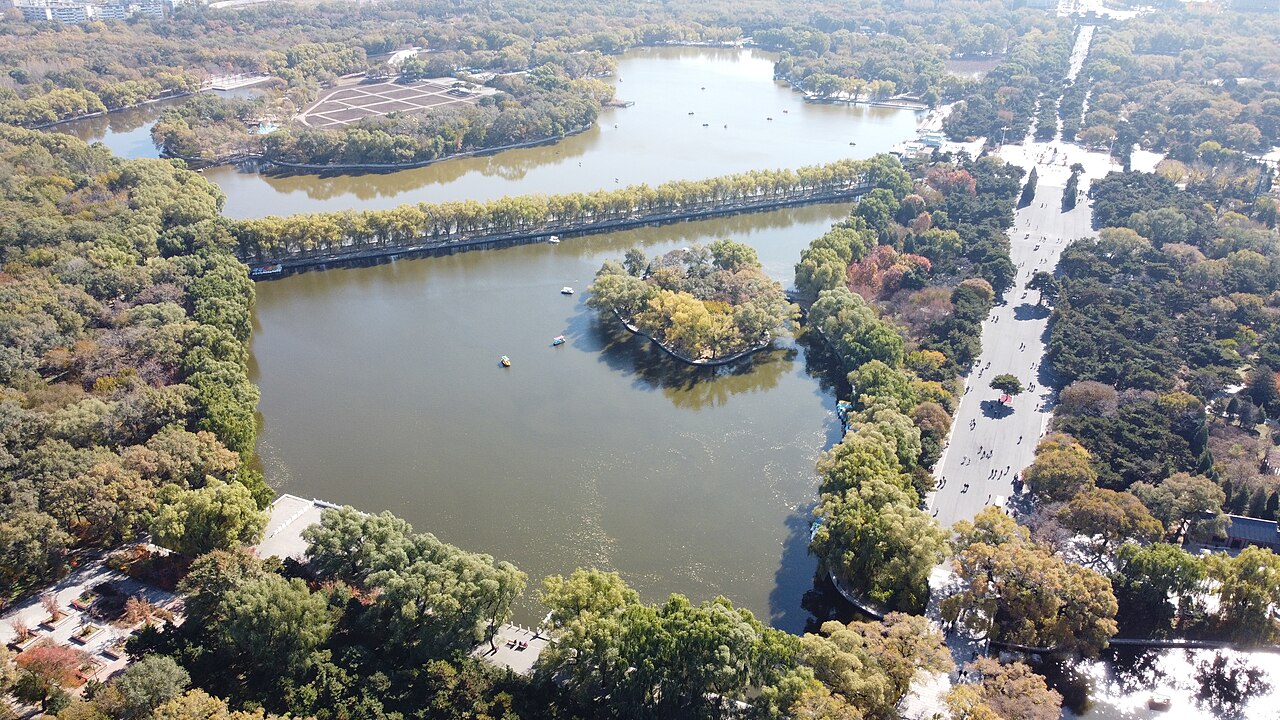
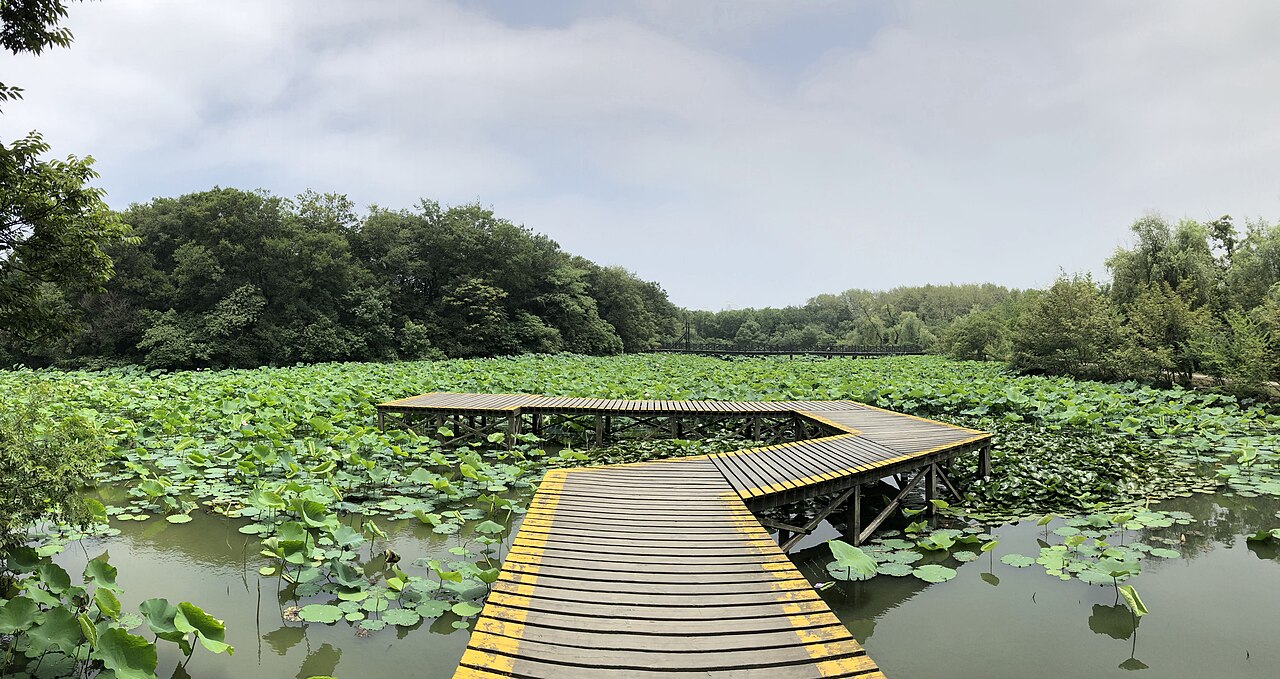
Hefei likes to call itself a garden city, and for once it is not just marketing. The moat ribbon park, the city lakes and the two forested hills on the outskirts — Dashu in the west, Zipeng further south — give it a genuinely green, unhurried feel, and locals treat the Huancheng park as their living room, walking it at dusk in their thousands.

And it is a gateway. Lake Chao, one of China's five largest freshwater lakes, lies on the city's southern edge; the water town of Sanhe is a short drive out; and the high-speed line to Huangshan puts the Yellow Mountains and the Hui villages of Hongcun and Xidi about an hour and a half away. Many travellers make Hefei the first stop of a Huangshan trip.

Hefei

Don't leave without

Seven things that are worth rearranging a day for.

  1. Stand before Bao Zheng's black-faced statue in his memorial shrine
  2. Walk the mansion of Li Hongzhang, the man who built China's modern navy
  3. Eat a bowl of Cao Cao chicken in the city that named it
  4. Rent a boat, or just a bench, in Xiaoyaojin Park
  5. Do the half-day out to Sanhe's old streets and bridges
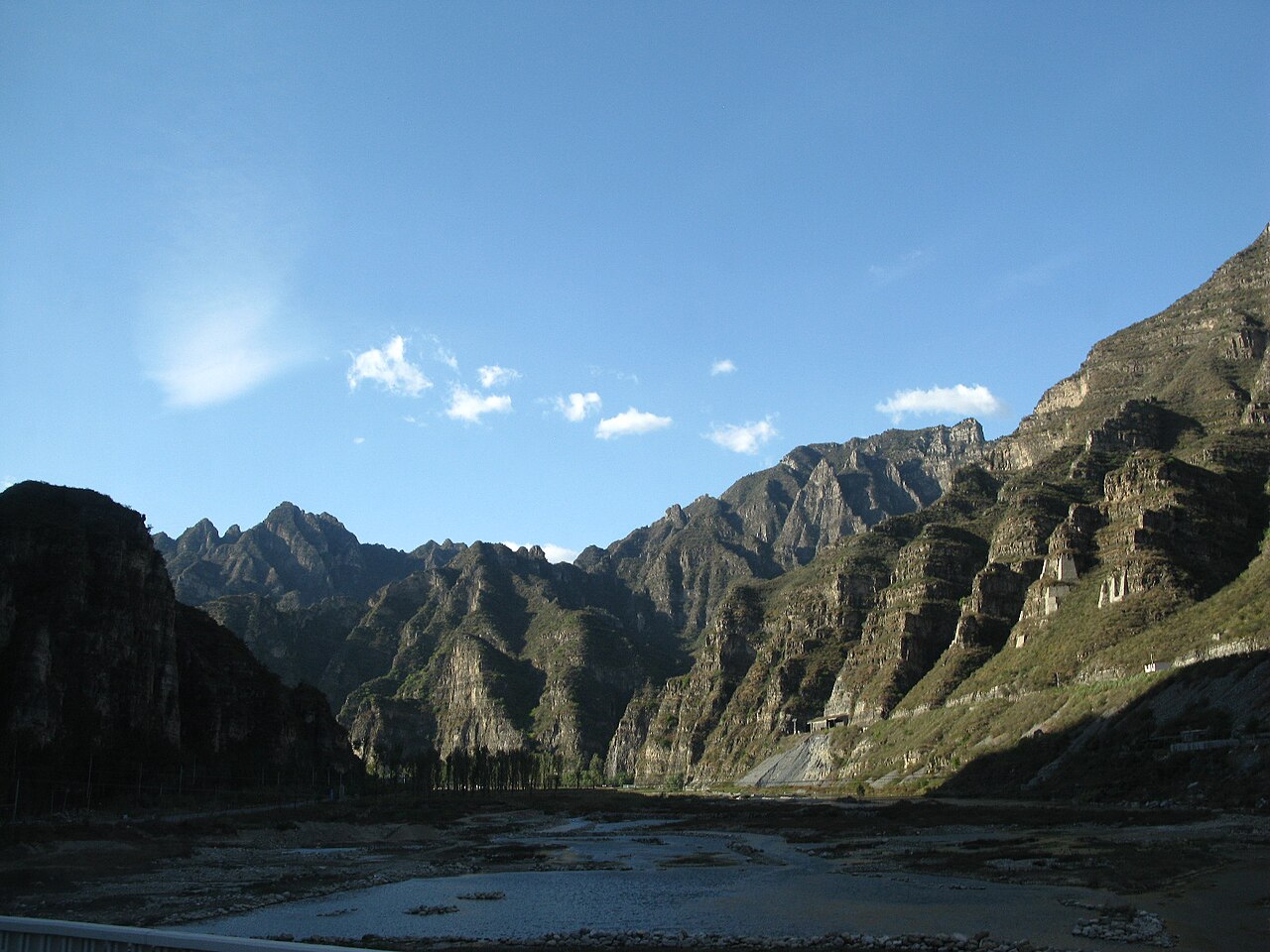
  6. Climb Dashu Hill for a green view over the whole city
  7. If it is summer, join the crayfish crowd on Ningguo Road

Highlights

What not to miss in Hefei

Bao Zheng Memorial Shrine

Bao Zheng Memorial Shrine

The shrine of Bao Gong, the Song-dynasty official remembered as China's model of an incorruptible judge, on its own island inside the Baohe moat park. White walls, grey tiles and a hall that holds his seated statue — the whole old-town core is built around his story.
Li Hongzhang's Residence

Li Hongzhang's Residence

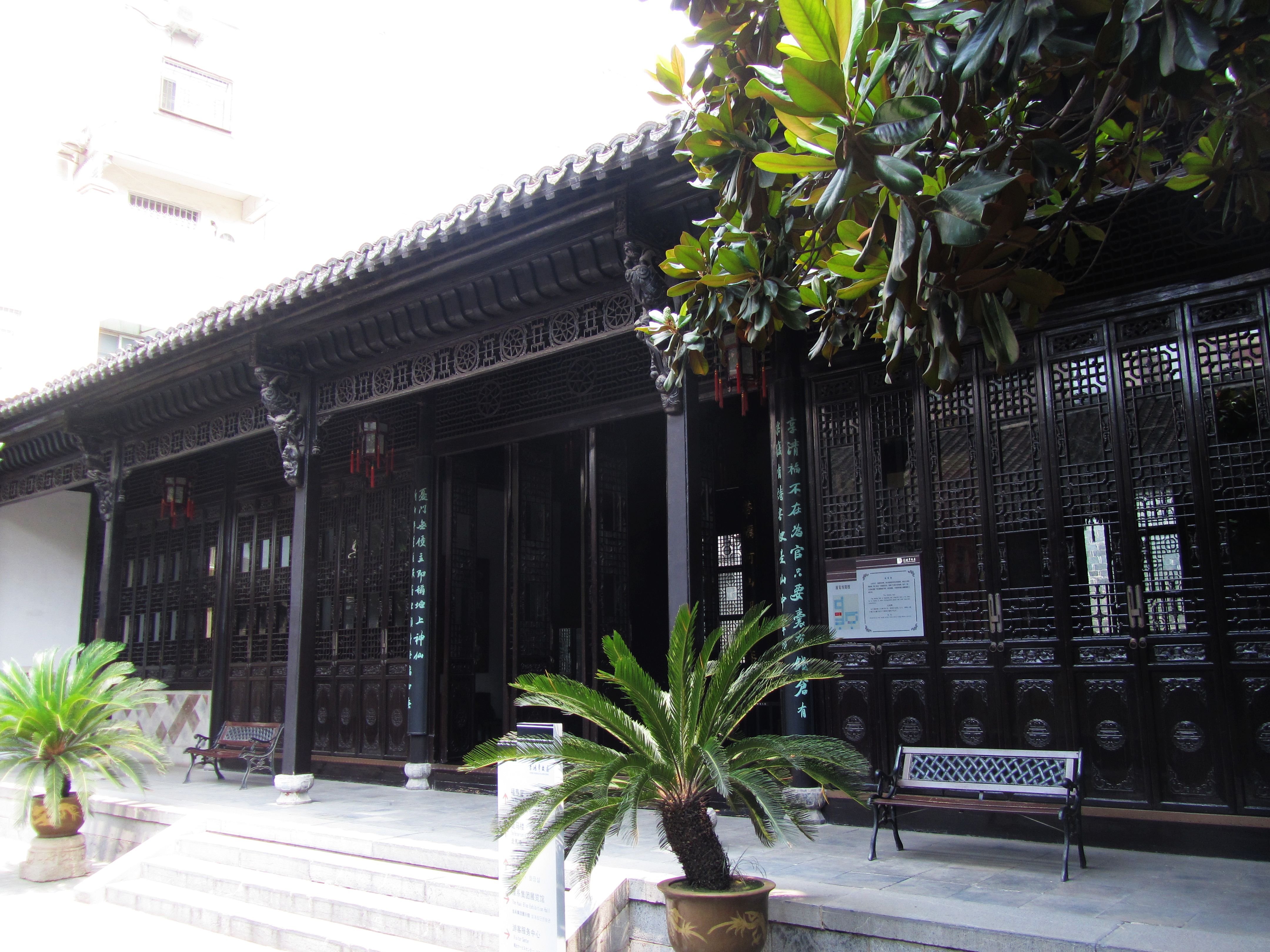
The family mansion of the late-Qing statesman who founded the Beiyang Fleet, sitting mid-way along the Huaihe Road pedestrian street. It is the city's largest surviving notable's house, and its halls now hold a life-of-Li exhibition and the story of the Huai Army.

Xiaoyaojin Park

Xiaoyaojin Park

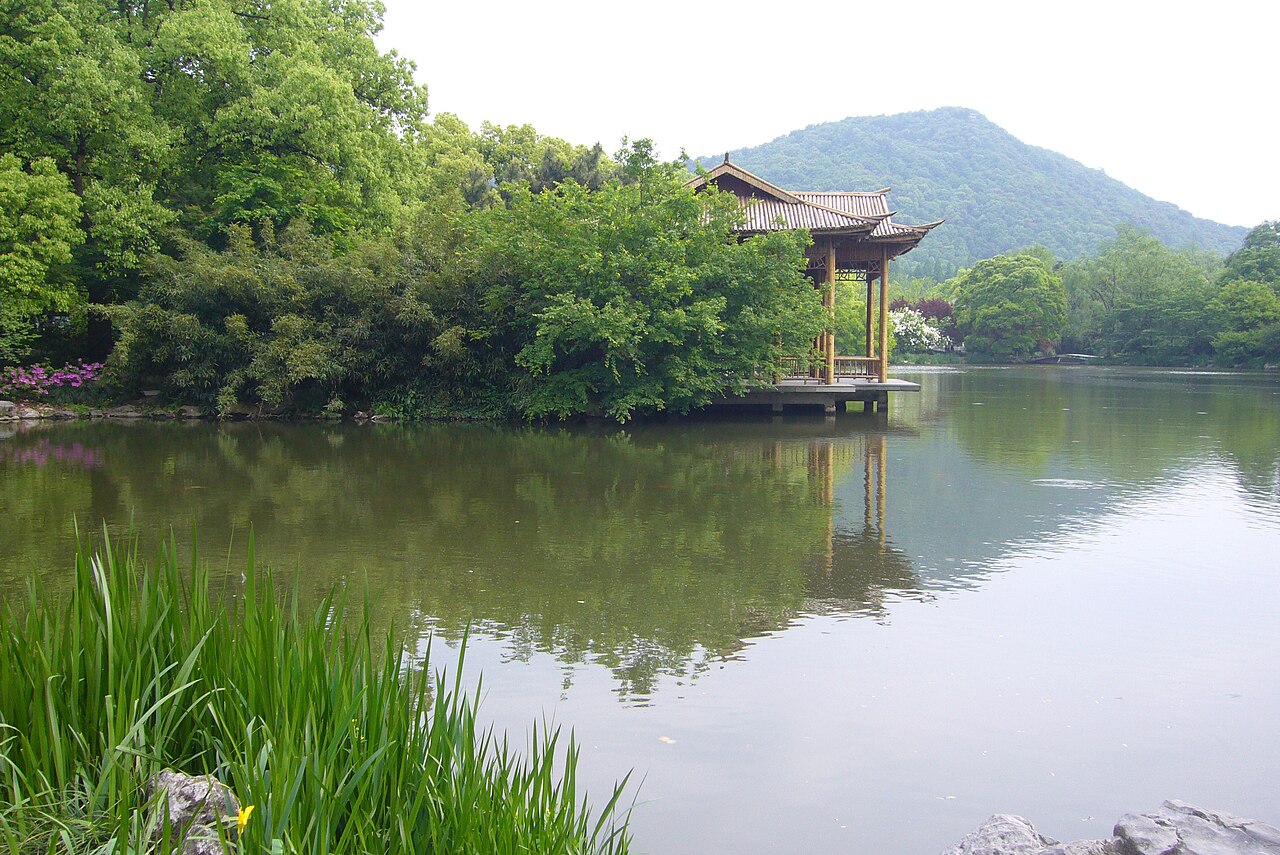
A free water-and-green park on the site of the 215 AD battle in which the Wei general Zhang Liao routed Sun Quan's far larger army. Today it is a lake, a boat pavilion and broad lawns — the city's favourite place to do nothing at all.

Huiyuan Garden

A large exhibition-and-leisure park that gathers a landmark building from every one of Anhui's regions, with Hui-style shopfronts in the south and a northern royal-garden style in the east. The quickest single primer on the whole province before you head out.

Sanhe Ancient Town

Sanhe Ancient Town

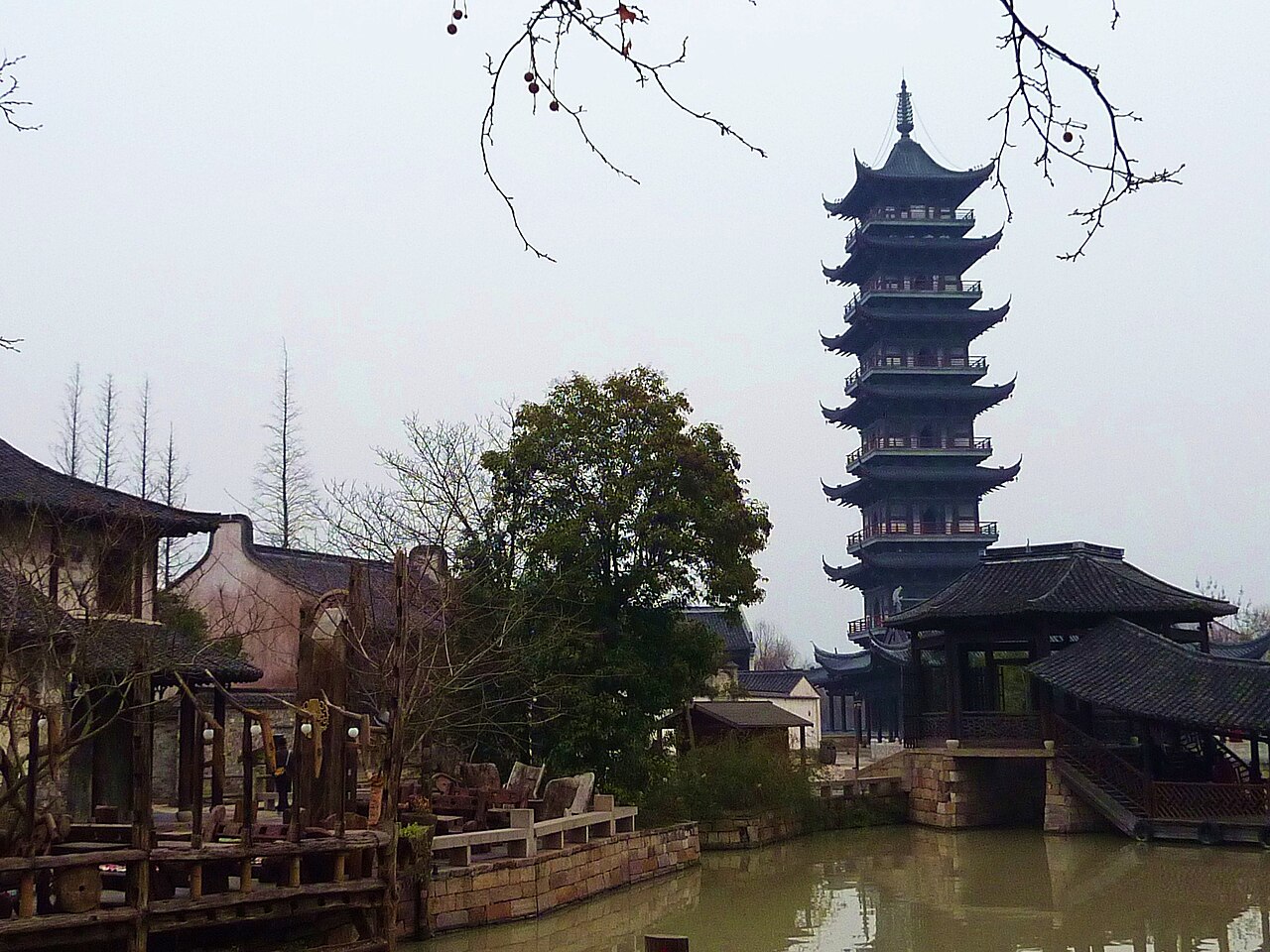
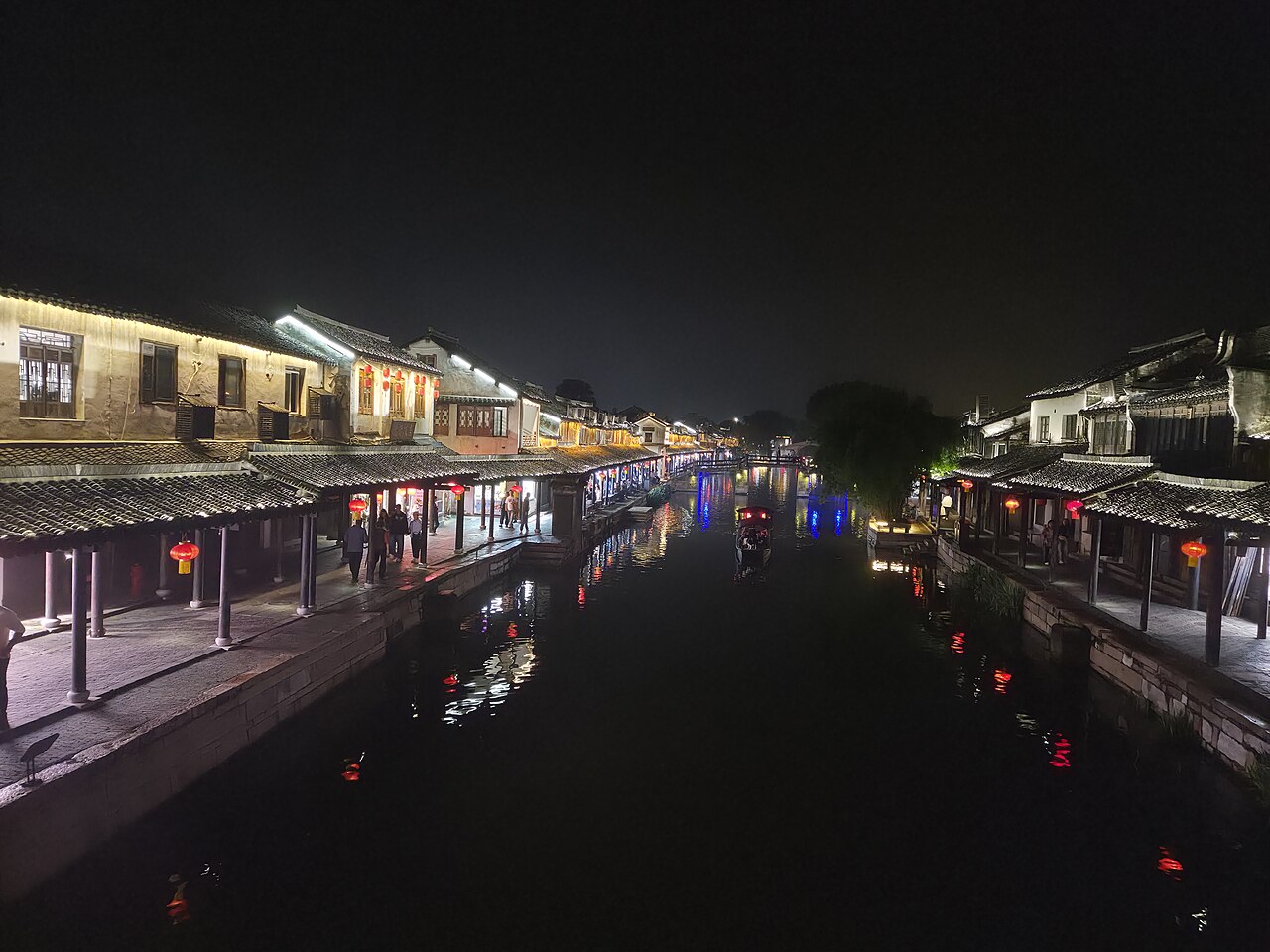
A 2,500-year-old water town 40 km southwest where three rivers meet, with the classic 'eight old things' — old street, old bridge, old wharf, old tea houses and more. Less theme park than working village, and best in the early morning.

Dashu Hill and the Anhui Museum

An isolated 284-metre hill 10 km west, ringed by a forest park and gardens, plus the provincial museum's bronzes, Han relief stones and Huizhou carving. Between them they cover the city's landscape and its history in a single day.

Suggested itineraries

Two days in the city, and four days on to Huangshan

The two-day plan stays inside and around Hefei. The four-day route uses Hefei as the northern gateway to the Yellow Mountains and the Hui villages.

Two days in Hefei

2 days

The old-town core on day one, a day trip on day two.

  1. Day 1

    The old-town ring

    Start at Bao Zheng's memorial shrine, then walk a stretch of the moat park. Continue to Li Hongzhang's mansion on Huaihe Road and eat lunch on the pedestrian street.

    In the afternoon, take in Xiaoyaojin Park and the Anhui Museum, then finish with a wander and dinner in the old town. If you have energy left, the moat ring at dusk is the city at its best.

    Stops: Bao Zheng Memorial ShrineHuancheng ParkLi Hongzhang's ResidenceXiaoyaojin ParkAnhui Museum

  2. Day 2

    Sanhe or Dashu

    Choose the water town of Sanhe — old streets, bridges and tea houses, with the six-sight combined ticket — or stay closer in and do Dashu Hill with its forest park, botanical garden and wildlife park.

    Back in the city for the evening, eat on Ruzi-style food streets or, in summer, at the crayfish taverns around Ningguo Road.

    Stops: Sanhe Ancient TownDashu HillShushan Forest ParkNingguo Road

Four days: Hefei, Huangshan and Hongcun

4 days

The classic northern-Anhui route, using Hefei as the rail gateway.

  1. Day 1

    Hefei

    Use the two-day city plan and compress it: the old-town core in a full day — Bao Zheng's shrine, Li Hongzhang's mansion, Xiaoyaojin and the Anhui Museum.

    Stops: Bao Zheng Memorial ShrineLi Hongzhang's ResidenceXiaoyaojin Park

  2. Day 2

    To Huangshan

    Take the high-speed train to Huangshan North, then transfer to the Yellow Mountains scenic area at Tangkou. Settle in and walk an easy valley or a cable car in the afternoon.

    Stops: Huangshan NorthTangkouHuangshan Scenic Area

  3. Days 3–4

    Hongcun and Xidi

    Spend a full day on the mountain — the Bright Summit, the Flying-Over Rock and the Greeting Pine. The next day, come down to the Hui villages: Hongcun's Moon Pond and South Lake, and the lanes of Xidi about 30 minutes away.

    Stay a night in Hongcun if you can, then return north to Hefei or continue on the high-speed network.

    Stops: Bright SummitGreeting PineHongcunXidi

Sights

The places worth your time

Ticket prices in China change without much notice. Treat these as a guide and confirm on arrival.

Bao Zheng Memorial Shrine

History · ¥20

Bao Zheng Memorial Shrine

Properly the Shrine of Lord Bao Xiaosu, dedicated to Bao Zheng, the Song-dynasty official whose name became shorthand for an honest judge. It sits on a small island in the Baohe moat park, a walled three-sided courtyard of white walls and grey tiles; the main hall holds his seated statue and a black stone portrait, and the whole complex is a monument to the ideal of the incorruptible official.

Ticket
¥20 (the surrounding park is free)
Hours
08:00–18:00
Where
Baohe Park, Huancheng South Road East, Baohe district
Getting there
Bus 129 to the Bell Tower stop, then walk
Time needed
1 hour

Tip Come in the morning, when the island and the moat are quiet and the neighbouring Baohe park is full of locals doing tai chi. It pairs naturally with a walk along the moat ring.

Li Hongzhang's Residence

History · ¥20

Li Hongzhang's Residence

The family home of Li Hongzhang, the late-Qing statesman, general and founder of China's modern navy, and the largest surviving notable's residence in Hefei. A late-Qing Jianghuai courtyard house with fine carved beams, it now holds a life-of-Li exhibition in the front hall and a display on the Huai Army clique he led through the front hall and the east wing.

Ticket
¥20
Hours
08:30–18:00 summer; 08:30–17:30 winter
Where
Mid-way along Huaihe Road pedestrian street, Luyang district
Getting there
Buses 109 and 117 to Gulou Bridge East, then walk
Time needed
1 hour

Tip It is right on the pedestrian street, so combine it with lunch and shopping rather than making a separate trip. The carvings and the courtyard are as much the draw as the exhibition.

Xiaoyaojin Park

Park · Free

Xiaoyaojin Park

A former three-kingdoms battlefield that became a city park. In 215 AD the Wei general Zhang Liao, heavily outnumbered, routed Sun Quan's ten-thousand-strong army here; the site is now a lake with a pavilion, boats, and lawns full of families, and one of the 'new ten sights of Hefei'.

Ticket
Free
Hours
Open all day
Where
Northeast of the old city, Yaohai district
Getting there
Buses 2, 15, 168 and 801 to Xiaoyaojin stop
Time needed
1 hour

Tip It is a five-minute walk from the Ming temple of Jiaonu Tai, so do them together. Rent a small boat or just find a bench — this is where Hefei relaxes.

Huiyuan Garden

Theme park · ¥20

Huiyuan Garden

A large park that presents a landmark building from each of Anhui's regions side by side, laid out as a Hui-style shopping street in the south and a northern royal-garden style in the east, with a modern 'century bridge' in the middle. Contrived, but an efficient way to see the whole province's architectural range in an hour or two.

Ticket
¥20
Hours
08:00–17:30
Where
Huiyuan, southwest of the centre
Getting there
Buses 20, 126, 150, 226 and 602 to Huiyuan stop
Time needed
1.5–2 hours

Tip Go if you are not already heading into the Hui villages, or if you want an easy half-day with kids — it is green, flat and uncrowded on weekdays. If Hongcun is on your route, you can skip it.

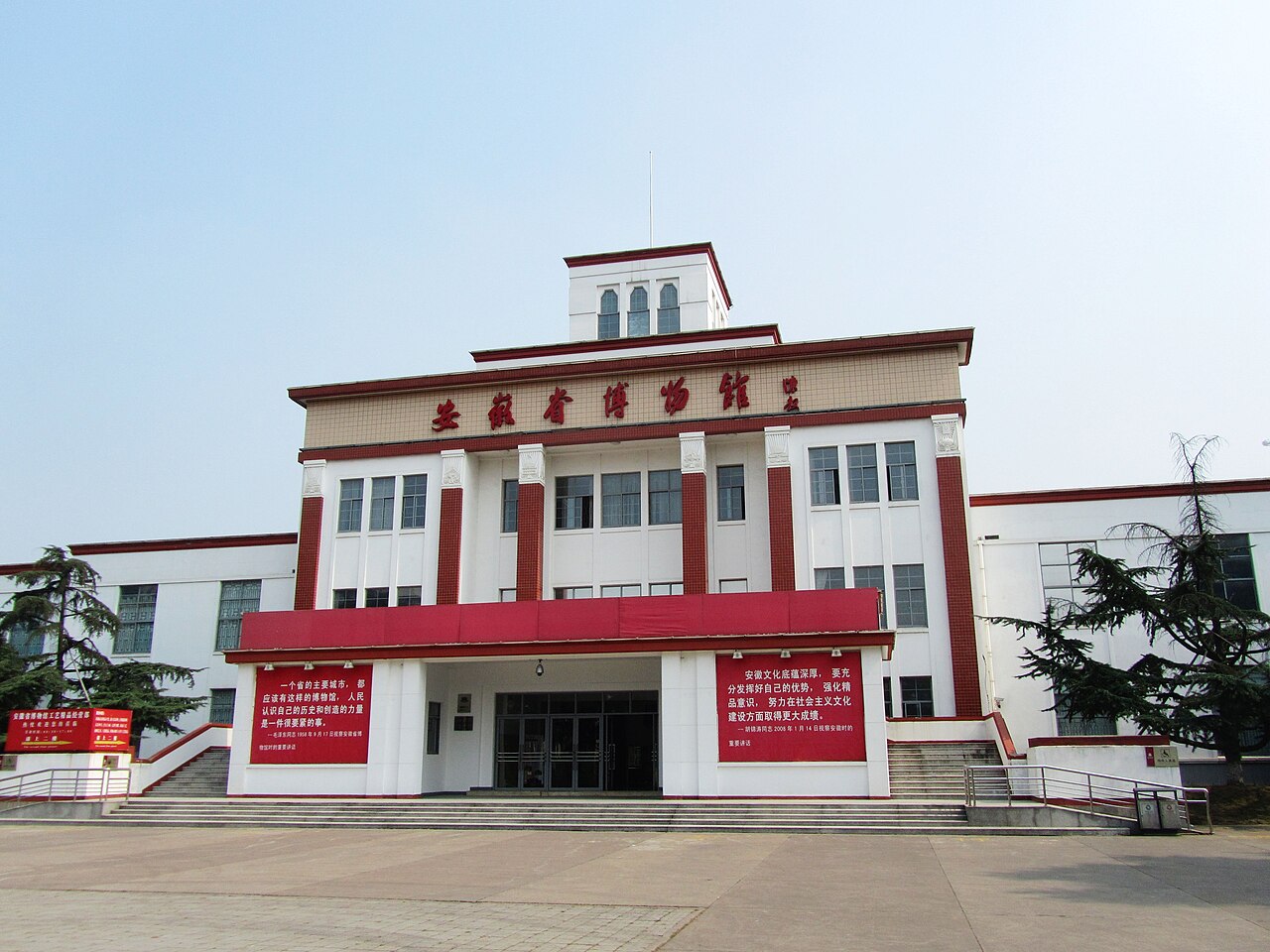
Anhui Museum

Museum · Free

Anhui Museum

The provincial museum, and the best single primer on Anhui before you head to the villages. Its collections are strong on Shang and Zhou bronzes, Chu-state currency, Han relief stones, Huizhou carving, ink and paper, and Ming and Qing painting — arranged across ancient-civilisation and palaeontology galleries that are free to enter.

Ticket
Free (bring your passport for entry)
Hours
09:00–17:00, closed Mondays
Where
Central Hefei, Shushan district
Getting there
Buses 2, 234 and 901 to the museum stop
Time needed
2 hours

Tip Closed on Mondays — plan around it. Two hours does the highlights; the Huizhou carving and the bronzes are the sections not to miss, especially if Hongcun and Xidi are next on your list.

Dashu Hill and Shushan Forest Park

Hill · Free

Dashu Hill and Shushan Forest Park

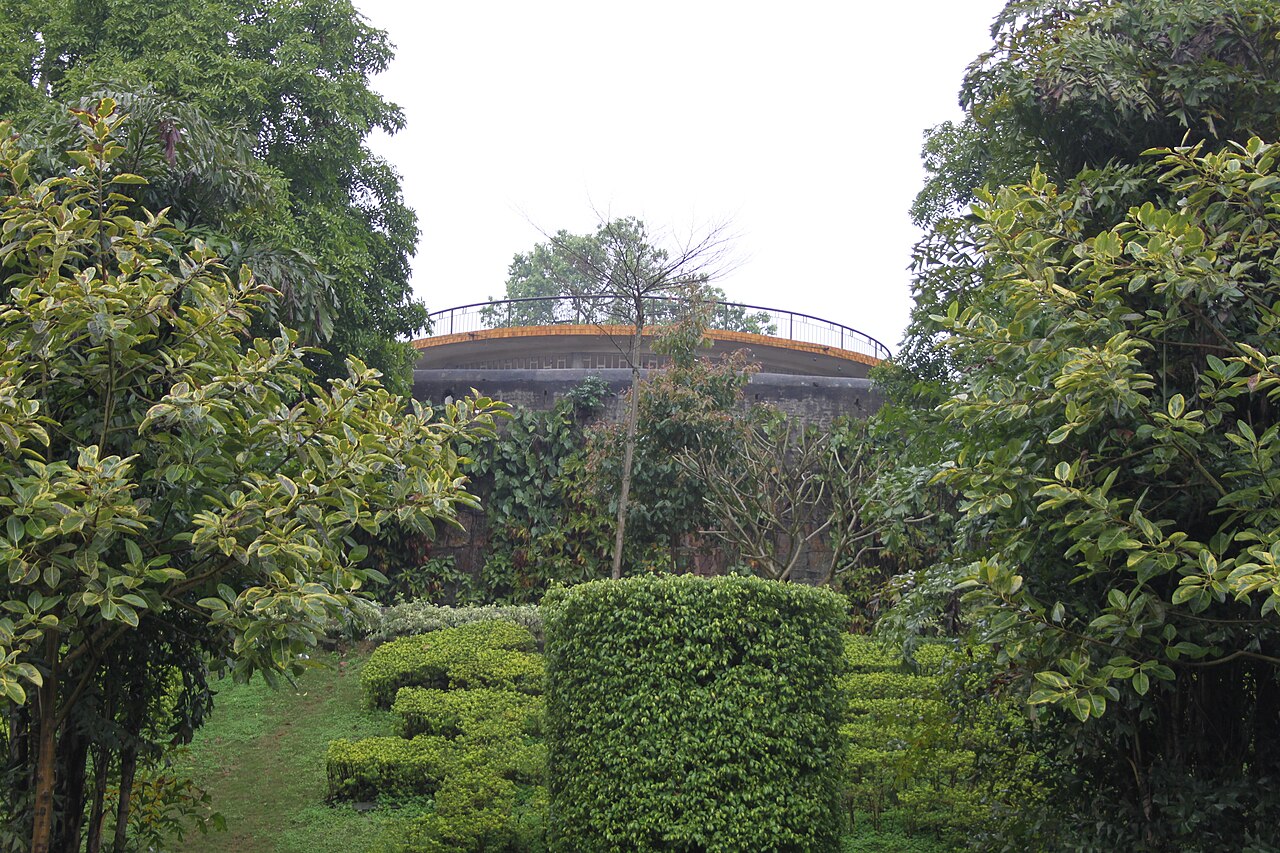
An isolated 284-metre hill about 10 km west of the centre — 'shu' means alone, for its lone peak — ringed by a forest park of 200-odd species, plus the botanical garden and a wildlife park nearby. Paths wind to the summit, and from the top you get a clear view back over the city and its plains.

Ticket
Free (neighbouring attractions charge: botanical garden ¥10, wildlife park ¥35)
Hours
08:00–17:30
Where
10 km west of the centre, Shushan district
Getting there
Buses 20, 234 and 665 to Shushan Park management stop
Time needed
Half a day

Tip The south face of the hill borders a police academy and a training base, and you may see groups of officers drilling on the slopes — give them a wide, respectful berth and keep to the marked paths.

Sanhe Ancient Town

Water town · ¥70

Sanhe Ancient Town

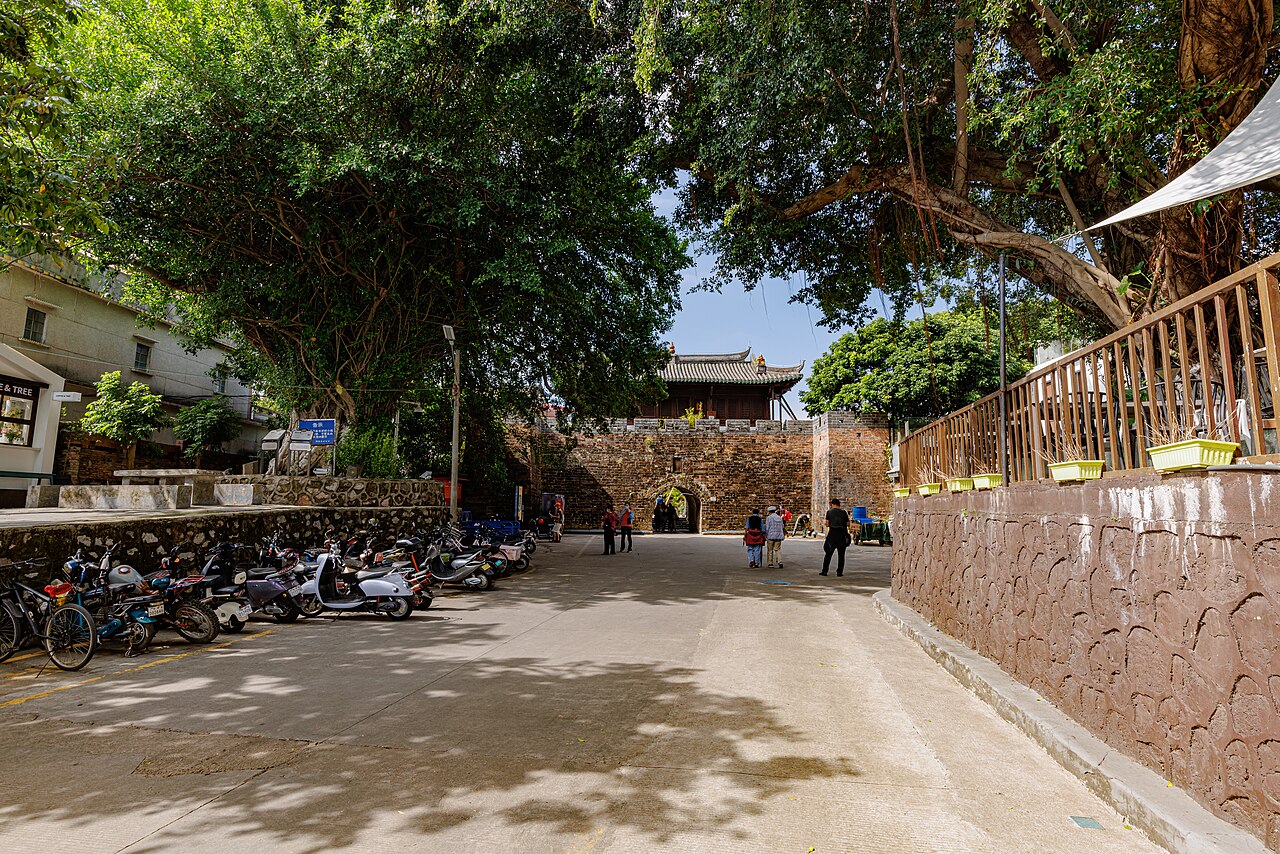
A 2,500-year-old water town 40 km southwest, named for the three rivers that meet here — the Fengle, Hangbu and Xiaonan. It has kept its 'eight old things': old river, bridges, dykes, streets, houses, tea houses and battlefield, and because it sits at the meeting of three counties it was once said that one crowing rooster could be heard in all three.

Ticket
¥70 combined ticket for six sights (Yang Zhenning's former residence, Liu Tongxinglong Hall, He Lu, Xiangu Tower and more)
Hours
08:00–17:30
Where
Sanhe town, Feixi county, 40 km southwest of Hefei
Getting there
Minibus from Hefei tourist bus station, ¥14, about 1 hour
Time needed
Half a day

Tip Go early, before the tour groups, and walk the riverside and the bridges first — the lanes get busy by late morning. The combined ticket only pays off if you plan to go inside the houses; the streets themselves are free to walk.

Eating

What Hefei tastes like

Hefei's Anhui kitchen is heavier and more savoury than coastal Chinese food — braises, cured meats and river fish, with a strong tradition of banquet dishes.

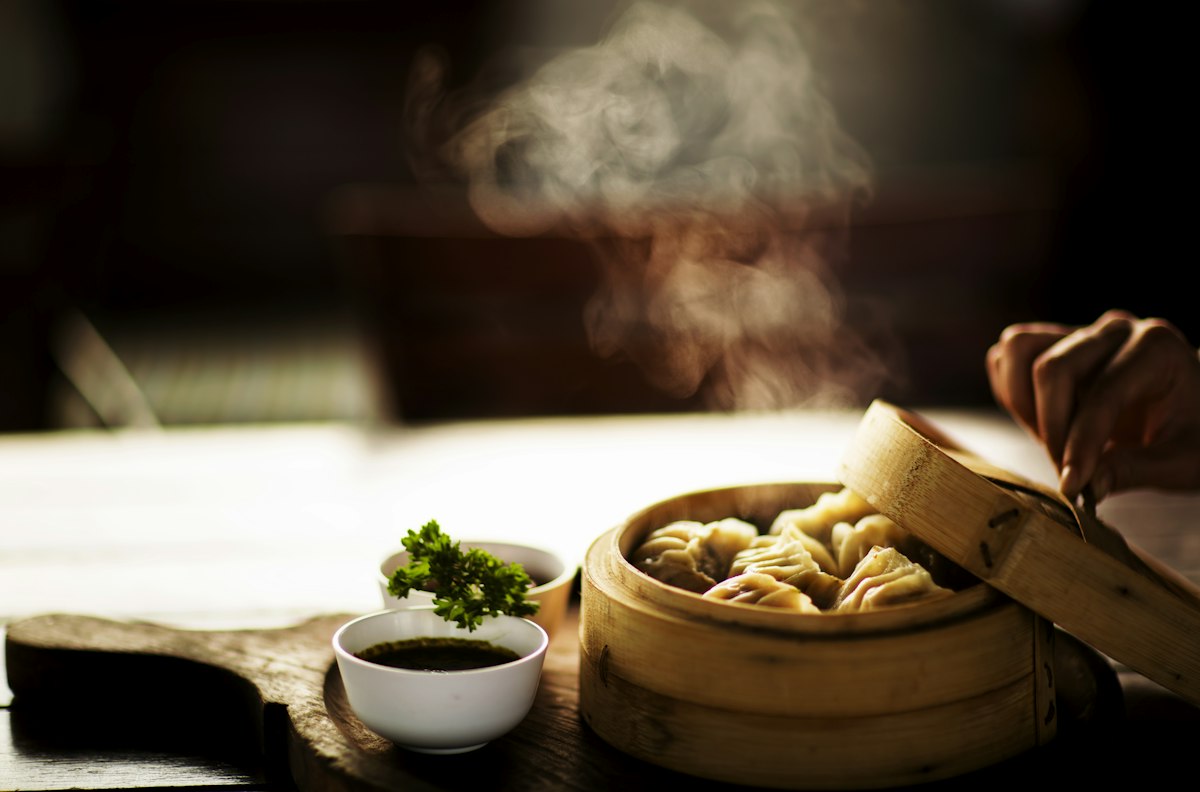
Cao Cao chicken (caocao ji)

The city's signature dish, also called 'Xiaoyao chicken' after the nearby park. A whole chicken cooked with Chinese herbs added to the pot, said to have been made for the ailing warlord Cao Cao by his cook — the skin turns yellow, the meat white and tender, quite unlike a roast chicken.

Li Hongzhang's hodgepodge

A famously improvised dish: a mixed braise of whatever the kitchen has, traditionally seafood and leftovers combined. It is named for the Qing statesman who, the story goes, invented it to feed unexpected guests at a banquet abroad — and it has been a Hefei staple ever since.

Braised Baohe carp (bao gong yu)

Carp from the Baohe moat, with dark backs — hence the nickname 'Bao Gong's fish'. Braised slowly with vinegar and seasonings until the bones go soft and the flesh stays sweet, and famously served cold. A banquet dish with a following.

Sanhe rice dumplings

A Sanhe speciality: dumplings with a skin made from rice flour rather than wheat, filled with minced pork and seasonings, then deep-fried until golden. Crisp at the edge, savoury inside, and around a century old.

Luzhou roast duck

Once a dish of the imperial court, and Hefei's most famous export dish. The duck is selected and processed carefully, roasted to crisp skin and tender flesh, savoury and not too rich. Buy it by the bird, with the duck-fat pastries it is eaten with.

Crayfish, in season

From June, all Hefei eats crayfish: boiled or spiced, eaten outdoors with cold beer. The Ningguo Road crayfish street is the local institution, and the city even runs a crayfish festival. Messy, cheap and enormous fun.

Where to eat

Restaurants and stalls worth the address

Phone numbers are local landlines; add +86 and drop the leading 0 if calling from abroad.

Chicken soup · Cheap

Laoxiangji

Hefei's best-known Chinese fast-food chain, and effectively a local answer to KFC. Its chicken and chicken soup are the draw — a small pot of soup is right for two, rich and fragrant. Clean, quick, filling and reliable, which is exactly the point. Around ¥19 a head.

Order
Chicken soup, chicken, rice, side dishes
Where
1047 Changjiang East Road, Yaohai district

Roast duck · Cheap

Luzhou Roast Duck Shop

A Hefei old name that locals all know. It started with roast duck and duck-fat pastries, and the pastries are still excellent — crisp, fragrant and sold to a permanent queue. Beyond the duck, it runs a Huaiyang menu that is quietly very good. Around ¥21 a head.

Order
Roast duck, duck-fat pastries
Where
107 Suzhou Road, Luyang district

Crayfish · Mid-range

Lao Xie Crayfish

A Hefei institution that always seems to be full. Prices are on the higher side, but the crayfish are worth it, and a summer night with a cold beer and a table of them is the whole point. It is close to the Ningguo Road crayfish street, so you can graze the district. Around ¥70 a head.

Order
Spiced crayfish, cold dishes, beer
Where
265 Wuhu Road, Baohe district (near Ningguo Road)

Anhui cooking · Mid-range

Xueji Mountain Villa

Tucked into the Shushan forest park, with a rustic, refined look and a calm setting that makes the food taste better. The cooking is good and the room is busy; it is the place to eat a proper Anhui meal while looking out at the hill. Around ¥73 a head.

Order
Anhui braises, mountain vegetables
Where
8 Yulan Avenue, Shushan district (near the celebrity hall)

Food streets · All day

Huaihe Road and Ningguo Road

Two eating districts worth knowing. Huaihe Road pedestrian street, on the old town's spine, mixes malls and snacks and is at its best after shopping; Ningguo Road is the summer crayfish and night-food street, where the tables spill into the road once the heat comes.

Where
Huaihe Road (Luyang); Ningguo Road (Baohe)
Best for
Snacking all day; crayfish in summer

Sleeping

Where to stay

The city centre suits most travellers — near Huaihe Road for the pedestrian street, or by the old-town lake. For Sanhe, staying in the town itself lets you see it after the day-trippers leave.

Hostel · from ¥35

Huilv Youth Inn

A hostel in Hefei's university district, between the Guogou plaza and the Huaihe Road commercial zones. Quiet despite the location, with clean, comfortable beds and a relaxed common area. The obvious pick for students and solo travellers on a budget. Beds from ¥35.

Price
Beds from ¥35
Where
Changfeng South Road, north gate of Anhui Agricultural University, Shushan district
Phone
187-1501-7168

Riverside · from ¥144

Mengjiangnan Hotel

A hotel in Feixi county, built along the river in Sanhe, with pleasant, well-equipped rooms and windows onto the water. It is the best base for a night in Sanhe Ancient Town, letting you see the town after dark once the day-trippers have gone. Rooms from ¥144.

Price
Rooms from ¥144
Where
Beside the Wannian Terrace, East Street, Sanhe town, Feixi county
Phone
0551-62360090

Established · from ¥328

Daoxianglou Hotel

Anhui's state-guesthouse, set on three sides of water in grounds of trees, bamboo and birdsong — locally nicknamed the 'urban bird island' and the 'natural oxygen bar'. It has hosted national leaders and foreign heads of state, so expect quiet, space and formality. Rooms from ¥328.

Price
Rooms from ¥328
Where
311 Jinzhai Road, Shushan district
Phone
0551-2228600

Upscale · from ¥420

Swan Lake Hotel

A curved landmark hotel on Swan Lake in the government and cultural district, with gardens running down to the water and a 26th-floor viewing restaurant over the lake. It is the city's smart, comfortable luxury option, a short ride from the central sights. Rooms from ¥420.

Price
Rooms from ¥420
Where
888 Dongliu Road, Shushan district
Phone
0551-63536666

Boutique · from ¥128

Kending Fashion Inn

A small hotel with more personality than its size suggests, facing Xiaoyaojin Park and beside the Huaihe Road pedestrian street. It is built around duplex room types with a simple, contemporary look — clean, comfortable and good value for the location. Rooms from ¥128.

Price
Rooms from ¥128
Where
71 Shouchun Road, Luyang district
Phone
0551-62635788

Getting around

Arriving, and moving about

Buses run at ¥1–2 and reach nearly every sight; the metro and BRT cover the main axis. For Sanhe, a car or the tourist-bus minibus is the practical choice.

By air

Hefei Xinqiao International Airport (HFE) is the city's main airport, about 30 km northwest of the centre, with a dense domestic network and routes across East and Southeast Asia.

Airport
Hefei Xinqiao International (HFE)
To the centre
Airport bus or a fast road, about 40 minutes; also a rail link to Hefei South
Note
The older Luogang airport near the centre has been superseded by Xinqiao

By rail

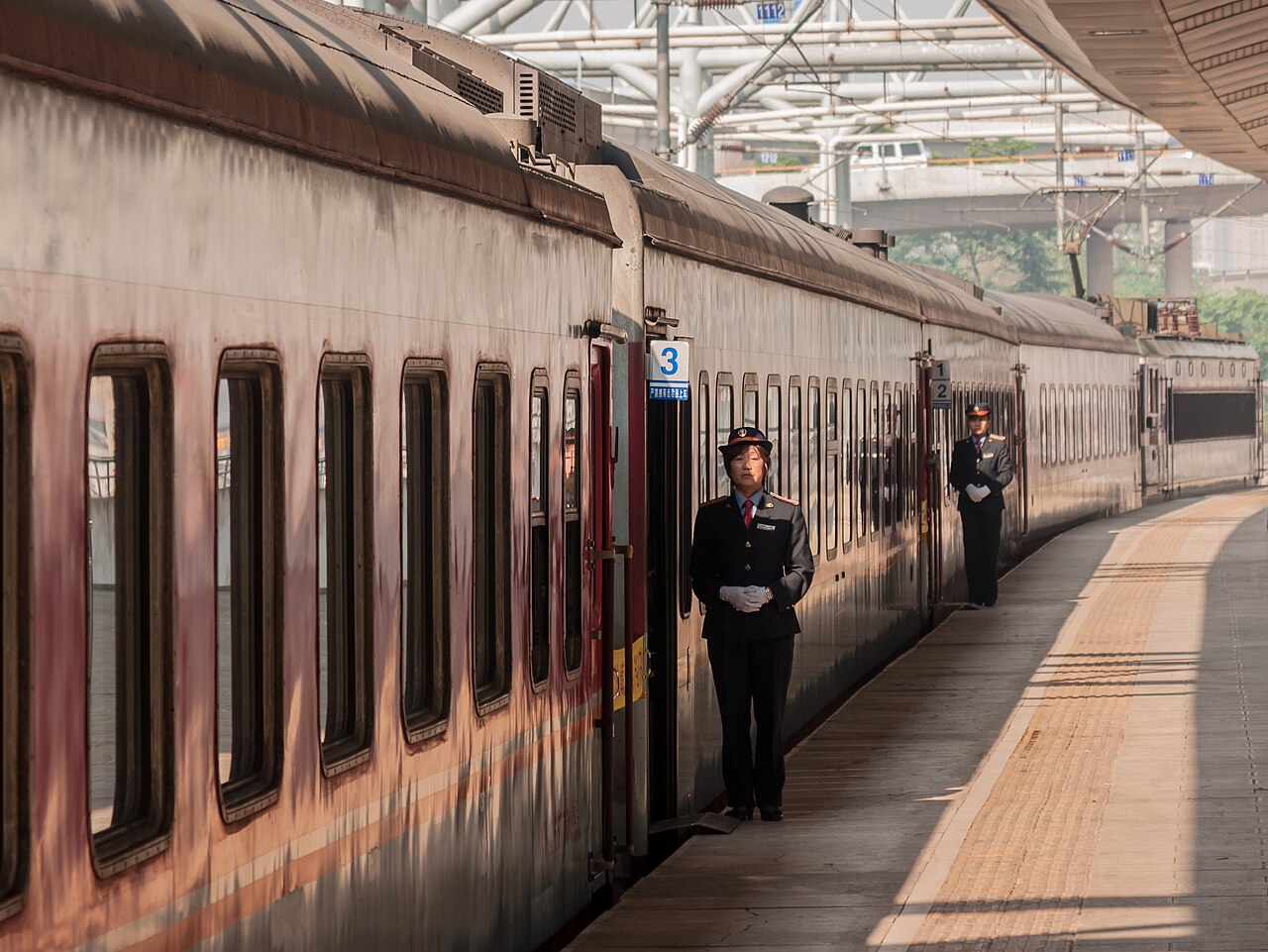
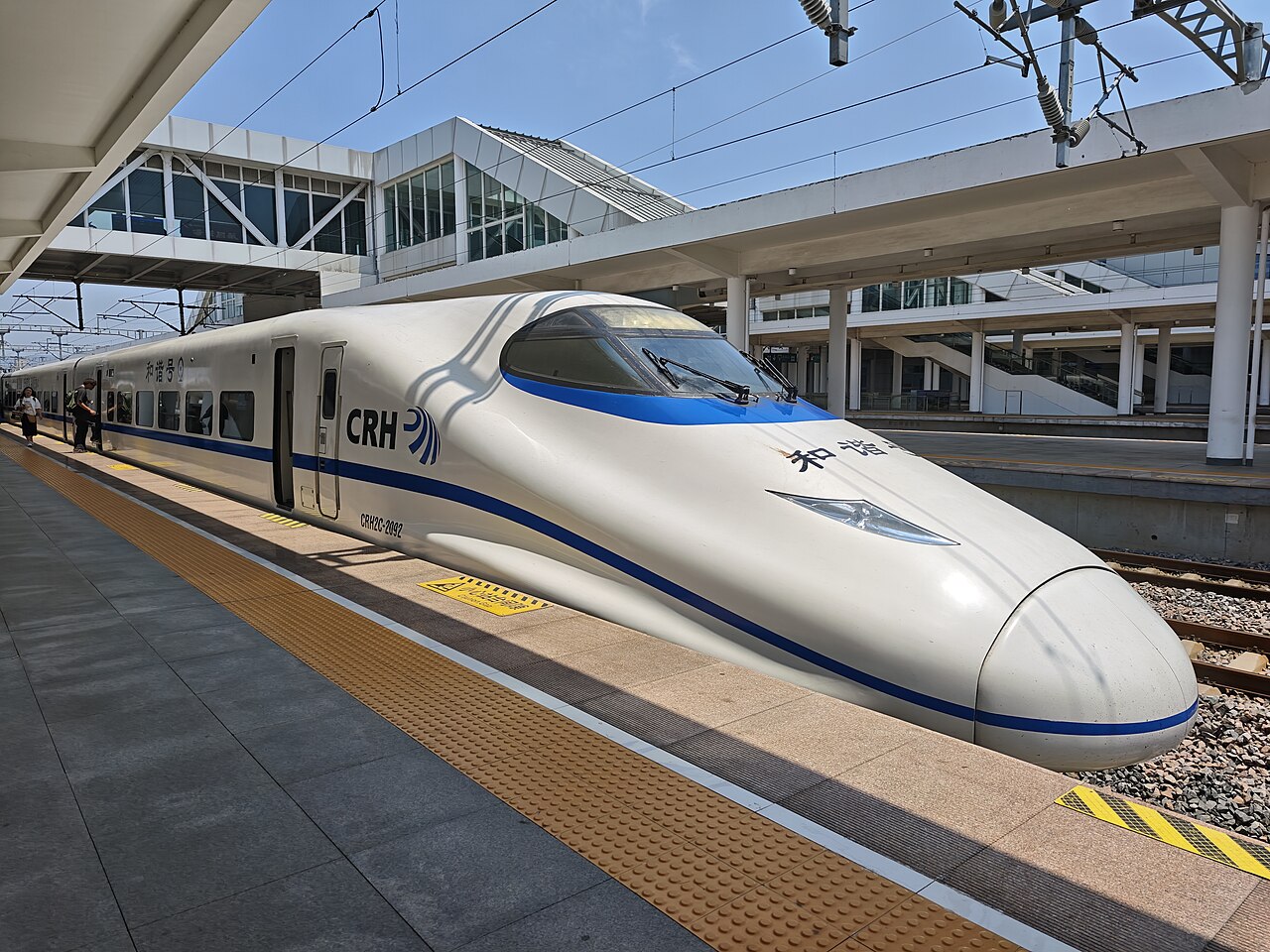
Hefei is one of the four great railway hubs of the Yangtze delta, which is why it is such a convenient starting point. Hefei South takes the high-speed services; the older Hefei station covers the traditional lines.

Hefei South
High-speed to Shanghai, Nanjing, Hangzhou, Wuhan, Beijing and Huangshan
Hefei Station
City centre, traditional north–south lines
To Huangshan
About 90 minutes by high-speed rail

If you are heading to Huangshan and the Hui villages, Hefei South is the station you want — the direct service is quick, and the Huangshan North end links straight onto buses for Hongcun and Xidi.

Metro & BRT

A growing metro network threads the centre, and BRT bus services run along the main boulevards, with free transfers between some central stops. Together they are the cheap, traffic-proof way across town.

Metro
Covers the central axis and main districts, bilingual signage
BRT
Along Changjiang Road and Huizhou Avenue
Fare
A few yuan by distance

Buses

A dense bus network of 80-odd routes reaches almost every sight in the city, at a flat ¥1 a ride, or ¥2 on air-conditioned and longer routes. Most are no-change pay-on-board, so keep small notes and coins.

Fare
¥1 standard; ¥2 for air-conditioned/longer
Coverage
All central sights, the stations and the hills
Watch out
Little English on signage — have your stop written in Chinese

Taxis

Metered and cheap, with a flagfall around ¥6 for the first 2.5 km; a 20% night surcharge applies from 22:00 to 06:00. Hailing one at rush hour can be slow, which is why ride-hailing apps are the local habit.

Flagfall
About ¥6 for 2.5 km
Night rate
Higher flagfall and per-km rate, 22:00–06:00
Note
Ride-hailing apps work well; avoid unlicensed 'black cabs'

Shared bikes & long-distance coaches

Shared and rental bikes are set up across the city, free for the first hour and cheap after that — good for the flat central streets and the lakeside parks. Intercity coaches leave from several stations for the surrounding counties and beyond.

Bike hire
First hour free, then ¥1–3 an hour
Main coach station
Hefei Long-Distance Bus Station, opposite the railway station
Useful for
Sanhe, Chaohu and the county towns

Shopping

What to take home

Crafts cluster in the old-town shops and the Cheng Huang Miao market; Anhui's provincial specialities — tea, ink, paper and brushes — are all stocked in the city as well.

Bamboo fire-pen painting

A Jianghuai folk craft: a special high-heat iron pen is used like a Chinese brush to burn landscapes, birds and figures into bamboo or wood, with light and shade built up stroke by stroke. Distinctive and hard to find elsewhere.

Feather fans

A traditional Sanhe handicraft, made mostly from goose feathers in two kinds — white and wild-goose, the latter rarer and more prized. Light, elegant and very Anhui — a small, packable souvenir.

Bamboo-veneer carving

Slips of bamboo veneer are pressed flat, glued to a wood panel and carved with flowers, birds, figures and landscapes. The surface is smooth and ivory-toned, and the effect is quietly decorative — a classic provincial gift.

Anhui tea, ink, paper and brushes

As the provincial capital, Hefei gathers Anhui's famous products: Huangshan Maofeng and Taiping Houkui tea, Shexian ink sticks, Jingxian paper and brushes, and Gujinggong liquor. The craft and department stores around Huaihe Road are the place to look.

Practical

The numbers to save

Staffed English help is not guaranteed. Save these before you need them.

Emergency (police / ambulance / fire)110 · 120 · 119
First Affiliated Hospital of Anhui Medical University218 Jixi Road · 0551-62922406
Anhui Provincial Hospital17 Lujiang Road · 0551-62283114
Post officeHefei postcode 230000
Tourism bureauCity government centre, 100 Dongliu Road · 0551-3537736
Cash & cardsWeChat Pay and Alipay accepted almost everywhere; carry coins and small notes for buses
TippingNot expected and often politely refused — do not add a tip to the bill
VisaMany nationalities now enter China visa-free for short stays — confirm your passport's status before booking

Tips

Small things that save a trip

Do the old town on foot, in a loop

Bao Zheng's shrine, Li Hongzhang's mansion and Xiaoyaojin sit close together inside the moat ring, with the Anhui Museum a short ride away. Walking the ring rather than hopping between taxis is both cheaper and better.

Skip the museum on Mondays

The Anhui Museum closes on Mondays, as do several other state-run sights. If your only free day is a Monday, move it — the museum is the best single primer on the province before Huangshan and the Hui villages.

Go to Sanhe in the morning

The water town is only an hour out, but the tour coaches arrive late morning. Get there early, walk the riverside and the bridges first, and the lanes will still be yours.

Watch out for 'black cabs' at the station

Hefei's taxis can be hard to hail at peak times, which has bred unlicensed cars and motorbike taxis around the stations. Use the official stand or a ride-hailing app instead, and agree the meter or the app price.

Give the army training area on Dashu a wide berth

The south face of Dashu Hill borders a police academy and a training base, and you may see groups drilling there. Keep to the marked paths and do not photograph them.

If it is summer, plan around the crayfish

From June, Hefei's evenings move outdoors to the crayfish streets, and Ningguo Road is the capital of it. Go late, order by the kilo, and expect to get your hands dirty — it is the city's best night out.

Background

Why Hefei looks like this

Geography and climate

Hefei sits in the middle of Anhui, between the Yangtze and the Huai River and on the shore of Lake Chao, which puts it at the meeting point of north and south China — a landscape of low hills, terraces and river plains. Its name is a description: 'Hefei' means the meeting of the Fei waters, where the eastern and southern branches of the Fei River converge.

The climate is humid subtropical, in transition between the warm temperate north and the subtropical south, with an average of about 16°C and around 1,000 mm of rain a year. It has four distinct seasons, a pronounced plum-rain period in May and June, and hot, wet summers. Spring and autumn are the seasons to come.

History

Hefei has around two thousand years of history and has been an administrative seat for most of them — under the names Hezhou, Luzhou and others, it was a prefectural capital guarding the routes between the north China plain and the Yangtze delta. It was a place of strategic weight: 'the lips and teeth of Jiangnan, the collar and throat of the Huai'. In 215 AD the battle of Xiaoyaojin, in which Zhang Liao beat a vastly larger Wu army, was fought here.

In the Ming and Qing it was the seat of Luzhou prefecture, which is why locals still call the city Luzhou. It became Anhui's provincial capital in the twentieth century, first under the Republic and then, from 1952, under the People's Republic. Its two great figures, Bao Zheng and Li Hongzhang, come from opposite ends of that span — the honest official and the modernising statesman.

The modern city is a different animal: one of China's leading centres of science and technology, home to the University of Science and Technology of China and a cluster of national laboratories. Locals like to point out that the city that produced China's model of an incorruptible judge now produces some of its most advanced research — and that both, in their way, are about doing things properly.

Travel with them

Hefei on screen and in print

Not guides — films, books and music made here or about here, that show the city the way the people in it see it.

TV series

Bashang Street

Hefei Television

A drama set at the very start of reform and opening-up, when households around Bashang Street began contracting land to families. It follows a cast of ordinary Hefei characters through the years that changed the city, and it was the first major series Hefei made about itself.

Book

Listening to Hefei

Liu Zhengping

A collection of essays about the city by an author who grew up in it — its history, its building, the people who live there, and his own and his family's stories. Plain, warm and closely observed, it is the book to read if you want the city's voice rather than its sights.

Music

Hefei's Stones

Piaoband (Drifting Band)

The song that made a Hefei band's name, written about the city its members grew up in. Their singer has described their music as coming from real life, from happiness that carries sweat and difficulty — and this track is exactly that: plain, local and honest.

The questions visitors ask us most about Hefei, answered plainly.

Frequently asked questions

Prices and practical details are reviewed every month by our Beijing team and updated the day a rule changes.

How many days do I need in Hefei?

Two days for the city: day one for Bao Zheng's shrine, Li Hongzhang's mansion, Xiaoyaojin Park and the Anhui Museum, all inside the old-town ring; day two for Sanhe Ancient Town or Dashu Hill. A third day lets you add Lake Chao and slow down. Many people use it as a one-night stop on the way to Huangshan.

What is the best time to visit Hefei?

April to October, with spring and autumn the best of it. Spring is warm and blooming; autumn is clear and dry. Summer is hot and humid, with the plum-rain season dumping most of the year's water in May and June. Winter is cold but dry, around 0–8°C, with plenty of clear skies.
Is Hefei worth visiting?

Yes, with the right expectations. It is not a preserved ancient capital, but it has a real old-town core — Bao Zheng's shrine, Li Hongzhang's mansion, the moat-ring parks — a strong and distinctive regional kitchen, and the Anhui Museum. And it is the natural first stop before Huangshan and the Hui villages of Hongcun and Xidi.

What should I eat in Hefei?

Anhui's Hefei kitchen is heavier and more savoury than the seafood-led cooking of the coast. Try Cao Cao chicken, Li Hongzhang's hodgepodge, braised Baohe carp, Sanhe rice dumplings and Luzhou roast duck. In summer the whole city turns to crayfish — the Ningguo Road crayfish street is where locals go.

What is there to do around Hefei?

Sanhe Ancient Town, 40 km southwest, a 2,500-year-old water town of old streets, bridges and wharves; Dashu Hill with its forest park, botanical garden and wildlife park; and Lake Chao on the city's southern edge, one of China's five largest freshwater lakes. Farther out, Huangshan and the Hui villages are a rail ride away.
How do I get to Huangshan and Hongcun from Hefei?

By high-speed rail. Hefei South station connects to Huangshan North in about 90 minutes, and from there it is roughly an hour by road to Hongcun and Xidi in Yixian county. Hefei is the main northern gateway to the Yellow Mountains, so a night here before heading south is a common and sensible plan.
Can I get around Hefei without Chinese?

Mostly. Buses are ¥1–2 and reach the sights, the metro is bilingual, and taxis are metered and cheap. BRT runs along the main boulevards. English is thin outside hotels, so keep a translation app and your destination written in Chinese. Ride-hailing apps work well and often beat hailing on the street.

Related reading

Related reading

Visas Do I Need a Visa for China? Requirements, Costs and How to Apply China's entry rules changed more in the last three years than in the previous twenty. Here is exactly who needs a visa, what it costs, how long it takes and which passports now walk straight through. 9 min read Visas China's 240-Hour Visa-Free Transit: Who Qualifies and How It Works Ten days in China with no visa application, no fee and no fingerprints — if you hold the right passport and leave for a third country. Here is the rulebook, port by port. 8 min read Money Paying in China: Alipay, WeChat Pay, Cards and Cash Roughly nine in ten urban payments in China now run through a phone. Set up two apps before you fly, carry a modest cash float, and you will never be stuck at a till. 8 min read Transport China's High-Speed Rail: How to Book, What It Costs, How Fast It Goes The fastest way to cross China is also the most pleasant. Here is how to book a ticket with a foreign passport, what the three classes actually give you, and how to survive a Chinese station at rush hour. 9 min read Planning Best Time to Visit China: Month by Month, Region by Region China is the size of Europe, so 'the best month' depends on where you stand. Here is the month-by-month answer for the north, the Yangtze valley, the south and the plateau. 8 min read Planning What to Pack for China: The Complete 2026 Checklist Twenty thousand steps a day, three climate zones and a phone that has to do everything. This is the list we give our own travellers, minus the things they never used. 7 min read Food Chinese Food Culture: Eight Cuisines, One Table There is no such thing as Chinese food. There is Cantonese, Sichuan, Hunan, Jiangsu, Zhejiang, Fujian, Anhui and Shandong — and knowing which one you are eating changes everything. 8 min read Traditions Chinese Tea Culture: Six Classes, One Pot, Two Fingers Tea in China is not a beverage category, it is a social technology: it fills silences, seals deals and sets the pace of a meal. Here is how to sit down in one and not look lost. 7 min read Traditions Chinese Festivals: The Calendar, the Dates and the Crowds Lunar dates mean the calendar moves every year — and two of the festivals move several hundred million people at once. Plan around them or plan into them, but never by accident. 8 min read Etiquette Chinese Etiquette: What Matters, What Does Not, and Why Most etiquette advice for China is either obvious or wrong. These are the dozen behaviours that actually change how you are treated, and the reasoning behind each. 7 min read
Tell us your dates.
We'll do the rest.

Free itinerary design, a revised plan within one working day, and nothing charged until you approve the final version.

  • Two days for the old town and one day trip; a third to slow down.
  • Bao Zheng's shrine, Li Hongzhang's mansion and Xiaoyaojin all sit inside the old-town moat ring.
  • Sanhe Ancient Town, a 2,500-year-old water town, is 40 km southwest and a classic half-day.
No spam. No sales calls. Just a real itinerary from a real person.