Qingcheng Mountain · Sichuan

Qingcheng Mountain Tours & Travel Packages 2026 | Daoism, Sichuan | JoyoTour

Plan a private Qingcheng Mountain tour in Sichuan: the birthplace of Daoism, the front-mountain temples and back-mountain waterfalls, one hour from Chengdu.

The short version

Qingcheng Mountain is a 1,260 m peak 68 km from Chengdu where Zhang Daoling founded the Way of the Celestial Masters in AD 143, making it one of the birthplaces of Daoism — and it has been a UNESCO World Heritage site, with Dujiangyan, since 2000. Give it a day: the front mountain for the temples of Tianshi Cave and Shangqing Palace, or the back mountain for gorges and waterfalls. The intercity train from Chengdu takes an hour or so.

SichuanProvince
April–October; July–August for cool air, a climb-and-hike festival March–MayBest months
CTUAirport
Connect via hubDaily intl. flights
Prefer it arranged for you? The mountain where Daoism was organised, and the one Chengdu escapes to when the basin turns into an oven. Qingcheng Mountain travel guide →

The place itself

What Qingcheng Mountain is actually like

Qingcheng Mountain is not the highest or the grandest of Sichuan's mountains, but it may be the most quietly important. It was here, in AD 143, that the Daoist master Zhang Daoling founded the Way of the Celestial Masters — the first organised Daoist school — which is why Qingcheng is honoured as a cradle of Daoism and ranked, in Daoist cosmology, as the 'Fifth Grotto-Heaven'. Its name means 'Green City', and the old explanation is that the 36 peaks ring it so closely, wrapped in green, that the whole massif looks like a walled town.

The mountain is really two mountains. The front mountain is the Daoist route: temples and halls strung along a wooded climb — Jianfu Palace at the foot, the Tianshi Cave where Zhang Daoling taught, the Shangqing Palace with its carved Laozi, and the Laojun Pavilion on the summit ridge, reached by cable car across the Yuecheng Lake. It is history, incense and steep stone steps, and it is best done riding up and walking down.

The back mountain is the opposite temperament: a wetter, wilder valley of streams, gorges and waterfalls, with the old town of Tai'an at its base and the Wulong ravine, the Baiyun caves and the multi-tier San Tan falls to be walked. Locals tend to prefer it, and it is where Chengdu families spend a slow weekend eating farmhouse food and breathing the famously humid, green air.

Whichever half you choose, the climate does the work. Qingcheng sits on the wet western rim of the Sichuan basin, mild and damp all year, with old trees, moss and running water everywhere. People come for the 'quiet' of the name, 'Green City under heaven's calm' — and in the temples, in the mist between the peaks, that quiet is still there.
75°E75°E90°E90°E105°E105°E120°E120°E135°E135°E20°N20°N30°N30°N40°N40°N50°N50°N ChangchunKashgar BeijingBeijingXi'anXi'anShanghaiShanghaiChengduChengduGuilinGuilinHangzhouHangzhouZhangjiajieZhangjiajieTibet · LhasaTibet · LhasaYunnan · KunmingYunnan · KunmingSichuan · ChengduSichuan · ChengduQinghai · XiningQinghai · XiningGansu · LanzhouGansu · LanzhouXinjiang · UrumqiXinjiang · UrumqiInner Mongolia · HohhotInner Mongolia · HohhotGuangzhouGuangzhouShenzhenShenzhenHarbinHarbinDalianDalianShenyangShenyangChangbai MountainChangbai MountainKunmingKunmingDaliDaliShuheShuheLijiangLijiangXiamenXiamenGulangyuGulangyuFuzhouFuzhouLugu LakeLugu LakeXishuangbanna · JinghongXishuangbanna · JinghongShangri-LaShangri-LaNanchangNanchangHefeiHefeiHongcunHongcunWuhanWuhanChangshaChangshaFenghuang Ancient TownFenghuang Ancient TownLushanLushanWuyuanWuyuanMount Heng (Hengshan, Hunan)Mount Heng (Hengshan, Hunan)HuangshanHuangshanWudang MountainWudang MountainLuoyangLuoyangYuntai MountainYuntai MountainRizhaoRizhaoYantaiYantaiLianyungangLianyungangSanqing MountainSanqing MountainTianjinTianjinDatongDatongTaiyuanTaiyuanPingyaoPingyaoWutai MountainWutai MountainHulunbuir · HailarHulunbuir · HailarThe Forbidden CityThe Forbidden CitySanyaSanyaHaikouHaikouBeihaiBeihaiNanningNanningGuangxi · NanningGuangxi · NanningHuizhouHuizhouZhuhaiZhuhaiWuyi MountainWuyi MountainBeidaiheBeidaiheShanhaiguanShanhaiguanBaiyangdianBaiyangdianQinhuangdaoQinhuangdaoYesanpoYesanpoJiuzhaigouJiuzhaigouMount SiguniangMount SiguniangHailuogouHailuogouDaocheng YadingDaocheng YadingShunan Bamboo SeaShunan Bamboo SeaDujiangyanDujiangyanQingcheng MountainQingcheng MountainQingdaoQingdaoMount TaiMount TaiJinanJinanWeihaiWeihaiQufuQufuPenglaiPenglaiChangdaoChangdaoNanjingNanjingSuzhouSuzhouZhouzhuangZhouzhuangTongliTongliWuxiWuxiYangzhouYangzhouZhenjiangZhenjiangChangzhouChangzhouWuzhenWuzhenXitangXitangXixi WetlandXixi WetlandNingboNingboMount PutuoMount PutuoQiandao LakeQiandao LakeShaoxingShaoxingZhoushanZhoushanHengdianHengdianYandang MountainYandang MountainZhejiang · HangzhouZhejiang · HangzhouHong KongHong KongHong Kong Outlying IslandsHong Kong Outlying IslandsHong Kong ShoppingHong Kong ShoppingMacaoMacaoTaipeiTaipeiKaohsiungKaohsiungTaiwan · TaipeiTaiwan · TaipeiUrumqiUrumqiNorth Xinjiang · UrumqiNorth Xinjiang · UrumqiQinghai LakeQinghai LakeMount EmeiMount EmeiLanzhouLanzhouMount HuaMount HuaDunhuangDunhuangGannan · LanzhouGannan · LanzhouSichuan–Tibet Highway (G318) · Chengdu (CTU)Sichuan–Tibet Highway (G318) · Chengdu (CTU)KangdingKangdingLhasaLhasaNyingchiNyingchiNamtsoNamtsoChongqingChongqingQiandongnan · GuiyangQiandongnan · GuiyangLiboLiboGuiyangGuiyangZhenyuanZhenyuanHuangguoshuHuangguoshu
Destination — click to open the guide Province or autonomous region Provincial capital Major river

Pins are plotted from real latitude and longitude on a 5° graticule. This is a schematic orientation diagram, not a political map — no boundaries are drawn.

What not to miss — Qingcheng Mountain

01

Tianshi Cave

The cave-shrine of the Zhang Tianshi, at the heart of the front mountain and the reason the mountain matters: Zhang Daoling is said to have taught here, and the halls behind the main Sanqing Hall hold the Huangdi shrine and the cave itself. The painter Xu Beihong worked here in the 1940s and produced his illustrations for Qu Yuan.

02

Shangqing Palace and the Laojun Pavilion

Shangqing Palace, built in the Qing dynasty, enshrines Laozi with a statue and a woodblock of the 5,000-character Dao De Jing, plus the Magu Pool and other old traces. Above it, the Laojun Pavilion stands on the summit ridge with the best view over the whole mountain.

03

Jianfu Palace and the Natural Picture Pavilion

Jianfu Palace sits at the foot of the Zhangren peak, first built in AD 730, with its celebrated 394-character couplet. Further up, the Natural Picture Pavilion is a ten-sided double-eaved kiosk from the Qing dynasty perched where two peaks close in — the spot that gives the mountain its 'see it and you are in a painting' reputation.

04

Yuecheng Lake and the cable car

A small green lake set between the Zhangren and Qinglong peaks, crossed by a ¥5 ferry, from where the front-mountain cable car climbs towards Shangqing Palace. The lake is quiet and often misty, and it is the most photographed single view on the front mountain.

05

The back mountain: Wulong ravine and the falls

The back mountain is a valley of water — the 8 km Wulong ravine, the multi-level San Tan cascades, the Baiyun caves high in the rock, and the Crystal Cave of the Three Dragons. It is wetter, greener and wilder than the front, and the trails run past farmhouses and teahouses all the way.

06

Tai'an old town

The old town at the foot of the back mountain, once a staging post on the road from the Chengdu plain to the Jinchuan country, now the place to stay, eat farmhouse cooking and start the back-mountain walk. A Buddhist temple of the same name anchors its far end.

China tours that include this stop — Qingcheng Mountain

15 days · Grand Tour

Grand China Odyssey

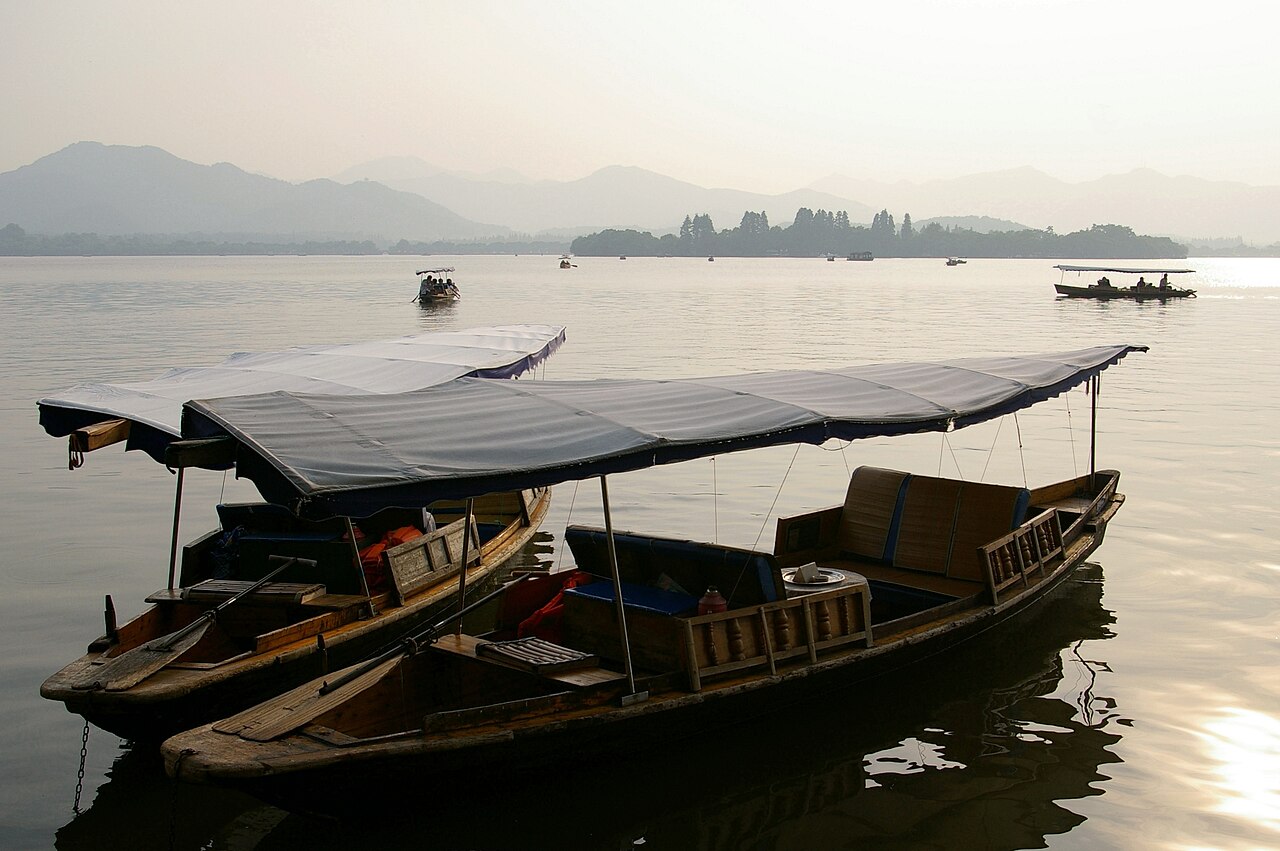
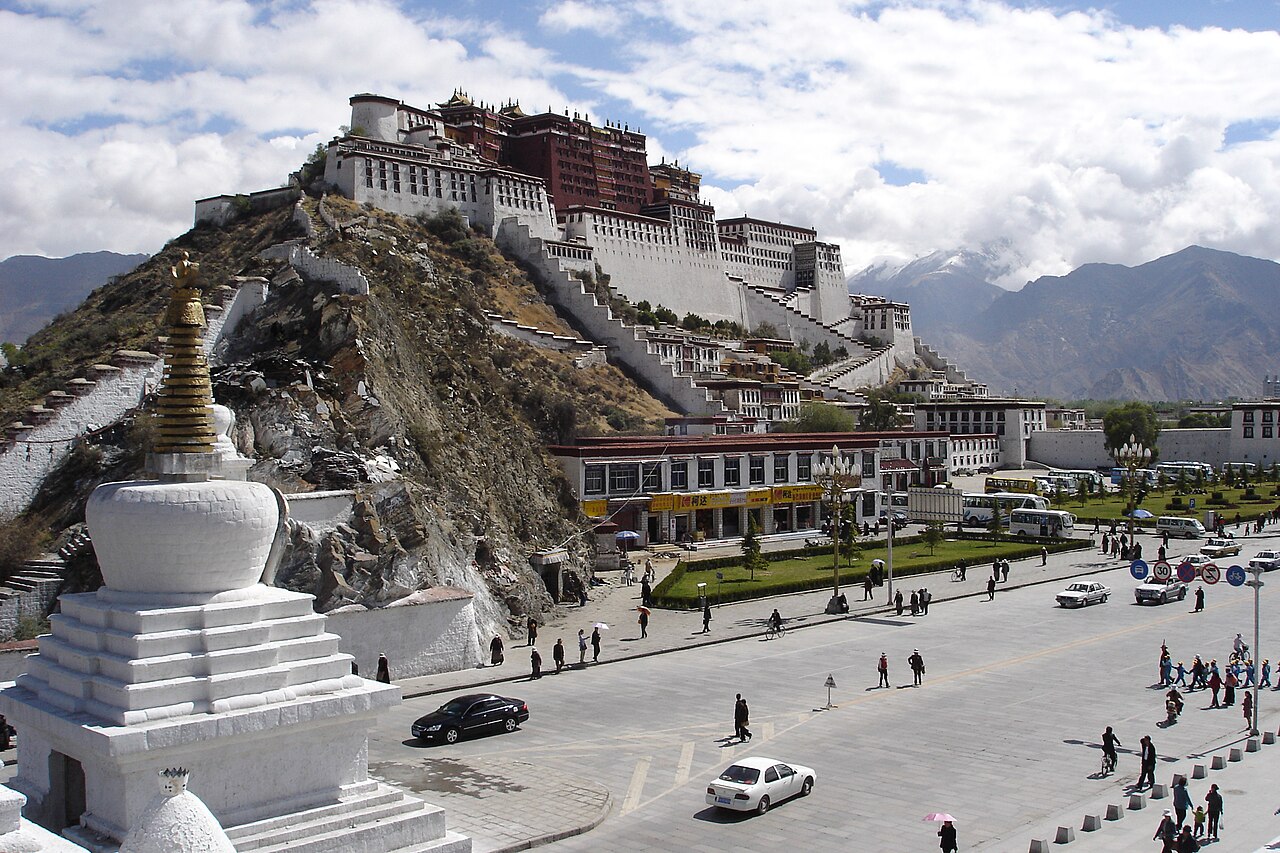
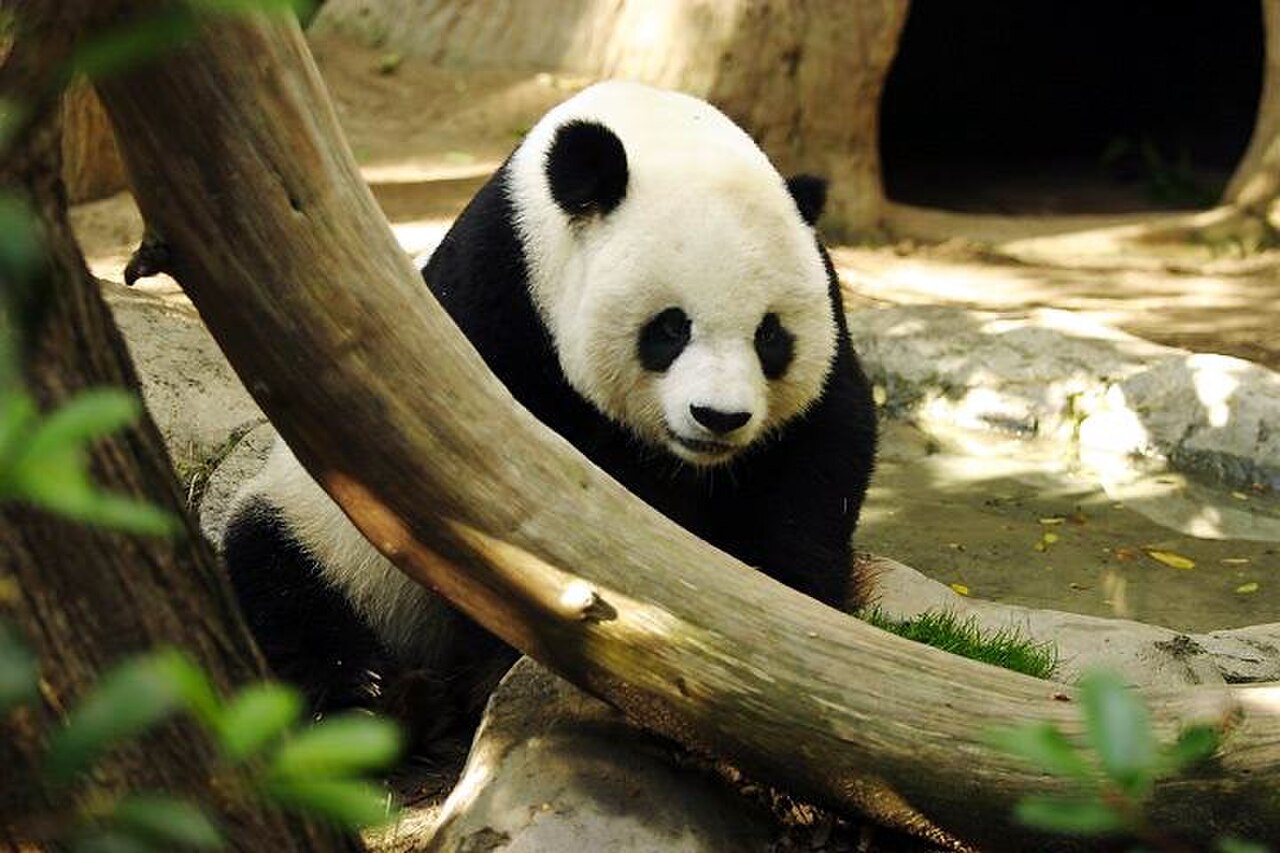
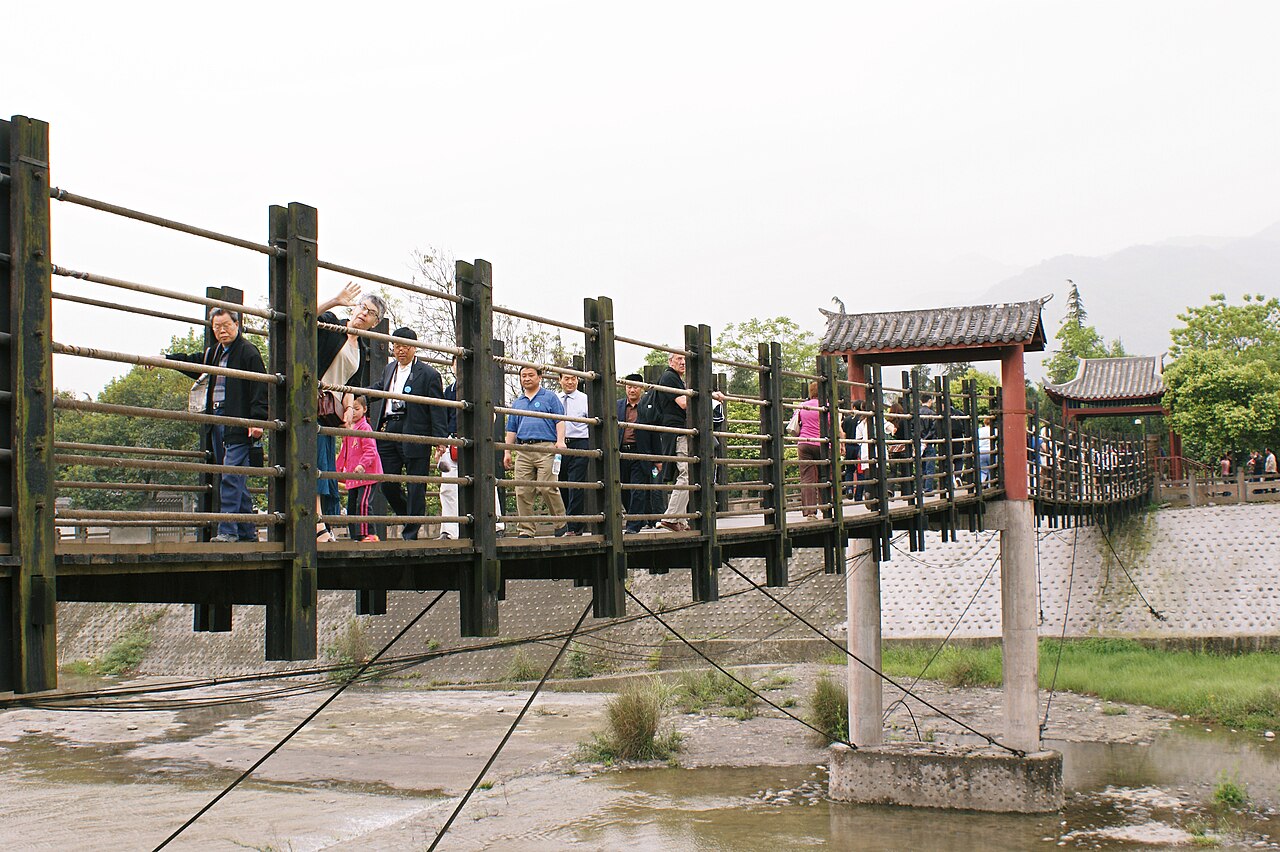
Five regions, one journey: imperial north, panda country, the karst rivers of Guilin and the skyline of Shanghai, with Hangzhou's West Lake.

★★★★★4.8 132 reviews

From US$2,580/per person

View tour

Getting there and away

From Chengdu, the intercity train from Chengdu North or Chengdu West runs to Qingchengshan station in about an hour for ¥15, and the station is served by local buses up to the front gate. Buses also run from Xinnanmen station direct to the front mountain (about ¥21), and bus 101 links Dujiangyan's passenger centre with Qingcheng Mountain in about 30 minutes. From the airport, take the rail link into Chengdu and then the intercity train out. Dujiangyan station and Qingchengshan station are themselves ¥5 and a few minutes apart on the same line.

Once at the mountain, the front gate leads to the Jianfu Palace and the temple route, with a cable car and the Yuecheng Lake ferry to take the steepness out of the climb; the back mountain is reached from Tai'an old town and walked on foot between its cable cars, with minibuses from the Qingchengshan rail station. The comfortable plan is the front mountain in the morning and Dujiangyan or the back mountain's low trails in the afternoon.

Best time to visit — Qingcheng Mountain

MonthWeatherCrowdsVerdict
January12°C / 4°C · cool, dampQuietGood
February14°C / 6°C · cool, dampVery busyGood
March18°C / 10°C · clear and mildModerateBest
April24°C / 16°C · clear and mildModerateBest
May28°C / 21°C · cool, dampBusyOK
June32°C / 25°C · very hot, humidModerateOK
July35°C / 28°C · cool, dampBusyAvoid
August34°C / 27°C · cool, dampBusyAvoid
September29°C / 23°C · very hot, humidModerateOK
October24°C / 17°C · clear and mildVery busyBest
November18°C / 11°C · clear and mildQuietBest
December13°C / 6°C · cool, dampQuietGood

How many days do you need?

One day covers one half of the mountain well. The front mountain takes most of a day: Jianfu Palace, the climb past the Natural Picture Pavilion, the cable car and Yuecheng Lake, Tianshi Cave, Shangqing Palace and the Laojun Pavilion. The back mountain also takes a day, walking the Wulong ravine and the falls out of Tai'an. If you have two days, do the front mountain one day and the back the next, then add Dujiangyan, 10 km away, for a third. Trying the front and back on the same day means one long slog and a lot of missed turns.

Plan these days properly

Frequently asked questions

Should I visit the front or the back of Qingcheng Mountain?

It depends what you want. The front mountain is the Daoist route — the temples, Tianshi Cave, Shangqing Palace and the summit — the reason Qingcheng matters, with more crowds and more stone steps. The back mountain is the wilder, wetter valley of gorges and waterfalls, quieter and more of a hike, and the one Chengdu locals choose for a slow weekend. If you only have one day, first-timers usually do the front; hikers often prefer the back.

How do I get to Qingcheng Mountain from Chengdu?

The intercity train is easiest, from Chengdu North or Chengdu West to Qingchengshan station in about an hour for ¥15, with local buses on to the front gate. Buses also run from Chengdu Xinnanmen station direct to the front mountain for about ¥21. If you are already at Dujiangyan, bus 101 takes about 30 minutes, and a ¥5 hop on the intercity line links the two.

When is the best time to visit Qingcheng Mountain?

April to October. July and August are the classic months, when the mountain is cool and green while Chengdu bakes, which is why locals treat it as their summer escape. March to May brings the mountain-climbing festival, and September the Daoist Culture Festival. Winter is misty, cheap and quiet — the moss and the temples look their best, but many trails are slippery.

Do I need the cable car at Qingcheng Mountain?

On the front mountain it saves a lot of steep, crowded climbing — the cable car is ¥35 one way or ¥60 return and crosses via Yuecheng Lake, and the local tip is to ride up and walk down, since the descent has the better views. The back mountain has two cable cars of its own, the Jinli (¥30 / ¥55) and the Baiyun (¥35 one way). The front mountain's Laojun Pavilion and the back mountain's falls both involve real climbing beyond the cable cars.

Is Qingcheng Mountain worth visiting?

Yes, especially if you combine it with Dujiangyan — a combined ticket is ¥180 and the two are 10 km apart, so they make the best two-day trip out of Chengdu. Qingcheng is the birthplace of Daoism rather than a grand scenic mountain, so come for temples, forest, mist and the famous 'quiet', not for dramatic peaks. If you want a hikers' mountain, do the back; if you want the history, do the front.

What is there to eat near Qingcheng Mountain?

Farmhouse cooking is the draw, and the back mountain's farmhouses do it best — ginkgo-and-chicken soup (a Qingcheng speciality), cured pork, wild vegetables and fresh river fish. In the town, try the 'four treasures of Qingcheng' (Daoist rice wine, tribute tea, pickles and the ginkgo-and-chicken soup) and the local chicken restaurants. It is simple, rural Sichuan cooking, and it is part of why people come.

Tell us your dates.
We'll do the rest.

Free itinerary design, a revised plan within one working day, and nothing charged until you approve the final version.

  • Free itinerary planning by a destination specialist
  • A revised draft within one working day
  • Nothing is charged until you approve the final version.

No spam. No sales calls. Just a real itinerary from a real person.