Qufu is a small city, and that is the point. Confucius was born here in the 6th century BC, it served as the capital of the state of Lu for eight centuries, and nearly everything you can walk into — the temple, the mansion, the cemetery — exists because of one family, who are still here. The centre is low, grey and low-rise: tall buildings are not permitted, so the old town keeps its scale and you can measure the place on foot.
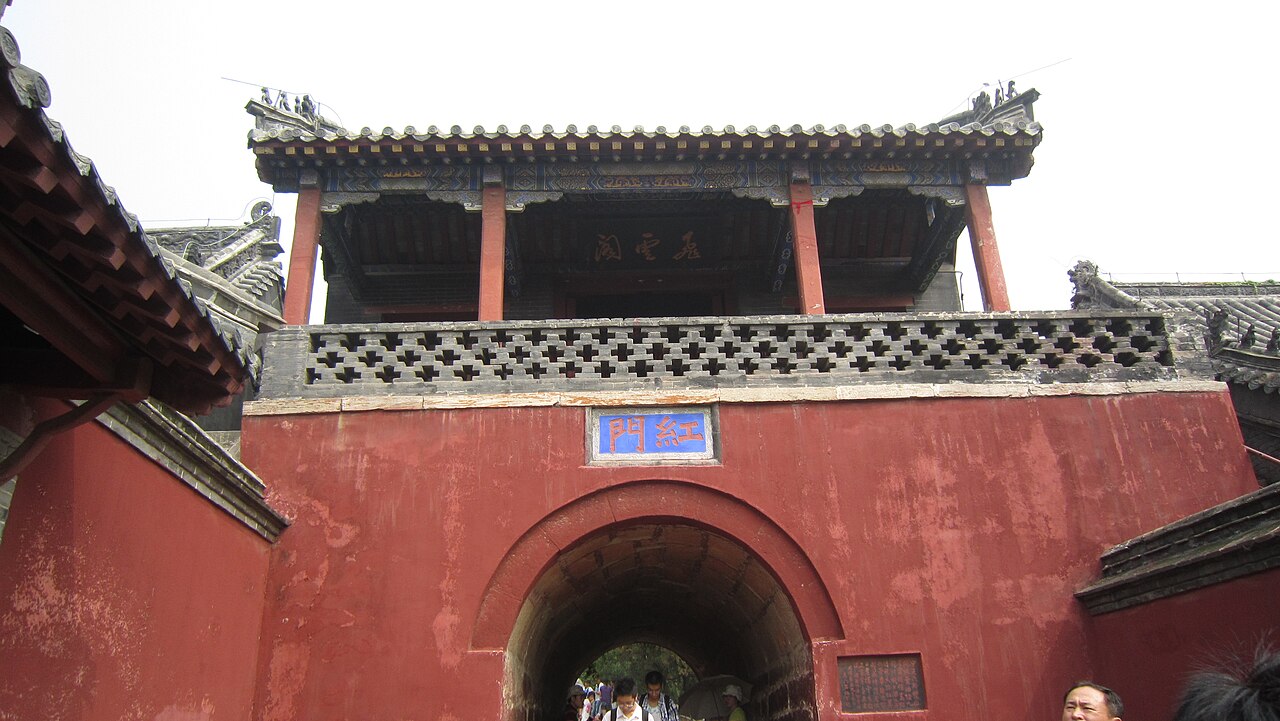
The Confucius Temple is the temple proper, the one emperors expanded for two thousand years, and the architect Liang Sicheng called it a unique case in the history of world architecture. The Mansion next door is where the eldest line of the family lived, an unusually complete example of a Chinese official residence fused with a private house: offices at the front, living quarters behind, a garden at the back. The Cemetery, north of the walls, is where the family has buried its dead for two thousand years.
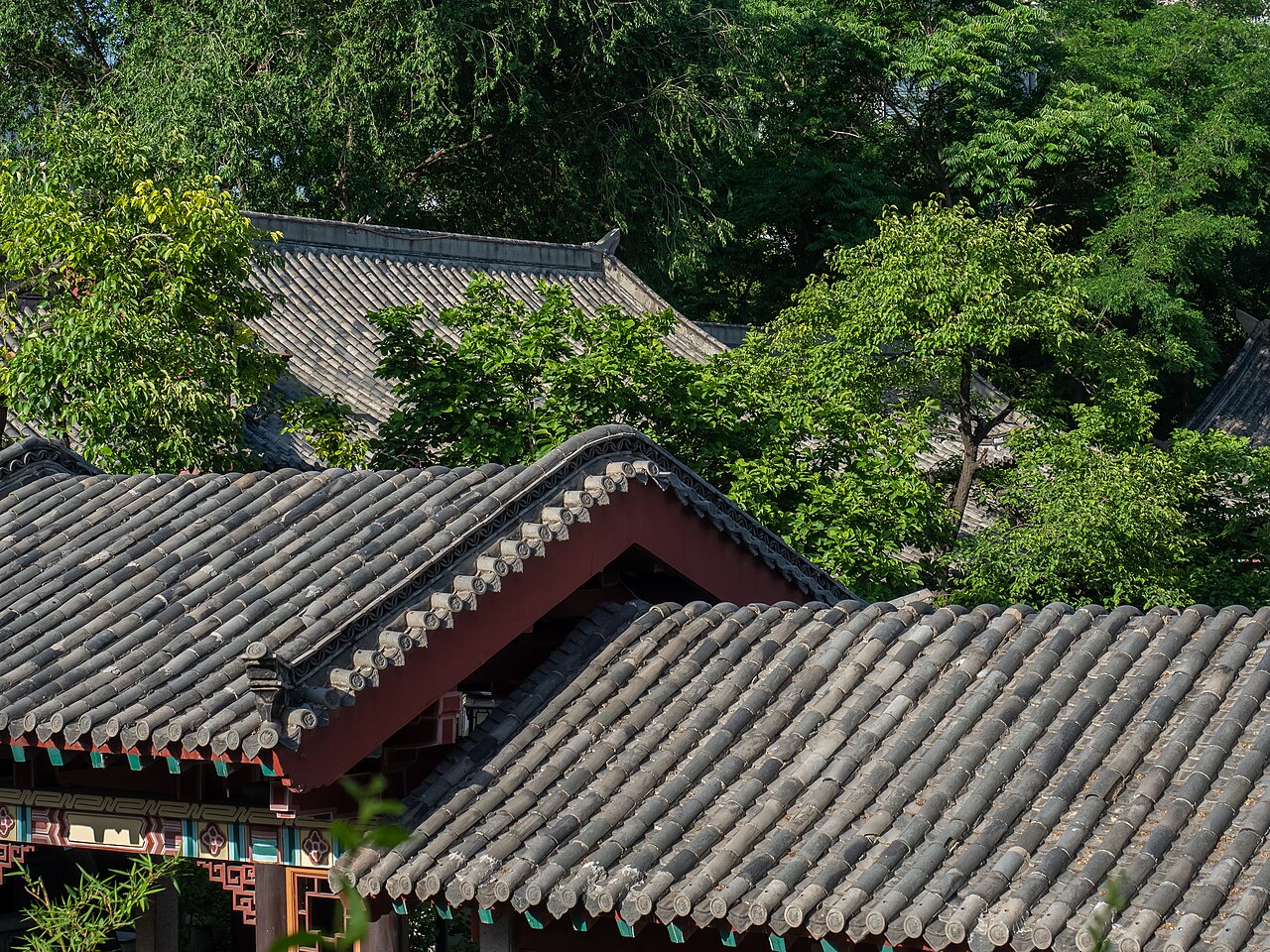
What makes it worth the detour is not the size of the buildings — though they are large — but the density of stone. The Temple holds the second great forest of steles in China; the Cemetery holds 3,600 more, from the Tang through the Qing. There is also a famous architectural joke to look for: in one corner the eaves of two buildings interlock so tightly that the phrase for it, gouxin doujiao, became the Chinese idiom for political scheming.
It is all walkable. The Temple takes two hours at a civilised pace, the Mansion one, the Cemetery one more if you walk to Confucius's grave rather than riding the ¥10 electric buggy. Come for the day from Jinan or Tai'an, or stay overnight so you can be at the south gate at 8am for the morning bell.