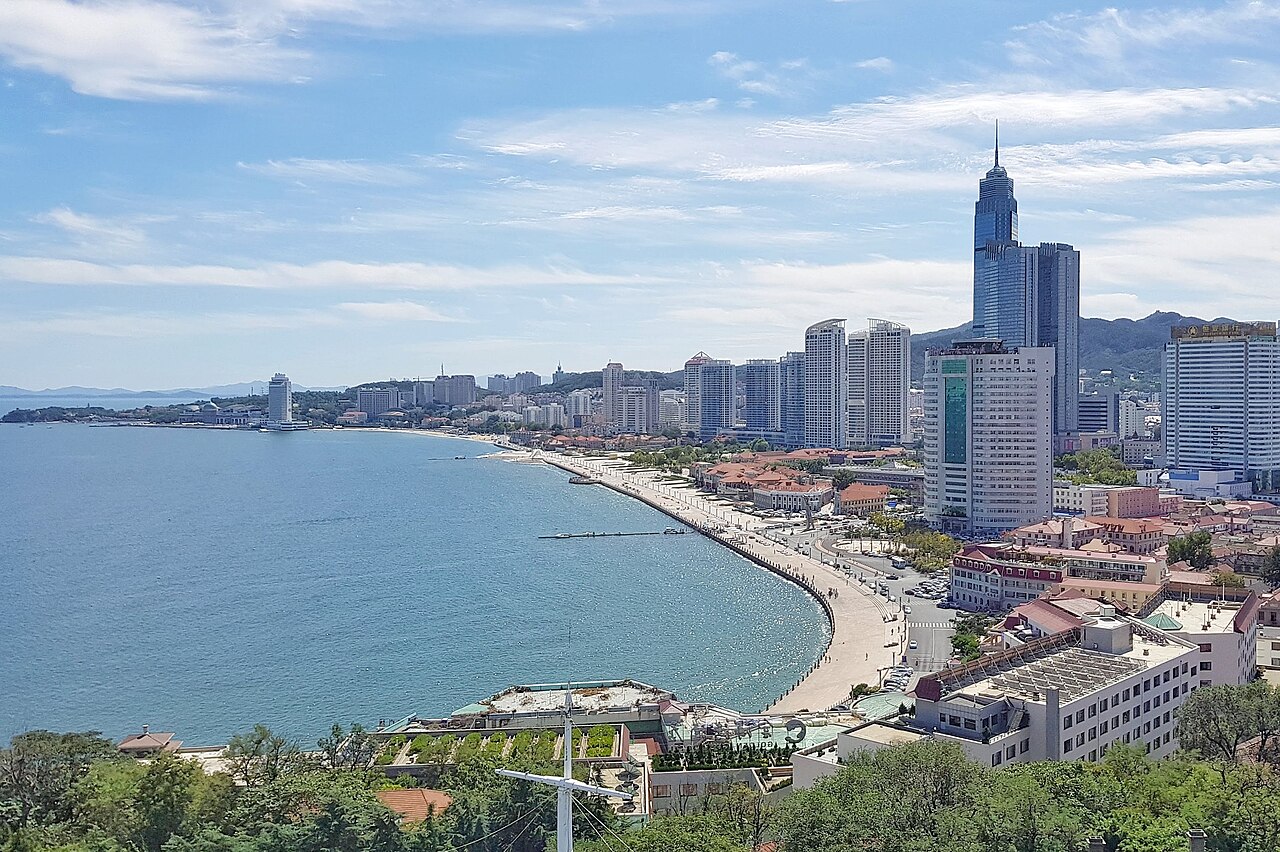
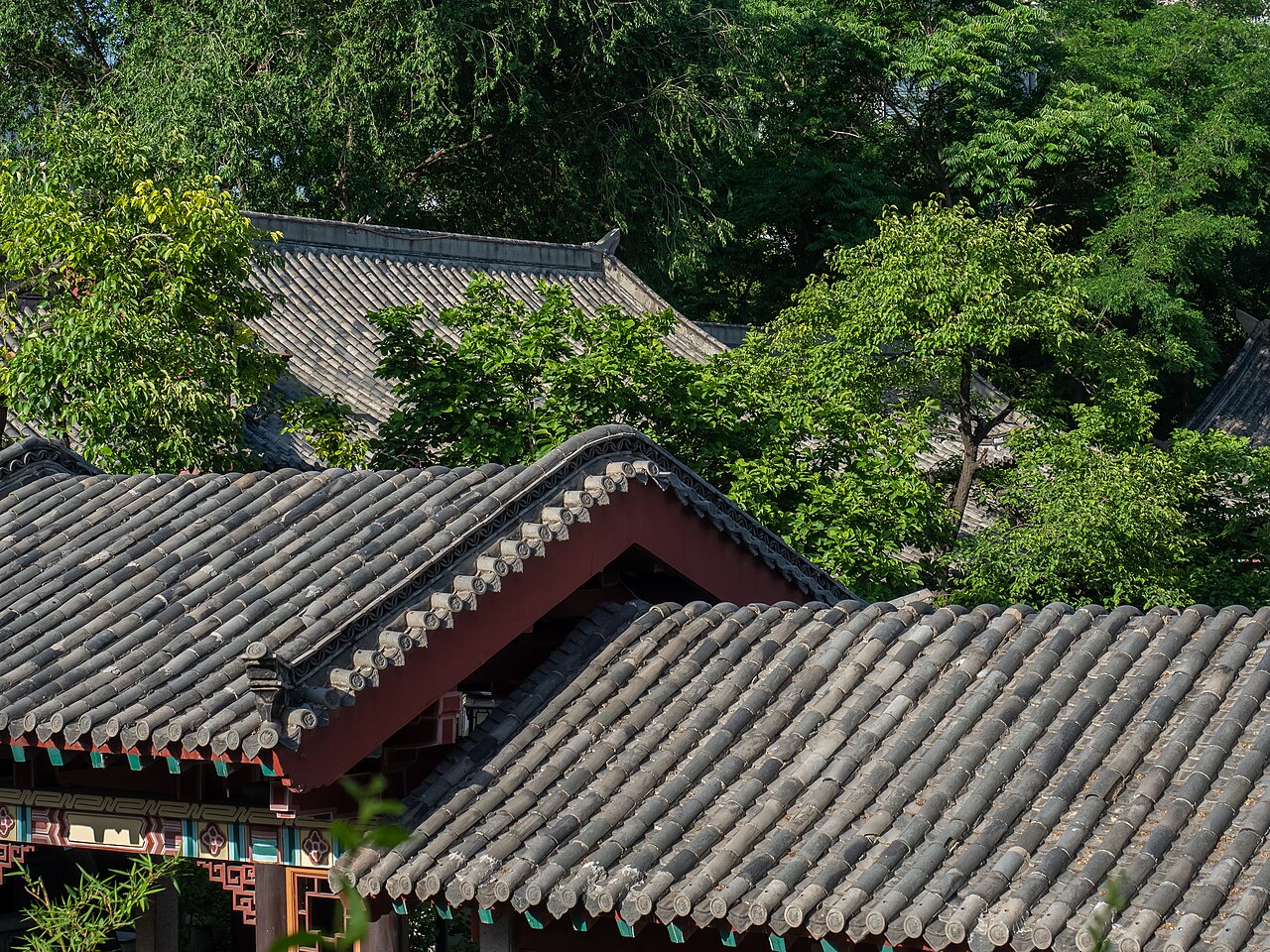
Qingdao is the one great Chinese port that people come to for pleasure rather than trade. It faces the Yellow Sea across Jiaozhou Bay, its old town climbs a chain of low green hills, and its signature is a colour scheme copied on postcards for a century: red-tiled roofs, green trees, blue sea, blue sky.
The German lease of 1897 left more than a railway: it left a whole quarter of villas, a Gothic cathedral and the brewery that became Tsingtao, founded in 1903. After the First World War the city became a flashpoint — the 1919 May Fourth Movement was triggered by the peace conference handing its former German concession to Japan — and in the 1930s it filled with writers: Lao She wrote much of Camel Xiangzi here, and Shen Congwen, Wen Yiduo and Liang Shiqiu all lived on these streets.
Today Qingdao is three cities in one. There is the handsome old town around Zhanqiao Pier and the Church of St Michael; the crisp new business city east along the harbour at May Fourth Square and the Olympic sailing marina; and, an hour out, the granite mountain of Laoshan, half national park, half temple, with the sea at its foot and its own spring water feeding the beer.
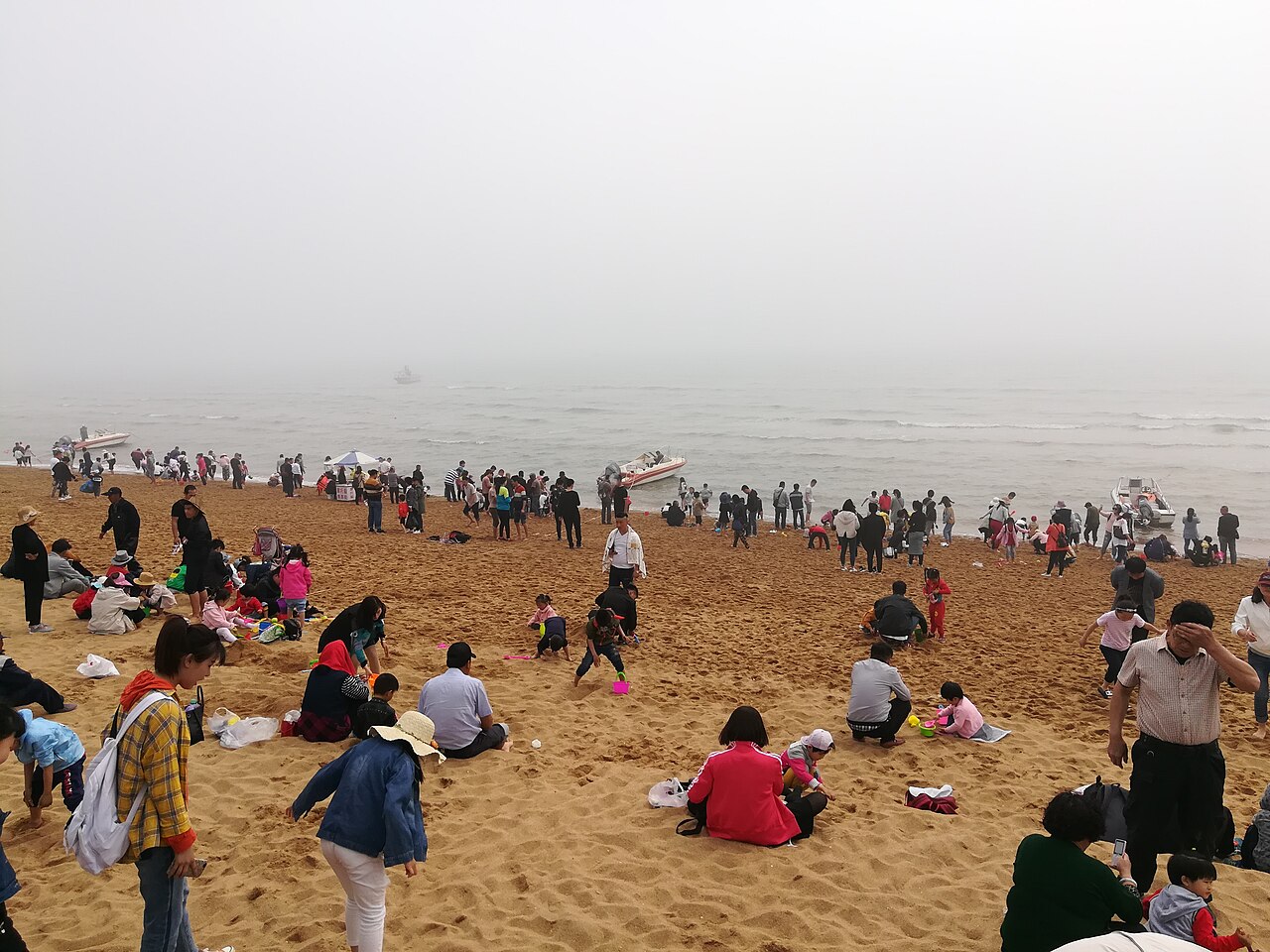
Its pleasures are simple and seasonal. Summer is for swimming, eating clams and drinking draught beer by the litre from a plastic bag; spring is for cherry blossom in Zhongshan Park; autumn is the calm, clear, crowd-free best of it. It is relaxed, walkable and easy — the most approachable big city in Shandong.