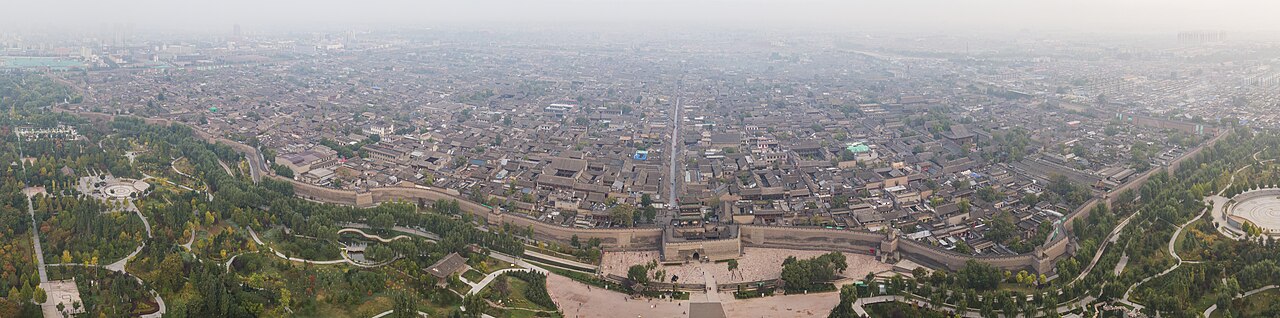
Taiyuan is an old city wearing a new coat. It has been a walled capital for about 2,500 years — as Jinyang under the Zhao, as the 'Dragon City' of the Tang, as the northern capital of the Ming — but the modern centre is a grid of broad avenues and glass towers, and most visitors treat it as a station on the way to somewhere older.
That is a mistake, because the things worth seeing here are among the best in the province. Jinci Temple, 25 km southwest, is a garden-and-temple complex that has been sacred since the Western Zhou and built up over a thousand years; its Song-dynasty hall shelters 43 painted clay figures, and its Never-Aging Spring has flowed at 17°C for as long as anyone has recorded.
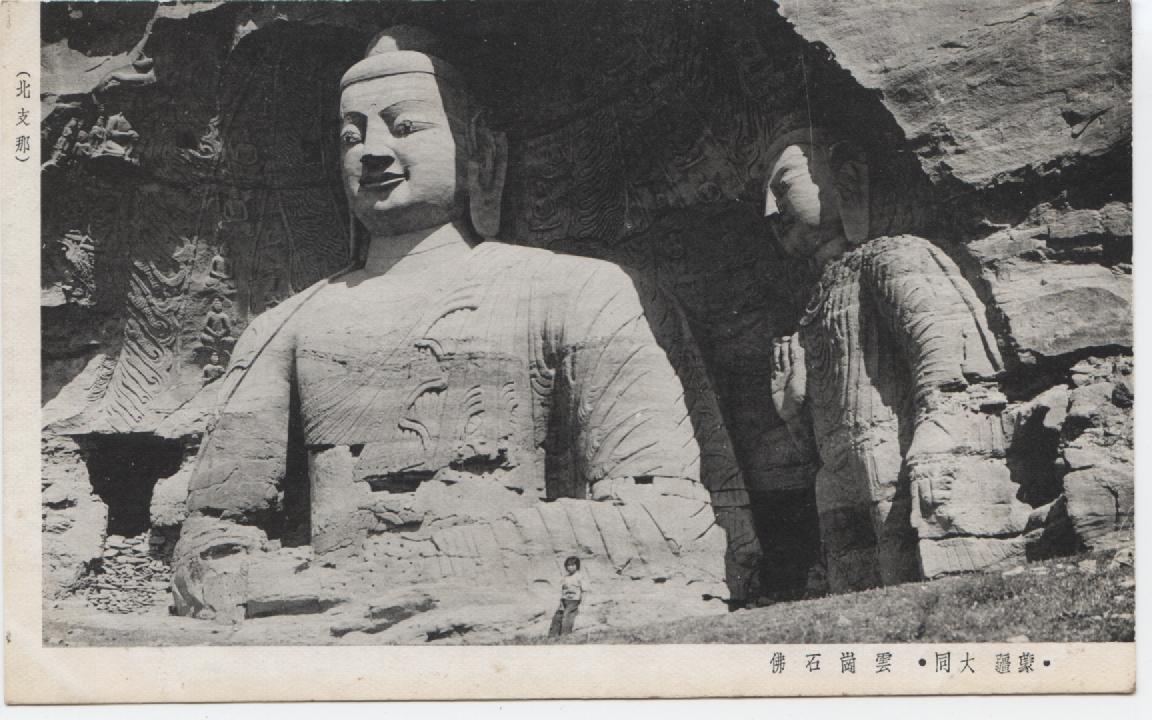
In the city, the Shanxi Museum is the single best place to make sense of everything you will see elsewhere in the province — its bronzes, jades, tomb figures and Buddhist sculpture are the thread that runs from Yungang to Pingyao. The Yongzu Temple, known as the Twin Pagoda Temple, gives the skyline its two brick towers and a summer garden of peonies.
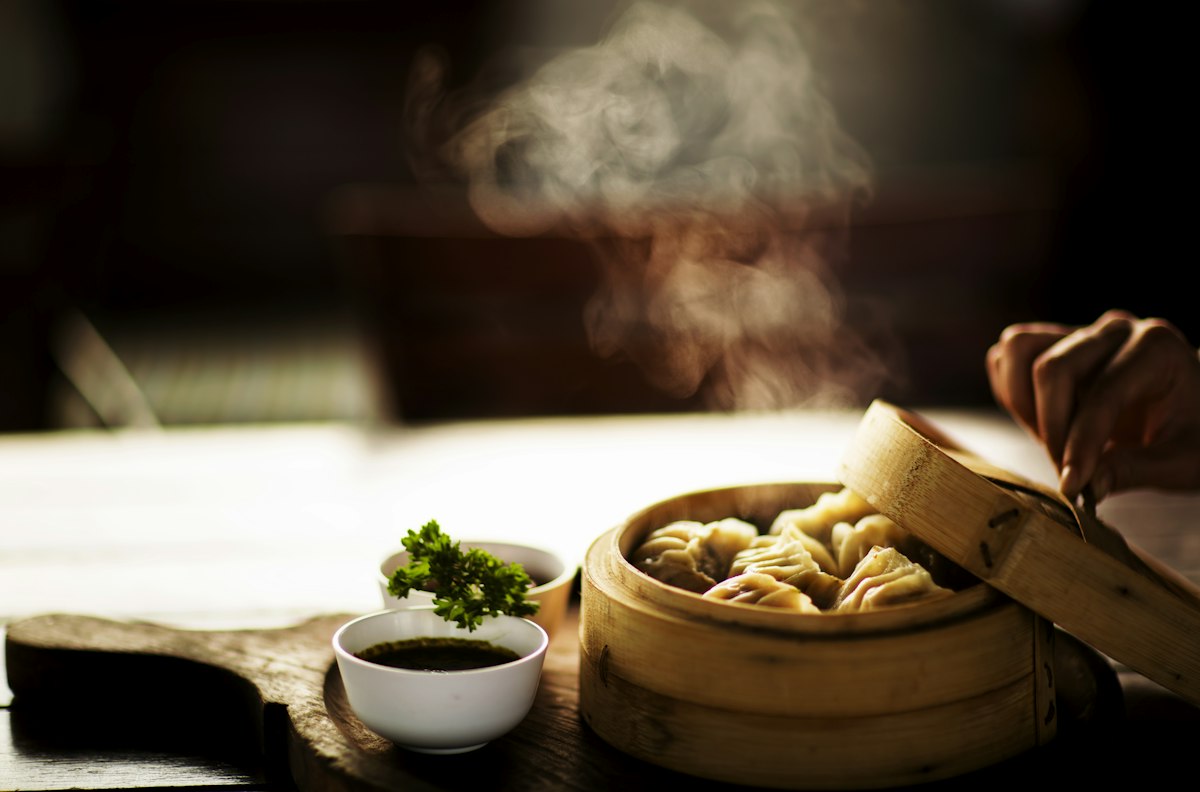
And then there is the food, which in Shanxi means noodles in a dizzying number of forms — pulled, shaved, sliced, pinched, rolled — plus aged vinegar and the strange, restorative mutton soup called toutou. Taiyuan is where you learn that 'noodles' in China is not one dish but a whole cuisine.