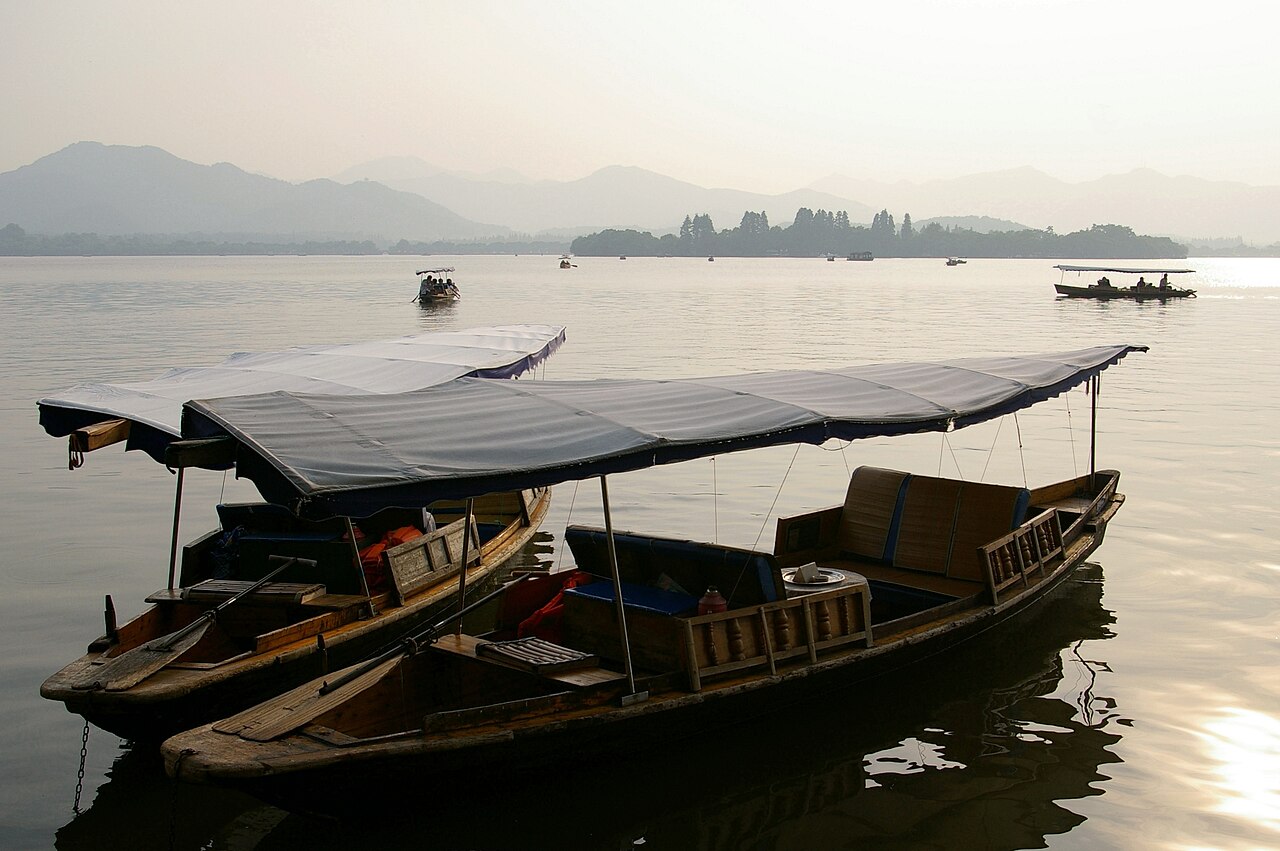
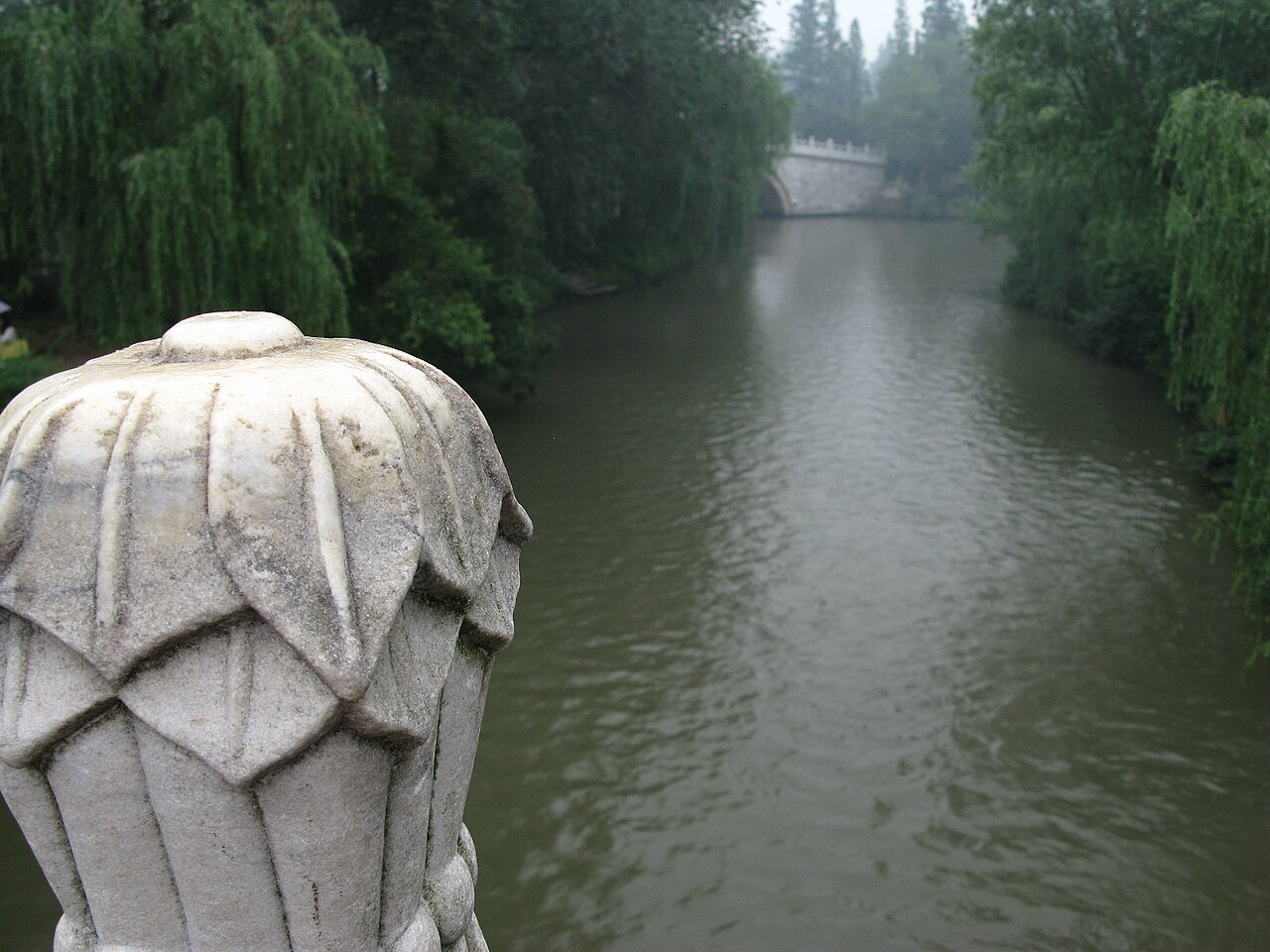
Wuxi is the Taihu Lake city, and Taihu is the whole point of it. The third-largest freshwater lake in China sits against its southern edge, the Yangtze runs to the north, the Grand Canal cuts straight through the middle, and the low hills of Xi Shan and Hui Shan rise right at the city's western edge. Water is not a backdrop here; it is the reason the city exists.
The name is a joke that went wrong — 'Wu' for the surrounding hills, 'xi' for tin, which the hills were said to hold until the tin ran out in the Han dynasty and left the place called 'no tin'. The real history is older and better: around 3,000 years ago Taibo, elder son of the Zhou king, walked out of the succession dispute at home and settled here, founding the state of Wu. In the Ming and Qing the reclaimed polders of the north made it one of the empire's granaries, and by the early 20th century its mills and silk filatures had made it one of China's first industrial towns.
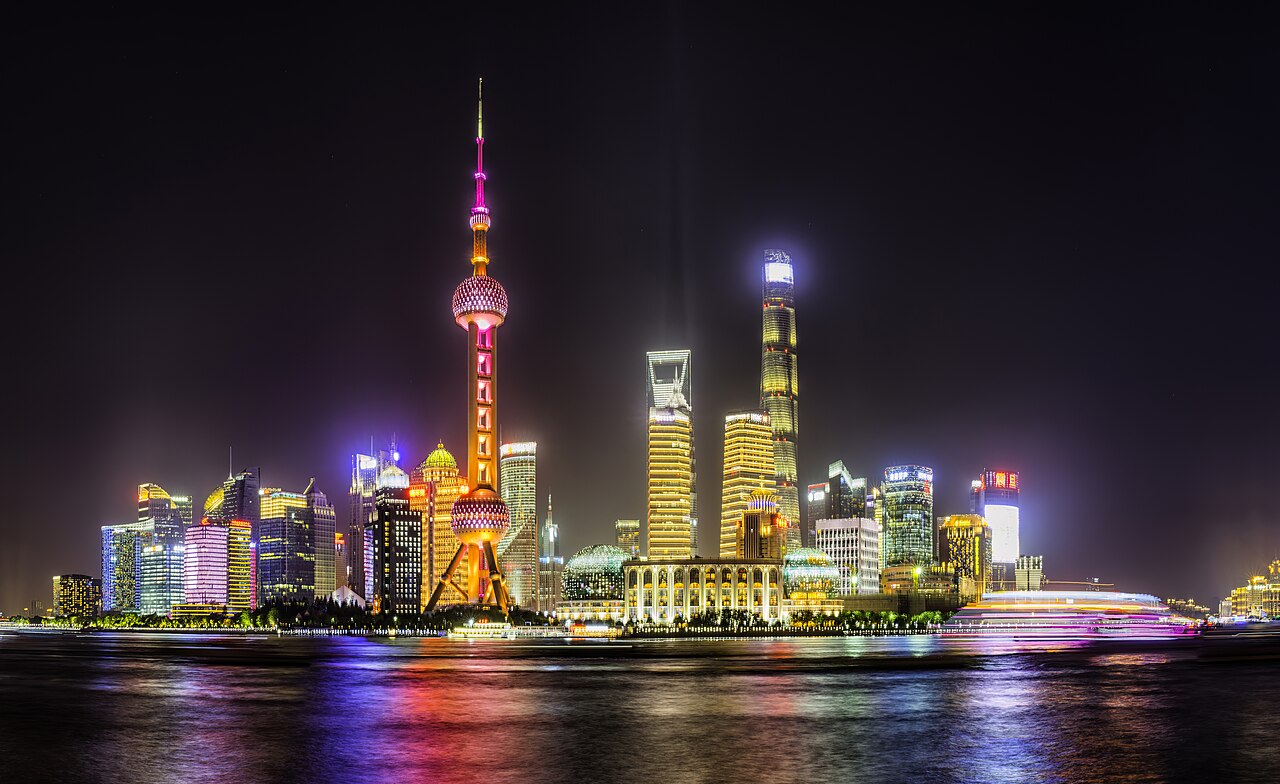
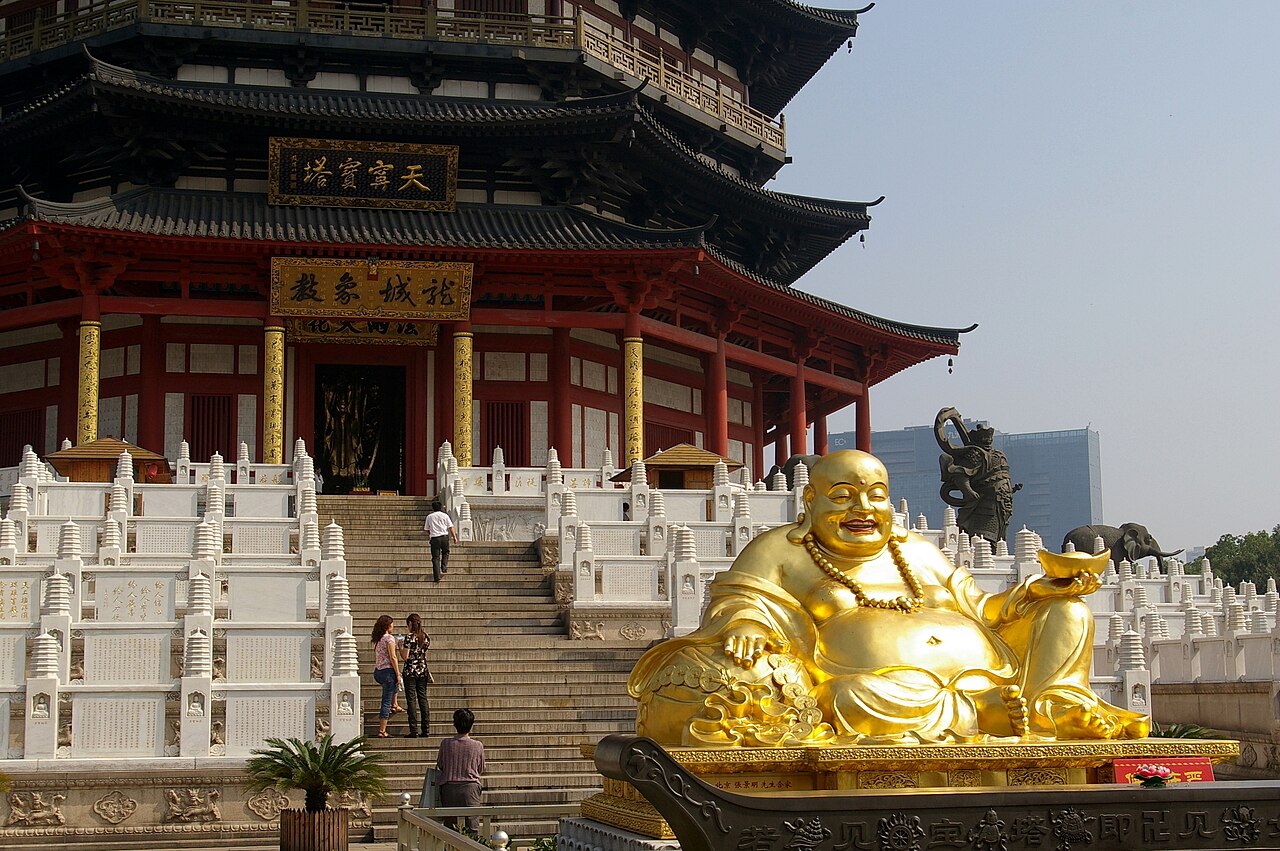
That split personality is what visitors actually see. On one side are classical gardens, temple halls, the canal and the old towns; on the other are wide new boulevards, a mountain of glass towers and one of the highest reported happiness levels in the country. It is a competitive, fast-working city that is also lovely to walk around.
For a visitor it divides cleanly into three days: the lake, the mountain-with-a-Buddha, and the old town-and-canal quarter. Add a fourth and you can reach Yixing's caves and bamboo sea to the south-west, or Jiangyin on the Yangtze, where the traveller Xu Xiake was born.